filter_list Showing 8 results for "HUM" close Clear
dashboard All 565 museum exhibitions 333article news 66article culture 40rate_review review 31article local 22article policy 20person people 19trending_up market 15candle obituary 10gavel restitution 8article satire 1
date_range Range Today This Week This Month All
Subscribe

South Carolina’s International African American Museum Officially Acquires Earliest Known Daguerreotypes of Enslaved Americans

South Carolina’s International African American Museum Officially Acquires Earliest Known Daguerreotypes of Enslaved Americans

The International African American Museum in Charleston, South Carolina, has officially acquired the "1850 Daguerreotypes," the earliest known photographs of enslaved Americans. The set of 15 images, taken by J.T. Zealy, depicts seven enslaved individuals—Alfred, Delia, Drana, Fassena, Jack, Jem, and Renty—and had been held by Harvard University until a recent legal settlement. Harvard had owned the daguerreotypes since they were commissioned in 1850 by natural historian Louis Agassiz.
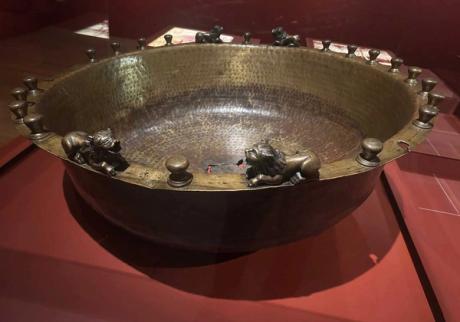
How did a 16th-century European basin end up as a sacred object in West Africa?

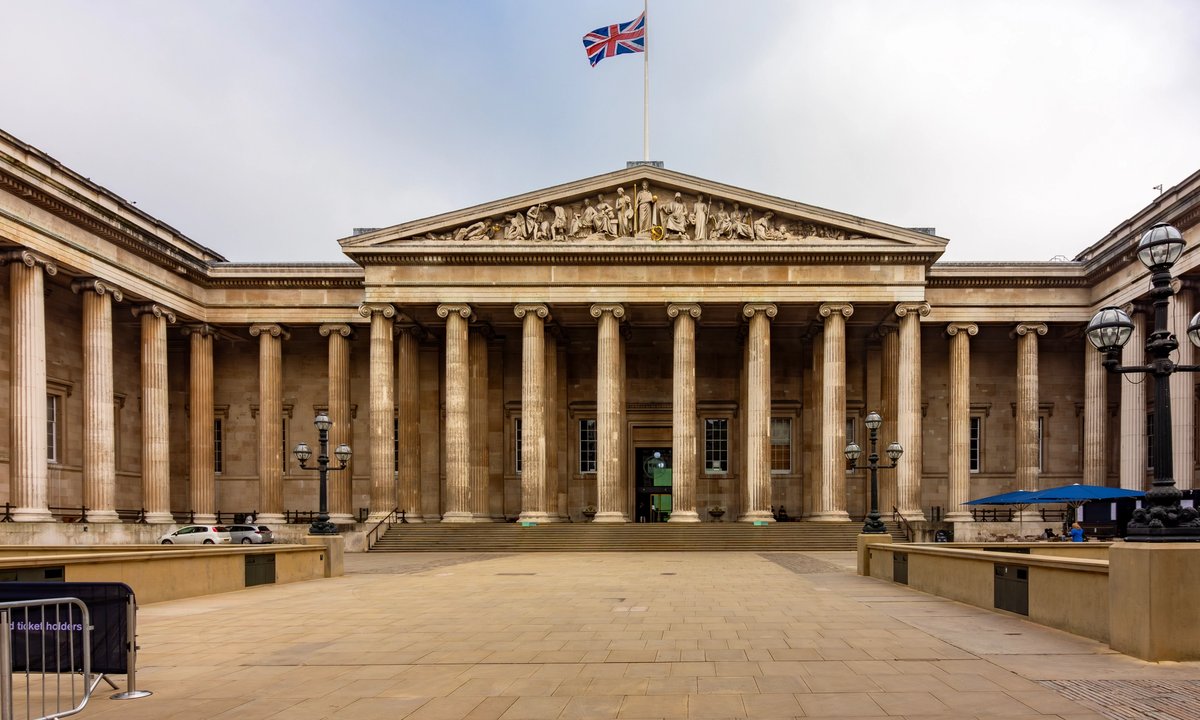
The Aya Kese, a massive 16th-century northern European brass basin, is currently on display at the British Museum while its complex history remains under scrutiny. Looted by British officer Robert Baden-Powell in 1896 from the Asante kingdom’s royal mausoleum in present-day Ghana, the object was long sensationalized by colonial accounts as a vessel for human sacrifice. Recent scholarship and historical records from Asante King Prempeh I contest these claims, asserting the basin’s sacred role as a spiritual repository for the souls of the Asante people.

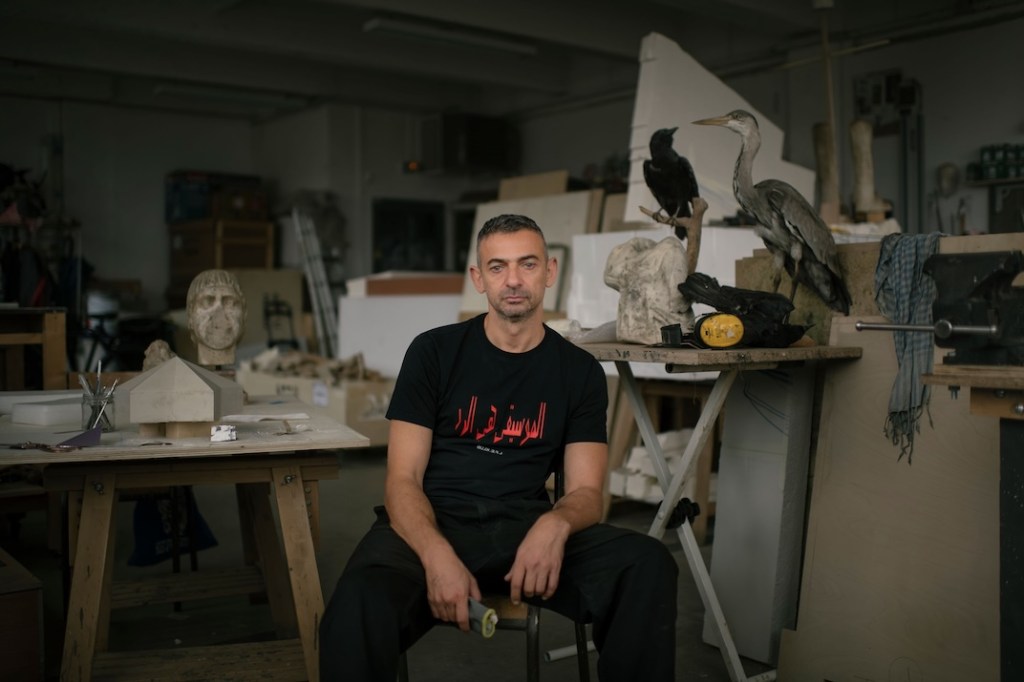
Lebanese Artist Ali Cherri Files War Crimes Complaint Against Israel After 2024 Beirut Bombing

Lebanese artist Ali Cherri, with the International Federation for Human Rights (FIDH), has filed a civil complaint in France seeking an investigation into an Israeli airstrike on a Beirut residential building in November 2024. The strike killed seven civilians, including Cherri's parents. The complaint, supported by forensic analysis from Forensic Architecture and Amnesty International, alleges the attack used munitions documented as being employed by the Israeli air force and targeted a civilian object, potentially constituting a war crime.

More UNESCO-Listed Sites Damaged by Airstrikes in Iran

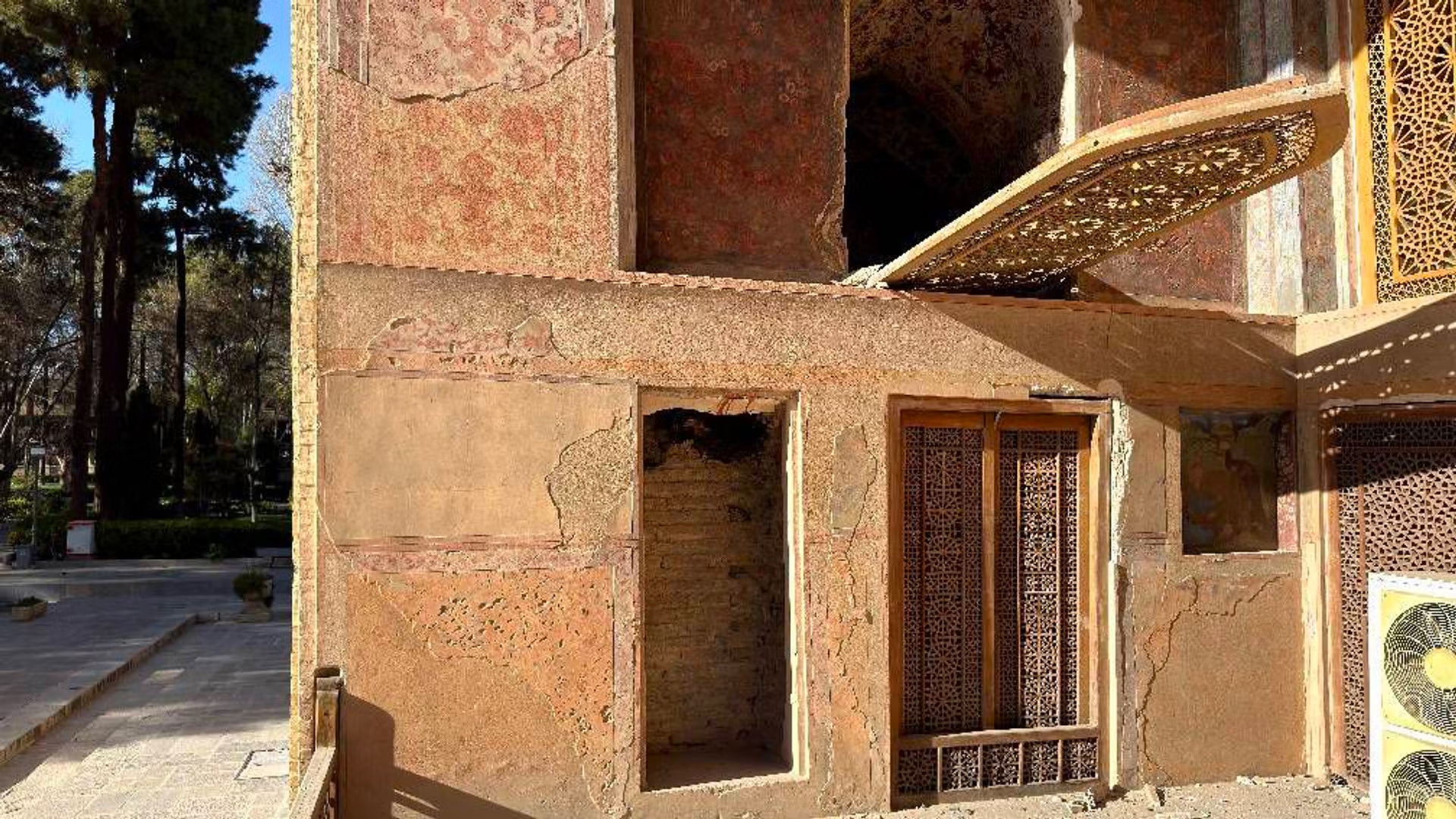
Multiple UNESCO World Heritage sites in Iran, including the 17th-century Chehel Sotoun palace in Isfahan, have sustained significant damage from recent US-Israeli airstrikes. The attacks shattered historic windows, doors, and decorative tiles at several monuments in Isfahan's historic center, and also damaged the third-century Falak-ol-Aflak Citadel, despite the display of protective Blue Shield emblems.

UK Museums Face Criticism For Collections Of Human Remains

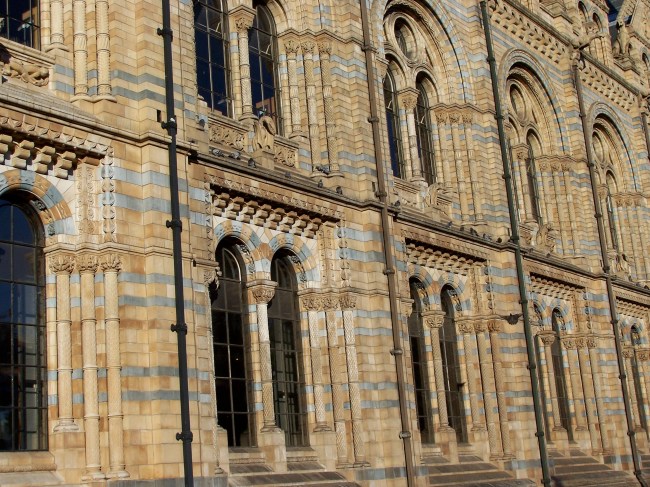
A Guardian investigation revealed that 241 UK museums, universities, and councils collectively hold over 263,000 items of human remains, with at least 37,000 originating from overseas, including former British colonies. The Natural History Museum in London houses the largest collection of non-European remains, followed by the University of Cambridge and the British Museum. Records are often incomplete, with the origins of 16,000 items unconfirmed and many institutions unable to provide exact figures due to poor documentation.

germany colonial era art restitution morning links march 31 2026 1234779464

Germany has established a new governmental body, the Coordination Council for Returns of Cultural Property and Human Remains from Colonial Contexts, to streamline the restitution of artifacts and remains acquired during the colonial era. The council, comprised of federal, state, and municipal leaders, aims to fulfill long-standing pledges to repatriate objects that were unfairly taken from former colonies, addressing a process that has frequently stalled in recent years.

scholars and mps slam uk museums as unethical and sacrilegious for holding vast collections of human remains 1234777195

A major investigation has revealed that UK museums and universities hold more than 263,000 human remains, including at least 37,000 sourced from overseas and former British colonies. The findings indicate that many institutions lack proper documentation, with thousands of items stored anonymously in cardboard boxes or mixed together, often in violation of government guidelines regarding respectful handling and transparency.

Mummies and other human remains held in UK museums raise serious ethical questions, warn scholars

A major investigation has revealed that UK museums, universities, and local authorities hold more than 263,000 human remains, including mummies, skeletons, and skulls. Of these, approximately 37,000 originate from overseas, largely from former British colonies, often acquired without consent. The findings have sparked intense criticism from scholars and curators who argue that the sheer scale of these collections reflects a distressing colonial legacy and necessitates a systemic shift toward repatriation and more ethical storage practices.