filter_list Showing 12 results for "Hall" close Clear
search
dashboard All 1458 museum exhibitions 909article local 129article culture 124article news 92rate_review review 58person people 39candle obituary 38trending_up market 37article policy 20gavel restitution 12
date_range Range Today This Week This Month All
Subscribe

A Lucas Cranach the Elder Masterpiece Once Hung in Hitler’s Munich Apartment

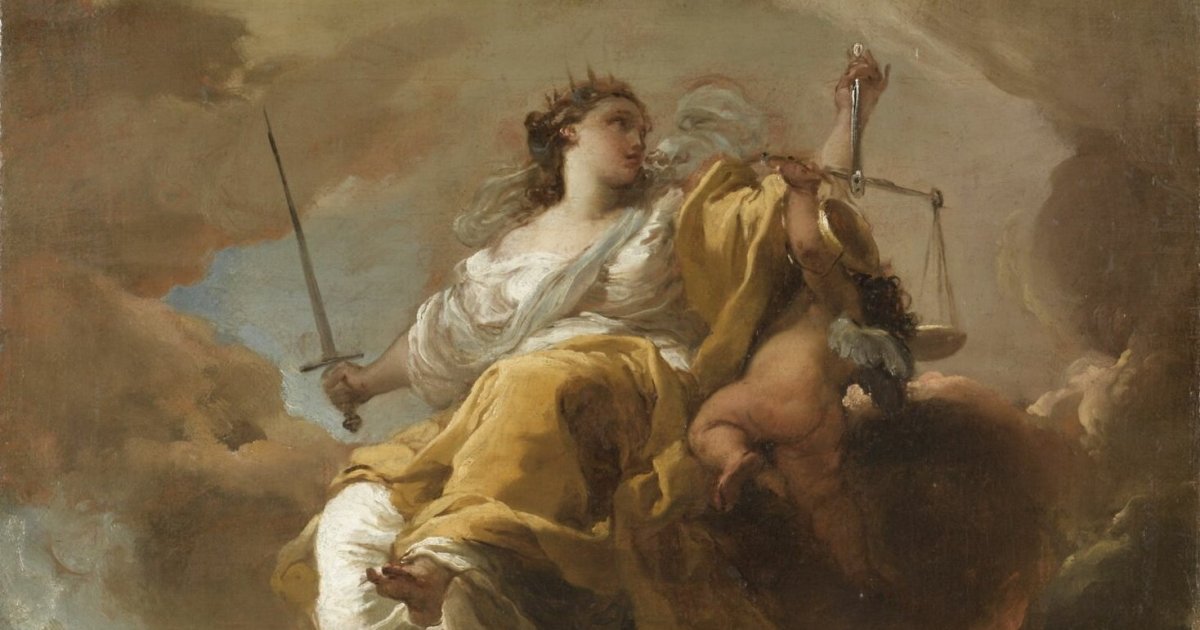
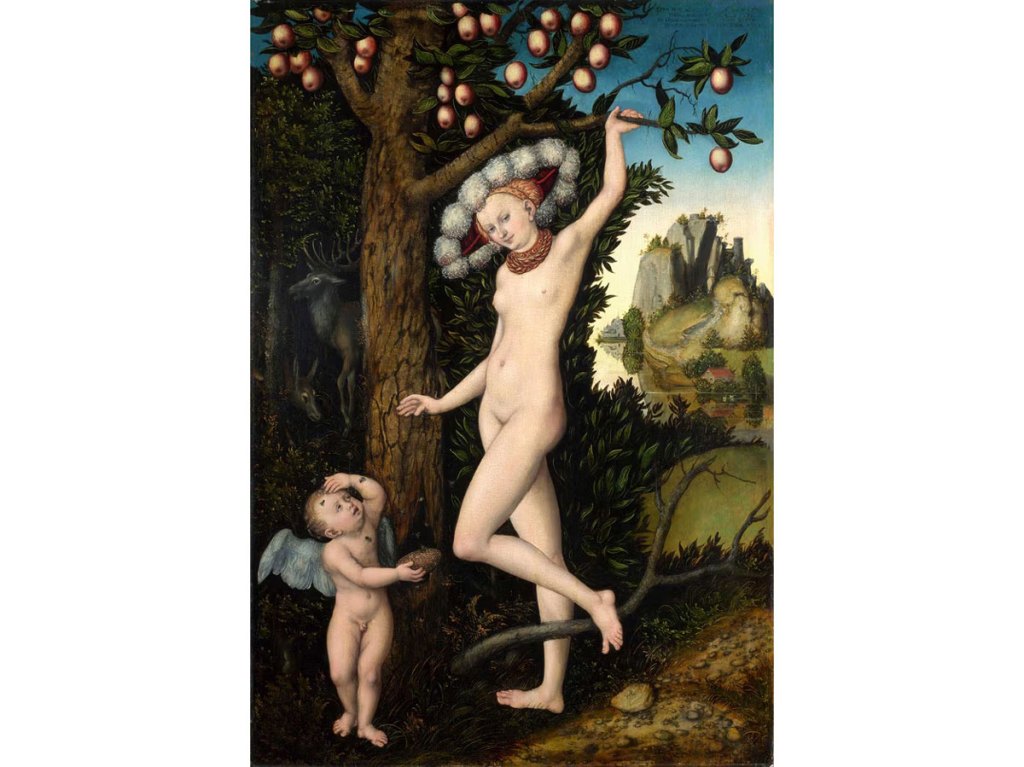
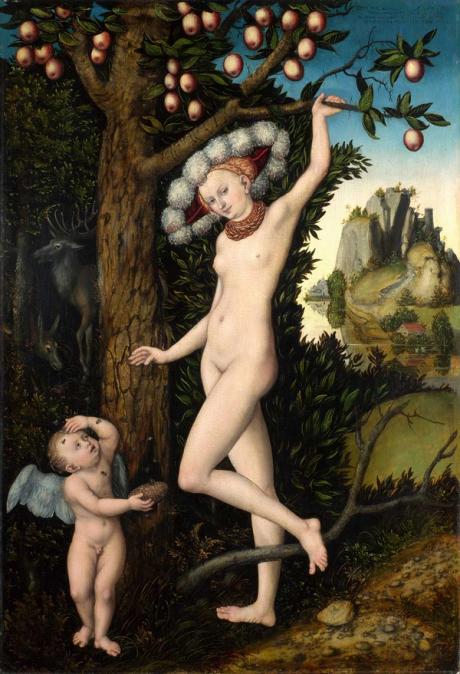
A Lucas Cranach the Elder painting, *Cupid complaining to Venus* (1526–27), once hung in Adolf Hitler's Munich apartment, according to a report by the Art Newspaper. The work was identified in a 1940s photograph published in a 1978 furniture catalog and later in a 2023 article by art historian Birgit Schwarz, who confirmed Hitler's ownership via a 2006 discovery of an album at the Library of Congress. After World War II, American journalist Patricia Lochridge took the painting from a warehouse in Berchtesgaden and smuggled it to the US. The National Gallery in London acquired it in 1963 from A. Silberman Galleries, which falsely claimed it came from the 1909 auction buyer's heir; it had actually been purchased from Lochridge.
Famous Cranach painting spotted in rare photograph of Hitler’s apartment

A rare photograph from the early 1940s reveals that Lucas Cranach the Elder's painting *Cupid complaining to Venus* (1526-27), now a masterpiece in the National Gallery, London, once hung in Adolf Hitler's private Munich apartment. The image, previously published in Germany by provenance expert Birgit Schwarz, appears for the first time in an English-language publication. The painting was acquired by the National Gallery in 1963 from E. and A. Silberman Galleries in New York, which provided a false provenance. It had been taken from a warehouse of recovered art in 1945 by American journalist Patricia Lochridge, who smuggled it into the United States.

Portrait looted by Nazis found in home of Dutch SS leader’s family

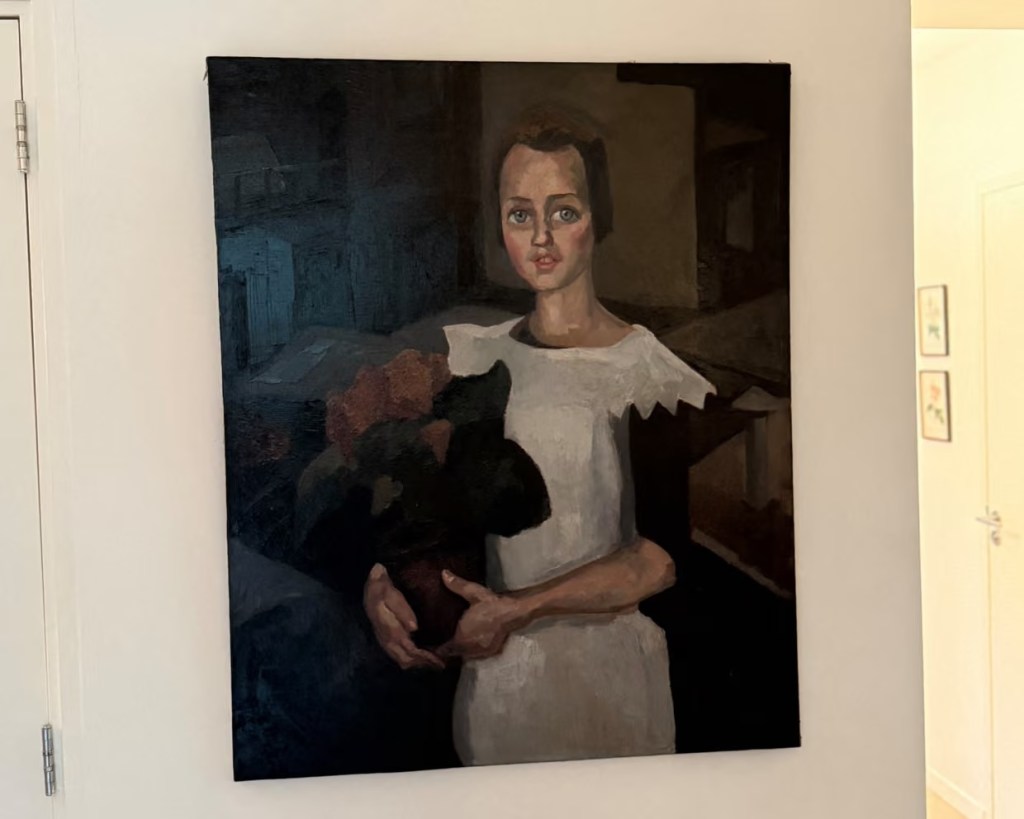
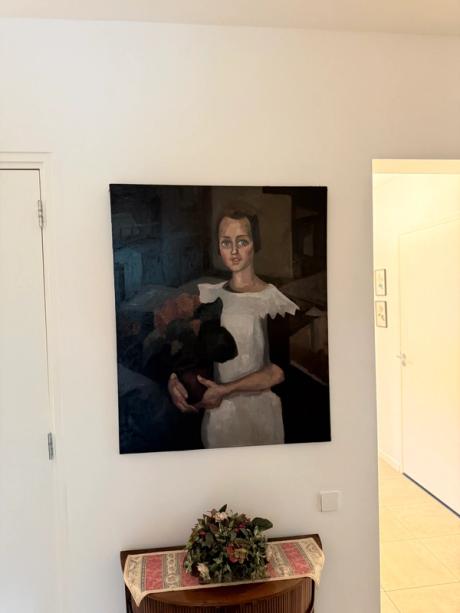
An artwork looted by the Nazis from the renowned Goudstikker collection has resurfaced in the home of descendants of Hendrik Seyffardt, a notorious Dutch SS collaborator. The painting, *Portrait of a Young Girl* by Toon Kelder, was discovered by art detective Arthur Brand after a family member contacted him, revealing that the piece had hung for decades in the home of Seyffardt’s granddaughter. Brand traced the painting to a 1940 auction where part of the looted Goudstikker collection was sold, and lawyers for the Goudstikker heirs have confirmed the work was stolen and called for its return.

France reckons with Nazi-looted art in a new Paris museum gallery

France has opened a new permanent gallery at the Musée d'Orsay in Paris dedicated to displaying Nazi-looted artworks that remain unclaimed. The gallery features 13 works from the MNR (Musées Nationaux Récupération) collection, including a painting by Alfred Stevens originally destined for Hitler's planned museum in Linz. The display is the first in the museum's history to show the backs of paintings, revealing stamps, labels, and inventory marks that trace how each piece moved from private Jewish homes into Nazi hands. The museum also launched its first research unit to trace rightful heirs, led by Ines Rotermund-Reynard.

No, the courts have not cleared the way for contemporary stained-glass windows at Notre-Dame

Non, la justice n'a pas laissé la voie libre aux vitraux contemporains de Notre-Dame

The article clarifies that legal challenges against installing contemporary stained-glass windows in Notre-Dame Cathedral are still ongoing, contrary to misleading headlines. Two judicial procedures remain active: an appeal by the heritage association Sites & Monuments after losing a first-instance ruling on procedural grounds, and a separate case contesting the legitimacy of the works themselves. Although an emergency injunction was denied because the judge found no urgency, the core legal arguments—that replacing Viollet-le-Duc's windows is not conservation or restoration—remain strong. The author warns that if the windows are installed before the appeals are resolved, they may later have to be removed at great expense.

Fifty years after Franco, Spain begins to give back art seized during the Civil War

A 2022 Spanish law has quietly triggered a wave of restitutions of art looted during the Spanish Civil War, more than 50 years after dictator Francisco Franco's death. The Museo del Prado has identified 166 confiscated artworks in its collection, including works by Joaquín Sorolla and Pedro Atanasio Bocanegra, and has begun returning pieces such as a panel painting by Maestro de Lupiana to the parish of Yebes. Scholar Arturo Colorado Castellary has uncovered over 26,000 confiscated objects, with around a third never returned to their owners, many deposited in museums, churches, and public administrations.

David Nahmad maintains that his Modigliani was not looted by the Nazis

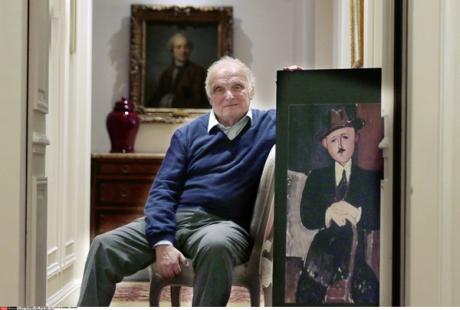
David Nahmad is continuing his legal battle to prove that his Modigliani painting, *Seated Man with a Cane* (1918), was not looted by the Nazis from the Jewish dealer Oscar Stettiner. Despite a recent New York ruling against him, Nahmad’s lawyers have filed a motion to review the case based on new eyewitness testimony. Two witnesses claim the painting they saw in the Van der Klip family—which bought the Nazi-looted work in 1944—is completely different from Nahmad’s painting, lacking a seated man or a cane. Nahmad’s legal team also cites a 1946 French bailiff report and a recent catalogue raisonné by Marc Restellini to argue that Mondex, the restitution firm working for Stettiner’s heirs, misidentified the work.

Nazi-Looted Portrait Surfaces in Home of Descendants of Dutch SS Leader

A Nazi-looted painting, *Portrait of a Young Girl* by Dutch artist Toon Kelder, has been discovered in the home of descendants of Hendrik Seyffardt, a Dutch SS collaborator who aided the Nazis during World War II. The work, stolen from the renowned Goudstikker collection, was allegedly displayed for decades by Seyffardt's family. An anonymous descendant contacted art detective Arthur Brand after learning of his family's past and seeing the painting in the hallway of Seyffardt's granddaughter. The family member told Dutch newspaper *De Telegraaf* that he feels "deep shame" and insists the painting must be returned to the Jewish rightful heirs.

Who Owns These Artworks? Musée d’Orsay Hopes Visitors Can Help Find Out.

The Musée d’Orsay in Paris has opened a new room in its permanent display featuring 13 artworks recovered from Germany and Austria after World War II, whose provenance remains unknown. The museum is inviting visitors to help identify the original owners of these pieces, which were looted or displaced during the war and later restituted to France.

Nazi-looted painting discovered in home of Dutch SS commander's heirs

Art detective Arthur Brand announced the discovery of a Nazi-looted painting, *Portrait of a Young Girl* by Toon Kelder, in the home of the heirs of Hendrik Seyffardt, a notorious Dutch SS commander. The painting was part of the more than 1,100 works plundered from Amsterdam art dealer Jacques Goudstikker by German occupiers. An anonymous heir, who changed his family name, contacted Brand after learning of his ancestry, expressing shame and demanding the painting be returned to the rightful Jewish owners. The current owner, a relative, claims ignorance of its provenance and says the family is discussing restitution.

Les États-Unis restituent près de 300 biens culturels à l’Italie

Italy presented 337 cultural artifacts repatriated from the United States at the Caserma "La Marmora" in Rome, following operations between December 2025 and April 2026. The objects span from the 5th century BCE to the 3rd century CE, including Roman sculptures, bronze works, pottery, jewelry, coins, and architectural fragments. Among the notable pieces is a marble head attributed to Alexander the Great, stolen from a Roman museum in 1960, and a bronze sculpture looted from Herculaneum. The recovery involved the Manhattan District Attorney's office, the FBI, Homeland Security Investigations, and Christie's New York, with 221 items seized through the DA's collaboration and 116 returned in April.

Investigators search again for stolen Celtic gold treasure

Ermittler suchen erneut nach gestohlenem Kelten-Goldschatz

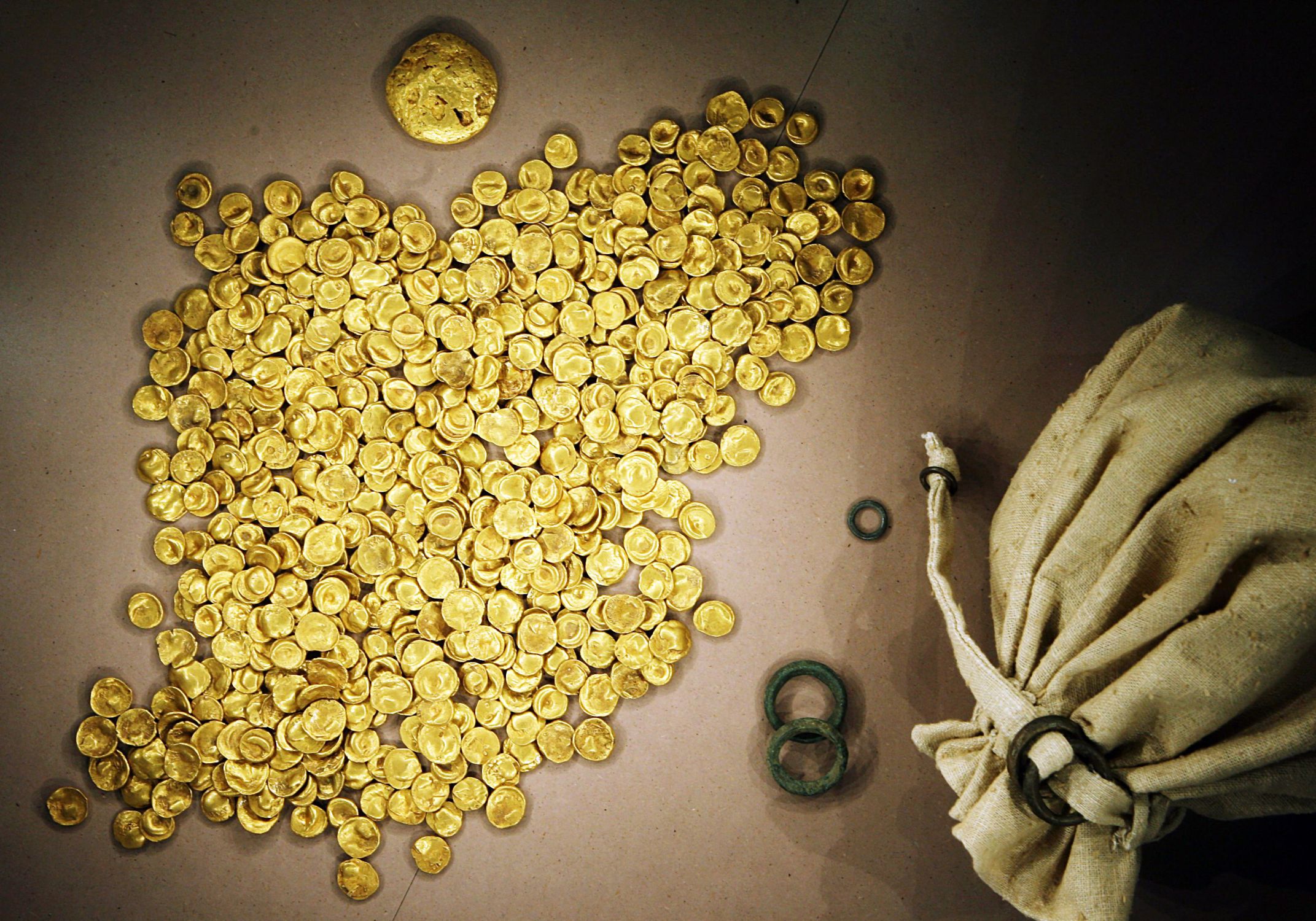
More than three years after the theft of a Celtic gold treasure from the Kelten Römer Museum in Manching, Bavaria, investigators are conducting a new search for the missing loot. Four perpetrators were arrested and sentenced to long prison terms in July 2025, but only a small portion of the stolen gold coins was recovered. Now, based on new intelligence, Bavarian state police are searching the property of the main suspect and his partner in Plate, Mecklenburg-Vorpommern, using X-ray and radar technology. They believe 411 gold coins and a gold casting ingot—about three kilograms of gold—are professionally hidden there, along with cash from other burglaries. The suspect's partner is under investigation for money laundering for allegedly offering to help sell the gold.