filter_list Showing 118 results for "Hall" close Clear
search
dashboard All 1440 museum exhibitions 901article local 129article culture 118article news 87rate_review review 56person people 43candle obituary 38trending_up market 33article policy 22gavel restitution 13
date_range Range Today This Week This Month All
Subscribe

‘This is mine, I own it’: how Tracey Emin and Frida Kahlo inspired me to make meaning out of pain

The article is a personal essay by a writer who, after undergoing a colectomy in 2023, found inspiration in Tracey Emin's unflinching self-portraiture following her 2020 cancer diagnosis. The author describes taking her own post-surgery photographs, echoing Emin's mantra "This is mine, I own it," and reflects on Emin's current work, including the Tate Modern exhibition and paintings like "I watched Myself die and come alive" (2023) and "Barbed Wire Stitches" (2024). The essay also connects Emin's approach to that of Frida Kahlo, whose retrospective is upcoming at Tate.
Beer With a Painter: Keith Mayerson

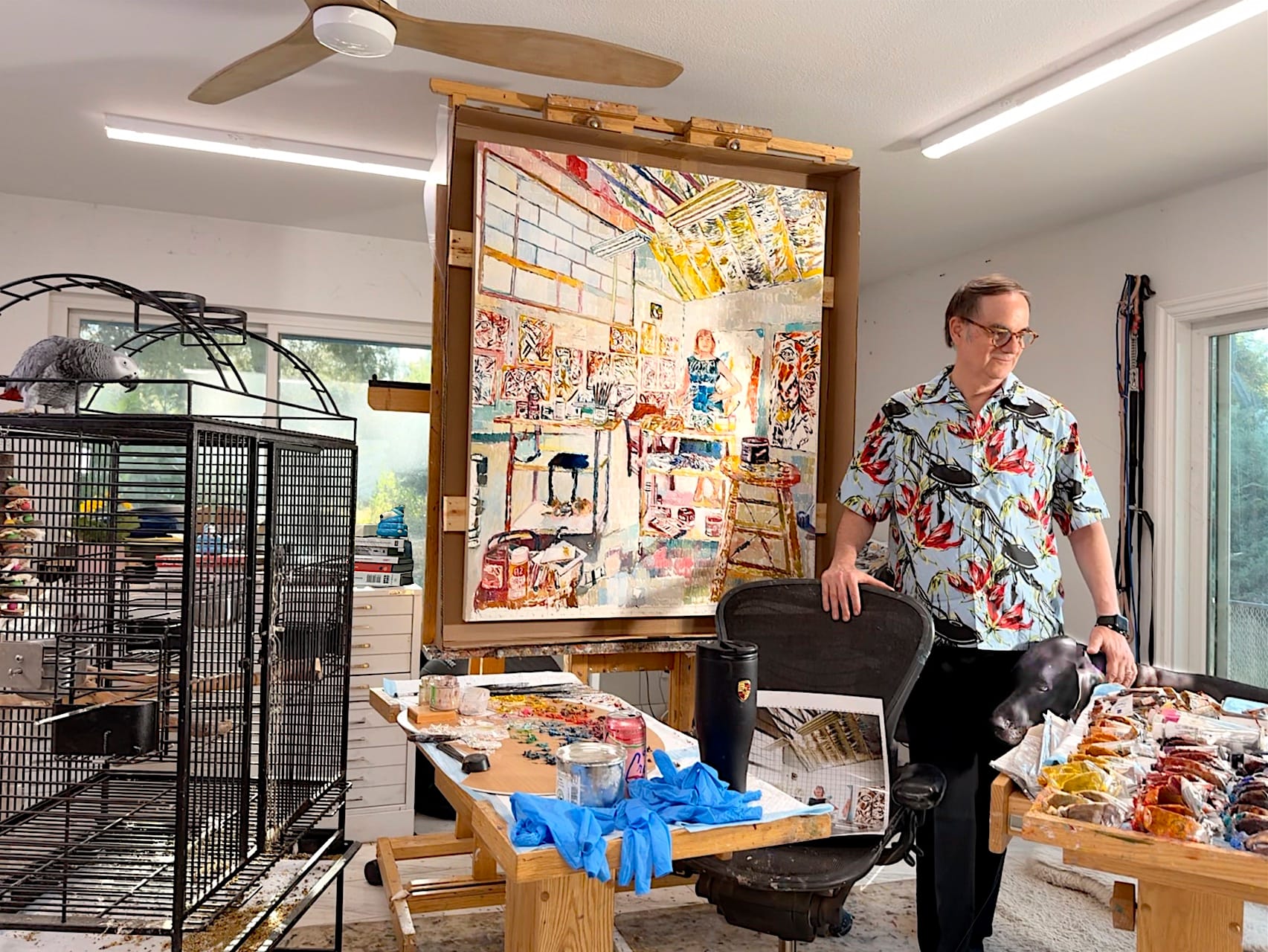
Hyperallergic interviews Los Angeles-based painter Keith Mayerson, who discusses his ongoing 'My American Dream' series—a cosmology of paintings blending American identity, activism, and popular culture. The conversation covers his early influences from comics, the Muppets, and Hunter S. Thompson, his transition from cartooning to painting, and his vibratory, swirling brushwork. Mayerson's work has been featured in the 2014 Whitney Biennial and is currently on view at the Aspen Art Museum and the Pollock-Krasner House.

No Attitude, Nowhere: Conviction, Zero Meaning

Keine Haltung, nirgends Gesinnung, null Bedeutung

The article critiques the current state of the art world and broader culture, arguing that right-wing calls for depoliticized art are intensifying while the progressive art establishment silently tolerates a culture war that restricts free expression. It uses the 2025 Met Gala as a prime example, describing the event as a heartless display of wealth and power aligned with Trump-era capitalism, where celebrities and artists perform progressive values while participating in a spectacle sponsored by anti-union figures like Jeff Bezos. The author draws on Hannah Arendt's ethics lectures to suggest that moral norms have collapsed overnight, and that the commercial art world now legitimizes anti-democratic tendencies through its silence.

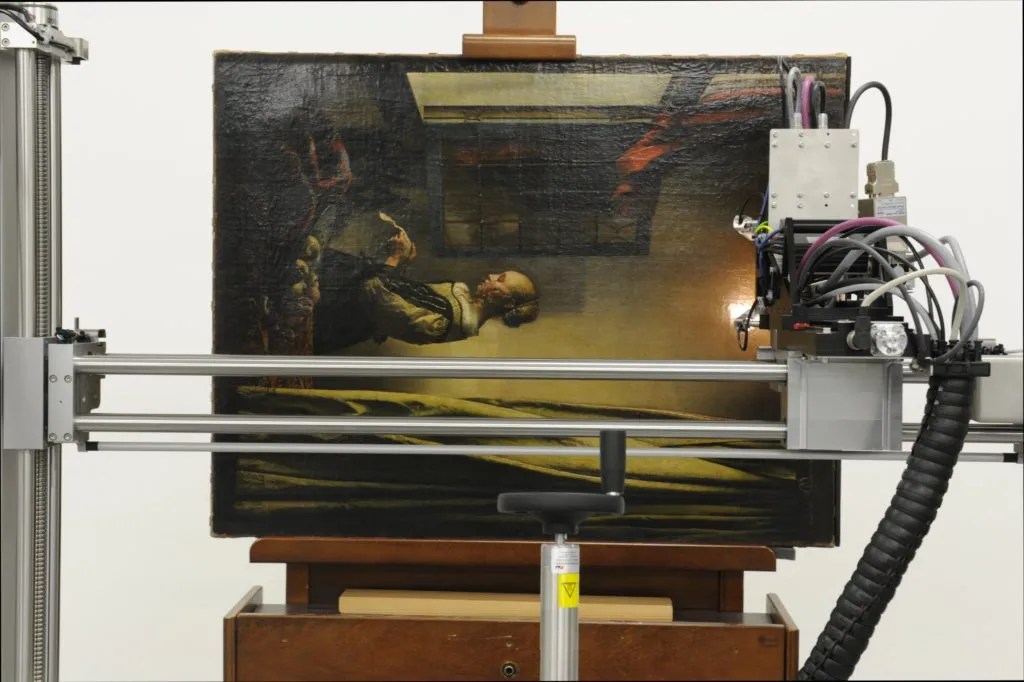
One Erased Vermeer, Two Books, and No Consensus

Two new books examine the legacy of Johannes Vermeer from contrasting angles. Ruth Bernard Yeazell's "Vermeer's Afterlives" (Princeton University Press) explores how the artist's open-ended, figureless interiors have inspired later creators, from painter George Deem to novelist Tracy Chevalier. Andrew Graham-Dixon's "Vermeer: A Life Lost and Found" restores the historical and religious context of 17th-century Delft, arguing that modern readings have overlooked the original meanings of Vermeer's works.

The Interview: Steven Soderbergh

Steven Soderbergh discusses his new film *The Christophers* (2025), which follows a cantankerous artist and his young assistant tasked with forging his unfinished works, exploring themes of authorship, originality, and the ethics of art-making. In an interview with ArtReview, Soderbergh also addresses his recent use of AI in a documentary about John Lennon, defending the technology as a creative tool akin to his own filmmaking process, and reflects on his career spanning genres from indie dramas to studio blockbusters.

The Contemporary Art Destinations Gallerists and Artists Have on Their Radar

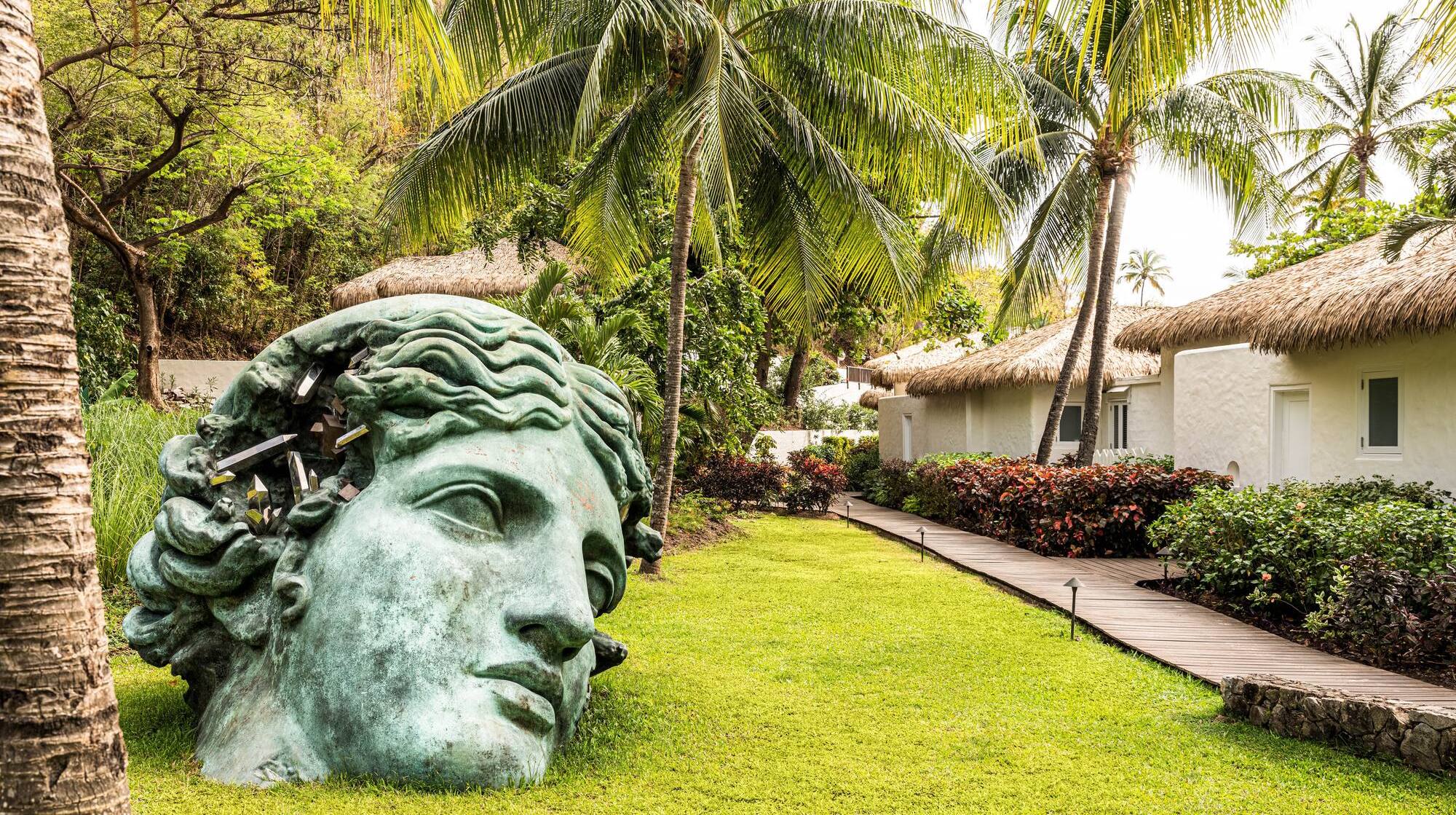
WWD asked top international gallerists, collectors, and artists to name the cities they find most exciting for contemporary art. Karen and Christian Boros recommend Naples and the Amalfi Coast, highlighting galleries like Galleria Giangiacomo Rossetti, Thomas Dane Gallery, and Lia Rumma, as well as Fondazione Morra Greco and Le Sirenuse hotel. Daniel Arsham points to Sugar Beach in St. Lucia for its large contemporary sculpture collection. Jean-Michel Othoniel champions South Korea, citing Seoul's Leeum Samsung Museum of Art, Kukje Gallery, and the Kiaf Seoul fair, plus the city of Busan. Emma Lavigne of the Pinault Collection names Venice, especially during the Biennale Arte di Venezia, as an essential destination.

We are in danger of losing our sense of community

"Wir drohen das Gespür für die Gemeinschaft zu verlieren"

Christophe Cherix, the new director of the Museum of Modern Art in New York, discusses his first months in the role, emphasizing museums as "safe social places" in an era of anxiety and screen-induced isolation. He advocates for collective vision-building with staff and defends the MoMA's independence against political pressure in Trump-era America. Separately, critic Paco Barragán argues in The Observer that biennials are in a structural crisis of repetition, tracing their history from instruments of national soft power to a "Global Neo-Liberal Biennial" system that co-opts diversity without changing its core logic. He introduces the concept of the "vibe-ennial," where discourse is replaced by atmosphere and critique by affect. Meanwhile, longtime Bonn museum director Stephan Berg critiques the boom in immersive art experiences like "Van Gogh – The Immersive Experience," calling them a "surrogate reality" tailored to the Instagram age that destroys the integrity of original works. Artforum reconstructs late-1960s debates on art criticism, focusing on Barbara Rose's challenge to formalists like Clement Greenberg and Rosalind Krauss, arguing that art must engage with societal conflicts such as Black Power and war resistance.

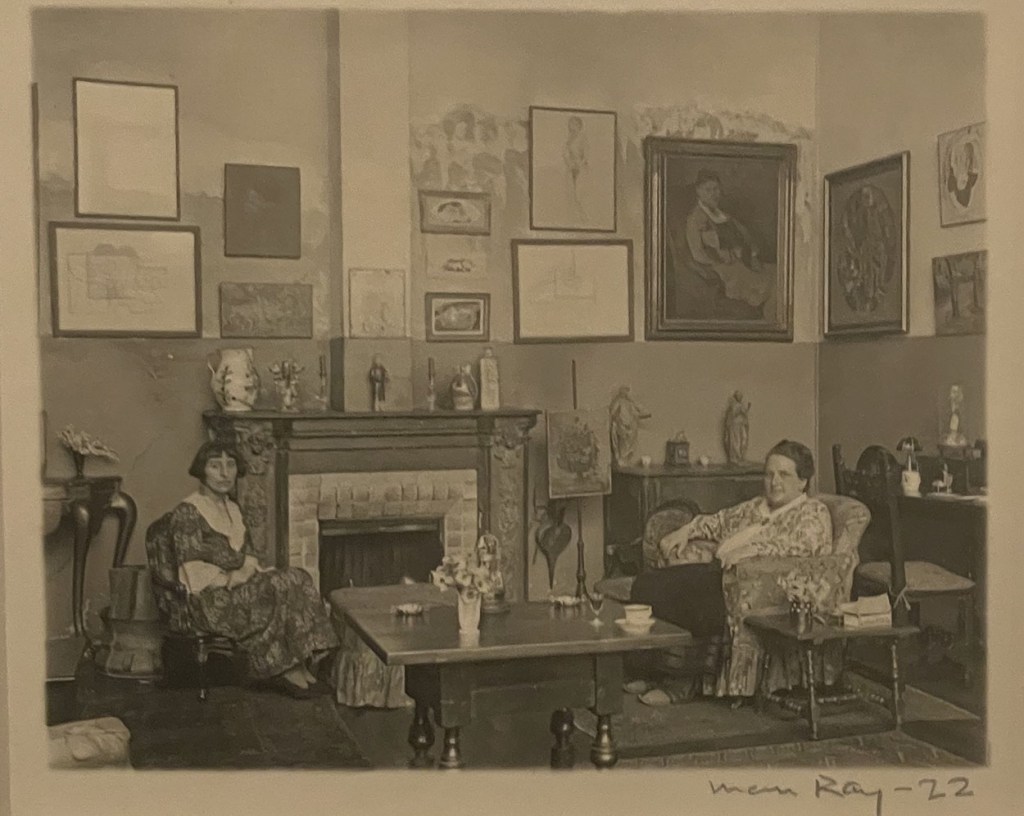
Two of Modernism’s Lesbian Icons Get the Novel Treatment

Deborah Levy's novel "My Year in Paris with Gertrude Stein" follows an unnamed narrator who travels to Paris to write an essay about Gertrude Stein, struggling with the weight of Stein's legacy while visiting her grave at Père Lachaise cemetery. The book explores Stein's life as a modernist icon, her relationship with Alice B. Toklas, and her role as a host to figures like Pablo Picasso and Ernest Hemingway, while the narrator grapples with Stein's defiant personality and literary style.

How Is Arts Patronage Changing?

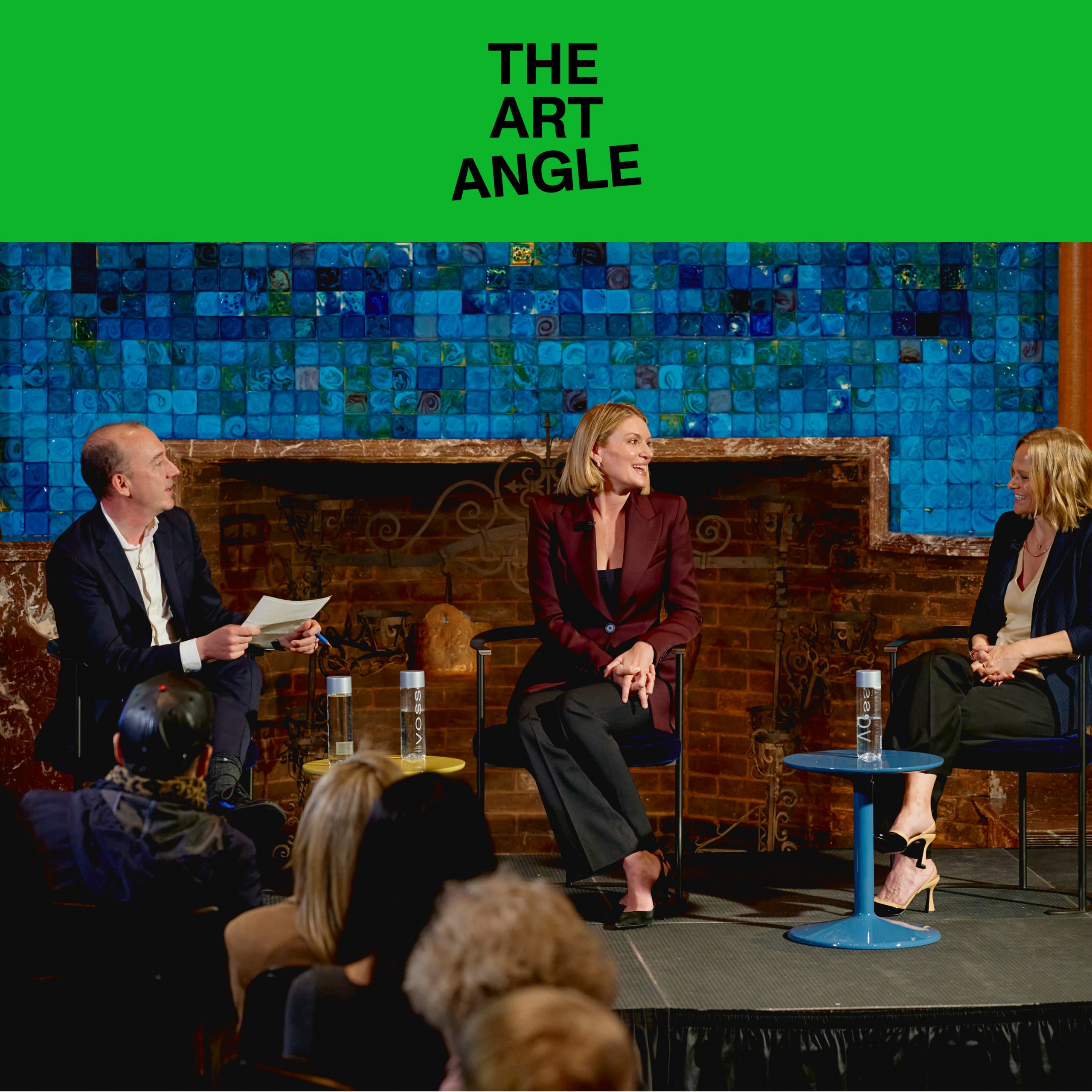
At TEFAF New York, Artnet News editor Andrew Russeth moderated a panel titled “Who Supports Art Now? Patronage in a Shifting Cultural Landscape” featuring two prominent figures in American arts philanthropy: Sarah Arison and Michi Jigarjian. Arison, who became the youngest president of the Museum of Modern Art’s board in 2024 at age 39, also leads the Arison Arts Foundation and chairs YoungArts. Jigarjian, CEO of Work of Art Holdings and a partner at 7G Group, has led Baxter St at CCNY for 15 years and serves on the boards of the Brooklyn Museum and MoMA PS1. The discussion took place during fair week in mid-May at the Park Avenue Armory.

Let’s dress like a Mark Rothko! How gen Z fell for the king of colour field paintings

Mark Rothko, the abstract expressionist known for his color field paintings, is experiencing a cultural resurgence among Generation Z on social media platforms like TikTok and Instagram. Videos inspired by his work amass hundreds of thousands of views, with creators styling outfits based on his canvases, assigning his paintings to personality archetypes, and comparing his palettes to dream pop bands like the Cocteau Twins. The Rothko Chapel in Houston, Texas, has also seen a wave of curious young visitors drawn to the meditative, confrontational experience of his art.

‘Depraved in all the right ways’: why forgotten no wave visionary Gordon Stevenson is about to take off

The article profiles Gordon Stevenson, a forgotten visionary of the no wave movement in late-1970s New York, who was an artist, jewelry designer, musician, and filmmaker best known for the notorious film *Ecstatic Stigmatic*. Decades after his death from AIDS, a storage unit full of his lost work has been discovered, including jewelry, mail-art collaborations with Ray Johnson, and clues to a surviving print of his film. His family has also recovered hundreds of letters he wrote to his parents, chronicling his life in downtown New York and his experiences as one of the city's first AIDS patients. The piece traces his journey from a small town in Georgia, where he met his wife Mirielle Cervenka (who later renamed Exene Cervenka), to their punk-era jewelry brand LHOOQ and his lasting influence on gothic fashion.

After dinosaurs, it’s spot the dog! But can a child really learn anything in a gallery?

Neil Osborne and his three-year-old daughter Daisy visit the National Museum Cardiff (NMC), where they explore both dinosaur exhibits and art galleries. Daisy, like many toddlers, engages with paintings by describing what she sees—calling a JMW Turner seascape "a fish." The article follows the author as she investigates whether children under five can learn from art in museums, speaking with parents and Catrin Rowlands, head of learning at NMC. NMC is one of 15 UK museums participating in Mini Wonders, a fully funded program by Art Fund and Nesta that offers eight-week courses for families from disadvantaged backgrounds, providing digital cameras and scrapbooks to encourage repeated museum visits and school readiness.

Inside the Unlikely Bond Between Lucian Freud and Kate Moss

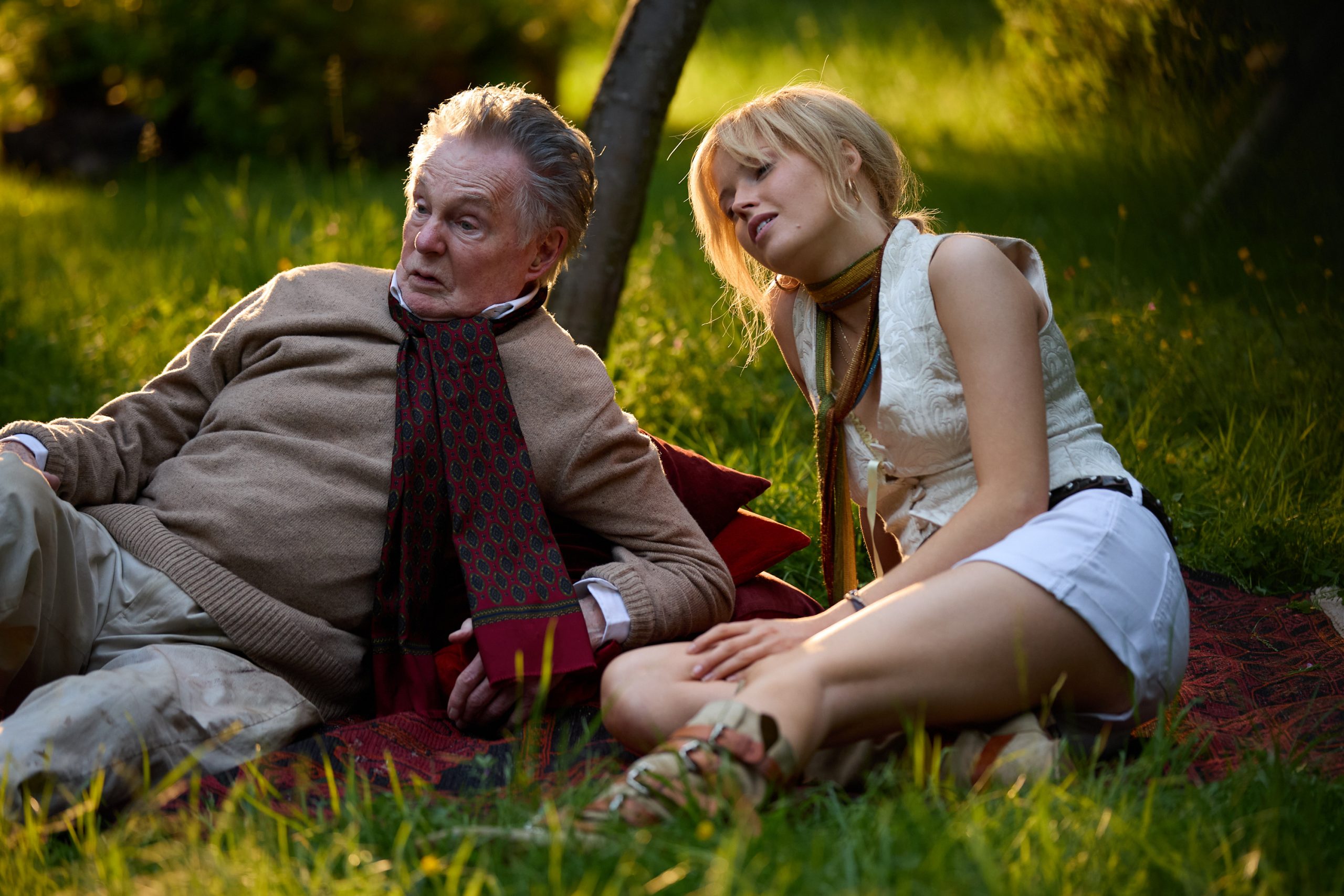
In 2002, Lucian Freud unveiled a portrait of a naked and pregnant Kate Moss, a rare celebrity subject for the artist who had turned down Princess Diana. A new film, *Moss & Freud*, dramatizes the unlikely friendship that developed between the aging painter and the supermodel during the creation of *Naked Portrait (2002)*. Directed by James Lucas, the film stars Ellie Bamber as Moss and Derek Jacobi as Freud, and explores their intense studio sessions, personal revelations, and the bond that formed despite their contrasting lifestyles.

Story of enslaved boy featured in 1748 Joshua Reynolds portrait emerges in new study

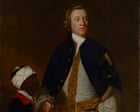
A research project by the National Trust, the National Gallery in London, and Royal Museums Greenwich has uncovered new details about the identity of an enslaved boy known only as “Jersey,” who appears in a 1748 portrait by Sir Joshua Reynolds. The painting, which hangs at Saltram in Devon, depicts Jersey with his enslaver, naval officer and MP Paul Henry Ourry. Through admiralty records, muster books, and baptismal certificates, researchers identified the boy as “Boston Jersey,” later baptised as George Walker, and found evidence of his naval service and possible path to freedom.

Trevor Paglen’s New Book Says AI Is Rewriting What Images Do

Artist Trevor Paglen has published a new book, *How to See Like a Machine: Images After AI*, which argues that generative AI and computer vision are fundamentally changing how images function in culture. Drawing on his decade-long practice, Paglen contends that images are no longer merely representations for human interpretation but have become operational tools—'activations' that trigger automated responses and shape reality. He cites examples such as surveillance cameras at grocery stores, the Samsara navigation system in trucks, and the ImageNet database to illustrate how machine vision systems normalize surveillance in service of capital, a phenomenon he terms 'machine realism.'

Harnessing the winds of societal change: how art dealers have been able to shape taste for centuries

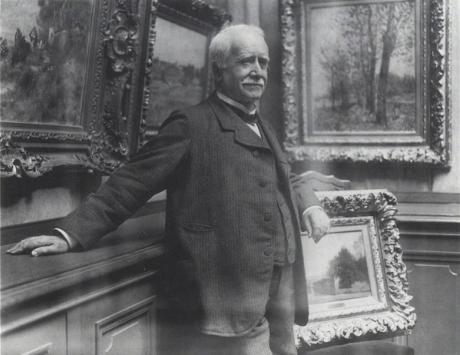
Valentina Castellani, a former Gagosian director, has authored a new book titled *Trading Beauty: Art Market Histories from the Altar to the Gallery* (out 1 May). The book traces how art dealers have historically leveraged societal changes—political, economic, and social—to reshape taste and market structures. Castellani begins in the Middle Ages, when art was made only on commission for patrons like the Catholic church and monarchies, and moves through key shifts such as the Dutch Republic's first open art market in the 17th century, which gave rise to the professional art dealer. She highlights dealers like Paul Durand-Ruel, Joseph Duveen, and Leo Castelli who capitalized on anti-establishment energy, new wealth, and post-war consumer culture to bring avant-garde art to the forefront.

10 chefs-d’œuvre de l’impressionnisme décryptés par Beaux Arts

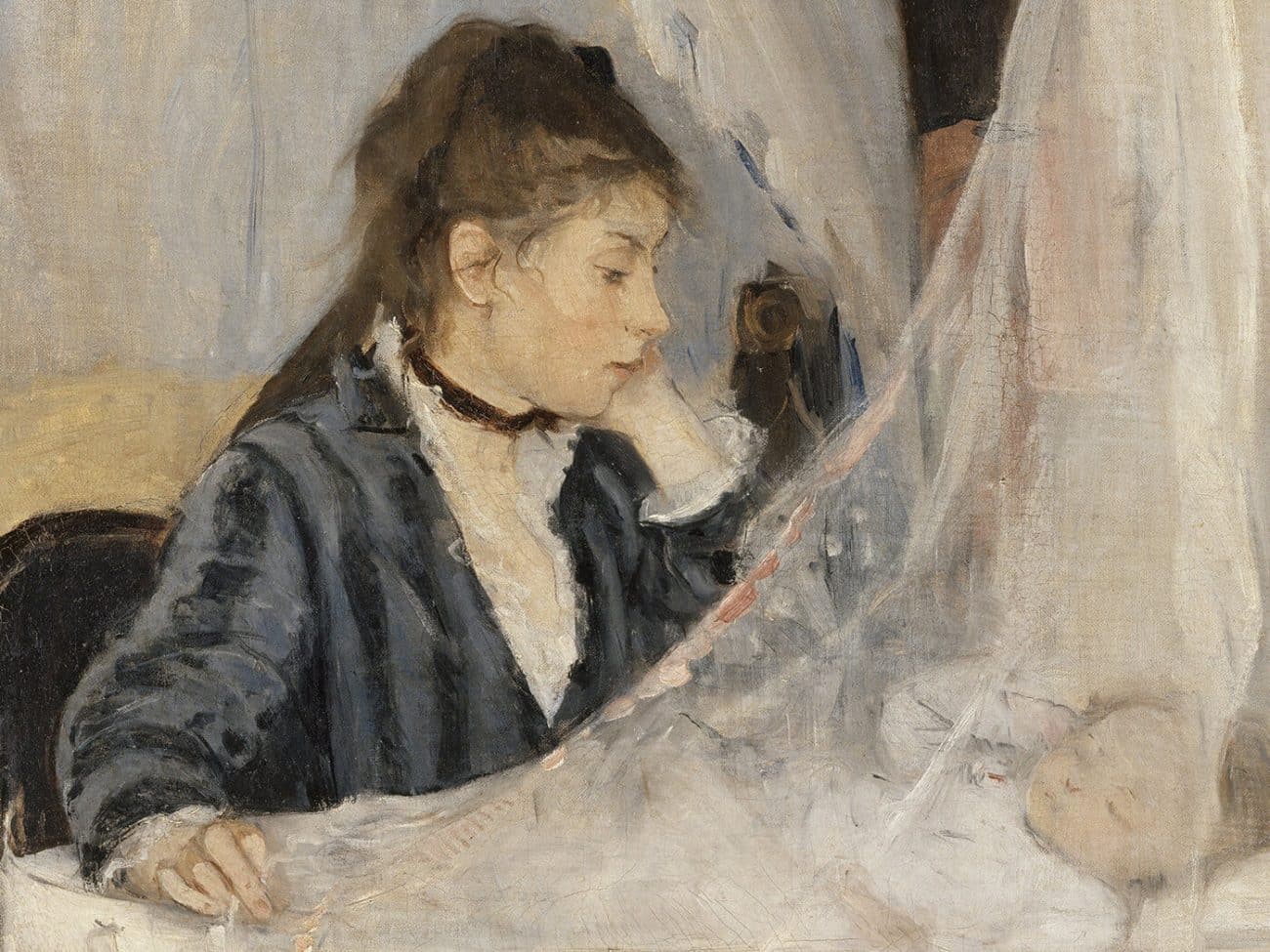
Beaux Arts Magazine presents a detailed dossier analyzing ten iconic masterpieces of Impressionism, including works by Edgar Degas, Édouard Manet, Berthe Morisot, Auguste Renoir, Gustave Caillebotte, Claude Monet, and Mary Cassatt. The article explores the technical innovations, modern subjects, and revolutionary spirit of the movement, which began in 1874 and was initially rejected by critics. Each featured painting—such as *Le Déjeuner sur l’herbe*, *Impression, soleil levant*, and *Le Bal du moulin de la Galette*—is examined by art historians and journalists to reveal its composition, historical context, and lasting impact.

Sift Through the Hundreds of Pacifiers, Graphic Tees, and Spoons in This NYC Couple’s Collection

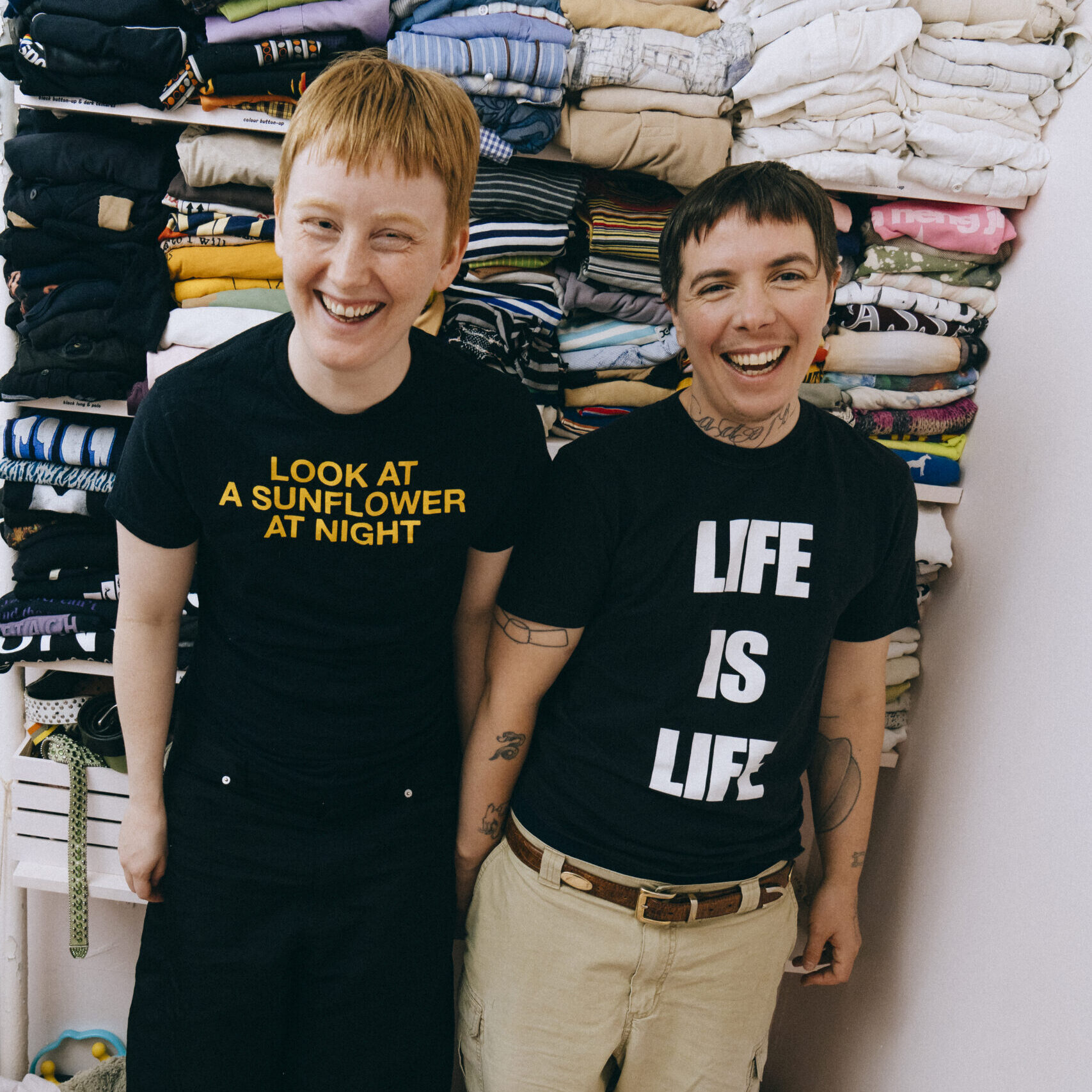
Multidisciplinary artists Bobbi Salvör Menuez and quori theodor, a couple living in New York City, have built an extensive collection of everyday objects including T-shirts, cassette tapes, spoons, pacifiers, and playing cards sourced from sidewalks, thrift stores, and shoot sets. Their collecting practice is intuitive and deeply personal, driven by nostalgia, childhood memories, and their bond with each other, treating each object as a talisman or treasure rather than a financial investment.

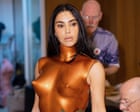
Soft armour, pert nipples: how London design team made Kim Kardashian’s Met Gala breastplate

Kim Kardashian wore an orange fibreglass breastplate to the 2024 Met Gala, created by the east London design duo Whitaker Malem (Patrick Whitaker and Keir Malem) in collaboration with British pop artist Allen Jones. The breastplate was cast from a mould derived from Jones's 1969 sculpture "Hatstand," finished by car bodyshop MPS Body and Paint in Kent, and paired with a hand-painted leather skirt. Kardashian directly contacted the duo in early April, flew to the UK for fittings, and chose the piece to interpret the gala's "fashion is art" dress code, which explored the dressed and undressed human body.

Isabel Nolan’s Work Challenges Everything We Think We Know About Creativity

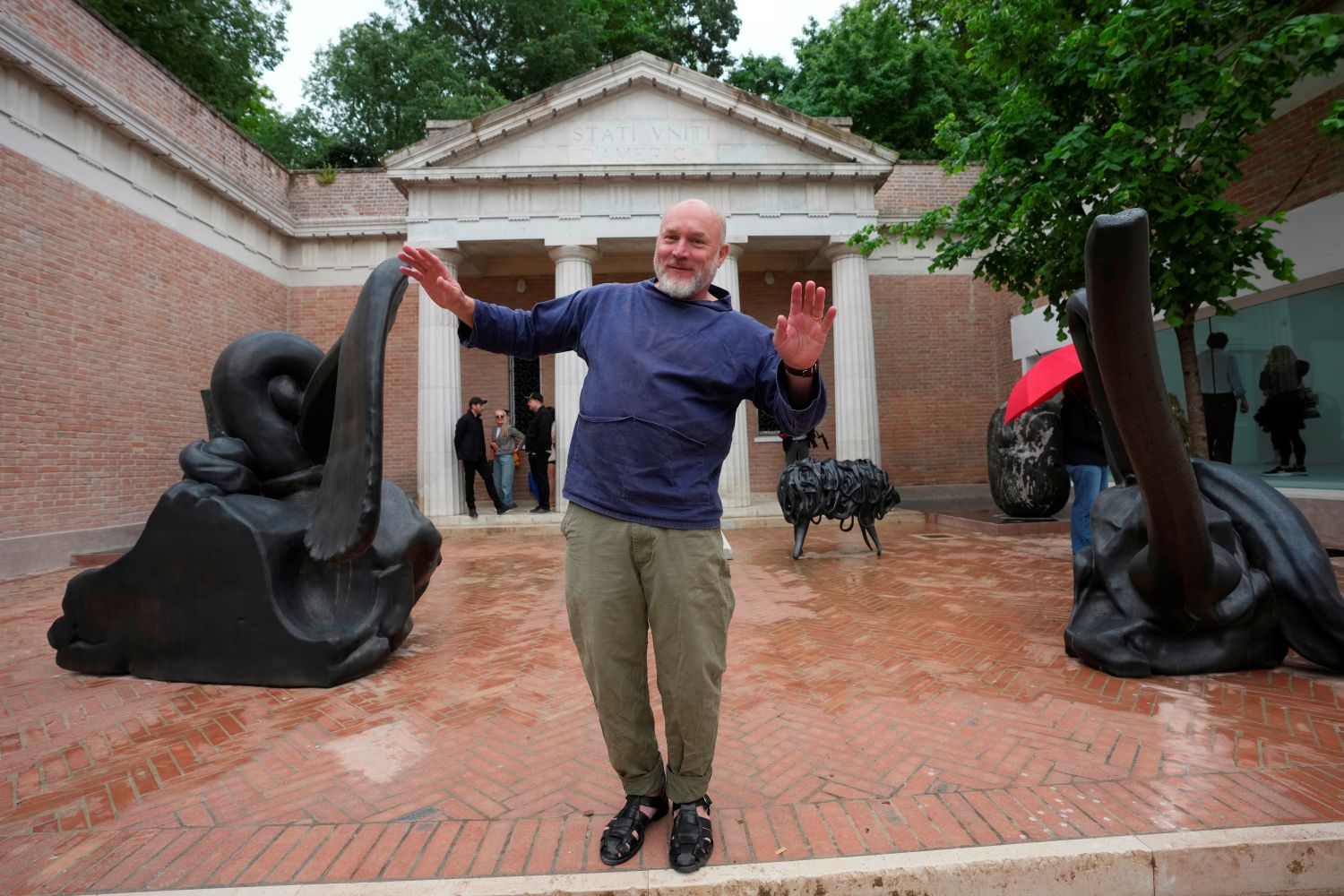
Artist Isabel Nolan recently discovered she has aphantasia, a rare neurological condition that prevents her from visualizing mental images. Despite this, Nolan has built a successful career creating abstract sculptures, drawings, and tapestries, and her work is featured in the Irish Pavilion at the Venice Biennale. Her exhibition, "Dreamshook," explores themes of imagination versus reality and draws inspiration from late medieval history and the printer Aldo Manuzio.

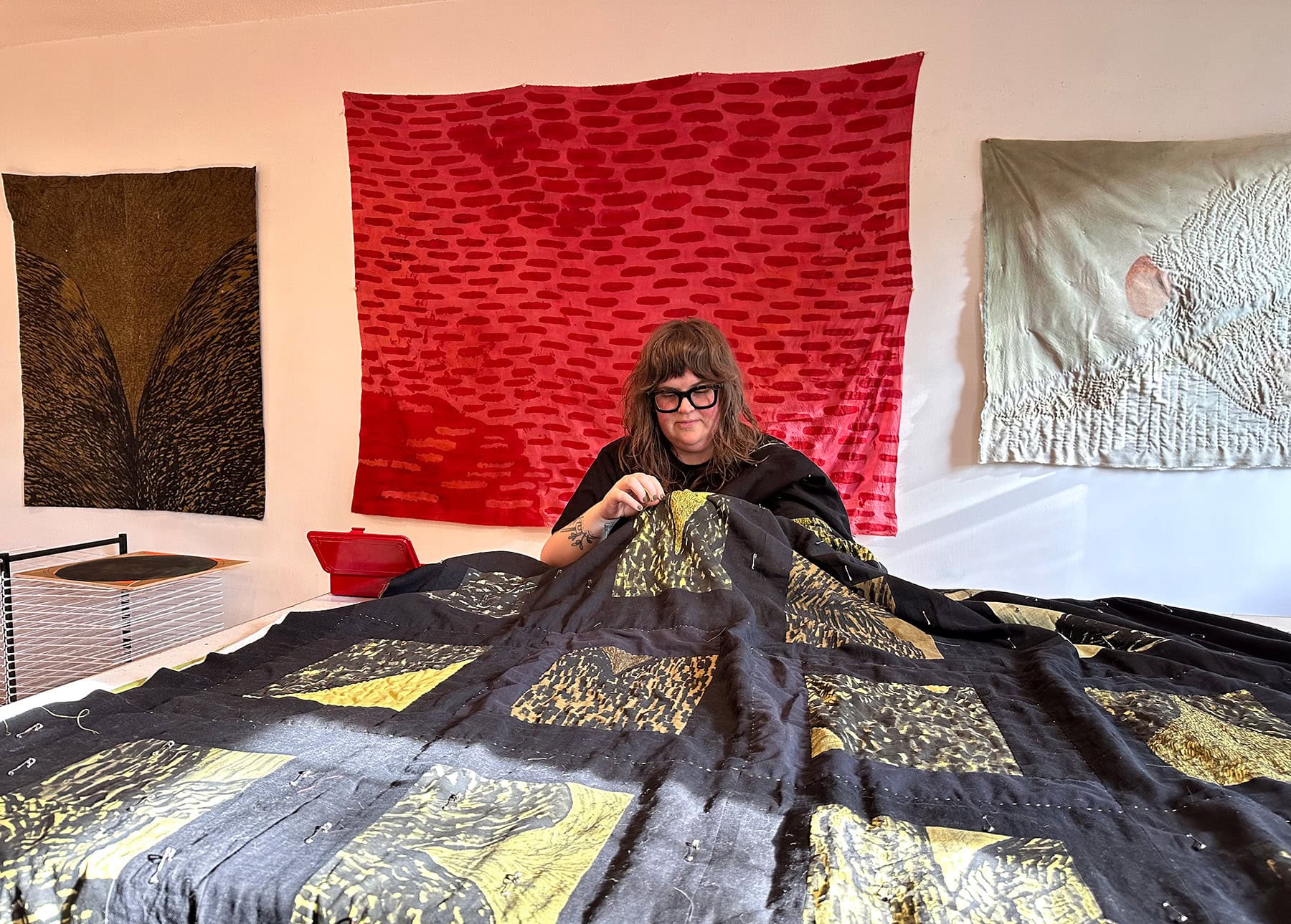
In the Studio with Casey Engel

Casey Engel, an artist based in Asheville, North Carolina, is profiled in her studio, where she creates ceramic, fiber, and paper works that blend craft traditions with avant-garde sensibilities. The article, structured as an interview with writer Merin McDivitt, explores Engel's tactile process—from pinching clay to hand-stitching quilts—and her emphasis on touch, intuition, and the tension between functionality and art. Engel previously curated over sixty shows at Blue Spiral 1 before dedicating herself full-time to her own practice.

Global Art Biennials: Renovation, Revelation—or Repetition?

The article examines the current state of global art biennials, arguing that recent controversies—such as the 2022 documenta antisemitism crisis and geopolitical tensions at the 61st Venice Biennale—reveal these exhibitions as deeply politicized platforms rather than neutral cultural events. It highlights how juries and curators have introduced geopolitical criteria, and cites ongoing debates in Artforum (April 2026) featuring voices like Daniel Birnbaum, Michelle Grabner, and Adam Szymczyk, who diagnose visible tensions but overlook deeper structural conditions.

Theatre, production, performance: fashion invests in art

Fashion houses like Chanel are increasingly investing in contemporary art, not merely as inspiration for prints or patterns but as a strategic tool for brand positioning and cultural credibility. Gallery owner Tristan Paprocki, who recently opened a Milan space with partner Guido Romero Pierini, notes that brands now seek out emerging artists to demonstrate foresight and support new talent. Chanel has collaborated with Berlin's Hamburger Bahnhof museum for large-scale installations by artists such as Klára Hosnedlová and Lina Lapelytė, and has announced ten artists for the third edition of its Next Prize 2026, including Bárbara Sánchez-Kane, Pan Daijing, and Álvaro Urbano. These artists work across fashion, sculpture, and performance, blurring the lines between clothing and contemporary art.

Inside New York’s Rogue Project Spaces

A digital cover story profiles New York City's rogue project spaces—artist-run venues like U-Haul Gallery, Desnivel, Spielzeug, Catbox Contemporary, and 95 Gallon Gallery—that operate in unconventional locations such as trash bins, moving trucks, bodegas, laundromats, buses, and cat towers. The article features interviews with founders including Maria De Victoria (Desnivel), James Sundquist and Jack Chase (U-Haul Gallery), and others, highlighting how these spaces counter the bureaucracy of institutional exhibitions by prioritizing artist freedom, intimacy, and community engagement.

Required Reading

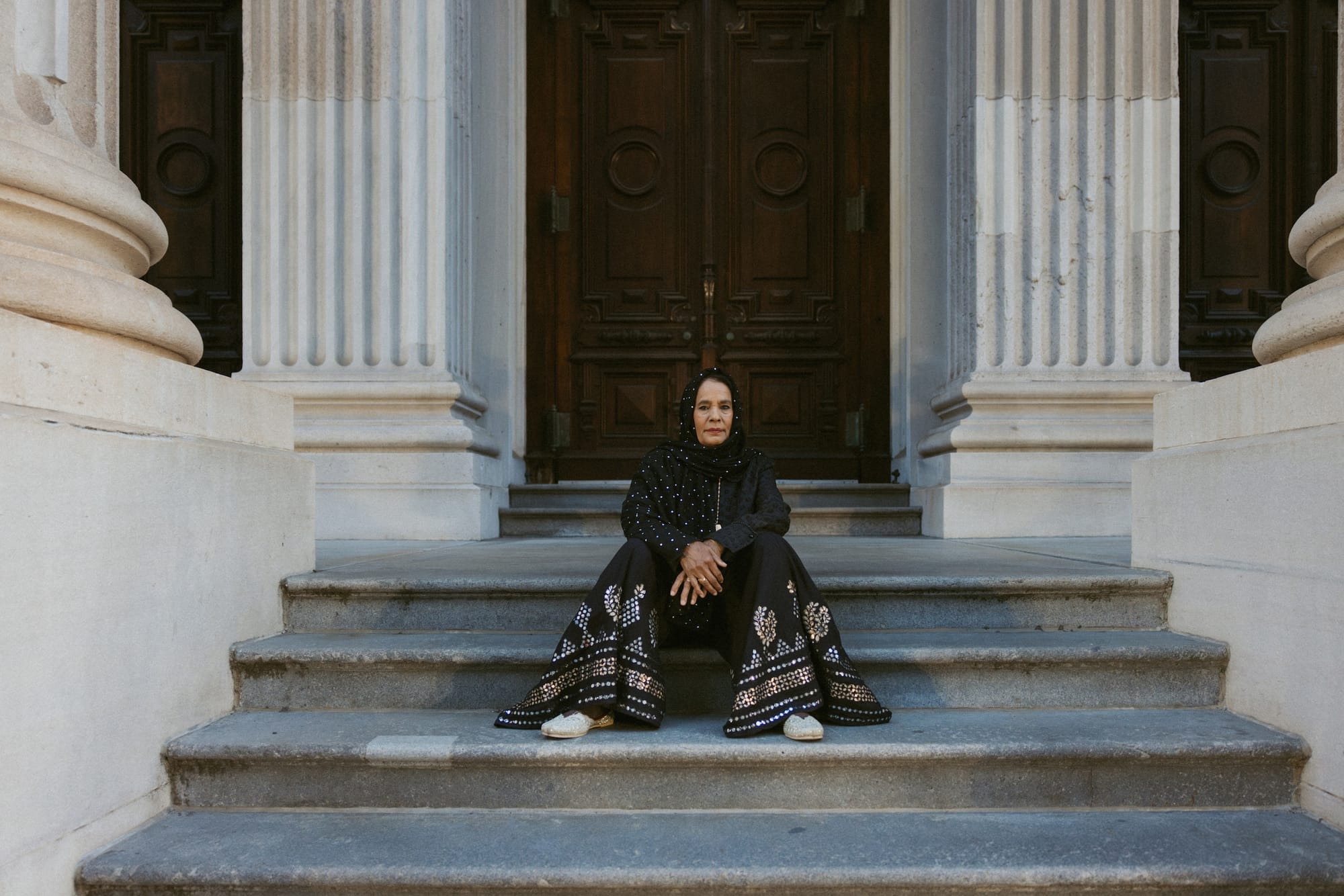
Pakistani-born, Brooklyn-based tailor and community leader Hafeez Raza was honored by Mayor Zohran Mamdani as one of six garment workers photographed by Kara McCurdy, highlighting the real faces behind the fashion industry. Meanwhile, the Los Angeles Times's Image Editor-in-Chief Elisa Wouk Almino recounts a peculiar correspondence with artist Sophie Calle, who orchestrated a fake but real exchange using pre-written texts. In other news, Ai Weiwei discusses his new exhibition in Italy, censorship in Europe, and the Venice Biennale in an interview with El País. Additionally, Jacci Gresham, the first professional Black tattoo artist in the United States, reflects on her career since 1976, including tattooing Klan members and innovating with brown paper for Black and Brown clients.

Vanités contemporaines

The article explores the enduring relevance of still life and vanitas in contemporary art, tracing their evolution from the biblical proclamation "Vanity of vanities; all is vanity" through modern masters like Paul Cézanne, Pablo Picasso, and Giorgio Morandi to contemporary practitioners such as Claudio Parmiggiani. It highlights how artists continue to use everyday objects—compotes, skulls, pitchers, apples—as vehicles for formal experimentation and philosophical reflection, with still life serving as a minimalist device that allows infinite plastic research.

How Fatinha Ramos Channels ‘Visual Activism’ in Her Richly Layered Illustrations

Fatinha Ramos, a Portuguese artist and illustrator based in Antwerp, describes her work as 'visual activism,' creating richly layered illustrations that give voice to minorities and address social issues. She collaborates with major clients including The New York Times, The Washington Post, Tate, Scientific American, the Anne Frank Museum, and MoMA, which commissioned her to illustrate an essay about being compared to Frida Kahlo. Born with osteogenesis imperfecta (brittle bone disease), Ramos spent much of her childhood in hospitals, where drawing became an escape. After 12 years as an art director in advertising and publishing, she now focuses on her own practice, which challenges stereotypes around disability, climate crisis, sexism, and racism. She is currently working on a graphic novel and a series of anatomical glass sculptures based on brittle bone disease.

A Culture Lover’s Guide to Northwest Arkansas, a Land of Contradictions

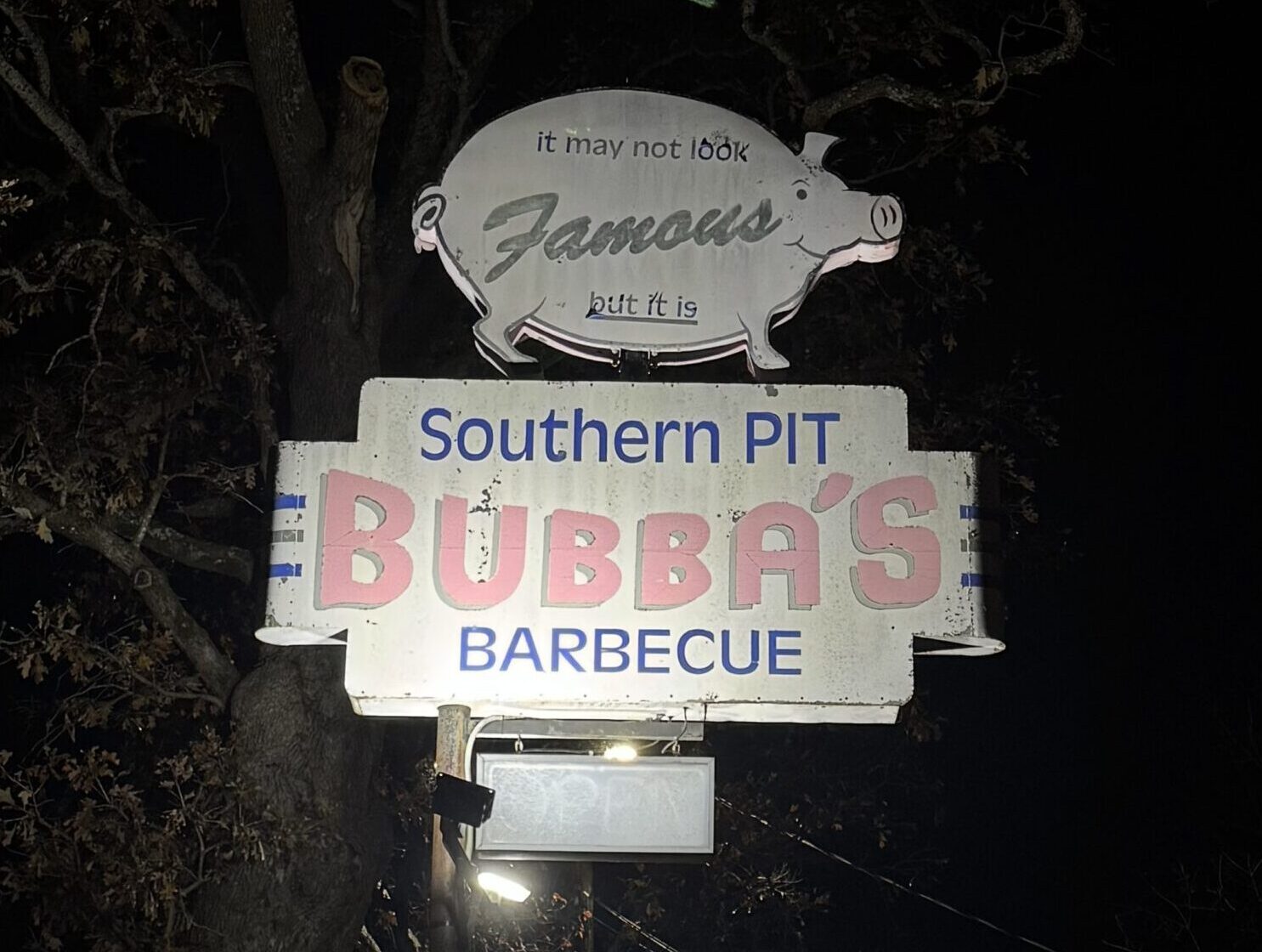
This travel guide explores the cultural landscape of Northwest Arkansas, focusing on the upcoming 114,000-square-foot expansion of the Crystal Bridges Museum of American Art in Bentonville, set to open June 6, 2026. The author recounts a road trip from Little Rock to the Ozarks, visiting the Arkansas Museum of Fine Arts (with its new Studio Gang-designed building), dining at Coursey's Smoked Meats, and encountering a white supremacist billboard in Harrison, while also highlighting Thorncrown Chapel by E. Fay Jones as a transcendent architectural stop.

A ‘bird of Mexico City’ strikes a revolutionary pose: Pieter Henket’s best photograph

Photographer Pieter Henket describes the creation of his portrait "La Mujer" (The Woman), part of his series "Birds of Mexico City." The image features Ixchel Paz, a young Mexican woman wearing a lucha libre wrestling mask, captured in a dignified pose on the first day of the project. Henket explains how the series evolved from an earlier project, "Birds of New York," which celebrated young people in New York during the first Trump administration. After the pandemic, he traveled to Mexico City with his husband Roger Inniss, collaborated with stylist Chino Castilla and his team, and encouraged subjects to express their identities through costume and culture.

Comment | We must avoid amputating art in the name of preservation

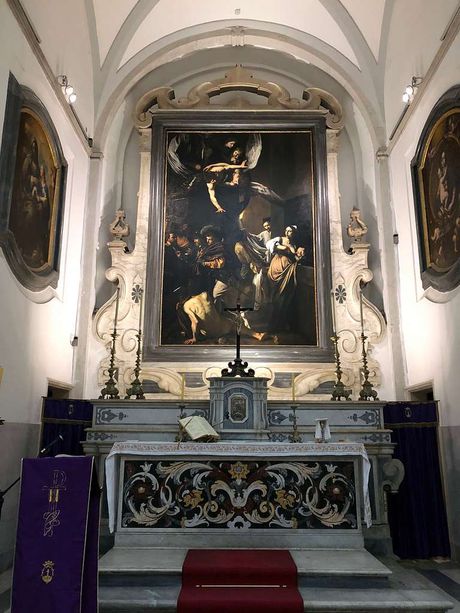
The article recounts the author's experience viewing Caravaggio's *Seven Acts of Mercy* (1607) in its original chapel in Naples, where the painting's crowded, dramatic composition directly mirrors the chaotic streets of the city, revealing its sacred meaning through context. In contrast, the author describes Caravaggio's *Flagellation of Christ* (1607), moved from the church of San Domenico Maggiore to the Museo di Capodimonte for security reasons, as a painting "marooned"—its spiritual purpose broken, reduced to a mere object for aesthetic appreciation.