filter_list Showing 18 results for "ICAN" close Clear
search
dashboard All 2008 museum exhibitions 1159article news 189article local 182trending_up market 145article culture 92person people 64article policy 61rate_review review 54candle obituary 37gavel restitution 18article event 6article events 1
date_range Range Today This Week This Month All
Subscribe

France Passes Landmark Restitution Law for Looted Art

France has passed a landmark restitution law for looted art, marking a significant shift in the country's approach to addressing Nazi-era confiscations and colonial-era acquisitions. The legislation establishes a legal framework for returning artworks and cultural objects to their rightful owners or heirs, streamlining a process that previously required case-by-case parliamentary approval. This law is expected to accelerate the return of thousands of items held in French museums and public collections.

Rare Books Stolen From Ex-MoMA President’s Home Recovered After Nearly 40 Years

Seventeen rare books, valued at over $2 million and stolen nearly 40 years ago from the Long Island estate of former Museum of Modern Art president John Hay Whitney, have been recovered and will be returned to his descendants. The trove includes a $2 million portfolio of handwritten letters from poet John Keats and first editions of works by James Joyce and Aleister Crowley.

Art Publisher Owes $102.2 Million in Damages for Late Robert Indiana Works

A Manhattan jury has ordered art publisher Michael McKenzie to pay $102.2 million in damages for creating unauthorized or adulterated versions of works by the late Pop artist Robert Indiana. The lawsuit, brought by Indiana’s former business partner the Morgan Art Foundation, alleged that McKenzie produced Indiana-related junk products that infringed trademark and copyright, including reproductions of Indiana’s iconic “LOVE” design and the artworks *The Ninth American Dream* (2001) and *USA FUN* (1965). The jury found McKenzie liable for exploiting Indiana in the final years of his life, after the artist granted power of attorney to his caretaker, Jamie Thomas.

Tiny Cranach Painting That Vanished During WWII Returns to Dresden

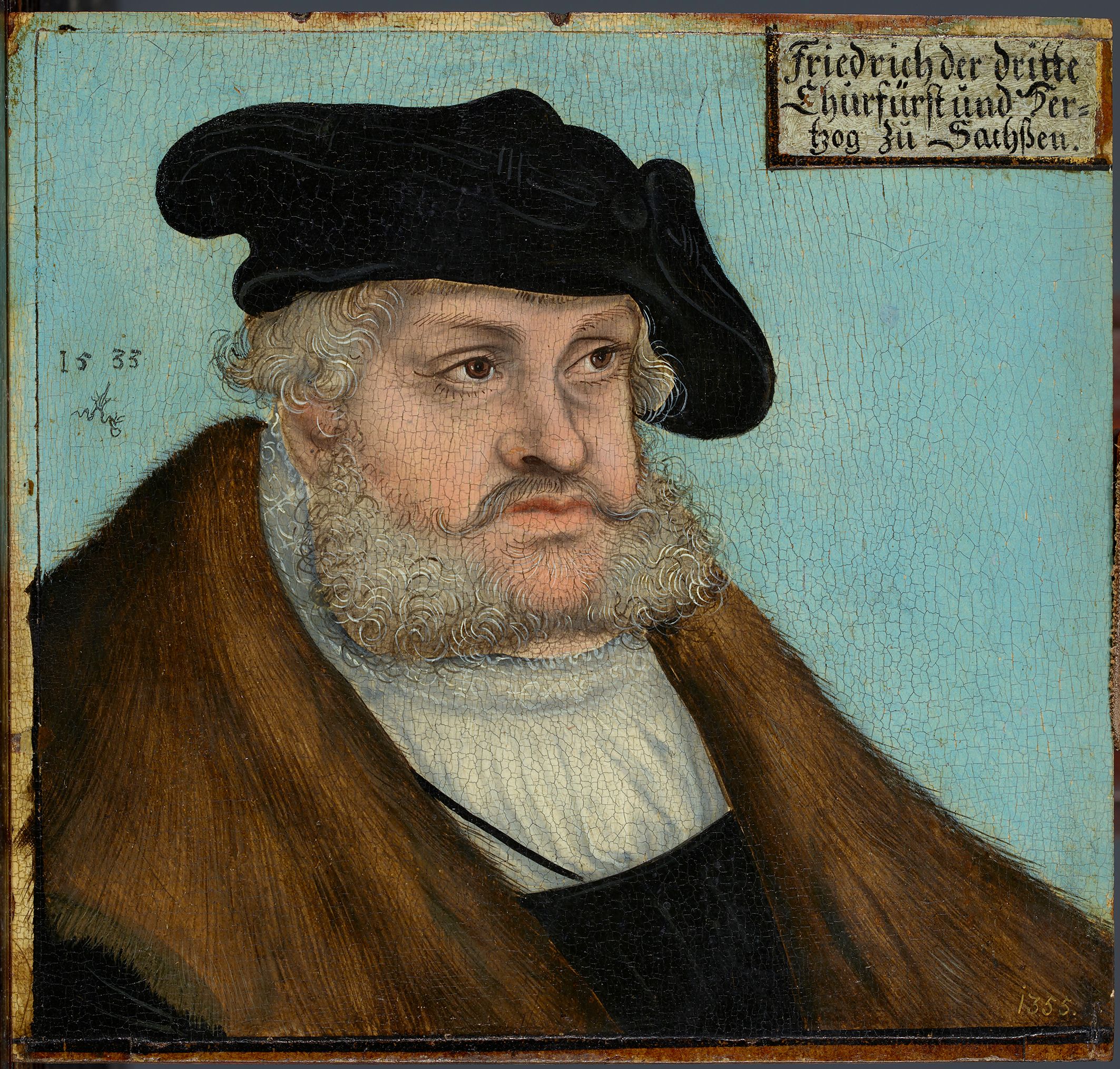
A miniature portrait of Friedrich III (Frederick the Wise) by Lucas Cranach the Elder, missing since World War II, has been returned to the State Art Collections of Dresden, Germany. The painting was last documented in May 1945 in a limestone quarry shelter near Pockau-Lengefeld before vanishing. It resurfaced in 2024 when consigned to Parisian auction house Artcurial, whose provenance investigation revealed a matching inventory number from 1722–1728. The Dreyfus family in France, the modern owners, returned the work after negotiations and a financial agreement. It is now on view at the Coin Cabinet of the Royal Palace in a special exhibition marking the 500th anniversary of Friedrich III's death, and will later be permanently displayed in the Semper Gallery.

Affaire Indiana : un éditeur d’art condamné à 102 millions de dollars

A federal jury in Manhattan has ordered Michael McKenzie and his company American Image Art to pay $102 million (€95 million) to the Morgan Art Foundation for unauthorized exploitation of works by artist Robert Indiana (1928-2018), including his iconic LOVE image. The case, filed in May 2018 just before Indiana's death, alleged that McKenzie—a former agent of the artist—produced and sold unauthorized editions, sculptures, and merchandise under Indiana's name, violating exclusive reproduction and commercialization rights granted to the foundation in the 1990s. The jury found McKenzie guilty of trademark infringement, copyright violation, and contractual interference, with $6.2 million specifically tied to 44 LOVE works. The defense, weakened by sanctions for hiding evidence and refusing to cooperate, plans to appeal.

A Lucas Cranach the Elder Masterpiece Once Hung in Hitler’s Munich Apartment

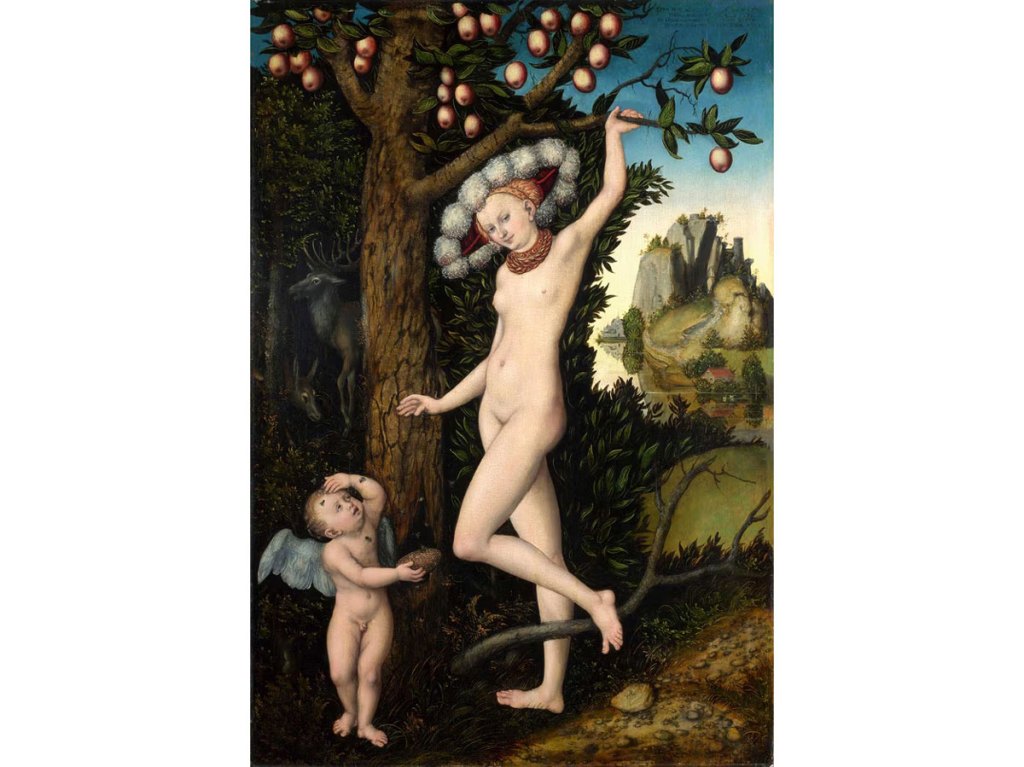
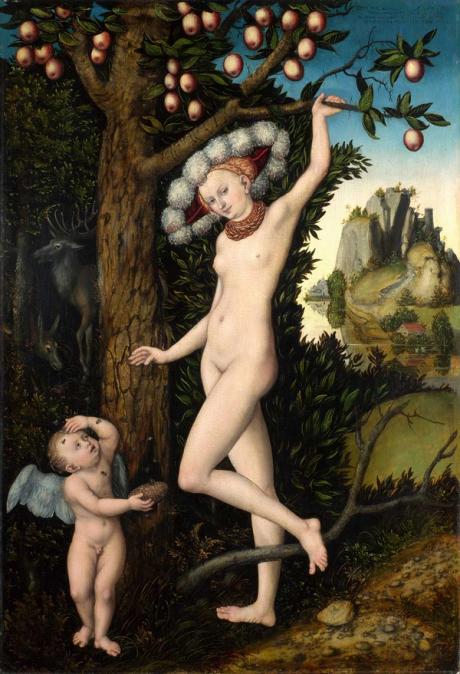
A Lucas Cranach the Elder painting, *Cupid complaining to Venus* (1526–27), once hung in Adolf Hitler's Munich apartment, according to a report by the Art Newspaper. The work was identified in a 1940s photograph published in a 1978 furniture catalog and later in a 2023 article by art historian Birgit Schwarz, who confirmed Hitler's ownership via a 2006 discovery of an album at the Library of Congress. After World War II, American journalist Patricia Lochridge took the painting from a warehouse in Berchtesgaden and smuggled it to the US. The National Gallery in London acquired it in 1963 from A. Silberman Galleries, which falsely claimed it came from the 1909 auction buyer's heir; it had actually been purchased from Lochridge.

Famous Cranach painting spotted in rare photograph of Hitler’s apartment

A rare photograph from the early 1940s reveals that Lucas Cranach the Elder's painting *Cupid complaining to Venus* (1526-27), now a masterpiece in the National Gallery, London, once hung in Adolf Hitler's private Munich apartment. The image, previously published in Germany by provenance expert Birgit Schwarz, appears for the first time in an English-language publication. The painting was acquired by the National Gallery in 1963 from E. and A. Silberman Galleries in New York, which provided a false provenance. It had been taken from a warehouse of recovered art in 1945 by American journalist Patricia Lochridge, who smuggled it into the United States.

Judge Orders Prado to Hold Disputed Velázquez Painting in Divorce Case

A Spanish judge has ordered the Museo del Prado in Madrid to take custody of a painting attributed to Diego Velázquez, which is at the center of a divorce dispute between steel magnate José María Aristrain and his ex-wife Gema Navarro. The work, a portrait of Philip IV linked to Velázquez’s early years in Madrid, was removed from Aristrain’s residence on March 17 and transferred to the Prado’s storage after Navarro filed a complaint alleging it had been wrongly withheld from her. The Ministry of Culture, acting with court and prosecutorial support, designated the museum as custodian until ownership is resolved. The painting had previously surfaced at auction, failing to sell in 2007 amid attribution doubts, before being acquired by Navarro in 2015 for €878,000.

France reckons with Nazi-looted art in a new Paris museum gallery

France has opened a new permanent gallery at the Musée d'Orsay in Paris dedicated to displaying Nazi-looted artworks that remain unclaimed. The gallery features 13 works from the MNR (Musées Nationaux Récupération) collection, including a painting by Alfred Stevens originally destined for Hitler's planned museum in Linz. The display is the first in the museum's history to show the backs of paintings, revealing stamps, labels, and inventory marks that trace how each piece moved from private Jewish homes into Nazi hands. The museum also launched its first research unit to trace rightful heirs, led by Ines Rotermund-Reynard.

Musée d’Orsay displays Renoir and Degas works looted by Nazis

The Musée d’Orsay in Paris has opened a new gallery dedicated exclusively to artworks suspected of being looted or forcibly sold during the Nazi occupation of France. Among the 13 works on display is Edgar Degas's *Dinner at the Ball* (1919), originally owned by Jewish collector Fernand Ochsé, who was deported to Auschwitz with his wife in 1941. The painting passed through multiple hands before being identified as one of over 100,000 artworks plundered by the Nazis. The museum has assembled a team of six provenance researchers to spend three years tracing the original owners of these works, which are part of the "MNR" (Musées nationaux récupération) collection—some 2,200 pieces deemed too important to sell but whose owners remain unknown.

The Founders of Open Restitution Africa (ORA) on Their New Open Data Platform

On March 31, the research initiative Open Restitution Africa (ORA) launched the ORA Open Data Platform, a database providing information on the restitution of African artifacts and ancestral remains. Developed over six years by ORA’s all-woman, pan-African team, the site uses case histories and AI-powered tools to offer practical insights into the return process, available in French and English. It presents 25 case histories spanning 200 years, using data visualizations, essays, and interactive tools to help individuals and communities develop their own restitution strategies. ARTnews interviewed founders Chao Tayiana Maina and Molemo Moiloa about the project's origins and goals.

Dutch Commission Recommends New Guardianship for ‘Orphaned’ Nazi-Looted Art

A Dutch government-appointed committee has proposed transferring guardianship of thousands of unclaimed Nazi-looted artworks from a state agency to a Jewish foundation, preferably housed at the Jewish Museum in Amsterdam. The plan includes funding for exhibitions and explanatory labels to publicly display the so-called "orphaned" art from the Netherlands Art Property Collection.

Condemned by Francoism, a writer rehabilitated by the Spanish Congress

Condamné par le franquisme, un écrivain réhabilité par le Congrès espagnol

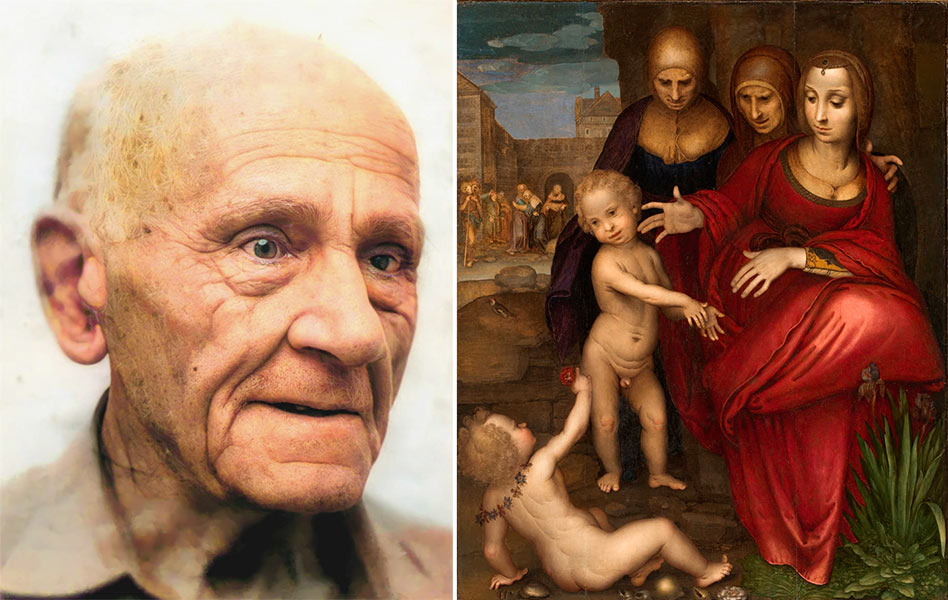
The Spanish Congress has officially rehabilitated Cipriano Salvador (1894-1975), a Republican intellectual wrongly accused by the Franco regime of stealing a Renaissance painting he actually saved. During the Spanish Civil War, Salvador hid Fernando Yáñez's "La Santa Generación" (c. 1525-1532) from destruction. After Franco's victory, a priest sold the work to the Prado Museum for 15,000 pesetas, while Salvador was arrested, sentenced to death (later commuted to 30 years), and spent seven years in prison. He died in 1975 without exoneration. The rehabilitation motion passed with 32 votes in favor, 3 against, and 1 abstention, with only far-right party Vox opposing.

Berlin Museum to Return Almost 600 Skulls

Berliner Museum will fast 600 Schädel zurückgeben

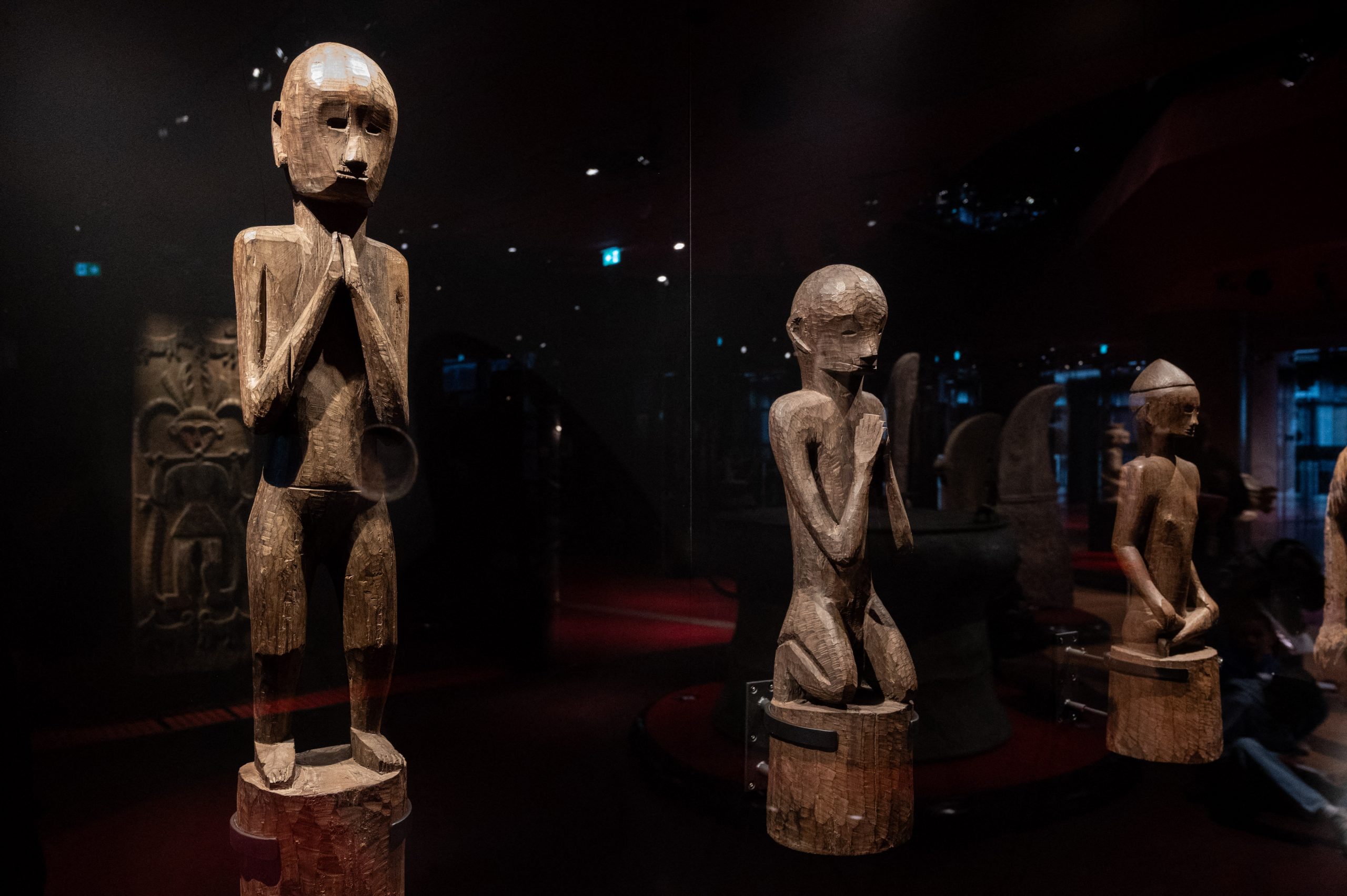
The Prussian Cultural Heritage Foundation in Berlin has announced plans to repatriate hundreds of human skulls to West African nations following a multi-year provenance investigation. The research identified the origins of 574 skulls, with 336 linked to present-day Cameroon, 151 to Togo, 23 to Ghana, and one to Nigeria, while 63 could not be precisely located. The skulls were part of a historical anthropological collection transferred from Berlin's Charité university hospital in 2011.

UK’s Brighton & Hove Museums to return 45 artefacts to Botswana

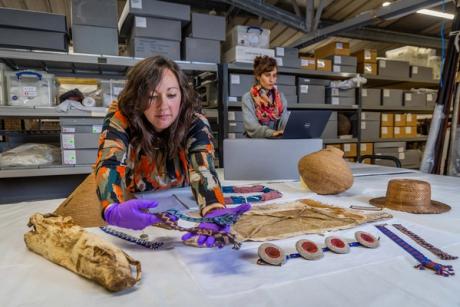
Brighton & Hove Museums in southern England will return 45 artefacts to Botswana. The objects, including clothing, accessories and hunting implements, were acquired by English reverend William Charles Willoughby in the 1890s and will be housed at the Khama III Memorial Museum in Serowe, where they will form part of a permanent exhibition opening on 27 May. A team from Brighton & Hove Museums is working with Botswanan curators on the return, which is scheduled for April.

France Passes Law Easing Process of Returning Looted Art

France has passed a new law that simplifies the process of returning looted art and cultural artifacts to their countries of origin. The legislation, championed by President Emmanuel Macron, is seen as a major step in addressing colonial-era acquisitions, particularly for African artworks held in French museums. Experts describe the law as a seismic shift in restitution policy, enabling faster and more systematic returns without requiring individual parliamentary approvals for each item.

Dutch Panel Designs Plan to Deal With ‘Orphaned’ Nazi-Looted Art

A Dutch advisory panel has recommended the creation of a new independent Jewish foundation to manage a vast collection of artworks looted by the Nazis that remain unclaimed. The collection, known as the NK collection, consists of over 3,000 objects currently held by the Dutch state, but whose original owners or heirs have not been identified.

Investigators search again for stolen Celtic gold treasure

Ermittler suchen erneut nach gestohlenem Kelten-Goldschatz

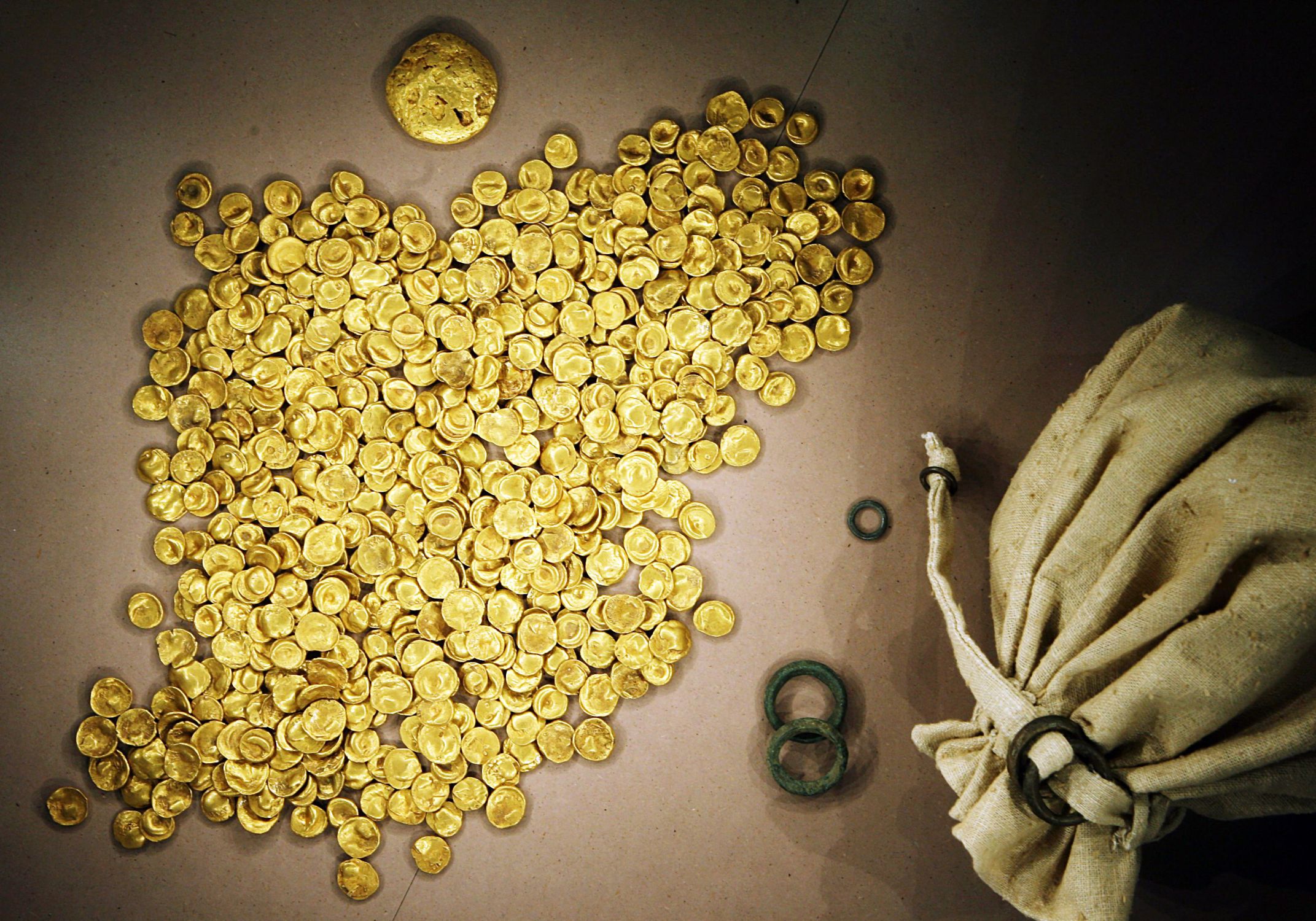
More than three years after the theft of a Celtic gold treasure from the Kelten Römer Museum in Manching, Bavaria, investigators are conducting a new search for the missing loot. Four perpetrators were arrested and sentenced to long prison terms in July 2025, but only a small portion of the stolen gold coins was recovered. Now, based on new intelligence, Bavarian state police are searching the property of the main suspect and his partner in Plate, Mecklenburg-Vorpommern, using X-ray and radar technology. They believe 411 gold coins and a gold casting ingot—about three kilograms of gold—are professionally hidden there, along with cash from other burglaries. The suspect's partner is under investigation for money laundering for allegedly offering to help sell the gold.