

filter_list Showing 3 results for "ICAN" close Clear
search
dashboard All 338 museum exhibitions 200trending_up market 36article local 26article culture 23article news 19article policy 9person people 9rate_review review 8candle obituary 5gavel restitution 3
date_range Range Today This Week This Month All
Subscribe

Fifty years after Franco, Spain begins to give back art seized during the Civil War

A 2022 Spanish law has quietly triggered a wave of restitutions of art looted during the Spanish Civil War, more than 50 years after dictator Francisco Franco's death. The Museo del Prado has identified 166 confiscated artworks in its collection, including works by Joaquín Sorolla and Pedro Atanasio Bocanegra, and has begun returning pieces such as a panel painting by Maestro de Lupiana to the parish of Yebes. Scholar Arturo Colorado Castellary has uncovered over 26,000 confiscated objects, with around a third never returned to their owners, many deposited in museums, churches, and public administrations.
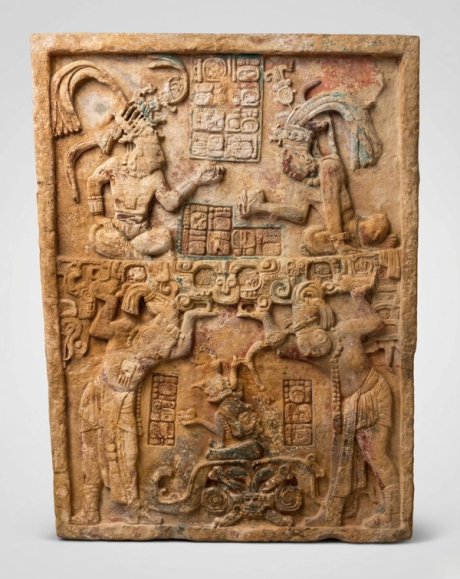
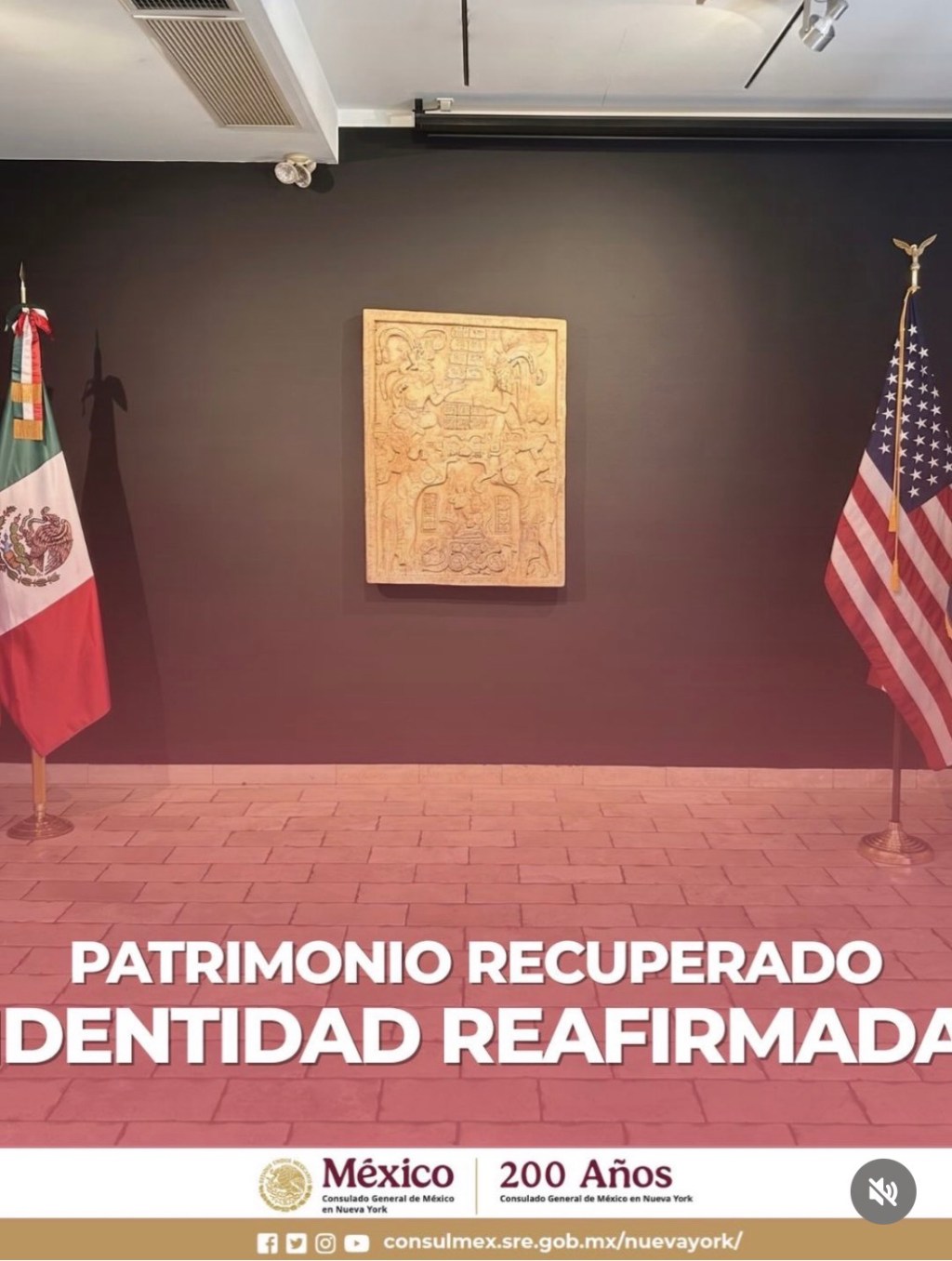
Guatemala stakes claim to stone lintel by 'the Michelangelo of the pre-Columbian era' that was repatriated to Mexico

A Maya stone lintel, dating from AD600-AD900 and depicting a ritual scene associated with the ruler Cheleew Chan K'inich, was repatriated to Mexico on April 16 after being turned over to the Mexican consulate in New York by an unnamed US businessman. However, hours after the ceremony, experts determined the lintel actually originated from Guatemala's Petén Basin. Guatemala's cultural ministry, led by minister Luis Méndez Salinas, has formally requested the object's return through diplomatic channels, citing technical analysis and consultations with archaeologists.

1,200-Year-Old Limestone Lintel was Inadvertently Repatriated to Mexico Instead of to Guatemala

A 1,200-year-old limestone lintel, carved by the ancient Maya artist Mayuy and depicting a ruler of Yaxchilán, was repatriated from the United States to Mexico in mid-April after an American businessman turned it over to the Mexican consulate in New York. However, Guatemala's cultural minister has begun proceedings to reclaim the artifact, arguing that it was originally removed from the Guatemalan side of the Usumacinta River, not Mexico. The lintel was first documented by American explorers Dana and Ginger Lamb in the 1950s in an area called Laxtunich, and its exact provenance has been disputed by scholars.