filter_list Showing 9 results for "L" close Clear
search
dashboard All 1150 museum exhibitions 659article local 149trending_up market 91article news 72article culture 72article policy 32person people 24candle obituary 22rate_review review 20gavel restitution 9
date_range Range Today This Week This Month All
Subscribe

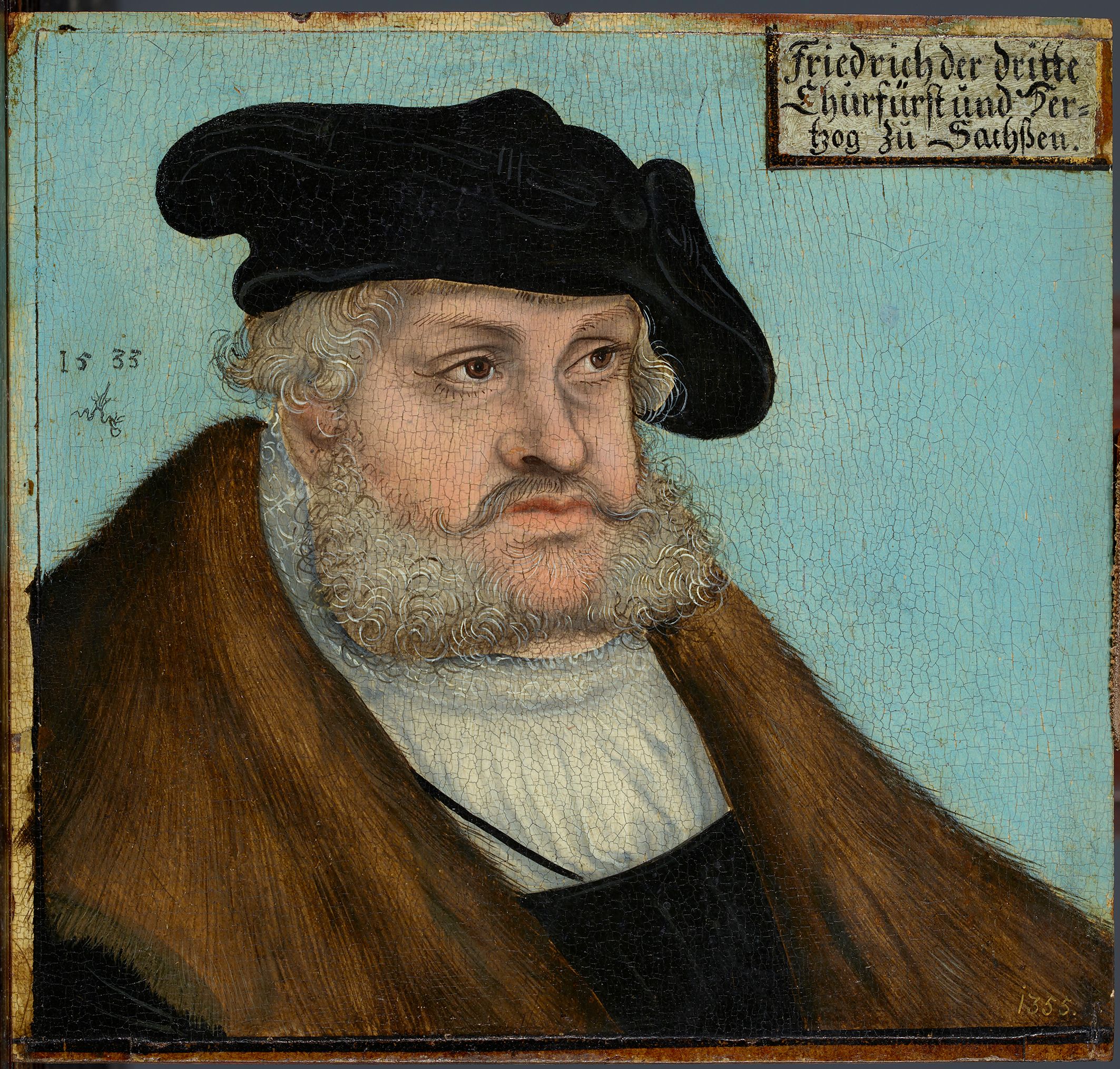
Tiny Cranach Painting That Vanished During WWII Returns to Dresden

A miniature portrait of Friedrich III (Frederick the Wise) by Lucas Cranach the Elder, missing since World War II, has been returned to the State Art Collections of Dresden, Germany. The painting was last documented in May 1945 in a limestone quarry shelter near Pockau-Lengefeld before vanishing. It resurfaced in 2024 when consigned to Parisian auction house Artcurial, whose provenance investigation revealed a matching inventory number from 1722–1728. The Dreyfus family in France, the modern owners, returned the work after negotiations and a financial agreement. It is now on view at the Coin Cabinet of the Royal Palace in a special exhibition marking the 500th anniversary of Friedrich III's death, and will later be permanently displayed in the Semper Gallery.
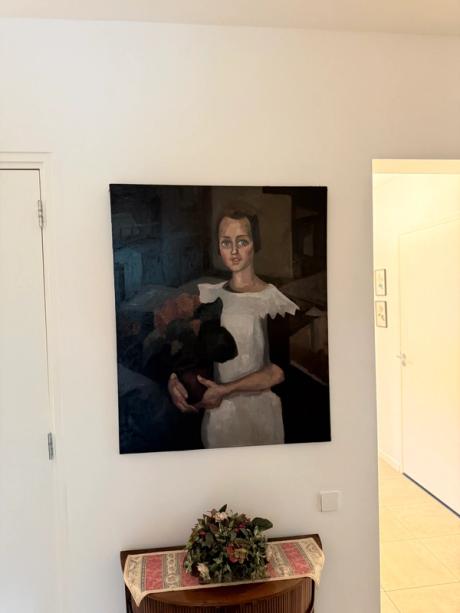
The Netherlands is confronting its history of Nazi occupation – but many stolen objects remain unreturned

Arthur Brand, a Dutch art detective, was contacted by a man who discovered that his family descended from Hendrik Seyffardt, a high-ranking Nazi collaborator, and that a painting looted from Jewish art dealer Jacques Goudstikker remained in their possession. The painting, Toon Kelder's *Portrait of a Young Girl*, had hung in a relative's home near Utrecht for years. The family, who changed their name after WWII, handed the painting to Brand after the story broke in Dutch media, expressing shame and outrage over the silence surrounding their history.

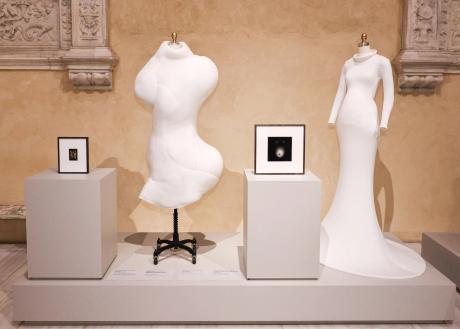
British artist says the Met ‘should take responsibility’ for dress copyright dispute

British artist Anouska Samms has publicly criticized the Metropolitan Museum of Art in New York over a copyright dispute involving a dress displayed in the Met Gala opening exhibition. Samms claims the museum included a garment called the Nervina Hair Dress, which she says is a copy of her collaborative work Hair Dress, created with fashion designer Yoav Hadari during their residency at the Sarabande Foundation. The Met had expressed interest in acquiring the original dress for its Costume Art exhibition but shelved those plans in December. Samms says she was not credited or paid, while Hadari acknowledges her IP rights over the textile but asserts the design and construction are his own. The Met has declined to comment, directing the artists to resolve the matter themselves.

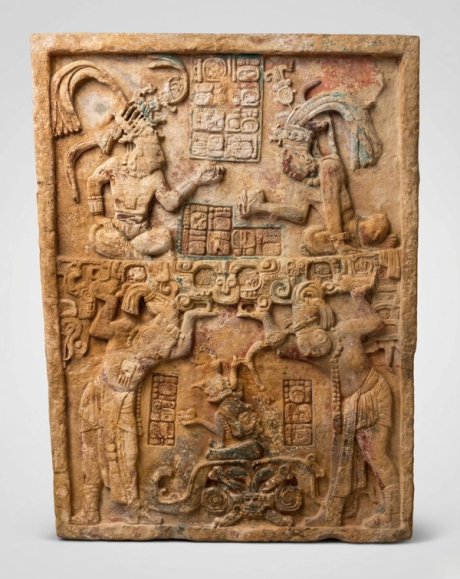
Guatemala stakes claim to stone lintel by 'the Michelangelo of the pre-Columbian era' that was repatriated to Mexico

A Maya stone lintel, dating from AD600-AD900 and depicting a ritual scene associated with the ruler Cheleew Chan K'inich, was repatriated to Mexico on April 16 after being turned over to the Mexican consulate in New York by an unnamed US businessman. However, hours after the ceremony, experts determined the lintel actually originated from Guatemala's Petén Basin. Guatemala's cultural ministry, led by minister Luis Méndez Salinas, has formally requested the object's return through diplomatic channels, citing technical analysis and consultations with archaeologists.

Who Owns These Artworks? Musée d’Orsay Hopes Visitors Can Help Find Out.

The Musée d’Orsay in Paris has opened a new room in its permanent display featuring 13 artworks recovered from Germany and Austria after World War II, whose provenance remains unknown. The museum is inviting visitors to help identify the original owners of these pieces, which were looted or displaced during the war and later restituted to France.

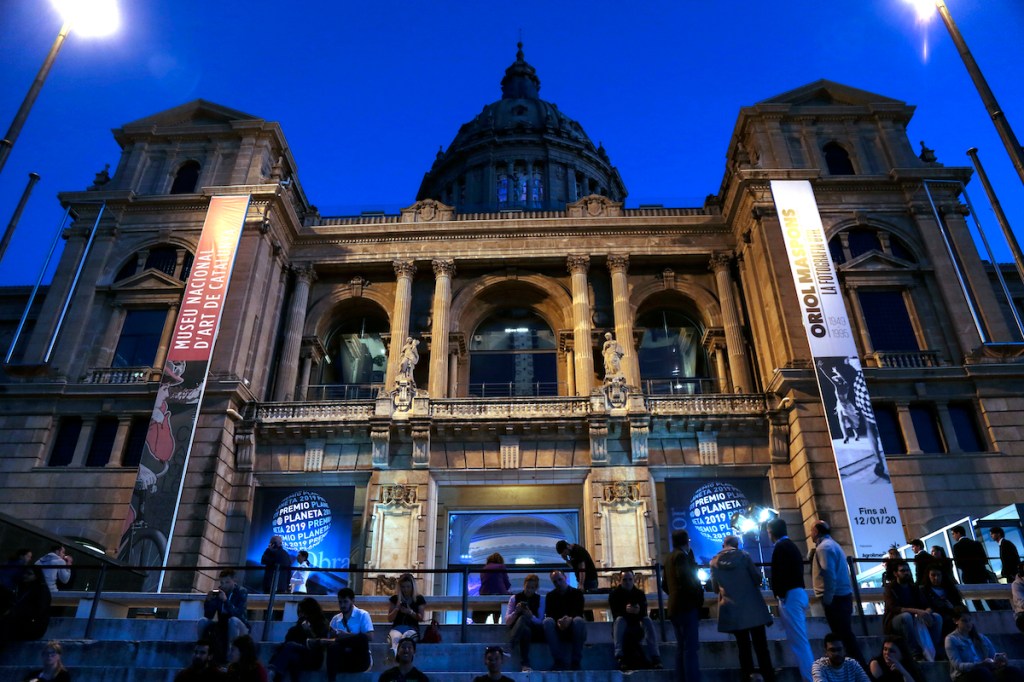
Catalonia Sues Aragón for €791,000 for Repayment Over Restitution of 56 Artworks

The Catalan government has formally demanded €791,000 (approximately $920,000) from the Aragonese government to recoup costs related to the value and upkeep of 56 artworks from the Royal Monastery of Santa María de Sigena. The works were removed from the monastery in 1936 for safekeeping during the Spanish Civil War, and Spain's Supreme Court ruled in 2021 that they must be returned to Aragón. Of the 56 pieces, 12 were held at the National Art Museum of Catalonia and 44 at the Diocesan Museum of Lleida. The Catalan government has given Aragón 30 days to negotiate a settlement before returning to court.

Nazi-looted painting discovered in home of Dutch SS commander's heirs

Art detective Arthur Brand announced the discovery of a Nazi-looted painting, *Portrait of a Young Girl* by Toon Kelder, in the home of the heirs of Hendrik Seyffardt, a notorious Dutch SS commander. The painting was part of the more than 1,100 works plundered from Amsterdam art dealer Jacques Goudstikker by German occupiers. An anonymous heir, who changed his family name, contacted Brand after learning of his ancestry, expressing shame and demanding the painting be returned to the rightful Jewish owners. The current owner, a relative, claims ignorance of its provenance and says the family is discussing restitution.

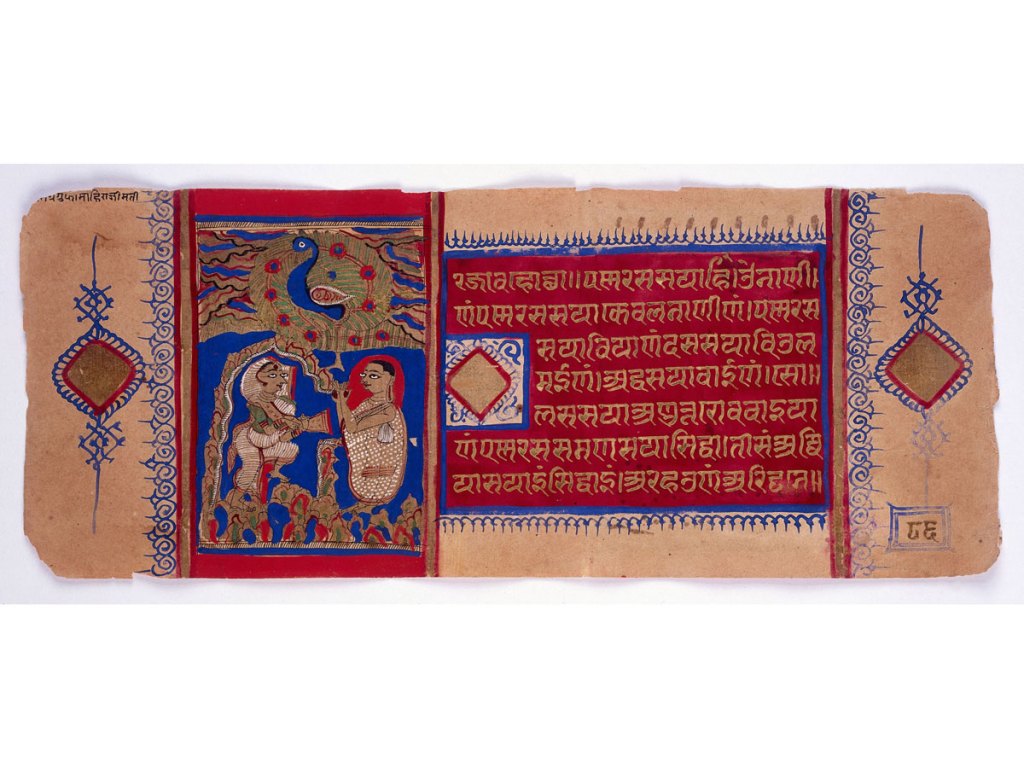
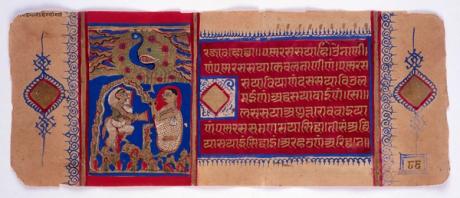
London’s Wellcome Collection to Transfer 2,000 Manuscripts to Jain Community, But They Will Stay in UK

The Wellcome Collection in London has announced plans to transfer 2,000 Jain manuscripts to the Jain community, but they will remain in the UK at the University of Birmingham’s Dharmanath Network in Jain Studies. The manuscripts, ranging from the 15th to 19th centuries, were largely purchased in 1919 from a temple in India and from sources in present-day Pakistan. The transfer follows years of dialogue with the UK-based Institute of Jainology and aims to maximize community access and research opportunities.

London's Wellcome Collection returns 2,000 manuscripts to the Jain community

London's Wellcome Collection is returning 2,000 Jain manuscripts to the Jain community, the largest such collection outside South Asia. Acquired in 1919 at a low price from a Jain temple in what is now Pakistan, the manuscripts will be transferred to the UK-based Institute of Jainology and deposited at the University of Birmingham. A Memorandum of Understanding is being signed at the House of Commons. The restitution bypasses the country of origin because the Jain community in Pakistan was displaced after the 1947 partition, leaving no suitable depository there.