filter_list Showing 9 results for "NEED" close Clear
search
dashboard All 586 museum exhibitions 162article news 113article local 84article policy 64trending_up market 59article culture 53person people 28rate_review review 11gavel restitution 9article museums & heritage 1candle obituary 1article event 1
date_range Range Today This Week This Month All
Subscribe

One of Donatello’s most important bronze statues is being restored: should it ever be shown outdoors again?

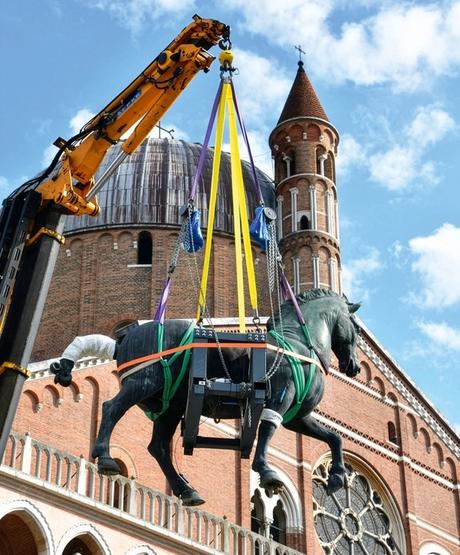
Donatello's monumental 1453 bronze equestrian statue, Gattamelata, has been moved from its outdoor plinth in Padua to a nearby indoor hall for a major €1 million restoration. This marks only the third time the statue has been moved indoors in nearly 600 years, prompted by severe corrosion known as "bronze cancer" and structural concerns about its stone pedestal. The restoration is funded by two American non-profit organizations, Friends of Florence and Save Venice.

stolen painting saint francis returned mexico church

A painting of Saint Francis of Assisi, stolen from the Church of San Francisco de Asis in Teotihuacán, Mexico, in 2001, has been recovered and returned to the church. The six-foot-tall work, painted in 1747 by an unknown artist, was among 18 artworks taken in a nighttime theft. It resurfaced in 2018 when it was consigned to Mexico City auction house Morton Subastas, whose due diligence with the Art Loss Register flagged it as stolen. The painting, valued at 280,000 Mexican pesos ($15,000), was returned to the church in a ceremony led by Padre Teodoro García Romero.

valparaiso university brauer museum can sell paintings

The Porter County Superior Court has approved Valparaiso University's plan to sell three valuable paintings from the Brauer Museum of Art—works by Frederic Edwin Church, Childe Hassam, and Georgia O'Keeffe valued at around $20 million—to fund renovations to freshman dormitories. The decision follows a year and a half of controversy, including a lawsuit from the museum's founding director Richard Brauer and condemnation from major museum professional organizations, who argue that deaccessioning art for non-collection purposes violates ethical standards.

the met returns historic buddhist painting to korea

The Metropolitan Museum of Art has returned a late-18th century Buddhist painting, *The Tenth King of Hell* (1798), to the Sinheungsa Temple in Sokcho, Gangwon Province, South Korea. The work is believed to have been taken by U.S. troops during the Korean War. The repatriation was celebrated at a ceremony in Seoul attended by Met Director and CEO Max Hollein, Korean government officials, and religious leaders. The painting is part of a larger series of ten scrolls depicting the Ten Kings of the Underworld; three remain abroad, while six others previously at LACMA have already been returned.

Fifty years after Franco, Spain begins to give back art seized during the Civil War

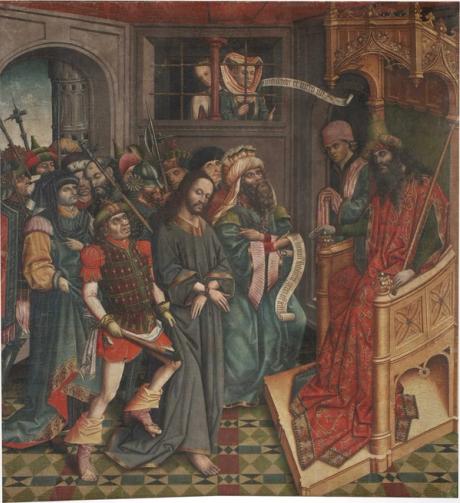
A 2022 Spanish law has quietly triggered a wave of restitutions of art looted during the Spanish Civil War, more than 50 years after dictator Francisco Franco's death. The Museo del Prado has identified 166 confiscated artworks in its collection, including works by Joaquín Sorolla and Pedro Atanasio Bocanegra, and has begun returning pieces such as a panel painting by Maestro de Lupiana to the parish of Yebes. Scholar Arturo Colorado Castellary has uncovered over 26,000 confiscated objects, with around a third never returned to their owners, many deposited in museums, churches, and public administrations.

faked artworks japan wolfgang beltracchi

A painting long attributed to Moïse Kisling, titled *Kiki de Montparnasse* and held by Japan's Yamada Bee Company Group, has been identified as a forgery by notorious art forger Wolfgang Beltracchi. The discovery, reported by NHK, follows a wave of Beltracchi-linked fakes uncovered in Japanese museums and collections, including a purported Marie Laurencin portrait in Tokyo and a forgery of Heinrich Campendonk's *Girl with Swan* at the Museum of Art, Kochi. Beltracchi admitted to forging the Kisling around 1990, claiming he studied the artist deeply.

christies lawsuit milos vavra egon schiele nazi looted art

A Czech man named Milos Vavra, a descendant of Jewish cabaret performer and collector Fritz Grünbaum who was murdered by the Nazis, has filed a lawsuit against Christie's in New York Supreme Court. Vavra demands that the auction house disclose the ownership and location of several blue-chip artworks from the Grünbaum Collection, including works by Egon Schiele. He alleges that Christie's entered a nondisclosure agreement with a Swiss family seeking to auction looted artworks, and he needs the information urgently to file claims before the Holocaust Expropriated Art Recovery Act (HEAR Act) statute of limitations expires in late 2026.

Meet the global taskforce working to recover stolen cultural heritage

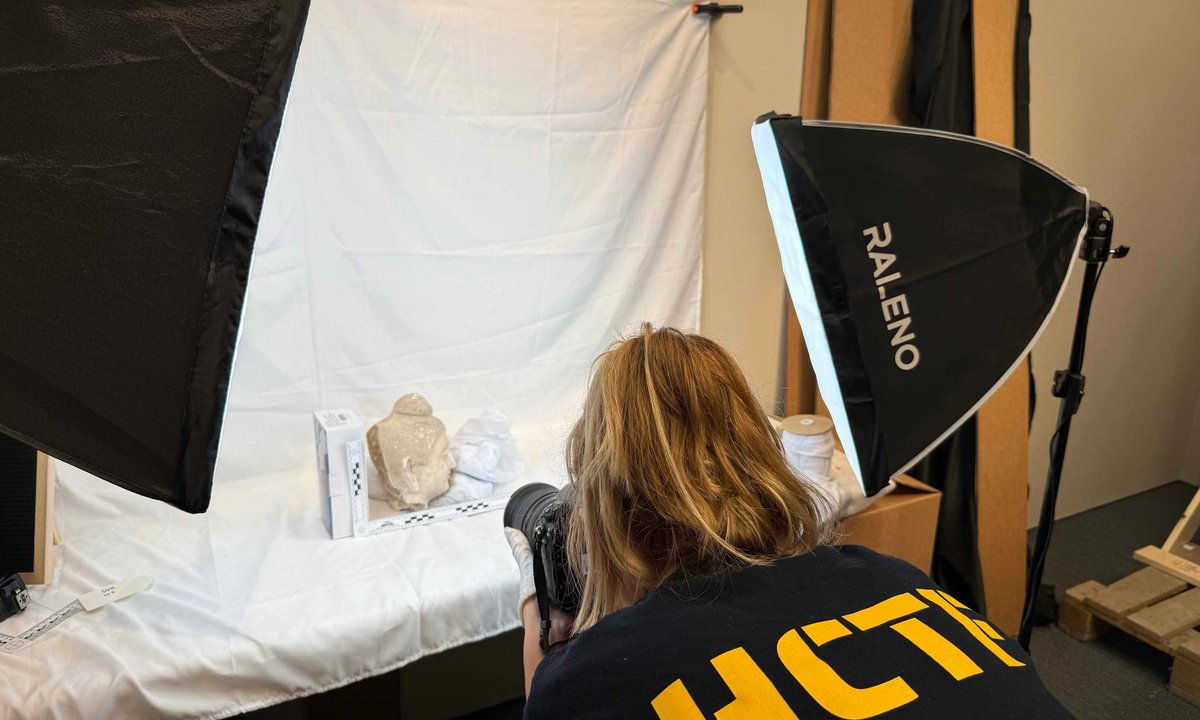
The London Metropolitan Police's Art and Antiques Unit, in collaboration with the Heritage Crime Task Force (HCTF) of the Organisation for Security and Co-operation in Europe (OSCE), is processing over 300 recovered cultural artefacts. The objects—including statues, frescoes, chainmail armour, and stucco heads—were voluntarily handed over by an individual who had kept them for over a decade. Experts are conducting forensic analysis, photography, and archaeological assessment to determine authenticity and origin, with initial findings suggesting items from Cambodia's Angkor Period, the Gandhara region of Pakistan and Afghanistan, the Indus Valley civilisation, and possibly a mosque in Syria or Iraq.

1,200-Year-Old Limestone Lintel was Inadvertently Repatriated to Mexico Instead of to Guatemala

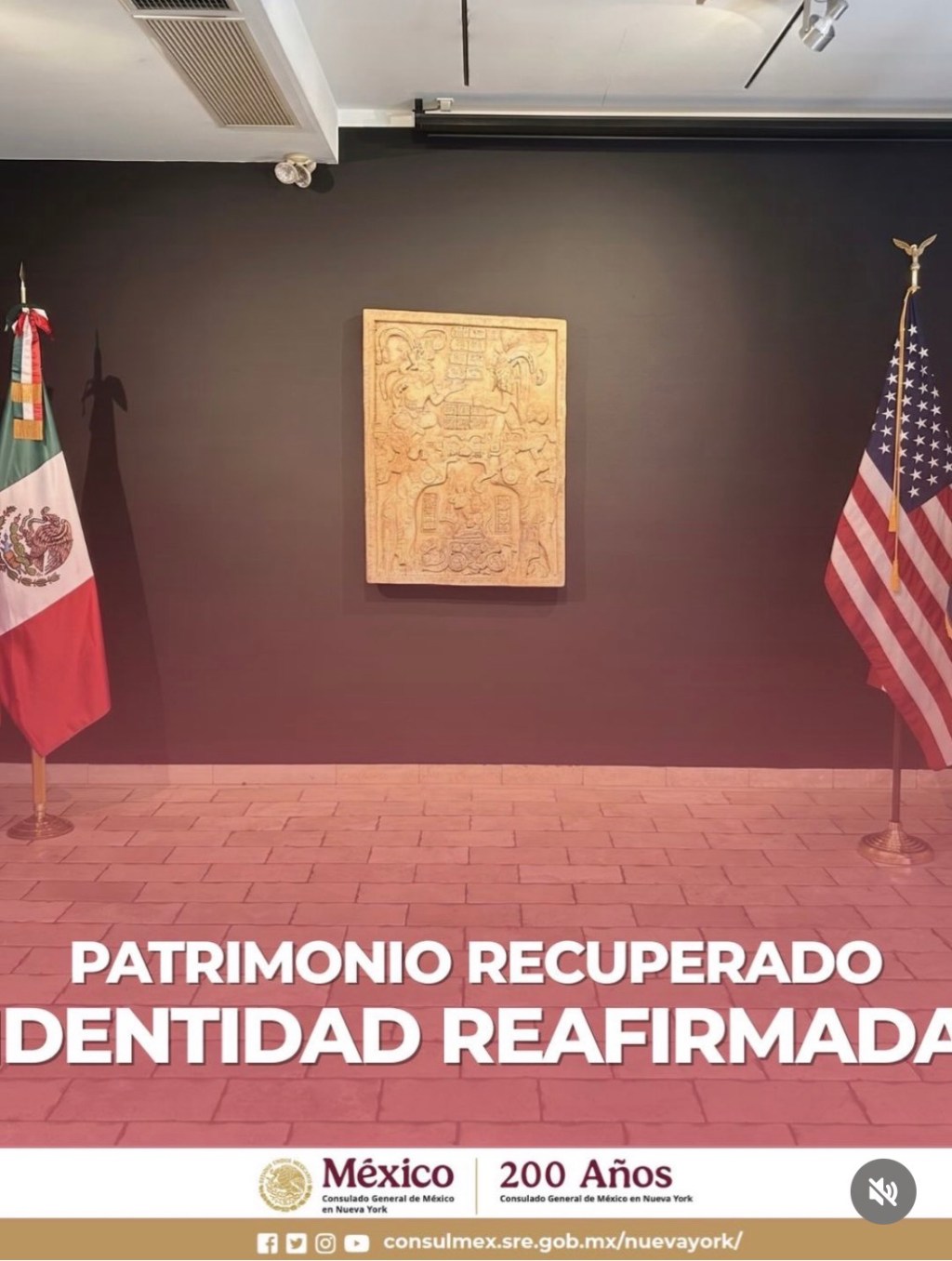
A 1,200-year-old limestone lintel, carved by the ancient Maya artist Mayuy and depicting a ruler of Yaxchilán, was repatriated from the United States to Mexico in mid-April after an American businessman turned it over to the Mexican consulate in New York. However, Guatemala's cultural minister has begun proceedings to reclaim the artifact, arguing that it was originally removed from the Guatemalan side of the Usumacinta River, not Mexico. The lintel was first documented by American explorers Dana and Ginger Lamb in the 1950s in an area called Laxtunich, and its exact provenance has been disputed by scholars.