filter_list Showing 6 results for "Park" close Clear
dashboard All 202 museum exhibitions 84article news 32article local 29article policy 25article culture 8gavel restitution 6trending_up market 6person people 4article event 3rate_review review 3candle obituary 2
date_range Range Today This Week This Month All
Subscribe

Valuable Art Collection Featuring Frida Kahlo Set To Leave Mexico Sparks Concern in Art Community

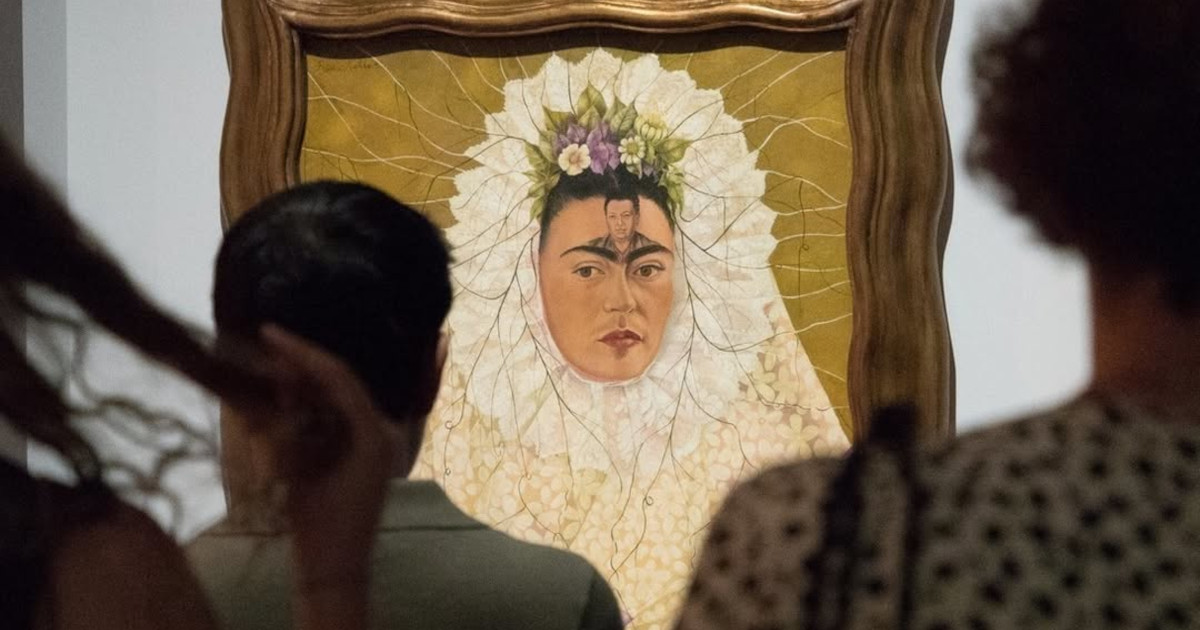
The Mexican art community is voicing alarm over the relocation of the prestigious Gelman Collection to Spain, where it is slated to become the centerpiece of the new Foro Santander cultural center. Managed by Santander Bank and previously acquired by the Zambrano family, the collection includes 160 works by modern masters such as Diego Rivera and David Alfaro Siqueiros, including 18 rare paintings by Frida Kahlo. Critics and academics have signed an open letter demanding transparency from the Mexican government regarding the legality of this long-term export, given that many of these works are designated as national artistic monuments.
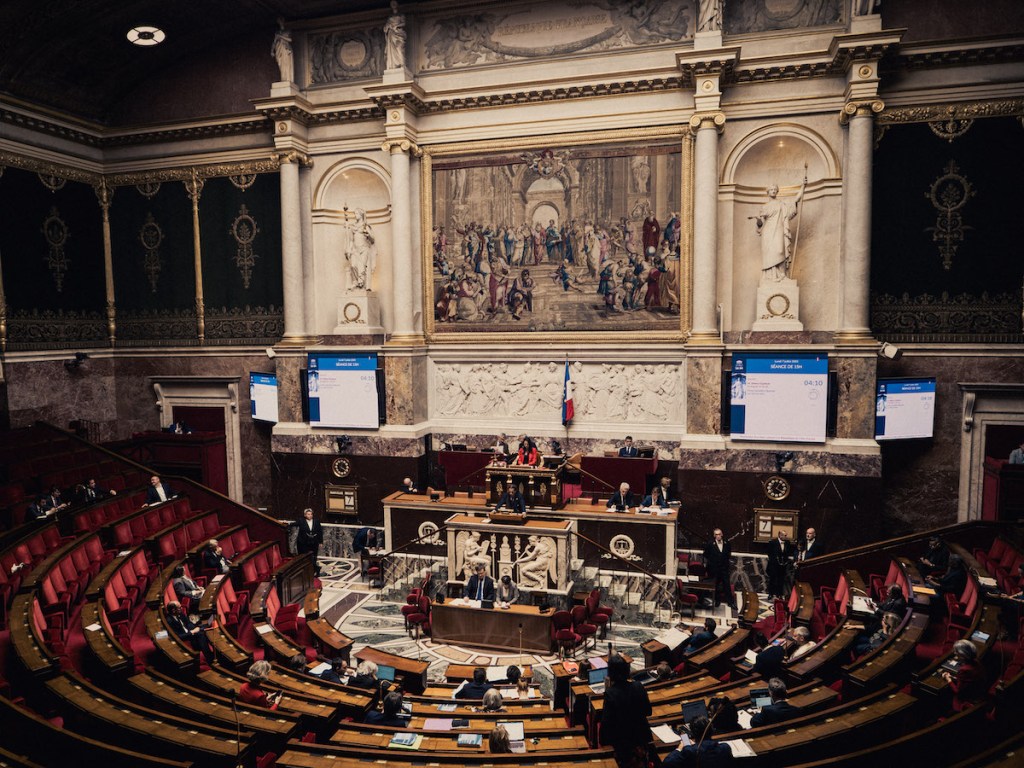
National Assembly Unanimously Votes on Law for Restitution of Looted Colonial Works, but with Restrictions

L’Assemblée vote à l’unanimité la loi sur la restitution des œuvres pillées pendant la colonisation, mais avec des restrictions

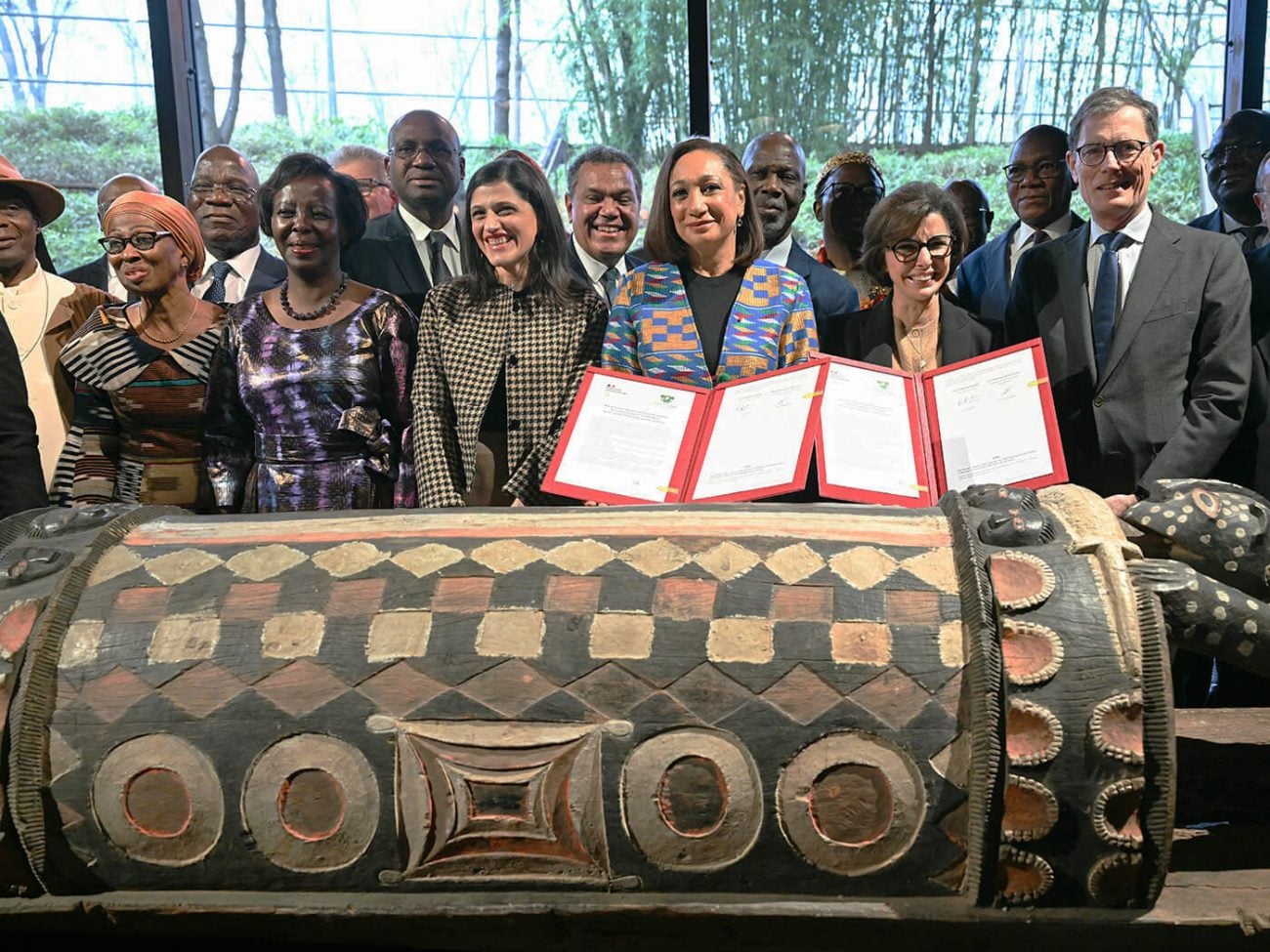
The French National Assembly has unanimously passed a landmark law establishing a permanent legal framework for the restitution of cultural property looted during the colonial era. Moving away from the previous requirement for case-by-case legislation, the new law allows the government to return artifacts via decree following consultations with scientific and parliamentary commissions. This shift fulfills a long-standing promise to simplify the return of African heritage currently held in French public collections.

Proposed Restitution Law in France Advances in National Assembly

The French National Assembly’s Cultural Affairs Committee has approved a landmark bill aimed at streamlining the restitution of cultural property looted from Africa during the colonial era. Moving away from the previous requirement for case-by-case legislation, the new framework allows restitutions to be ordered by ministerial decree, provided they fall within the 1815–1972 timeframe. This advancement follows years of debate sparked by President Emmanuel Macron’s 2017 pledge and the influential 2018 Sarr-Savoy report.

1815, a Key Year for the Question of Art Restitution at the Heart of an Enlightening Book

1815, année clé de la question des restitutions d’œuvres d’art au cœur d’un ouvrage éclairant

Art historian Bénédicte Savoy has released a new book, "1815, le temps du retour," which examines the massive wave of art restitutions following the collapse of the Napoleonic Empire. Between 1794 and 1811, French revolutionary and imperial forces seized thousands of artworks and cultural objects from across Europe to fill the Louvre under the guise of creating a universal museum. After Napoleon's defeat in 1815, the subsequent return of these works sparked a global debate involving intellectuals and politicians regarding national identity, cultural property, and the legal status of looted heritage.

Barcelona museum refuses to return Sijena murals to monastery

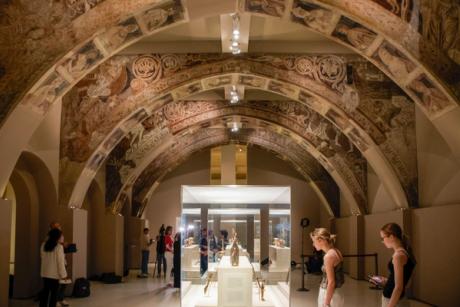
The Museu Nacional d’Art de Catalunya (MNAC) in Barcelona is refusing to comply with a Spanish Supreme Court order to return the 12th-century Sijena murals to their original monastery in Aragón. Tensions escalated after the museum hosted a listening party for pop star Rosalía in the same hall where the Romanesque masterpieces are housed, leading to accusations from the municipality of Villanueva de Sijena that the museum is endangering the fragile works. MNAC director Pepe Serra has dismissed these concerns as scientifically unfounded, sparking threats of a defamation lawsuit from local officials.

Dutch Commission Recommends New Guardianship for ‘Orphaned’ Nazi-Looted Art

A Dutch government-appointed committee has proposed transferring guardianship of thousands of unclaimed Nazi-looted artworks from a state agency to a Jewish foundation, preferably housed at the Jewish Museum in Amsterdam. The plan includes funding for exhibitions and explanatory labels to publicly display the so-called "orphaned" art from the Netherlands Art Property Collection.