filter_list Showing 22 results for "TAN" close Clear
search
dashboard All 2338 museum exhibitions 1254article local 289article news 220article culture 203trending_up market 175rate_review review 61article policy 45person people 39candle obituary 30gavel restitution 22
date_range Range Today This Week This Month All
Subscribe

Art Publisher Owes $102.2 Million in Damages for Late Robert Indiana Works

A Manhattan jury has ordered art publisher Michael McKenzie to pay $102.2 million in damages for creating unauthorized or adulterated versions of works by the late Pop artist Robert Indiana. The lawsuit, brought by Indiana’s former business partner the Morgan Art Foundation, alleged that McKenzie produced Indiana-related junk products that infringed trademark and copyright, including reproductions of Indiana’s iconic “LOVE” design and the artworks *The Ninth American Dream* (2001) and *USA FUN* (1965). The jury found McKenzie liable for exploiting Indiana in the final years of his life, after the artist granted power of attorney to his caretaker, Jamie Thomas.
Tiny Cranach Painting That Vanished During WWII Returns to Dresden

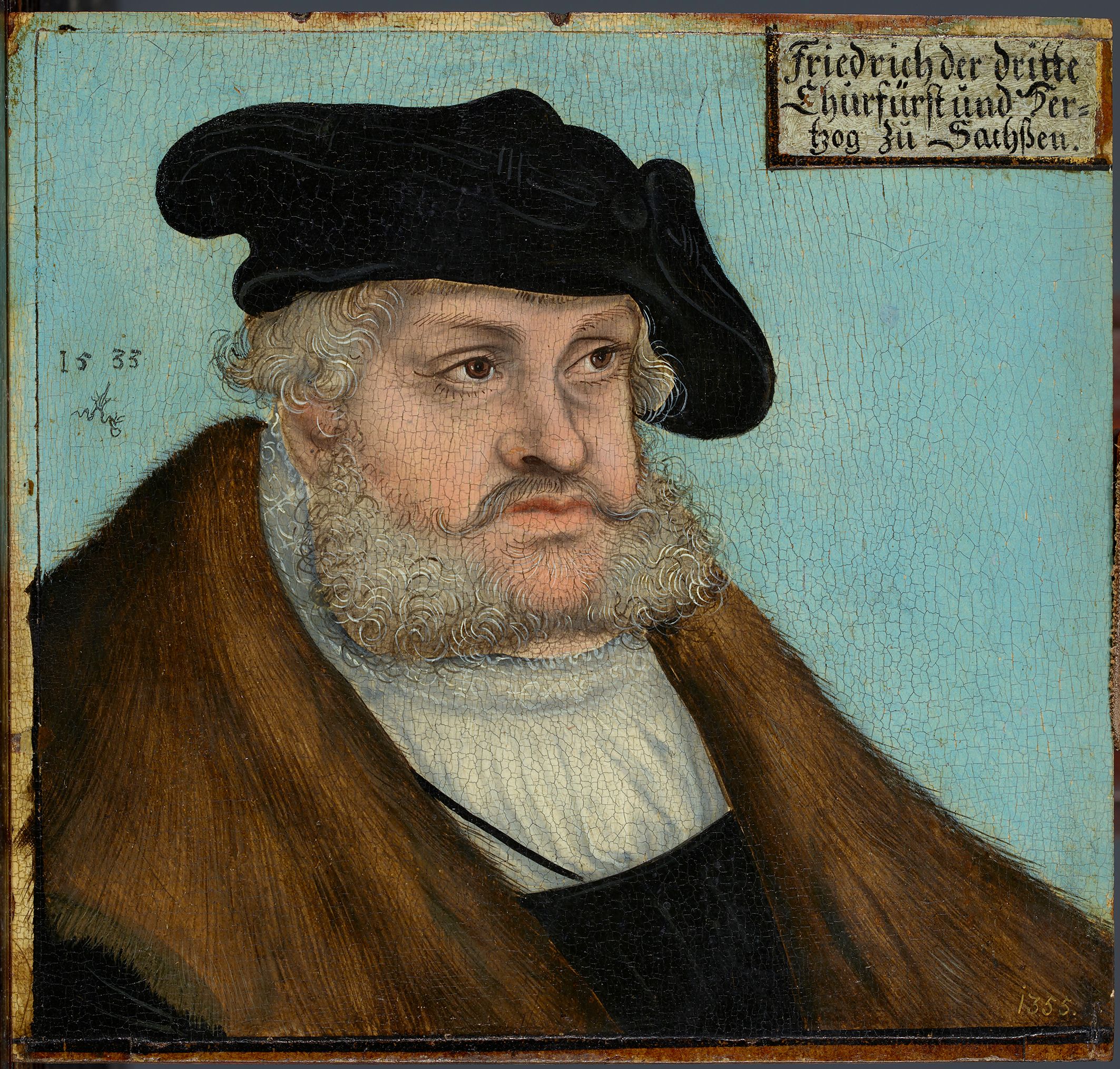
A miniature portrait of Friedrich III (Frederick the Wise) by Lucas Cranach the Elder, missing since World War II, has been returned to the State Art Collections of Dresden, Germany. The painting was last documented in May 1945 in a limestone quarry shelter near Pockau-Lengefeld before vanishing. It resurfaced in 2024 when consigned to Parisian auction house Artcurial, whose provenance investigation revealed a matching inventory number from 1722–1728. The Dreyfus family in France, the modern owners, returned the work after negotiations and a financial agreement. It is now on view at the Coin Cabinet of the Royal Palace in a special exhibition marking the 500th anniversary of Friedrich III's death, and will later be permanently displayed in the Semper Gallery.

Affaire Indiana : un éditeur d’art condamné à 102 millions de dollars

A federal jury in Manhattan has ordered Michael McKenzie and his company American Image Art to pay $102 million (€95 million) to the Morgan Art Foundation for unauthorized exploitation of works by artist Robert Indiana (1928-2018), including his iconic LOVE image. The case, filed in May 2018 just before Indiana's death, alleged that McKenzie—a former agent of the artist—produced and sold unauthorized editions, sculptures, and merchandise under Indiana's name, violating exclusive reproduction and commercialization rights granted to the foundation in the 1990s. The jury found McKenzie guilty of trademark infringement, copyright violation, and contractual interference, with $6.2 million specifically tied to 44 LOVE works. The defense, weakened by sanctions for hiding evidence and refusing to cooperate, plans to appeal.

British artist says the Met ‘should take responsibility’ for dress copyright dispute

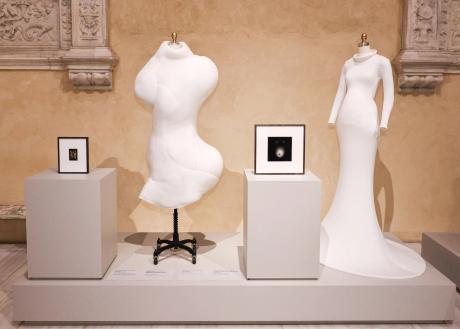
British artist Anouska Samms has publicly criticized the Metropolitan Museum of Art in New York over a copyright dispute involving a dress displayed in the Met Gala opening exhibition. Samms claims the museum included a garment called the Nervina Hair Dress, which she says is a copy of her collaborative work Hair Dress, created with fashion designer Yoav Hadari during their residency at the Sarabande Foundation. The Met had expressed interest in acquiring the original dress for its Costume Art exhibition but shelved those plans in December. Samms says she was not credited or paid, while Hadari acknowledges her IP rights over the textile but asserts the design and construction are his own. The Met has declined to comment, directing the artists to resolve the matter themselves.

A Lucas Cranach the Elder Masterpiece Once Hung in Hitler’s Munich Apartment

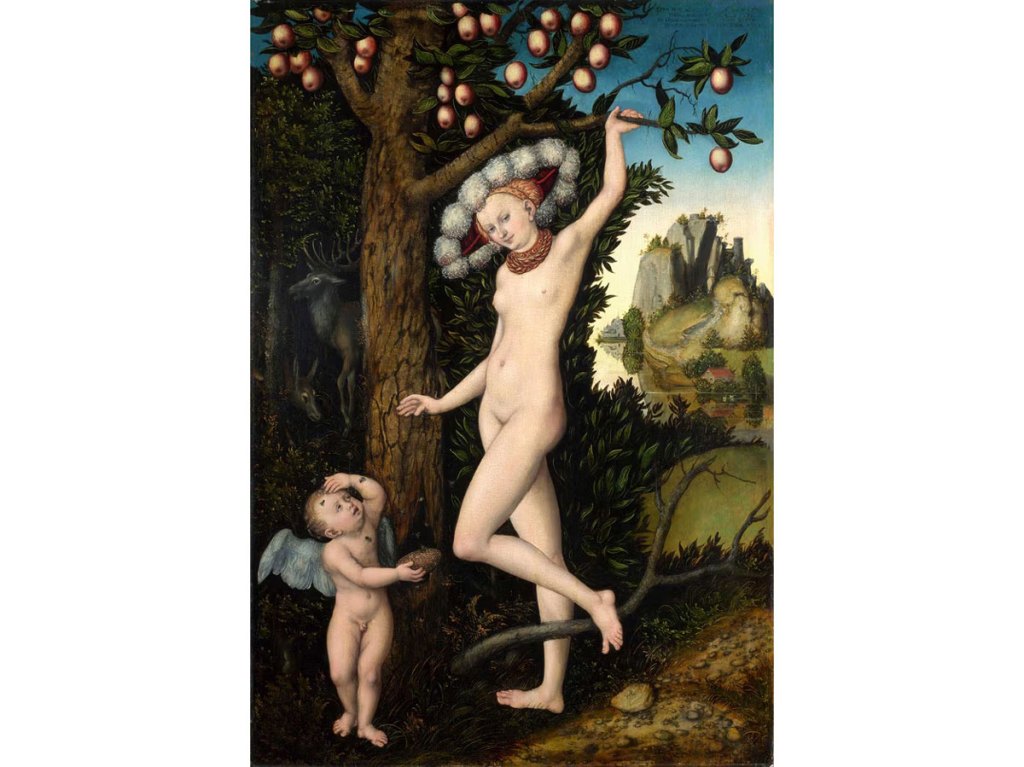
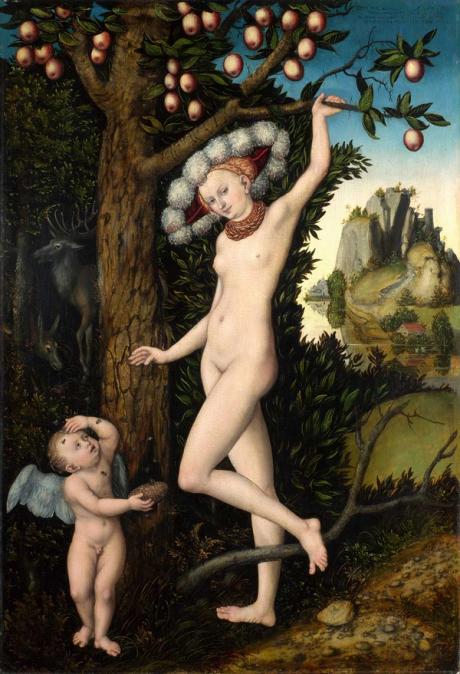
A Lucas Cranach the Elder painting, *Cupid complaining to Venus* (1526–27), once hung in Adolf Hitler's Munich apartment, according to a report by the Art Newspaper. The work was identified in a 1940s photograph published in a 1978 furniture catalog and later in a 2023 article by art historian Birgit Schwarz, who confirmed Hitler's ownership via a 2006 discovery of an album at the Library of Congress. After World War II, American journalist Patricia Lochridge took the painting from a warehouse in Berchtesgaden and smuggled it to the US. The National Gallery in London acquired it in 1963 from A. Silberman Galleries, which falsely claimed it came from the 1909 auction buyer's heir; it had actually been purchased from Lochridge.

Famous Cranach painting spotted in rare photograph of Hitler’s apartment

A rare photograph from the early 1940s reveals that Lucas Cranach the Elder's painting *Cupid complaining to Venus* (1526-27), now a masterpiece in the National Gallery, London, once hung in Adolf Hitler's private Munich apartment. The image, previously published in Germany by provenance expert Birgit Schwarz, appears for the first time in an English-language publication. The painting was acquired by the National Gallery in 1963 from E. and A. Silberman Galleries in New York, which provided a false provenance. It had been taken from a warehouse of recovered art in 1945 by American journalist Patricia Lochridge, who smuggled it into the United States.

The Netherlands is confronting its history of Nazi occupation – but many stolen objects remain unreturned

Arthur Brand, a Dutch art detective, was contacted by a man who discovered that his family descended from Hendrik Seyffardt, a high-ranking Nazi collaborator, and that a painting looted from Jewish art dealer Jacques Goudstikker remained in their possession. The painting, Toon Kelder's *Portrait of a Young Girl*, had hung in a relative's home near Utrecht for years. The family, who changed their name after WWII, handed the painting to Brand after the story broke in Dutch media, expressing shame and outrage over the silence surrounding their history.

No, the courts have not cleared the way for contemporary stained-glass windows at Notre-Dame

Non, la justice n'a pas laissé la voie libre aux vitraux contemporains de Notre-Dame

The article clarifies that legal challenges against installing contemporary stained-glass windows in Notre-Dame Cathedral are still ongoing, contrary to misleading headlines. Two judicial procedures remain active: an appeal by the heritage association Sites & Monuments after losing a first-instance ruling on procedural grounds, and a separate case contesting the legitimacy of the works themselves. Although an emergency injunction was denied because the judge found no urgency, the core legal arguments—that replacing Viollet-le-Duc's windows is not conservation or restoration—remain strong. The author warns that if the windows are installed before the appeals are resolved, they may later have to be removed at great expense.

Fifty years after Franco, Spain begins to give back art seized during the Civil War

A 2022 Spanish law has quietly triggered a wave of restitutions of art looted during the Spanish Civil War, more than 50 years after dictator Francisco Franco's death. The Museo del Prado has identified 166 confiscated artworks in its collection, including works by Joaquín Sorolla and Pedro Atanasio Bocanegra, and has begun returning pieces such as a panel painting by Maestro de Lupiana to the parish of Yebes. Scholar Arturo Colorado Castellary has uncovered over 26,000 confiscated objects, with around a third never returned to their owners, many deposited in museums, churches, and public administrations.

Malaysia Showcases Recovered 1MDB Artworks, From Picasso to Miró

Four artworks recovered from the 1MDB scandal—by Picasso, Miró, Balthus, and Maurice Utrillo—have gone on public display for the first time at the Malaysian Anti-Corruption Commission headquarters in Putrajaya. The paintings were repatriated from New York after being traced through Sotheby’s and shipped back to Malaysia on April 14. They are part of a broader art trail linked to the massive financial fraud, with Malaysian officials framing the display as an act of restitution rather than an art event.

Musée d’Orsay displays Renoir and Degas works looted by Nazis

The Musée d’Orsay in Paris has opened a new gallery dedicated exclusively to artworks suspected of being looted or forcibly sold during the Nazi occupation of France. Among the 13 works on display is Edgar Degas's *Dinner at the Ball* (1919), originally owned by Jewish collector Fernand Ochsé, who was deported to Auschwitz with his wife in 1941. The painting passed through multiple hands before being identified as one of over 100,000 artworks plundered by the Nazis. The museum has assembled a team of six provenance researchers to spend three years tracing the original owners of these works, which are part of the "MNR" (Musées nationaux récupération) collection—some 2,200 pieces deemed too important to sell but whose owners remain unknown.

Controversy resurfaces in Colombia over treasure-filled San José shipwreck

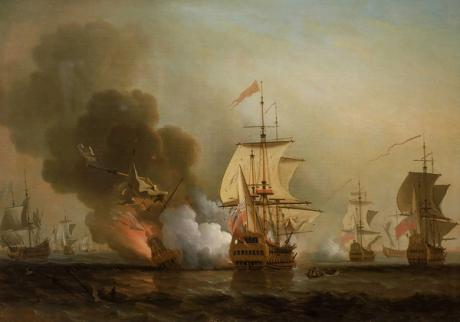
Controversy has resurfaced in Colombia over the San José, a Spanish galleon that sank in 1708 with a cargo of gold, silver, and emeralds. The oversight group Veeduría Nacional para el Control Social del Patrimonio Cultural Sumergido de Colombia (VNPCS) issued an open letter to the attorney general, alleging a lack of transparency, looting, and unauthorized interventions at the wreck site in 2016 and 2022. The group claims that the site's coordinates, considered a state secret, have been disclosed. The dispute involves multiple parties, including the Swiss treasure-hunting firm Maritime Archaeology Consultants (MAC), which helped locate the ship in 2015 and is now seeking compensation, and the US-based salvage company Sea Search Armada, which claims to have found the galleon in the 1980s and is seeking $10 billion. The ship was designated a protected archaeological area in 2024, placing it under the jurisdiction of the Colombian Institute of Anthropology and History (ICANH), but critics argue that earlier allegations of looting were ignored.

The Founders of Open Restitution Africa (ORA) on Their New Open Data Platform

On March 31, the research initiative Open Restitution Africa (ORA) launched the ORA Open Data Platform, a database providing information on the restitution of African artifacts and ancestral remains. Developed over six years by ORA’s all-woman, pan-African team, the site uses case histories and AI-powered tools to offer practical insights into the return process, available in French and English. It presents 25 case histories spanning 200 years, using data visualizations, essays, and interactive tools to help individuals and communities develop their own restitution strategies. ARTnews interviewed founders Chao Tayiana Maina and Molemo Moiloa about the project's origins and goals.

Long-Lost Lucas Valdés Paintings Resurface at Auction Amid Spain’s Restitution Battles

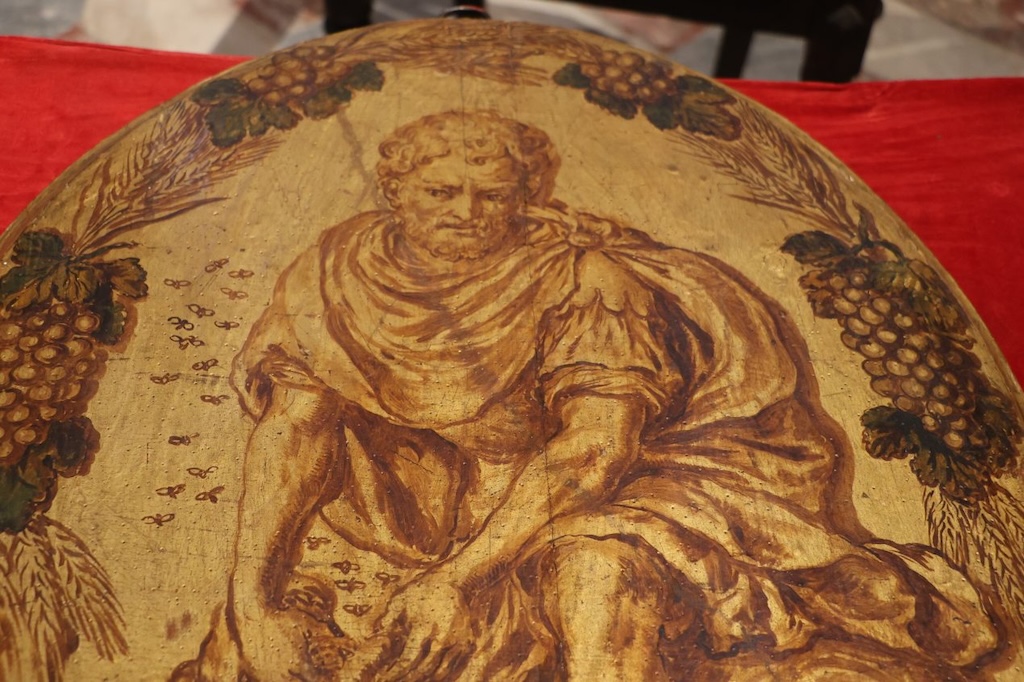
Spanish police have recovered two 17th-century paintings by Sevillian artist Lucas Valdés that went missing nearly a century ago after being loaned to the 1929 Ibero-American Exposition in Seville. The oval oil-on-pine-panel works, originally part of the main altarpiece at the Hospital of the Venerable Priests, resurfaced when consigned for auction in September 2025. Alerted by the Archdiocese of Seville, Spain's Culture Ministry and National Police intervened before the sale, confirmed the works' identity, and negotiated their return to the hospital last week.

Authorities in New York return more than 650 looted antiquities, valued at nearly $14m, to India

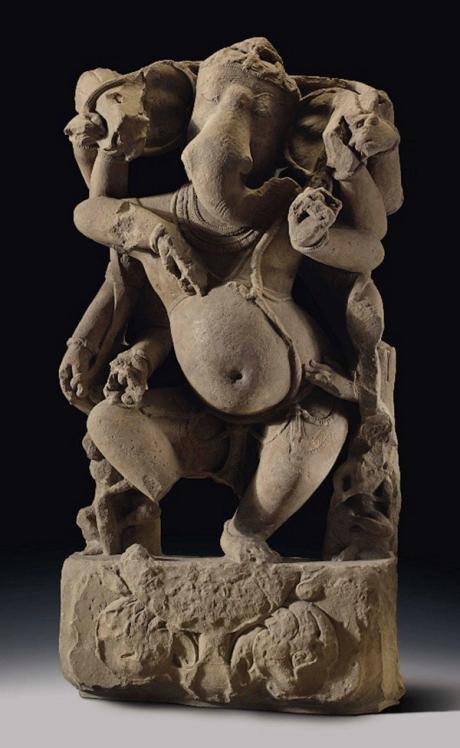
The Manhattan District Attorney's office, led by Alvin Bragg, returned 657 looted antiquities valued at nearly $14 million to Indian authorities in late March 2025. The pieces, recovered through investigations into criminal trafficking networks, include a $2 million bronze Avalokiteshvara stolen from a museum in Raipur, a $7.5 million red sandstone Buddha smuggled by convicted trafficker Subhash Kapoor, and a sandstone dancing Ganesha looted from a Madhya Pradesh temple that passed through dealer Doris Wiener and was sold at Christie's in 2012.

Manhattan D.A.’s Office Returns More Than 650 Looted Artifacts to India

On April 28, Manhattan District Attorney Alvin L. Bragg, Jr., announced the return of 657 trafficked antiquities valued at nearly $14 million to India. The items were recovered by the D.A.'s Antiquities Trafficking Unit and Homeland Security Investigations, and formally returned at a ceremony in New York. Among the repatriated pieces are a bronze figure of Avalokiteshvara (valued at $2 million), stolen from the Mahant Ghasidas Memorial Museum in Raipur in 1982; a red sandstone Buddha statue (valued at $7.5 million) smuggled by convicted dealer Subhash Kapoor; and a sandstone Ganesha sculpture looted by trafficker Vaman Ghiya and sold through Christie's by Nancy Wiener, who was later convicted of antiquities trafficking.

U.S. Returns Hundreds of Looted Antiquities to Italy

U.S. officials formally returned 337 looted antiquities, archival materials, and artworks to Italy during a ceremony at Rome’s La Marmora barracks. The objects, spanning from the Villanovan era (900–700 B.C.E.) through the Hellenistic period (323–31 B.C.E.), include Etruscan, Greek, Italic, and Egyptian artifacts. The repatriation was coordinated by Italy’s Carabinieri Command for the Protection of Cultural Heritage, the U.S. Federal Bureau of Investigation, the Department of Homeland Security, and the office of Manhattan District Attorney Alvin Bragg Jr. Key items include a marble head of Alexander the Great, a bronze sculpture from Herculaneum, and Egyptian basalt sculptures. Some 221 objects were recovered via the Manhattan DA, while the remaining 116 were secured with help from Christie’s.

US Returns 337 Looted Objects to Italy in Repatriation Effort

The United States officially returned 337 looted antiquities to Italy at a ceremony held at La Marmora barracks in Rome. Of these, 221 objects were repatriated through the Manhattan District Attorney’s Office, while the remaining 116 were recovered on April 10, 2026, via joint efforts by the FBI, Homeland Security Investigations, the District Attorney’s Office, and Christie’s New York auction house. The objects span from the Villanovan era (900–700 BCE) to the Hellenistic period (323–31 BCE) and include a 1st-century CE marble head of Alexander the Great, a bronze sculpture from Herculaneum, and two Egyptian basalt sculptures.

Les États-Unis restituent près de 300 biens culturels à l’Italie

Italy presented 337 cultural artifacts repatriated from the United States at the Caserma "La Marmora" in Rome, following operations between December 2025 and April 2026. The objects span from the 5th century BCE to the 3rd century CE, including Roman sculptures, bronze works, pottery, jewelry, coins, and architectural fragments. Among the notable pieces is a marble head attributed to Alexander the Great, stolen from a Roman museum in 1960, and a bronze sculpture looted from Herculaneum. The recovery involved the Manhattan District Attorney's office, the FBI, Homeland Security Investigations, and Christie's New York, with 221 items seized through the DA's collaboration and 116 returned in April.

Long-Lost 17th-Century Altarpiece Paintings Recovered After Nearly 100 Years

Spanish police have recovered two long-lost 17th-century altarpiece paintings by Baroque painter Lucas Valdés, which disappeared after being shown at the 1929 Ibero-American Exhibition of Seville. The works, depicting Old Testament scenes, were identified in an auction house catalog in September 2025, authenticated by the Spanish Historical Heritage Brigade, and returned to the Hospital of the Venerable Priests in Seville on May 20, 2026, after a mediation process with the consignors.

London’s Wellcome Collection to Transfer 2,000 Manuscripts to Jain Community, But They Will Stay in UK

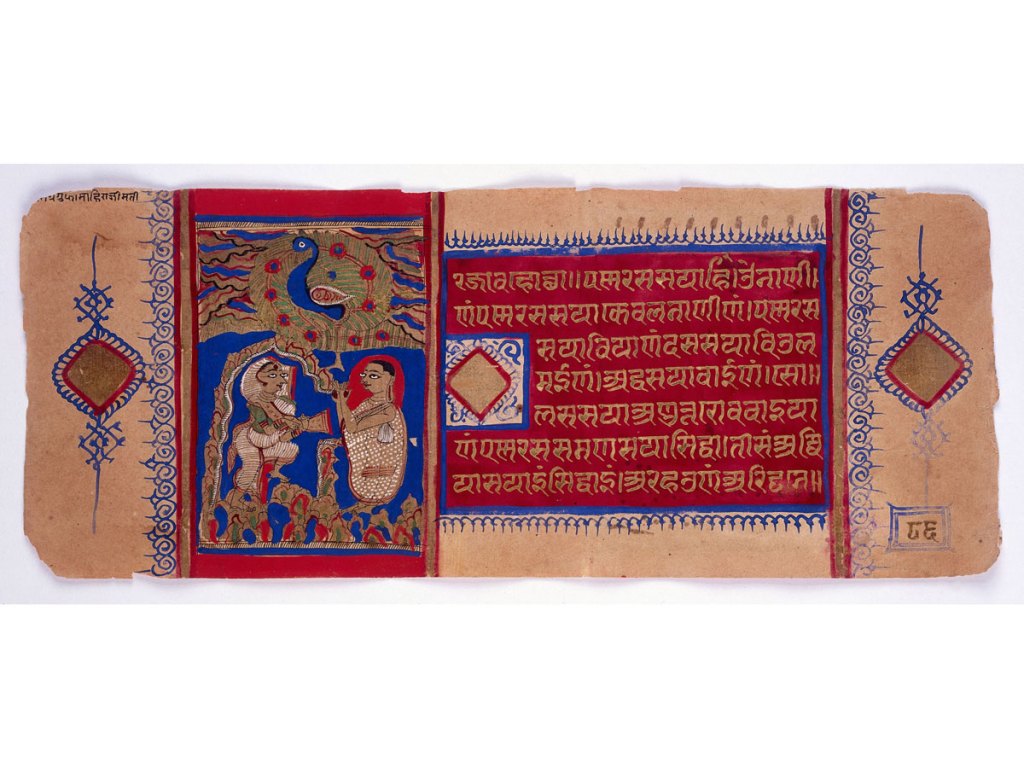
The Wellcome Collection in London has announced plans to transfer 2,000 Jain manuscripts to the Jain community, but they will remain in the UK at the University of Birmingham’s Dharmanath Network in Jain Studies. The manuscripts, ranging from the 15th to 19th centuries, were largely purchased in 1919 from a temple in India and from sources in present-day Pakistan. The transfer follows years of dialogue with the UK-based Institute of Jainology and aims to maximize community access and research opportunities.

London's Wellcome Collection returns 2,000 manuscripts to the Jain community

London's Wellcome Collection is returning 2,000 Jain manuscripts to the Jain community, the largest such collection outside South Asia. Acquired in 1919 at a low price from a Jain temple in what is now Pakistan, the manuscripts will be transferred to the UK-based Institute of Jainology and deposited at the University of Birmingham. A Memorandum of Understanding is being signed at the House of Commons. The restitution bypasses the country of origin because the Jain community in Pakistan was displaced after the 1947 partition, leaving no suitable depository there.