filter_list Showing 6 results for "Base" close Clear
dashboard All 195 museum exhibitions 111article news 21trending_up market 18article culture 13article local 13rate_review review 6person people 6article policy 3gavel restitution 2candle obituary 2
date_range Range Today This Week This Month All
Subscribe

What You Should Definitely Avoid in Venice

Was man in Venedig unbedingt vermeiden sollte

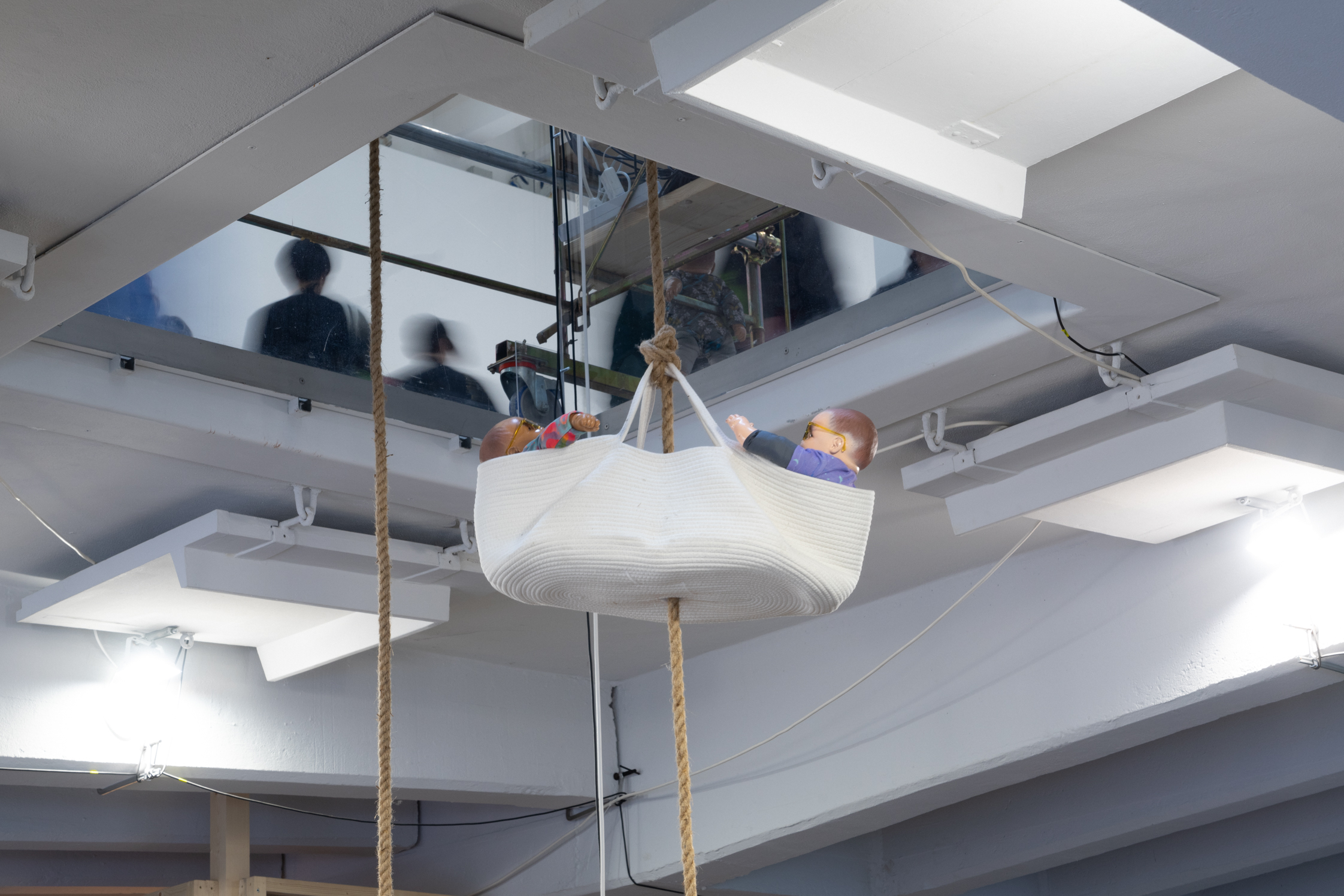
The article humorously critiques the Venice Biennale, highlighting several disappointments. It describes a Japanese pavilion installation by Ei Arakawa-Nash featuring baby dolls for diaper-changing, which a critic dismisses as a male artist over-romanticizing parenthood. Other flops include long queues for the German and Austrian pavilions, underwhelming main exhibition "In Minor Keys," and annoying self-promotional performers outside venues. The piece also laments the presence of loud American collectors and donors who dominate the event.
What does a woman swimming in urine tell us about the state of the world? Lots! – Venice Biennale review

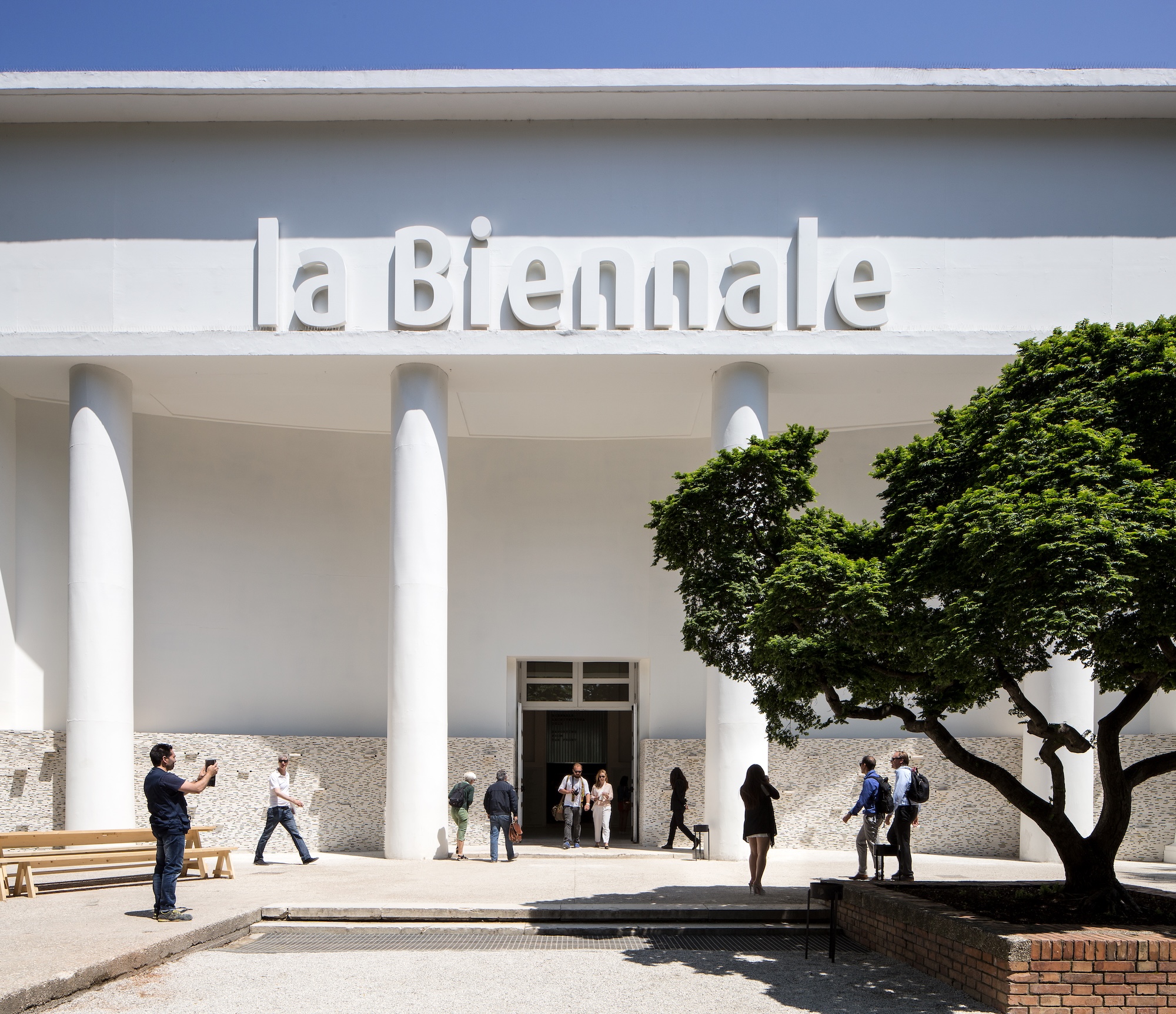
The 2026 Venice Biennale, curated by the late Koyo Kouoh under the theme "In Minor Keys," has been plagued by months of turmoil including countries withdrawing, artists being fired, exhibitions cancelled, funding pulled, and protests during the preview. A five-person curatorial team took over after Kouoh's death, resulting in what the critic describes as a disjointed, committee-driven exhibition that prioritizes quiet contemplation and healing over direct political engagement. The central shows in the Giardini and Arsenale feature a vast, poorly explained array of art from the global south, with installations of ceramics, textiles, slide projectors, and serene natural scenes that the critic finds anachronistic and dull.

Zineb Sedira review: A chic ode to revolutionary cinema, brainy boozers – and exceptional berets

Zineb Sedira's exhibition at Tate Britain presents a cinematic and sculptural homage to La Cinémathèque Algérienne, the Algerian film archive founded in 1965 that became a hub for leftist African filmmakers. The show recreates a 1970s Algerian cafe in Paris, complete with a jukebox, books on revolutionary cinema, and a model movie theater screening a documentary about the archive's director, Boudjemaâ Karèche. Sedira, born in Paris to Algerian parents and based in London, weaves personal and political narratives to explore identity, diaspora, and the role of art in social change.

The Making of a Maintenance Artist

A new documentary titled "Maintenance Artist" (2025) traces the decades-long practice of Mierle Laderman Ukeles, a pioneering artist who focused on marginal, unpaid, and feminine labor. The film covers her career from her 1969 "CARE" manifesto, through her role as artist-in-residence at the New York City Department of Sanitation, to her first retrospective at the Queens Museum in 2017. It highlights her critique of art-world gender biases and her efforts to recognize discounted labor in all fields.

Review: The Good, The Bad and The Venice Biennale

The article reviews the 2024 Venice Biennale, focusing on controversies over Russia's and Israel's participation. Protests erupted during opening week, leading the EU to cut funding and the International Jury to resign. As a result, awards like the Golden Lion and Silver Lion will be decided by public vote, with many pavilions and artists withdrawing in protest. The main exhibition, curated under the theme 'Minor Keys,' features standout works by Alfredo Jaar and Carrie Schneider, alongside national pavilions like Austria's provocative entry by Florentina Holzinger.

Is there really an energy transformation in Marina Abramović's exhibition in Venice?

Nella mostra di Marina Abramović a Venezia c’è davvero una trasformazione di energia?

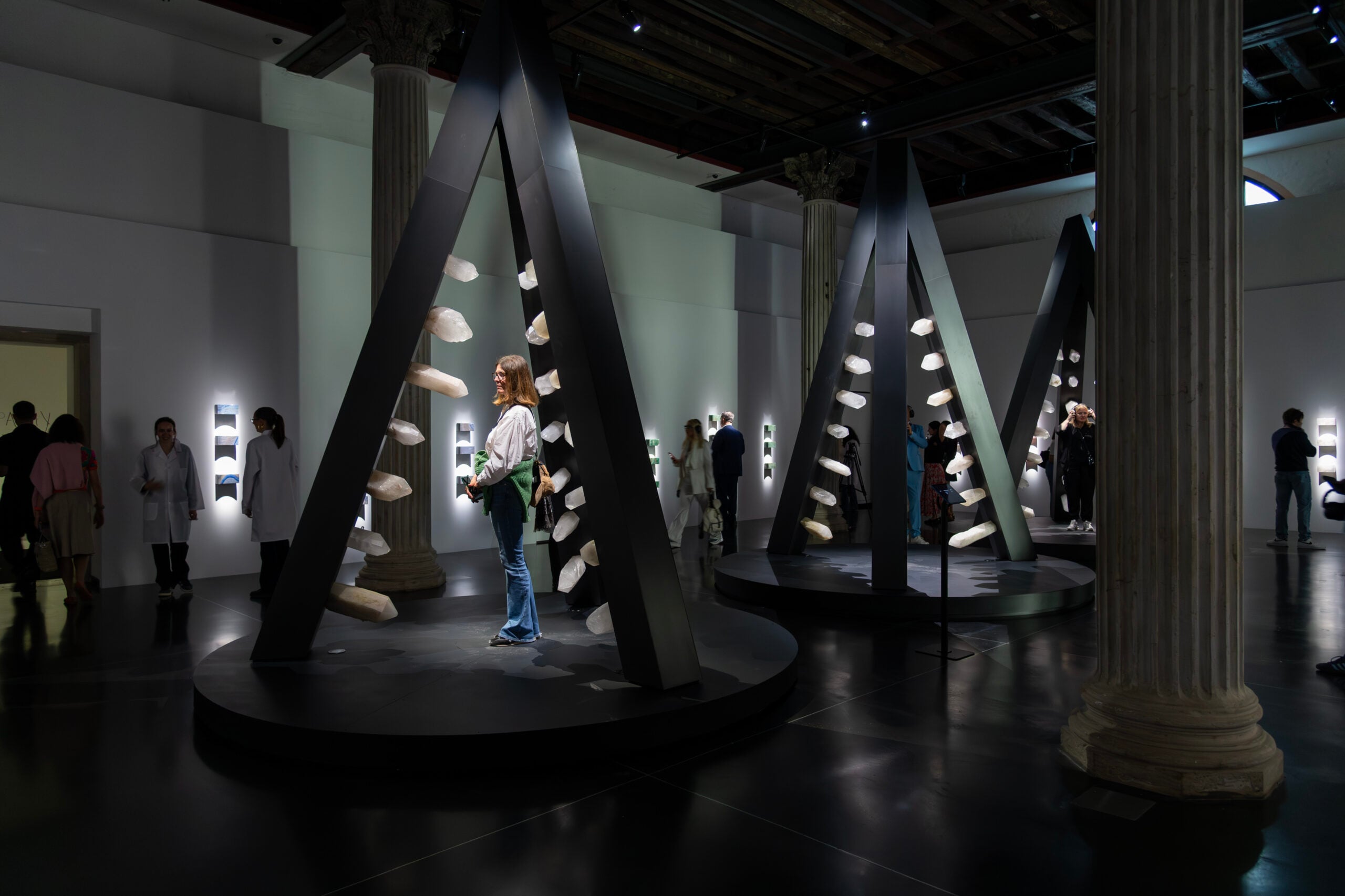
At the Gallerie dell'Accademia in Venice, Marina Abramović's exhibition "Transforming Energy" opens to the public from May 9 to September 30, 2026, as part of the 2026 Venice Biennale. The show is designed as an experiential device that moves beyond traditional exhibition formats, inviting viewers to determine their own presence through a sequence of rooms built around relationships between body, materials, and time. Crystals and locks of hair function not as decoration but as presences to be inhabited, demanding radical attention rather than spectacular participation. During the press conference, Abramović and curator Shai Baitel insisted that the materials, especially the crystals, possess real energy capable of directly affecting the viewer's body and perception, not merely as metaphor but as an active condition.