
filter_list Showing 4 results for "CAM" close Clear
dashboard All 64 museum exhibitions 22article news 13article local 11article culture 4rate_review review 4trending_up market 3person people 3candle obituary 2gavel restitution 1article policy 1
date_range Range Today This Week This Month All

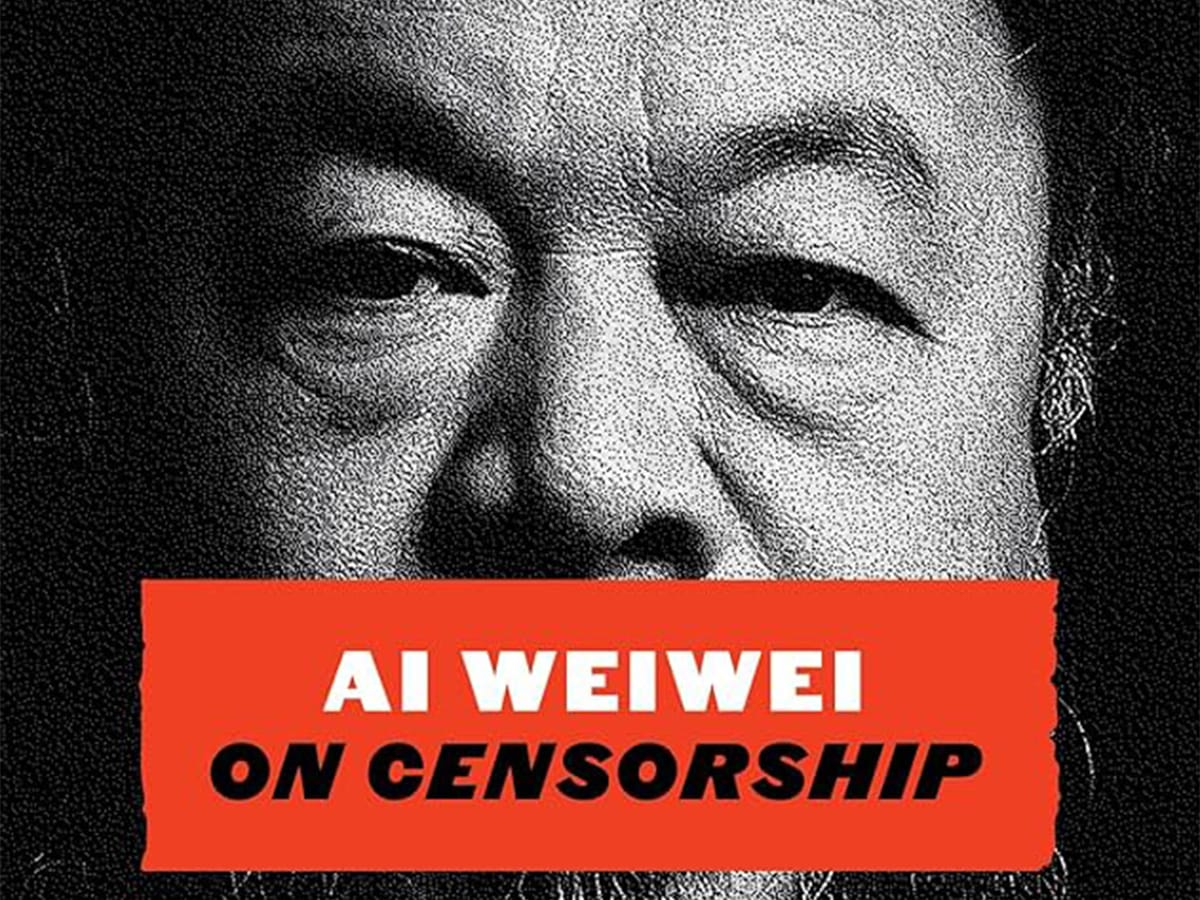
Ai Weiwei and the Art of Keeping Your Mouth Shut

Dissident artist Ai Weiwei explores the corrosive nature of state control and self-restraint in his new book, "On Censorship" (2026). Drawing from a lifetime of persecution—including his father’s exile to a labor camp, his own 81-day detention in 2011, and recent digital erasure by Chinese AI—Ai argues that censorship fundamentally strips individuals of their humanity. He highlights how the mechanism of silencing has evolved from overt state violence in the East to a more insidious culture of self-censorship in the West, exemplified by the cancellation of his own 2023 exhibition at Lisson Gallery following comments on the conflict in Gaza.
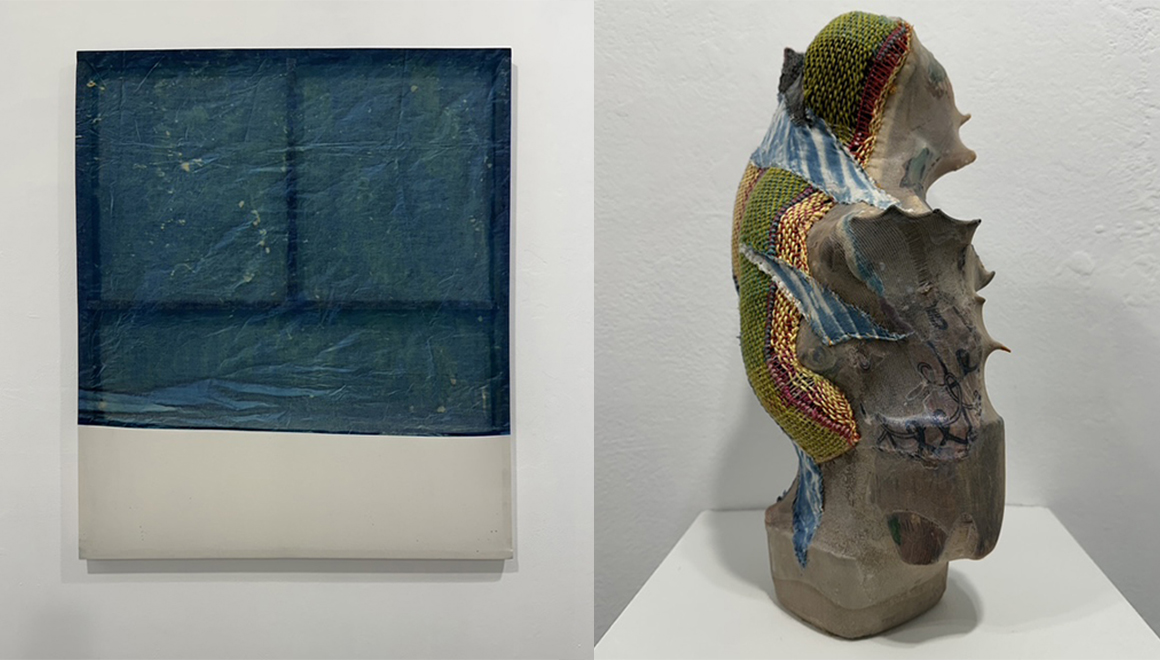
Review: “The Things We Carry” at Un Grito Gallery

The exhibition "The Things We Carry" at Un Grito Gallery serves as the centerpiece for the 2026 Contemporary Art Month (CAM) Perennial in San Antonio. Curated by Casie Lomeli and Leslie Moody Castro, the show features eight artists including Matt Rebholz, whose vibrant, alien-like landscapes subvert traditional Western imagery, and Tina Linville, who presents tactile sculptures composed of salvaged materials and concrete. The exhibition is part of a larger city-wide initiative spread across five artist-run spaces.

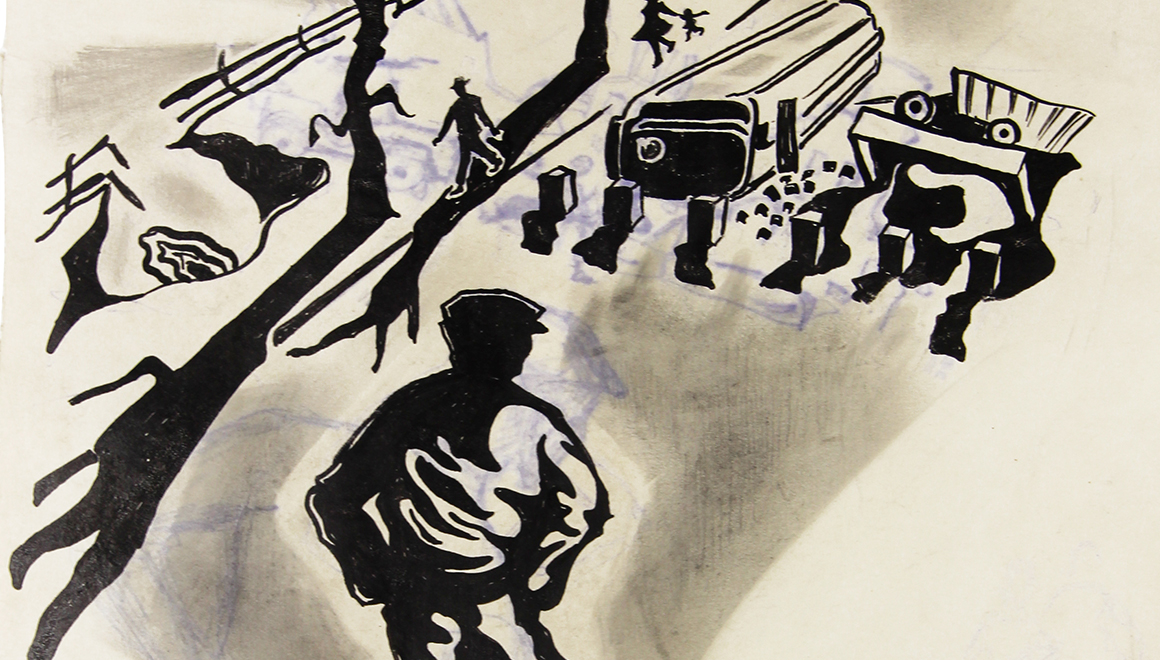
Review: “Boris Lurie: Nothing To Do But To Try” at the Holocaust Museum Houston

The Holocaust Museum Houston is currently hosting "Boris Lurie: Nothing To Do But To Try," an exhibition focusing on the early works of the Holocaust survivor and NO!art movement founder. Organized by the Museum of Jewish Heritage, the show highlights Lurie’s "War Series," featuring paintings, drawings, and never-before-seen ephemera created as a means of processing the trauma of his imprisonment in camps like Buchenwald. The works, ranging from the immediate post-war period to decades later, serve as a visceral record of memory and loss, including tributes to his family members murdered in the Rumbula Forest massacre.

François Ozon’s 'The Stranger': A Film Between Surface Aesthetics and Political Reinterpretation

“Lo straniero” di François Ozon. Un film tra estetica delle superfici e rilettura politica

Director François Ozon has adapted Albert Camus’s existentialist masterpiece 'The Stranger' into a new feature film, premiering at the 82nd Venice Film Festival. Shot in stark black and white by cinematographer Manuel Dacosse, the film departs from the 1967 Luchino Visconti adaptation by leaning into a cold, clinical aesthetic inspired by Michelangelo Antonioni. The narrative follows Meursault, an emotionally detached clerk in colonial Algiers, whose impassive reaction to his mother's death and the subsequent senseless murder of an Arab man leads to his legal and moral condemnation.