filter_list Showing 6 results for "Chet" close Clear
search
dashboard All 268 museum exhibitions 137article culture 33trending_up market 30article local 27article news 16person people 10rate_review review 6article policy 3article events 2candle obituary 2gavel restitution 2
date_range Range Today This Week This Month All
Subscribe

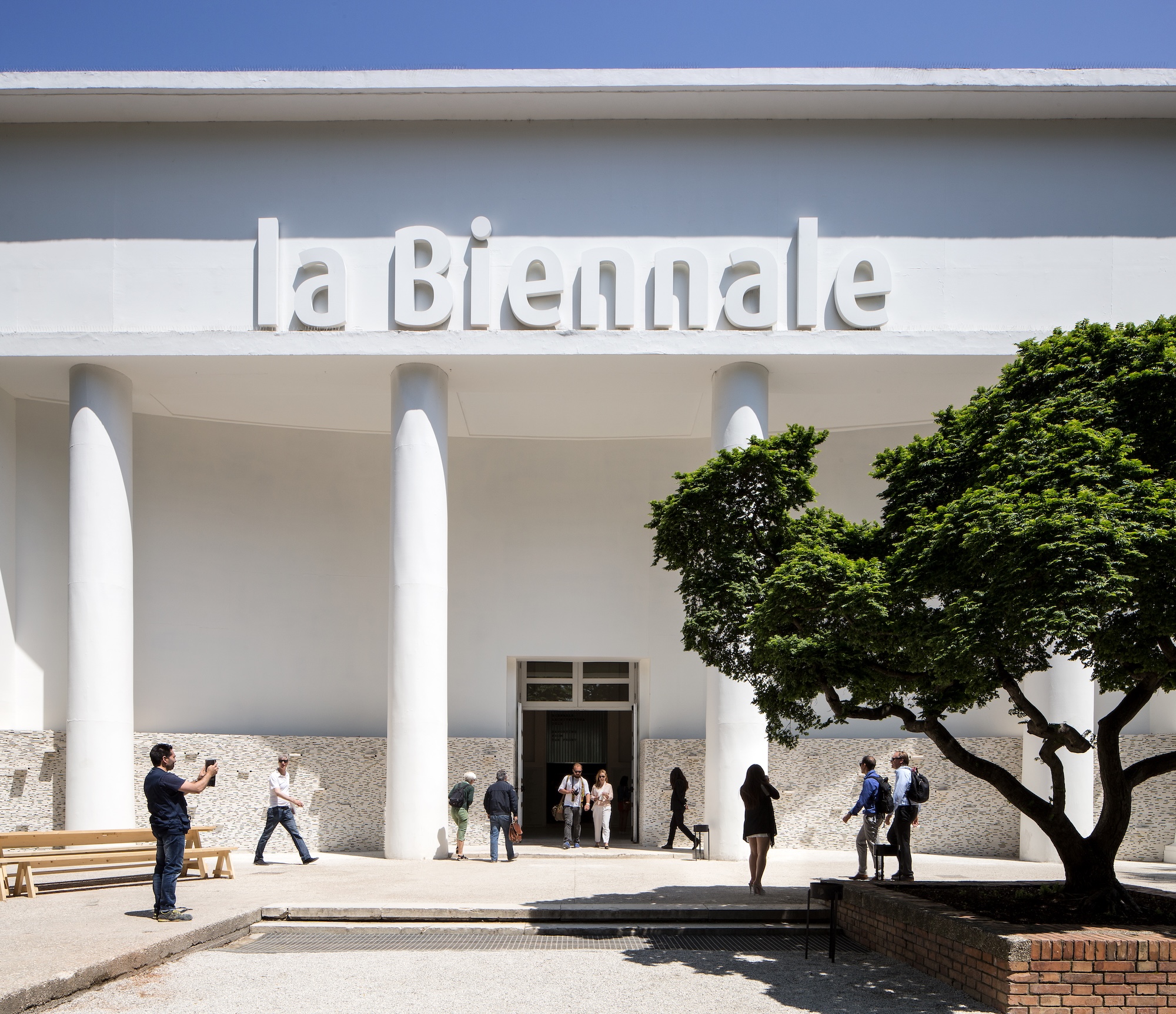
What does a woman swimming in urine tell us about the state of the world? Lots! – Venice Biennale review

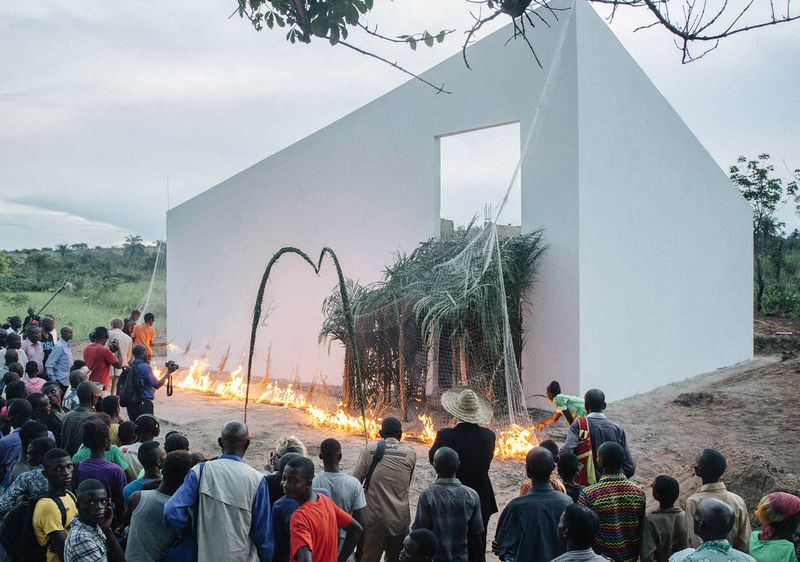
The 2026 Venice Biennale, curated by the late Koyo Kouoh under the theme "In Minor Keys," has been plagued by months of turmoil including countries withdrawing, artists being fired, exhibitions cancelled, funding pulled, and protests during the preview. A five-person curatorial team took over after Kouoh's death, resulting in what the critic describes as a disjointed, committee-driven exhibition that prioritizes quiet contemplation and healing over direct political engagement. The central shows in the Giardini and Arsenale feature a vast, poorly explained array of art from the global south, with installations of ceramics, textiles, slide projectors, and serene natural scenes that the critic finds anachronistic and dull.
Review: The Good, The Bad and The Venice Biennale

The article reviews the 2024 Venice Biennale, focusing on controversies over Russia's and Israel's participation. Protests erupted during opening week, leading the EU to cut funding and the International Jury to resign. As a result, awards like the Golden Lion and Silver Lion will be decided by public vote, with many pavilions and artists withdrawing in protest. The main exhibition, curated under the theme 'Minor Keys,' features standout works by Alfredo Jaar and Carrie Schneider, alongside national pavilions like Austria's provocative entry by Florentina Holzinger.

CUANDO LOS OBJETOS HABLAN. MUSEO HECHIZO, DE JUAN JOSÉ SANTOS

Juan José Santos's book "Museo hechizo" (Metales Pesados, 2025) challenges the perceived neutrality of the Western museum, presenting it as an institution shaped by colonial logics of classification, extraction, and representation. The essay centers on the concept of "lo hechizo"—understood as both artisanal precariousness and disruptive enchantment—and explores small, community-based Latin American museum experiences that operate from precarity, reciprocity, and care. Santos argues that the museum is a space of conflict where voices, narratives, and ways of constructing history are contested, and he proposes thinking of the museum through its minor, situated, and alternative forms in Latin America.

Review | A sprawling survey highlights the women making art around D.C.

A survey exhibition titled "Women Artists of the DMV: A Survey Exhibition" at the American University Museum in Washington, D.C., showcases 63 works by women artists from the region. The show, reviewed by Mark Jenkins, features depictions of women as everyday people, archetypes, allegorical figures, and goddesses, alongside some abstract pieces, with a preference for representational art.

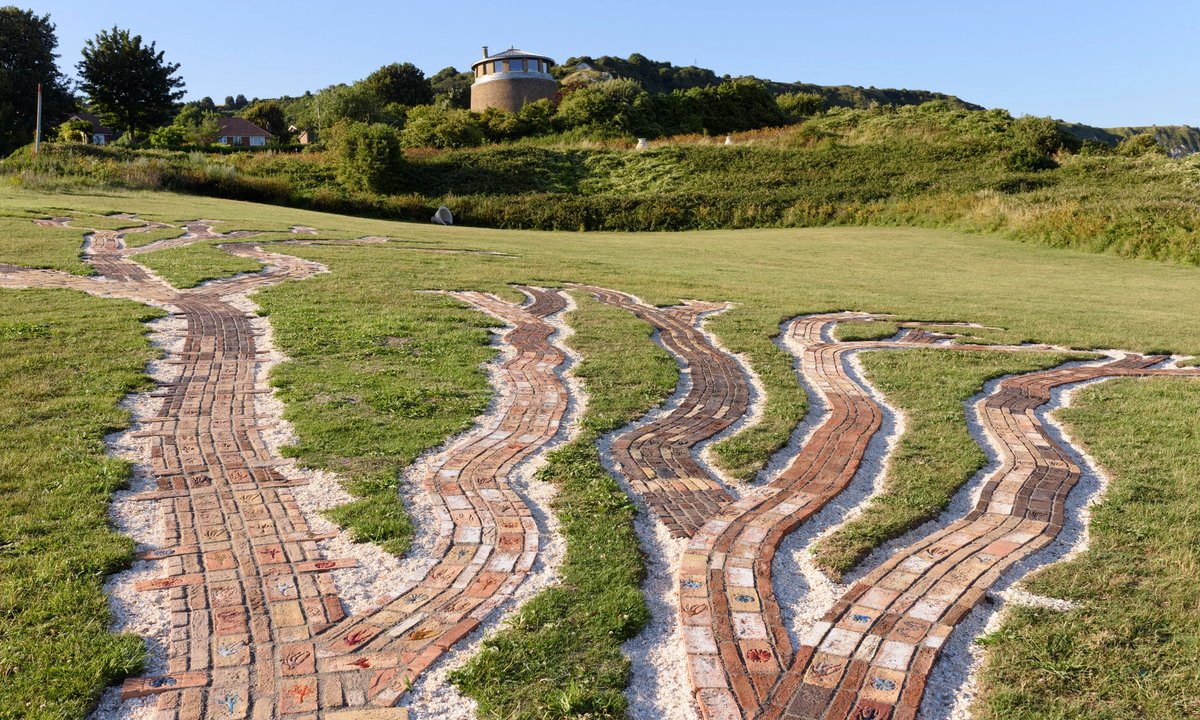
Folkestone Triennial 2025 review: environmental catastrophe—but also hope, joy and a jolly salamander

The Folkestone Triennial 2025, titled "The Lie of the Land," features 18 artists across the seaside town in southeast England. Works include Sara Trillo's chalk cob sculptures inspired by Iron Age urns, Emilija Skarnulyte's film on nuclear decommissioning at Lithuania's Ignalina plant, Katie Paterson's amulet installation made from planetary crisis materials, and Cooking Sections' activist project on UK sewerage pollution. The triennial runs through the ancient port's historic role as a site of arrival and departure.

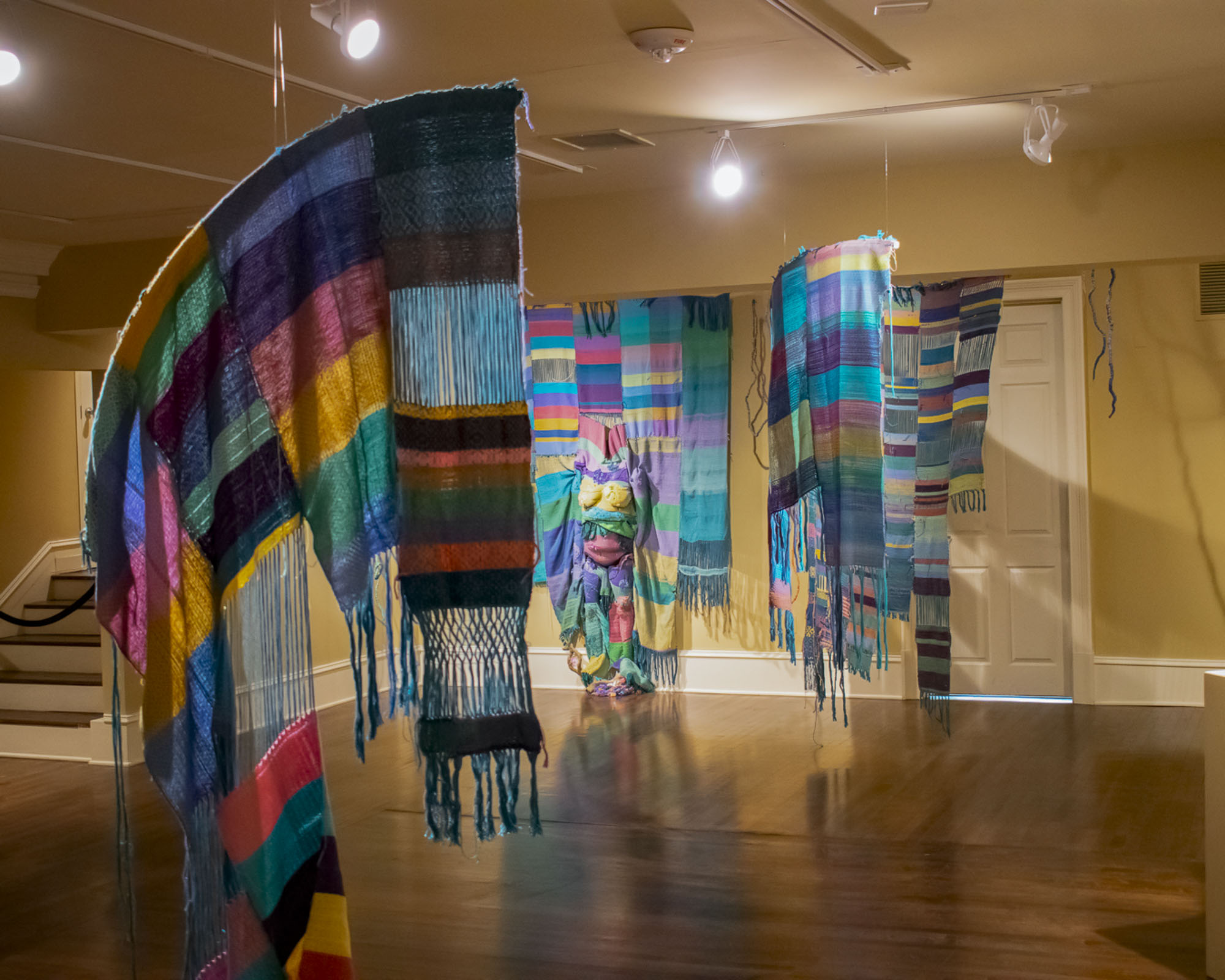
Beyond the body: Jess Self’s emotive power at the Marietta Cobb Museum of Art

Jess Self, a Decatur-based sculptor and educator, presents *Celestial Perspectives* at the Marietta Cobb Museum of Art, an immersive textile environment that explores autobiography through figurative form. The exhibition features works in resin, plaster, felted wool, fiber, and rope, including the large-scale installation *The Veil* and the compelling *She Who Ties Magic Knots*, a resin and plaster cast of the artist's pregnant torso. Self's practice draws on Jungian archetypes and spiritual traditions, and the show communicates themes of connectivity, motherhood, bodily experience, and transcendence without relying on wall text.