
filter_list Showing 4 results for "Collapse" close Clear
dashboard All 44 museum exhibitions 15article news 11article culture 5gavel restitution 4trending_up market 4rate_review review 4article policy 1
date_range Range Today This Week This Month All
Subscribe

Wilhelm Sasnal review – his wild juxtapositions are almost obscene

Polish artist Wilhelm Sasnal's new exhibition at Sadie Coles HQ in London presents a disorienting array of paintings. The works juxtapose disparate and often disturbing images, including a grotesque depiction of the Oval Office, portraits of his family, album art for the industrial band Throbbing Gristle, and a forest scene linked to the Holocaust, creating a deliberate sense of fragmentation and broken connections.
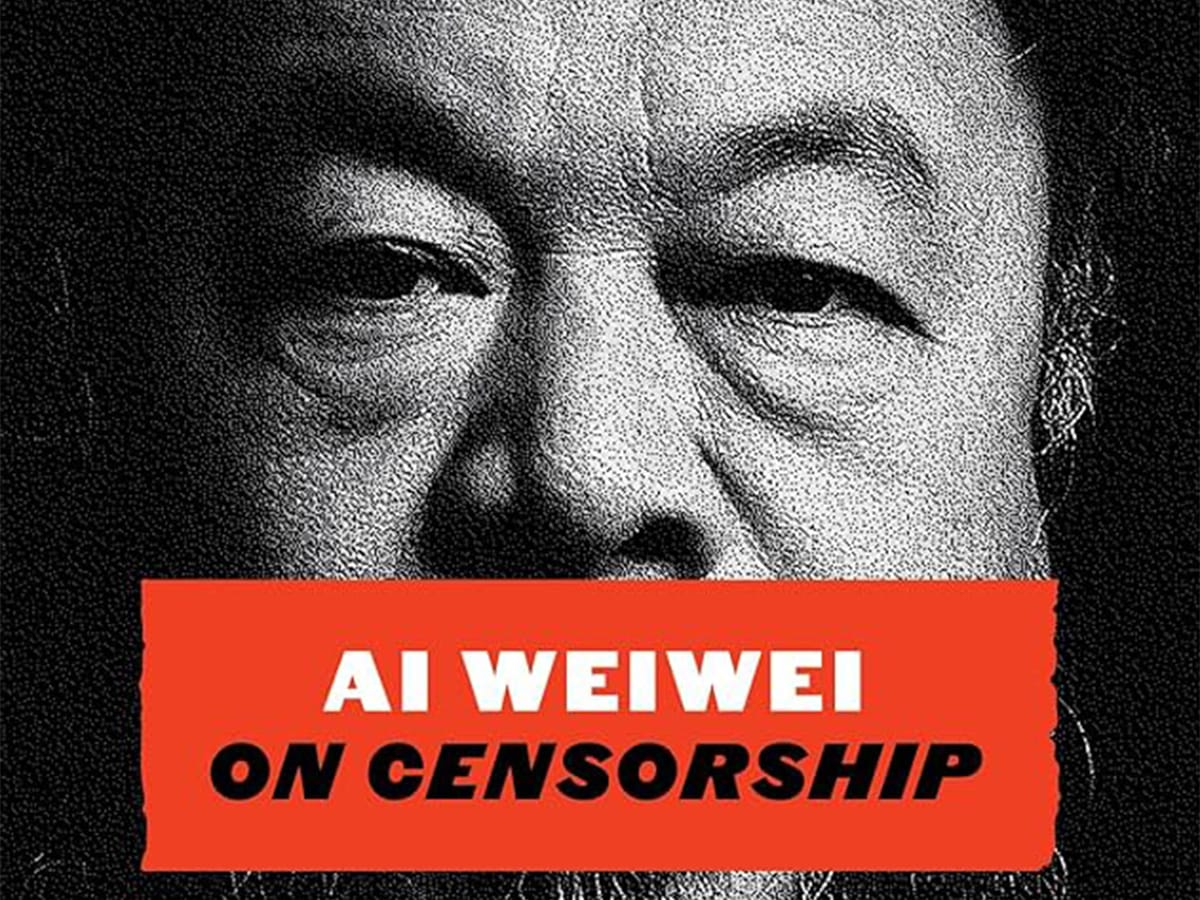
Ai Weiwei and the Art of Keeping Your Mouth Shut

Dissident artist Ai Weiwei explores the corrosive nature of state control and self-restraint in his new book, "On Censorship" (2026). Drawing from a lifetime of persecution—including his father’s exile to a labor camp, his own 81-day detention in 2011, and recent digital erasure by Chinese AI—Ai argues that censorship fundamentally strips individuals of their humanity. He highlights how the mechanism of silencing has evolved from overt state violence in the East to a more insidious culture of self-censorship in the West, exemplified by the cancellation of his own 2023 exhibition at Lisson Gallery following comments on the conflict in Gaza.

Angela de la Cruz review – wonky chairs and busted pianos are monuments to resilience

Angela de la Cruz's solo exhibition "Upright" at Birmingham's Ikon gallery presents a collection of broken and mended artworks. Her canvases are crumpled, folded, and snapped, while sculptures are assembled from precarious junk like a three-legged chair on a stool and a piano stacked atop another. The works, though appearing on the verge of collapse, are all repaired and propped back up, reflecting a state of post-collapse resilience.

Spectral Nomenclature. Anastasia Pavlou  by Arnisa Zeqo

Artist Anastasia Pavlou’s practice is explored through her engagement with literature, memory, and the materialization of language. Her large-scale paintings, which draw formal comparisons to Art Informel and Abstract Expressionism, function as conceptual lexicons where titles—often direct citations from writers like Dionne Brand and Virginia Woolf—carry as much weight as the paint itself. Works such as "The Reader Interrogates Narrative, but Poetry Interrogates the Reader" demonstrate her interest in the "spectral" side of nomenclature, where naming serves to summon ghosts of the past while acknowledging the failures of language to capture emotion.