
filter_list Showing 3 results for "Daniel" close Clear
dashboard All 74 museum exhibitions 41article news 9article local 5trending_up market 4article culture 4article policy 4rate_review review 3person people 3gavel restitution 1
date_range Range Today This Week This Month All
Subscribe

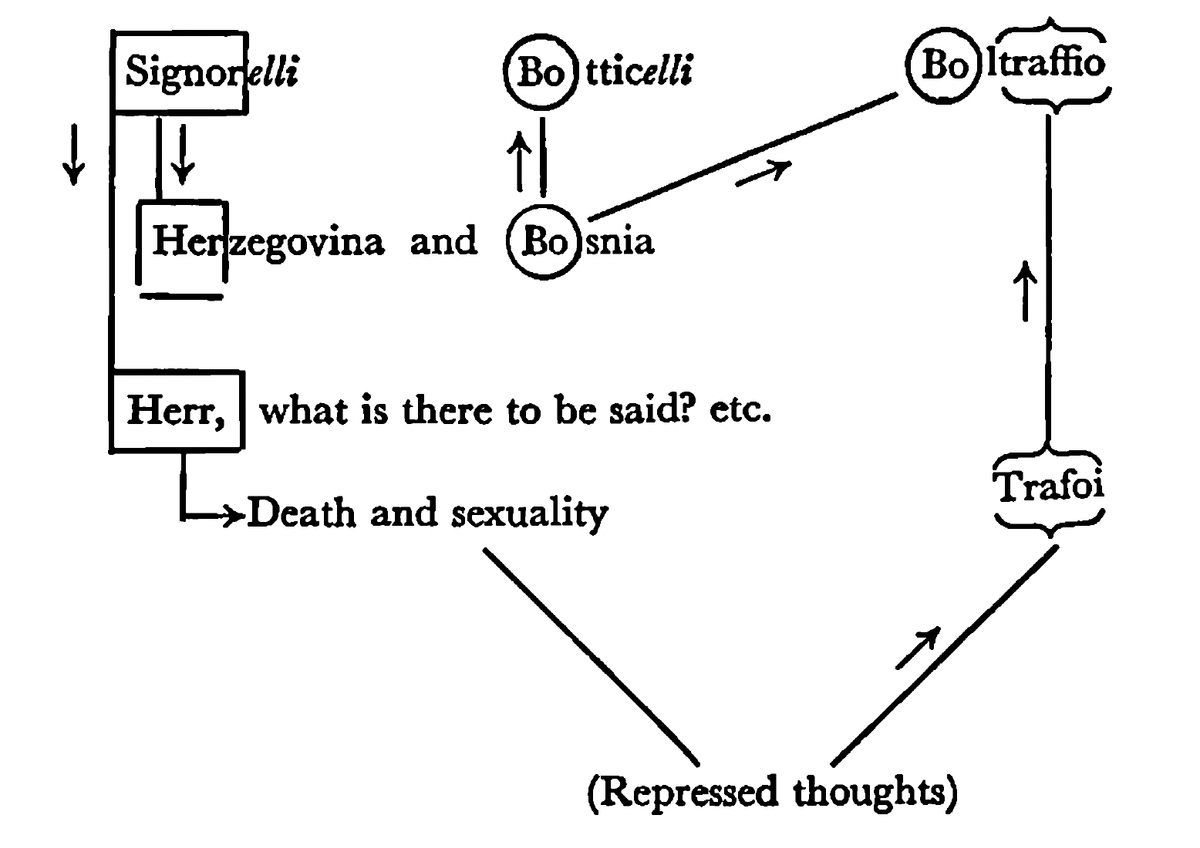
The Spiritual Ear: On Daniel Heller-Roazen’s Far Calls

The article is a critical review of Daniel Heller-Roazen's new book, 'Far Calls: On Omens, Slips, & Epiphanies.' It examines the book's central thesis, which explores the historical and philosophical concept of a 'spiritual ear'—the interval between speaking and hearing where language escapes its intended meaning, giving rise to omens, slips of the tongue, and epiphanies. The review traces Heller-Roazen's genealogical investigation from ancient divinatory practices to modern psychoanalysis, highlighting his argument that linguistic accidents hold prophetic potential.

whitney biennial 2026 systems infrastructure andrea fraser carmen de monteflores emilie gossiaux david johnson 1234775255

The 2026 Whitney Biennial, curated by Marcela Guerrero and Drew Sawyer, moves beyond the traditional geographic borders of the United States to explore 'the greater United States.' Drawing inspiration from historian Daniel Immerwahr, the exhibition features artists from occupied territories, military outposts, and nations impacted by American intervention, including Okinawa, Chile, and Palestine. The show shifts the focus from identity politics to the material reality of infrastructure, examining how global systems of finance, energy, and empire operate and often fail.

joseph beuys daniel spaulding honigpumpe 1234776979

Joseph Beuys remains one of the most polarizing figures in 20th-century art, a former Nazi soldier who reinvented himself as a shamanic healer and a founding member of the Green Party. A new monographic study by art historian Daniel Spaulding, 'Joseph Beuys and History', re-evaluates the artist's legacy by confronting his refusal to apologize for his wartime past and his use of ambiguous materials like fat and felt. Spaulding argues that Beuys’s work should be read through the lens of 'bad faith,' where his utopian slogans masked a deep, unresolved engagement with the horrors of the Holocaust.