
filter_list Showing 4 results for "Paul" close Clear
dashboard All 86 museum exhibitions 38trending_up market 16article local 8article news 7article culture 5rate_review review 4candle obituary 4gavel restitution 2article event 1person people 1
date_range Range Today This Week This Month All
Subscribe

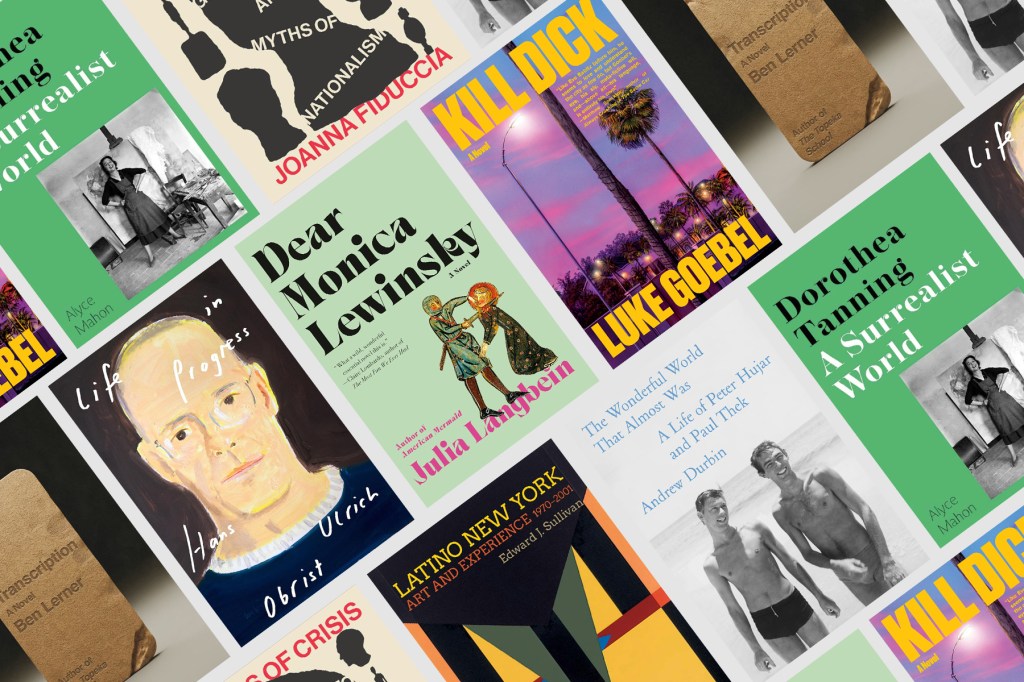
8 Books We’re Looking Forward to in April

ARTnews previews eight notable art and culture books scheduled for release in April 2026. The list includes Ben Lerner's novel "Transcription," a dual biography of artists Peter Hujar and Paul Thek by Andrew Durbin, Luke Goebel's art-world satire "Kill Dick," and an academic study of Alberto Giacometti's 1930s work by Joanna Fiduccia. Also featured are a memoir by curator Hans Ulrich Obrist, a book on Dorothea Tanning, and Julia Langbein's unconventional book about Monica Lewinsky.
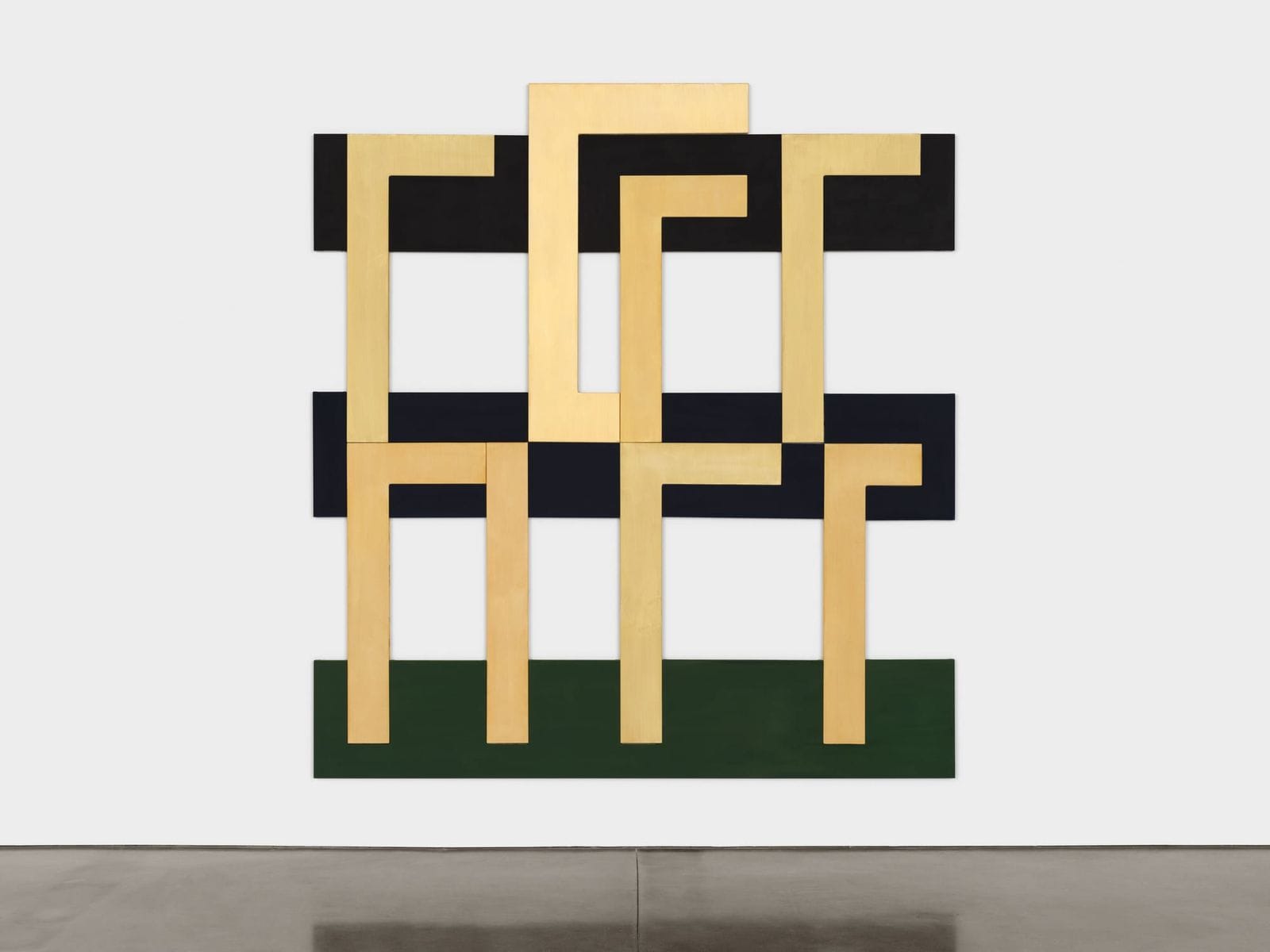
David Novros’s Portable Murals

David Novros’s latest exhibition at Paula Cooper Gallery showcases his "portable murals," intricate multi-paneled paintings that challenge the traditional concept of art as a mere object on a wall. Utilizing oil and murano on canvas, Novros assembles monochromatic, L-shaped, and horizontal panels with precise intervals that incorporate the gallery wall into the composition. These works are designed to be experienced kinesthetically, responding to shifting natural light and the viewer's physical movement through the space.

Paula Rego review – tantalising drawings with the shoeprints left on them

Victoria Miro is hosting the largest exhibition of Paula Rego’s drawings to date, curated by the artist’s son, Nick Willing. Spanning from the 1950s until her death in 2022, the show features intimate pencil sketches, pastels, and ink drawings that reveal the foundational narratives of her career, including her early childhood sketches, her fierce opposition to the Salazar dictatorship, and her advocacy for women's rights.

joseph beuys daniel spaulding honigpumpe 1234776979

Joseph Beuys remains one of the most polarizing figures in 20th-century art, a former Nazi soldier who reinvented himself as a shamanic healer and a founding member of the Green Party. A new monographic study by art historian Daniel Spaulding, 'Joseph Beuys and History', re-evaluates the artist's legacy by confronting his refusal to apologize for his wartime past and his use of ambiguous materials like fat and felt. Spaulding argues that Beuys’s work should be read through the lens of 'bad faith,' where his utopian slogans masked a deep, unresolved engagement with the horrors of the Holocaust.