
filter_list Showing 3 results for "Stan" close Clear
search
dashboard All 36 museum exhibitions 24rate_review review 3article news 2article culture 2article local 1candle obituary 1article policy 1gavel restitution 1trending_up market 1
date_range Range Today This Week This Month All
Subscribe

Lionel Wendt: The Politics of the Male Nude

ArtReview publishes an essay by Qingyuan Deng analyzing the first US solo exhibition of Lionel Wendt's photographs at American Art Catalogues in Manhattan's West Village. The show presents Wendt's haunting gelatin silver prints of male nudes, still lifes, and solarized images, positioning him as a canonical figure of South Asian modernism. Deng argues that while the exhibition correctly identifies homoerotic desire in Wendt's work, it over-relies on queer theory's framework of opacity and fails to fully address the political radicality of Wendt's practice under British colonial rule in Ceylon, where homosexuality was criminalized under the 1883 Penal Code.
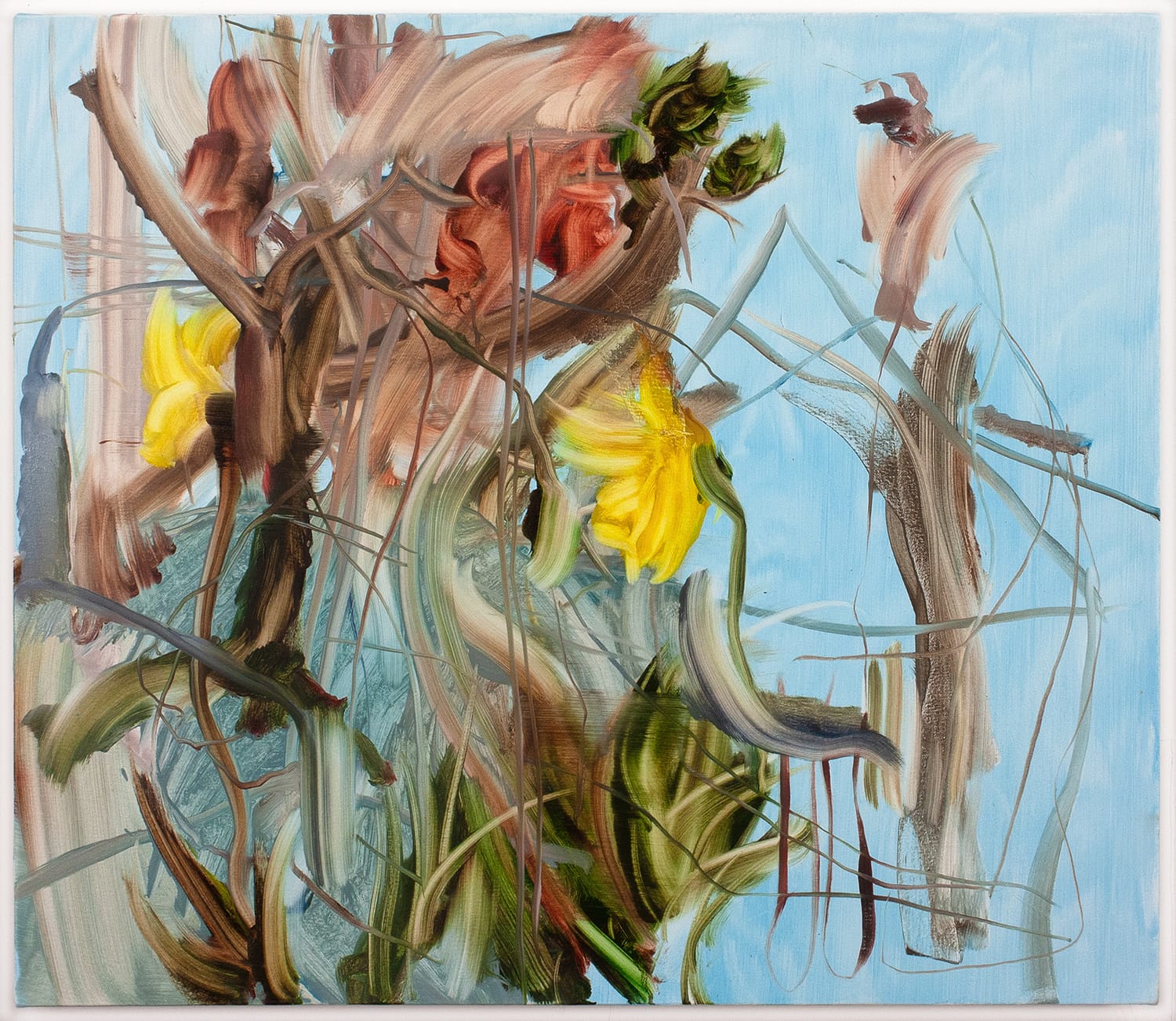
The In-Between Worlds of Larissa Borteh

Hyperallergic reviews Larissa Borteh's solo exhibition "In the Wind" at Devening Projects in Chicago, featuring a dozen oil paintings that blur the line between still life and ethereal abstraction. The works, including "Glass House" (2025) and "Tending and Receiving" (2026), use thinned, viscous oil paint to create tactile surfaces that evoke plants in decay, ghosts, deities, or dreamlike visions. The review highlights Borteh's distinctive merging of image and elongated mark, reminiscent of fingerpainting, and her exploration of the spectrum between legibility and opacity.

Un grand spectacle, un petit récit

The article reviews the latest immersive exhibition at the Atelier des Lumières in Paris, titled "Renaissance. De Vinci, Raphaël, Michel-Ange." Set in a former foundry, the show uses 360-degree projections, lasers, and artificial fog to create a technically impressive visual spectacle. However, the narrative focuses solely on three Renaissance masters—Leonardo da Vinci, Raphael, and Michelangelo—leaving the historical and artistic context underexplored. The critic notes that the 50-minute presentation includes long contemplative pauses without commentary, which weakens its educational potential.