filter_list Showing 6 results for "Standard" close Clear
search
dashboard All 359 museum exhibitions 125article news 60article policy 41trending_up market 38article local 32article culture 24gavel restitution 12candle obituary 11person people 9rate_review review 6article museums 1
date_range Range Today This Week This Month All
Subscribe

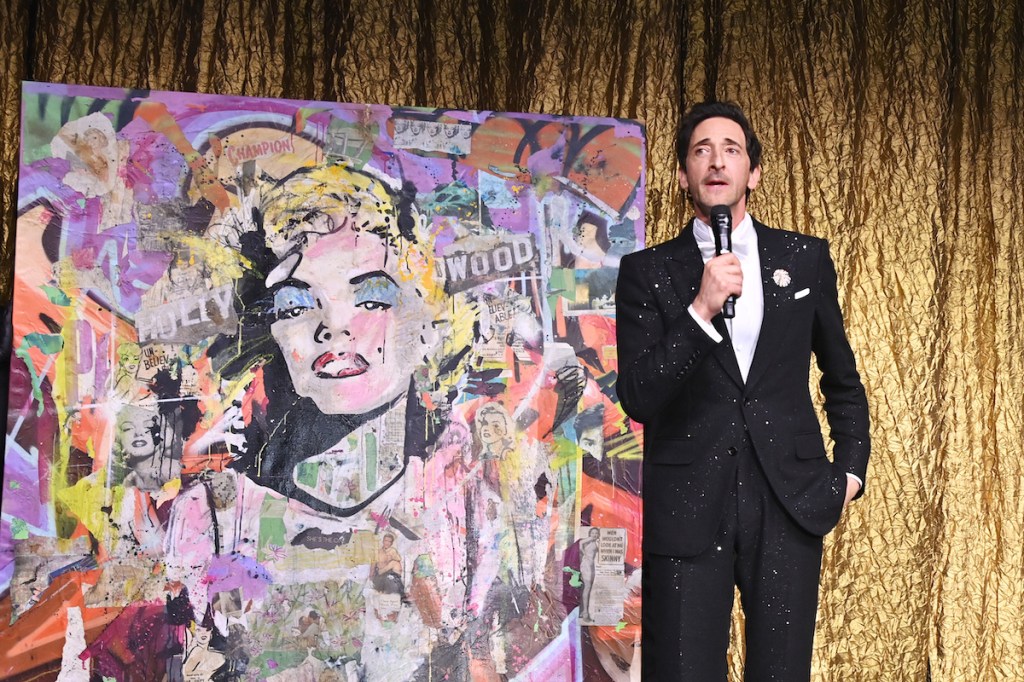
adrien brody art eden gallery

Actor Adrien Brody debuted a new exhibition titled "Made in America" at Eden Gallery in New York, featuring paintings that incorporate pop culture icons like Mickey Mouse, Donald Duck, and Marilyn Monroe alongside collage elements and text. The show has garnered significant media attention, including a profile in the New York Times and praise from Cultured and Interview magazine, partly fueled by the sale of one of Brody's paintings for $425,000 at the amfAR Cannes Gala. However, the art press, including Artnet News, has been highly critical, with ARTnews reviewer Alex Greenberger describing the works as ugly, derivative, and lacking nuance.
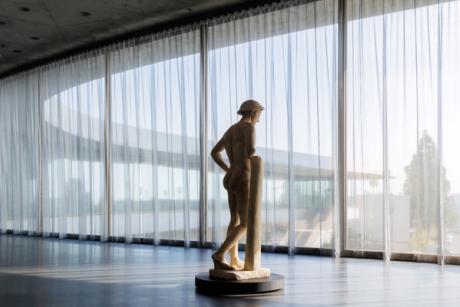
The Big Review | Lacma's David Geffen Galleries ★★★★

The Swiss architect Peter Zumthor's new $724 million building for the Los Angeles County Museum of Art (Lacma), now called the David Geffen Galleries, has opened after nearly two decades of anticipation. The swooping concrete-and-glass structure is praised for its harnessing of natural light and horizontality, creating a stunning showcase for antiquities and inviting the city inside with floor-to-ceiling windows offering views of the La Brea Tar Pits and Wilshire Boulevard. The building performs best with sculpture and decorative objects, with standout works including Liz Glynn's "The Futility of Conquest" (2023) and Manjunath Kamath's "Vikatonarva" (2024).

Is This What “Made in America” Looks Like?

Christopher Payne's exhibition "Made in America: The Industrial Photography of Christopher Payne" at the Cooper Hewitt, Smithsonian Design Museum showcases 72 large-format photographs documenting active American factories and manufacturing processes. The trained architect turned photographer spent a decade visiting dozens of production sites across the United States, from the New York Times printing plant in Queens to the Bollman Hat Company in Pennsylvania, capturing workers' craftsmanship and the intricate steps involved in making everything from Peeps candies to jet engines. The exhibition is organized into three sections—traditional handcraft, large-scale production, and cutting-edge technologies—and coincides with the Smithsonian's celebration of the nation's 250th anniversary.

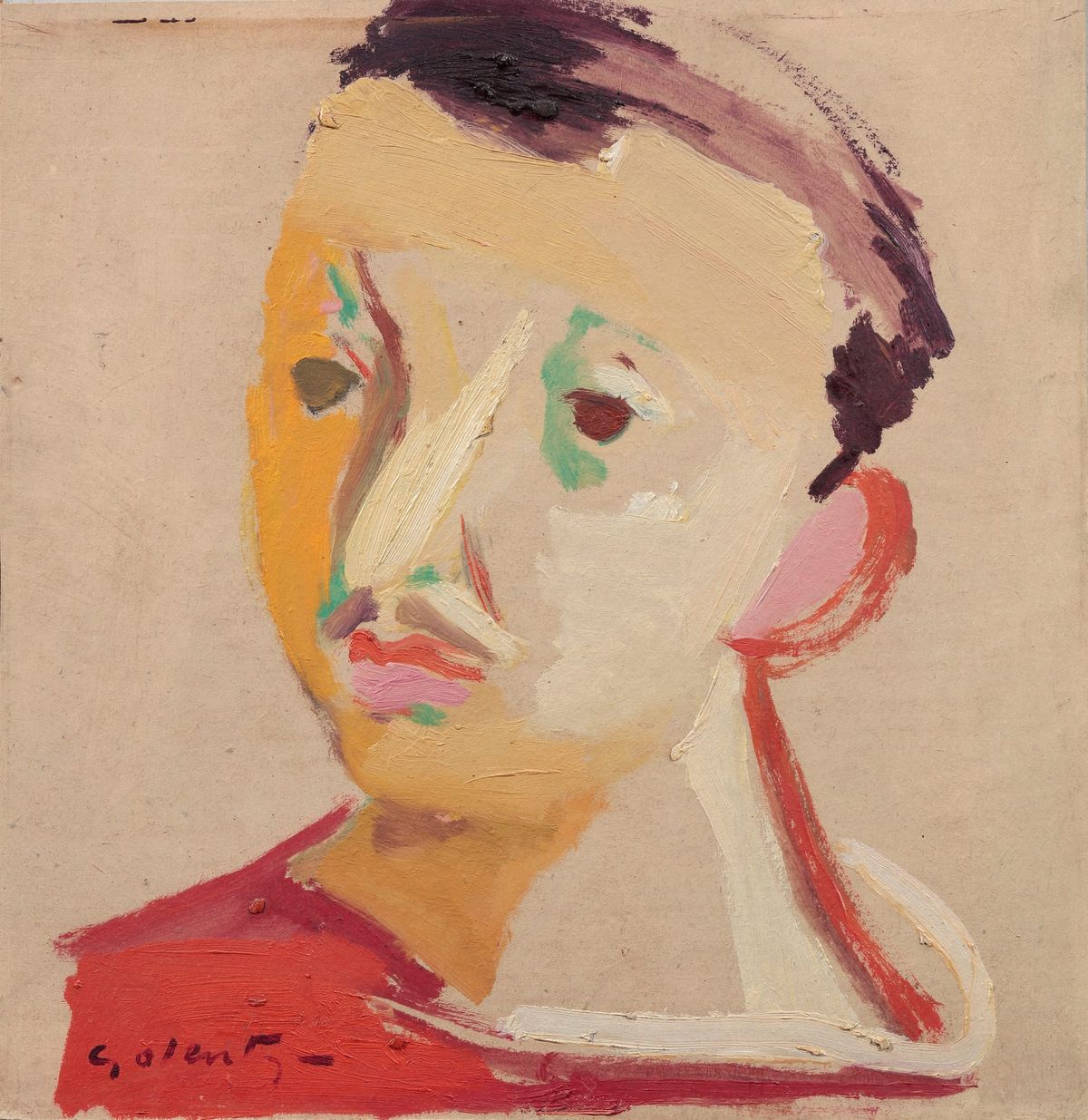
Haroutiun Galentz: The Form of Colour

Haroutiun Galentz: The Form of Colour

A new English-language monograph, *Haroutiun Galentz: The Form of Colour*, repositions the Armenian-Lebanese painter as a major cosmopolitan modernist. The book assembles his work from international collections, arguing his career—spanning formative years in Beirut's pre-war art scene and a later period in the Soviet Union—must be understood beyond national art historical frameworks.

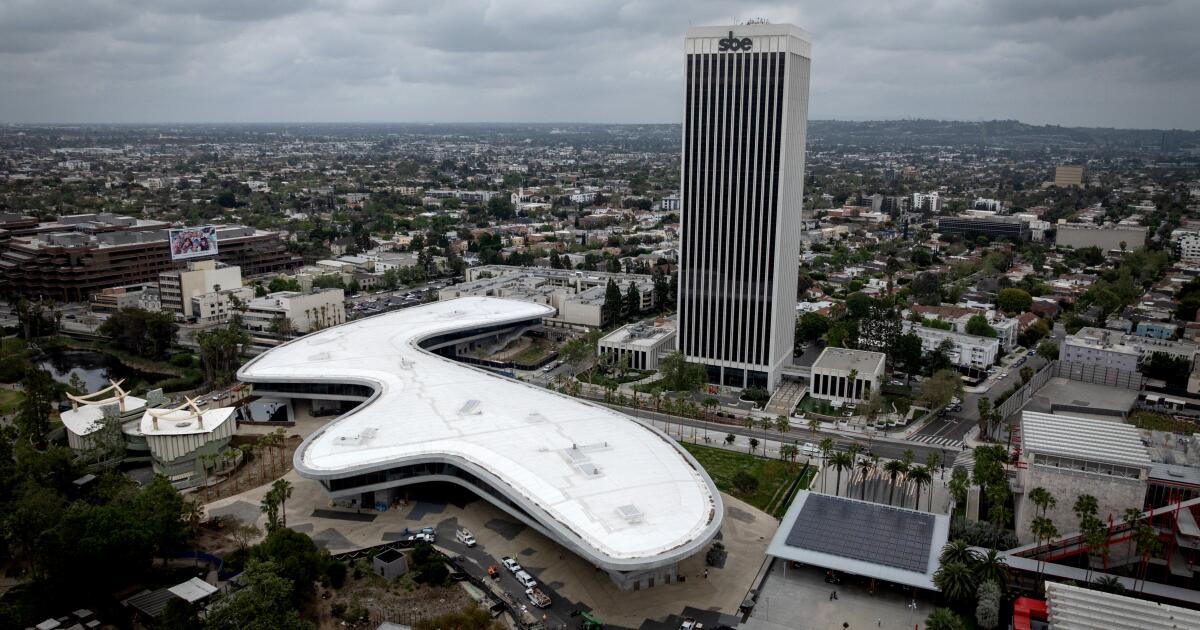
Review: The new LACMA is divisive. It’s also ambitious, disorienting — and radically alive

The Los Angeles County Museum of Art (LACMA) has unveiled its $724-million David Geffen Galleries, a massive concrete structure designed by Swiss architect Peter Zumthor that spans Wilshire Boulevard. Replacing several older pavilions, the new building rejects traditional museum conventions like white-cube galleries and encyclopedic organization in favor of a sinuous, organic form that emphasizes light, atmosphere, and a visceral connection to the surrounding landscape.

Blank Spaces. Sung Tieu by Sarah Johanna Theurer

Sung Tieu's installations, characterized by austere, bureaucratic surfaces, explore the hidden architectures of power embedded in everyday systems. The article examines her series of works that deconstruct administrative forms used in asylum procedures, reducing them to blank spaces and quantified grids to expose how institutional power operates through seemingly neutral documents. Her exhibition "In Cold Print" at Nottingham Contemporary physically manifests these themes by using steel fences to control viewer movement, drawing direct parallels between minimalist sculpture and the dehumanizing design of border controls.