filter_list Showing 8 results for "Tate Modern" close Clear
dashboard All 293 museum exhibitions 133trending_up market 43article news 42person people 30article culture 16candle obituary 11article policy 9rate_review review 8article local 1
date_range Range Today This Week This Month All
Subscribe

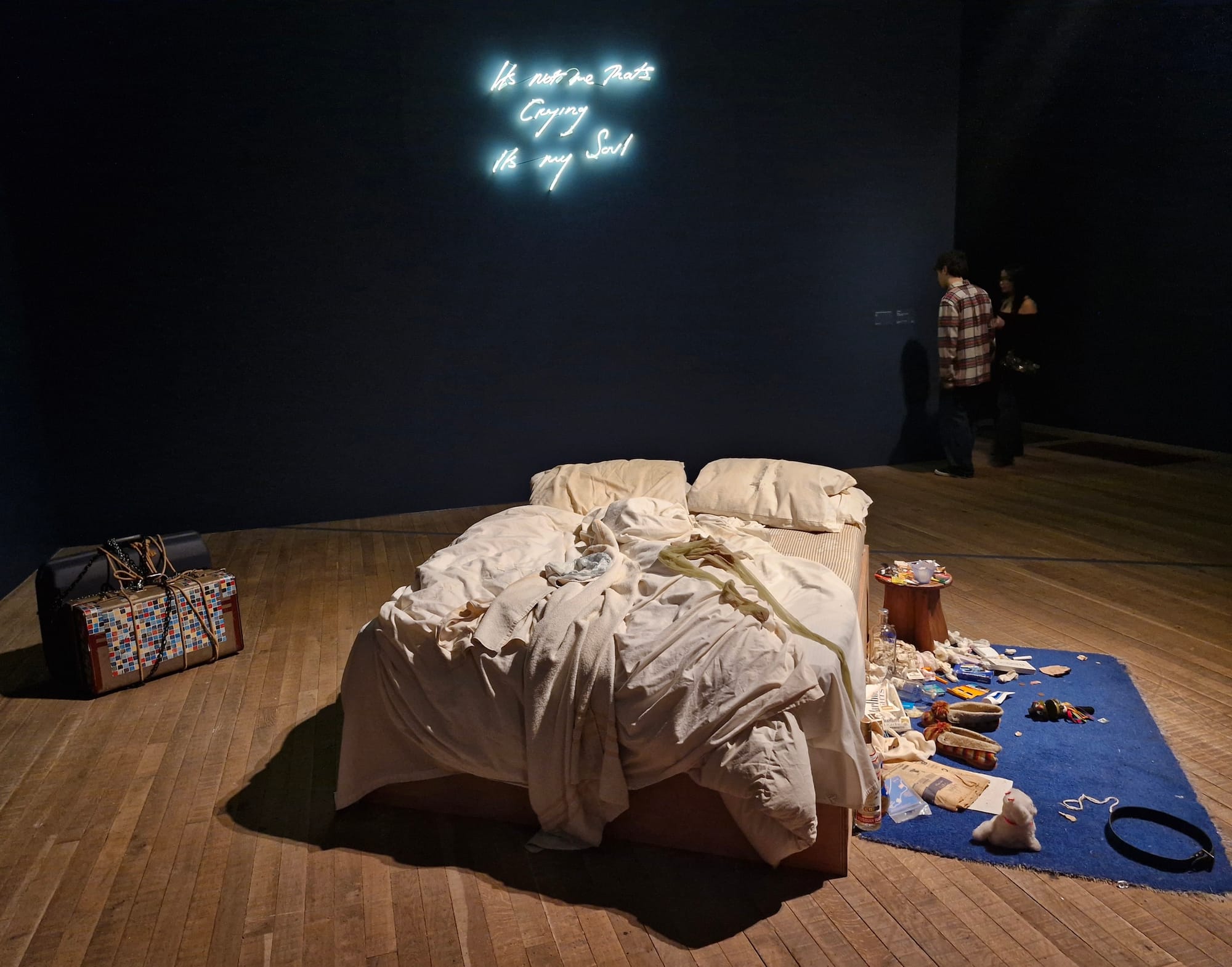
Tracey Emin’s Cult of the Self

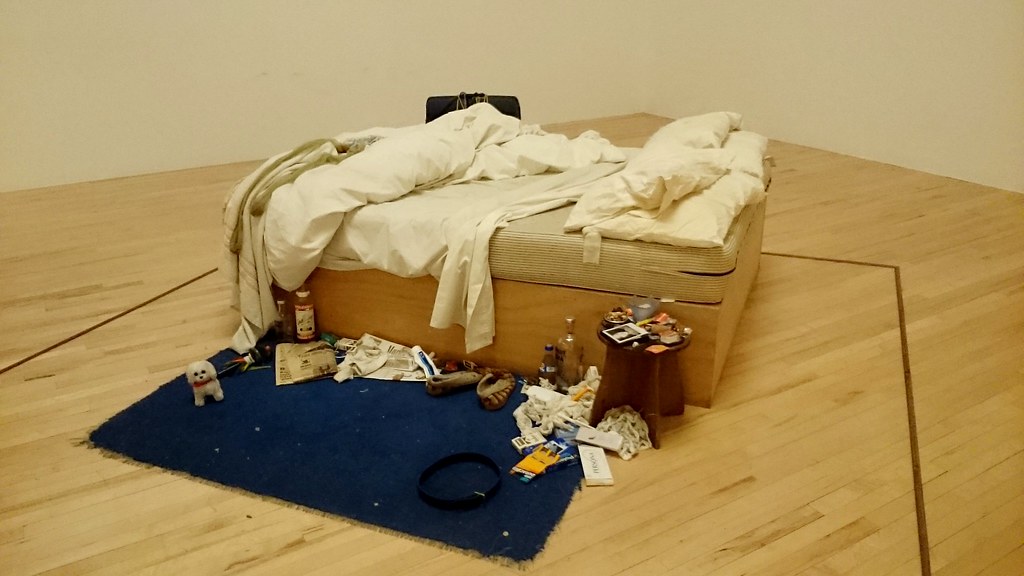
A major retrospective of Tracey Emin's work, "A Second Life," is on view at Tate Modern in London. The exhibition presents the artist's deeply personal and confessional body of work, including iconic pieces like "My Bed" and "Exorcism of the Last Painting I Ever Made," which chronicle intimate experiences of love, trauma, and self-exploration through text, objects, and raw imagery.
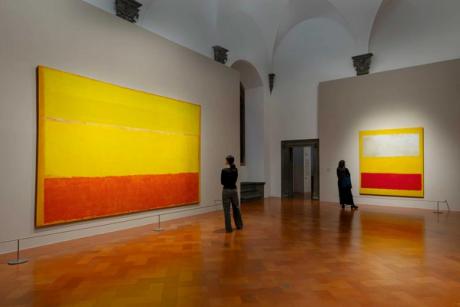
The Big Review: Rothko in Florence ★★★★★

The Palazzo Strozzi in Florence has launched a major exhibition exploring the profound influence of the Italian Renaissance on Mark Rothko. Co-curated by the artist's son, Christopher Rothko, the show spans three historic locations: the Palazzo Strozzi, the Museo di San Marco, and the Biblioteca Medicea Laurenziana. By placing Rothko’s abstract canvases in direct dialogue with Fra Angelico’s frescoes and Michelangelo’s architecture, the exhibition highlights how the artist’s visits to Italy in the 1950s and 60s shaped his spatial thinking and spiritual intensity.

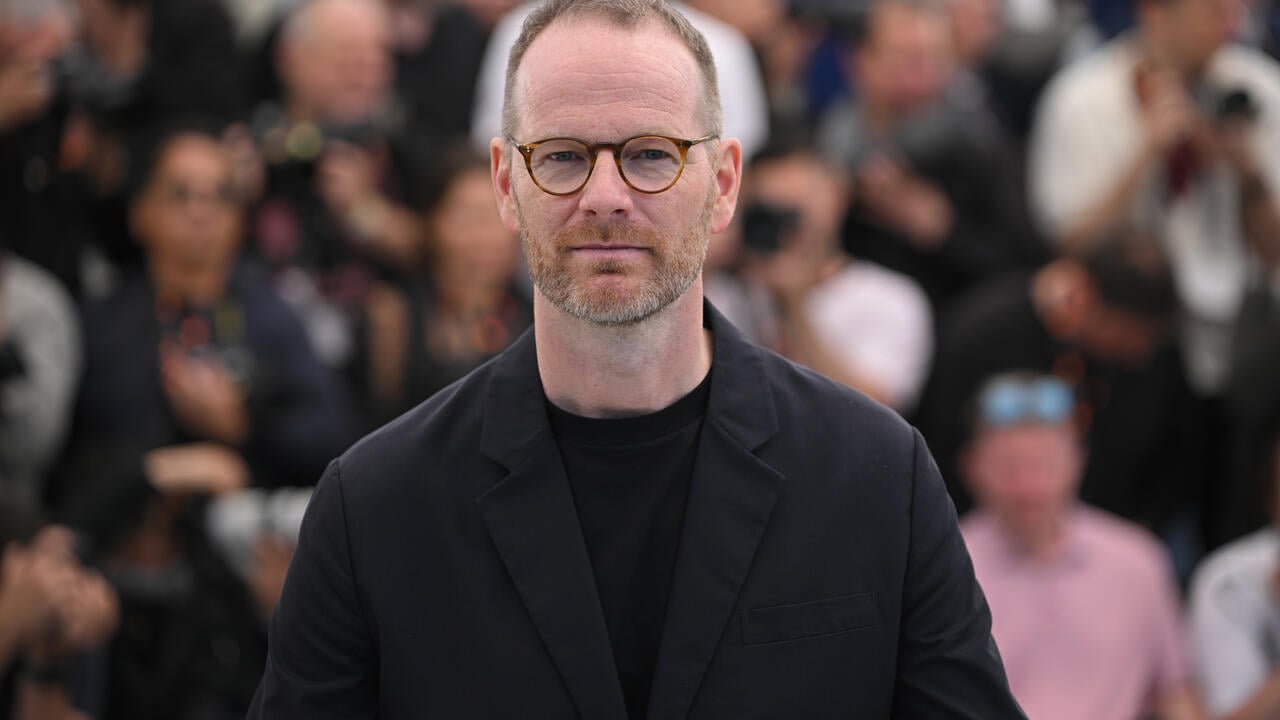
Joachim Trier on the Art of Calculated Chaos

A major retrospective of Tracey Emin's work has opened at Tate Modern in London. The exhibition presents a comprehensive overview of the artist's career, featuring her confessional and often provocative works that have defined her public persona.

Marie Zolamian’s Paintings Remain Little Mysteries

A retrospective of Tracey Emin's work at Tate Modern reveals how her art, frequently interpreted as raw personal confession, is deeply intertwined with the broader cultural and social forces of her time. The review argues that her oeuvre serves as a witness to a specific era, moving beyond purely autobiographical readings to reflect wider societal currents.

The Revolutionary Tapestry of Nigerian Modernism

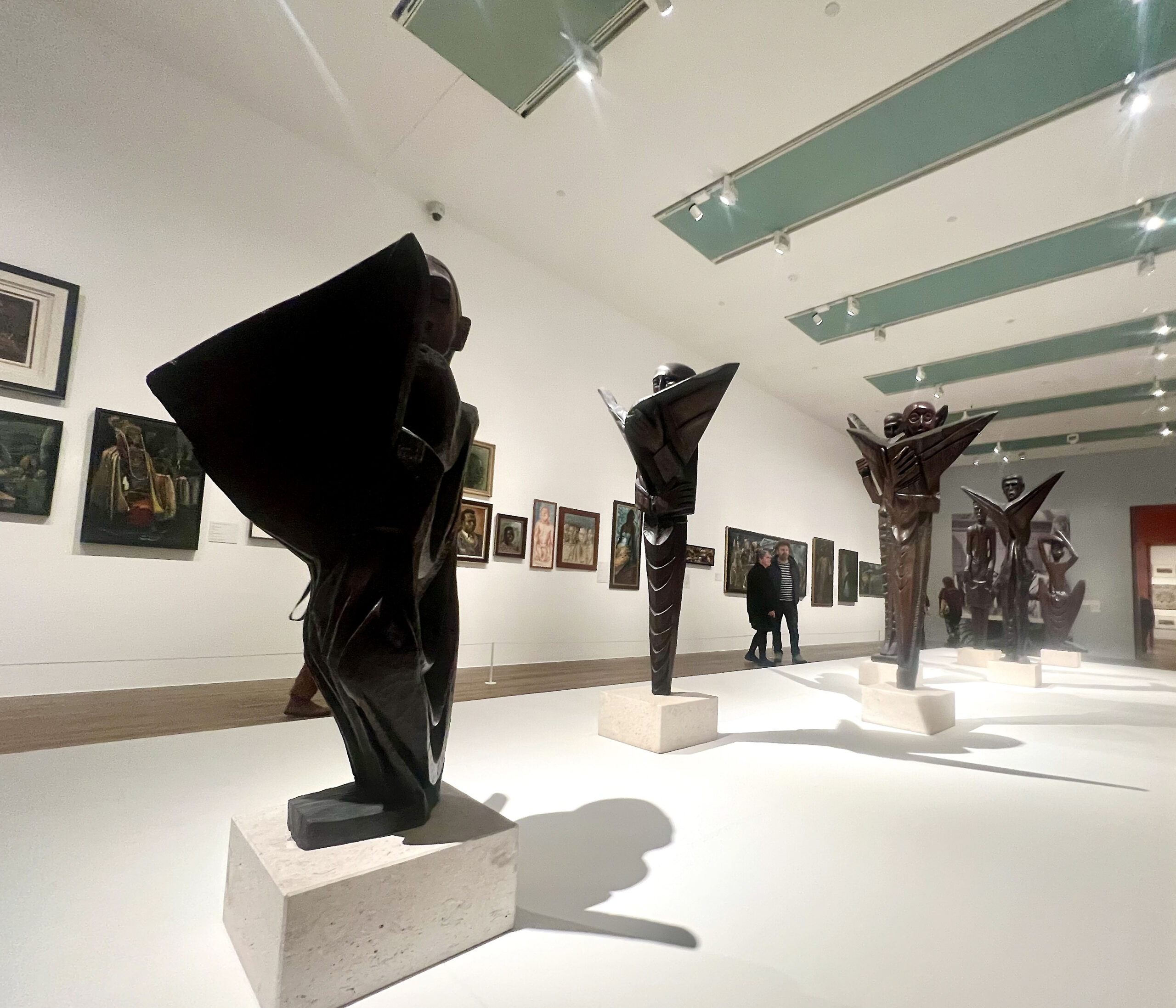
The exhibition "Nigerian Modernism" at Tate Modern in London is the first show of its kind in the UK, surveying how Nigerian artists forged a postcolonial identity across the 20th century. It features works by pioneers such as Aina Onabolu, Benedict Enwonwu, and members of the radical Zaria Art Society, including Uche Okeke, Jimo Akolo, and Clara Etso Ugbodaga-Ngu, highlighting their break from British artistic traditions and embrace of local visual heritage.

Post-Mortemism: An Autopsy of “Nigerian Modernism: Art and Independence” at Tate Modern.

A critical essay by Ayọ̀ Akínwándé performs a forensic 'autopsy' of the Tate Modern exhibition 'Nigerian Modernism: Art and Independence.' The review dissects the show's structure, arguing it fails in its curatorial framework by isolating Nigerian artists within a regional category, using ethnographic display methods, relying on incomplete research, and excluding key artists and historical context.

What I learned from Tracey Emin about regeneration

The article reviews Tracey Emin's exhibition "A Second Life" at Tate Modern, describing the author's initial lack of aesthetic connection to the artworks—finding the paintings derivative and neon signs tacky—but ultimately being moved by the exhibition's emotional force and the artist's refusal to disguise pain, humiliation, and grief. The author notes the crowded galleries, the predominantly female audience responding with visceral emotion, and highlights the film "How It Feels" as the most impactful piece, in which Emin discusses her traumatic abortion and its effect on her self-perception.

Read the Room: Dallas Museum of Art’s “International Surrealism” Misses the Mark

The Dallas Museum of Art's exhibition "International Surrealism" is critiqued as a missed opportunity during the centennial of the surrealist movement. The author argues that while the show presents a broad survey of mixed-media works from around the world, divided into six thematic subgroups, it lacks the political urgency and revolutionary context that defined surrealism's origins in 1925. The exhibition, initially curated by Matthew Gale from the Tate Modern collection and presented locally by Sue Canterbury, is described as whimsical and decorous, reducing the movement's subversive power to quirky categories and gift-shop fodder.