filter_list Showing 39 results for "Broken" close Clear
search
dashboard All 39 museum exhibitions 24article culture 6person people 3trending_up market 2rate_review review 2article local 1article news 1
date_range Range Today This Week This Month All
Subscribe

The Marcel Duchamps That Got Away: On Collecting His Work and the Sprawling MoMA Show

The article recounts the author's personal experience as a collector who passed up the opportunity to buy a complete set of Marcel Duchamp's readymades at a 2002 Phillips de Pury and Luxembourg auction. The set, editioned by dealer Arturo Schwartz in 1964, included iconic works like *Fountain* and *Bicycle Wheel*, but the sale was a financial failure, with many pieces bought-in or selling for far below expectations. The author later acquired some of the unsold works privately. The piece is framed around the concurrent Duchamp exhibitions at the Museum of Modern Art and Gagosian.
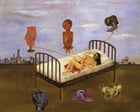
‘This is mine, I own it’: how Tracey Emin and Frida Kahlo inspired me to make meaning out of pain

The article is a personal essay by a writer who, after undergoing a colectomy in 2023, found inspiration in Tracey Emin's unflinching self-portraiture following her 2020 cancer diagnosis. The author describes taking her own post-surgery photographs, echoing Emin's mantra "This is mine, I own it," and reflects on Emin's current work, including the Tate Modern exhibition and paintings like "I watched Myself die and come alive" (2023) and "Barbed Wire Stitches" (2024). The essay also connects Emin's approach to that of Frida Kahlo, whose retrospective is upcoming at Tate.

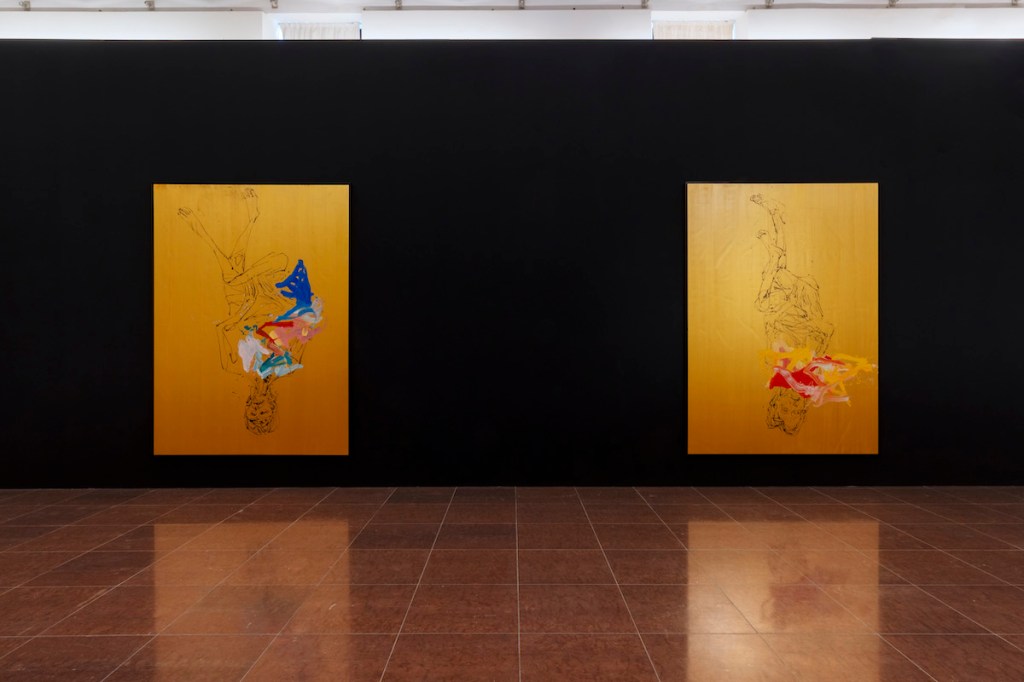
Controversial Painter Georg Baselitz Knew His Venice Show Would Be His Last. He Went Out Quietly.

Six days after Georg Baselitz's death, his dealer Thaddaeus Ropac opened "Eroi d'Oro" ("Heroes of Gold") at the Fondazione Giorgio Cini in Venice. The exhibition features the final paintings Baselitz made before he died in April at age 88. In a prerecorded film, Baselitz calls these works his "last paintings," intended as a summation of his six-decade career. The large-scale, gold-ground paintings depict thin, ink-like figures of himself or his wife Elke lying horizontally, floating in undefined space. Baselitz connected the gold grounds to Fayum mummy portraits, Sienese altarpieces, and Byzantine icons, using them to absorb space and create a shadowless, eternal condition.

Big Crisis, Small Gestures

Große Krise, kleine Gesten

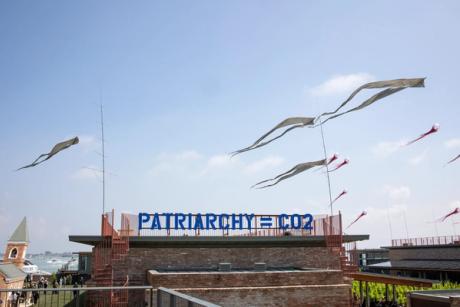
The article reviews the second edition of the Klima Biennale Wien, which opened in early April in Vienna. It notes that while the biennale aims to address the urgent triple crisis of climate change, biodiversity loss, and pollution, its execution falls short. The exhibition features symbolic works such as a beached whale, a broken boat, and a compostable SUV sculpture, but these motifs feel repetitive and lack the necessary impact. The author contrasts these with historical precedents like Menashe Kadishman's 1978 Venice Biennale installation and Joseph Beuys' "7000 Eichen" (1982), arguing that the themes of nature and sustainability are not new, only the urgency has intensified.

The Essential Works of Rirkrit Tiravanija

ArtAsiaPacific profiles Rirkrit Tiravanija, a pioneering figure in relational aesthetics known for participatory works centered on communal dining and shared rituals. The article traces his career from his first solo exhibition "untitled 1990 (pad thai)" at Paula Allen Gallery in New York, where he cooked and served pad thai to visitors, to his current major retrospective "The House That Jack Built" at Pirelli HangarBicocca in Milan, running through July 26. Tiravanija, born in Buenos Aires in 1961 and raised across multiple countries, has received numerous accolades including the Hugo Boss Prize (2004) and a nomination in the Established Artist category at the 2026 Art Basel Awards. He is also preparing to present a tent-like structure at the Qatari pavilion for the 2026 Venice Biennale, featuring contributions by Sophia Al-Maria, Tarek Atoui, Alia Farid, and Fadi Kattan.

10 Exhibitions to See in Upstate New York This May

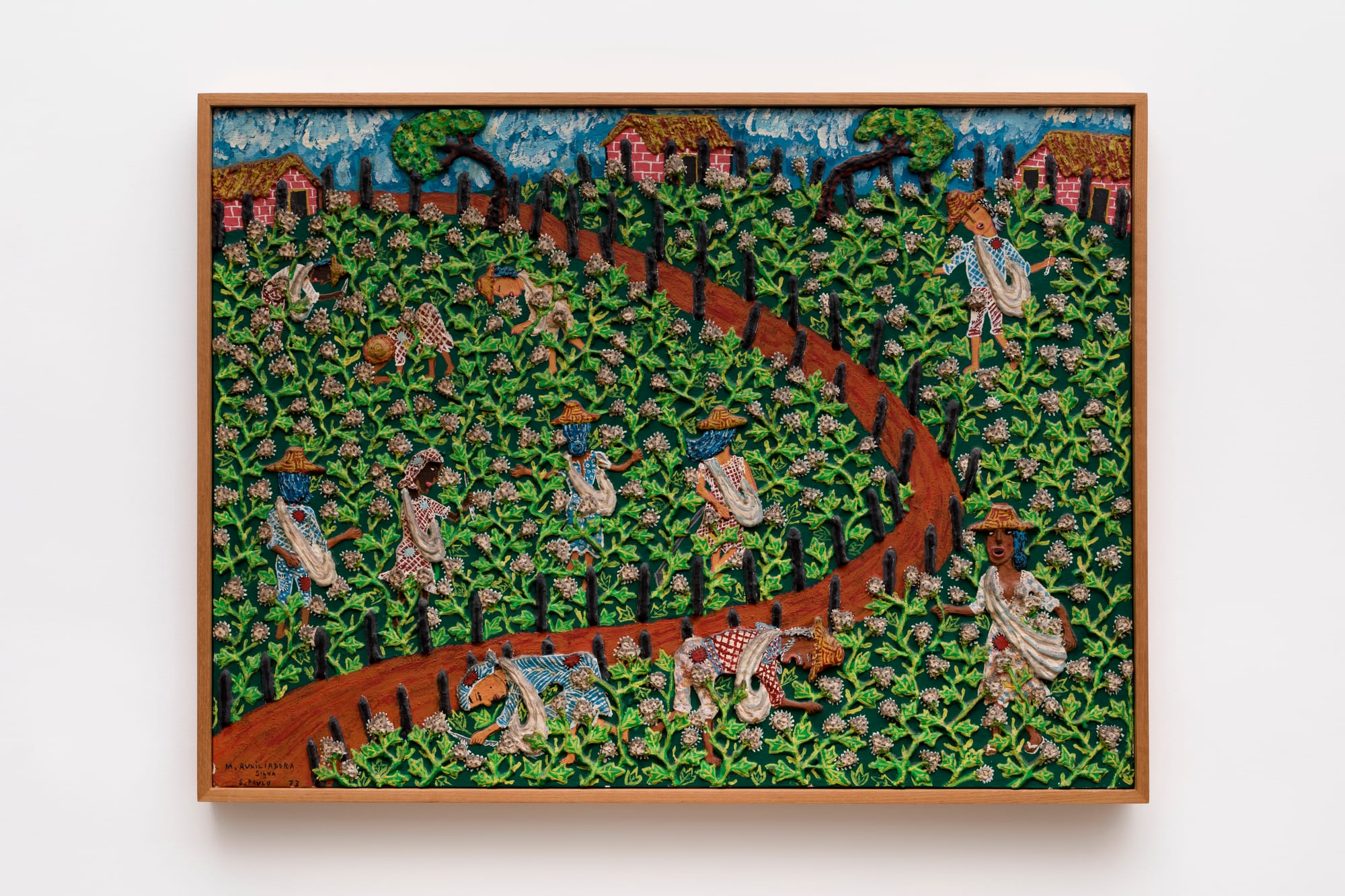
Hyperallergic's guide highlights 10 exhibitions opening in Upstate New York this May, including the Hessel Museum of Art's annual showcase of thesis exhibitions by graduates of the Center for Curatorial Studies at Bard College, featuring works by Alice Aycock, Arthur Jafa, Mike Kelley, and Ana Mendieta. Other notable shows include Daniele Frazier's camera-less photography at September Gallery, Onnis Luque's investigation into resource exploitation at Art Omi, and Japanese woodblock prints at the Frances Lehman Loeb Art Center. The guide also covers Lukaza Branfman-Verissimo's mixed-media works and Maria Auxiliadora da Silva's paintings.

Bharti Kher Commissioned by Powerhouse Parramatta, Australia’s New Cultural Center Opening Later This Year

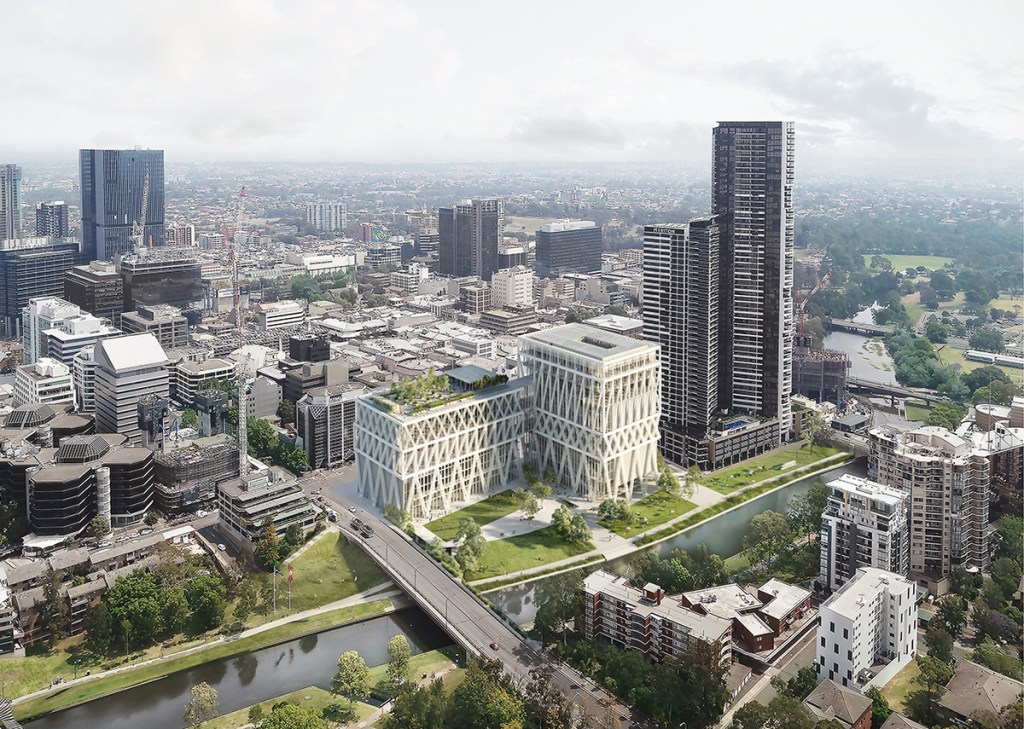
British-Indian sculptor Bharti Kher has been commissioned to create a monumental sculpture titled 'Tree of Life' for the entrance of Powerhouse Parramatta, a major new cultural center opening later this year in Parramatta, west of Sydney, Australia. The work, made of four stacked bronze and clay heads, is part of Kher's ongoing 'Intermediaries' series, which began in 2016 after she found a collection of broken clay figurines in her Delhi studio. The commission was reported by Art Asia Pacific, and Kher previously installed related public works in Central Park and at Harvard Business School.

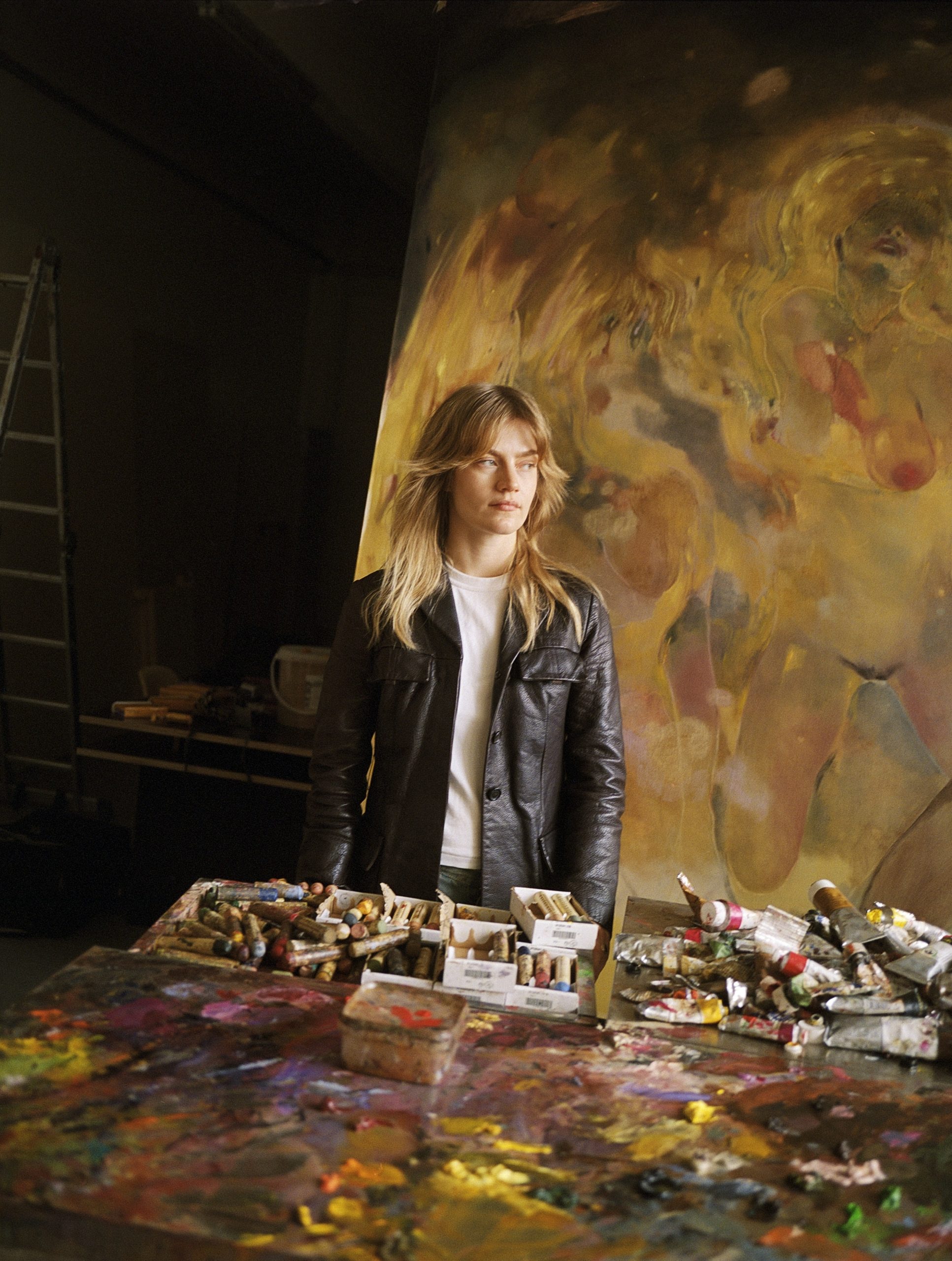
Eva Helene Pade Paints the Thin Line Between Ecstasy and Violence

Danish painter Eva Helene Pade, born in 1997, has been working in a borrowed London studio while her Paris home undergoes renovations. Three of her new monumental paintings—Jagt (Hunt), Nærmere (Closer), and Opstand (Surge)—will debut with Thaddaeus Ropac at TEFAF New York this week. Known for tempestuous, large-scale nocturnal scenes filled with writhing naked female bodies, Pade draws on influences from Edvard Munch, James Ensor, and Gustav Klimt, though she now works more intuitively. She signed with Thaddaeus Ropac in 2024 as the gallery's youngest represented artist and was featured in Artnet's Intelligence Report 'Zero to Hero' list for a major spike in search interest.

Venice Biennale 2026: What are the major trends that will mark the 99 national pavilions?

Biennale de Venise 2026 : quelles sont les grandes tendances qui vont marquer les 99 pavillons nationaux ?

The article previews the 2026 Venice Biennale, highlighting key trends across its 99 national pavilions. Major themes include the hybridization of theater, dance, and performance, particularly in pavilions from Austria, Luxembourg, Belgium, and Lithuania, where artists like Florentina Holzinger, Aline Bouvy, Miet Warlop, and Eglė Budvytytė use radical, body-centric works. Geopolitical engagement is also central, with the Ukrainian pavilion featuring Zhanna Kadyrova's work on resistance and the British pavilion exploring themes of exile and migration. Other notable pavilions include Spain's focus on imagery, a sound installation for the Vatican, a polyphonic piece for Romania, and a film on sign language song for Poland.

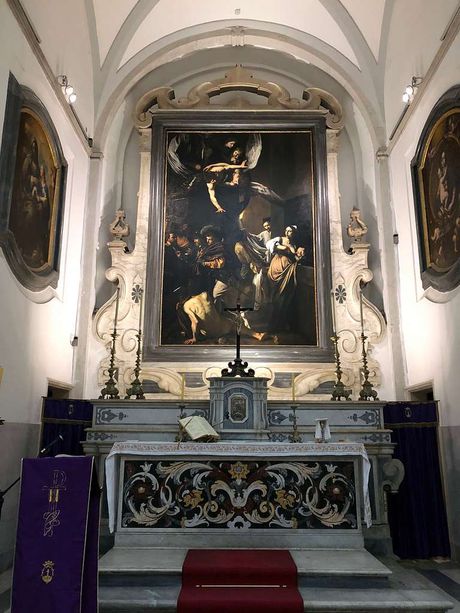
Comment | We must avoid amputating art in the name of preservation

The article recounts the author's experience viewing Caravaggio's *Seven Acts of Mercy* (1607) in its original chapel in Naples, where the painting's crowded, dramatic composition directly mirrors the chaotic streets of the city, revealing its sacred meaning through context. In contrast, the author describes Caravaggio's *Flagellation of Christ* (1607), moved from the church of San Domenico Maggiore to the Museo di Capodimonte for security reasons, as a painting "marooned"—its spiritual purpose broken, reduced to a mere object for aesthetic appreciation.

Across Venice, Artists Defy Censorship to Mourn and Memorialize Gaza

The 2026 Venice Biennale, titled “In Minor Keys,” features numerous artworks that mourn and memorialize the destruction of Gaza, despite censorship pressures. The main exhibition opens with a poem by slain Palestinian poet Refaat Alareer, and includes works by artists such as Theo Eshetu, Mohammed Joha, Manuel Mathieu, and Avi Mograbi that directly or indirectly address the conflict. Outside the official Biennale, South African artist Gabrielle Goliath’s performance series “Elegy” was censored by her country’s culture minister after she proposed a version honoring murdered Palestinian poet Hiba Abu Nada, leading her to present the work independently at a church in Venice.

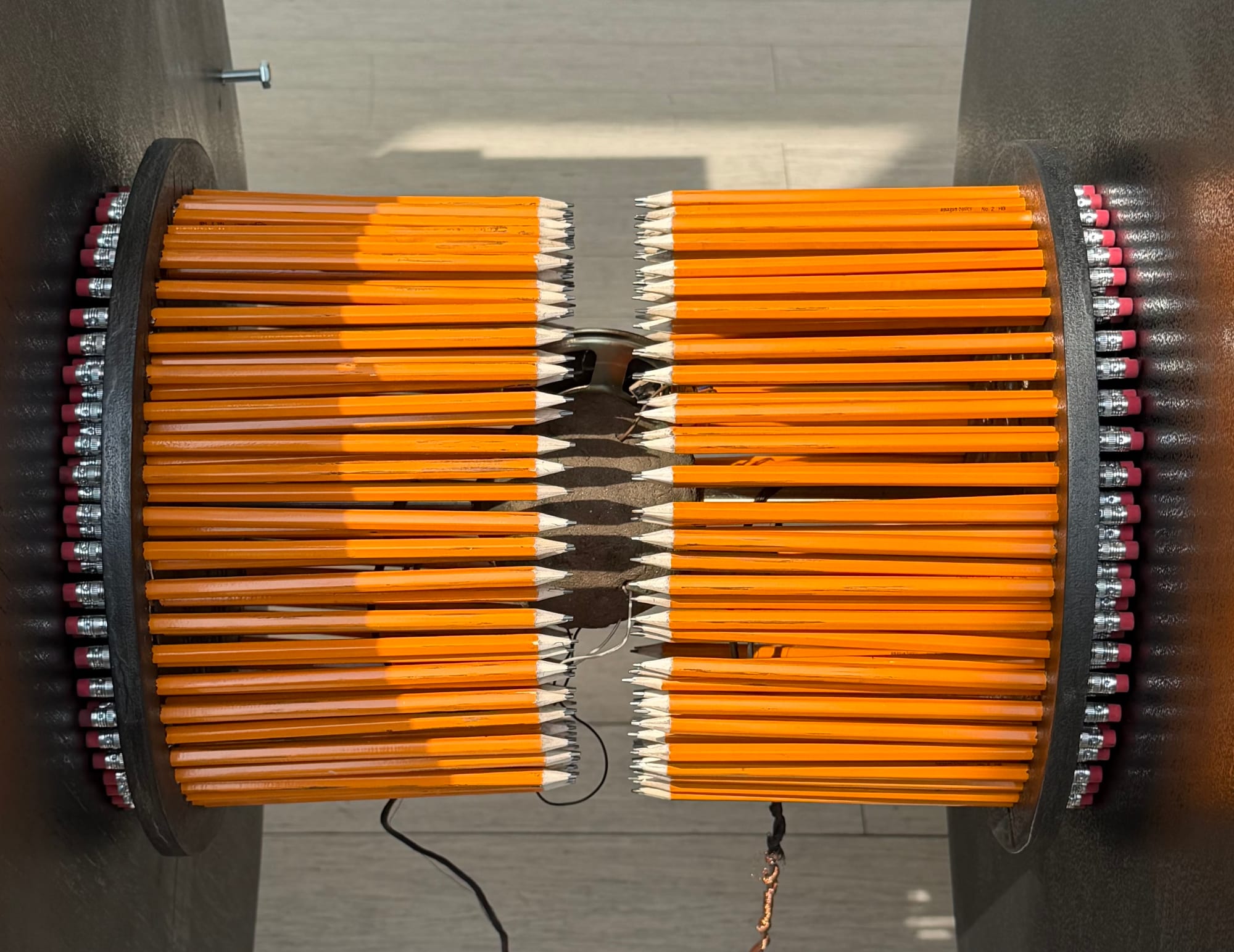
An Artist’s MFA Show Confronts Columbia University Over Gaza

Artist Alejandro Valencia's MFA thesis installation at Columbia University, titled "DYNAMO (RATM01)" (2026), confronts the institution's response to the Gaza genocide. The multipart work, on view at the Miriam and Ira D. Wallach Art Gallery, includes a keffiyeh worn by fellow student Ridwana Rahman—who was banned from campus and denied her MFA degree after a protest—along with sundials, pencils, and a broken microphone referencing Palestinian scholar Edward Said. The piece critiques Columbia's crackdown on pro-Palestinian student activism and the suppression of dissenting voices.

Photo London x Nikon Emerging Photographer Award 2026 – in pictures

The Photo London x Nikon Emerging Photographer Award 2026 has announced its shortlist, showcasing works from seven emerging photographic artists. The exhibition is on display at Photo London, featuring pieces such as Sal Taylor Kydd's "Passing" (2026), Devin Oktar Yalkin's portraits including "Anne Hathaway" and "Swallows Pride" (2020), Ci Demi's "Il-Giorniale" (2021), Steffi Reimers' "Gunshot punctures" (2023) from her series "Guilty Grounds," Sebastian Gonzalez's "Escalas Temporales" (2025), and Edward Rollitt's "Alfred Smee Pruned His Roses" (2024). The award, launched in 2015 in partnership with Nikon, aims to nurture and enable the career development of emerging photographic artists.

The End-of-Term Grand Interview with Stefano Boeri After 8 Years as President of Triennale di Milano

La grande intervista di fine mandato a Stefano Boeri dopo 8 anni da presidente della Triennale di Milano

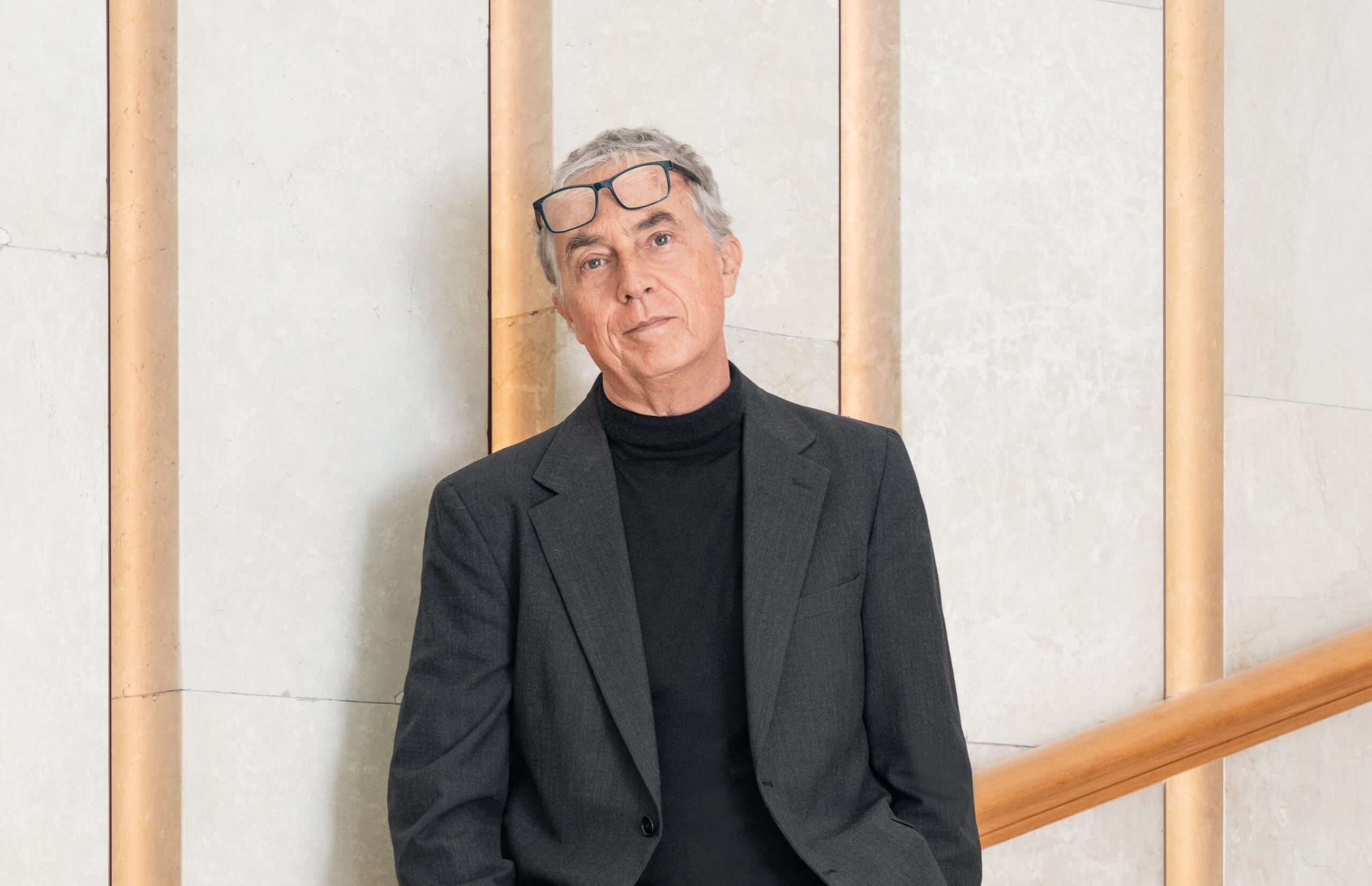
Stefano Boeri reflects on his eight-year tenure as president of Triennale Milano in a wide-ranging exit interview. He discusses the institution's transformation into a more international and accessible cultural hub, highlighting key achievements such as the three major International Exhibitions—"Broken Nature" (2019), "Unknown Unknowns" (2022), and "Inequalities" (2025)—and the physical reclamation of spaces like the "Cuore" hall and the garden-level floor, which were opened free to the public. Boeri also touches on financial management, governance challenges, and his hopes for the future leadership.

There is a major Paulo Nazareth exhibition to see in Venice (but the artist himself hasn't seen it)

C’è una grande mostra di Paulo Nazareth da vedere a Venezia (ma l’artista stesso non l’ha vista)

A major exhibition of Brazilian artist Paulo Nazareth, titled "Algebra," has opened at Punta della Dogana in Venice, but the artist himself is absent. Nazareth has kept a promise not to set foot in Europe until he has crossed African territories on foot, as they existed before the arbitrary divisions imposed by the 1884 Berlin Conference. He did not participate in the installation or opening, instead staging a simultaneous event in Veneza, a working-class district of Ribeirão das Neves, Brazil—a gesture he also made when invited to the 2013 Venice Biennale. The exhibition centers on structural violence and uses attention and care as strategies for healing, with the word "algebra" referring to the act of recomposing what was broken.

Ruminations on Rashid Johnson’s “A Poem for Deep Thinkers”

The article is a reflective review of Rashid Johnson's exhibition "A Poem for Deep Thinkers" at the Modern Art Museum of Fort Worth. The author describes standing before Johnson's work "Falling Man" (2016), a piece incorporating broken mirrors, burned wood, and personal objects like a copy of Harry Haywood's "Black Bolshevik" and shea butter, which prompts meditations on visibility, identity, and Frantz Fanon's "Black Skin, White Masks." The review also examines Johnson's large-scale installation "Antoine's Organ" (2016/2026), which fills a gallery typically reserved for Ellsworth Kelly's minimalist canvases, transforming the space with scaffolding, plants, books, and video monitors.

British Museum Unveils Elaborate Display for Bayeux Tapestry

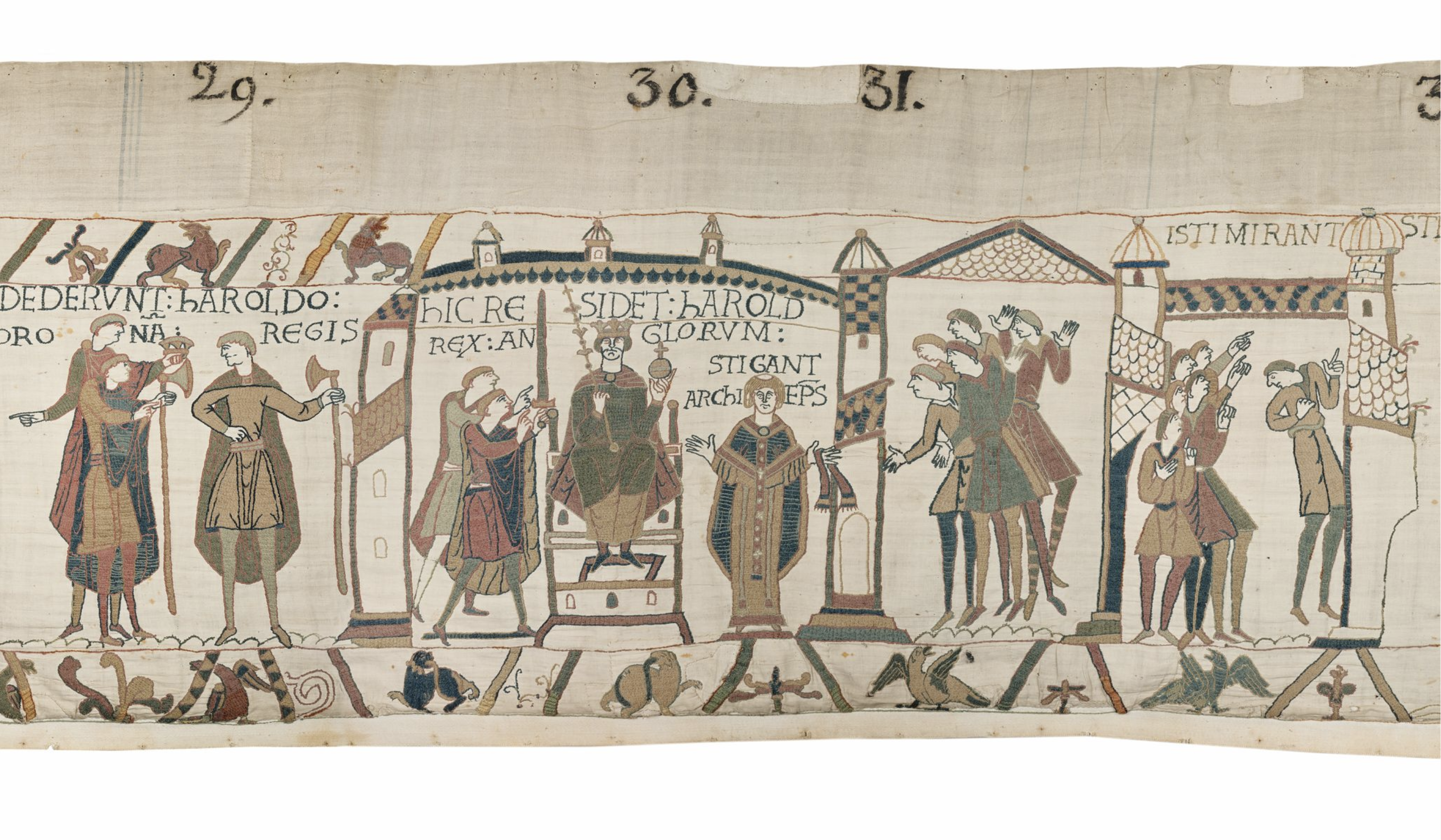
The British Museum has revealed its plans for displaying the nearly 1,000-year-old Bayeux Tapestry when it arrives on loan from France later this year. For the first time in recent history, the 230-foot-long embroidered narrative of the Norman Conquest will be laid flat in a bespoke case, allowing visitors to view all 58 scenes in a single unbroken display. The exhibition, supported by a £5 million pledge from WorldQuant CEO Igor Tulchinsky, will also feature loans including the Junius II manuscript from Oxford's Bodleian Libraries and silver coins from the Chew Valley Hoard. Tickets for the ten-month show, opening September 10, cost £25–£33.

Your guide to Christie's 20/21 auction week in New York

Christie's is holding its 20/21 auction week in New York from May 9–22, 2026, featuring seven live auctions and two online sales at its Rockefeller Center galleries. Highlights include the dedicated sale "MASTERPIECES: The Private Collection of S.I. Newhouse" (led by Constantin Brancusi's *Danaïde* and Jackson Pollock's *Number 7A, 1948*), the Impressionist and Modern Art Day Sale, and "Defined Space: The Collection of Henry S. McNeil, Jr.," which focuses on Minimalist works by Donald Judd and Dan Flavin. Other consignors include prominent collectors Agnes Gund, Marian Goodman, and Joanna Carson. The public can view works for free from May 9–21.

Boats and trains, not planes: reflections on a greener—but sometimes greenwashed—Venice Biennale

The article recounts the author's train journey from London to Venice for the 61st Venice Biennale, highlighting the environmental benefits and pleasant experience of traveling by rail versus flying, despite higher costs and longer duration. It then focuses on the Biennale's central exhibition "In Minor Keys" curated by the late Koyo Kouoh, which foregrounds environmental themes through works that engage with earth, nature, and ecological stakes, featuring artists like Otobong Nkanga, Célia Vasquez Yui, Theo Eshetu, Linda Goode Bryant, and Annalee Davis.

Artist Bouke de Vries creates sculptural porcelain bottles for Dries Van Noten perfume

Artist Bouke de Vries has created five unique sculptural porcelain bottles for Dries Van Noten's unisex perfume Soie Malaquais, which launched in 2022. The bottles, priced at £6,000 each, are sold at the designer's London and New York stores, with a limited-edition series also available online. De Vries, known for reassembling broken china fragments into dynamic objects, designed the bottles to reflect the fragrance's warm notes of chestnut, rose, blackcurrant, and cardamom, developed by perfumer Marie Salamagne.

I Turned My TV Into a Rotating Art Gallery Using Free Museum Downloads

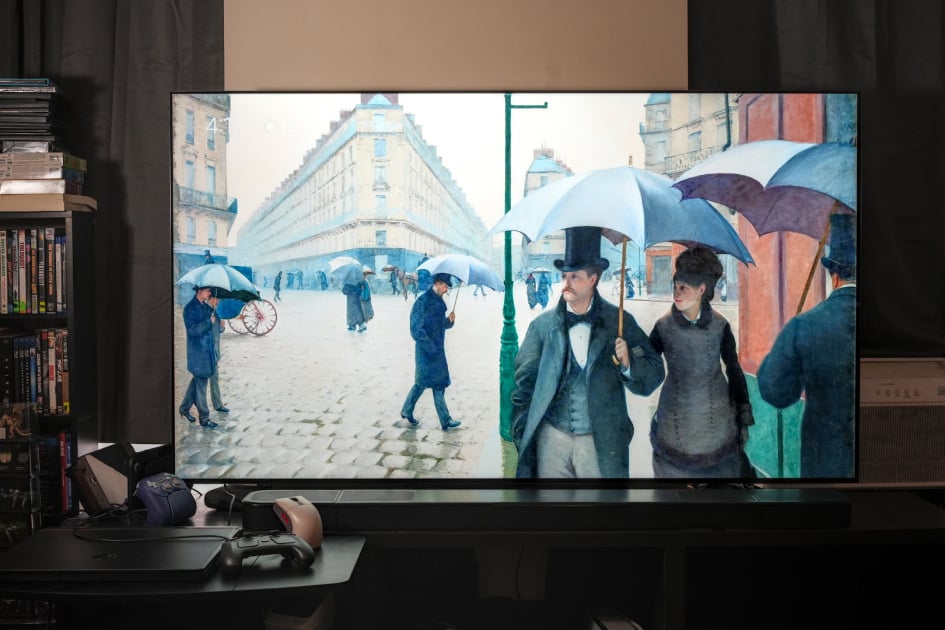
The article provides a guide on how to turn a TV into a rotating art gallery by downloading high-resolution, public-domain images from museum digital collections. It explains the need to filter for Open Access works to avoid copyright issues and recommends several museums with extensive free collections, including the Art Institute of Chicago and the Getty Museum.

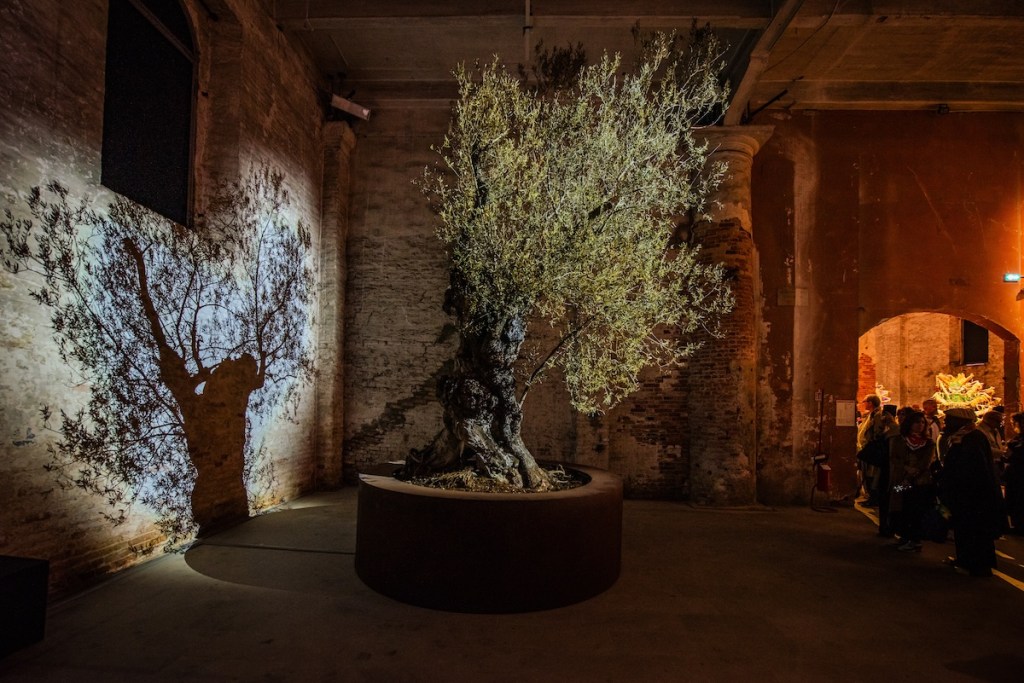
In Minor Keys A Cacophony At 61st Venice Biennale – Miranda Carroll

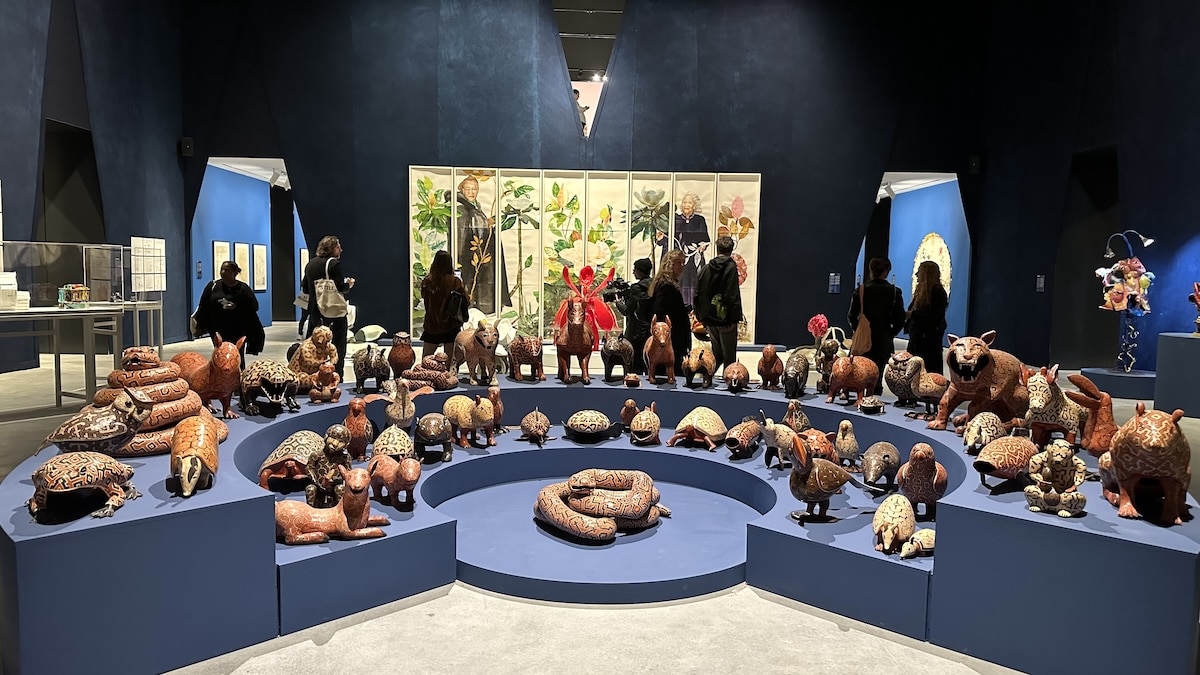
The 61st Venice Biennale, titled 'In Minor Keys,' opened with a central exhibition curated by the late Koyo Kouoh, who died in 2025. The show features 110 artists and collectives, realized by a team of five curators known as 'la squadra di Koyo.' The exhibition spans the Giardini and Arsenale venues, with works including Otobong Nkanga's living facade installation, Theo Eshetu's dying olive tree, and Nick Cave's vibrant sculptures. Poems and quotes by Refaat al-Areer, Etel Adnan, Toni Morrison, and Ben Okri punctuate the spaces, encouraging visitors to pause and reflect.

Edward Hopper Exhibition in Seoul Breaks Attendance Record

An exhibition of Edward Hopper's work at the Seoul Museum of Art has broken attendance records, drawing 330,000 visitors—the highest for any exhibition that year. The show marks the first solo exhibition of the American painter in South Korea, where Hopper was virtually unknown until the 1990s. The article traces Hopper's growing recognition in the country, from his first appearance in Korean media in 2002 to the 2011 co-hosted exhibition 'This Is American Art' at the National Museum of Modern and Contemporary Art, which introduced his work 'Railroad Sunset' (1929) to local audiences.

The Artists Who Put Their Bodies Into the Work

This article from Google News, dated May 3, 2026, profiles a selection of artists who have used their own bodies as central elements in their work. It draws a connection to the Metropolitan Museum of Art's spring Costume Institute exhibition, "Costume Art," which places fashion in dialogue with other artworks. The roundup includes Marina Abramović, known for her 2010 MoMA performance "The Artist Is Present"; Chris Burden, who staged dangerous works like "Shoot" (1971); David Hammons, creator of the "Body Prints" series; Frida Kahlo, whose painting "The Broken Column" (1944) depicts her own physical pain; Ana Mendieta, whose "Silueta" series used her figure in the landscape; and Yoko Ono, a conceptual artist with a significant body-based practice.

In Paris, step inside Swedish artist Mamma Andersson's broken reality

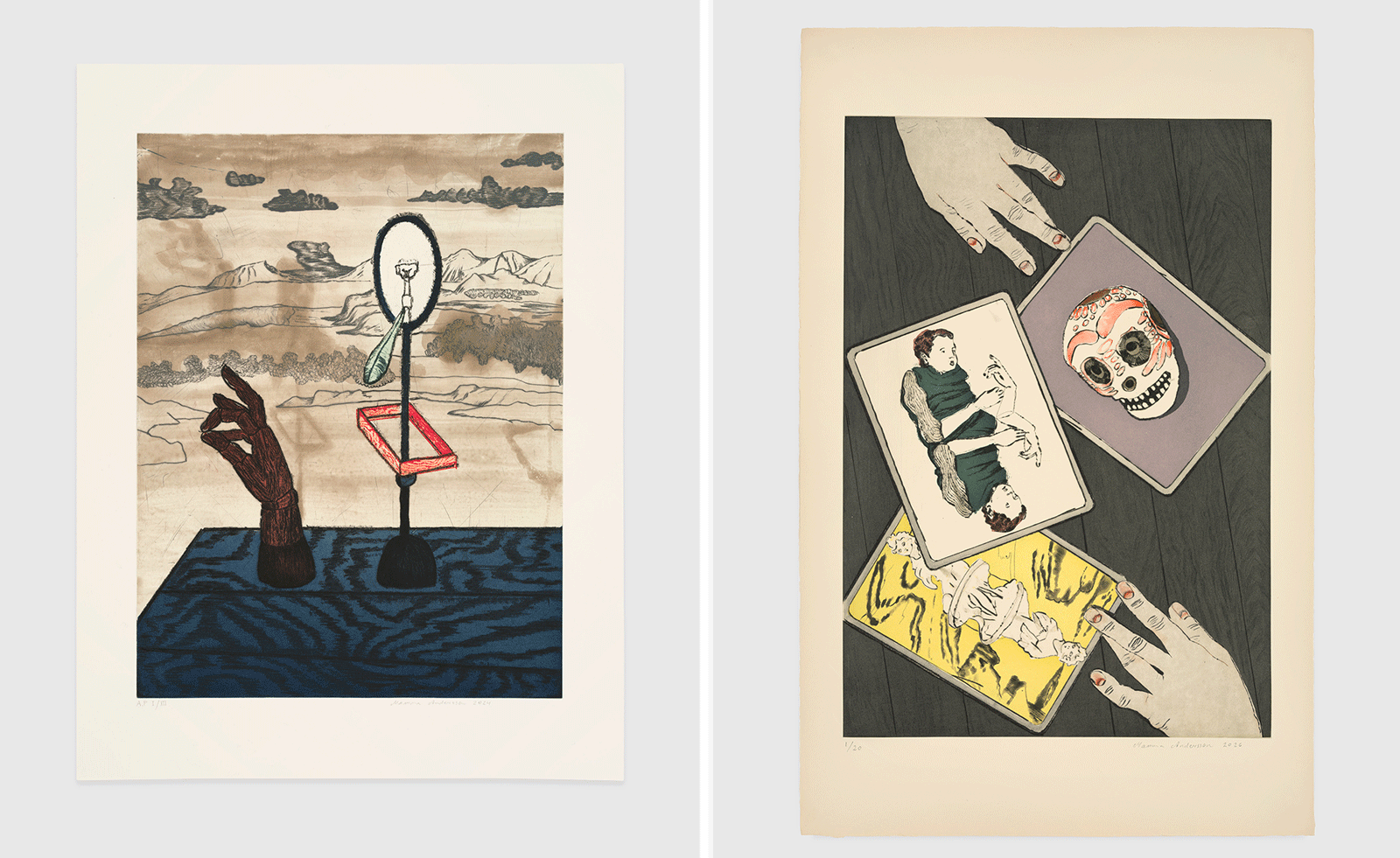
Swedish artist Mamma Andersson is preparing for a new exhibition, 'Œuvres sur papier', at David Zwirner Paris, showcasing her works on paper including aquatint, etching, lithograph, and woodcut. The article visits her studio in Stockholm, where she discusses her creative process, recurring motifs like chairs, masks, and deer, and her collaborations with writer Karl Ove Knausgaard. The show also features vitrines with reference materials and books alongside original artworks.

6 Artworks That Define the 2026 Venice Biennale’s Main Exhibition

The 2026 Venice Biennale's main exhibition opens this week, curated by Koyo Kouoh—the first African woman to hold the role—who was announced in 2024 but passed away suddenly in 2025. The article highlights six artworks that define her curatorial vision, which connected the international art world to artists and institutions from Africa and the Global South.

Disobedience Archive (Canopy for Broken Time) In Dialogue with Raqs Media Collective at Migros Museum für Gegenwartskunst, Zürich

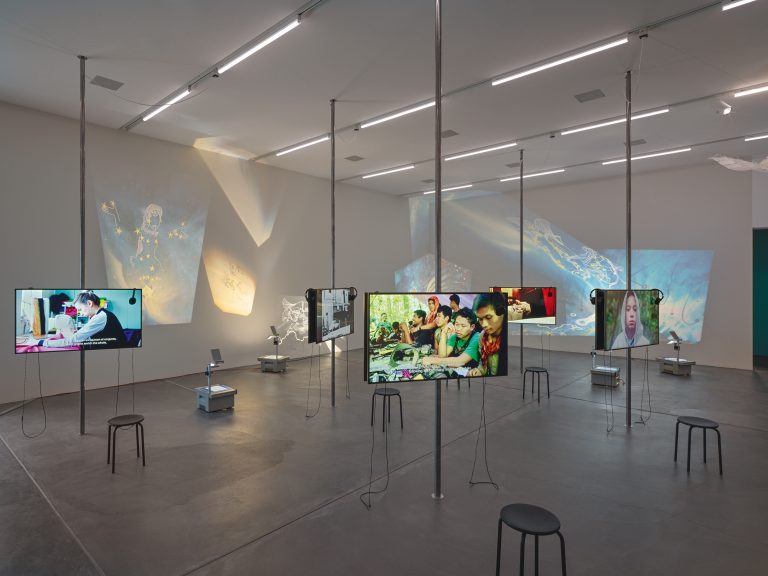
The Disobedience Archive, a mobile video archive initiated by Marco Scotini in 2005, is presented in dialogue with Raqs Media Collective at the Migros Museum für Gegenwartskunst in Zürich. The archive contains over one hundred documentary and art films at the intersection of art and activism, documenting forms of resistance, social struggle, and collective self-organization.

Trippy Film by British-Ethiopian Artist Theo Eshetu Hits the Venice Biennale

British-Ethiopian artist Theo Eshetu is presenting a new installation, *The Garden of the Broken-Hearted* (2026), at the Venice Biennale. The work features a live olive tree mounted on a rotating dais, with a video of the tree projected onto itself, marking a shift from his decades-long practice of multi-screen video installations. Eshetu discusses the project's origins in conversations with the late Biennale curator Koyo Kouoh, framing the tree as a space for mourning, human consciousness, and elemental storytelling.

Artist Yeesookyung Reimagines Works Through AI in Seoul-Jeju Exhibition

Artist Yeesookyung, known for her "Translated Vase" series that repairs broken ceramics with gold, has created new AI-driven video works for the exhibition "Fail Better," jointly held at Forum & Space in Seoul and Vido Gallery in Jeju through June 13. The two-person show, curated by Kim Yoon-kyung, also features media artist Yangachi and includes works like "Moonlight Crown," which uses real-time GPS and weather data to generate ever-changing forms, and "Oh, Rose!," a digitally bred rose series produced through an AI generative system.

Small Formats, Great Tensions

Kleine Formate, große Spannungen

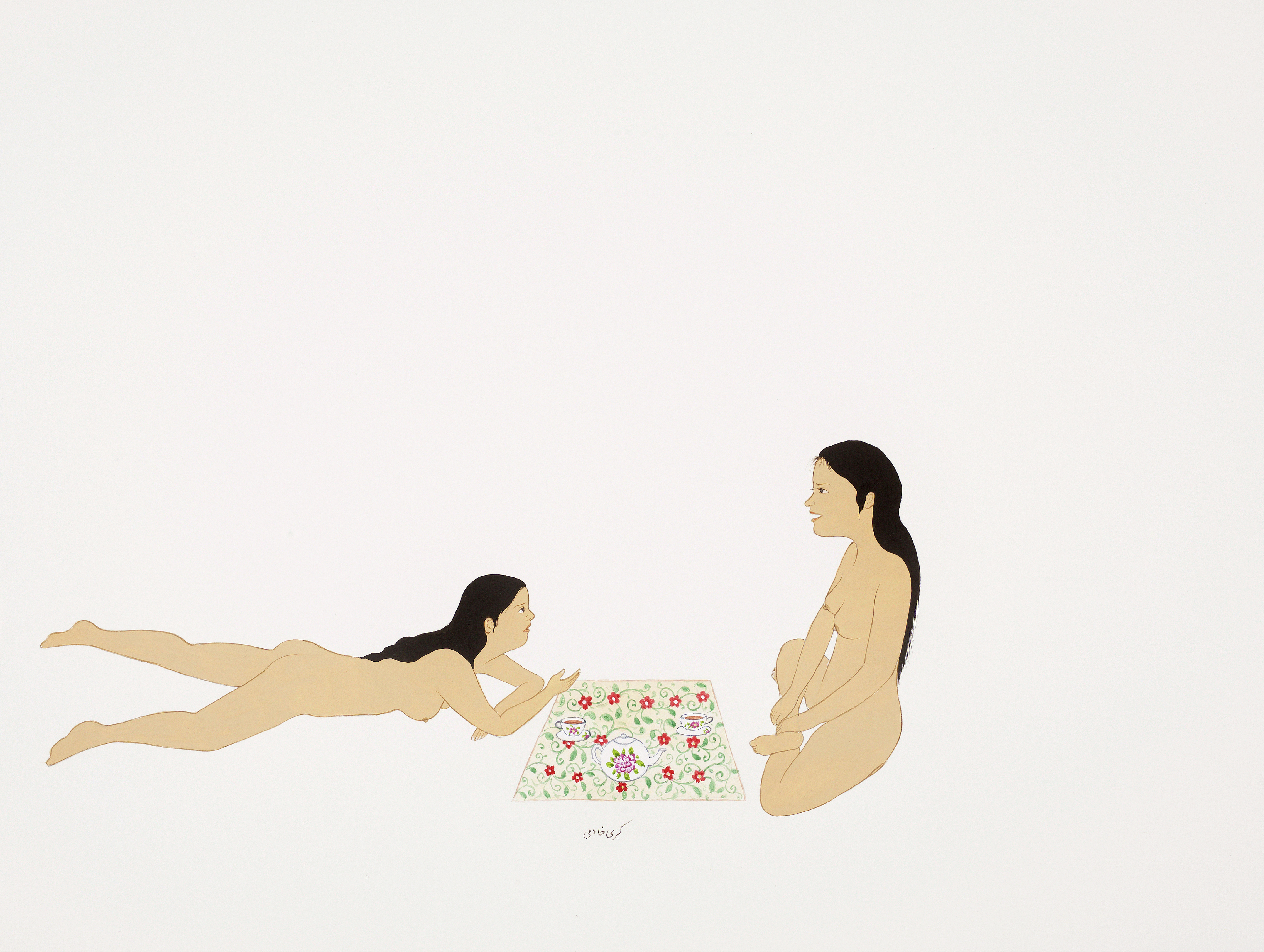
The Paper Positions art fair in Berlin is celebrating its tenth anniversary, held in the vast Tempelhof Airport hangar with around 70 galleries. The fair focuses exclusively on works on paper, showcasing artists like Kubra Khademi, whose series "Women in simple situations" features nude female bodies as acts of resistance and political visibility. Other highlights include Annegret Soltau's pierced paper works, Una Ursprung's layered collages, Dirk Krecker's typewriter compositions, and Tina Heuter's tissue-paper sculptures, alongside photography by Stefanie Moshammer and vibrant works by Madita Kloss.