filter_list Showing 415 results for "Resistance" close Clear
search
dashboard All 415 museum exhibitions 270article culture 43article news 28article local 20rate_review review 16person people 14article policy 8candle obituary 7trending_up market 7gavel restitution 2
date_range Range Today This Week This Month All
Subscribe

Art, ancestors and the land: summer season opens at Art Gallery of Greater Victoria

The Art Gallery of Greater Victoria (AGGV) opens its summer season with three contemporary exhibitions centered on Indigenous perspectives, identity, and land. The anchor show is Meryl McMaster's "Bloodline," opening June 18, featuring large-scale photographs, sculptural elements, and immersive video that trace her mixed Plains Cree, Métis, Dutch, and British heritage through the lives of her grandmothers from the Red Pheasant Cree Nation. Alongside it, "Lekwungen: Place to Smoke Herring" by Brianna Bear and Eli Hirtle presents a film installation on Songhees Nation language and land stewardship, while "Architectures of Protection," curated by Dr. Toby Lawrence, features works by Dana Claxton, Jessica Karuhanga, Emilio Rojas, Beth Stuart, and France Trépanier exploring care and resistance.
Immediately after the Second World War, how did six exhibitions attempt to make sense of the atrocities?

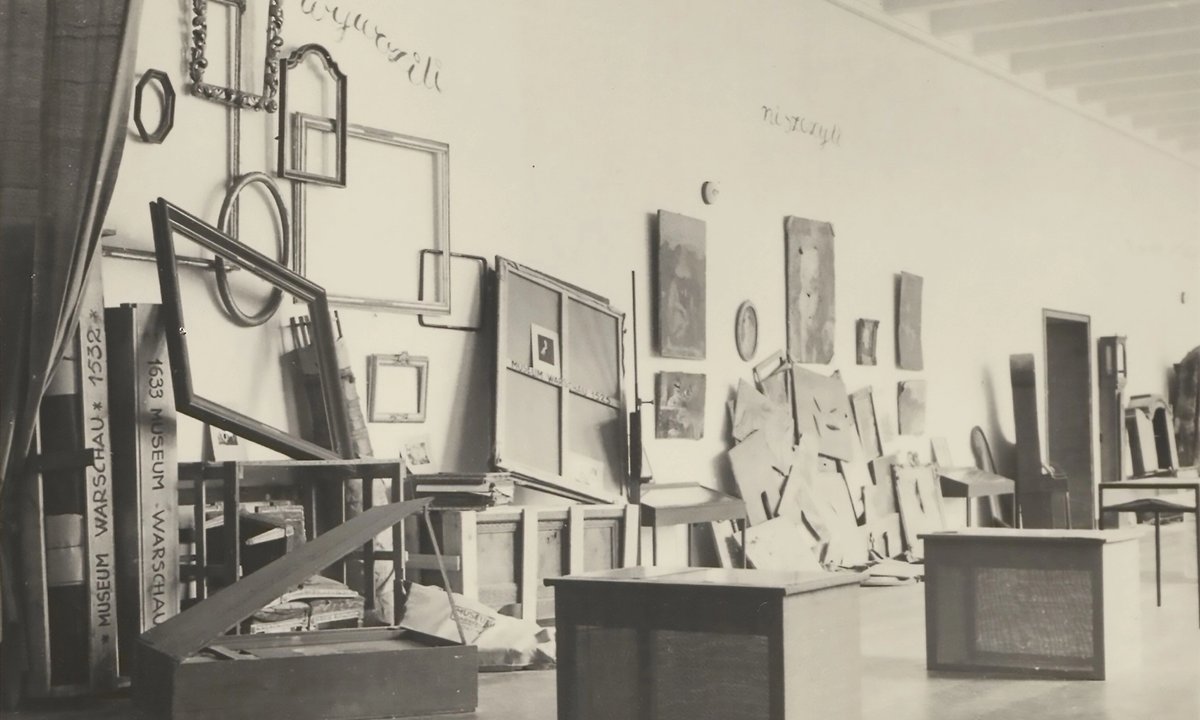
Berlin's Deutsches Historisches Museum has opened an exhibition titled "On Displaying Violence: First Exhibitions on the Nazi Occupation in Europe, 1945-48," which revisits six post-World War II exhibitions that attempted to process the atrocities of the war. These shows took place in venues ranging from the Grand Palais in Paris to a Czech villa formerly occupied by a Nazi official, and included displays such as the UK's Daily Express "The Horror Camps" (1945), the French traveling show "Hitlerian Crimes" (1945), "Warsaw Accuses" (1945) at the National Museum in Warsaw, and "Our Path to Freedom" (1947) at the Bergen-Belsen concentration camp. The Berlin exhibition uses original objects, film footage, photographs, and recordings to recreate the experience of these early post-war shows.

Small Formats, Great Tensions

Kleine Formate, große Spannungen

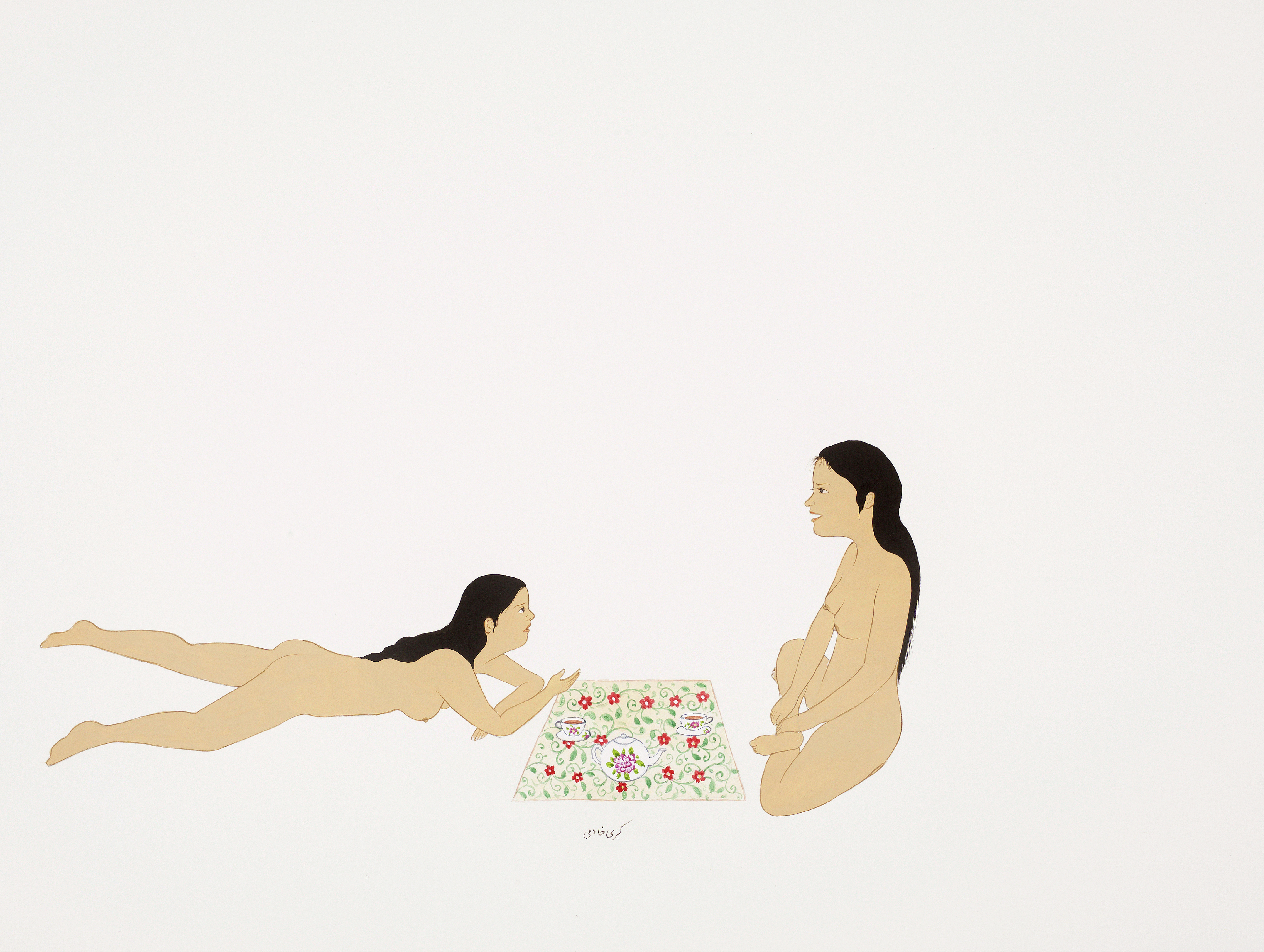
The Paper Positions art fair in Berlin is celebrating its tenth anniversary, held in the vast Tempelhof Airport hangar with around 70 galleries. The fair focuses exclusively on works on paper, showcasing artists like Kubra Khademi, whose series "Women in simple situations" features nude female bodies as acts of resistance and political visibility. Other highlights include Annegret Soltau's pierced paper works, Una Ursprung's layered collages, Dirk Krecker's typewriter compositions, and Tina Heuter's tissue-paper sculptures, alongside photography by Stefanie Moshammer and vibrant works by Madita Kloss.

Jemima Wyman

Jemima Wyman's retrospective "Deep Surface" surveys three decades of her work exploring DIY aesthetics of concealment, protest iconography, and political solidarity. Born in Sydney and based in Los Angeles since 2004, Wyman is known for collages of masked protesters, activist signage, and street rally residues, as seen in works like *Aggregate Icon (RBW)* (2016) and *Mass Monument (Y & B)* (2018). The exhibition highlights her early inspiration from Fluxus, Minimalism, and Yayoi Kusama, as well as the influence of Brisbane's late-1990s art scenes and postcolonial Indigenous Australian art debates. Wyman, who has Indigenous (Palawa) heritage, uses camouflage and disguise to blur boundaries between visibility and concealment, figure and ground.

art basel abbas ruanne abou rahme brown bell gallery

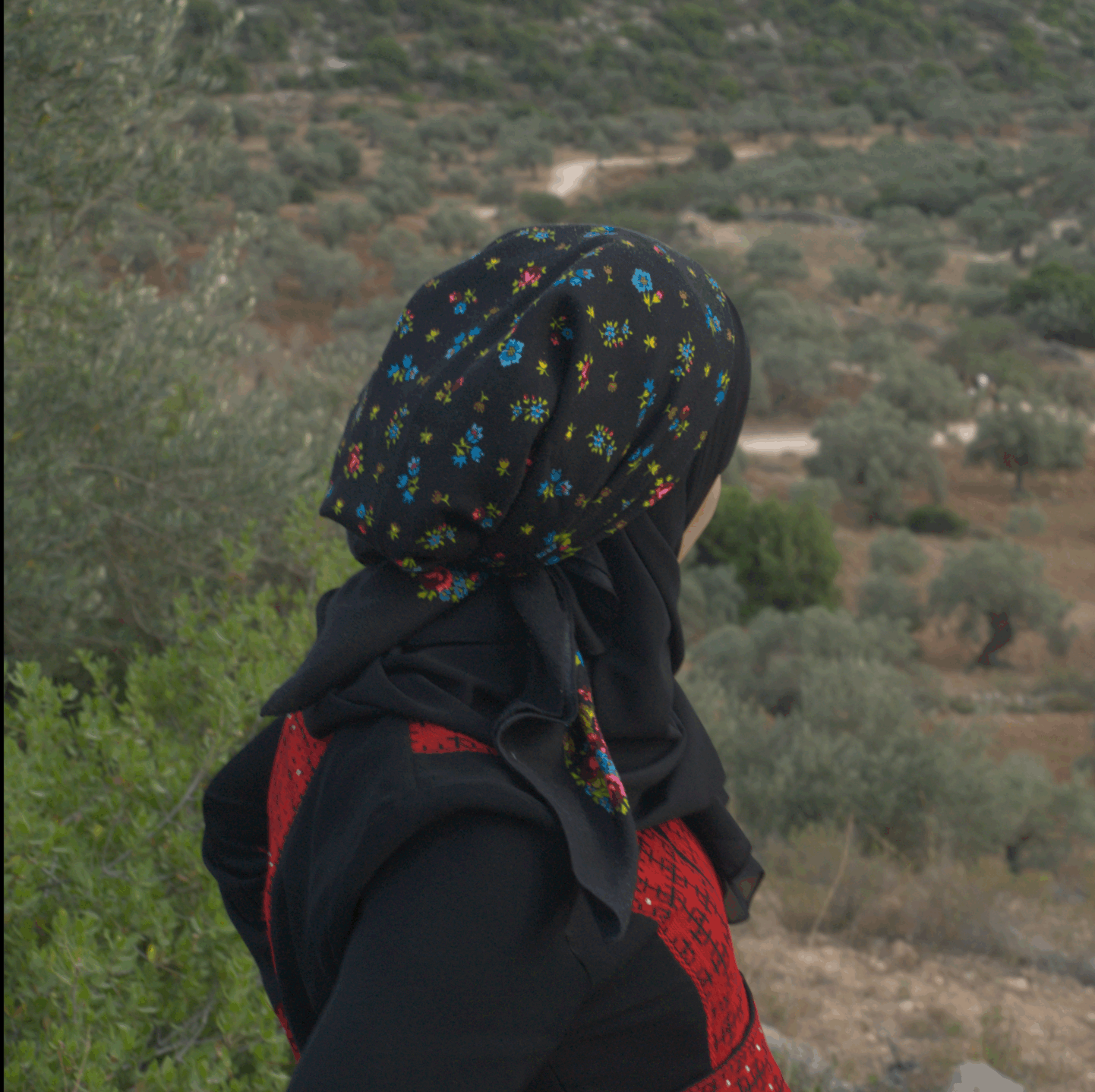
An exhibition titled "Prisoners of Love: Until the Sun of Freedom" by artists Basel Abbas and Ruanne Abou-Rahme is on view at the Bell Gallery at Brown University until May 31. The show centers on a historical misattribution: the poem "Enemy of the Sun," found in the cell of Black Panther George Jackson after his 1971 murder, was long thought to be his work but was actually written by Palestinian poet Samih al-Qasim. Through a video installation featuring interviews with former political prisoners in Palestine, the artists explore what they call "radical kinship" between Black radical thinkers in the U.S. and Palestinian activists. Curators Kate Kraczon and Thea Quiray Tagle, who were terminated from Brown last December, collaborated on the project, which also draws on archival research into mass incarceration.

Para verte mejor, en todo tiempo

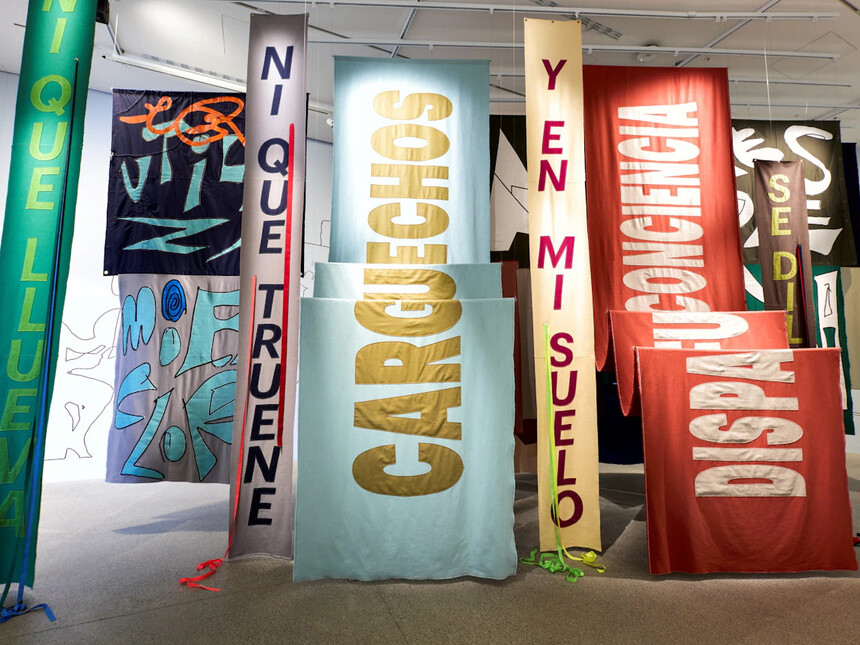
The Art Gallery of New South Wales in Sydney is presenting "Para verte mejor, en todo tiempo" (To see you better, at all times), a solo exhibition by Venezuelan-born artist Nadia Hernández. The show features an immersive textile collage, mural, and soundscape that draws on Venezuelan protest songs, musical traditions, and the artist's own diasporic experiences to explore memory, displacement, and resistance. It includes recent works such as "En todo tiempo (at all times)" 2024 and "El segundo verso (the second verse)" 2025, and is part of the gallery's Contemporary Projects series highlighting artists from New South Wales and wider Australia.
Legendary Looks: My Ballroom Story Felix Rodriguez

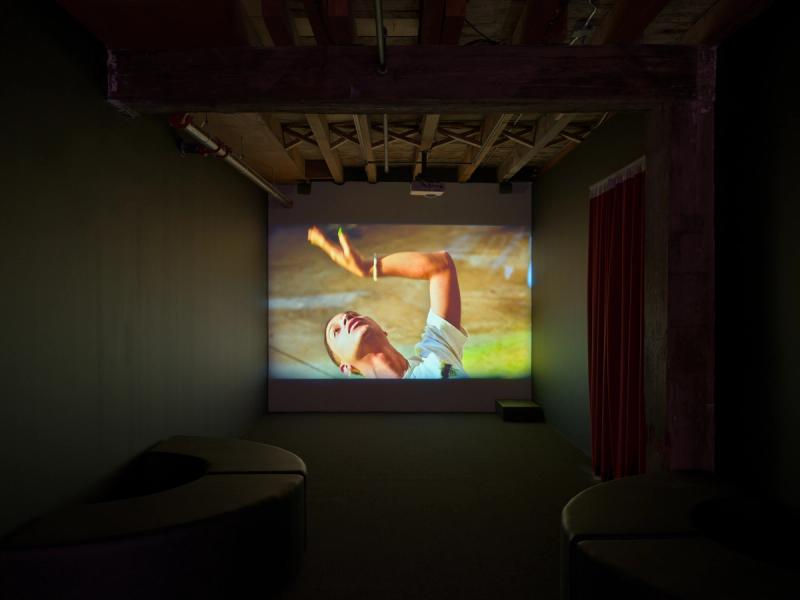
Filmmaker Felix Rodriguez's archival work is featured in "Legendary Looks: My Ballroom Story," a multi-site exhibition running across Pioneer Works, ArtsWestchester, and City Lore throughout summer 2025. Co-curated by prominent ballroom leaders Jonovia Chase Lanvin, Twiggy Pucci Garçon, and Michael Roberson Maison-Margiela, the exhibition explores the artistry and cultural legacy of the house ballroom community. Rodriguez has documented this community since 1991, amassing an encyclopedic archive of New York's ballroom figures, and his multimedia installation at Pioneer Works highlights the role of commentators who live-narrate balls, presented along a red carpet evoking ball runways.

Nick Cave at the 2026 Biennale. Seven works between loss, memory and protest

Nick Cave è alla Biennale 2026. Sette opere tra perdita, memoria e protesta

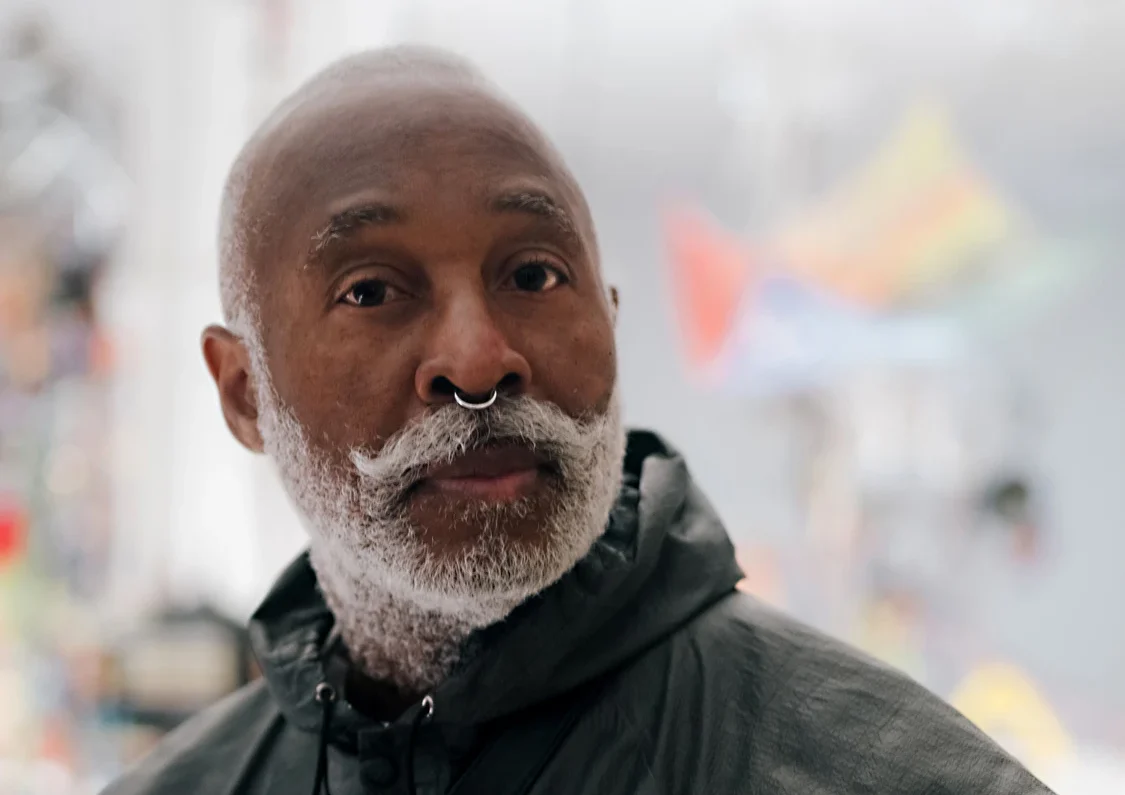
Nick Cave presents "Two Points in Time at Once" at the 2026 Venice Biennale, a project spanning seven locations across Venice. The installation features a series of bronze works, including the "Amalgam" series (Seated, Origin, Plot, Resuscitation, Meditation) along with "Grapht" and "Siren." This marks a significant material shift from Cave's iconic fabric Soundsuits to bronze, exploring themes of loss, memory, trauma, and protest through a more static yet politically charged presence.

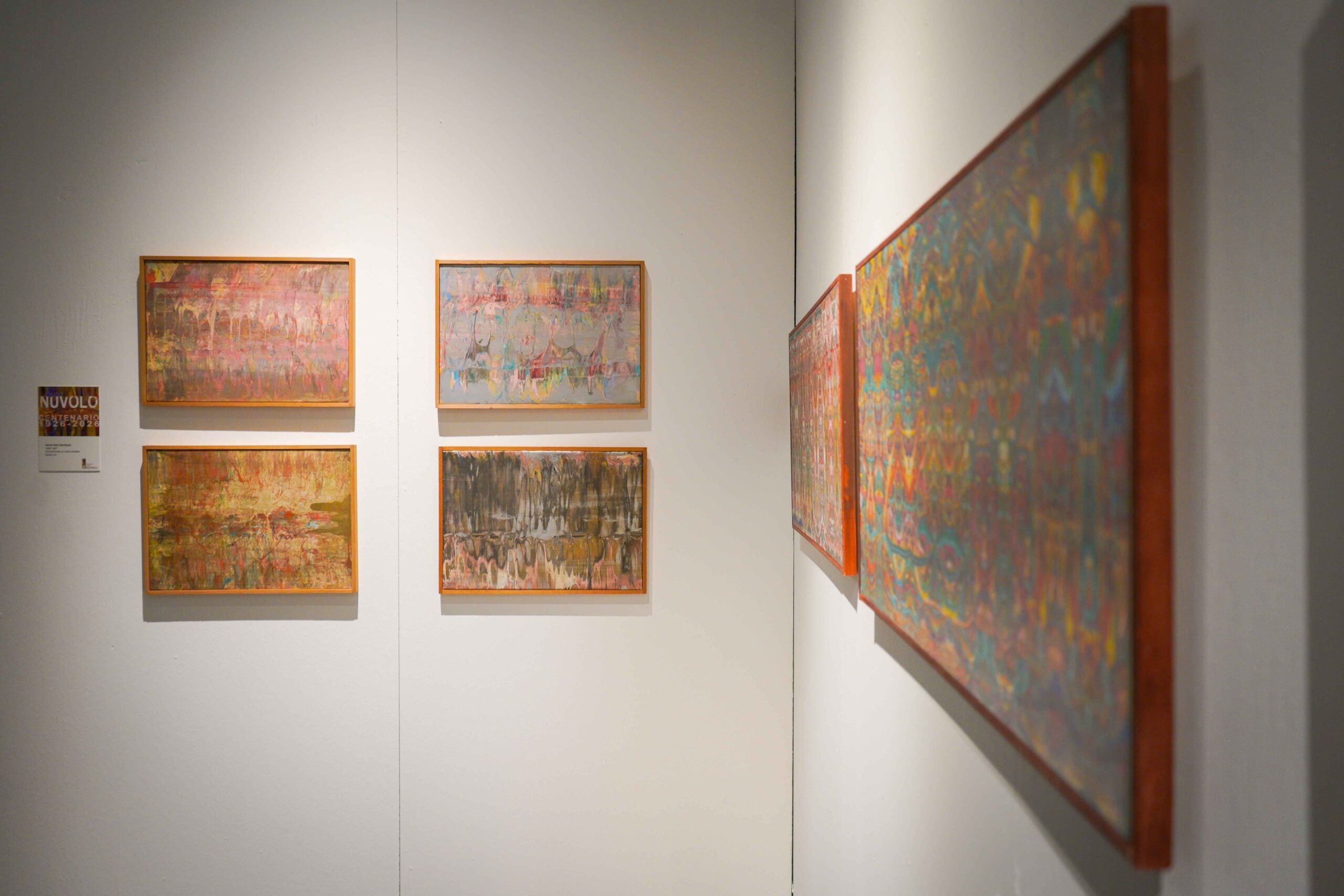
100 anni fa nasceva Nuvolo. Ecco chi era l’artista partigiano che firmava col nome di battaglia

Giorgio Ascani, known by his partisan nickname Nuvolo, was born 100 years ago in Città di Castello, Italy. He adopted the name during the Resistance at age 17, inspired by his ability to appear and disappear like a cloud. Nuvolo became a painter and taught at the Accademia di Belle Arti di Perugia, serving as director from 1979 to 1984. His works are held in museums and collections worldwide. In 2025, a major exhibition curated by Bruno Corà, Aldo Iori, and Paolo Ascani was held at Palazzo Collicola in Spoleto, and in 2018, New York's Galleria Di Donna mounted a retrospective curated by Germano Celant. Now, the fair AMAB in Assisi joins centenary celebrations with 15 works spanning his career, including pieces from the Genesi cycle, Serotipie, and OIGROIG series.

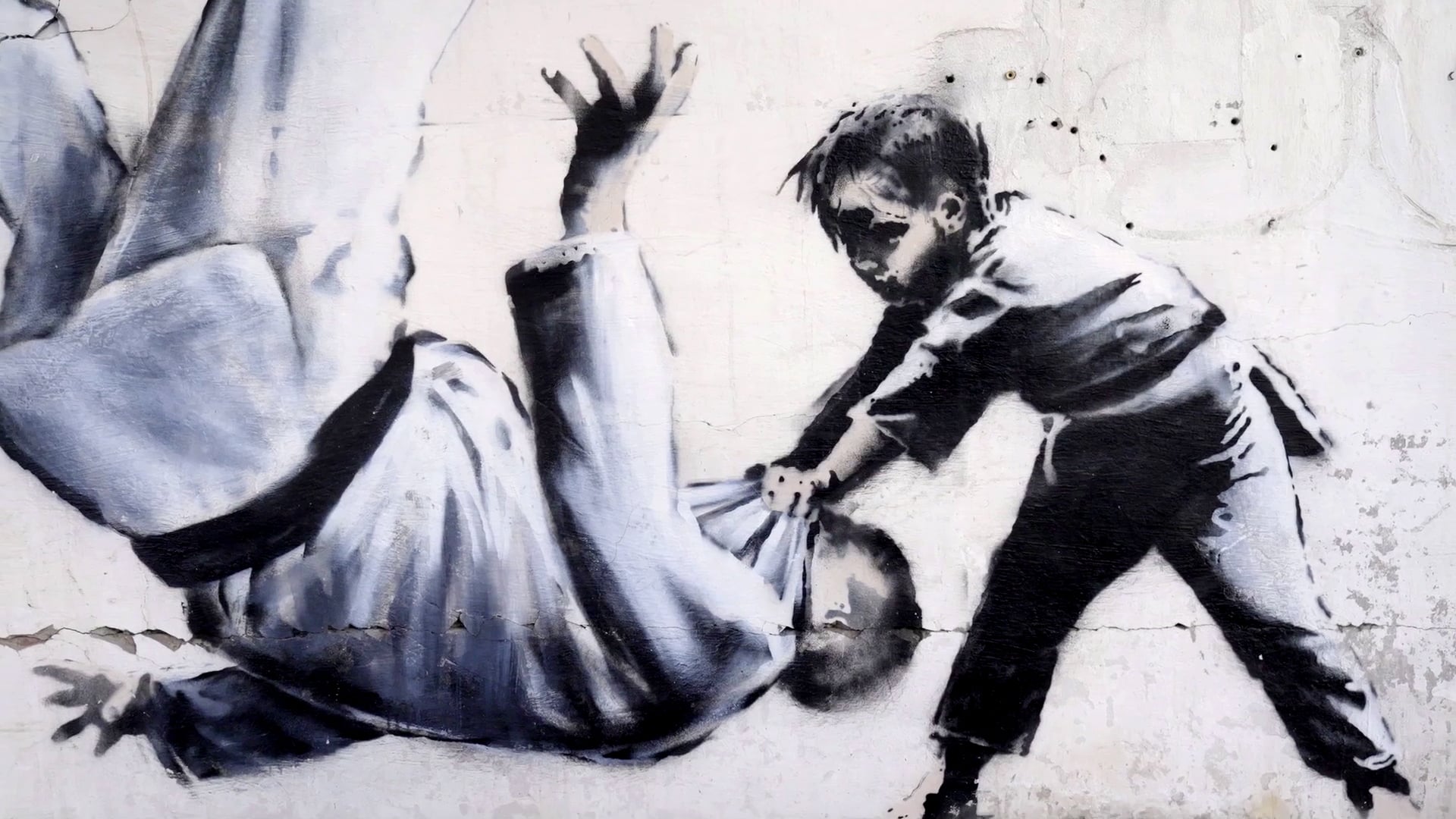
Saving the Street Art of the Bombs: A True Story from Ukraine

Salvare la street art delle bombe: una storia vera dall’Ucraina

A documentary titled "Arte vs Guerra – Banksy e C215 a Borodyanka, Ucraina" will air on Sky Arte on April 26, recounting how street artists Banksy and C215 created murals in Borodyanka, Ukraine, shortly after the Russian invasion began in February 2022. The works include Banksy's "La Ginnasta" and "Davide e Golia," as well as C215's portraits of war victims like Dmytro Kotsiubaylo. The film also follows three Italian restorers—Paola Ciaccia, Alessandro Cini, and Maria Colonna—who risked their safety to preserve these murals from war damage and landmines.

Fragility and Resistance of an Iranian Artist on Display in Rome

Fragilità e resistenza di un’artista dell’Iran in mostra a Roma

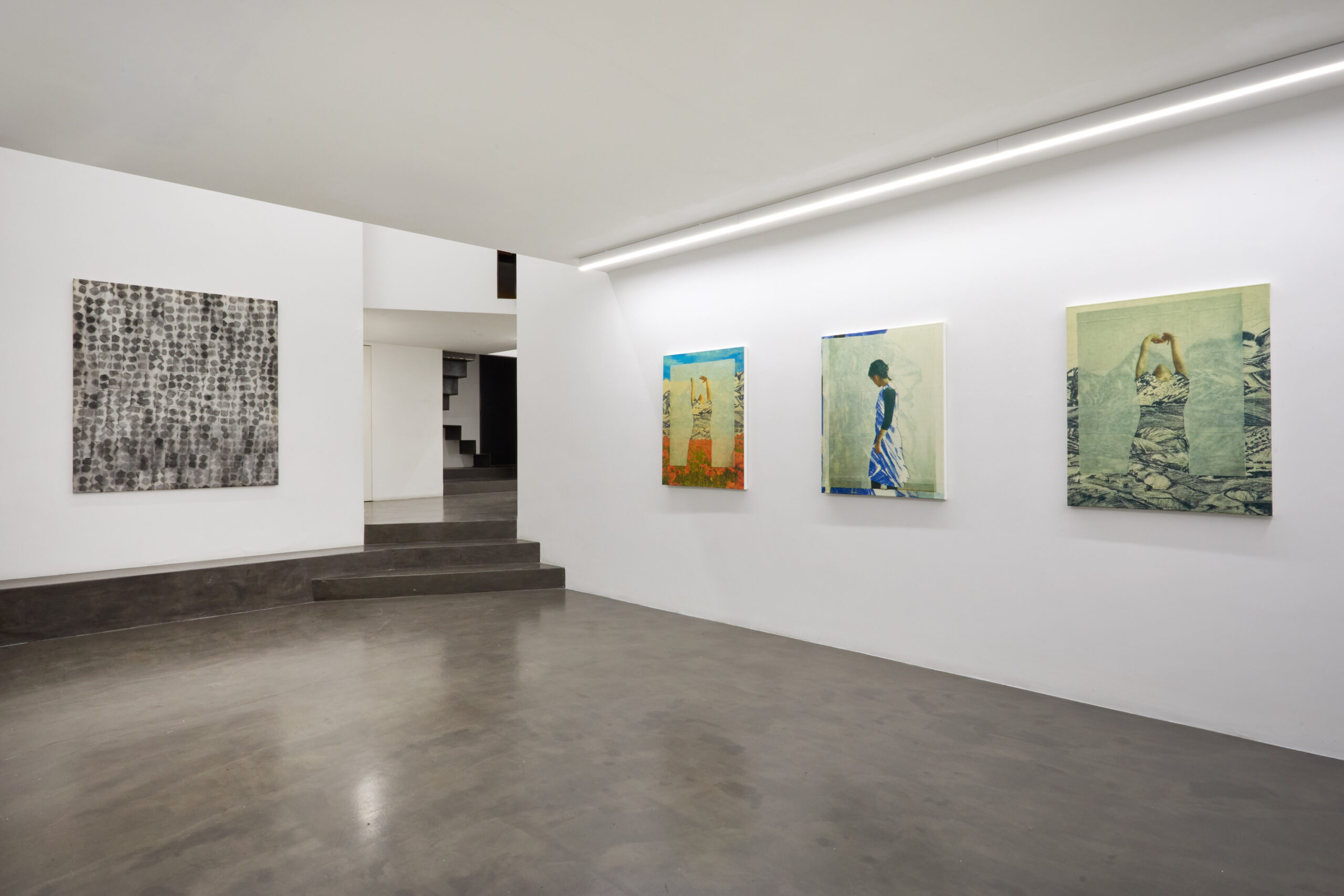
The Galleria Anna Marra in Rome is hosting "Assemblages," the first Italian solo exhibition of Iranian artist Sepideh Salehi. The show features works that blend collage, Japanese paper, photography, and drawing to depict Iranian women living in the United States who have shared experiences of displacement and political upheaval. Salehi’s figures often avert their gaze or conceal their faces, symbolizing a "calligraphy of refusal" and a quiet resistance against the historical traumas of the 1979 Islamic Revolution and the Iran-Iraq war.

‘House of Galleries (Volume 11)’: Niquu Eyeta and Ghizlane Sahli in a Shared Field of Care, Memory, and Material Becoming.

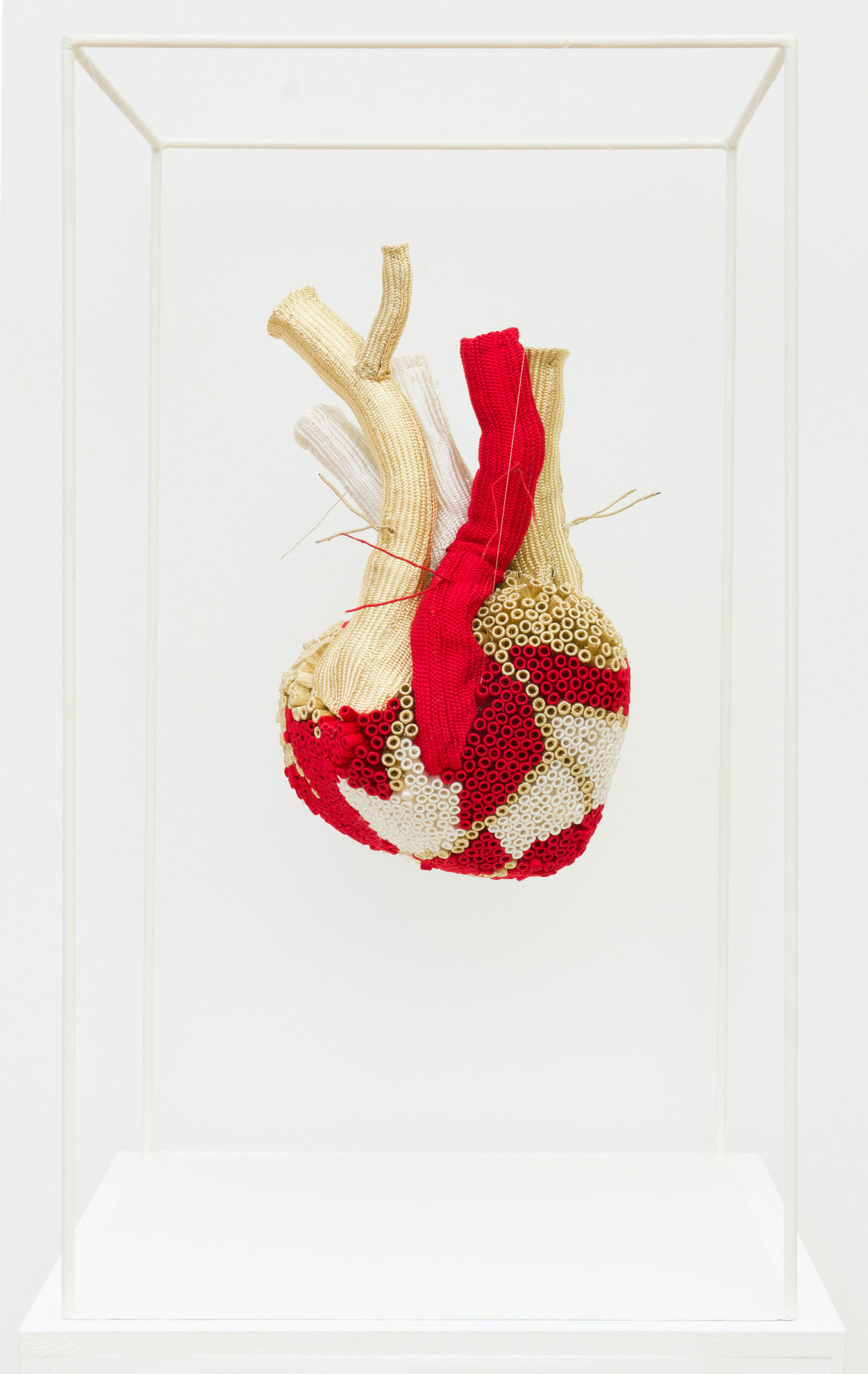
Artists Niquu Eyeta and Ghizlane Sahli are featured in a dual presentation titled ‘House of Galleries (Volume 11),’ showcased by the gallery Sakhile&Me. The exhibition creates a dialogue between Eyeta’s organic compositions, which utilize plant pigments and clay, and Sahli’s intricate 'alveoli' structures made from silk and repurposed plastic. Both artists emphasize the concept of material as a living archive, focusing on themes of ecological consciousness, ritualistic repetition, and the reanimation of discarded matter.

Free and Queer: Black Californian Roots of Gay Liberation

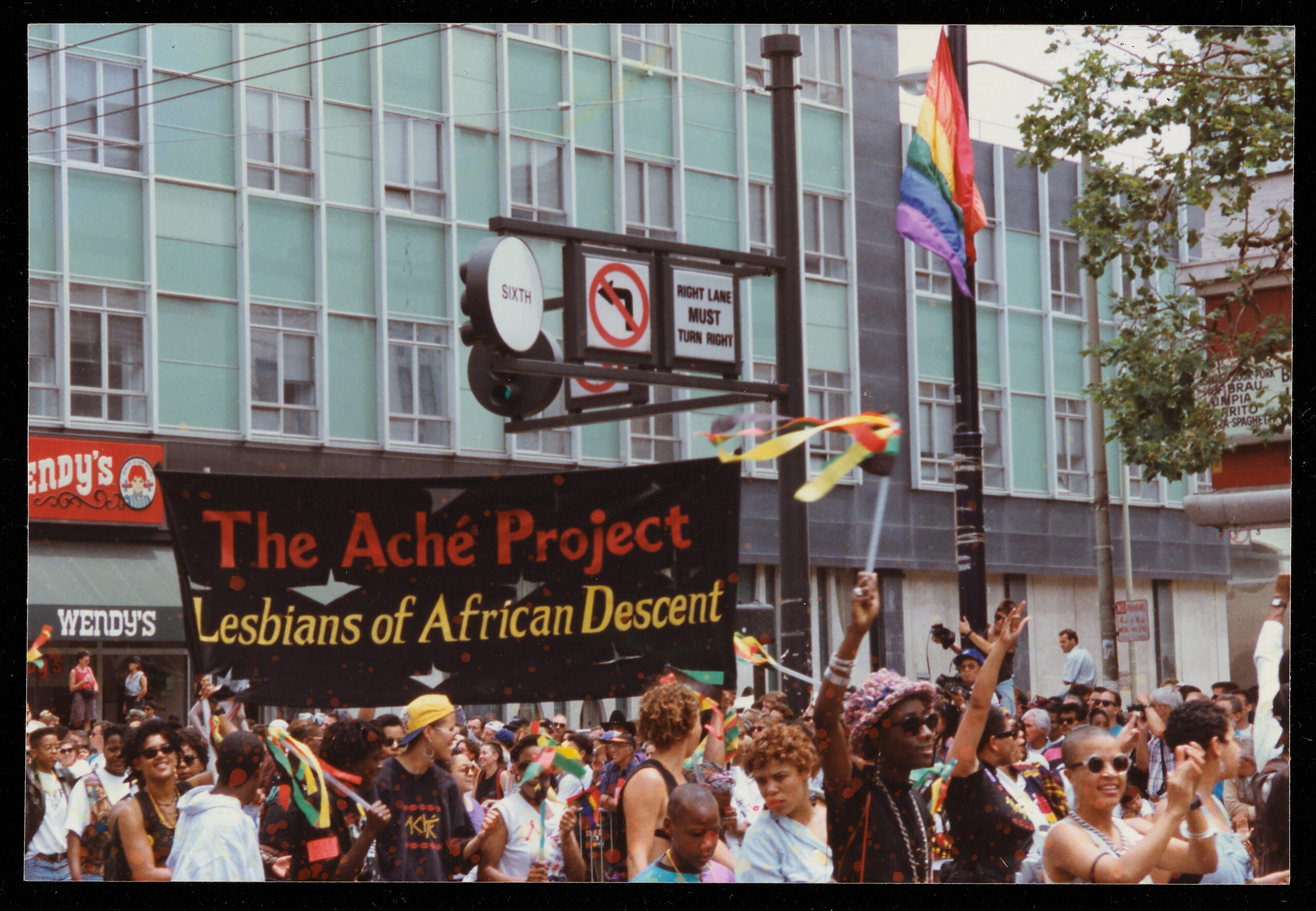
The California African American Museum has launched 'Free and Queer: Black Californian Roots of Gay Liberation,' an exhibition dedicated to the often-overlooked history of Black LGBTQ resistance and culture in California. Curated by Susan D. Anderson in collaboration with ONE Archives at the USC Libraries, the show utilizes a vast array of archival materials, photographs, and film to trace a lineage of activism and artistic expression that predates the Stonewall riots. It specifically highlights how Black queer Californians navigated McCarthy-era repression, the civil rights movement, and the AIDS crisis.

parties culture metropolitan opera opening night

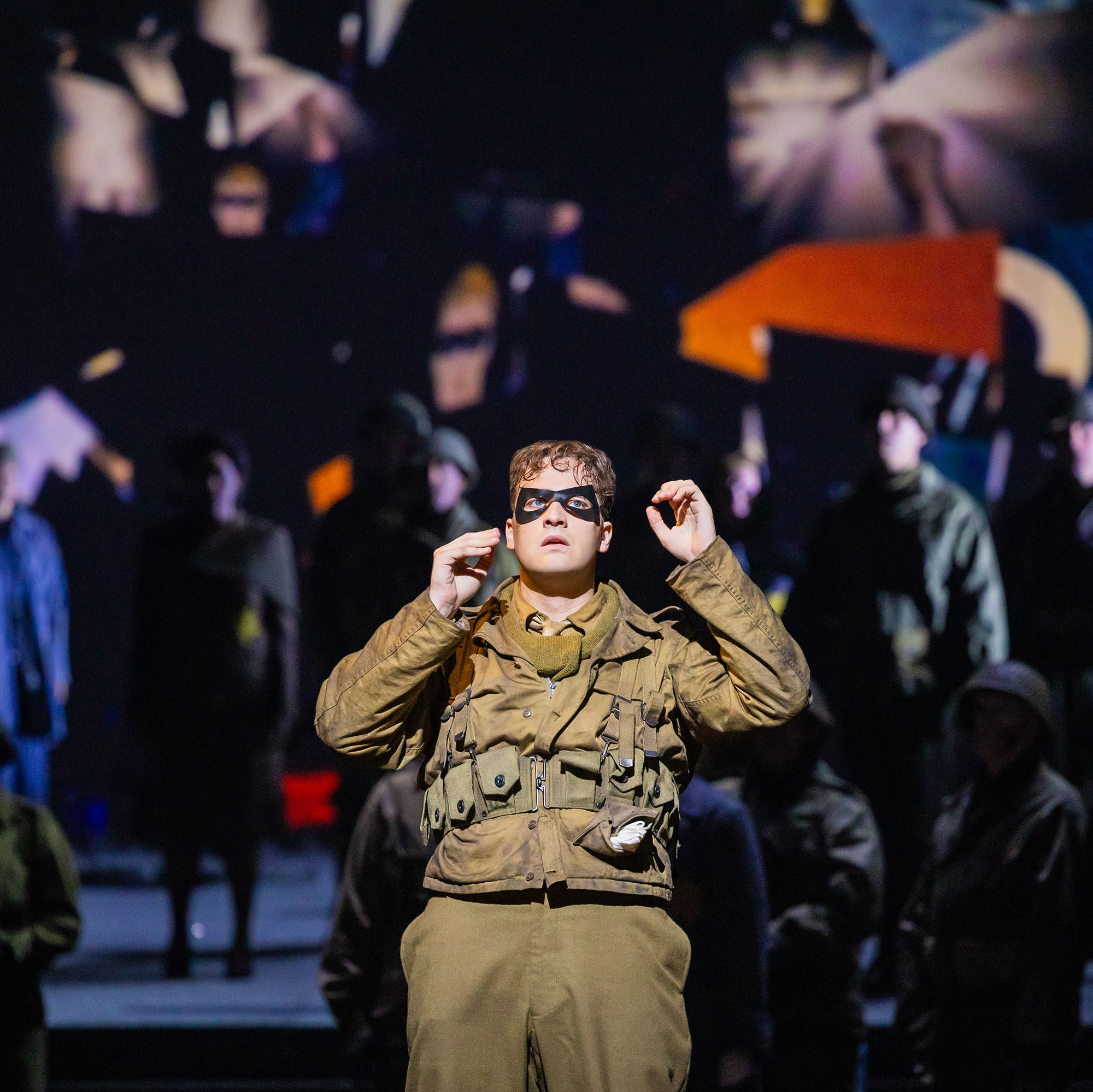
The Metropolitan Opera opened its season with a politically charged production of Mason Bates's *The Amazing Adventures of Kavalier & Clay*, based on Michael Chabon's Pulitzer Prize-winning novel. General Manager Peter Gelb declared the company's commitment to freedom of artistic expression, drawing a lengthy standing ovation. The opera, running through Oct. 11, follows two Jewish cousins creating an anti-fascist superhero comic during WWII. The opening night featured speeches by Senate Minority Leader Chuck Schumer, who warned that 'the arts are under attack,' and a red carpet attended by celebrities including Christine Baranski, Neil Patrick Harris, Laverne Cox, and Julianna Margulies.

New Exhibition Offers Portals Into the Past, Present, and Future of Blackness

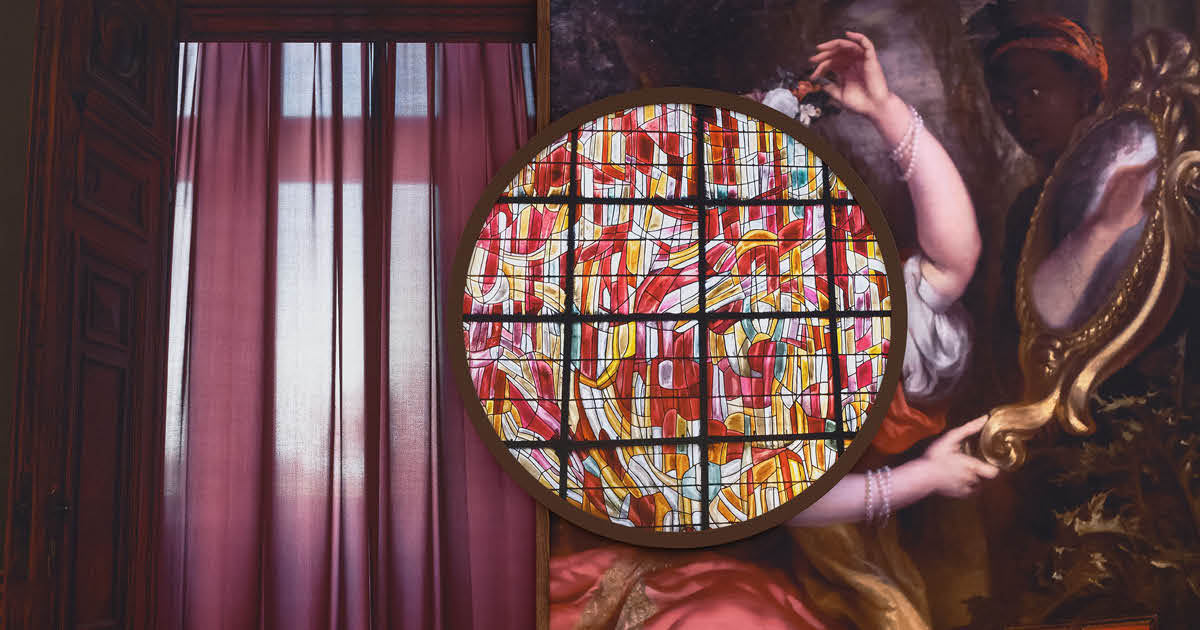
Artist Todd Gray’s solo exhibition, "Portals," at Perrotin Los Angeles features a series of complex photographic assemblages that challenge the historical relationship between Blackness and European colonialism. By stacking framed images of West African landscapes, slave forts, and Renaissance interiors, Gray creates textured collages that collapse geographic and temporal boundaries. Notable works like "Paradox of Liberty" confront the hypocrisy of Enlightenment figures like Thomas Jefferson by physically obscuring his image with the architecture of the slave trade.

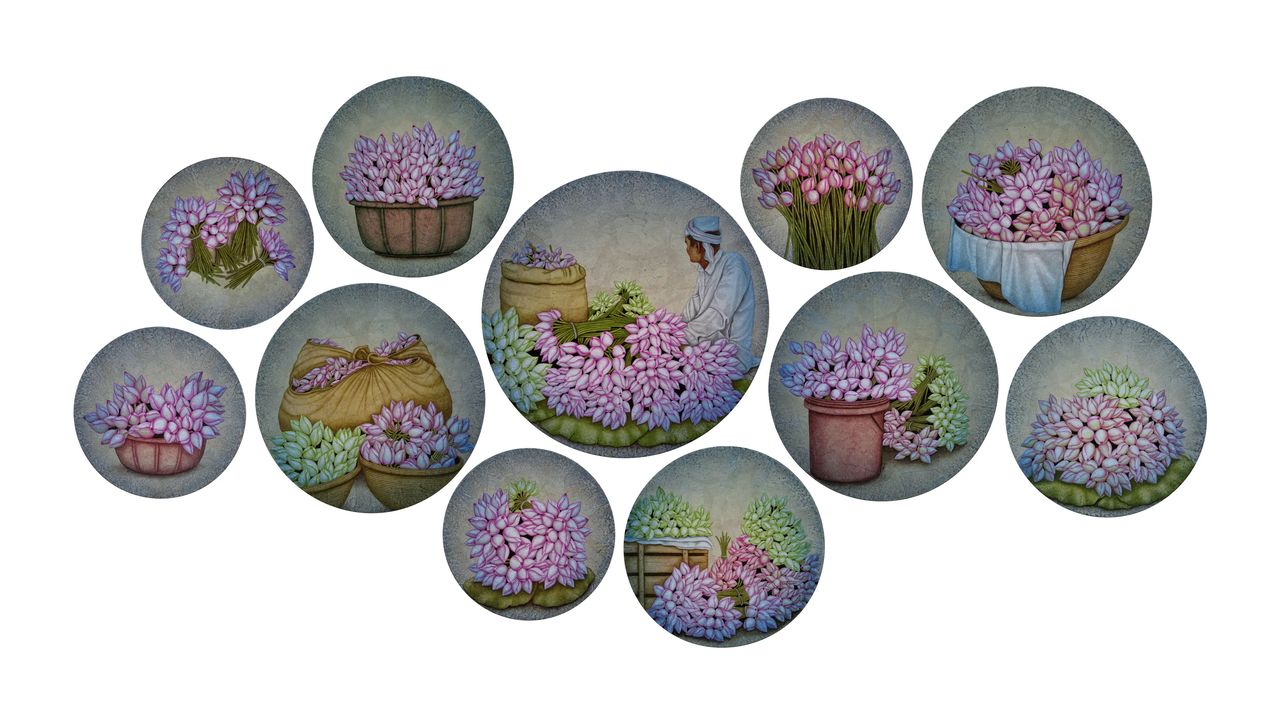
9 new art shows in India we’re excited about this March

India’s March art calendar features a diverse array of exhibitions across major cities, highlighting themes of labor, environmental harmony, and urban survival. Key shows include Arpan Sadhukhan’s woodcut and sculptural installation at Srishti Art Gallery in Hyderabad, which explores political dissent through material resistance, and the 19th edition of 'The Baroda March' at Rukshaan Art in Mumbai, showcasing nearly fifty artists influenced by the Maharaja Sayajirao University of Baroda pedagogy.

Artist Explores Desire, Power, And Objectification Through A BDSM Lens In New Solo Exhibition

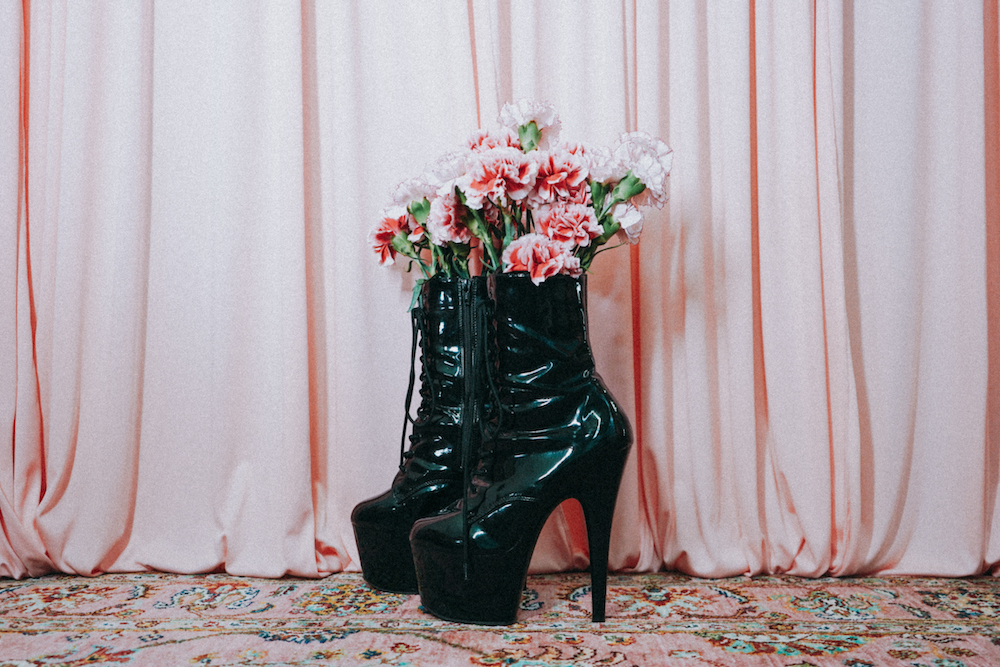
Swedish-born, Brooklyn-based artist Helena Calmfors presents 'Floral Disciplines,' her debut solo exhibition at The Untitled Space gallery in New York, on view from October 23 to November 7, 2025. Curated by Indira Cesarine, the show features watercolors, photography, and performance that explore queer identity, eroticism, and power through the visual language of BDSM, blending floral imagery with fetish iconography to challenge patriarchal and heteronormative frameworks.

Nobody Can Handle Me: Brazil Rewrites the Pavilion as Living Memory.

Brazil's 2026 Venice Biennale pavilion, curated by Diane Lima, presents a radical, sensorial exhibition titled 'Comigo ninguém pode' featuring artists Adriana Varejão and Rosana Paulino. The show transforms the modernist pavilion into an active participant, where historical and new works by the two artists create friction and resonance, exploring themes of colonial violence, the Black female body as archive, and spiritual resistance.

Nikyle Begay Resurrects Century-Old Diné Weavings

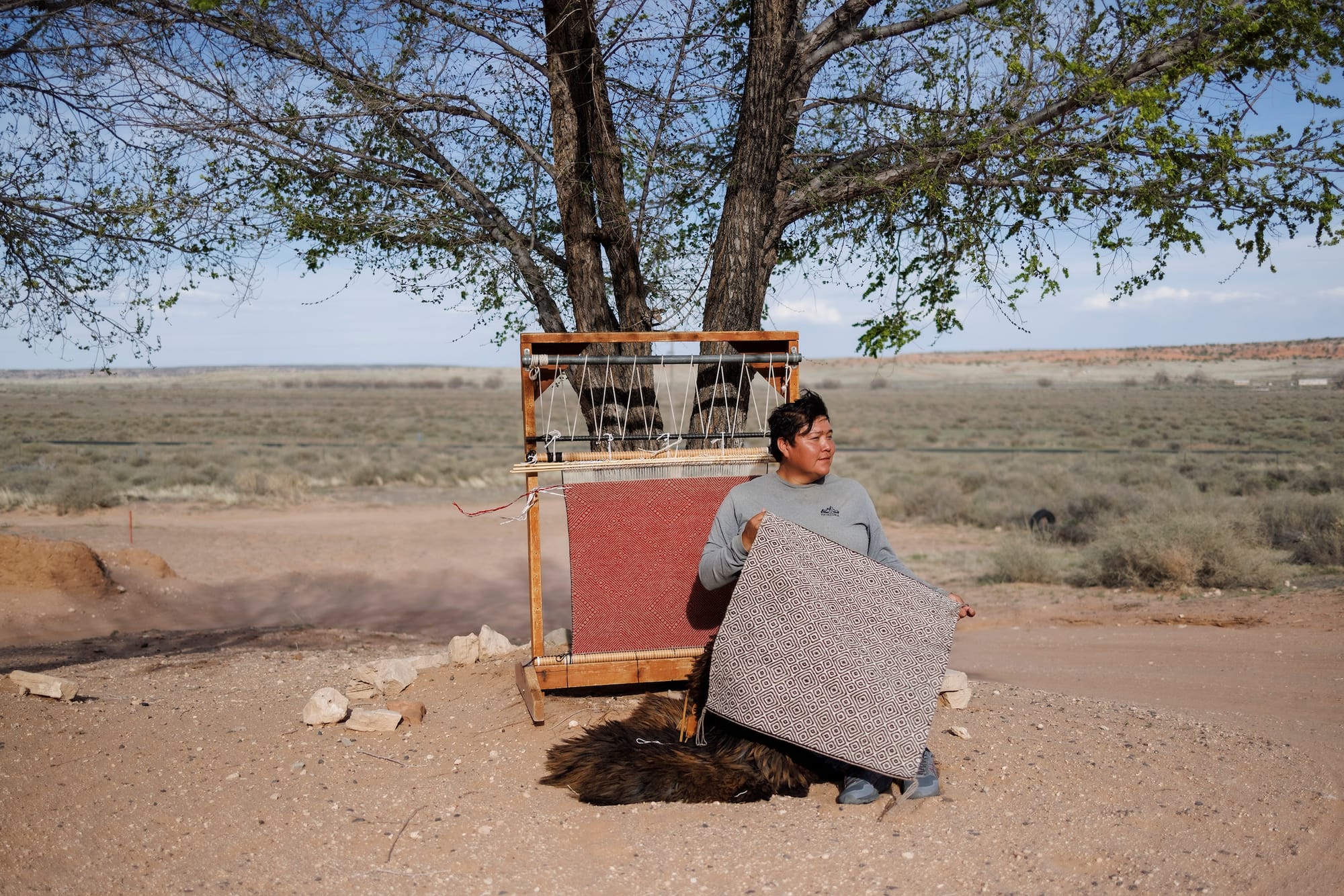
Nikyle Begay, a Diné shepherd and weaver based in the Navajo Nation, is revitalizing ancestral weaving techniques that were historically marginalized by the colonial trading-post economy. By breeding Navajo Churro sheep and mastering complex twill patterns once used for functional saddle blankets, Begay bridges the gap between traditional agricultural practice and contemporary fine art. Their work involves the entire lifecycle of the medium, from shearing and processing wool to reconstructing intricate designs that fell out of favor when commercial markets prioritized specific regional styles for non-Native buyers.

belarus free theatre venice biennale collateral event

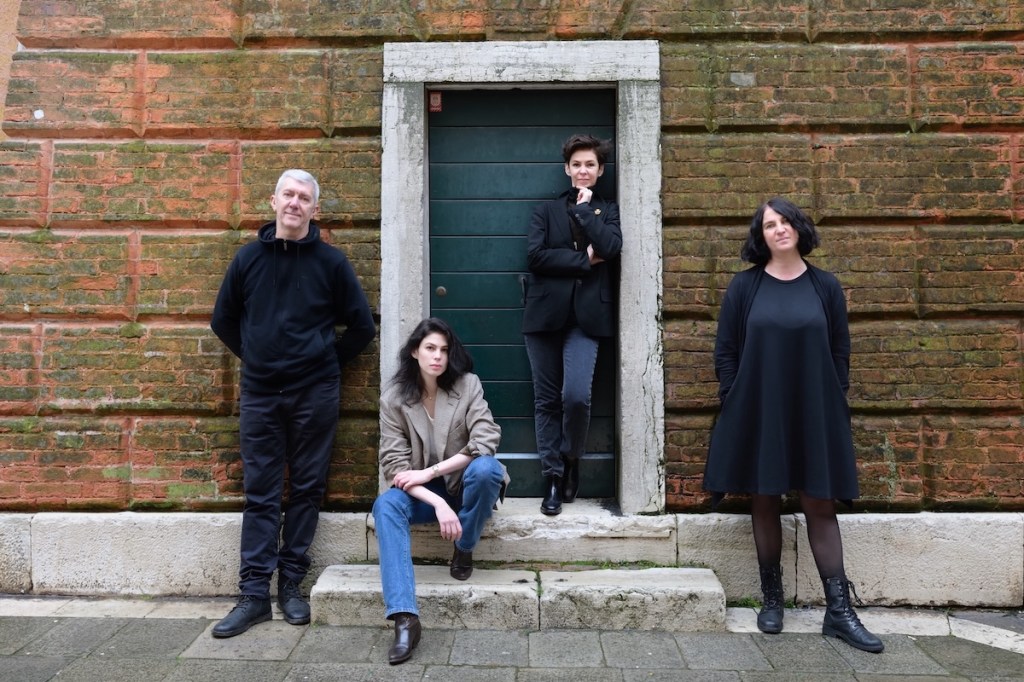
The Belarus Free Theatre (BFT), an underground performance group currently in exile, has announced its first major visual art exhibition titled "Official. Unofficial. Belarus." as a collateral event for the 61st Venice Biennale. Staged at the historic La Chiesa di San Giovanni Evangelista, the show features site-specific works by exiled artists including Sergey Grinevich, Vladimir Tsesler, and Nicolai Khalezin. The installations range from paintings functioning as altar panels to a massive sphere of banned books and a crucifix made of CCTV cameras, all designed to critique the surveillance and censorship of the Lukashenko regime.

design literature best books of 2025

Cultured magazine has published its annual list of the best design and architecture books of 2025, featuring ten titles that span cookbooks, travelogues, political design history, photography, and architectural theory. Highlights include "Campania: Recipes & Wandering Across Italy’s Polychromatic Coast" edited by Apartamento, "Furnishing Fascism" by Ignacio G. Galán, "Synthesis" by Mari Katayama, and "Monumental" by Cat Dawson, which examines how contemporary artists are reshaping memorial landscapes.

beauty judy chicago catherine dior parfums

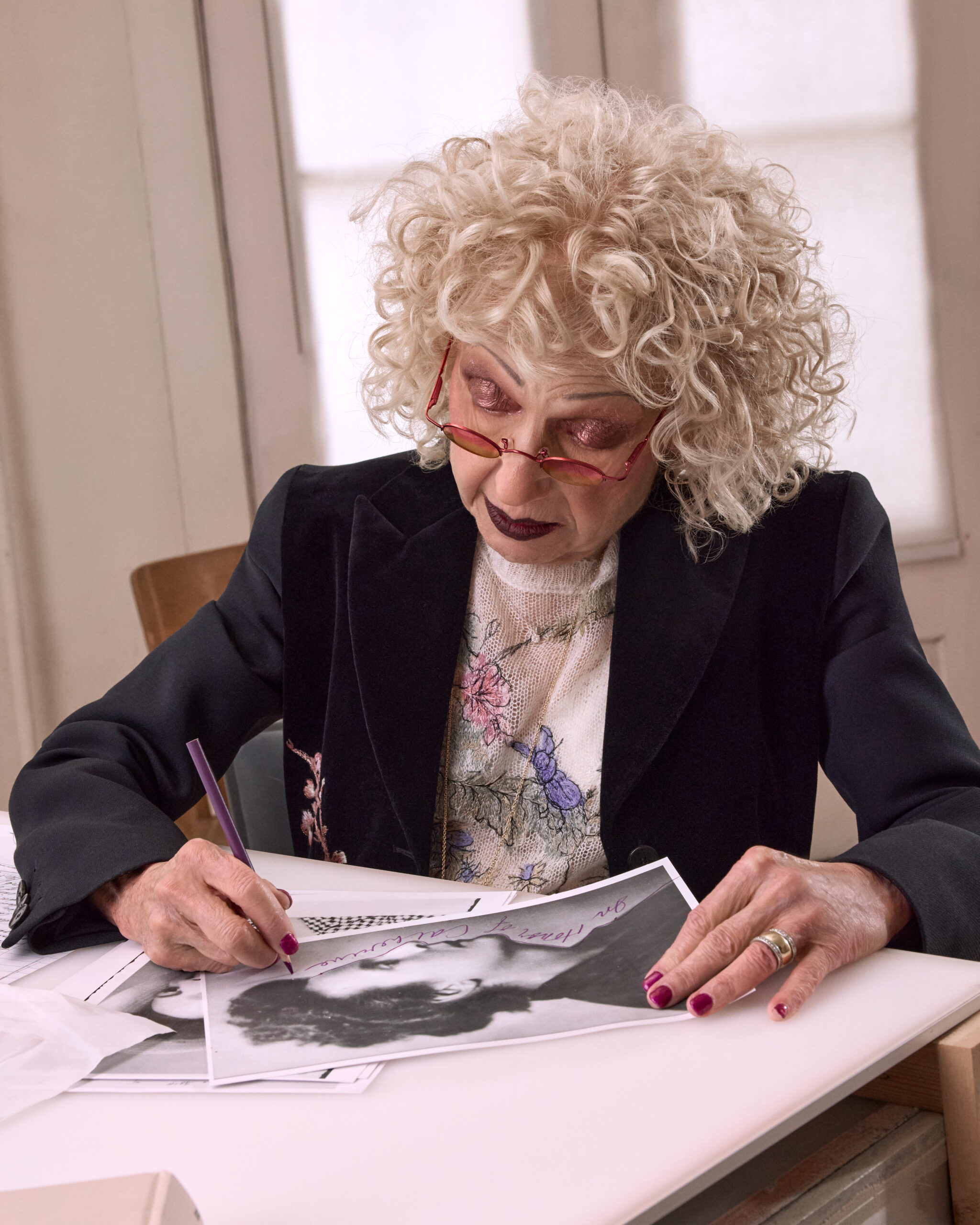
Artist Judy Chicago has created a limited-edition perfume trunk for Dior's Miss Dior fragrance, reimagining the scent and its presentation as a tribute to Catherine Dior, the sister of Christian Dior. The trunk, of which only 25 exist, features hand-embroidery, floral motifs, and colors adapted from Chicago's iconic work *The Dinner Party*, and includes a custom version of the perfume by Dior's Francis Kurkdjian. Chicago discusses how the project honors Catherine Dior's legacy as a French Resistance fighter and Holocaust survivor, paralleling her own efforts to elevate overlooked women in history.

FROM SÃO PAULO TO NEW YORK: THE MUSEUM OF ERRANCY OF ÉDOUARD GLISSANT

DE SÃO PAULO A NUEVA YORK: EL MUSEO DE LA ERRANCIA DE ÉDOUARD GLISSANT

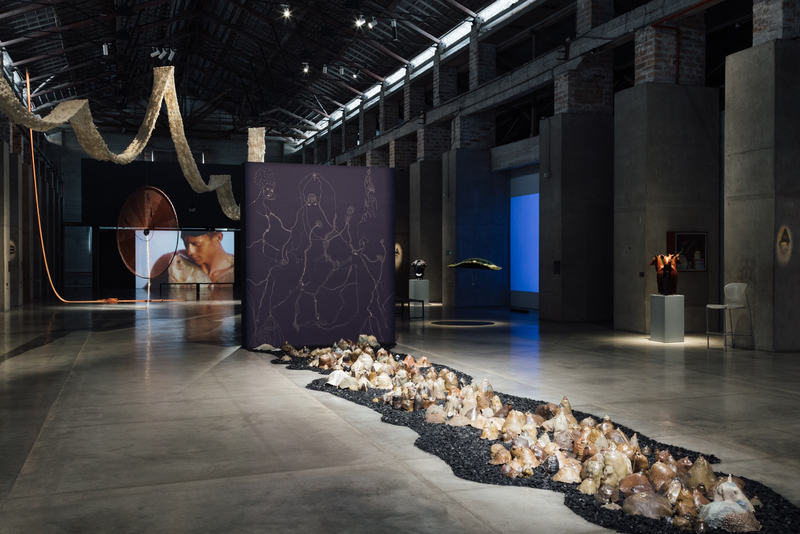
The exhibition "La tierra, el fuego, el agua y los vientos: Por un Museo de la Errancia con Édouard Glissant" has traveled from the Instituto Tomie Ohtake in São Paulo to the Center for Art, Research and Alliances (CARA) in New York, marking its first U.S. presentation. Curated by Manuela Moscoso with Marian Chudnovsky, and building on prior work by Ana Roman and Paulo Miyada, the show engages with the philosophy of Martinican poet and philosopher Édouard Glissant, particularly his concepts of errantry, Relation, opacity, and the Tout-Monde. It centers on Glissant's unrealized idea of a museum as a fluid, porous space that resists colonial frameworks and fixed origins, featuring works by artists such as Melvin Edwards, Gerardo Chávez, and Eduardo Zamora.

Body, Territory, and Food Sovereignty at MAMM

CUERPO, TERRITORIO Y SOBERANÍA ALIMENTARIA EN EL MAMM

The Museo de Arte Moderno de Medellín (MAMM) has inaugurated a trio of exhibitions titled 'Nos habitan pájaros y montañas', 'La luz, el fuego y la ceniza', and 'El susurro del barro'. These shows collectively explore the intersection of the human body, territorial sovereignty, and food security, featuring a dialogue between the museum's permanent collection—specifically the work of Débora Arango—and contemporary artists. The exhibitions utilize diverse media, including sound and raw materials like clay and soil, to address environmental and social crises.

Jamie Robertson’s soft heat at Houston Center for Photography, Houston

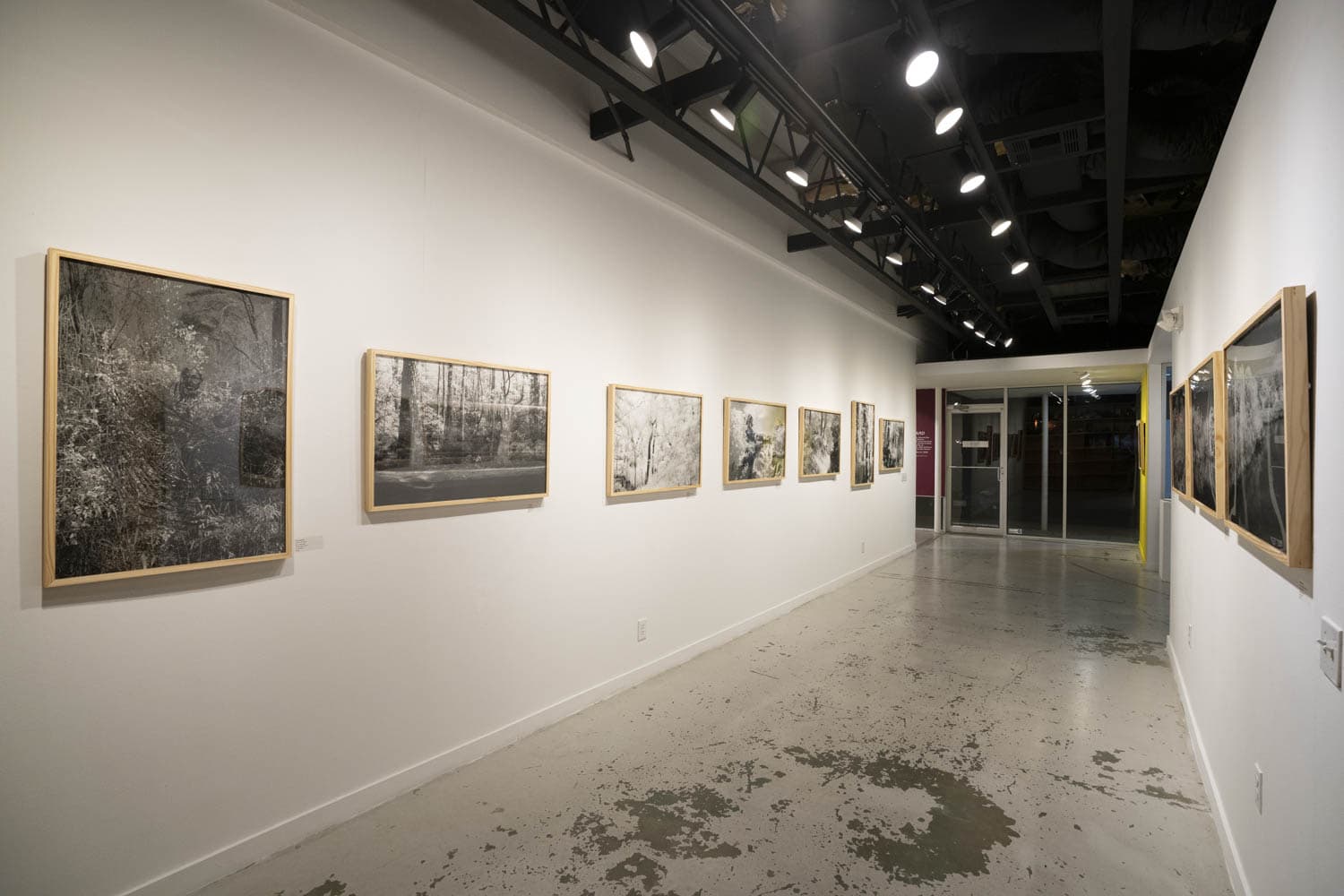
Jamie Robertson’s solo exhibition, "soft heat," at the Houston Center for Photography presents a series of infrared photographs documenting Southern wetlands, including Caddo Lake and the Great Dismal Swamp. Using archival pigment prints and a zine titled "Alligatorwatergreen," Robertson utilizes thermosensational imagery to transform dense marshlands into ethereal, snow-like landscapes. The work incorporates archival figures, such as a liberated formerly enslaved man named Osman, to highlight the historical role of swamps as sites of maroonage and Black resistance.
The Many Sheddings of Valie Export

Die vielen Häutungen der Valie Export

Valie Export, the Austrian media and performance artist known for using her body as a site of social critique, has died at age 85 in Vienna. Her final works include a black-and-white photo series of her forearm resting on a stone snake sculpture at the University of Vienna, exploring themes of skin, transformation, and mimesis. From the 1970s onward, she created iconic "Body Configurations" in which she placed her body on streets and against buildings along Vienna's Ringstrasse, tracing architectural forms to expose institutional power and patriarchal authority.

At Centquatre, Circulation(s) Highlights the Diverse Perspectives of Young European Photographers

Au Centquatre, Circulation(s)s met en lumière la diversité de regards des jeunes photographes européens

The 16th edition of the Circulation(s) festival has opened at Centquatre-Paris, showcasing the work of 26 emerging photographers from 15 European countries. Organized by the Fetart collective, this year’s festival features Ireland as the guest country and emphasizes the hybridization of photography with other mediums, such as embroidery, tapestry, and digital installations.

New York City’s first Trans Art Fest showcases, connects and empowers trans artists

New York City is hosting its inaugural Trans Art Fest, a grassroots, community-driven festival featuring the work of over 120 transgender artists. Founded by curator and textile artist Carter Shocket, the two-month program includes 12 all-trans exhibitions and more than 20 events ranging from glassblowing workshops to cinema screenings. Major highlights include the exhibitions "Alchemists" and "A Tender Touch," the latter of which focuses exclusively on the work of Black trans artists.

"Dispossessions in the Americas" Confronts the Colonialism That Invades All Territory

The article reviews "Dispossessions in the Americas," a group exhibition at Wrightwood 659 in Chicago curated by Jonathan D. Katz and Eduardo Carrera. Featuring works from 1960 to 2025, the show examines colonial legacies in the Americas, focusing on the forced dispossession of land, culture, and language from indigenous, Afro-descendant, queer, and trans communities. The review critically questions how a polished, architecturally prestigious venue can coherently display art about socially voiceless communities without falling into voyeurism or fetishization of pain.

What Faces Do Not Say: Reimagining Portraiture Beyond Recognition.

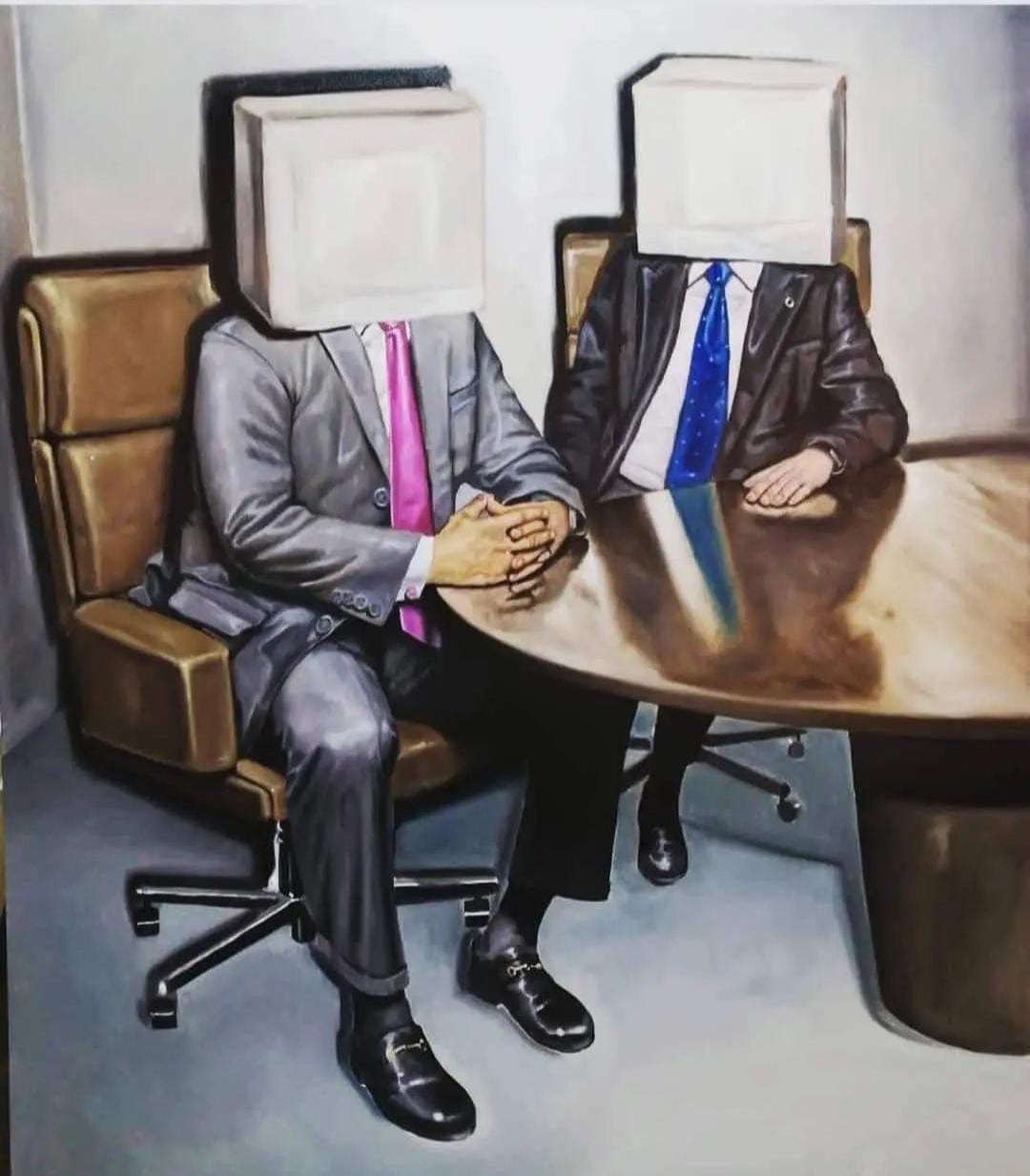
Curator Yasmin Sarnefors challenges the traditional boundaries of portraiture in the exhibition 'What Faces Do Not Say,' which features artists from Africa and its diaspora. Moving away from the expectation of physical resemblance, the show explores identity through ambiguity, memory, and the use of archives, landscapes, and abstract gestures. By presenting works that obscure or transform the human face, the exhibition highlights the psychological and political dimensions of how individuals are perceived and represented.