filter_list Showing 13300 results for "Light" close Clear
search
dashboard All 13300 museum exhibitions 6354article local 1874article news 1483trending_up market 1304article culture 896person people 486article policy 359rate_review review 242gavel restitution 206candle obituary 79article event 12article events 2article museums & heritage 1article museums 1article school 1
date_range Range Today This Week This Month All
Subscribe

"Wir wollen Rücknahme von Kürzungen"

Berlin's cultural senator Sarah Wedl-Wilson resigned on Friday after the Berlin Court of Auditors ruled that millions in funding for antisemitism prevention projects were illegal. The resignation has sparked a political debate, with CDU general secretary Ottilie Klein defending governing mayor Kai Wegner against opposition criticism, while Franziska Stoff of the Berlin Culture Conference demands stability and a reversal of budget cuts. Thomas Fehrle, director of the Deutsche Oper Berlin, expressed personal regret over Wedl-Wilson's departure, praising her competence and engagement.


"Etwas zaghaft, etwas ängstlich, etwas sicher"

The article surveys recent art-world commentary, focusing on a critical review of the Turner Prize shortlist in The Guardian, where Eddy Frankel calls the selection "timid, anxious, safe" and laments a self-perpetuating, elitist system. It also covers a Hyperallergic essay by Lisa Siraganian questioning whether artworks can possess personhood, sparked by Pierre Huyghe's Venice exhibition. Additionally, it reports on controversy at the Venice Biennale, where the jury preemptively excluded countries whose leaders are sought by the International Criminal Court—namely Russia and Israel—drawing sharp criticism from Die Welt's Marcus Woeller. A podcast interview with US sculptor Alma Allen, selected for the US Pavilion, rounds out the coverage.

"Du bist nun in die ewigen Jagdgründe der Kunst entschwunden"

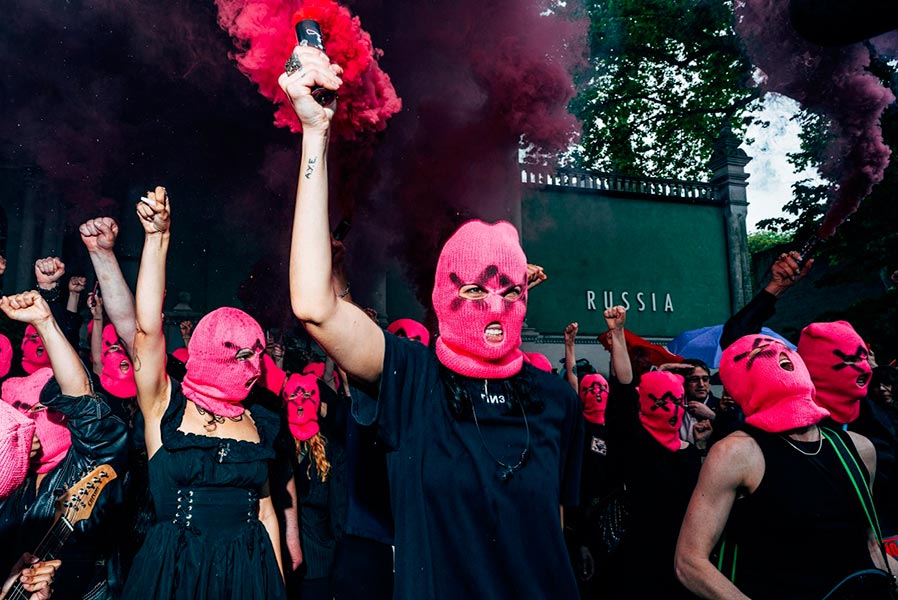
This week's art news roundup covers several stories: Jonathan Meese publishes an obituary for his mother Brigitte Meese in Der Spiegel, describing her as a central figure in his life and work. Pussy Riot seeks to take over the Russian Pavilion at the Venice Biennale. The European Media Art Festival (EMAF) in Osnabrück faces controversy over antisemitism allegations linked to Palestinian-American filmmaker Basma al-Sharif, leading the city and state government to distance themselves from the festival. In the NZZ, Christian Wildhagen reports on conflicts over official political portraits, citing examples like Swiss councilor Martin Neukom rejecting paintings and Donald Trump criticizing his portrait. Art historian Horst Bredekamp pays tribute to Italian philosopher Federico Vercellone (1955–2026) in the FAZ, highlighting his theory of the 'self-activity of form.'

Because the Ego Suddenly Dissolves

"Weil das Ego sich plötzlich auflöst"

The art world is facing significant structural and political shifts, highlighted by the merger of Artnet and Artsy which has resulted in mass layoffs, particularly within the Artnet News editorial team and its Berlin operations. Simultaneously, tensions are rising in German cultural policy as gallery owner Rupert Pfab raises concerns over government interference in the Stiftung Kunstfonds jury selection, reflecting a broader climate of unease that includes recent controversies at the Berlinale.

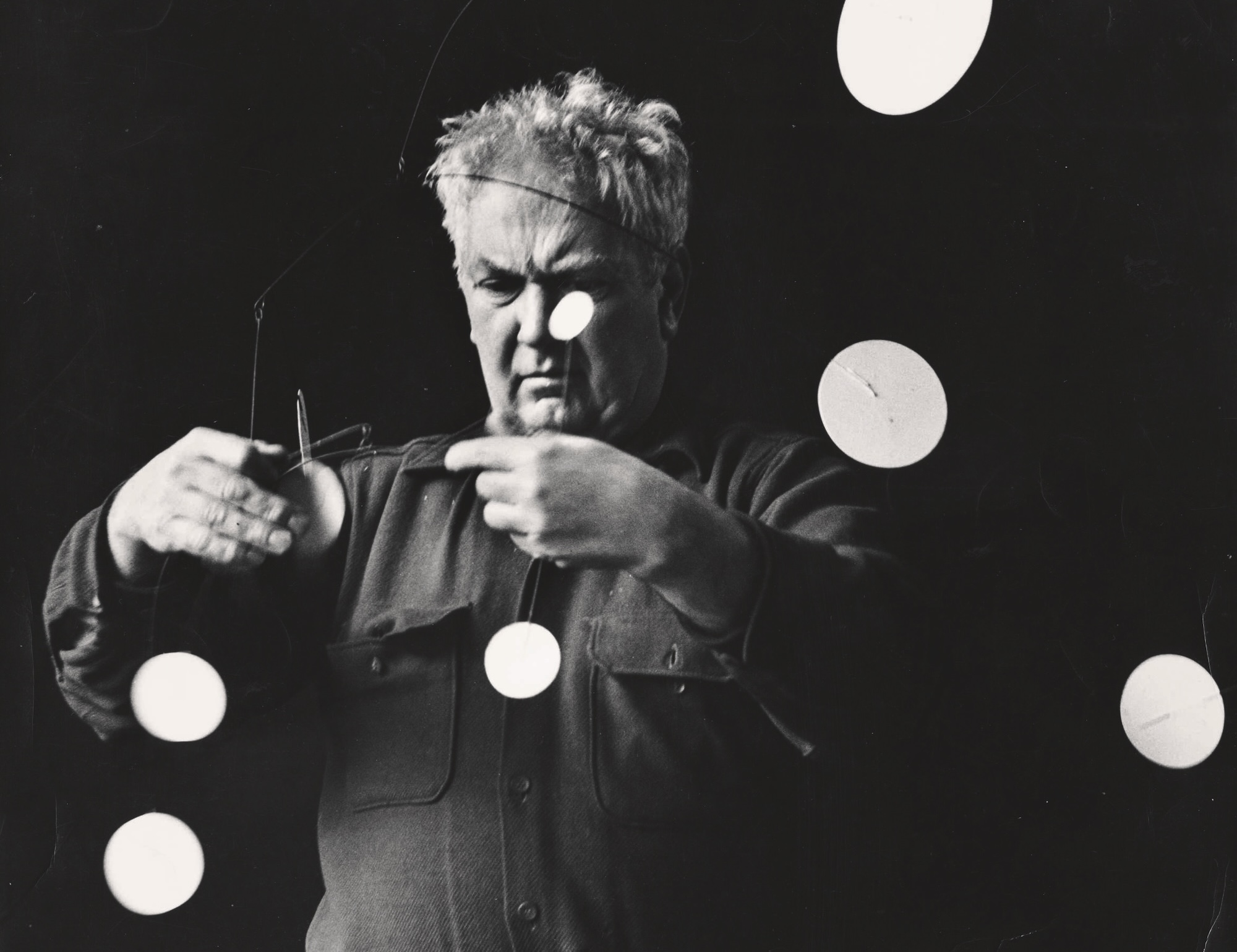
How Alexander Calder Set Sculpture in Motion

Wie Alexander Calder die Skulptur in Bewegung setzte

The Fondation Louis Vuitton in Paris has launched a major retrospective titled "Rêver en Équilibre," dedicated to the American sculptor Alexander Calder. Featuring over 300 works, the exhibition traces Calder’s journey from his 1926 arrival in Paris to his invention of the "mobile," a term coined by Marcel Duchamp. The show includes iconic large-scale hanging sculptures like "Rouge triomphant," wire figures from his famous "Cirque Calder," and rarely seen private loans, alongside paintings and jewelry that highlight his engineering background and poetic approach to abstraction.

Imitations of a Mediocre Teenager on Tranquilizers

"Nachahmungen eines mittelmäßigen Teenagers auf Tranquilizern"

The Victoria & Albert Museum has reportedly censored exhibition catalogs following pressure from Chinese printing firms, removing images and maps related to sensitive topics like Tibet and Tiananmen Square. This editorial roundup also highlights artist Molly Crabapple’s sharp critique of generative AI as a massive intellectual property theft and a profile of Rirkrit Tiravanija’s communal home in Thailand, which functions as a social sculpture.

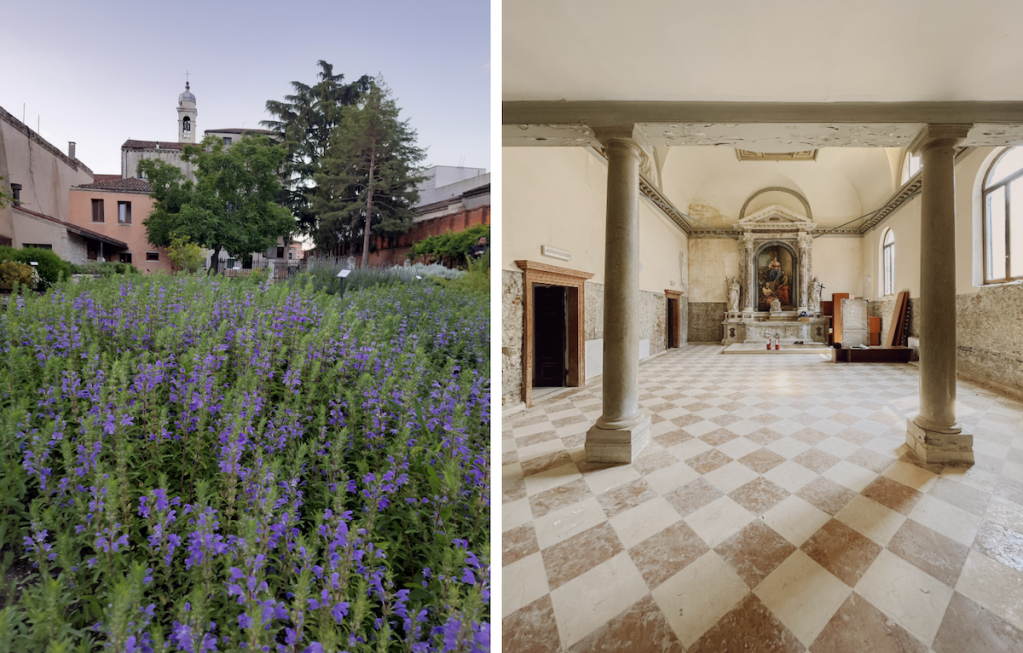
Brian Eno, FKA Twigs, Jim Jarmusch Among Sound Artists Commissioned for Vatican Pavilion at Venice Biennale

The Vatican has announced a star-studded lineup of musicians and artists for its pavilion at the 2026 Venice Biennale, titled "The Ear Is the Eye of the Soul." Curated by Hans Ulrich Obrist and Ben Vickers in collaboration with Soundwalk Collective, the exhibition features commissioned sound works from figures including Brian Eno, FKA Twigs, Patti Smith, and the late Alexander Kluge. The project is inspired by the 12th-century mystic Saint Hildegard of Bingen and will be staged across two historic Venetian locations: the Mystical Garden of the Discalced Carmelites and the Complesso di Santa Maria Ausiliatrice.

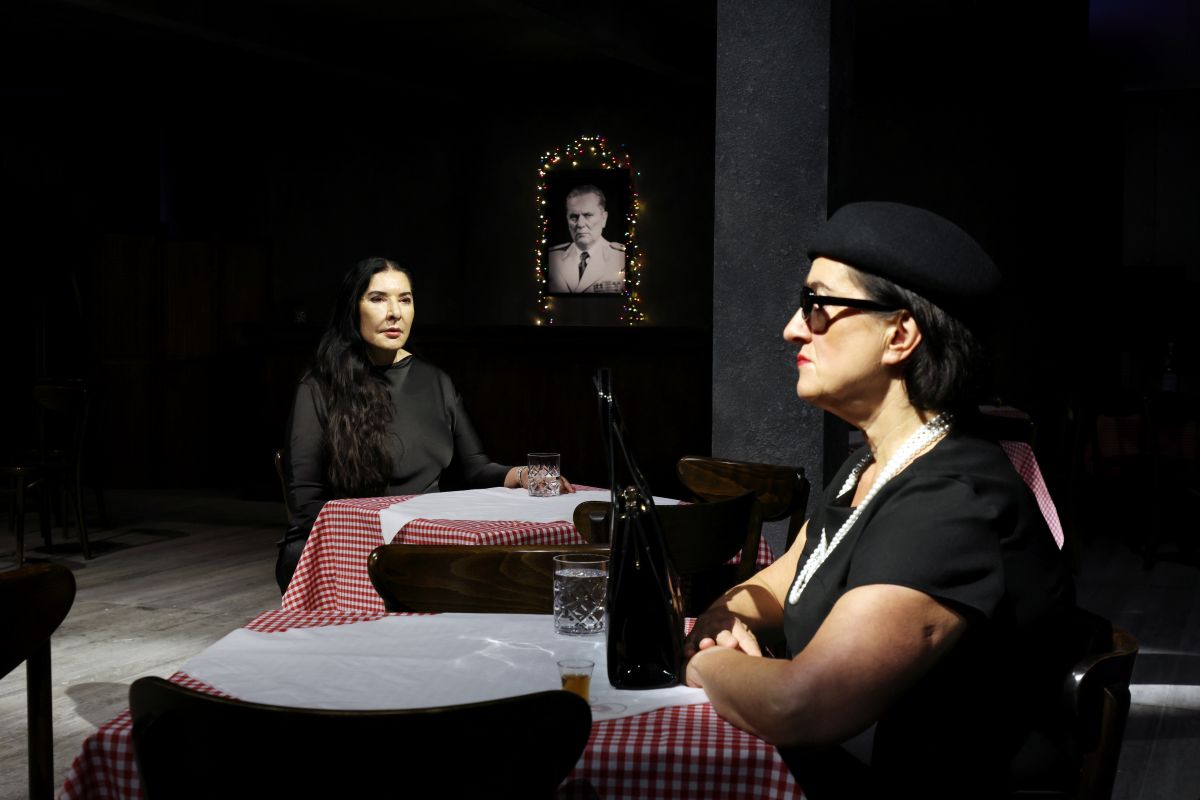
Phallus, Vagina, Universe

Phallus, Vagina, Universum

Marina Abramović is presenting a major retrospective at the Neue Nationalgalerie in Berlin, shifting focus from her well-known explorations of physical pain to the erotic energy of the human body. The exhibition draws heavily on Slavic folklore and pagan traditions from her Balkan heritage, exploring how ancient rituals used sexuality and the body as tools for spiritual and cosmic connection.

Contemporary US Art is Sick with Problems

"Die zeitgenössische US-Kunst ist von Problemen krank"

Artist Josh Kline has sparked a heated debate with a scathing critique of the American art scene, particularly targeting New York City as an unsustainable hub driven by market logic and inequality. Kline argues that contemporary art is "sick with problems" and urges young artists to abandon the city, calling for a shift from institutional critique to a broader industry-wide analysis of class and power. Meanwhile, the German art world sees significant movement with the upcoming auction of Georg Kolbe’s "Tänzerinnen-Brunnen" following a Nazi-looted art settlement, and the Berlin State Museums announcing a phased reopening of the Pergamon Altar starting in 2027.

The Narrow Corridor of Normality

Der schmale Korridor der Normalität

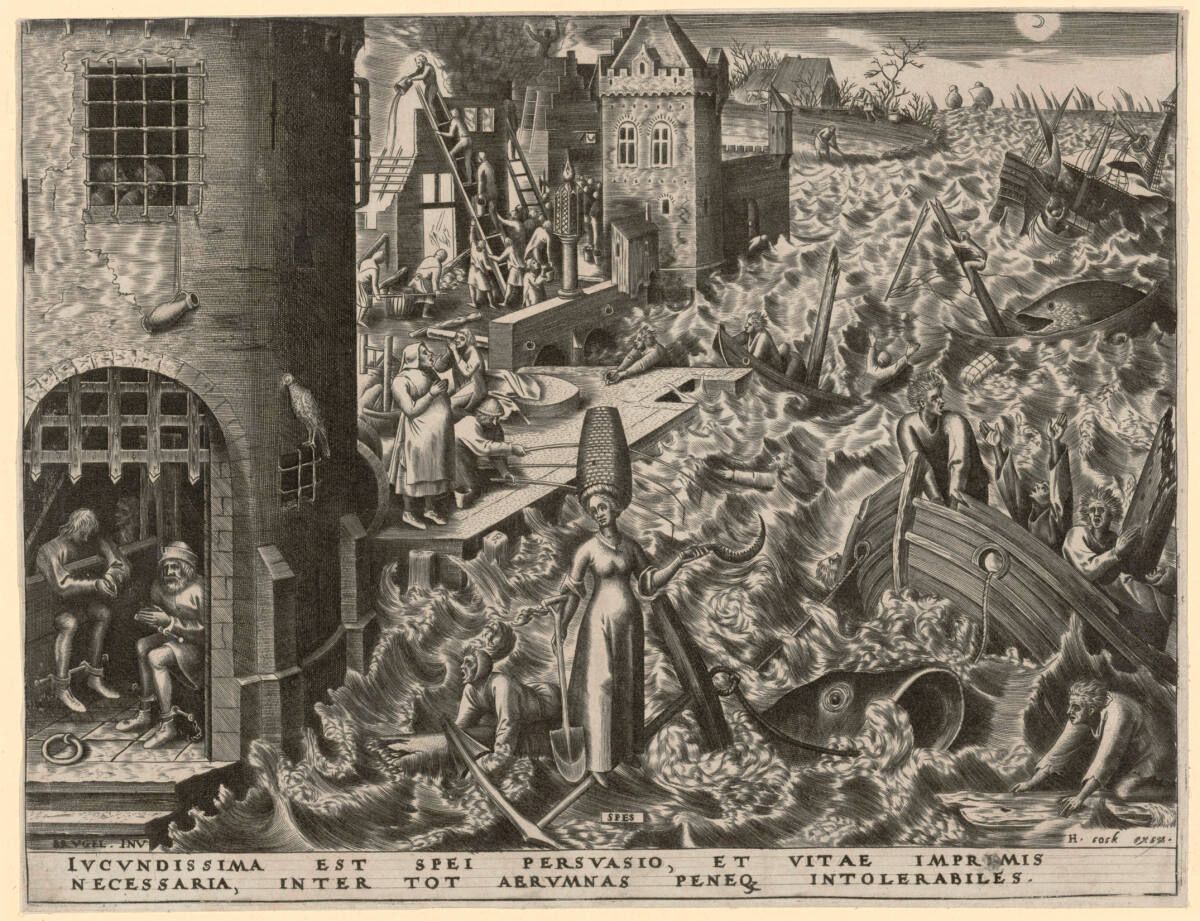
Artist Beate Gütschow reflects on Pieter Bruegel the Elder’s 16th-century engraving "Spes" (Hope), which she encountered during a visit to the Kunstmuseum Basel. The artwork depicts a personified figure of Hope standing amidst a chaotic scene of shipwrecks and flooding, symbolizing the necessity of maintaining focus and action even in the face of overwhelming disaster.

Behind All Beautiful Things Lies Suffering

"Hinter allen schönen Dingen liegt ein Leiden"

The art market is undergoing a profound structural transformation as a new generation of collectors shifts focus away from traditional blue-chip masters like Cy Twombly and Mark Rothko. These 'NextGen' buyers, socialized through the internet and Instagram, prioritize identity-building over status, favoring streetwear, digital art by figures like Refik Anadol, and music memorabilia over classical painting. Meanwhile, institutional shifts are occurring globally: Greece has introduced specific legislation to criminalize the production of art forgeries, and LACMA director Michael Govan is defending the $724 million Peter Zumthor-designed expansion as a necessary 'magnet' for attracting major donations.

Where Does "Guernica" Belong?

Wohin gehört "Guernica"?

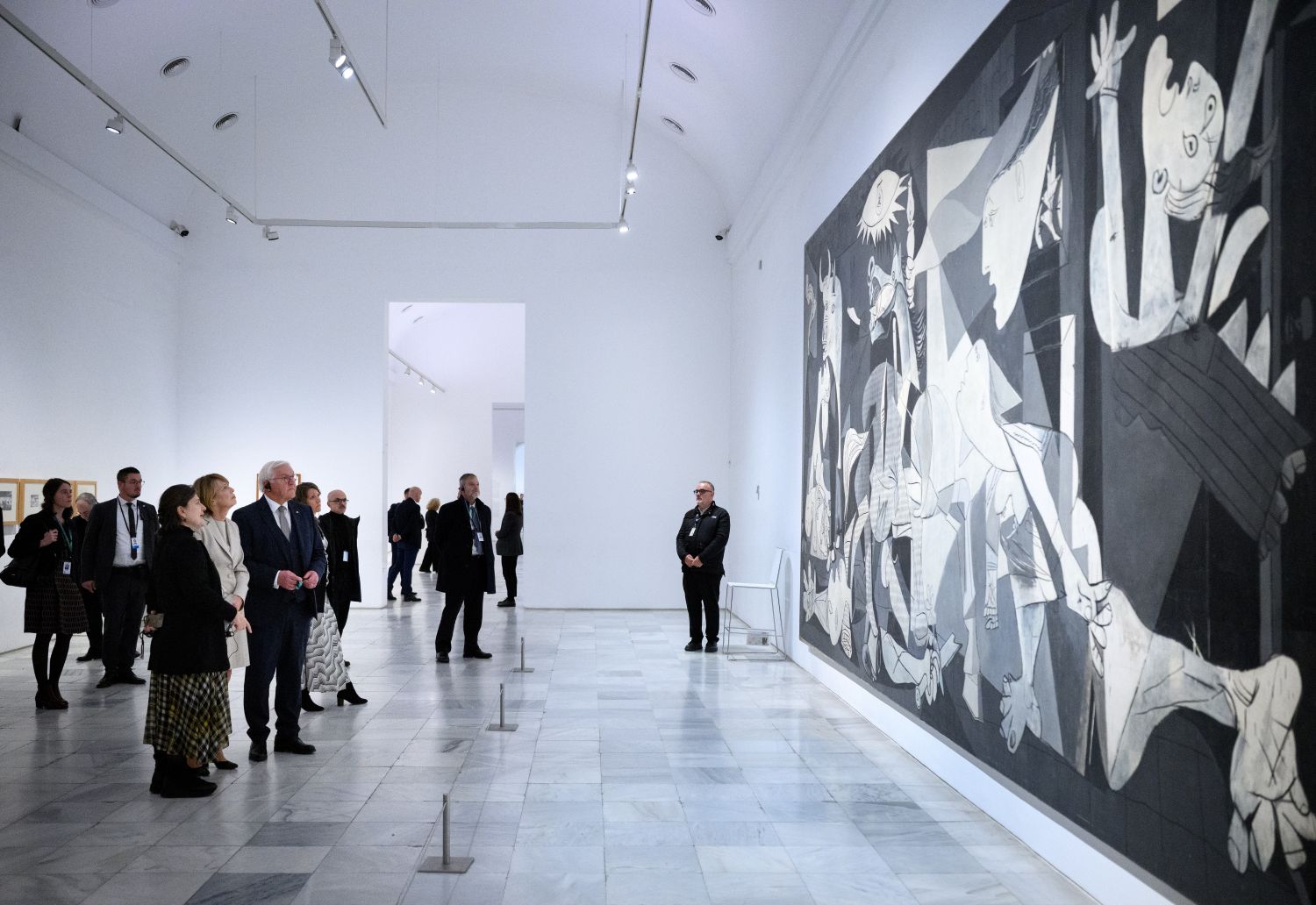
Basque Prime Minister Imanol Pradales has formally requested the temporary transfer of Pablo Picasso’s masterpiece "Guernica" from Madrid to the Basque Country. The proposal seeks to exhibit the monumental 1937 anti-war painting at the Guggenheim Museum Bilbao for nine months starting in late 2026 to coincide with the 90th anniversary of the town's bombing. While the work depicts the destruction of the Basque town of Gernika by Nazi and Italian fascist forces, it has resided at the Museo Reina Sofía in Madrid since 1992.

One of the Greatest Photographic Documents of the 20th Century

"Eines der größten fotografischen Dokumente des 20. Jahrhunderts"

A New York court has concluded an eleven-year legal battle by awarding Amedeo Modigliani’s 'Seated Man with a Cane' to the heirs of Jewish art dealer Oscar Stettiner. The ruling rejected the claims of the powerful Nahmad family, with the judge determining that Stettiner never voluntarily relinquished the work during the Nazi era. Additionally, a significant photographic archive belonging to darkroom technician Roland Haupt has surfaced, containing previously unseen World War II images by Lee Miller and Cecil Beaton.

Maurizio Cattelan’s Latest Work is Hotline for People to Confess Their Sins… to Him

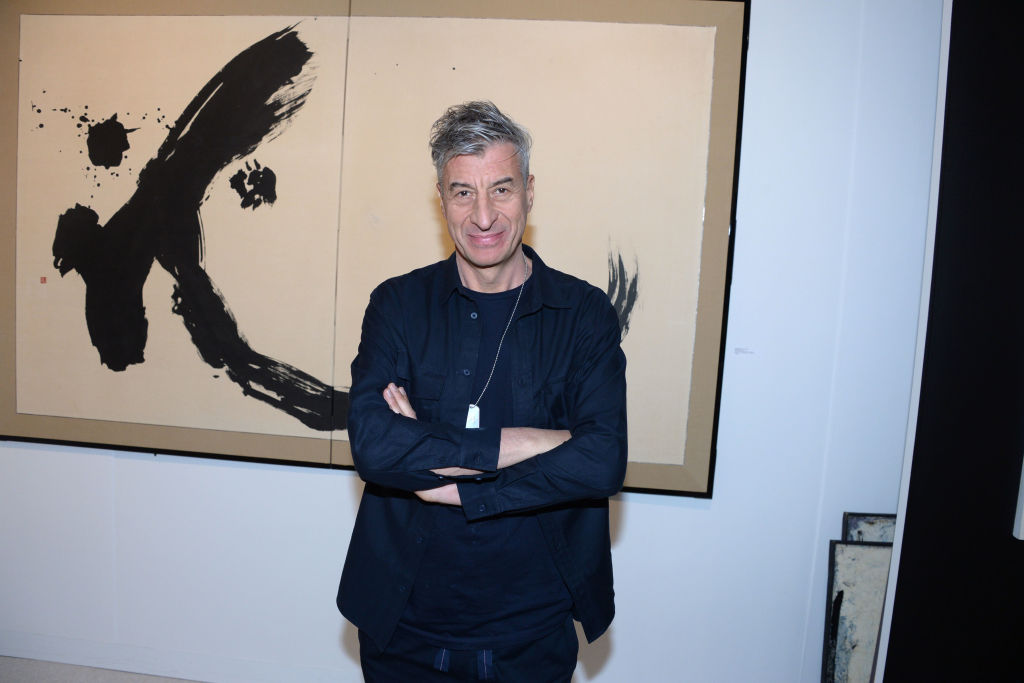
Italian conceptual artist Maurizio Cattelan has launched a new project: a hotline and WhatsApp service inviting the public to confess their sins. The project, timed to coincide with the Easter period and the 21st anniversary of Pope John Paul II's death, will culminate in a livestream on April 23 where Cattelan will offer a form of symbolic absolution to selected participants. Alongside the hotline, he is releasing a limited edition of 666 small-scale replicas of his controversial 1999 sculpture, *The Ninth Hour*, which depicts the late pope struck by a meteorite.

The Wild Ways Artists Have Made Their Livings, from the Renaissance to Today

The Wild Ways Artists Have Made Their Livings, from the Renaissance to Today

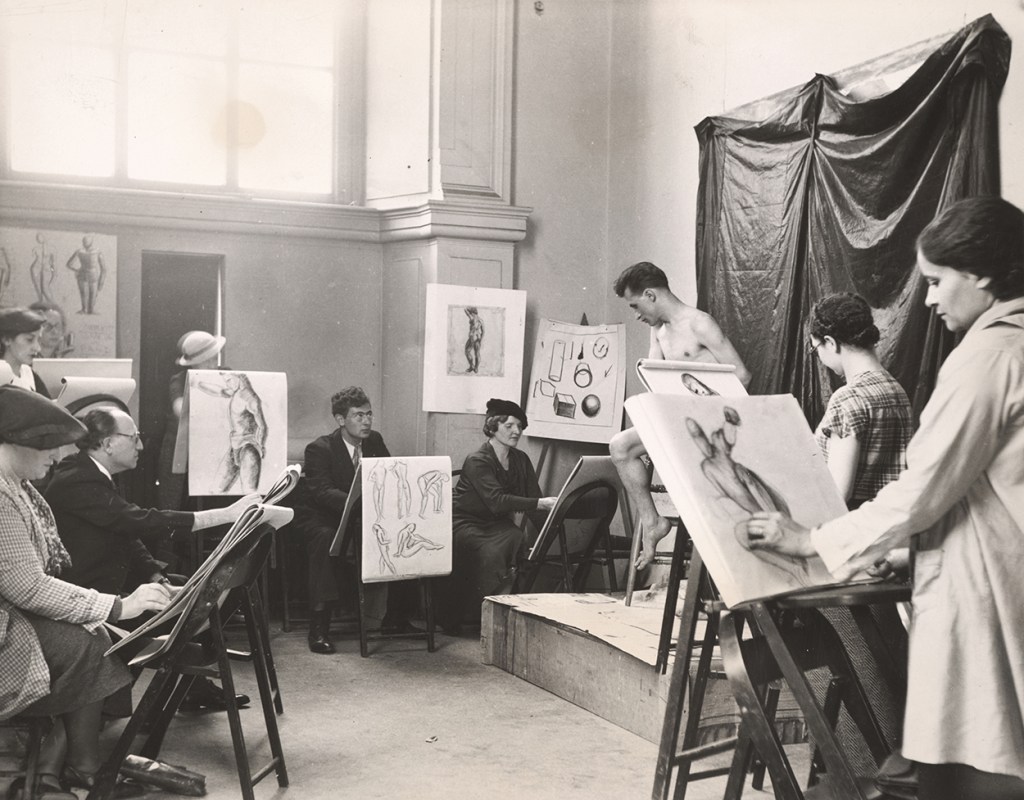
Mason Currey's new book, 'Making Art and Making a Living,' compiles stories of how artists from the Renaissance to today have funded their creative lives. It details diverse methods beyond family wealth, including odd jobs, dual careers, and institutional roles, highlighting figures like Louise Nevelson, Philip Glass, and Frank O'Hara.

Venice Biennale: A Silent US Pavilion

Biennale de Venise : un Pavillon US silencieux

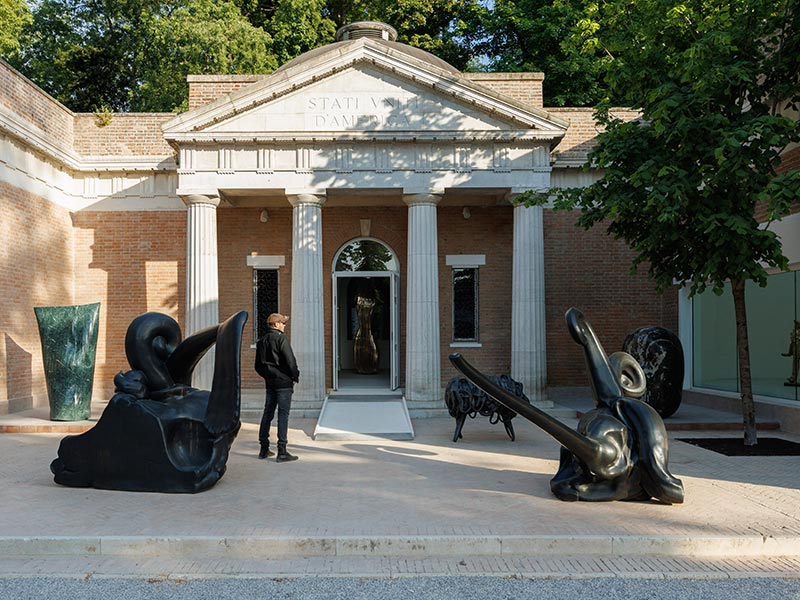
The US Pavilion at the 2026 Venice Biennale, featuring artist Alma Allen, opened to sparse crowds despite a 10% overall attendance increase at the Biennale. The pavilion was embroiled in controversy before opening: Allen was selected by the American Arts Conservancy (AAC), a private entity created in 2025 at the initiative of Donald Trump after the dissolution of the federal committee that previously oversaw the pavilion. AAC head Jenni Parido, a former pet food executive, chose the self-taught, little-known artist who had never had a solo museum exhibition. Major funders the Ford and Mellon Foundations withdrew, forcing the AAC to launch a public donation appeal. The exhibition features 25 abstract bronze, stone, and burl-wood sculptures that the artist describes as biomorphic landscapes, but critics find them pleasant yet silent, lacking the promised political or visceral resonance.

Les jardins de Monet à l’épreuve du surtourisme

Claude Monet's gardens in Giverny, France, which were recreated in 1980 after being abandoned in the 1950s, are now suffering from severe overtourism. The site, which attracted 70,000 visitors in its first year, is expected to exceed one million visitors in 2026, the centenary of Monet's death. Crowds are so dense that visitors report feeling unable to experience any emotion, and gardeners spend hours each morning repairing damage from trampling. The gardens have become a kind of industrial product, with 15,000 plants propagated each season to replace those destroyed.

La Biennale de Venise s’ouvre dans un climat houleux

The 61st Venice Biennale opened amid intense controversy after its president, Pietrangelo Buttafuoco, announced the return of the Russian pavilion, which had been absent since the start of the Ukraine war. The European Commission suspended its €2 million subsidy for the 2028 edition, and the entire Biennale jury resigned on April 30. Buttafuoco later declared the Russian pavilion would remain closed, but protests erupted during the pre-opening days (May 6–8), drawing 28,000 professionals. Pussy Riot members, Femen activists, and the Free Nations League staged demonstrations, while the Israeli pavilion remained open despite a letter signed by nearly 200 artists calling for its exclusion.

The Venice Biennale Reaches Full Capacity

La Biennale de Venise fait le plein

The Venice Biennale has reached full capacity, with all exhibition spaces and pavilions fully booked for the upcoming edition. The article reports on the overwhelming demand from participating countries and artists, highlighting the logistical challenges and the record number of national pavilions confirmed for the event.

Cécile Debray : « Une proposition poétique de dialogue entre trois œuvres pour une délectation esthétique »

Cécile Debray, president of the Musée national Picasso-Paris, discusses a rare collaboration with galleries to present a three-artist exhibition in Venice during the Biennale. The show brings together Pablo Picasso, Giorgio Morandi, and Claudio Parmiggiani around the theme of the object and still life, highlighting unexpected philosophical and poetic connections. Debray explains how the selection of 14 Picasso works balances iconic pieces with lesser-known ones, including sculptures, to create a dialogue with Morandi's rigorous, serial approach and Parmiggiani's metaphysical art.

Vanités contemporaines

The article explores the enduring relevance of still life and vanitas in contemporary art, tracing their evolution from the biblical proclamation "Vanity of vanities; all is vanity" through modern masters like Paul Cézanne, Pablo Picasso, and Giorgio Morandi to contemporary practitioners such as Claudio Parmiggiani. It highlights how artists continue to use everyday objects—compotes, skulls, pitchers, apples—as vehicles for formal experimentation and philosophical reflection, with still life serving as a minimalist device that allows infinite plastic research.

La galerie contemporaine de la cathédrale d’Angers plaît

The article reports that the contemporary art gallery at the Cathedral of Angers has been well received. It highlights the cathedral's new exhibition space dedicated to contemporary works, marking a notable integration of modern art within a historic religious site.

Lee Miller in Wide Angle

Lee Miller en grand angle

The Musée d'Art moderne de Paris (MAM) has opened a major retrospective of photographer Lee Miller (1907-1977), featuring nearly 250 prints—many vintage and previously unseen. The exhibition originated at Tate Britain, where it drew over 250,000 visitors, and was co-organized with MAM and the Art Institute of Chicago. Curated by Michal Goldschmidt (former Tate Britain curator) and Fanny Schulmann of MAM, with new research led by Hilary Floe, the show emphasizes Miller's ties to Paris, her technical mastery, and her wartime reporting, including contact sheets from Dachau and Buchenwald never before shown in France.

5 secret jewels to discover in Europe

5 joyaux secrets à découvrir en Europe

L'Œil magazine has curated a list of five European cities rich in art historical treasures, highlighting hidden gems for cultural getaways. The first city profiled is Mainz, Germany, featuring the Romanesque-Gothic Mainzer Dom (Imperial Cathedral of St. Martin), the Gutenberg Museum showcasing the 42-line Bible as a landmark of printing history, and the Church of St. Stephen with its iconic blue stained-glass windows designed by Marc Chagall. The second city is Plovdiv, Bulgaria, where the old town blends ancient Roman ruins (a stadium, forum, odeon, and theater from the 2nd century) with 19th-century Bulgarian National Revival houses, such as the Balabanov, Hindliyan, and Kuyumdzhioglu houses, now converted into museums.

American Rousseaus Return to Paris

Les Rousseau américains de retour à Paris

The Musée de l’Orangerie in Paris is hosting a landmark exhibition titled "Henri Rousseau, l’ambition de la peinture," featuring 50 works by the self-taught master. The show is distinguished by a historic loan from the Barnes Foundation in Philadelphia, which has sent nine paintings to France for the first time since they were acquired a century ago by Albert Barnes. A highlight of the exhibition is the rare gathering of three "manifesto paintings"—The Sleeping Gypsy, Unpleasant Surprise, and The Snake Charmer—displayed together in a dedicated gallery.

The Art of Appearing

De l’art de paraître

The Musée Cognacq-Jay in Paris is hosting an exhibition titled "Révéler le féminin," which explores the intersection of 18th-century fashion and portraiture. Curated in collaboration with the Palais Galliera and the Musée d’arts de Nantes, the show features works by prominent portraitists like Élisabeth Louise Vigée Le Brun and Maurice Quentin de La Tour alongside rare period textiles. The exhibition examines how the rising bourgeoisie used clothing as a visual language of prestige and social standing during the Enlightenment.

Hispanic Baroque Art in Majesty

L’art baroque hispanique en majesté

The Musée Jacquemart-André in Paris is hosting an exhibition of masterpieces from the Hispanic Society of America, marking the first time this specific selection has been shown to the French public. The show features approximately forty works, including iconic paintings by El Greco and Diego Velázquez, alongside recently acquired studies and colonial-era pieces that have rarely traveled due to previous legal restrictions and the New York institution's ongoing renovations.

Orientalism, Tales and History at the Louvre-Lens

L’orientalisme, contes et histoire au Louvre-Lens

The Louvre-Lens has launched "Beyond the Arabian Nights," an ambitious exhibition exploring the evolution of Orientalism in France. Moving past simple clichés of odalisques and flying carpets, the show features over 300 items, including masterpieces by Delacroix, Ingres, and Gérôme, alongside popular culture objects like porcelain figurines and film clips. The exhibition traces cultural exchanges from medieval trade and the Crusades to the 19th-century obsession with Islamic art, utilizing a scenography that emphasizes the construction of fictional narratives.

Gallery Openings This Week in Paris

Les vernissages cette semaine dans les galeries parisiennes

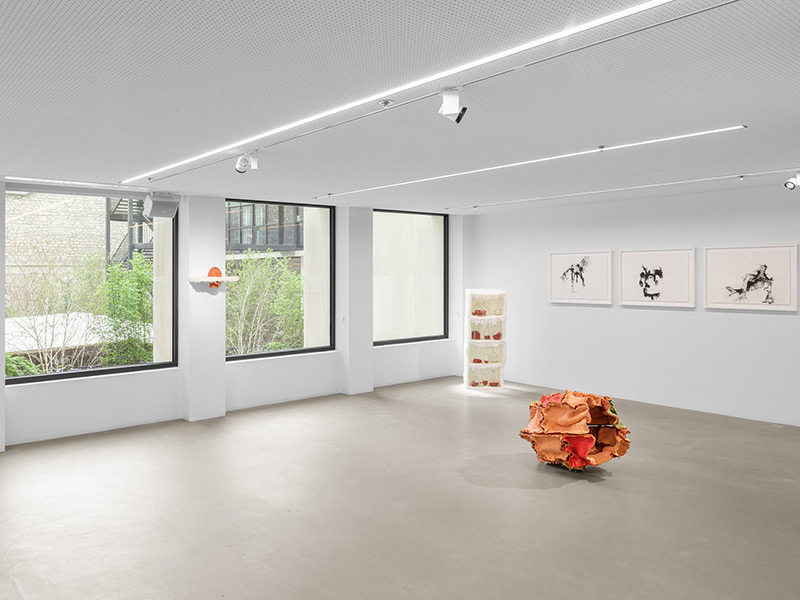
The Paris gallery scene is experiencing a surge of new activity this week with several high-profile openings across the city's major art districts. Highlights include Rosson Crow’s vibrant, chaotic landscapes at Galerie Nathalie Obadia, the inauguration of Galerie Sator’s new Marais space with sculptures by Kokou Ferdinand Makouvia, and a curated dialogue between historical avant-gardes and contemporary abstraction at Galerie Le Minotaure. Additionally, Gagosian is showcasing late works by Francis Bacon, while Esther Schipper presents the first Paris solo exhibition for Sojourner Truth Parsons.

In 1955, Calder brings his famous 'Cirque' to life in front of Jean Painlevé's camera

En 1955, Calder active son célèbre « Cirque » face à la caméra de Jean Painlevé

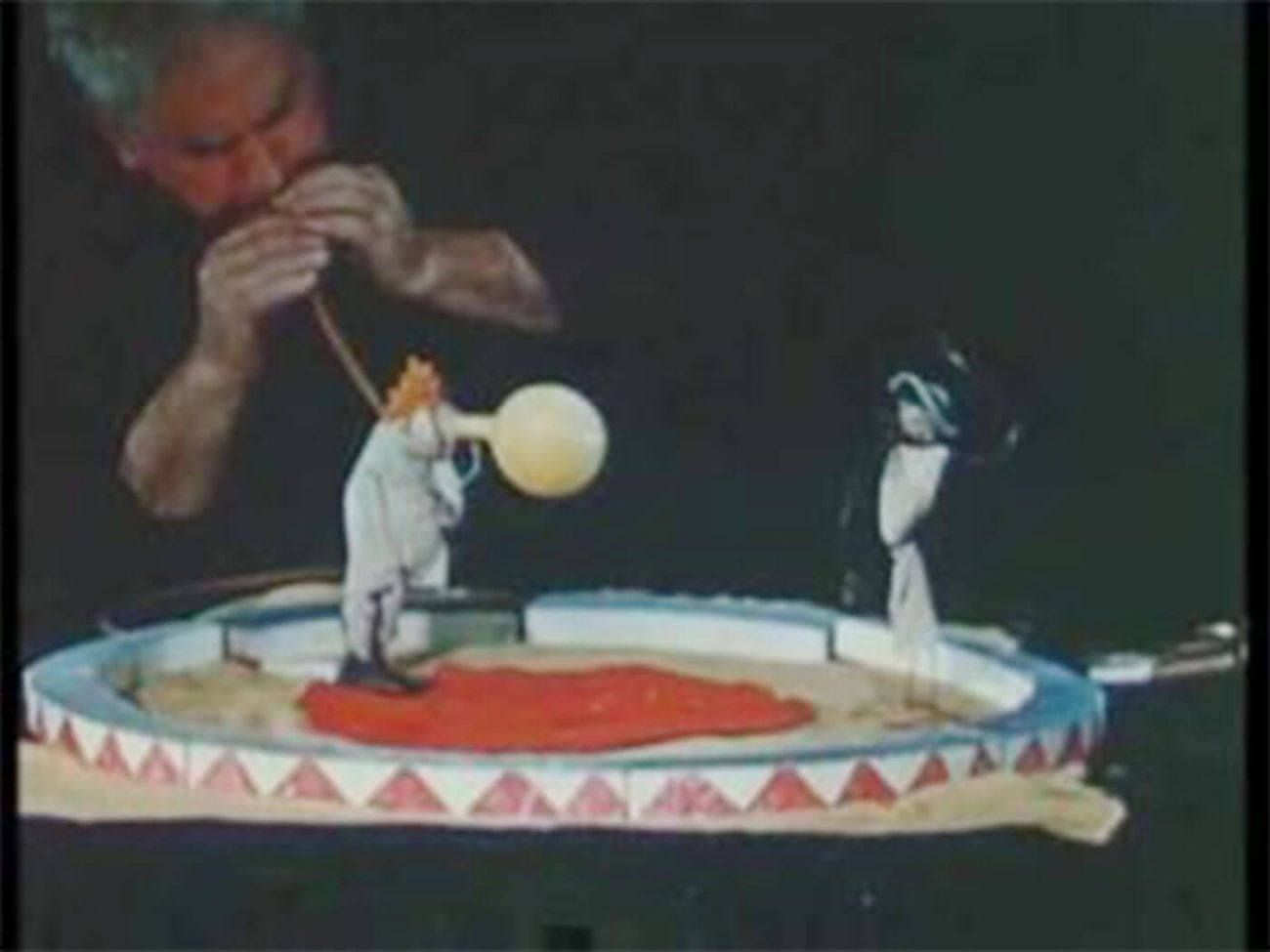
A 1955 film by Jean Painlevé captures Alexander Calder performing his famous "Cirque" (Circus), a handmade miniature circus he created between 1926 and 1931 in Paris. The film shows Calder manipulating fragile wire-and-wood figures—weightlifters, trapeze artists, clowns, and dancers—while a gramophone plays. The work, now preserved at the Whitney Museum of New York, is on loan for a major Calder retrospective at the Fondation Louis Vuitton in Paris (April 15–August 16, 2026). Painlevé's film is also the subject of a concurrent exhibition at the Musée de Pont-Aven (February 7–May 31, 2026).