filter_list Showing 1208 results for "Ise" close Clear
search
dashboard All 1208 museum exhibitions 575article news 160article local 126article culture 111trending_up market 93rate_review review 45person people 41article policy 37candle obituary 11gavel restitution 9
date_range Range Today This Week This Month All
Subscribe

Fascinante artiste des Années folles, Sarah Lipska remise en lumière dans une exposition à Poitiers

The Musée Sainte-Croix in Poitiers, France, is hosting a new exhibition reviving the legacy of Sarah Lipska, a Polish-born artist who thrived in 1920s Paris as a costume designer, decorator, and fashion creator. Once a celebrated figure with her own boutique on the Champs-Élysées, Lipska collaborated with Léon Bakst and designed for the theater, including the operetta 'Annabella' (1922), before falling into obscurity. The museum, which holds the world's largest collection of her work, has built this through decades of acquisitions and a major donation from Lipska's daughter.

Georg Baselitz, grande figure de l’art allemand, est mort à l’âge de 88 ans : retour sur sa vie et son œuvre

Georg Baselitz, one of Germany's most significant post-war artists, has died at age 88. Born Hans-Georg Kern in 1938, he grew up in Nazi-era Saxony and later rejected his father's ideology, fleeing to West Berlin in 1957. Known for his provocative, expressionist works and signature upside-down paintings, Baselitz challenged artistic conventions with brutalist techniques—attacking wood with chainsaws and axes—and created scandalous pieces like "Die große Nacht im Eimer" (1962–1963), which was banned from exhibition. His career included major retrospectives at the Musée d'Art Moderne de la Ville de Paris (2011) and Centre Pompidou (2021), and commissions for the Reichstag.

Immersive exhibitions and visits not to miss from spring to summer in France

Les expos et visites immersives à ne pas rater du printemps à l’été en France

The article from Beaux Arts Magazine highlights a selection of immersive art exhibitions and experiences across France for spring and summer 2026. Featured attractions include "Passion Japon" at Parc de la Villette in Paris, a journey through Japanese culture with Hokusai and Hiroshige projections; "L'Odyssée Céleste" at Église Saint-Eustache, a 3D light spectacle with live choral music; "Frissons" at the Musée d'Orsay, an interactive light installation by artist Adrien M responding to visitors' movements; and a Picasso immersive experience at Les Baux-de-Provence.

Venice Biennale 2026: What are the major trends that will mark the 99 national pavilions?

Biennale de Venise 2026 : quelles sont les grandes tendances qui vont marquer les 99 pavillons nationaux ?

The article previews the 2026 Venice Biennale, highlighting key trends across its 99 national pavilions. Major themes include the hybridization of theater, dance, and performance, particularly in pavilions from Austria, Luxembourg, Belgium, and Lithuania, where artists like Florentina Holzinger, Aline Bouvy, Miet Warlop, and Eglė Budvytytė use radical, body-centric works. Geopolitical engagement is also central, with the Ukrainian pavilion featuring Zhanna Kadyrova's work on resistance and the British pavilion exploring themes of exile and migration. Other notable pavilions include Spain's focus on imagery, a sound installation for the Vatican, a polyphonic piece for Romania, and a film on sign language song for Poland.

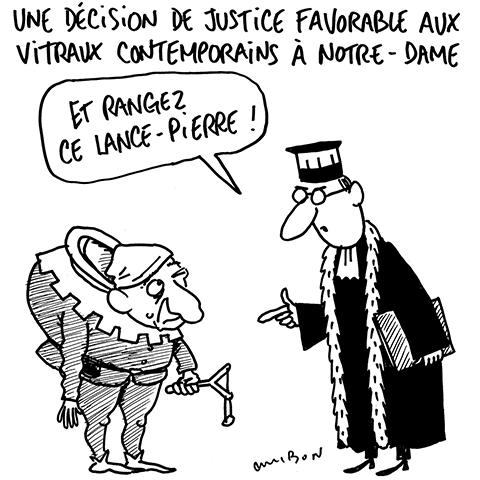
A favorable court decision for contemporary stained glass at Notre-Dame

Une décision de justice favorable aux vitraux contemporains à Notre-Dame

A French court has ruled in favor of keeping contemporary stained-glass windows installed at Notre-Dame Cathedral, rejecting a legal challenge from traditionalists who sought their removal. The decision upholds the controversial replacement of 19th-century grisaille windows designed by Eugène Viollet-le-Duc with modern works by artist Pierre Soulages and others, as part of the cathedral's post-fire restoration.

La Tour Eiffel aux enchères

The French Senate has definitively adopted a law on the restitution of cultural property looted during the colonial period, marking a major legislative step in France's approach to colonial-era artifacts. The law establishes a legal framework for returning objects held in French public collections to their countries of origin, potentially affecting thousands of items in museums across the country.

Relaxe pour le coupeur de tête

The latest issue of Le Journal des Arts (n°677, May 15, 2026) covers several major art-world stories: the Venice Biennale opening amid controversy, the final adoption of a French law on the restitution of cultural property looted during colonization, the V&A East museum's strategy to attract younger audiences, the uneven economic impact of Monet's legacy on the town of Giverny, and the structuring of the market for Nabis artists.

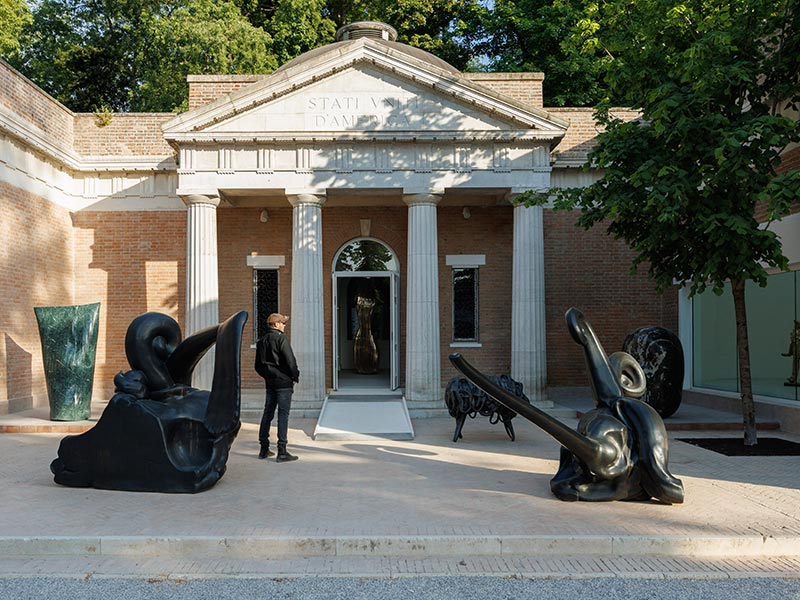
Venice Biennale: A Silent US Pavilion

Biennale de Venise : un Pavillon US silencieux

The US Pavilion at the 2026 Venice Biennale, featuring artist Alma Allen, opened to sparse crowds despite a 10% overall attendance increase at the Biennale. The pavilion was embroiled in controversy before opening: Allen was selected by the American Arts Conservancy (AAC), a private entity created in 2025 at the initiative of Donald Trump after the dissolution of the federal committee that previously oversaw the pavilion. AAC head Jenni Parido, a former pet food executive, chose the self-taught, little-known artist who had never had a solo museum exhibition. Major funders the Ford and Mellon Foundations withdrew, forcing the AAC to launch a public donation appeal. The exhibition features 25 abstract bronze, stone, and burl-wood sculptures that the artist describes as biomorphic landscapes, but critics find them pleasant yet silent, lacking the promised political or visceral resonance.

Les jardins de Monet à l’épreuve du surtourisme

Claude Monet's gardens in Giverny, France, which were recreated in 1980 after being abandoned in the 1950s, are now suffering from severe overtourism. The site, which attracted 70,000 visitors in its first year, is expected to exceed one million visitors in 2026, the centenary of Monet's death. Crowds are so dense that visitors report feeling unable to experience any emotion, and gardeners spend hours each morning repairing damage from trampling. The gardens have become a kind of industrial product, with 15,000 plants propagated each season to replace those destroyed.

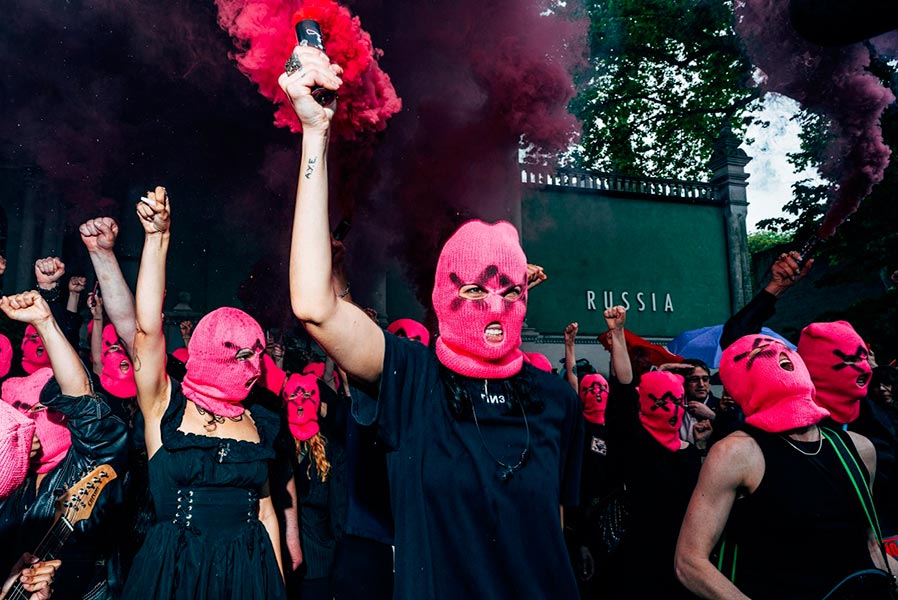
La Biennale de Venise s’ouvre dans un climat houleux

The 61st Venice Biennale opened amid intense controversy after its president, Pietrangelo Buttafuoco, announced the return of the Russian pavilion, which had been absent since the start of the Ukraine war. The European Commission suspended its €2 million subsidy for the 2028 edition, and the entire Biennale jury resigned on April 30. Buttafuoco later declared the Russian pavilion would remain closed, but protests erupted during the pre-opening days (May 6–8), drawing 28,000 professionals. Pussy Riot members, Femen activists, and the Free Nations League staged demonstrations, while the Israeli pavilion remained open despite a letter signed by nearly 200 artists calling for its exclusion.

The Venice Biennale Reaches Full Capacity

La Biennale de Venise fait le plein

The Venice Biennale has reached full capacity, with all exhibition spaces and pavilions fully booked for the upcoming edition. The article reports on the overwhelming demand from participating countries and artists, highlighting the logistical challenges and the record number of national pavilions confirmed for the event.

The Met Gala, an Institution within the Institution

Le Met Gala, une institution dans l’institution

Le Met Gala 2026 took place on Monday at the Metropolitan Museum of Art in New York, co-chaired by Beyoncé, Nicole Kidman, and Venus Williams. The event raised a record $42 million for the Costume Institute, with celebrities like Madonna and Kendall Jenner attending under the dress code 'Fashion is Art'. The gala also opened the exhibition 'Costume Art', curated by Andrew Bolton, featuring 25 new mannequins with diverse body types.

Au Louvre, l’ambitieuse restauration du cycle de Marie de Médicis

The Louvre Museum in Paris is undertaking an ambitious restoration of Peter Paul Rubens's monumental cycle of 24 paintings depicting the life of Marie de Médicis. The project, which will take four years and cost €4 million funded by the Société des Amis du Louvre, begins this autumn with the paintings being restored in situ in the Médicis Gallery. The gallery will close in May to prepare the space as a restoration workshop, where two teams of 10–15 restorers will work simultaneously on cleaning, relining, and filling gaps. The last major restoration of the cycle dates to the 1950s, and recent diagnostics revealed yellowed varnish, discordant repaints, and flaking paint layers that risk irreversible loss.

Maximilien Durand

Maximilien Durand has been appointed to a new role in the art world, as reported by Le Journal des Arts. The article announces his position, though specific details of the appointment are not provided in the given text.

Raque Ford ”The only one willing to to the hard part” at Fridericianum, Kassel

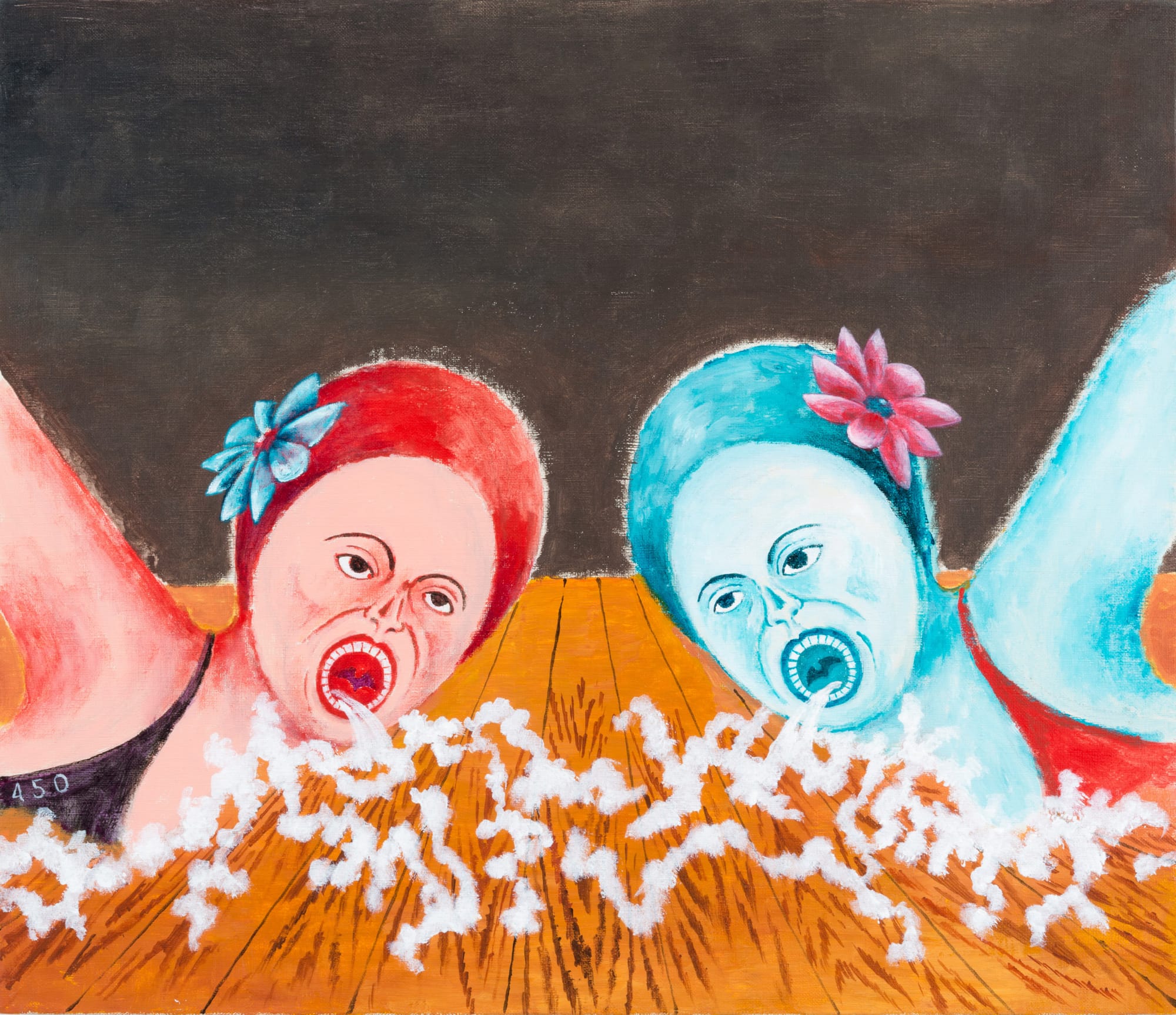
The article reviews Raque Ford's exhibition "The only one willing to do the hard part" at Fridericianum in Kassel. Ford, born in 1986 in Columbia, Maryland, and based in New York, presents works that blend artistically formed shapes with bold color contrasts and slogan-like text. Using plastic and industrial materials, she creates an aesthetic that oscillates between abstraction and simple visual codes, with layered compositions that challenge conventional boundaries.

“Grammars of Light” at Astrup Fearnley Museet, Oslo

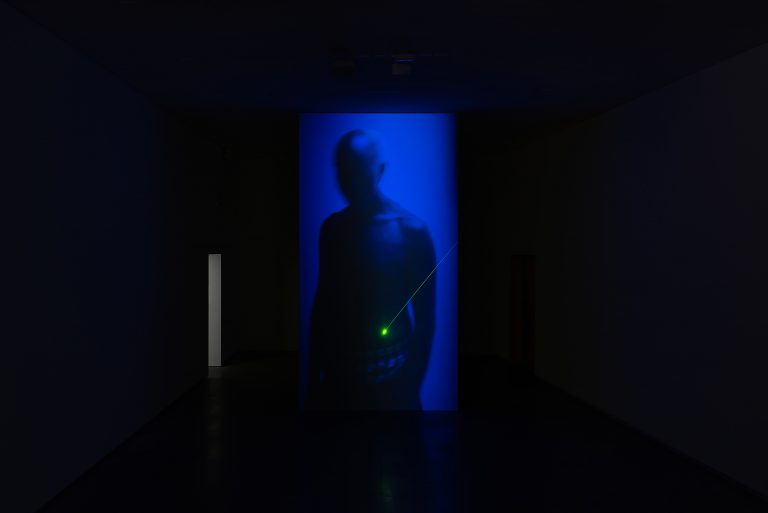
Astrup Fearnley Museet in Oslo presents "Grammars of Light," a major exhibition featuring immersive works by Cerith Wyn Evans, Ann Lislegaard, and P. Staff. The show includes architecturally scaled video projections and luminous sculptures made from repurposed consumer, medical, and industrial lighting, transforming the museum's galleries into sensory environments that challenge perception.

How Fatinha Ramos Channels ‘Visual Activism’ in Her Richly Layered Illustrations

Fatinha Ramos, a Portuguese artist and illustrator based in Antwerp, describes her work as 'visual activism,' creating richly layered illustrations that give voice to minorities and address social issues. She collaborates with major clients including The New York Times, The Washington Post, Tate, Scientific American, the Anne Frank Museum, and MoMA, which commissioned her to illustrate an essay about being compared to Frida Kahlo. Born with osteogenesis imperfecta (brittle bone disease), Ramos spent much of her childhood in hospitals, where drawing became an escape. After 12 years as an art director in advertising and publishing, she now focuses on her own practice, which challenges stereotypes around disability, climate crisis, sexism, and racism. She is currently working on a graphic novel and a series of anatomical glass sculptures based on brittle bone disease.

Art Basel Qatar Announces Artistic Director and Theme for 2027 Edition

Art Basel Qatar has appointed Iraqi curator Wassan Al-Khudhairi as artistic director for its second edition, scheduled for January 28–30, 2027, in Doha. The fair will be themed “between / بين,” exploring states of betweenness and fluid cultural encounters, and will feature a scaled-up Special Projects sector with large-scale, site-specific works, alongside solo gallery presentations. Al-Khudhairi, a specialist in modern and contemporary Arab art, previously served as founding director of Mathaf: Arab Museum of Modern Art in Doha and held curatorial roles at the Contemporary Art Museum St. Louis.

Inside Burger Collection: Tadanori Yokoo: A Visionary Renegade

The article profiles Tadanori Yokoo, the 89-year-old Japanese artist and graphic designer, who remains active despite a recent bout of Covid-19. It details his early life in Nishiwaki, his failed attempts to enter art school and the postal service, and his eventual career in commercial printing, which shaped his innovative approach to graphic design and painting. The piece highlights his ongoing exhibition at Tokyo's Setagaya Art Museum and his enduring influence in Japan's cultural world, including the Yokoo Tadanori Museum of Contemporary Art in Kobe.

Whitney Biennial 2026: Care, Catastrophe, and Private Gestures

The Whitney Biennial 2026, the 82nd edition of the longest-running survey of American art, opened with a stripped-down, self-referential title and no subtitle, reflecting a moment of national self-questioning. The exhibition features 56 artists, duos, and collectives, with highlights including Agosto Machado's shrine sculptures dedicated to friends lost to AIDS, Emilie Louise Gossiaux's tender works about her guide dog London, and Michelle Lopez's apocalyptic video projection *Pandemonium*. Machado, a longtime downtown New York artist and caregiver, died shortly after the biennial opened, and his ashes are to be mixed with those of Marsha P. Johnson and spread in the Hudson River.

Museums in England largely oppose proposal to charge admission for foreign tourists

The UK government is exploring a proposal to charge admission fees for foreign tourists at national museums in England, sparking widespread opposition from cultural institutions. The idea was raised in a review of Arts Council England by Labour peer Margaret Hodge, who suggested digital ID checks could enable such a system, though she noted it would bring in less than £10 million and may not be worth the hassle. Museums like the Royal Armouries have condemned the plan as undermining universal access and projecting a lack of generosity, while the Cultural Policy Unit warns it would be logistically complex and ideologically problematic given the colonial origins of many collections.

A Culture Lover’s Guide to Northwest Arkansas, a Land of Contradictions

This travel guide explores the cultural landscape of Northwest Arkansas, focusing on the upcoming 114,000-square-foot expansion of the Crystal Bridges Museum of American Art in Bentonville, set to open June 6, 2026. The author recounts a road trip from Little Rock to the Ozarks, visiting the Arkansas Museum of Fine Arts (with its new Studio Gang-designed building), dining at Coursey's Smoked Meats, and encountering a white supremacist billboard in Harrison, while also highlighting Thorncrown Chapel by E. Fay Jones as a transcendent architectural stop.

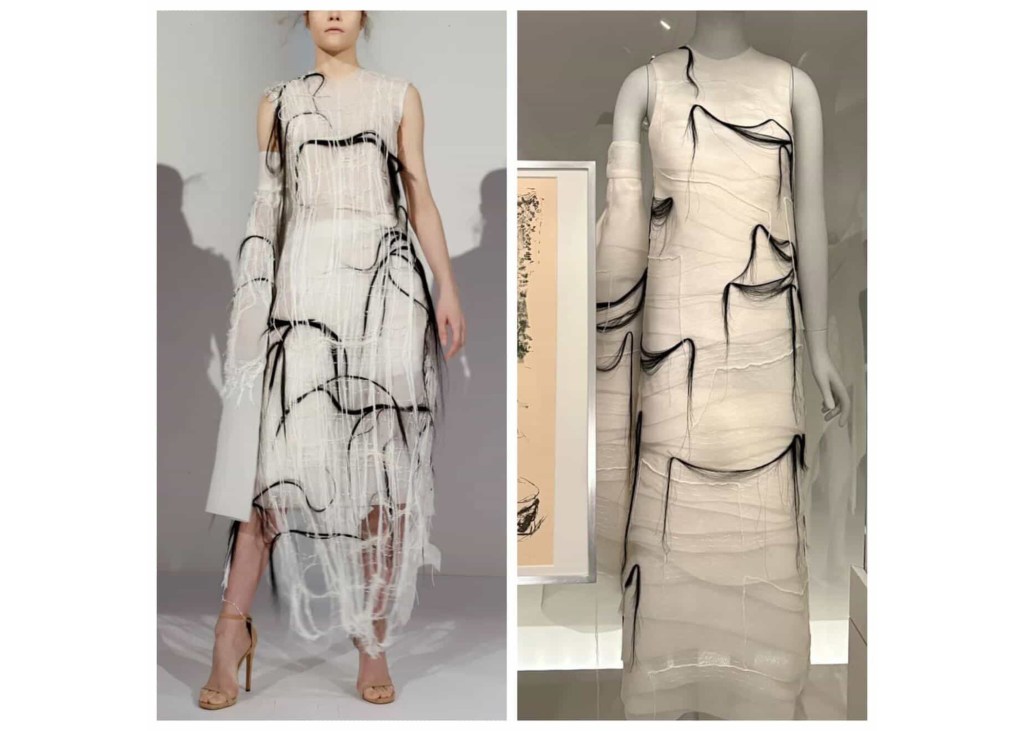
British artist says the Met ‘should take responsibility’ for dress copyright dispute

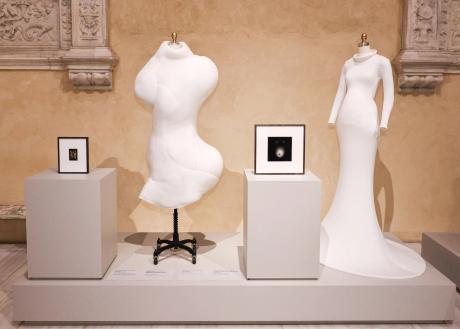
British artist Anouska Samms has publicly criticized the Metropolitan Museum of Art in New York over a copyright dispute involving a dress displayed in the Met Gala opening exhibition. Samms claims the museum included a garment called the Nervina Hair Dress, which she says is a copy of her collaborative work Hair Dress, created with fashion designer Yoav Hadari during their residency at the Sarabande Foundation. The Met had expressed interest in acquiring the original dress for its Costume Art exhibition but shelved those plans in December. Samms says she was not credited or paid, while Hadari acknowledges her IP rights over the textile but asserts the design and construction are his own. The Met has declined to comment, directing the artists to resolve the matter themselves.

Is This a JMW Turner Self-Portrait? One Scholar Has Doubts

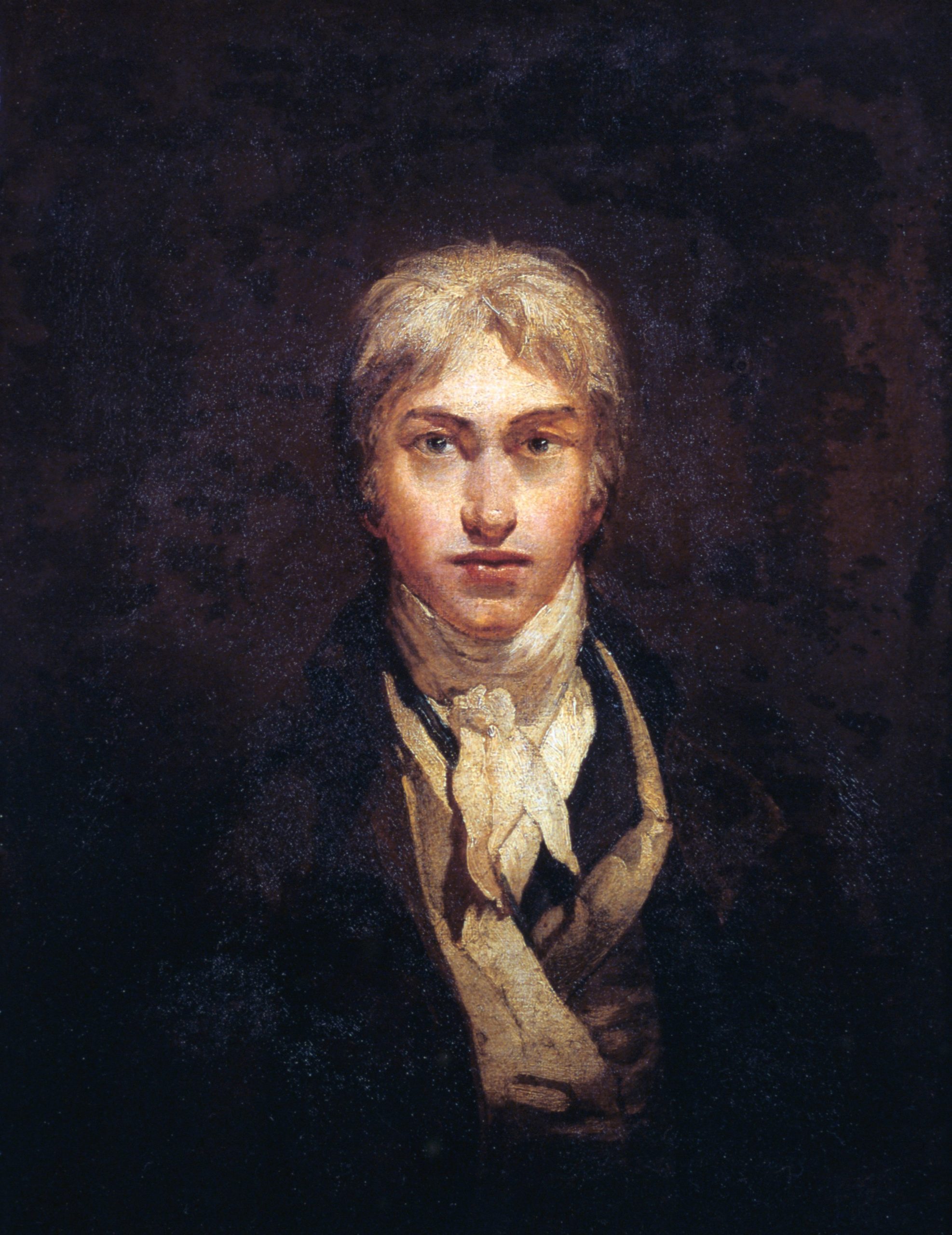
Art historian James Hamilton has published a paper in the JMW Turner Society’s magazine arguing that a famous portrait long believed to be a self-portrait by JMW Turner was actually painted by John Opie, a British portrait artist 14 years Turner’s senior. Hamilton notes that the work is an anomaly in Turner’s oeuvre, which is dominated by landscapes and seascapes, and that its dramatic lighting closely resembles Opie’s style. He suggests Opie may have given the painting to Turner, and that its authorship became misattributed after Turner’s death when his vast bequest of artworks was transferred to the nation and eventually housed at the Tate.

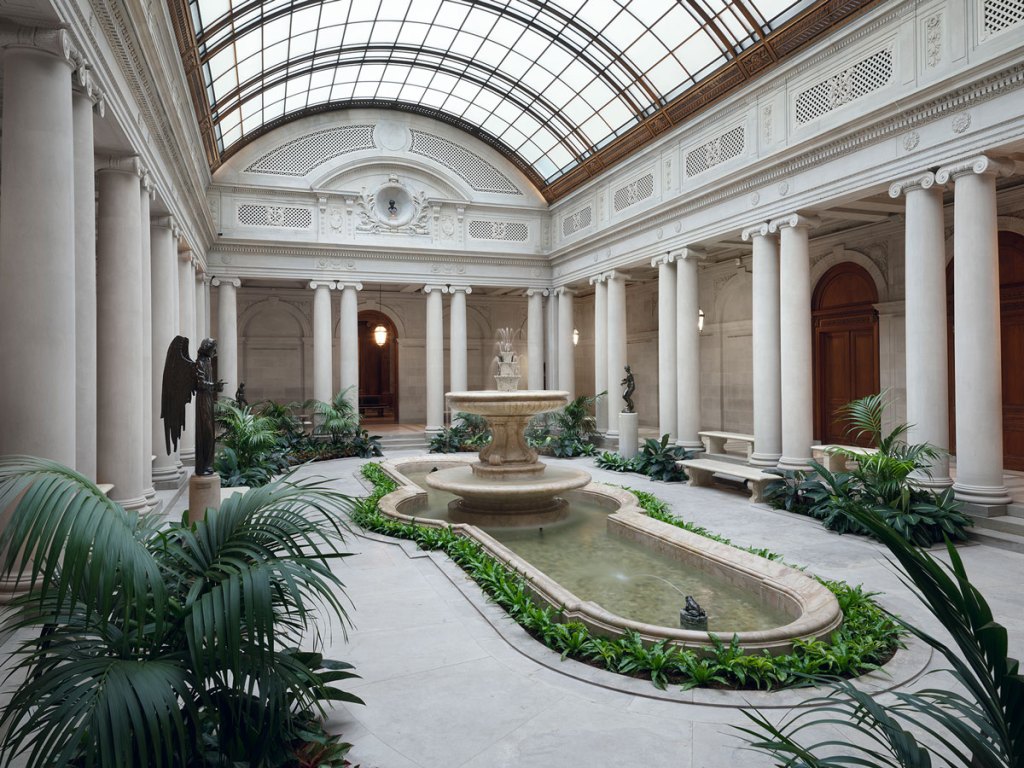
Frick Inks Three-Year Partnership with Louis Vuitton, with Support for Exhibitions and Free Fridays

The Frick Collection in New York has announced a three-year partnership with Louis Vuitton, under which the fashion house will sponsor three upcoming exhibitions, a curatorial research associate position, and a year of the museum's free First Fridays program. The partnership launches with Louis Vuitton's Cruise 2027 collection show, designed by Nicolas Ghesquière, held in the Frick's first-floor galleries on May 20. The sponsored exhibitions include “Siena: The Art of Bronze, 1450–1500” (fall 2025), “Painting with Fire: Susanne de Court and the Art of Enamel” (spring 2027), and a third exhibition on 19th-century paintings (late 2027). The Louis Vuitton Curatorial Research Associate will be Yifu Liu, currently a curatorial fellow at the Frick, who will research Asian porcelain and cross-cultural exchange between Europe and China.

‘We can all coexist’: artist Es Devlin uses selfies to unite UK in portrait of a nation

Artist Es Devlin has created a new installation at the National Portrait Gallery in London titled 'A National Portrait for the National Portrait Gallery,' made in collaboration with Google Arts & Culture Lab. The work invites people across the UK to upload selfies, which are transformed into charcoal-and-chalk-style portraits using an AI model trained on Devlin's own hand-drawn works. These portraits then appear on a constantly evolving projected carousel, blending and dissolving into one another. Devlin, known for designing visual worlds for Beyoncé, Adele, and the London Olympics closing ceremony, describes the piece as a non-verbal space for coexistence amid national division.

Most famous image of JMW Turner not a self-portrait, says expert

Dr James Hamilton, a leading Turner expert, has claimed that the most famous portrait of JMW Turner—long believed to be a self-portrait and featured on the UK £20 banknote—is actually by the painter John Opie. Hamilton argues that the work, dated around 1799, was mistakenly included in the Turner Bequest after the artist's death in 1851, when his studio was in disarray and the attribution was never properly verified. He points to stylistic evidence, including Opie's characteristic use of dramatic light and shadow, and calls on Tate Britain to reattribute the painting.

Artist Alleges Hair Dress in the Met’s ‘Costume Art’ Show Copies Her Design

London-based artist Anouska Samms has accused the Metropolitan Museum of Art's Costume Institute and curator Andrew Bolton of displaying a garment in the spring 2026 exhibition "Costume Art" that she claims is a counterfeit of her collaborative work. Samms says the piece, titled Corpus Nervina 0.0, was inspired by a 2023 hair dress she co-created with fashion designer Yoav Hadari for his label Psycheangelic. Despite a contract giving Samms sole ownership of the hair-based textile's intellectual property, the museum's wall label credits only Hadari and states Samms's textile was not used. Samms's lawyer, Jon Sharples, says the museum initially expressed interest in acquiring the original dress but later shifted to a remake after Hadari reported water damage, then stalled entirely before the exhibition opened.

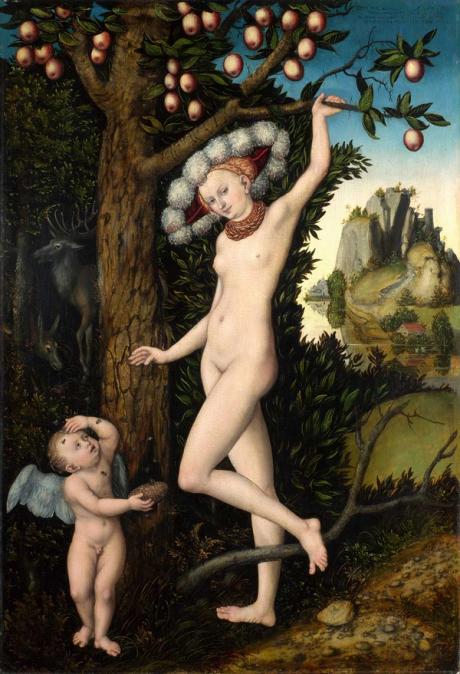
Famous Cranach painting spotted in rare photograph of Hitler’s apartment

A rare photograph from the early 1940s reveals that Lucas Cranach the Elder's painting *Cupid complaining to Venus* (1526-27), now a masterpiece in the National Gallery, London, once hung in Adolf Hitler's private Munich apartment. The image, previously published in Germany by provenance expert Birgit Schwarz, appears for the first time in an English-language publication. The painting was acquired by the National Gallery in 1963 from E. and A. Silberman Galleries in New York, which provided a false provenance. It had been taken from a warehouse of recovered art in 1945 by American journalist Patricia Lochridge, who smuggled it into the United States.

Rio’s Museum of Image and Sound finally opens after 16 years in development

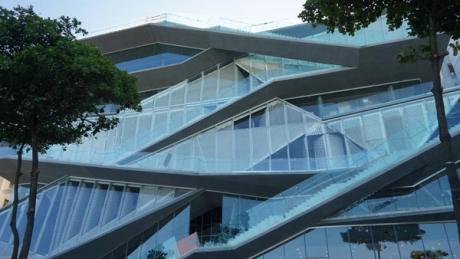
The Museum of Image and Sound (MIS-RJ) on Rio de Janeiro's waterfront opens to the public on May 8 after 16 years of development. The 10,000-sq.-m building, designed by Diller Scofidio + Renfro, features eight floors with panoramic views of Copacabana Beach and a façade honoring Roberto Burle Marx. The project faced multiple delays, funding suspensions, and controversy over urban redevelopment, including backlash when a nightclub on the site was demolished in 2010. Work resumed in 2021, and the $62.5 million museum was completed with public and private funds from donors like Itaú, Vale, and Rede Globo.