filter_list Showing 15845 results for "Go" close Clear
search
dashboard All 15845 museum exhibitions 7612article local 2504article news 1578trending_up market 1523article culture 843person people 545article policy 526rate_review review 276gavel restitution 230candle obituary 188article event 13article gallery 2article museum 2article school 1article museums 1article events 1
date_range Range Today This Week This Month All
Subscribe

Is the art market slump over?

Ist die Flaute im Kunstmarkt vorbei?

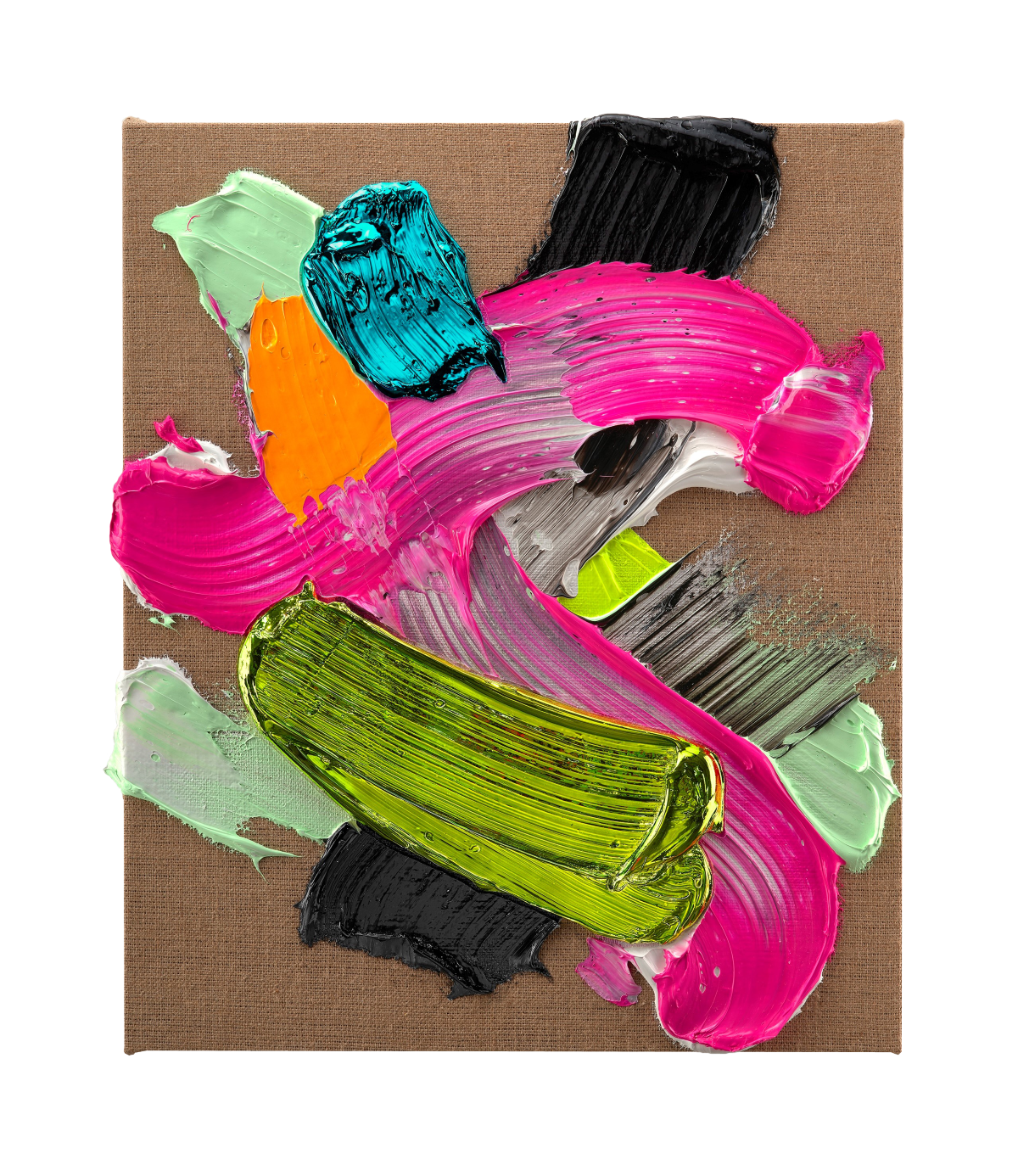
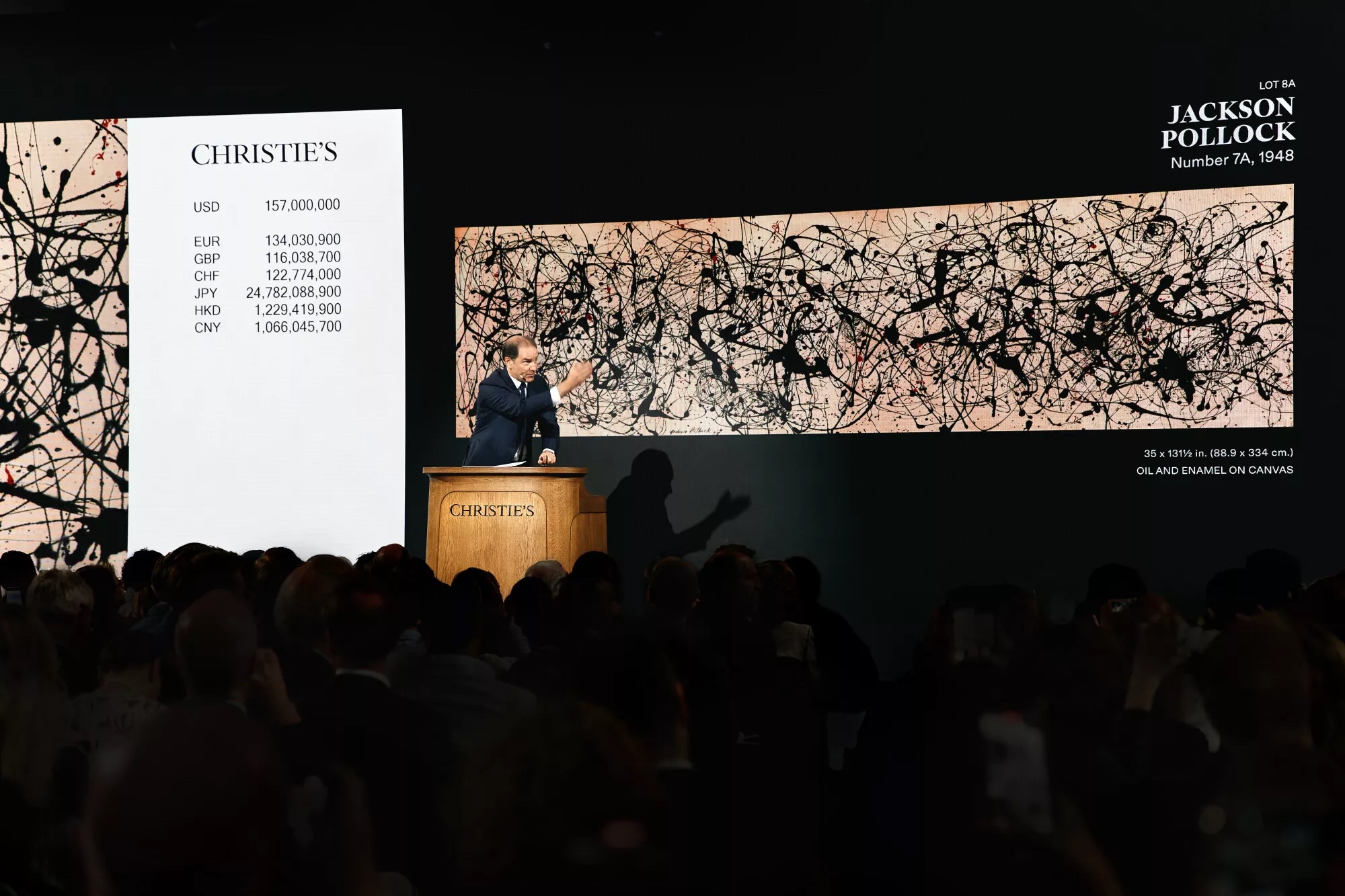
The New York spring auctions saw explosive top prices, with Jackson Pollock's drip painting "Number 7A" (1948) selling for $181.2 million at Christie's, making it the fourth most expensive artwork ever auctioned. Christie's evening sales alone generated $1.1 billion, including $630.8 million from 16 works from the S.I. Newhouse collection. Sotheby's opened the season with a Mark Rothko from the estate of dealer Robert Mnuchin, achieving $85.8 million, while Phillips sold all 40 lots for $115 million, double the previous year. Younger artists like Joseph Yaeger also saw prices far exceed estimates.
Faces of Russian Art

Gesichter der russischen Kunst

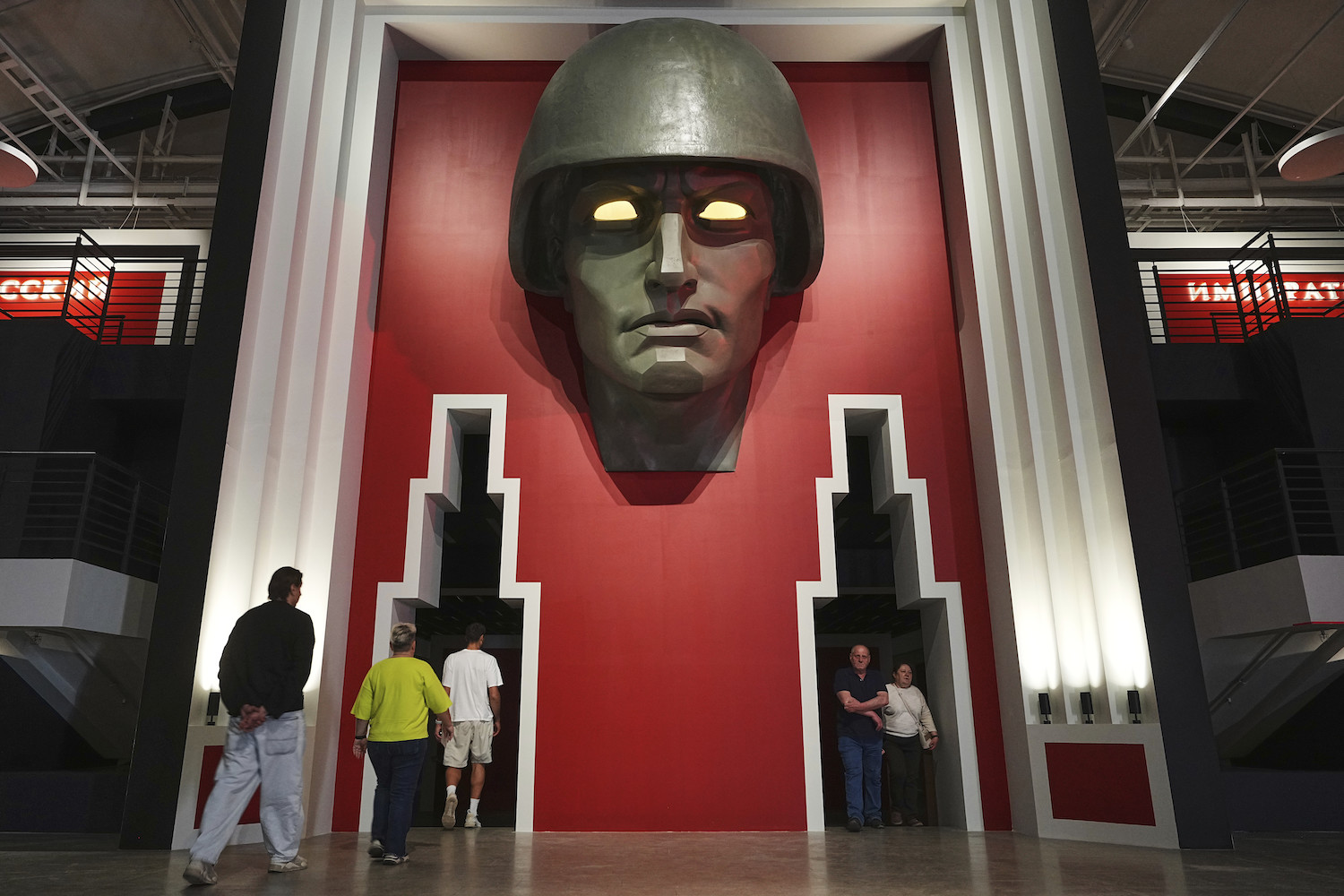
On the Venice Biennale, the Russian Pavilion presents itself as a space for dialogue, while simultaneously a major exhibition in St. Petersburg titled "Russischer Imperativ" (Russian Imperative) opened on May 8 at the Manezh exhibition hall, glorifying war as a historical imperative of Russian identity. Curated by Anton Belikov, a Moscow artist and former Russian soldier who fought in Ukraine, the show features works from state museums like the Tretyakov Gallery, blending historical battles with the current war in Ukraine, and includes a monumental, fascistoid design with a ten-meter-tall installation of a soldier's head. The exhibition has sparked outrage on social media and in Russian exile media for its militaristic propaganda.

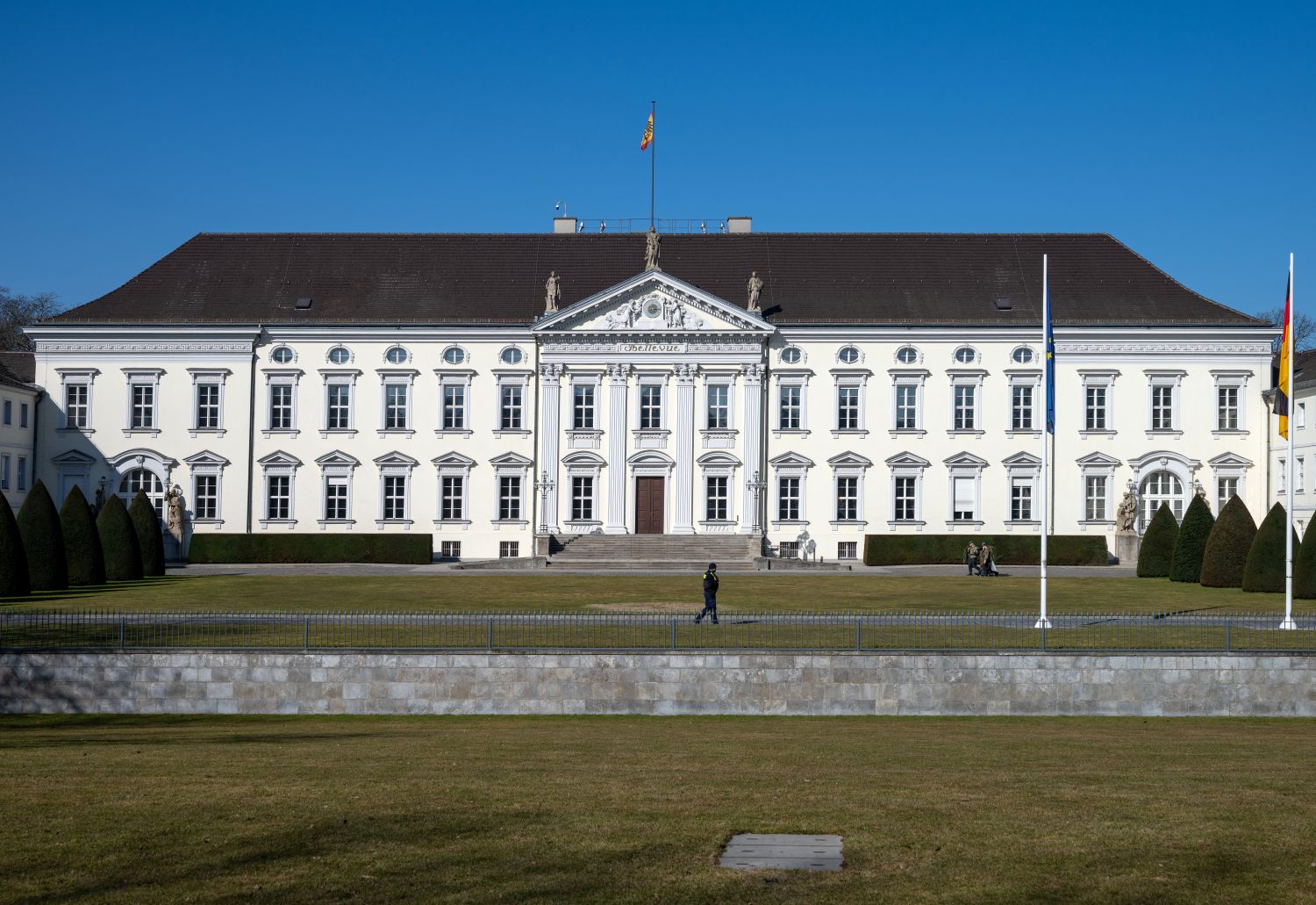
Exhibition at Bellevue Palace: Rush causes server crash

Ausstellung im Schloss Bellevue: Ansturm legt Server lahm

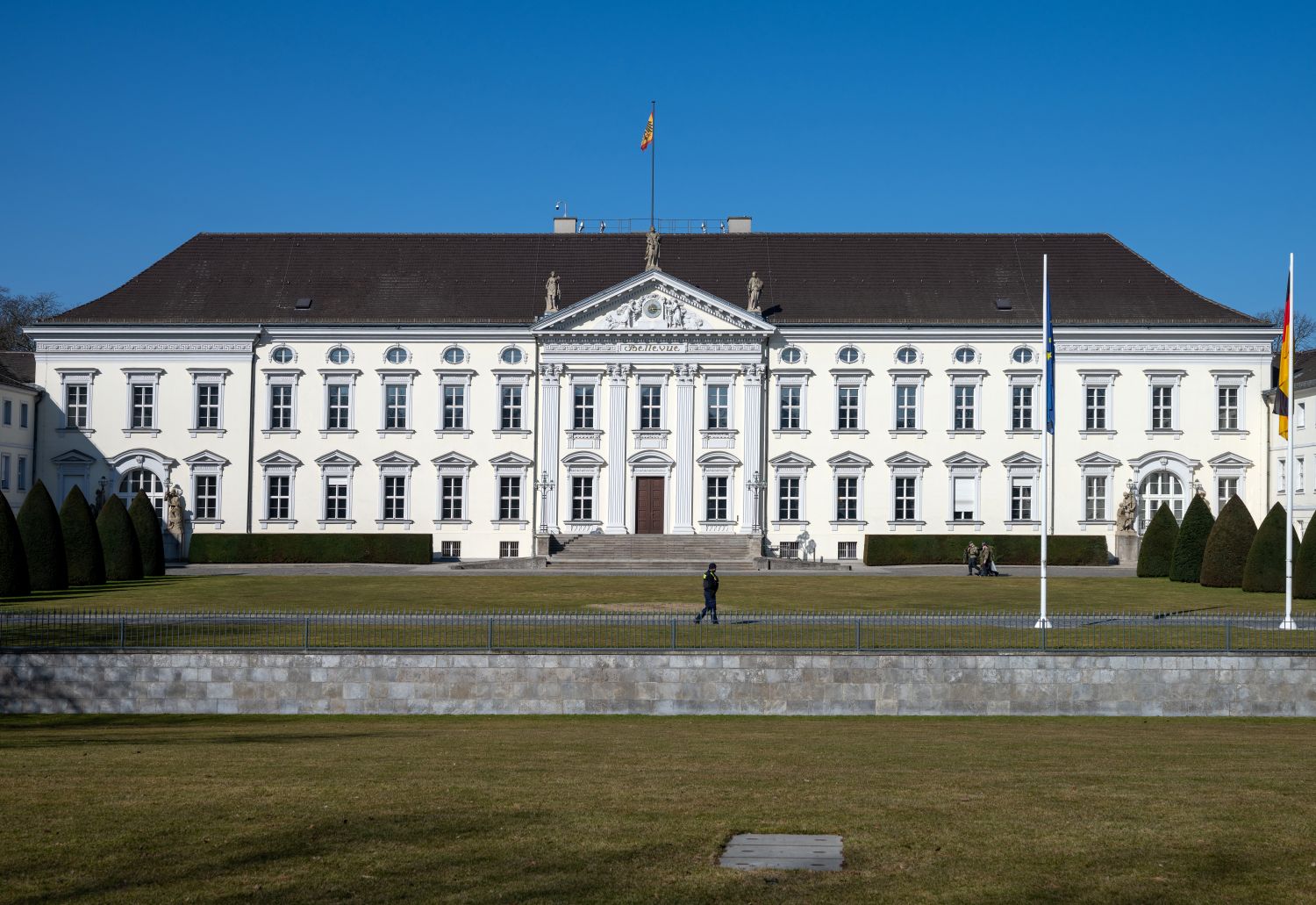
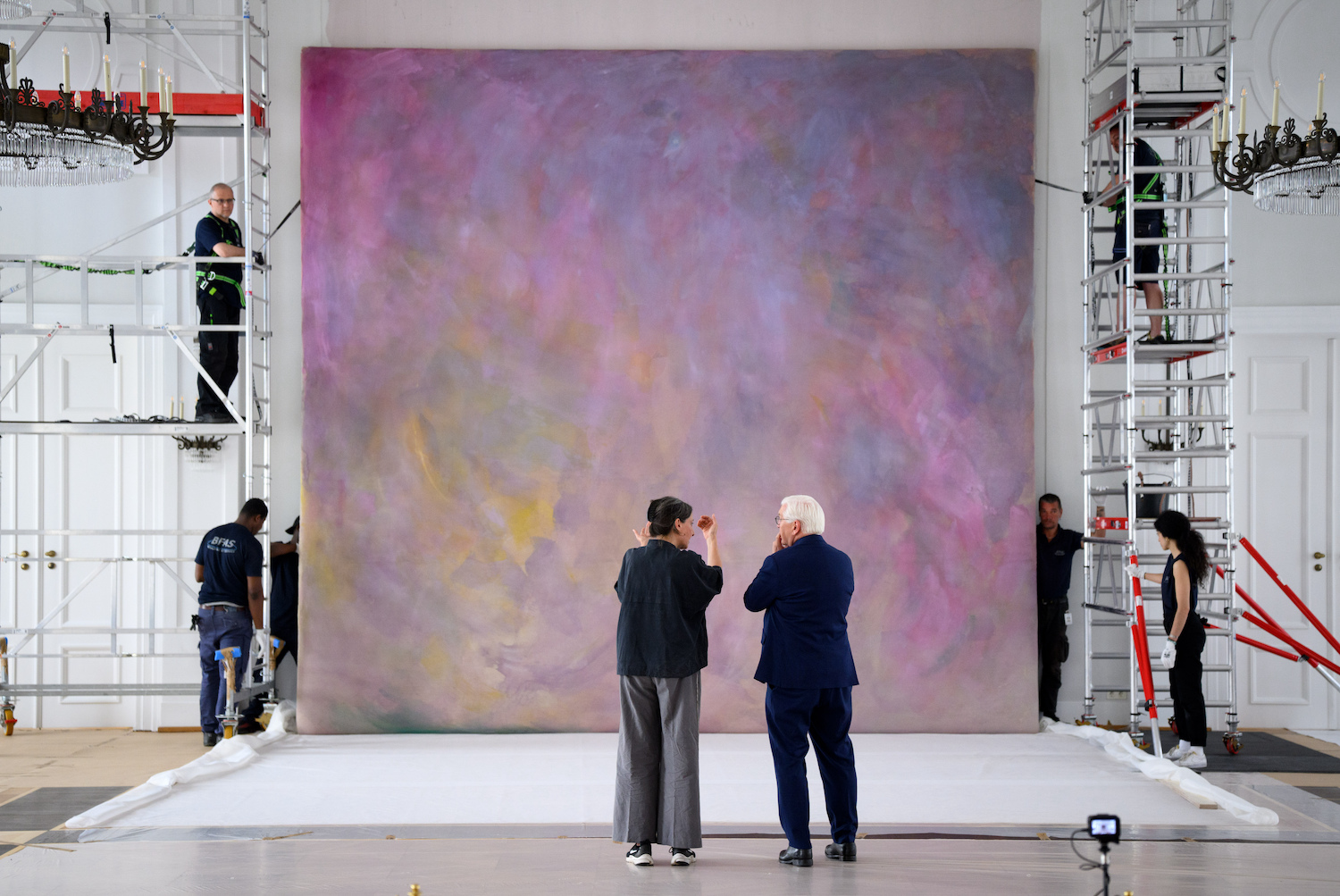
Berlin's Schloss Bellevue, the official residence of German President Frank-Walter Steinmeier, is being transformed into a pop-up art gallery from June 13 to 28 before undergoing a multi-year renovation. The exhibition, titled "Freiraum Kunst," features works by artists including Katharina Grosse, Wolfgang Tillmans, and Monica Bonvicini. However, the ticket booking system crashed due to overwhelming demand, causing delays and prompting the Akademie der Künste to work on resolving the technical issues, assuring the public that tickets are still available.

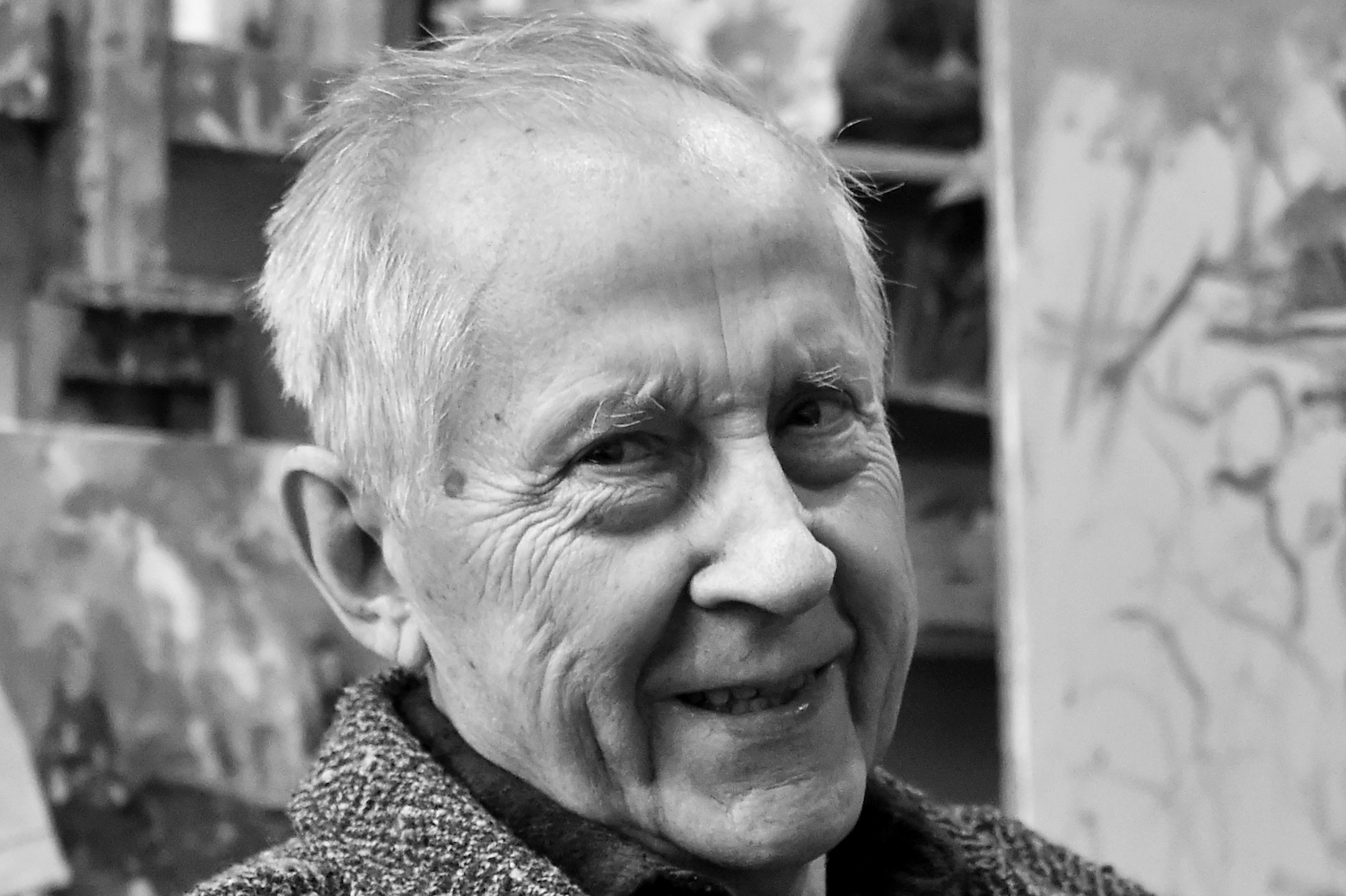
Künstler Harald Metzkes ist tot

German painter Harald Metzkes has died at the age of 97 in Wegendorf, Brandenburg, surrounded by his family. His son, sculptor Robert Metzkes, confirmed the news to the German Press Agency. Metzkes, who grew up in East Germany, was a leading figure of the Berlin School of painting and resisted the official doctrine of socialist realism, instead creating a personal "world theatre" of harlequins, circus scenes, and theatrical figures inspired by Rembrandt, Velázquez, and Paul Cézanne. His best-known work includes "Der Abtransport der sechsarmigen Göttin." After training as a stonemason and studying at the Dresden Academy of Fine Arts, he worked as a freelance artist in Berlin, supporting himself with book illustrations. His work gained international attention when one of his paintings was sent to the Venice Biennale in 1984, and after the fall of the Berlin Wall he built connections with Western collectors.

Free tickets now available for temporary exhibition at Bellevue Palace

Ab sofort kostenlose Karten für temporäre Schau im Schloss Bellevue

Berlin's Bellevue Palace, the official residence of German President Frank-Walter Steinmeier, will transform into a pop-up gallery for two weeks from June 13 to 28. Free timed-entry tickets become available from 3:00 PM on the website of the Akademie der Künste. The exhibition will feature works by artists including Katharina Grosse, Wolfgang Tillmans, and Monica Bonvicini, displayed in rooms emptied ahead of a multi-year renovation.

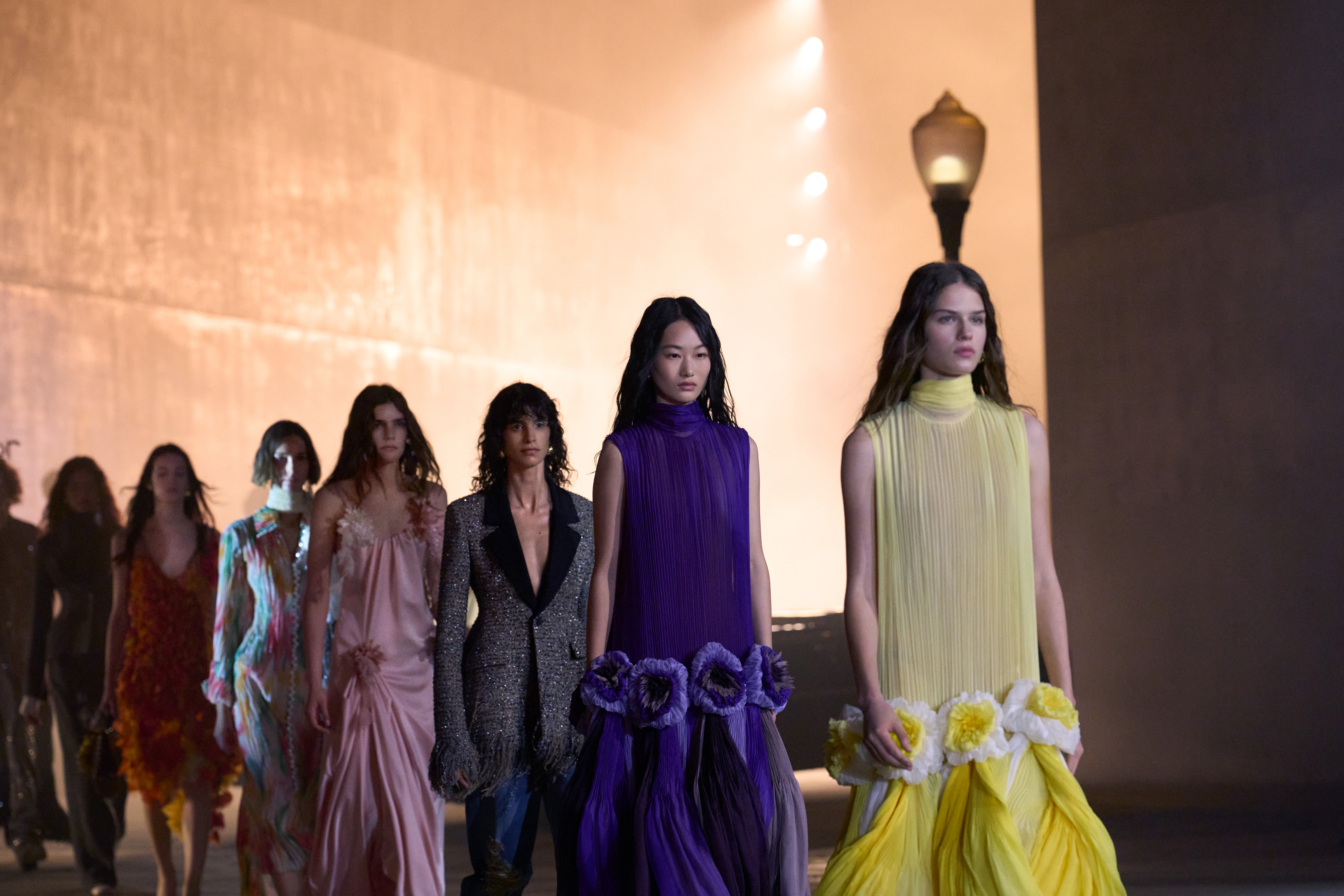
On High Heels into the Museum

Auf High Heels ins Museum

The Los Angeles County Museum of Art (LACMA) closed its newly opened David Geffen Galleries just days after their official debut to host a Dior fashion show. The show, designed by Dior creative director Jonathan Anderson, featured a Cruise collection inspired by Hollywood glamour, with models walking through the museum's outdoor spaces amid vintage cars and historical lamps. The event highlighted the ongoing tension between the museum's architectural ambitions—Peter Zumthor's amoeba-like concrete structure has drawn both criticism and praise—and its use as a venue for luxury brand marketing.

Some cry censorship, others cry antisemitism

"Die einen schreien Zensur, die anderen Antisemitismus"

A constitutional law scholar, Christoph Möllers, warns in an interview with Die Zeit about the dangerous escalation of cultural policy conflicts, sparked by Documenta 15, where accusations of censorship and antisemitism collide. In Poland, Adam Budak was removed as director of MOCAK in Krakow after just a few months, facing 79 allegations including mobbing and problematic leadership. Meanwhile, the New York spring auctions have launched, and Jason Farago's review of the Venice Biennale in the New York Times criticizes the shift from aesthetic innovation toward identity-driven art. Robin Pogrebin also reports on the merger of the Met and the Neue Galerie, described as a rare convergence of two museum models.

Überraschende Begegnungen

The ninth edition of the "Various Others" festival in Munich brings together institutions, off-spaces, and galleries for a city-wide series of exhibitions in May. Highlights include Walter Storms Galerie presenting Anselm Reyle's first Munich solo show with Istanbul's Dirimart; Kraupa-Tuskany Zeidler collaborating with Rome's T293 to show Simon Denny's tech-critical works; Max Goelitz pairing Lukas Heerich and Rindon Johnson with Eva Hesse in dialogue with Hauser & Wirth; Lohaus Sominsky and Paris's Mennour featuring Ilit Azoulay and Alicja Kwade; and Rüdiger Schöttle hosting Milena Muzquiz and Elif Saydam. A new parcours exhibition, "Vectors," inspired by Jan Hoet's "Chambres d'Amis," places contemporary art in tech company offices across Munich.

"Man besitzt Kunst nicht, man ist nur ihr Verwalter"

The 61st Venice Biennale opened on Saturday without ceremony or an opening celebration, amid political turmoil over the participation of Russia and Israel. Italy's Culture Minister Alessandro Giuli criticized Biennale director Pietrangelo Buttafuoco for not informing the government about Russia's participation request, suggesting it could have been used as leverage for a ceasefire in Ukraine. The entire jury resigned after attempting to exclude both Russia and Israel from prize awards, leading to the cancellation of the traditional jury decision in favor of a public vote, which over 70 participating artists have protested by withdrawing from this year's prizes. Separately, a rare photograph from the early 1940s has surfaced showing Lucas Cranach the Elder's painting "Venus with Cupid as Honey Thief" in Adolf Hitler's Munich apartment, raising unresolved questions about whether the work was looted from Jewish owners before 1935.

How Tech Billionaires Turn Couture into Content

Wie Tech-Milliardäre Couture zu Content machen

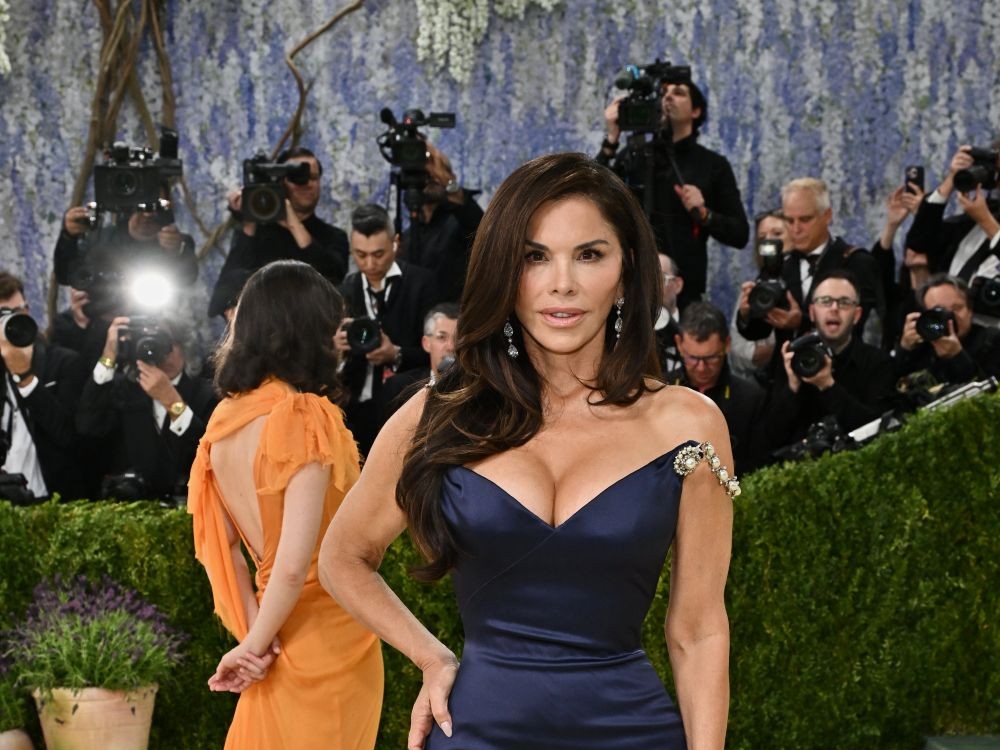
The Met Gala, long considered the premier event for fashion and cultural influence, has become increasingly dominated by tech billionaires. This year, Jeff Bezos and Lauren Sánchez Bezos purchased their role as co-hosts, sparking protests in New York and raising questions about whether money alone now buys entry into the highest echelons of fashion. Individual tickets cost $10,000 and a table $350,000, with sponsors including OpenAI, Snapchat, and Meta. The event, organized by Anna Wintour to raise funds for the Costume Institute at the Metropolitan Museum of Art, raised $31 million last year but has transformed from a benefit into a spectacle optimized for viral moments and algorithmic appeal.

Gropius Bau öffnet abends länger

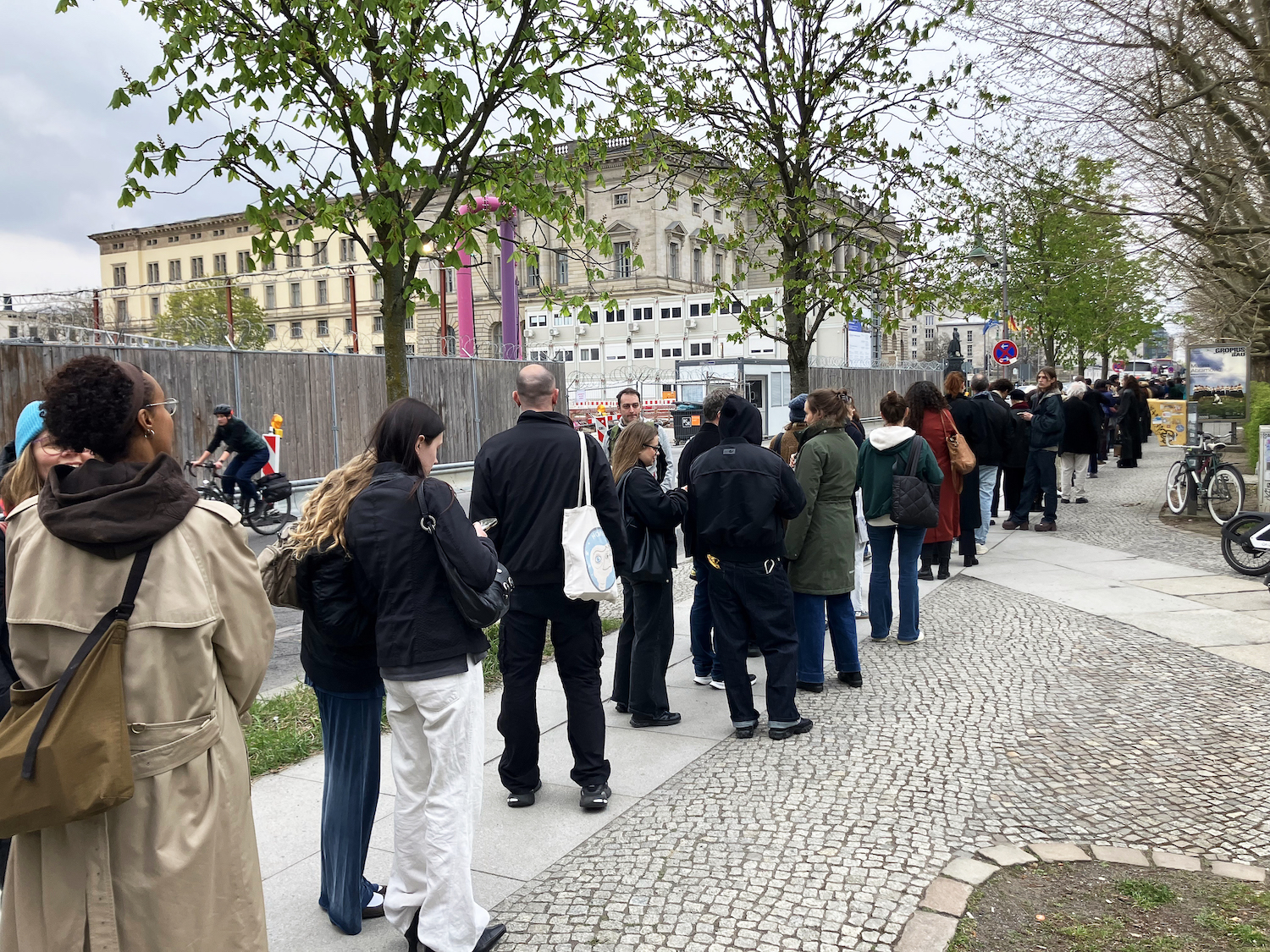
The Gropius Bau in Berlin has extended its evening opening hours by one hour, now open until 8 PM (closed Tuesdays), due to high demand for its exhibition of performance artist Marina Abramović. The show, titled "Balkan Erotic Epic," opened two weeks ago and drew long queues from the start. It features both new and older works, including performances where Abramović carved a star into her abdomen or lay in a burning installation until losing consciousness. The exhibition explores eroticism, politics, Balkan folklore, sexual energy, death, the political dimension of the body, and the Yugoslav wars.

Schloss Bellevue wird temporär Ausstellungshaus

Schloss Bellevue, the official residence of German President Frank-Walter Steinmeier in Berlin, will be transformed into a temporary pop-up gallery for two weeks from June 13 to 28, before undergoing a major renovation expected to last around eight years. The exhibition, organized in cooperation with the Akademie der Künste, will feature works by artists including Katharina Grosse, Wolfgang Tillmans, and Monica Bonvicini, taking advantage of the emptied rooms ahead of the president's move-out before the summer break. Free timed-entry tickets will be available from May 18 via the Akademie's website.

"Wir wollen Rücknahme von Kürzungen"

Berlin's cultural senator Sarah Wedl-Wilson resigned on Friday after the Berlin Court of Auditors ruled that millions in funding for antisemitism prevention projects were illegal. The resignation has sparked a political debate, with CDU general secretary Ottilie Klein defending governing mayor Kai Wegner against opposition criticism, while Franziska Stoff of the Berlin Culture Conference demands stability and a reversal of budget cuts. Thomas Fehrle, director of the Deutsche Oper Berlin, expressed personal regret over Wedl-Wilson's departure, praising her competence and engagement.

"Etwas zaghaft, etwas ängstlich, etwas sicher"

The article surveys recent art-world commentary, focusing on a critical review of the Turner Prize shortlist in The Guardian, where Eddy Frankel calls the selection "timid, anxious, safe" and laments a self-perpetuating, elitist system. It also covers a Hyperallergic essay by Lisa Siraganian questioning whether artworks can possess personhood, sparked by Pierre Huyghe's Venice exhibition. Additionally, it reports on controversy at the Venice Biennale, where the jury preemptively excluded countries whose leaders are sought by the International Criminal Court—namely Russia and Israel—drawing sharp criticism from Die Welt's Marcus Woeller. A podcast interview with US sculptor Alma Allen, selected for the US Pavilion, rounds out the coverage.

"Du bist nun in die ewigen Jagdgründe der Kunst entschwunden"

This week's art news roundup covers several stories: Jonathan Meese publishes an obituary for his mother Brigitte Meese in Der Spiegel, describing her as a central figure in his life and work. Pussy Riot seeks to take over the Russian Pavilion at the Venice Biennale. The European Media Art Festival (EMAF) in Osnabrück faces controversy over antisemitism allegations linked to Palestinian-American filmmaker Basma al-Sharif, leading the city and state government to distance themselves from the festival. In the NZZ, Christian Wildhagen reports on conflicts over official political portraits, citing examples like Swiss councilor Martin Neukom rejecting paintings and Donald Trump criticizing his portrait. Art historian Horst Bredekamp pays tribute to Italian philosopher Federico Vercellone (1955–2026) in the FAZ, highlighting his theory of the 'self-activity of form.'

Because the Ego Suddenly Dissolves

"Weil das Ego sich plötzlich auflöst"

The art world is facing significant structural and political shifts, highlighted by the merger of Artnet and Artsy which has resulted in mass layoffs, particularly within the Artnet News editorial team and its Berlin operations. Simultaneously, tensions are rising in German cultural policy as gallery owner Rupert Pfab raises concerns over government interference in the Stiftung Kunstfonds jury selection, reflecting a broader climate of unease that includes recent controversies at the Berlinale.

How Alexander Calder Set Sculpture in Motion

Wie Alexander Calder die Skulptur in Bewegung setzte

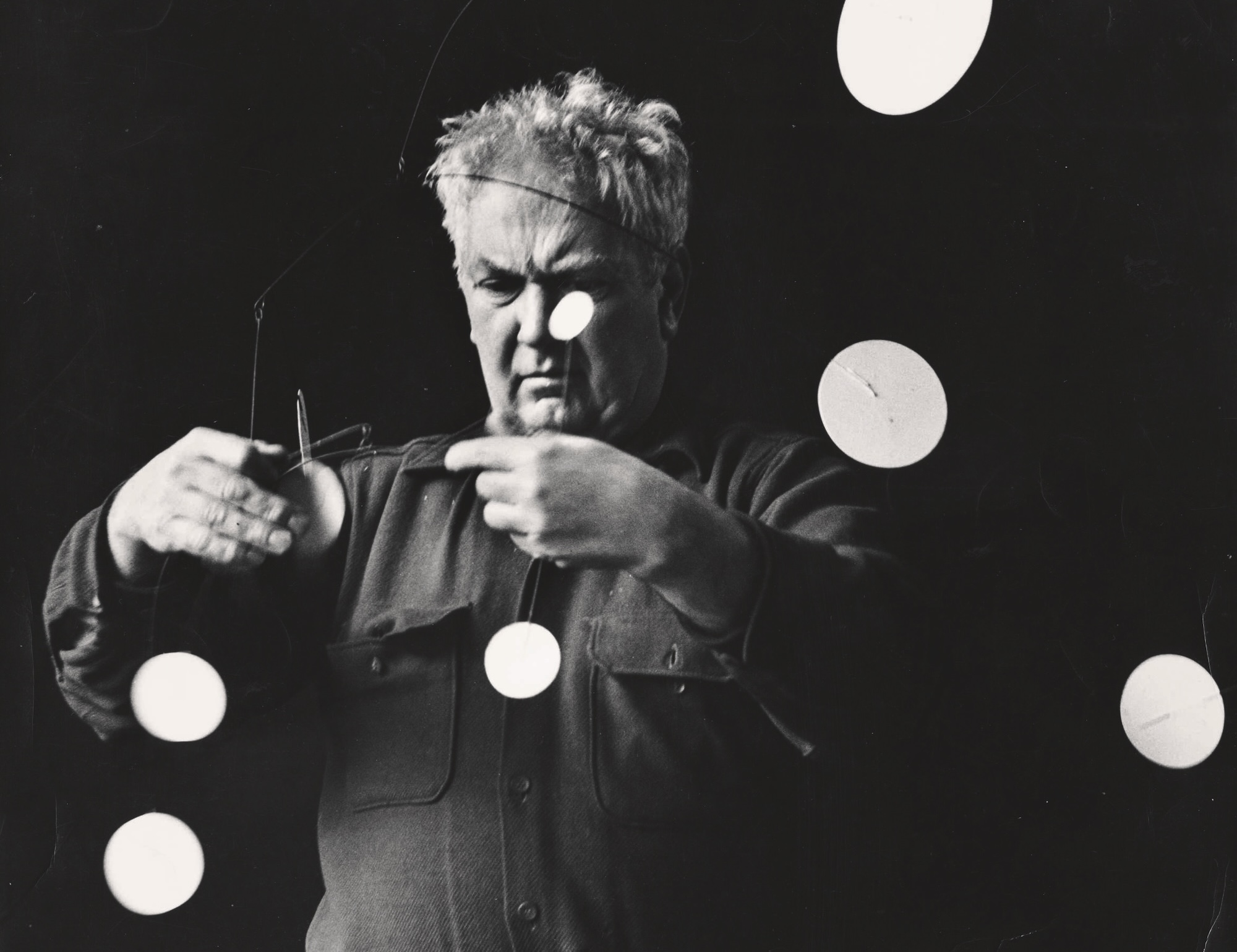
The Fondation Louis Vuitton in Paris has launched a major retrospective titled "Rêver en Équilibre," dedicated to the American sculptor Alexander Calder. Featuring over 300 works, the exhibition traces Calder’s journey from his 1926 arrival in Paris to his invention of the "mobile," a term coined by Marcel Duchamp. The show includes iconic large-scale hanging sculptures like "Rouge triomphant," wire figures from his famous "Cirque Calder," and rarely seen private loans, alongside paintings and jewelry that highlight his engineering background and poetic approach to abstraction.

Imitations of a Mediocre Teenager on Tranquilizers

"Nachahmungen eines mittelmäßigen Teenagers auf Tranquilizern"

The Victoria & Albert Museum has reportedly censored exhibition catalogs following pressure from Chinese printing firms, removing images and maps related to sensitive topics like Tibet and Tiananmen Square. This editorial roundup also highlights artist Molly Crabapple’s sharp critique of generative AI as a massive intellectual property theft and a profile of Rirkrit Tiravanija’s communal home in Thailand, which functions as a social sculpture.

Contemporary US Art is Sick with Problems

"Die zeitgenössische US-Kunst ist von Problemen krank"

Artist Josh Kline has sparked a heated debate with a scathing critique of the American art scene, particularly targeting New York City as an unsustainable hub driven by market logic and inequality. Kline argues that contemporary art is "sick with problems" and urges young artists to abandon the city, calling for a shift from institutional critique to a broader industry-wide analysis of class and power. Meanwhile, the German art world sees significant movement with the upcoming auction of Georg Kolbe’s "Tänzerinnen-Brunnen" following a Nazi-looted art settlement, and the Berlin State Museums announcing a phased reopening of the Pergamon Altar starting in 2027.

The Narrow Corridor of Normality

Der schmale Korridor der Normalität

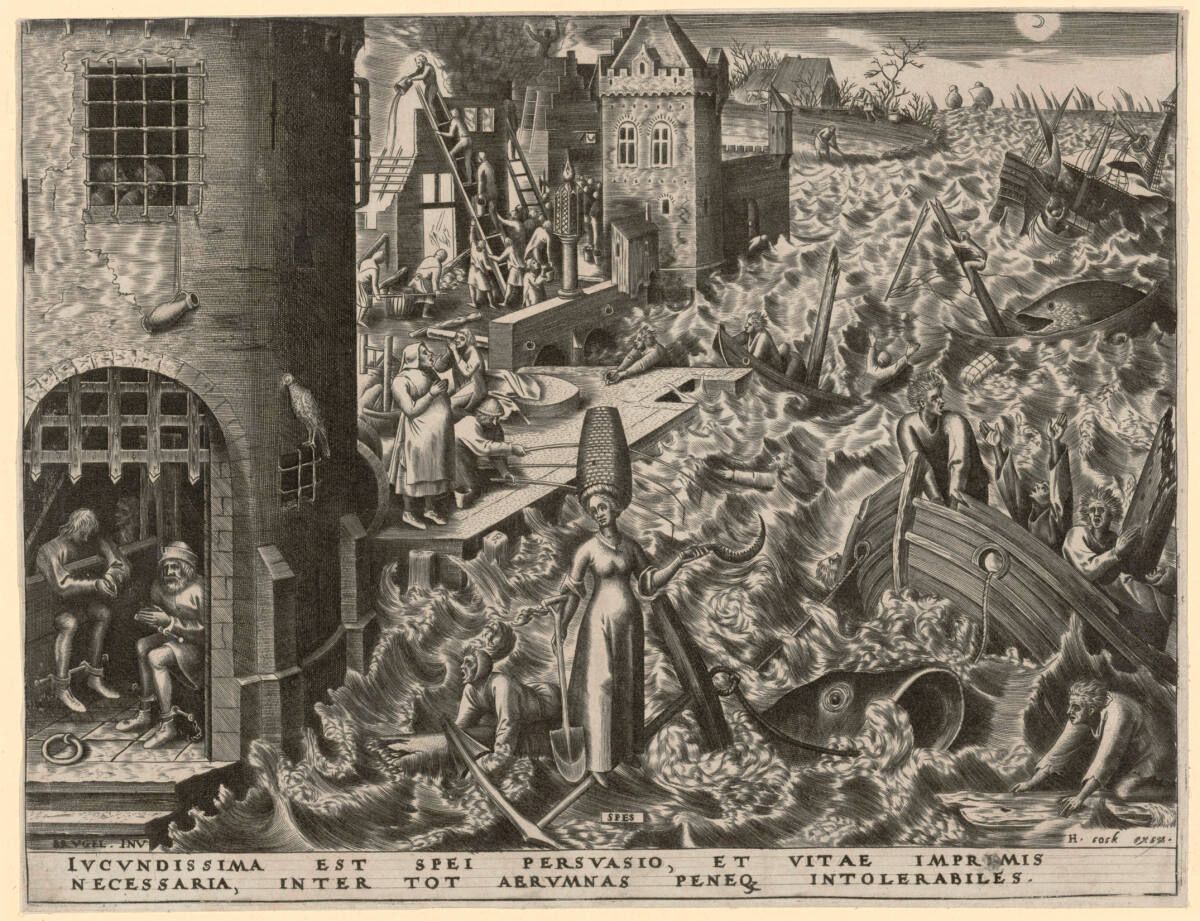
Artist Beate Gütschow reflects on Pieter Bruegel the Elder’s 16th-century engraving "Spes" (Hope), which she encountered during a visit to the Kunstmuseum Basel. The artwork depicts a personified figure of Hope standing amidst a chaotic scene of shipwrecks and flooding, symbolizing the necessity of maintaining focus and action even in the face of overwhelming disaster.

Behind All Beautiful Things Lies Suffering

"Hinter allen schönen Dingen liegt ein Leiden"

The art market is undergoing a profound structural transformation as a new generation of collectors shifts focus away from traditional blue-chip masters like Cy Twombly and Mark Rothko. These 'NextGen' buyers, socialized through the internet and Instagram, prioritize identity-building over status, favoring streetwear, digital art by figures like Refik Anadol, and music memorabilia over classical painting. Meanwhile, institutional shifts are occurring globally: Greece has introduced specific legislation to criminalize the production of art forgeries, and LACMA director Michael Govan is defending the $724 million Peter Zumthor-designed expansion as a necessary 'magnet' for attracting major donations.

Where Does "Guernica" Belong?

Wohin gehört "Guernica"?

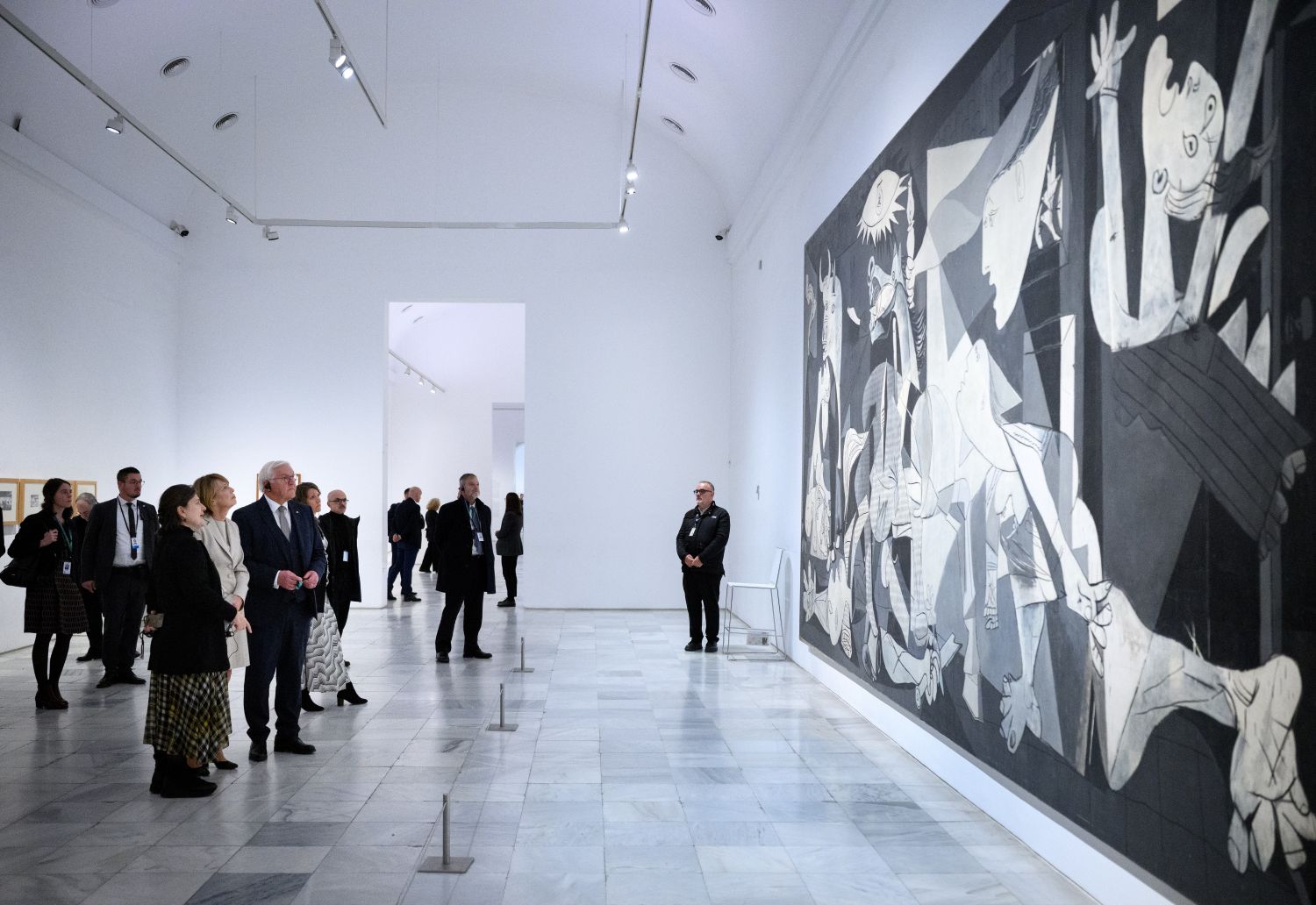
Basque Prime Minister Imanol Pradales has formally requested the temporary transfer of Pablo Picasso’s masterpiece "Guernica" from Madrid to the Basque Country. The proposal seeks to exhibit the monumental 1937 anti-war painting at the Guggenheim Museum Bilbao for nine months starting in late 2026 to coincide with the 90th anniversary of the town's bombing. While the work depicts the destruction of the Basque town of Gernika by Nazi and Italian fascist forces, it has resided at the Museo Reina Sofía in Madrid since 1992.

One of the Greatest Photographic Documents of the 20th Century

"Eines der größten fotografischen Dokumente des 20. Jahrhunderts"

A New York court has concluded an eleven-year legal battle by awarding Amedeo Modigliani’s 'Seated Man with a Cane' to the heirs of Jewish art dealer Oscar Stettiner. The ruling rejected the claims of the powerful Nahmad family, with the judge determining that Stettiner never voluntarily relinquished the work during the Nazi era. Additionally, a significant photographic archive belonging to darkroom technician Roland Haupt has surfaced, containing previously unseen World War II images by Lee Miller and Cecil Beaton.

Brian Eno, FKA Twigs, Jim Jarmusch Among Sound Artists Commissioned for Vatican Pavilion at Venice Biennale

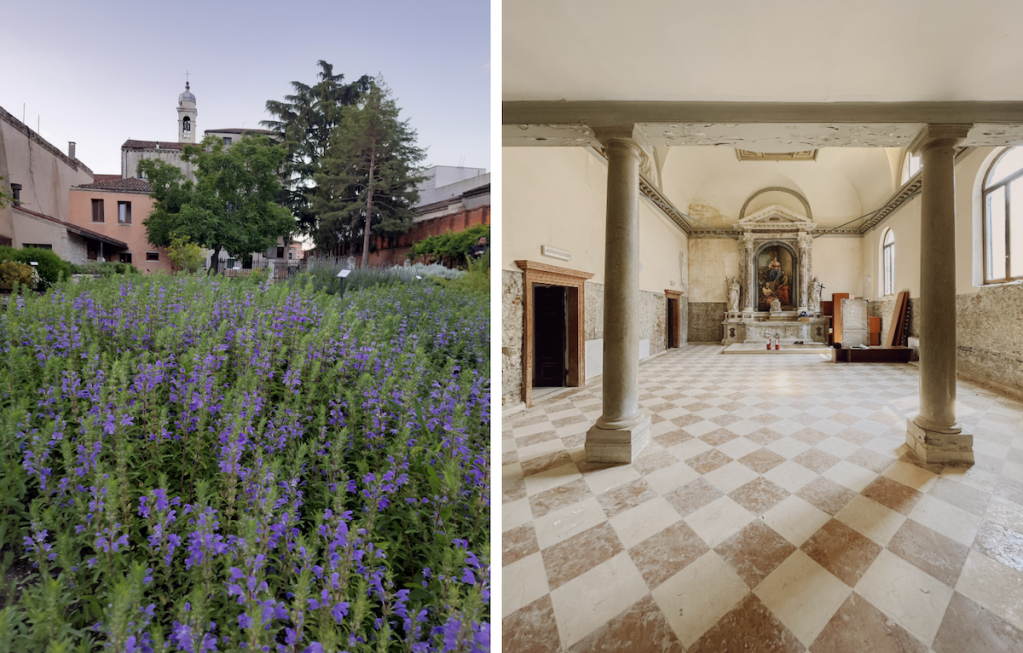
The Vatican has announced a star-studded lineup of musicians and artists for its pavilion at the 2026 Venice Biennale, titled "The Ear Is the Eye of the Soul." Curated by Hans Ulrich Obrist and Ben Vickers in collaboration with Soundwalk Collective, the exhibition features commissioned sound works from figures including Brian Eno, FKA Twigs, Patti Smith, and the late Alexander Kluge. The project is inspired by the 12th-century mystic Saint Hildegard of Bingen and will be staged across two historic Venetian locations: the Mystical Garden of the Discalced Carmelites and the Complesso di Santa Maria Ausiliatrice.

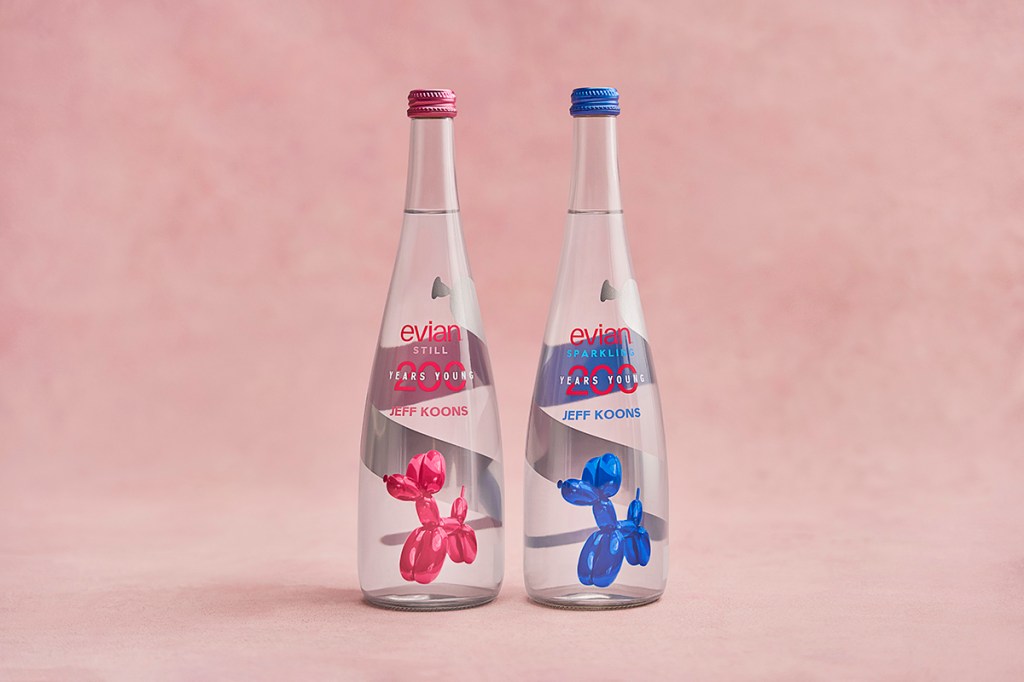
Jeff Koons Designs Two Bottles for Evian’s 200th Anniversary

Jeff Koons has designed two limited-edition glass bottles for Evian's 200th anniversary. The still water bottle features a pink top and an image of his iconic pink stainless-steel balloon dog, while the sparkling version uses a blue iteration of the same motif, both wrapped with a silver ribbon.

Thomas Zipp, artist with a sideways sense of history, 1966–2026

German artist Thomas Zipp, known for his dark, punk-infused explorations of history and science, has died at age 60. Throughout a career spanning painting, sculpture, and immersive scenographic installations, Zipp blended a Dadaist sensibility with a deep interest in politics, neuroscience, and the nuclear age. His work often challenged viewers with complex, opaque environments, such as his notable 2013 Venice Biennale installation that transformed a palazzo into a psychological sanatorium.

Dubai wants to put on a brave face by announcing a new digital art museum

Dubaï veut donner le change en annonçant un nouveau musée d’art numérique

Dubai has announced plans for a new Museum of Digital Art (MODA), designed by Adrian Smith + Gordon Gill Architecture, the firm behind the Burj Khalifa. The five-story museum will be located in the DIFC Zabeel District and feature permanent and temporary exhibitions, immersive experiences, educational spaces, and a digital twin for global access. The announcement comes amid regional turmoil, including Iranian missile and drone strikes on the UAE in March 2025 that damaged infrastructure, disrupted tourism, and reduced the 20th edition of Art Dubai from 120 galleries to just 50 stands.

Record pour Pollock

The Journal des Arts' May 15, 2026 issue (No. 677) covers a range of art-world developments: the Venice Biennale opens amid controversy, a French law on the restitution of cultural property looted during colonization is definitively adopted, the V&A East museum targets younger audiences, the town of Giverny struggles to benefit from Monet's legacy, and the market for Nabis artists is becoming more structured.

Venice Biennale: A Silent US Pavilion

Biennale de Venise : un Pavillon US silencieux

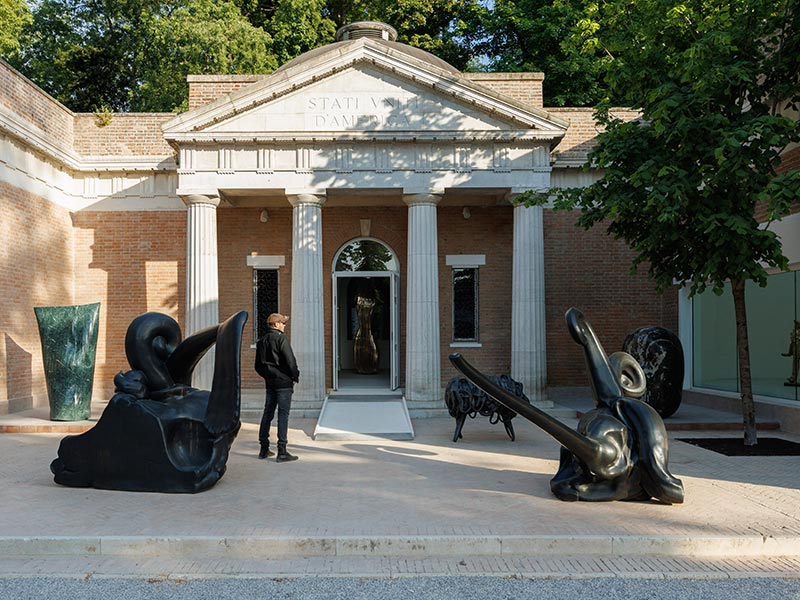
The US Pavilion at the 2026 Venice Biennale, featuring artist Alma Allen, opened to sparse crowds despite a 10% overall attendance increase at the Biennale. The pavilion was embroiled in controversy before opening: Allen was selected by the American Arts Conservancy (AAC), a private entity created in 2025 at the initiative of Donald Trump after the dissolution of the federal committee that previously oversaw the pavilion. AAC head Jenni Parido, a former pet food executive, chose the self-taught, little-known artist who had never had a solo museum exhibition. Major funders the Ford and Mellon Foundations withdrew, forcing the AAC to launch a public donation appeal. The exhibition features 25 abstract bronze, stone, and burl-wood sculptures that the artist describes as biomorphic landscapes, but critics find them pleasant yet silent, lacking the promised political or visceral resonance.

Orsay inaugure une salle destinée aux œuvres « MNR »

The Musée d'Orsay in Paris has opened a new dedicated gallery, Room 10b, to display works from its MNR (Musées nationaux Récupération) collection—artworks looted or acquired under dubious circumstances during the Nazi era. The room features detailed labels and educational texts, with some works shown verso to reveal provenance labels. The initiative is funded by the American Friends of the Musée d'Orsay and the Musée de l'Orangerie with €1 million over four years, and includes a fake Monet, a Degas subject to a restitution claim, a Rodin sculpture, and a debated Cézanne. The museum's provenance research team, led by Inès Rotermund-Reynard, collaborates with the French Ministry of Culture's M2RS mission.