filter_list Showing 1504 results for "Hall" close Clear
search
dashboard All 1504 museum exhibitions 935article local 129article culture 125article news 97rate_review review 61person people 45trending_up market 42candle obituary 38article policy 19gavel restitution 11article events 1article gallery 1
date_range Range Today This Week This Month All
Subscribe

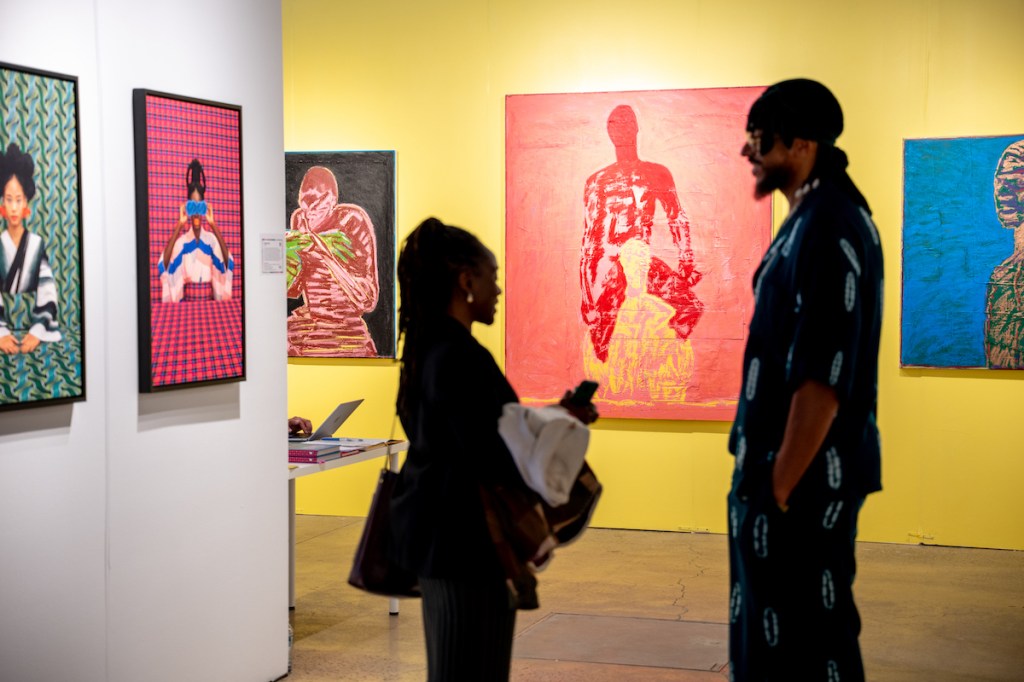
The Best Booths at 1-54 Contemporary African Art Fair, From Surrealist Fantasias to Afro-Brazilian Imaginings

The 1-54 Contemporary African Art Fair has returned to the Starrett-Lehigh Building in Chelsea, New York, featuring over 20 galleries from Africa and the diaspora, with a special focus on Brazil and Afro-Brazilian perspectives. The fair, running through Sunday, includes first-time participants from Lagos, São Paulo, Nassau, and New York, and highlights five standout booths: Sulette van der Merwe's surrealist paintings at Blond Contemporary, Modou Dieng Yacine's Senegalese wrestler-inspired works at 193 Gallery, Ekene Ijeoma's Black Forest Library community project, Rommulo Vieira Conceição's aluminum works at Aura, and the curated section "Brazil Beyond Brazil" featuring 10 artists selected by Igor Simões.
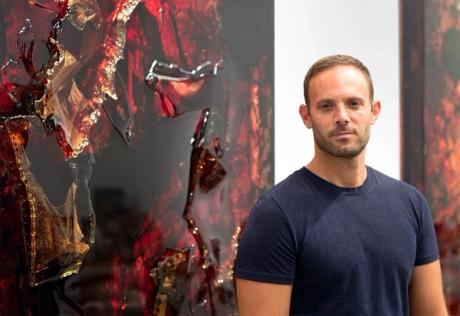
‘Blood can either be a connective tissue or something used for division’: Jordan Eagles on his show a Pioneer Works

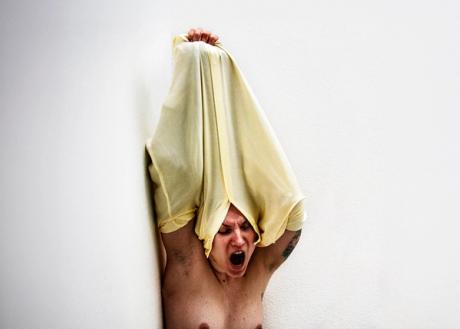
Jordan Eagles presents "Bases Loaded," a solo exhibition at Brooklyn's Pioneer Works that explores his lifelong fandom of the New York Mets through works made with donated blood and medical waste. The show features three bodies of work: large-scale reproductions of New York Post covers about the team, cast-resin sculptures of home plate filled with blood and family artifacts, and T-shirts given to blood donors at the Mets ballpark that Eagles cropped and splashed with blood from HIV-positive gay men, arranged by color into orange and grey factions.

Most famous image of JMW Turner not a self-portrait, says expert

Dr James Hamilton, a leading Turner expert, has claimed that the most famous portrait of JMW Turner—long believed to be a self-portrait and featured on the UK £20 banknote—is actually by the painter John Opie. Hamilton argues that the work, dated around 1799, was mistakenly included in the Turner Bequest after the artist's death in 1851, when his studio was in disarray and the attribution was never properly verified. He points to stylistic evidence, including Opie's characteristic use of dramatic light and shadow, and calls on Tate Britain to reattribute the painting.

A Lucas Cranach the Elder Masterpiece Once Hung in Hitler’s Munich Apartment

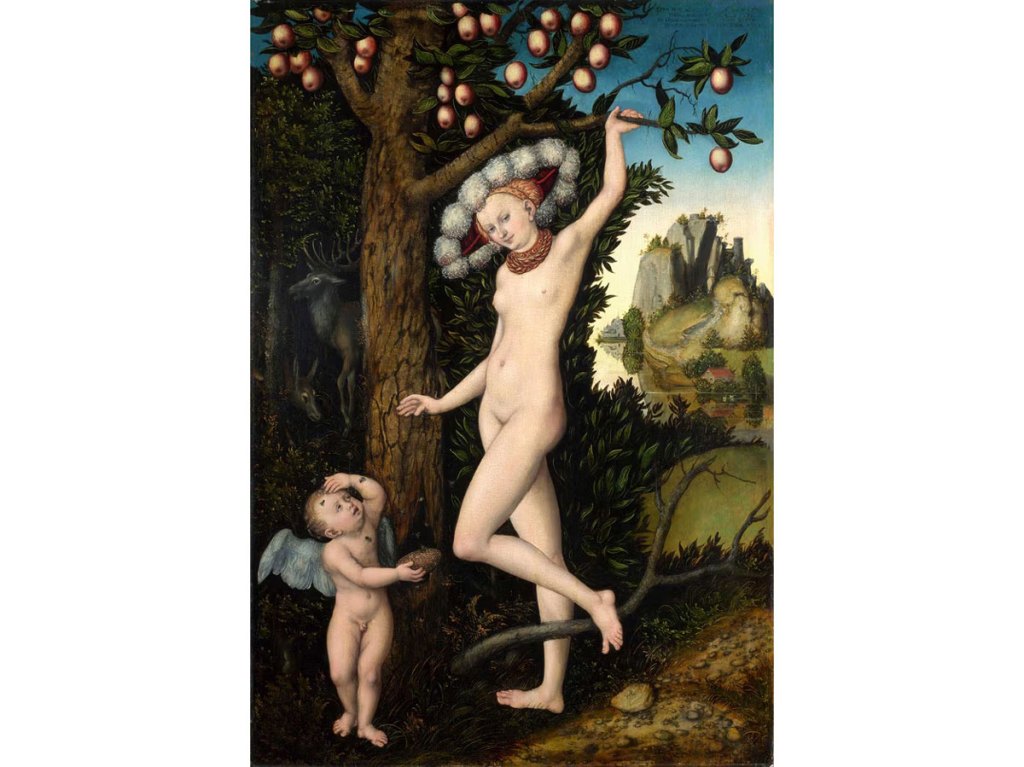
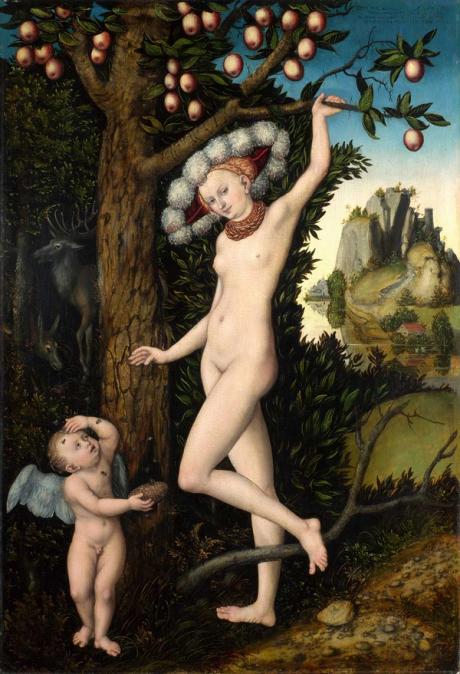
A Lucas Cranach the Elder painting, *Cupid complaining to Venus* (1526–27), once hung in Adolf Hitler's Munich apartment, according to a report by the Art Newspaper. The work was identified in a 1940s photograph published in a 1978 furniture catalog and later in a 2023 article by art historian Birgit Schwarz, who confirmed Hitler's ownership via a 2006 discovery of an album at the Library of Congress. After World War II, American journalist Patricia Lochridge took the painting from a warehouse in Berchtesgaden and smuggled it to the US. The National Gallery in London acquired it in 1963 from A. Silberman Galleries, which falsely claimed it came from the 1909 auction buyer's heir; it had actually been purchased from Lochridge.

Famous Cranach painting spotted in rare photograph of Hitler’s apartment

A rare photograph from the early 1940s reveals that Lucas Cranach the Elder's painting *Cupid complaining to Venus* (1526-27), now a masterpiece in the National Gallery, London, once hung in Adolf Hitler's private Munich apartment. The image, previously published in Germany by provenance expert Birgit Schwarz, appears for the first time in an English-language publication. The painting was acquired by the National Gallery in 1963 from E. and A. Silberman Galleries in New York, which provided a false provenance. It had been taken from a warehouse of recovered art in 1945 by American journalist Patricia Lochridge, who smuggled it into the United States.

Portrait looted by Nazis found in home of Dutch SS leader’s family

An artwork looted by the Nazis from the renowned Goudstikker collection has resurfaced in the home of descendants of Hendrik Seyffardt, a notorious Dutch SS collaborator. The painting, *Portrait of a Young Girl* by Toon Kelder, was discovered by art detective Arthur Brand after a family member contacted him, revealing that the piece had hung for decades in the home of Seyffardt’s granddaughter. Brand traced the painting to a 1940 auction where part of the looted Goudstikker collection was sold, and lawyers for the Goudstikker heirs have confirmed the work was stolen and called for its return.

A ‘bird of Mexico City’ strikes a revolutionary pose: Pieter Henket’s best photograph

Photographer Pieter Henket describes the creation of his portrait "La Mujer" (The Woman), part of his series "Birds of Mexico City." The image features Ixchel Paz, a young Mexican woman wearing a lucha libre wrestling mask, captured in a dignified pose on the first day of the project. Henket explains how the series evolved from an earlier project, "Birds of New York," which celebrated young people in New York during the first Trump administration. After the pandemic, he traveled to Mexico City with his husband Roger Inniss, collaborated with stylist Chino Castilla and his team, and encouraged subjects to express their identities through costume and culture.

Comment | We must avoid amputating art in the name of preservation

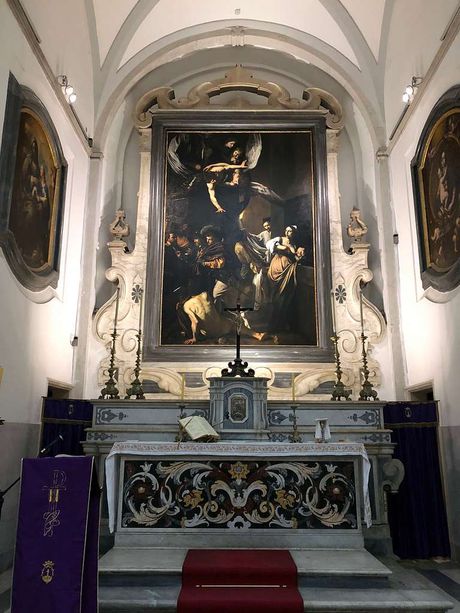
The article recounts the author's experience viewing Caravaggio's *Seven Acts of Mercy* (1607) in its original chapel in Naples, where the painting's crowded, dramatic composition directly mirrors the chaotic streets of the city, revealing its sacred meaning through context. In contrast, the author describes Caravaggio's *Flagellation of Christ* (1607), moved from the church of San Domenico Maggiore to the Museo di Capodimonte for security reasons, as a painting "marooned"—its spiritual purpose broken, reduced to a mere object for aesthetic appreciation.

'I wanted to catch the desperation': Dries Verhoeven on turning the Dutch pavilion into a bunker for the Venice Biennale

Artist Dries Verhoeven has transformed the Dutch pavilion at the Venice Biennale into a bunker-like space by covering its iconic glass-and-steel structure with metal shutters. Inside, visitors experience a gradually darkening environment and a raw vocal performance by 13 rotating performers, intended to evoke desperation and confusion about contemporary global crises. The work critiques the modernist ideals of openness and optimism embodied by the pavilion, designed by Gerrit Rietveld in 1953.

Muscle memory: Natasha Tontey’s wild Venice installation explodes perceptions of Indonesian history

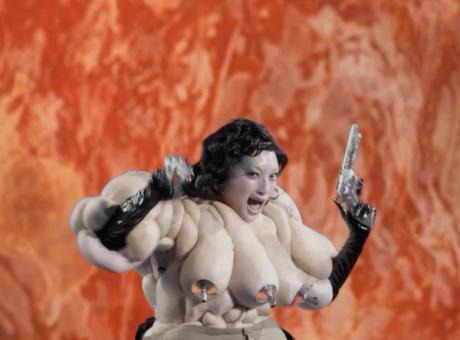
Natasha Tontey's new installation "The Phantom Combatants" at the Ateneo Veneto in Venice reimagines the story of Len Karamoy, a woman who was part of the CIA-funded Permesta resistance movement in North Sulawesi, Indonesia (1957-1961). The 22-minute film, commissioned by the LAS foundation and Amos Rex, features absurdly muscular mutant warriors and draws on Indigenous belief systems, video games, Indonesian soap operas, and B-movie aesthetics to explore themes of autonomy, resistance, and historical perspective.

The Bahamas returns to the Venice Biennale with a joy-filled posthumous collaboration

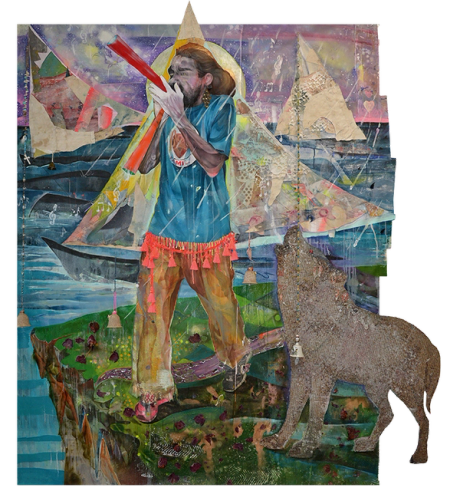
The Bahamas will return to the Venice Biennale in 2026 after a 13-year absence with a posthumous exhibition for artist John Beadle, who died in 2024 at age 60. Beadle was originally selected to represent the country in 2015 but the government withdrew funding. The exhibition, titled "In Another Man’s Yard," will feature Beadle’s work alongside that of his mentee, Lavar Munroe, using materials from Beadle’s studio including sails from Haitian migrant sloops. The pavilion is organized by commissioner Amanda Coulson and curator Krista Thompson, who raised private funds after the government declined to support the project.

AI Helps UK Researchers Identify Unknown Subject in Hans Holbein Drawing as Anne Boleyn

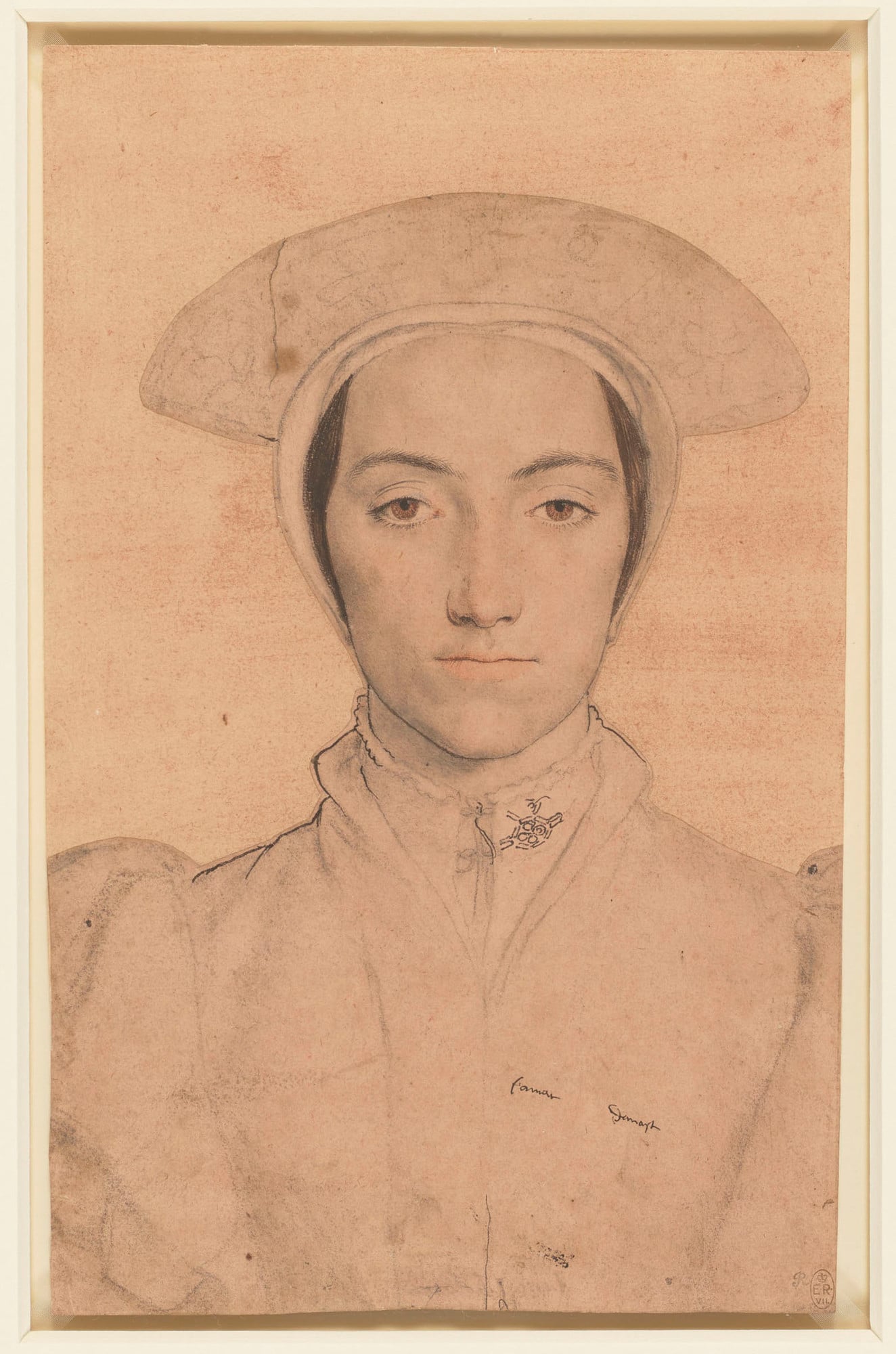
Researchers Karen L. Davies and Hassan Ugail used artificial intelligence facial recognition to analyze two Hans Holbein drawings from the Royal Collection Trust. Their study, published in npj Heritage Science, suggests that a portrait previously labeled as Anne Boleyn actually depicts her mother, Elizabeth Howard, while a drawing cataloged as an unidentified woman is the true likeness of Anne Boleyn. The findings challenge long-held identifications based on 18th-century inscriptions and align more closely with contemporary descriptions of Boleyn as slender with dark hair.

A.I. Identifies Holbein Drawing as Possible Portrait of Anne Boleyn

Researchers at the University of Bradford have used artificial intelligence to analyze preparatory drawings by Hans Holbein the Younger in the Royal Collection at Windsor Castle. The AI model, which previously identified a forgotten Raphael painting, suggests that a drawing long believed to depict Anne Boleyn actually shows her mother, Elizabeth Howard, while another drawing labeled "Unidentified Woman" likely portrays Anne Boleyn herself. The findings, published in Heritage Science, are based on biometric analysis of facial features, bone architecture, and proportional relationships, offering quantifiable evidence to resolve long-standing scholarly uncertainty about the sitters' identities.

Fiona Pardington’s portraits of the lost birds of Aotearoa New Zealand – in pictures

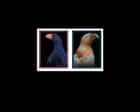
Fiona Pardington has created a new series of human-scale photographic portraits of native New Zealand birds, many of which are extinct or endangered, using taxidermy specimens from regional museums. The series, titled "Taharaki Skyside," will be exhibited at the Aotearoa New Zealand pavilion at the 2026 Venice Biennale. Pardington, who has Māori and Scottish ancestry, incorporates the birds' eyes with superimposed historical landscapes to evoke their lost habitats and spiritual significance as intermediaries between human and divine worlds in Māori culture.

Mystery sitter in Holbein portrait could be Anne Boleyn, AI analysis finds

Researchers using AI have analyzed two Renaissance sketches by Hans Holbein from the Royal Collection, known as the Windsor sketch and the Unidentified Woman. The AI model, developed by Professor Hassan Ugail at the University of Bradford, compared the entire Holbein corpus and found that the Unidentified Woman may actually be Anne Boleyn, while the Windsor sketch—long thought to depict Boleyn—may instead show her mother, Elizabeth Howard. The study suggests the works were incorrectly inscribed in the 1700s, leading to centuries of misidentification.

Barbados's slavery museum and memorial faces major delays

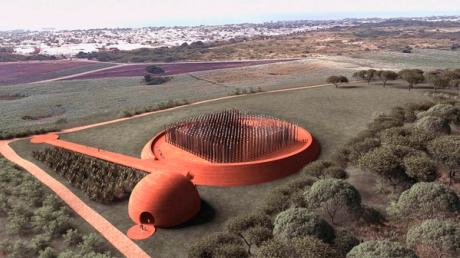
Barbados's Heritage District at the Newton Enslaved Burial Ground, a major project including a memorial, national museum, archives, and cultural complex, is facing significant construction delays more than four years after its 2021 announcement. The site, one of the largest known burial grounds of enslaved Africans in the Western Hemisphere, is being developed under the Road (Reclaiming Our Atlantic Destiny) Programme led by Prime Minister Mia Amor Mottley. While a temporary pavilion for the National Performing Arts Centre opened in August 2025, the overall completion—initially slated for 2024—has been pushed back due to expanded archival digitization, supply-chain disruptions, and a fire at the Barbados Archives Department in June 2024. The memorial, designed by Adjaye Associates, is conceived as a landscape intervention using teak sourced from Ghana.

An Art Historian’s Riotous Novel Melds Medieval Art with Monica Lewinsky

Julia Langbein's new novel *Dear Monica Lewinsky*, published by Doubleday, follows translator Jean Dornan as she revisits a traumatic relationship with a professor from her youth, set against the backdrop of the 1998 Monica Lewinsky scandal. The story interweaves medieval art, particularly the 13th-century *Golden Legend*, with Lewinsky's public shaming, as Jean prays to Lewinsky for guidance and is visited by a haloed version of her. Langbein, an art historian with a PhD from the University of Chicago, draws on her expertise to explore themes of humiliation, self-estrangement, and collective experience.

Jimmy Tsutomu Mirikitani, a New Sort of Street Artist, Rises from Art History’s Margins

Jimmy Tsutomu Mirikitani, a late Japanese American collagist who lived and worked as a street artist in New York City, is the subject of a new solo exhibition at the Spencer Museum of Art in Kansas City, on view through June. Co-curators Maki Kaneko and Kris Imants Ercums organized the show thematically rather than chronologically, reflecting Mirikitani's fragmented life—from surviving the atomic bombing of Hiroshima and incarceration at Tule Lake to arriving in New York in the 1950s. The exhibition draws on years of research, including visits to the parks where he lived and to Hiroshima, and builds on Linda Hattendorf's 2006 documentary *The Cats of Mirikitani*.

‘It’s not much but, at the same time, it’s very much’: the enduring impact of Sade’s style

The article discusses the enduring style of Sade Adu, frontwoman of the British group Sade, following the band's announcement of their induction into the 2026 Rock and Roll Hall of Fame. It highlights how Adu's signature look—scraped-back hair, red lipstick, hoop earrings, and simple black dresses or denim—has become iconic and influential, with her outfits featured in exhibitions like V&A East's 'The Music is Black' and referenced by celebrities such as Drake. The piece traces the origins of her style to her fashion design studies at Saint Martin's School of Art and her early work with designer Fiona Dealey.

Architectural Competition for Louvre ‘New Renaissance’ Project Reportedly Set to Relaunch in May

The international architectural competition for the Louvre Museum's $778 million 'New Renaissance' renovation project is set to relaunch in mid-May, according to a report in Le Figaro. The jury will convene on May 13 to assess proposals from five shortlisted firms, ending a period of uncertainty and delays caused by staff unrest, leadership upheaval following a major jewel theft, and the French municipal elections. The project, championed by President Emmanuel Macron, aims to modernize the museum and reduce overcrowding.

Hito Steyerl “The Island” Osservatorio Fondazione Prada / Milan by Piermario De Angelis

Hito Steyerl's solo exhibition "The Island" at Osservatorio Fondazione Prada in Milan explores the concept of submersion as both a geological condition and a media regime. The show takes its title from a Neolithic artificial island discovered off the coast of Korčula, Croatia, which remained submerged for approximately seven thousand years. Through video interviews, installations, and critical assemblages, Steyerl connects this submerged structure to contemporary issues of digital image circulation, algorithmic power, and the dispossession of agency, drawing on science fiction, quantum physics, biochemistry, and deep time.

A Culture Lover’s Guide to Northwest Arkansas, a Land of Contradictions

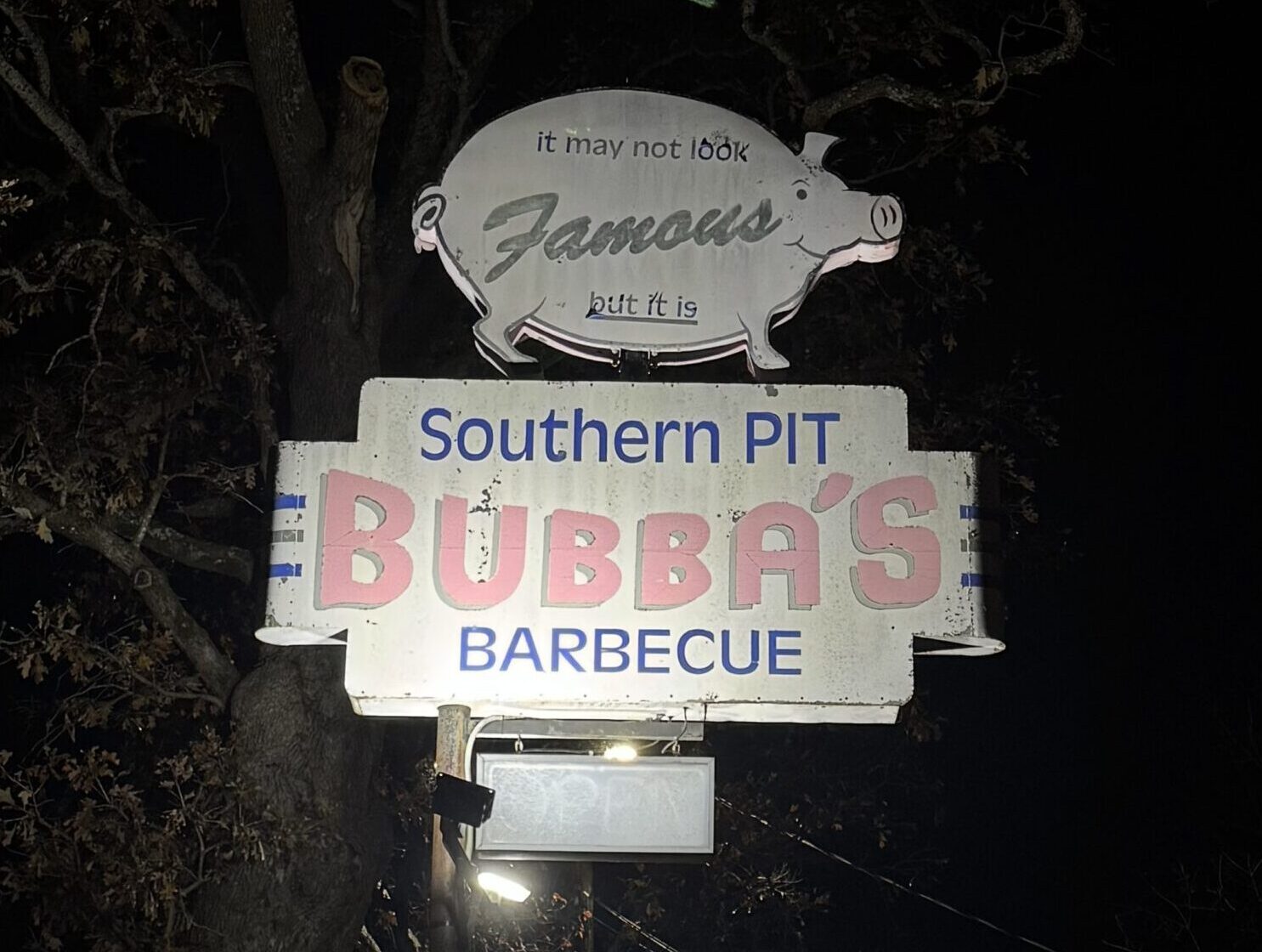
This travel guide explores the cultural landscape of Northwest Arkansas, focusing on the upcoming 114,000-square-foot expansion of the Crystal Bridges Museum of American Art in Bentonville, set to open June 6, 2026. The author recounts a road trip from Little Rock to the Ozarks, visiting the Arkansas Museum of Fine Arts (with its new Studio Gang-designed building), dining at Coursey's Smoked Meats, and encountering a white supremacist billboard in Harrison, while also highlighting Thorncrown Chapel by E. Fay Jones as a transcendent architectural stop.

Inside LACMA’s Eye-Popping New Home, How Do You Find the Art?

The Los Angeles County Museum of Art (LACMA) has opened its new David Geffen Galleries building, a major architectural project designed to be a glamorous cultural beacon. The building itself is a striking landmark, but the exhibition spaces within present significant challenges for the display of art, creating a complex, maze-like environment for visitors.

Amanda Heng Walks the Walk

Singaporean artist Amanda Heng, now 74, is representing Singapore at this year's Venice Biennale with her exhibition titled *A Pause*, featuring a site-specific installation and durational performance. Known for her decades-long performance *Let's Chat* (1996–), in which she cleans mung bean sprouts with participants to foster casual conversation, Heng transforms everyday domestic gestures into feminist acts. Her work reclaims the body, labor, and relationships as sites of personal autonomy. She was part of the pioneering, male-dominated generation of Singaporean contemporary artists in The Artists Village, but left due to its hierarchical structure to pursue collaborations with women artists and further studies.

Watch: Wallace Chan returns to the Venice Biennale with ‘Vessels of Other Worlds’

Wallace Chan returns to the Venice Biennale for the fourth time with 'Vessels of Other Worlds', a two-city exhibition opening at the Chapel of Santa Maria della Pietà in Venice on 8 May 2026 and continuing at the Long Museum West Bund in Shanghai from 18 July, coinciding with the artist's 70th birthday. Curated by James Putnam, the project features large-scale titanium sculptures that explore material transformation, perception, and metaphysical space, including a live video link between the two venues and an inhabitable mirrored sculpture at the Long Museum.

Sue Webster: Fandoms and Icons

Sue Webster's solo exhibition 'Birth of an Icon' at Firstsite in Colchester traces her lifelong obsession with pop culture, from teenage fandom of Siouxsie Sioux to her evolution as an artist. The show features a sprawling installation 'The Crime Scene' (2017–) that maps her personal history through albums, newspaper clippings, and objects, alongside painted jackets and self-portraits. It marks a departure from her earlier work as half of the duo Tim Noble and Sue Webster, embracing a more personal, amateurish style that reflects her journey through adolescence, marriage dissolution, and motherhood.

Venice Golden Lion jury won’t consider Russian and Israeli pavilions

The jury for the Golden and Silver Lion awards at the 61st Venice Biennale has announced it will not consider the national pavilions of any country whose leaders are currently charged with crimes against humanity by the International Criminal Court. This decision specifically excludes Russia, whose president Vladimir Putin is charged with unlawful deportation of Ukrainian children, and Israel, whose prime minister Benjamin Netanyahu is charged with targeting Palestinian civilians and using starvation as a weapon. The jury, presided over by Solange Oliveira Farkas and including Zoe Butt, Elvira Dyangani Ose, Marta Kuzma, and Giovanna Zapperi, issued a full statement explaining their commitment to human rights and alignment with the curatorial vision of the late Koyo Kouoh.

59th Carnegie International tests the limits of connection and inclusion

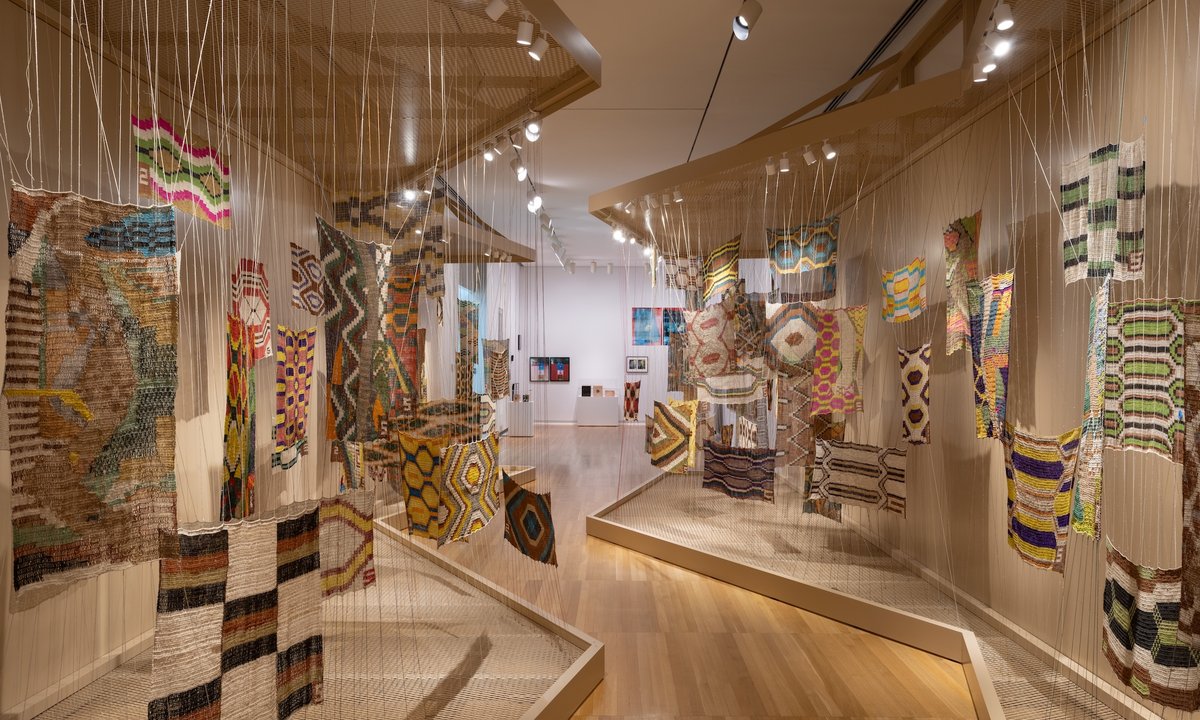
The 59th Carnegie International, titled "If the word we," opens at the Carnegie Museum of Art in Pittsburgh, curated by Ryan Inouye, Danielle A. Jackson, and Liz Park. The exhibition emphasizes community and collaboration, featuring immersive installations by artists such as Shala Miller, Jasleen Kaur, and Georges Adéagbo, whose work incorporates local thrift-store finds like Pittsburgh Steelers merchandise. Offsite programming extends to venues including the Mattress Factory and Children's Museum of Pittsburgh.

In Performance Series, Artists Tackle the Nature of Images, and Reality, in the Face of AI

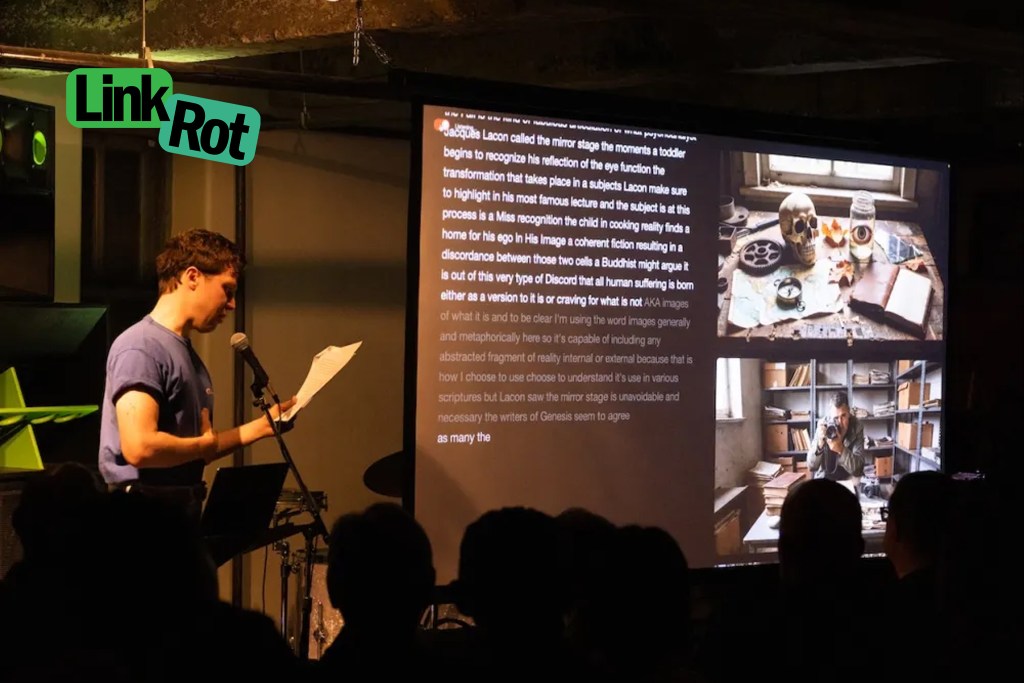
At Giorno Poetry Systems (GPS) in New York, a three-day program titled “Exert: The Physics of Metaphysics” featured performances and readings by artists including Mark Leckey, Hari Kunzru, and Gideon Jacobs. The works explored how emerging technologies like AI, VR, and AR are reshaping perceptions of reality and simulation, with Kunzru reading from a novel-in-progress about a man navigating a world where simulation encroaches on everyday life, and Jacobs presenting a performance lecture blending theater, essay, and AI-generated video.

Mind the baby! Visitors to the Japanese Venice Biennale pavilion will be asked to look after dolls

Ei Arakawa-Nash, a Japanese-born artist who no longer holds Japanese citizenship, will represent Japan at the Venice Biennale with an exhibition titled "Grass Babies, Moon Babies." The pavilion will feature over 100 baby dolls that visitors are invited to adopt and carry, engaging in caregiving tasks such as changing a nappy. Each doll corresponds to a historically significant date tied to minority communities, linking intimate acts of care to broader historical narratives. The project also includes a collaboration with the Korean Pavilion, marking the first such partnership between the two national pavilions in Biennale history.