filter_list Showing 913 results for "author" close Clear
search
dashboard All 913 museum exhibitions 283article news 195article culture 135article policy 71article local 53gavel restitution 51rate_review review 39trending_up market 38person people 29candle obituary 18article event 1
date_range Range Today This Week This Month All
Subscribe

open restitution africa research organization profile

Open Restitution Africa (ORA), an African-led research organization, has compiled case studies including the Ngadji drum, a sacred instrument confiscated from Kenya's Pokomo people by British colonial officers in 1902 and now held by the British Museum. With a $600,000 grant from the Mellon Foundation, ORA provided microgrants to scholars like William Mutta Tsaka of the National Museums of Kenya, who documented the drum's cultural significance and the community's ongoing struggle for repatriation. The project aims to fund independent researchers and community activists across Africa, covering fieldwork costs often neglected by larger provenance grants.

flannery o connor hidden artwork exhibition

An exhibition titled "Hidden Treasures" at Andalusia Farm in Milledgeville, Georgia, is showcasing dozens of previously unseen artworks by celebrated Southern Gothic writer Flannery O’Connor, including childhood drawings, cartoons, paintings on wood, a stuffed doll, and a 1952 self-portrait. The works were recently rediscovered in a storage unit behind a fast-food restaurant and in the attic of a townhouse belonging to O’Connor’s late cousin Louise Florencourt, who had guarded the archive for decades. The exhibition marks the centennial of O’Connor’s birth and is organized by the Andalusia Interpretive Center in partnership with Georgia College & State University.

legal resistance grows against doge cuts

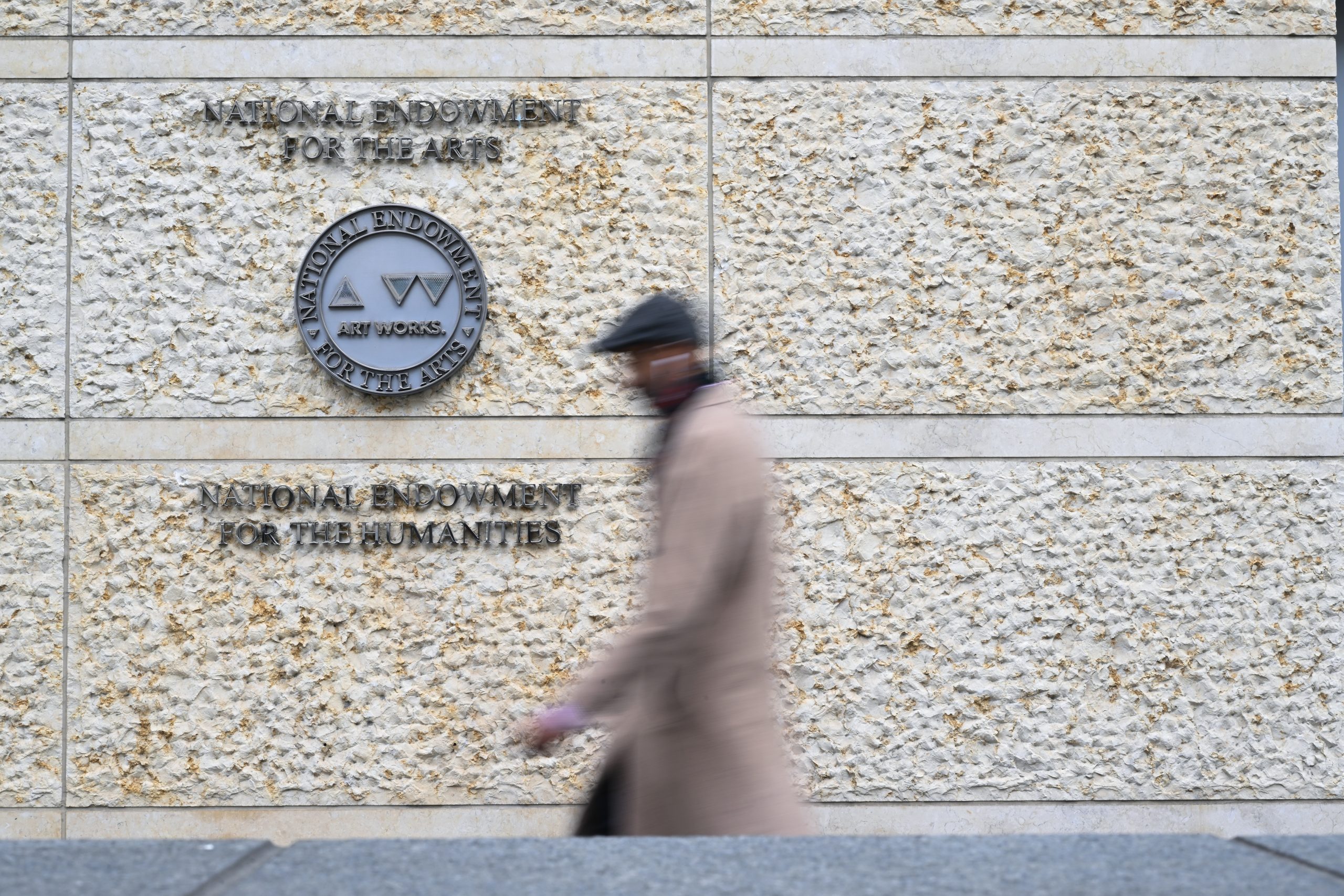
Two legal challenges advanced on Thursday against the Trump administration's cuts to U.S. cultural agencies. A coalition of academic groups—the American Council of Learned Societies, the American Historical Association, and the Modern Language Association—filed a lawsuit to stop the "illegal dismantling" of the National Endowment for the Humanities, which in April announced a 70–80 percent staff reduction and cancellation of over 1,000 grants. Separately, a federal judge issued an emergency order temporarily blocking similar cuts to the Institute of Museum and Library Services, after the Department of Government Efficiency placed its 75-person staff on leave and the American Libraries Association brought suit.

‘These are artifacts from history’: exhibition celebrates objects of sporting victory

A new exhibition at the American Museum of Natural History in New York, titled "For the Win," showcases championship rings, trophies, medals, and jewelry spanning nearly 150 years of US sports history. Highlights include Jesse Owens's 1936 Olympic gold medal, Breanna Stewart's 2024 WNBA championship ring, the 1877 NYPD Medal of Valor, and items from Kevin Durant and the Seattle Seahawks. The exhibition, timed to the upcoming World Cup, is housed in the museum's gems and minerals space to emphasize craftsmanship.

Mark Gerson obituary

Mark Gerson, a British photographer renowned for his intimate portraits of literary figures, has died at age 104. Over a career spanning half a century, Gerson captured iconic images of authors including Evelyn Waugh, Doris Lessing, William Golding, Tom Stoppard, and Martin Amis, often photographing them in their own homes to put them at ease. His most famous picture is of a grumpy Waugh on his 60th birthday, taken after Gerson was plied with wine. Gerson's work was championed by National Portrait Gallery director Roy Strong, and in 1996 the gallery held a major exhibition of his portraits titled "Literati."

GEORGE FEBRES: TRANSLATION, IRONY, AND LIBERATION. AN ECUADORIAN ARTIST IN THE DIASPORA

The article examines the life and work of George Febres (1943–1996), an Ecuadorian artist who spent most of his career in the United States, primarily in New Orleans. Febres’s practice blends Pop Art, Neo-Surrealism, and Southern US culture with his experiences as a migrant and queer subject, using bilingualism and ironic tropical imagery to create a hybrid, irreverent body of work. Despite his significance, no works by Febres exist in Ecuadorian public collections, and no major retrospective has been held in his home country, reflecting a broader erasure of queer narratives from national art history.

GEORGE FEBRES: TRADUCCIÓN, IRONÍA Y LIBERACIÓN. UN ARTISTA ECUATORIANO EN LA DIÁSPORA

George Febres (Guayaquil, 1943 – New Orleans, 1996) was an Ecuadorian artist whose work blended pop art, neo-surrealism, and Southern U.S. culture, shaped by his experience as a migrant and queer individual. The article traces his life from a privileged but unstable childhood in Ecuador to his migration to the United States, where he was drafted during the Vietnam War and eventually settled in New Orleans. Febres used bilingualism and ironic appropriation of tropical imagery to create a hybrid, irreverent body of work that challenges the official historiography of Ecuadorian art.

An Abandoned Shipyard in Venice Is Getting a New Life Thanks to This Congolese Choreographer

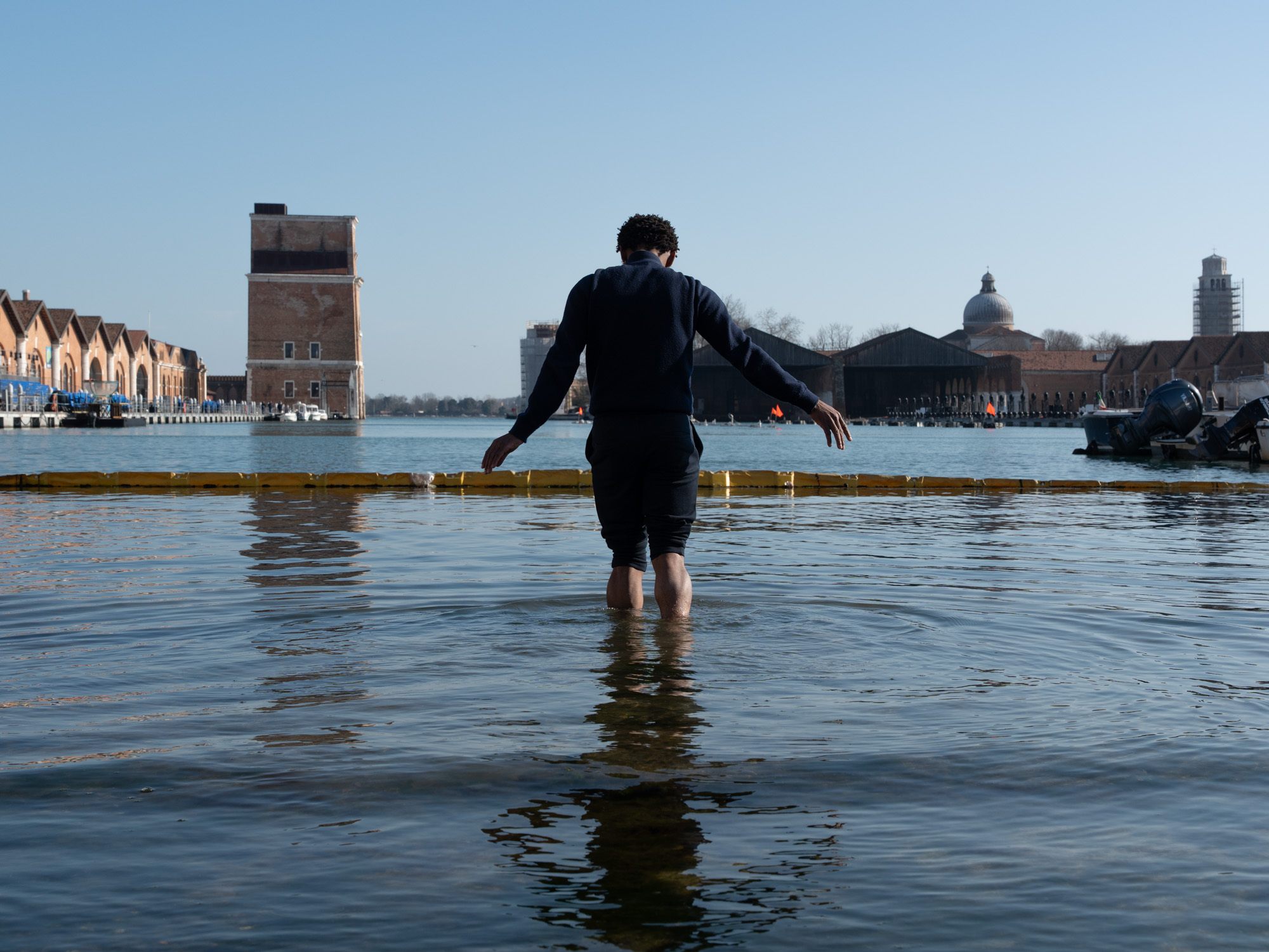
Congolese choreographer Faustin Linyekula is staging "The Galeazze Project," a performance in a 16th-century shipyard complex in Venice that has been inaccessible since World War II and never open to the public. Commissioned by the nonprofit Scuola Piccola Zattere, the work will bring up to 500 people into the 32,291-square-foot open-air ruin for two nights during the 2026 Venice Biennale preview week. The rental fee from the performance will help stabilize and restore the floors of the historic Galeazze site.

collector questionnaire yu chi lyra kuo technology art

Yu-Chi Lyra Kuo, an entrepreneur, investor, and Harvard-educated lawyer, is profiled for her pioneering work at the intersection of frontier technology and art. A former Princeton academic and one of the youngest board members of the Shed in New York, Kuo began collecting art as a child with a jade gourd from her grandfather's museum of Asian carvings. She was an early entrant into blockchain in 2011, co-founded OpenSea 2.0, and now advises frontier tech companies like Orchid Health. Kuo believes technologies such as AI and robotics can enhance human creativity, enabling individualized artworks, autonomous creations, and robot performances, rather than replacing human cultural meaning.

architecture tadao ando naoshima new museum of art

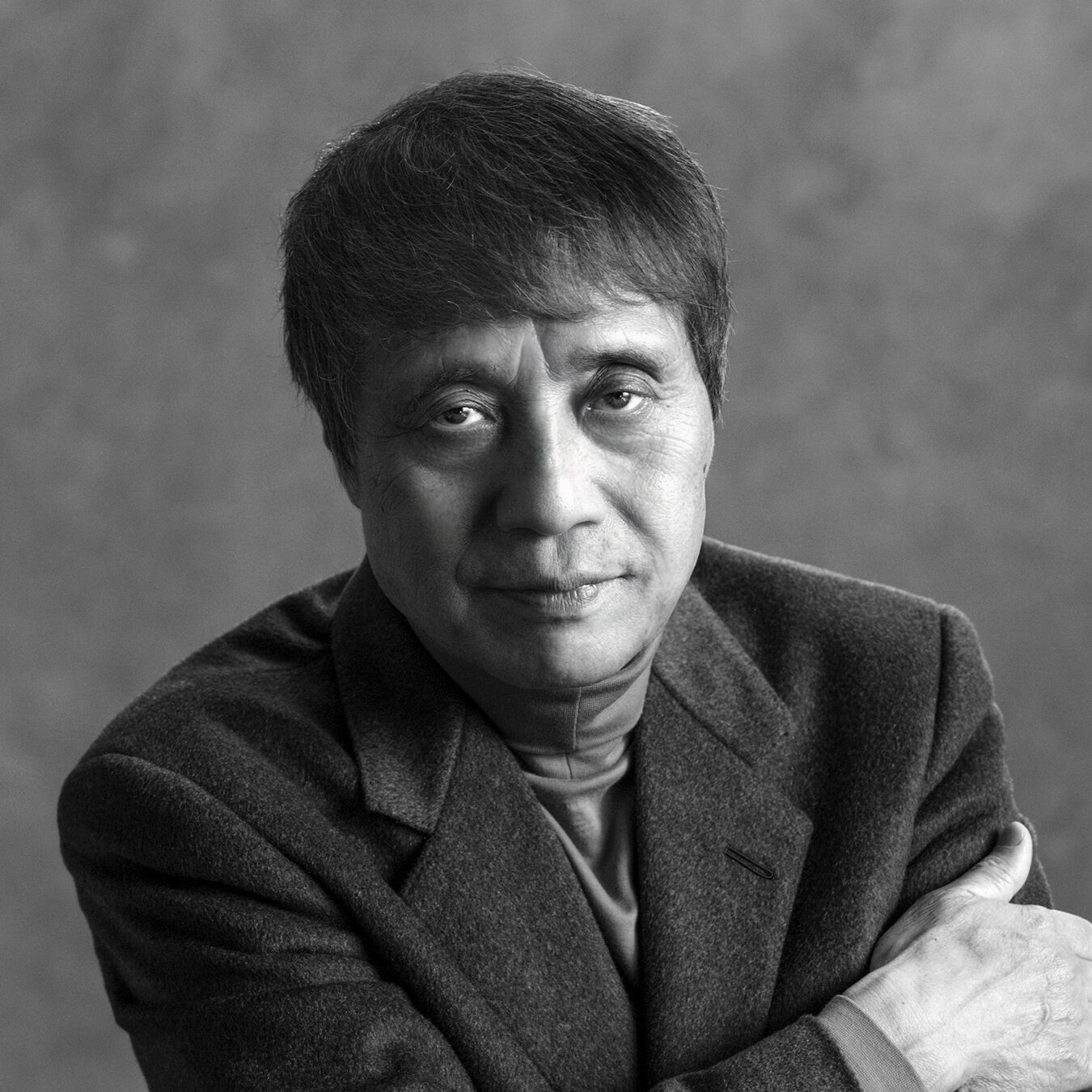
The article profiles the renowned Japanese architect Tadao Ando, now 84, who has built 10 museums on the island of Naoshima over 33 years. It features an interview where Ando discusses his upbringing in a traditional wooden row house in Osaka, his early training as a boxer, and how these experiences shaped his architectural philosophy of "light within darkness." The piece includes personal reflections from the author on encountering Ando's work and highlights key projects such as the Pulitzer Arts Foundation in St. Louis and the Church of Light in Osaka.

art peter hujar paul thek andrew durbin

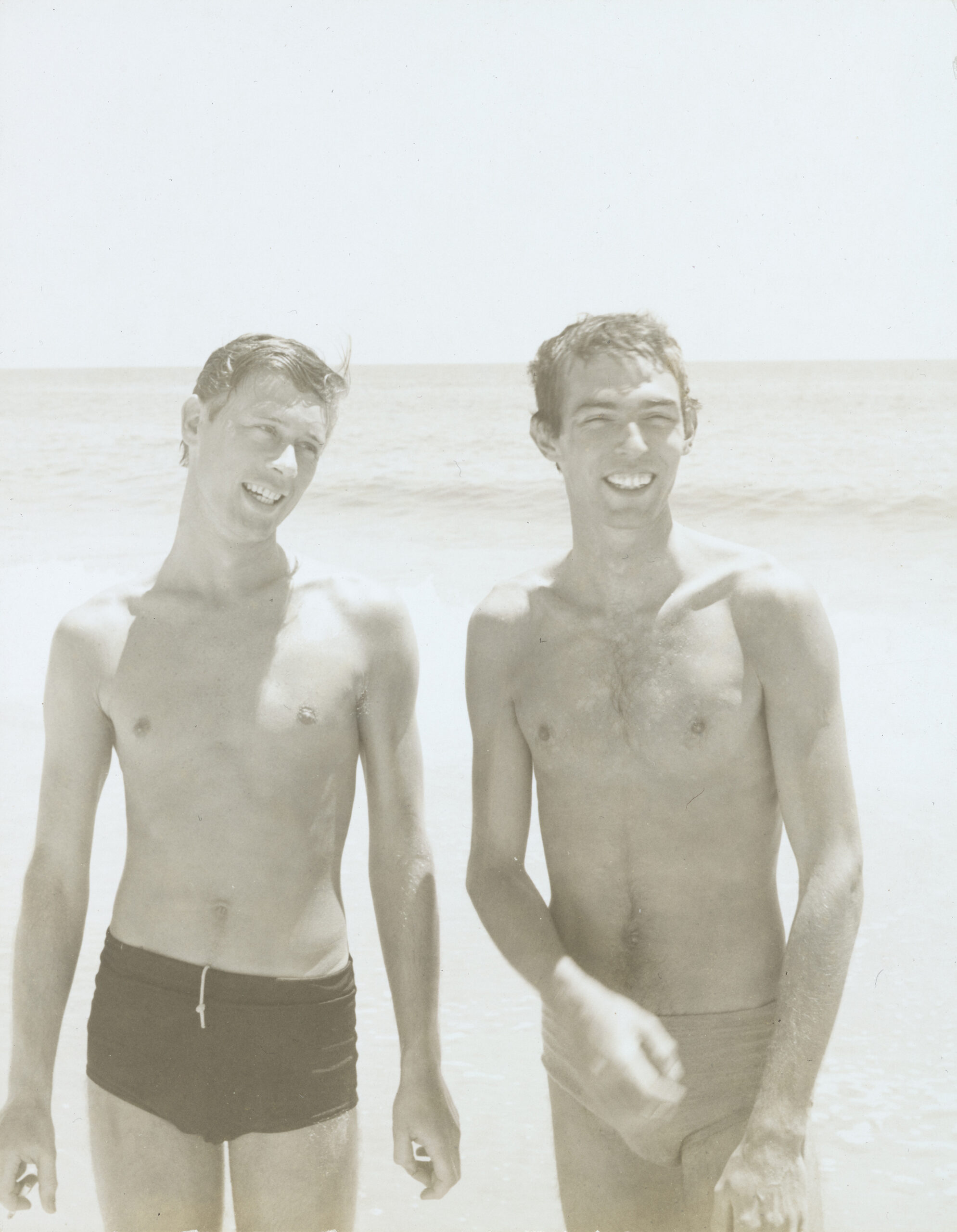
In 2015, photographer Peter Hujar experienced a mainstream resurgence when his work appeared on the cover of Hanya Yanagihara's novel *A Little Life*, in a campaign for menswear designer Patrik Ervell, and at Christie's, where his 1973 photograph *Candy Darling on Her Deathbed* sold for $50,000. Now, two new publications—*Stay Away From Nothing* and *The Wonderful World That Almost Was*—focus on Hujar's complex relationship with sculptor Paul Thek, who died nine months after Hujar from AIDS complications. Author Andrew Durbin, who wrote *The Wonderful World That Almost Was* and curated the group show "How Beautiful This Living Thing Is" at New York's Ortuzar gallery, discusses their elusive bond, rivalry, and the queer social dynamics that shaped their lives and art.

art humberto moro dia foundation interview

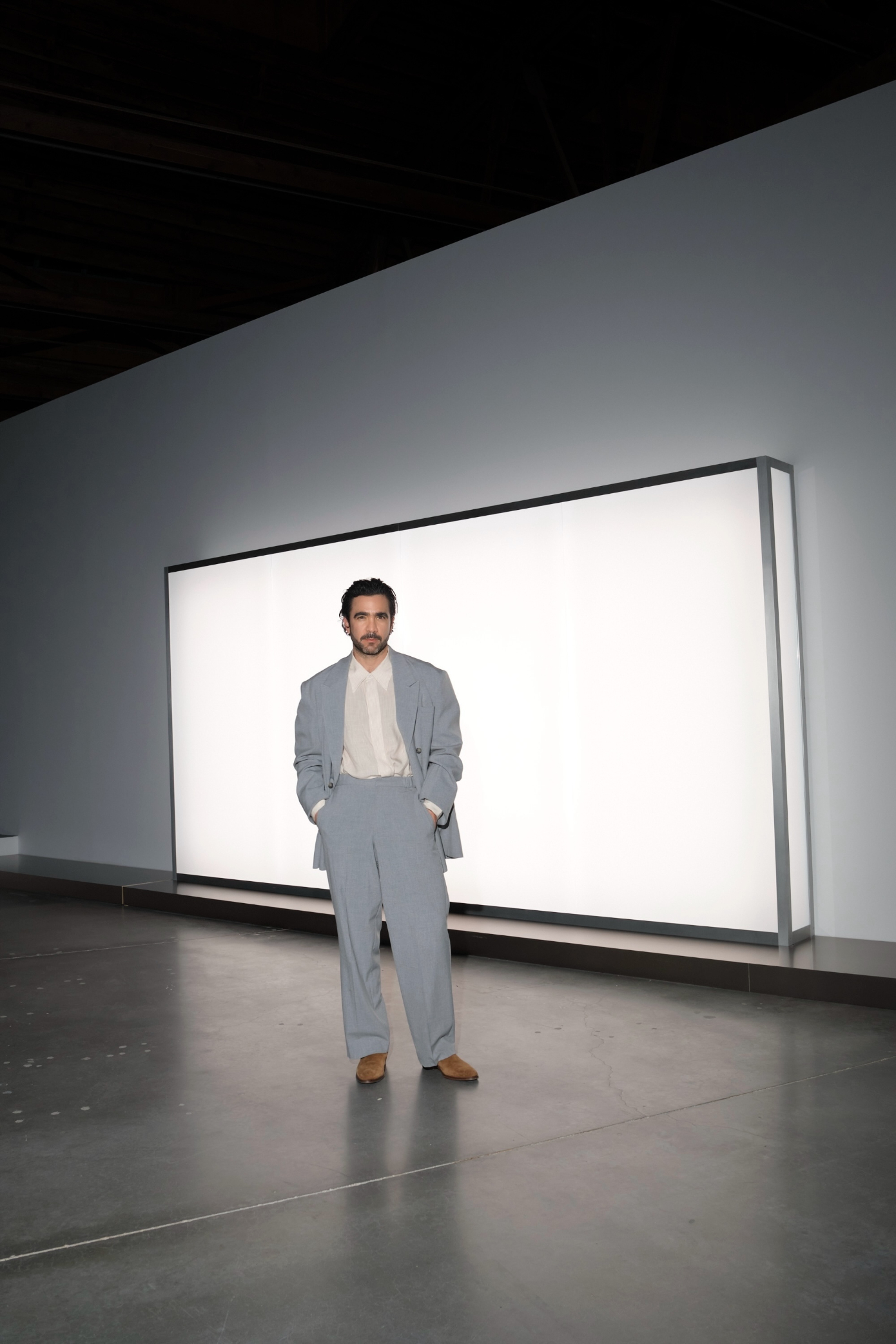
Humberto Moro, deputy director of program at the Dia Art Foundation, discusses his role in expanding the institution's focus to include Latin American artists such as Liliana Porter, Delcy Morelos, and David Lamelas, whose major survey he curated. The interview, published by Cultured, covers Moro's career path from his early painting pursuits to positions at Museo Tamayo, Museo Jumex, SCAD's Museum of Art, and the Park Avenue Armory, and his current work at Dia alongside director Jessica Morgan. Moro also shares his personal interests in science fiction and literature, citing authors Ted Chiang, Cixin Liu, and Mariana Enriquez.

art black museums moad mocada auc

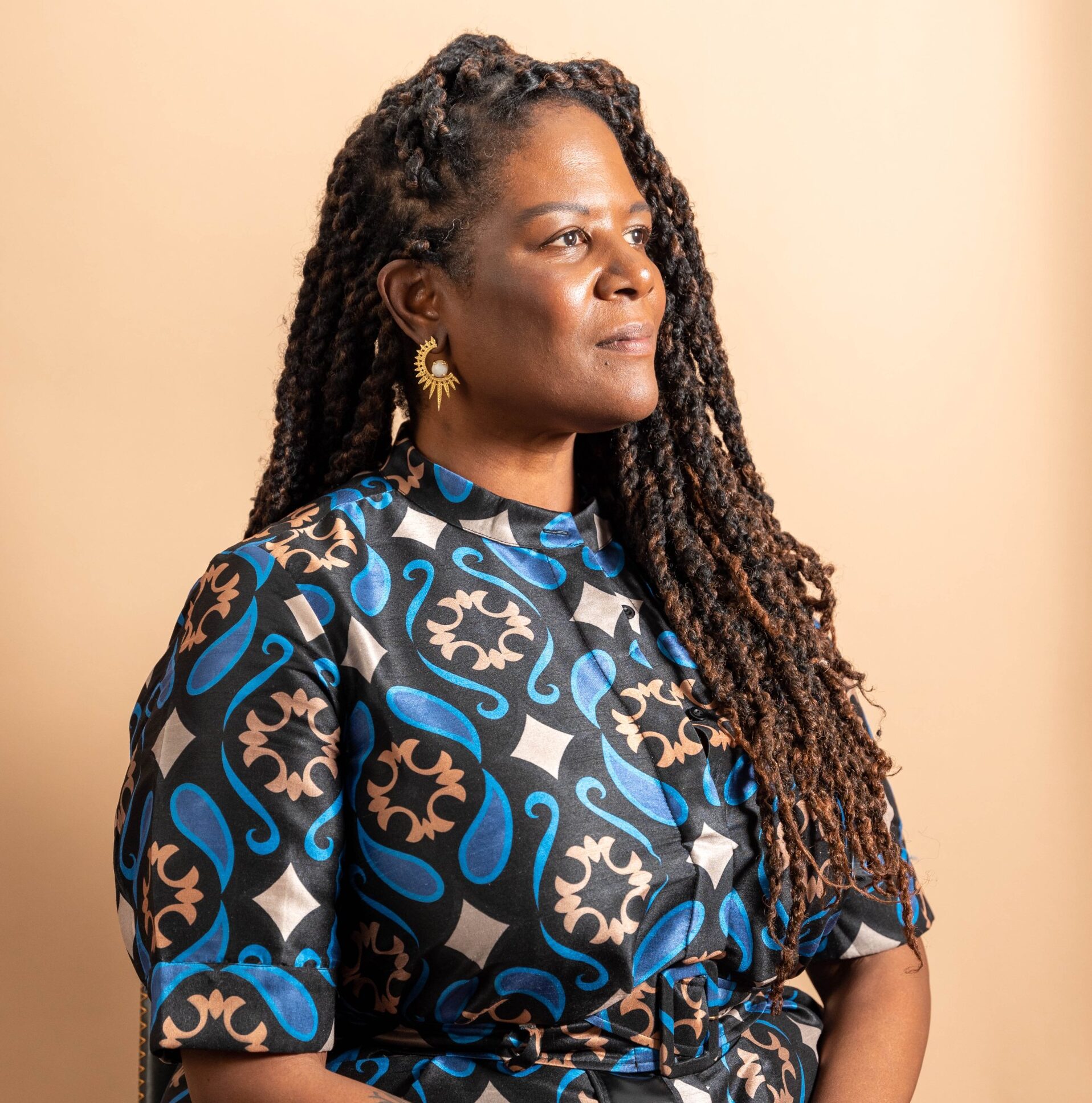
CULTURED magazine assembled a roundtable of three Black women leaders at prominent Black art museums in the U.S.—Key Jo Lee of the Museum of the African Diaspora (MoAD) in San Francisco, Cheryl Finley of the Atlanta University Center Art History and Curatorial Studies Collective (AUC), and Amy Andrieux of the Museum of Contemporary African Diasporan Arts (MoCADA) in New York. The discussion explores how each arrived at her role, the challenges these institutions face—including financial pressures and heightened scrutiny under the current U.S. administration—and their strategies for preserving and building legacies. Lee, who joined MoAD three years ago after a tenure at the Cleveland Museum of Art, is curating the exhibition “UNBOUND: Art, Blackness & the Universe,” named one of Hyperallergic’s top 25 of 2025. Finley, a curator, art historian, critic, and author, directs the AUC collective at Spelman College. Andrieux, who came from music and media roles at Red Bull Media House and MTV World, was recruited in 2018 to save MoCADA from closure and later became its executive director and chief curator, overseeing a capital expansion in 2023.

art james frey author art collection

James Frey, the controversial author of "A Million Little Pieces" and "Bright Shiny Morning," opens his home in Pound Ridge, New York, to discuss his personal art collection. The collection includes works by Rashid Johnson, Robert Colescott, Nate Lowman, Richard Prince, Andy Warhol, Jeff Koons, and Auguste Rodin, among others. Frey describes his art-buying philosophy as driven by emotion rather than market trends, and recounts purchasing his first pieces—a Picasso drawing and a Matisse drawing—for cash in 1994.

Marat Guelman and the group + - Komma: First of all, it’s beautiful

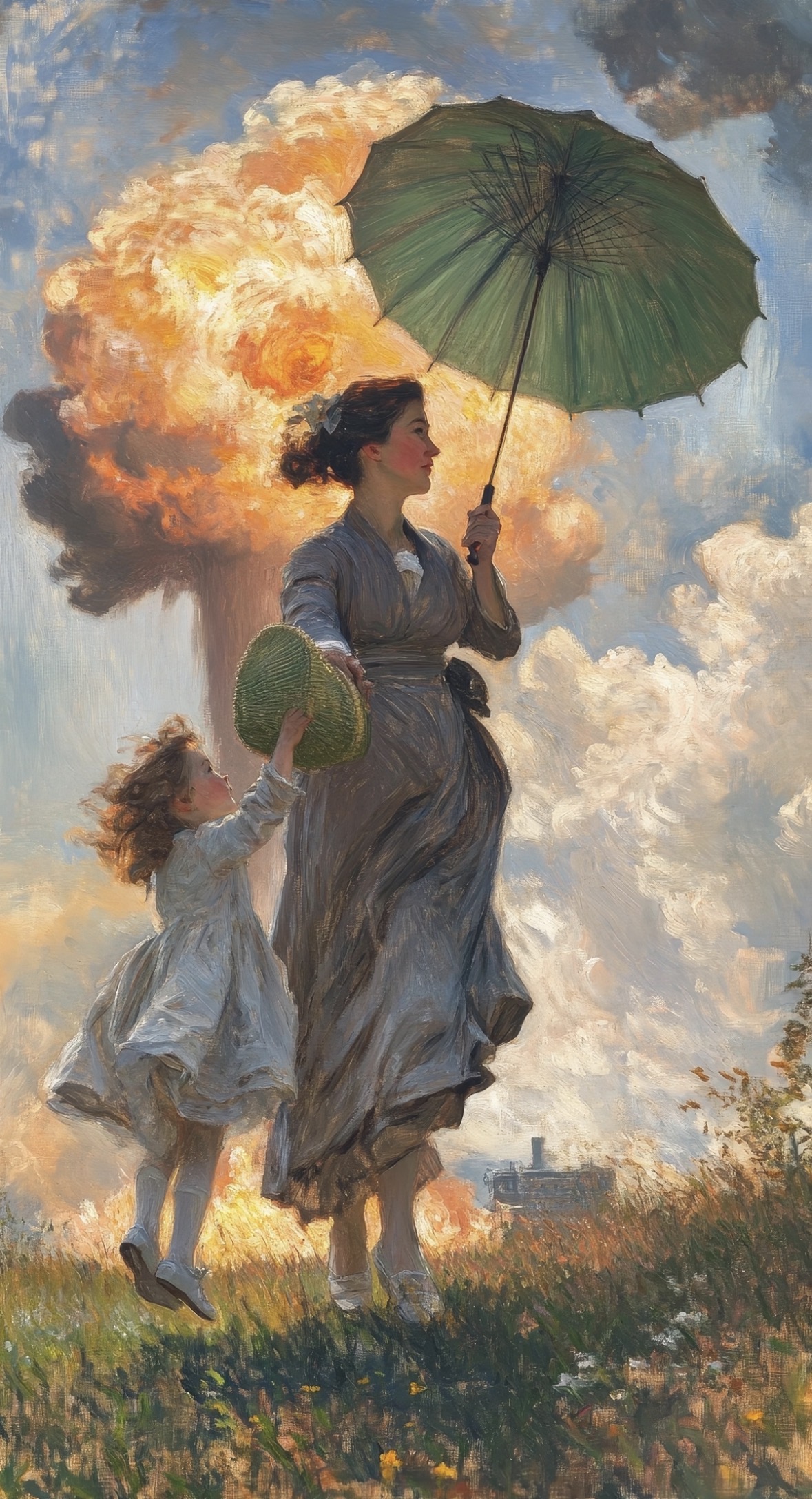
Marat Guelman's exhibition at Ethan Cohen Gallery in New York (April 23–May 30, 2026) features AI-generated monoprints created in collaboration with the Montenegrin digital art group + - Komma. None of the works were painted by Guelman himself; instead, he programmed AI outputs based on historical models by artists like Picasso, Gauguin, Monet, Warhol, Lichtenstein, Turner, Matisse, and Richter. Every piece in the show incorporates an image of an atomic mushroom cloud, a motif Guelman uses to respond to Vladimir Putin's nuclear threats during the Ukraine war.

Manifesto for a Radical Femininity for An Other Cinema

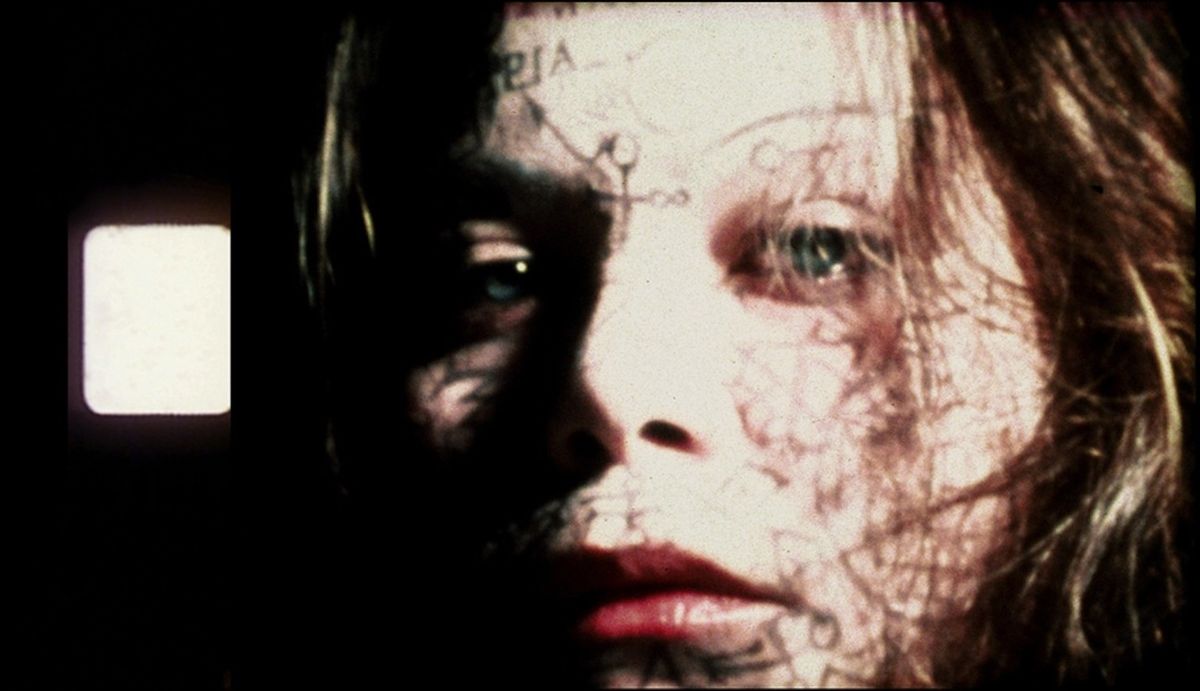
The article presents the 1977 "Manifesto for a Radical Femininity for an Other Cinema" by artists Maria Klonaris and Katerina Thomadaki. The manifesto, published in connection with a rare screening of their films at e-flux Screening Room, calls for a feminist rupture with dominant cinematic language and images, advocating for a "cinema of the body" that challenges patriarchal hierarchies in both sexuality and authorship.

DHM main building likely closed until 2031

DHM-Hauptbau wohl bis 2031 dicht

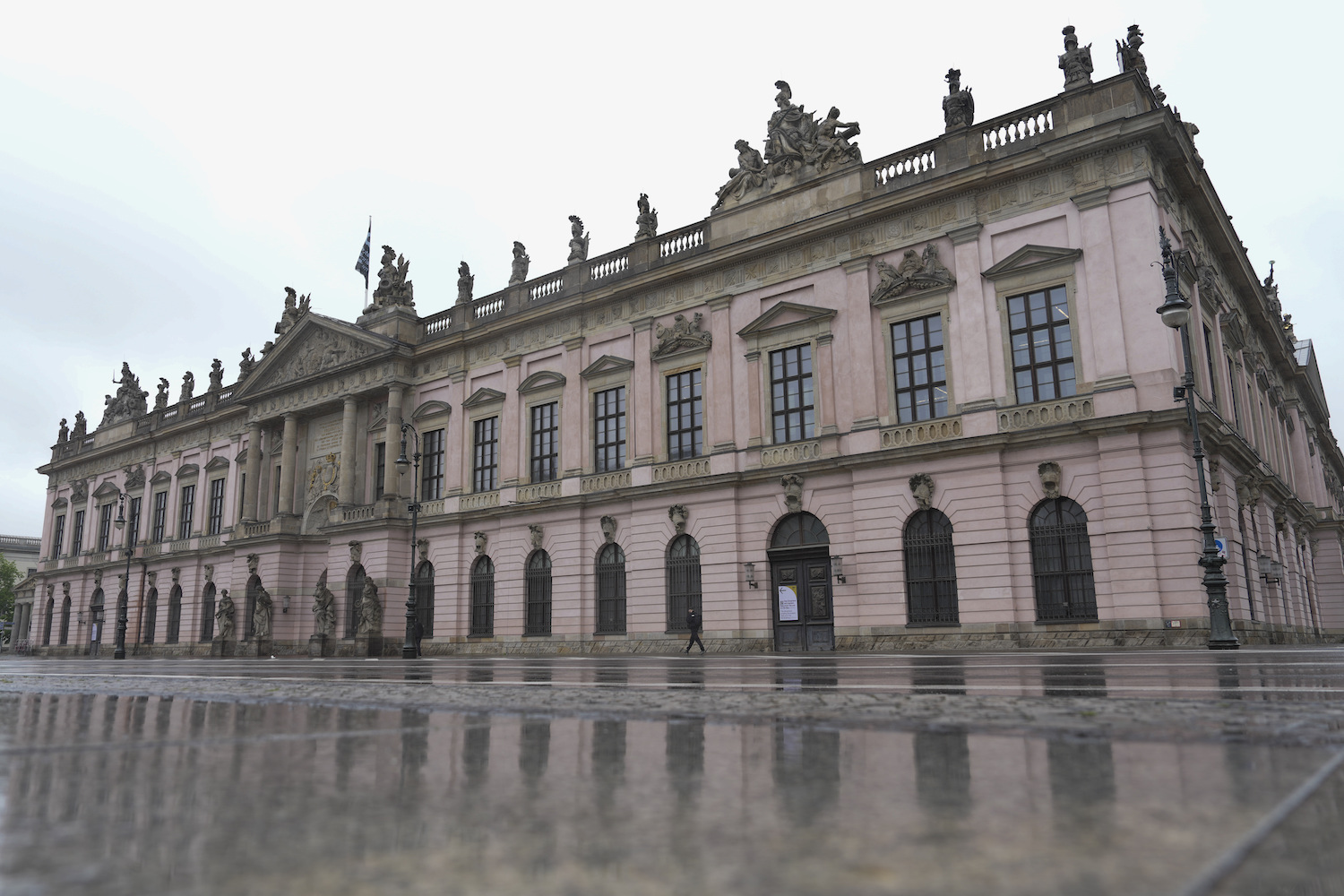
The German Historical Museum (DHM) in Berlin will remain without its main building, the Zeughaus on Unter den Linden, until at least 2031 due to further delays in its renovation. Museum director Raphael Gross announced that a binding timeline from the property owner and the federal construction authority is not expected until 2027, and a reopening before 2031 is unrealistic. In the meantime, the museum is using its modern Pei-Bau wing to host a new exhibition titled "Objekte. Geschichte. Geschichten," featuring around 200 highlights from its collection of one million objects, including a samurai armor once gifted to Adolf Hitler and objects from a refugee shelter.

Boats and trains, not planes: reflections on a greener—but sometimes greenwashed—Venice Biennale

The article recounts the author's train journey from London to Venice for the 61st Venice Biennale, highlighting the environmental benefits and pleasant experience of traveling by rail versus flying, despite higher costs and longer duration. It then focuses on the Biennale's central exhibition "In Minor Keys" curated by the late Koyo Kouoh, which foregrounds environmental themes through works that engage with earth, nature, and ecological stakes, featuring artists like Otobong Nkanga, Célia Vasquez Yui, Theo Eshetu, Linda Goode Bryant, and Annalee Davis.

Photographer Giles Duley brings images of historic and current wars into dialogue in Manhattan pop-up show

British photographer Giles Duley has opened a pop-up exhibition titled "Distortion/Memory/Resilience" in a 77th-floor penthouse at Sutton Tower in Manhattan, running from 12 to 24 May. The show features haunting war photography alongside installations—Youth, Childhood, and Memory—that draw parallels between historic and current conflicts. Duley, who lost both legs and an arm after stepping on a landmine in Afghanistan, uses a camera obscura, children's art from war zones, and side-by-side images of injured children from the London Blitz and Beirut to create an immersive experience. The exhibition is presented by the luxury tower's developer and includes benefit dinners hosted by Duley.

Political Fallout Rocks Venice Biennale Prize System

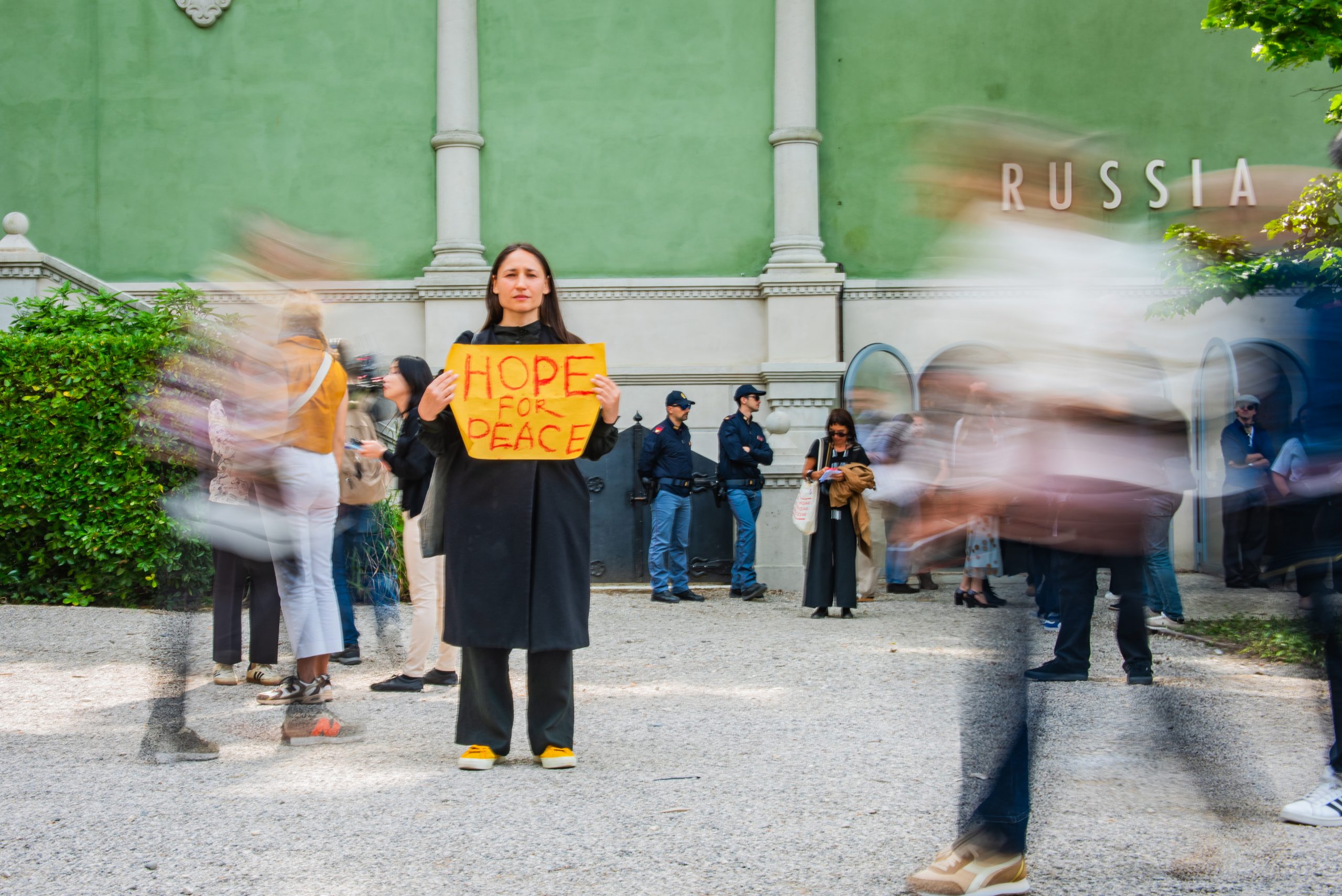
Dozens of artists participating in the 2026 Venice Biennale have withdrawn from consideration for the newly created Visitor Lion awards, replacing the traditional Gold and Silver Lion prizes. A total of 57 artists from the main exhibition and 22 national pavilions signed a statement published on e-flux on May 9, acting in solidarity with the five-person prize jury that resigned on April 30 over the continued participation of Russia and Israel. The jury had objected to awarding prizes to artists from countries whose leaders face International Criminal Court charges, including Russian president Vladimir Putin and Israeli prime minister Benjamin Netanyahu. In response, the Biennale organizers postponed the awards ceremony to November 22 and introduced visitor voting, a move they described as consistent with openness and dialogue. Meanwhile, the Russian Pavilion, which returned after lending its space to Bolivia in 2024, faced protests, closure after previews, and a €2 million funding pull by the European Union for the 2028 Biennale.

Putin ‘Won’ the Venice Biennale, Quips Italian Culture Minister

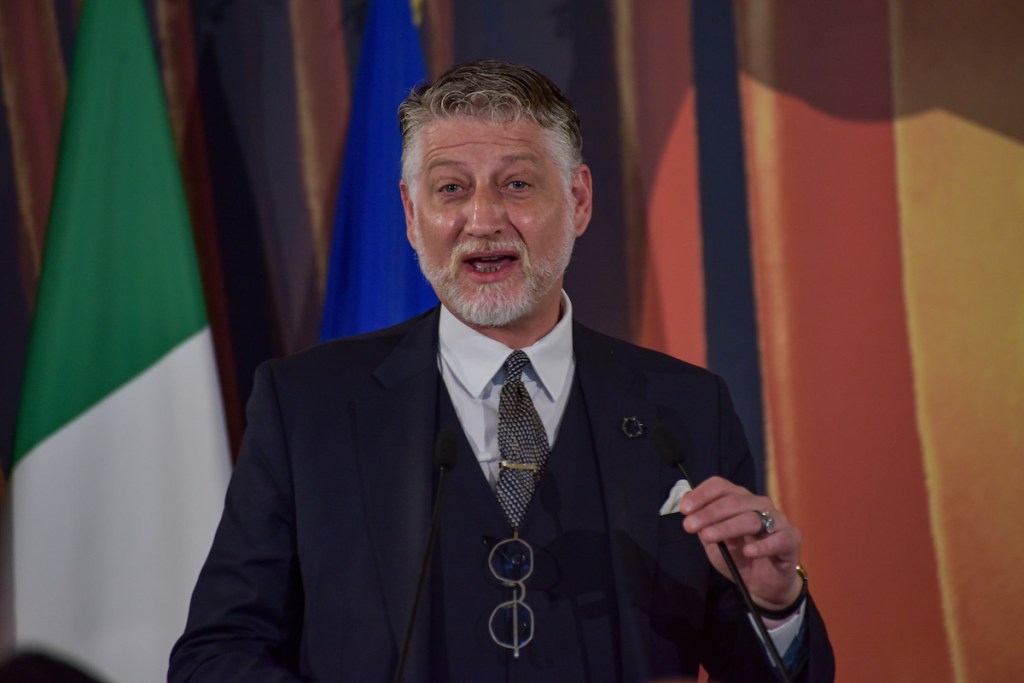
Italian Culture Minister Alessandro Giuli stated that Russian President Vladimir Putin "won" the 2024 Venice Biennale, criticizing Russia's controversial return to the event. Giuli, who repeatedly denounced Russia's presence, told Corriere della Sera that Russian artists in the pavilion cannot express dissent against their regime. The Biennale faced widespread calls to remove Russia, with the EU threatening to withhold a €2 million grant, but organizers argued they lacked legal authority to exclude the country. Protests by Pussy Riot and FEMEN marked the pavilion's opening, while the Biennale's jury resigned en masse after announcing that nations charged with crimes against humanity would be ineligible for Golden Lions.

Drained, Drowning, and Decay: The Best National Pavilions at the Venice Biennale

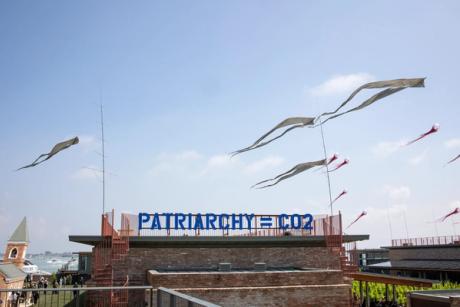
The 2026 Venice Biennale is defined by themes of ruin and decay, with standout national pavilions exploring bodily, infrastructural, and archaeological collapse. The Slovenian Pavilion features the Nonument Group repurposing materials from past Biennales into a ruin of a mosque for Bosnian Muslim soldiers from World War I. Syria presents its first national pavilion since the Civil War, with Sara Shamma invoking Palmyra, destroyed by ISIS. Germany's pavilion, titled "Ruin," features works by Henrike Naumann (who died in February) and Sung Tieu, questioning the pavilion's fascist architecture and nationalist residue. The Austrian Pavilion, curated by Florentina Holzinger, offers a visceral performance titled "Sea World." The Biennale is also marked by the abrupt resignation of its five-member jury, who refused to consider nations charged with crimes against humanity, leading to awards being chosen by public vote. Additionally, the main exhibition "In Minor Keys" was affected by the death of its curator, Koyo Kouoh.

Keith Haring Before the End of the World

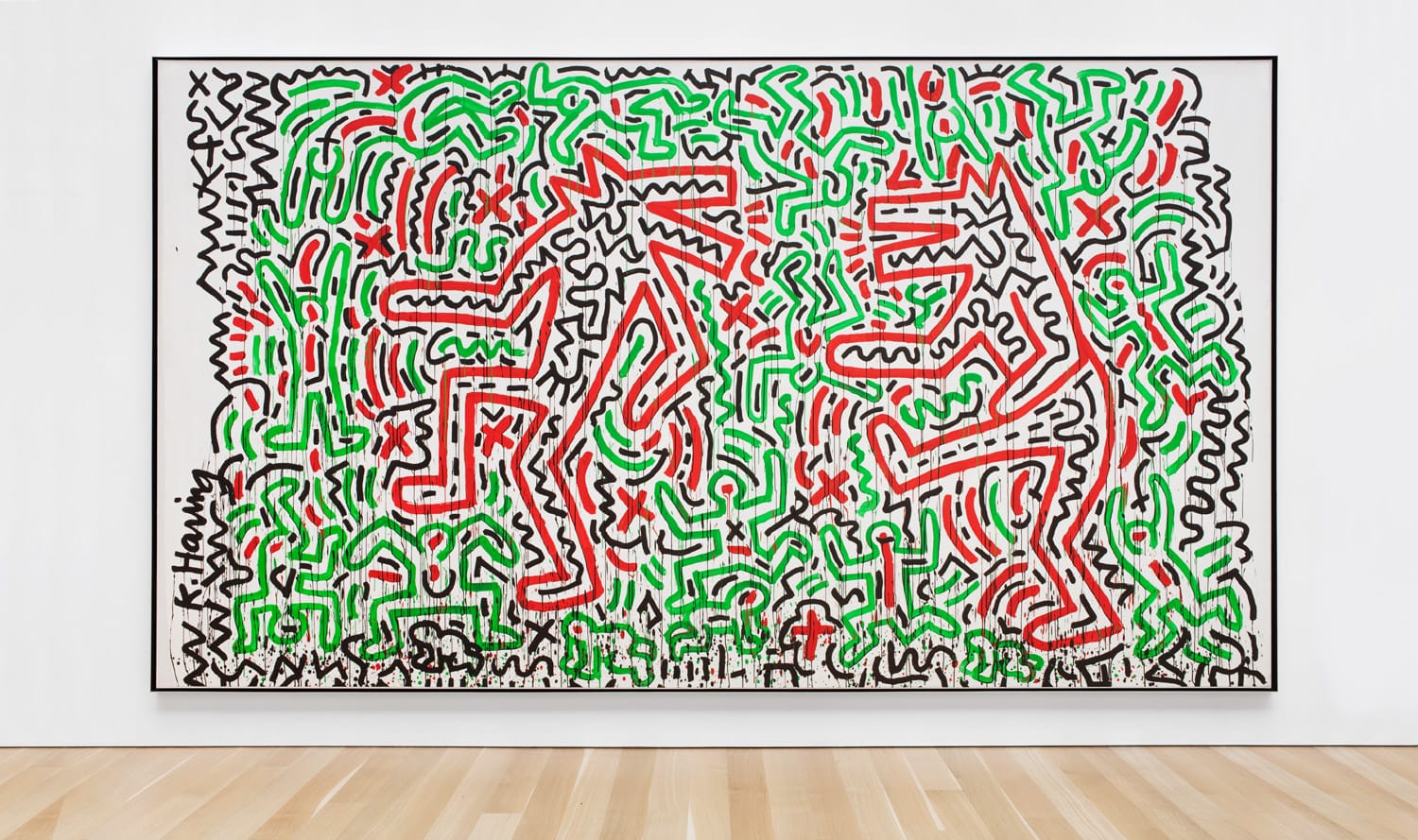
The article reviews Keith Haring's early work from 1980 to 1983, currently on view at the Brant Foundation in New York. The author reflects on initially dismissing Haring's graffiti-inspired style as trite and playful, but now sees darker, prophetic themes in pieces featuring apocalyptic imagery, UFOs, nuclear power, and mindless obedience to higher powers. The exhibition, curated by Dieter Buchhart and Anna Karina Hofbauer, runs through May 31.

Venice Diary Day 2: “In Minor Keys” Is a Major Statement on Perseverance and Play

The article is a diary entry from the 2026 Venice Biennale, focusing on the exhibition "In Minor Keys" curated by the late Koyo Kouoh. The author describes an emotional experience, beginning with a poem by Refaat Alareer on the Arsenale wall, and highlights works by Guadalupe Maravilla, Alexa Kumiko Hatanaka, and others that address themes of perseverance, healing, and survival. Maravilla's sculptures reference a child kidnapped by ICE, while Hatanaka's linocuts explore bipolar disorder as an adaptive trait. The show also features artist-led collectives like Denniston Hill and fierce pussy, emphasizing institution-building and world-making.

Venice Diary Day 1: At the Giardini, Artists Refuse to Make Fascism Cozy

Henrike Naumann's posthumous installation at the German Pavilion, which retains its 1938 Nazi-era fascist architecture, refuses to make the space 'cozy' by adorning windows with violently ripped domestic fabrics. The 2026 Venice Biennale is the first under president Pietrangelo Buttafuoco, associated with neo-fascist politics, and is overshadowed by controversy over his 'neutrality' policy allowing all countries to participate despite human rights concerns. The exhibition jury initially announced it would not consider pavilions from countries whose leaders are charged with crimes against humanity, then abruptly quit, leaving the situation unresolved. The US Pavilion features unimpressive blobs by Alma Allen, while the Russian Pavilion offers cut flowers and free vodka, and Andreas Angelidakis responds to fascist aesthetics at the Greek Pavilion.

Comment | The slopification of political art

The article critiques the rise of AI-generated political imagery, such as Donald Trump depicted as Jesus and viral Lego videos of the Iranian Revolutionary Guard Corps, arguing that these shallow, generic visuals fail to provide meaningful or lasting cultural commentary on current conflicts. The author contrasts this with the inventive, humorous resistance seen during the 2013 Gezi Park protests in Istanbul, which later influenced a generation of Turkish artists.

What You Need to Know About the Venice Biennale’s Russian Pavilion Controversy

The Russian pavilion is set to return to the Venice Biennale for the first time since the 2022 invasion of Ukraine, presenting an exhibition titled 'The tree is rooted in the sky.' This has sparked significant controversy, with artists, curators, and politicians from Ukraine and several European nations calling for the pavilion's exclusion, citing the ongoing war and sanctions. The Biennale organizers have refused to remove Russia, stating they lack the authority to exclude a state recognized by Italy and emphasizing the event's role as a neutral space for cultural dialogue.

Has A.I. Solved the Mystery of This El Greco Painting?

New research using artificial intelligence has challenged the long-held belief that El Greco's altarpiece *The Baptism of Christ* was largely painted by his son and workshop assistants. A machine-learning model called Patch, developed by researchers at Western Reserve University, analyzed the painting's microscopic surface texture and found underlying connections suggesting El Greco himself painted the majority of the work, with only a small region at the bottom attributed to other hands.

Unlike Josh Kline, I Choose New York

Artist Josh Kline’s recent essay on the devastating impact of New York City’s real estate market on the arts has sparked a heated debate regarding the city's future as a creative hub. While Kline argues that the 'polycrisis' of high rents and student debt is stifling artists born after 1975, this response critiques his generational focus, suggesting that the struggle for affordability is a structural issue affecting artists of all ages, particularly those from marginalized backgrounds who have faced these barriers for decades.

Who owns the seas? Shahzia Sikander's new animation on world trade beamed onto M+ museum facade

Artist Shahzia Sikander's new animated film, '3 to 12 Nautical Miles,' is being projected onto the digital façade of the M+ museum in Hong Kong. The work uses the historical expansion of territorial waters from 3 to 12 nautical miles as a framework to explore themes of maritime sovereignty, surveillance, and the legacy of colonial trade.