filter_list Showing 679 results for "Shift" close Clear
search
dashboard All 679 museum exhibitions 346article culture 77article news 68trending_up market 57person people 39article local 32article policy 27rate_review review 21gavel restitution 8candle obituary 2article gallery 1article event 1
date_range Range Today This Week This Month All
Subscribe

Jan Staller Photographs the Nuts and Bolts of Manhattan's Urban Symphony

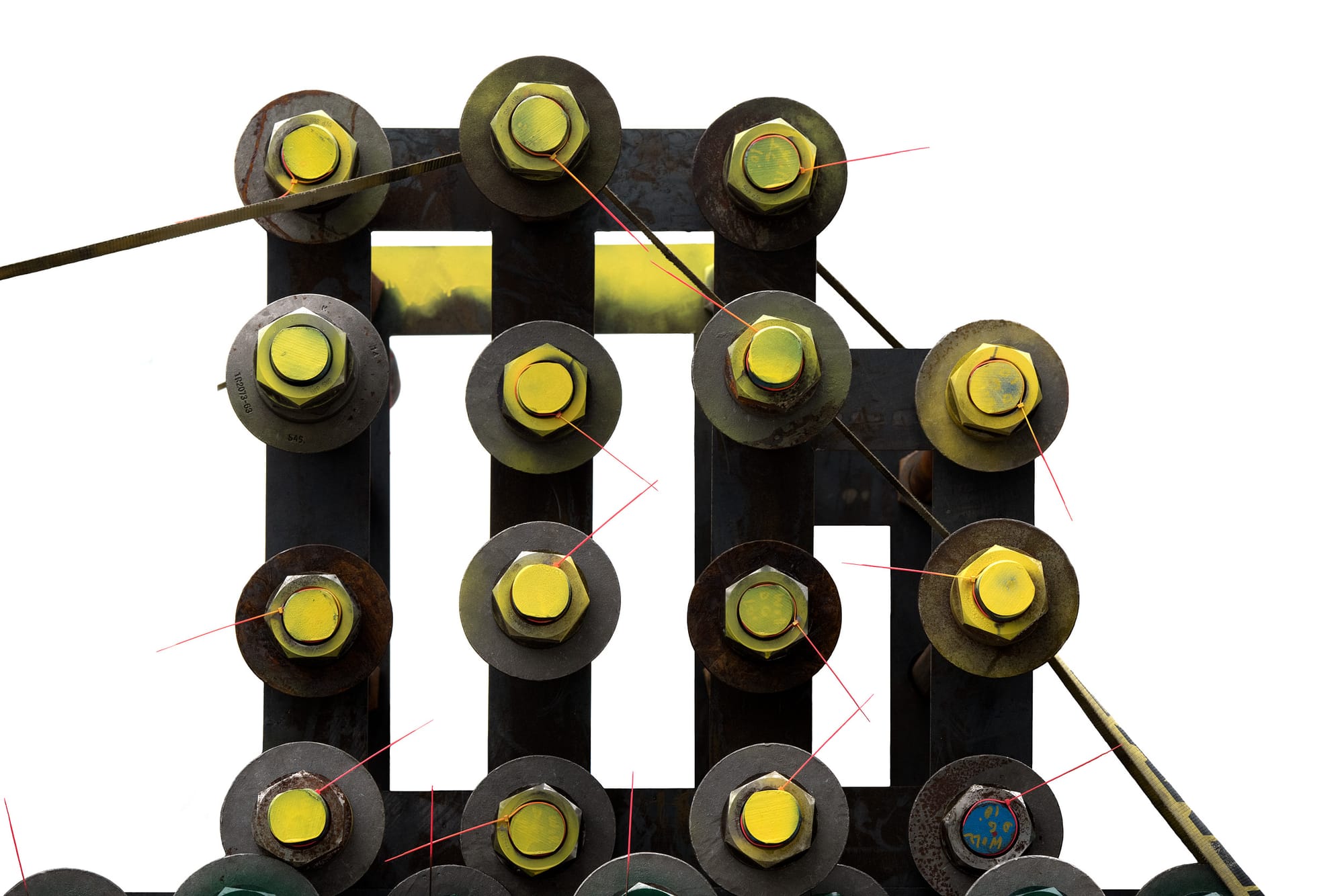
Photographer Jan Staller has released a new book titled "Manhattan Project," featuring photographs of construction materials—pipes, beams, rebar, and drill bits—suspended midair against white skies. The book marks a shift from his earlier moody night photography to a hard-edged focus on utilitarian objects, transforming New York City's construction sites into otherworldly, readymade-like visions. The book includes a foreword by Neil deGrasse Tyson and an essay by curator Brett Littman, with images spanning locations across the Upper West Side.

Thiago de Paula Souza Appointed Curator of Eighth Athens Biennale

Thiago de Paula Souza, a Brazilian-born curator and educator, has been appointed curator of the Eighth Athens Biennale, scheduled for spring 2026. De Paula Souza, based in São Paulo and a member of the artistic committee of NESR Art Foundation in Angola, is recognized for focusing on artistic practices involving transmutation through eroticism, gender nonconformity, and intimacy. He previously cocurated the 2025 Bienal de São Paulo, the 2024 Panorama da Arte Brasileira at MAM São Paulo, and the survey “Some May Work as Symbols: Art Made in Brazil, 1950s–70s” at Raven Row, London, and served on the curatorial team of the 2018 Berlin Biennale.

Is Berlin not over yet?

Ist Berlin doch noch nicht over?

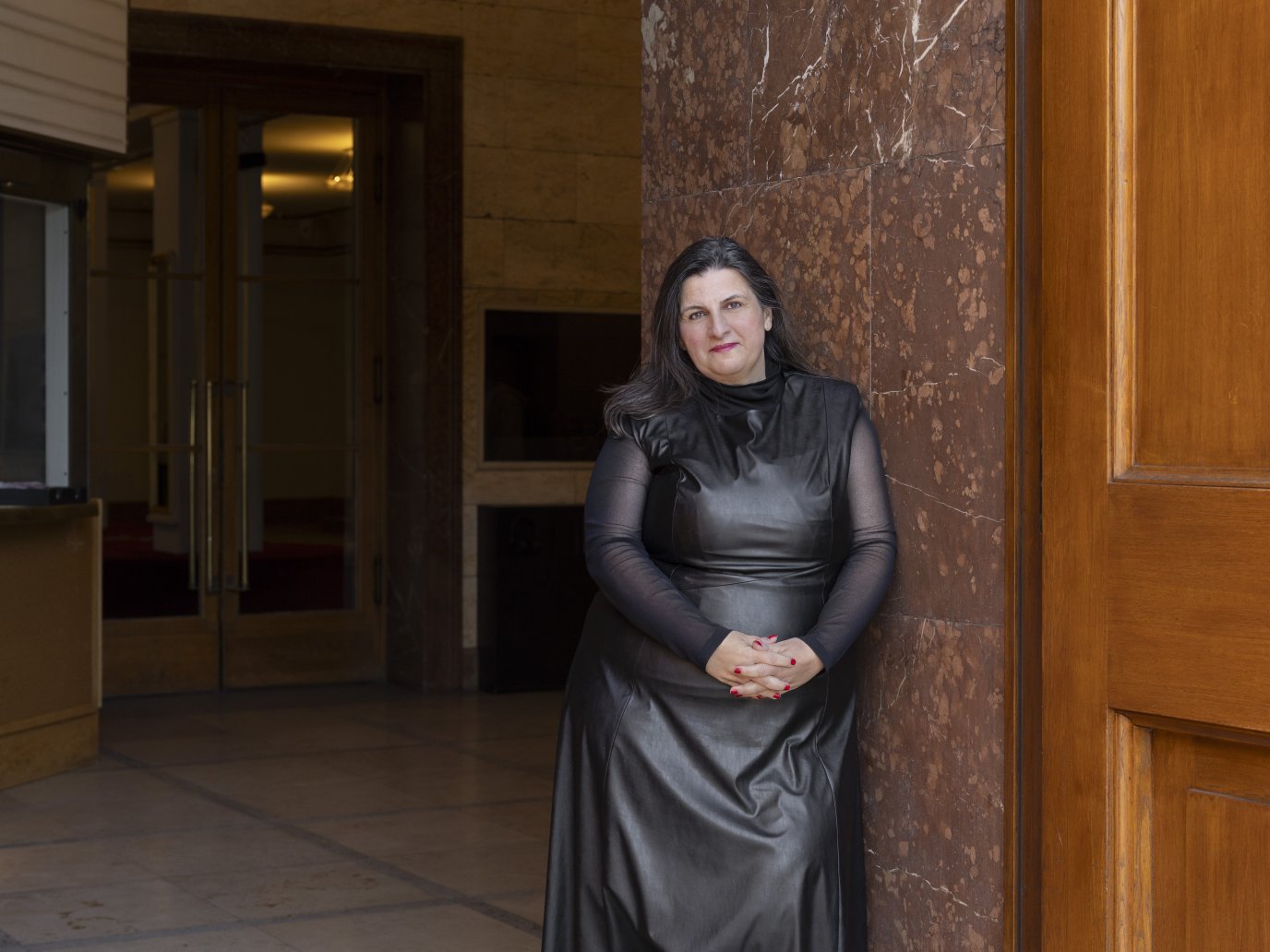
Çağla Ilk, who curated the German Pavilion at the Venice Biennale two years ago, has presented her plans as the new artistic director of the Maxim Gorki Theater in Berlin. Her program reimagines theater from the perspective of visual art, signaling a major shift in the city's theater landscape. The announcement comes amid broader reforms in Berlin's theater scene, including Matthias Lilienthal's upcoming takeover of the Volksbühne, and was met with both anticipation and anxiety, reminiscent of Chris Dercon's failed tenure at the Volksbühne in 2017.

I'm a punk artist, I don't give a damn

"Ich bin Punk-Künstlerin, ich geb einen Scheiß drauf"

During the opening week of the Venice Biennale, the Russian activist and Pussy Riot member Nadya Tolokonnikova staged a protest against the Russian pavilion, wearing pink balaclavas and chanting slogans like "Blood is Russia's Art." Meanwhile, Florentina Holzinger's Austrian pavilion, subtitled "I Live in Your Piss," drew massive crowds with its scatological installations and extreme performances, causing wait times of up to two and a half hours. German media critics have widely covered the Biennale's heightened political tone, with debates over boycotts of Russia and Israel, and the tension between art and activism.

The Biennale of Quiet Tones

Die Biennale der leisen Töne

The 61st Venice Biennale's main exhibition, titled "Gardens, Processions, Art as Expression of Lived Realities," places humanity at its center. Curators revealed minimal biographical details for the 111 participating artists, only noting the oldest (Marcel Duchamp, born 1887) and youngest (Mohammed Z Rahman, born 1997), signaling a deliberate shift away from individual fame toward collective experience.

The Future Will Be Neither Good Nor Bad, But Strange

"Die Zukunft wird nicht gut oder schlecht, sondern seltsam"

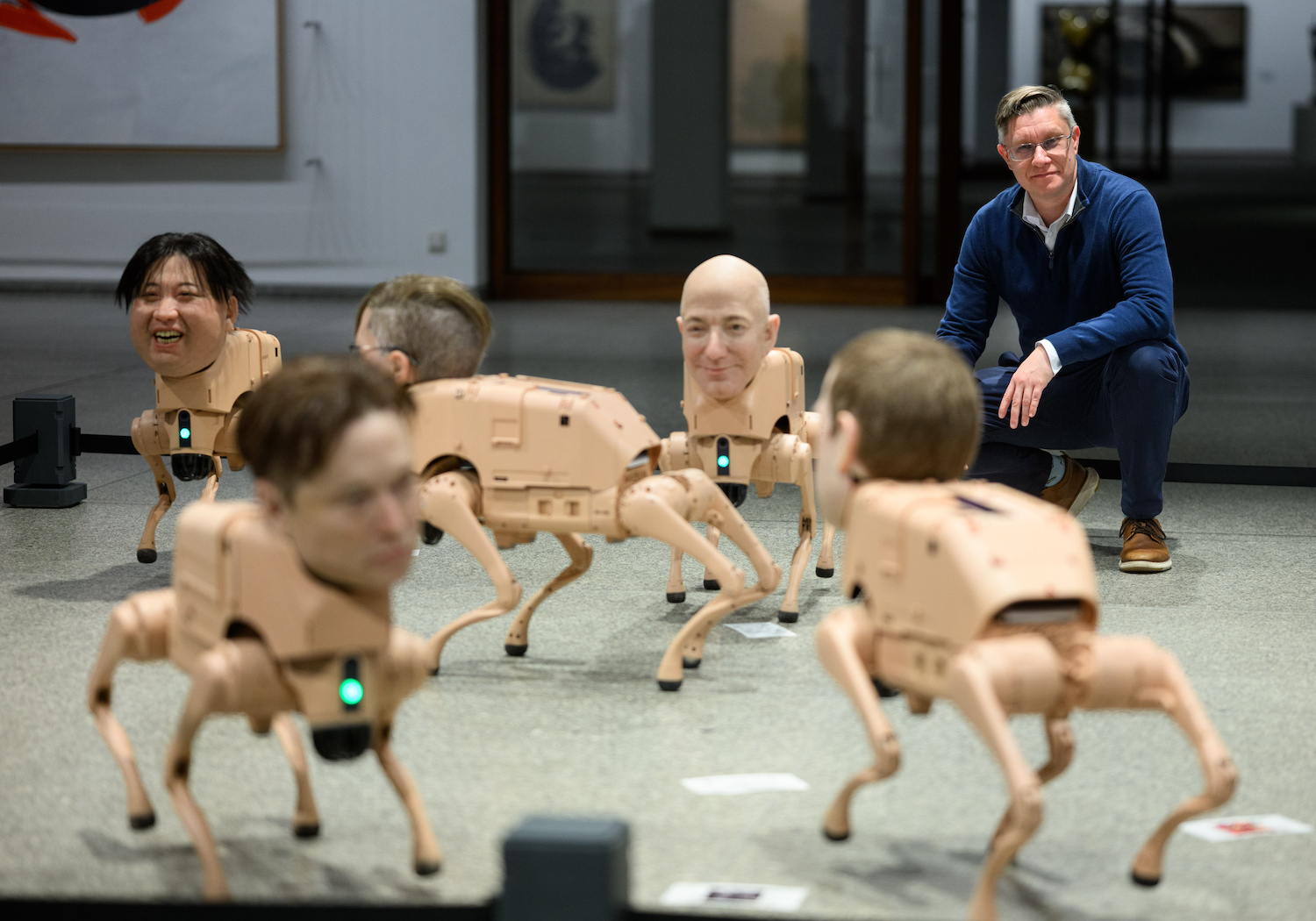
Mike Winkelmann, known as Beeple, has brought his "Regular Animals" series to the Neue Nationalgalerie in Berlin. The works feature digital creatures that blend pop-culture figures like Mark Zuckerberg with art-historical references such as Picasso, continuing Beeple's signature style of satirical, software-generated imagery. The exhibition marks a significant institutional debut for the artist, who rose to fame by selling the most expensive NFT ever and posting daily digital art online.

"Eine Idee, die gut ist, kann fast alles verändern"

Henrike Naumann's final major artistic project, the German Pavilion at the Venice Biennale, is completed posthumously by friends after her death from cancer at age 41. Meanwhile, the sudden death of curator Koyo Kouoh at 57 has left her team to finish the central exhibition "In Minor Keys" for the Biennale, opening May 9. The US Pavilion is openly crowdfunding for its 2026 presentation by sculptor Alma Allen, citing opaque funding under the Trump administration. Israel's foreign ministry has accused the Venice Biennale jury of boycotting its artist Belu-Simion Fainaru by excluding countries whose leaders face International Criminal Court charges.

Einatmen – Ausatmen

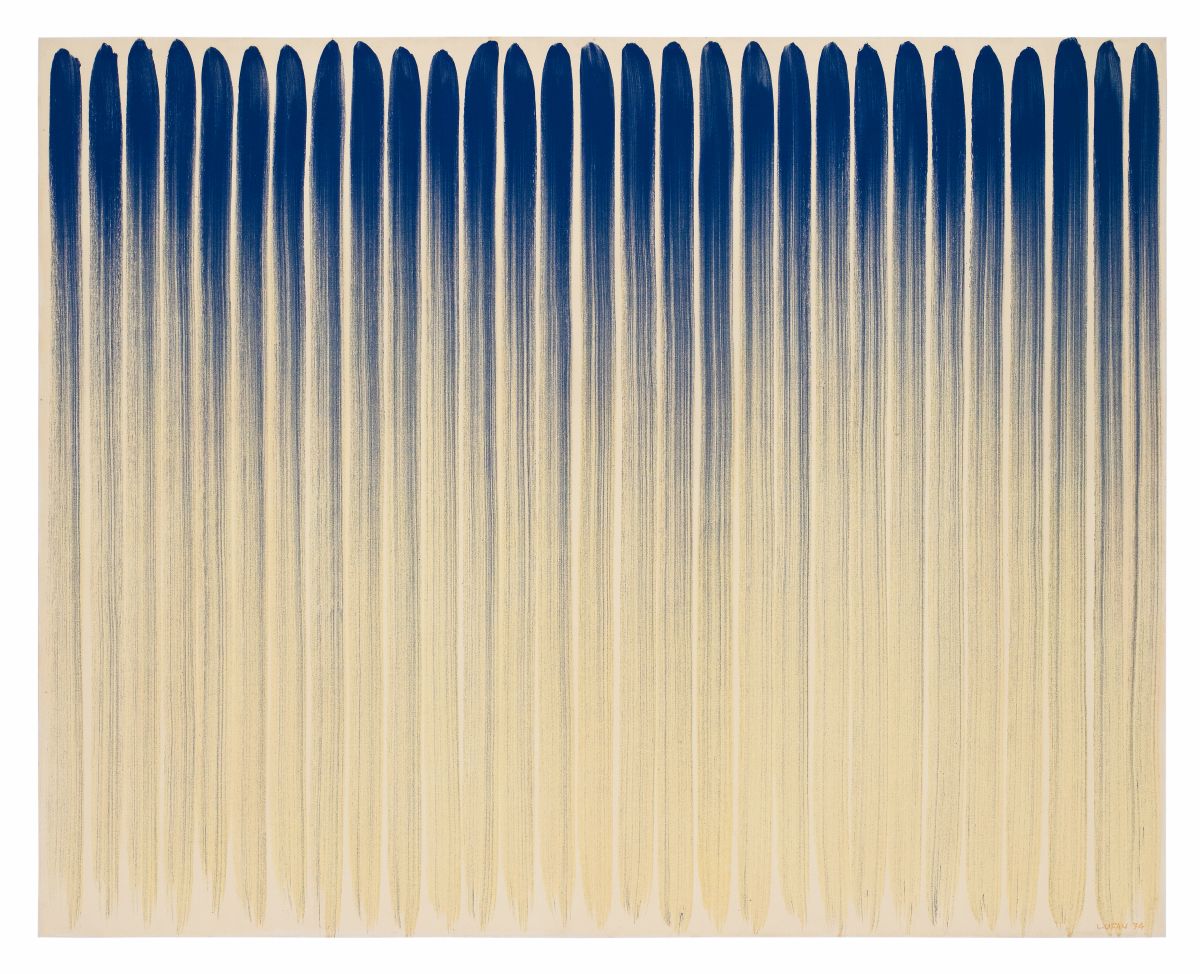
Lee Ufan, the renowned Korean artist known for his meditative single brushstroke paintings, is the subject of a feature article in Monopol. The piece visits his home in Kamakura, Japan, where he lives and works in a simple wooden cube house, reflecting the minimalist philosophy that defines his art. The article explores how Lee finds the entire universe in a single brushstroke, and how the art world is increasingly captivated by his serene, contemplative works.

"Etwas zaghaft, etwas ängstlich, etwas sicher"

The article surveys recent art-world commentary, focusing on a critical review of the Turner Prize shortlist in The Guardian, where Eddy Frankel calls the selection "timid, anxious, safe" and laments a self-perpetuating, elitist system. It also covers a Hyperallergic essay by Lisa Siraganian questioning whether artworks can possess personhood, sparked by Pierre Huyghe's Venice exhibition. Additionally, it reports on controversy at the Venice Biennale, where the jury preemptively excluded countries whose leaders are sought by the International Criminal Court—namely Russia and Israel—drawing sharp criticism from Die Welt's Marcus Woeller. A podcast interview with US sculptor Alma Allen, selected for the US Pavilion, rounds out the coverage.

Israel Criticizes Venice Biennale Jury over Pavilion’s Exclusion

The international jury of the 61st Venice Biennale has excluded the Israeli and Russian pavilions from consideration for official prizes, citing that countries whose leaders are charged with crimes against humanity by the International Criminal Court will not be eligible. Israel’s foreign ministry condemned the decision as a political boycott, and Israeli representative Belu-Simion Fainaru called it a hostile act that exceeds the jury’s mandate. The Biennale’s president, Pietrangelo Buttafuoco, has distanced the institution from the jury’s action, insisting the exhibition remain open to all nations recognized by Italy.

Venice Biennale, no prize for Russia or Israel

Biennale de Venise, pas de prix pour la Russie ou Israël

The Venice Biennale has announced that neither Russia nor Israel will receive awards at this year's edition. The decision reflects ongoing geopolitical tensions and controversies surrounding the participation of these nations in the prestigious international art exhibition.

The Fantasy of the Femme Fatale

Le fantasme de la femme fatale

A documentary titled "Le fantasme de la femme fatale" (The Fantasy of the Femme Fatale), directed by Susanne Brand, is available on Arte.tv. The film traces the visual history of the femme fatale, a seductive and dangerous figure prevalent in centuries of figurative painting by male artists like Gustave Moreau and Franz Von Stuck, often depicted as Salome or languid nymphs.

In the Shadow of Geniuses

Dans l’ombre des génies

A podcast episode from France Culture's "Affinités Culturelles" series, titled "Ces femmes d'artistes à l'ombre de l'histoire de l'art," examines the lives and artistic contributions of women who were partners to 20th-century masters Edward Hopper and Pablo Picasso. It focuses on figures like Joséphine Hopper, Françoise Gilot, and Dora Maar, exploring how they were often relegated to the roles of muses and models, with some sacrificing their own creative careers for their relationships.

« Le monde entier semble s’être mis en mouvement, animé par une soif d’expériences culturelles »

The article explores the transformation of cultural travel for artists and art lovers, contrasting the arduous, unknown journeys of historical figures like Eugène Delacroix, Paul Gauguin, and Ella Maillart with today's accessible, curated experiences. It describes how contemporary artists such as Ólafur Elíasson, JR, and Marina Abramović now use travel itself as a medium, creating works that engage with climate change, social issues, and presence. Destinations like the Venice Biennale, AlUla in Saudi Arabia, Naoshima in Japan, and Le Voyage à Nantes are highlighted as hubs where art and travel merge into immersive, sensory experiences.

WURUS – Light catches before form does.

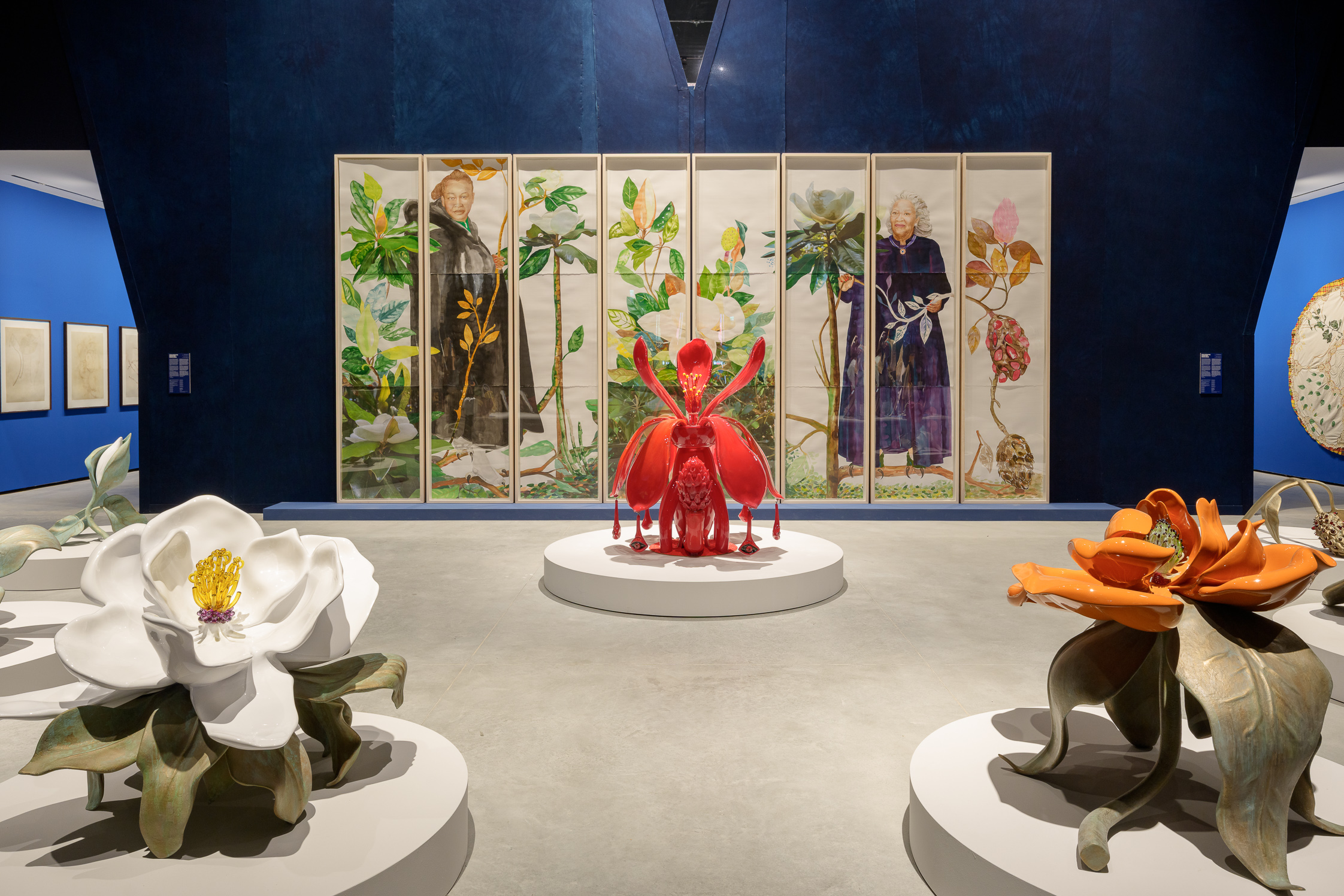
Artist Caroline Gueye presents 'WURUS', a new installation for the Senegal Pavilion at the 61st Venice Biennale. Curated by Massamba Mbaye, the work is a shifting field of brass and polymer bronze elements, using mirrors and light to create an environment where perception is contingent on the viewer's movement and position. The title invokes gold, opening onto histories of extraction, but the work deliberately resists singular meaning.

Theater in Paris: Studio Hébertot brings to life the companions of Pablo Picasso, from Fernande Olivier to Françoise Gilot

Théâtre à Paris : le Studio Hébertot fait revivre les compagnes de Pablo Picasso, de Fernande Olivier à Françoise Gilot

A theatrical production titled 'Les Amours de Pablo' is being staged at the Studio Hébertot in Paris until the end of May 2026. The play, created by the Compagnie Bille en Tête, focuses on the intimate and tumultuous relationships of Pablo Picasso, but primarily aims to give voice and substance to seven of his romantic partners, portraying them as complex individuals and artists in their own right.

6 Artworks That Define the 2026 Venice Biennale’s Main Exhibition

The 2026 Venice Biennale's main exhibition opens this week, curated by Koyo Kouoh—the first African woman to hold the role—who was announced in 2024 but passed away suddenly in 2025. The article highlights six artworks that define her curatorial vision, which connected the international art world to artists and institutions from Africa and the Global South.

Animals Wander through Neighborhood Streets at Twilight in Nicholas Moegly’s Illustrations

Artist Nicholas Moegly creates illustrations and oil paintings depicting quiet American neighborhoods at twilight, where animals like deer and foxes wander through empty streets and yards. His work evokes a dreamy, timeless realism, drawing comparisons to photographer Todd Hido and illustrator Chris Van Allsburg.

art olivia walton crystal bridges

Olivia Walton, former TV journalist and current board chair of the Crystal Bridges Museum of American Art in Bentonville, Arkansas, discusses her leadership and vision in an interview for Cultured's 2026 CULT100 honorees. She took over from founder Alice Walton, her husband's aunt, in 2021 and has championed free admission and expanded access. The museum is set to open a major expansion in May, doubling its public space and celebrating its 15th anniversary alongside America's 250th birthday.

architecture frida escobedo serpentine pompidou

Frida Escobedo, a Mexican architect who founded her Mexico City studio at age 23, is profiled as part of Cultured's 2026 CULT100 honorees. She became the youngest architect to win the Serpentine Pavilion commission and is set to debut her biggest project yet in 2030: the Metropolitan Museum of Art's new modern and contemporary wing. The article presents a Q&A format covering her influences, including architect Lebbeus Woods, her views on patience and imagination, and her reflections on career challenges such as protecting her time.

Dozens of Pavilions Close During Strike at 61st Venice Biennale

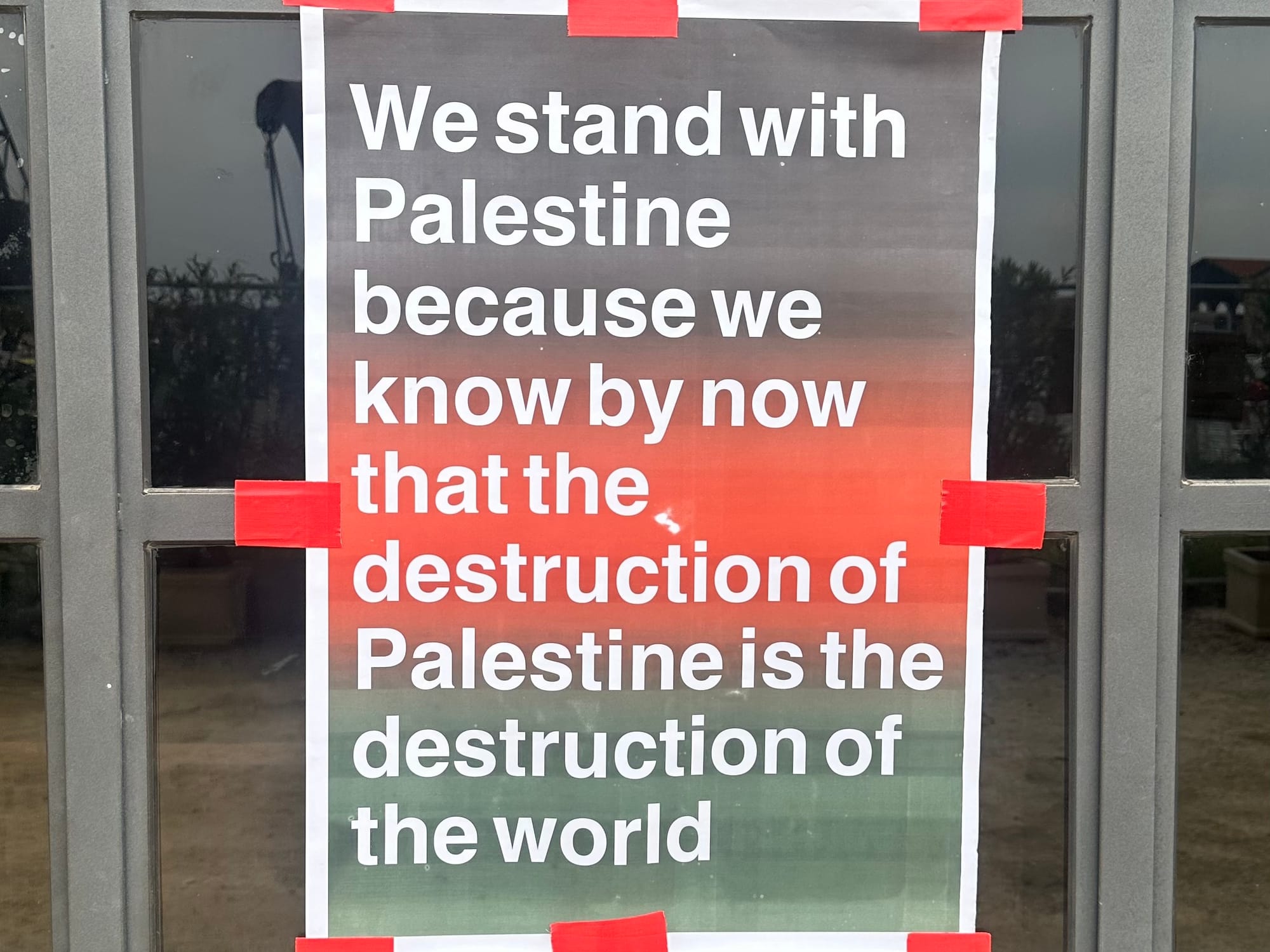
On May 8, 2026, a 24-hour strike organized by the Art Not Genocide Alliance (ANGA) and several Italian activist groups brought the 61st Venice Biennale to a standstill. Approximately 27 of the 100 national pavilions closed fully or partially in solidarity with protesters demanding Israel’s exclusion from the event, including those of Austria, Belgium, France, Great Britain, Japan, South Korea, and Ukraine. Over 3,500 people marched through Venice, with speakers including artist Gabrielle Goliath and curator Caroline Dumalin. The main exhibition, "In Minor Keys," curated by the late Koyo Kouoh, closed by late afternoon, and riot police were stationed outside the Arsenale. The Israeli pavilion, already shuttered during previews, remained closed.

The Founders of Open Restitution Africa (ORA) on Their New Open Data Platform

On March 31, the research initiative Open Restitution Africa (ORA) launched the ORA Open Data Platform, a database providing information on the restitution of African artifacts and ancestral remains. Developed over six years by ORA’s all-woman, pan-African team, the site uses case histories and AI-powered tools to offer practical insights into the return process, available in French and English. It presents 25 case histories spanning 200 years, using data visualizations, essays, and interactive tools to help individuals and communities develop their own restitution strategies. ARTnews interviewed founders Chao Tayiana Maina and Molemo Moiloa about the project's origins and goals.

How the adoption of canvas in Venice changed the way artists painted

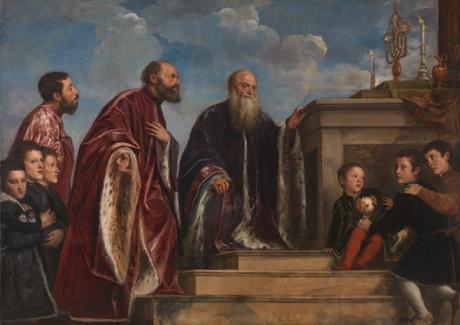
Art historian Cleo Nisse has published a new book, *Venetian Canvas and the Transformation of Painting*, examining how 16th-century Venetian painters such as Titian, Veronese, and Tintoretto pioneered the use of canvas as a painting support. Nisse reveals that canvas was not a uniform material—artists experimented with different weaves, including tabby and herringbone patterns, and even repurposed sailcloth and tablecloth-quality fabrics to achieve specific visual effects. The book argues that canvas was already familiar in the late Middle Ages for banners and alternatives to tapestry, and that Vittore Carpaccio was the first master of the medium, varying canvas types for expressive purposes in his *Legend of St Ursula* series.

Trippy Film by British-Ethiopian Artist Theo Eshetu Hits the Venice Biennale

British-Ethiopian artist Theo Eshetu is presenting a new installation, *The Garden of the Broken-Hearted* (2026), at the Venice Biennale. The work features a live olive tree mounted on a rotating dais, with a video of the tree projected onto itself, marking a shift from his decades-long practice of multi-screen video installations. Eshetu discusses the project's origins in conversations with the late Biennale curator Koyo Kouoh, framing the tree as a space for mourning, human consciousness, and elemental storytelling.

Emma the joke-telling robot cracks up the care home: Paula Hornickel’s best photograph

Photographer Paula Hornickel captured a moment between an elderly care home resident named Waltraud and a social robot named Emma in Albershausen, Germany. The robot, designed for companionship in settings with staff shortages, engages residents in conversation, tells jokes, and discusses topics like favorite flowers, simulating social interaction.

Grimes joining LinkedIn is artwashing at its most brazen. I should know – I released my new film on there

Artist Alan Warburton critiques the migration of creative professionals to LinkedIn, sparked by musician Grimes' recent pivot to the platform to promote her appearance at an Nvidia tech conference. Warburton, who recently released his AI-focused film 'Image Empire' on the site, describes the move as a desperate response to the 'enshittification' of traditional creative platforms like Twitter and Vimeo, which have been overrun by bots and AI-generated content.

At Frieze New York and Beyond, Indigenous Artists Are in the Spotlight

At Frieze New York and other concurrent exhibitions, Indigenous artists Sara Flores, Suzanne Kite, and Seba Calfuqueo are presenting works that challenge and expand traditional definitions of Indigenous art. Their pieces are on view in New York, Venice, and beyond, marking a significant moment for contemporary Indigenous voices in the global art scene.

Long Live the King?

Sam Jacob's essay in ArtReview uses the upcoming Baz Luhrmann film 'EPIC: Elvis Presley in Concert' (2026) as a springboard to explore the cultural and technical implications of digital restoration. The film, a spinoff from Luhrmann's 2022 Elvis biopic, draws on 59 hours of previously unseen footage from Elvis Presley's 1970 and 1972 Las Vegas performances, recovered from Warner's Kansas salt-mine archive. Using Peter Jackson's Park Road Post technology—including Machine Assisted Learning (MAL) for demixing audio and video—the damaged, fragmented material has been digitally scanned, reconstructed, and enhanced to 4k resolution with 12-channel sound, presented in IMAX cinemas.

San Francisco’s Vaillancourt Fountain Catches Fire During Controversial Removal

San Francisco's Vaillancourt Fountain, a Brutalist concrete structure at Embarcadero Plaza since 1971, caught fire on Wednesday morning as workers used blow torches to disassemble it. The fire ignited rubber tubing and debris inside the sculpture's cantilevered arms, producing smoke that forced the temporary evacuation of nearby paddle board courts. The fountain is being removed to make way for a $32.5 million redevelopment of the plaza and playground into a five-acre park.

Nations Charged With Crimes Against Humanity Will Not Be Considered for Venice Biennale Awards

The jury for the 2026 Venice Biennale announced it will not consider contributions from countries whose leaders are charged with crimes against humanity for the Golden and Silver Lion awards, effectively excluding Israel and Russia. The decision, framed as a commitment to human rights and aligned with curator Koyo Kouoh's vision, comes amid broader controversy over participating pavilions, including American artists declining to represent the US and the EU withdrawing a $2.3 million grant over Russia's involvement.