filter_list Showing 428 results for "hyperallergic" close Clear
dashboard All 428 museum exhibitions 118article news 114rate_review review 52article culture 45candle obituary 27article policy 27person people 26trending_up market 8article local 5gavel restitution 4article satire 1article event 1
date_range Range Today This Week This Month All
Subscribe

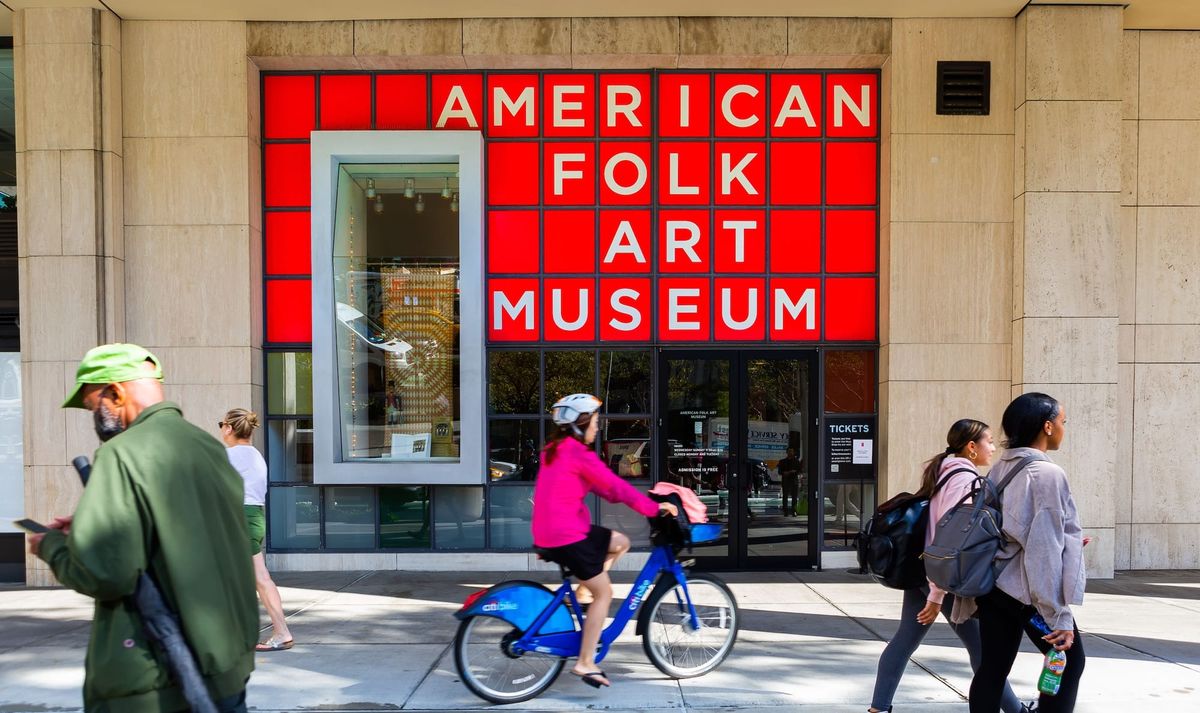
NYC’s American Folk Art Museum Is Closing for Renovations

The American Folk Art Museum (AFAM) on Manhattan's Upper West Side will temporarily close this summer for a major renovation project. The museum will shutter its current exhibition "Somewhere to Roost" on May 2 and close remaining galleries on May 26. The renovation, the largest in 30 years, will revitalize the museum shop, courtyard, office spaces, entry façade, and operations systems, with phased reopenings starting this fall and full completion expected next spring, timed around the 250th anniversary of U.S. independence.
A Drama of Two Masters

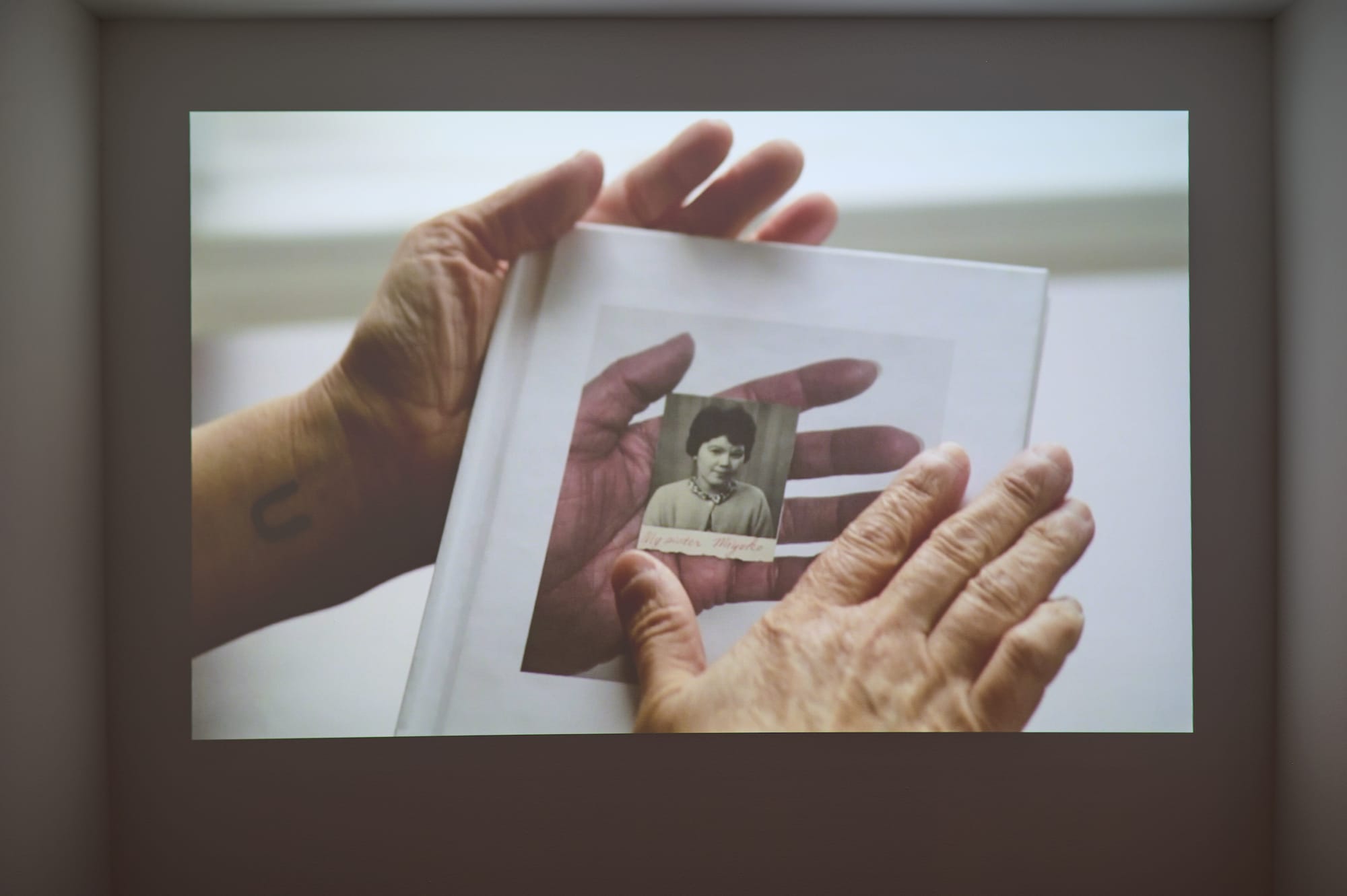
A new documentary film titled "Turner & Constable" attempts to dramatize the artistic rivalry between the two iconic British landscape painters, J.M.W. Turner and John Constable. The film is based on a recent exhibition of the same name at Tate Britain in London.

A View From the Easel

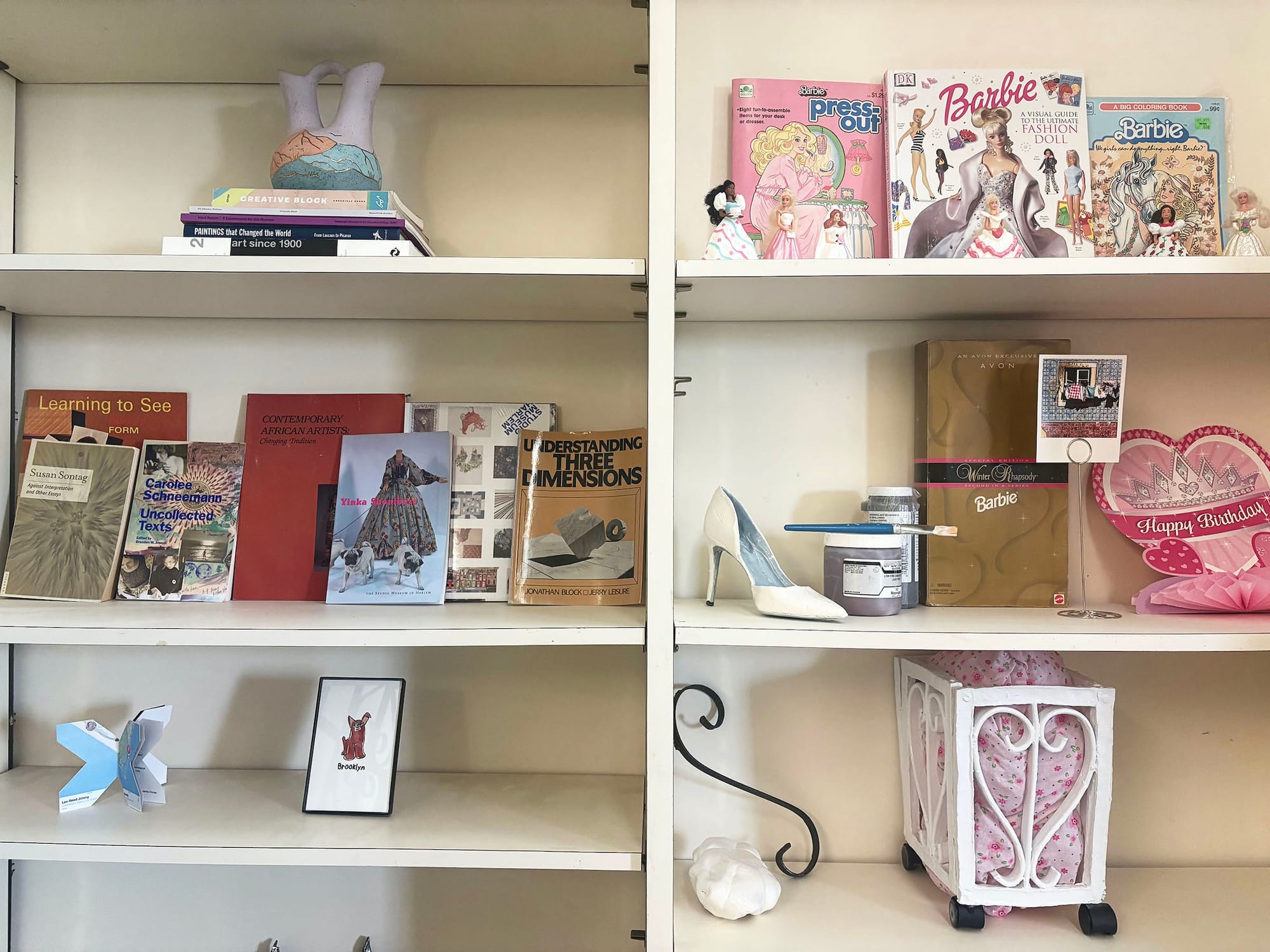
Hyperallergic's ongoing series "A View From the Easel" features two artists describing their unconventional studio practices. Georgina Arroyo works in a shared academic space at Purchase College, compartmentalizing her process-intensive mold-making and casting work around her job schedule. Linda Jacobson, based in her Venice, California studio for 17 years, works on multiple pieces simultaneously, currently focusing on a large commissioned painting.

Required Reading

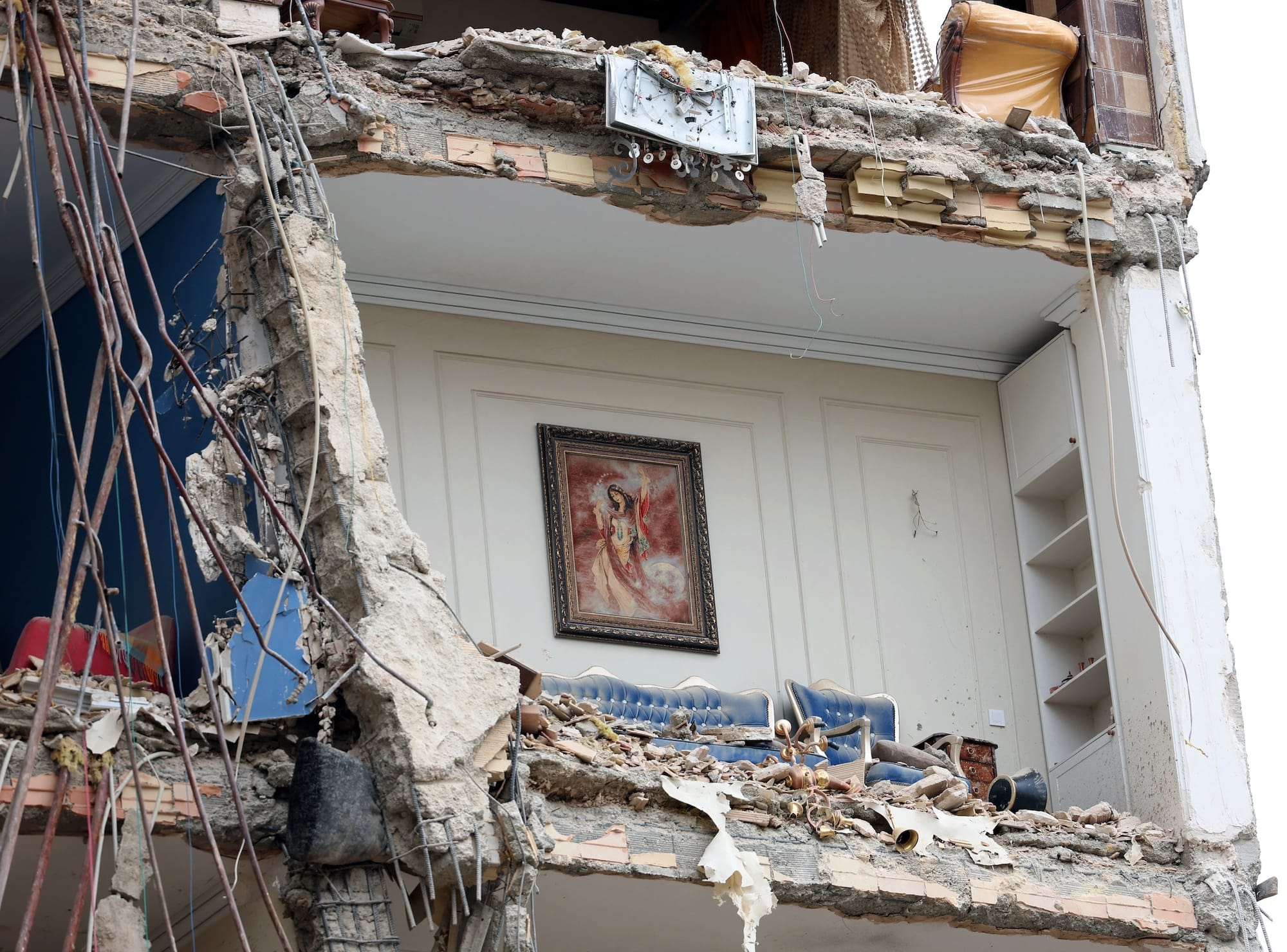
This week's cultural roundup connects diverse stories from art conservation to literary analysis. Novelist Karma Brown draws parallels between restoring artworks and revising novels, inspired by visits to the Art Gallery of Ontario, while an interview with Namwali Serpell examines the complex "monumentalization" of Toni Morrison's legacy. The column also includes a poignant image from Tehran—a framed artwork hanging in a bomb-damaged apartment—and touches on topics ranging from celebrating Eid in Gaza to discussions about "girl games" and the Lindy West drama.

Vilcek Foundation to Award $200,000 in Grants to Nonprofits Uplifting Immigrant Contributions

The Vilcek Foundation is accepting applications for its 2026 grant cycle, offering up to $20,000 per grant to nonprofit organizations that highlight immigrant contributions in the arts, sciences, and culture. The total funding pool is $200,000, with a deadline of April 30, 2026. This initiative marks the second year of this specific grant program, expanding the foundation's long-standing mission as it celebrates its 25th anniversary.

How Much Did It Cost to Paint a Pompeii Room Egyptian Blue?

How Much Did It Cost to Paint a Pompeii Room Egyptian Blue?

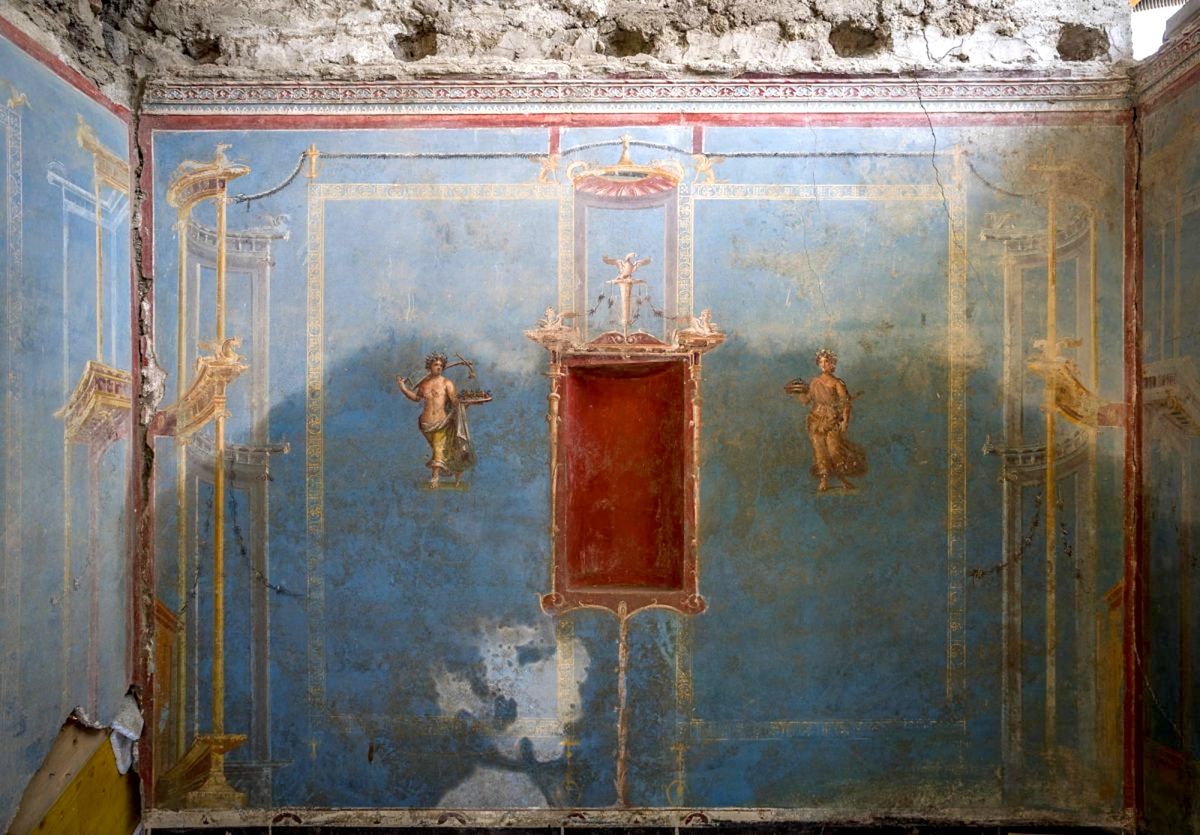
A new study has calculated the staggering cost of painting a room in Pompeii with Egyptian blue pigment. Researchers determined that covering the walls of a recently discovered "Blue Room," a sacred shrine, would have required between 2.7 and 4.9 kilograms of the prized synthetic pigment. Based on prices recorded by Pliny the Elder, this quantity of high-grade pigment would have cost between 50% and 90% of a Roman legionary's annual salary, highlighting it as an extreme luxury.

Azerbaijan Destroys Armenian Holy Mother of God Church in Artsakh

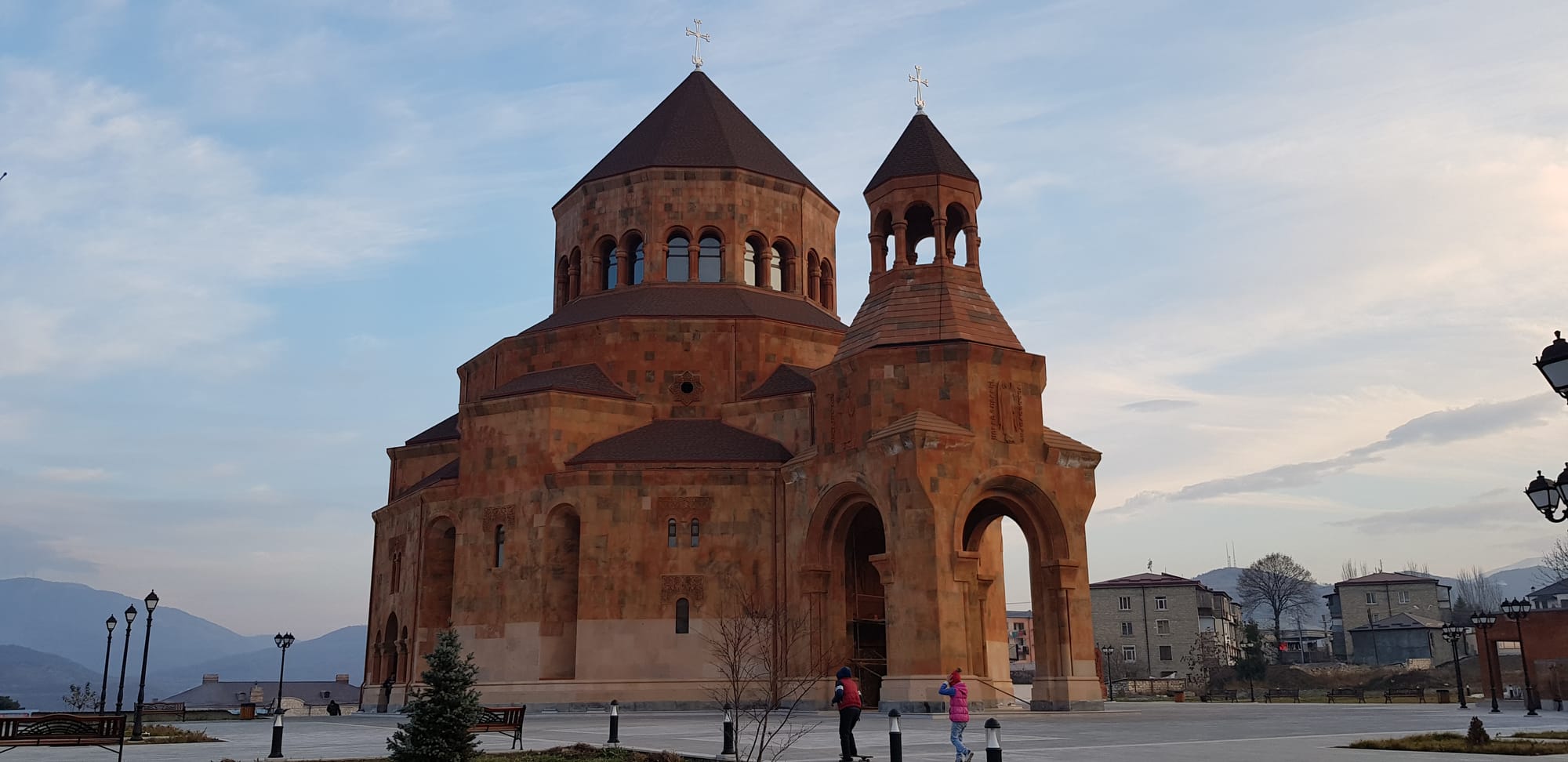
Satellite imagery obtained by Caucasus Heritage Watch (CHW) confirms that the Azerbaijani regime has demolished the Holy Mother of God Church in Stepanakert, the former capital of the Republic of Artsakh (Nagorno-Karabakh). The church, consecrated in 2019 after 12 years of construction, was destroyed within the last eight weeks, as evidenced by Sentinel-2 satellite images from March 3 and April 2. The Artsakh Tourism and Cultural Development Agency announced the destruction on April 21, three days before the 111th anniversary of the Armenian Genocide. This demolition follows a pattern of damage to Armenian religious and cultural sites since the forced displacement of over 130,000 Armenians in September 2023.

Louvre Museum to Install Locks on Doors After Heist

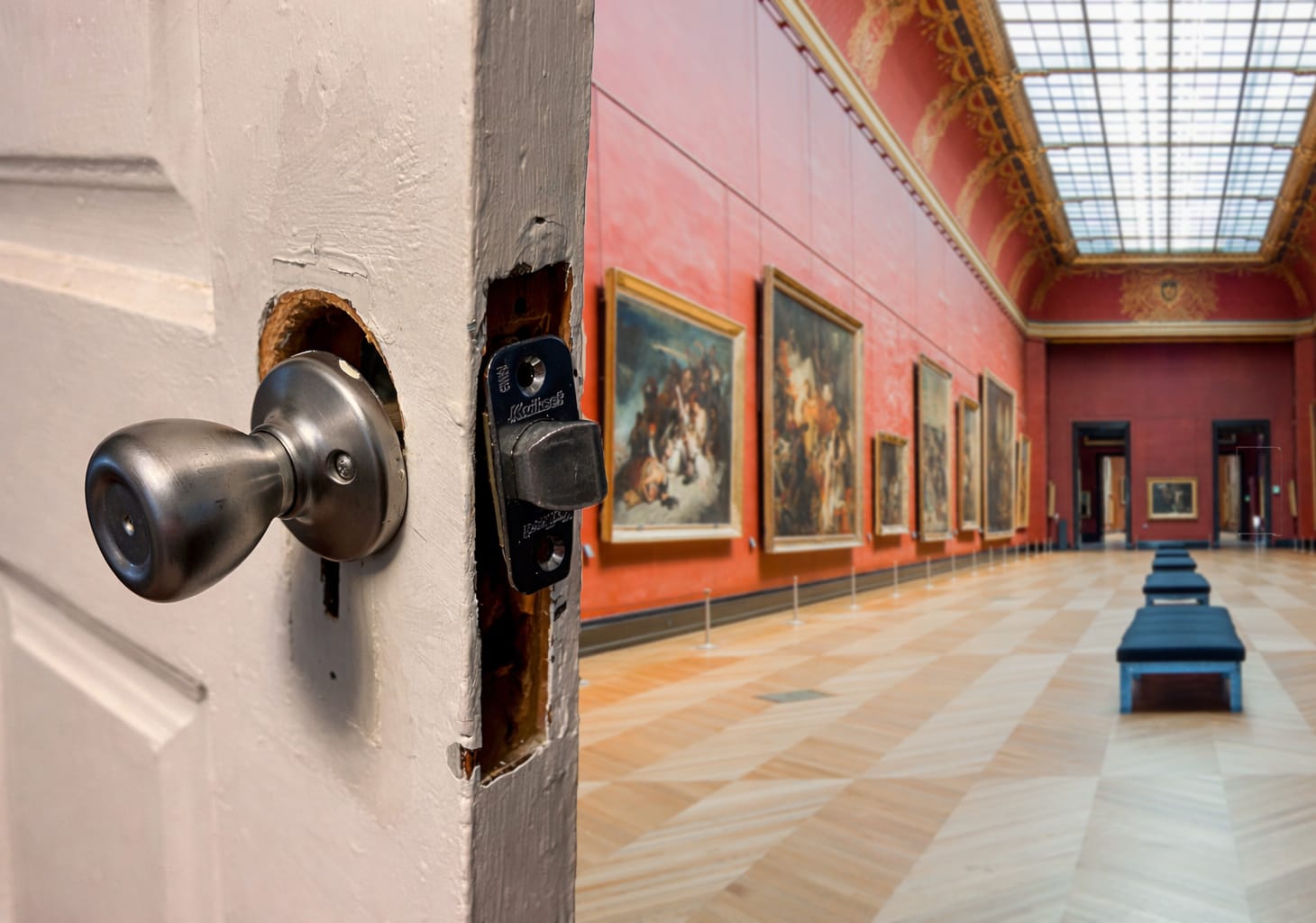
The Louvre Museum announced it will install locks on its doors for the first time in its history, following a brazen heist last fall where robbers stole priceless items in under seven minutes. The new "state-of-the-art entry inhibition protocol" will involve locking doors and windows after hours, with visitors being checked for bobby pins and paper clips, deemed the greatest security threats.

Social Malpractice in the Age of Cultural Compliance

Artist Ed Woodham reflects on the evolution and co-option of socially engaged art, using his own projects like 'The Keepers' protests and the Art in Odd Places initiative as examples. He describes a troubling trend where the language and strategies of social practice art, once used to challenge systems, are now being adopted by developers, corporations, and institutions for branding, place-making, and community engagement initiatives that often operate within the very economic structures driving displacement and eroding public space.

Meet the Woman Who Made Museums More Accessible

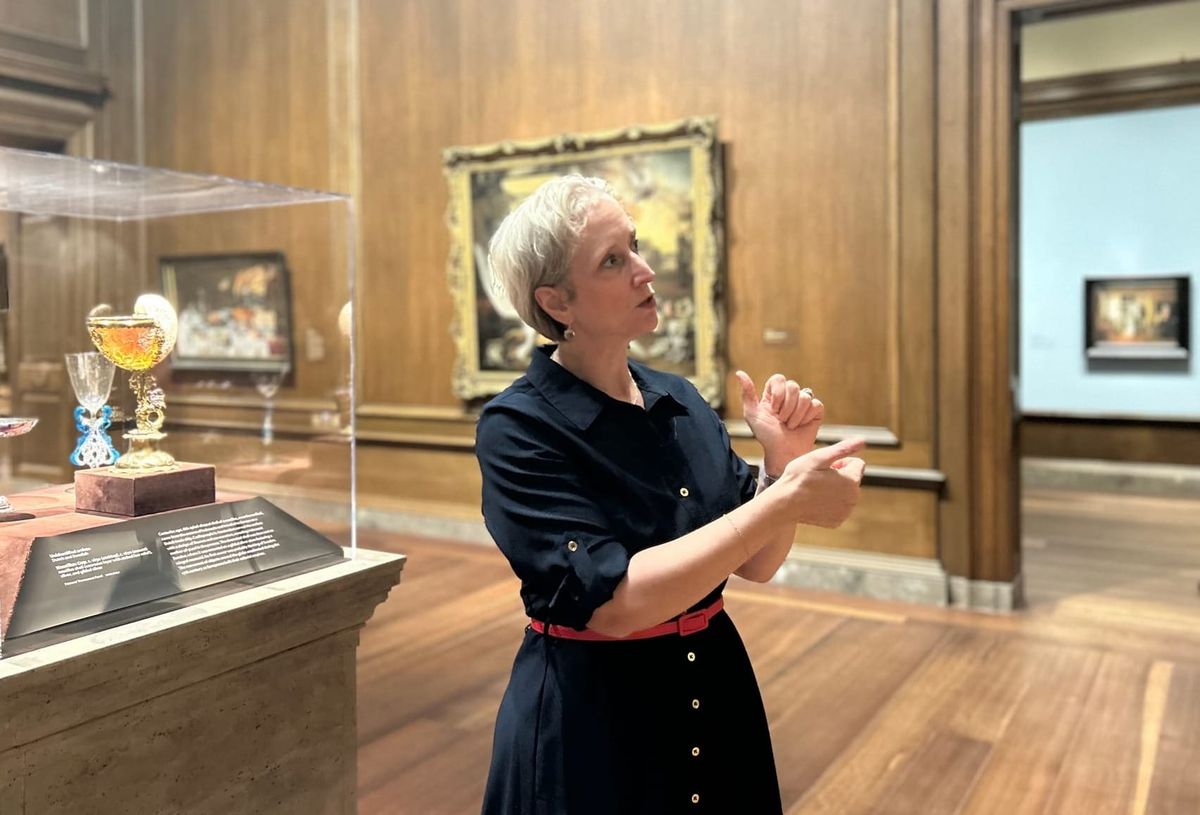
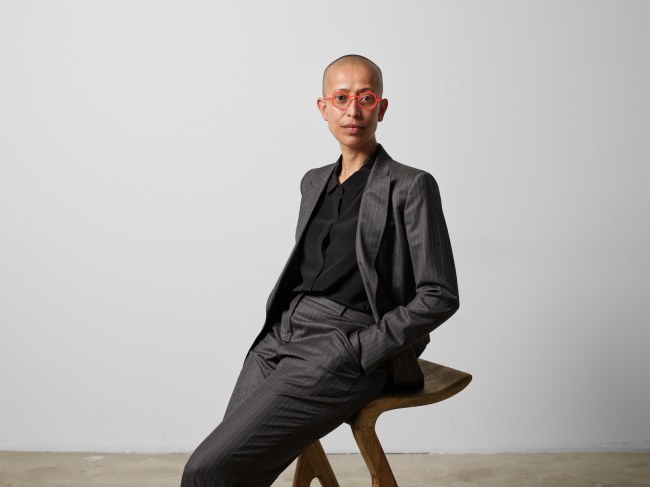
Lorena Bradford, the first head of Accessible Programs at the National Gallery of Art, has left the institution after pioneering numerous initiatives to make museums more inclusive. Her work included launching American Sign Language tours, creating programs for individuals with memory loss, and spearheading the Short Description Project to provide detailed online artwork descriptions.

University of North Texas Shutters Exhibition of Artworks Critical of ICE

The University of North Texas abruptly closed the exhibition 'Ni de Aquí, Ni de Allá' by artist Victor "Marka27" Quiñonez, which was on view at its College of Visual Arts and Design Galleries. The university terminated its loan agreement with Boston University Art Galleries, removed all online mentions of the show, and covered the gallery windows with paper, offering no public explanation. The artist learned of the closure through students and received only a brief email notification.

ARAB POP ART: Between East and West

The Middle East Institute (MEI) in Washington, D.C., is presenting an exhibition titled "Arab Pop Art: Between East and West," featuring works by Arab artists who remix global Pop Art with local voices and political commentary. The exhibition includes a closing celebration with a live performance by Syrian-American rapper and poet Omar Offendum, an artist talk with participating artist Marwan Chamaa and co-curators Lyne Sneige and Laila Abdul-Hadi Jadallah, and a film screening of "A Thousand and One Berber Nights" (2023) with director Hisham Aidi. The show is part of MEI's broader programming and has been highlighted in multiple media outlets including YUNG Magazine, Hyperallergic, Vogue Arabia, and Washington City Paper.

Image of Family Torn by ICE Wins World Press Photo of the Year

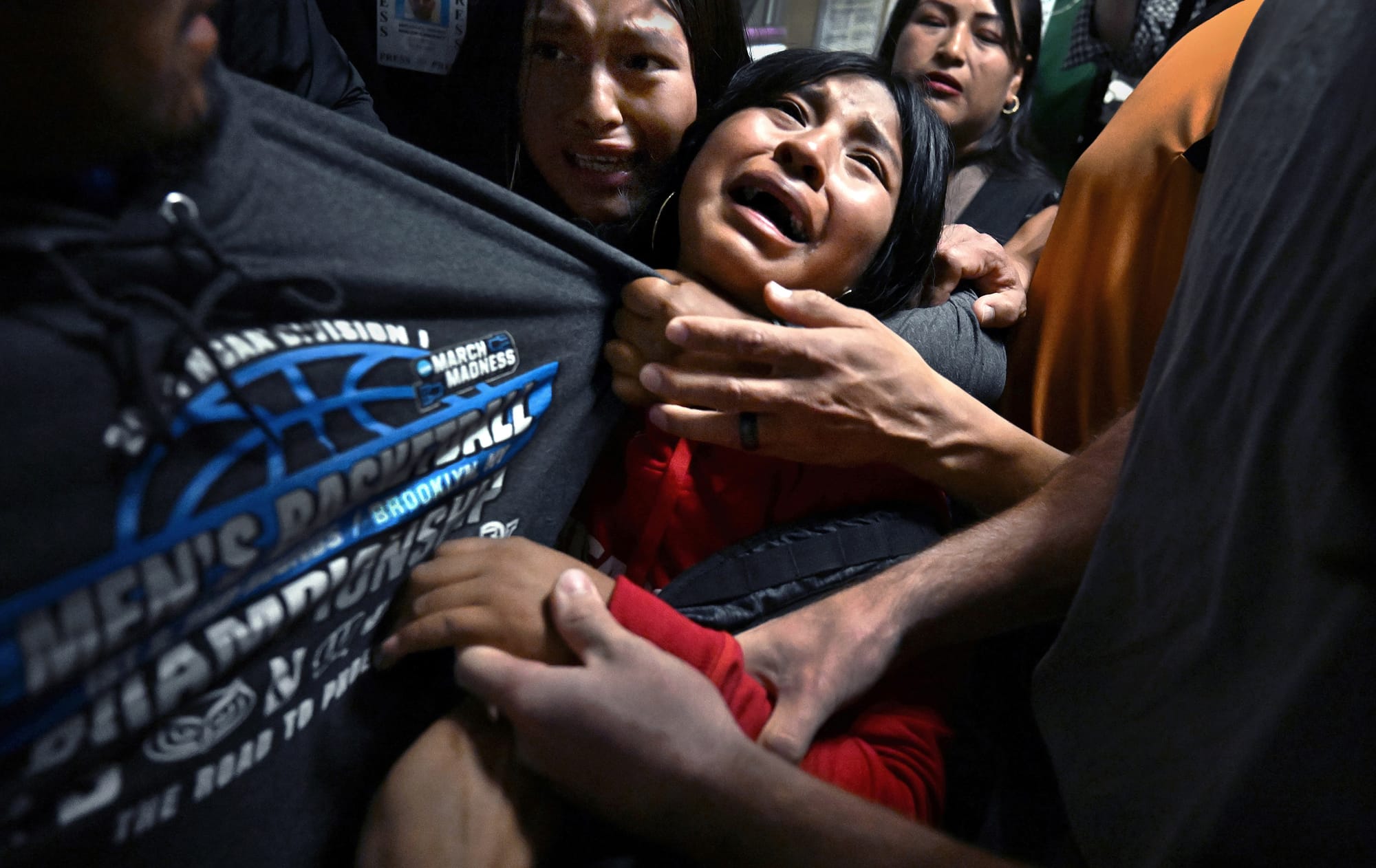
American photojournalist Carol Guzy won the 2026 World Press Photo of the Year for her image "Separated by ICE," which captures a tearful family torn apart by Immigration and Customs Enforcement (ICE) after an immigration court hearing in New York amid President Trump's broader crackdown. The contest, established in 1955, selected 42 global winners from over 57,000 photographs submitted by nearly 3,800 photographers across 141 countries. Finalists included Saber Nuraldin's "Aid Emergency in Gaza" and Victor J. Blue's "The Trials of the Achi Women," while other winners addressed displacement, war, and environmental crises.

Pratt’s 2026 Fine Arts MFA Thesis Exhibitions, on View This Spring

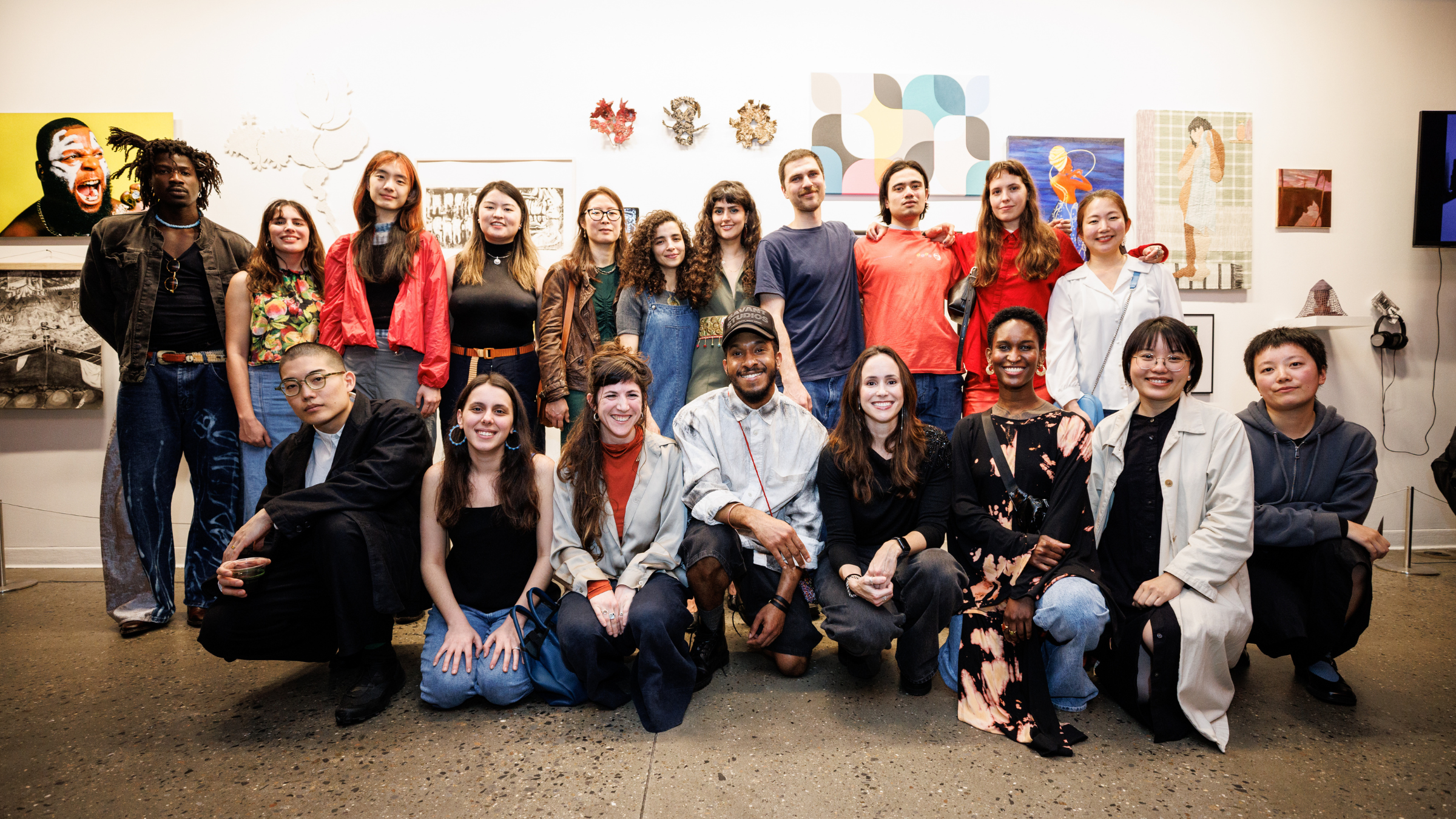
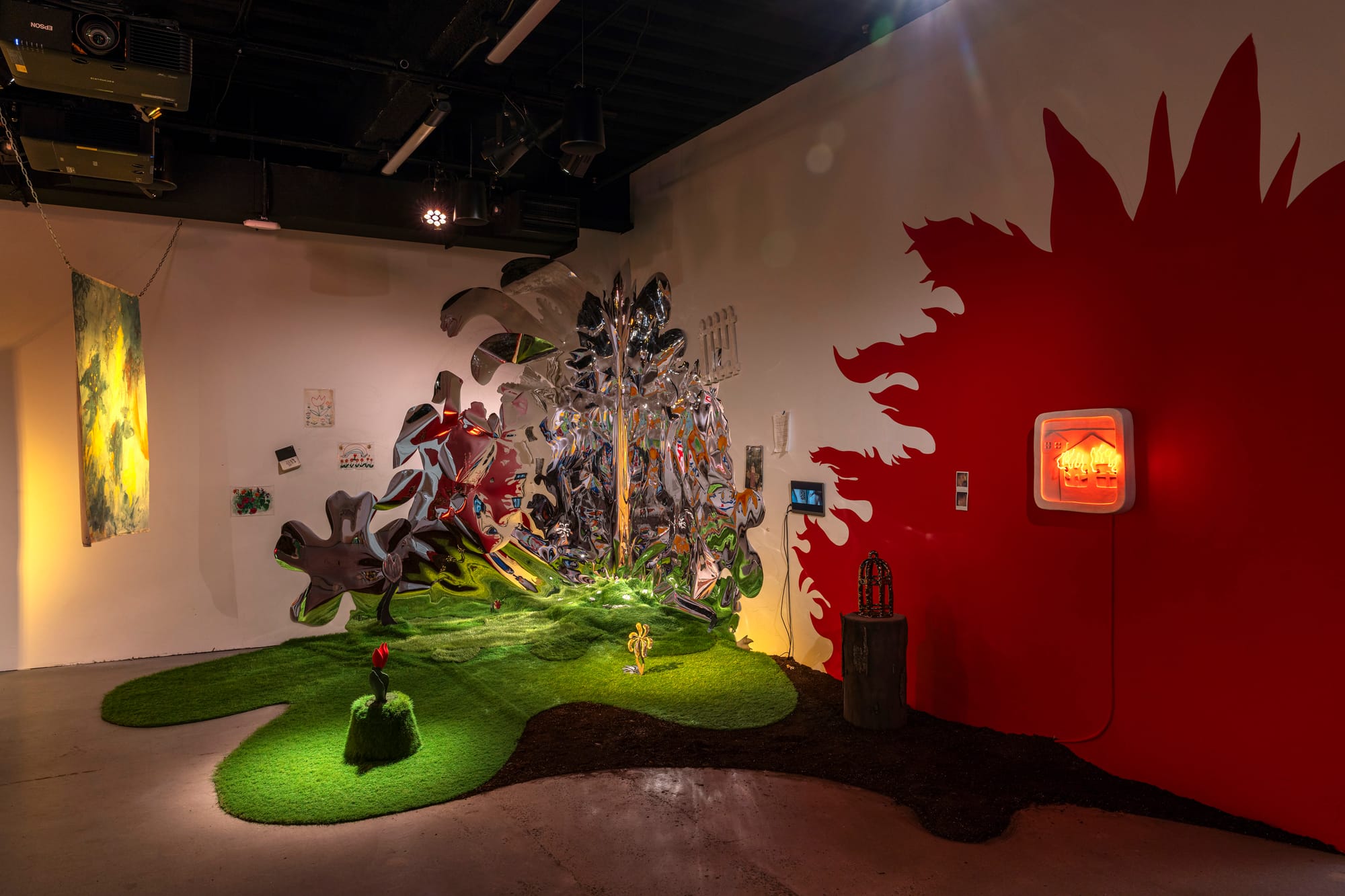
Pratt Institute's Fine Arts MFA program is presenting its 2026 thesis exhibitions in a two-part show curated by Alessandra Gómez at Dock 72 in the Brooklyn Navy Yard this spring. The exhibitions feature the culminating work of the graduating MFA candidates, offering a public showcase of emerging artistic talent.

How Photography Helped Build the Atomic Bomb

The feminist artist collective Slow War Against the Nuclear State (SWANS) presents the exhibition "Atomic Dragons" at Pitzer College Art Galleries. The show features works by seven intergenerational artist-academics, focusing on photography's historical role in developing atomic weapons and the enduring human and environmental costs of nuclear politics.

Gabrielle Goliath to Show Work Banned from Venice Biennale Outside Main Exhibition

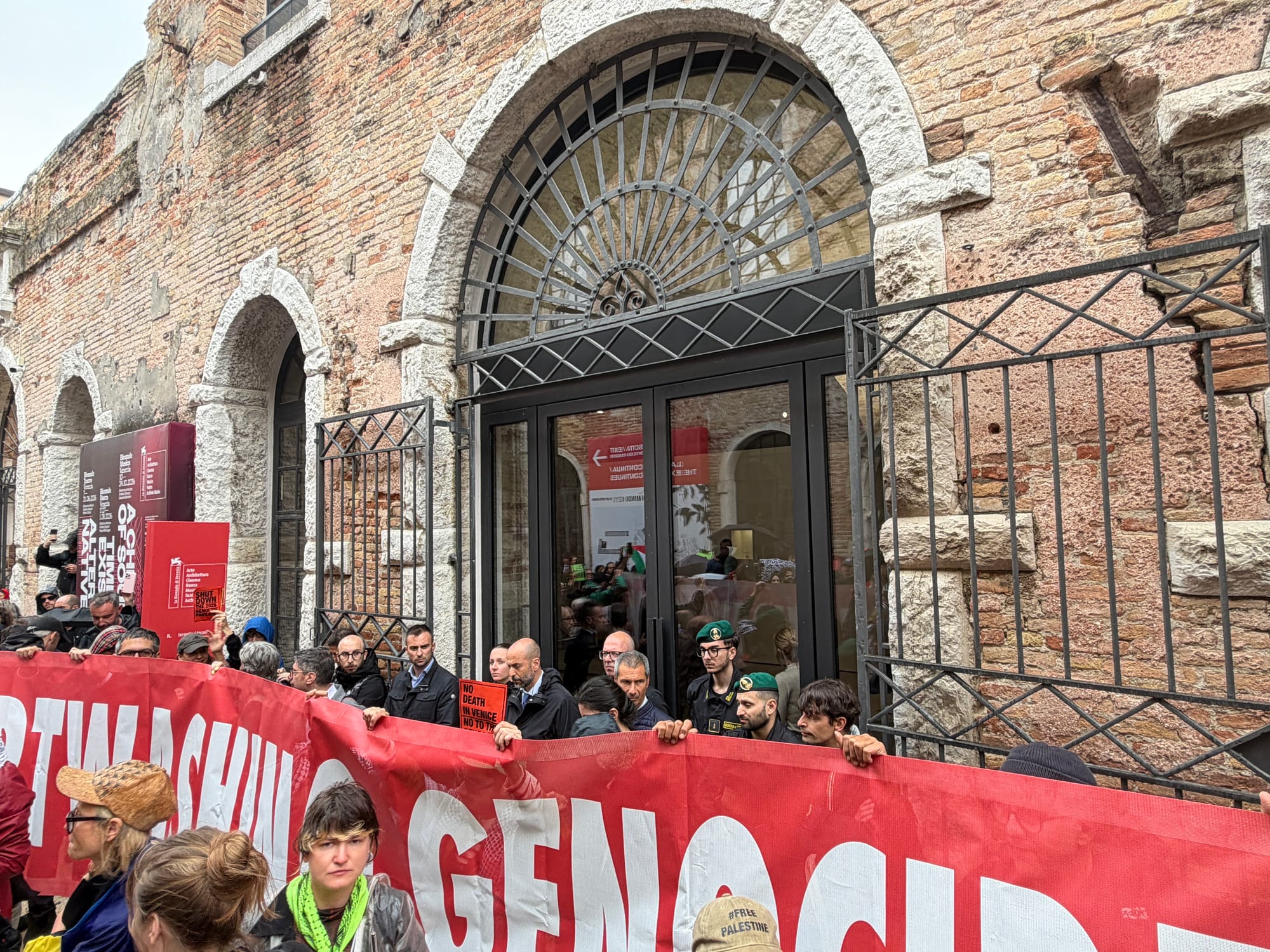
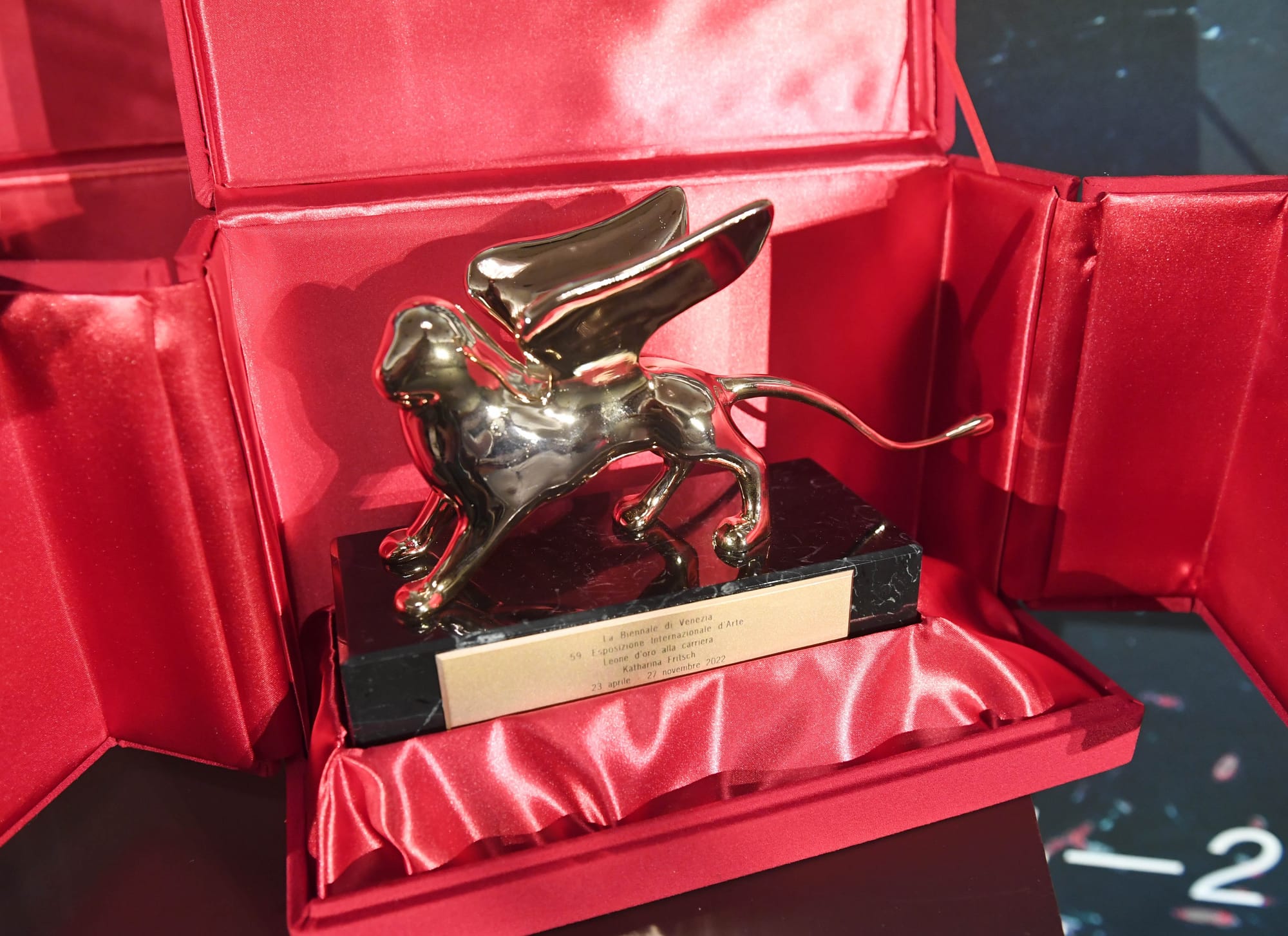
South African artist Gabrielle Goliath will present her work 'Elegy' at the Chiesa di Sant’Antonin in Venice, after her government-appointed exhibition for the South African pavilion at the 61st Venice Biennale was abruptly canceled. The pavilion will remain empty for the event's duration, while Goliath's project, sponsored by the Bertha Foundation and London's Ibraaz, will be shown nearby from May to July.

At Brooklyn Creative Reuse, Art Supplies Get a Second Life

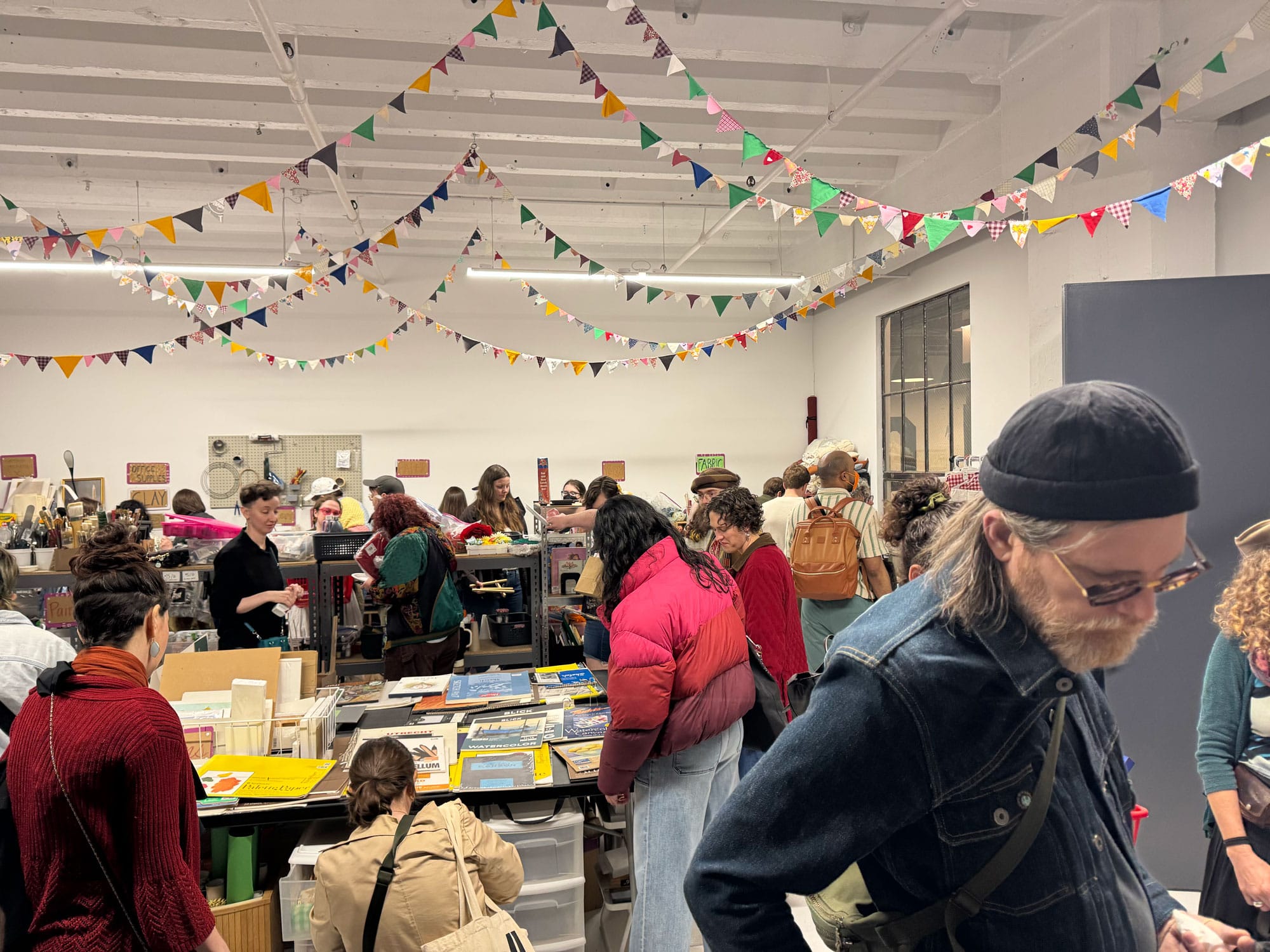
Brooklyn Creative Reuse (BCR), a nonprofit founded by jeweler Stephanie O'Brien, has opened a permanent brick-and-mortar store in Industry City, Brooklyn, after launching as a pop-up in February 2025. The store sells donated, pre-loved and unused art supplies at a price-per-pound rate, making materials affordable for low-income artists, educators, and hobbyists. Its opening party on April 18 drew large crowds, and BCR has already diverted over 1,000 pounds of art supplies from landfills in its first year.

Genuflecting Before “Don Colossus”

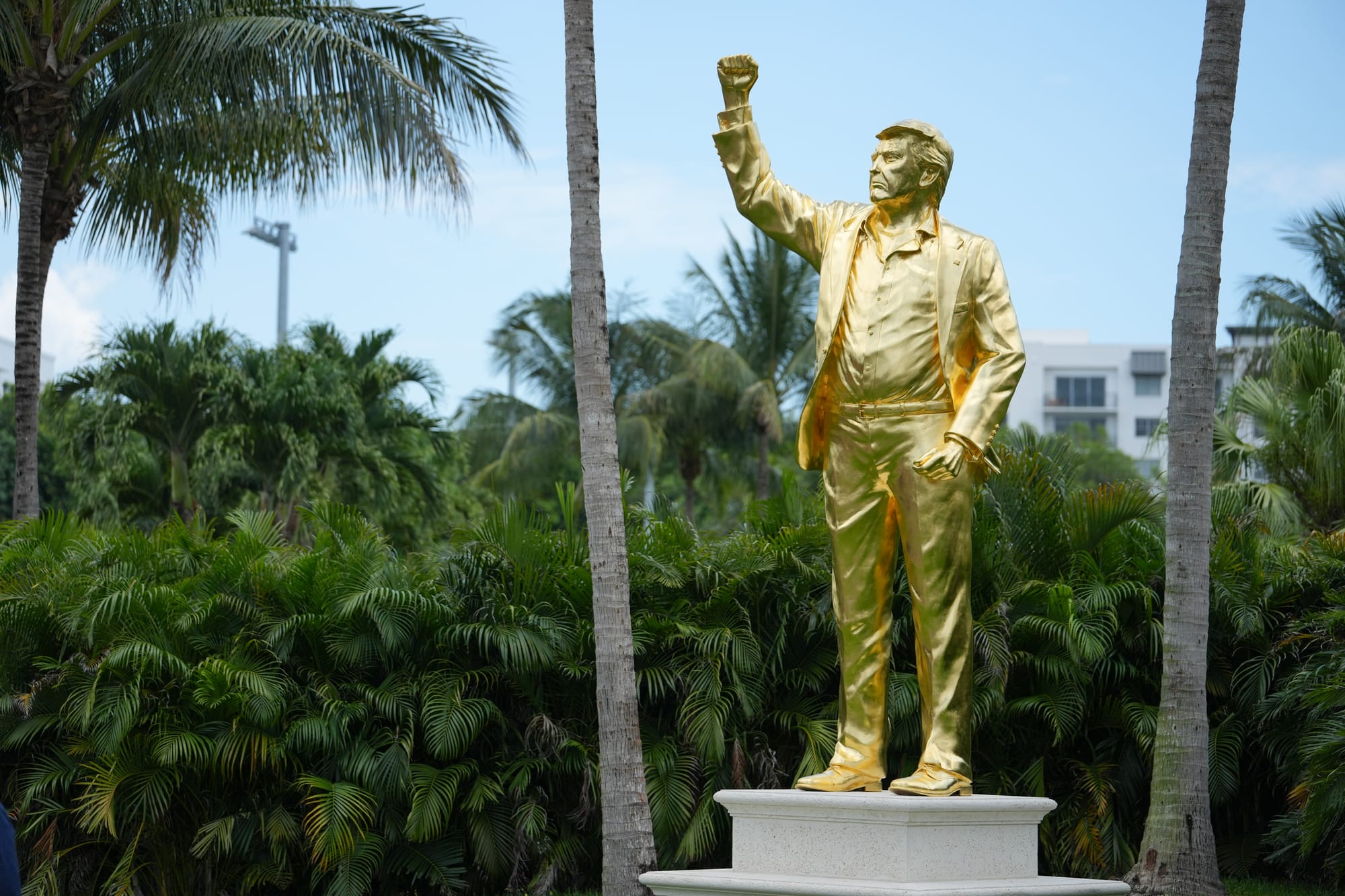
A 15-foot-tall gold-leafed bronze statue of Donald Trump, titled "Don Colossus," was unveiled at his National Doral golf club in Miami, Florida, ahead of the G20 summit. The statue, funded by $450,000 raised by cryptocurrency moguls and sculpted by Alan Cottrill (founder of Four Star Pizza), depicts Trump raising a triumphant fist with a plaque reading "FIGHT, FIGHT, FIGHT!" The unveiling was organized by televangelist Mark Burns of "Pastors for Trump," who posted that the statue was "not a golden calf," and was attended by evangelical Christian leaders and reportedly some Hassidic rabbis.

Maine College of Art & Design Presents the 2026 MFA Thesis Exhibition

Maine College of Art & Design (MECA&D), in collaboration with the Institute of Contemporary Art (ICA) at MECA&D, presents the 2026 MFA Thesis Exhibition, showcasing the culminating work of nine graduate candidates in the Master of Fine Arts in Studio Art program. The exhibition features artists Abigail G. Cloutier, Harley Ngai Grieco, Molly Knobloch, Stephen Medeiros, Darby Miller, Dylan Ouellette, Caitlin Perrigo, Jonathan Spath, and Isaac L. Stern, working across ceramics, drawings, photography, prints, sculpture, sound, and video installations. The show runs from May 7–16, 2026, at the ICA in Portland, Maine.

What Did Mozart’s Life Look Like?

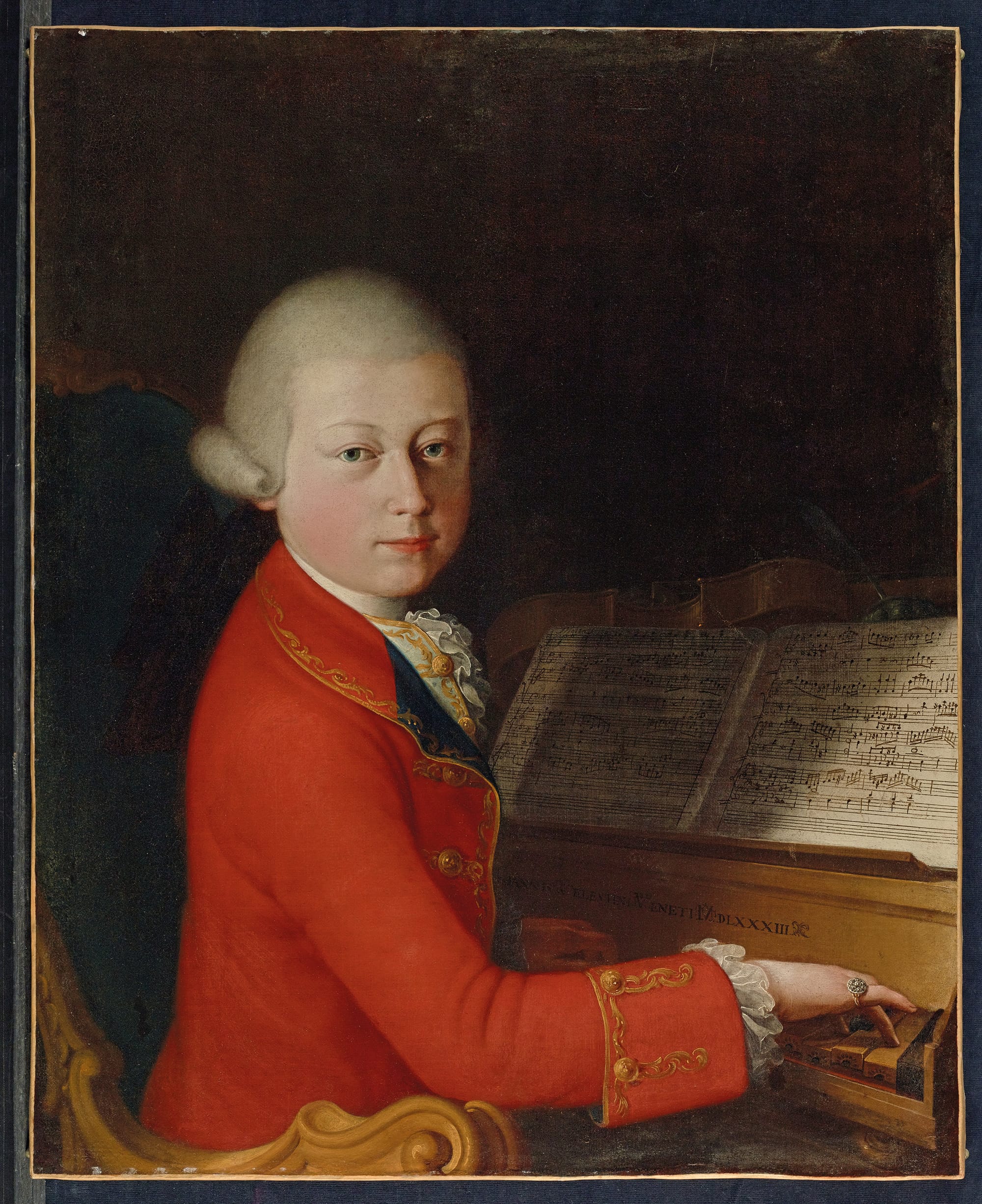
An exhibition at the Morgan Library & Museum, titled "Wolfgang Amadeus Mozart: Treasures from the Mozarteum Foundation of Salzburg," presents a curated journey through the composer's life and career. The show features well-preserved ephemera, including Mozart's childhood violin, original sketches for the opera "The Magic Flute," and personal letters that reveal his scatological humor, alongside portraits of his patrons.

Nesting Seagull Becomes Unexpected Star of Venice Biennale

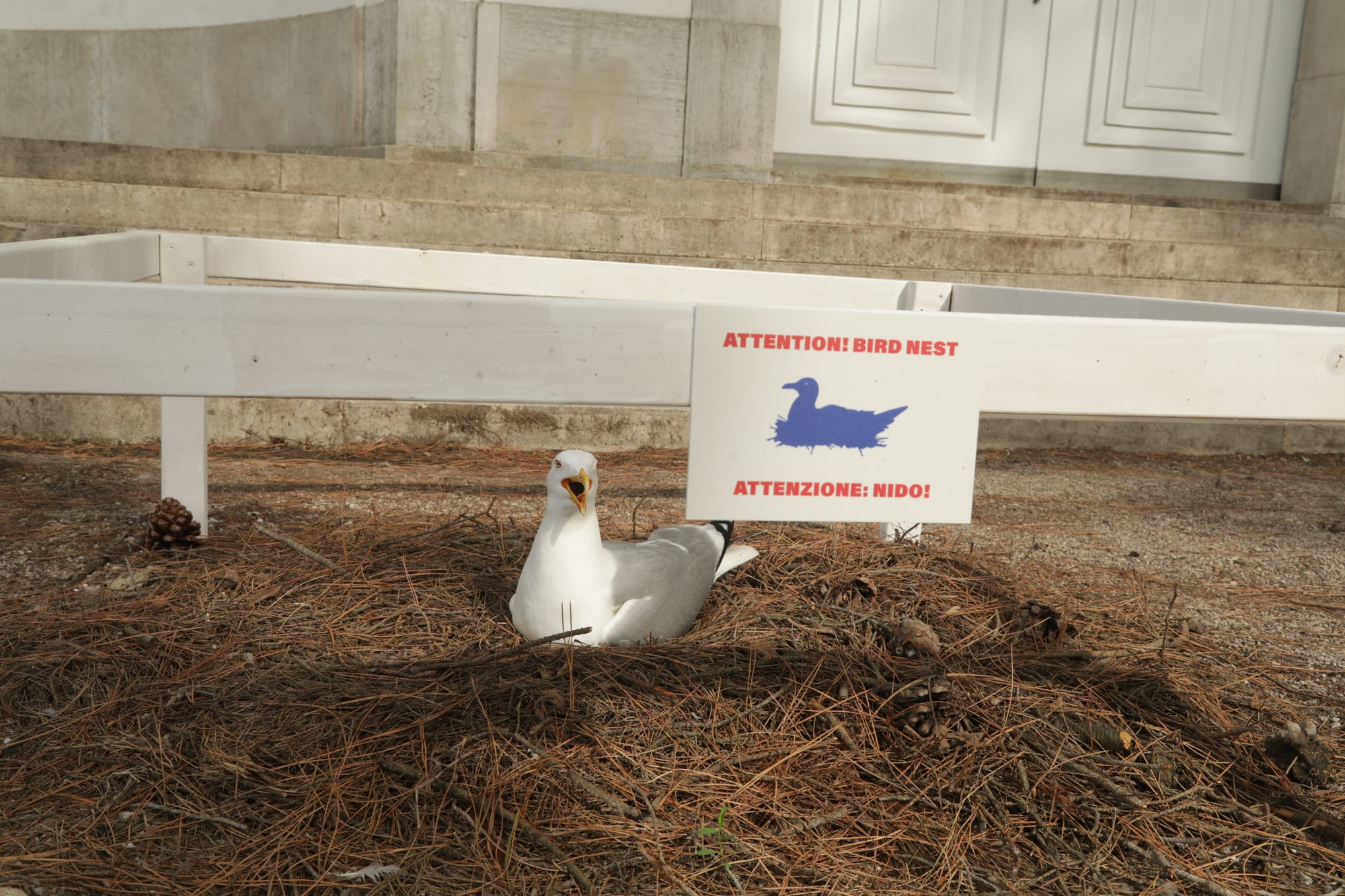
A seagull nesting near the Polish pavilion at the Venice Biennale has become an unexpected attraction, drawing bemused visitors and media attention. The bird laid eggs in the Giardini grounds, and a fence with a warning sign in English and Italian was erected around the nest. Organizers say this is the first known instance of a seagull nesting in such a prominent area of the exhibition. The Polish pavilion was closed on May 8 as part of a historic strike protesting the inclusion of aggressor states in the Biennale, with a sign supporting the Ukrainian Pavilion.

Israeli Pavilion Artist Made Legal Threats Before Venice Biennale Jury Resigned

New reports reveal that Israeli Pavilion artist Belu-Simion Fainaru issued legal threats against the Venice Biennale, alleging antisemitism and discrimination after the awards jury decided to exclude Israel and Russia from consideration due to human rights charges. The jury, which included Elvira Dyangani Ose, Zoe Butt, Marta Kuzma, Giovanna Zapperi, and Solange Farkas, initially stated on April 22 it would not consider nations whose leaders are charged with crimes against humanity by the International Criminal Court. Fainaru filed legal warnings with the Biennale, the Italian Ministry of Culture, and the Prime Minister's office. The jury abruptly resigned eight days later, leading the Biennale to scrap the Golden Lion awards and institute "Visitor Lions" decided by public vote. Reports indicate the Biennale's legal department warned jurors could be personally liable for damages, and Italian Culture Minister Alessandro Giuli promised to promote Fainaru's work.

Venice Biennale Scraps “Golden Lion” Awards as Turmoil Continues

The 61st Venice Biennale has scrapped its traditional Golden Lion awards, replacing them with public-voted “Visitor Lions” after the entire award jury resigned on April 30. The jury had previously announced its intention to exclude countries whose leaders are charged with crimes against humanity by the International Criminal Court, effectively targeting Russia and Israel. The Biennale Foundation, however, stated that all official national pavilions—including Russia and Israel—will be eligible for the new Visitor Lions, citing principles of inclusion and equal treatment. The awards ceremony has been moved from May 9 to November 22, the final day of the Biennale, to allow ticket holders to vote throughout the event.

What Artists Sign Away

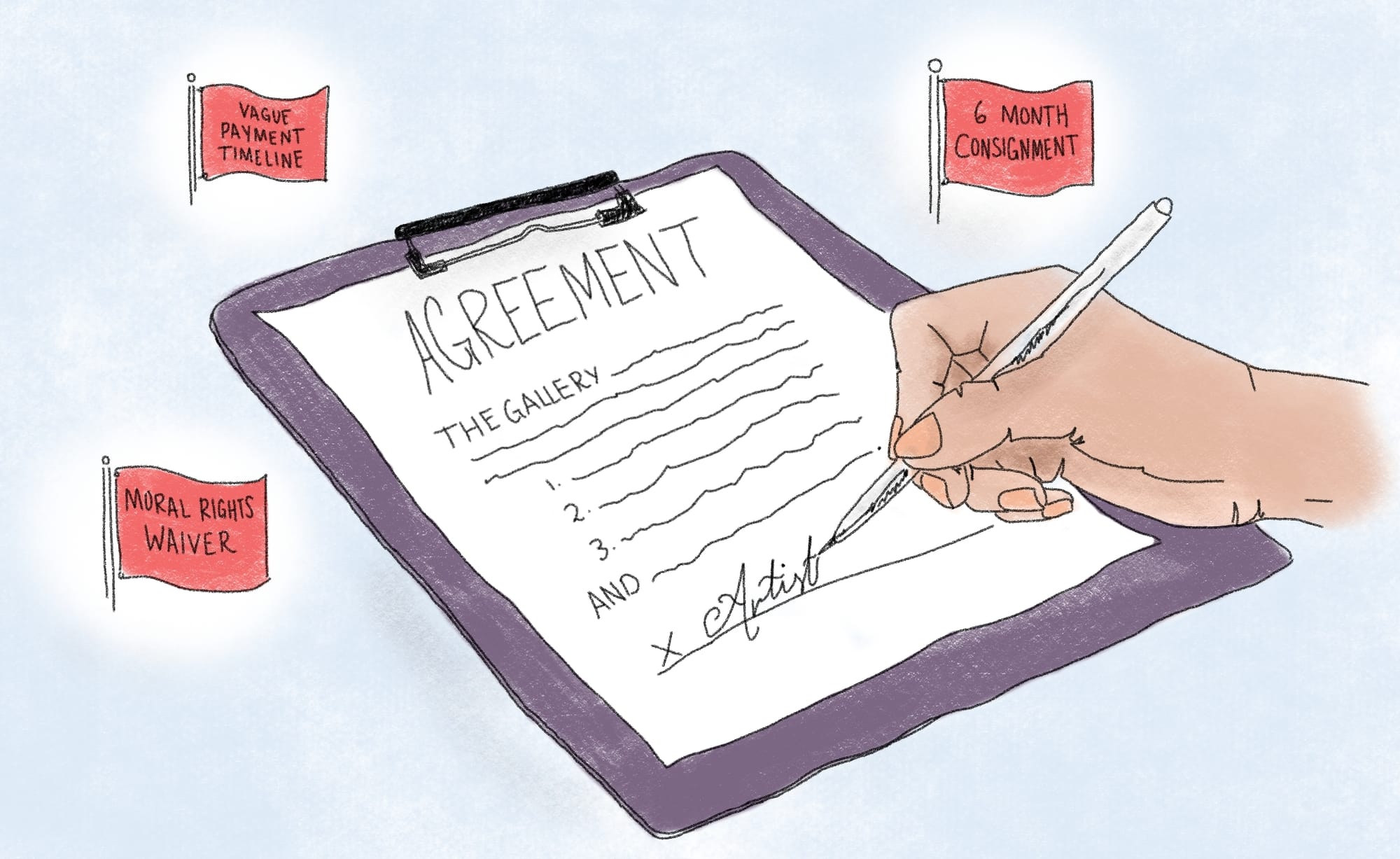
Artist and writer Sarah Hotchkiss recounts two personal experiences where galleries and residency programs used standard contracts to limit artists' rights. In the first, a new gallery refused to shorten a six-month consignment period after an exhibition, leaving her work in "contractual limbo" where she would owe the gallery half of any sale even if she found the buyer herself. In the second, a residency required her to waive moral rights under the Visual Artists Rights Act, protections that allow artists to prevent distortion and control attribution of their work.

Mexico to Divert Train Route After Cave Art Discovery

Archaeologists in Mexico discovered 16 pre-Hispanic paintings and petroglyphs along the planned route of a high-speed passenger train connecting Mexico City to Querétaro. The discovery, made in the state of Hidalgo, includes rock art dating from 4,000 years ago to the Postclassic period (900-1521 CE), with imagery linked to Aztec deities and the Toltec city of Tula. In response, President Claudia Sheinbaum announced the $8 billion train project will be rerouted to preserve the ancient site.

Tania El Khoury’s Soothing “Revenge Art”

Lebanese artist and Bard College professor Tania El Khoury discusses her multidisciplinary practice and her recent experience living through the escalation of conflict in Beirut. The interview highlights her interactive performance piece, "The Search for Power," which uses her own 2018 wedding blackout as a jumping-off point to investigate the colonial roots of Lebanon's systemic infrastructure failures. Originally set for a Beirut run in March, the production was postponed due to the outbreak of war.

Dismantling Orbán's 16-Year Grip on Hungary's Art World

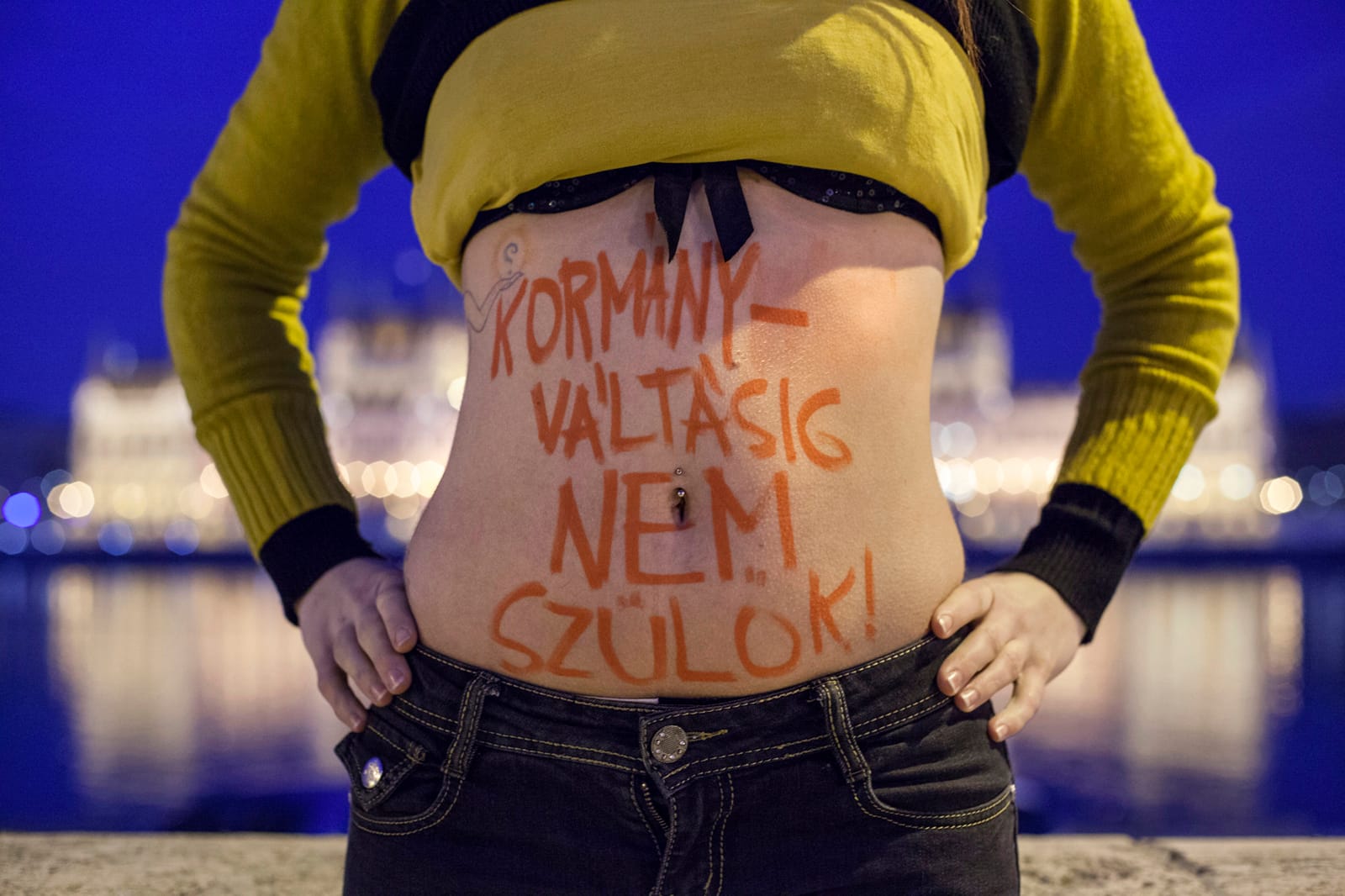
Following the recent electoral defeat of Viktor Orbán’s Fidesz-KDNP coalition by the opposition party Tisza, the Hungarian art world faces a monumental task of institutional restoration. For 16 years, the regime’s 'System of National Cooperation' (NER) systematically co-opted cultural institutions, installing loyalists in leadership roles at major venues like the Kunsthalle and Ludwig Museum to promote an ethno-nationalist agenda. This period was marked by the exodus of independent curators, the occupation of museums by activists, and a fractured ecosystem where state funding was tied to political compliance.

Rawya El Chab Tends to the Wounds of Lebanon's Civil War

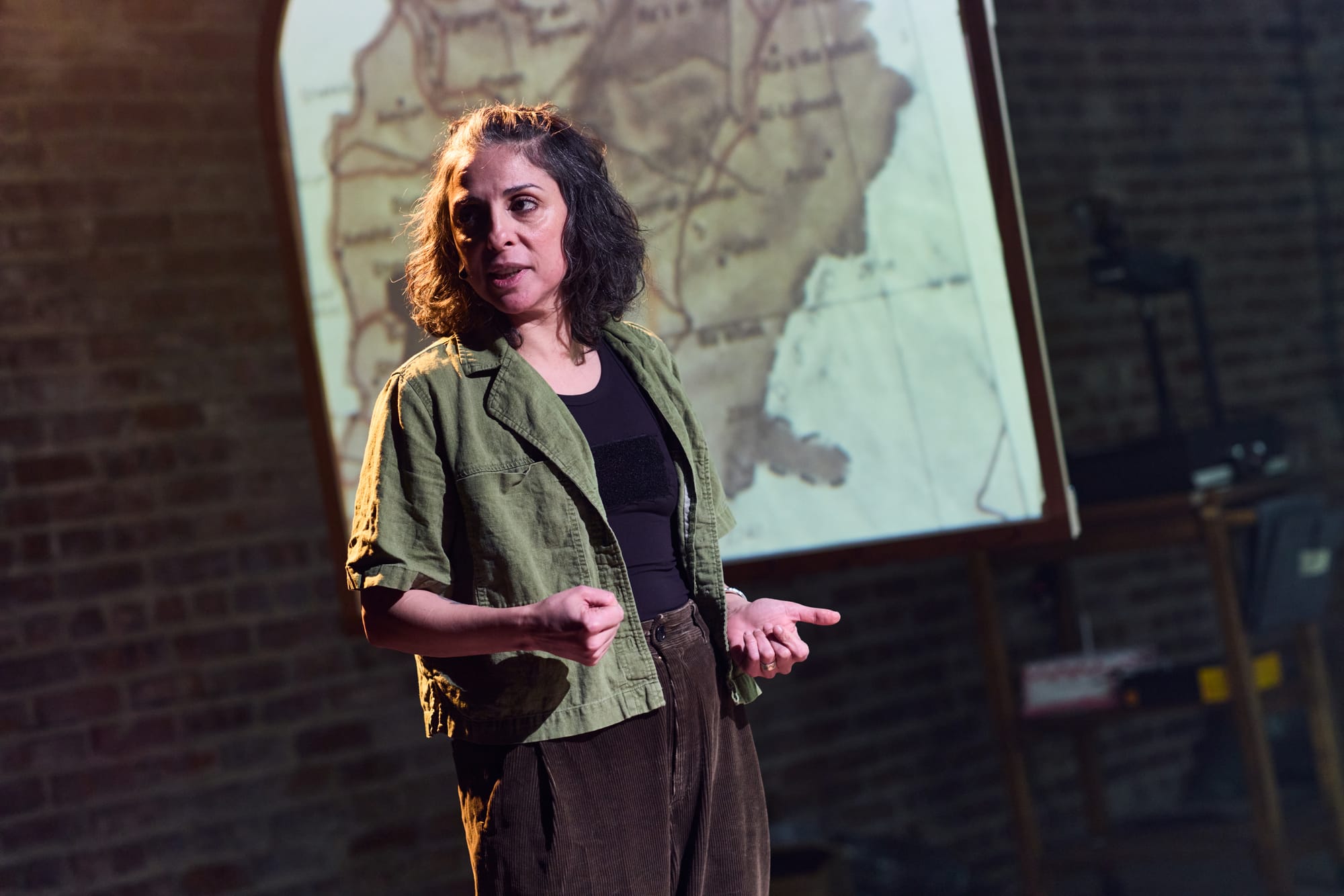
Lebanese performance artist Rawya El Chab has debuted the second installment of her trilogy, "Crossing the Water," at The Brick in Brooklyn. The performance explores the collective trauma of the 1982 Israeli invasion of Lebanon and her family's subsequent flight to the Ivory Coast, blending personal memory with political satire and mythology. By embodying various roles—from suspicious neighbors to puppet-like politicians—El Chab navigates the complexities of life under military occupation and the persistent feeling of surveillance.

Inside a Black Panther Family Album

Scholar Leigh Raiford examines the personal family archives of Black Panther Party leaders Kathleen and Eldridge Cleaver, specifically focusing on photographs taken during their period of exile in the 1970s. The analysis centers on how domestic objects, such as a zebra-print carver chair and various African artifacts, transitioned from private household items to iconic symbols of Black Power and cultural nationalism in the public sphere.

Mexican Artist Alleges Plagiarism of Femicide Project

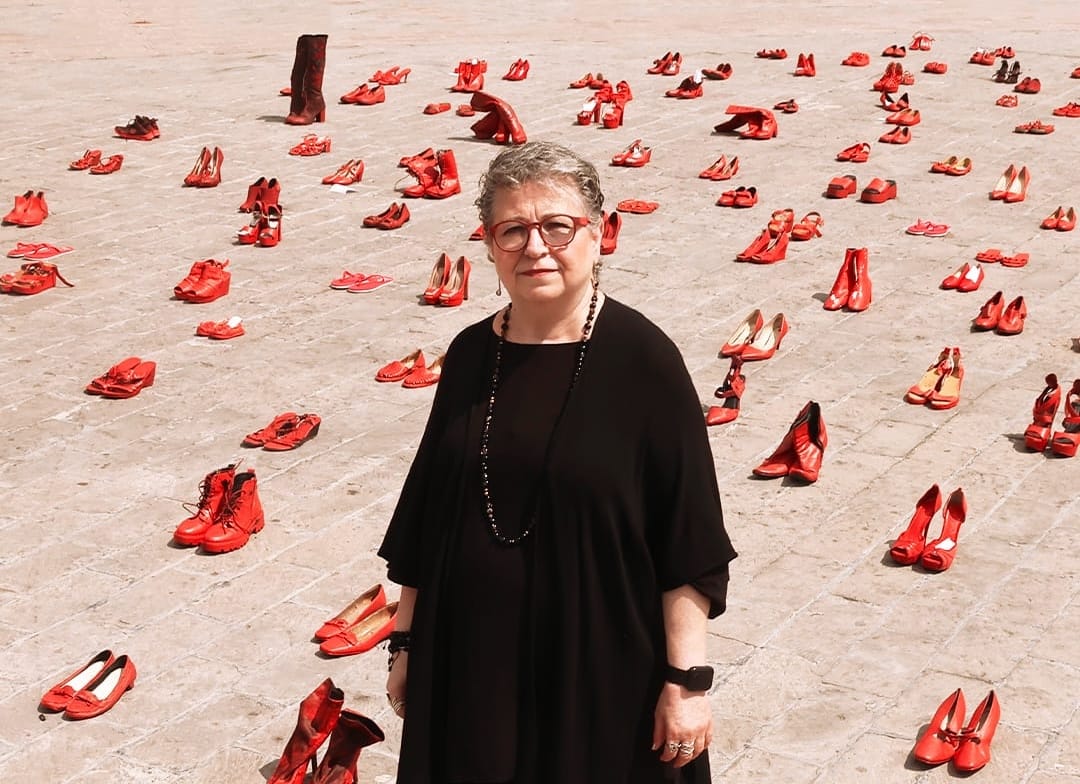
Mexican artist Elina Chauvet has accused Romanian news anchor Alessandra Stoicescu of plagiarizing her famous installation, "Zapatos Rojos" (Red Shoes). The dispute arose after Stoicescu organized a public intervention titled "Dragostea poartă pantofii roșii" outside the Romanian Athenaeum to mark new femicide legislation, featuring hundreds of red shoes in a manner nearly identical to Chauvet’s long-running global project. Chauvet claims this is the second time Stoicescu has co-opted her work without authorization or credit, following a similar incident in 2018.