filter_list Showing 1068 results for "Hit" close Clear
dashboard All 1068 museum exhibitions 618article local 109article news 81article culture 80trending_up market 79rate_review review 31person people 26candle obituary 18article policy 15gavel restitution 10article gallery 1
date_range Range Today This Week This Month All
Subscribe

food marcel sothebys restaurant roman williams

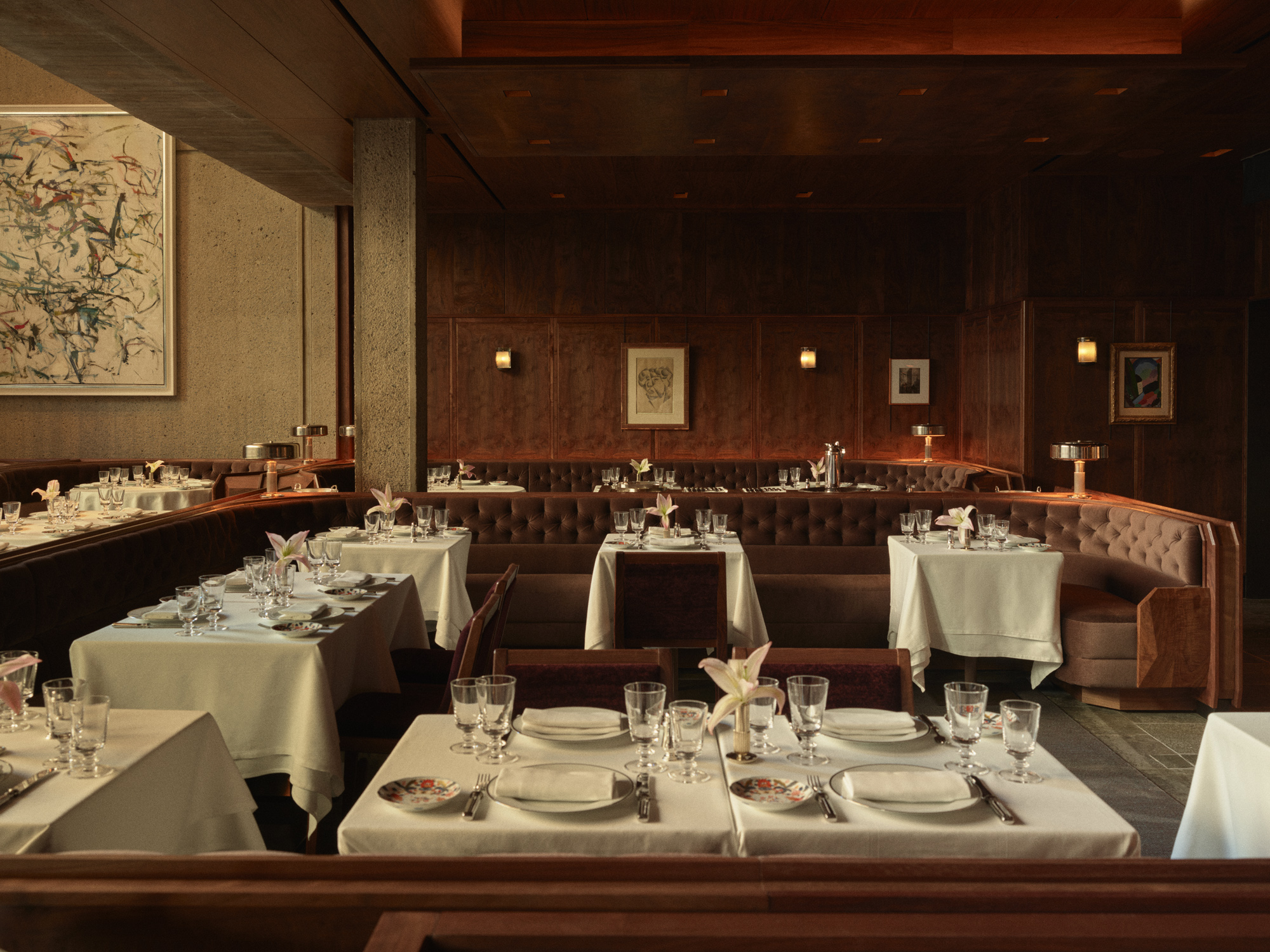
Marcel, a new restaurant, opened on April 17 in the lower level of Sotheby’s new home at the Marcel Breuer building on the Upper East Side. Designed by Roman and Williams in partnership with the auction house, the space features walnut-paneled walls, an open kitchen, and a pâtisserie. Chef Marie-Aude Rose, who also oversees La Mercerie downtown, created a “continental” menu rooted in French technique but influenced by Breuer’s Hungarian heritage, with dishes like chicken paprikash and lobster bisque with turmeric and ginger. The wine list comes from Sotheby’s own collection, allowing guests to purchase bottles they enjoy during their meal.
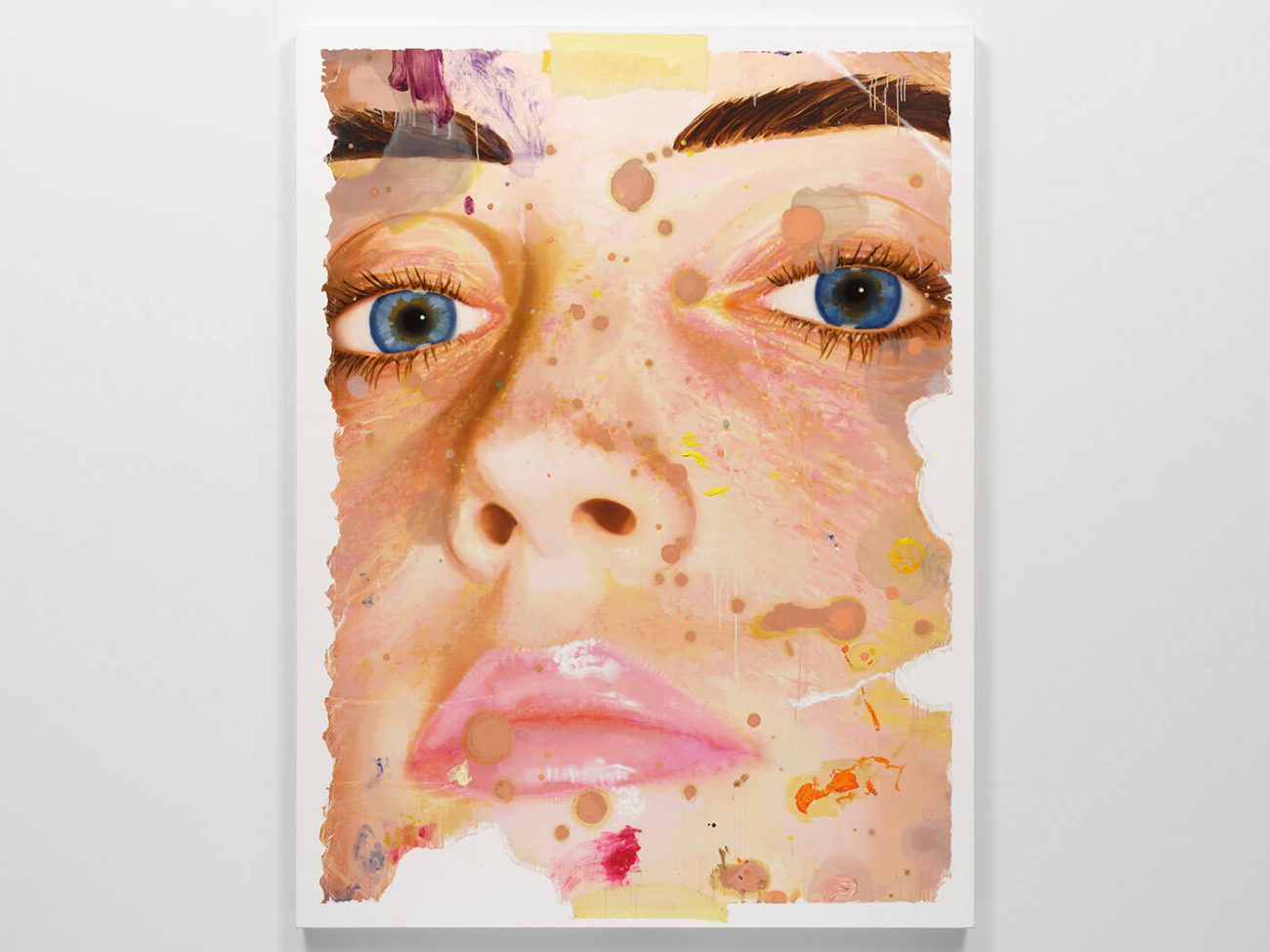
À Nîmes, la peinture sans entrave de Tursic & Mille envahit le Carré d’art

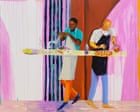
The article covers the retrospective exhibition of French artist duo Ida Tursic and Wilfried Mille at the Carré d'art in Nîmes. Titled "Dissonances à géométries variables," the show traces their career from student works at the École nationale supérieure d'art de Dijon to recent paintings, featuring a critical, humorous, and materially rich approach to figurative painting. The duo draws from press images, internet sources, art history, and archives, disrupting reproductions with paint splatters and odd details, and the exhibition is organized thematically from "happiness" to "melancholy."

Beyond the Sagrada Família: These 6 Surprising Places in Barcelona Reveal a Lesser-Known Gaudí

Au-delà de la Sagrada Família, ces 6 lieux étonnants à Barcelone qui révèlent un Gaudí méconnu

Beaux Arts Magazine highlights six lesser-known architectural works by Antoni Gaudí in Barcelona, beyond his famous Sagrada Família. The article features Casa Vicens (1883–1885), his first private commission; Torre Bellesguard (1900–1909), a medieval-inspired tower with panoramic views; Casa Calvet (1897), a residential building with textile-themed details; and the Finca Güell and Palau Güell, experimental projects for his patron Eusebi Güell. These sites showcase Gaudí's organic style, fusion of nature and architecture, and influences from Japanese, Arabic, and Catalan Gothic traditions, with several recently opened to the public.

Enter the unsettled space of Asian American abstraction

The Milton Resnick and Pat Passlof Foundation in New York is hosting the exhibition "How Asian Is It?", featuring 12 pioneering East Asian American abstractionists born between 1928 and 1955. Curated by Lilly Wei, the show includes works by Barbara Takenaga, Emily Cheng, Charles Yuen, and David Diao, among others. These artists navigated an art world where downplaying their Asian identities often felt necessary for survival, especially after the 1965 Immigration and Nationality Act reshaped US immigration policy. The exhibition explores how their abstraction—marked by attention to interval, pause, and what remains unsaid—reflects a disciplined negotiation with space rather than a shared style or manifesto.

Drained, Drowning, and Decay: The Best National Pavilions at the Venice Biennale

The 2026 Venice Biennale is defined by themes of ruin and decay, with standout national pavilions exploring bodily, infrastructural, and archaeological collapse. The Slovenian Pavilion features the Nonument Group repurposing materials from past Biennales into a ruin of a mosque for Bosnian Muslim soldiers from World War I. Syria presents its first national pavilion since the Civil War, with Sara Shamma invoking Palmyra, destroyed by ISIS. Germany's pavilion, titled "Ruin," features works by Henrike Naumann (who died in February) and Sung Tieu, questioning the pavilion's fascist architecture and nationalist residue. The Austrian Pavilion, curated by Florentina Holzinger, offers a visceral performance titled "Sea World." The Biennale is also marked by the abrupt resignation of its five-member jury, who refused to consider nations charged with crimes against humanity, leading to awards being chosen by public vote. Additionally, the main exhibition "In Minor Keys" was affected by the death of its curator, Koyo Kouoh.

‘Exclusion can only satisfy the ego’: Venice Biennale president hits out at critics amid Russia and Israel controversy

Venice Biennale president Pietrangelo Buttafuoco defended the institution against critics at a conference on May 6, three days before the public opening, amid controversy over Russia's return to the event for the first time since its 2022 invasion of Ukraine and ongoing disputes over Israel's participation. He accused critics of “narcissism” and “censorship,” while Italian culture minister Alessandro Giuli sent inspectors to investigate whether Russia's involvement breached sanctions; a report was submitted to Prime Minister Giorgia Meloni's office. Meanwhile, the Biennale faces legal threats from the artist representing Israel over alleged discrimination, and protests have erupted, including a demonstration by Art Not Genocide Alliance and a Pussy Riot action at the Russia pavilion.

First Impressions of a Venice Biennale Torn Apart by the Present

The 61st Venice Biennale, titled "In Minor Keys," opens amid turmoil: its curator Koyo Kouoh died of cancer during planning, and the festival jury resigned after a controversial statement about excluding Israel and Russia from prizes, replaced by a Eurovision-style people's choice award. The main exhibition, completed by a team of five collaborators using Kouoh's plans, features over 110 artists and collectives, with highlights including works by Big Chief Demond Melanchon, Tammy Nguyen, Guadalupe Maravilla, Ayrson Heráclito, and a section focused on Michael Armitage's Nairobi Contemporary Art Institute.

Venice Diary Day 1: At the Giardini, Artists Refuse to Make Fascism Cozy

Henrike Naumann's posthumous installation at the German Pavilion, which retains its 1938 Nazi-era fascist architecture, refuses to make the space 'cozy' by adorning windows with violently ripped domestic fabrics. The 2026 Venice Biennale is the first under president Pietrangelo Buttafuoco, associated with neo-fascist politics, and is overshadowed by controversy over his 'neutrality' policy allowing all countries to participate despite human rights concerns. The exhibition jury initially announced it would not consider pavilions from countries whose leaders are charged with crimes against humanity, then abruptly quit, leaving the situation unresolved. The US Pavilion features unimpressive blobs by Alma Allen, while the Russian Pavilion offers cut flowers and free vodka, and Andreas Angelidakis responds to fascist aesthetics at the Greek Pavilion.

After His Untimely Death, Rutherford Chang’s Survey Rewrites What a Square Can Do

Rutherford Chang, who died last year at age 45, is the subject of a posthumous survey at UCCA Center for Contemporary Art Beijing titled "Hundreds and Thousands." The exhibition centers on Chang's socially engaged works that explore value, circulation, and systems through the deceptively simple form of the square. His best-known piece, "We Buy White Albums" (2013–25), involved amassing roughly one percent of the first pressing of the Beatles' "White Album," highlighting how objects accrue personal and economic worth through use and history. Other works include melting 10,000 copper pennies into a cube and assembling Wall Street Journal portraits from 2008 into a grid that captures a year of crisis and change.

Lucas Museum Aims to Tell the History of Storytelling via 1,200 Objects

The Lucas Museum of Narrative Art in Los Angeles has announced details of its inaugural exhibitions, set to open on September 22, 2026. Founded by filmmaker George Lucas and his wife Mellody Hobson, the museum will feature over 1,200 objects across 30 galleries, tracing the history of visual storytelling from ancient sculptures to Renaissance paintings, photography, comics, and manga. The collection draws from Lucas's personal trove of more than 40,000 works of illustrator art, including pieces by N.C. Wyeth, Norman Rockwell, Frank Frazetta, Beatrix Potter, and Jack Kirby, as well as large-scale murals and photography by artists like Judy Baca and Dorothea Lange. The museum, designed by Ma Yansong of MAD Architects, also includes archives of Lucas's film sets, props, and costumes.

Giorno Poetry Systems Gives Grants to 12 Artists Including Jacolby Satterwhite, Puppies Puppies (Jade Guanaro Kuriki-Olivo), and the Late Agosto Machado

Giorno Poetry Systems, the nonprofit founded by artist John Giorno in 1965, has launched a new need-based grant program called the Treat a Stranger Grant. The inaugural round awards $4,545 each to 12 artists, including Jacolby Satterwhite, Puppies Puppies (Jade Guanaro Kuriki-Olivo), Samiya Bashir, Malcolm-X Betts, Pe Ferreira, Mercy Kelly, the late Agosto Machado (whose funds go to his estate), Gavilán Rayna Russom, Keioui Keijaun Thomas, Christopher Udemuezue, and two anonymous recipients. The program revives the spirit of Giorno's AIDS Treatment Project from the 1980s and '90s, which provided direct financial support to artists affected by the epidemic.

Duo Who Sold Fake Warhol, Banksy Plead Guilty in $2M Fraud

A father and daughter from New Jersey, Erwin Bankowski and Karoline Bankowska, pleaded guilty in federal court on April 28 to running a counterfeit art scheme that sold fake works attributed to Andy Warhol, Banksy, Pablo Picasso, Richard Mayhew, and others. Between 2020 and 2025, they placed over 200 counterfeit pieces, many made by an artist in Poland, into galleries and auction houses across the U.S., defrauding buyers of at least $2 million. They fabricated provenance, forged gallery stamps and certificates of authenticity, and misrepresented Native American heritage works, violating the Indian Arts and Crafts Act. They face up to 20 years in prison, restitution of at least $1.9 million, and deportation after serving their sentences.

Newsmakers: Nalini Malani Lets the Walls Speak with a New Installation in Venice

Nalini Malani's latest installation, *Of Woman Born*, opens at the Magazzini del Sale in Venice during the Venice Biennale. Commissioned by the Kiran Nadar Museum of Art, the work projects hand-drawn animations onto the crumbling brick walls of a 15th-century salt warehouse, creating a cave-like environment where images flicker like ancient cave paintings. The installation draws on tens of thousands of drawings and incorporates mythology, literature, and sound, with a central focus on the myth of Orestes to explore themes of violence, displacement, and gender politics. Malani has also extended her recurring 'Skipping Girl' figure across Venice via posters and public signage to guide viewers to the exhibition.

Final book in trilogy asks: What is the future of the art world?

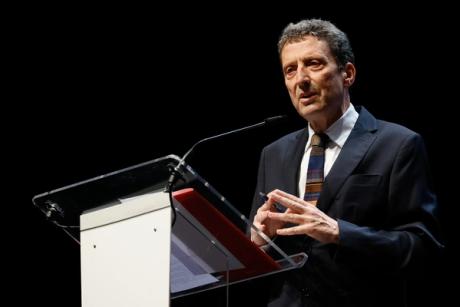
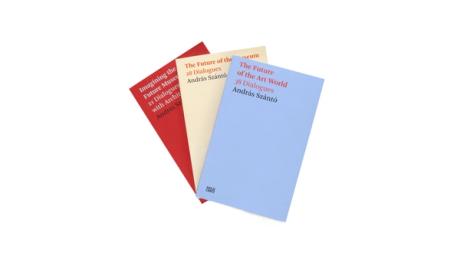
Cultural strategist András Szántó has published the third and final volume of his trilogy on the future of museums, titled *What Is the Future of the Art World?*. The book features dialogues with a wide range of art-world figures—including gallerists José Kuri and Atsuko Ninagawa, collectors Alain Servais and Sylvain Levy, artists William Kentridge and Holly Herndon & Mathew Dryhurst, curator Fatoş Üstek, network scientist Albert-László Barabási, former Art Basel director Marc Spiegler, and Sheikha Al-Mayassa Al Thani—who discuss topics such as the definition of the art world, its rules, and its future trajectory. Szántó notes that there is no consensus on whether the art world is still expanding or entering a phase of slowdown, with different regions moving on divergent paths.

Collector Julia Stoschek Closes Down Berlin Exhibition Venue After 10 Years In Favor of International Projects

Julia Stoschek, a leading art collector and ARTnews Top 200 figure, is closing her Berlin exhibition venue after a decade of operation. The 3,000-square-meter space in the former Czech Cultural Center, which opened in 2016, will shut at the end of October 2026, having hosted 22 exhibitions and attracted 450,000 visitors. The Stoschek Foundation will maintain its Düsseldorf venue, while Stoschek shifts focus to international projects, such as the recent Los Angeles exhibition “What a Wonderful World: An Audiovisual Poem,” curated by Udo Kittelmann.

Pittsburgh Shows Off New Public Art Projects in Advance of NFL Draft

Pittsburgh has unveiled over 35 new public art installations across its downtown area in preparation for the influx of visitors for the NFL Draft. The projects, funded by the Pittsburgh Downtown Partnership, include light installations, murals, and window displays by local artists, designed to revitalize empty storefronts and underused blocks.

US-Israel war on Iran disrupts art transport routes as prices surge

The ongoing US-Israel war on Iran has severely disrupted global art logistics, causing oil prices to surge and key shipping routes to close. Air freight costs for fine art have skyrocketed by 70% to 300%, and critical corridors like the Strait of Hormuz have become impassable, leaving exhibitions stranded at airports and shipments stuck at sea.

Lost Bob Dylan Lyric Sheet Resurfaces After 60 Years—and Other Rare Finds Heating Up the Market

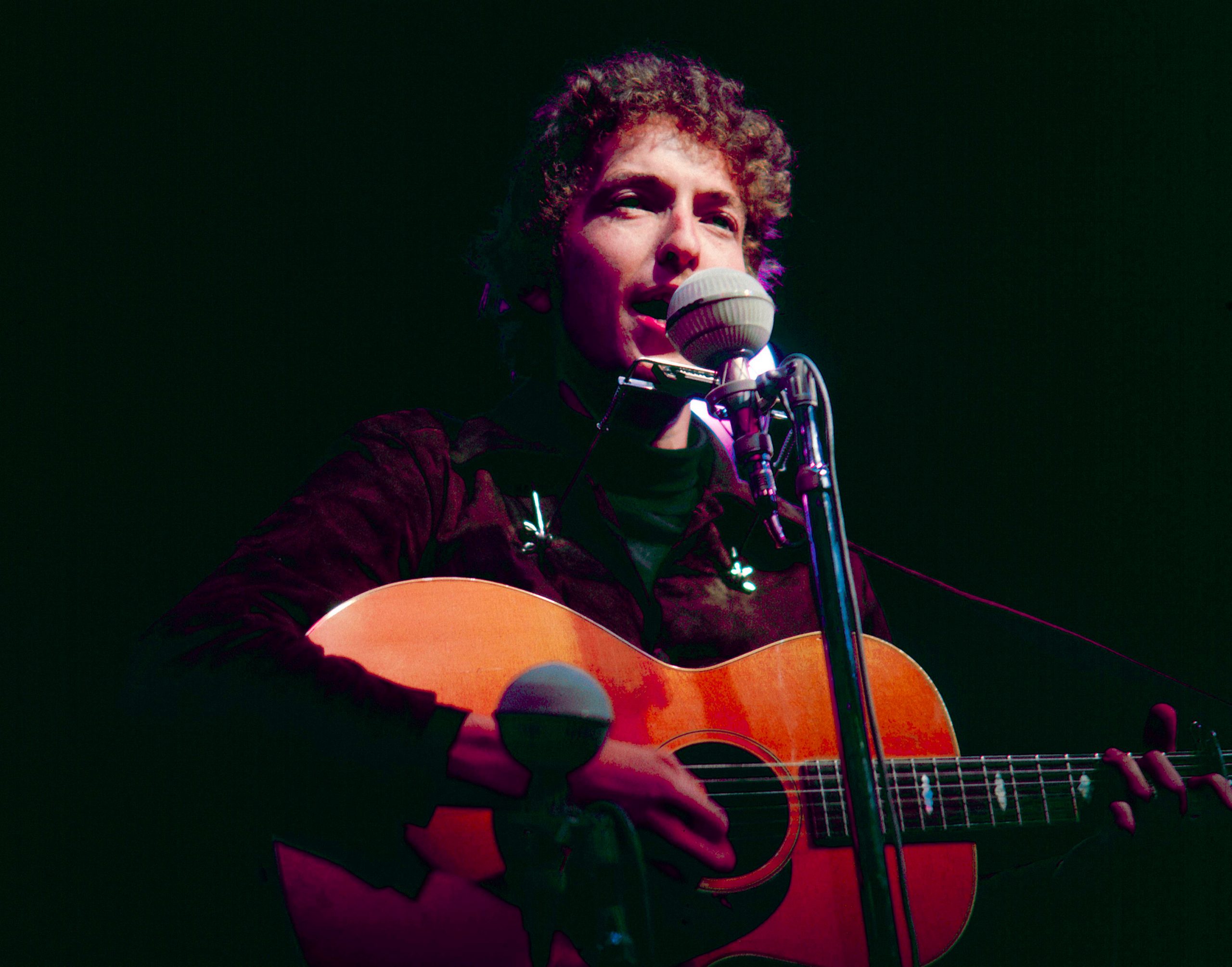
A rare, typewritten lyric sheet for Bob Dylan’s song “I’m Not There” has resurfaced after being hidden for nearly 60 years inside a first-edition book of poetry by Allen Ginsberg. The document, which was discovered by a book dealer handling the estate of Sally Grossman, is set to be auctioned by Omega Auctions with an estimate of £20,000–£40,000. Other high-profile collectibles hitting the block include Stephen Curry’s game-worn sneakers at Sotheby’s and a signed Albert Einstein etching.

The tiniest event can tear a hole. Sara MacKillop by Margaret Kross

Sara MacKillop's exhibition "The Cutaway View" at Good Weather in Chicago presents sculptures made from humble analog materials like blank wall calendars, empty shopping bags, and gift wrapping. The London-based artist alters these objects with minimal interventions—such as surgically cut holes in shopping bags to accommodate vinyl records—drawing attention to the ephemera and texture of retail culture. Her series "Calendar Houses" (2021–ongoing) uses archive boxes and wall calendars to create miniature modernist dwellings that critique systems of order and self-optimization.

Lubaina Himid’s British pavilion at the Venice Biennale review – alienation in a green and pleasant land

Lubaina Himid's installation at the British pavilion of the Venice Biennale presents monumental paintings and a wall of painted oars depicting tailors, cooks, architects, gardeners, and sailors—figures who shape Britain. The work is accompanied by an audio piece of bucolic country sounds, but the black figures in the paintings exchange sideways glances of discomfort, questioning whether they truly belong. The exhibition is anchored by 26 philosophical questions on the wall, such as "Can flies settle here?" and "Can poison taste delicious?"

Women behind the lens: ‘After state massacres, I began burning the prints as an act of mourning’

Iranian-Canadian visual journalist and artist Parisa Azadi describes her process of creating protest photographs during the 2022 Iranian revolution from exile in Dubai. Unable to return to Iran, she used open-source protest footage from social media, isolating frames and printing them with a Fujifilm instax camera to transform ephemeral digital images into physical objects. In January 2026, after state massacres and executions, she began burning these prints as an act of mourning, scarring their surfaces to echo the violence they depict.

‘It’s a world heritage site, but it’s my home’: the last resident of Casa Milà on life in Gaudí’s masterwork

Ana Viladomiu, a 70-year-old writer, is the last remaining tenant of Antoni Gaudí’s Casa Milà (La Pedrera) in Barcelona, a UNESCO World Heritage site that receives about a million visitors annually. She has lived in the luminous apartment since 1988, originally moving in with her then-husband Fernando Amat, owner of the iconic design store Vinçon. Viladomiu holds a rare renta antigua (fixed-rent contract) that allows her to stay until she or Amat dies, after which the not-for-profit foundation managing the building will take ownership. The rest of the building now houses offices and cultural event spaces.

‘In every drop of paint he slurped, you see the Holocaust’: the genius and torments of Georg Baselitz

Georg Baselitz, the German painter and sculptor known for his provocative confrontations with Nazi history, has died. Born in 1938, he was one of the last living artists with direct childhood memories of the Third Reich. His early works, such as *Die große Nacht im Eimer* (1961) and his upside-down German eagles, deliberately shocked postwar West Germany by depicting obscene, shameful images of a society trying to forget the Holocaust. He famously exhibited a zombie Hitler woodcarving at the 1980 Venice Biennale alongside Anselm Kiefer, insisting on confronting rather than ignoring the Nazi heritage of the German Pavilion.

Has the world grown weary of art biennials? In search of an antidote, a Portuguese festival turns to anarchism

Anozero, a biennial art festival held in Coimbra's Monastery of Santa Clara-a-Nova, has opened a ghostly edition that uses installations—including Taryn Simon's sound piece of laments in multiple languages—to protest plans by the Portuguese government to redevelop the 17th-century convent into a hotel under its Revive programme. Festival co-founder Carlos Antunes threatens to cancel the biennial if the development proceeds, framing the event as a warning to the developer about the spirits that haunt the building.

Experience the Joy of “From MacArthur Park, with Love” at Charles White Elementary School

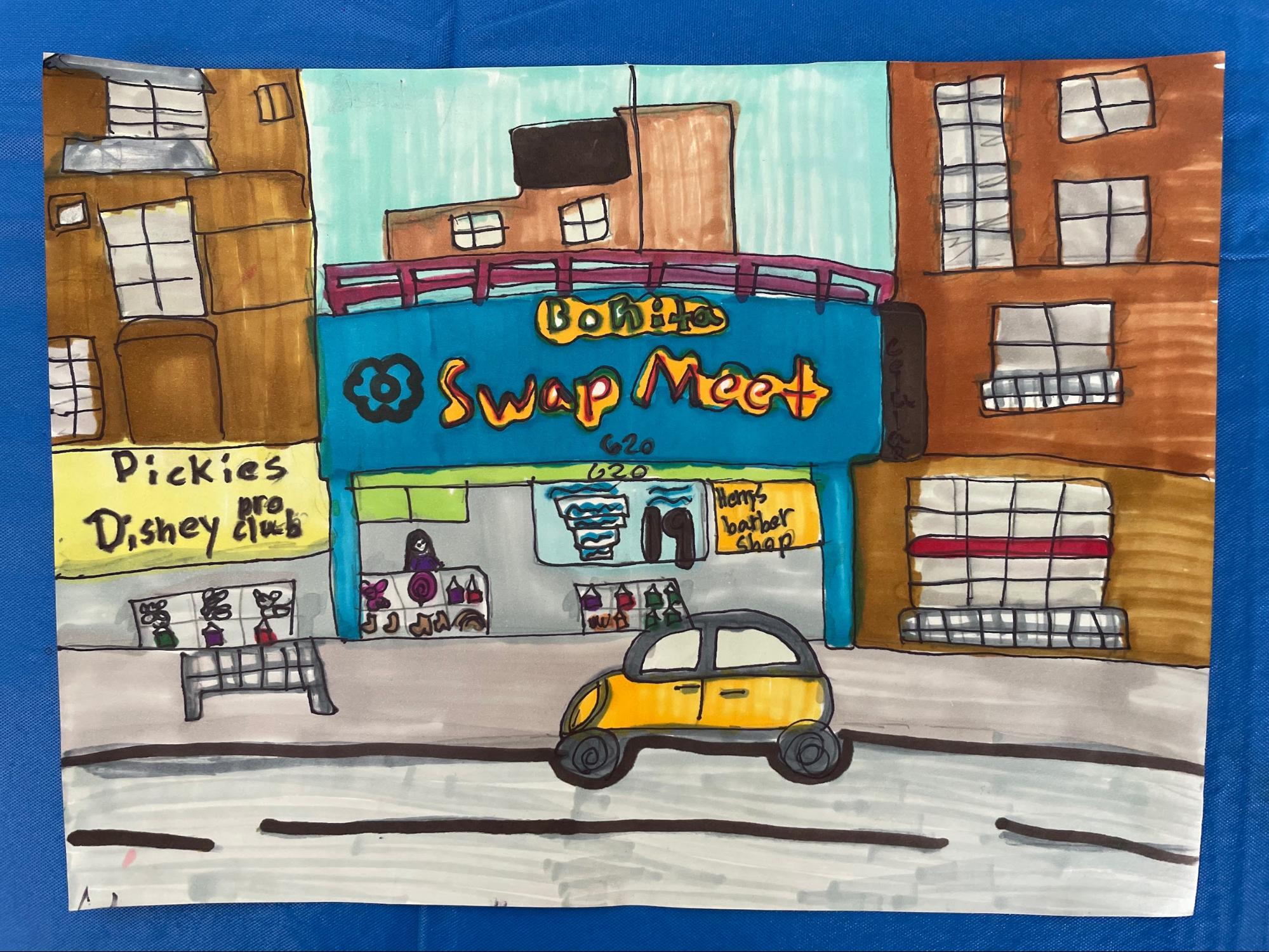
Charles White Elementary School in Los Angeles, in collaboration with LACMA, is presenting the exhibition "From MacArthur Park, with Love" opening May 21, 2025. The show features artworks by over 100 students from the school's Visual Arts Magnet program, celebrating the MacArthur Park neighborhood through diverse media including collaborative diptychs, observational drawings, and paintings of local landmarks and bird species. The exhibition runs Saturdays from May 23 to August 1, with free drop-in art workshops.

Meet four artists behind the public art you'll see at L.A. Metro's new D Line stations

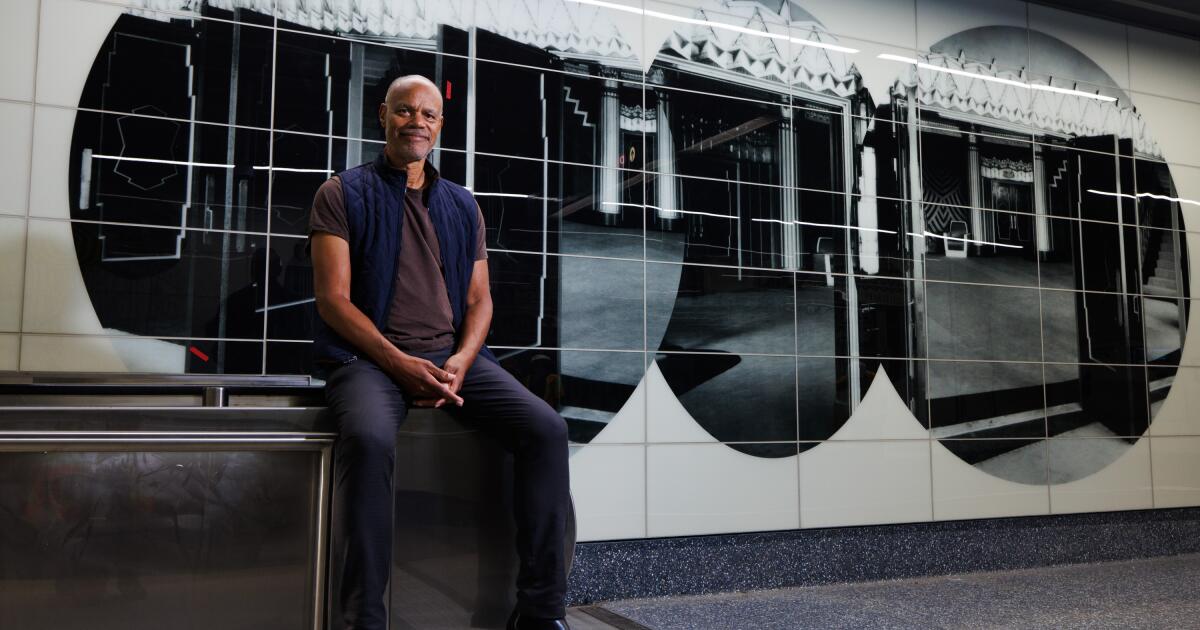
L.A. Metro opened the first phase of its D Line extension on Friday, May 1, 2026, adding three new underground stations connecting downtown Los Angeles to Beverly Hills: Wilshire/La Brea, Wilshire/Fairfax, and Wilshire/La Cienega. The stations feature nine site-specific public artworks by artists including Mariana Castillo Deball, Eamon Ore-Giron, Ken Gonzales-Day, Todd Gray, Karl Haendel, Soo Kim, Fran Siegel, Susan Silton, and Mark Dean Veca. The competitive selection process began a decade ago, drawing over 1,200 applicants, with finalists judged by a panel of art professionals including curators from Miracle Mile museums. Metro deputy executive officer Zipporah Yamamoto leads the agency's public art program, which is funded by a 0.5% construction budget set-aside.

Confronting the Uncertain Future Of Image Making and AI — These Houston Photography Exhibitions Keep It Real

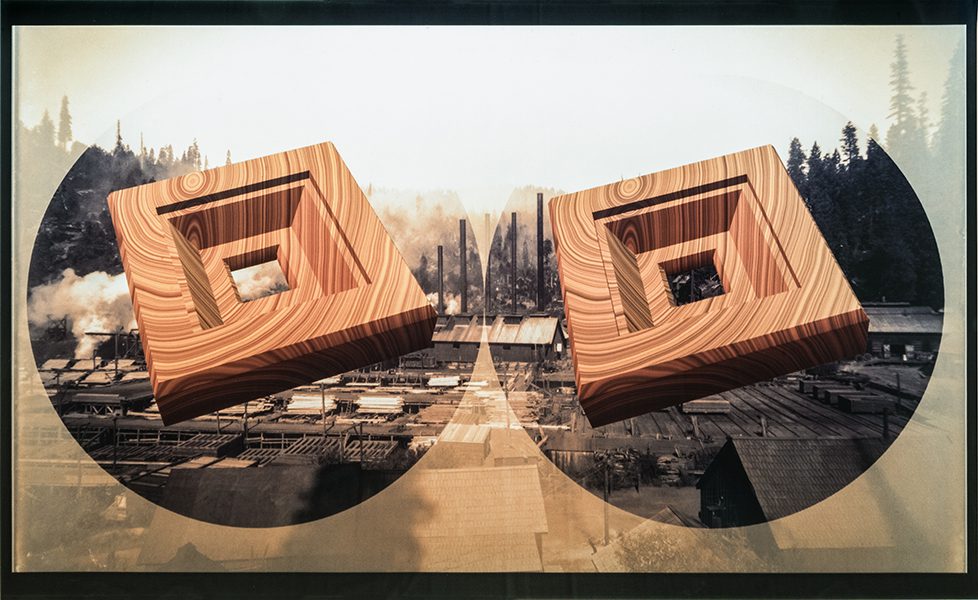
Two new photography exhibitions in Houston explore the past and future of image-making. At Moody Gallery, a retrospective titled "MANUAL — The Collaboration of Ed Hill & Suzanne Bloom, 1974-2024" honors the legacy of the groundbreaking photographic duo MANUAL, co-founded by Ed Hill and the late Suzanne Bloom, who passed away in 2025. The show, closing April 25, features works inspired by art history, literature, and nature, including pieces referencing Paul Cézanne and Walt Whitman. Meanwhile, at Rice University's Moody Center for the Arts, the group exhibition "Imaging After Photography" (through May 9) examines the intersection of photography and artificial intelligence, featuring artists like Trevor Paglen, Refik Anadol, and Joan Fontcuberta, and raising questions about bias in datasets and algorithms.

Maya Lin Connects Nature to a New Manhattan Skyscraper and Beyond

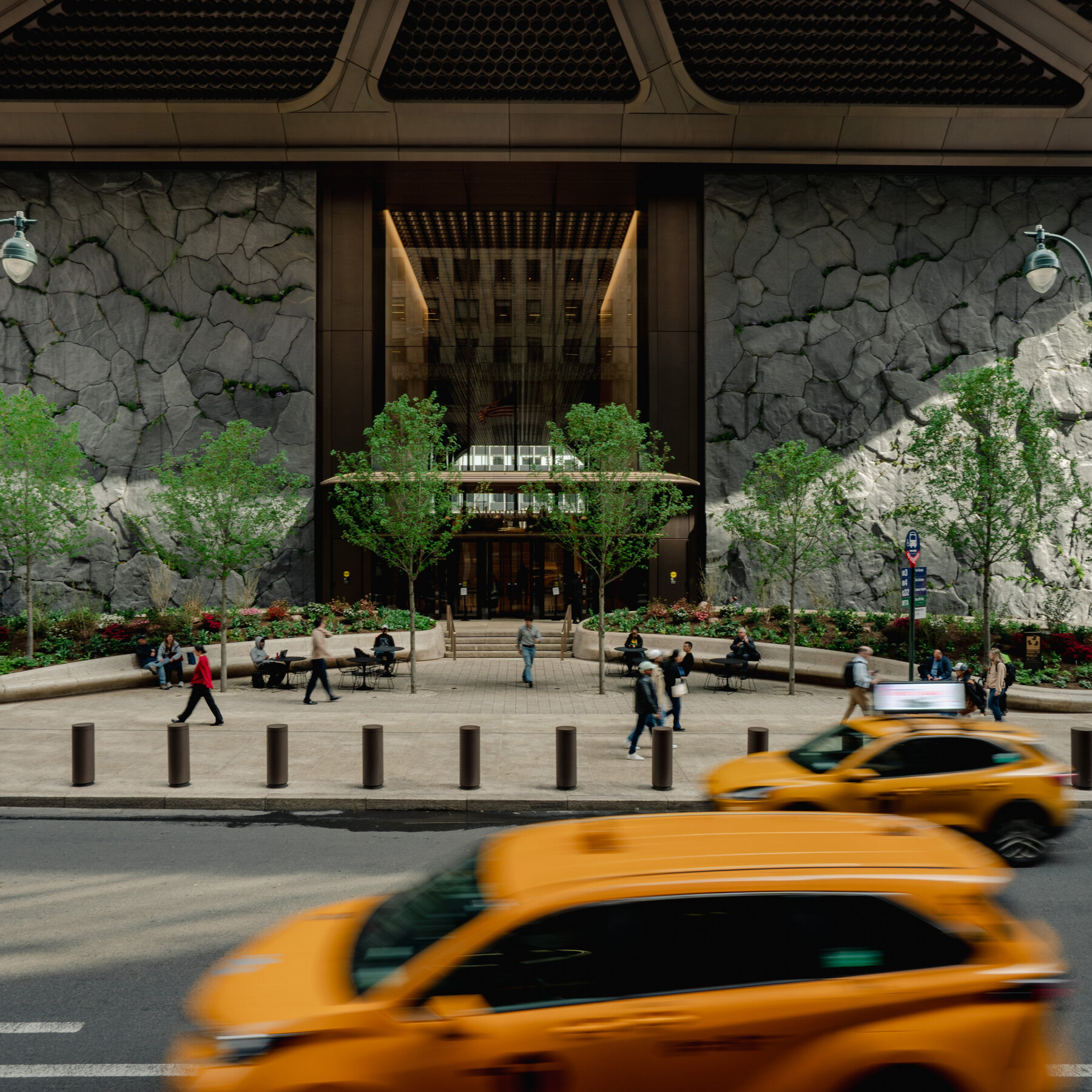
Maya Lin, the renowned artist and designer known for the Vietnam Veterans Memorial, has created new works for a Manhattan skyscraper and a Chicago project, drawing on her deep connection to nature. The article highlights her latest installations that integrate environmental themes into urban architecture, reflecting her ongoing exploration of landscape and ecology.

With ‘Sister Dreamer’ Park, Lauren Halsey Brings Her Heroes Home

Artist Lauren Halsey has unveiled a new installation titled 'Sister Dreamer' Park in South Central Los Angeles. The work features stone monuments that elevate familiar faces from the neighborhood, celebrating local heroes and community members. The installation is part of Halsey's ongoing practice of centering Black and brown communities in her art, using architecture and sculpture to create spaces of empowerment and memory.

The Cosmos in a Drop: Interview with Wallace Chan

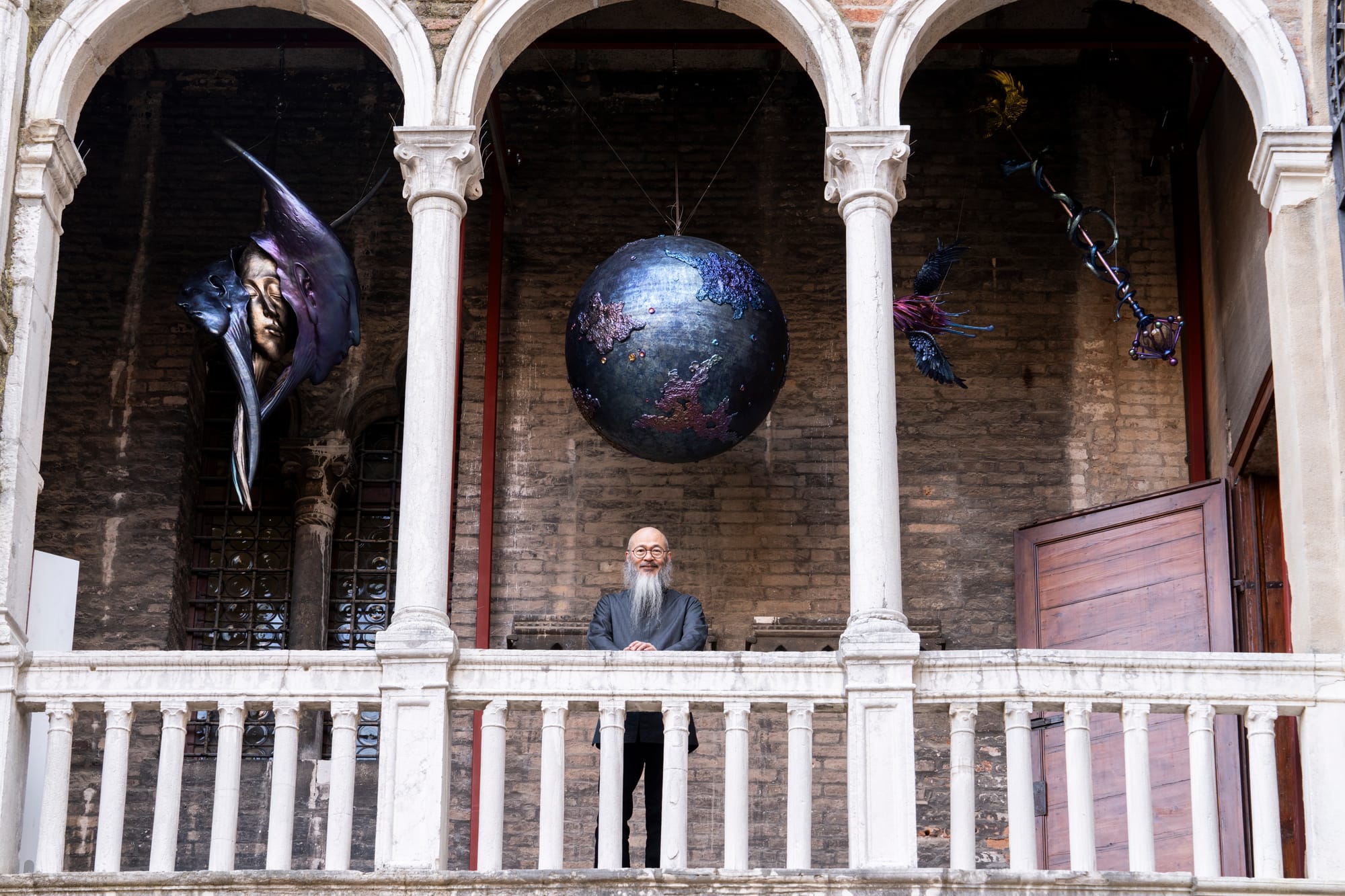
Wallace Chan, the Chinese artist known for his work across microscopic gemstone carving and monumental titanium sculpture, is presenting two concurrent exhibitions in Venice during the 61st Venice Biennale: “Vessels of Other Worlds” at the Pietà Chapel and “Mythos” at Scala Contarini del Bovolo. In an interview with ArtAsiaPacific, Chan discusses his artistic journey from traditional Chinese Buddhist carving to Western iconography, the spiritual resonance of the Pietà Chapel (where Vivaldi composed), and how his works explore themes of transformation, birth, growth, and rebirth through the lens of Buddhist philosophy and Catholic ritual.