filter_list Showing 38 results for "Hit" close Clear
search
dashboard All 1153 museum exhibitions 656article local 120trending_up market 91article culture 87article news 86rate_review review 38person people 26article policy 23candle obituary 16gavel restitution 8article gallery 1article events 1
date_range Range Today This Week This Month All
Subscribe

Notes from New York: The World in a Convex Mirror

The article reviews the sixth edition of MoMA PS1's quinquennial survey 'Greater New York 2026,' which coincides with the institution's 50th anniversary. It highlights works by artists such as Covey Gong, Win McCarthy, Mekko Harjo, and Sophie Friedman-Pappas, noting how the exhibition's themeless structure and use of reflective surfaces create a hall of distorted reflections. The show includes 53 emerging and midcareer artists, mostly millennials, and is accompanied by a block party and gala rather than a dedicated commemorative exhibition like FORTY (2016).
What You Should Definitely Avoid in Venice

Was man in Venedig unbedingt vermeiden sollte

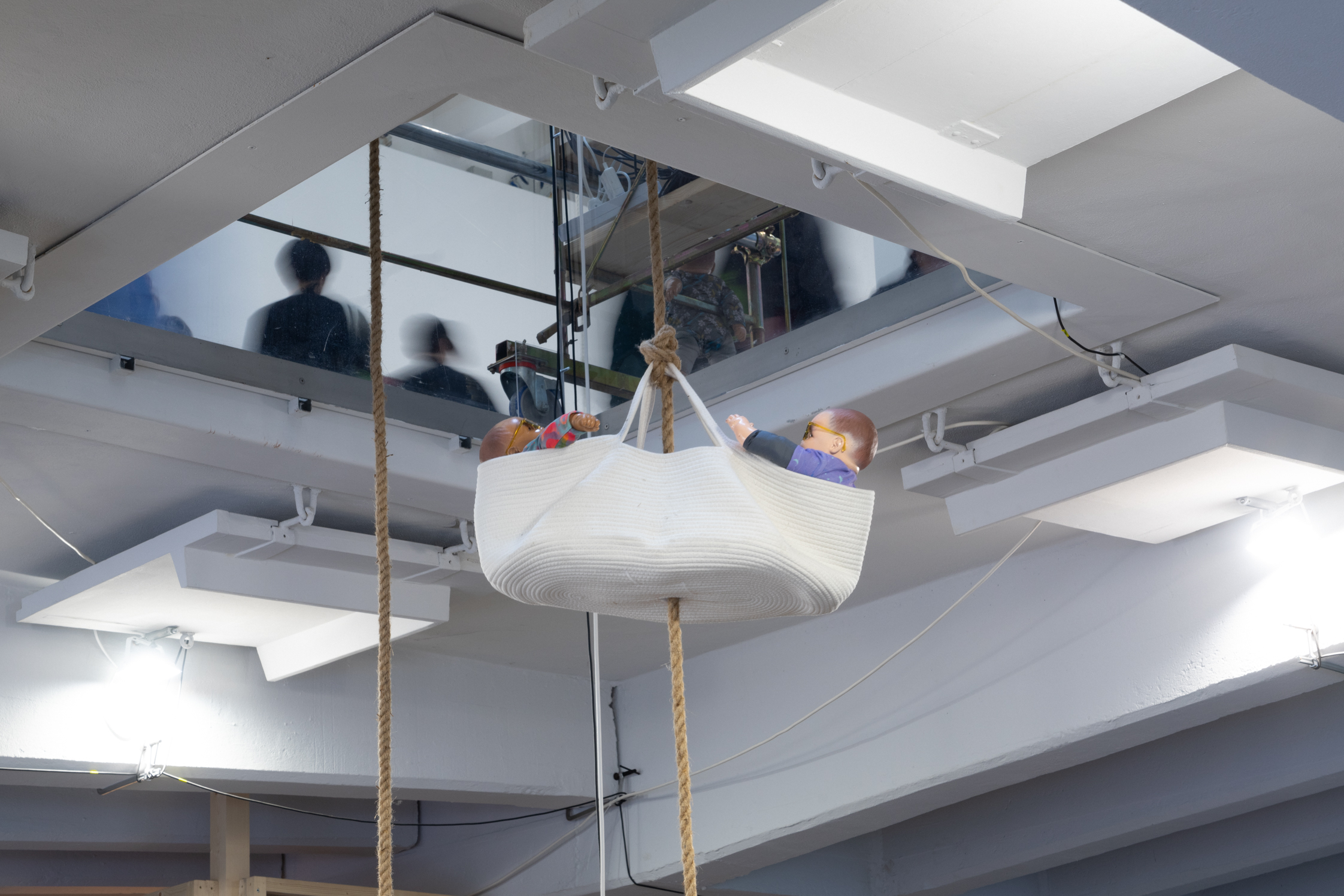
The article humorously critiques the Venice Biennale, highlighting several disappointments. It describes a Japanese pavilion installation by Ei Arakawa-Nash featuring baby dolls for diaper-changing, which a critic dismisses as a male artist over-romanticizing parenthood. Other flops include long queues for the German and Austrian pavilions, underwhelming main exhibition "In Minor Keys," and annoying self-promotional performers outside venues. The piece also laments the presence of loud American collectors and donors who dominate the event.

Todd Gray Reframes Black Diasporic History

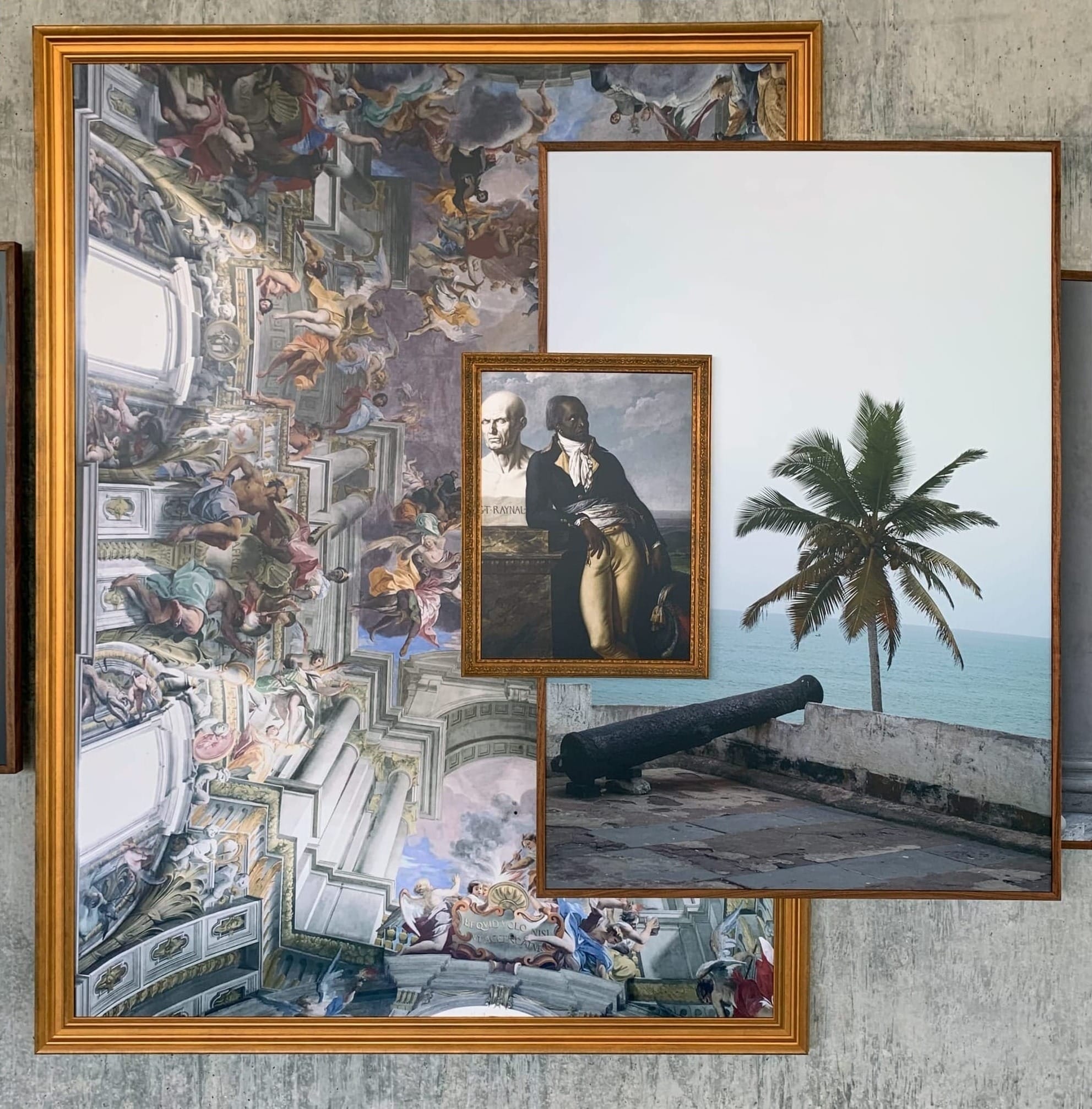
Todd Gray's exhibition "Portals" at Perrotin in Los Angeles features multi-paneled photo assemblages that juxtapose images of slavery with European art, architecture, and formal gardens, exploring the evolution of Black history and identity. The show coincides with the opening of his commissioned installation "Octavia's Gaze" (2025) at the new David Geffen Galleries of the Los Angeles County Museum of Art. Gray's works incorporate his own photographs alongside sources like Hubble Space Telescope imagery, creating layered visual puzzles that invite viewers to find connections and ask questions about African diasporic identity.

The Big Review | Lacma's David Geffen Galleries ★★★★

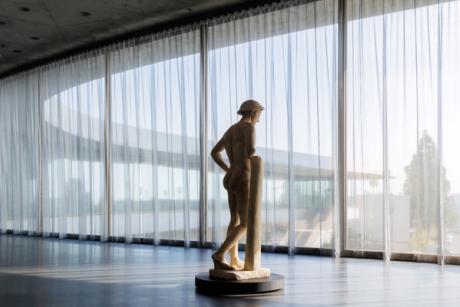
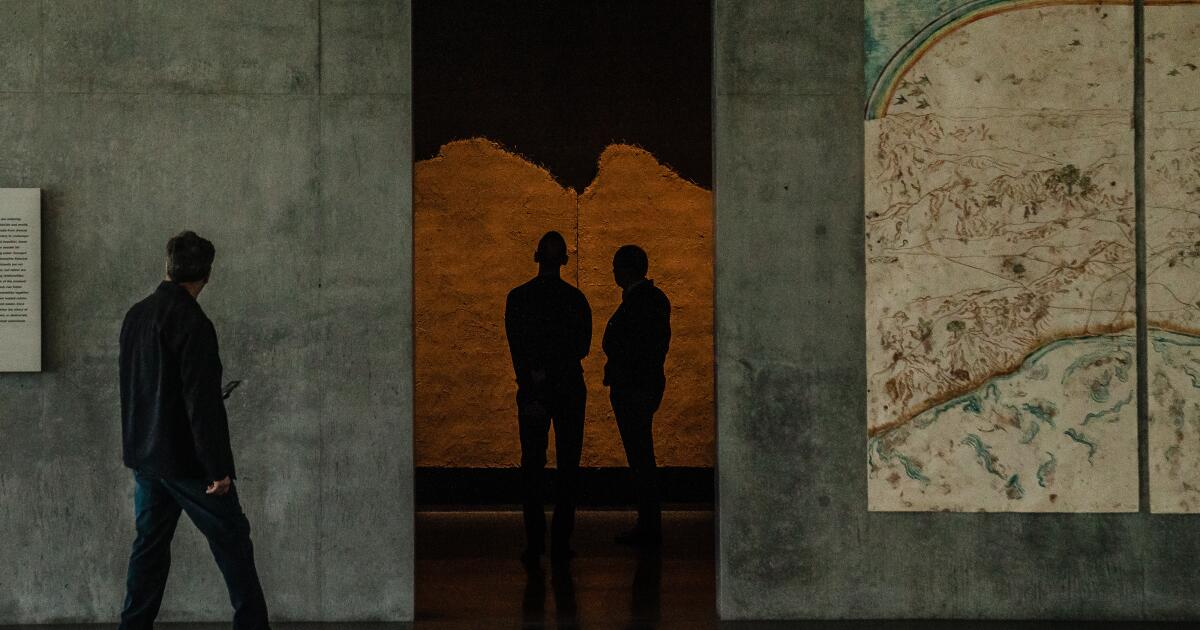
The Swiss architect Peter Zumthor's new $724 million building for the Los Angeles County Museum of Art (Lacma), now called the David Geffen Galleries, has opened after nearly two decades of anticipation. The swooping concrete-and-glass structure is praised for its harnessing of natural light and horizontality, creating a stunning showcase for antiquities and inviting the city inside with floor-to-ceiling windows offering views of the La Brea Tar Pits and Wilshire Boulevard. The building performs best with sculpture and decorative objects, with standout works including Liz Glynn's "The Futility of Conquest" (2023) and Manjunath Kamath's "Vikatonarva" (2024).

Two Museums Take on Performative Masculinity, Looksmaxxing, Incels, and Other Macho Buzzwords That Don’t Belong There.

The Stedelijk Museum and Kunstmuseum St. Gallen have co-organized an exhibition titled "Beyond the Manosphere: Masculinities Today," which aims to critically examine contemporary masculinity and its online manifestations such as incels, looksmaxxing, and pickup artists. The show features works by artists including Reba Maybury and Richard Serra, and is curated by Melanie Bühler, with directors Rein Wolfs and Gianni Jetzer overseeing the project. The exhibition will travel from the Stedelijk to the Kunstmuseum St. Gallen later this year.

The Met’s Costume Institute Needs an Art History Lesson

The Metropolitan Museum of Art's Costume Institute spring exhibition, "Costume Art," pairs fashion with artworks from the Met's collection, including ancient Greek statues and Andy Warhol screenprints, alongside garments by designers from Charles James to CFGNY. Curator Andrew Bolton aims to suggest that fashion can expand understanding of art, but the show's juxtapositions often feel vague and sloppy, with only occasional resonant pairings like a Jean Paul Gaultier shirt and Joe Brainard drawing linked by queer artist lineage.

Fantastic visions and cosmic rhythms: how Whistler is making me see – and hear – differently

The article explores how the James McNeill Whistler exhibition at Tate in London prompts a reconsideration of the relationship between music and visual art. Whistler titled his works using musical terms like "Arrangement," "Symphony," and "Nocturne," arguing that painting should be abstract and independent of narrative, much like instrumental music. The exhibition, reviewed by Jonathan Jones, highlights Whistler's radical art-for-art's-sake philosophy, which influenced composer Claude Debussy, whose orchestral Nocturnes were directly inspired by Whistler's paintings of light and atmosphere.

Winston Churchill: The Painter review – We will daub them on the beaches

The Guardian reviews "Winston Churchill: The Painter," an exhibition of nearly 60 paintings by the former British prime minister, curated by Xavier Bray and Lucy Davis. The show assembles works from across the UK and private collections, depicting scenes from Churchill's travels, stately homes, and leisure moments, painted as an amateur Sunday painter for stress relief rather than artistic acclaim. The review notes Churchill's use of techniques borrowed from Walter Sickert, including projectors and monochrome underlayers, and describes his style as charmingly amateurish with a vivacity in seascapes but weakness in figures and architectural luminosity.

James McNeill Whistler review – a luscious, seductive blockbuster for the painter who scandalised Britain

Tate Britain has opened a major retrospective dedicated to James McNeill Whistler, the American painter who scandalized Victorian Britain. The exhibition centers on his iconic work *Arrangement in Grey and Black No. 1* (commonly known as *Whistler's Mother*), lent by the Musée d'Orsay, and traces his evolution from raw realist scenes of London's docks to radical, abstract celebrations of color and pattern. It includes a reconstruction of *The Peacock Room* and highlights his rivalry with critic John Ruskin, who accused him of 'flinging a pot of paint in the public's face.'

V&A Rising Voices review – can decades of stunning global art really be squished into three rooms?

The V&A Museum in London has mounted an exhibition titled "Rising Voices" that attempts to summarize three decades of the Asia Pacific Triennial, a vast survey of contemporary art from Asia, Australia, and the Pacific organized by Queensland Art Gallery. The show crams works from multiple continents, island nations, and Indigenous cultures into just three rooms, featuring bark cloth paintings from Papua New Guinea, Indigenous Australian abstracts, shark sculptures from the Torres Strait, and Tahitian textiles. Many works address colonialism, political oppression, and tyranny, with artists like Elisabet Kauage, Pala Pothupitiye, and Svay Ken using art as resistance. The exhibition includes pieces by Maryam Ayeen, Abbas Shahsavar, Lila Warrimou, Pennyrose Sosa, Aline Amaru, Brenda V Fajardo, and Heri Dono.

Handpicked review – delightful dancing dahlias and petals so pillowy you can feel them

The Guardian reviews "Handpicked," an exhibition at Kettle's Yard in Cambridge that brings together over 40 artists from the 20th century to the present, all sharing a floral passion. The show features works by Rory McEwen, Vanessa Bell, Cedric Morris, Christopher Wood, Tirzah Garwood, Celia Paul, Gluck, and Caroline Walker, among others, displayed on white and leaf-green walls inspired by the fresh flowers and floral paintings in the neighboring house. The review highlights specific pieces, such as McEwen's exquisite tulip watercolor and Garwood's poignant painting from the last year of her life, noting the technical variety and emotional depth across the exhibition.

25th Biennale of Sydney Review: From the Margins

The 25th Biennale of Sydney, titled "Rememory" and curated by Hoor Al Qasimi, features 143 works by 83 artists and collectives from 37 countries across five venues. The exhibition explores marginalized, fragmented, and repressed histories, drawing on Toni Morrison's concept of 'rememory' as a space between remembering and forgetting. Key works include Tuan Andrew Nguyen's film on Vietnam War trauma, Basel Abbas and Ruanne Abou-Rahme's immersive installation on Palestinian displacement, Khalid Albaih's photographs of Sudan, and Massinissa Selmani's drawings on Algerian socialist building projects.

Salon review – like getting to know fascinating guests at a fabulous party

The article reviews a salon-style exhibition curated by Matthew Higgs, director of New York's White Columns gallery, at an unnamed gallery space. The show features 43 paintings by a diverse group of artists including Denzil Forrester, Andrew Cranston, Kaye Donachie, Merlin James, Margot Bergman, Gillian Carnegie, Bill Lynch, and Adam Keay, arranged around mismatched chairs facing white windows painted on the walls. The reviewer describes moving through the space, engaging with individual works, and highlights the eclectic, unthemed curation that prioritizes personal taste and conversation over academic or political messaging.

The Carnegie International Looks Back at Itself

The 58th Carnegie International at the Carnegie Museum of Art in Pittsburgh looks back at its own 130-year history, featuring a gallery dedicated to past iterations. The exhibition includes Chris Ofili's "The Adoration of Captain Shit and the Legend of the Black Stars" (1998), which was originally shown in the 53rd International in 1999, the same year Ofili's more notorious "The Holy Virgin Mary" sparked controversy at the Brooklyn Museum. The article reviews how the current iteration captures the excitement of earlier exhibitions while providing commentary on authoritarianism and militarism.

Is This What “Made in America” Looks Like?

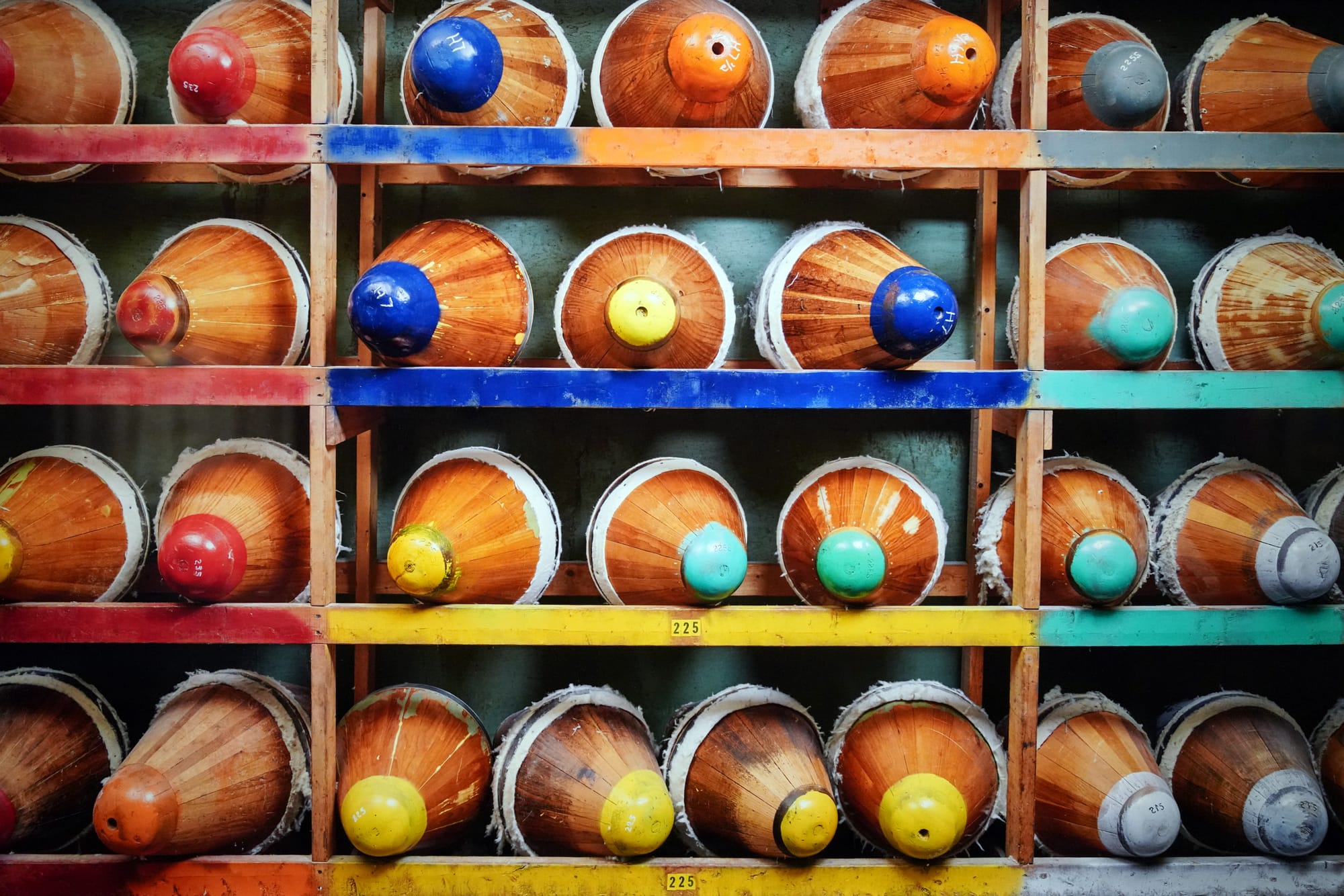
Christopher Payne's exhibition "Made in America: The Industrial Photography of Christopher Payne" at the Cooper Hewitt, Smithsonian Design Museum showcases 72 large-format photographs documenting active American factories and manufacturing processes. The trained architect turned photographer spent a decade visiting dozens of production sites across the United States, from the New York Times printing plant in Queens to the Bollman Hat Company in Pennsylvania, capturing workers' craftsmanship and the intricate steps involved in making everything from Peeps candies to jet engines. The exhibition is organized into three sections—traditional handcraft, large-scale production, and cutting-edge technologies—and coincides with the Smithsonian's celebration of the nation's 250th anniversary.

Édouard Glissant’s Museum-as-Archipelago

The article reviews the exhibition "The Earth, the Fire, the Water, and the Winds: For a Museum of Errantry with Édouard Glissant" at the Center for Art, Research and Alliances (CARA) in New York, the first U.S. showing of works from the personal collection of Martinician philosopher and writer Édouard Glissant. Curated from his archive, the exhibition features artists such as Roberto Matta, Wifredo Lam, Etel Adnan, Irving Petlin, Antonio Seguí, Öyvind Fahlström, Jack Whitten, and Mel Edwards, reflecting Glissant's friendships and intellectual exchanges across Europe, Africa, and the Americas. Highlights include Antonio Seguí's large pastel works from his Titanic series.

Inside LACMA’s Eye-Popping New Home, How Do You Find the Art?

The Los Angeles County Museum of Art (LACMA) has opened its new David Geffen Galleries building, a major architectural project designed to be a glamorous cultural beacon. The building itself is a striking landmark, but the exhibition spaces within present significant challenges for the display of art, creating a complex, maze-like environment for visitors.

Art for Our Age of Chaos

The article reviews two major New York exhibitions opening in 2026: the Whitney Biennial at the Whitney Museum of American Art, featuring over fifty artists, and "New Humans: Memories of the Future" at the newly expanded New Museum, with over a hundred artists. Both shows are described as enormous and defiant, responding to a distracted public and financial pressures. The reviewer notes that both exhibitions juxtapose large-scale immersive works with tiny, intimate pieces, and finds the Whitney Biennial lacking urgency, while preferring the New Museum's historical narrative about technology and modernity.

This Liminal Moment

The article reviews the exhibition "MONUMENTS" at the Geffen Contemporary at MOCA and the Brick in Los Angeles, which addresses the legacy of Confederate monuments through contemporary art. It highlights Cauleen Smith's installation "The Warden" (2025), which features a live-feed of the decommissioned Confederate sculpture "Vindicatrix" (also known as "Miss Confederacy") by Edward V. Valentine, originally atop the Jefferson Davis Memorial in Richmond, Virginia. The exhibition is curated by Hamza Walker, Kara Walker, and Bennett Simpson.

Ruminations on Rashid Johnson’s “A Poem for Deep Thinkers”

The article is a reflective review of Rashid Johnson's exhibition "A Poem for Deep Thinkers" at the Modern Art Museum of Fort Worth. The author describes standing before Johnson's work "Falling Man" (2016), a piece incorporating broken mirrors, burned wood, and personal objects like a copy of Harry Haywood's "Black Bolshevik" and shea butter, which prompts meditations on visibility, identity, and Frantz Fanon's "Black Skin, White Masks." The review also examines Johnson's large-scale installation "Antoine's Organ" (2016/2026), which fills a gallery typically reserved for Ellsworth Kelly's minimalist canvases, transforming the space with scaffolding, plants, books, and video monitors.

Lubaina Himid’s British pavilion at the Venice Biennale review – alienation in a green and pleasant land

Lubaina Himid's installation at the British pavilion of the Venice Biennale presents monumental paintings and a wall of painted oars depicting tailors, cooks, architects, gardeners, and sailors—figures who shape Britain. The work is accompanied by an audio piece of bucolic country sounds, but the black figures in the paintings exchange sideways glances of discomfort, questioning whether they truly belong. The exhibition is anchored by 26 philosophical questions on the wall, such as "Can flies settle here?" and "Can poison taste delicious?"

The tiniest event can tear a hole. Sara MacKillop by Margaret Kross

Sara MacKillop's exhibition "The Cutaway View" at Good Weather in Chicago presents sculptures made from humble analog materials like blank wall calendars, empty shopping bags, and gift wrapping. The London-based artist alters these objects with minimal interventions—such as surgically cut holes in shopping bags to accommodate vinyl records—drawing attention to the ephemera and texture of retail culture. Her series "Calendar Houses" (2021–ongoing) uses archive boxes and wall calendars to create miniature modernist dwellings that critique systems of order and self-optimization.

Blank Spaces. Sung Tieu by Sarah Johanna Theurer

Sung Tieu's installations, characterized by austere, bureaucratic surfaces, explore the hidden architectures of power embedded in everyday systems. The article examines her series of works that deconstruct administrative forms used in asylum procedures, reducing them to blank spaces and quantified grids to expose how institutional power operates through seemingly neutral documents. Her exhibition "In Cold Print" at Nottingham Contemporary physically manifests these themes by using steel fences to control viewer movement, drawing direct parallels between minimalist sculpture and the dehumanizing design of border controls.

Martin Wong’s Brick Monument to Popeye

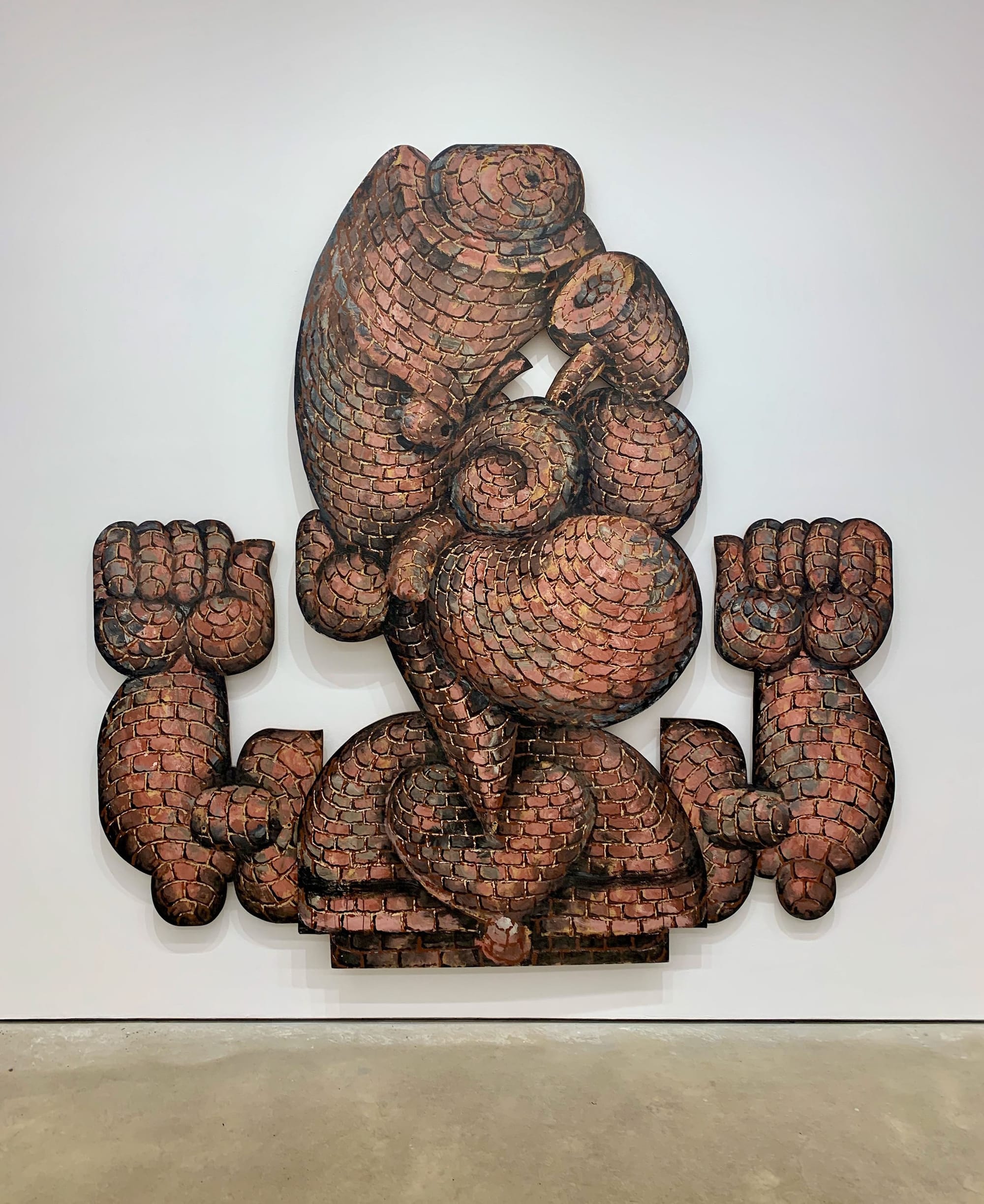
Hyperallergic reviews Martin Wong's posthumous exhibition "Popeye" at PPOW gallery, featuring six motorized plywood panels that reimagine the cartoon character Popeye as curving brickwork. The show includes smaller works like "Sacred Shroud of Pepe Turcel" (1989–90) and paintings of vintage cartoon characters Mutt and Jeff, Little Lulu and Tubby, all rendered in Wong's signature brick style. The review highlights Wong's queer, magpie sensibility and his ability to cross boundaries between high and low culture.

WeWork (oralmoral)

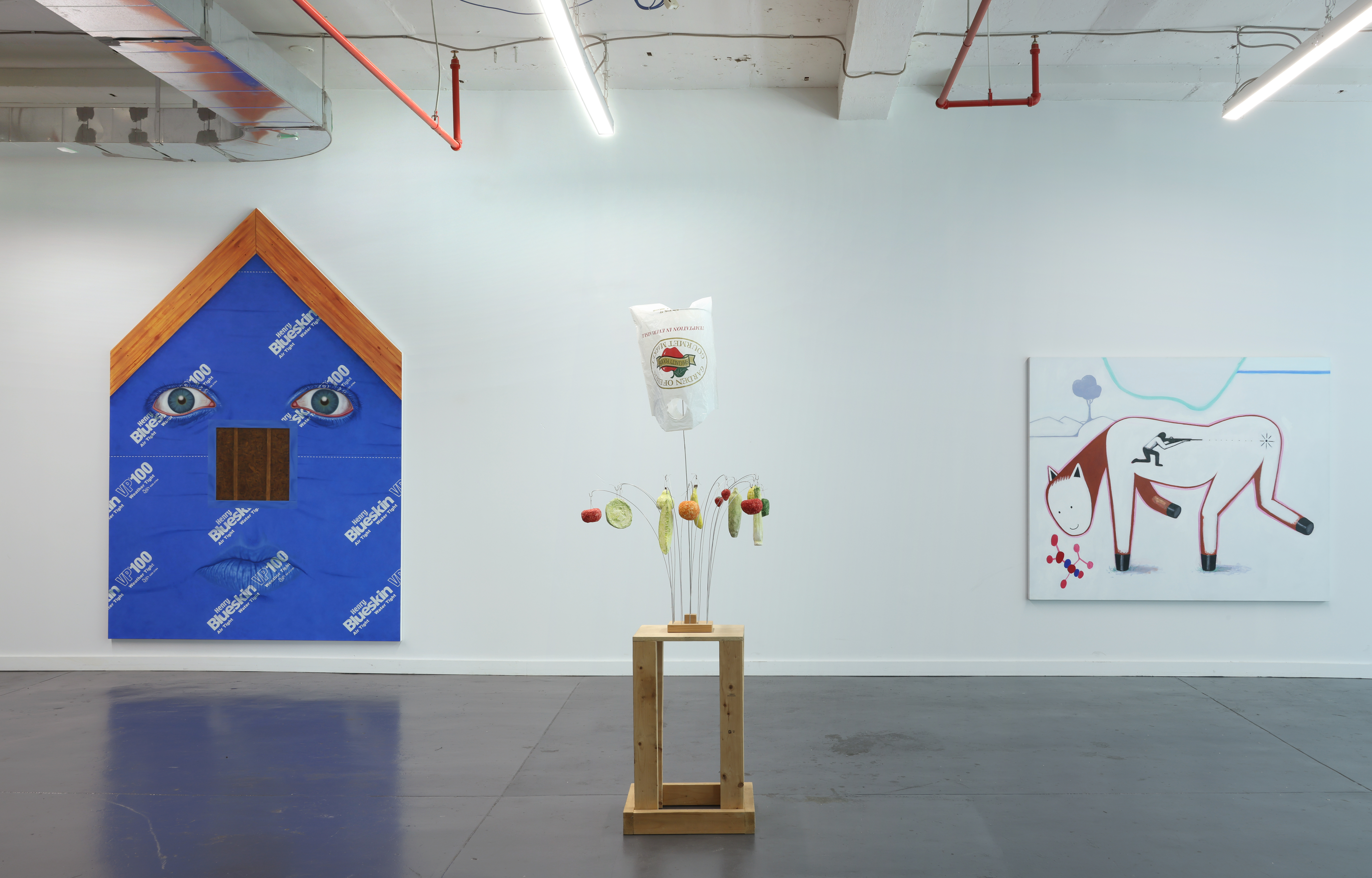
The article reviews "WeWork (oralmoral)," a temporary exhibition at The Gallery in Crown Heights, Brooklyn, curated by artist-turned-curator Florian Meisenberg. The show transforms a former office space into a free-form, non-hierarchical environment where works by over a dozen artists are placed unpredictably—in trash bins, closets, ventilation shafts, and on whiteboards left by the previous tenant. Artists span three generations, from Post-Minimal figures like B. Wurtz and David Humphrey to younger digital-savvy artists such as Lucas Blalock and Anna K.E., whose sound piece "Tamada" greets visitors. The exhibition runs from April 10 to May 18, 2026.

The new London museum that looks like a ‘reconstructed Toblerone’

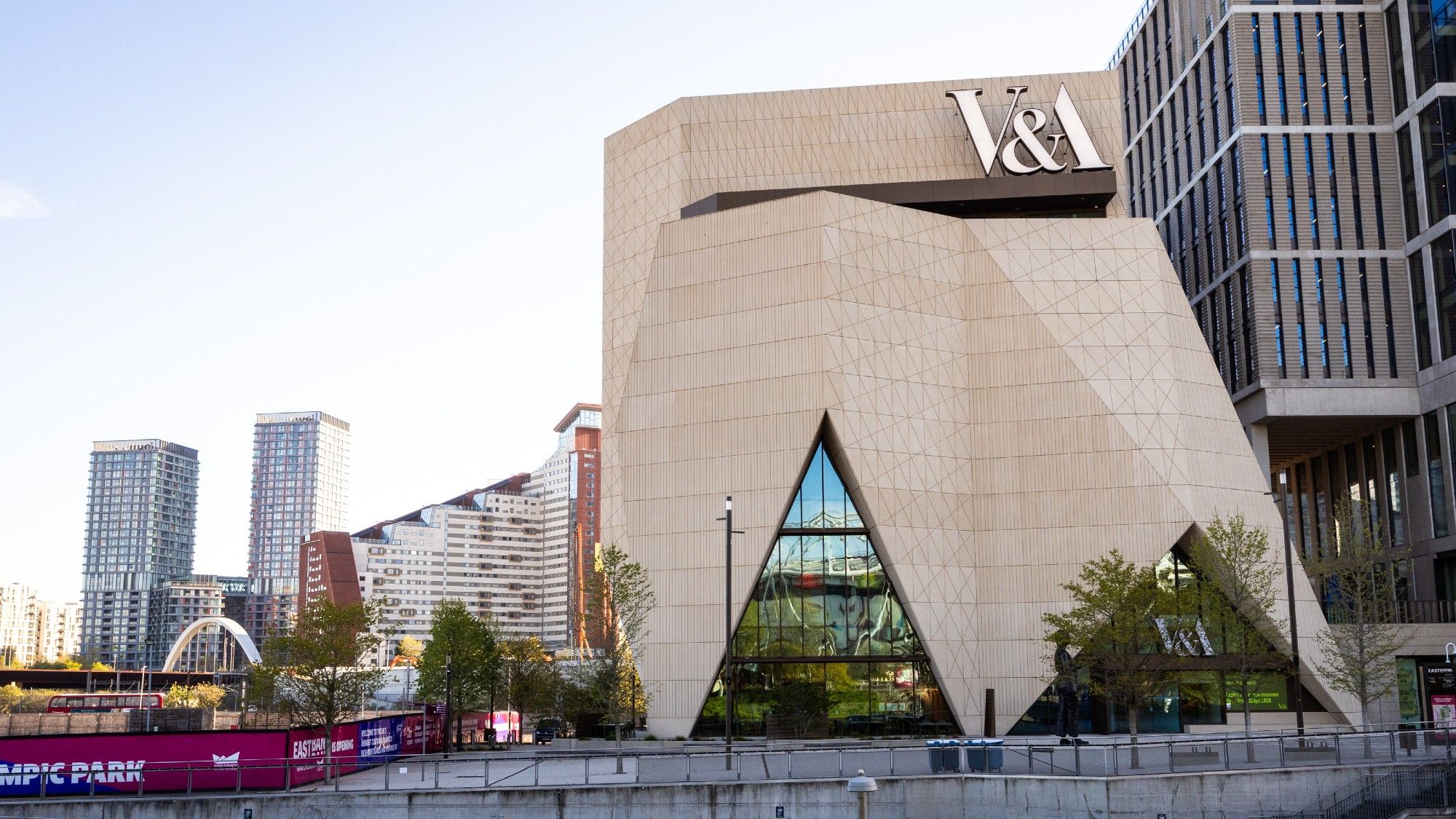
The V&A has opened a new outpost in east London's Lower Lea Valley, a former industrial area transformed into a cultural quarter after the 2012 Olympics. The museum, described as looking like a 'reconstructed Toblerone', is the latest addition to the 'Olympicopolis' vision, which aimed to create a cultural legacy akin to west London's Albertopolis. The article, written by Catherine Slessor in The Guardian, offers a mixed review: praising the beauty and craftsmanship of the galleries while criticizing overuse of trendy phrases like 'lived experience' and 'transcultural identities'.

Review: Getting lost in the art is the best part of LACMA’s new revisionist fever dream of a museum

The Los Angeles County Museum of Art (LACMA) has opened its new David Geffen Galleries, a radical reinvention of the museum experience. The installation, conceived by director Michael Govan and architect Peter Zumthor, abandons traditional chronological and departmental silos, instead creating a continuous, curving flow of art from across time, place, and medium. Visitors are encouraged to wander and get lost, forging their own connections between works.

The Mysterious Life of Fluxus Dame Alison Knowles

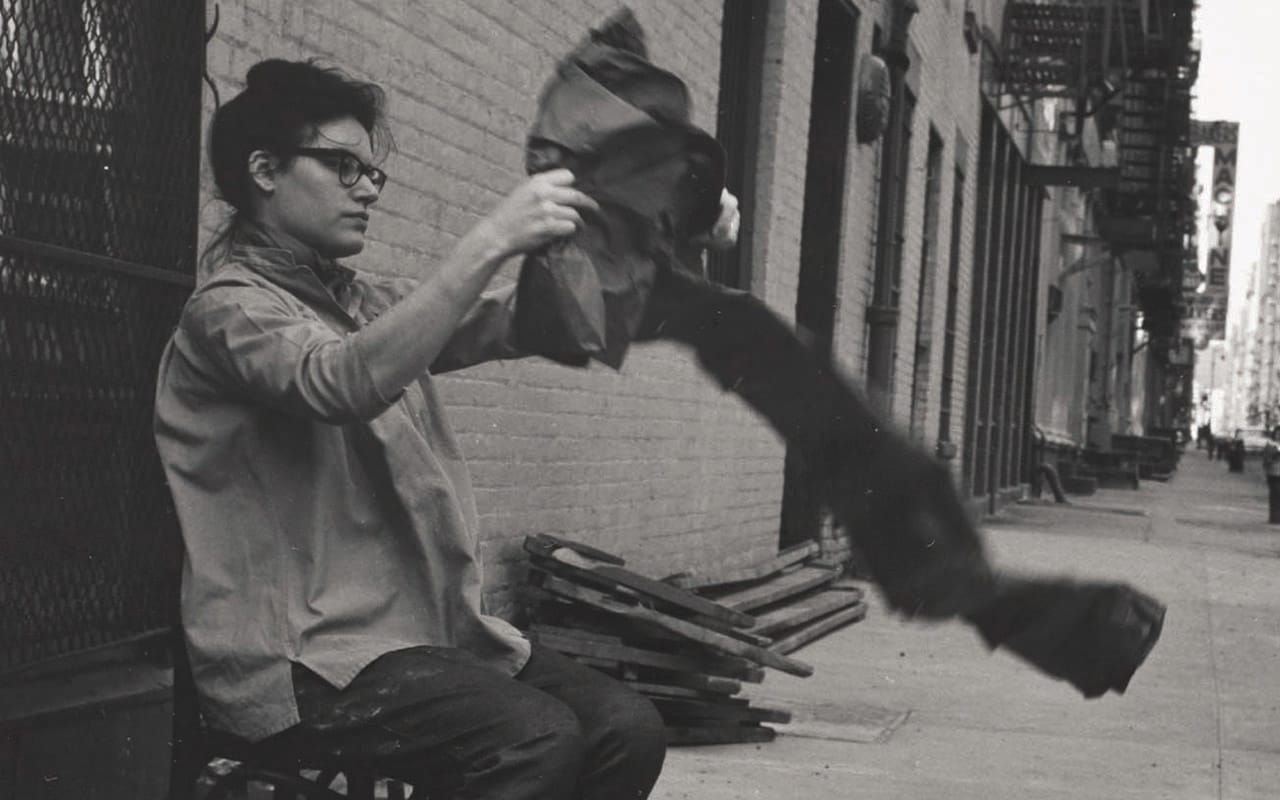
A new book, "Performing Chance: The Art of Alison Knowles In/Out of Fluxus" by art historian Nicole L. Woods, is the first major study of the late Fluxus artist Alison Knowles, who died last fall at age 92. The book focuses on the first two decades of her career (1958–1975), analyzing key works such as her 1962 performance "Proposition #2: Make a Salad" at London's Institute of Contemporary Arts, and her shift from painting to experimental, ephemeral art after being exiled to a basement by Josef Albers at Syracuse University.

Jan Staller Photographs the Nuts and Bolts of Manhattan's Urban Symphony

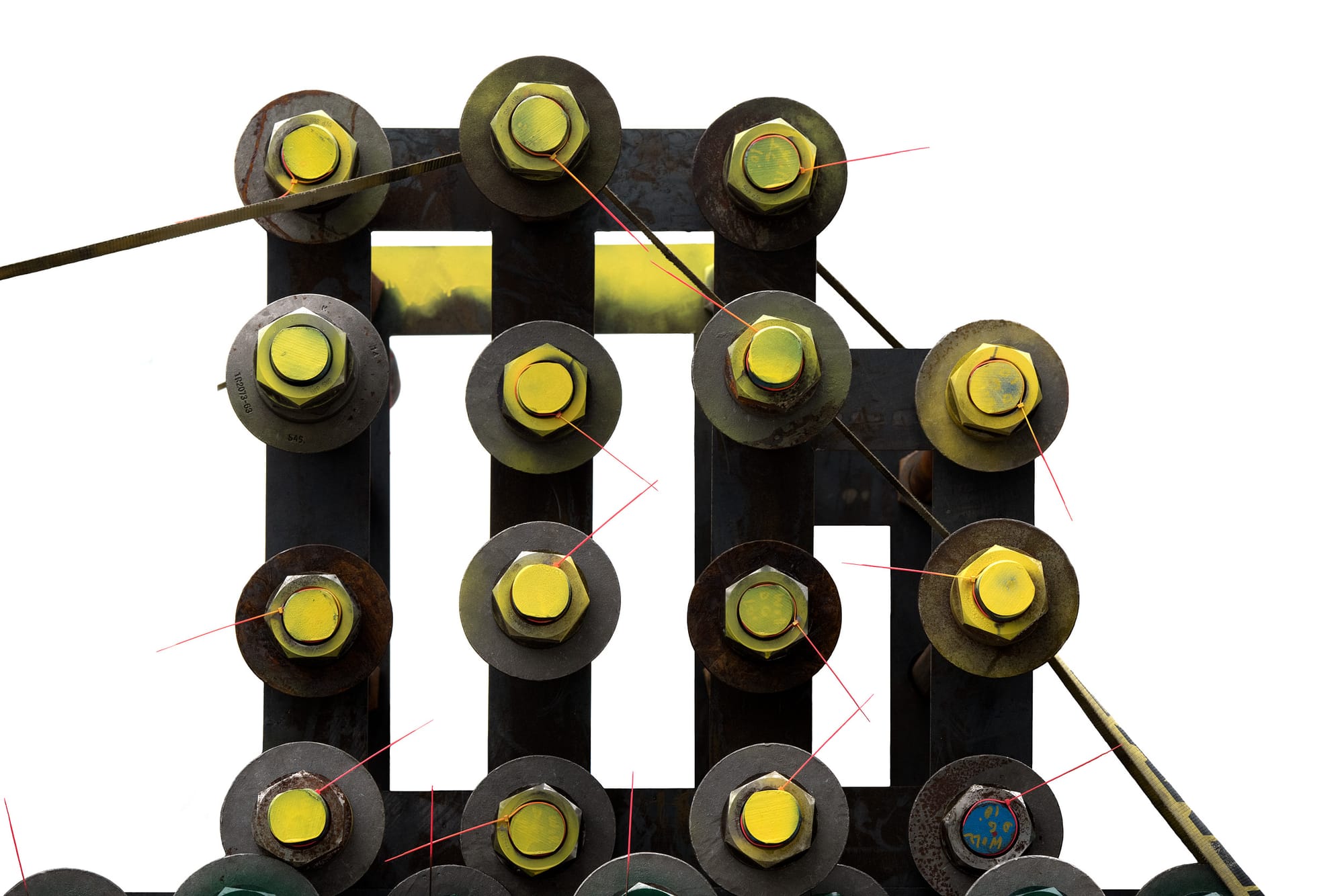
Photographer Jan Staller has released a new book titled "Manhattan Project," featuring photographs of construction materials—pipes, beams, rebar, and drill bits—suspended midair against white skies. The book marks a shift from his earlier moody night photography to a hard-edged focus on utilitarian objects, transforming New York City's construction sites into otherworldly, readymade-like visions. The book includes a foreword by Neil deGrasse Tyson and an essay by curator Brett Littman, with images spanning locations across the Upper West Side.

What is the international exhibition of the Venice Biennale like? Review of "In minor keys" by Koyo Kouoh

Com’è la mostra internazionale della Biennale di Venezia? Recensione di “In minor keys” di Koyo Kouoh

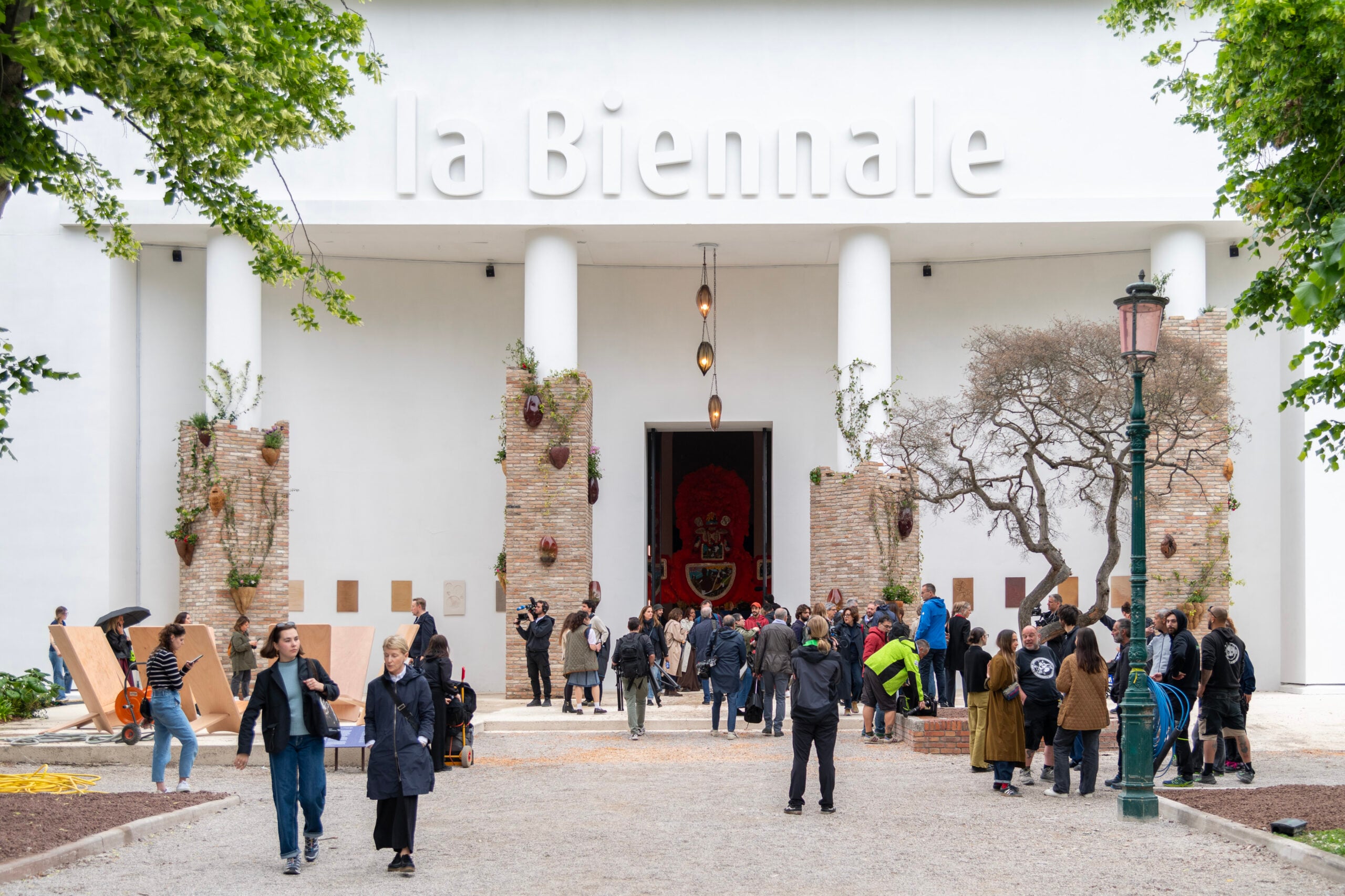
The 2026 Venice Biennale, titled "In minor keys" and curated by the late Koyo Kouoh, opens to the public on May 9 amid controversies including the absence of the president's name in the colophon at the Arsenale entrance. The exhibition, organized by Kouoh's team (Rory Tsapayi, Siddharta Mitter, Marie Helene Pereira, Gabe Beckhurst Feijoo, and Rasha Salty), unfolds across the Giardini and the Arsenale's Corderie, featuring works that balance strength and beauty with a harmonious mix of voices and themes. The Giardini section is particularly compelling, with a non-linear, polycentric layout that feels like a living organism, while the Arsenale offers further depth.