filter_list Showing 1831 results for "Quest" close Clear
search
dashboard All 1831 museum exhibitions 570article news 492article culture 177trending_up market 156article policy 133rate_review review 101person people 74gavel restitution 65article local 48candle obituary 15
date_range Range Today This Week This Month All
Subscribe

jill magid esther kim varet campaign exhibtion

Artist Jill Magid has transformed her solo exhibition at Various Small Fires in Los Angeles into a platform for her dealer Esther Kim Varet’s congressional campaign. The show, titled “Heart of a Citizen,” features a replica of the White House Press Briefing Room podium, which Kim Varet uses to deliver stump speeches. Other works include a neon sign quoting a stenographer’s note and concrete casts of Magid’s heart, inspired by the White House Rose Garden. Magid emphasizes the show is not an endorsement but an exploration of power, free speech, and democracy.
Stühle, die zum Reden zwingen

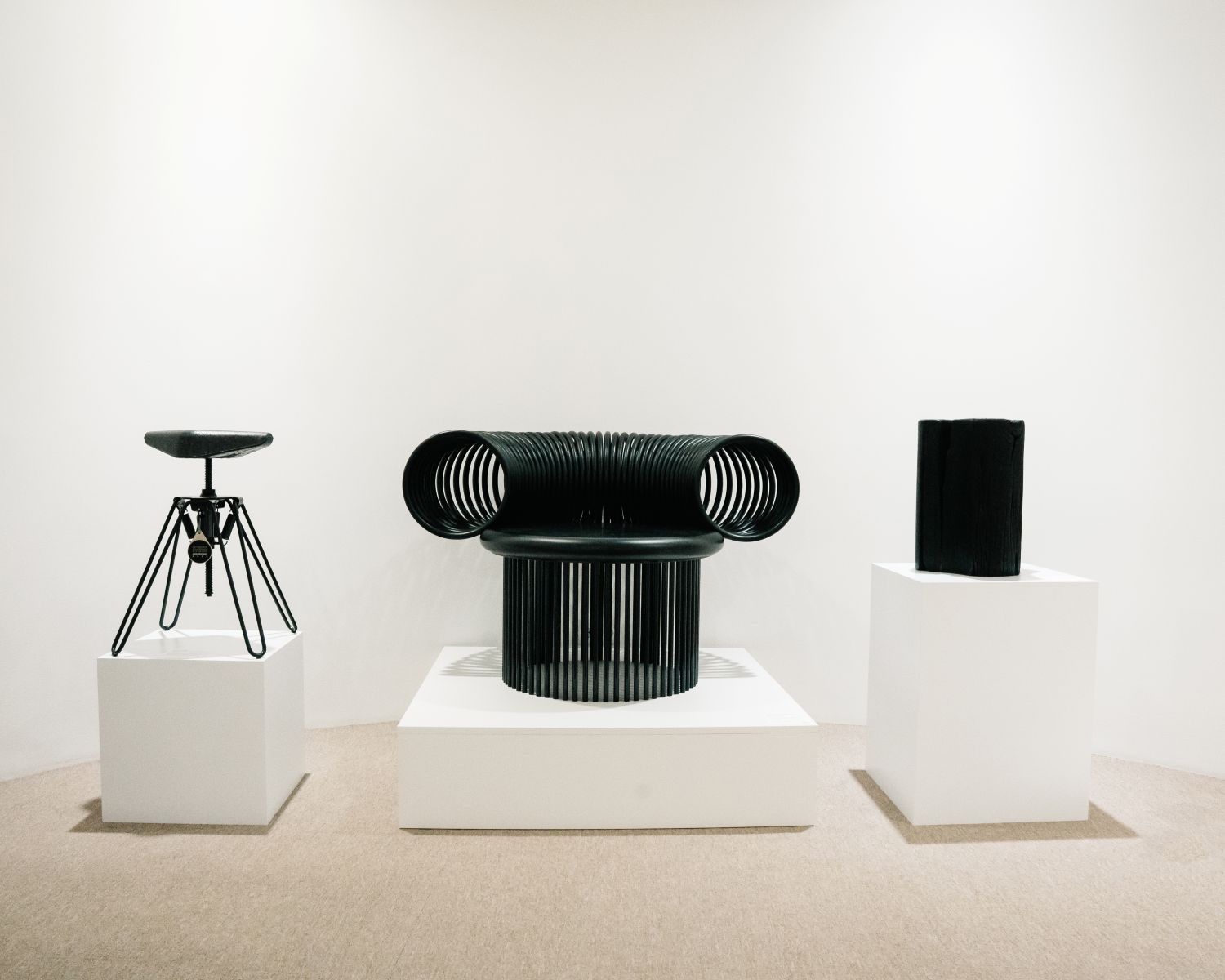
The article examines a peculiar three-seat sofa called the "Indiscret" on display in the Louvre, designed in 19th-century France under Napoleon III to force conversation among sitters. This "Conversation Chair" reflects an era when furniture was deliberately crafted to create social intimacy and control guest behavior, in stark contrast to modern public seating that often discourages lingering through hostile architecture.

On High Heels into the Museum

Auf High Heels ins Museum

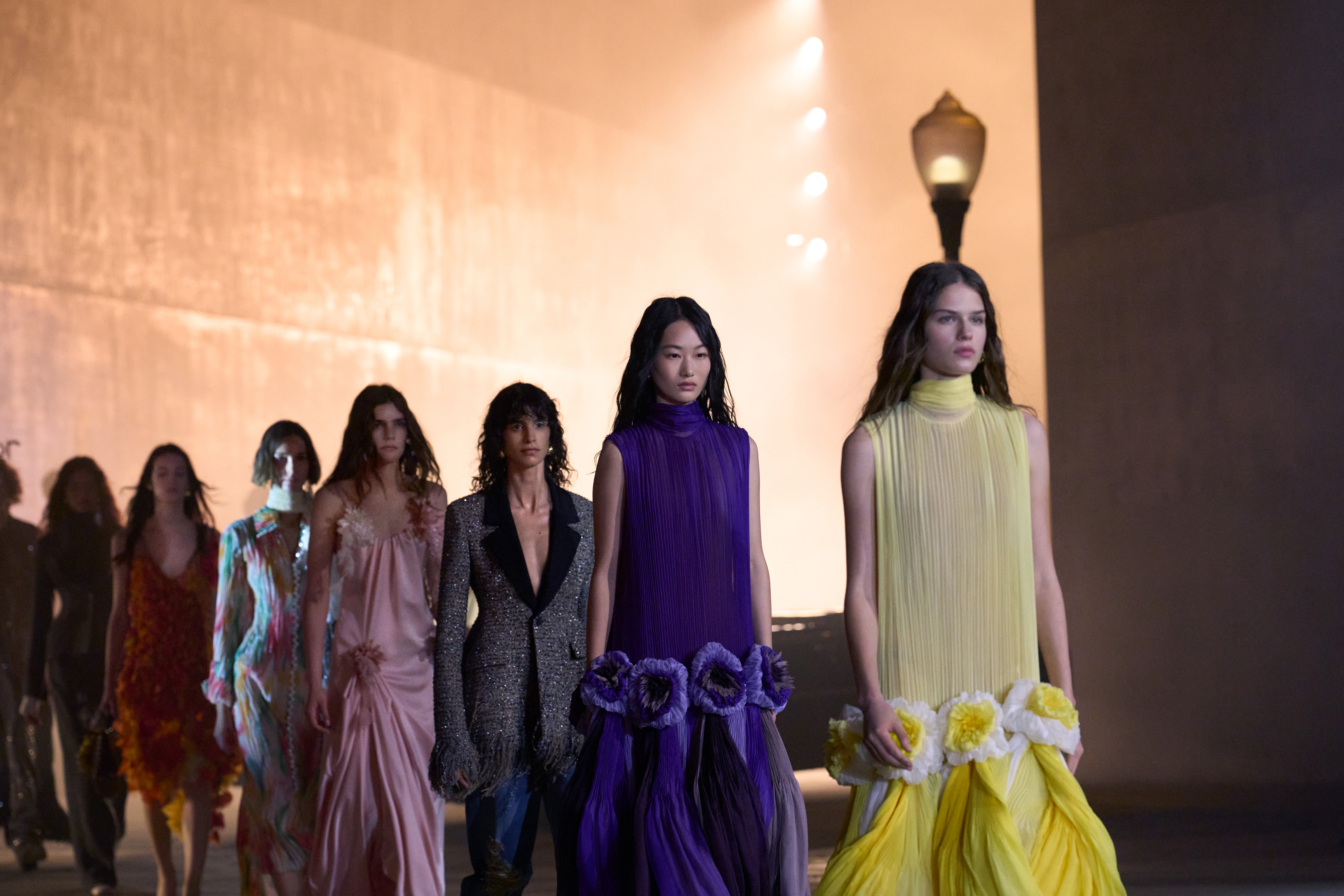
The Los Angeles County Museum of Art (LACMA) closed its newly opened David Geffen Galleries just days after their official debut to host a Dior fashion show. The show, designed by Dior creative director Jonathan Anderson, featured a Cruise collection inspired by Hollywood glamour, with models walking through the museum's outdoor spaces amid vintage cars and historical lamps. The event highlighted the ongoing tension between the museum's architectural ambitions—Peter Zumthor's amoeba-like concrete structure has drawn both criticism and praise—and its use as a venue for luxury brand marketing.

Some cry censorship, others cry antisemitism

"Die einen schreien Zensur, die anderen Antisemitismus"

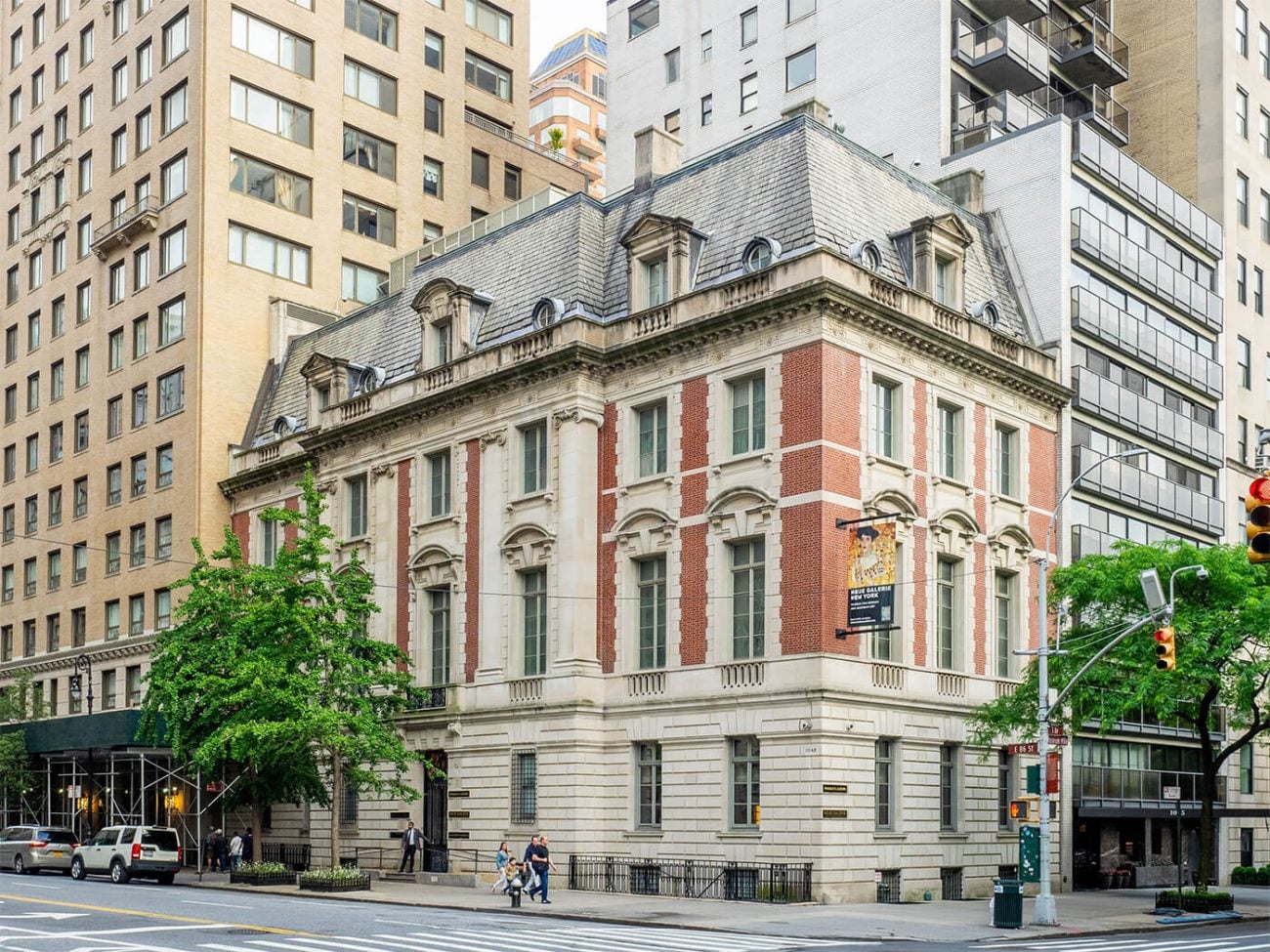
A constitutional law scholar, Christoph Möllers, warns in an interview with Die Zeit about the dangerous escalation of cultural policy conflicts, sparked by Documenta 15, where accusations of censorship and antisemitism collide. In Poland, Adam Budak was removed as director of MOCAK in Krakow after just a few months, facing 79 allegations including mobbing and problematic leadership. Meanwhile, the New York spring auctions have launched, and Jason Farago's review of the Venice Biennale in the New York Times criticizes the shift from aesthetic innovation toward identity-driven art. Robin Pogrebin also reports on the merger of the Met and the Neue Galerie, described as a rare convergence of two museum models.

Überraschende Begegnungen

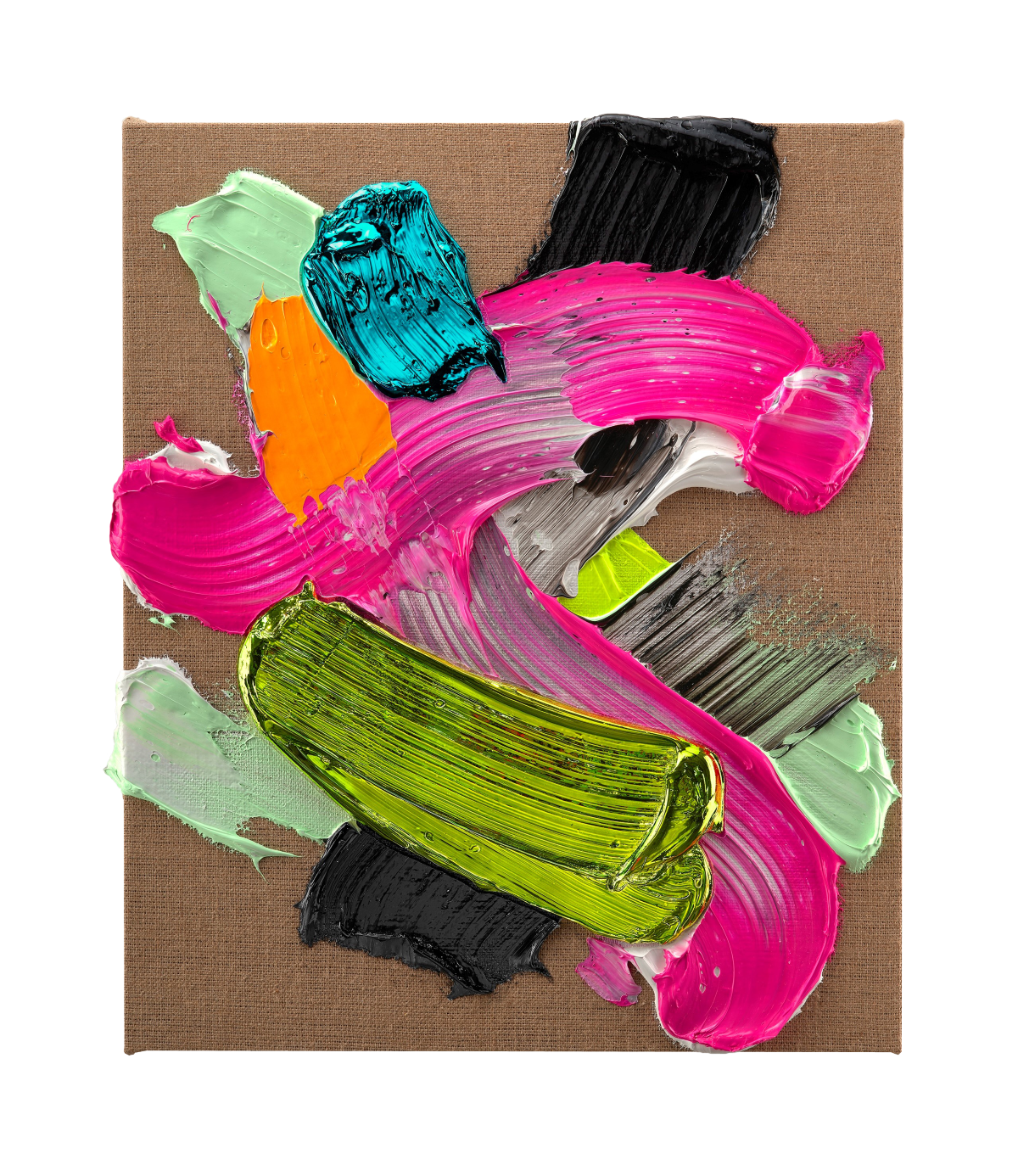
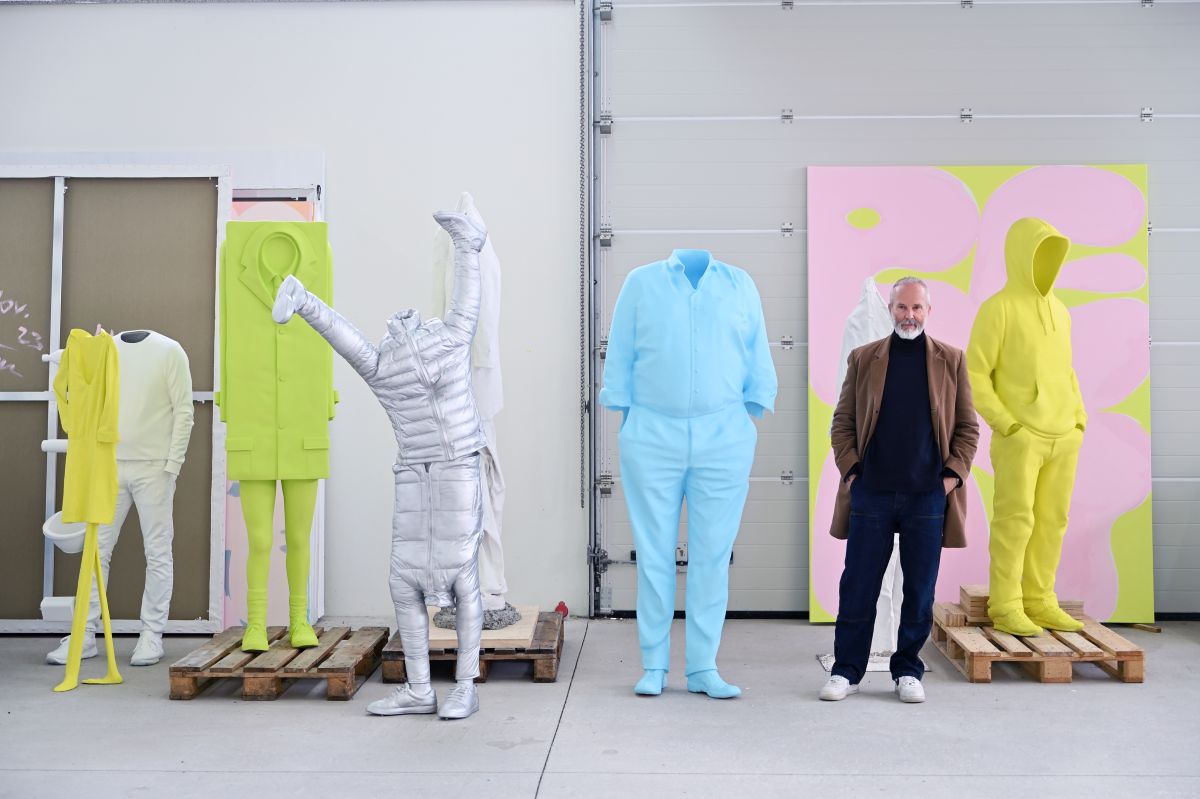
The ninth edition of the "Various Others" festival in Munich brings together institutions, off-spaces, and galleries for a city-wide series of exhibitions in May. Highlights include Walter Storms Galerie presenting Anselm Reyle's first Munich solo show with Istanbul's Dirimart; Kraupa-Tuskany Zeidler collaborating with Rome's T293 to show Simon Denny's tech-critical works; Max Goelitz pairing Lukas Heerich and Rindon Johnson with Eva Hesse in dialogue with Hauser & Wirth; Lohaus Sominsky and Paris's Mennour featuring Ilit Azoulay and Alicja Kwade; and Rüdiger Schöttle hosting Milena Muzquiz and Elif Saydam. A new parcours exhibition, "Vectors," inspired by Jan Hoet's "Chambres d'Amis," places contemporary art in tech company offices across Munich.

"Man besitzt Kunst nicht, man ist nur ihr Verwalter"

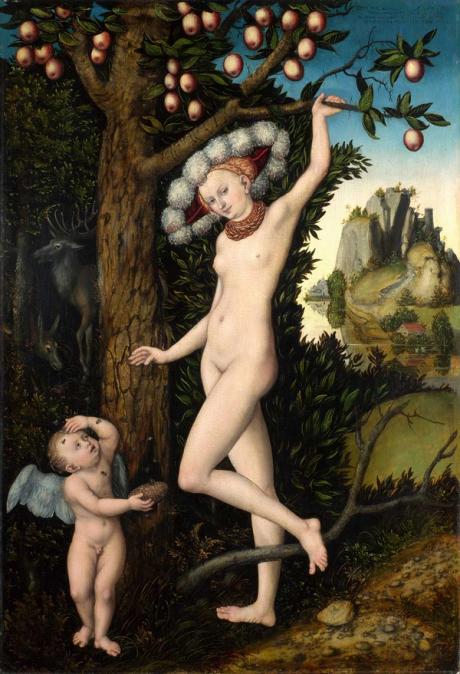
The 61st Venice Biennale opened on Saturday without ceremony or an opening celebration, amid political turmoil over the participation of Russia and Israel. Italy's Culture Minister Alessandro Giuli criticized Biennale director Pietrangelo Buttafuoco for not informing the government about Russia's participation request, suggesting it could have been used as leverage for a ceasefire in Ukraine. The entire jury resigned after attempting to exclude both Russia and Israel from prize awards, leading to the cancellation of the traditional jury decision in favor of a public vote, which over 70 participating artists have protested by withdrawing from this year's prizes. Separately, a rare photograph from the early 1940s has surfaced showing Lucas Cranach the Elder's painting "Venus with Cupid as Honey Thief" in Adolf Hitler's Munich apartment, raising unresolved questions about whether the work was looted from Jewish owners before 1935.

How Tech Billionaires Turn Couture into Content

Wie Tech-Milliardäre Couture zu Content machen

The Met Gala, long considered the premier event for fashion and cultural influence, has become increasingly dominated by tech billionaires. This year, Jeff Bezos and Lauren Sánchez Bezos purchased their role as co-hosts, sparking protests in New York and raising questions about whether money alone now buys entry into the highest echelons of fashion. Individual tickets cost $10,000 and a table $350,000, with sponsors including OpenAI, Snapchat, and Meta. The event, organized by Anna Wintour to raise funds for the Costume Institute at the Metropolitan Museum of Art, raised $31 million last year but has transformed from a benefit into a spectacle optimized for viral moments and algorithmic appeal.

Here You Have the Feeling That Reality Is a Different One

"Man hat hier das Gefühl, dass die Realität eine andere ist"

Austrian artist Erwin Wurm discusses his exhibition at the Museo Fortuny in Venice, where he confronts the overwhelming collection of the 19th-century polymath Mariano Fortuny. In an interview, Wurm describes the venue as a historic atelier house filled with tapestries and artifacts, and reflects on how his contemporary sculptures and performances will engage with the dense, time-capsule atmosphere of the space.

"Etwas zaghaft, etwas ängstlich, etwas sicher"

The article surveys recent art-world commentary, focusing on a critical review of the Turner Prize shortlist in The Guardian, where Eddy Frankel calls the selection "timid, anxious, safe" and laments a self-perpetuating, elitist system. It also covers a Hyperallergic essay by Lisa Siraganian questioning whether artworks can possess personhood, sparked by Pierre Huyghe's Venice exhibition. Additionally, it reports on controversy at the Venice Biennale, where the jury preemptively excluded countries whose leaders are sought by the International Criminal Court—namely Russia and Israel—drawing sharp criticism from Die Welt's Marcus Woeller. A podcast interview with US sculptor Alma Allen, selected for the US Pavilion, rounds out the coverage.

Where Does "Guernica" Belong?

Wohin gehört "Guernica"?

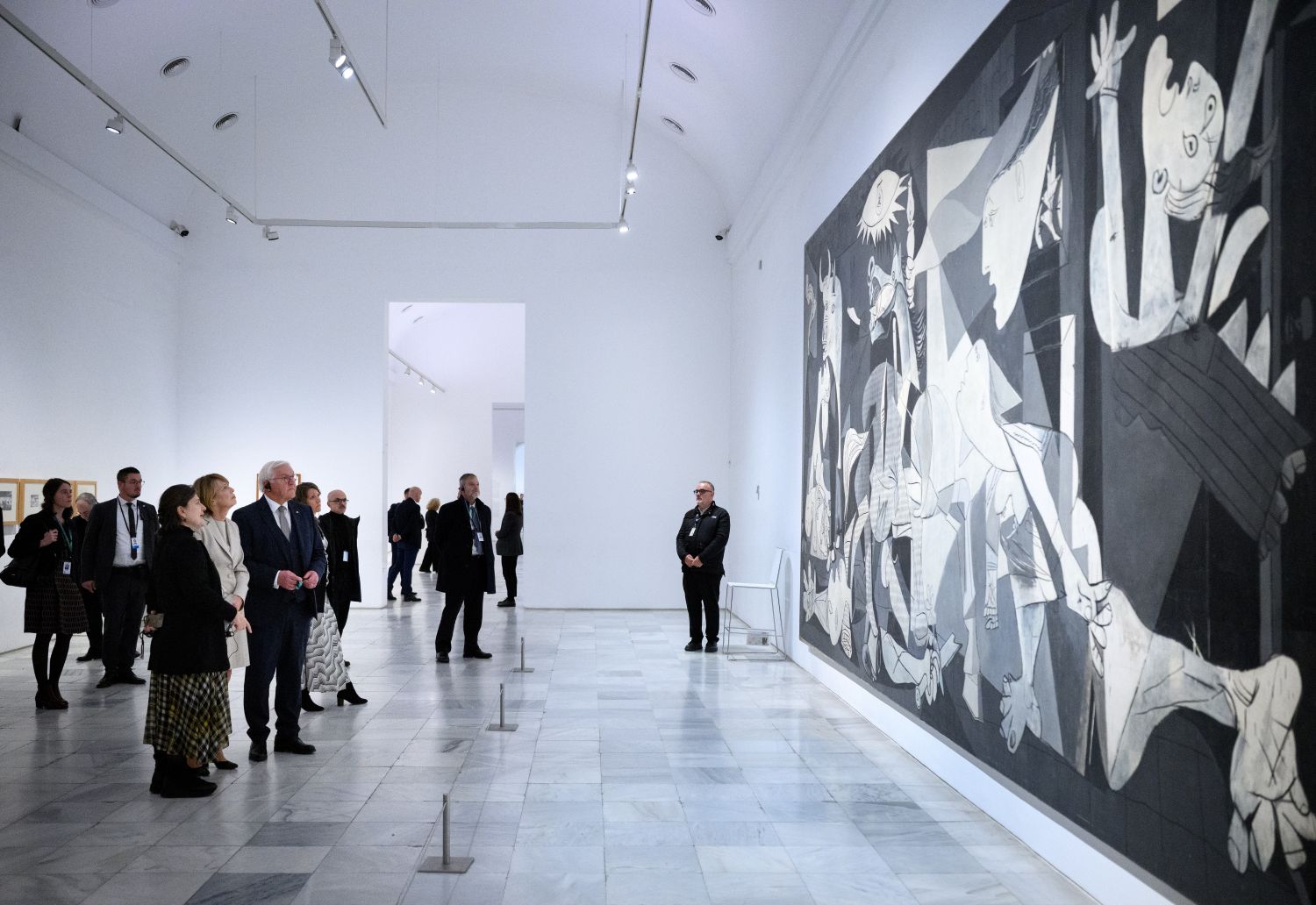
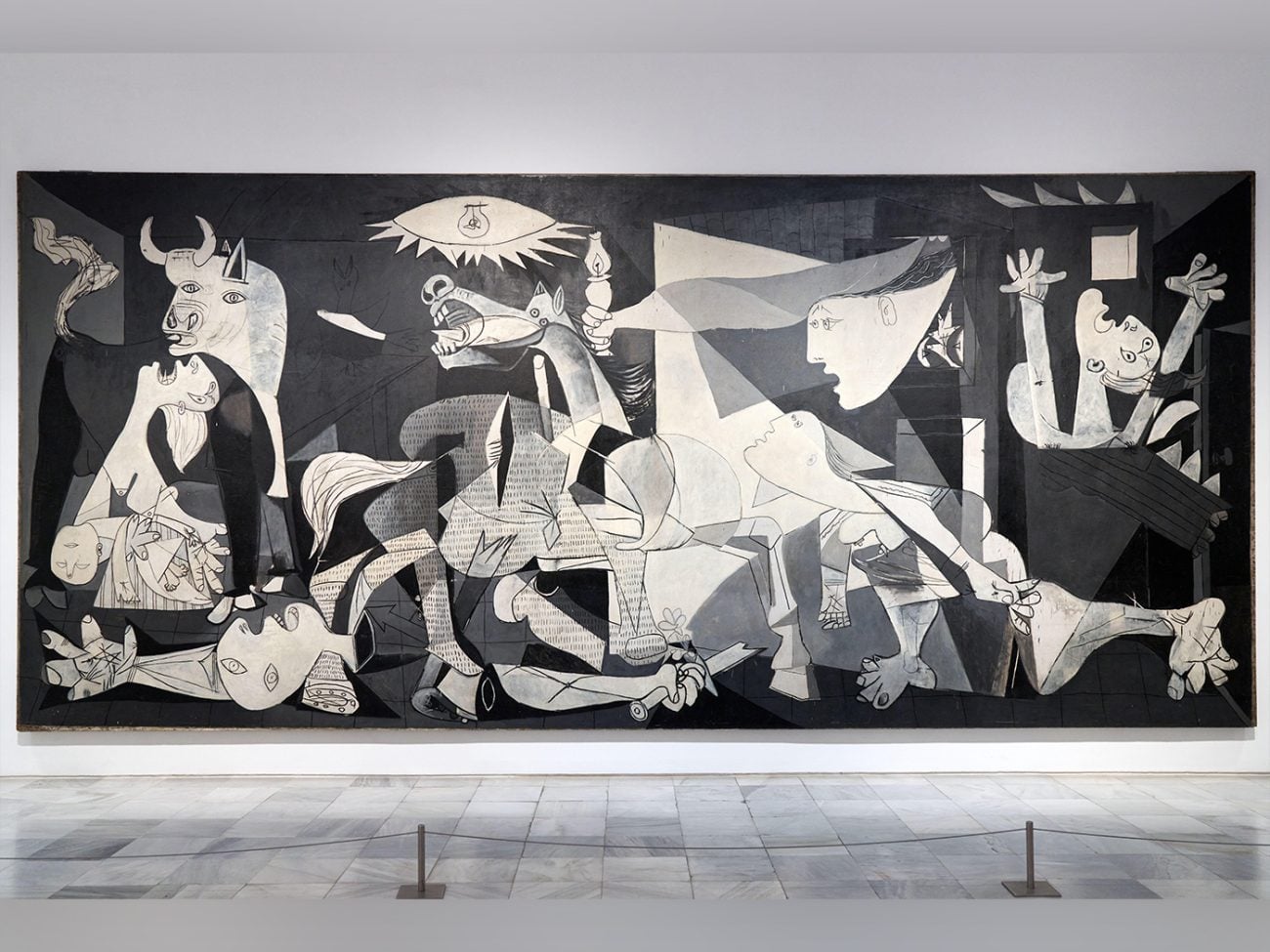
Basque Prime Minister Imanol Pradales has formally requested the temporary transfer of Pablo Picasso’s masterpiece "Guernica" from Madrid to the Basque Country. The proposal seeks to exhibit the monumental 1937 anti-war painting at the Guggenheim Museum Bilbao for nine months starting in late 2026 to coincide with the 90th anniversary of the town's bombing. While the work depicts the destruction of the Basque town of Gernika by Nazi and Italian fascist forces, it has resided at the Museo Reina Sofía in Madrid since 1992.

Joe Moss, Drones and Caspar David Friedrich

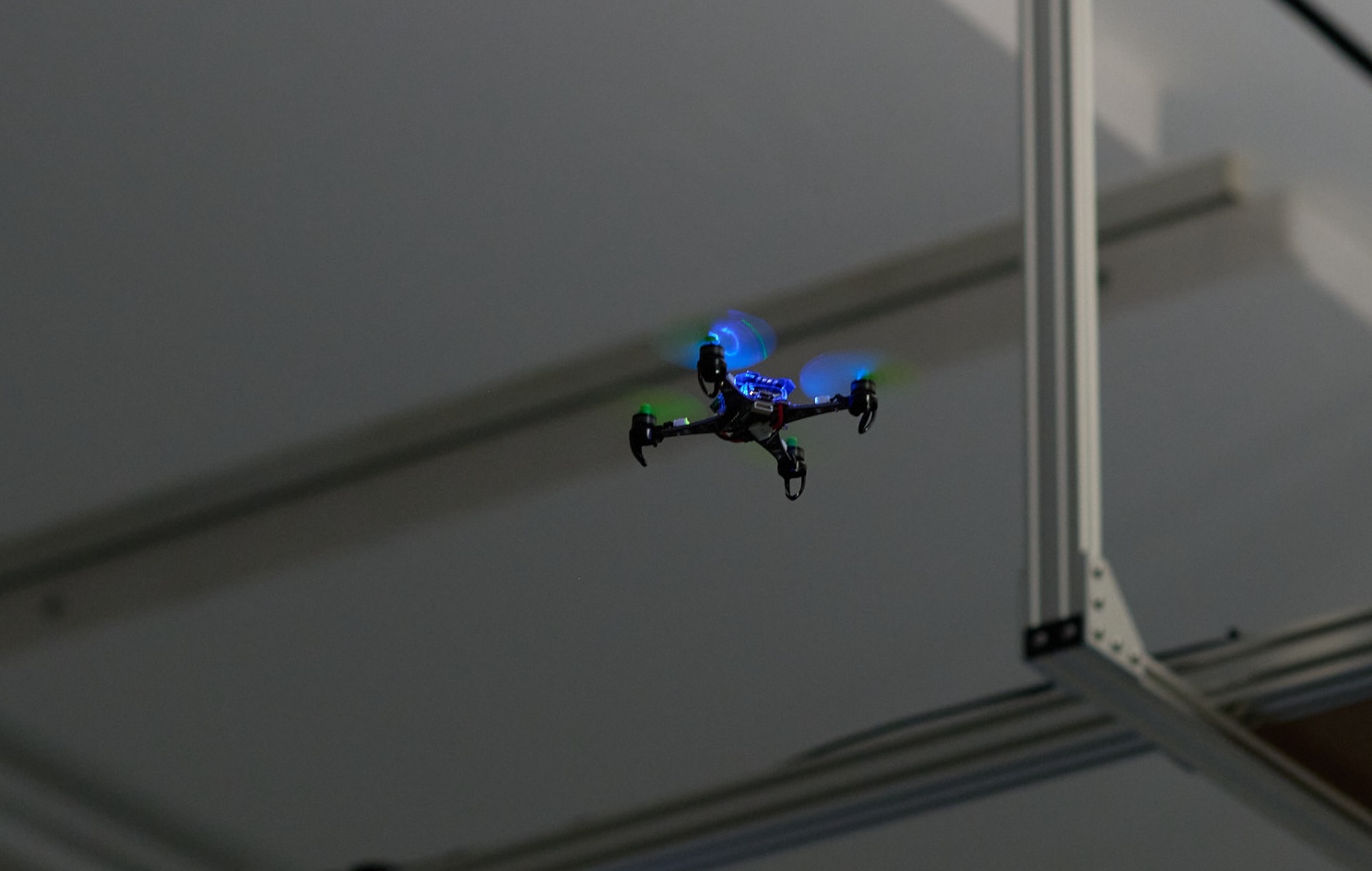
Artist Joe Moss presents his installation 'Automated Fantasy Procedure' at Matt's Gallery in London. The work features a squadron of choreographed drones, two-channel videos with actors portraying figures like a Caspar David Friedrich-inspired wanderer, and a Roman-style mosaic, all experienced in scheduled ten-minute replays designed to mimic the overwhelming sensation of scrolling through a smartphone.

À New York, le Metropolitan Museum of Art absorbe la Neue Galerie et sa collection de Klimt, Schiele, Kokoschka…

On May 14, the Metropolitan Museum of Art and the Neue Galerie in New York announced a historic merger set for 2028. The Neue Galerie, founded in 2001 by billionaire Ronald Lauder in a Fifth Avenue mansion, will become part of the Met under the name The Met Ronald S. Lauder Neue Galerie, modeled after the Met's Cloisters. The transfer includes the historic building and a collection of 600 works valued at over $1.5 billion, featuring artists such as Gustav Klimt, Egon Schiele, Ludwig Kirchner, Max Beckmann, and Oskar Kokoschka. Lauder and his daughter Aerin Lauder Zinterhofer are also donating thirteen works from their personal collection, and a $200 million endowment fund has been established.

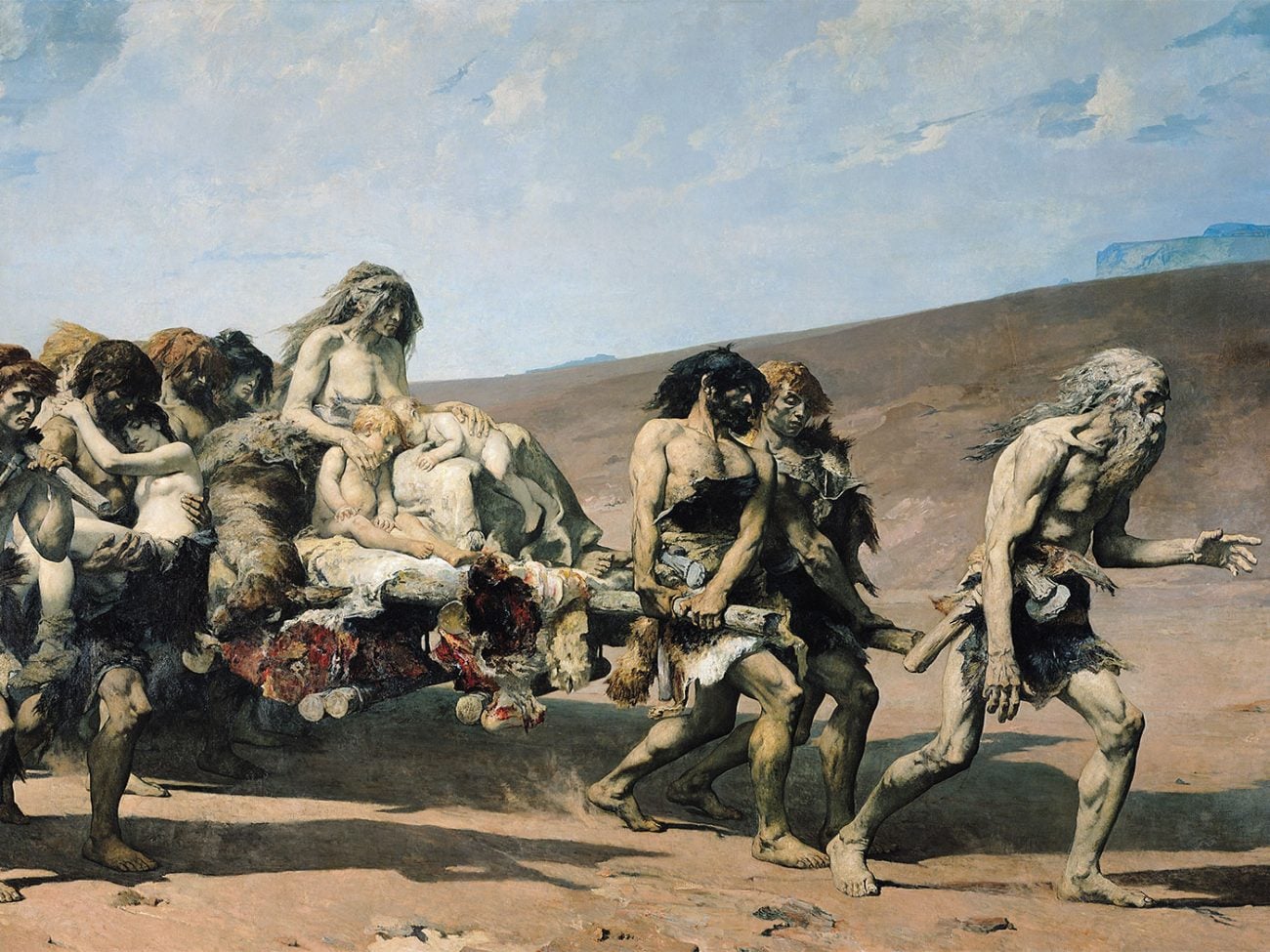
« Caïn » de Fernand Cormon : aux origines de la conscience humaine ?

Beaux Arts Magazine analyzes Fernand Cormon's monumental 1880 painting "Caïn," currently held at the Musée d'Orsay. The article describes the scene: a prehistoric, weary clan trudges through a desert, led by a haggard patriarch, with a tired mother on a litter and hunters carrying game. Cormon's work is presented as the antithesis of classical triumph, evoking a melancholic, post-traumatic atmosphere. The painting is linked to the biblical story of Cain, who killed his brother Abel and was condemned to exile, and is accompanied by verses from Victor Hugo's poem "Conscience."

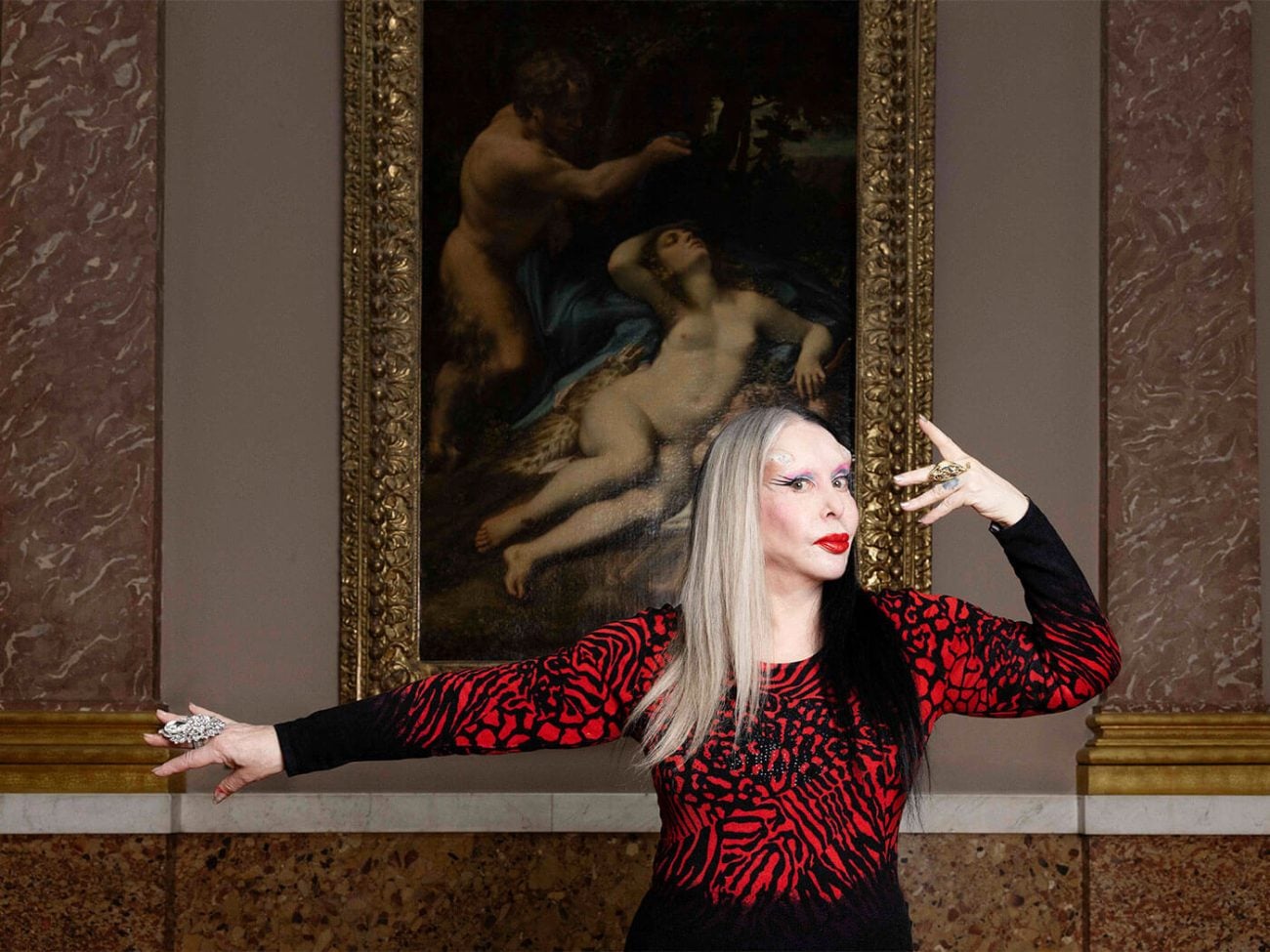
At the Louvre Museum, ORLAN will give a free art history lecture this Friday

Au musée du Louvre, ORLAN donnera ce vendredi un cours d’histoire de l’art (gratuit)

French artist ORLAN will deliver a free art history lecture at the Musée du Louvre on Friday, May 22, 2026, as part of the fourth edition of the museum's "Leçons d'artiste" lecture series. Titled "Le musée et l'histoire de l'art cellules souches de nos nouvelles images," the talk will examine how museums like the Louvre shape art history—with its omissions, censures, and rewritings—and how new technologies, including artificial intelligence, feed on existing imagery. Two additional lectures will follow on June 12 (on body representation) and September 25 (on artists' responsibility in times of war and oppression).

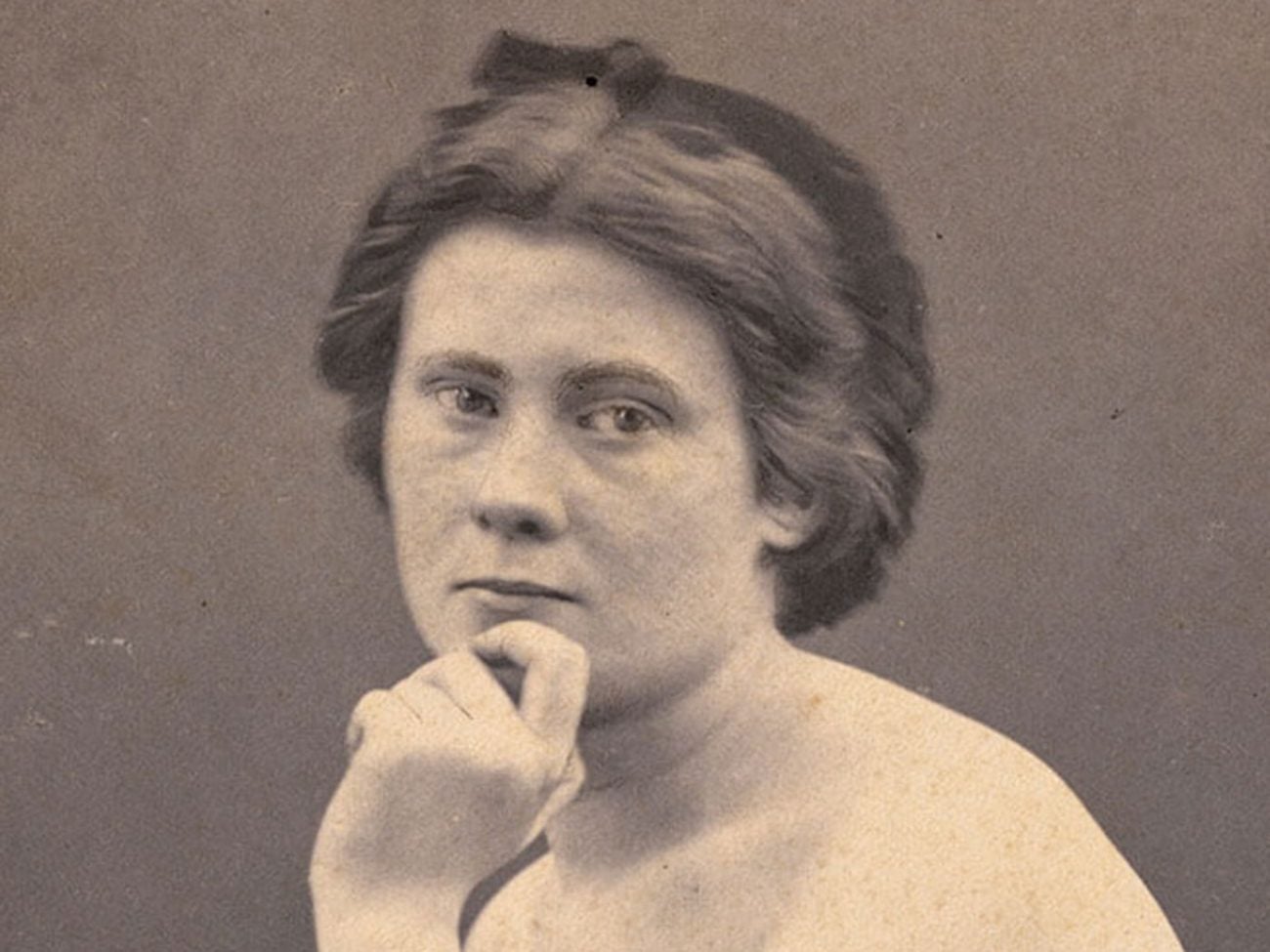
Photographs of Victorine Meurent who posed for 'Le Déjeuner sur l'herbe' discovered by chance in Grenoble

Les photos de Victorine Meurent qui ont servi de modèle au « Déjeuner sur l’herbe » retrouvées par hasard à Grenoble

A chance discovery at the Musée de Grenoble has unearthed two previously unknown photographs of Victorine Meurent, the favorite model of Édouard Manet, taken by Gaudenzio Marconi in 1863. Art historian Laure Boyer, while researching a different subject, recognized Meurent in the images and realized they directly served as studies for Manet's iconic paintings *Le Déjeuner sur l'herbe* and *Olympia*. The photographs show Meurent in poses nearly identical to the figures in both works, with only the orientation reversed in one case and facial expressions swapped between the two paintings.

The invisible worlds of Hilma af Klint, pioneer of abstraction, finally revealed at the Grand Palais

Les mondes invisibles d’Hilma af Klint, pionnière de l’abstraction, enfin révélés au Grand Palais

The article reveals the long-overlooked story of Hilma af Klint (1862–1944), the Swedish artist who created abstract paintings years before Kandinsky, Mondrian, and Malevich, yet kept her work secret until 20 years after her death. Her monumental output—1,600 abstract paintings and 124 notebooks—was first publicly shown in 1986 at the Los Angeles exhibition 'The Spiritual in Art, Abstract Painting, 1890–1985'. A 2019 retrospective at the Guggenheim Museum in New York drew 600,000 visitors, a museum record. Now, the Grand Palais in Paris presents the first-ever French exhibition of her work, focusing on her 'Paintings for the Temple' cycle (1906–1915), a series of 193 works that synthesize her spiritual quest.

Georg Baselitz, grande figure de l’art allemand, est mort à l’âge de 88 ans : retour sur sa vie et son œuvre

Georg Baselitz, one of Germany's most significant post-war artists, has died at age 88. Born Hans-Georg Kern in 1938, he grew up in Nazi-era Saxony and later rejected his father's ideology, fleeing to West Berlin in 1957. Known for his provocative, expressionist works and signature upside-down paintings, Baselitz challenged artistic conventions with brutalist techniques—attacking wood with chainsaws and axes—and created scandalous pieces like "Die große Nacht im Eimer" (1962–1963), which was banned from exhibition. His career included major retrospectives at the Musée d'Art Moderne de la Ville de Paris (2011) and Centre Pompidou (2021), and commissions for the Reichstag.

“Guernica” Tears Spain Apart: Madrid Refuses to Loan Picasso’s Painting to the Basque Country

« Guernica » déchire l’Espagne : Madrid refuse le prêt du tableau de Picasso au Pays basque

The Spanish government and the Reina Sofía Museum have rejected a request from the Basque regional government to loan Pablo Picasso’s masterpiece, "Guernica," to the Guggenheim Bilbao. The proposed loan was intended to mark the 90th anniversary of the 1937 bombing of the town of Guernica during the Spanish Civil War. While Madrid cites the painting's extreme physical fragility as the reason for the refusal, the decision has sparked a heated political row, exacerbated by derogatory comments from Madrid’s regional president, Isabel Díaz Ayuso.

Croissant, pigeon… At Nothing Serious gallery, artist Paa Joe transforms Parisian clichés into pop coffins

Croissant, pigeon… À la galerie Nothing Serious, l’artiste Paa Joe transforme les clichés parisiens en cercueils pop

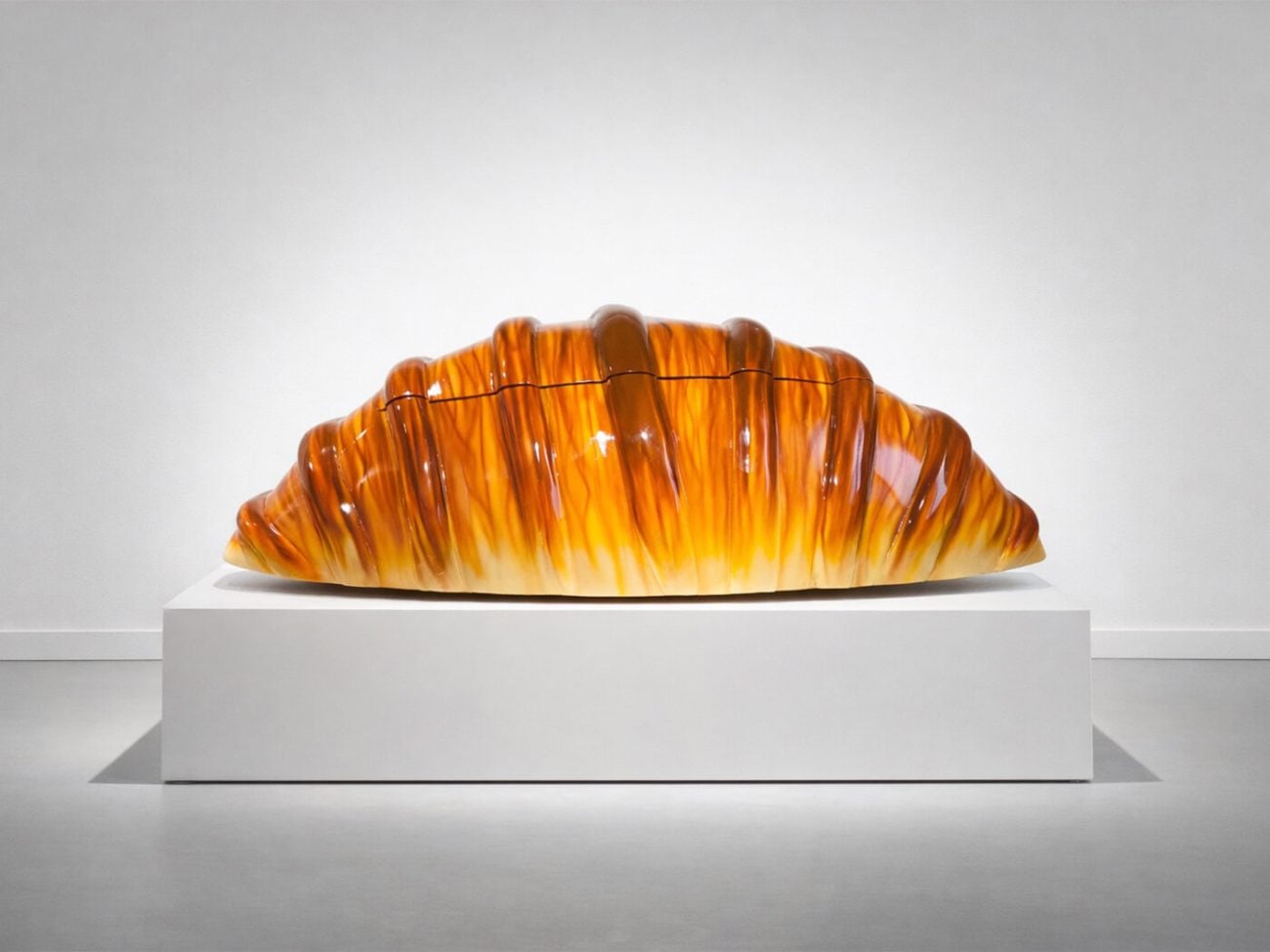
Ghanaian artist Paa Joe has transformed iconic Parisian symbols into vibrant "fantasy coffins" for his solo exhibition, "From Paa Joe to Paaris," at Galerie Nothing Serious. The show features 25 large-scale sculptures, including a Café de Flore cup, a croissant, a Renault 4L, and a bottle of Pouilly-Fumé, all handcrafted in the tradition of Ga burial customs. Created alongside his son Jacob Tetteh-Ashong, these works reinterpret French clichés through a playful yet surreal lens, marking the gallery's return after a four-year hiatus.

Les jardins de Monet à l’épreuve du surtourisme

Claude Monet's gardens in Giverny, France, which were recreated in 1980 after being abandoned in the 1950s, are now suffering from severe overtourism. The site, which attracted 70,000 visitors in its first year, is expected to exceed one million visitors in 2026, the centenary of Monet's death. Crowds are so dense that visitors report feeling unable to experience any emotion, and gardeners spend hours each morning repairing damage from trampling. The gardens have become a kind of industrial product, with 15,000 plants propagated each season to replace those destroyed.

The Venice Biennale Reaches Full Capacity

La Biennale de Venise fait le plein

The Venice Biennale has reached full capacity, with all exhibition spaces and pavilions fully booked for the upcoming edition. The article reports on the overwhelming demand from participating countries and artists, highlighting the logistical challenges and the record number of national pavilions confirmed for the event.

Guernica will remain in Madrid

Guernica restera à Madrid

The Spanish government has officially confirmed that Pablo Picasso’s anti-war masterpiece, Guernica, will remain at the Museo Reina Sofía in Madrid. This decision puts an end to long-standing requests from the Basque Country to have the mural moved to Bilbao, specifically to the Guggenheim Museum, or to Guernica itself, the town whose 1937 bombing inspired the work.

“Grammars of Light” at Astrup Fearnley Museet, Oslo

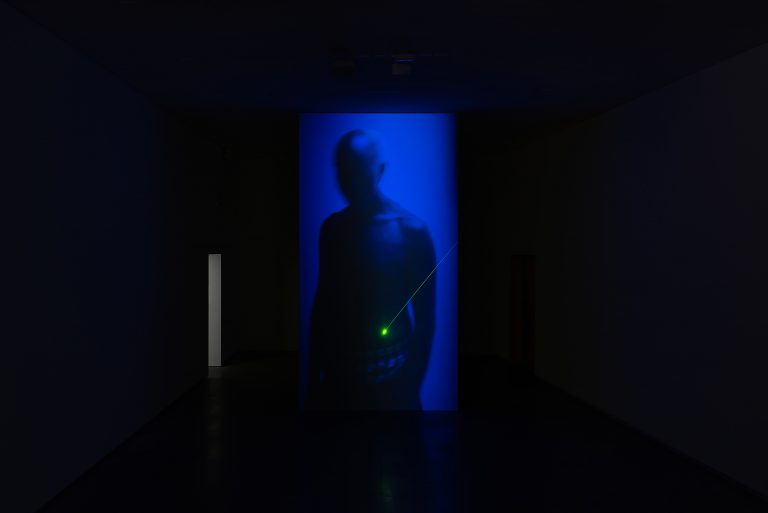
Astrup Fearnley Museet in Oslo presents "Grammars of Light," a major exhibition featuring immersive works by Cerith Wyn Evans, Ann Lislegaard, and P. Staff. The show includes architecturally scaled video projections and luminous sculptures made from repurposed consumer, medical, and industrial lighting, transforming the museum's galleries into sensory environments that challenge perception.

Whitney Biennial 2026: Care, Catastrophe, and Private Gestures

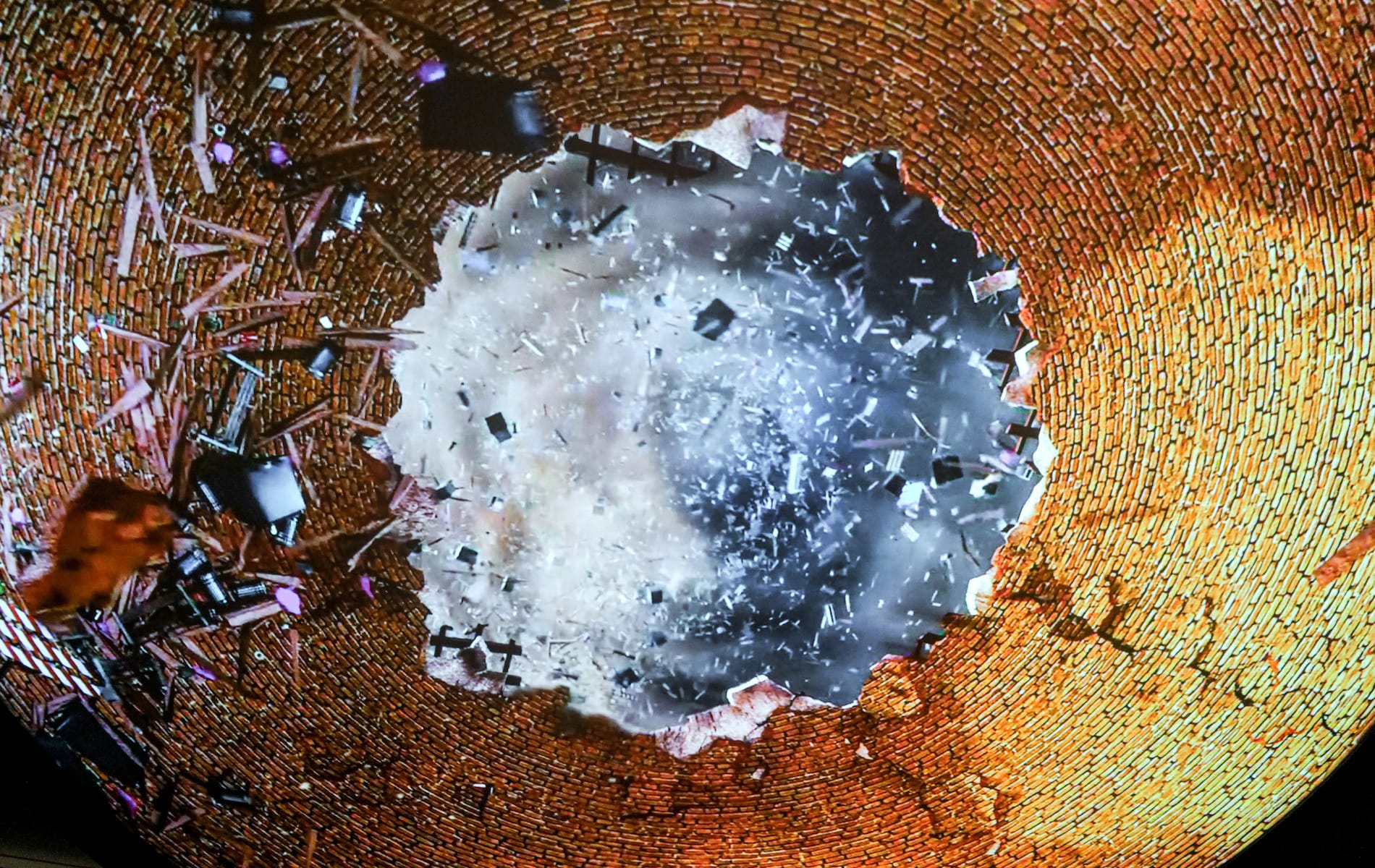
The Whitney Biennial 2026, the 82nd edition of the longest-running survey of American art, opened with a stripped-down, self-referential title and no subtitle, reflecting a moment of national self-questioning. The exhibition features 56 artists, duos, and collectives, with highlights including Agosto Machado's shrine sculptures dedicated to friends lost to AIDS, Emilie Louise Gossiaux's tender works about her guide dog London, and Michelle Lopez's apocalyptic video projection *Pandemonium*. Machado, a longtime downtown New York artist and caregiver, died shortly after the biennial opened, and his ashes are to be mixed with those of Marsha P. Johnson and spread in the Hudson River.

British artist says the Met ‘should take responsibility’ for dress copyright dispute

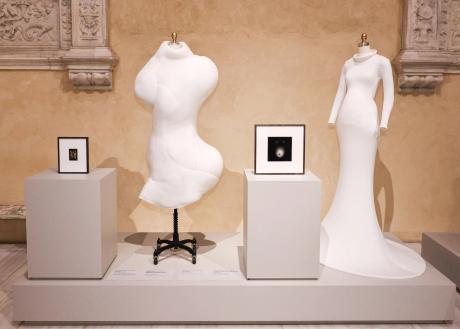
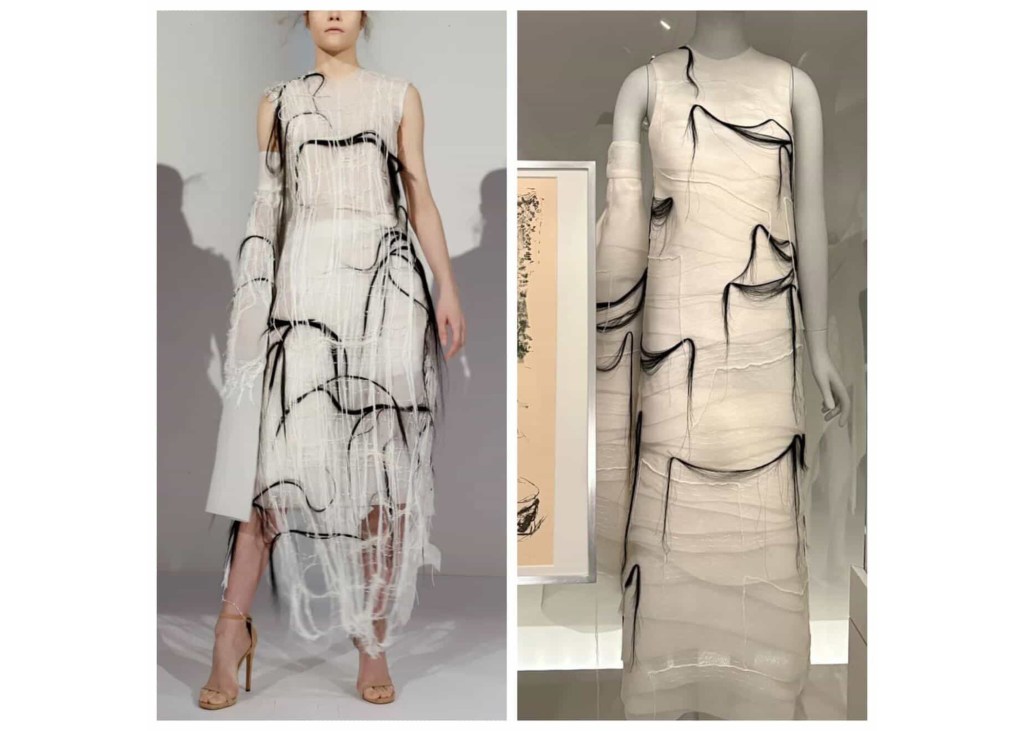
British artist Anouska Samms has publicly criticized the Metropolitan Museum of Art in New York over a copyright dispute involving a dress displayed in the Met Gala opening exhibition. Samms claims the museum included a garment called the Nervina Hair Dress, which she says is a copy of her collaborative work Hair Dress, created with fashion designer Yoav Hadari during their residency at the Sarabande Foundation. The Met had expressed interest in acquiring the original dress for its Costume Art exhibition but shelved those plans in December. Samms says she was not credited or paid, while Hadari acknowledges her IP rights over the textile but asserts the design and construction are his own. The Met has declined to comment, directing the artists to resolve the matter themselves.

Is This a JMW Turner Self-Portrait? One Scholar Has Doubts

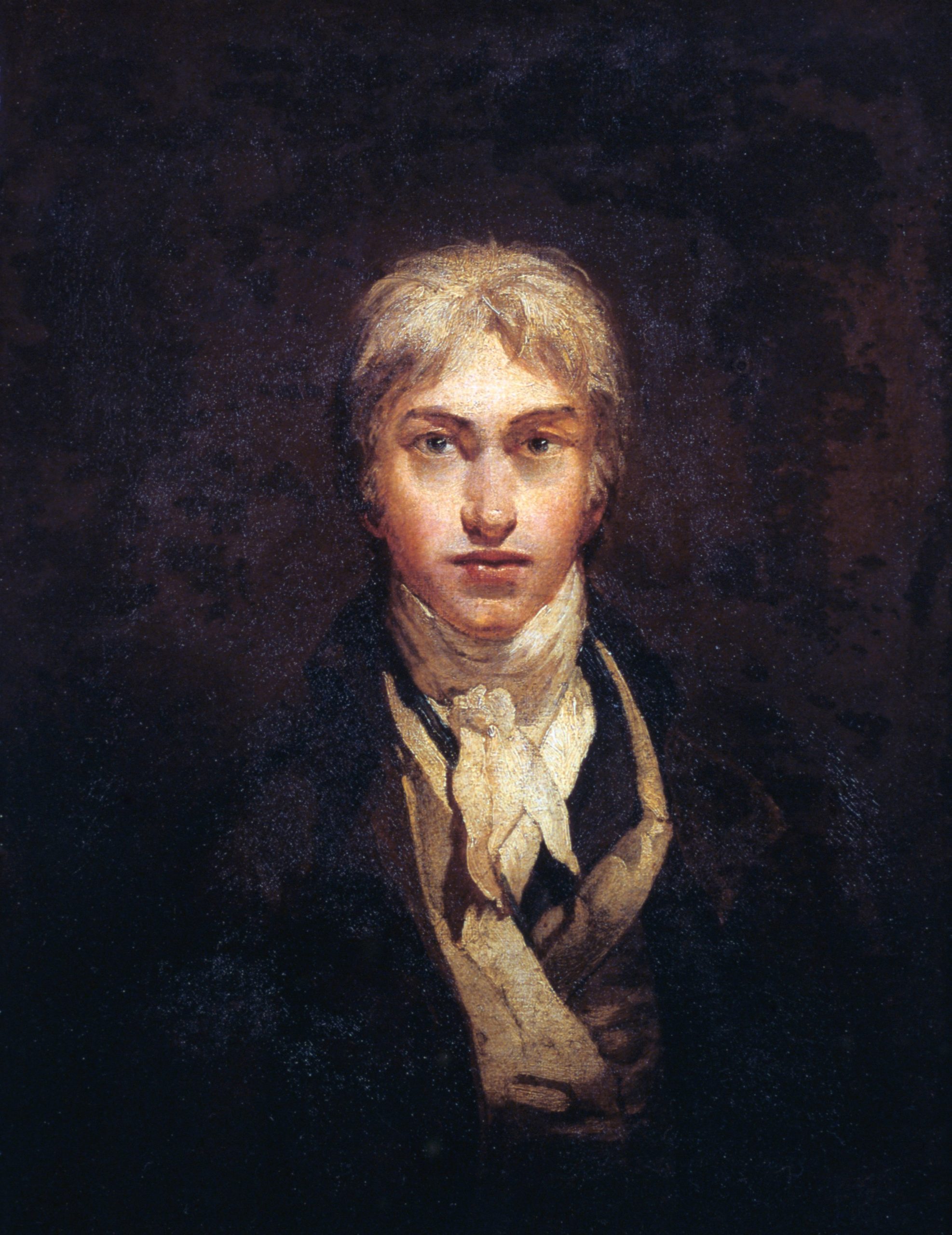
Art historian James Hamilton has published a paper in the JMW Turner Society’s magazine arguing that a famous portrait long believed to be a self-portrait by JMW Turner was actually painted by John Opie, a British portrait artist 14 years Turner’s senior. Hamilton notes that the work is an anomaly in Turner’s oeuvre, which is dominated by landscapes and seascapes, and that its dramatic lighting closely resembles Opie’s style. He suggests Opie may have given the painting to Turner, and that its authorship became misattributed after Turner’s death when his vast bequest of artworks was transferred to the nation and eventually housed at the Tate.

‘We can all coexist’: artist Es Devlin uses selfies to unite UK in portrait of a nation

Artist Es Devlin has created a new installation at the National Portrait Gallery in London titled 'A National Portrait for the National Portrait Gallery,' made in collaboration with Google Arts & Culture Lab. The work invites people across the UK to upload selfies, which are transformed into charcoal-and-chalk-style portraits using an AI model trained on Devlin's own hand-drawn works. These portraits then appear on a constantly evolving projected carousel, blending and dissolving into one another. Devlin, known for designing visual worlds for Beyoncé, Adele, and the London Olympics closing ceremony, describes the piece as a non-verbal space for coexistence amid national division.

Most famous image of JMW Turner not a self-portrait, says expert

Dr James Hamilton, a leading Turner expert, has claimed that the most famous portrait of JMW Turner—long believed to be a self-portrait and featured on the UK £20 banknote—is actually by the painter John Opie. Hamilton argues that the work, dated around 1799, was mistakenly included in the Turner Bequest after the artist's death in 1851, when his studio was in disarray and the attribution was never properly verified. He points to stylistic evidence, including Opie's characteristic use of dramatic light and shadow, and calls on Tate Britain to reattribute the painting.

Artist Alleges Hair Dress in the Met’s ‘Costume Art’ Show Copies Her Design

London-based artist Anouska Samms has accused the Metropolitan Museum of Art's Costume Institute and curator Andrew Bolton of displaying a garment in the spring 2026 exhibition "Costume Art" that she claims is a counterfeit of her collaborative work. Samms says the piece, titled Corpus Nervina 0.0, was inspired by a 2023 hair dress she co-created with fashion designer Yoav Hadari for his label Psycheangelic. Despite a contract giving Samms sole ownership of the hair-based textile's intellectual property, the museum's wall label credits only Hadari and states Samms's textile was not used. Samms's lawyer, Jon Sharples, says the museum initially expressed interest in acquiring the original dress but later shifted to a remake after Hadari reported water damage, then stalled entirely before the exhibition opened.

Famous Cranach painting spotted in rare photograph of Hitler’s apartment

A rare photograph from the early 1940s reveals that Lucas Cranach the Elder's painting *Cupid complaining to Venus* (1526-27), now a masterpiece in the National Gallery, London, once hung in Adolf Hitler's private Munich apartment. The image, previously published in Germany by provenance expert Birgit Schwarz, appears for the first time in an English-language publication. The painting was acquired by the National Gallery in 1963 from E. and A. Silberman Galleries in New York, which provided a false provenance. It had been taken from a warehouse of recovered art in 1945 by American journalist Patricia Lochridge, who smuggled it into the United States.