filter_list Showing 654 results for "Ancient" close Clear
search
dashboard All 654 museum exhibitions 345article news 142article culture 42article local 31gavel restitution 27article policy 24trending_up market 18rate_review review 12person people 8candle obituary 5
date_range Range Today This Week This Month All
Subscribe

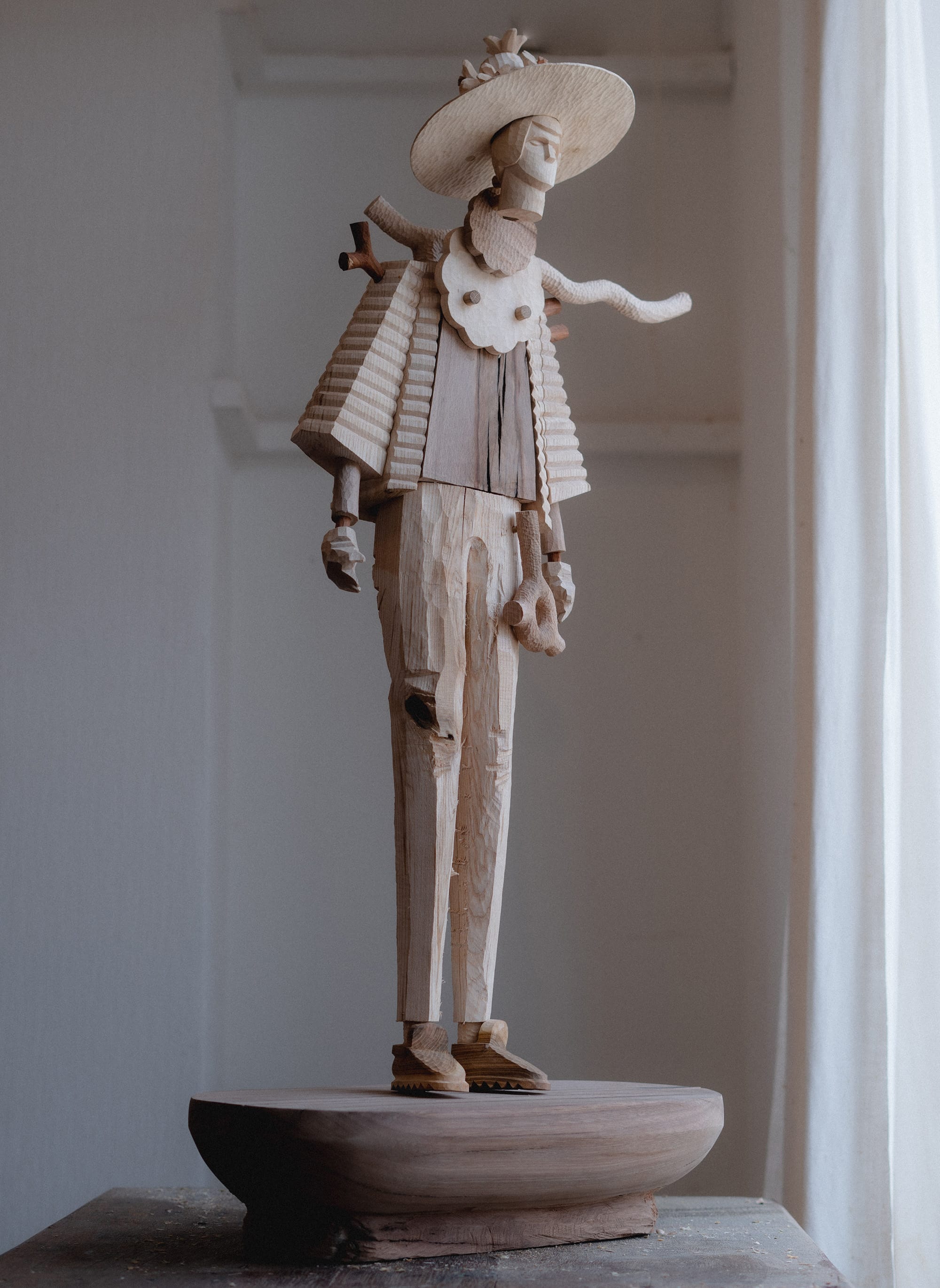
A Doomed Mission to Mars Awaits Henry Wood’s Lanky Explorers

Artist Henry Wood has created a series of wooden figures depicting doomed explorers on Mars, titled 'We went to Mars and it was a disaster.' Each lanky, meticulously carved figure represents a colonist with a specific tragic history, such as being stranded or buried, imagining a future archaeological dig on the terraformed planet. The work reflects on humanity's ambitious but potentially flawed drive to colonize other worlds, using the medium of wood and ancient relic aesthetics to critique grand narratives of exploration and progress. Wood's process, influenced by travel and traditional techniques, transforms speculative science fiction into tangible artifacts that question the costs of expansion and the stories we tell about our future.
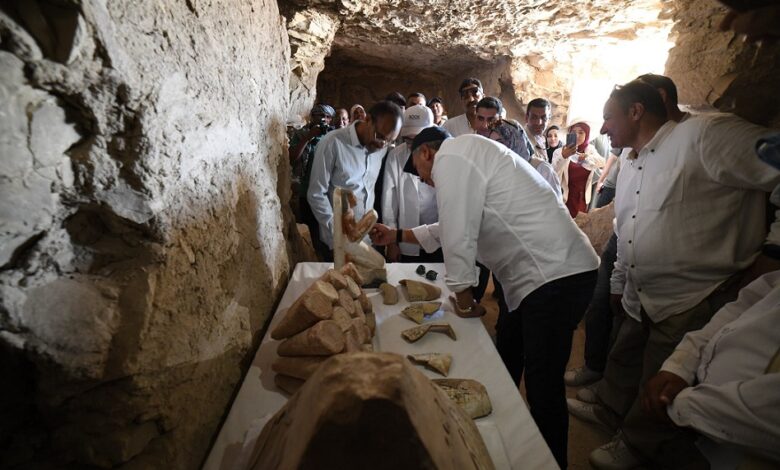
Egypt Unveils a Hidden Tomb of 3,500-Year-Old Coffins at Luxor’s Abu el-Naga

An Egyptian archaeological mission excavating at the Abu El-Naga necropolis near Luxor has uncovered a cache of ten well-preserved painted wooden coffins hidden in the courtyard shaft of the tomb of Baki. The coffins span multiple periods, including the 18th Dynasty, the Ramesside period, and the Late Period, with inscriptions naming individuals such as Merit, a chantress of the god Amun, and Padi-Amun, a priest in the Temple of Amun. The team also discovered the tomb of a purification priest named A-Shafi-Nakhtu, decorated with funerary scenes, and a burial site containing over 30 mummified cats from the Ptolemaic Period. The discoveries were announced by Egypt's Supreme Council of Antiquities, with the excavation season beginning in November 2025.

US exhibition unearths the Etruscans and their enduring cultural influence

The Legion of Honor in San Francisco will present "The Etruscans: From the Heart of Ancient Italy" from 2 May to 20 September, featuring nearly 200 objects including jewellery, sculptures, and vessels from the ancient Etruscan civilisation. The exhibition highlights recent archaeological discoveries, such as the Liber Linteus Zagrabiensis—the longest surviving Etruscan text—and grave objects from the Regolini-Galassi Tomb, many making their US debut. Curator Renée Dreyfus aims to correct negative portrayals of the Etruscans by Greeks and Romans and showcase their cultural achievements.

Ancient Roman Cargo Lost for 2,000 Years Resurfaces in Swiss Lake

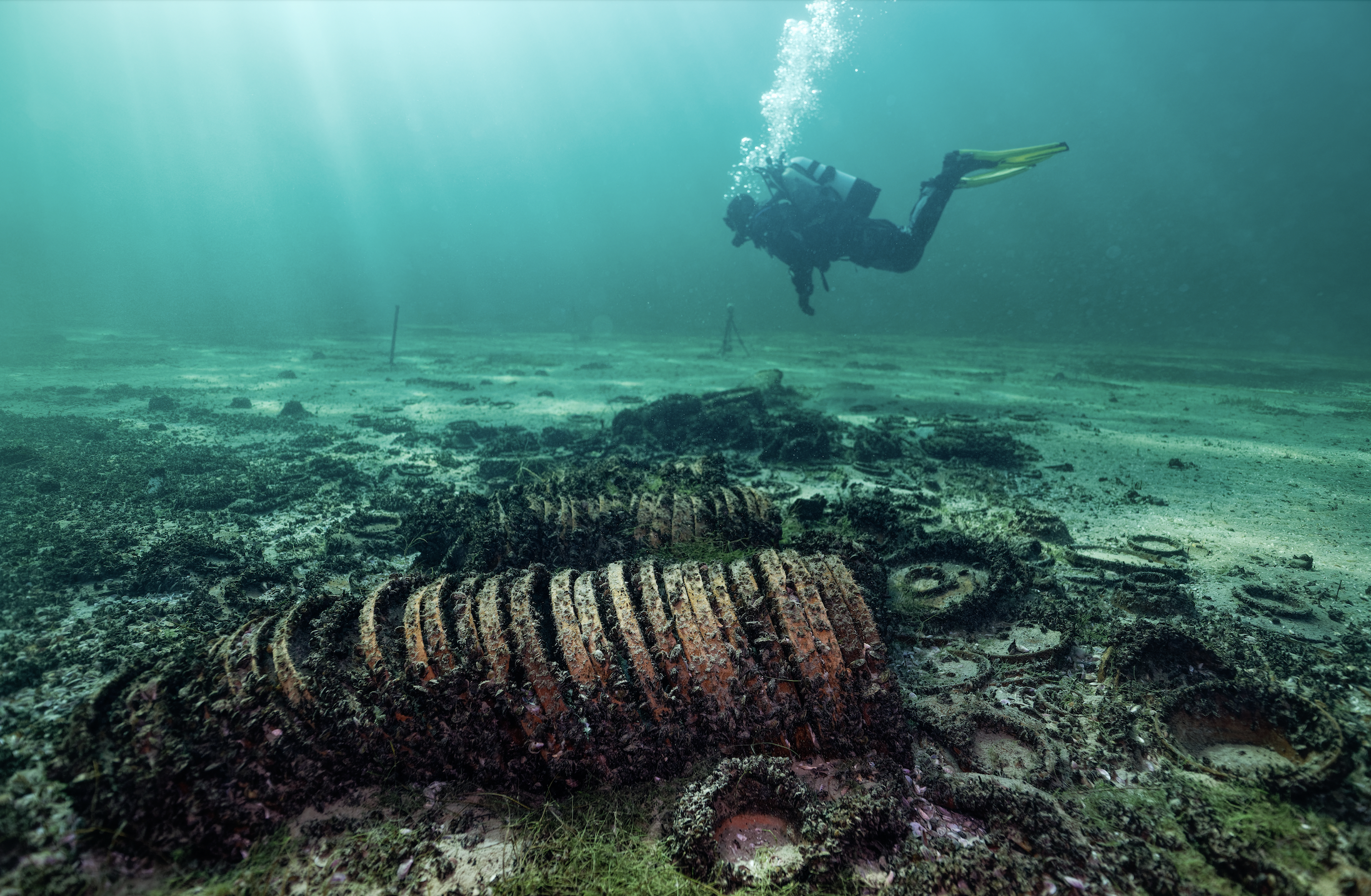
A team of Swiss archaeologists and the nonprofit Octopus Foundation have recovered a 2,000-year-old Roman cargo from Lake Neuchâtel. The haul consists of approximately 600 remarkably preserved artifacts, including stacks of brand-new ceramic plates, bowls, goblets, weapons, tools, chariot wheels, and a wicker basket, dating from between 50 B.C.E. and 50 C.E. The ship itself was not found.

Unesco grants enhanced protection to 39 Lebanese heritage sites as war escalates

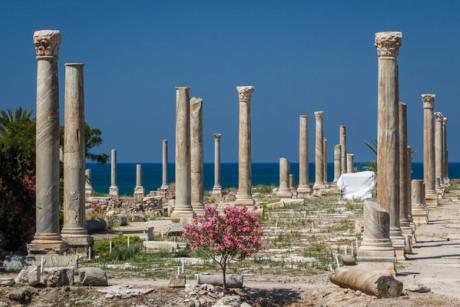
UNESCO has granted enhanced protection to 39 cultural heritage sites in Lebanon during an extraordinary session of its Committee for the Protection of Cultural Property. This designation, which prohibits targeting or military use of the sites, also unlocks over $100,000 in emergency funding for on-the-ground operations. The protected sites include the ancient Bekka Temple, the Lebanese National Library, and Barsbay Tower.

What Did Pompeii Smell Like? A New Study Analyzes Its Ancient Incense

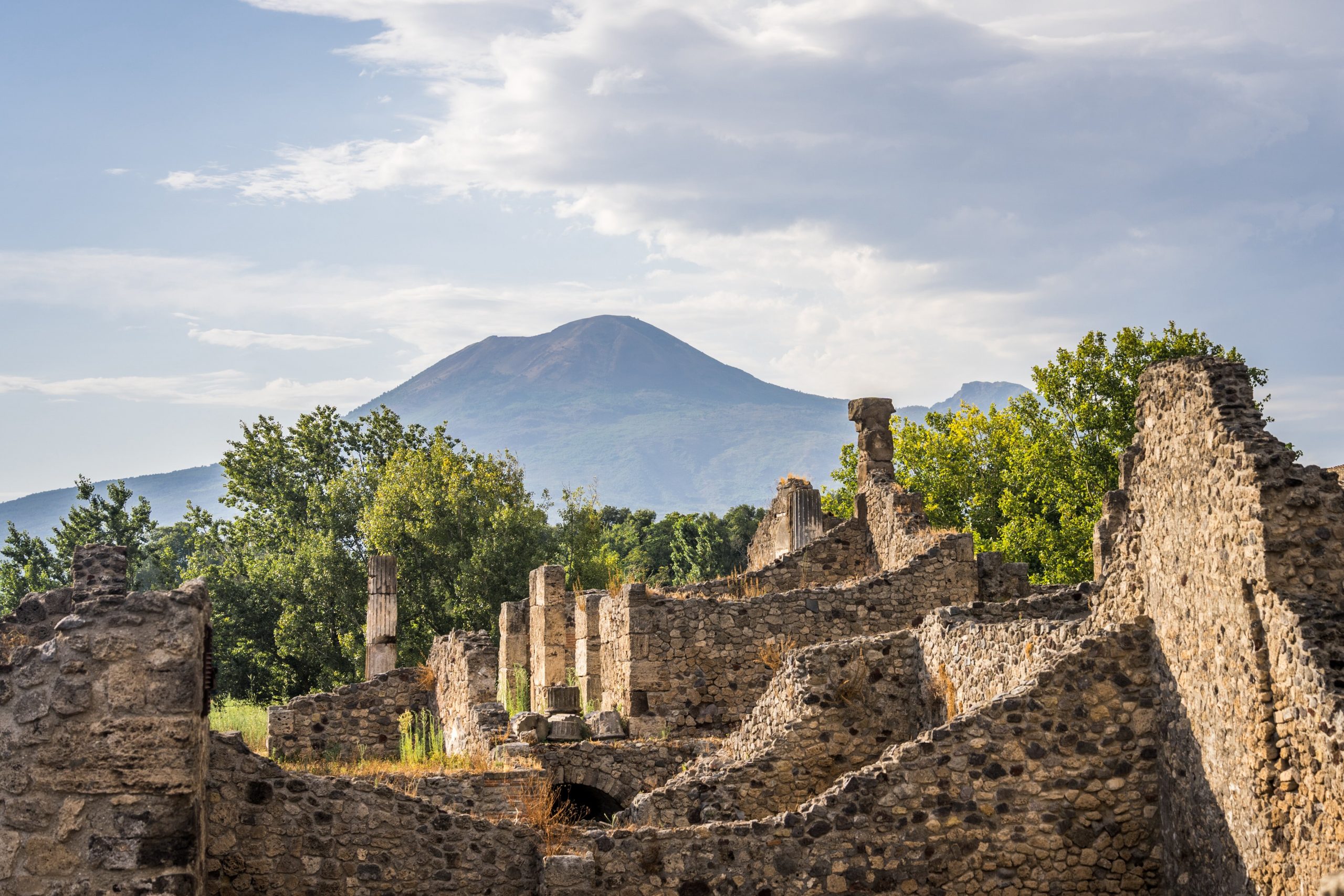
A team of international researchers has published the first scientific analysis of ritual incense residues from Pompeii. By examining ash from two ancient censers—one from an inn and another from a domestic shrine—they identified charred plants like oak and laurel, as well as evidence of imported frankincense from India.

giorgos tsagarakis dealer arrested stolen antiquities

Greek authorities have arrested Athens-based art dealer and television personality Giorgos Tsagarakis following an investigation into a suspected criminal network involved in the theft, forgery, and illegal trade of antiquities. The arrest, executed by the Organized Crime Division, led to the seizure of hundreds of paintings, ancient ceramics, Byzantine artifacts, and a rare 1745 gold-plated Gospel manuscript. Investigators were reportedly alerted to the illicit items after Tsagarakis posted a video of the artifacts on social media.

Comment | Climate change is forcing tough choices—how much heritage can we save before it is too late?

Climate change is accelerating the degradation of archaeological sites worldwide, forcing archaeologists to make urgent, difficult choices about what to save. From thawing permafrost in the Canadian Arctic threatening Inuit heritage to landslides endangering ancient Buddhist temples in Nepal, researchers are now deploying innovative technologies like ground-penetrating radar, 3D scanning, and even cosmic-ray muon detectors to digitally document and monitor at-risk sites before they are lost.

newly excavated maya settlement climate change adaptation

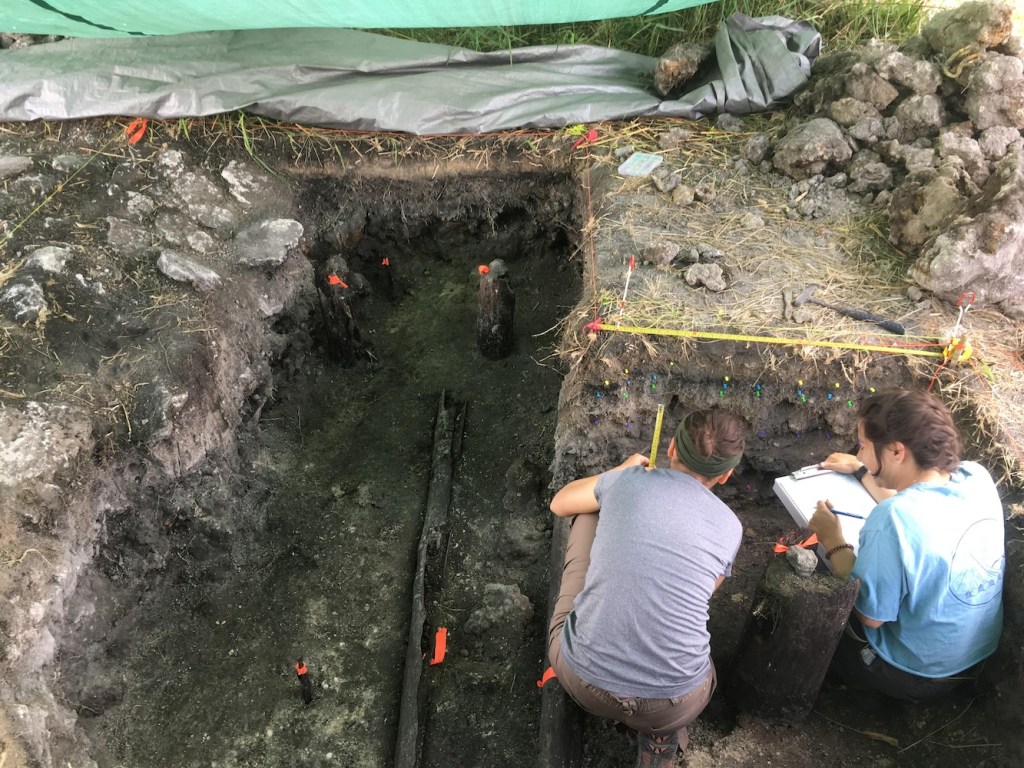
Archaeologists and geologists have uncovered a Postclassic Maya settlement at the Birds of Paradise field complex in the Rio Bravo floodplain of Belize. Utilizing LiDAR mapping and 20 years of field research, the team discovered exceptionally preserved wooden architecture, stone structures, and domestic artifacts dating from 800–1500 CE. These findings reveal that Maya communities successfully migrated to wetland environments after inland urban centers were abandoned due to prolonged droughts.

panama tomb riches sacrifice

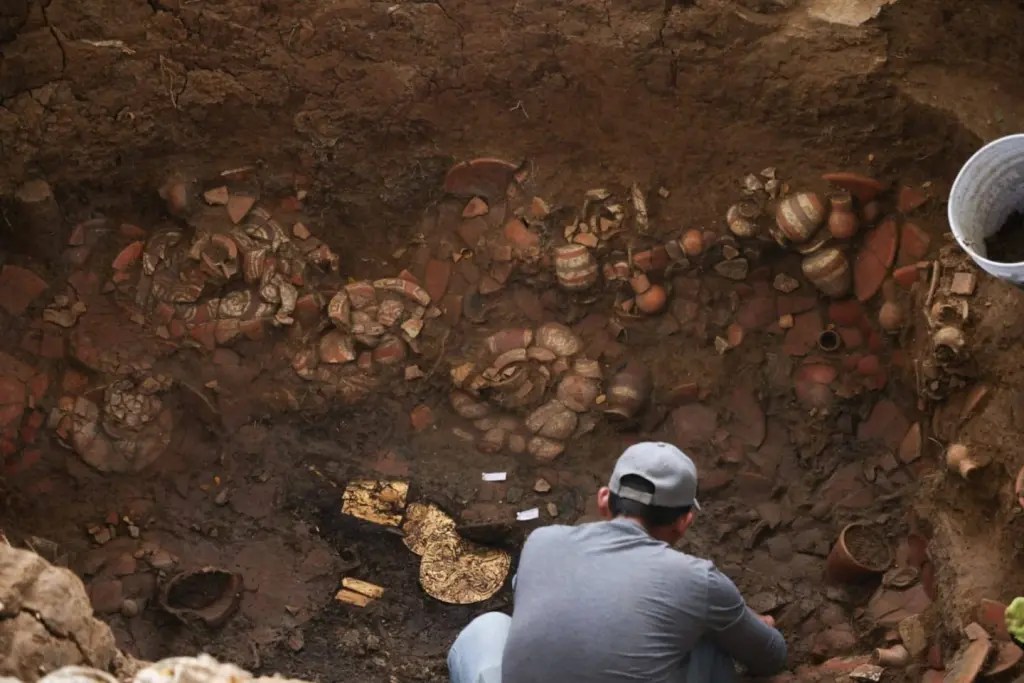
Archaeologists at El Caño Archaeological Park in central Panama have uncovered a 1,000-year-old tomb belonging to a high-ranking chieftain of the Gran Coclé culture. The burial chamber, designated as Tomb 3, contains a staggering collection of gold artifacts, including pectorals, earrings, and ornaments featuring crocodile and bat motifs. Crucially, the 'Lord of Tomb 3' was found buried alongside several other individuals, suggesting a practice of ritual human sacrifice intended to accompany the leader into the afterlife.

Egyptian Tour Guide Arrested for Drawing on Pyramid in Viral Video

egyptian tour guide pyramid drawing arrest video

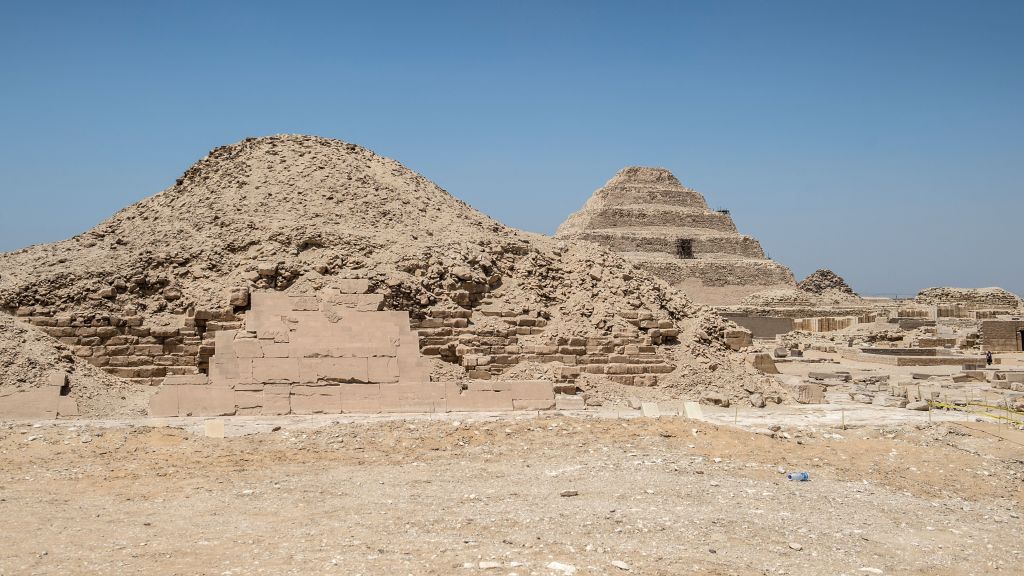
Egyptian authorities arrested a tour guide after a viral video showed him sketching a stick figure onto the 24th-century BCE Pyramid of Unas in Saqqara. The guide was reportedly using the drawing as a visual aid to explain the site's history to a group of tourists before attempting to wipe the mark away with his hands. Following a report from an antiquities inspector, the man confessed to the act, and the Ministry of the Interior confirmed that the drawing has since been removed.

with new bill israel moves to expand control over ancient west bank sites

The Israeli Knesset's Ministerial Committee on Legislation approved a first reading of a bill that would grant Israel's Heritage Minister sweeping authority over antiquities in the West Bank. The legislation allows for the appointment of a governing council, the designation of antiquity sites, and the expropriation of land and artifacts across the occupied territory, including areas currently under Palestinian civil control.

object museum oldest egyptian drilling tool found

A small copper-alloy object, excavated nearly a century ago from a predynastic cemetery at Badari in Upper Egypt, has been re-identified as the world's oldest known Egyptian bow drill. Dating to the late 4th millennium BCE, the tool pushes back the earliest evidence for this technology in Egypt by about 2,000 years, revealing that Egyptian craftspeople mastered efficient rotary drilling much earlier than previously thought.

digitally rebuilding lighthouse of alexandria as 3d model

A team of historians, architects, and programmers is digitally reconstructing the Lighthouse of Alexandria, one of the Seven Wonders of the Ancient World. The Pharos Project, led by archaeologist Isabelle Hairy, is scanning thousands of submerged granite blocks and artifacts from the seabed to create a comprehensive 3D model of the structure, which was destroyed by an earthquake in 1303.

zapotec tomb unearthed oaxaca mexico 600 ce

Archaeologists in Oaxaca, Mexico, have discovered a remarkably well-preserved Zapotec tomb dating to around 600 CE. The tomb, found in San Pablo Huitzo, features intricate carvings, including a sculpture of an owl with a human head in its beak, and multicolored murals depicting a procession of figures.

humans not glaciers moved stonehenge rocks geological study

Researchers at Curtin University in Australia have published a study in Communications Earth and Environment providing geological evidence that humans, not glaciers, transported the massive stones used to build Stonehenge. The team tested sediments from streams near the monument and found no signs of glacial activity during the Pleistocene, ruling out the theory that ice sheets carried the megaliths. The stones, including sandstone boulders from the Marlborough Downs and bluestones from Wales, weigh up to 40 tons, but exactly how ancient peoples moved them remains unknown.

thieves steal dutch museums entire silver collection

Thieves stole the entire silver collection of the Doesburg Silver Museum in the eastern Dutch city of Doesburg in the early hours of Wednesday morning. More than 300 "irreplaceable" objects, including a treasured collection of mustard pots assembled by the museum's founder Martin de Kleijn, were taken after two men forced entry into the 13th-century Martini Church housing the museum. CCTV footage shows the duo using a crowbar to break in and shatter display cabinets. Only ceramics on temporary display were left behind. The museum is insured, but chairman Ernst Boesveld emphasized the loss is about history and cultural heritage, not just the silver price.

3d tech reveals new gladiator graffiti in pompeii

Researchers using Reflectance Transformation Imaging (RTI) and 3D photogrammetry have uncovered 79 previously invisible graffiti fragments on a 90-foot walled corridor in Pompeii's theater district. Among the discoveries are a dynamic sketch of two gladiators in combat and a love declaration beginning "Erato amat…" (Erato loves…). The work, detailed in Pompeii's e-journal, was conducted by teams from Sorbonne University and the University of Québec at Montréal, who developed a custom 3D-image platform to visualize and digitally annotate the ancient carvings.

rome tour well preserved underground dwelling livestream

Rome is offering livestream tours of the House of the Griffins, an ancient Roman home on the Palatine Hill that has never been open to the public. Dating to the 2nd-1st century BCE, the dwelling features well-preserved frescoes, mosaics, and two stucco griffins. Starting March 3, after years of restoration, small groups of up to 12 visitors can watch a guide with a head-mounted camera explore the underground structure, with narration in English or Italian.

pompeii hercules fresco location

Archaeologists have identified the original location of a looted fresco fragment from Pompeii that was repatriated from the U.S. to Italy in 2023. The fragment, depicting baby Hercules wrestling a snake, was found to have once decorated the upper lunette of a private chapel (sacellum) at the ancient villa of Civita Giuliana. The discovery was made during excavations in 2023 and 2024, and the fragment will be exhibited at the Antiquarium of Boscoreale from mid-January.

pompeii multilevel buildings digital reconstructions

A new study published in the Pompeii Archaeological Park's online journal reveals that the ancient Roman city featured multilevel buildings far more impressive than previously understood. Using digital technology, the Pompeii Reset project—a collaboration between the Pompeii Archaeological Park and Humboldt University of Berlin—created 3D reconstructions of structures encased in ash during the 79 CE eruption of Mount Vesuvius. The case study focused on the House of Thiasus in Regio IX, where a 39-foot-tall tower with two levels, including a dining room with city views, was reconstructed. Researchers employed laser scanners, structured-light scanning, and photography to build digital models, then virtually added missing architectural elements like staircases and windows, testing them for structural plausibility.

ancient limestone face carving discovered controversial maya train project excavation

Archaeologists working on the controversial Maya Train project in Mexico's Yucatán Peninsula have discovered a 2,000-year-old limestone face carving. The 18-inch-tall sculpture, featuring deep-set eye sockets, a flat nose, and a cleft lip, was found in Sierra Papacal near Mérida during construction of the Mérida-Progreso Railway Bypass. The carving was attached to the foundation of an ovoid building with a west-facing entrance, suggesting it served as a ceremonial marker. Mexico's National Institute of Anthropology and History (INAH) is overseeing the excavation of 15 other nearby structures, and the artifact will be transported to a laboratory for conservation.

heritage experts call for international task force to oversee palmyra restoration

Heritage experts, international officials, and Syrian residents gathered in Switzerland for the first comprehensive conference on restoring the ancient Syrian city of Palmyra since the end of Bashar Al Assad's regime. Organized by UNESCO and the Aliph Foundation, the group recommended establishing an international expert task force to remove Palmyra from UNESCO's List of World Heritage in Danger. Rehabilitation efforts will focus on the Palmyra museum, restoration of artifacts at the Damascus Museum, and repair of the footbridge, with work expected to begin in January 2026.

massive moai statues walked to platforms easter island new study

A new study in the Journal of Archaeological Science by archaeologists Carl Lipo of Binghamton University and Terry Hunt of the University of Arizona proposes that the 92-ton moai statues on Easter Island, Chile, were transported in a vertical position using ropes to “walk” them onto their stone platforms. The research combines three-dimensional modeling, field experiments with a scaled replica, and analysis of 62 abandoned statues along ancient roads, finding that wider bases and a forward lean of 6–15 degrees enabled a rocking motion that allowed a team of 18 people to move a statue 328 feet in about 40 minutes.

egypt alexandria artifacts lifted sea

Egypt's Ministry of Tourism and Antiquities recovered underwater ruins from a sunken city off the coast of Alexandria on August 21. Divers and cranes retrieved ancient statues, including royal figures and sphinxes from the pre-Roman era, such as a partially preserved sphinx with the cartouche of Ramses II. The site in Abu Qir bay also revealed limestone buildings, residential and commercial structures, a 125-meter dock over 2,000 years old, a merchant ship, stone anchors, and a harbor crane from the Ptolemaic and Roman eras. Tourism and Antiquities Minister Sherif Fathy noted that only specific material meeting strict criteria is brought up, with the rest remaining underwater heritage.

three men convicted celtic gold coins theft germany

Three men were convicted for stealing 483 ancient Celtic gold coins from the Kelten Römer Museum in Manching, Germany, in November 2022. The coins, dating to the 3rd century BCE and valued at several million euros, were discovered in 1999 near Manching. The thieves cut off telephone and internet service to the entire town to prevent the museum from contacting authorities. A court in Ingolstadt sentenced the men to prison terms ranging from four years and nine months to 11 years for gang robbery; a fourth defendant was acquitted of the museum heist but convicted for other thefts. DNA evidence linked the group to a string of robberies across Germany and Austria since 2014, and some coins were melted down, with 70 lost.

erotic mosaic pompeii nazi officer

An ancient mosaic looted during World War II by a Nazi officer has been repatriated to Italy and is now on public display in Pompeii. The mosaic, which depicts an erotic bedroom scene, likely originated near Mount Vesuvius and was taken by a Wehrmacht captain who donated it to a German citizen. It was returned with the help of the Italian consulate in Stuttgart on September 16, 2023, and is now housed at the Pompeii Archaeological Park.

22 stone blocks alexandria ancient lighthouse seafloor

A team from the French National Center for Scientific Research has lifted 22 massive stone blocks from the Lighthouse of Alexandria from the seafloor, 30 years after the remains were first discovered in Egypt. The blocks include monumental door lintels, jambs weighing 70 to 80 tons, a threshold, large base slabs, and parts of a previously unknown pylon with an Egyptian-style door from the Hellenistic period. Each block will be scanned and studied to add to a digital collection of over 100 blocks already digitized, aiming to construct a virtual model of the lighthouse. The excavation was supervised by archaeologist Isabelle Hairy and conducted under the Egyptian Ministry of Tourism and Antiquities, with support from La Fondation Dassault Systèmes and French documentary company GEDEON Programmes, which filmed the work for a 90-minute documentary.

cerne abbas giant genitalia almost covered by trees 1930s

Historian Karen Heaney discovered that in 1932, the UK Home Office considered covering the Cerne Abbas Giant's erect penis with trees after a complaint from Dorset resident Walter Long, who called the 180-foot chalk figure an "obscene" offense to Christian values. Home Office official Cecil Yates proposed the tree-planting to the National Trust, but the Chief Constable of Dorset Police consulted the Home Office, which ultimately denied the request to avoid distorting the national monument.

france deepest shipwreck camarat 4

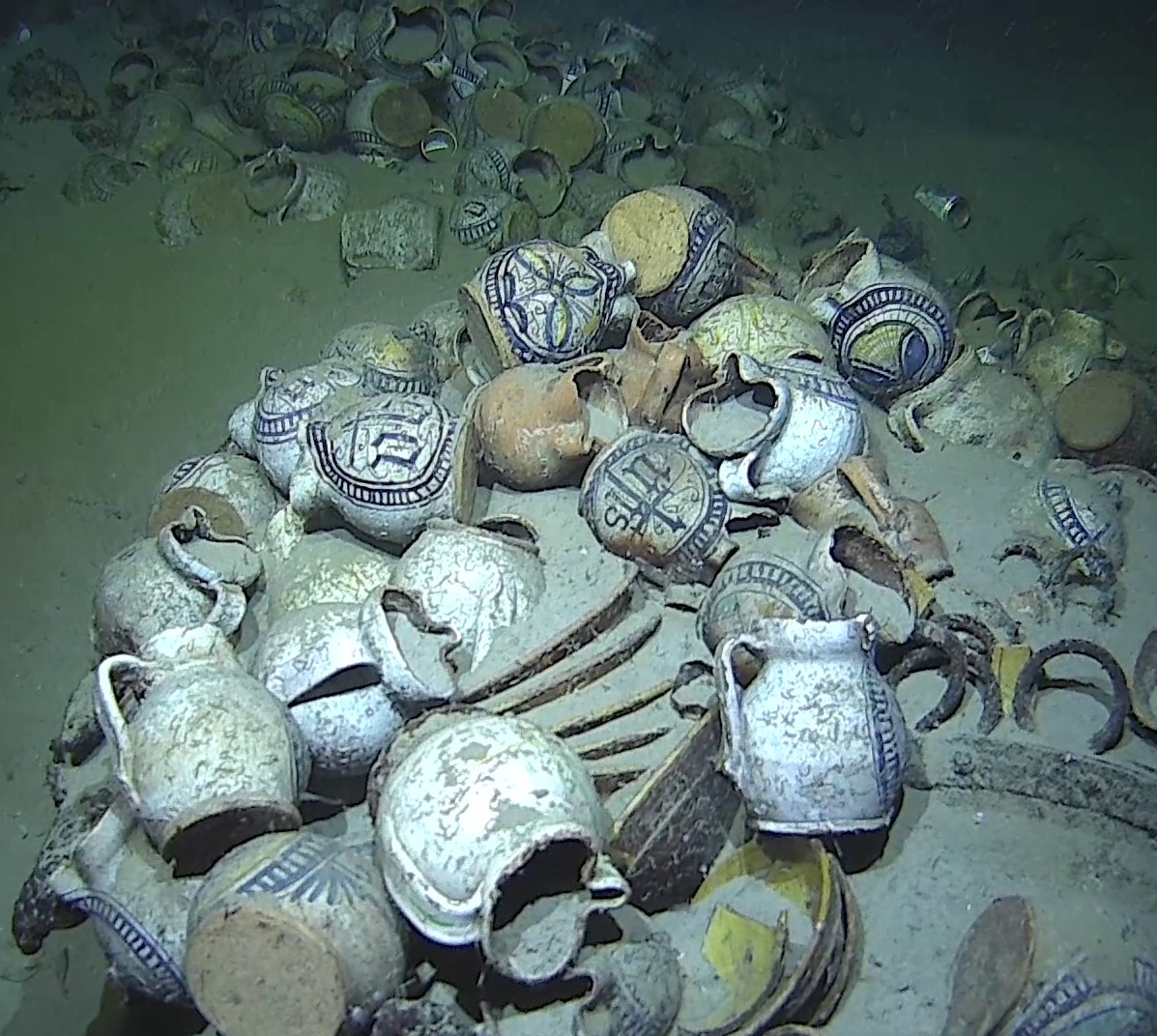
French archaeologists have discovered the wreck of a 16th-century merchant vessel, named Camarat 4, 1.6 miles below the Mediterranean Sea—the deepest shipwreck ever found in French waters. The French Navy first detected the site via sonar during a routine mission off the coast near Saint Tropez, then deployed an underwater drone that captured images of hundreds of ceramic pots. The Department of Underwater and Submarine Archaeological Research (DRASSM) confirmed the 98-foot-long ship sank nearly 500 years ago, carrying cargo including polychrome earthenware pitchers and plates traced to Liguria, Italy, along with cannons and iron bars.