filter_list Showing 135 results for "Crisis" close Clear
search
dashboard All 135 museum exhibitions 51article news 40article culture 19article policy 8article local 7rate_review review 5person people 3trending_up market 2
date_range Range Today This Week This Month All
Subscribe

Les jardins de Monet à l’épreuve du surtourisme

Claude Monet's gardens in Giverny, France, which were recreated in 1980 after being abandoned in the 1950s, are now suffering from severe overtourism. The site, which attracted 70,000 visitors in its first year, is expected to exceed one million visitors in 2026, the centenary of Monet's death. Crowds are so dense that visitors report feeling unable to experience any emotion, and gardeners spend hours each morning repairing damage from trampling. The gardens have become a kind of industrial product, with 15,000 plants propagated each season to replace those destroyed.

How Fatinha Ramos Channels ‘Visual Activism’ in Her Richly Layered Illustrations

Fatinha Ramos, a Portuguese artist and illustrator based in Antwerp, describes her work as 'visual activism,' creating richly layered illustrations that give voice to minorities and address social issues. She collaborates with major clients including The New York Times, The Washington Post, Tate, Scientific American, the Anne Frank Museum, and MoMA, which commissioned her to illustrate an essay about being compared to Frida Kahlo. Born with osteogenesis imperfecta (brittle bone disease), Ramos spent much of her childhood in hospitals, where drawing became an escape. After 12 years as an art director in advertising and publishing, she now focuses on her own practice, which challenges stereotypes around disability, climate crisis, sexism, and racism. She is currently working on a graphic novel and a series of anatomical glass sculptures based on brittle bone disease.

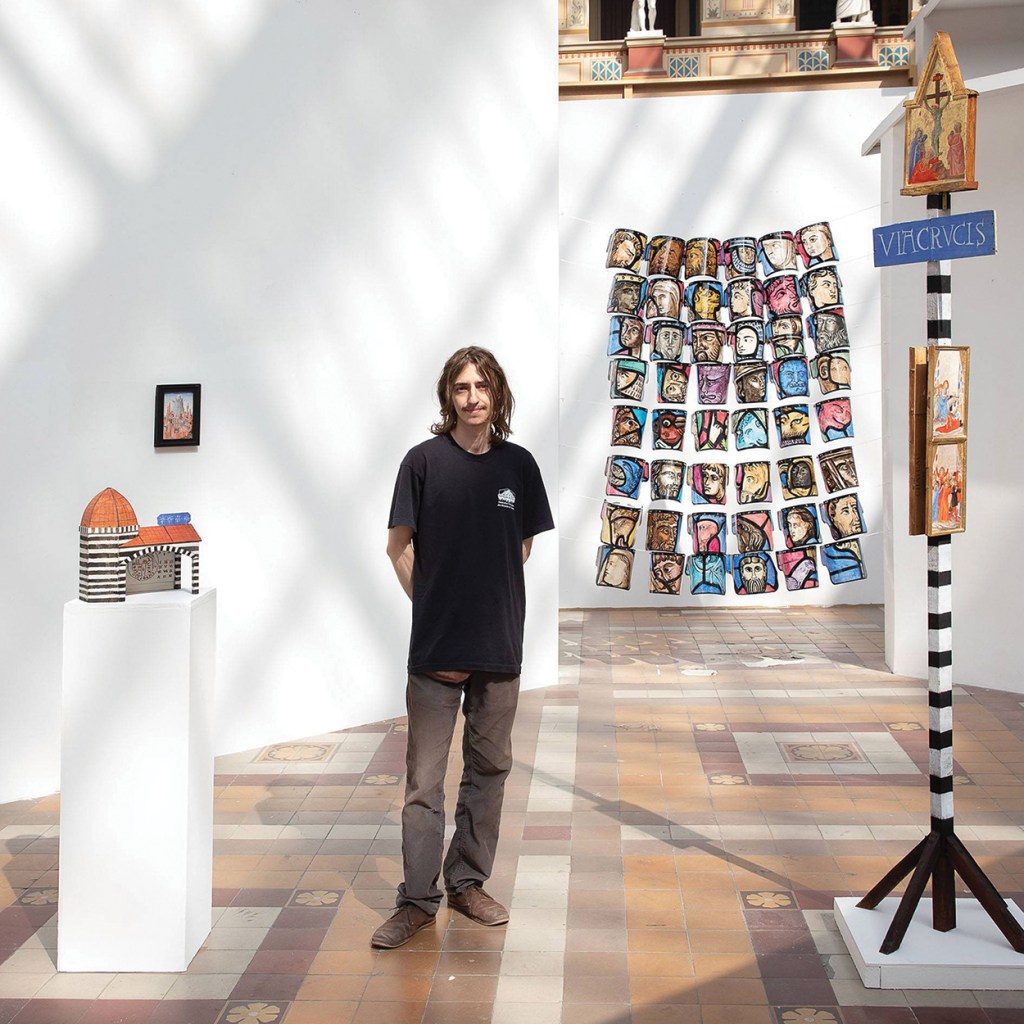
Malo Chapuy Reimagines Medieval Art on the Cover of our New Talent Issue

Malo Chapuy's painting *Virgin with Codex* (2025) appears on the cover of Art in America's new talent issue. In an interview from his Paris studio, Chapuy explains how he reinterprets medieval and early Renaissance Flemish painting by mixing its motifs with contemporary and sci-fi elements, such as gothic cathedral spaceships and QR codes designed to function like medieval manuscripts for future postapocalyptic monks. He describes his process as making "forgeries," using traditional techniques like oil on wood panels, homemade lead white, and self-carved frames to mimic aged Old Master works while addressing themes of ecological collapse, apocalyptic anxiety, and planetary exile.

Numerous Venice Biennale Pavilions and Artists Go on Strike in Protest over Israel’s Participation

Thousands of protesters marched through Venice on the eve of the Venice Biennale's public opening, organized by Art Not Genocide Alliance (ANGA), to demand Israel's exclusion from the event. At least 18 national pavilions—including Austria, Belgium, France, Great Britain, and Ukraine—participated in a 24-hour strike, shutting down completely or partially. Protesters chanted slogans, waved Palestinian flags, and carried banners reading "no genocide pavilions," while ANGA released a statement with 236 signatories calling for Israel's removal, citing the humanitarian crisis in Gaza.

Banksy’s Venice mural has been restored and will now tour city

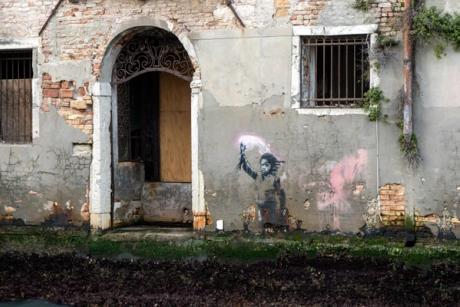
A Banksy mural titled "Migrant Child," originally sprayed onto a 17th-century palazzo in Venice in 2019, has been restored and will tour the city's canals this weekend. The work, which depicts a child holding a flare and wearing a life vest, was removed from the Palazzo San Pantalon after six years of neglect and environmental damage had caused about a third of it to deteriorate. The restoration was funded by Banca Ifis, which purchased the palazzo in 2024 and commissioned Zaha Hadid Architects for the building's renovation. The conservation was supervised by Federico Borgogni, who previously oversaw the removal of another Banksy work in Bristol.

Arghavan Khosravi Breaks Through Gendered Restrictions in Her Architectural Portraits

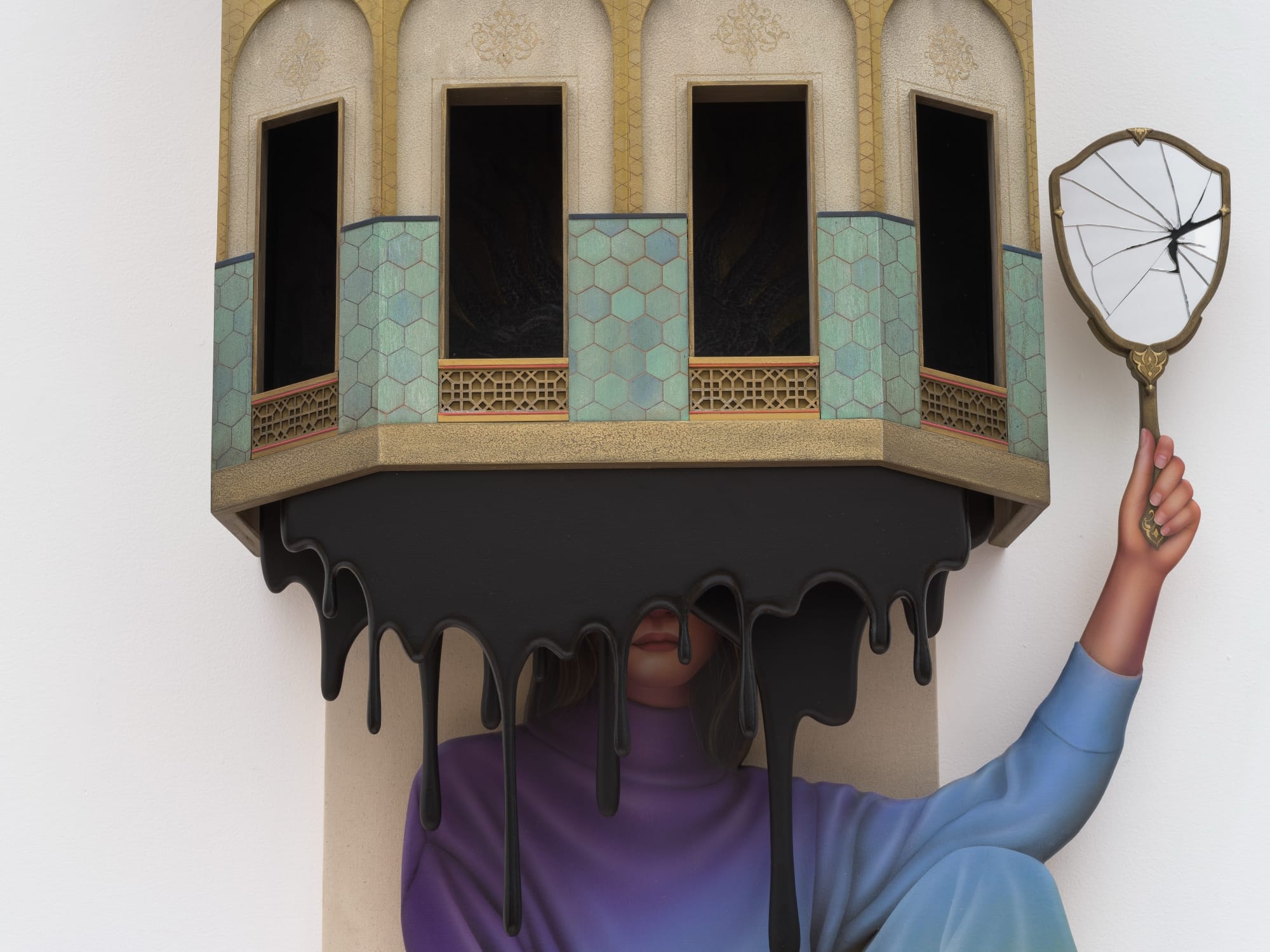
Arghavan Khosravi's solo exhibition "What Remains" opens today at Uffner & Liu in New York, presenting a new body of sculptural paintings that fuse Persian architecture with Christian altarpieces. The works explore women's fight for equality under censorship and religious dogma in Iran, featuring figures restricted by domestic objects, hinged shutters, and suspended cords, with fragments of limbs or faces visible. Key pieces include "Suspended" (2026), "Bearing" (2026), and "The Whisper" (2026), running through July 2.

Three artists, three questions: Immersed in colors

Three Israeli artists—Vera Kunis, Avraham Kan, and Tal Tenne Czaczkes—are featured in a column exploring their use of color amid the ongoing war with Iran. Kunis, a data engineer and artist, opened her first solo exhibition, "Imagination Algorithm," at the Global Art Gallery in Tel Aviv on March 10, 2026, during the conflict. The interview was conducted remotely due to war conditions, with a siren interrupting the conversation. The artists discuss their inspirations, definitions of art, and what makes their work unique, emphasizing resilience and optimism through color.

The best and worst we saw at the Venice Art Biennale 2026. Artribune's hits and flops

Il meglio e il peggio che abbiamo visto alla Biennale d’Arte di Venezia 2026. Top e flop di Artribune

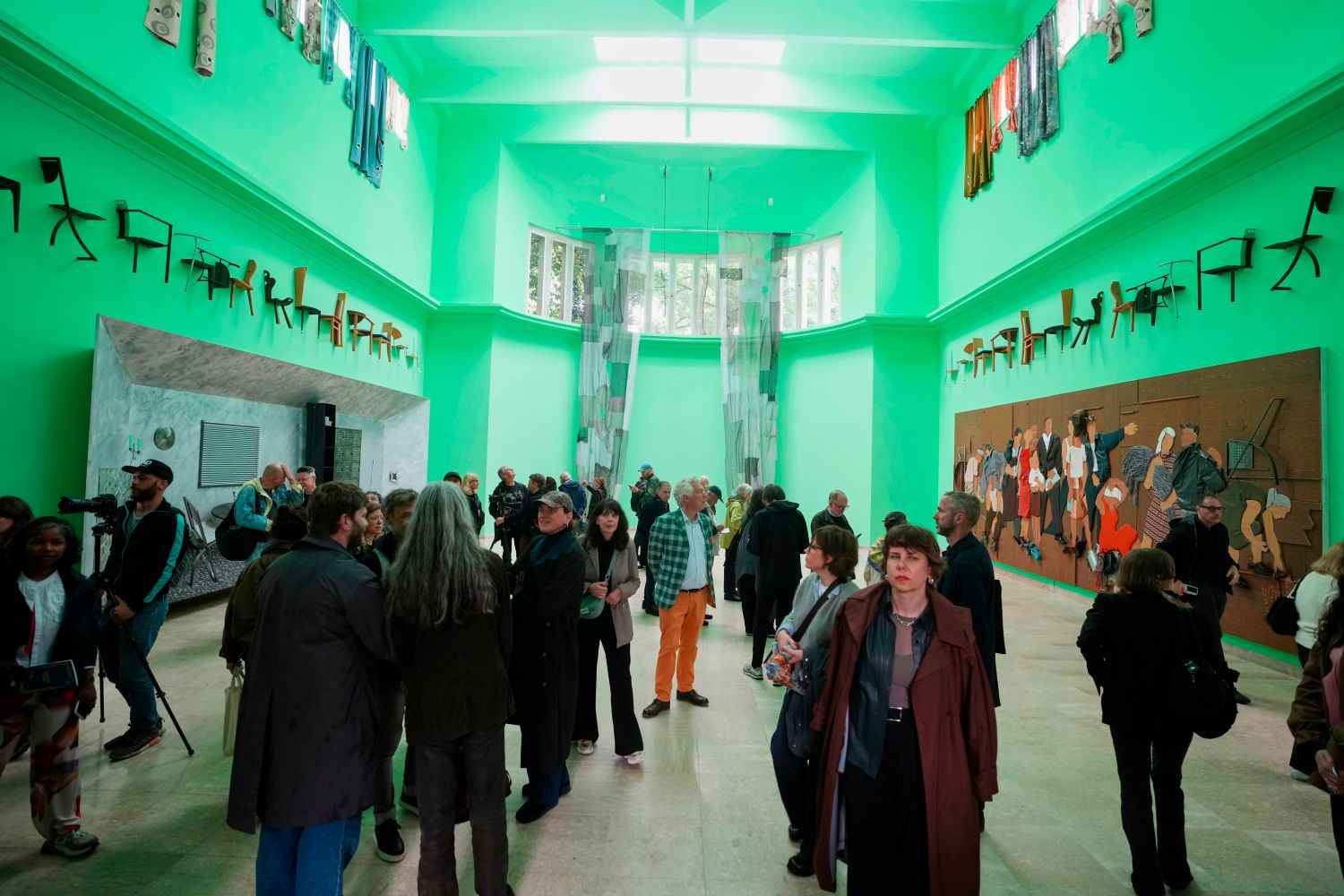
The 61st Venice Biennale, titled "In Minor Keys" and directed by Koyo Kouoh, opened amid significant turmoil: the death of a newly appointed curator, diplomatic tensions over the presence of Russia and Israel, political protests, and the unprecedented collective resignation of the jury, which led to the Golden Lions being awarded by public vote for the first time. Despite this chaotic backdrop, the exhibition—featuring a record 100 national pavilions—has been widely praised for avoiding moralistic pedagogy and instead embracing visual seduction, formal quality, and sensory joy while addressing themes of identity, memory, colonialism, ecological crisis, and violence. The article highlights top and flop moments from the opening week, including strong showings by Biennale president Pietrangelo Buttafuoco and a standout exhibition at Fondazione Prada.

With an exhibition in Venice, the great artist Joseph Kosuth demonstrates his trust in language

Con una mostra di Venezia il grande artista Joseph Kosuth dimostra la sua fiducia nel linguaggio

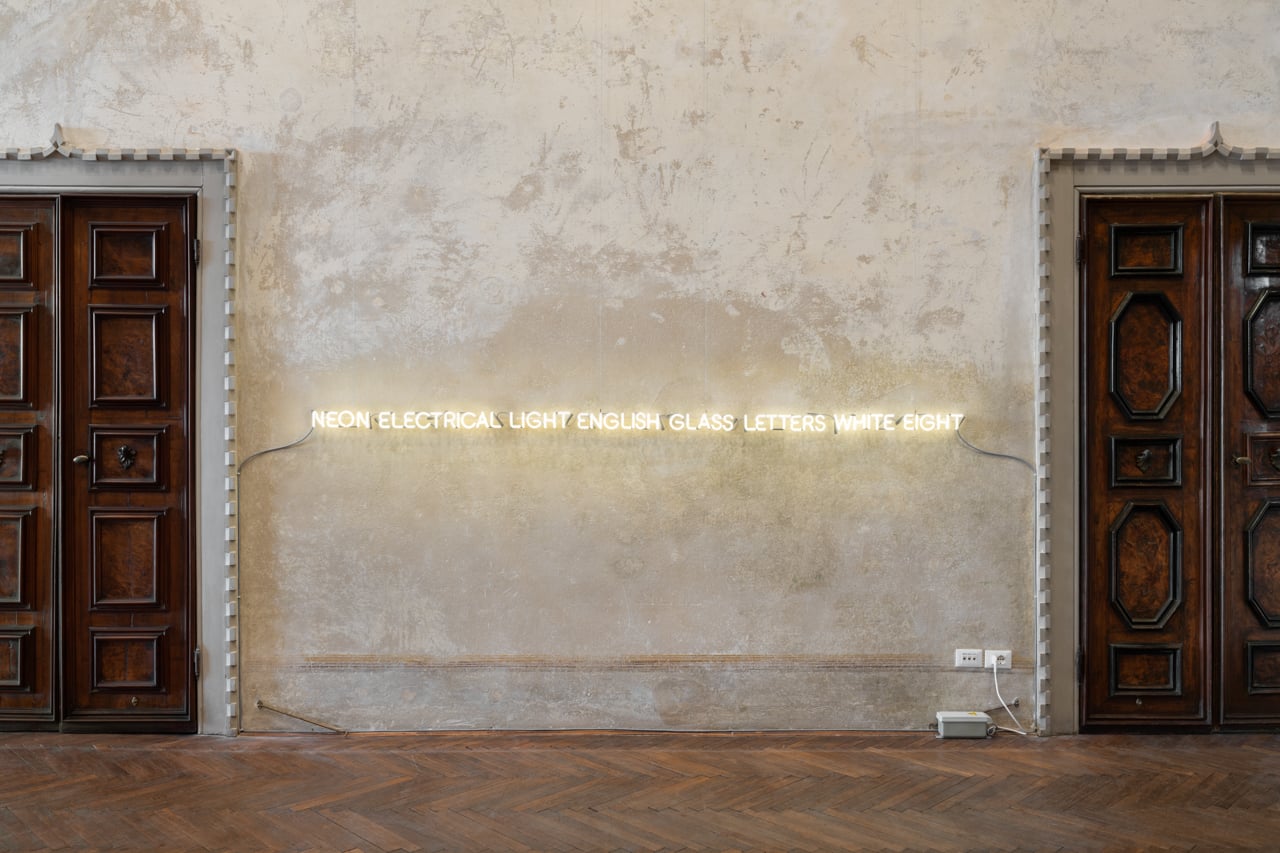
Joseph Kosuth, a pioneer of conceptual art, presents a new exhibition titled "The Exchange Value of Language Has Fallen to Zero" at Casa dei Tre Oci in Venice. The show features both historical works from the 1960s, such as "One and Three Mirrors" (1965), and a new neon piece "A Chain of Resemblance" created for the occasion, which pays homage to Michel Foucault. The exhibition explores themes of language, authorship, and community, including works like "The Fifth Investigation" (1969) and a poster from the 1976 Venice Biennale. Kosuth, who lived in Venice from 2021 to 2025, has a deep connection to the city, having participated in eight editions of the Venice Biennale and maintaining two permanent installations there.

The Last Interview with the Great Artist Georg Baselitz on the Occasion of His Exhibition in Florence

L’ultima intervista al grande artista Georg Baselitz in occasione della sua mostra a Firenze

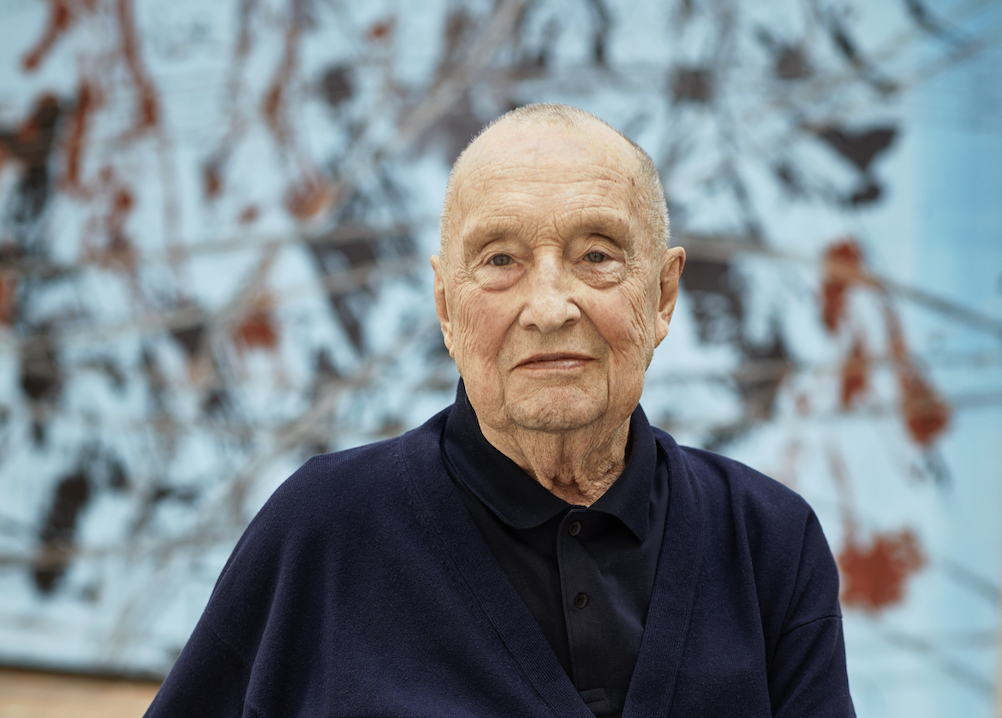
Georg Baselitz, the German artist born in 1938, is the subject of a major retrospective titled "Avanti!" at the Museo Novecento in Florence, featuring 170 works including paintings, works on paper, and sculptures, with a strong focus on his graphic output. The exhibition, curated by Sergio Risaliti and Daniel Blau (Baselitz's son and an artist himself), spans three floors and traces the evolution of Baselitz's practice, culminating in a dialogue with the work of Italian artist Ottone Rosai. The show is accompanied by a prequel exhibition honoring the 120th anniversary of Villa Romana, where Baselitz once held a fellowship, and will be followed by another exhibition at the Fondazione Giorgio Cini in Venice in May, which together with the Florence show form the artist's testament. Artribune published Baselitz's last interview in its new bimonthly issue.

Picture gallery in transformation: recent gifts

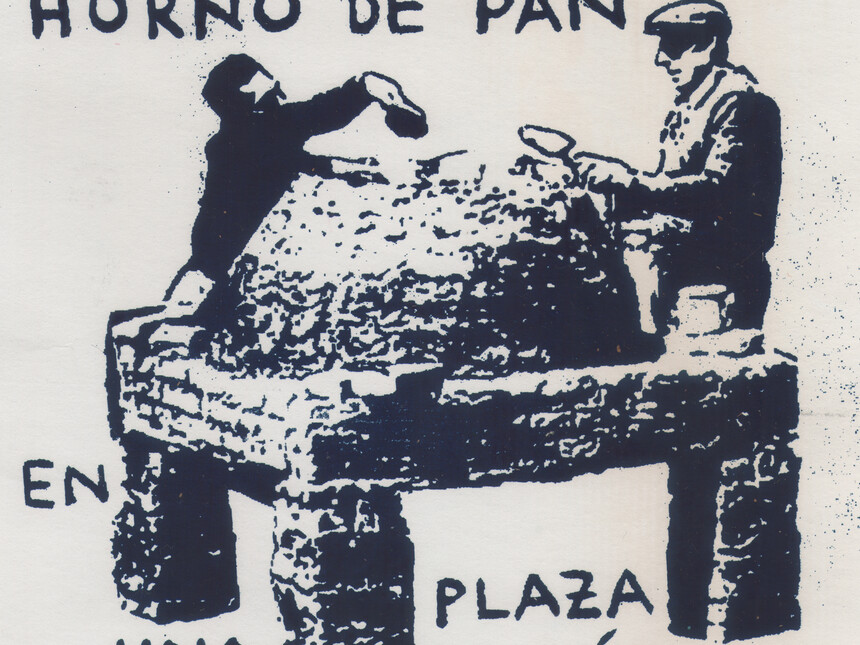
MASP — Museu de Arte de São Paulo Assis Chateaubriand will present the exhibition "Picture gallery in transformation: recent gifts" starting May 15, as part of its Latin American histories series. The show features two sets of silkscreen prints recently added to the museum’s collection: 51 prints (2002–2007) by the Argentine collective Taller Popular de Serigrafía, which combined art and activism during the 2001 economic crisis, and the series "Ink and blood: 1968–2009" by Mexican artist Abraham Cruzvillegas, comprising 41 facsimiles of protest ephemera from Latin American social movements. The exhibition is curated by MASP artistic director Adriano Pedrosa, curator Regina Teixeira de Barros, and curatorial assistant Matheus de Andrade.

Venice Biennale 2026 Collateral Events Six Of The Best – Nico Kos Earle

The 61st Venice Biennale is described as the most contested and chaotic in recent history, marked by the absence of a curator following the death of Koyo Kouoh and overshadowed by global conflicts that made presentations in national pavilions fraught with difficulty. Amid this turmoil, standout collateral events include Michael Armitage's exhibition 'The Promise of Change' at Palazzo Grassi, curated by Jean-Marie Gallais and Hans-Ulrich Obrist, which uses softly painted scenes to address sociopolitical tensions and post-colonial identity. Another highlight is The Holy See Pavilion, curated by Hans Ulrich Obrist and Ben Vickers, featuring a sonic prayer by Soundwalk Collective with contributions from contemporary composers including Patti Smith.

Art and politics clash at Venice Biennale, as world conflicts upstage exhibition's opening

The 61st Venice Biennale, the world's most prestigious art exhibition, opens under unprecedented turmoil. For the first time, its vision was shaped by the late Cameroonian curator Koyo Kouoh, who centered artists from Africa and its diaspora. However, political conflicts over Russia and Israel have overshadowed the art. All five jurors resigned after the Italian culture minister investigated their decision to withhold prizes from Russia and Israel over alleged crimes against humanity. Protests erupted at the Russian pavilion, with Pussy Riot activists denouncing Russia's participation, while the Israeli pavilion artist threatened legal action over the jury's snub. The Biennale will proceed without a jury, with visitors voting for two awards, and the fate of the Golden Lion remains uncertain.

Ruminations on Rashid Johnson’s “A Poem for Deep Thinkers”

The article is a reflective review of Rashid Johnson's exhibition "A Poem for Deep Thinkers" at the Modern Art Museum of Fort Worth. The author describes standing before Johnson's work "Falling Man" (2016), a piece incorporating broken mirrors, burned wood, and personal objects like a copy of Harry Haywood's "Black Bolshevik" and shea butter, which prompts meditations on visibility, identity, and Frantz Fanon's "Black Skin, White Masks." The review also examines Johnson's large-scale installation "Antoine's Organ" (2016/2026), which fills a gallery typically reserved for Ellsworth Kelly's minimalist canvases, transforming the space with scaffolding, plants, books, and video monitors.

Artists take a satirical look at the financial crisis in a new London show

Three emerging artists—Jenna Bliss, Buck Ellison, and Jasmine Gregory—present a multi-media exhibition titled 'Genuine Fake Premium Economy' at London’s Institute of Contemporary Arts (ICA). The show satirically examines the societal and economic fallout of the 2008 financial crisis, using works that critique capitalism, inheritance, and art-world stereotypes. Gregory repaints Patek Philippe ads to expose class structures, Bliss films a fictional art fair that blurs reality and fiction, and Ellison creates lightboxes for a fictional private bank, manipulating corporate language and philosophy.

VARINIA BRODSKY ZIMMERMANN: “ENTIENDO AL MUSEO COMO UN CAMPO DE REVERBERACIÓN”

Varinia Brodsky Zimmermann, director of the Museo Nacional de Bellas Artes de Chile, is interviewed as part of a series on contemporary museums in Latin America. She describes the museum as a "field of reverberation" that amplifies social, cultural, and political questions without reacting mechanically to demands. The conversation covers structural challenges facing public museums in Chile, including budget precarity and suspended exhibition projects, and Brodsky advocates for more permeable, horizontal, and sustainable institutions that maintain critical depth while engaging diverse communities.

LATIN AMERICA AT THE VENICE BIENNALE: A VISUAL TOUR OF THE CENTRAL EXHIBITION

LATINOAMÉRICA EN LA BIENAL DE VENECIA: UN RECORRIDO VISUAL POR LA MUESTRA CENTRAL

The 61st Venice Biennale, titled "In Minor Keys," opened its preview days on May 8, 2025, curated by the late Koyo Kouoh (1967–2025). The central exhibition, realized by a team she selected before her death, features 110 participants from around the world, with a strong Latin American presence of 15 artists, collectives, and organizations. The show explores themes of colonial history, plantation economies, geological memory, and environmental crisis through works that emphasize shared materials, politics, and poetics across geographies from Dakar to San Juan.

Venice in Crisis Mode

Venedig im Krisenmodus

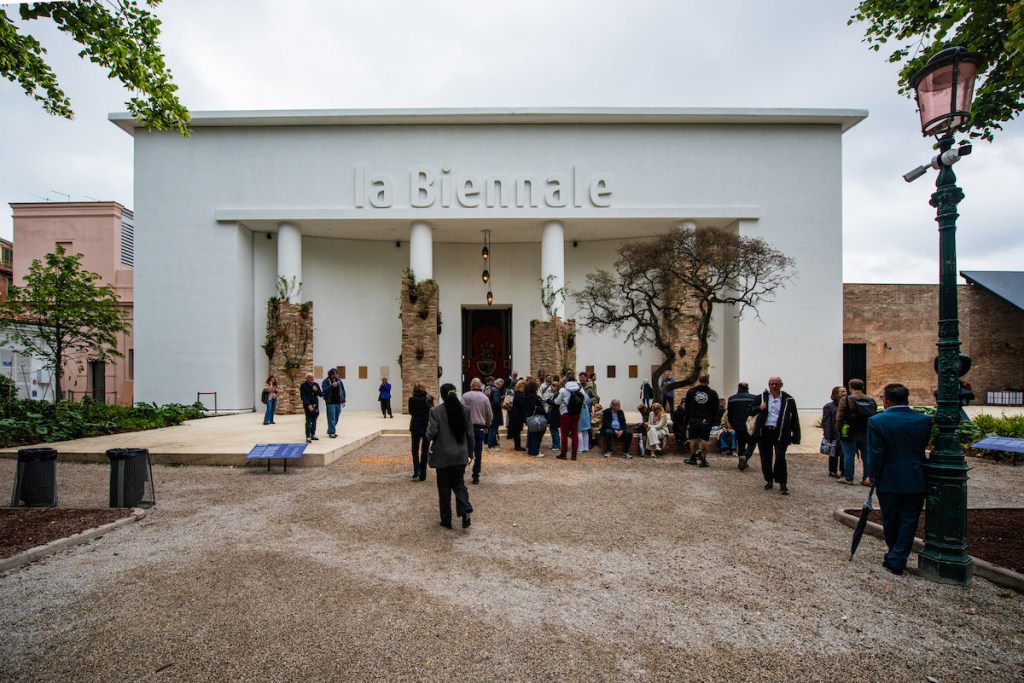
The 61st Venice Biennale has opened under extraordinary circumstances, marked by political protests, a jury resignation, and canceled awards. The Biennale's jury resigned en masse after announcing they would exclude Israeli and Russian contributions from their decisions, leading to the cancellation of the Golden Lion awards and a crisis over the international competition's legitimacy. A newly introduced audience prize also faced boycotts from artists in solidarity. Protests, closed pavilions, and pro-Palestinian actions dominated the preview days, with artists pasting protest posters directly onto their works, reflecting heightened tensions.

Venice Biennale Artists Decline Consideration for Golden Lions Chosen by Public Vote

Nearly half of the artists in the main exhibition of the Venice Biennale have signed a statement declining consideration for the Golden Lion awards, in solidarity with the jury that resigned last month. The statement, published by e-flux, includes prominent names such as Alfredo Jaar, Tuan Andrew Nguyen, Otobong Nkanga, and Walid Raad, as well as national pavilion representatives from France, Lithuania, and the Netherlands. The Biennale had planned to replace the jury-selected Golden Lions with "Visitor Lions" decided by public vote, but the artists' refusal marks an unprecedented protest within the exhibition.

Drained, Drowning, and Decay: The Best National Pavilions at the Venice Biennale

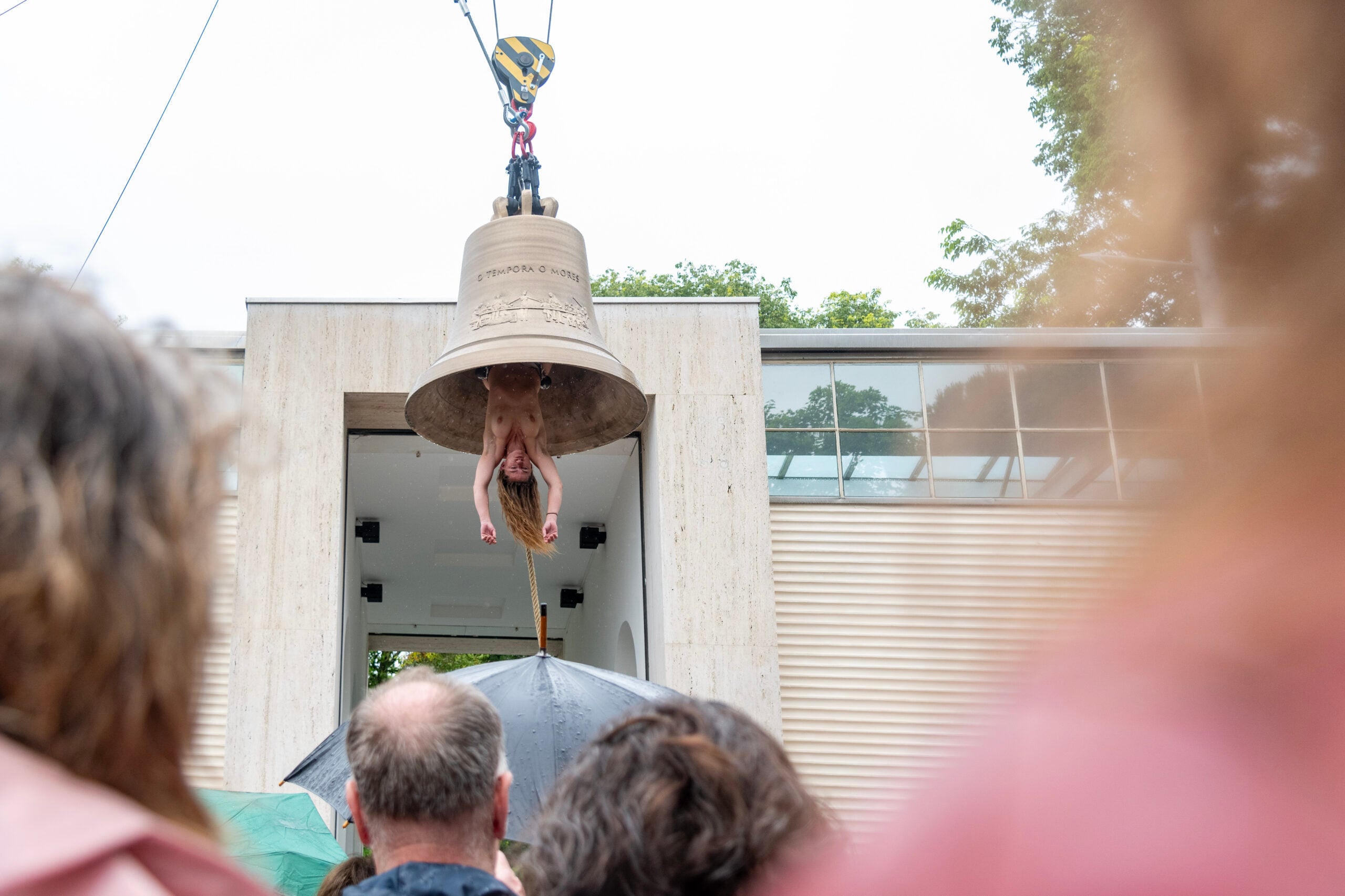
The 2026 Venice Biennale is defined by themes of ruin and decay, with standout national pavilions exploring bodily, infrastructural, and archaeological collapse. The Slovenian Pavilion features the Nonument Group repurposing materials from past Biennales into a ruin of a mosque for Bosnian Muslim soldiers from World War I. Syria presents its first national pavilion since the Civil War, with Sara Shamma invoking Palmyra, destroyed by ISIS. Germany's pavilion, titled "Ruin," features works by Henrike Naumann (who died in February) and Sung Tieu, questioning the pavilion's fascist architecture and nationalist residue. The Austrian Pavilion, curated by Florentina Holzinger, offers a visceral performance titled "Sea World." The Biennale is also marked by the abrupt resignation of its five-member jury, who refused to consider nations charged with crimes against humanity, leading to awards being chosen by public vote. Additionally, the main exhibition "In Minor Keys" was affected by the death of its curator, Koyo Kouoh.

An Unprecedented 24-Hour Strike Could Upend the Venice Biennale

An unprecedented 24-hour strike is set to interrupt the Venice Biennale's opening week on Friday, May 8, in protest of Israel's participation in the global art event. The action, organized by the activist group Art Not Genocide Alliance (ANGA), follows a letter signed by over 230 Biennale participants demanding Israel's exclusion. The strike has exposed divisions among participants, with some artists and pavilion teams weighing solidarity against the rare opportunity to platform their own political messages. The Slovenian pavilion, represented by Nika Grabar of the Nonument Group, has committed to the strike, while others like Ecuador's Tawna Collective remain undecided, balancing protest with their mission to highlight ecological crises in the Amazon.

First Impressions of a Venice Biennale Torn Apart by the Present

The 61st Venice Biennale, titled "In Minor Keys," opens amid turmoil: its curator Koyo Kouoh died of cancer during planning, and the festival jury resigned after a controversial statement about excluding Israel and Russia from prizes, replaced by a Eurovision-style people's choice award. The main exhibition, completed by a team of five collaborators using Kouoh's plans, features over 110 artists and collectives, with highlights including works by Big Chief Demond Melanchon, Tammy Nguyen, Guadalupe Maravilla, Ayrson Heráclito, and a section focused on Michael Armitage's Nairobi Contemporary Art Institute.

‘We are complicit’: Austrian artist Florentina Holzinger’s immersive Venice Biennale pavilion brings apocalypse to the city

Austrian artist Florentina Holzinger has created 'Seaworld Venice,' an immersive and confrontational installation for the Austrian Pavilion at the 2024 Venice Biennale. The work explores climate change, technology, and a dystopian flooded future, drawing comparisons to the 1995 film 'Waterworld'—though neither Holzinger nor curator Nora-Swantje Almes had seen it. Known for extreme performance art involving nudity, blood, live piercing, and heavy machinery, Holzinger's previous works have caused audience members to faint or require medical treatment. The pavilion marks a significant platform for her radical, hybrid practice that blends theatre, dance, opera, and performance art.

After His Untimely Death, Rutherford Chang’s Survey Rewrites What a Square Can Do

Rutherford Chang, who died last year at age 45, is the subject of a posthumous survey at UCCA Center for Contemporary Art Beijing titled "Hundreds and Thousands." The exhibition centers on Chang's socially engaged works that explore value, circulation, and systems through the deceptively simple form of the square. His best-known piece, "We Buy White Albums" (2013–25), involved amassing roughly one percent of the first pressing of the Beatles' "White Album," highlighting how objects accrue personal and economic worth through use and history. Other works include melting 10,000 copper pennies into a cube and assembling Wall Street Journal portraits from 2008 into a grid that captures a year of crisis and change.

Venice Biennale opening marked by protests

The 2026 Venice Biennale opened for professionals on Tuesday amid a series of protests, with more planned throughout the week. Around 60 artists from the exhibition "In Minor Keys" gathered at the Giardini for a collective action called "Solidarity Drone Chorus," inspired by Gazan composer Ahmed Muin's "Drone Song," to draw attention to genocide and war in Palestine. The Art Not Genocide Alliance (ANGA) organized a 24-hour strike for Friday 8 May, protesting Israel's participation. Pussy Riot staged a protest outside the Russian pavilion, and the Latvian pavilion launched a campaign against Russia's involvement. The protests follow a highly politicized lead-up, including calls for boycotts of the Russian, Israeli, and US pavilions, EU funding cuts over Russia's participation, and the resignation of the Biennale jury.

Dialing Up the Dollars: Giorno Poetry Systems Names Inaugural Recipients of New Need-Based Grant

Giorno Poetry Systems (GPS), the New York-based nonprofit founded in 1965 by artist John Giorno, has announced the twelve inaugural recipients of its new need-based grant, the Treat a Stranger grants. Each recipient receives an unrestricted grant of $4,545 to cover daily expenses like food, housing, health care, and emergencies. The grants are a relaunch of GPS's AIDS Treatment Project grants from 1984–1994, and are named after Giorno's mantra, “Treat a complete stranger with the same compassion you would treat a lover or a good friend.” Winners are selected by a rotating anonymous jury of LGBTQIA+ artists, poets, and musicians through a multi-meeting nomination and voting process.

Venice Biennale Swamped in Protests Ahead of Planned Strike

The Art Not Genocide Alliance (ANGA) has announced a 24-hour strike for Friday, May 8, coinciding with previews of the 2026 Venice Biennale, alongside a protest rally organized by local group Biennalocene and Italian trade unions. Earlier this week, sixty artists staged a sonic protest at the Giardini entrance to draw attention to the plight of those affected by genocide and war in Palestine and elsewhere. The Latvian pavilion has also encouraged attendees to wear a design by artist Krišs Salmanis reading “Death in Venice – Russia go home!” Meanwhile, dissident artists Pussy Riot stormed the Russian pavilion waving Ukrainian flags, and the entire 2026 Biennale jury resigned after the decision to exclude countries whose leaders are charged with crimes against humanity by the International Criminal Court from competing for top prizes.

Vancouver Art Gallery's "Future Geographies" Exhibit Explores How Art Responds to Climate Change

The Vancouver Art Gallery has opened "Future Geographies: Art in the Century of Climate Change," an exhibition curated by Eva Respini, the gallery's interim co-CEO and curator at large. Featuring over 30 artists and 35 works—including sculptures, paintings, video installations, and photographs—the show explores climate change through themes of living knowledge, consumed earth, speculative worlds, and material memory. Highlights include Brian Jungen's whale-skeleton sculpture made from plastic chairs and Clarissa Tossin's multimedia weaving of Amazon boxes. The exhibition also incorporates sustainability in its organization, using recycled cardboard for labels, overland shipping for loans, and commissioning local artists.

BLANCA DE LA TORRE Y EL “MUSEO ANFIBIO”: “A MÍ ME INTERESA EL PÚBLICO, NO NECESARIAMENTE LAS MASAS”

Blanca de la Torre, director of the Institut Valencià d’Art Modern (IVAM), discusses her concept of the "Museo Anfibio" (Amphibious Museum) in an interview for Artishock Revista's series on Ibero-American museum leaders. She proposes reimagining the museum as a relational institution that mediates between physical and symbolic territories, communities, and ecosystems, structured around two axes: Territories-Earth and Aquatic Environments. The interview is part of a series leading up to International Museum Day, with previous entries including Nicolás Gómez Echeverri of the Banco de la República de Colombia.

Venice Biennale’s jury resigns

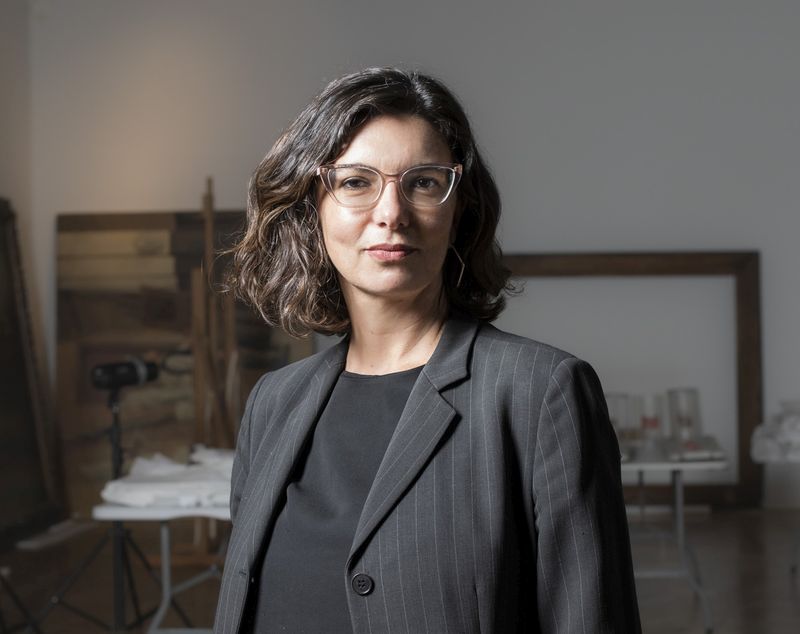
The entire jury of the 61st Venice Biennale, presided by Brazilian curator Solange Farkas and comprising four other curators, resigned just nine days before the exhibition's scheduled opening on 9 May 2026. The jury had announced it would not award prizes to countries whose leaders are charged with crimes against humanity by the International Criminal Court, a move widely understood to target Israel and Russia. In response, the Biennale's organisers cancelled the prize-giving ceremony and will instead award Golden Lions via a popular vote among ticketholders. The row escalated further when the Israeli representative, sculptor Belu-Simion Fainaru, accused the jury of discrimination and threatened legal action, prompting intervention from Italy's culture ministry.