filter_list Showing 139 results for "Crisis" close Clear
search
dashboard All 139 museum exhibitions 51article news 41article culture 20article policy 9article local 7rate_review review 6person people 3trending_up market 2
date_range Range Today This Week This Month All
Subscribe

Vancouver Art Gallery's "Future Geographies" Exhibit Explores How Art Responds to Climate Change

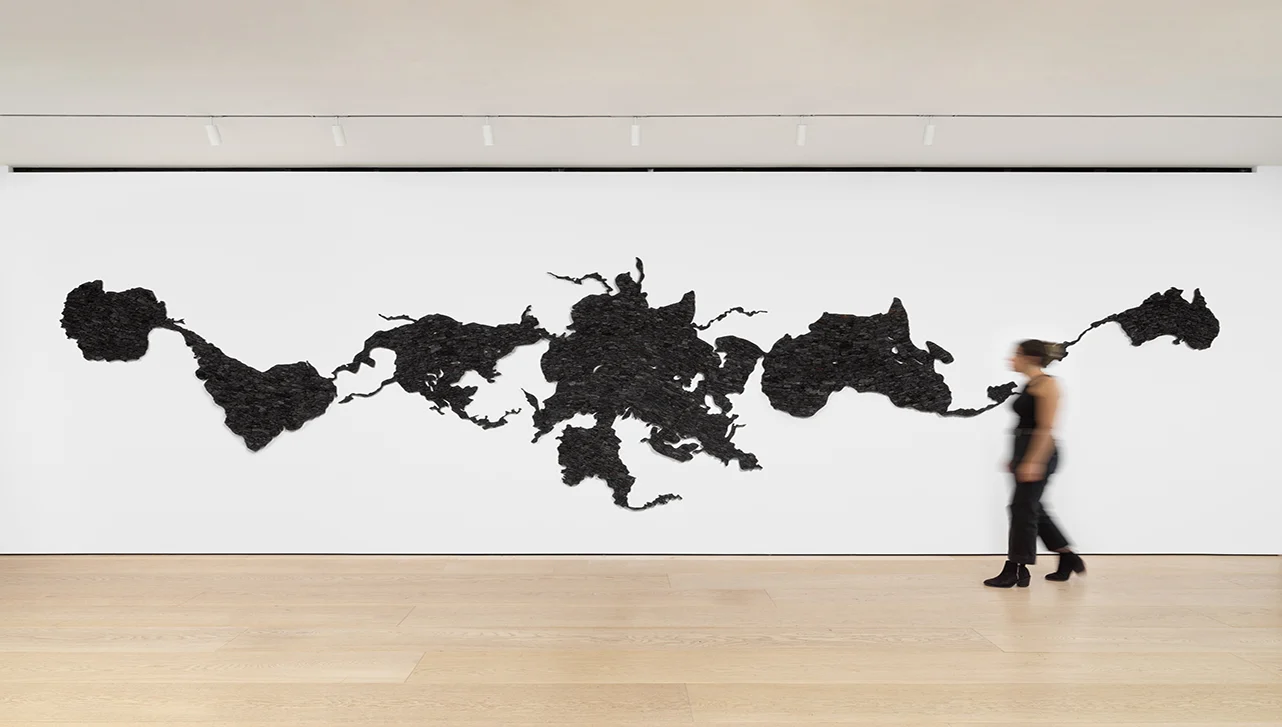
The Vancouver Art Gallery has opened "Future Geographies: Art in the Century of Climate Change," an exhibition curated by Eva Respini, the gallery's interim co-CEO and curator at large. Featuring over 30 artists and 35 works—including sculptures, paintings, video installations, and photographs—the show explores climate change through themes of living knowledge, consumed earth, speculative worlds, and material memory. Highlights include Brian Jungen's whale-skeleton sculpture made from plastic chairs and Clarissa Tossin's multimedia weaving of Amazon boxes. The exhibition also incorporates sustainability in its organization, using recycled cardboard for labels, overland shipping for loans, and commissioning local artists.
BLANCA DE LA TORRE Y EL “MUSEO ANFIBIO”: “A MÍ ME INTERESA EL PÚBLICO, NO NECESARIAMENTE LAS MASAS”

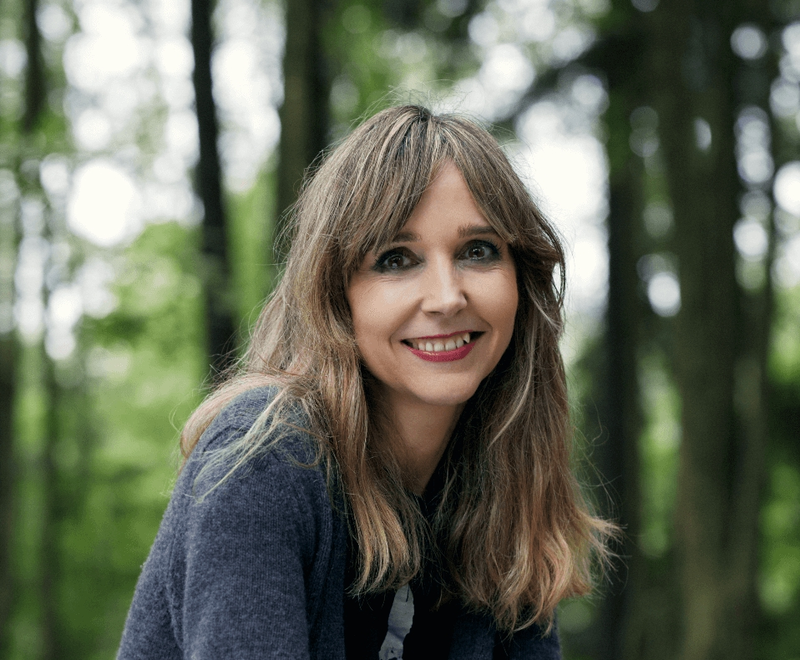
Blanca de la Torre, director of the Institut Valencià d’Art Modern (IVAM), discusses her concept of the "Museo Anfibio" (Amphibious Museum) in an interview for Artishock Revista's series on Ibero-American museum leaders. She proposes reimagining the museum as a relational institution that mediates between physical and symbolic territories, communities, and ecosystems, structured around two axes: Territories-Earth and Aquatic Environments. The interview is part of a series leading up to International Museum Day, with previous entries including Nicolás Gómez Echeverri of the Banco de la República de Colombia.

Venice Biennale’s jury resigns

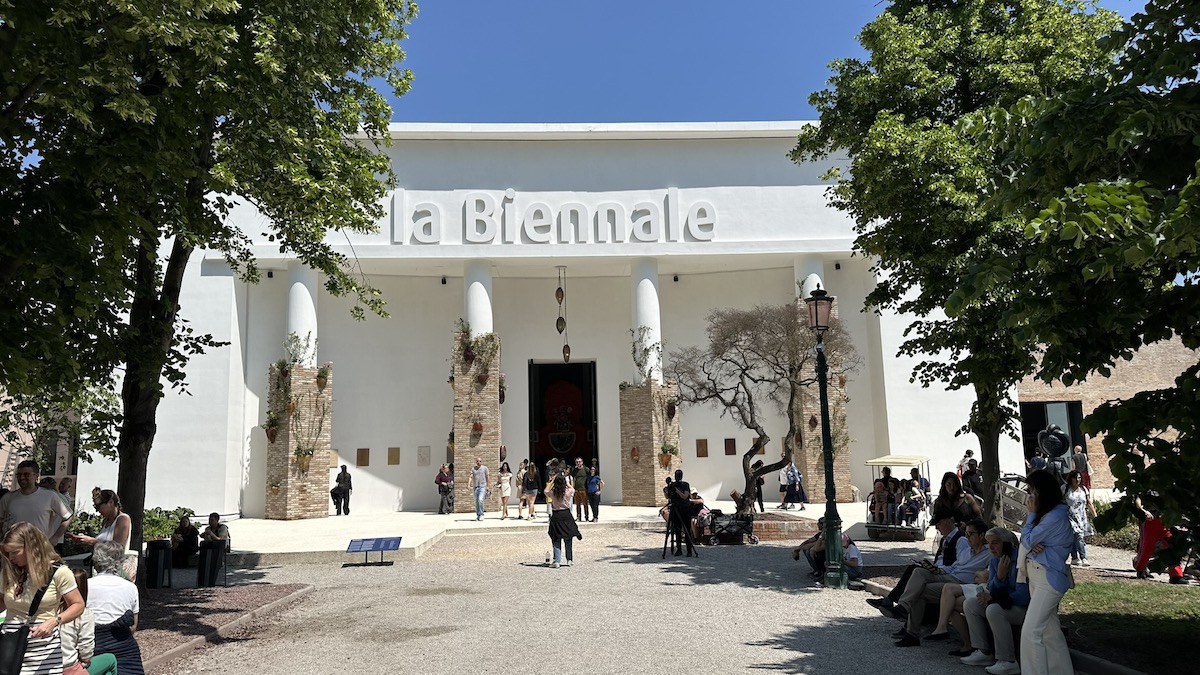
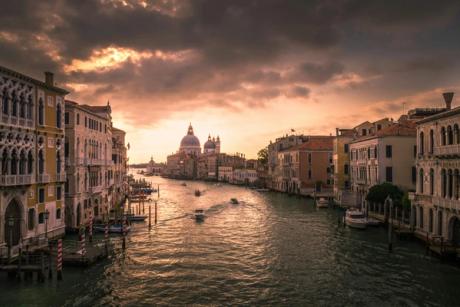
The entire jury of the 61st Venice Biennale, presided by Brazilian curator Solange Farkas and comprising four other curators, resigned just nine days before the exhibition's scheduled opening on 9 May 2026. The jury had announced it would not award prizes to countries whose leaders are charged with crimes against humanity by the International Criminal Court, a move widely understood to target Israel and Russia. In response, the Biennale's organisers cancelled the prize-giving ceremony and will instead award Golden Lions via a popular vote among ticketholders. The row escalated further when the Israeli representative, sculptor Belu-Simion Fainaru, accused the jury of discrimination and threatened legal action, prompting intervention from Italy's culture ministry.

Ten Political Statements By Artists At The 2026 Venice Biennale

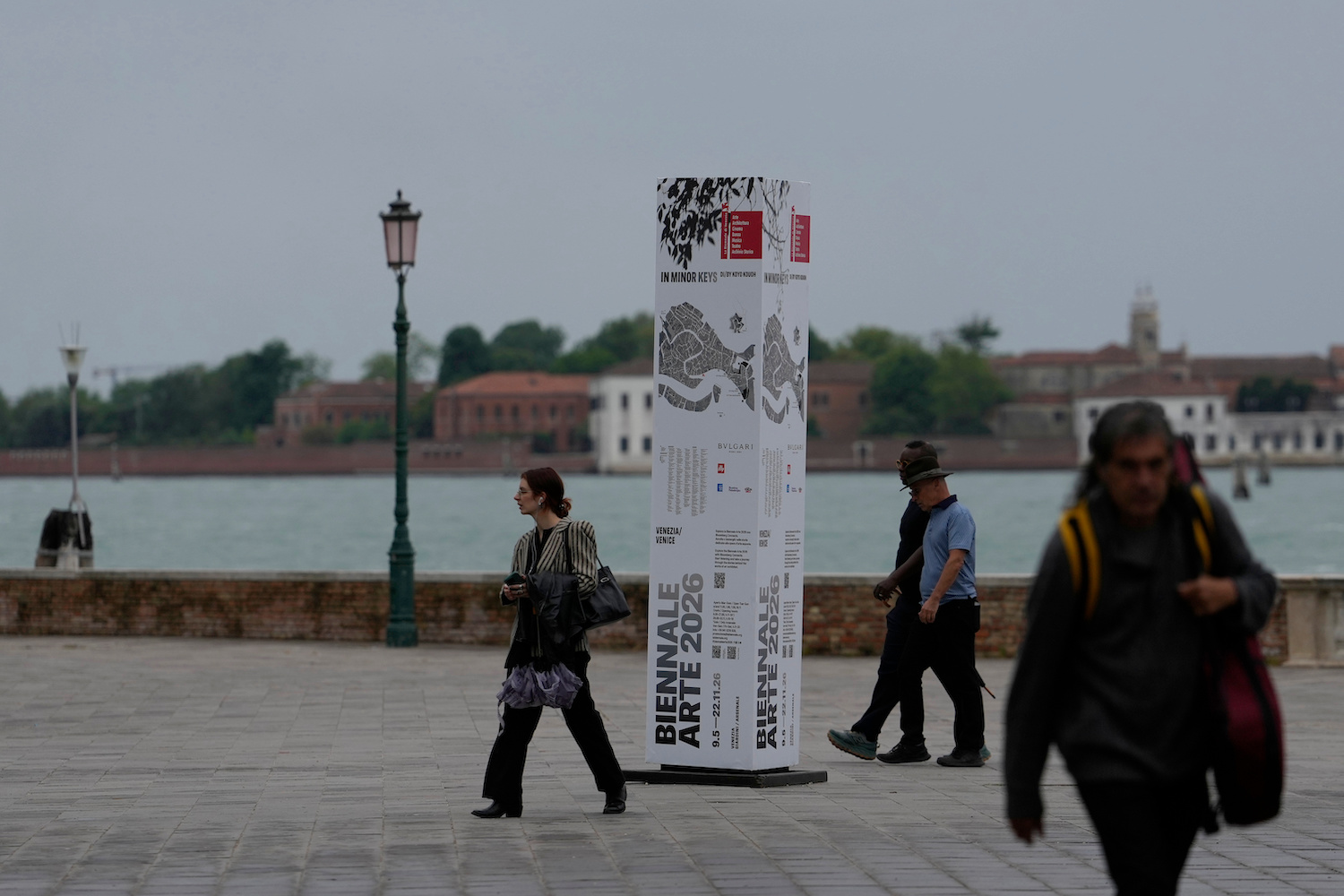
The 61st Venice Biennale opened with unprecedented political tension, set against the backdrop of the international jury's mass resignation, the death of curator Koyo Kouoh, Russia's closed pavilion, threats from the European Commission to withdraw funding, and Italy's culture minister boycotting the opening. The article highlights ten works and moments where art and power intersected most explicitly, including Alfredo Jaar's 'Red Room' installation in the Chilean pavilion confronting humanitarian crisis, and Ukraine's collateral event 'Still Joy' at Palazzo Contarini Polignac, which frames joy as an act of resistance amid war.

Vancouver exhibition explores global climate futures through art

The Vancouver Art Gallery, in partnership with Canada's National Observer, will open "Future Geographies: Art in the Century of Climate Change" on May 10, 2026. The exhibition, co-created by publisher Linda Solomon Wood and curator Eva Respini, features over 35 international artists including Ed Burtynsky, Huma Bhabha, Jean Shin, Clarissa Tossin, and Josh Kline. Works explore climate change through photography, sculpture, installation, and film, avoiding a doom-and-gloom tone in favor of poetic and thought-provoking approaches.

THE VENICE BIENNALE IN AN EDITION MARKED BY POLITICAL GAMES

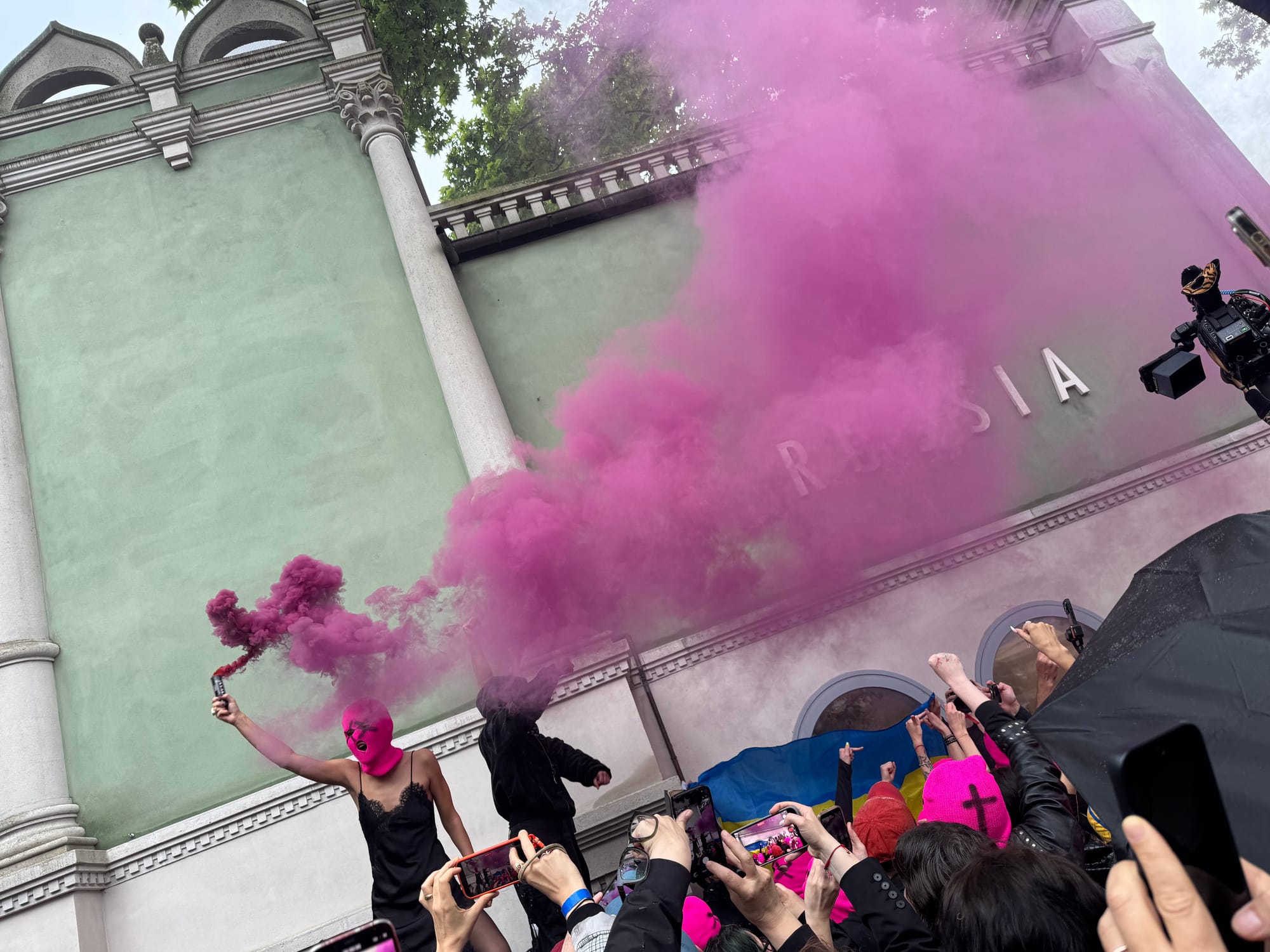
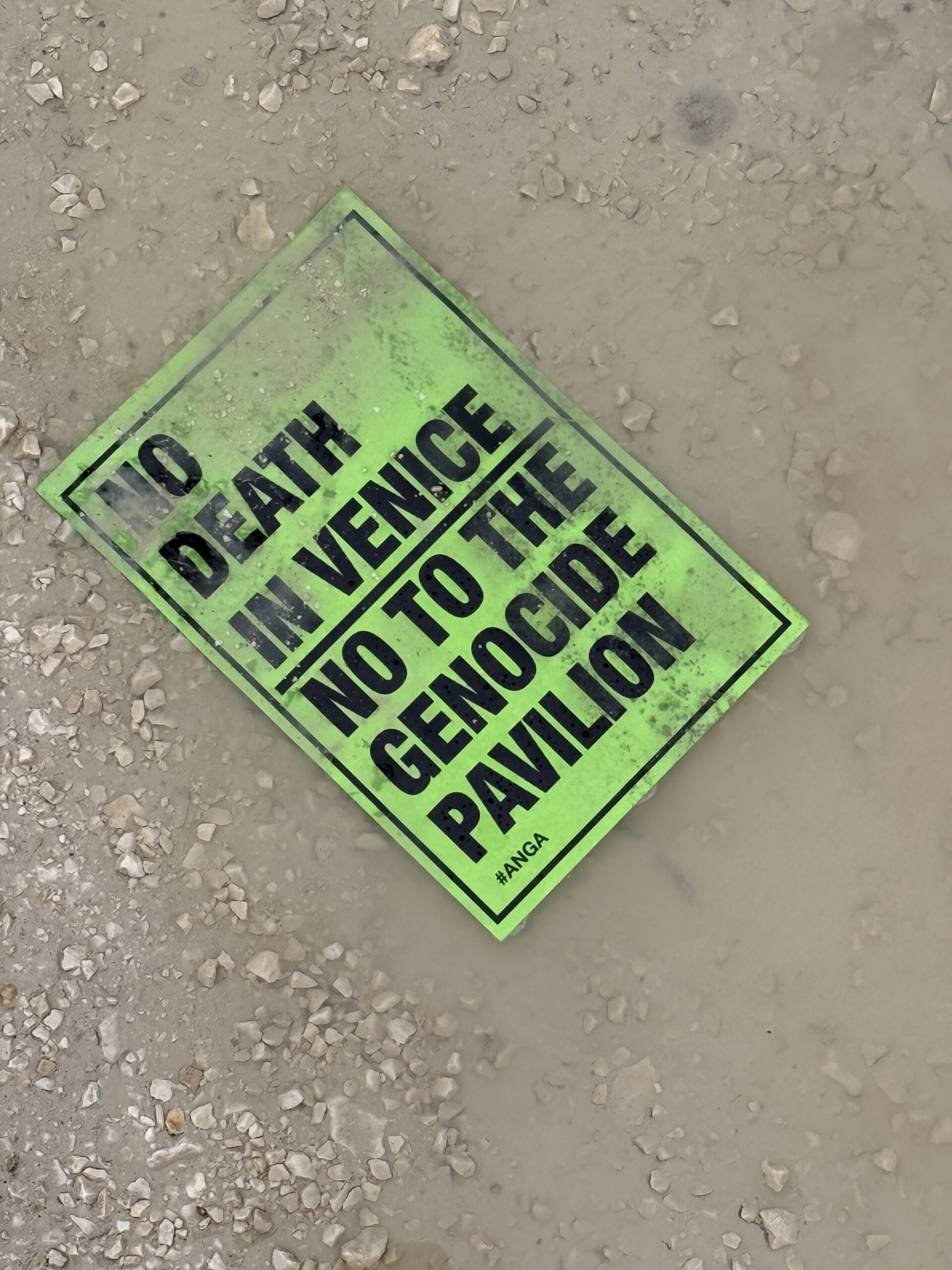
The Venice Biennale's 2024 edition is embroiled in political controversy surrounding its national pavilions, particularly those of Russia, South Africa, and Israel. The Russian pavilion's readmission amid the war in Ukraine drew sharp criticism from the artistic community and led the European Union to withdraw approximately two million euros in funding. The Israeli pavilion, which remained empty in 2024 to protest hostage situations, now features a proposal by sculptor Belu-Simion Fainaru, prompting protests from the Art Not Genocide Alliance and over 200 artists demanding its exclusion. The curatorial team, appointed by the late curator Koyo Kouoh, resigned collectively nine days before the opening, and the Biennale's directorship canceled the opening ceremony, postponing awards to November. Demonstrations led by Art Not Genocide Alliance, Pussy Riot, and FEMEN surrounded the Russian pavilion during the press opening, and a strike by cultural workers is planned for May 8th.

Corals as Living Geology. In Conversation with Julian Charrière by Timothée Chaillou

Julian Charrière has created two new bodies of work, *Chorals* (2025) and *Veils* (2025), in collaboration with Maison Ruinart. The projects are inspired by the Lutetian Sea, which submerged the Champagne region 45 million years ago, and explore themes of deep time, climate change, and the interconnectedness of organic and mineral life. *Chorals* is a permanent sound installation in Ruinart's cellars in Reims, featuring amplified recordings of ocean reefs, while *Veils* comprises wall works and sculptures centered on corals and fading coral imagery. The works travel to art fairs as preludes to the permanent installation.

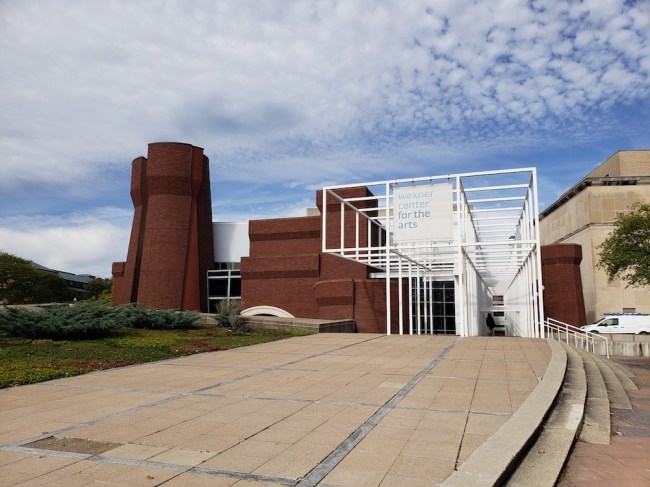
Workers Push to Rename Wexner Center for the Arts Over Epstein Ties

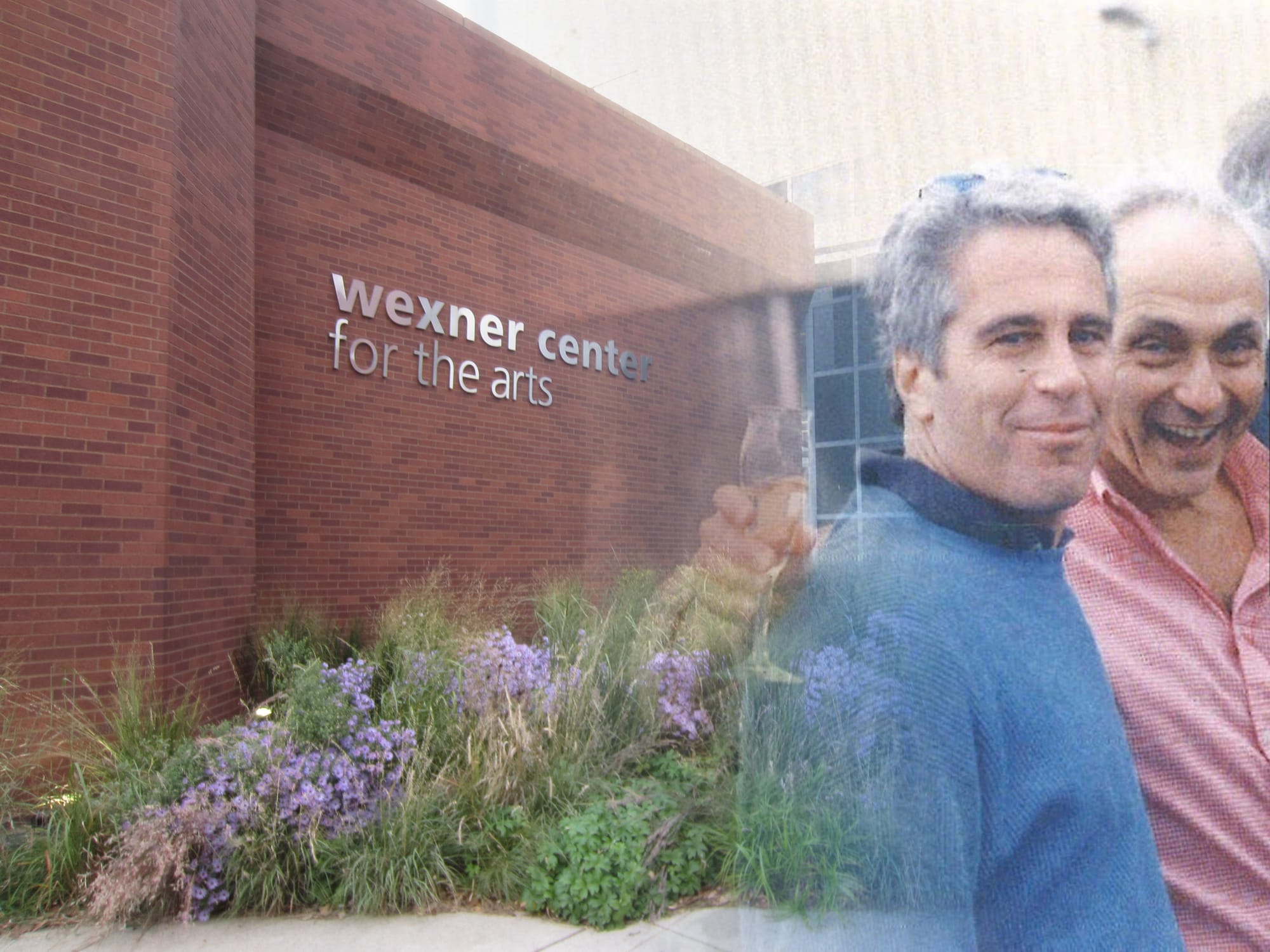
Unionized staff at Ohio State University's Wexner Center for the Arts, organized as Wex Workers United, have officially called for the renaming of the arts center and other campus buildings named after billionaire benefactor Les Wexner. The union argues that Wexner's name, due to his decades-long association with convicted sex offender Jeffrey Epstein—who had power of attorney over Wexner's fortune—harms artists and community members. The call follows similar demands from the Ohio Nurses Association regarding the Wexner Medical Center and ongoing student protests, including an April 10 action where students covered Wexner's name on the art center's façade with a black tarp. OSU spokesperson Chris Booker noted that over 500 renaming requests have been filed under the university's official review procedure, while OSU President Ted Carter has emphasized that name changes require fact-finding and cannot be based on supposition.

Marianne Vitale exhibition and performance in Pittsburgh

The Pittsburgh Cultural Trust presents "Marianne Vitale: On Liberty: A Summoning," an exhibition and performance project at SPACE gallery in downtown Pittsburgh, running from May 1 to October 11, 2026. Guest curated by Benjamin Tischer of New Discretions, the project explores the layered social and cultural history of the 818 Liberty Avenue building, a former hub of nightlife, performance, and queer gathering. Vitale's work incorporates sculpture, painting, film, and live activations, using decommissioned locomotive parts and industrial debris to engage with post-industrial America. The exhibition transforms into a functioning club during select Final Fridays, drawing on the site's history as home to venues like Pegasus Lounge, a key LGBTQ+ space during the AIDS crisis.

Sotheby’s Auction Raises Funds for Yale MFA Scholarships

The Yale School of Art is partnering with Sotheby’s to host an auction benefiting scholarships for its Master of Fine Arts program. The 13 lots, including works by Howardena Pindell, Josef Albers, Richard Prince, Mickalene Thomas, Do Ho Suh, and Barkley L. Hendricks, will be sold as part of Sotheby’s Contemporary Day Auction in New York on May 15. Estimates range from $5,000 to $700,000. Dean Kymberly Pinder, who has raised $13 million toward debt-free graduation since 2021, stated the auction supports a larger initiative to ensure MFA students graduate without debt.

Where to go for the next scandal?

Wo bitte geht's zum nächsten Skandal?

The article reports on the 2024 Venice Biennale preview days, where the atmosphere is dominated by political protests, media stunts, and social-media pressure rather than the art itself. Incidents include a solidarity drone choir for Gaza, a Pussy Riot and FEMEN protest at the Russian Pavilion, and a planned demonstration near the Israeli Pavilion, all amplified by PR agencies and WhatsApp alerts. A journalist describes being pressured by editors to cover scandals and political controversies instead of art reviews, which they say no longer attract clicks.

The Frigos in Danger

Les frigos en danger

The article reports on the deteriorating condition of Les Frigos, a historic artist studio complex in Paris that has been left neglected and abandoned. Once a vibrant hub for contemporary artists, the site now faces an uncertain future due to lack of maintenance and institutional support.

Protests and Shutdowns Engulf 61st Venice Biennale Opening

The 61st Venice Biennale preview week, opening to press and professionals ahead of its May 9 public launch, has been engulfed by protests and institutional crises. On May 5, around 60 artists from Koyo Kouoh's exhibition “In Minor Keys” staged a Solidarity Drone Chorus outside the Giardini, drawing on Gazan composer Ahmed Muin's Drone Song (2025) to highlight victims of warfare. On May 6, the Art Not Genocide Alliance (ANGA) organized protests outside Israel's pavilion at the Arsenale, leading to a security-enforced closure, while Pussy Riot and FEMEN demonstrated outside the Russian pavilion. The jury resigned on April 30 after controversy over award eligibility tied to ICC arrest warrants, prompting the Biennale to scrap Golden Lions and transfer prize voting to the public. Iran withdrew its pavilion on May 4, and Russia's will close on May 9, with only exterior video projections remaining. ANGA and Italian unions have announced a 24-hour strike on May 8.

Museo de Arte Moderno de Bogotá's director departs amid accusations she harassed staff

The Museo de Arte Moderno de Bogotá (Mambo) is in a leadership crisis after its director, Martha Ortiz, resigned amid accusations of harassment and creating a toxic work environment. Her departure follows the dismissal of artistic director Eugenio Viola in February, which sparked an open letter signed by over 140 cultural figures demanding transparency. The museum's board chair, Ángela Royo, and financial manager Francy Hernández are temporarily overseeing operations while searches for both director and artistic director are underway.

‘My Year in Paris with Gertrude Stein’ by Deborah Levy, Reviewed

Deborah Levy’s latest novel, *My Year in Paris with Gertrude Stein*, follows a first-person narrator who travels to Paris to research the American writer and collector Gertrude Stein. The narrative slips between the early twentieth century and the autumn of Donald Trump’s 2024 reelection, using stream-of-consciousness prose and liquid metaphors to blur past and present. The narrator’s research into Stein’s role in shaping modernity becomes a vehicle for exploring her own sense of helplessness and lack of agency in a hyperconnected, war-weary present.

Ten artists serving life have a story to tell. It’s on the walls of this Center City art gallery.

Ten artists serving life sentences at SCI-Phoenix, a Pennsylvania state prison, have their work on display at Morton Contemporary Art Gallery in Philadelphia in an exhibition titled "The Weight of Time." The show is co-curated by artist Keith Andrews, who has been incarcerated for nearly 30 years, and gallerist Debbie Morton. Andrews' painting "Defiant Mercy" explores themes of time, isolation, and confinement, reflecting his own experience. The exhibition includes nearly 50 works by ten artists, each accompanied by biographies detailing their lives inside and outside the carceral system.

America’s Museums Have a Building Problem

A new report from the Government Accountability Office, analyzed by The Art Newspaper, reveals that roughly 85 percent of American museums are dealing with deferred maintenance or major repair needs, and about 77 percent have at least one structural issue that could endanger their collections. Many of the country's 16,700 museums are small, under-resourced operations housed in aging or historic buildings, with half reporting over $100,000 in deferred maintenance. Basic repairs like roofs or HVAC systems can consume large portions of annual budgets, forcing some institutions to store artworks in makeshift spaces like garages or bathrooms.

No money, more problems: 85% of US museums in urgent need of building repairs

A recent survey by the US Government Accountability Office (GAO) found that approximately 85% of US museums face a costly backlog of maintenance or building repairs, with 77% having at least one structural issue that puts their collections at risk. Based on a survey of around 300 museums and 17 site visits, the report reveals that institutions across the country struggle to keep buildings updated and safe due to a lack of funding, with challenges especially pronounced in rural and remote locations where shipping materials and finding skilled workers is prohibitively expensive. Many museums are housed in historic homes or sites that are part of their collections, adding further complexity, and smaller museums often lack the budget to address major problems like new roofs or HVAC systems.

Total Museum's 'Somebody Has to Collect It' examines collecting as a responsibility

The Total Museum of Contemporary Art in Seoul has opened "Somebody Has to Collect It," an exhibition featuring works from the collection of French art collectors Catherine and Renato Casciani. Running from April 30 to May 31, the show marks the couple's first major presentation in Korea and inaugurates the museum's new "Collector/tion" project, which reframes collectors not as buyers but as actors at the intersection of capital, memory, and value-making. The exhibition includes 22 artists and collectives, with a focus on video art addressing themes such as precarious labor, state violence, colonial inheritance, climate crisis, and queer intimacy. It is also an official program of the 140th anniversary of diplomatic relations between Korea and France.

Media Artist Transforms Climate, AI Data into Immersive Art

Media artist Kang Lee-Yeon delivered an immersive lecture at the TED 2026 main stage in Vancouver, using a 30-meter screen to visualize climate change and AI data. She then opened her solo exhibition 'Illumination' at Fondation Fiminco in Paris for the 140th anniversary of Korea-France relations, while also debuting works at Milan Design Week and the Loop Plus media art fair in Busan. Her projects include 'Passage of Water', created with Google and NASA, which translates satellite data into an immersive experience about Earth's freshwater crisis.

Wexner Center for the Arts Workers Call for Institution to Be Renamed Over Top Funder’s Epstein Ties

Unionized workers at the Wexner Center for the Arts in Columbus, Ohio, have demanded that the institution remove the name of top funder Les Wexner from its moniker, citing his close ties to convicted pedophile Jeffrey Epstein. In a letter to Ohio State University leadership, Wexner Workers United (WWU) argued that Wexner’s name on the building harms the center’s mission and community trust. Wexner, a billionaire retail magnate and art collector, donated $25 million to the center’s construction in the 1980s and has been mentioned over a thousand times in the Epstein Files; Epstein victim Virginia Giuffre named Wexner as among those she was trafficked to, though Wexner denies the allegations.

Seattle Art Museum Workers Announce Unionization

More than one hundred employees at the Seattle Art Museum (SAM) announced their intent to unionize on May 13, delivering a letter to museum director and CEO Scott Stulen. Organizing as Seattle Art Museum Workers United (SAMWU) under the Washington Federation of State Employees/AFSCME Council 28, the staff—spanning over twenty departments—cited unsustainable wages, subpar health benefits, and top-down decision-making as key issues. They filed for an election with the National Labor Relations Board but will withdraw the petition if the museum voluntarily recognizes the union by May 27. Stulen acknowledged receipt of the letter and committed to good-faith negotiations.

The Craziest Venice Biennale Ever: One Week Before Opening, the Jury Resigns (The Public Will Decide the Lions!)

La Biennale di Venezia più pazza di sempre: a una settimana dall’apertura si dimette la giuria (I Leoni li deciderà il pubblico!)

The entire international jury of the 61st Venice Biennale has resigned en masse just one week before the opening. The jury, chaired by Solange Oliveira Farkas and including Zoe Butt, Elvira Dyangani Ose, Marta Kuzma, and Giovanna Zapperi, had publicly announced they would not consider countries whose leaders are accused of crimes against humanity by the International Criminal Court—effectively excluding Russia and Israel from the Golden Lion competition. This decision came amid ongoing tensions between Italian Culture Minister Alessandro Giuli and Biennale President Pietrangelo Buttafuoco over Russia's participation, as well as controversy surrounding Israel's presence. After a meeting with Buttafuoco, the jury resigned, leaving the Biennale without a key body to award its top prizes.

In Seine-Saint-Denis, the clever housing for migrants by architect Patrick Rubin

En Seine-Saint-Denis, les logements futés pour les migrants de l’architecte Patrick Rubin

Architect Patrick Rubin of the firm Canal has transformed the former National Road Information Center, known as Bison Futé, in Rosny-sous-Bois (Seine-Saint-Denis) into a housing complex for 169 migrants. The project, commissioned by social landlord Batigere Habitats Solidaires, preserves the original 1986 half-moon building by Ludwik Peretz and Gilbert Delecourt, adding a new floor and a rear half-crown structure. Rubin used 79 prefabricated modules (17–25 m² each), built in workshops near Lyon, each equipped with a bed, kitchenette, bathroom, and window. Inspired by ship cabin manufacturing in Dunkirk and traditions of tiny houses and capsule hotels by Charlotte Perriand, Herman Hertzberger, and Shigeru Ban, the modules were craned into place. The project faced delays due to differing tolerances between concrete and wood construction, pushing delivery from early 2026 to late 2026.

Four Dozen Artists Celebrate Marine Wildlife and Lore in ‘Common Waters’

Arch Enemy Arts in Philadelphia is presenting 'Common Waters,' a group exhibition running from June 5 to July 5, featuring 60 artists from around the world. The show celebrates marine wildlife and lore through square-format works that range from fantastical depictions of coral-haired sirens and octopuses to miniature paintings and sculpted paper reliefs of sea turtles. A portion of sales proceeds will be donated to PangeaSeed, a non-profit that uses art to advocate for ocean conservation.

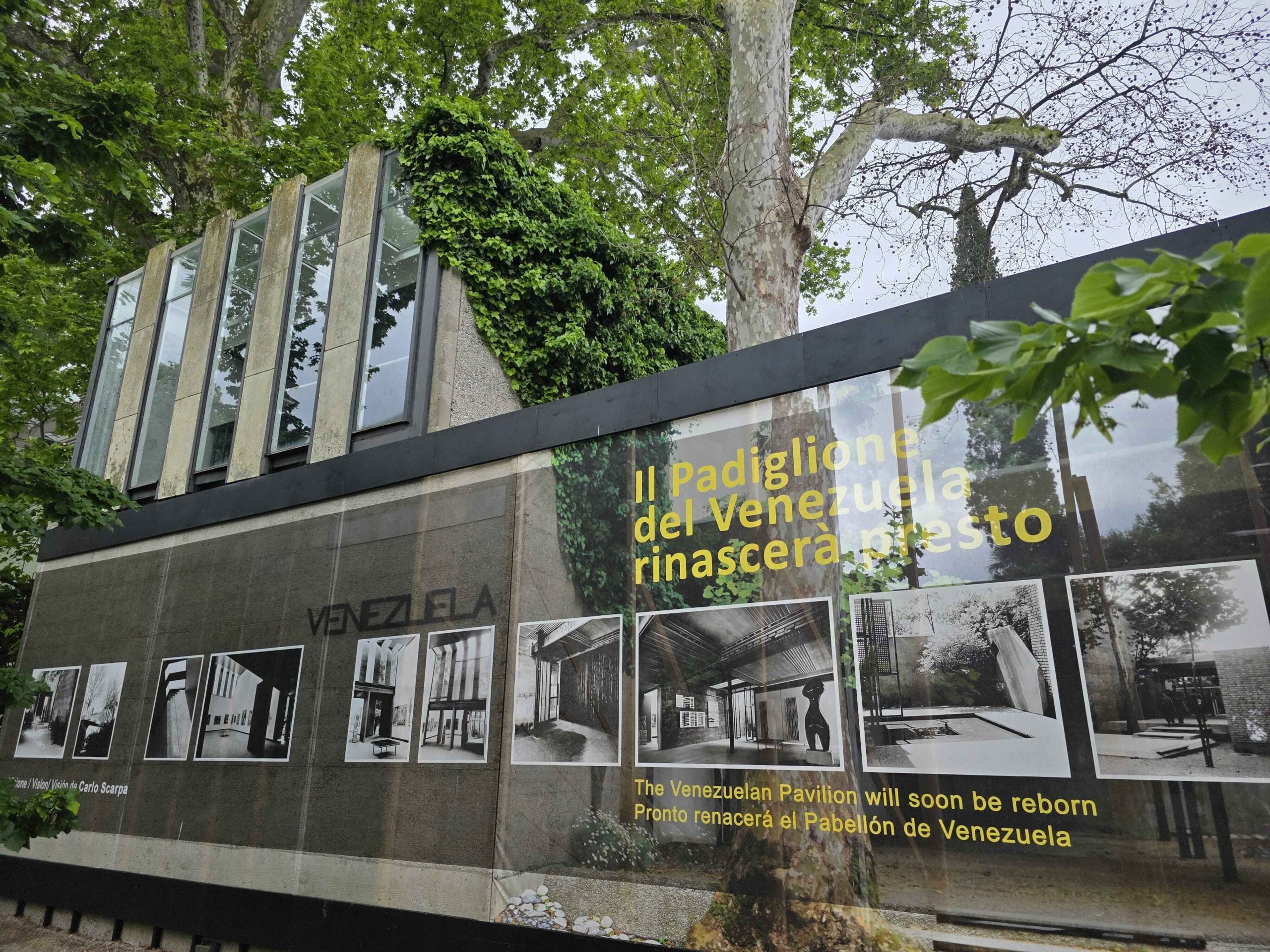
There is an absent pavilion at the 2026 Venice Art Biennale that no one has talked about: Venezuela

C’è un padiglione assente alla Biennale d’Arte di Venezia 2026 di cui nessuno ha parlato: il Venezuela

The Venezuelan pavilion at the 2026 Venice Art Biennale remains closed, an absence that has gone largely unnoticed amid other controversies surrounding the Russian, Israeli, South African, and Iranian pavilions. Designed by architect Carlo Scarpa and built between 1953 and 1956, the pavilion now displays a trilingual sign stating it will "rise again soon," reflecting the country's collapse after the kidnapping and imprisonment of President Nicolás Maduro by the United States and the installation of a fragile pro-American interim government.

A Collection Built Through Exchange. “Gifts of Friendship” at the Muzeum Sztuki in Łódź.

The Muzeum Sztuki in Łódź is opening an exhibition titled "Gifts of Friendship" on 15 May, featuring nearly 150 works donated to the museum between 2024 and 2026 by some 80 artists from dozens of countries. The exhibition, curated by Barbara Piwowarska, traces the museum's origins to the 1920s when avant-garde artists like Władysław Strzemiński and Katarzyna Kobro built the International Collection of Modern Art through artist-to-artist gifts, bypassing market logic. The current show responds to the institution's recent crisis by turning again to the artistic community for support, resulting in a wave of donations that reaffirm the museum's founding ethos.

Venice Biennale Opens Amid Strikes, Protests and Institutional Rupture.

The 61st Venice Biennale opened in May 2026 amid strikes, protests, and political unrest, rather than celebration. Coordinated by Italian labor groups and transnational coalitions, demonstrators targeted the Biennale's decision to allow participation by Israel and Russia during the ongoing wars in Gaza and Ukraine. The Art Not Genocide Alliance (ANGA) led protests against Israel's participation, while Pussy Riot and FEMEN activists staged a protest outside the Russian pavilion. The Israeli pavilion's relocation from the Giardini to the Arsenale added symbolic weight, with critics viewing it as institutional endorsement. The late curator Koyo Kouoh's vision for the exhibition, titled "In Minor Keys," emphasized tenderness and complexity, contrasting with the volatile atmosphere.

Performance Cuts Through the Noise at the Venice Biennale

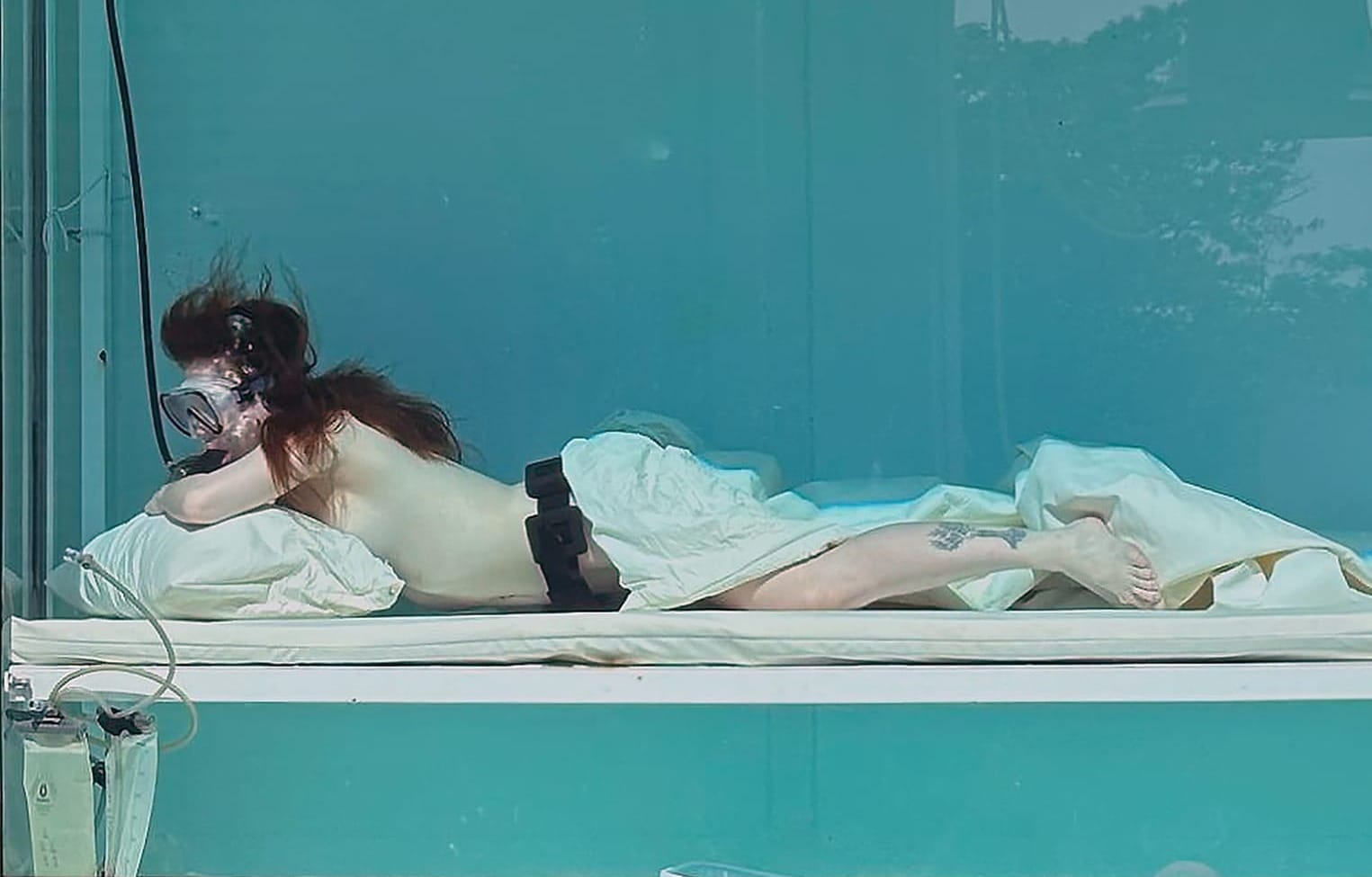
Florentina Holzinger and Miet Warlop have transformed the Austrian and Belgian pavilions at the 2026 Venice Biennale into immersive, performance-driven spectacles. Holzinger's "SEA WORLD VENICE" floods the Austrian pavilion with water and urine, featuring jet-skiing, suspended performers, and participatory toilets, while Warlop's "IT NEVER SSST" turns the Belgian pavilion into a chaotic arena of tile-throwing, chanting, and dancing. Both works demand sustained attention amid a fraught Biennale marked by the death of artistic director Koyo Kouoh, canceled pavilions, boycotts, and a jury resignation.

CalArts President Booed During Commencement Speech

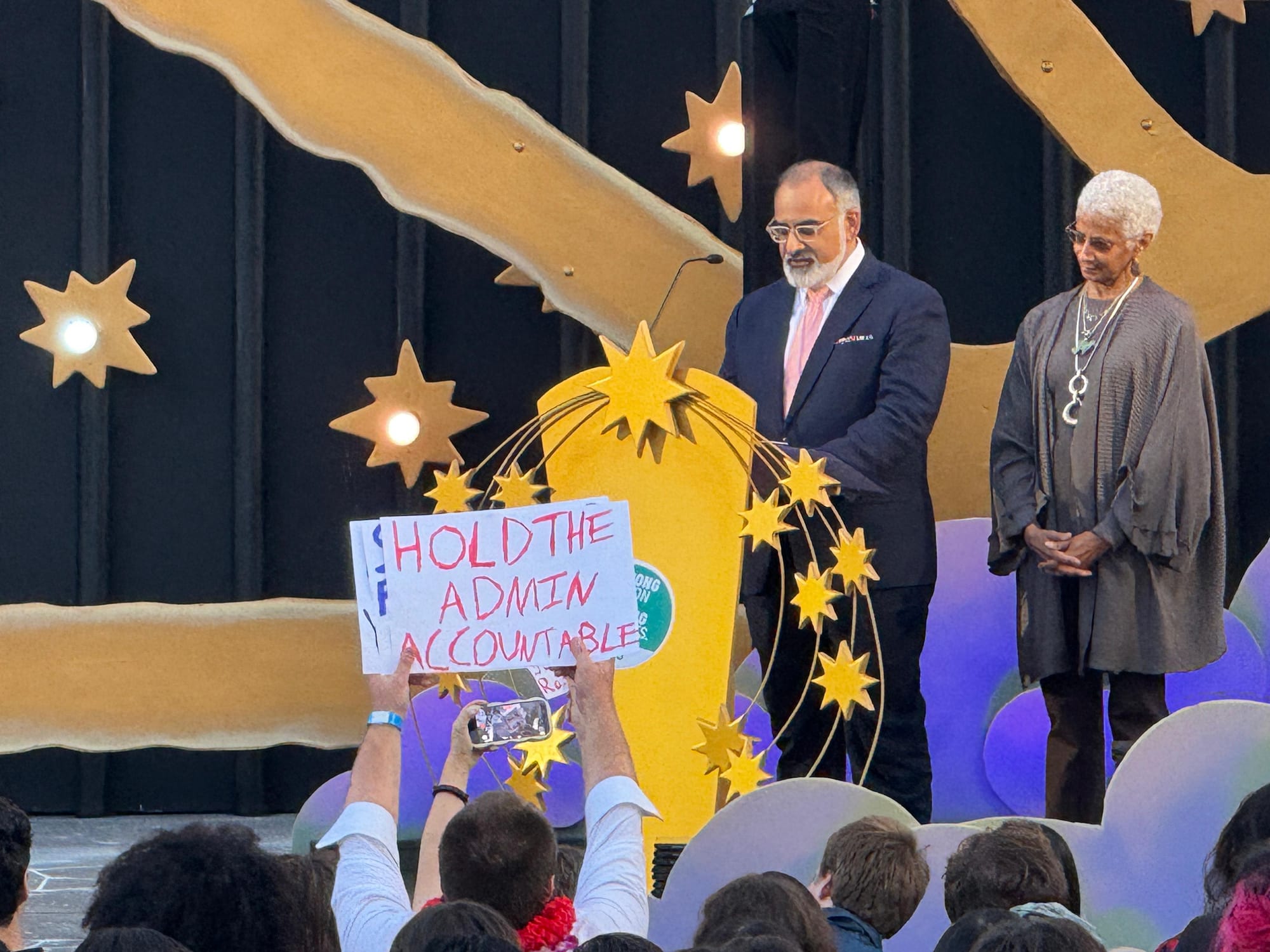
California Institute of the Arts (CalArts) President Ravi S. Rajan was loudly booed by students during the school's commencement ceremony on May 15, as they held signs reading “Hold the Admin Accountable” and “Save Our Faculty & Staff.” The protest stemmed from ongoing financial turmoil at the esteemed art school, including a multi-million-dollar budget deficit, significant staff and faculty layoffs, and a decline in enrollment from 1,500 to roughly 1,200. Despite Rajan's attempts to redirect focus to the graduates, the booing persisted, and board chair Charmaine Jefferson unsuccessfully appealed for calm. The incident follows a broader crisis at CalArts, where over 75% of staff sought to unionize in 2024, and faculty held a “Chop from the Top” rally in March against proposed $5 million in cuts.