filter_list Showing 50 results for "Demolition" close Clear
search
dashboard All 50 museum exhibitions 20article news 14article policy 11article local 3article culture 2
date_range Range Today This Week This Month All
Subscribe

Azerbaijan Destroys Armenian Holy Mother of God Church in Artsakh

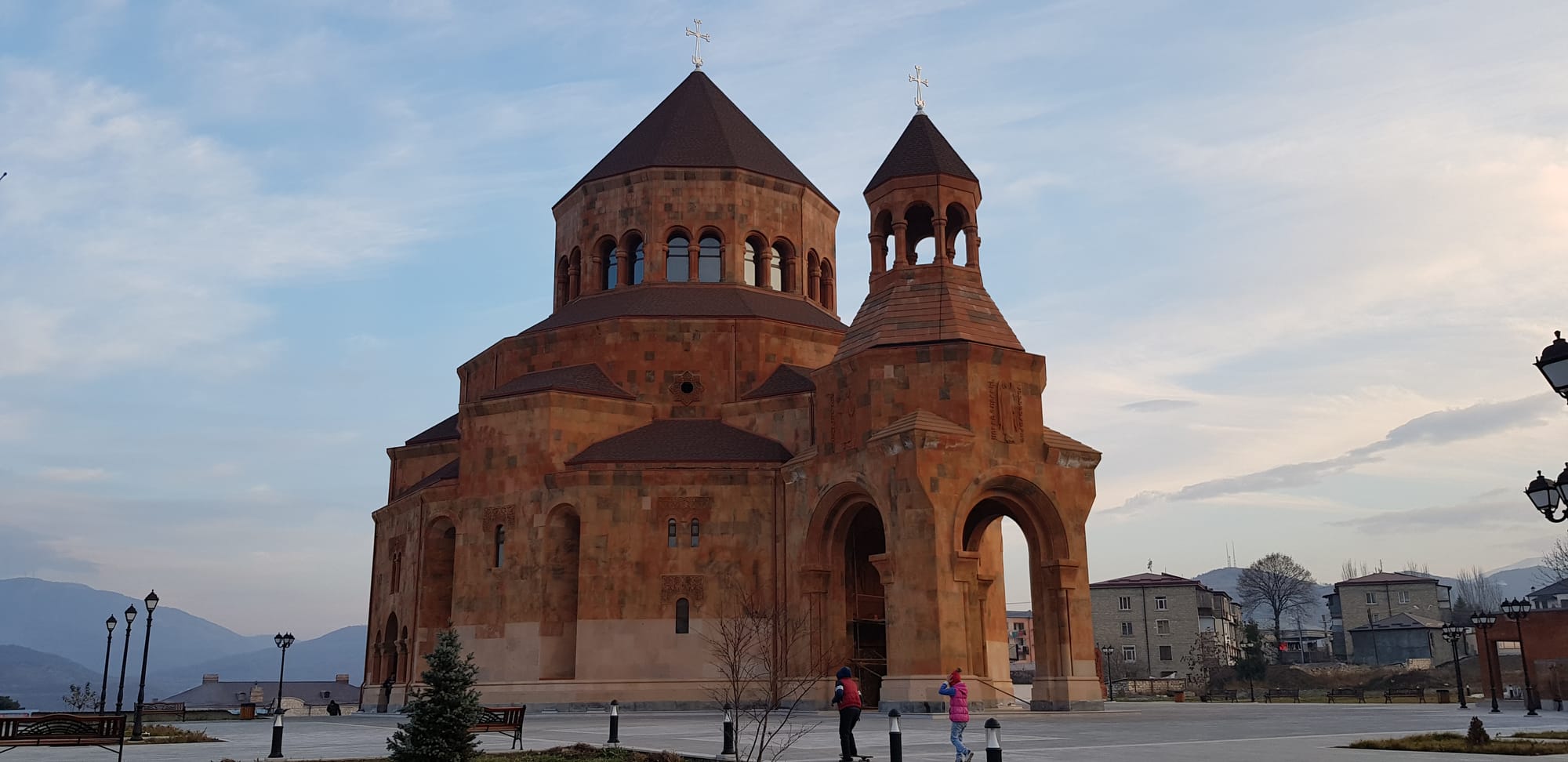
Satellite imagery obtained by Caucasus Heritage Watch (CHW) confirms that the Azerbaijani regime has demolished the Holy Mother of God Church in Stepanakert, the former capital of the Republic of Artsakh (Nagorno-Karabakh). The church, consecrated in 2019 after 12 years of construction, was destroyed within the last eight weeks, as evidenced by Sentinel-2 satellite images from March 3 and April 2. The Artsakh Tourism and Cultural Development Agency announced the destruction on April 21, three days before the 111th anniversary of the Armenian Genocide. This demolition follows a pattern of damage to Armenian religious and cultural sites since the forced displacement of over 130,000 Armenians in September 2023.
Heritage experts call for international task force to plan Palmyra rebuild

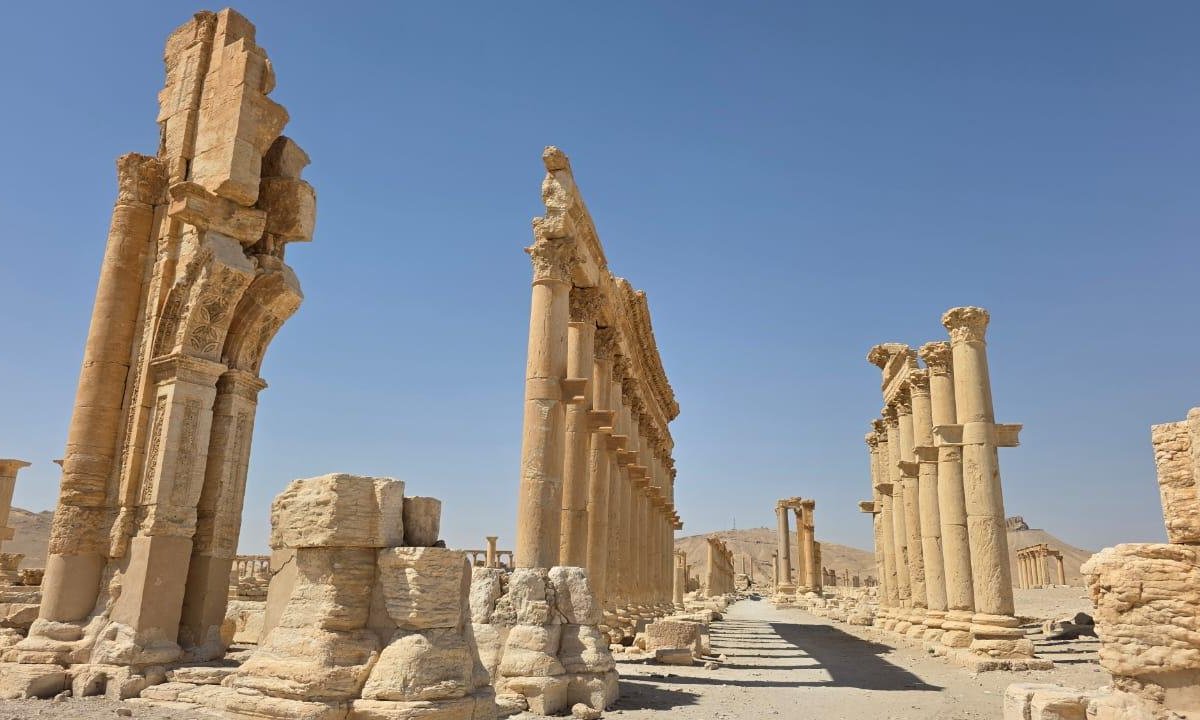
Heritage experts, antiquities officials, and Syrian community members convened at a conference organized by the University of Lausanne and the Aliph foundation in Switzerland, marking the first comprehensive international meeting on Palmyra since the fall of Bashar Al Assad's regime in 2024. The group issued recommendations including the creation of an international expert task force to work toward removing Palmyra from the UNESCO List of World Heritage in Danger, and outlined three key priorities: rehabilitating the looted and damaged Palmyra museum, restoring artefacts currently held at the Damascus Museum, and repairing the foot bridge to the site. Aliph executive director Valery Freland aims to begin work in January 2026.

Delhi exhibition highlights India's controversial slum redevelopments

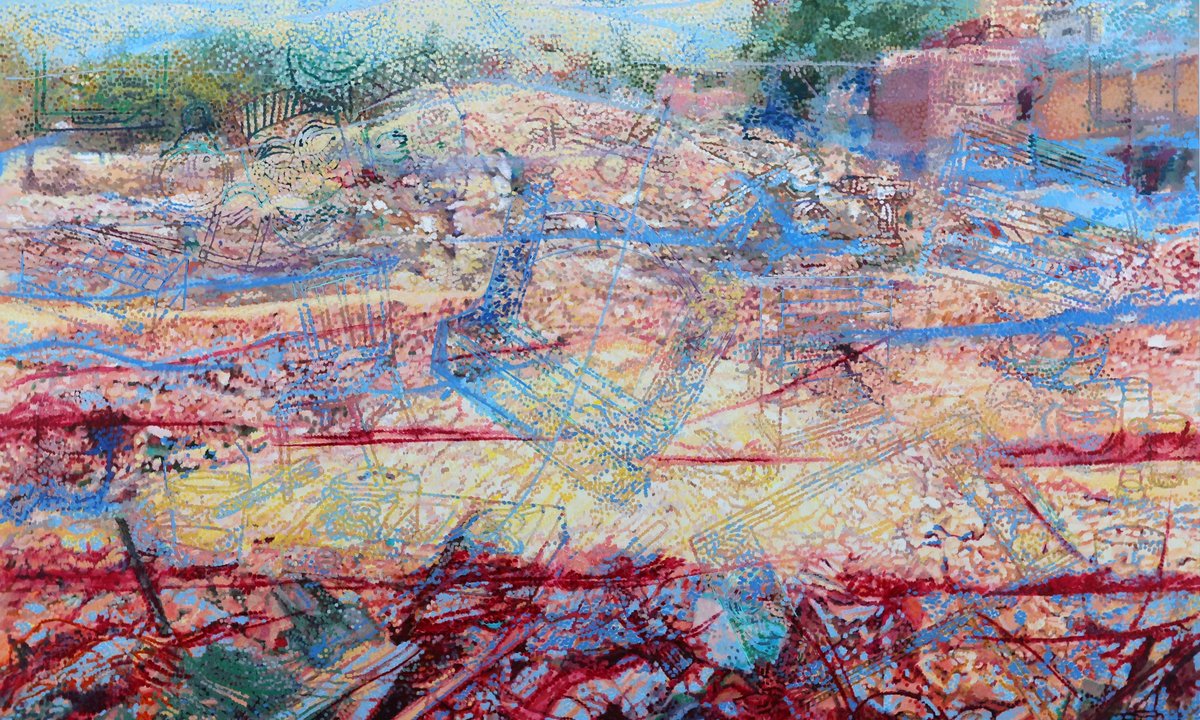
Artist Paribartana Mohanty's solo exhibition "I Rescued Speed Altogether" at Delhi's Shrine Empire gallery presents 12 paintings and three moving-image works created over eight years of documenting the demolition of the Kathputli art colony, a historic slum cluster in west Delhi known for its street performers. The works, mounted on found objects like glue cans and plastic, focus on the objects and landscapes left behind after demolitions, with human figures absent from the canvases. Mohanty's title comes from his three-year-old son's triumphant statement after learning to pedal a bicycle, which the artist sees as an absurd phrase fitting for what he calls the "absurd acts" of demolition.

Animated Bodies

Animierte Körper

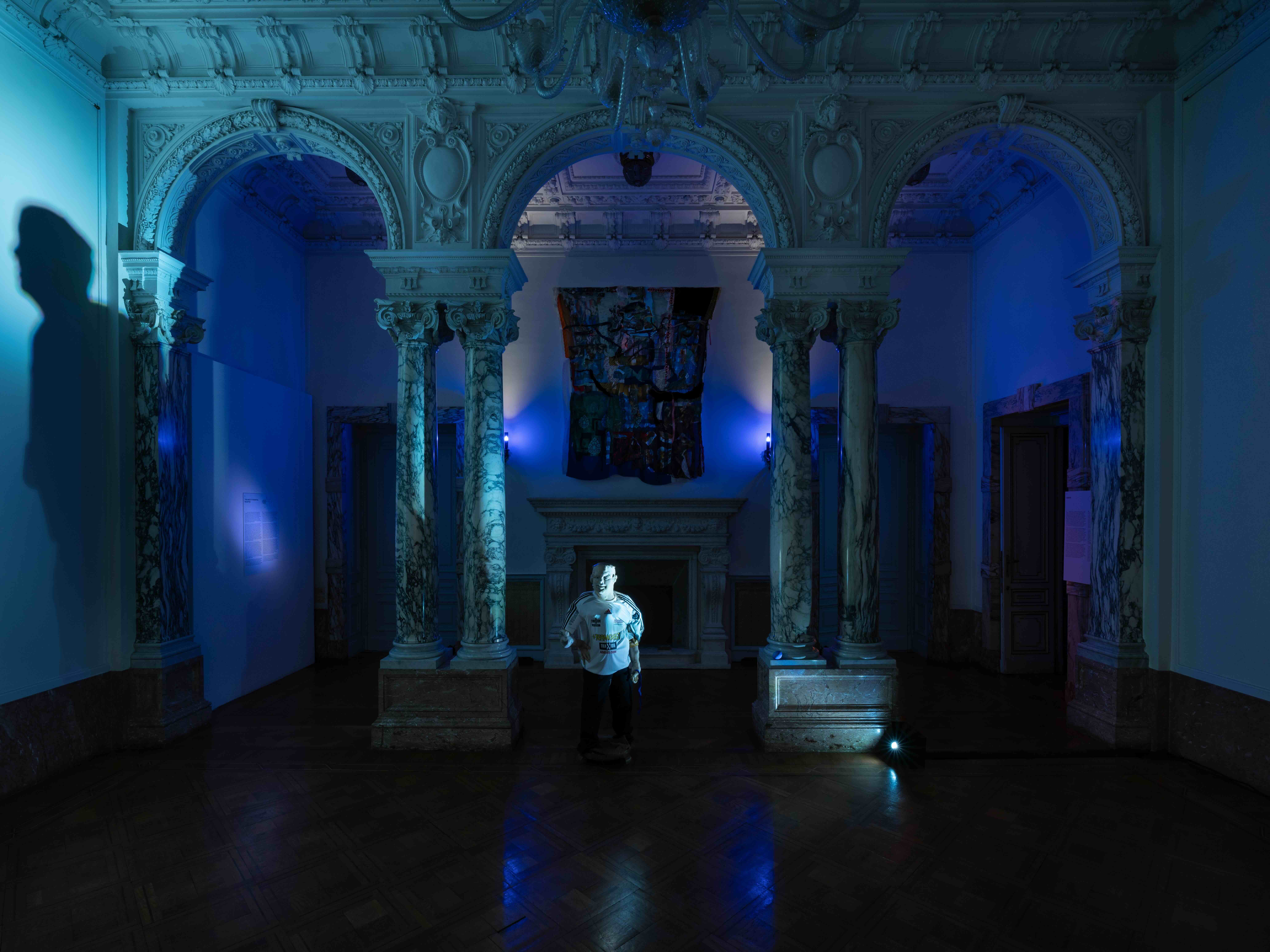
Latefa Wiersch presents her exhibition "Atlas Studios" at the Istituto Svizzero in Rome, featuring unsettling, puppet-like sculptures that resemble film sets. The works explore themes of bodily helplessness, imperfection, and geopolitical displacement, drawing on her earlier project "Hannibal" at the Dortmunder Kunstverein, which addressed post-migrant German realities and the demolition of a housing complex. The new installation references the Atlas Studios in Ouarzazate, Morocco, and the history of cinema, with figures made from rags and nylon stockings that appear as actors or set workers.

Zurich: Peripheral Presence. by Tibor Bielicky and Ellena Ehrl

Zurich’s urban landscape is defined by functionalist structures from the 1990s and early 2000s that serve as the 'understated backdrop' to daily life. These buildings, including the Signal Box by Gigon Guyer and the Telecap 2000 by Hans Ulrich Imesch, act as navigational markers at the city’s geographic choke points. Despite their significance in shaping the city's rhythm and internal choreography, many of these structures are now reaching the end of their first lifecycle and face the threat of demolition due to real estate speculation.

Underground Railroad stop in New York threatened by real-estate development

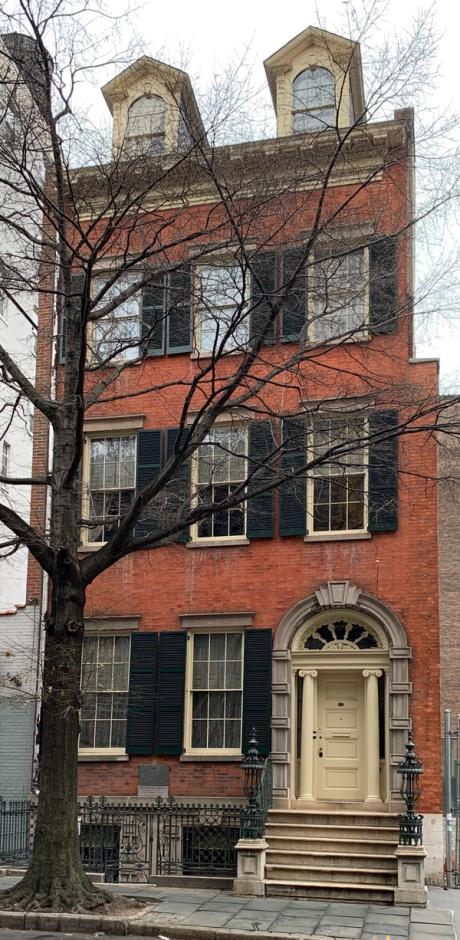
A hidden chute within the Merchant's House Museum in Manhattan, identified as a rare surviving stop on the Underground Railroad, is threatened by a planned real-estate development next door. The two-foot-square vertical passage, concealed behind a built-in dresser, was built in 1832 by abolitionists Joseph and Susanna Brewster to shelter Black fugitives escaping slavery. The museum's western wall, which contains the hideaway, adjoins a one-story garage slated for demolition to make way for a commercial building, prompting the museum team to oppose the development due to risk of structural damage.

Arts organisation enlists celebrities in fight to save Manhattan church

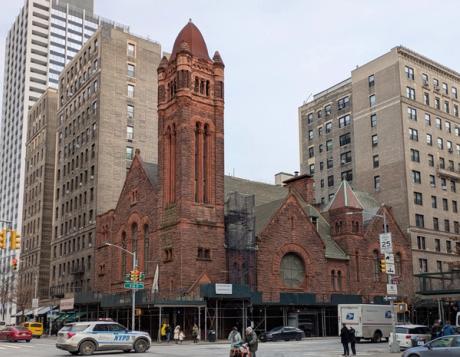
West Park Presbyterian Church on Manhattan's Upper West Side, a designated landmark, is seeking permission from the city's Landmarks Preservation Commission to demolish its building, citing financial hardship due to an estimated $26.6 million in repair costs. The church's sole tenant, the arts nonprofit The Center at West Park, was evicted last year and is now leading a fierce opposition campaign, arguing the building is financially viable through leasing and air rights sales.

trump white house ballroom halted congress 1234779783

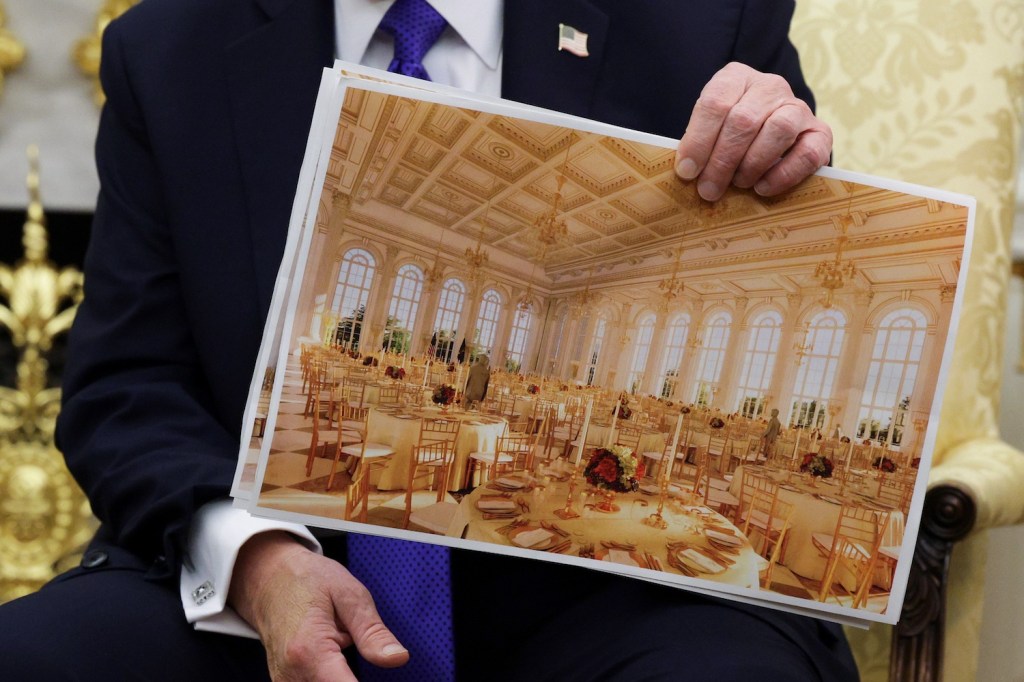
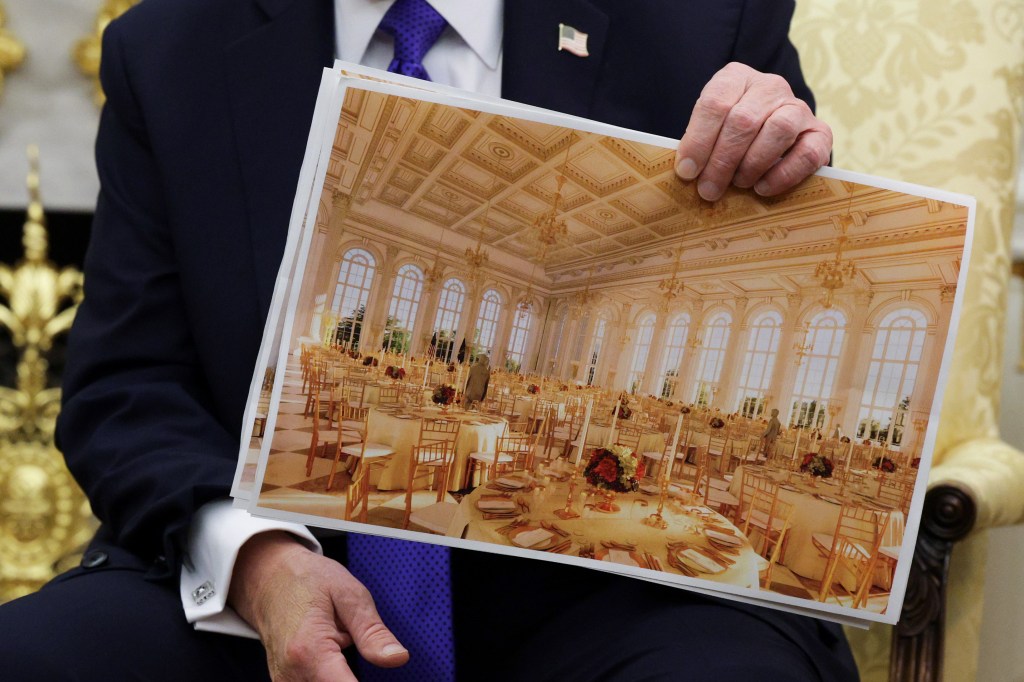
A federal judge has ordered an immediate halt to Donald Trump’s $400 million White House ballroom project, ruling that the administration cannot proceed without explicit congressional authorization. Despite the President's claims that the project is privately funded by "patriot donors," U.S. District Judge Richard Leon emphasized that the President is the "steward" rather than the owner of the White House, reinforcing long-standing statutes regarding construction on federal land.

Trump's White House Ballroom Proposal Faces Criticism Over Scale

trumps white house ballroom proposal too big 1234775859

President Donald Trump has proposed a massive 90,000-square-foot addition to the White House, featuring a 22,000-square-foot ballroom designed to host 1,000 guests. While the administration argues the space is necessary to replace temporary tents for state functions, the project has already led to the demolition of the East Wing and sparked significant backlash from federal planning commissions and preservation groups.

Architects respond to "excess and demolition" at reuse exhibition in Mexico

Fifteen international architecture studios have created installations from reused building materials and found objects for the exhibition "Reuse: Architectures of Almost Nothing" at artspace Laguna in Mexico City during art week. The show, curated by Laguna's curatorial director María Muñoz and architect Edgar Rodríguez, features works made from windshields, tarps, barrels, and even a complete car, all arranged across the former factory space. Participating studios include Sam Chermayeff Office, Ex-Soup, Parabase, Bangkok Tokyo, and others, with each piece designed as an "architectural accessory" that resignifies a single object through redeployment.

Brutalist home of England's first National Black Art Convention saved from demolition

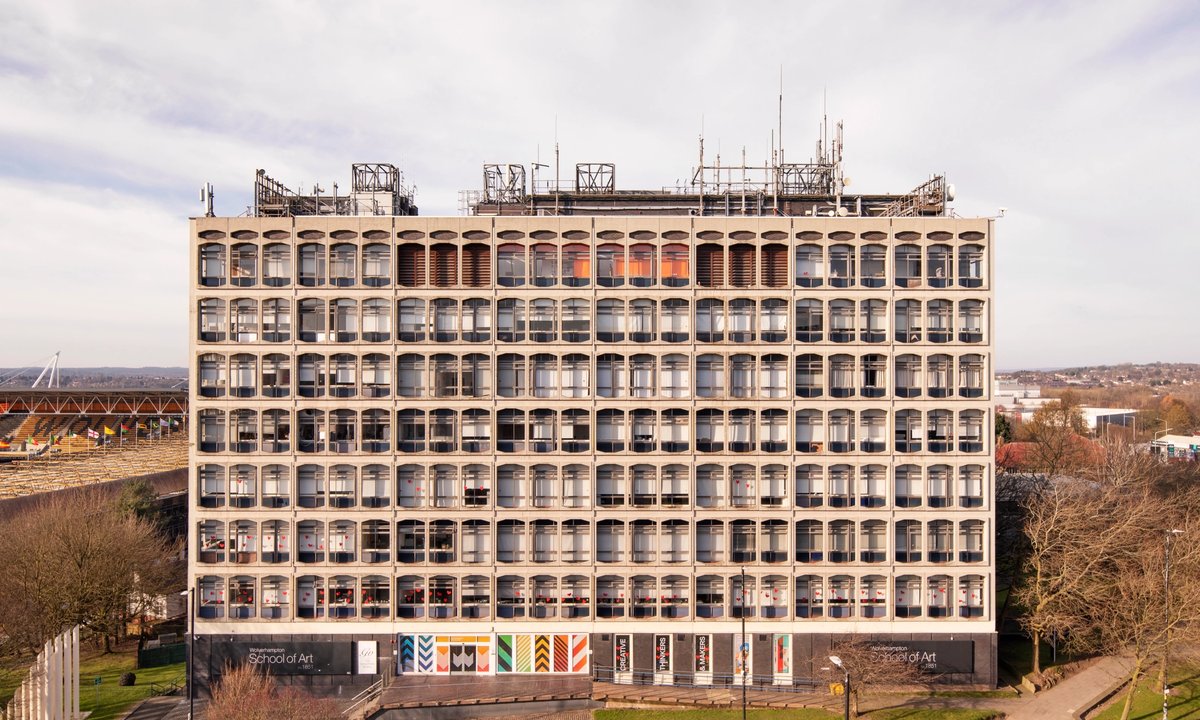
The University of Wolverhampton’s School of Art building, an eight-story Brutalist landmark completed in 1969, has been granted Grade II listed status by the UK Department for Culture, Media and Sport, saving it from demolition. The building hosted the first National Black Art Convention in 1982, a pivotal event in the British Black arts movement, and is closely tied to the Blk Art Group, whose founding members include Keith Piper, Marlene Smith, and Claudette Johnson. The listing follows a campaign against the university's redevelopment plans, supported by a petition with over 6,600 signatures.

Dana Awartani Mends Ancestral Wounds

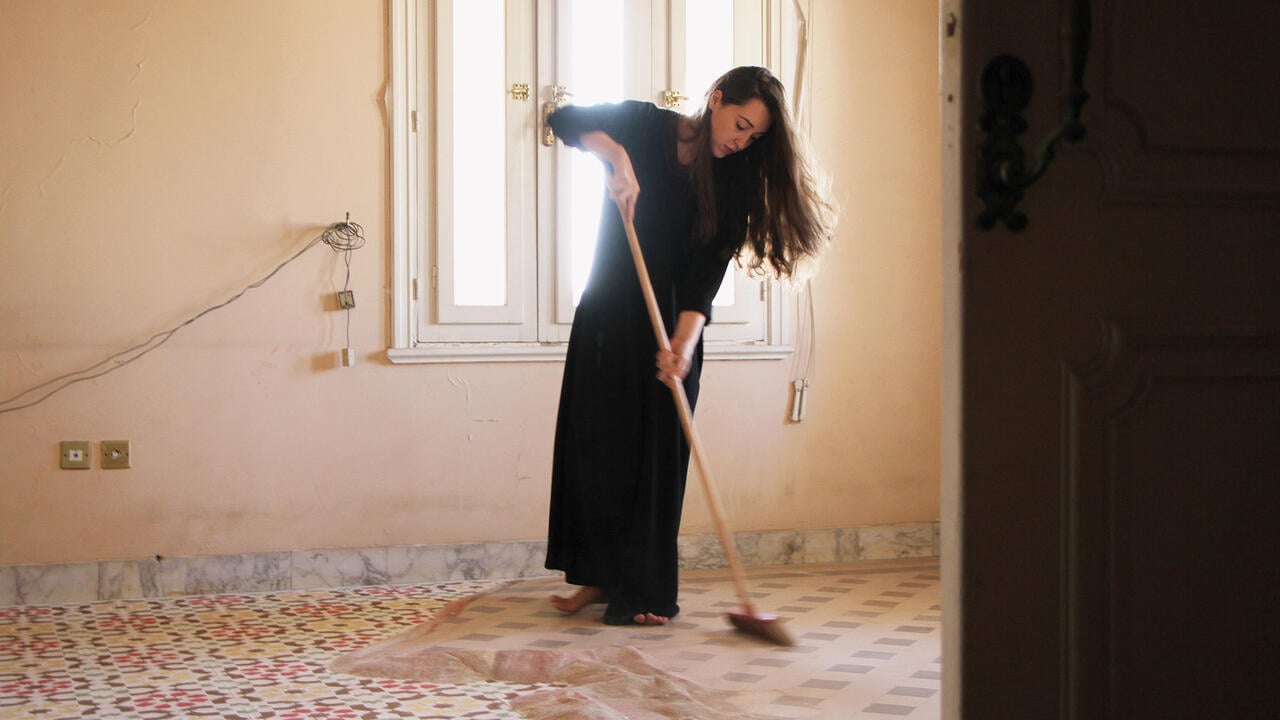
Saudi artist Dana Awartani has created a new installation, 'Listen to my Words,' for the 2024 Diriyah Contemporary Art Biennale. The work features a large-scale geometric floor pattern made from hand-dyed silk, which visitors are invited to walk upon, deliberately fraying and damaging the intricate design over the course of the exhibition.

Echo of Dreams: Symbolism in Brussels

Écho des songes. Le Symbolisme à Bruxelles

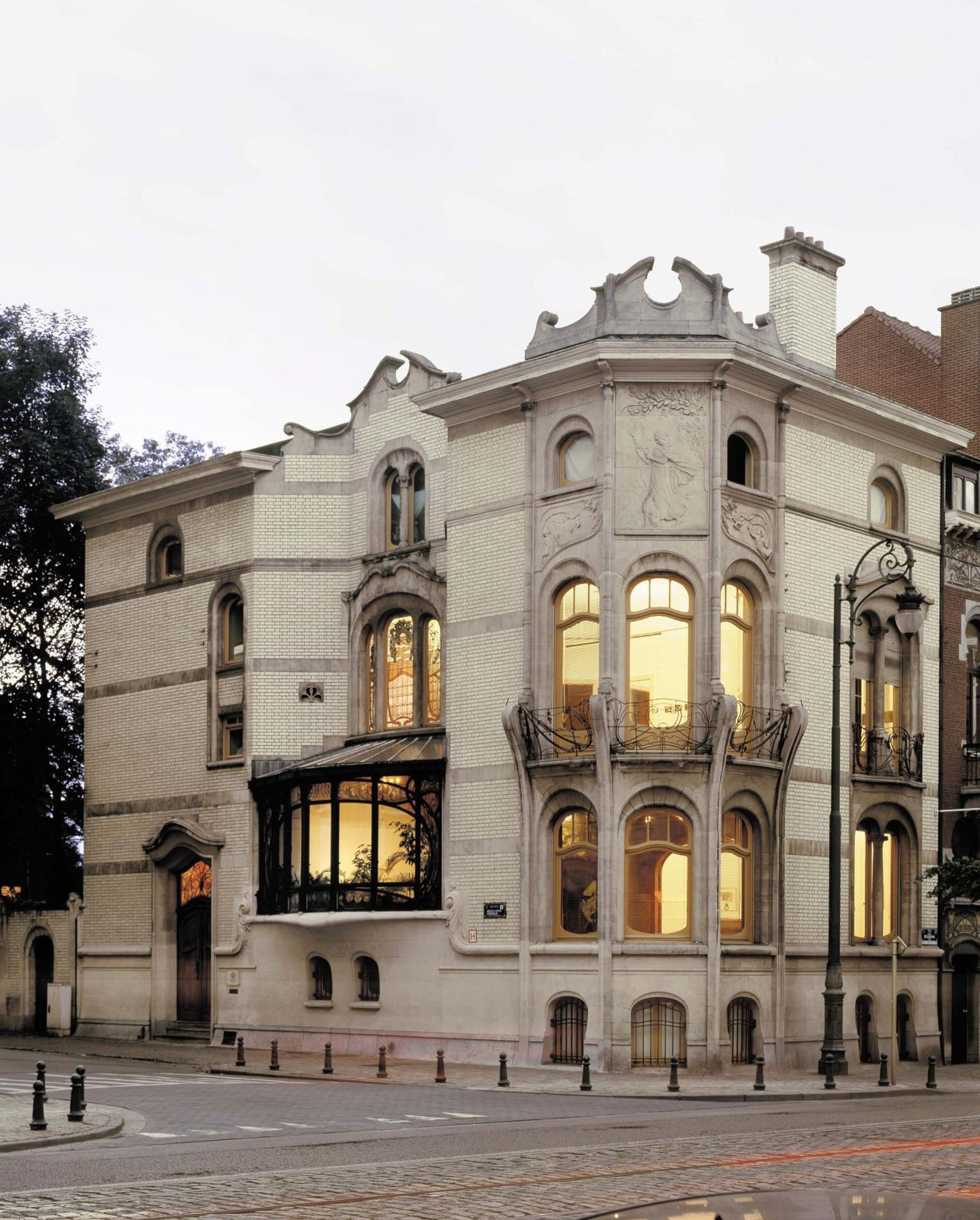
The Maison Hannon in Saint-Gilles, Brussels, has opened a major exhibition titled "Écho des songes" dedicated to Belgian Symbolism. Following an extensive restoration that removed scaffolding from its 1904 Art Nouveau facade, the historic residence designed by Jules Brunfaut is now fully accessible to the public. The show utilizes the building's restored interiors, including its famous staircase hall and Paul Baudoüin frescoes, to provide a contextual backdrop for the Symbolist movement.

‘Final spurt’: decades-long rebuilding of Dresden’s Royal Palace nears completion

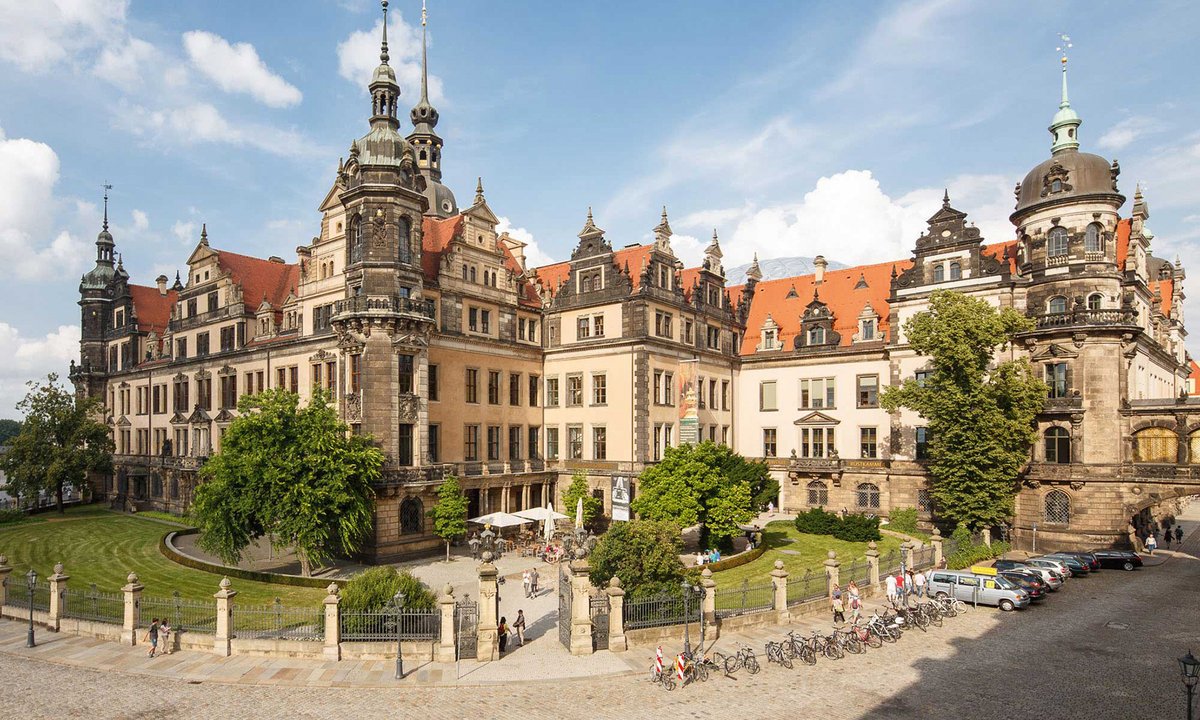
The decades-long reconstruction of Dresden's Royal Palace (Residenzschloss), a project costing €400 million, is nearing completion after beginning in 1985. The palace, which was reduced to a burnt-out shell by Allied bombing in February 1945 and remained a ruin through much of East Germany's history, will see its final phases unfold from autumn 2024 through 2027. These include a new installation in the former picture galleries, the rebuilt Schlosskapelle (palace chapel) opening in November, a Rüstkammer installation in the ballroom in early 2026, the completion of the Grosser Schlosshof courtyard in 2027, and a new exhibit in the Gothic Hall chronicling the palace's history. The palace now houses major collections of the Staatliche Kunstsammlungen Dresden (SKD), including the Grünes Gewölbe, Kupferstich-Kabinett, and Rüstkammer.

'Mayday' call from gallery looking for new home

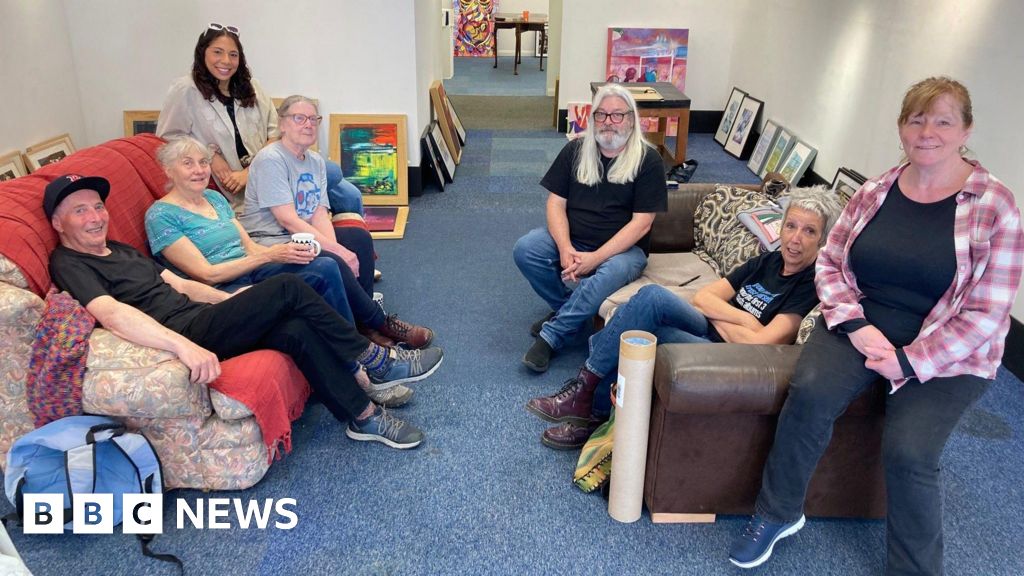
Trapezium Arts, a community arts group in Bradford, UK, has issued a 'mayday' call for help to find a new home after being told it must vacate its current space in the Kirkgate Shopping Centre by June 18. The centre is slated for demolition to make way for a 1,000-home City Village development. The group, founded eight years ago by a collective of local artists, has been operating out of empty retail units and will open its final exhibition at 54 Kirkgate on Saturday, titled 'May Day!', running from May 2 to 30.

The Venice Biennale Korean Pavilion was built in 1995 as the 26th national pavilion in Giardini Cast..

The article reports on the upcoming 61st Venice Biennale in 2026, focusing on the Korean Pavilion's exhibition titled "Liberation Space: Fortress and Nest." The Korean Pavilion, built in 1995 as the 26th national pavilion in Giardini Castello Park, will present itself as a temporary monument exploring Korea's post-colonial history, specifically the liberation period (1945-1948) and the concept of sovereignty. Artistic director Choi Bit-na has curated the exhibition to address Korea's geopolitical context, viewing the pavilion's 1995 entry as a key moment of decolonization alongside the demolition of the Government-General building and the founding of the Gwangju Biennale.

‘Faraday Cage’ art exhibition reimagines Kerhonkson house slated for demolition

Brooklyn-based street artist RAE BK has transformed a modular home at 1049 Samsonville Road in Kerhonkson, New York, into an immersive exhibition titled “Faraday Cage.” The house, slated for demolition by spring 2026, has been painted and reimagined as an art installation before its materials are recycled. The exhibition includes themed rooms such as the “Eggman” room, and was documented on September 14, 2025.

Welcome Home: A Pop-up Art Exhibition

A pop-up art exhibition in Philadelphia explores the dismantling of Isaiah Zagar's public mural *Skin of the Bride* (c. 1990-2001), a ceramic-and-tile mosaic originally housed in a community arts center. The building was sold in 2017, purchased by a real estate developer in 2023, and despite efforts to protect the mural as a historic site, it is slated for demolition. The Magic Gardens team selectively removed certain tiles, including Mexican folk art, while leaving others behind, altering the artwork's visual integrity. The exhibition presents fragments of Zagar's work alongside a video installation and a multimedia piece reflecting on memory and placemaking.

A New Art Exhibition Ponders the Perpetual Cycle of Urban Transition

The article reviews "Contemporary Ruin future visions," an exhibition at Drexel University's Leonard Pearlstein Gallery curated by artist Nancy Agati. The show explores the perpetual cycle of urban construction, demolition, and renewal, focusing on Philadelphia's evolving neighborhoods. Featured artists include Sophie White, who documents rapid gentrification in Fishtown/Kensington through plein-air gouache paintings, and Jennifer Johnson, whose sculptural maps trace the transformation of the Black Bottom area from 1725 to 2025. Joseph E. B. Elliott contributes photographs of decaying buildings, such as Saint Bonaventure Church and Richmond Generating Station, capturing ruins both past and present.

New Building at Burg Halle Takes Shape

Neubau an der Burg Halle nimmt Form an

The long-delayed new building for the Burg Giebichenstein Kunsthochschule Halle (University of Art and Design Halle) is moving forward, with a construction start now planned for autumn 2027. The Finance Committee of the Saxony-Anhalt state parliament has approved the updated cost estimate of around 42 million euros, clearing the way for the project. While the building was originally slated for completion in 2027, a more realistic finish date is now 2030, with preparatory moves and demolition work scheduled to begin in late 2026.