filter_list Showing 137 results for "NEED" close Clear
search
dashboard All 137 museum exhibitions 45article local 22article policy 19article culture 17article news 14trending_up market 8person people 6rate_review review 4article event 1gavel restitution 1
date_range Range Today This Week This Month All
Subscribe

Tourist Damages Florence’s Neptune Fountain in Pre-Wedding Stunt

A 28-year-old tourist in Florence climbed the Neptune Fountain in Piazza della Signoria and caused €5,000 ($5,800) in damage while attempting to touch the statue's genitals as part of a pre-wedding challenge. Police intervened, and specialists from the Fabbrica di Palazzo Vecchio later found damage to a horse's legs and a frieze. The woman has been reported to judicial authorities but is presumed innocent until a verdict.

Arts funding gap in the north must be closed | Letters

Two letter writers to The Guardian criticize the UK government's arts funding imbalance, highlighting that London receives disproportionate investment compared to northern England. Christine Baranski points out that £135m was spent on the V&A East in London while the Tate in Liverpool has been closed for over two years and the Albert Docks cultural area appears neglected. Sharon Maher notes that Arts Council spending is roughly £57 per Londoner versus £28 per person in the north, and argues that future national museum outposts should be located in the north.

Bogna Burska and Daniel Kotowski on Representing Poland at the 61st Venice Biennale

Bogna Burska and Daniel Kotowski, representing Poland at the 61st Venice Biennale, plan to exhibit a project inspired by the Choir in Motion (a phonic/sign-language ensemble of hearing and Deaf people), underwater role reversals, and whale communication. Their work explores alternate forms of communication, Deaf Gain, and the retrieval of voices—both human and non-human—aligning with the Biennale's theme "In Minor Keys." The Polish pavilion is located in the Giardini.

Comment | Flourishing markets beyond the big three will benefit the art ecosystem—and the planet

The article analyzes the shifting dynamics of the global art market, reporting that regions outside the traditional 'big three' hubs of the US, UK, and China have increased their market share from 17% in 2015 to 24% in 2025. This shift is driven by nationally protective regulations like Brexit and tariffs, which have stifled the free circulation of contemporary art. While the US market remains dominant at 44%, countries such as South Korea, Switzerland, Japan, and Australia have seen growth, and emerging cultural energy is noted in places like Bangkok, Warsaw, Margate, and Qatar.

Parasol Unit returns with a showcase of women from Central Asia and beyond

Parasol Unit, the London non-profit exhibition space that closed in 2020 after 16 years, has relaunched with a new exhibition titled "Turandot: To the Daughters of the East" as an official collateral event of the Venice Biennale. Held at the historic Palazzo Franchetti, the show features 11 female artists from Central Asia and surrounding regions, curated by founder Ziba Ardalan. The exhibition spans video, installation, sculpture, painting, textile, and sound works by artists including Lida Abdul, Huma Bhabha, Mona Hatoum, and Tala Madani, and runs from 9 May to 31 October.

Venice Bound? Here’s All the News You Need to Know About This Year’s Biennale

The 61st Venice Biennale is embroiled in geopolitical controversy over Russia's return to the event in 2026, which has sparked widespread backlash. Nearly 10,000 artists and cultural leaders signed an open letter opposing Russia's participation, and the European Union withdrew €2 million in funding for the 2028 edition. Leaked emails reveal Biennale officials worked with Russian pavilion commissioner Anastasia Karneeva to circumvent EU sanctions, while Italy's culture minister Alessandro Giuli plans to boycott the opening week. Meanwhile, activists continue to push for Israel's removal from the Biennale, though Israel will be accommodated in the Arsenale this year.

Giorno Poetry Systems Gives Grants to 12 Artists Including Jacolby Satterwhite, Puppies Puppies (Jade Guanaro Kuriki-Olivo), and the Late Agosto Machado

Giorno Poetry Systems, the nonprofit founded by artist John Giorno in 1965, has launched a new need-based grant program called the Treat a Stranger Grant. The inaugural round awards $4,545 each to 12 artists, including Jacolby Satterwhite, Puppies Puppies (Jade Guanaro Kuriki-Olivo), Samiya Bashir, Malcolm-X Betts, Pe Ferreira, Mercy Kelly, the late Agosto Machado (whose funds go to his estate), Gavilán Rayna Russom, Keioui Keijaun Thomas, Christopher Udemuezue, and two anonymous recipients. The program revives the spirit of Giorno's AIDS Treatment Project from the 1980s and '90s, which provided direct financial support to artists affected by the epidemic.

What You Need to Know About the Venice Biennale’s Russian Pavilion Controversy

The Russian pavilion is set to return to the Venice Biennale for the first time since the 2022 invasion of Ukraine, presenting an exhibition titled 'The tree is rooted in the sky.' This has sparked significant controversy, with artists, curators, and politicians from Ukraine and several European nations calling for the pavilion's exclusion, citing the ongoing war and sanctions. The Biennale organizers have refused to remove Russia, stating they lack the authority to exclude a state recognized by Italy and emphasizing the event's role as a neutral space for cultural dialogue.

Antony Gormley sculpture quietly removed and sold off by UK council

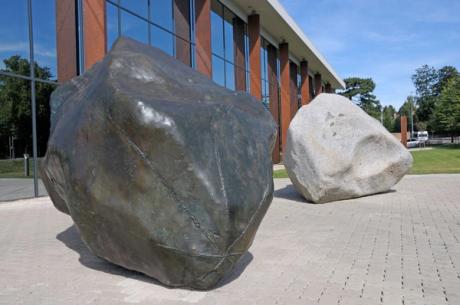
Kent County Council, led by the Reform party, has removed and sold Antony Gormley's early public sculpture 'Two Stones' (1979-81) from outside the Kent History and Library Centre in Maidstone. The council sold the work back to the artist himself in a private sale to raise funds, citing severe financial pressures and a need to avoid increasing costs for residents. The council's most recent accounts valued the work at £859,000, but the final sale price remains confidential.

Has A.I. Solved the Mystery of This El Greco Painting?

New research using artificial intelligence has challenged the long-held belief that El Greco's altarpiece *The Baptism of Christ* was largely painted by his son and workshop assistants. A machine-learning model called Patch, developed by researchers at Western Reserve University, analyzed the painting's microscopic surface texture and found underlying connections suggesting El Greco himself painted the majority of the work, with only a small region at the bottom attributed to other hands.

Dialing Up the Dollars: Giorno Poetry Systems Names Inaugural Recipients of New Need-Based Grant

Giorno Poetry Systems (GPS), the New York-based nonprofit founded in 1965 by artist John Giorno, has announced the twelve inaugural recipients of its new need-based grant, the Treat a Stranger grants. Each recipient receives an unrestricted grant of $4,545 to cover daily expenses like food, housing, health care, and emergencies. The grants are a relaunch of GPS's AIDS Treatment Project grants from 1984–1994, and are named after Giorno's mantra, “Treat a complete stranger with the same compassion you would treat a lover or a good friend.” Winners are selected by a rotating anonymous jury of LGBTQIA+ artists, poets, and musicians through a multi-meeting nomination and voting process.

I Turned My TV Into a Rotating Art Gallery Using Free Museum Downloads

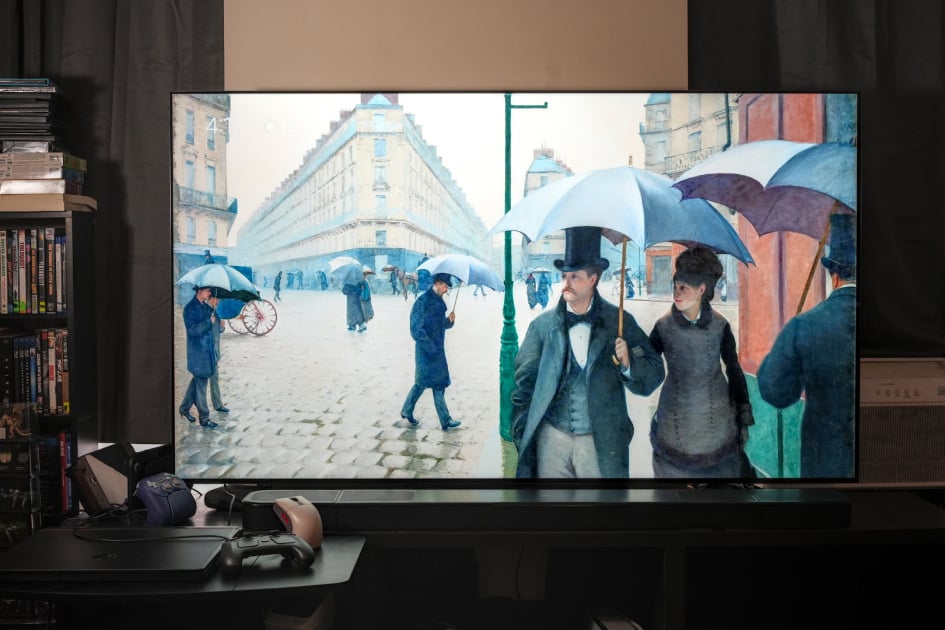
The article provides a guide on how to turn a TV into a rotating art gallery by downloading high-resolution, public-domain images from museum digital collections. It explains the need to filter for Open Access works to avoid copyright issues and recommends several museums with extensive free collections, including the Art Institute of Chicago and the Getty Museum.

Metropolitan Museum receives $23m to endow internship programme

On 30 April, the Metropolitan Museum of Art announced a $23m pledge from the Rubio Butterfield Foundation, led by newly elected trustee Jennifer Rubio and her husband Stewart Butterfield, to permanently endow the museum's internship program. The internships, offered for nearly 30 years with 100 participants annually, have only been paid since 2021. The article also explores broader trends in museum philanthropy, featuring insights from former directors Gary Vikan, Gary Tinterow, and Maxwell Anderson on how donors are often guided to fund endowments for curatorial positions, operations, or awards rather than art acquisitions.

‘Entertainment is often violence shrouded in a fun disguise’: Marianna Simnett on being tickled for hours and having Botox injected into her throat

Marianna Simnett, a Croatian British multi-disciplinary artist, discusses her new exhibition 'Circus' at the Secession in Vienna, which features a light, sound, and sculpture installation in a pitch-black basement. The show includes works like 'Catherine Wheel' (2026), a blue spinning reflective skirt accompanied by the sound of the artist being tickled for four hours, and 'Fountain' (2026), a neon of a woman urinating referencing Balkan folklore. Simnett explores themes of violence, desire, pain, and power, often using her own body as a site of transformation, as in her earlier work 'The Needle and the Larynx' (2016) where she had Botox injected into her throat.

At this year's Venice Biennale, a clash of politics and art exposes the need for a rethink

The 2026 Venice Biennale is plagued by controversy and structural issues. Curator Koyo Kouoh died of cancer in 2025, leaving her team to execute the main exhibition "In Minor Keys" without her. The Biennale's jury resigned after refusing to judge entries from countries charged with war crimes, and media coverage during preview week focused on protests against the Israeli and Russian pavilions rather than the art. The sprawling exhibition features 96 national pavilions and 110 artists, with works ranging from Daniel Lind-Ramos's found-material figures to María Magdalena Campos-Pons's tribute to Toni Morrison and Kouoh.

Cecilia Vicuña: Minga for the Sea

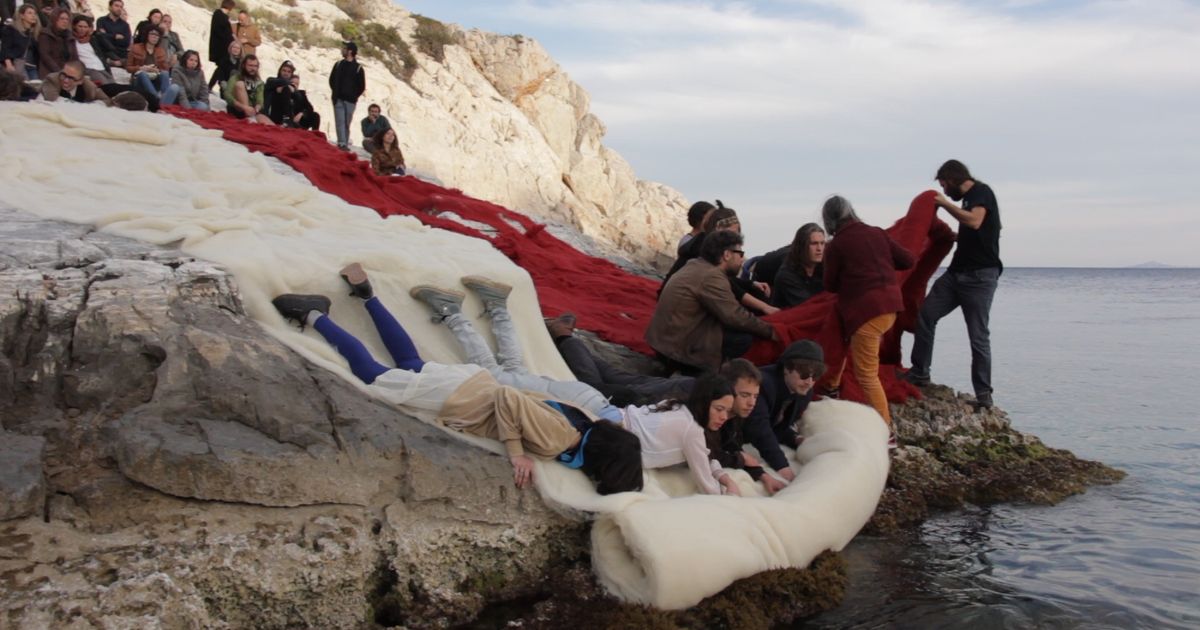
Kunstnernes Hus in Oslo presents 'Minga for the Sea,' a major new commission by Chilean artist, poet, and activist Cecilia Vicuña, running from May 29 to August 9, 2026. This is Vicuña's first major presentation in Scandinavia, featuring two large horizontal quipus made from locally sourced raw wool, one dedicated to the Southern Hemisphere/Chile and the other to the Northern Hemisphere/Sápmi. The quipus incorporate contributions from Indigenous and environmental defenders, including poems, drawings, and videos, forming a polyphonic archive of cultural resistance against destructive resource extraction and pollution of marine environments.

The Art of Transparency: Reiko Sudō’s Textile Innovation for LACMA

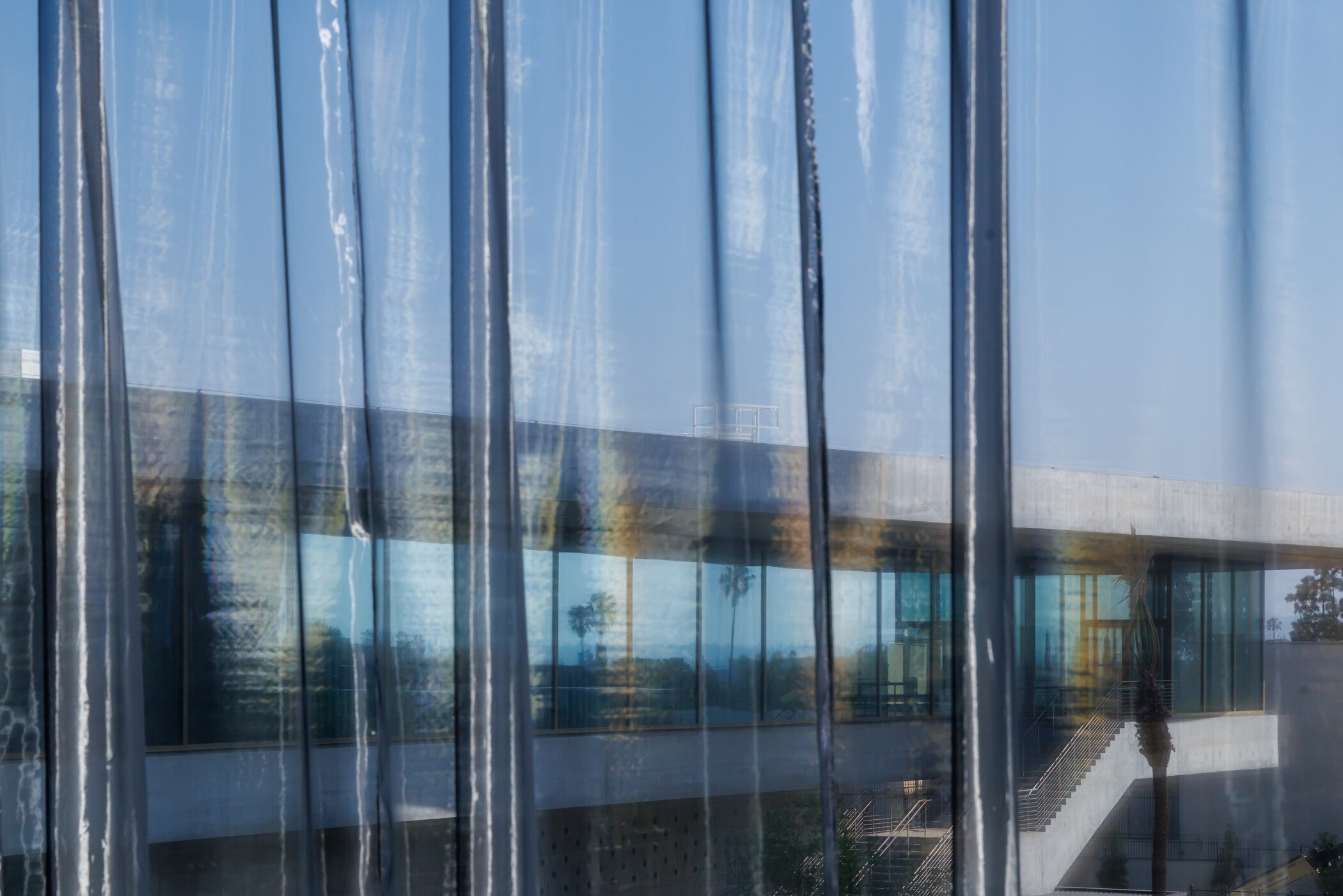
The Los Angeles County Museum of Art (LACMA) commissioned Tokyo-based textile designer Reiko Sudō to create custom curtains for its new David Geffen Galleries, which feature floor-to-ceiling glass windows. Sudō developed sputter-plated chrome textiles—in matte and gloss finishes—that are both transparent and light-protective, solving the challenge of shielding light-sensitive artworks while preserving panoramic views of the surrounding city. The textiles, produced by Sudō’s company NUNO, are now installed as curtains and will also appear in her retrospective "Textile Alchemy: The Art of Reiko Sudō and NUNO" at LACMA opening September 20, 2026.

Montclair Art Museum Announces Retirement of Longtime Chief Curator Dr. Gail Stavitsky

The Montclair Art Museum (MAM) has announced that Dr. Gail Stavitsky, its Chief Curator, will retire on July 1, 2026, after a tenure of more than 30 years. Stavitsky joined MAM in 1994 as Curator of Collections and Exhibitions, was promoted to Chief Curator in 1998, and curated over 200 exhibitions, including landmark shows such as "Cézanne and American Modernism" (2009) and "Matisse and American Art" (2017). Her recent exhibitions include solo shows for vanessa german and Tom Nussbaum, and she co-curated "Shifting Terrain: Perspectives on Land in North America." She also oversaw major acquisitions and the care of the museum's collections of George Inness and Morgan Russell.

The Parrish Art Museum Held Annual Spring Fling Benefit Honoring Bobbie Braun

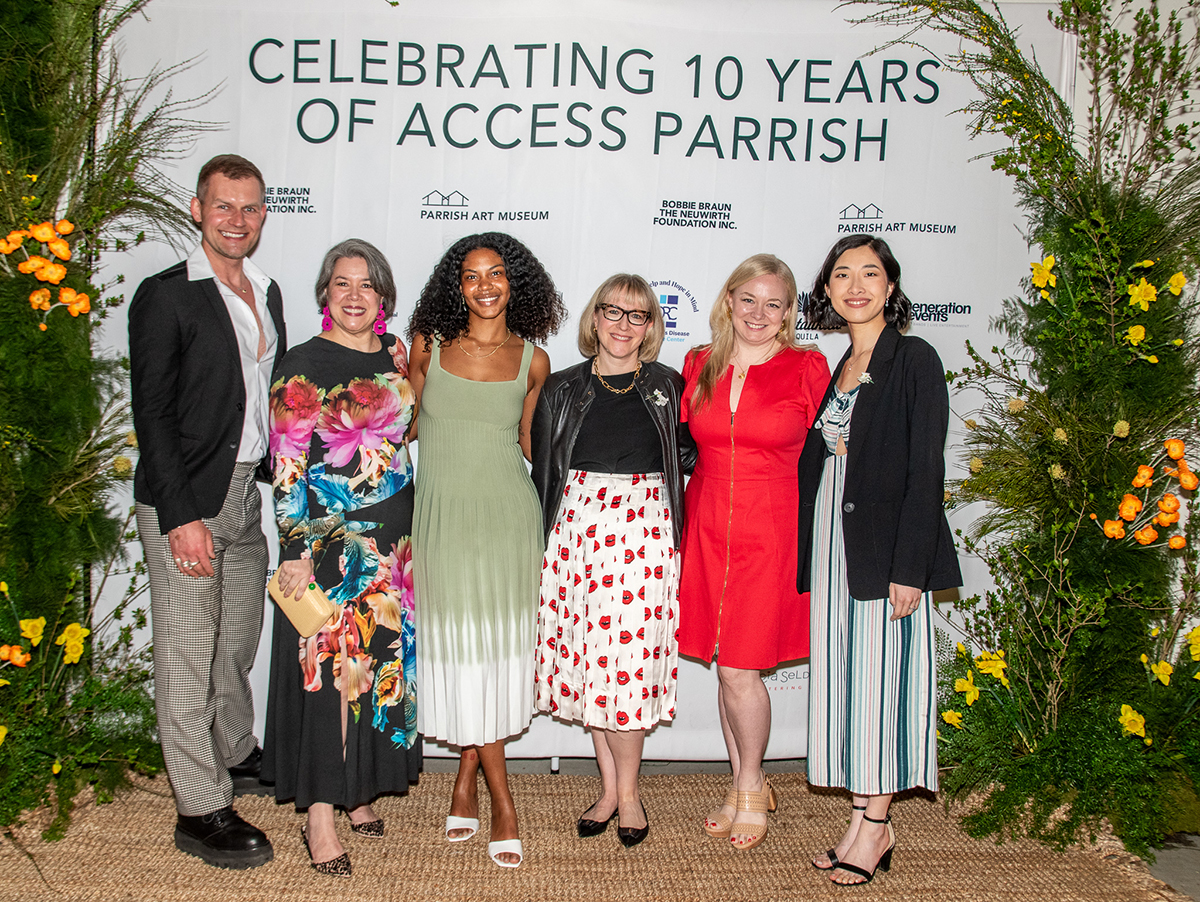
The Parrish Art Museum in Water Mill held its annual Spring Fling benefit on April 25, celebrating the 10th anniversary of Access Parrish, an initiative that makes art accessible to visitors of all needs and abilities. The event featured art, dance, music, and food, and honored Bobbie Braun of The Neuwirth Foundation as the museum's inaugural Civic and Community Leader Honoree for her unwavering commitment to the program since its inception in 2016.

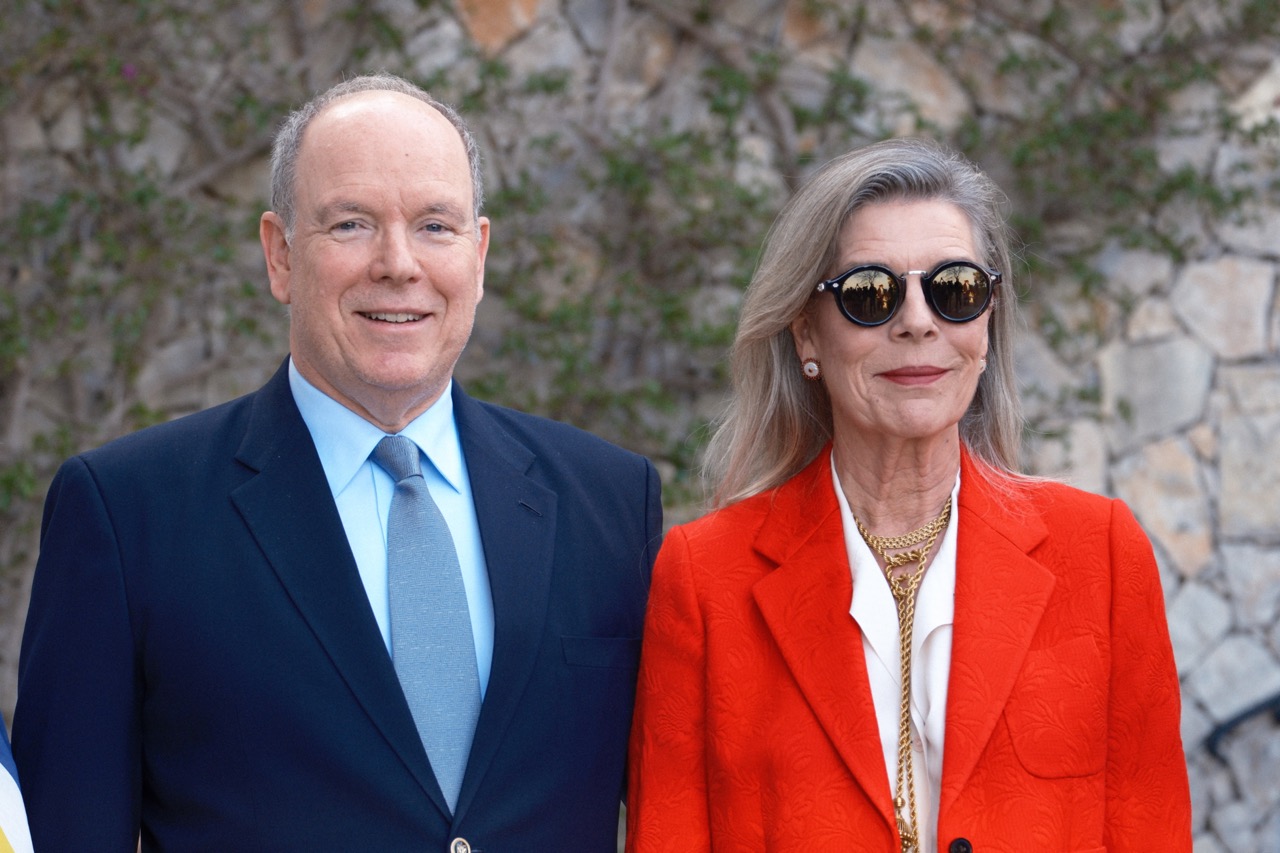
In Pictures: Prince Albert II and Princess Caroline open Monaco Art Week 2026

Prince Albert II and Princess Caroline of Hanover opened the 8th edition of Monaco Art Week on Monday evening at the New National Museum of Monaco. The event, running until May 1, transforms the Principality into an open-air art trail with fourteen participating venues, including Artcurial, Sotheby's, Almine Rech Gallery, and the Hôtel des Ventes de Monte-Carlo, spread across La Condamine, Monte-Carlo, and Larvotto. The royal siblings toured the current exhibition "The Feeling of Nature," which explores works from Nicolas Poussin to contemporary art, featuring painting, sculpture, jewellery, and design. The week will culminate with the opening of the Art Monte-Carlo fair at the Grimaldi Forum, marking its 10th edition under the artistic direction of Stefano Rabolli Pansera.

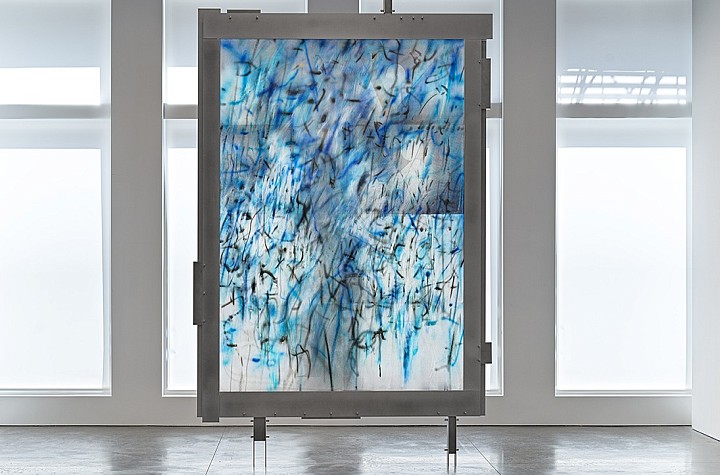
Julie Mehretu — Perceptual Infrastructure and the Post-Retrospective Condition

Julie Mehretu's latest exhibition, "Our Days, Like a Shadow (a non-abiding hauntology)," is on view at Marian Goodman Gallery in New York from April 14 to June 6, 2026. The show presents paintings that push beyond traditional representation, creating immersive perceptual environments through dense layers of abstraction, cartographic traces, and architectural fragments. The works, including the TRANSpaintings series created with Nairy Baghramian, extend Mehretu's practice into spatial expansion, where painting behaves like infrastructure without becoming literal architecture.

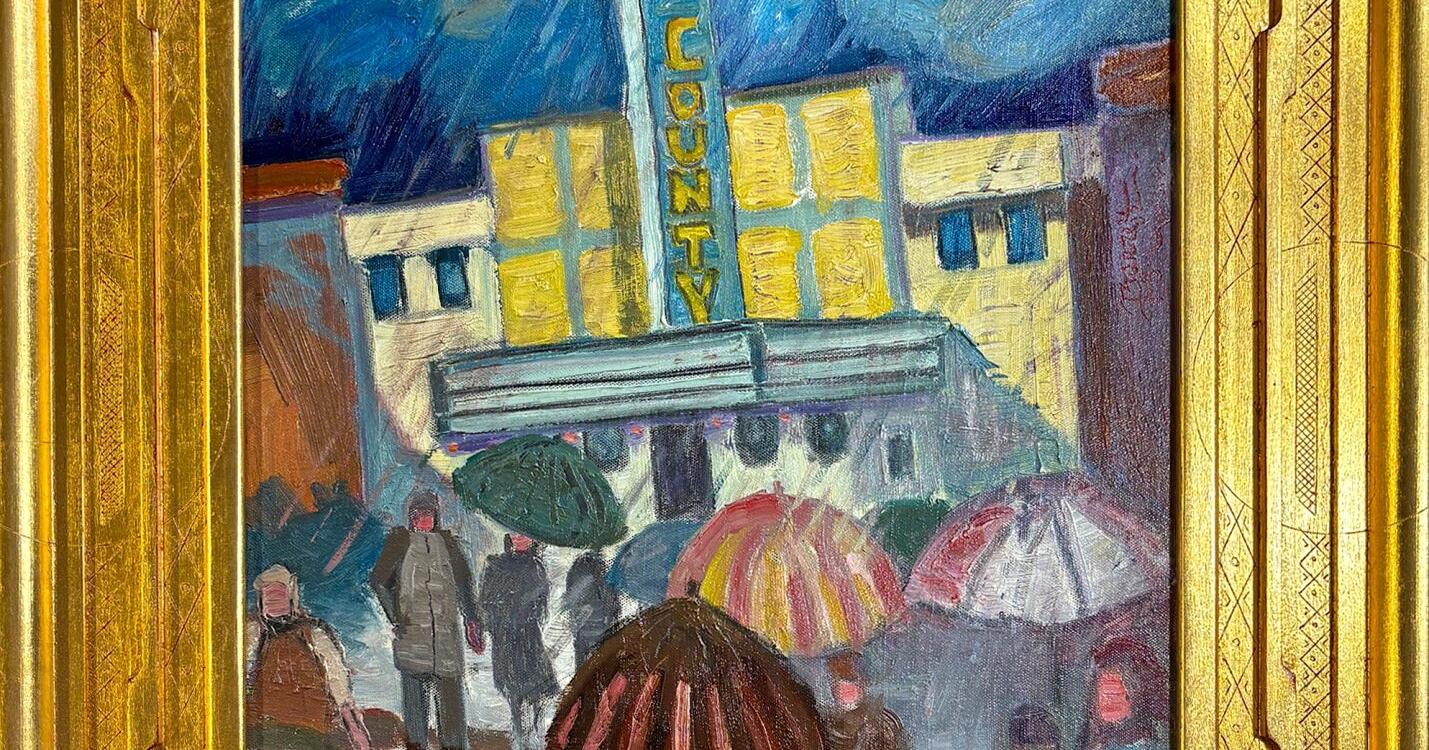
“Joseph Barrett: Views from his Lahaska Studio” to open at Silverman Gallery

The Silverman Gallery of Bucks County Impressionist Art in Holicong, Pennsylvania, will open a new exhibition titled “Joseph Barrett: Views from his Lahaska Studio” on May 16-17, 2025, with opening receptions featuring live jazz and refreshments. The show runs through June 20 and includes previously unseen works such as “View from My Window,” “Neshaminy,” and “County Theater in Snow,” alongside Barrett’s painting “Estate of Joseph Stanley,” recently returned from a two-year display at the U.S. Embassy in Kigali, Rwanda, as part of the State Department’s Art in Embassies program.

Why global gallery studies matters now

University College Cork (UCC) has launched an MA in Global Gallery Studies (Online), a two-year part-time programme designed to prepare students for careers in the international gallery sector. Directed by Dr Mary Kelly, the programme combines core modules in global gallery studies, global art histories, and digital arts with practice-based learning, including online fieldwork connecting students with galleries across multiple countries, guest lectures by international gallery practitioners, and a project-led onsite internship in the second year.

At Alserkal Avenue’s Deja Vu, UAE galleries find strength in collaboration

Alserkal Avenue in Dubai has launched "Deja Vu," a multi-gallery exhibition bringing together 20 UAE-based galleries at the Concrete venue, running until May 8. Curated by Zaina Zaarour with co-curators Kevin Jones and Nada Raza, the show features works including German artist Michael Sailstorfer's installation of a car fuel tank, reflecting anxieties around fuel prices and geopolitical uncertainty. The exhibition emerged from urgent community meetings after the Iran war disrupted the spring art season, which typically includes Art Dubai and collector visits. Participating galleries include 16 from Alserkal Avenue, plus Nika Project Space, Total Arts at The Courtyard, Tabari Artspace, and Iris Projects, with many works priced under $10,000 to facilitate sales.

Aux Catacombes, une visite réinventée

After five months of closure, the Catacombs of Paris have reopened with a major modernization project. The site now features a new immersive audio guide narrated by the voice of its historical founder, Louis Étienne Héricart de Thury, along with improved lighting that highlights previously invisible details and a revamped climate-control system to better preserve the bones. The €5.5 million renovation, led by Paris Musées and funded by the City of Paris, also included structural repairs to the bone stacks using dry-stone techniques instead of cement.

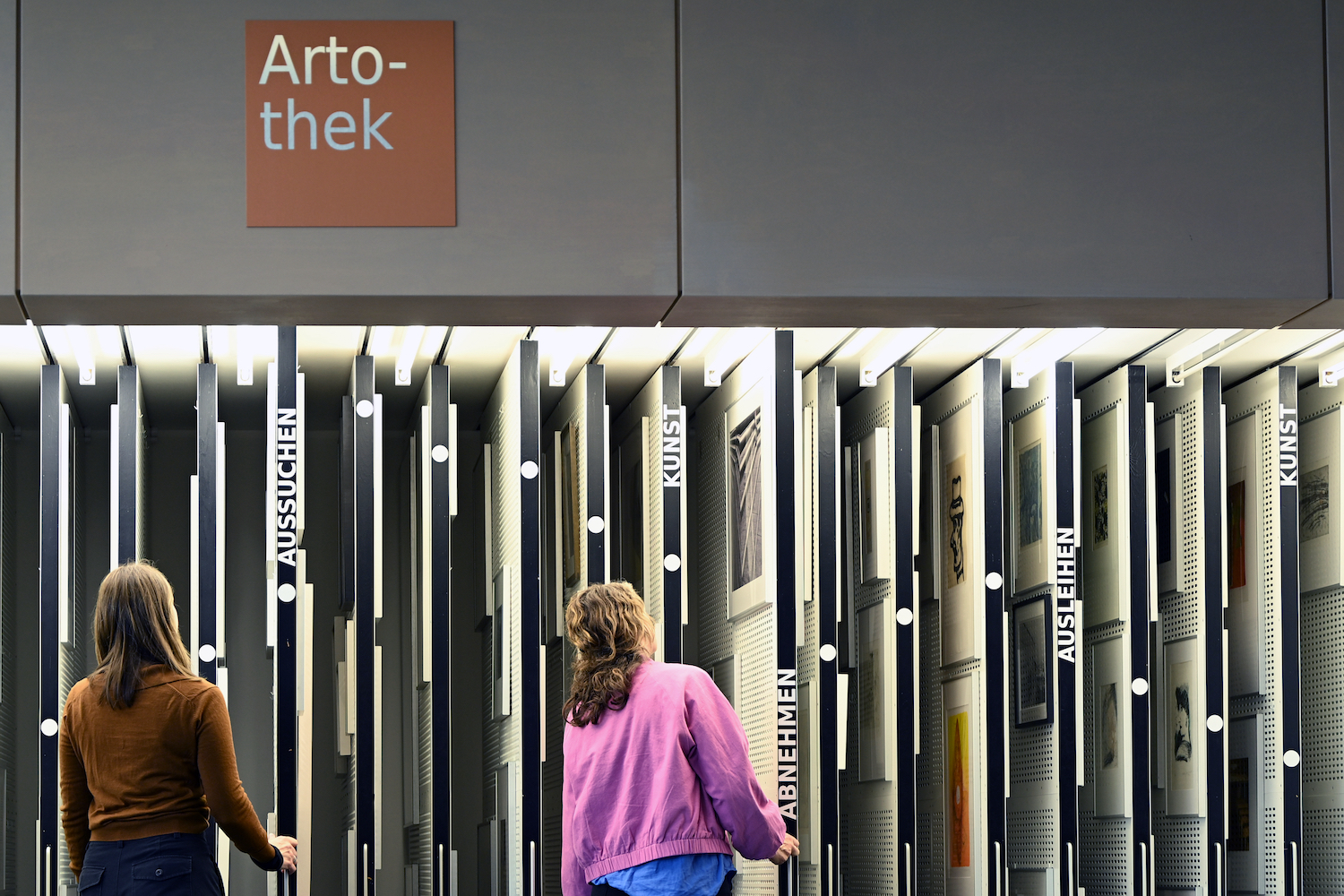
How Art Libraries Make Art Accessible

Wie Artotheken Kunst zugänglich machen

Artotheken, or art libraries, are public institutions that lend artworks to anyone with a library card, making art accessible beyond the traditional museum or gallery system. In Germany, over 100 such artotheken exist, often housed in public libraries, art associations, or museums. The Amerika-Gedenkbibliothek in Berlin, for example, has a collection of 2,000 works, with around 300 currently on loan to homes, doctors' offices, and law firms. The lending process is informal: borrowers can eat, drink, and even touch the works, and transport by bus or bike is encouraged. A jury selects up to 15 new works annually, and the collection includes major names like Roy Lichtenstein and Niki de Saint Phalle, though most users choose pieces based on personal connection rather than prestige.

Victorien Bornéat : « De l’échec de la démocratisation culturelle est né un sentiment d’exclusion »

Victorien Bornéat has published a manifesto arguing that French cultural democratization policy, rooted in André Malraux's vision of making masterworks accessible to all, has failed. He cites budget cuts by regional presidents Laurent Wauquiez and Christelle Morançais, police raids on bookshops like Violette and Co, and statistical studies showing that working-class audiences still do not spontaneously attend theaters, museums, or opera. Bornéat contends that the policy's emphasis on direct confrontation with canonical works ignored the need for cultural codes and institutional literacy, creating an exclusion that politicians now exploit for electoral gain.

MANUEL SEGADE: “PRESERVAR LA COMPLEJIDAD DEL MUNDO ES UNA DE LAS TAREAS FUNDAMENTALES DEL MUSEO”

Manuel Segade, director of the Museo Nacional Centro de Arte Reina Sofía, is interviewed as part of a series for International Museum Day. He discusses the museum's role as a space historically tied to critique, conflict, and negotiation with tradition, emphasizing the need to preserve the world's complexity. Segade advocates for institutions that can speak on multiple levels, from introductory lectures to para-academic research, and stresses transforming internal structures toward more horizontal and interdependent models.

SOL HENARO: “BAJAR LA VELOCIDAD ES POLÍTICO Y, AUNQUE CUESTA MUCHO, HAY QUE SEGUIR INTENTÁNDOLO”

Sol Henaro, director of the Museo Universitario del Chopo in Mexico City, argues in an interview for Artishock Revista that museums must resist neoliberal pressures to accelerate production, spectacularize content, and convert cultural experience into immediate consumption. She advocates for the museum as a space of plurality, deceleration, and critical thought, emphasizing the need for horizontal, careful practices that allow for dissent and coexistence. The interview is part of a series on International Museum Day featuring directors from Latin American and Ibero-American institutions.

Nymphs, mermaids and rosy cherubs: mansion filled with hidden wall paintings makes Victorian Society’s endangered buildings list

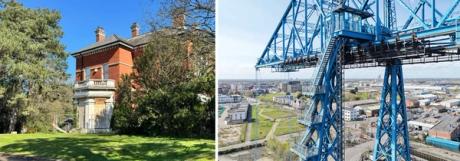
A derelict mansion called Parndon Hall, located within the grounds of Princess Alexandra Hospital in Harlow, Essex, has been named to the Victorian Society’s annual list of the top ten at-risk buildings in England and Wales. The house, built in 1867, contains a hidden trove of wall paintings by the almost-forgotten Victorian artist Elizabeth Arkwright, who covered walls, ceilings, and doors with nymphs, mermaids, and cherubs—many still concealed under Edwardian whitewash. The building has been used for storage and has sat unoccupied since flood repairs in 2024.