filter_list Showing 55 results for "colonial legacies" close Clear
search
dashboard All 55 museum exhibitions 43article news 4article culture 3person people 2article policy 1gavel restitution 1rate_review review 1
date_range Range Today This Week This Month All
Subscribe

Conversation with Kent Monkman

Artist Kent Monkman (Fisher River Cree Nation) and curator John Lukavic will hold a conversation on April 19, 2025, at the Martin Building's Sturm Grand Pavilion, discussing Monkman's new exhibition *History is Painted By the Victors*. This marks the first time Monkman's work is presented on a grand scale in the United States, featuring his large-scale painting *mistikôsiwak (Wooden Boat People): Resurgence of the People* (2019), which is in the collection of The Metropolitan Museum of Art. The event is sold out, with a waitlist available.
‘I see hidden codes within the everyday’: Sandra Poulson’s first museum exhibition explores material histories of global exchange

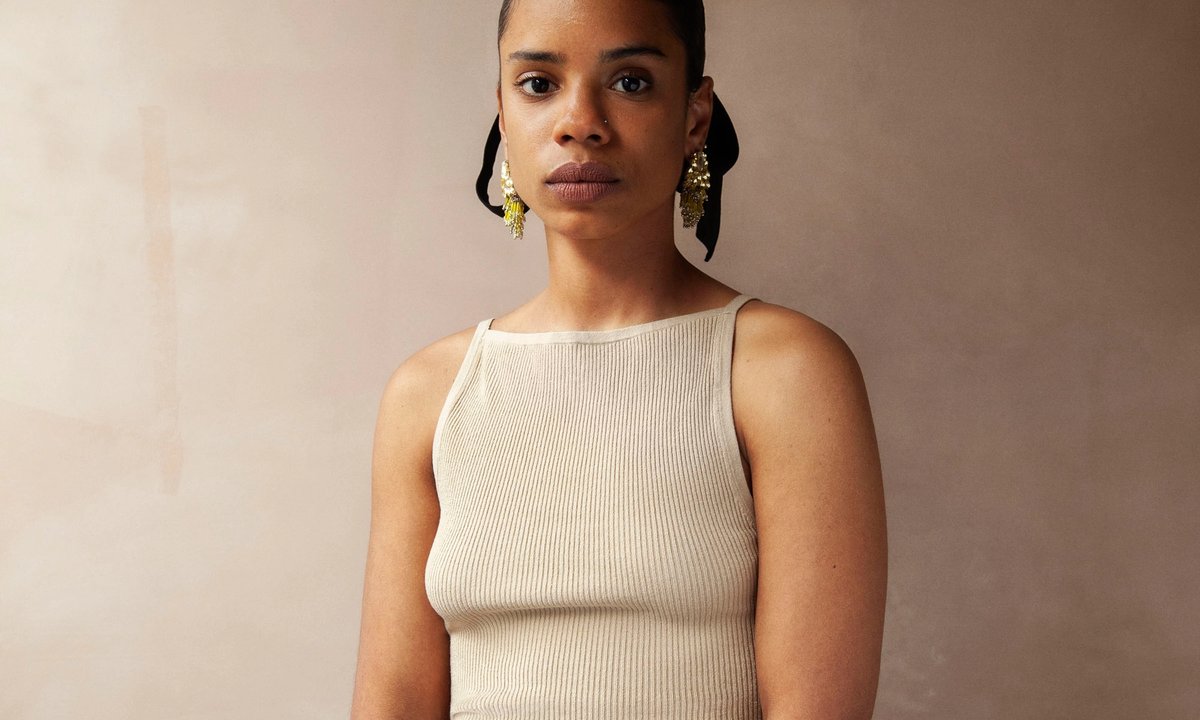
The article features an interview with Angolan artist Sandra Poulson about her first museum exhibition, 'Este quarto parece uma República! (This bedroom looks like a republic!)', on view at MoMA PS1 in Queens until October 6. The exhibition, originally commissioned by Jahmek Contemporary Art in Luanda and shown at Sadie Coles HQ during Condo London 2025, uses wood and found furniture to explore how symbols in everyday objects reflect postcolonial legacies, global trade, and power structures. Poulson discusses her father's Portuguese phrase that inspired the title, the material history of wood from Dutch colonies, and the use of institutional logos on T-shirts in Angola as a form of propaganda.

Exhibition | Naomi Rincón Gallardo, 'Sonnet of Vermin' at Hayward Gallery, London, United Kingdom

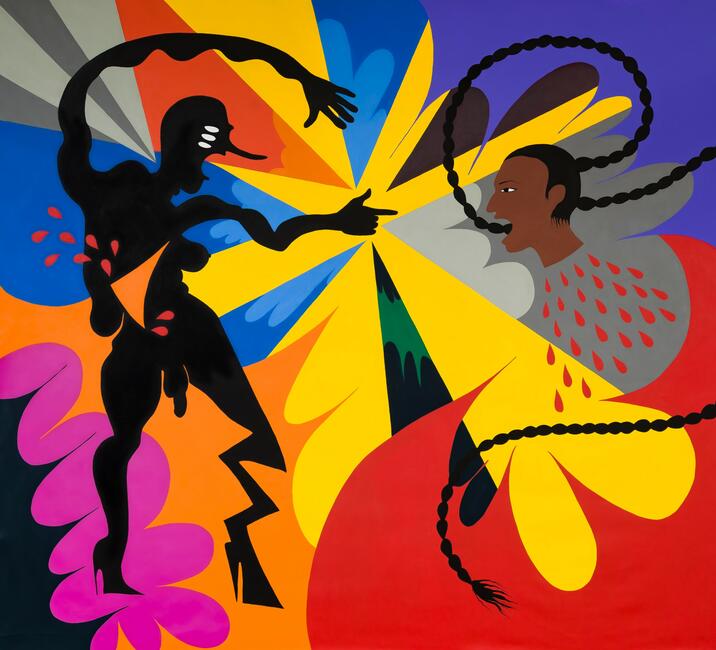
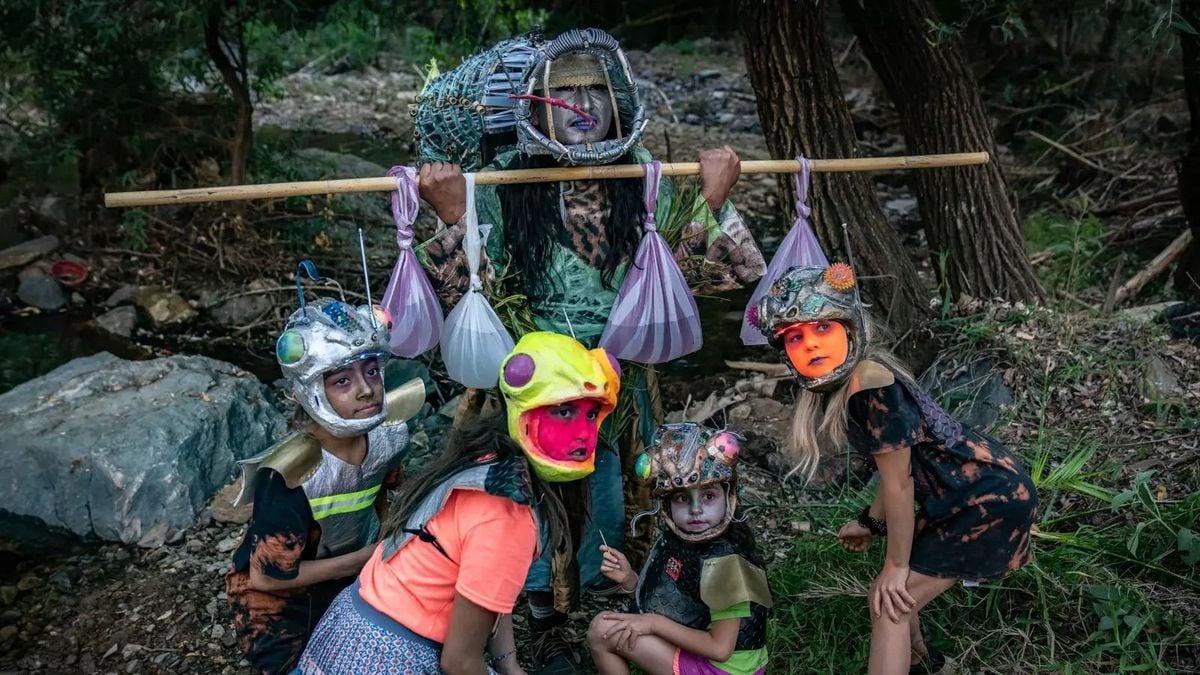
Naomi Rincón Gallardo presents her first solo exhibition in London, 'Sonnet of Vermin,' at the Hayward Gallery. The show features her 2022 film following a group of animals from Mesoamerican myths—Bat, Snake, Scorpion, and a choir of frogs—as they navigate dystopian landscapes in Oaxaca, communicating via radio signals and calling for solidarity amid social and ecological devastation. Rincón Gallardo works across video, performance, drawing, and sculpture, weaving cuir/queer resistance, pre-colonial folklore, DIY aesthetics, music, and dance into surreal narratives that critique colonialism and exploitation.

Somali artists and culture workers express concern over Somalia Pavilion in Venice

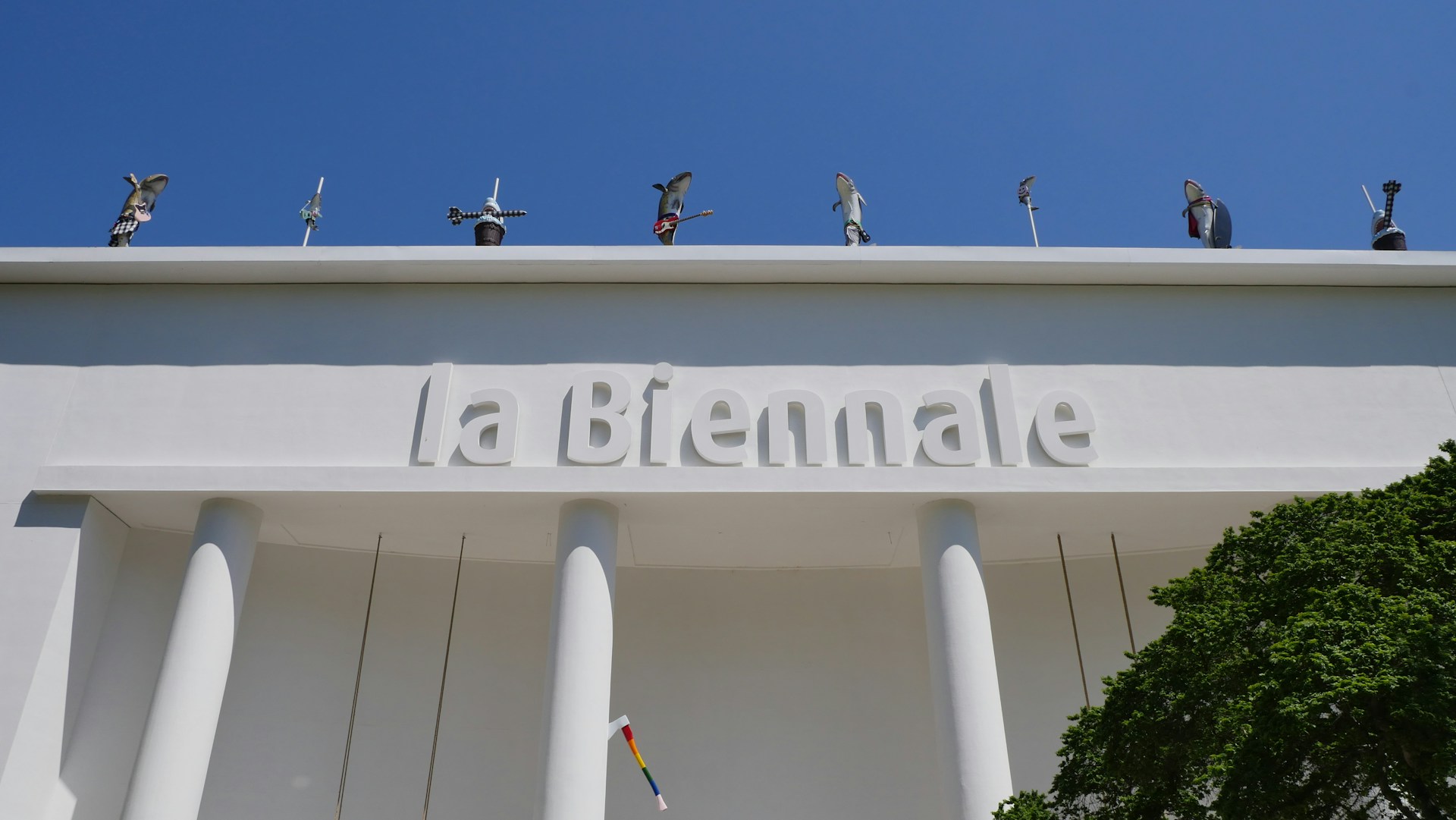
Somali artists, cultural workers, and organizations have published multiple open letters and statements expressing concern over the Somalia Pavilion at the Venice Biennale. The pavilion, announced in March for the 2026 edition, is titled 'SADDEXLEEY' and features Somali-Swedish artist Ayan Farah, Somali-Danish poet and filmmaker Asmaa Jama, and Somali-British writer Warsan Shire, curated by Stockholm-based Mohamed Mire and Italian project manager Fabio Scrivanti. Critics, including the Somali Arts Foundation and the queer collective Warbixinta Cidda, allege that the pavilion was organized without meaningful consultation of artists and organizations based in Somalia, and object to the appointment of an Italian co-curator given Italy's colonial history in Somalia. An anonymous open letter further alleges intimidation and coercive pressure against critics, and demands Scrivanti's removal, calling for a boycott if demands are not met.

Sung Tieu on Representing Germany at the 61st Venice Biennale

Sung Tieu, who is co-representing Germany at the 61st Venice Biennale alongside Henrike Naumann, responds to a questionnaire from ArtReview about her plans for the German Pavilion. She describes her inspiration as her mother and childhood home, a site built for foreign contract workers in the GDR that later became a refuge for the diaspora. Tieu states that her work relates to the Biennale theme "In Minor Keys" through the lens of Gehrenseestrasse, a concrete record of collective memory. She also expresses skepticism about the Biennale's importance, noting that the German Pavilion's fascist architecture compels artists to work against it, and that national pavilions reveal how much work remains in undoing nationalism.

Somali Cultural Organizations Unhappy With Somalia Pavilion at the Venice Biennale

Somali artists and cultural organizations are protesting the Somalia pavilion at the 2024 Venice Biennale, arguing it excludes artists based in Somalia and relies on diaspora figures and an Italian co-curator, which they view as colonial. The Somali Arts Foundation issued a statement condemning the lack of consultation, while the queer arts collective Warbixinta Cidda criticized the appointment of Italian curator Fabio Scrivanti. Somali American poet Ladan Osman boycotted the pavilion, calling it "anti-indigenous."

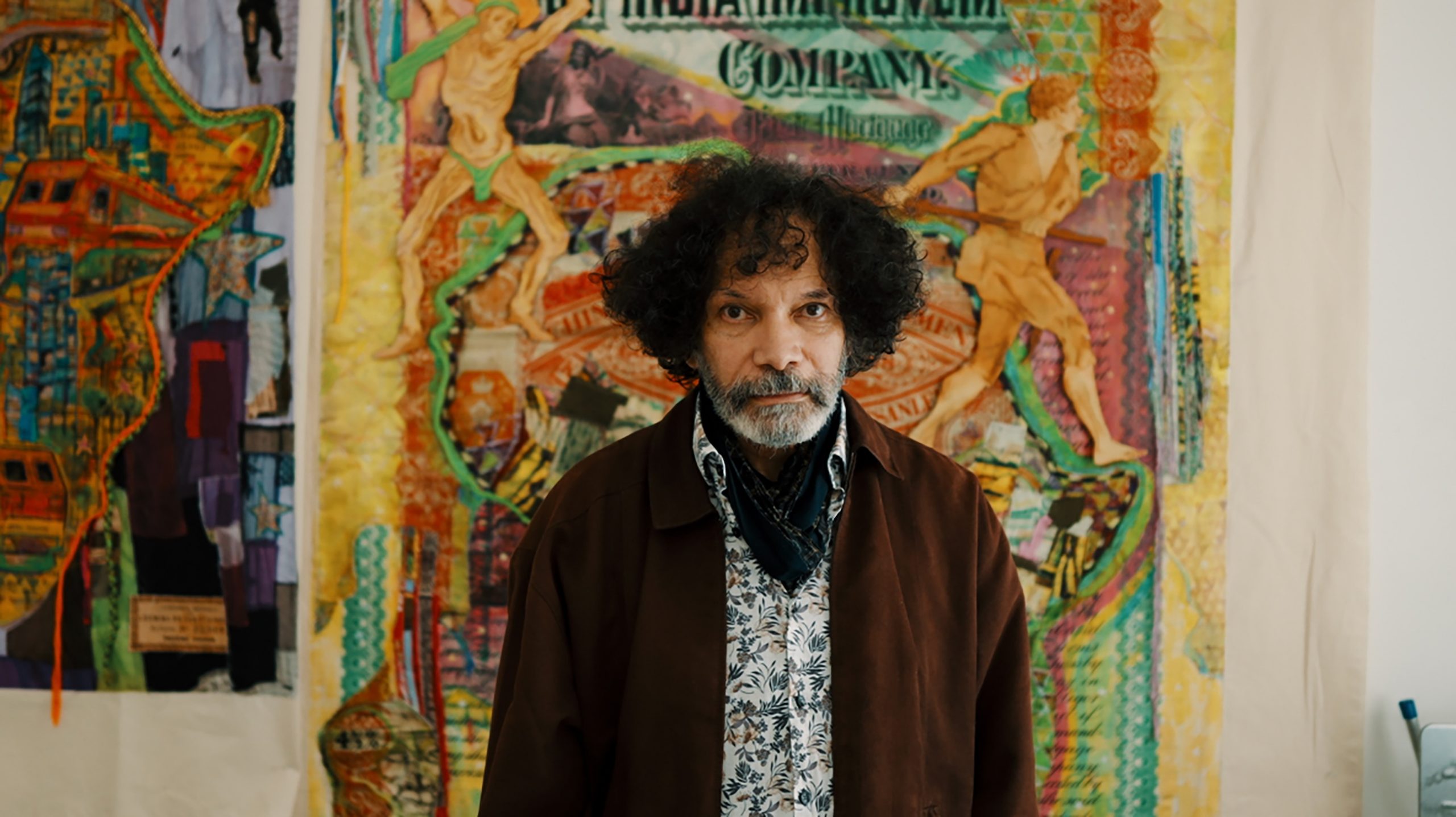
Hew Locke Unpacks the Complexity of Empire in His Biggest Museum Show Yet

Artist Hew Locke's most comprehensive museum exhibition to date, "Hew Locke: Passages," has opened at the Yale Center for British Art in New Haven. The show features 49 works spanning nearly three decades, including photography, sculpture, and drawing, and explores themes of empire, identity, and migration. Curated by museum director Martina Droth, the exhibition runs through January and includes key works such as "Veni, Vidi, Vici (The Queen's Coat of Arms)" (2004) and "Koh-i-noor" (2005), which critique British imperial symbols using found objects and textiles.

LA CHOLA POBLETE PRESENTS HER FIRST SOLO SHOW IN BRAZIL

The Museu de Arte de São Paulo (MASP) is presenting the first Brazilian solo exhibition of Argentine artist La Chola Poblete, titled 'Pop andino,' from March 6 to August 2, 2026. The show features works that reimagine Pop Art through a Latin American lens, including her 'Chola Virgins' watercolor series and the 'Manifesto Pop Andino' sound piece, curated by MASP's Adriano Pedrosa and Leandro Muniz.

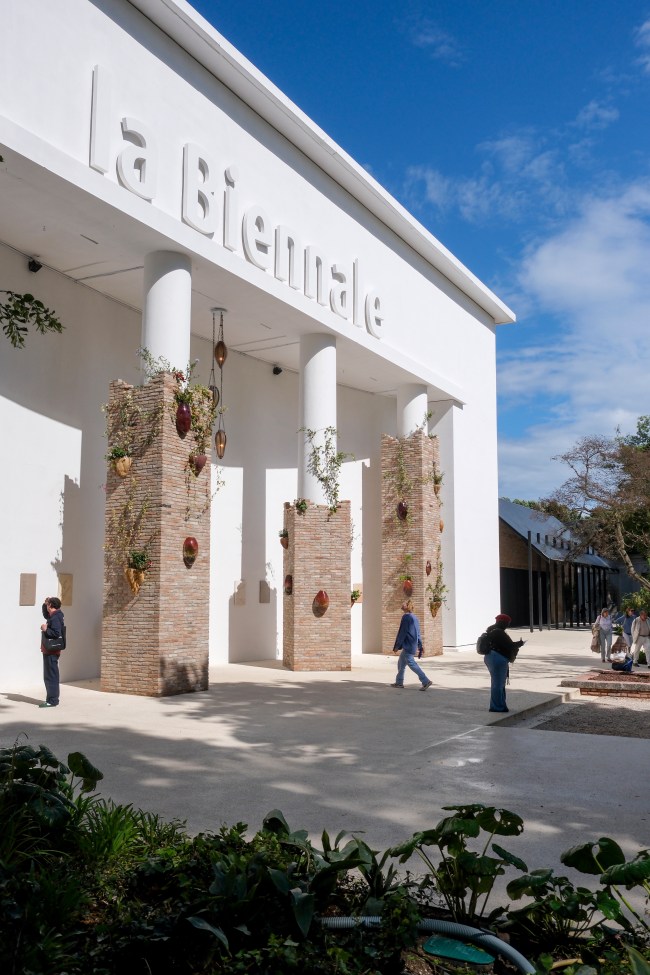
France reopens its historic pavilion at the 2026 Venice Art Biennale after restorations with artist Yto Barrada

La Francia riapre il suo storico padiglione alla Biennale Arte 2026 dopo i restauri con l’artista Yto Barrada

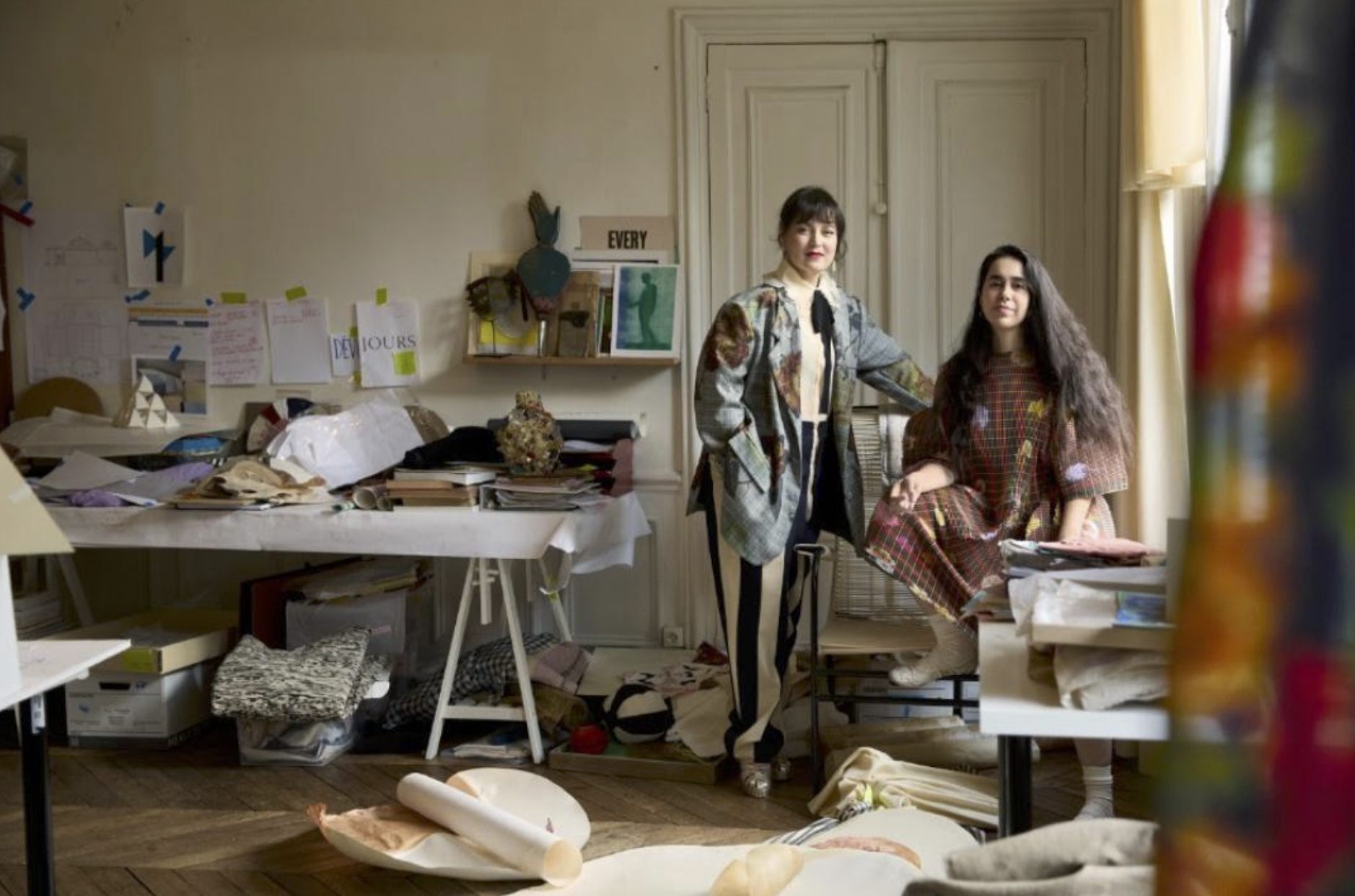
France will reopen its historic pavilion at the 61st Venice Biennale (May 9–November 22, 2026) after restoration, with Franco-Moroccan artist Yto Barrada (b. 1971) presenting the immersive textile-based project "Comme Saturne," curated by Myriam Ben Salah. The exhibition uses the "dévoré" technique—acid selectively corrodes fabric—as a metaphor for destruction and creation, featuring a goat-skin kite, a Room of Folds with wool drapery that fades in natural light, a Laboratory inspired by Saturnalia, and a Study Room linked to Barrada's garden of dye plants in Tangier, culminating in the Room of the Devoured where chemically attacked material fragments into an aesthetic of wear and formlessness.

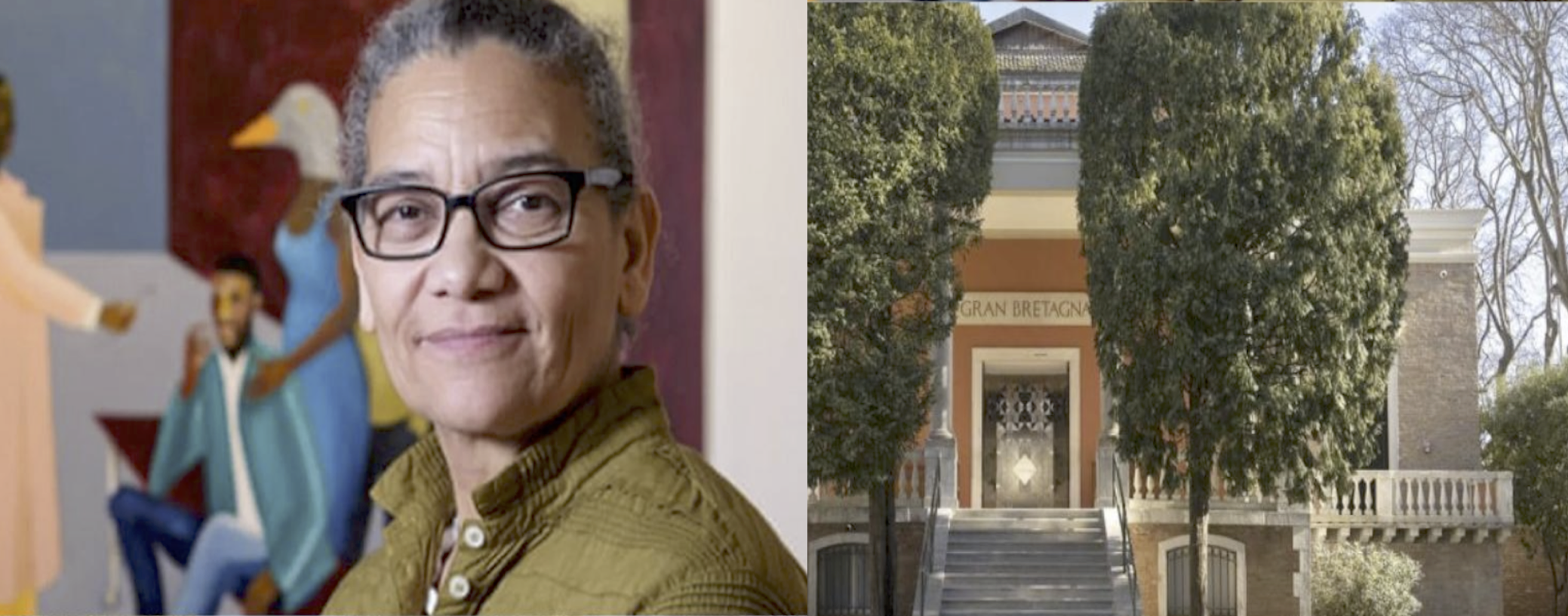
Il Padiglione della Gran Bretagna alla Biennale d’Arte di Venezia 2026 spiega cos’è l’appartenenza

The British Council has selected artist Lubaina Himid to represent Great Britain at the 2026 Venice Biennale. Her exhibition, titled "Predicting History: Testing Translation," will transform the British Pavilion into a large-scale installation exploring belonging, displacement, and the recreation of home in new contexts. Created in collaboration with artist Magda Stawarska, the show features multi-panel paintings and a surreal soundscape that engages with the neoclassical architecture of the pavilion. Himid, a Turner Prize winner and pioneer of the Black British Art Movement, focuses on cultural memory and identity, challenging Eurocentric narratives and highlighting overlooked Black figures in Western history.

Shelley’s hair to Schindler’s list: the most fascinating objects in the State Library of NSW – in pictures

The State Library of NSW is celebrating its 200th anniversary with a new exhibition featuring 200 objects from its collection of 6 million items. Lead curator Elise Edmonds and her team selected highlights including a lock of Mary Shelley's hair, the smallest book in the library's collection (measuring 6mm by 6mm), bread wrappers from the 1960s, a colonial sketchbook from 1817, a Dharawal Indigenous language wordlist, Australia's oldest surviving political cartoon from 1808, and a contemporary artwork by Wiradjuri artist Karla Dickens. The objects span literature, colonial history, Indigenous culture, sport, and everyday life.

"Dispossessions in the Americas" Confronts the Colonialism That Invades All Territory

The article reviews "Dispossessions in the Americas," a group exhibition at Wrightwood 659 in Chicago curated by Jonathan D. Katz and Eduardo Carrera. Featuring works from 1960 to 2025, the show examines colonial legacies in the Americas, focusing on the forced dispossession of land, culture, and language from indigenous, Afro-descendant, queer, and trans communities. The review critically questions how a polished, architecturally prestigious venue can coherently display art about socially voiceless communities without falling into voyeurism or fetishization of pain.

Never Spoken Again Exhibition at the Weisman Challenges Museum Norms

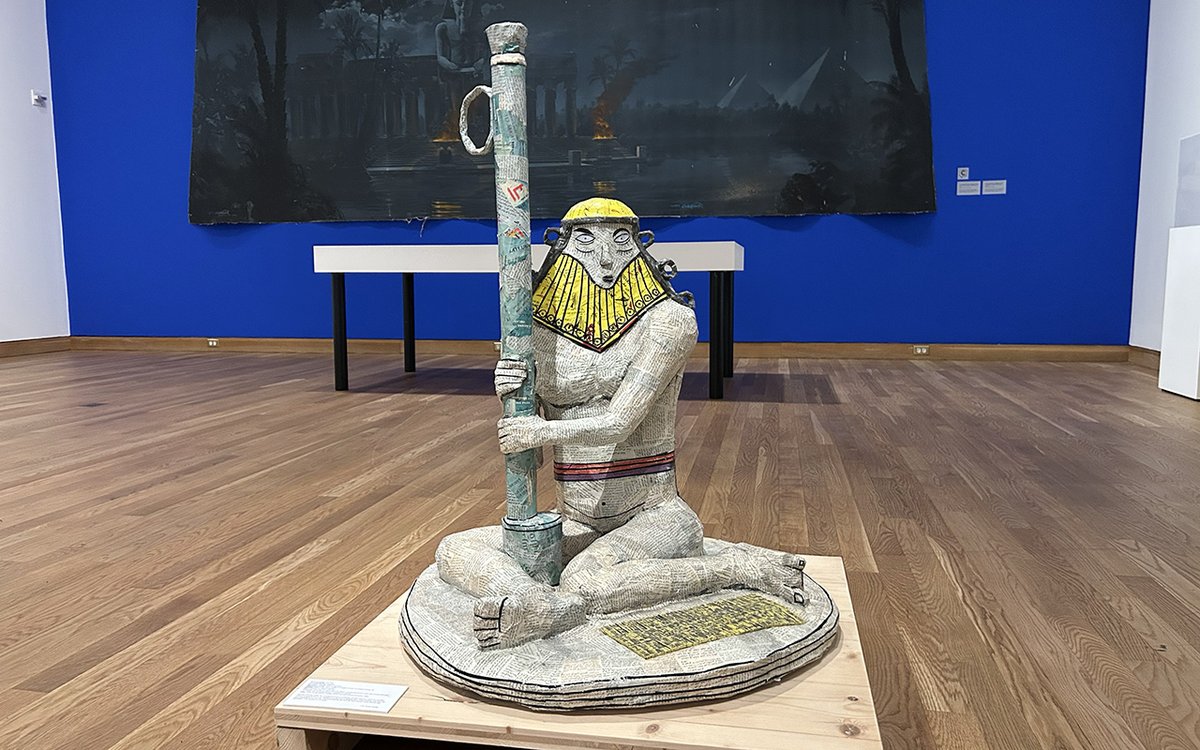
The Weisman Art Museum is hosting "Never Spoken Again: Rogue Stories of Science and Collections," a traveling exhibition produced by Independent Curators International (ICI). Curated by David Ayala-Alfonso, the show features works by over a dozen artists that challenge traditional museum practices, such as the use of pre-Hispanic ceramics as speaker stands to give them a literal voice. The exhibition uses diverse media—from cinefoil sculptures to tapestries from Las Vegas casinos—to critique how institutions collect, classify, and display artifacts.

‘I'm going to miss the quiet life we had’: Greenlander artist Inuuteq Storch on Trump, travel and his ambitions to build a photography museum

Greenlander artist Inuuteq Storch, who gained international recognition for his takeover of the Danish pavilion at the 2024 Venice Biennale, discusses the impact of Donald Trump's renewed claims about taking over Greenland. Storch, whose work focuses on everyday life in Greenland, expresses concern that the political rhetoric could disrupt the quiet, preserved way of life in his community. He is currently showing a new iteration of his Venice exhibition at the Hasselblad Center in Gothenburg, Sweden, and has a major show at MoMA PS1. Storch's practice includes archiving historical images, such as those by Greenland's first photographer John Møller, and using his art to address colonial legacies and resistance.

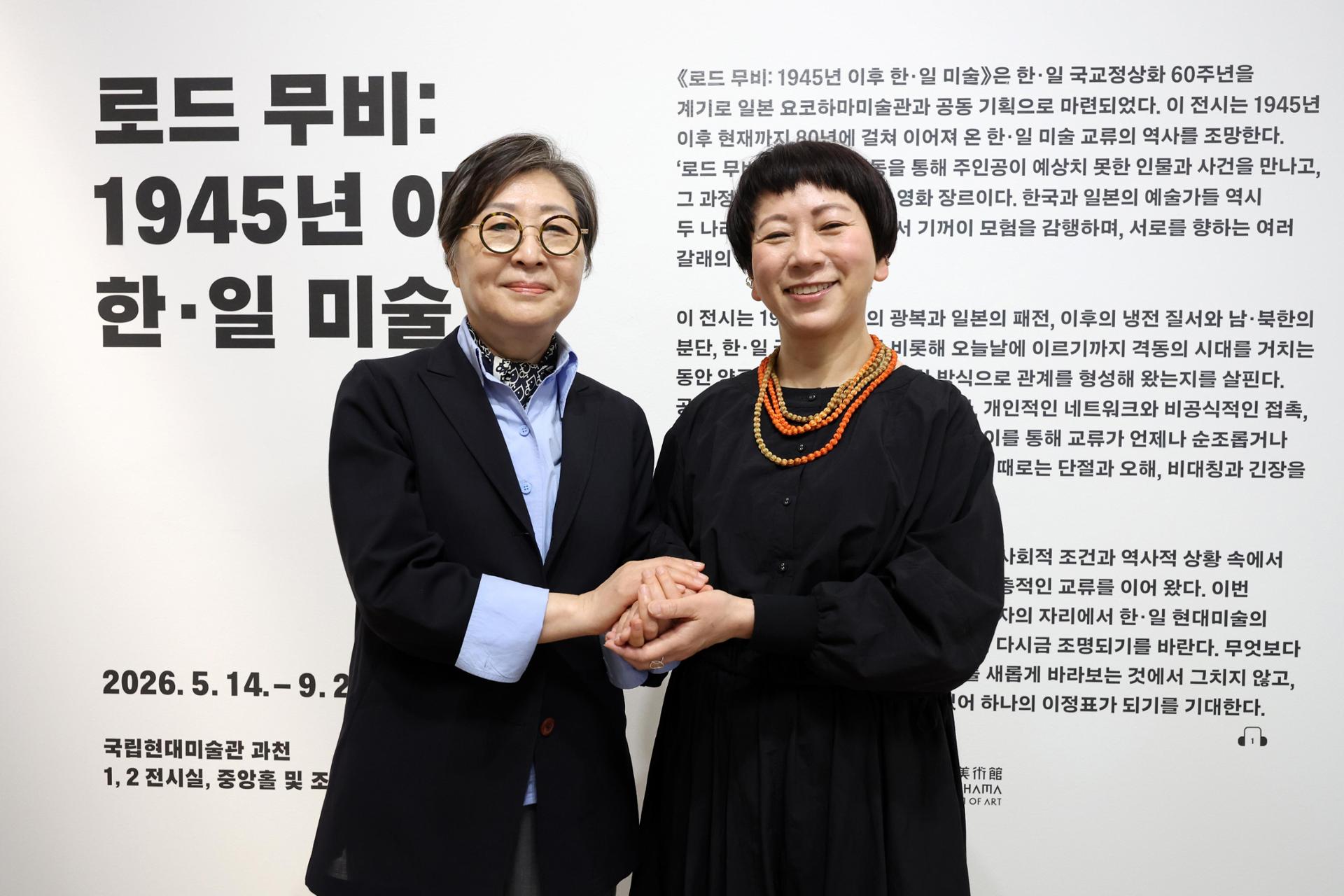
‘Close, yet distant': MMCA exhibition revisits Korea-Japan artistic ties since 1945

The National Museum of Modern and Contemporary Art (MMCA) in Gwacheon, South Korea, has opened a major exhibition titled “Art between Korea and Japan since 1945,” co-organized with the Yokohama Museum of Art. Running from May 14 to September 27, 2026, the show marks the 60th anniversary of normalized diplomatic ties between the two countries. Featuring some 200 works by 43 artists, including Zainichi artists and video art pioneer Nam June Paik, the exhibition traces eight decades of artistic exchange shaped by colonialism, war, division, and ongoing tensions. It previously opened in Yokohama, drawing over 37,000 visitors—significantly surpassing typical attendance—with strong interest from younger audiences.

NAFRICA–MASCHERE: The Mask Strikes Back

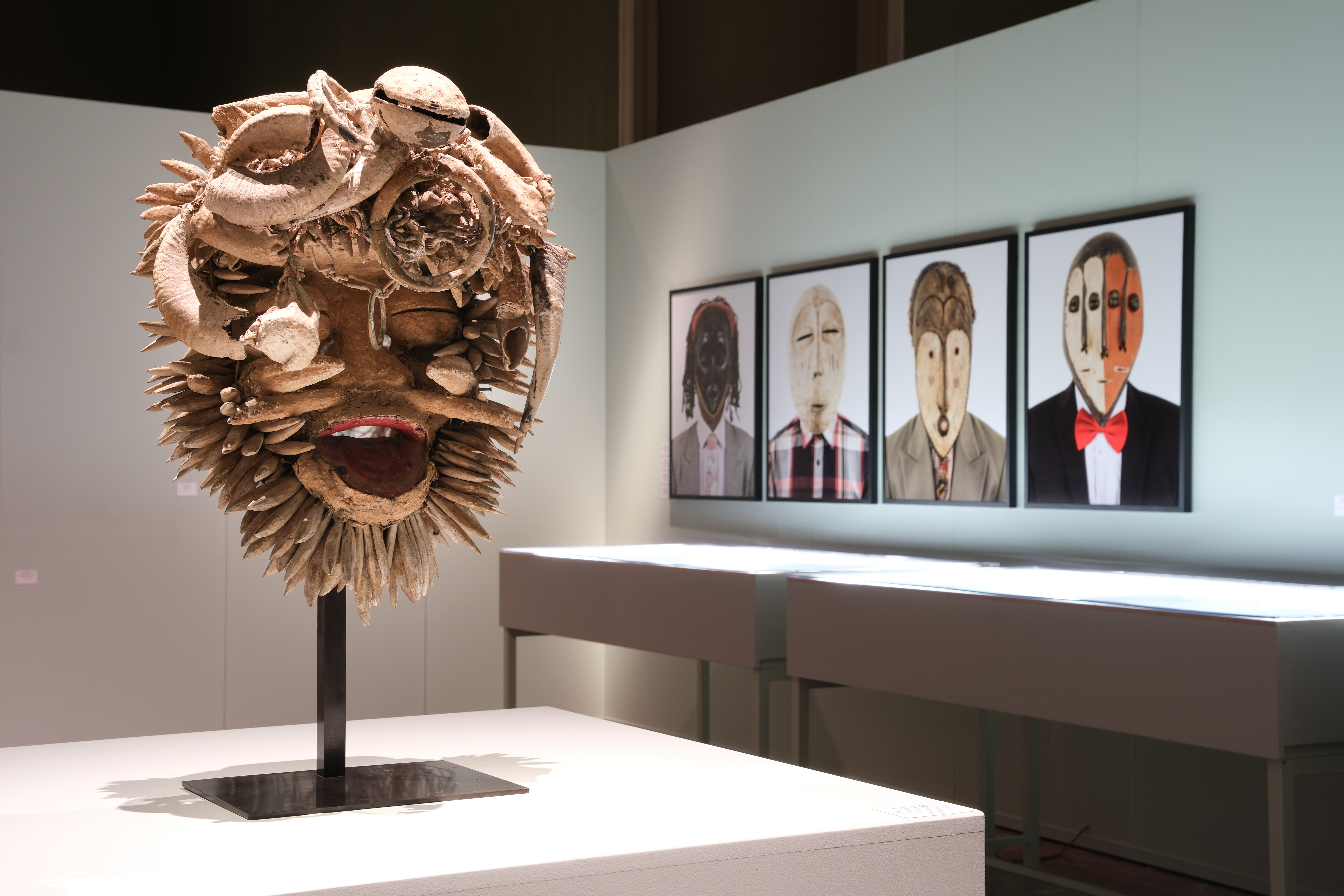
Curator Simon Njami discusses his exhibition 'NAFRICA–MASCHERE' at the Museo e Real Bosco di Capodimonte, which juxtaposes the fascist anthropological archives of Lidio Cipriani with contemporary artworks. The show utilizes the metaphor of the mask to explore the tension between how individuals are perceived and how they project themselves, specifically addressing the persistence of colonial logic in the modern world. By including artists from Africa, America, and Italy, Njami seeks to move beyond a binary 'colonizer vs. colonized' narrative toward a broader inquiry into human representation and power.

Consequences of Being and the Process of Becoming.

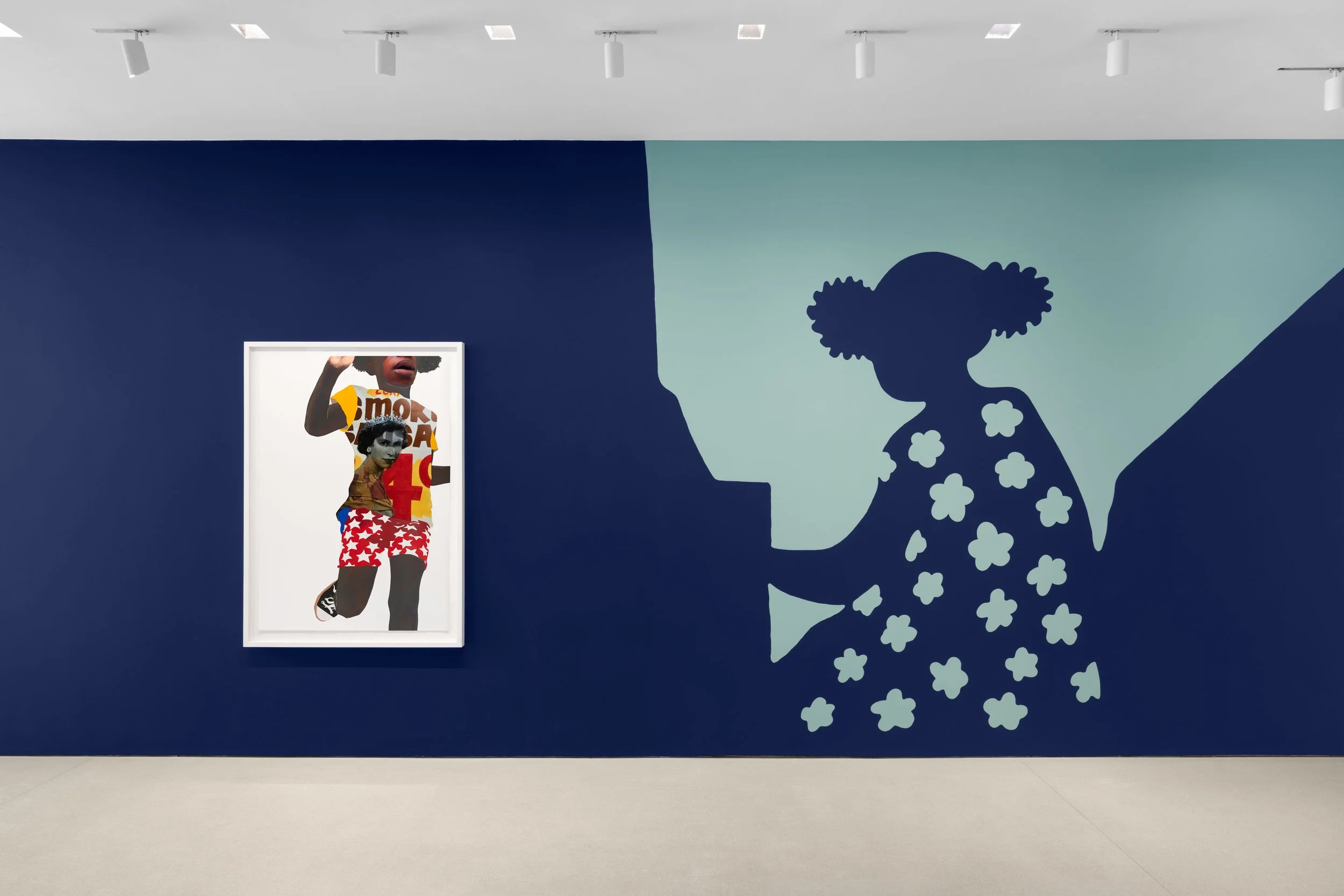
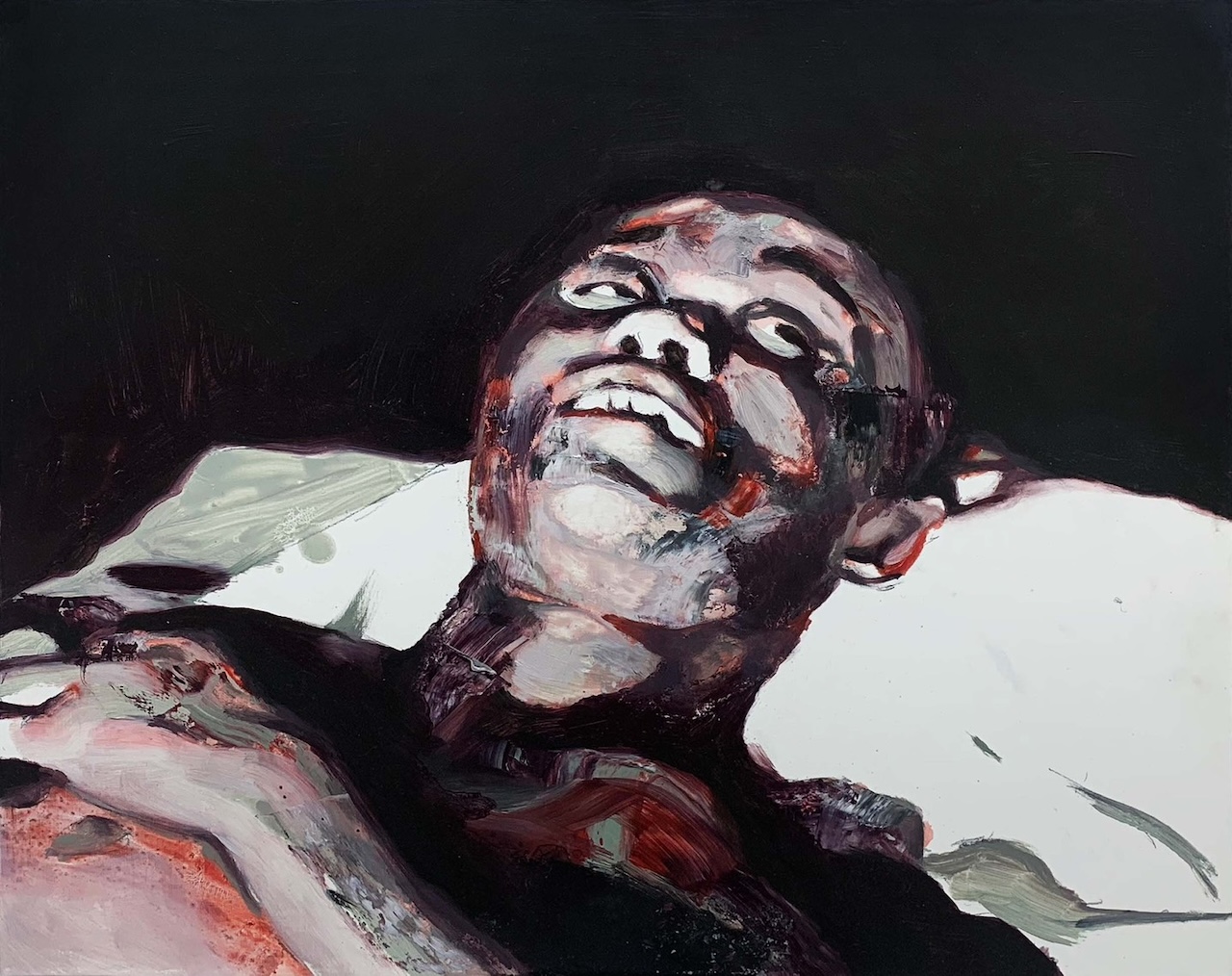
Deborah Roberts’s solo exhibition, 'Consequences of Being,' at The FLAG Art Foundation showcases a significant evolution in her practice, featuring new large-scale paintings, works on paper, and her debut in ceramic sculpture. Her signature collage-based figures are presented as fragmented, composite bodies that challenge fixed notions of Black identity and subjecthood. By blending archival imagery with vernacular signage, Roberts explores how colonial legacies and historical narratives continue to influence the perception of Black bodies across the globe.

MARILYN BOROR BOR, SEBA CALFUQUEO, JULIETH MORALES. PERFORMANCE Y DISIDENCIAS

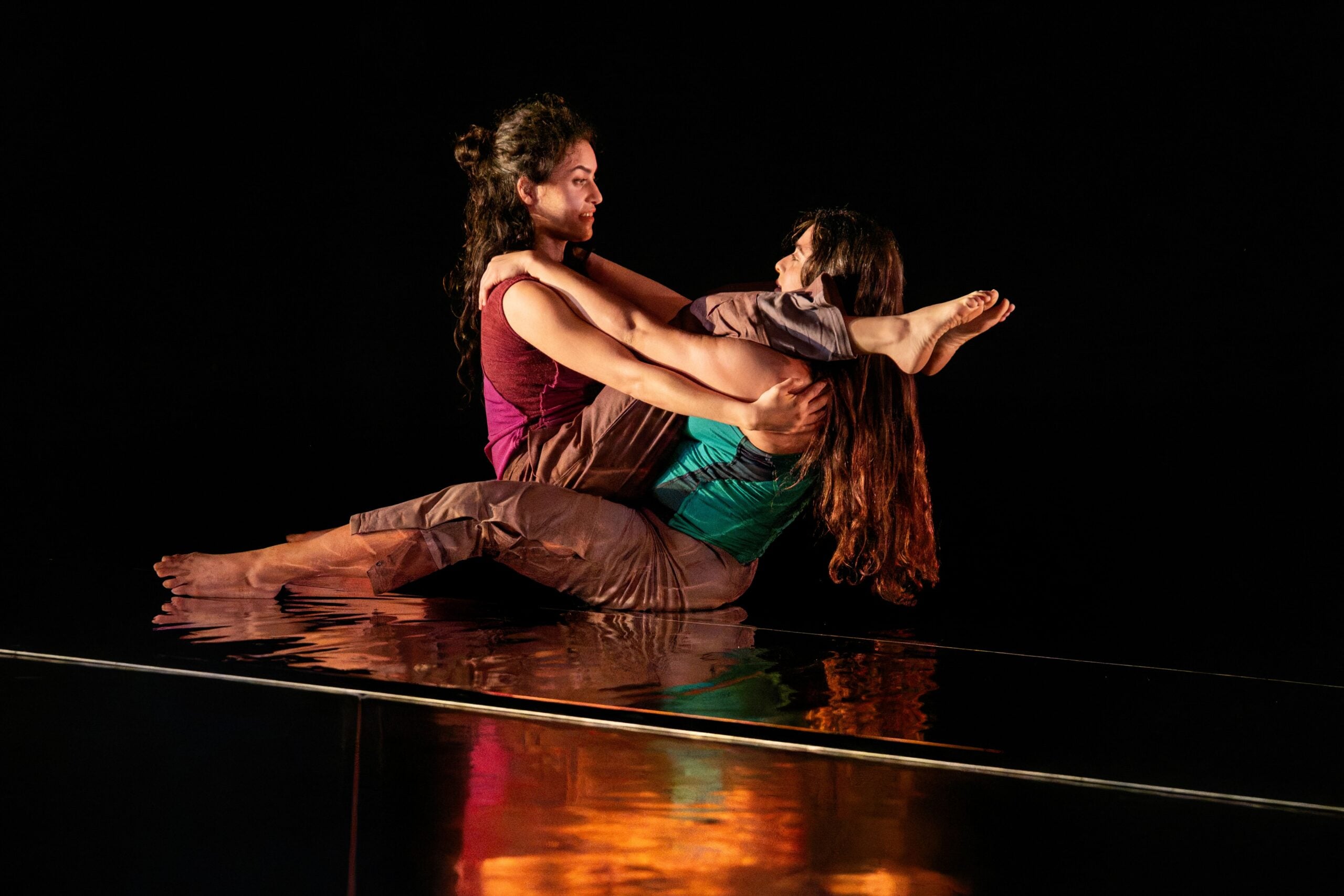
On April 18, 2026, the performance cycle "Atravesar el lago" (Crossing the Lake) took place in open spaces of Casa del Lago UNAM in Chapultepec Park, curated by Adonay Bermúdez. Artists Marilyn Boror Bor, Seba Calfuqueo, and Julieth Morales activated performances that destabilize dominant knowledge frameworks and confront narratives imposed by colonial modernity. Boror Bor's "Lo que el cemento no puede cubrir" turned the body into a living archive summoning ancestral memories; Calfuqueo's "Guardo mis semillas para el futuro" opened fissures in imposed borders; and Morales's "Enchumbarnos: Cuerpo, Norma y Territorio. Ritual para dos cuerpos" configured a threshold of listening and transformation. The article includes a curatorial text fragment exploring water as a dissident force, drawing on Silvia Rivera Cusicanqui's thought.

Primavera 2026 artists announced: Introducing the next generation of Australian artistic talent | MCA Australia

The Museum of Contemporary Art Australia (MCA) has announced the six artists selected for its prestigious Primavera 2026 exhibition, a key annual showcase dedicated to emerging Australian artists aged 35 and under. The selected cohort includes Khadim Ali, Moorina Bonini, Dennis Golding, Jazz Money, Kate ten Buuren, and Constantina, whose practices span painting, sculpture, video, installation, and digital media, reflecting a diverse and interdisciplinary approach to contemporary art.

On the Somalia Pavillion

At the 2026 Venice Biennale, Somalia has established its first-ever national pavilion, commissioned by the Somali government to showcase the richness of Somali culture through the theme of Saddaxleey, a triadic form of Somali poetry and proverbs. The pavilion features works by Somali Swedish artist Ayan Farah, UK-based Somali Danish multidisciplinary artist Asmaa Jama, and Somali British poet Warsan Shire. However, a collective of queer Somali artists, curators, and culture workers called Warbixinta Cidda has publicly criticized the pavilion for overrepresenting the diaspora, selecting an all-male advisory board, and appointing an Italian co-curator instead of Somali curators, raising concerns about representation and neocolonialism.

JEZIK AND COSTA EXPLORE MEMORY AND EXILE IN A GROUP EXHIBITION

The Miguel Hernández University in Elche, Spain, presents "Vientos del pueblo. Voices of Exile and Resistance," a group exhibition curated by Mónica Sotos. Inspired by Miguel Hernández's poem "Vientos del pueblo," the show features Argentine artists Ježik and Costa alongside Eugenio Merino, Gloria Oyarzábal, Ricardo Calero, Óscar Seco, Pierre Valls, and María Rosa Aránega. Through photography, video, installation, drawing, and archival works, the exhibition examines violence, borders, exile, and colonial legacies, challenging dominant power narratives.

AFFECTIVE CARTOGRAPHIES AND ARCHITECTURES BY SOFIA SALAZAR AT C3A

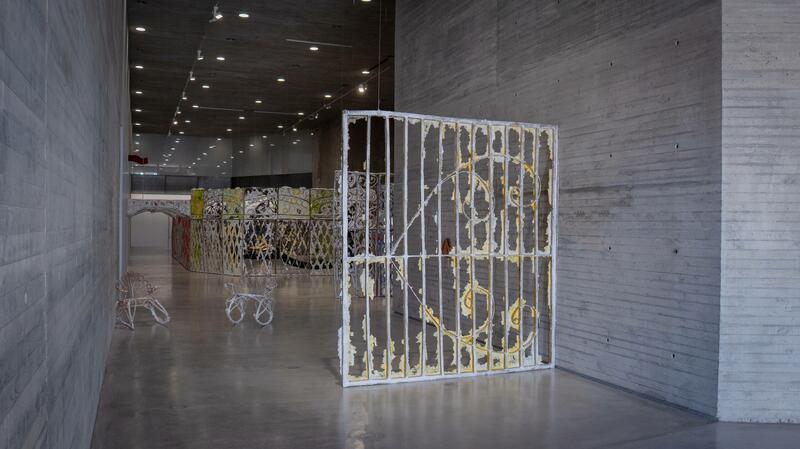
Ecuadorian artist Sofía Salazar Rosales has debuted a site-specific solo exhibition titled "Travesías de una lágrima" at the Centro de Creación Contemporánea de Andalucía (C3A) in Córdoba, Spain. The installation-heavy showcase utilizes sculpture and architecture to explore themes of migration, memory, and colonial legacies. Through materials like wax, charcoal, and iron grilles, Salazar Rosales transforms the gallery into a performative space where visitors navigate physical representations of borders, displacement, and the historical weight of territory.

For the 2026 Venice Biennale, the RojoNegro duo brings a collective ritual to the Mexico Pavilion

Per la Biennale Arte 2026 il duo RojoNegro porta nel Padiglione del Messico un rituale collettivo

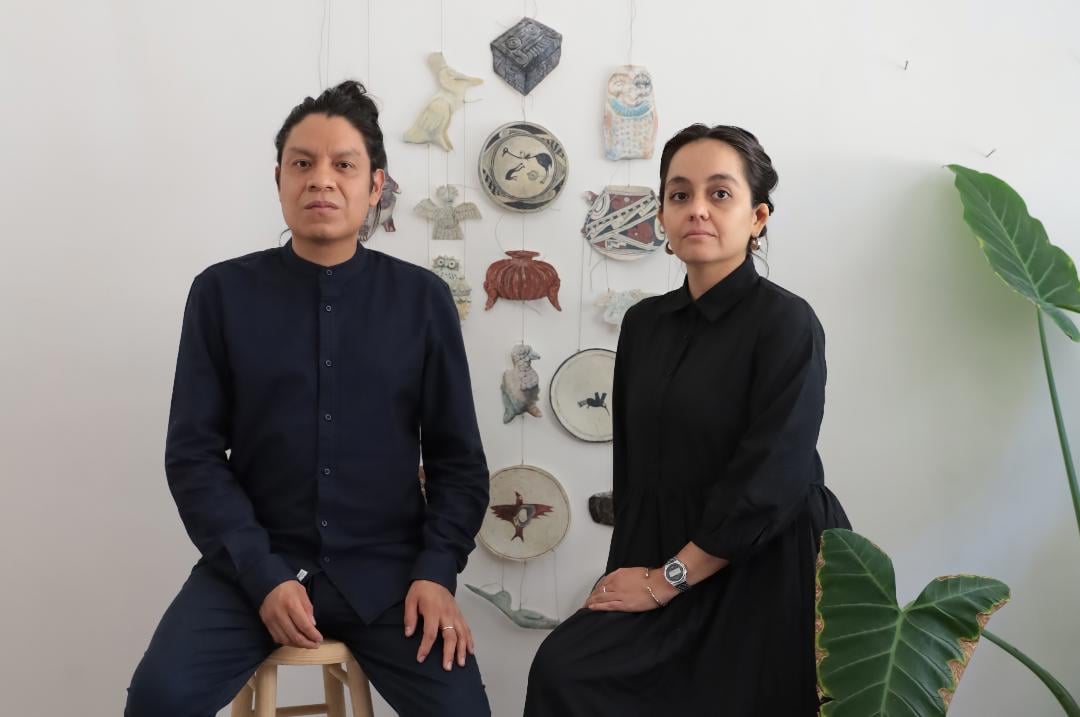
The article announces that the RojoNegro collective, formed by María Sosa and Noé Martínez, will represent Mexico at the 61st Venice Biennale in 2026 with a project titled "Actos invisibles para sostener el universo." Curated by Jessica Berlanga Taylor, the installation combines organic materials, sound, video, and performance to create a ritualistic space that invokes invisible presences, memories, and energies. The work draws on decolonial perspectives, centering Indigenous and Afro-descendant cosmogonies as living knowledge systems, and aims to activate a dialogue between situated ritual practices and the global context of the Biennale.

月を射る @ KAG

KAG in Tokyo is presenting a group exhibition titled "月を射る" (Shooting the Moon), running from May 19 to August 16, 2026. The show takes its starting point from a prose poem of the same name by Korean poet Yun Dong-ju (1917–1945), who wrote it in 1939 under Japanese colonial rule and later died in a Fukuoka prison. The exhibition spans pre-war and wartime educational films, propaganda, performance, and contemporary fieldwork, featuring works by artists such as Inoue Kan (Lee Byung-woo), Choe Seung-hui, Kamei Fumio, Yoshimi Yasushi, Atsugi Taka, Fujii Hikaru, Yamamoto Seiko, T.T. Takemoto, Morita Reine, Gataro, and Shirakawa Masao. It examines the management models formed by the former empire and the spiritual structure of colonialism that underlies contemporary issues, centering on works that carry the "memory of censorship"—banned, deleted, or denied existence by national, administrative, or social norms.

Santarcangelo Festival 2026: The Village Fills with Performances, Speaking of the Body as a Political Space Under Pressure

Santarcangelo Festival 2026, il borgo che si riempie di performance parlando di corpo come spazio politico sotto pressione

The 56th edition of the Santarcangelo Festival, titled "Deep Pressures," will take place from July 3 to 12, 2026, in the historic town of Santarcangelo, Italy. Curated by Tomasz Kirenczuk in his final year as artistic director, the festival transforms the town into a "city-festival" with over 100 events including performances, concerts, and participatory practices. The program explores the body as a political space under pressure—from geopolitical conflict and colonial legacies to emotional and social tensions. Key works include "In relation to whom?" by Palestinian artists Marah Haj Hussein and Nur Garabli, "When I Saw the Sea" by Lebanese choreographer Ali Chahrour, and "Homem Novo" by Mozambican artist Yuck Miranda, among others. The festival was presented at Mambo in Bologna, with Kirenczuk emphasizing that the role of the festival is to be unsettling, not reassuring.