
filter_list Showing 36 results for "incarceration" close Clear
search
dashboard All 36 museum exhibitions 25article news 5article culture 2article local 2trending_up market 1article policy 1
date_range Range Today This Week This Month All
Subscribe

culture politics bryan stevenson equal justice

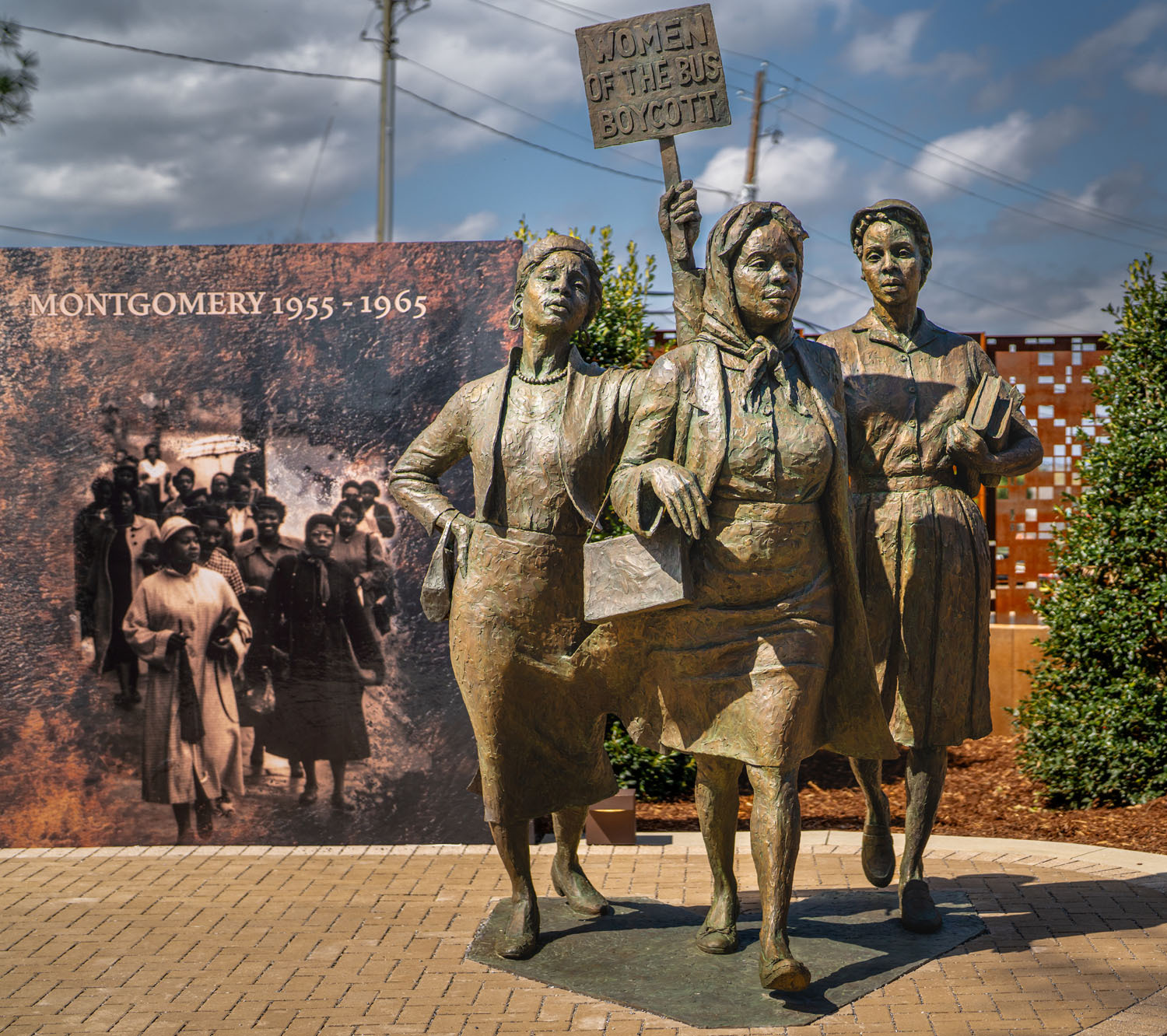
Bryan Stevenson, civil rights attorney and executive director of the Equal Justice Initiative (EJI), opened Montgomery Square in Alabama on the anniversary of the Selma to Montgomery March. The new public space commemorates the acts of courage that led to the Voting Rights Act of 1965, focusing on the Civil Rights era and the role of Montgomery's Black community, including lesser-known figures like Linda Blackmon Lowry and Sheyann Webb. Stevenson discusses the square as part of EJI's broader network of sites—including the Legacy Museum and the National Memorial for Peace and Justice—which aim to deepen public understanding of America's history of racial inequality and mass incarceration.
UNT dean said fears of political repercussions led to removal of art exhibit, leaked transcripts show

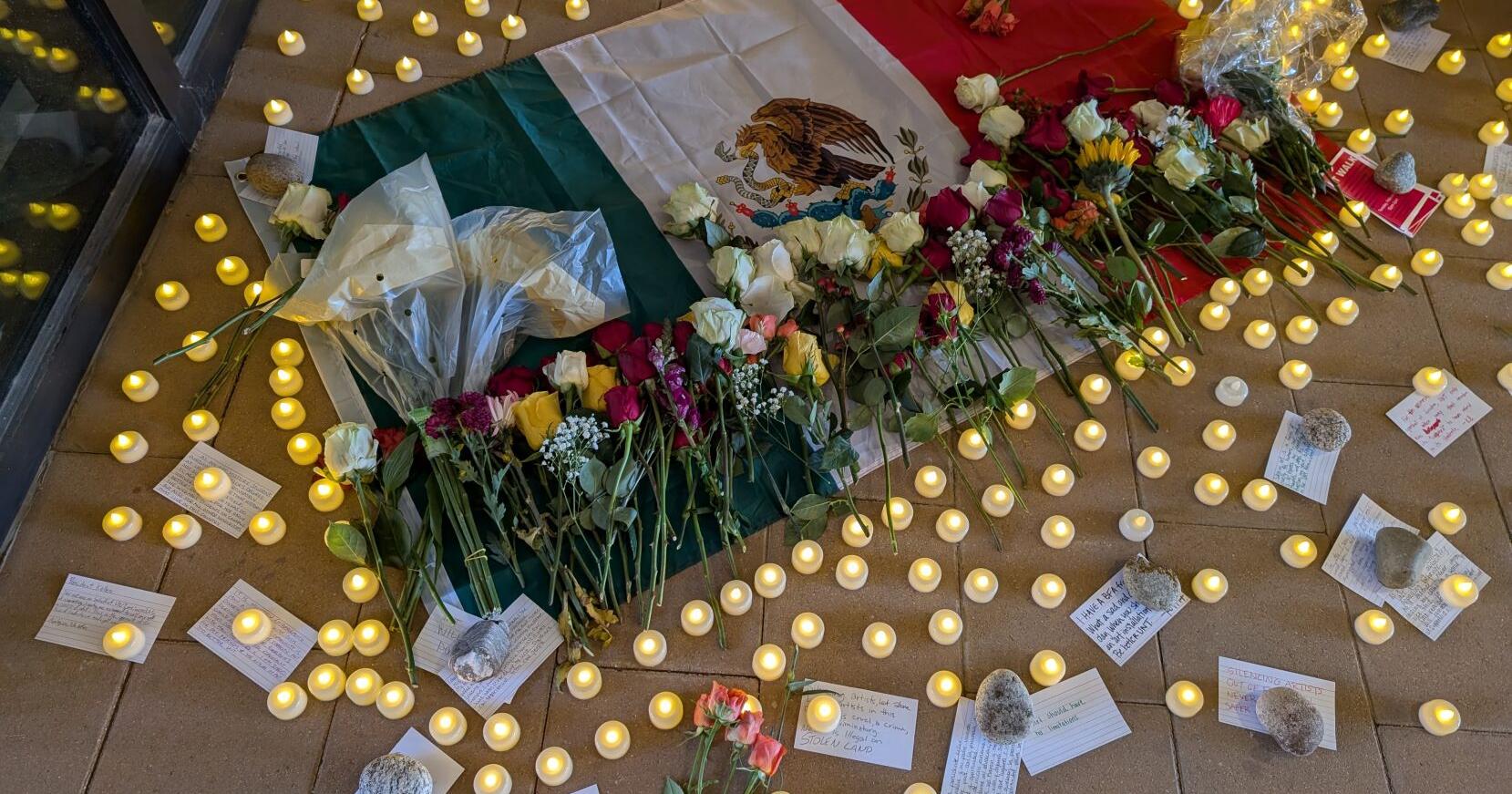
Leaked transcripts from the University of North Texas (UNT) reveal that Dean Karen Hutzel attributed the abrupt cancellation of artist Victor “Marka27” Quiñonez’s exhibition to fears of political retaliation. The show, titled “Ni de Aquí, Ni de Allá,” was shuttered shortly after opening at the CVAD Gallery without an initial public explanation. The transcripts indicate that administrators feared the provocative nature of the work—specifically pieces addressing incarceration and deportation—could lead Texas Republican lawmakers to slash university funding or eliminate programs, following a pattern of ideological clashes at other state institutions.

'Do or die': Flick's journey from jail to artist and First Nations mentor

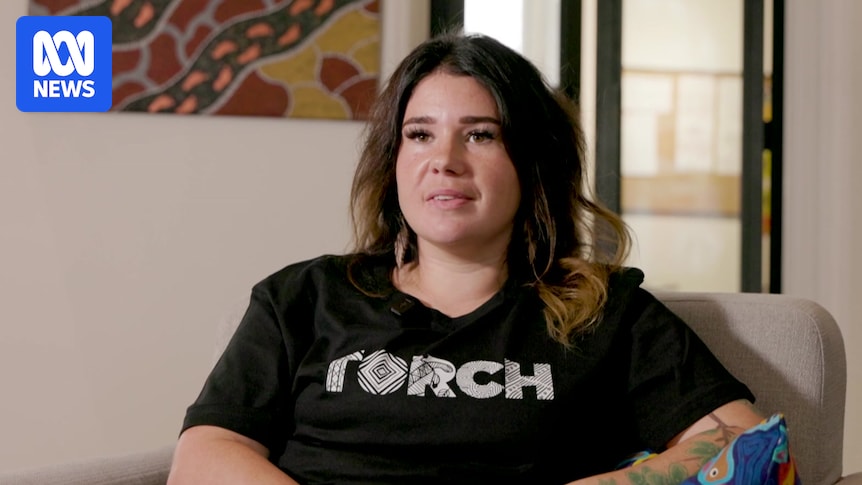
Flick Chafer-Smith, a First Nations artist, turned her life around after being incarcerated on her 18th birthday and spending six years in and out of prison due to drug addiction. Through the Victorian Indigenous arts program The Torch, she discovered painting as a means of expression and healing. She is now among 424 artists featured in Confined 17, an annual exhibition at Glen Eira Town Hall showcasing works by First Nations artists with lived experience of incarceration in Victoria. The exhibition includes paintings, weavings, ceramics, and carved emu eggs, with sales proceeds going directly to the artists.

Corcoran students commemorate America’s 250th year with interactive art exhibit

Graduate students at the Corcoran School of the Arts & Design, part of George Washington University, have created an interactive exhibition titled “American Made” to commemorate the United States’ 250th anniversary. The exhibit, on view at the Luther W. Brady Art Gallery until May 14, combines 21 traditional artworks from GW’s collection—including photographs, pottery, and textiles—with interactive elements such as a touchscreen map and audio components. The project was developed collaboratively by students in museum studies and interactive design programs, led by professors Laura Schiavo and Sam Shelton, as part of the school’s annual NEXT Festival. Featured works include Patricia Kennedy-Zafred’s contemporary quilt “Tagged,” which addresses the incarceration of Japanese Americans during World War II.

No One Knows All It Takes // Haggerty

The Haggerty Museum of Art at Marquette University will present the exhibition "No One Knows All It Takes" from August 22 to December 20, 2025. Curated by Christopher Jobson and Grace Ebert of Colossal, the show features four artists—Bryana Bibbs, Raoul Deal, Maria Gaspar, and Swoon (Caledonia Curry)—whose work addresses the effects of concealed trauma, including addiction, incarceration, immigration, and lack of systemic support for caregivers. The exhibition aims to move beyond individual self-care to highlight root causes of trauma and systemic issues undermining collective well-being.

Aristophil : Gérard Lhéritier reconnaît sa culpabilité et obtient une peine réduite

Gérard Lhéritier, founder of the art investment firm Aristophil, has pleaded guilty in a French court under a procedure known as comparution sur reconnaissance préalable de culpabilité (CRPC), effectively a plea bargain. On April 14, he admitted responsibility for fraud and deceptive commercial practices after more than a decade of denial. This late admission, made just before his expected incarceration, reduces his sentence from the five years of imprisonment handed down in December 2025 to two years under electronic monitoring. The case stems from Aristophil’s collapse, which involved selling shares in manuscripts and historical documents as attractive investments, leaving thousands of investors heavily impacted.