filter_list Showing 76 results for "italia" close Clear
dashboard All 76 museum exhibitions 34article news 19article policy 6article local 5gavel restitution 4article culture 3trending_up market 3candle obituary 1rate_review review 1
date_range Range Today This Week This Month All
Subscribe

US Returns 337 Looted Objects to Italy in Repatriation Effort

The United States officially returned 337 looted antiquities to Italy at a ceremony held at La Marmora barracks in Rome. Of these, 221 objects were repatriated through the Manhattan District Attorney’s Office, while the remaining 116 were recovered on April 10, 2026, via joint efforts by the FBI, Homeland Security Investigations, the District Attorney’s Office, and Christie’s New York auction house. The objects span from the Villanovan era (900–700 BCE) to the Hellenistic period (323–31 BCE) and include a 1st-century CE marble head of Alexander the Great, a bronze sculpture from Herculaneum, and two Egyptian basalt sculptures.
Meloni takes control of Italian museums

Meloni reprend en main les musées italiens

Italy’s culture ministry under Prime Minister Giorgia Meloni has appointed 14 new directors for so-called “second-tier” museums, reinforcing a shift away from the international “super-director” model introduced by the 2014 Franceschini reform. All appointees are Italian except for French director Axel Hémery, who was reappointed at the Pinacoteca di Siena due to his strong performance. The move follows the earlier ousting of foreign directors at top-tier museums, with only two foreign-born directors—Eike Schmidt and Gabriel Zuchtriegel—remaining, both of whom hold Italian citizenship.

Exhibition | Tommaso Spazzini Villa, 'The Time That’s Left' at TOTAH, New York, United States

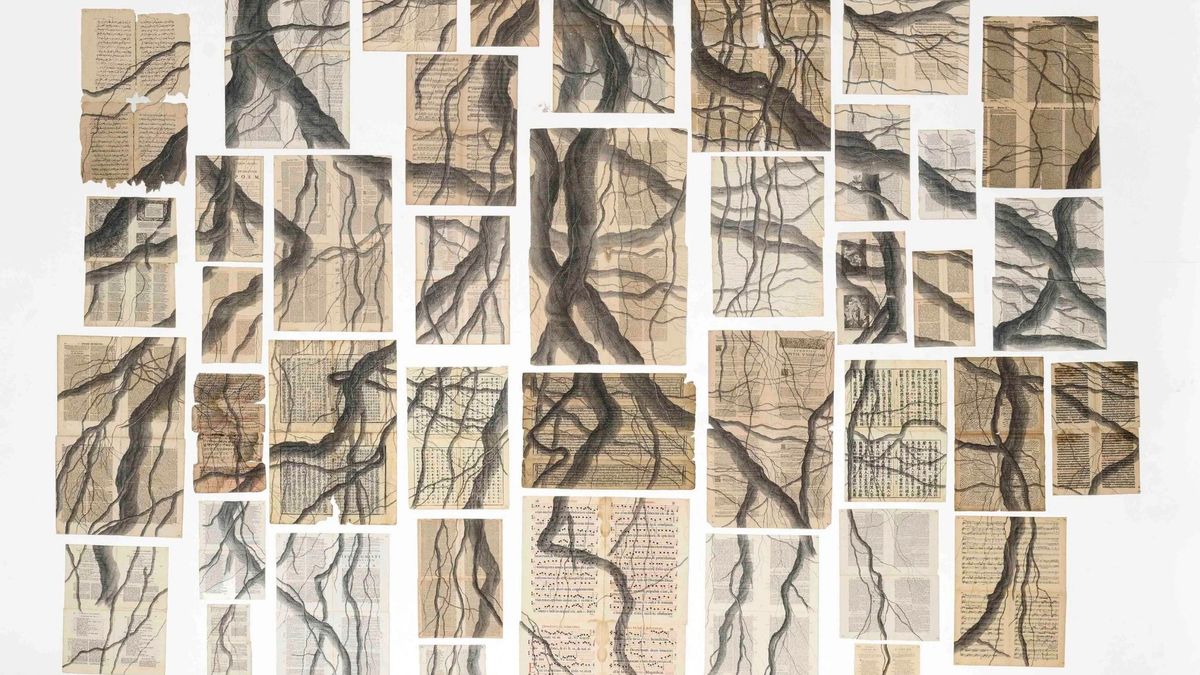
TOTAH gallery in New York presents 'The Time That’s Left', a solo exhibition of works by Italian artist Tommaso Spazzini Villa, opening May 14, 2026. The show expands on his recent large-scale mural on West 45th Street in Hell’s Kitchen, moving from public space to an intimate gallery setting. It features graphite drawings traced across antique book pages—sacred texts, epic poetry, theatre scores—depicting root-like forms that challenge linear language, alongside metal box sculptures with wire, light, and dried leaves that create fleeting shadow dioramas.

Waiting for the 2026 Venice Biennale, on Sky Arte Artbox tells the story of the Turin festival EXPOSED

Aspettando la Biennale Arte 2026, su Sky Arte Artbox racconta il festival torinese EXPOSED

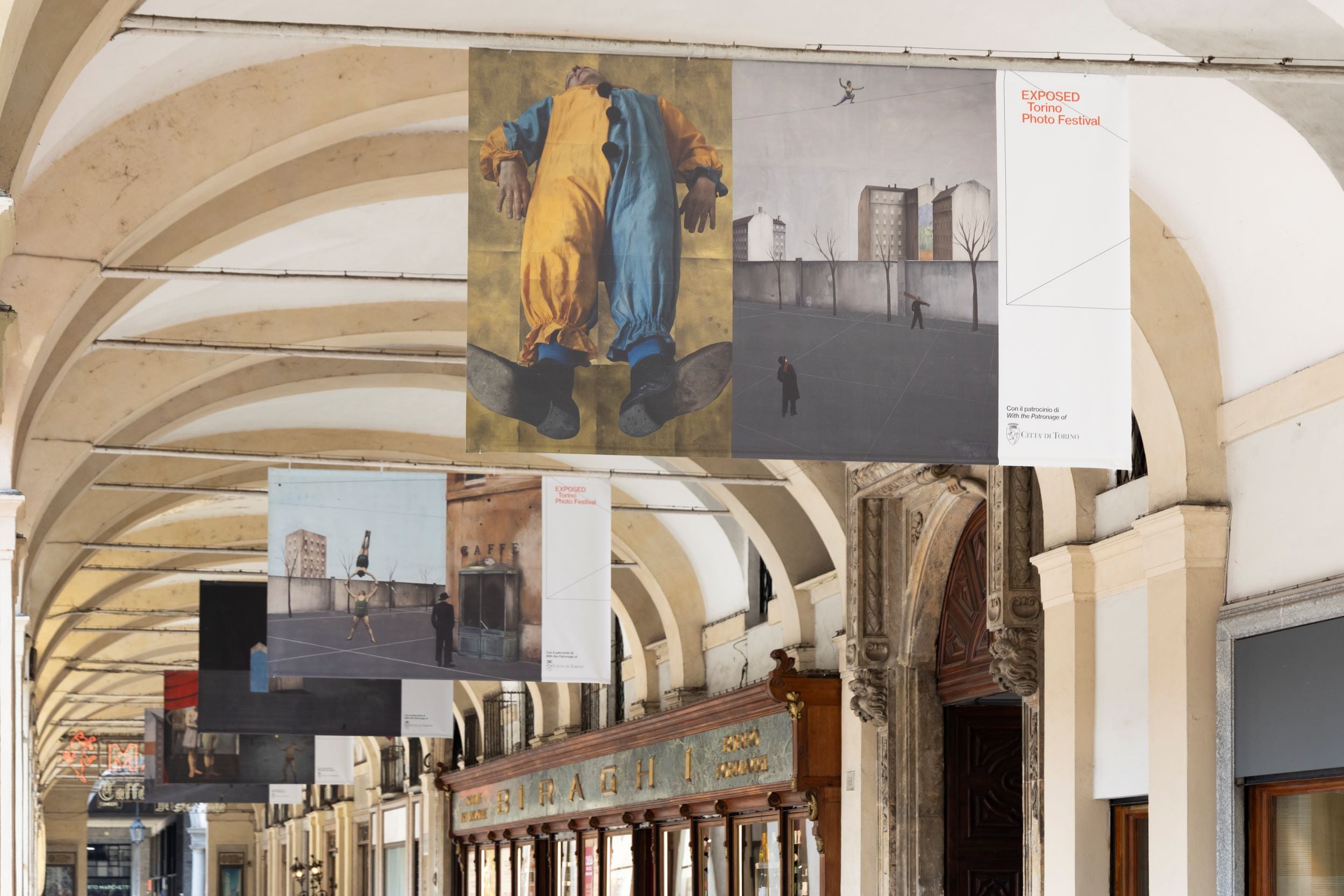
The 24th episode of Sky Arte's program "Artbox" airs on May 5, 2026, coinciding with the official start of the Venice Biennale Arte 2026. The episode focuses on the third edition of EXPOSED Torino Photo Festival, themed "Mettersi a nudo" (Stripping Bare), inspired by Baudelaire. Artistic director Walter Guadagnini, photographers Toni Thorimbert and Paola Agosti, and curator Giangavino Pazzola discuss the festival's exhibitions, including Paola Agosti's feminist photography at the Museo Nazionale del Risorgimento and Yorgos Lanthimos's photographs at the Cripta di San Michele Arcangelo. The episode also covers a Max Bill retrospective at the m.a.x. museo in Chiasso, Switzerland, and features segments on art and truth, a book on Milan's Central Station, and a project from Milan Design Week 2026 by Spanish artist Pau Aguilò.

In Piedmont, Langhe, Roero and Monferrato increasingly focus on contemporary art and cultural tourism

In Piemonte le Langhe, il Roero e il Monferrato puntano sempre di più sull’arte contemporanea e il turismo culturale

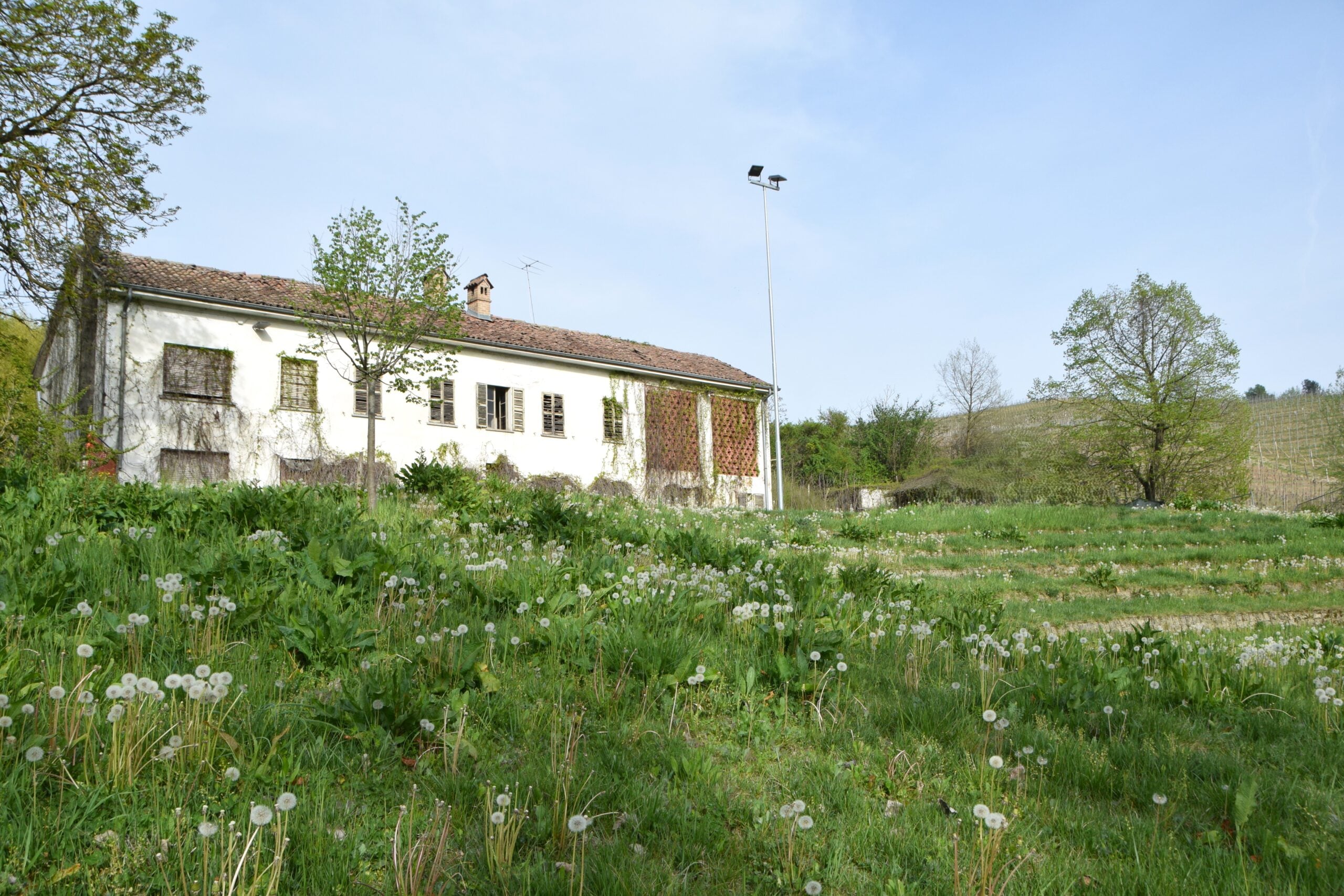
The Langhe, Roero, and Monferrato regions of Piedmont, Italy, have consolidated their cultural alliance under the name Orma, a unified system launched in 2025 that brings together four existing festivals—Creativamente Roero, Resté, Germinale Monferrato Art Fest, and La collina sale sempre—to offer a widespread contemporary art program across the UNESCO World Heritage territory. In 2026, Orma expands its activities from May to November, involving over 60 municipalities, with new entries like Canelli hosting a site-specific work by Brazilian artist Maria Theresa Alves in partnership with Castello di Rivoli, and projects such as Prospettive / Perspectives with Fondazione Sandretto Re Rebaudengo and Villa Arson. The program includes artist residencies, permanent interventions, and exhibitions, with Resté already underway in the Langhe towns of Diano d'Alba, Montelupo Albese, Rodello, and Cerretto Langhe.

100 anni fa nasceva Nuvolo. Ecco chi era l’artista partigiano che firmava col nome di battaglia

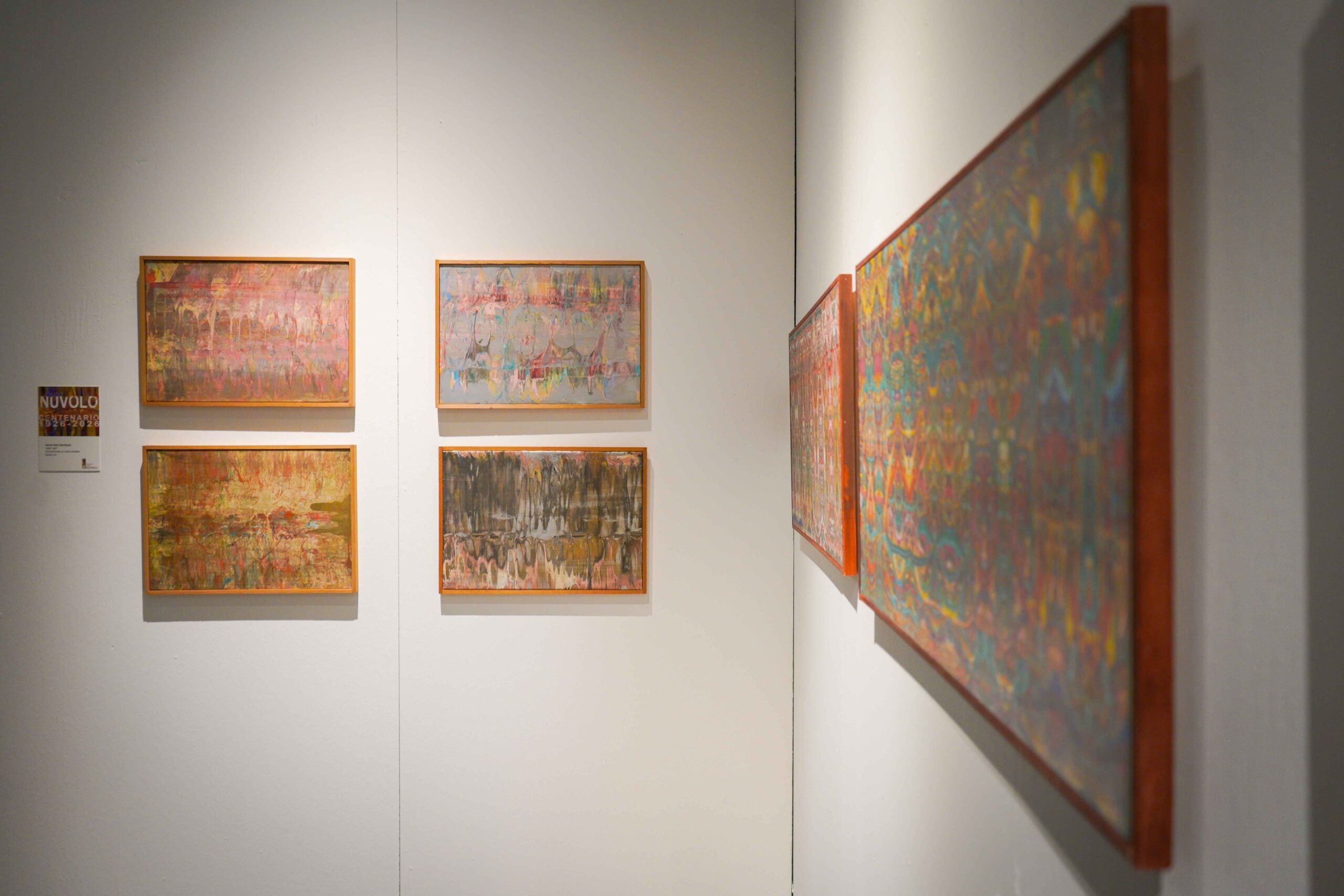
Giorgio Ascani, known by his partisan nickname Nuvolo, was born 100 years ago in Città di Castello, Italy. He adopted the name during the Resistance at age 17, inspired by his ability to appear and disappear like a cloud. Nuvolo became a painter and taught at the Accademia di Belle Arti di Perugia, serving as director from 1979 to 1984. His works are held in museums and collections worldwide. In 2025, a major exhibition curated by Bruno Corà, Aldo Iori, and Paolo Ascani was held at Palazzo Collicola in Spoleto, and in 2018, New York's Galleria Di Donna mounted a retrospective curated by Germano Celant. Now, the fair AMAB in Assisi joins centenary celebrations with 15 works spanning his career, including pieces from the Genesi cycle, Serotipie, and OIGROIG series.

This unpublished comic tries to tell us what the Biennale of the future will be like

Questo fumetto inedito prova raccontarci come sarà la Biennale del futuro

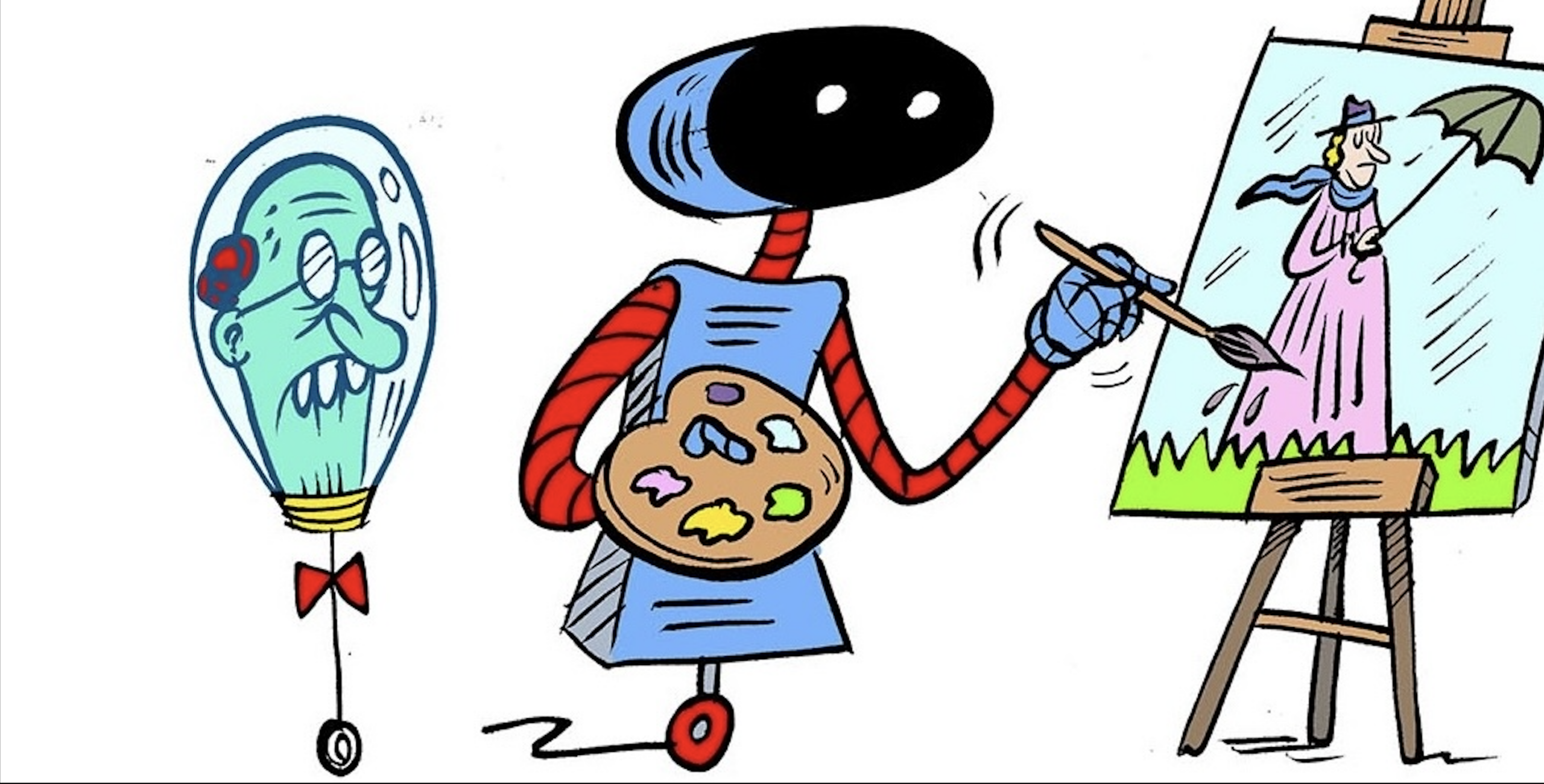
Hurricane (Ivan Manuppelli), a leading figure in Italian underground comics, creates an original comic titled "Biennale 2126" for Artribune, imagining what the Venice Biennale might look like in the future. In an accompanying interview, he discusses his satirical approach, the enduring relevance of underground comics, and the importance of critiquing power through art.

Fellow Painters and Also Friends. Zandomeneghi and Degas Are on Show in Rovigo

Colleghi pittori e anche amici. Zandomeneghi e Degas sono in mostra a Rovigo

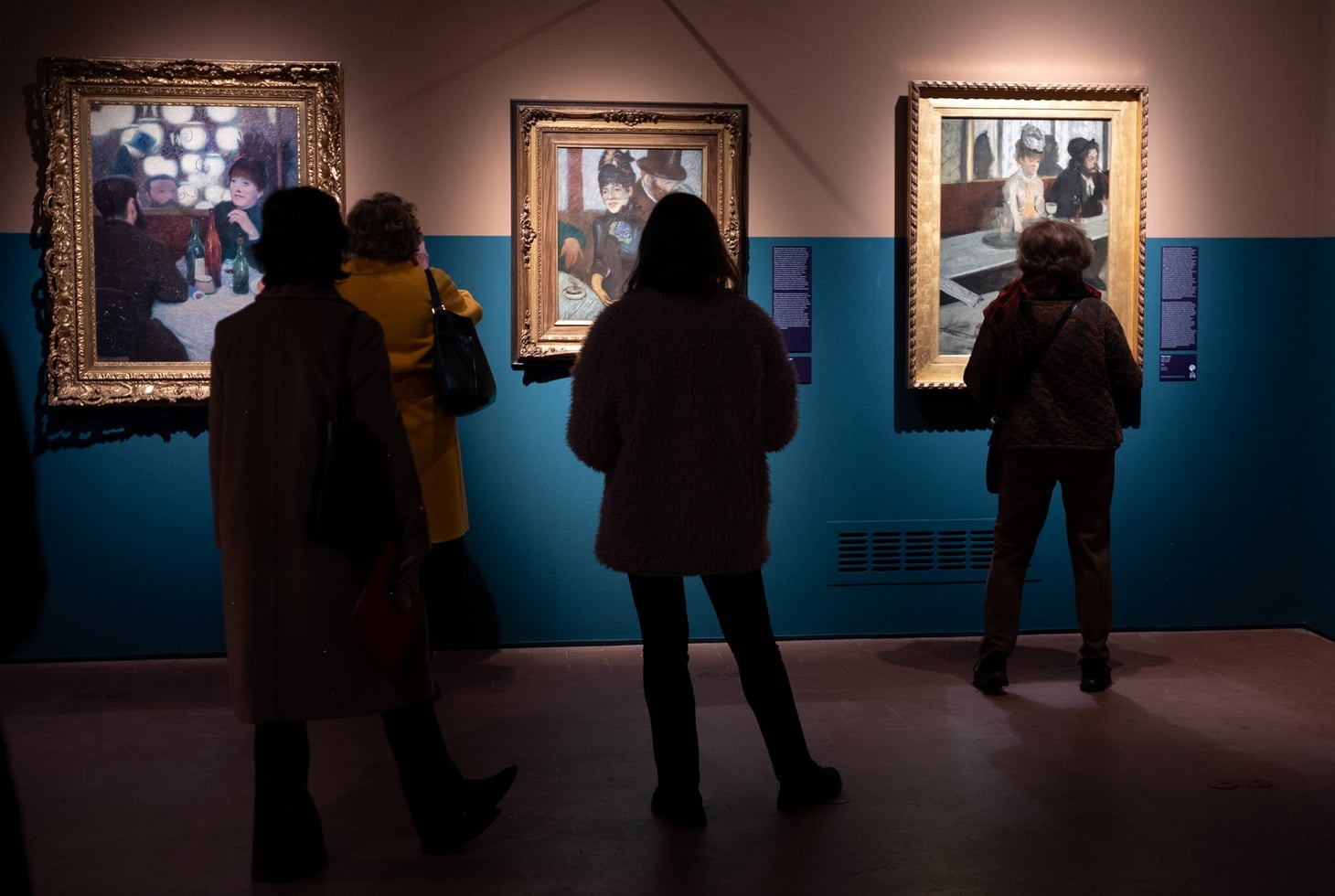
Palazzo Roverella in Rovigo is hosting the exhibition "Zandomeneghi e Degas. Impressionismo tra Firenze e Parigi," curated by Francesca Dini. The show brings together works by Italian 19th-century painter Federico Zandomeneghi and French Impressionist Edgar Degas, featuring about fifteen paintings and sculptures by Degas alongside works by Zandomeneghi. It explores their friendship, mutual artistic influence, and shared commitment to realism, tracing their connections from Florence's Caffè Michelangiolo to Paris, where their paths fully converged. Themes such as dance and the nude are highlighted, with works like Degas's "Classe de ballet" (1888) and Zandomeneghi's "Visita in camerino" and "Donna che si asciuga" on view.

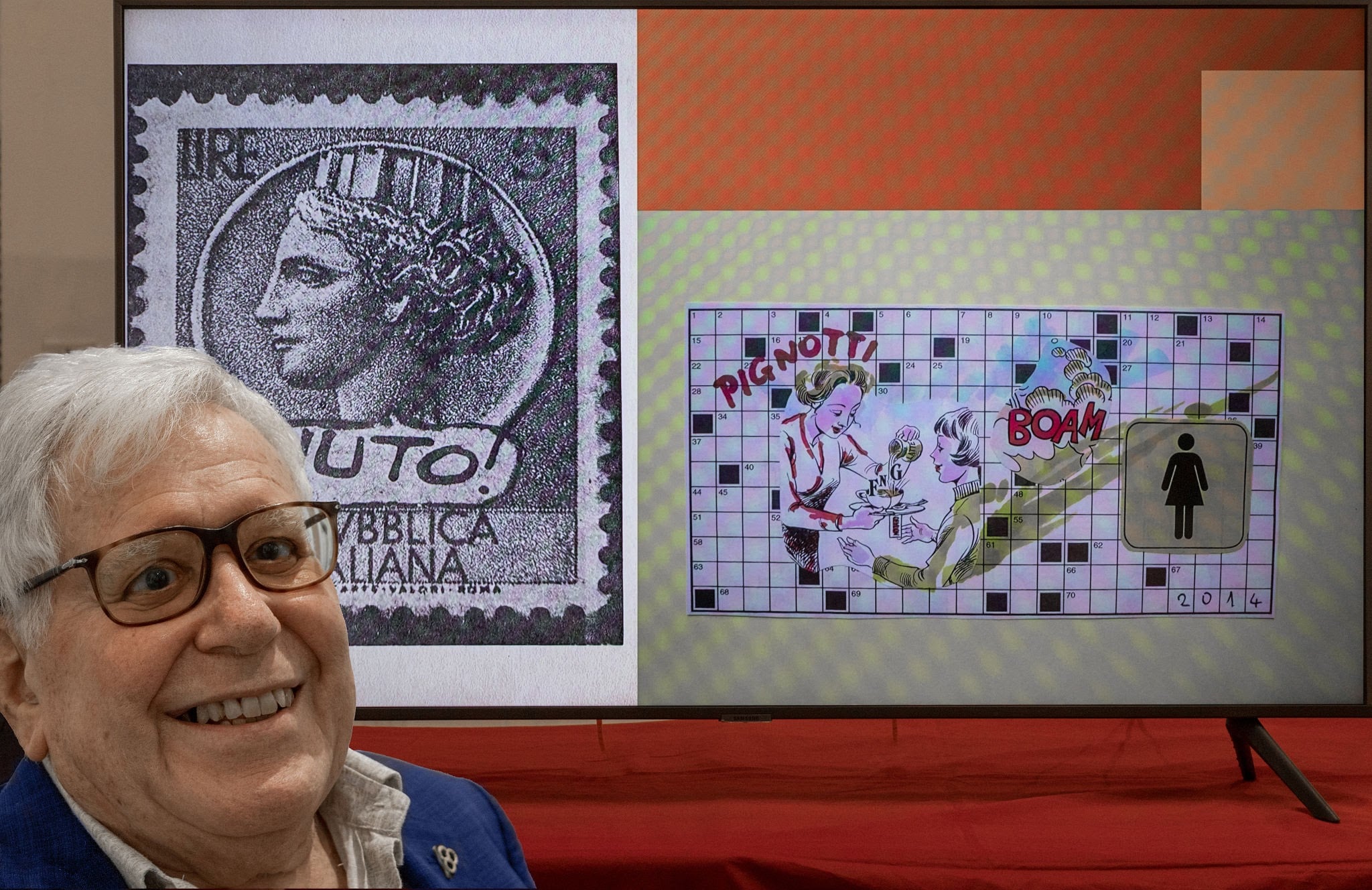
100 anni tra arte e poesia per annullare i confini. Intervista a Lamberto Pignotti

Lamberto Pignotti, the 100-year-old Florentine artist and poet and a leading figure in visual poetry, is celebrated with two concurrent exhibitions: "Pignotti 100. Pop-esie visive" at the Mart in Rovereto (in collaboration with the Collegio Cairoli of Pavia) and the dual solo show "Identikit di Pignotti e Hogre" curated by Marco Giovenale at Galleria Bianco Contemporaneo in Rome. The latter exhibition, born from a dialogue between Pignotti and the anonymous artist Hogre, centers on a collection of envelopes Pignotti has saved for over fifty years—each addressed to him with varying titles (architect, artist, poet, professor) or altered names (Alberto, Lorenzo, Mario, Giuseppe)—revealing his fragmented identity. Pignotti co-founded the Gruppo '70 in Florence in 1963 with Eugenio Miccini, a movement that brought together multidisciplinary artists including Lucia Marcucci, Ketty La Rocca, and musicians Giuseppe Chiari and Sylvano Bussotti.

Two New Italian Paintings for the Bemberg Collection in Toulouse

Deux nouveaux tableaux italiens pour la Collection Bemberg à Toulouse

The Collection Bemberg in Toulouse has acquired two new Italian paintings, including a still life by Bernardo Strozzi (1581-1644) purchased at the Maastricht art fair from Galerie Canesso. The work, a vibrant depiction of peonies and fruit, was previously sold at Sotheby's London in July 2013 and first published in 1985. The acquisition continues the museum's decade-long strategy of enriching its holdings with major works sourced from the art market, guided by its scientific council.

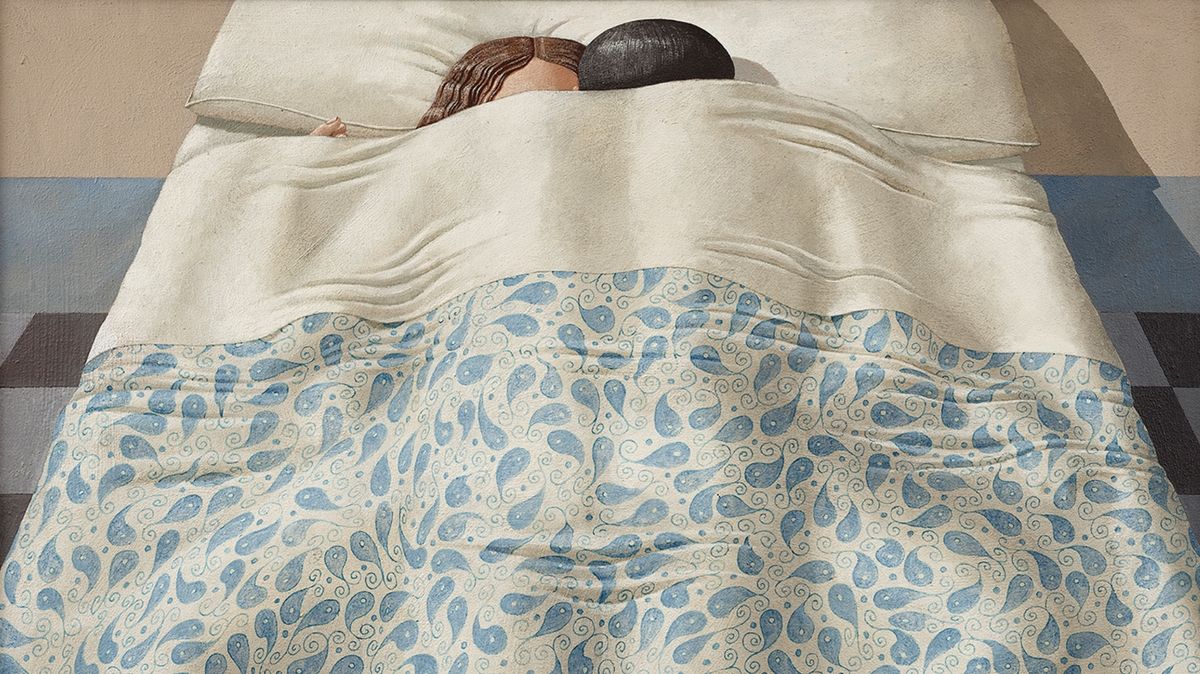
The Anti-Pop Art of Domenico Gnoli

The article reviews "The Adventure of Domenico Gnoli," a retrospective at Lévy Gorvy Dayan in New York, focusing on the Italian artist's 1967 painting *L'inverno (Couple au lit)* and other works featuring intimate, fabric-rich domestic scenes. Gnoli (1933–1970), born into an art-world family, is often associated with Pop Art, but the author argues his work depicts a private, almost childlike world of memory and longing, contrasting with Pop's mass-produced commodities.

From Minor Keys to Uproar: The Crisis of the Venice Biennale

DE LAS MINOR KEYS AL ESTRUENDO: LA CRISIS DE LA BIENAL DE VENECIA

The 61st Venice Biennale is engulfed in a structural crisis, marked by geopolitical tensions over the inclusion of Russia (amid its invasion of Ukraine) and Israel (amid the Gaza genocide). The Biennale Foundation, led by Pietrangelo Buttafuoco, defended their participation on legalistic grounds, sparking outrage from over 200 artists, curators, and cultural workers who demanded Israel's exclusion, aligning with Art Not Genocide Alliance (ANGA). The international jury, chaired by Solange Farkas and including Zoe Butt, Elvira Dyangani Ose, Marta Kuzma, and Giovanna Zapperi, resigned collectively on April 30 after deciding not to award prizes to countries whose leaders face International Criminal Court arrest warrants. This led to the cancellation of the traditional Golden and Silver Lions, replaced by audience-voted "Visitor Lions," with awards deferred until November. The European Commission suspended a €2 million subsidy over Russia's participation, and Italian Culture Minister Alessandro Giuli notably skipped the May 9 opening.

Italian Culture Minister Launches Inspection of Venice Biennale’s Russian Pavilion

Italian Culture Minister Alessandro Giuli has launched an official inspection of the Russian Pavilion at the 61st Venice Biennale, just days before the exhibition opens. An inspector has been sent to Venice to review all documentation related to Russia's participation, focusing on potential irregularities such as visa issues for Russian artists and delegation members. The investigation follows the Biennale's international jury decision to exclude Russia and Israel from awards due to accusations of crimes against humanity. The Russian Pavilion will be open only during the pre-opening vernissage, after which it will close, with digital documentation displayed in its windows.

U.S. Returns Hundreds of Looted Antiquities to Italy

U.S. officials formally returned 337 looted antiquities, archival materials, and artworks to Italy during a ceremony at Rome’s La Marmora barracks. The objects, spanning from the Villanovan era (900–700 B.C.E.) through the Hellenistic period (323–31 B.C.E.), include Etruscan, Greek, Italic, and Egyptian artifacts. The repatriation was coordinated by Italy’s Carabinieri Command for the Protection of Cultural Heritage, the U.S. Federal Bureau of Investigation, the Department of Homeland Security, and the office of Manhattan District Attorney Alvin Bragg Jr. Key items include a marble head of Alexander the Great, a bronze sculpture from Herculaneum, and Egyptian basalt sculptures. Some 221 objects were recovered via the Manhattan DA, while the remaining 116 were secured with help from Christie’s.

Row Over Russia’s Return to the Venice Biennale Deepens

Newly leaked emails reveal that the Venice Biennale has been secretly coordinating with Russia since last summer to facilitate its return to the 2025 edition, despite ongoing international sanctions. The correspondence, published by Italian outlets Open and La Repubblica, shows Biennale president Pietrangelo Buttafuoco, director Andrea Del Mercato, and Russian commissioner Anastasia Karneeva working together on visa issues, pavilion logistics, and a legal strategy to bypass E.U. sanctions prohibiting collaboration with state-backed Russian entities. Russia's pavilion will be open during preview days with performers activating the space, while footage will play for the public from a closed pavilion thereafter.

Russia’s Venice Pavilion Will Be Closed to Public for Duration of Biennale

Russia's pavilion at the 2026 Venice Biennale will be closed to the public for the duration of the exhibition, from May 9 to November 22, following escalating controversy over the country's participation. The group show, titled “The tree is rooted in the sky,” will only be open to press and industry insiders during the preview days (May 5–8). The move comes after the International Criminal Court accused Russia of crimes against humanity, leading the Biennale to bar Russia and Israel from competing for awards. Italian culture minister Alessandro Giuli has also boycotted the preview and opening ceremony in protest.

Under pressure, the jury of the 61st Venice Biennale will exclude Russian and Israeli pavilions from the awards

Sous pression, le jury de la 61e Biennale de Venise exclura les pavillons russe et israélien du palmarès

The 61st Venice Biennale, titled "In Minor Keys" and running from May 9 to November 22, 2026, has been embroiled in political controversy after organizers decided to reinstate the Russian pavilion, which had been excluded since Russia's 2022 invasion of Ukraine. Under pressure from the European Commission, which threatened to suspend a €2 million grant, the jury announced it will exclude artists from the Russian and Israeli pavilions from winning prizes, citing that leaders Vladimir Putin and Benjamin Netanyahu face International Criminal Court charges for crimes against humanity. The Russian pavilion will remain closed to the public but open for VIP press previews, while the Israeli pavilion stays open to the public. Italian Culture Minister Alessandro Giuli has refused to attend the opening ceremony in protest.

Uri Aran “Untitled (I love you)” at Museo d’Arte Contemporanea Donnaregina – MADRE, Naples

The Fondazione Donnaregina per le arti contemporanee – museo Madre in Naples presents "Untitled (I love you)," the first retrospective in an Italian museum dedicated to American artist Uri Aran (born Jerusalem, 1977). Curated by museum director Eva Fabbris, the exhibition opens on Thursday, February 12, at 6 pm, with President Angela Tecce and the director in attendance.

What Did the Golden Lion Die Of? On Judgment and Disavowal at the Venice Biennale

The international jury of the 61st Venice Biennale announced it would exclude from prize consideration countries whose leaders are charged with crimes against humanity by the International Criminal Court, specifically targeting Russia and Israel. This prompted the Italian culture minister to send inspectors to the Biennale's offices, leading the jury to resign. The Biennale then replaced the Golden Lion with "Visitors' Lions" prizes voted by ticket-holders, immediately making Russia and Israel eligible again. The article traces this crisis to the Biennale's historical structure under Mussolini's 1930 Royal Decree, which established the national pavilion system as a diplomatic concession system designed to serve state power, and notes the recent acceptance of a €50 million donation from Qatar for a new permanent pavilion in the Giardini.

At the Baths of Diocletian in Rome, a show by a Chinese artist is a hit. The curator explains why

Alle Terme di Diocleziano di Roma spopola la mostra di un’artista cinese. Il curatore spiega perché

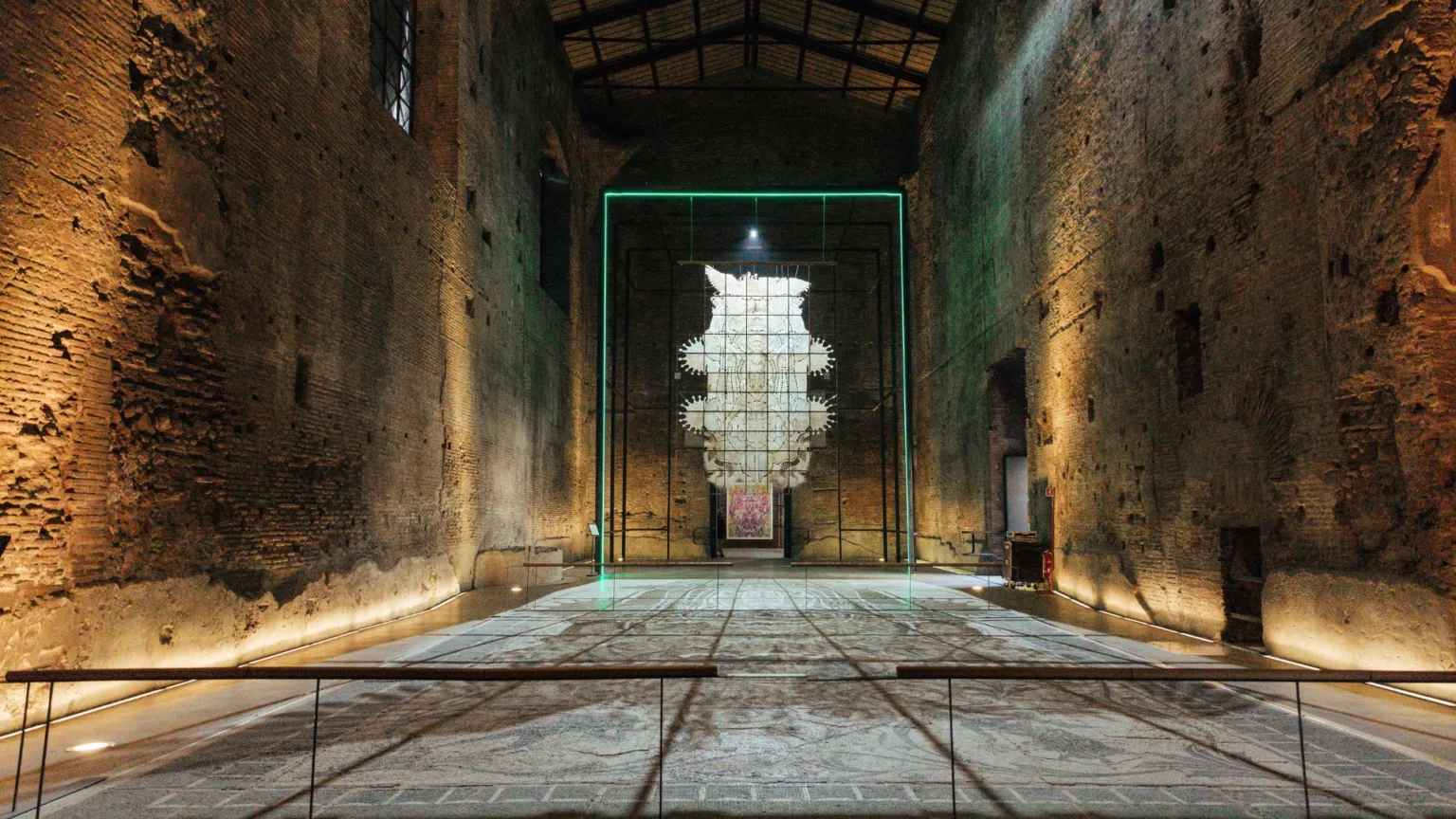
Chinese artist Wu Jian'an (born 1980, Beijing) is the subject of a major solo exhibition at the Baths of Diocletian in Rome, part of the Museo Nazionale Romano. Titled "Metamorphoses. L'arte che trasforma," the show explores connections between Chinese and Italian cultures, as well as broader Eastern and European traditions. Curated by Umberto Croppi, president of the Accademia di Belle Arti di Roma, the exhibition features works such as the monumental leather installation "The Heaven of Nine Levels" (2008–2009) and the series "The Eternal Cycle – Running Through the Seasons" (2024–2025), which combines intricate paper cutouts, silk, wax, and cotton thread. The artist, who represented China at the 57th Venice Biennale in 2017, was inspired by the ancient Roman spaces, creating a dialogue between his contemporary pieces and the site's classical mosaics and architecture.

Artist's books by Guido Strazza in Subiaco (Rome): the exhibition at Santa Scolastica

The State Library of Santa Scolastica in Subiaco, Rome, is hosting an exhibition titled 'Libri d’artista. Guido Strazza for Subiaco' from April 30 to June 2, 2026, dedicated to the artist's books of Guido Strazza. Curated by Simona Ciofetta with scientific coordination by Stefano Petrocchi, the show is part of Subiaco's initiatives as Italian Book Capital 2025. It explores the artist's book as an autonomous art form blending text, image, and materials, featuring limited-edition works and engravings by Strazza, including his 1980 portfolio 'Insects'.

Brussels, Russia and the Venice Biennale

The jury of the 61st Venice Biennale Art Exhibition has resigned en masse to protest the decision to allow Russian participation for the first time since the 2022 invasion of Ukraine. The jury stated it would refuse to consider artists from countries whose leaders face International Criminal Court warrants, specifically Israel and Russia, citing a commitment to human rights. The Biennale organizers defended the re-admission as consistent with openness and dialogue, while Ukrainian Foreign Minister Andriy Sybiha and EU foreign policy chief Kaja Kallas condemned the move, with the EU threatening to cut funding. The Italian government distanced itself, calling the Biennale autonomous.

Beyond the Mona Lisa: MOSI’s Leonardo da Vinci exhibit showcases the ‘original innovator’ in Tampa

MOSI (Museum of Science & Industry) in Tampa, Florida, is hosting an exhibition titled "Machines in Motion" that features 20 working machines built from Leonardo da Vinci's 15th-century designs. Created by Italian engineers using period-appropriate materials, the interactive display includes inventions such as ball bearings, an olive oil press, a printing press, and wartime weapons. MOSI President & CEO John Graydon Smith describes da Vinci as "the original innovator" and notes the exhibit aims to inspire creativity in both children and adults. The temporary exhibition runs until May 3.

The Works of Alfredo Pirri for the Very First Exhibition of the Polytropon Arts Center in Tuscany

Le opere di Alfredo Pirri per la primissima mostra del Polytropon Arts Center in Toscana

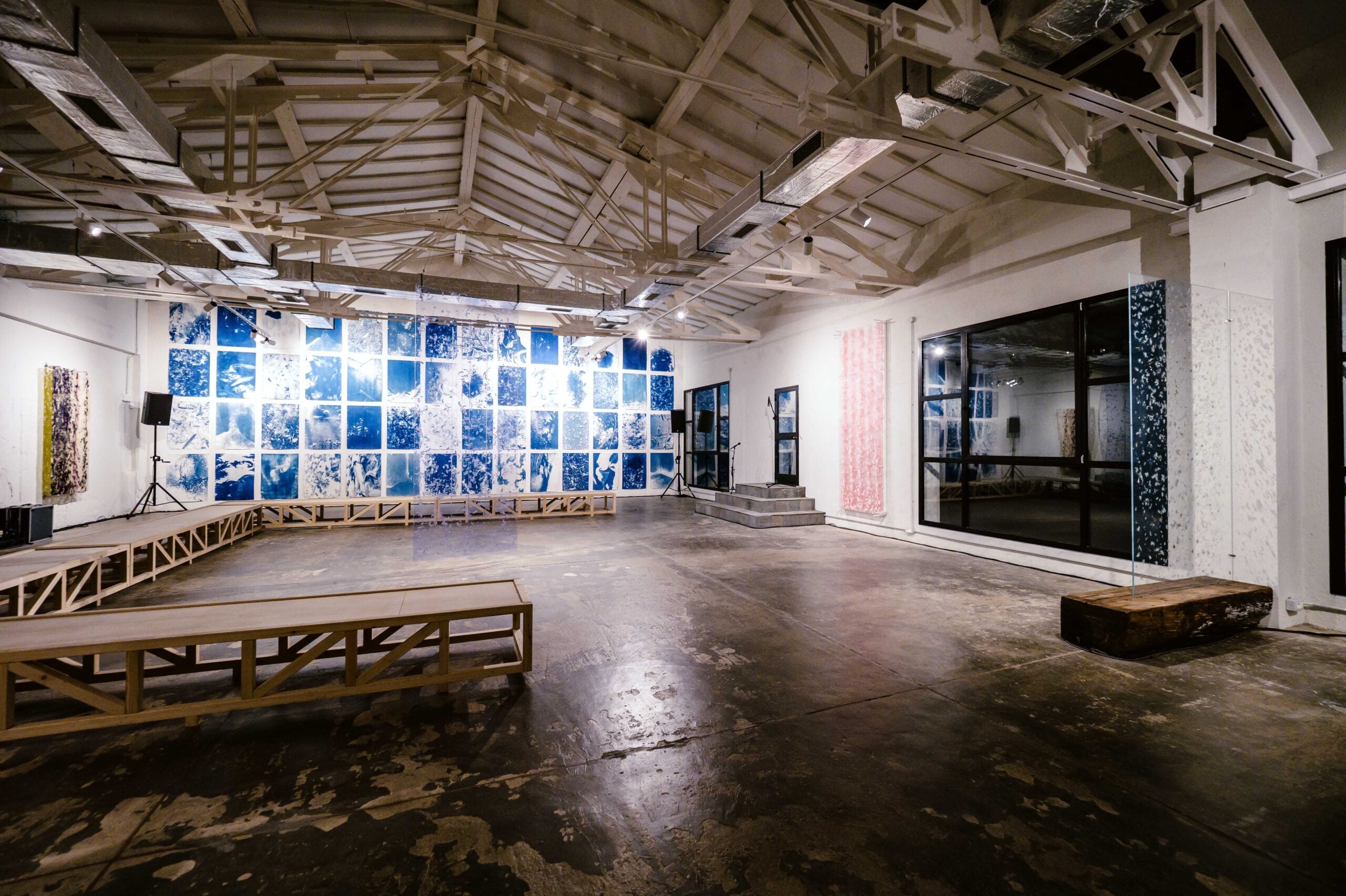
The Polytropon Arts Center, founded by Greek-born architect Maria Papadaki Badanjak, opens its inaugural exhibition "Quello che avanza" featuring works by Italian artist Alfredo Pirri. The venue, a converted former spinning mill located between Pelago and Pontassieve near Florence, hosts the show through June 21, 2025. The exhibition includes 144 cyanotypes created between 2014 and 2017, along with Pirri's "Arie" series in plexiglass, crystal, feathers, and colors. The show is accompanied by a musical program curated by artistic director Andrea Cavallari, with concerts scheduled for May 17 and June 21. Pirri and Cavallari previously collaborated in 2019 at the Museo Novecento in Florence as part of the "Firenze Suona Contemporanea" festival.

A Roma fotoromanzi e cliché sono i protagonisti di una mostra femminista a Villa Medici

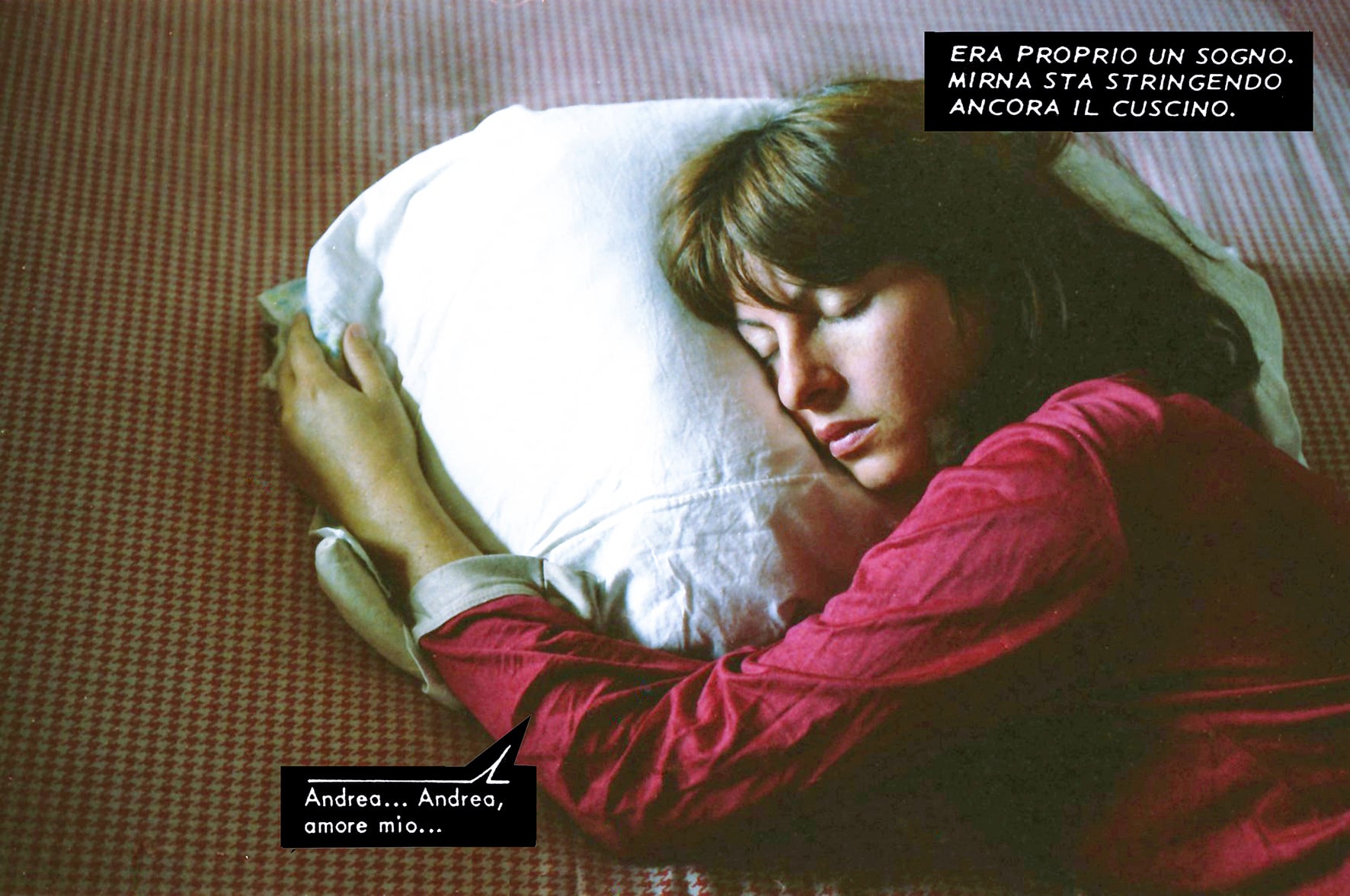
A retrospective exhibition titled "Fotoromanzo" by French artist Nicole Gravier (born 1949) is on view at Villa Medici, the French Academy in Rome. The show explores Gravier's semiotic dissection of Italian photo-romance magazines from the 1970s, using irony and staged self-portraiture to deconstruct the fabrication of femininity and patriarchal narratives. The exhibition runs concurrently with a separate show dedicated to filmmaker Agnès Varda at the same venue, highlighting parallel feminist inquiries into women's representation.

Venice Biennale chief under pressure

Venedig-Biennale-Chef unter Druck

Just before the opening of the Venice Art Biennale, its president Pietrangelo Buttafuoco is facing mounting criticism after the entire jury resigned. Italian Culture Minister Alessandro Giuli accused Buttafuoco of pursuing a form of "parallel foreign policy" by readmitting Russia to the six-month exhibition, calling him a "victim of a pacifist fantasy." The opening ceremony and the traditional Golden Lion awards have been canceled; prizes will now be decided by visitor vote at the end of the Biennale in November.

How the GDR apron became Italian luxury

Wie die DDR-Schürze zum Italo-Luxus wurde

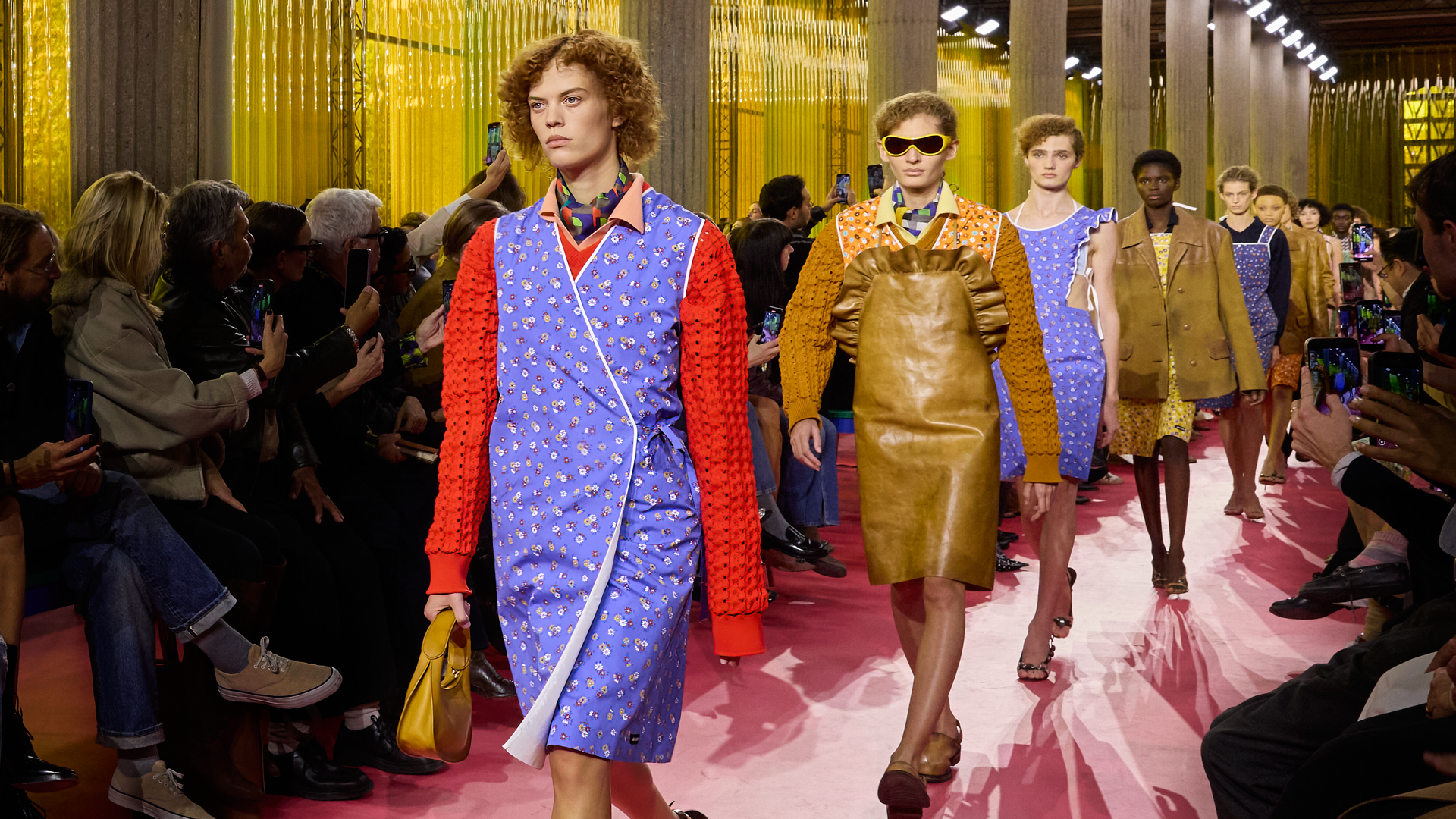
Italian luxury label Miu Miu has released dresses for summer 2026 that resemble 1980s East German kitchen aprons, with prices reaching up to €12,000 for crystal-embroidered versions. The collection debuted on the Paris runway in October, where actress Sandra Hüller opened the show in robust workwear, evoking factory workers from the former GDR. Designer Miuccia Prada, a former member of the Italian Communist Party, drew inspiration from Helga Paris's 1984 photo series "Frauen bei der Arbeit" (Women at Work), which documented female laborers in East Berlin's VEB Treffmodelle textile factory.

Les États-Unis restituent près de 300 biens culturels à l’Italie

Italy presented 337 cultural artifacts repatriated from the United States at the Caserma "La Marmora" in Rome, following operations between December 2025 and April 2026. The objects span from the 5th century BCE to the 3rd century CE, including Roman sculptures, bronze works, pottery, jewelry, coins, and architectural fragments. Among the notable pieces is a marble head attributed to Alexander the Great, stolen from a Roman museum in 1960, and a bronze sculpture looted from Herculaneum. The recovery involved the Manhattan District Attorney's office, the FBI, Homeland Security Investigations, and Christie's New York, with 221 items seized through the DA's collaboration and 116 returned in April.

Alessandro Giuli Threatens to Boycott the Vernissage of the Biennale

Alessandro Giuli menace de boycotter le vernissage de la Biennale

Alessandro Giuli, a prominent Italian cultural figure, has threatened to boycott the vernissage of the Venice Biennale. This action is a response to the ongoing controversy surrounding the potential return of Russia to the event, which has sparked political debate in Italy and drawn an ultimatum from the European Commission. The Biennale has also decided not to award prizes to Russia or Israel, further intensifying the situation.

337 œuvres et objets volés récupérés : la vaste opération italienne de lutte contre le trafic de biens culturels aux États-Unis

On April 29, Italy's carabinieri dedicated to cultural heritage protection announced the recovery of 337 looted or stolen artworks and objects repatriated from the United States between December 2025 and April 2026. The haul includes archaeological artifacts, archival documents, and other artworks, such as a marble head of Alexander the Great from the 1st century AD, a bronze sculpture stolen from Herculaneum, and two Egyptian basalt sculptures. The objects were dispersed through international markets using forged provenance documents, and their return involved U.S. agencies including the FBI.