filter_list Showing 70 results for "italia" close Clear
dashboard All 70 museum exhibitions 34article news 15article policy 6article culture 4article local 4trending_up market 3gavel restitution 3candle obituary 1
date_range Range Today This Week This Month All
Subscribe

The Craziest Venice Biennale Ever: One Week Before Opening, the Jury Resigns (The Public Will Decide the Lions!)

La Biennale di Venezia più pazza di sempre: a una settimana dall’apertura si dimette la giuria (I Leoni li deciderà il pubblico!)

The entire international jury of the 61st Venice Biennale has resigned en masse just one week before the opening. The jury, chaired by Solange Oliveira Farkas and including Zoe Butt, Elvira Dyangani Ose, Marta Kuzma, and Giovanna Zapperi, had publicly announced they would not consider countries whose leaders are accused of crimes against humanity by the International Criminal Court—effectively excluding Russia and Israel from the Golden Lion competition. This decision came amid ongoing tensions between Italian Culture Minister Alessandro Giuli and Biennale President Pietrangelo Buttafuoco over Russia's participation, as well as controversy surrounding Israel's presence. After a meeting with Buttafuoco, the jury resigned, leaving the Biennale without a key body to award its top prizes.
Art can officially be a form of therapy. Interview with Undersecretary of Culture Lucia Borgonzoni, godmother of the project

L’arte può essere ufficialmente una forma di cura. Intervista al Sottosegretario alla Cultura Lucia Borgonzoni madrina del progetto

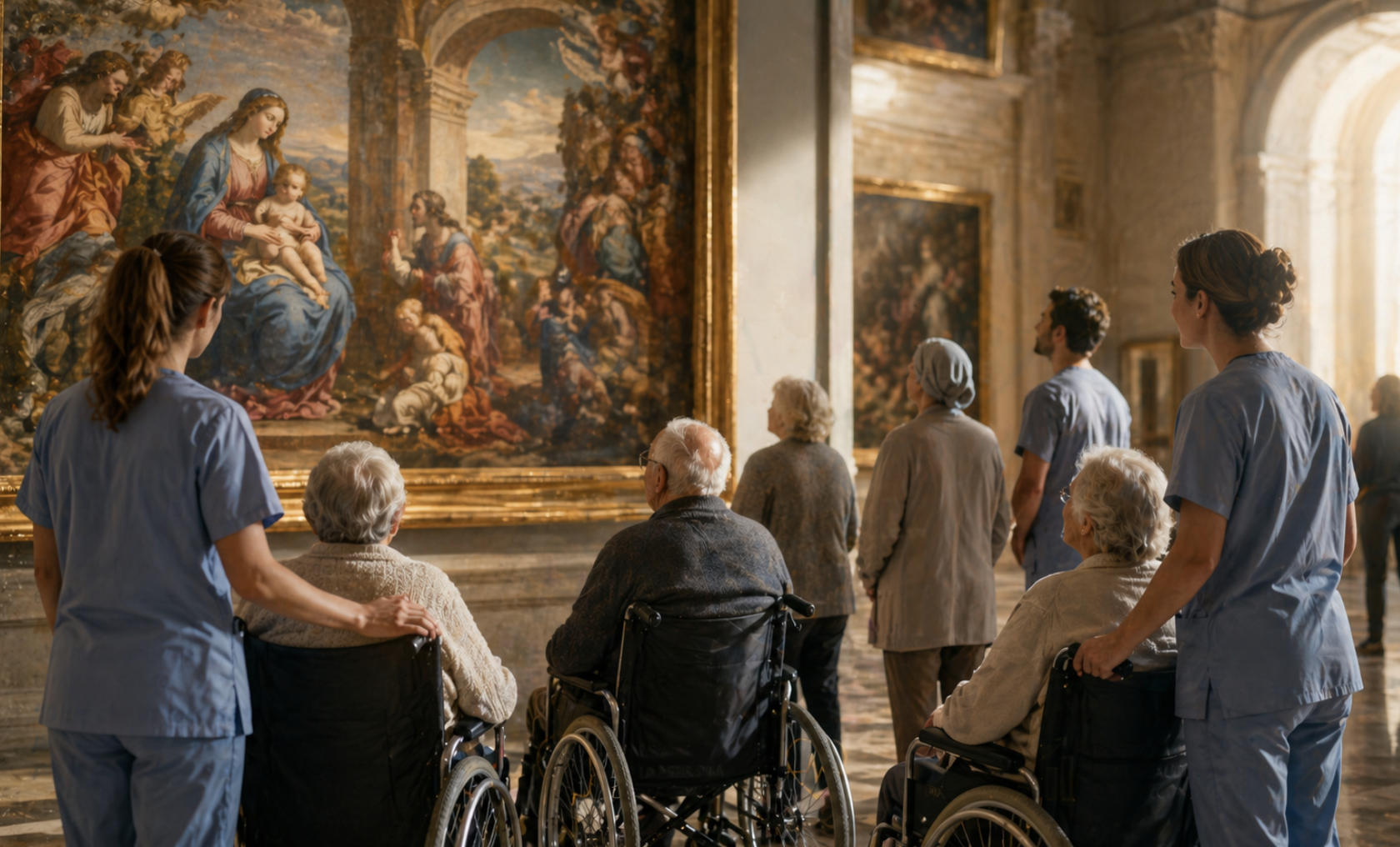
The Italian Ministry of Culture and Ministry of Health have signed a formal protocol recognizing art as a form of therapy and care. The agreement, championed by Undersecretary of State for Culture Lucia Borgonzoni, mandates that museums, libraries, archives, and cultural institutions play a central role in developing therapeutic pathways using art to improve individual and community well-being. Borgonzoni, who has advocated for this initiative for nearly a decade, traces its origin to a 2018 study at the Sanctuary of Vicoforte that measured cortisol levels in visitors before and after viewing frescoes, showing significant stress reduction.

Future cultural professionals in Africa will be trained by six Italian museums

I futuri professionisti della cultura in Africa saranno formati da sei musei italiani

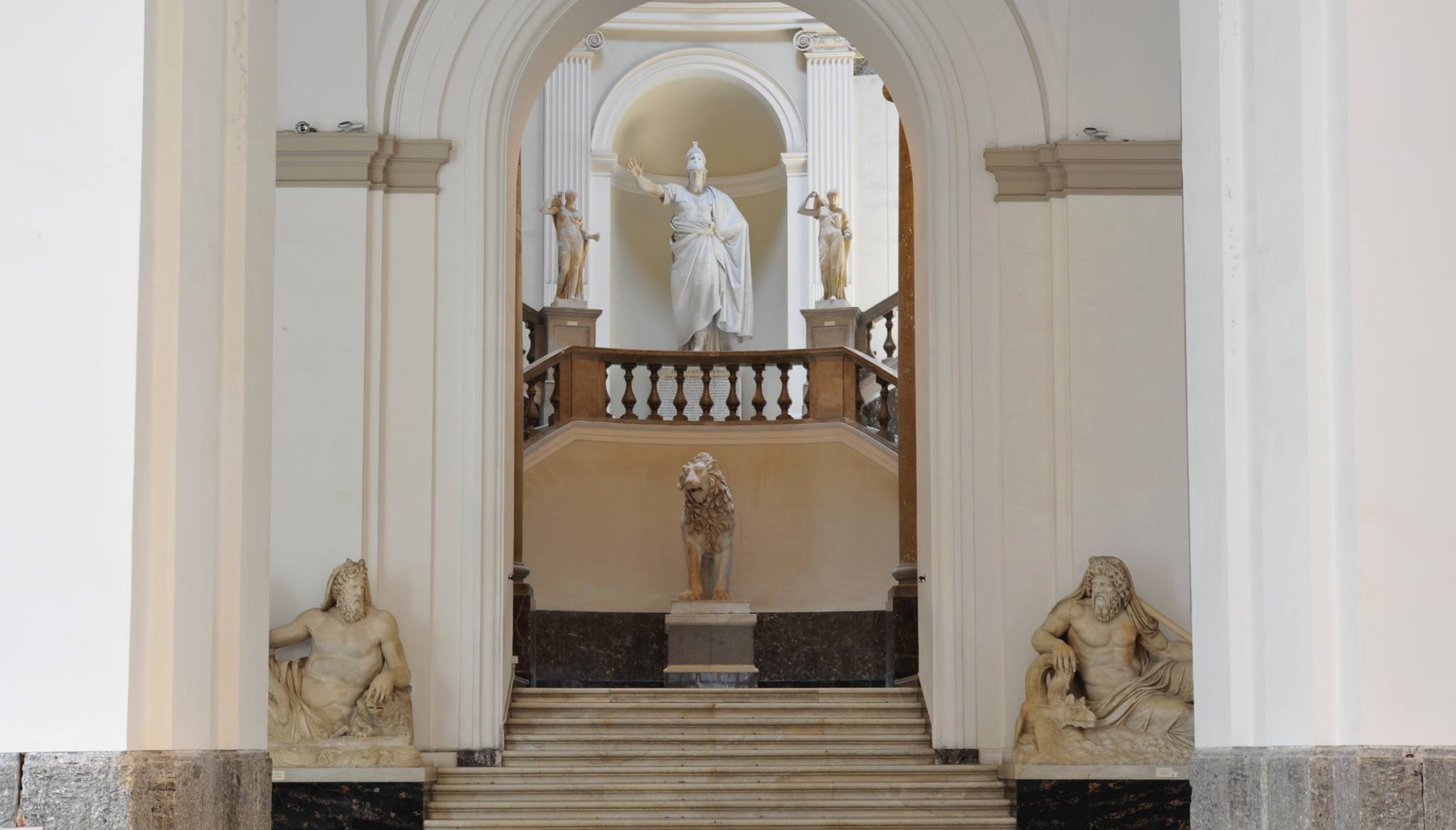
The fourth edition of the International School of Cultural Heritage (Scuola Internazionale del Patrimonio Culturale) is underway, with 23 cultural professionals from 12 African nations participating in a hands-on training program hosted by six Italian museums. After online modules and a week of lectures in Rome, the residential phase runs from April 27 to May 22, 2025, placing participants at the Museo delle Civiltà (MUCIV), the Archaeological Parks of Praeneste and Gabii, the National Archaeological Museum of Taranto (MArTA), the National Archaeological Museum of Naples (MANN), the National Archaeological Museum of Reggio Calabria (MArRC), and the National Archaeological Museum of Agro Falisco and Forte Sangallo in Civita Castellana. The program, titled "Managing Art Collections: from ancient to contemporary," focuses on collection management, conservation, and public programming, linking archaeological heritage with contemporary practices.

Scandal in Florence's Skyline? After the Black Cube and the White Cylinder, the Prism That Impales Santa Croce Appears

Scandalo nello skyline di Firenze? Dopo il cubo nero e il cilindro bianco spunta il prisma che impalla Santa Croce

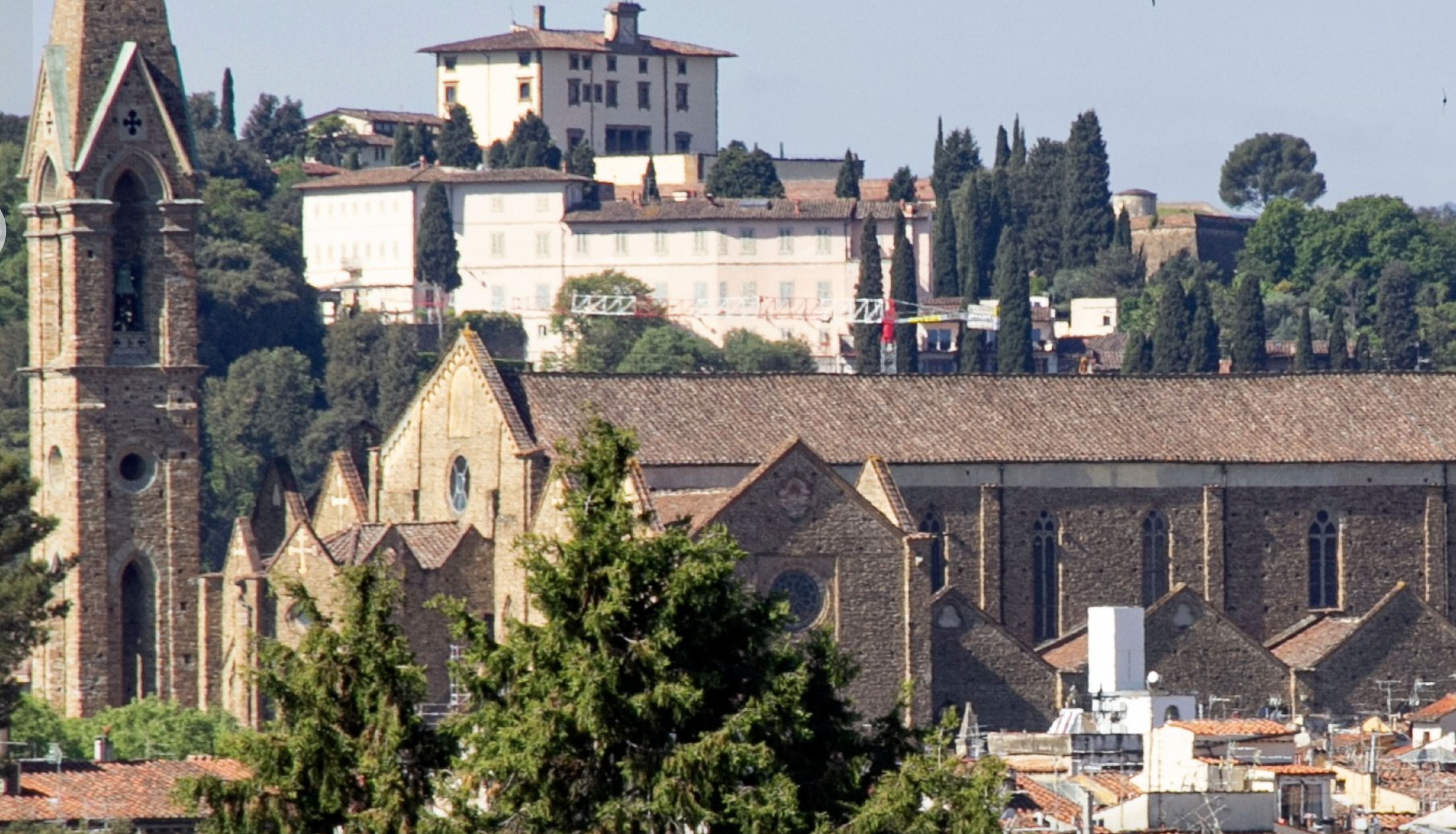
A cylindrical antenna installed by the telecom company Iliad in Florence has sparked controversy after it was reported that, from certain angles, it visually overlaps with iconic landmarks such as Brunelleschi's Dome and Giotto's Campanile. The article traces a pattern of periodic scandals in Florence, including a previous uproar over the so-called "Cubo Nero" (a new building replacing a decaying theater), and notes that the antenna has actually been in place since 2023 without earlier outcry. Local artist Giacomo Costa recently photographed another white prismatic antenna in Via Ghibellina, within the UNESCO zone, that obstructs the view of Santa Croce, fueling further debate.

Jury for Venice Biennale's art prize resigns after refusing to recognise Israeli, Russian artists

The international jury of the 61st Venice Biennale art exhibition resigned just over a week before the May 9 prize ceremony, after announcing they would not consider artists from countries whose leaders face International Criminal Court charges—an apparent reference to Russia and Israel. The jury included president Solange Farkas, Zoe Butt, Elvira Dyangani Ose, Marta Kuzma, and Giovanna Zapperi. In response, the Biennale established two Visitors’ Lions to be awarded by ticket-holder vote, postponed the awards to November 22, and reaffirmed that all national participations remain eligible, effectively reinstating Russian and Israeli artists.

Venezia Comics Celebrates Paolo Ongaro at Upcoming Festival

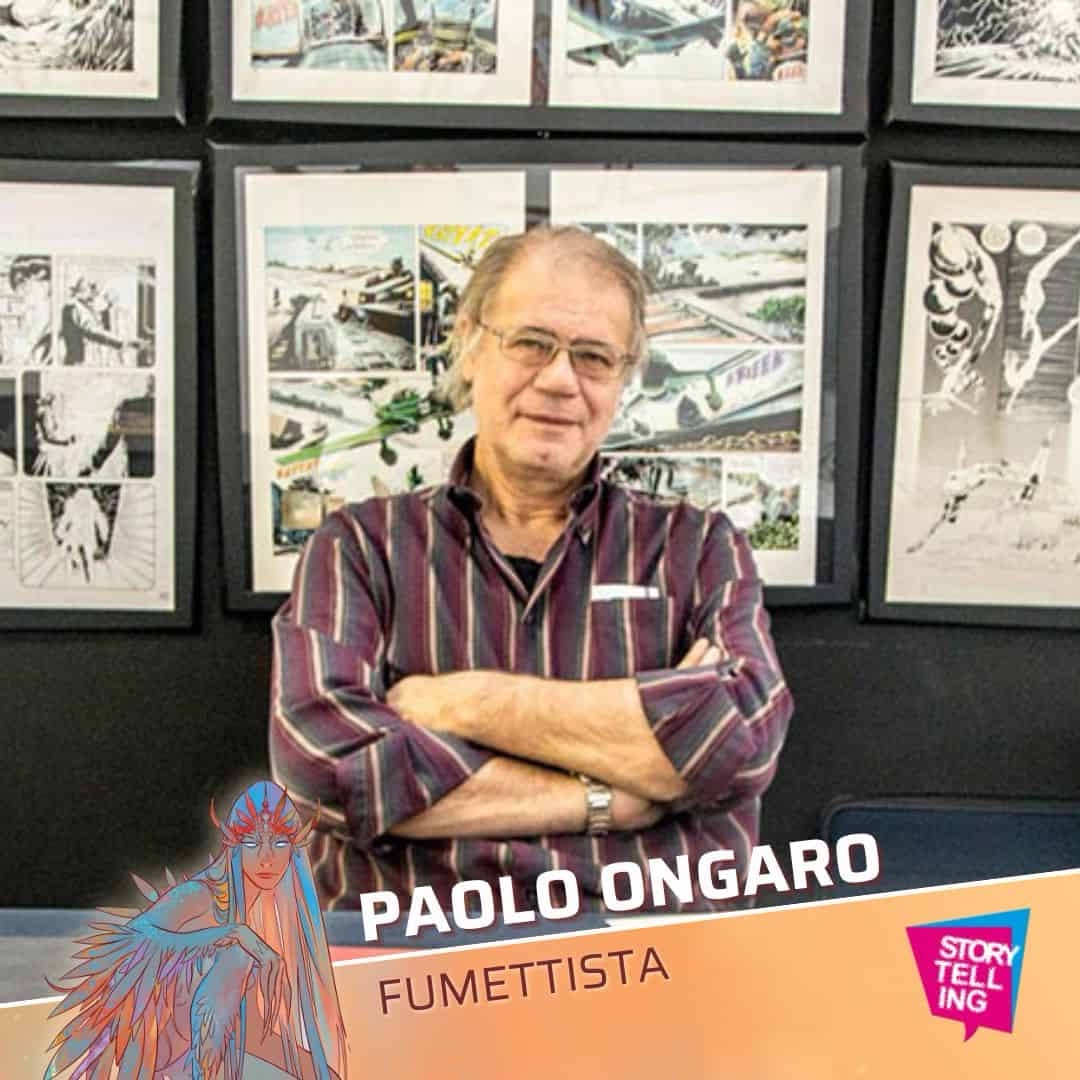
Italian cultural association Venezia Comics has announced an exhibition dedicated to comics artist Paolo Ongaro at its upcoming festival (1st–3rd May 2026). The exhibition, titled “Paolo Ongaro, il poeta dell’avventura” (“Paolo Ongaro: The Poet of Adventure”), will feature a range of his published work, with a focus on his series Spazio Chiama Atlantide. The event is organized in partnership with Storytelling Edizioni, which is also publishing the first volume of reprints of Ongaro’s stories. Ongaro, a recognized master of Italian comics born in Mestre in 1946, has worked for publishers such as Rizzoli, Mondadori, Disney, and Bonelli, and has drawn iconic characters including Tarzan, Diabolik, Mickey Mouse, and Martin Mystère. He will be present at the festival all three days for signings and chats.

Turin experiments with a robot guide in one of its historic palaces

Turin expérimente un robot-guide dans l’un de ses palais historiques

The Palazzo Madama in Turin, Italy, has introduced R1, a humanoid robot guide developed by the Italian Institute of Technology (IIT) in Genoa, to accompany visitors through the historic palace. Since late March, R1 has been testing its ability to navigate the building's constrained interiors, interact with diverse audiences, and provide explanations about artworks, artists, and the palace's history. The robot uses infrared cameras, lasers, pressure sensors, and a LED matrix to move, avoid obstacles, and communicate, with over 80% of users reporting positive interactions during the six-week trial. Previous tests occurred in 2022 and May 2024.

No, the closed Museum of Comics in Milan has not found a new home in Brianza

No, il Museo del Fumetto chiuso a Milano non ha trovato la nuova sede in Brianza

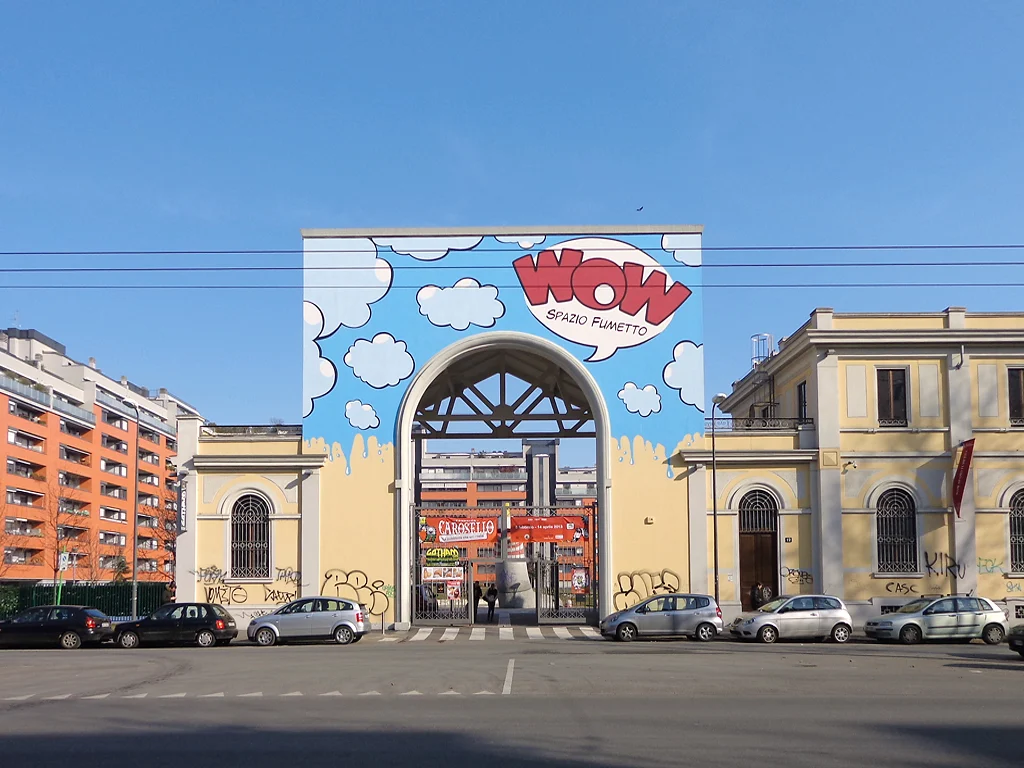
The Museum of Comics (Museo del Fumetto) in Milan, which suspended operations in June 2025 due to a €180,000 debt to the city, has not found a permanent new home despite online rumors. Instead, the Fondazione Franco Fossati, which runs the museum, has secured temporary storage for its archive in Desio (Monza-Brianza) for up to two years, using spaces granted free of charge by the local municipality. The archive—containing over 500,000 items including publications, original boards, and memorabilia—will be cataloged and preserved there, but the museum itself remains closed to the public.

In Valcamonica il Parco archeologico di Luine ha chiuso e non si sa se e quando riaprirà: la storia

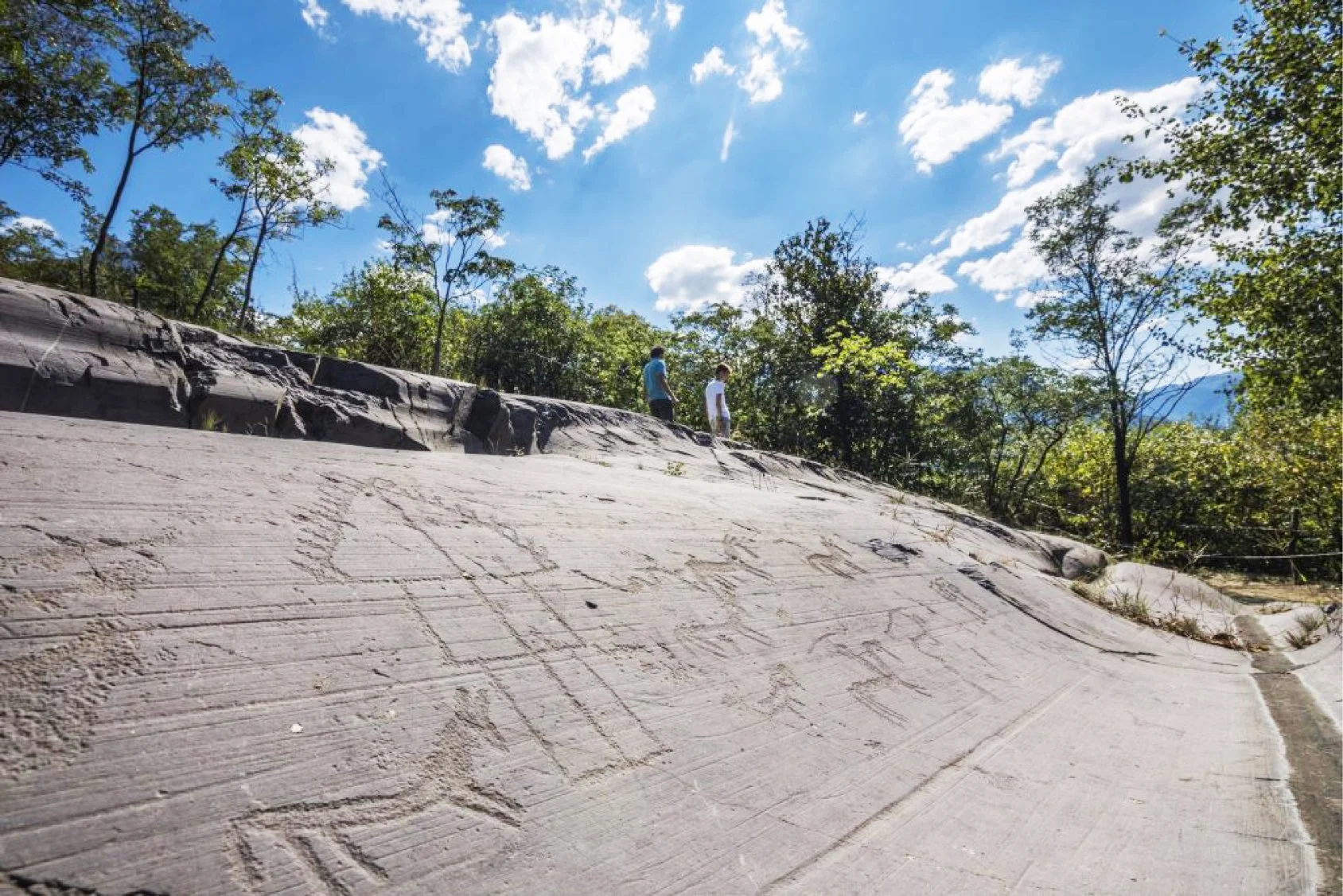
The Luine Archaeological Park in Valcamonica, Italy, closed on April 1, 2026, after the municipality of Darfo Boario Terme, led by Mayor Dario Colossi, failed to renew the management contract held by Zamenhof Art and ArchExperience. The park, which houses rock engravings dating back to the end of the Paleolithic period (about 13,000 years ago), is a UNESCO World Heritage site and a unique part of the Camunian park system. Weeks after the closure, the park remains in limbo with no clear reopening date, while multimedia installations and digital content created by the former managers are being removed. The story has received little media attention beyond local outlets.

Exploring Shekhawati: Rajasthan’s open-air art gallery of frescoed havelis

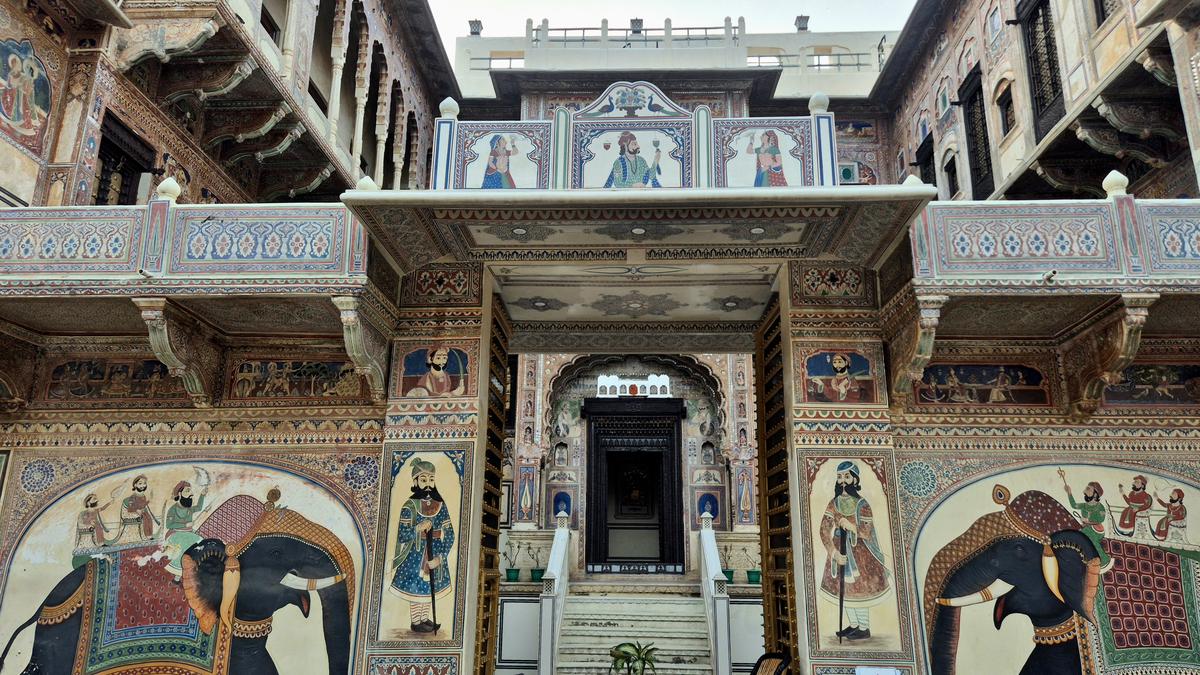
The article explores the Shekhawati region of northern Rajasthan, India, known as the world's largest open-air art gallery. It focuses on the 18th–20th century merchant havelis (mansions) hand-painted with intricate frescoes, many of which are now being restored as heritage hotels. The author recounts a personal stay at Malji Ka Kamra, a restored haveli in Mandawa, describing its blend of Italianate and Rajput architecture and the overwhelming frescoes covering every surface, depicting portraits, floral motifs, and scenes of daily life.