filter_list Showing 100 results for "main exhibition" close Clear
search
dashboard All 100 museum exhibitions 66article news 22rate_review review 4article local 3article policy 2candle obituary 1article culture 1person people 1
date_range Range Today This Week This Month All
Subscribe

A True-to-Life Biennale

Hakim Bishara, editor-in-chief of Hyperallergic, reflects on the 61st Venice Biennale after returning to New York, describing it as historical, political, and thrilling. He counters critics who claimed the Biennale imploded due to boycotts and resignations, arguing it was more alive than ever. The late Koyo Kouoh's main exhibition "In Minor Keys" is praised for reflecting global woes and joys. The article also highlights a major strike by artists and cultural workers that disrupted the pre-opening, the first cultural strike in the Biennale's 131-year history, with 54 artists in the international exhibition and 22 national pavilion teams withdrawing from awards consideration in solidarity with the jury's resignation.
Venice, Here We Come

Hyperallergic's newsletter previews the upcoming 61st Venice Biennale, noting the charged political climate that may overshadow the art. It highlights the main exhibition "In Minor Keys" conceived by the late Koyo Kouoh, and includes a guide to national pavilions, collateral events, and notable exhibitions in Venice. The edition also features a studio visit with 93-year-old artist Joan Semmel, an interview with Lebanese artist Tania El Khoury about her "revenge art," and news about Barbara Chase-Riboud declining to represent the US at the Biennale, a $116M gift to the National Gallery of Art, and the death of Argentine painter Ides Kihlen at 108.

A New Brooklyn Art Fair With a Global Outlook Debuts This Spring

A New Brooklyn Art Fair With a Global Outlook Debuts This Spring

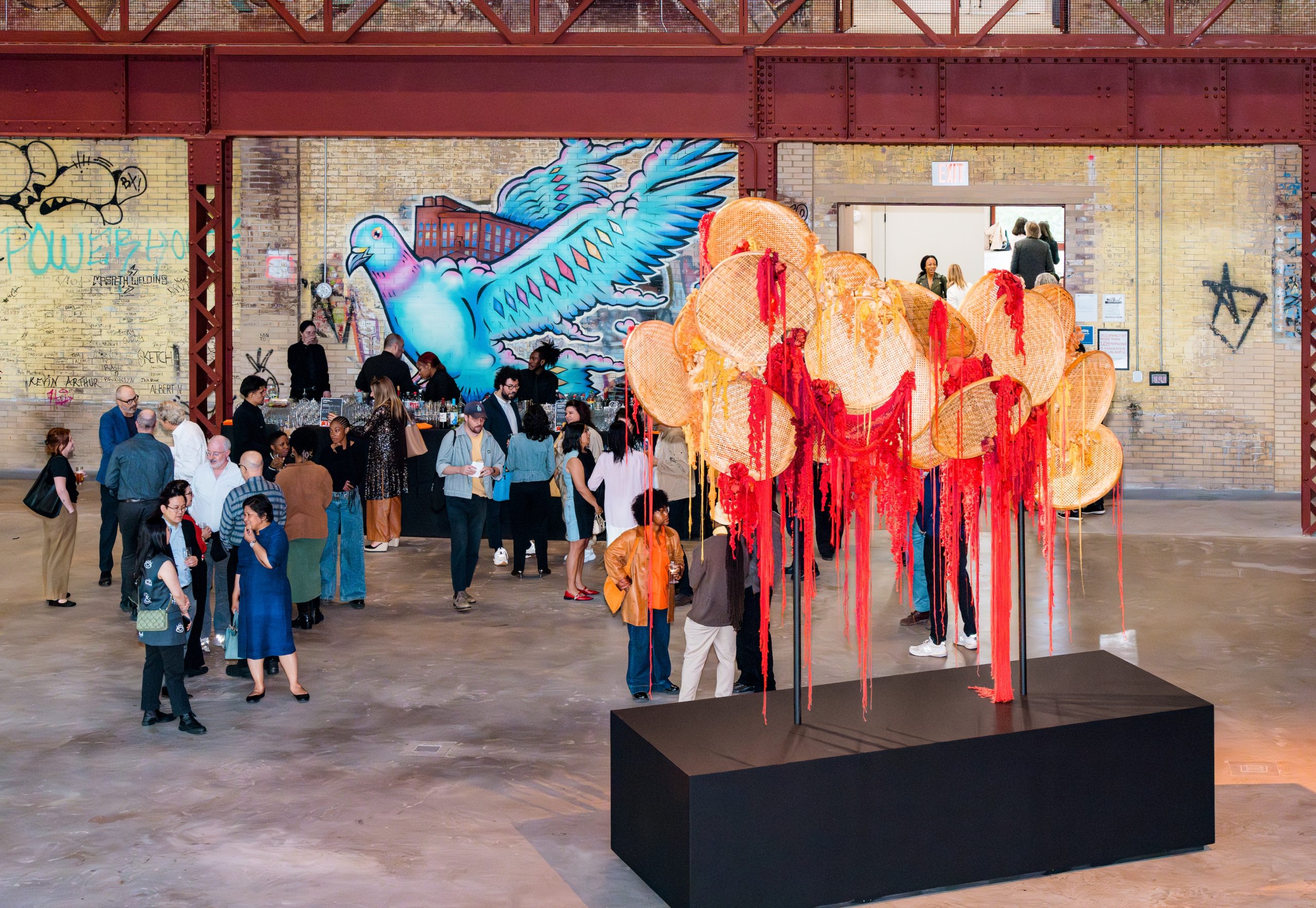
A new art fair called Conductor: Art Fair of the Global Majority will hold its inaugural edition in Brooklyn from April 30 to May 3, 2026. Organized by Powerhouse Arts, it will feature 27 galleries and 17 special projects, bringing together artists and galleries from Africa, Latin America, Asia, the Caribbean, the Middle East, Oceania, and Indigenous nations.

10 Highlights You Shouldn't Miss in Venice

10 Highlights, die Sie in Venedig nicht verpassen sollten

The article presents ten must-see highlights of the 61st Venice Biennale, curated by the editors of Monopol magazine. It covers the main exhibition at the Arsenale, national pavilions, and collateral events, including Sandra Knecht's beehouse installation, Isabel Nolan's Irish Pavilion exploring dreams and late medieval humanism, Chiara Camoni's Italian Pavilion blending ceramics and found materials, and Asim Waqif's bamboo construction in the Indian Pavilion. Other featured works include a church filled with surveillance cameras and the new Fondazione Dries Van Noten.

art nazy nazhand ist festival

Nazy Nazhand has been appointed Arts & Culture director of ISTANBUL’74 and is curating the 15th anniversary edition of IST.FESTIVAL in Istanbul, running from October 10-12. The festival, founded by Demet Müftüoğlu-Eşeli and Alphan Eşeli, adopts the theme “What Is Really Real?” and features public art installations, conversations, and performances. Participants include Jeff Koons, Flavin Judd, Stefan Sagmeister, Lou Doillon, Kid Cudi, and CULTURED editor-at-large Julia Halperin. The main exhibition will take place in the historic Arnavutköy neighborhood along the Bosphorus.

São Paulo Biennial Names Two Rising Brazilian Curators for 2027 Show

The Bienal de São Paulo has appointed Amanda Carneiro and Raphael Fonseca as chief curators for its 37th edition, opening in fall 2027. Both are Brazilian curators: Carneiro is a curator at MASP and previously assisted Adriano Pedrosa on the Venice Biennale's main exhibition; Fonseca, based in Lisbon, also curates the Taiwan Pavilion in Venice and works at Culturgest and the Denver Art Museum. The selection follows the success of Cameroonian curator Bonaventure Soh Bejeng Ndikung's 2023 edition.

Artists Criticize Somalia’s First-Ever Venice Biennale Pavilion: ‘This Pavilion Does Not Speak for Us’

Somalia's inaugural pavilion at the Venice Biennale has sparked significant backlash from the nation's domestic art community. Four major Somali art spaces and nine local artists issued a joint statement criticizing the pavilion for failing to include or consult artists currently living and working within Somalia. The controversy centers on the selection of three diaspora artists based in Europe and the appointment of a Venice-based co-curator, which critics argue ignores the cultural workers who have rebuilt the country's art scene under difficult conditions.

quattro gatti official gin 2026 venice biennale

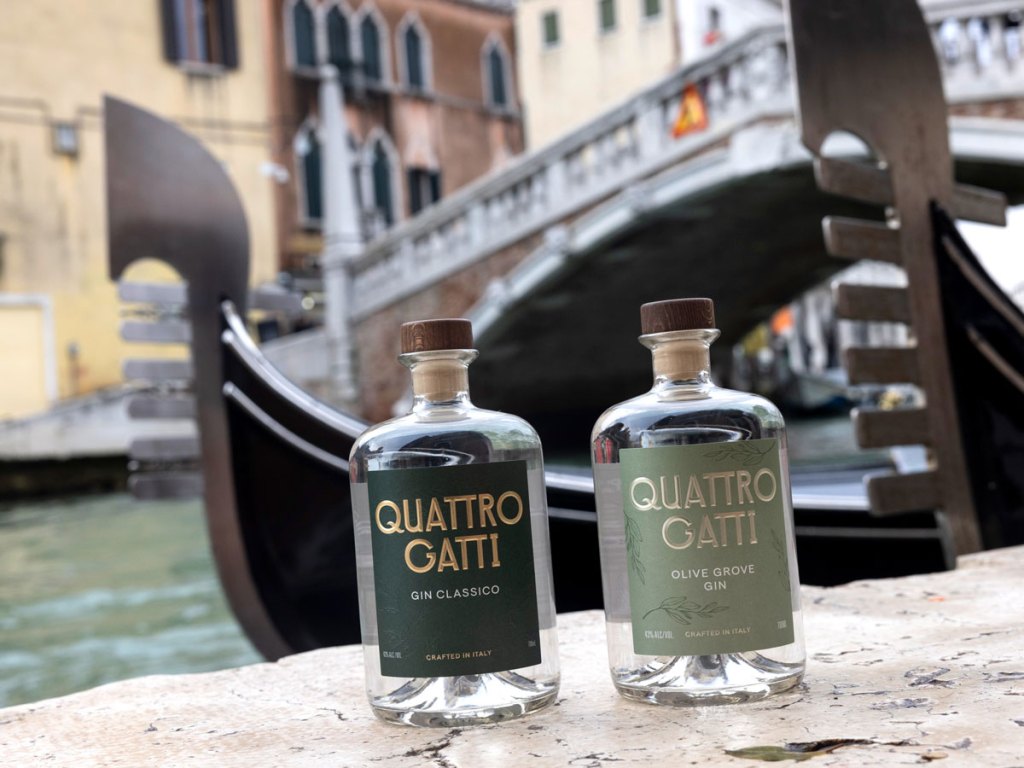
Quattro Gatti Gin, a spirits brand founded by the prominent Mordant family of art patrons, has been named the official gin of the 61st Venice Biennale in 2026. The gin will be served at the Giardini and Arsenale venues, as well as during the high-profile professional preview days. Developed by Simon and Catriona Mordant alongside their children, the brand utilizes local Umbrian juniper and botanicals, marking a commercial extension of the family's deep ties to Italy and the international art world.

hong kong venice biennale kingsley ng angel hui

Hong Kong will send two artists, Angel Hui and Kingsley Ng, to represent the special administrative region at the 2026 Venice Biennale, marking the first time a duo has been selected. The Hong Kong Museum of Art (HKMoA) and the Hong Kong Arts Development Council (HKADC) are collaborating for the first time on the presentation, which will take place at the Campo della Tana as a collateral event. Hui, a gongbi ink painter born in 1991, and Ng, a media artist and associate professor born in 1980, will explore "the poetic rhythms of daily life" in dialogue with the Biennale's main exhibition theme, "In Minor Keys." The selection follows HKADC's decision in April to oust M+ museum as the exhibition's organizer, a role it had held since 2013, without citing a reason.

Across Venice, Artists Defy Censorship to Mourn and Memorialize Gaza

The 2026 Venice Biennale, titled “In Minor Keys,” features numerous artworks that mourn and memorialize the destruction of Gaza, despite censorship pressures. The main exhibition opens with a poem by slain Palestinian poet Refaat Alareer, and includes works by artists such as Theo Eshetu, Mohammed Joha, Manuel Mathieu, and Avi Mograbi that directly or indirectly address the conflict. Outside the official Biennale, South African artist Gabrielle Goliath’s performance series “Elegy” was censored by her country’s culture minister after she proposed a version honoring murdered Palestinian poet Hiba Abu Nada, leading her to present the work independently at a church in Venice.

What to See at the 2026 Venice Biennial

The 2026 Venice Biennale, opening May 9 and running through November 22, features a main exhibition titled "In Minor Keys" organized by the late Koyo Kouoh, alongside 99 national pavilions. The event spans the Giardini and Arsenale sites, with concurrent shows across the city, including a group exhibition at the Fondazione Dries Van Noten, Melissa McGill's installation "Marea" at Corte Nova, Illy's artist-designed espresso cups at Giardini Reali, and a solo exhibition of Hernan Bas's paintings at Ca' Pesaro International Gallery of Modern Art.

Venice in Crisis Mode

Venedig im Krisenmodus

The 61st Venice Biennale has opened under extraordinary circumstances, marked by political protests, a jury resignation, and canceled awards. The Biennale's jury resigned en masse after announcing they would exclude Israeli and Russian contributions from their decisions, leading to the cancellation of the Golden Lion awards and a crisis over the international competition's legitimacy. A newly introduced audience prize also faced boycotts from artists in solidarity. Protests, closed pavilions, and pro-Palestinian actions dominated the preview days, with artists pasting protest posters directly onto their works, reflecting heightened tensions.

Political Fallout Rocks Venice Biennale Prize System

Dozens of artists participating in the 2026 Venice Biennale have withdrawn from consideration for the newly created Visitor Lion awards, replacing the traditional Gold and Silver Lion prizes. A total of 57 artists from the main exhibition and 22 national pavilions signed a statement published on e-flux on May 9, acting in solidarity with the five-person prize jury that resigned on April 30 over the continued participation of Russia and Israel. The jury had objected to awarding prizes to artists from countries whose leaders face International Criminal Court charges, including Russian president Vladimir Putin and Israeli prime minister Benjamin Netanyahu. In response, the Biennale organizers postponed the awards ceremony to November 22 and introduced visitor voting, a move they described as consistent with openness and dialogue. Meanwhile, the Russian Pavilion, which returned after lending its space to Bolivia in 2024, faced protests, closure after previews, and a €2 million funding pull by the European Union for the 2028 Biennale.

Venice Biennale Artists Decline Consideration for Golden Lions Chosen by Public Vote

Nearly half of the artists in the main exhibition of the Venice Biennale have signed a statement declining consideration for the Golden Lion awards, in solidarity with the jury that resigned last month. The statement, published by e-flux, includes prominent names such as Alfredo Jaar, Tuan Andrew Nguyen, Otobong Nkanga, and Walid Raad, as well as national pavilion representatives from France, Lithuania, and the Netherlands. The Biennale had planned to replace the jury-selected Golden Lions with "Visitor Lions" decided by public vote, but the artists' refusal marks an unprecedented protest within the exhibition.

Several Venice Biennale pavilions shut in protest over inclusion of Israel

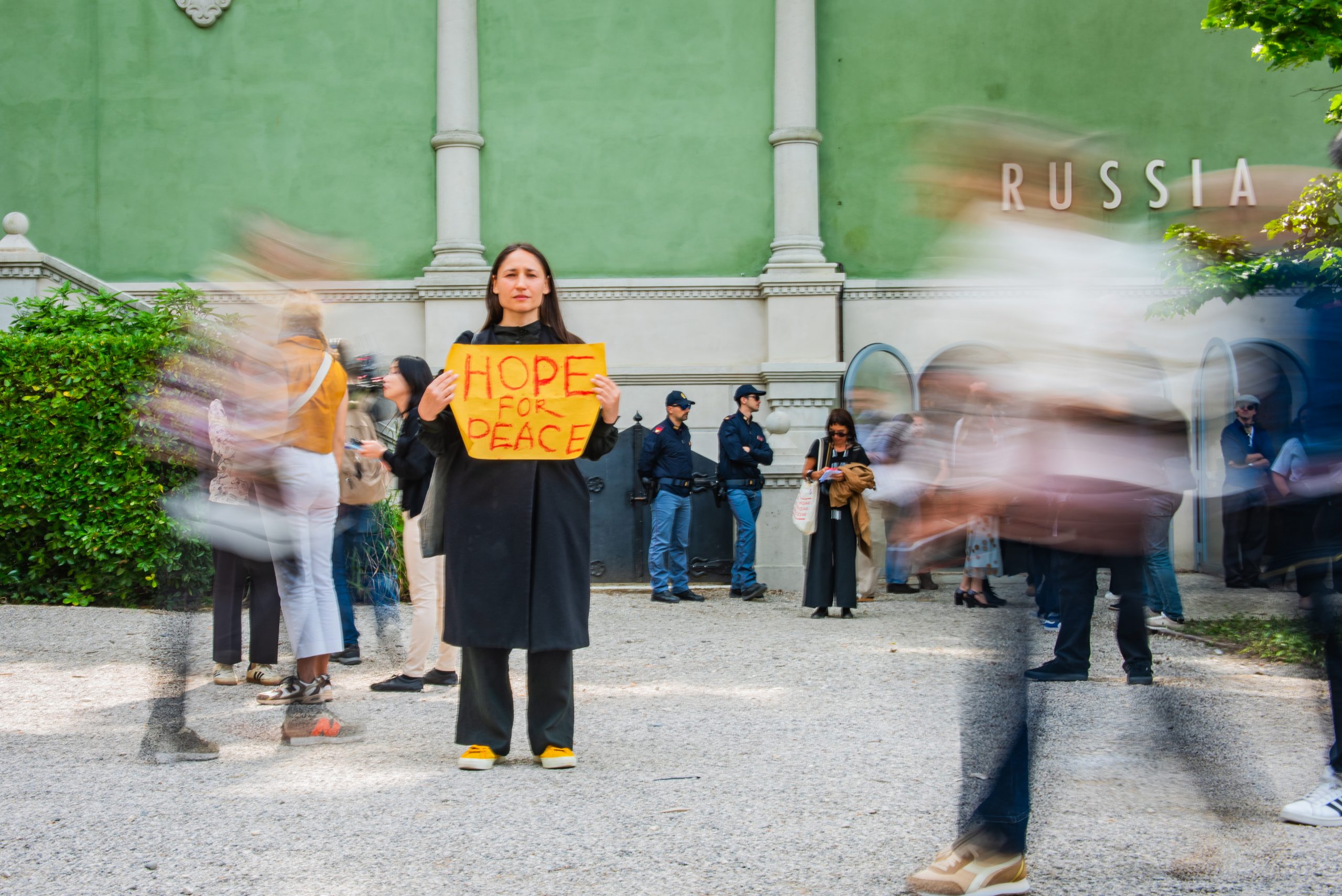
Several national pavilions at the 2026 Venice Biennale shut down during the final preview day in a strike organized by the Art Not Genocide Alliance (Anga) protesting Israel's inclusion due to its war in Gaza. Pavilions from Belgium, the Netherlands, Austria, Japan, Macedonia, and Korea closed entirely, while others like Britain, Spain, France, Egypt, Finland, and Luxembourg partially closed or reopened later. Artists in the main exhibition added Palestinian flags and posters reading "Palestine is the future of the world." The Israeli pavilion was closed for a private event, and earlier in the week Pussy Riot staged a protest at the Russian pavilion.

Drained, Drowning, and Decay: The Best National Pavilions at the Venice Biennale

The 2026 Venice Biennale is defined by themes of ruin and decay, with standout national pavilions exploring bodily, infrastructural, and archaeological collapse. The Slovenian Pavilion features the Nonument Group repurposing materials from past Biennales into a ruin of a mosque for Bosnian Muslim soldiers from World War I. Syria presents its first national pavilion since the Civil War, with Sara Shamma invoking Palmyra, destroyed by ISIS. Germany's pavilion, titled "Ruin," features works by Henrike Naumann (who died in February) and Sung Tieu, questioning the pavilion's fascist architecture and nationalist residue. The Austrian Pavilion, curated by Florentina Holzinger, offers a visceral performance titled "Sea World." The Biennale is also marked by the abrupt resignation of its five-member jury, who refused to consider nations charged with crimes against humanity, leading to awards being chosen by public vote. Additionally, the main exhibition "In Minor Keys" was affected by the death of its curator, Koyo Kouoh.

First Impressions of a Venice Biennale Torn Apart by the Present

The 61st Venice Biennale, titled "In Minor Keys," opens amid turmoil: its curator Koyo Kouoh died of cancer during planning, and the festival jury resigned after a controversial statement about excluding Israel and Russia from prizes, replaced by a Eurovision-style people's choice award. The main exhibition, completed by a team of five collaborators using Kouoh's plans, features over 110 artists and collectives, with highlights including works by Big Chief Demond Melanchon, Tammy Nguyen, Guadalupe Maravilla, Ayrson Heráclito, and a section focused on Michael Armitage's Nairobi Contemporary Art Institute.

Strike Rocks Venice Biennale Ahead of Public Opening as Pavilions Close

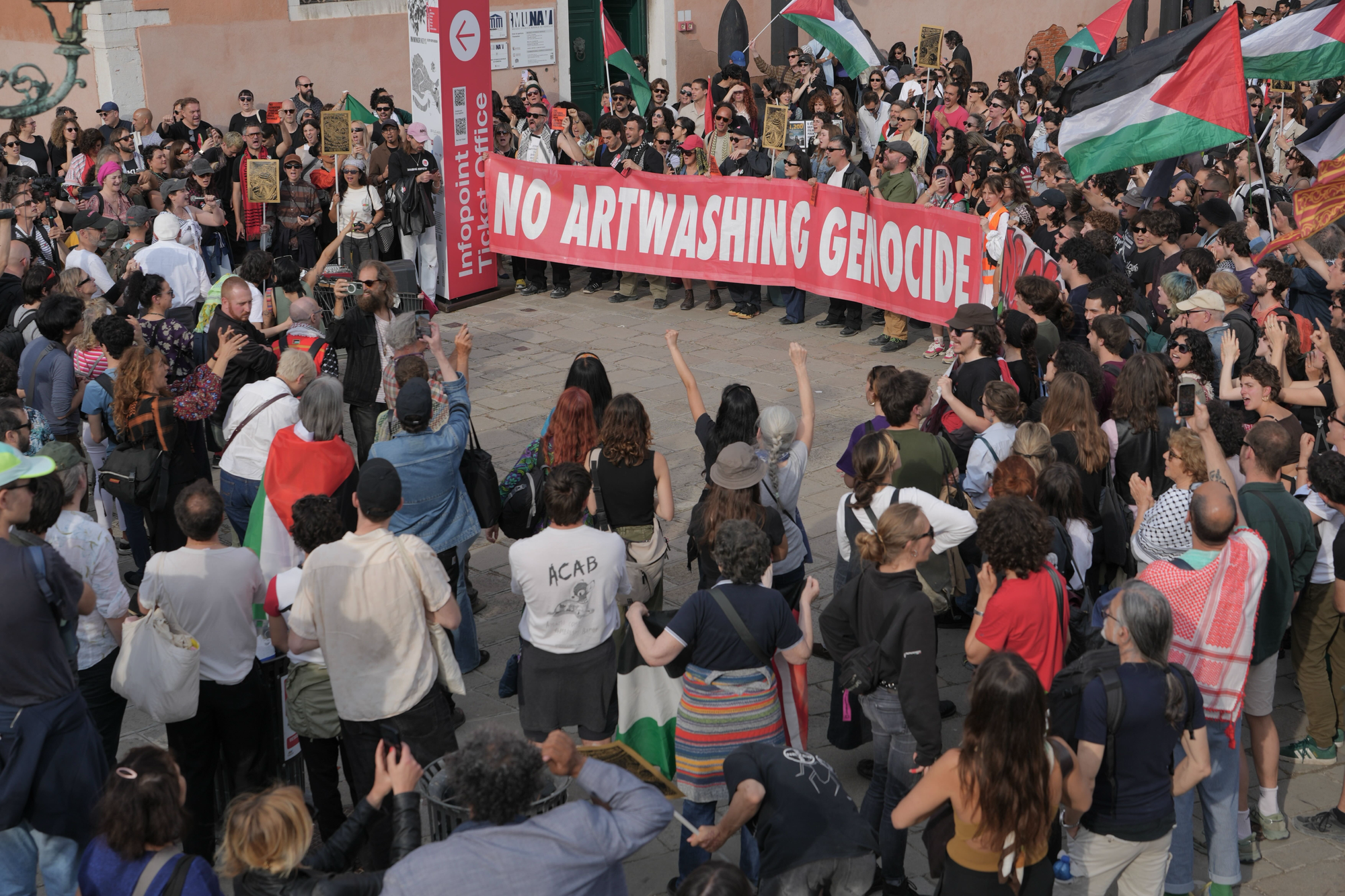
Thousands of protesters marched through Venice to demonstrate against Israel's presence at the Venice Biennale, leading many national pavilions to close in solidarity. Pavilions from Austria, Belgium, Egypt, Japan, the Netherlands, South Korea, and over a dozen other countries shut fully or partially, with some displaying signs reading "We Stand with Palestine." The Israeli pavilion remained closed for its exhibition opening, and armed police clashed with protesters. The main exhibition, curated by Koyo Kouoh, stayed open initially but the Arsenale closed by late afternoon with riot police outside. The 24-hour strike, organized by Art Not Genocide Alliance (ANGA) and Italian activist groups, was described as the largest protest in Biennale history.

Anish Kapoor Condemns Inclusion of US in Venice Biennale

Anish Kapoor has publicly condemned the inclusion of the United States in the upcoming 61st Venice Biennale, calling for its exclusion due to what he describes as the country's 'abhorrent politics of hate and its incessant warmongering.' In an interview with The Guardian, Kapoor praised the five-person jury that resigned en masse after refusing to consider Israel and Russia for the event's top prize, both nations having been accused by the International Criminal Court of crimes against humanity. Kapoor's remarks come amid the ongoing US war with Iran under the Trump administration, and he previously threatened to sue the Trump administration over a photo taken at his Cloud Gate sculpture in Chicago.

Gabrielle Goliath to Show Work Banned from Venice Biennale Outside Main Exhibition

South African artist Gabrielle Goliath will present her work 'Elegy' at the Chiesa di Sant’Antonin in Venice, after her government-appointed exhibition for the South African pavilion at the 61st Venice Biennale was abruptly canceled. The pavilion will remain empty for the event's duration, while Goliath's project, sponsored by the Bertha Foundation and London's Ibraaz, will be shown nearby from May to July.

India pavilion returns to the Venice Art Biennale 2026 with a bang after seven-year hiatus

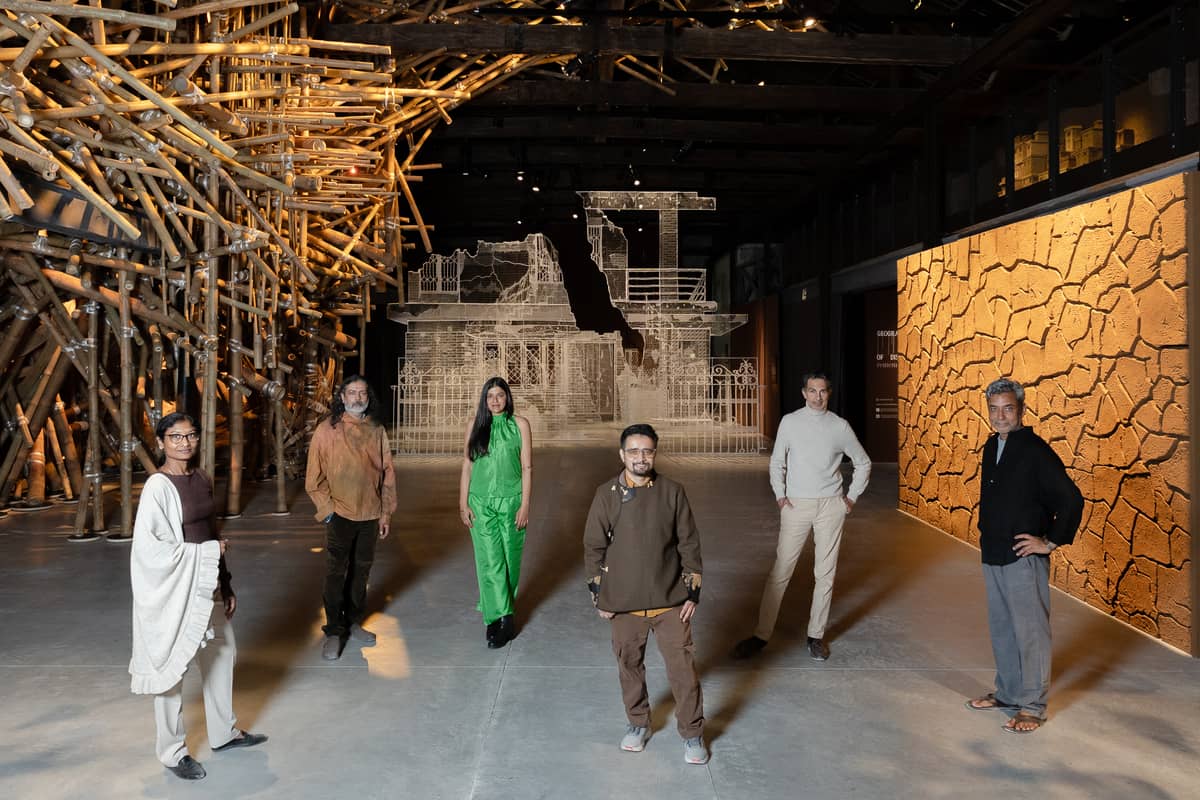
India has returned to the Venice Art Biennale with a national pavilion at the 61st International Art Exhibition, after a seven-year hiatus. The pavilion, titled "Geographies of Distance: Remembering Home," is presented by India's Ministry of Culture in partnership with the Nita Mukesh Ambani Cultural Centre and Serendipity Arts Foundation, curated by Amin Jaffer. It features five artists—Alwar Balasubramaniam, Sumakshi Singh, Ranjani Shettar, Skarma Sonam Tashi, and Asim Waqif—whose works explore themes of home, loss, displacement, and cultural memory through materials like soil, thread, bamboo, and clay.

At this year's Venice Biennale, a clash of politics and art exposes the need for a rethink

The 2026 Venice Biennale is plagued by controversy and structural issues. Curator Koyo Kouoh died of cancer in 2025, leaving her team to execute the main exhibition "In Minor Keys" without her. The Biennale's jury resigned after refusing to judge entries from countries charged with war crimes, and media coverage during preview week focused on protests against the Israeli and Russian pavilions rather than the art. The sprawling exhibition features 96 national pavilions and 110 artists, with works ranging from Daniel Lind-Ramos's found-material figures to María Magdalena Campos-Pons's tribute to Toni Morrison and Kouoh.

LACMA's David Geffen Galleries set to open next month

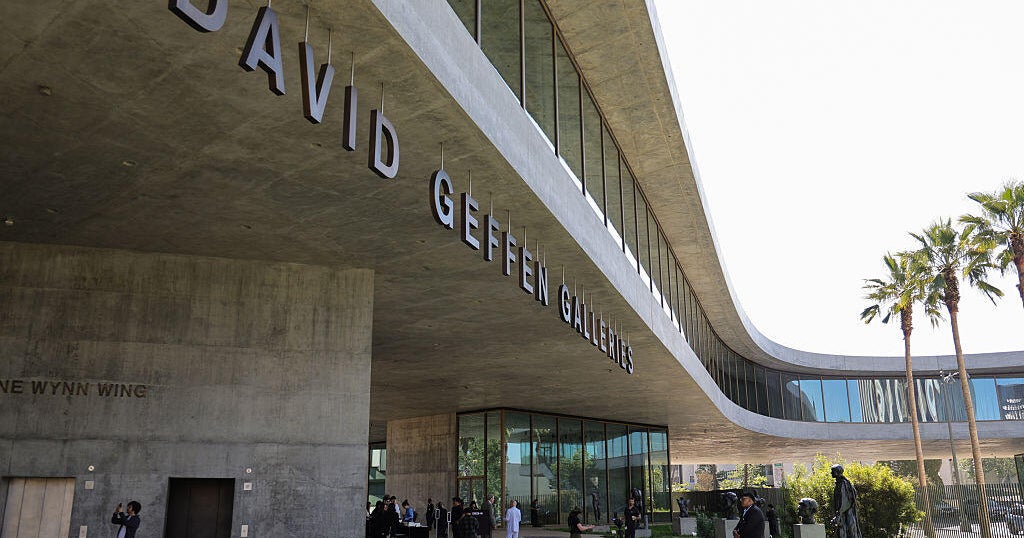
The Los Angeles County Museum of Art (LACMA) has announced that the David Geffen Galleries will officially open to the public on May 4, 2026. Designed by Pritzker Prize-winning architect Peter Zumthor, the $724 million horizontal concrete and glass structure spans Wilshire Boulevard and replaces four aging buildings. The new facility features a single-story main exhibition level dedicated to the museum’s permanent collection, supported by seven ground-level pavilions housing educational spaces, a theater, and retail outlets.

Daegu Photo Biennale tackles the Anthropocene

The Daegu Photo Biennale in South Korea, now in its 10th edition, tackles the Anthropocene through the lens of symbiosis, featuring three main exhibitions: 'The Pulse of Life', 'The Origin of the World', and a solo show by Rinko Kawauchi titled 'M/E On this Sphere Endlessly Interlinking'. Artistic director Emmanuelle de l’Ecotais, a former curator at Centre Pompidou and Musée d’Art Moderne de Paris, leads the biennale, which includes 80 artists in the main exhibition and 75 in the special exhibition, alongside emerging artist showcases, a symposium, a photobook exhibition, and a portfolio review, all spread across 4,000 square meters at the Daegu Culture and Arts Center.

Cultural Affairs Bureau announces the selection results of the “Local Curatorial Project” of the “Art Macao: Macao International Art Biennale 2025”

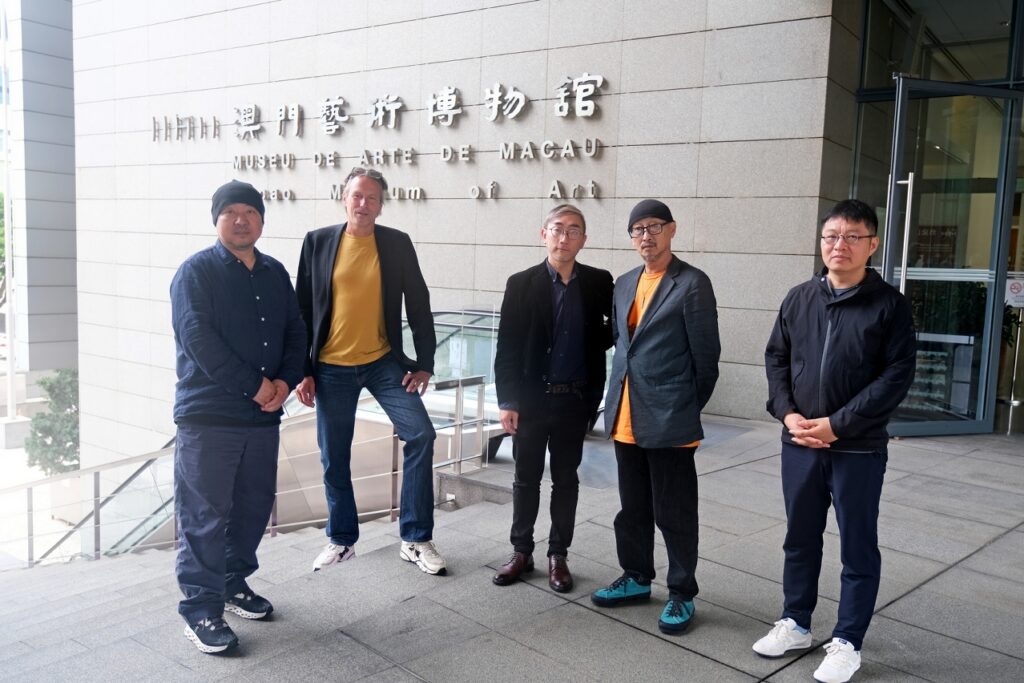
The Cultural Affairs Bureau of Macao has announced the six exhibition proposals selected for the "Local Curatorial Project" of "Art Macao: Macao International Art Biennale 2025." Chosen from 34 submissions by a panel including chief curator Feng Boyi, Wang Xiaosong, Song Dong, Marcel Feil, and Van Pou Lon, the winning proposals are: "Genetic Duration" (curated by Ung Vai Meng), "After Oriental Garden" (Cheong Weng Lam), "The Sea of Languages: Macao Language Research Program" (He Yan Jun and Zhang Ke), "A Speakable Position for Women" (Cheong Cheng Wa and Wang Jing), "Beneath the Wetware Peninsula" (Daisy Di Wang and Wong Mei Teng), and "Jacone's Tower" (Feng Yan and Ng Sio Ieng). These exhibitions will be part of the biennale and will also be shortlisted for the 61st International Art Exhibition of La Biennale di Venezia – Collateral Event from Macao, China.

Artist appointed, axed then reinstated from Venice Biennale triumphs

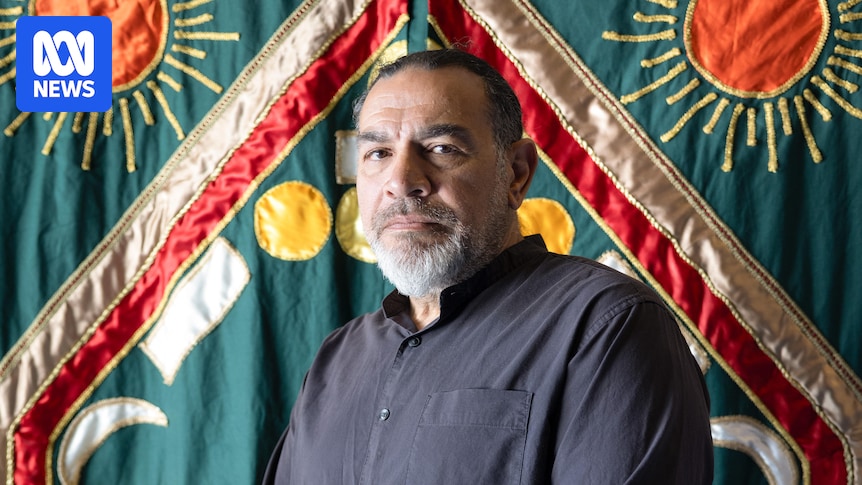
Khaled Sabsabi, a Lebanese Australian artist, presents his installation 'conference of one's self' at the Australia Pavilion of the Venice Biennale, alongside a second work 'khalil' in the main exhibition 'In Minor Keys' curated by Koyo Kouoh. His participation follows a tumultuous period in February 2025 when he was initially appointed to represent Australia, then controversially sacked by Creative Australia's board after a political dispute triggered by Senator Claire Chandler's comments, and later reinstated. Sabsabi is now one of only three artists in the Biennale's 131-year history to show in both a national pavilion and the main exhibition.

Why the inaugural Art Week Riyadh was a fair in everything but name

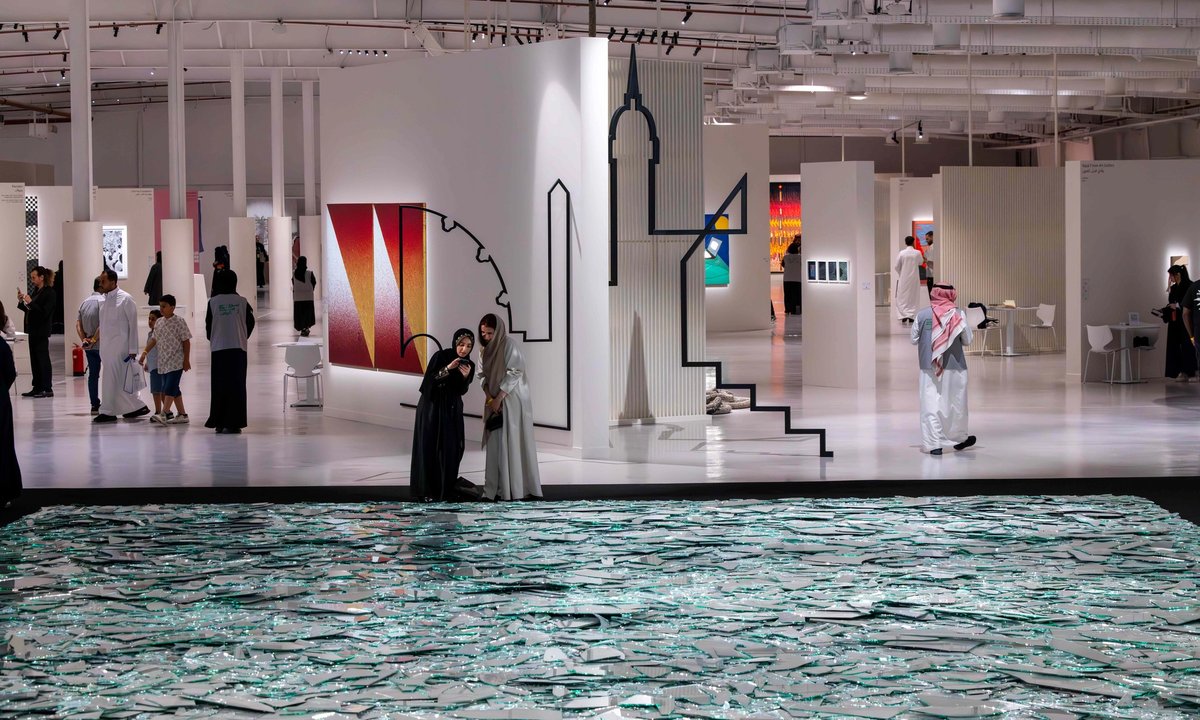
The inaugural Art Week Riyadh (AWR), organized by Saudi Arabia's Visual Arts Commission, took place from April 6-13 in the Jax district of Diriyah. Though officially billed as a non-commercial curated exhibition, the event functioned much like an art fair, with 32 galleries displaying available works, price lists visible on stands, and sales conducted throughout the week. The main exhibition, titled "At The Edge," was curated by Vittoria Matarrese with associate curators Basma Harasani and Victoria Gandit Lelandais, featuring galleries from Saudi Arabia and the wider region. Standout presentations included works by Ayesha Sultana, Mohamed Bourouissa, Mohammed Al Resayes, and Miramar Al Nayyar, alongside a moving image section and a satellite program of open studios and gallery shows.

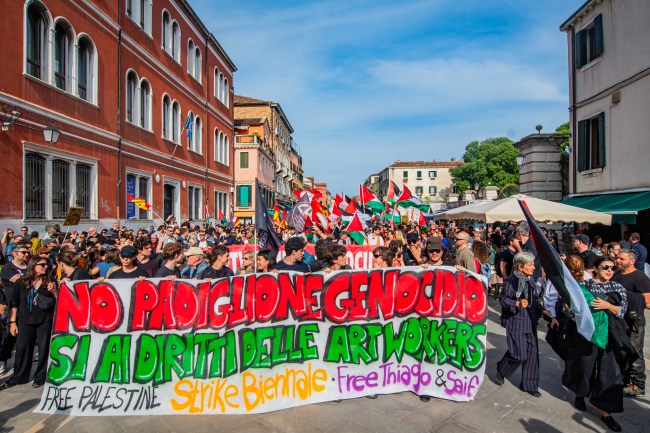
Historic Strike Disrupts Biennale as Thousands March in Venice

On May 8, 2026, artists and cultural workers staged the first strike in the 131-year history of the Venice Biennale, disrupting the pre-opening of the international exhibition. At least 27 of the 100 national pavilions were partially or fully shut down, and thousands marched through Venice to the Arsenale, which was barricaded by Italian riot police. The strike, organized by the Art Not Genocide Alliance (ANGA) and local activist groups, was a 24-hour action for Palestine and workers' rights, with some artists altering or draping their works in the main exhibition, "In Minor Keys."

Artists Pay Tribute to Koyo Kouoh in Poetry Caravan at Venice Biennale

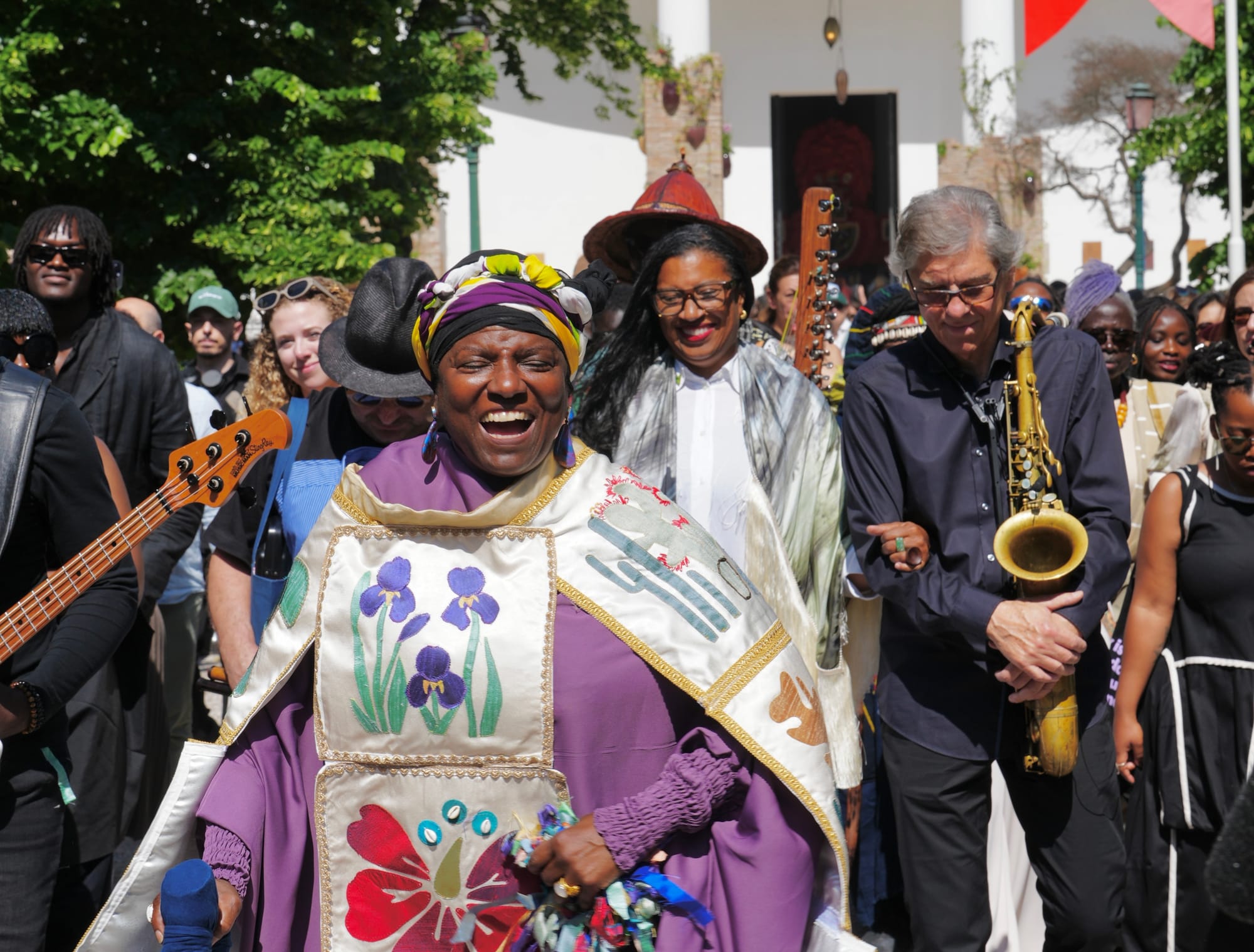
At the Venice Biennale on May 7, 2026, Cuban artist María Magdalena Campos-Pons led a poetry caravan across seven locations in the Giardini to honor Koyo Kouoh, the late curator of the Biennale's main exhibition "In Minor Keys," who died of cancer at age 57 in 2025. The procession, inspired by a 1999 voyage Kouoh took with nine African poets from Dakar to Timbuktu, featured performances by poets Natalie Diaz, Robin Coste Lewis, Batool Abu Akleen, and Anne Waldman, kora player Saliou Cissokho, and Kouoh's husband, Swiss saxophonist Philippe Mall, who played a composition dedicated to her. The event was organized by a team of Kouoh's assistants and advisers, including Marie Hélène Pereira, who served as stand-in lead of the 2026 Biennale.

"Hier darf laut gelacht werden"

During the opening week of the Venice Biennale, multiple reports detail controversies surrounding the Israeli and Russian pavilions. According to Hyperallergic, artist Belu-Simion Fainaru of the Israeli pavilion threatened legal action against the Biennale after the jury sought to exclude Israel and Russia from prizes over alleged human rights violations, citing antisemitism and nationality-based discrimination. This may have prompted the jury's sudden resignation. Meanwhile, taz reports that Russia's pavilion is a macabre 'dance of death' blending techno and political denial, while Israel's pavilion faces a 'silent boycott' and social ostracism. Zeit describes protests by Pussy Riot and Femen outside the Russian pavilion as a defining image, with activists chanting 'blood sticks to the art of this country.'