filter_list Showing 2128 results for "Uman" close Clear
search
dashboard All 2128 museum exhibitions 1170article news 299article culture 157article policy 121article local 113trending_up market 88rate_review review 61person people 59candle obituary 42gavel restitution 15article event 3
date_range Range Today This Week This Month All
Subscribe

architecture tadao ando naoshima new museum of art

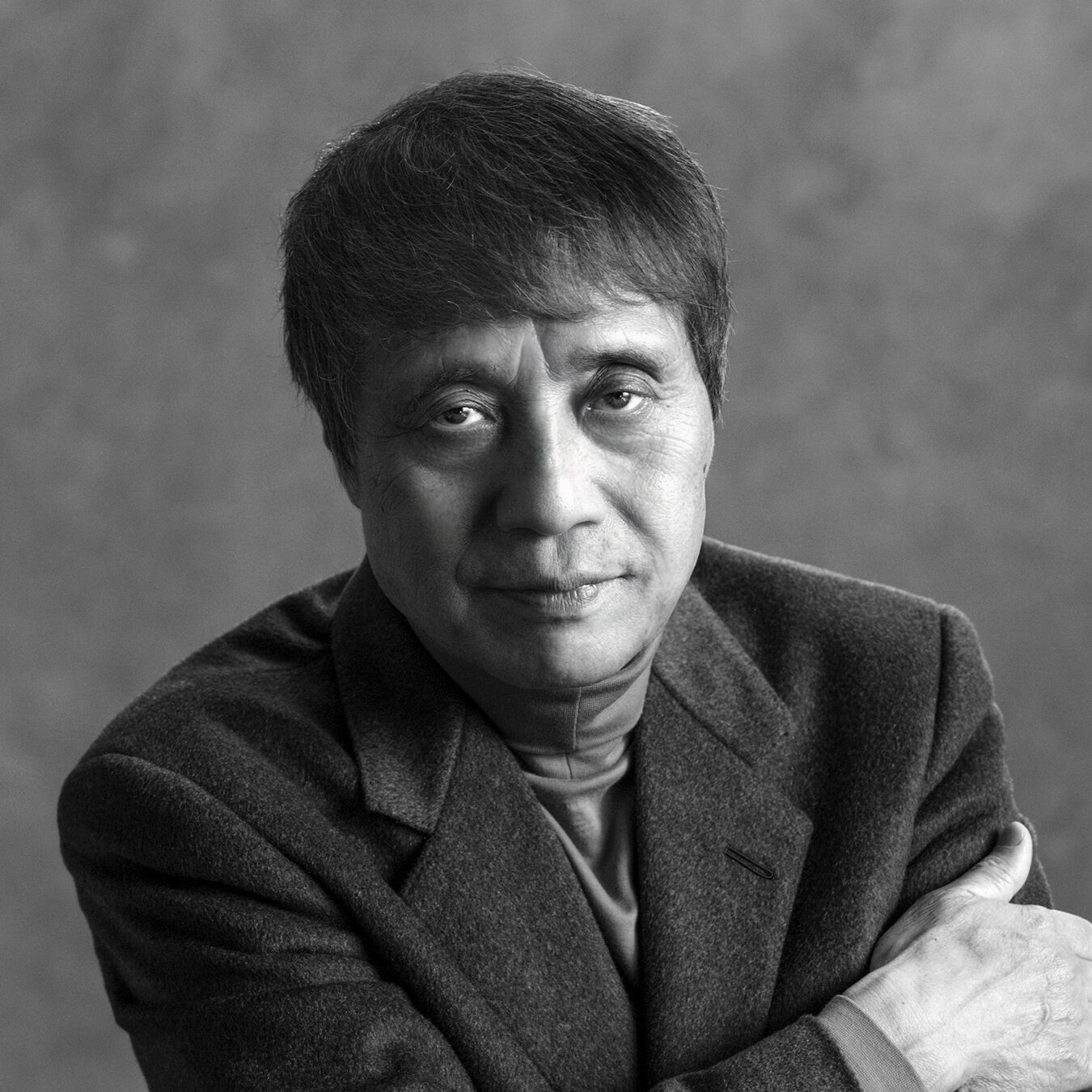
The article profiles the renowned Japanese architect Tadao Ando, now 84, who has built 10 museums on the island of Naoshima over 33 years. It features an interview where Ando discusses his upbringing in a traditional wooden row house in Osaka, his early training as a boxer, and how these experiences shaped his architectural philosophy of "light within darkness." The piece includes personal reflections from the author on encountering Ando's work and highlights key projects such as the Pulitzer Arts Foundation in St. Louis and the Church of Light in Osaka.
art katherine brinson curator guggenheim

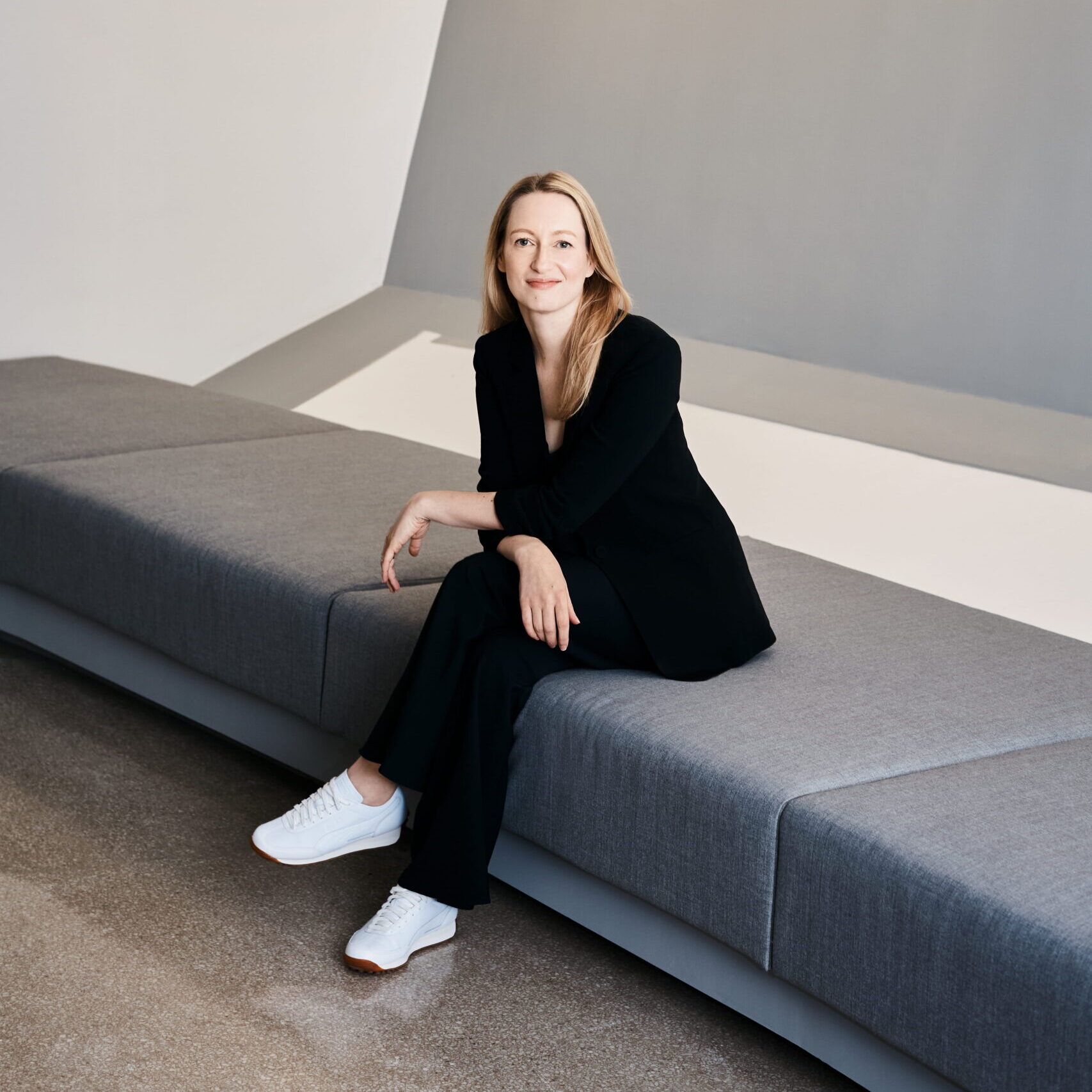
The article profiles Katherine Brinson, a curator at the Guggenheim Museum in New York, known for organizing major exhibitions for artists like Alex Katz, Danh Vo, and most recently a mid-career survey of sculptor Carol Bove in the museum's iconic rotunda. In a Q&A format, Brinson discusses her curatorial philosophy, her deep connection to the Frank Lloyd Wright building, and her introverted nature, while revealing plans to make the Carol Bove show more welcoming with seating areas and daily tea service.

art diya vij commissioner zohran mamdani new york

Diya Vij has been appointed as the new commissioner of New York City's Department of Cultural Affairs, the largest municipal funder of culture in the United States. Vij, a 40-year-old arts administrator with experience at Powerhouse Arts, the High Line, Creative Time, and the Queens Museum, previously worked for the department from 2014 to 2018 under former commissioner Tom Finkelpearl. She now oversees a $300 million annual budget and a 50-person staff, tasked with sustaining artistic communities across the five boroughs amid federal funding cuts to the NEA and NEH.

art gabriela hearst adam pendleton nina simone

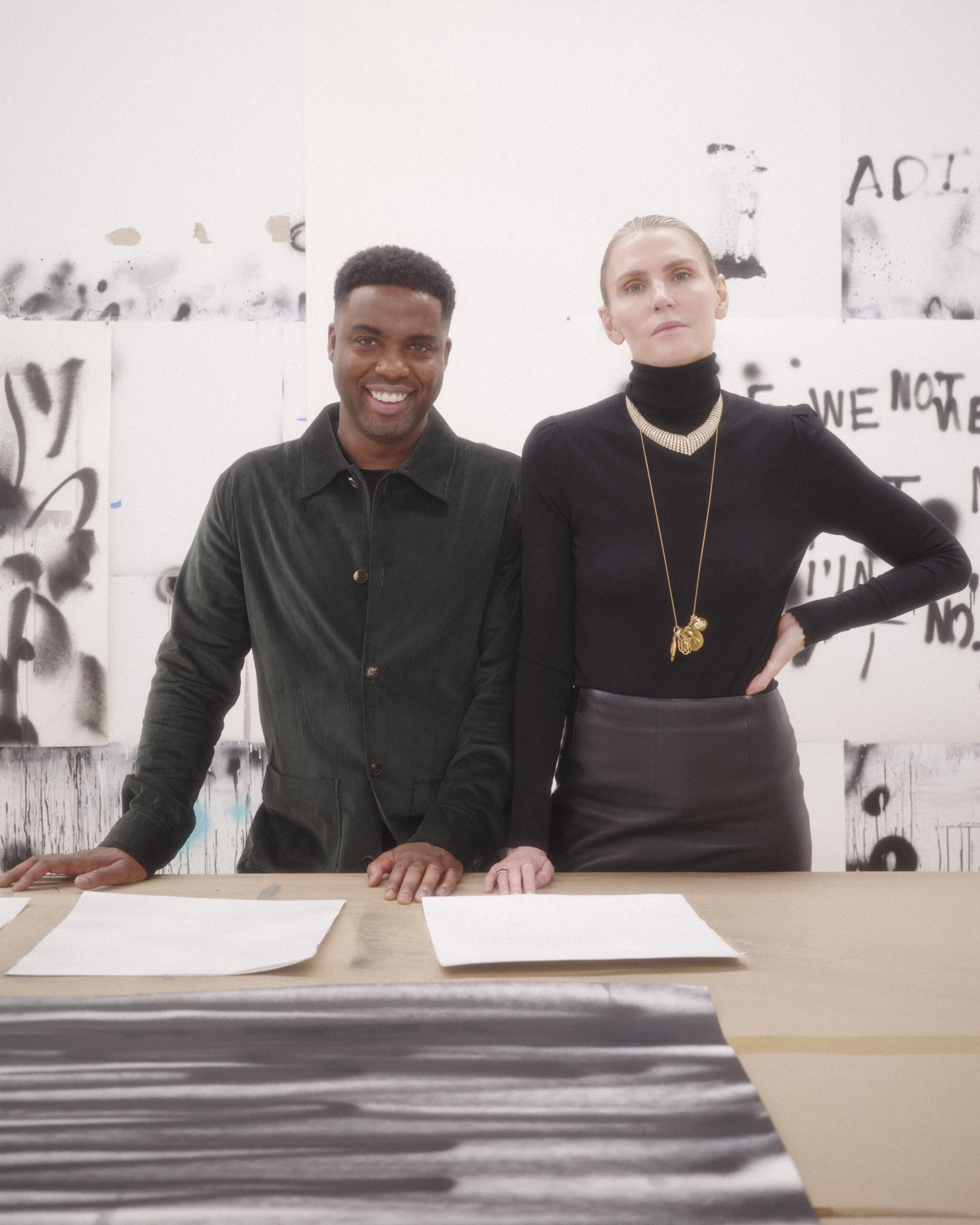
Fashion designer Gabriela Hearst and visual artist Adam Pendleton have collaborated on a limited edition of 25 Nina bags, reimagining Hearst's classic style with Pendleton's unique silkscreens. The bags are being sold this month at Sotheby's, with net sales proceeds going to preserve singer Nina Simone's childhood home, which Pendleton and other artists purchased in 2017. The collaboration coincides with Pendleton's exhibition "Love, Queen" at the Hirshhorn Museum in Washington, DC, running through January 2027.

art new museum building new humans

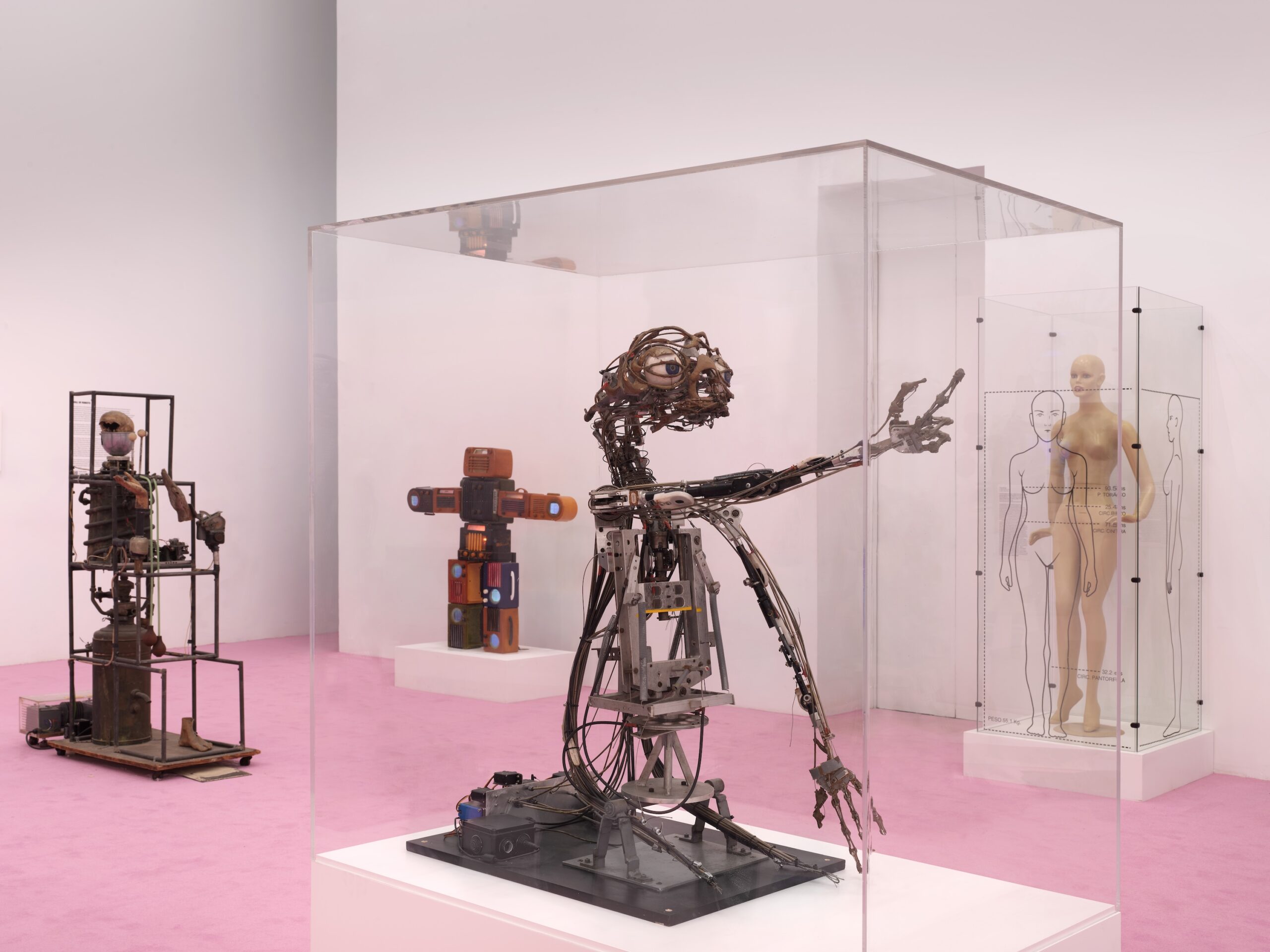
The New Museum in New York has reopened after two years with a major expansion designed by OMA / Shohei Shigematsu and Rem Koolhaas, doubling its size to 60,000 additional square feet. The inaugural exhibition, “New Humans: Memories of the Future,” curated by Massimiliano Gioni, features over 800 objects by more than 200 artists, scientists, and designers across three main floors. The show explores how concepts of the human have evolved in response to technological innovation over the past century, with thematic chapters such as “Reproductive Futures” and a site-specific sculpture by Klára Hosnedlová in the new Atrium Stair.

art collector questionnaire negotiations acquisition

CULTURED magazine asked art collectors to share their strangest negotiation experiences with artists or dealers. Responses range from a late-night studio sale in a dark East Atlanta alleyway to accidentally bidding on a second impression of a Picasso etching at auction. Other tales include haggling over a borrowed frame after a Christie's purchase, a dealer insisting the artwork be displayed in a specific room, and acquiring a Rick Lowe painting sight unseen from Gagosian after seeing it at the Venice Biennale. The survey reveals the quirky, human side of art transactions often hidden behind market mythology.

art komal shah making their mark forum

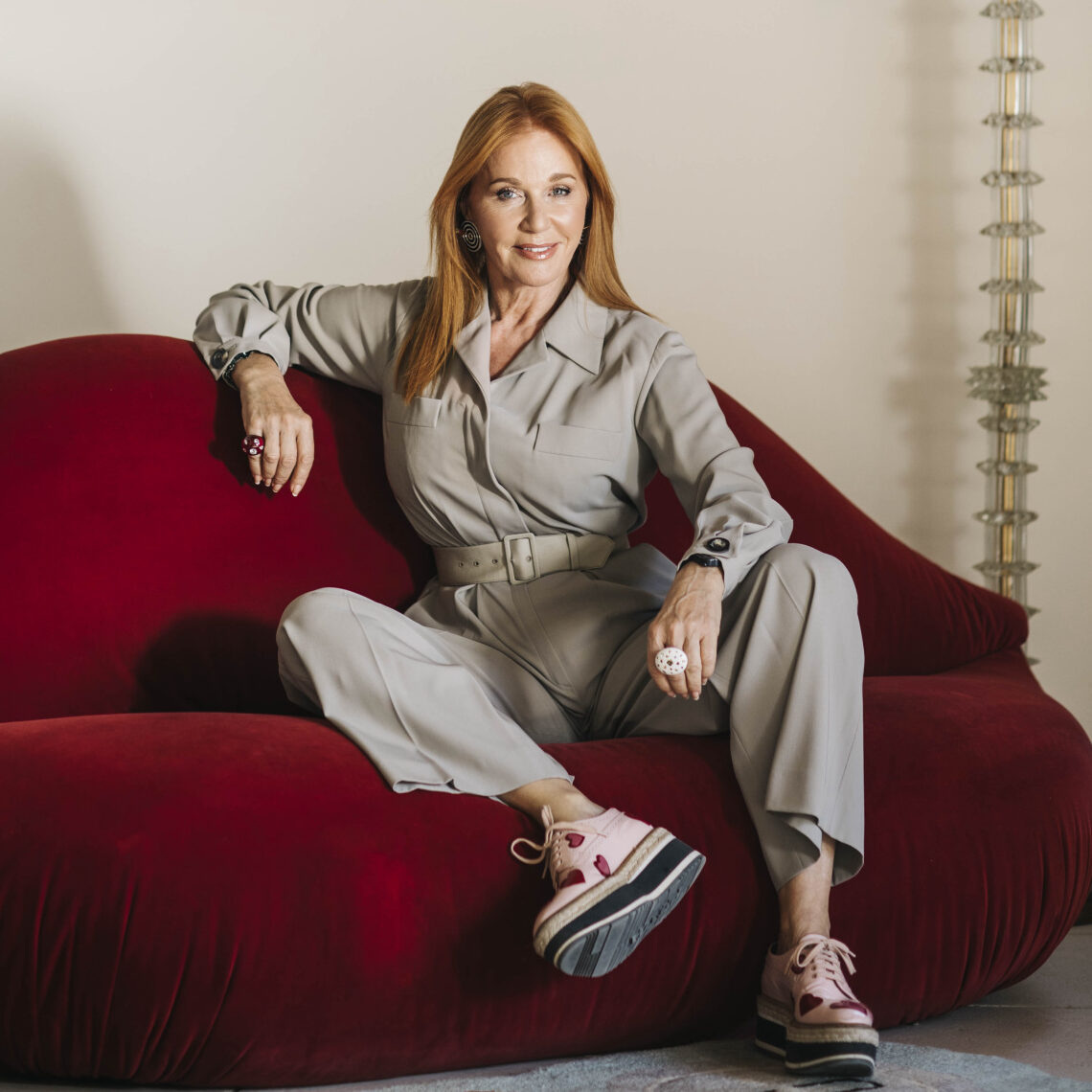
Komal Shah, a former tech executive and art collector, is hosting the Making Their Mark Forum in Washington, DC from March 5–7, 2025, coinciding with the presentation of her collection at the National Museum of Women in the Arts. The forum brings together museum leaders, artists, educators, and students to discuss the representation of women artists, following her 2023 exhibition “Making Their Mark” in New York, which featured 84 women artists and drew 50,000 visitors. Shah, who built her collection of works by women and artists of color through a strategy of “soft seduction,” has shifted toward a more activist stance after the re-election of Donald Trump and the subsequent attacks on DEI initiatives.

parties ruba katrib lawrence kumpf hosting

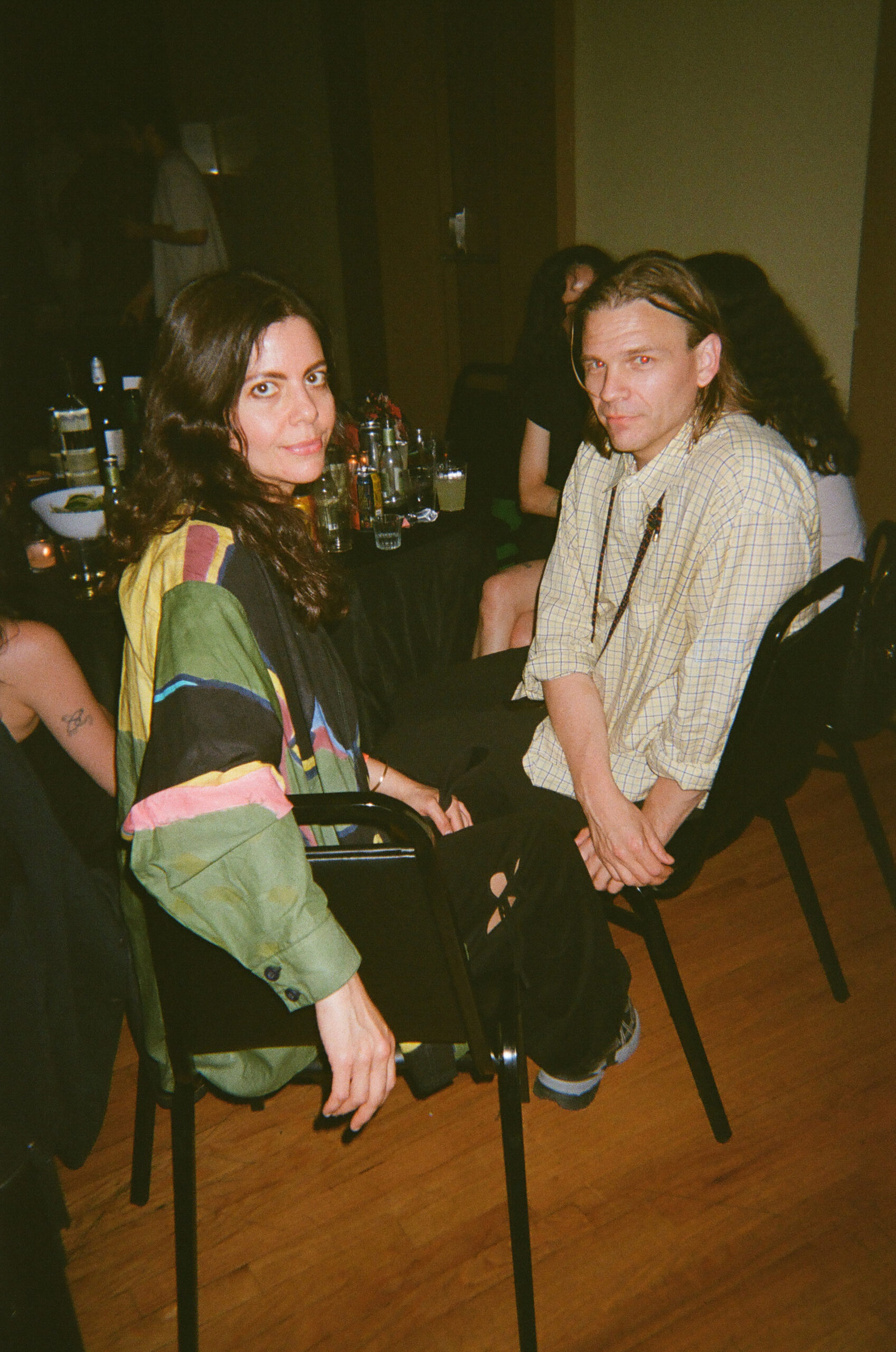
Blank Forms celebrated its ninth anniversary with performances by Dez Andrés, Douglas Sherman, and 7038634357 at the Ukrainian National Home in the East Village. The article, written by Ruba Katrib and Lawrence Kumpf, offers a personal glimpse into their New York apartment, filled with books, records, art from friends, and a curated sound system, alongside recipes and anecdotes about hosting artists, musicians, and curators for dinners and listening sessions.

culture jamieson webster psychoanalysis ai sex

Psychoanalyst Jamieson Webster launches a new column for CULTURED titled "Neurotica," exploring the intersection of psychoanalysis, technology, and sexuality. In the debut installment, she interviews artist and theorist Mindy Seu about her work "A SEXUAL HISTORY OF THE INTERNET," which traces how sex workers were integral to developing digital platforms like chat rooms, e-commerce, and webcams, only to have their innovations co-opted by Big Tech. Webster reflects on how AI, chatbots, and online intimacy are reshaping human desire, pleasure, and relationships, drawing on Freud's pleasure-principle and contemporary anxieties about AI psychosis and digital dependency.

art basel unlimited ruba katrib curator

Art Basel has appointed Ruba Katrib, Chief Curator and Director of Curatorial Affairs at MoMA PS1, as the curator for the Unlimited sector at its 2026 Swiss edition. Katrib succeeds Giovanni Carmine, who held the role since 2021. Known for championing emerging and cult artists like Jumana Manna and Rirkrit Tiravanija, Katrib has shaped MoMA PS1's curatorial direction for eight years, with prior experience at SculptureCenter and SITE Santa Fe's biennial. Unlimited is a platform for large-scale works beyond traditional booths, and Katrib will oversee installations, sculptures, and ambitious new projects. Art Basel 2026 runs June 18-21 at Messe Basel, with preview days June 16-17.

Everything is Common

TODO ES COMÚN

The exhibition 'Todo es común' (Everything is Common) is on view until June 21, 2026, at the Sala Europa in Badajoz, Spain. Curated by Adonay Bermúdez, it brings together works by fifteen international artists to examine the agricultural landscape as a space where practices, memories, and political tensions intersect, moving beyond its purely material condition.

The Enviable Life of a 1970s Soho Gallerist

Paula Cooper opened her pioneering gallery in Soho in 1968, betting on the then-desolate industrial neighborhood as artists began moving into its lofts. She cultivated deep, personal relationships with the artists she represented, such as Lynda Benglis and Joel Shapiro, as well as with other major figures like Jasper Johns, fostering a slower, more humane art world pace. Her success helped transform Soho into a major gallery district, attracting institutions like Sonnabend and Castelli.

Marianna Simnett schafft eine exklusive Edition für Monopol

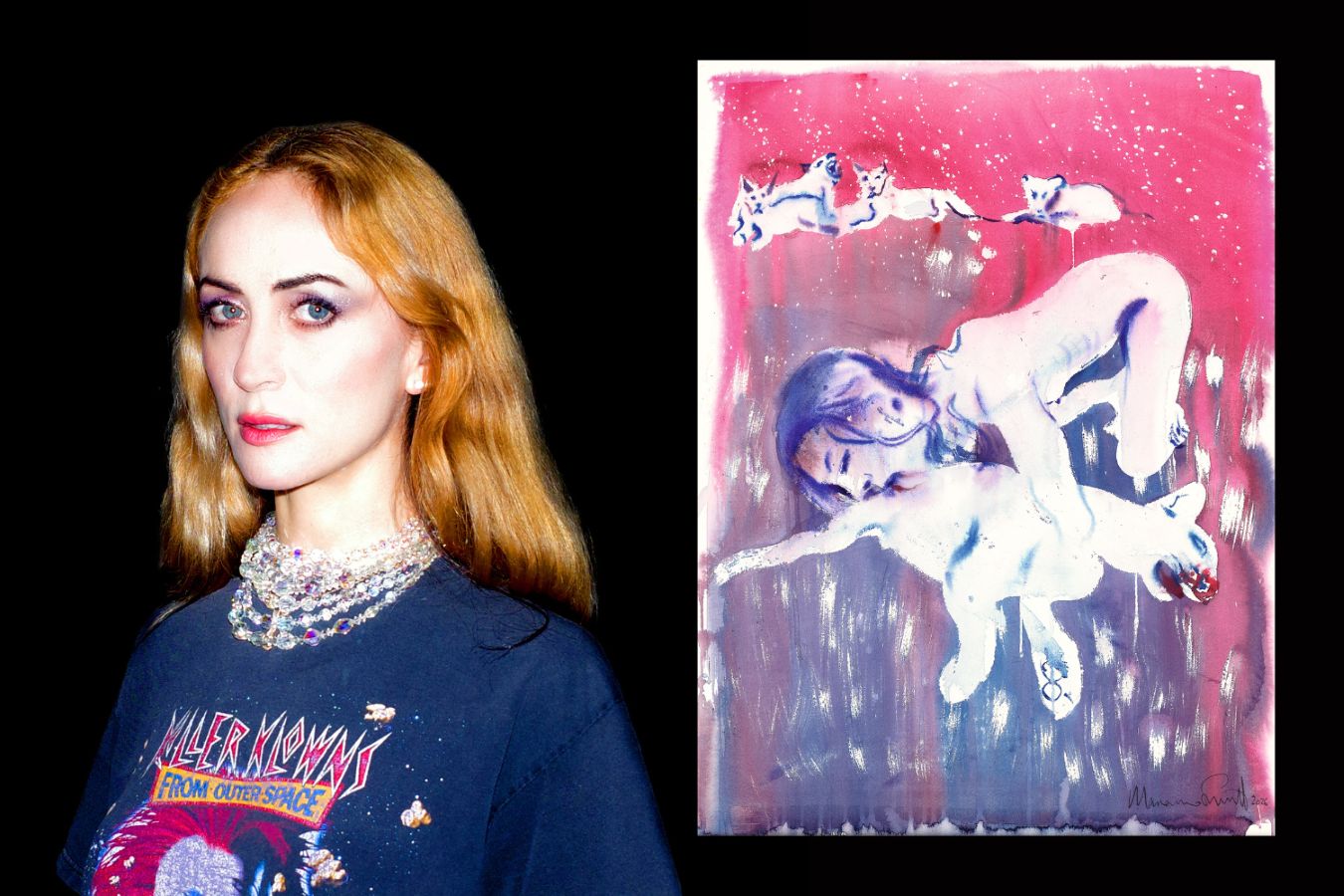
Marianna Simnett, one of the most radical contemporary artists known for exploring metamorphosis, myth, ecstasy, sex, and pain, has created an exclusive edition titled "The Healer" for the German art magazine Monopol. The work is a watercolor depicting a naked female figure licking a lion lying on the ground, with other lions roaring in the background. The edition is an archival pigment print in a size of 60 x 79 cm, published in an edition of 25 plus two artist's proofs, priced at 950 euros plus VAT.

Prize commemorates Henrike Naumann – MMK takes over estate

Preis erinnert an Henrike Naumann – MMK übernimmt Nachlass

A new prize named after the late artist Henrike Naumann has been established by the Institut für Auslandsbeziehungen (ifa) and the Zeit Stiftung Bucerius, coinciding with her posthumous presentation at the German Pavilion of the Venice Biennale. The €15,000 Henrike-Naumann-Preis für Bildende Kunst, plus €5,000 in production funds, will be awarded regularly starting this year to early- to mid-career artists whose work engages with social transformation, political fault lines, or transnational contexts. Meanwhile, the Museum für Moderne Kunst Frankfurt (MMK) has acquired Naumann's estate, which will be catalogued and made publicly accessible to ensure her work receives long-term scholarly and curatorial attention.

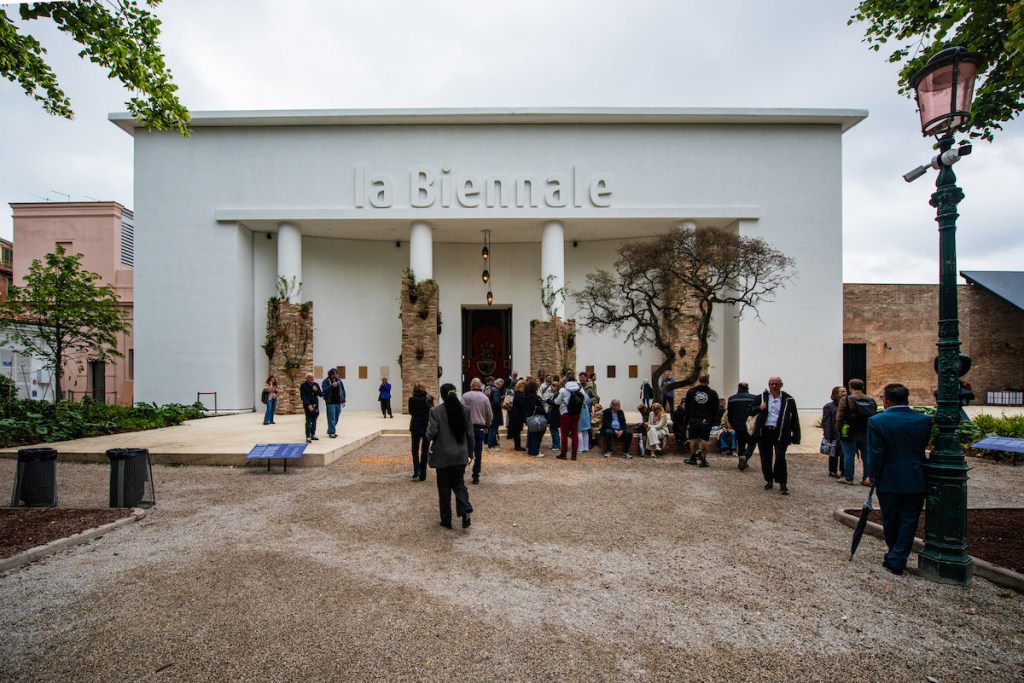
Venice in Crisis Mode

Venedig im Krisenmodus

The 61st Venice Biennale has opened under extraordinary circumstances, marked by political protests, a jury resignation, and canceled awards. The Biennale's jury resigned en masse after announcing they would exclude Israeli and Russian contributions from their decisions, leading to the cancellation of the Golden Lion awards and a crisis over the international competition's legitimacy. A newly introduced audience prize also faced boycotts from artists in solidarity. Protests, closed pavilions, and pro-Palestinian actions dominated the preview days, with artists pasting protest posters directly onto their works, reflecting heightened tensions.

Deutscher Pavillon wird zum Plattenbau

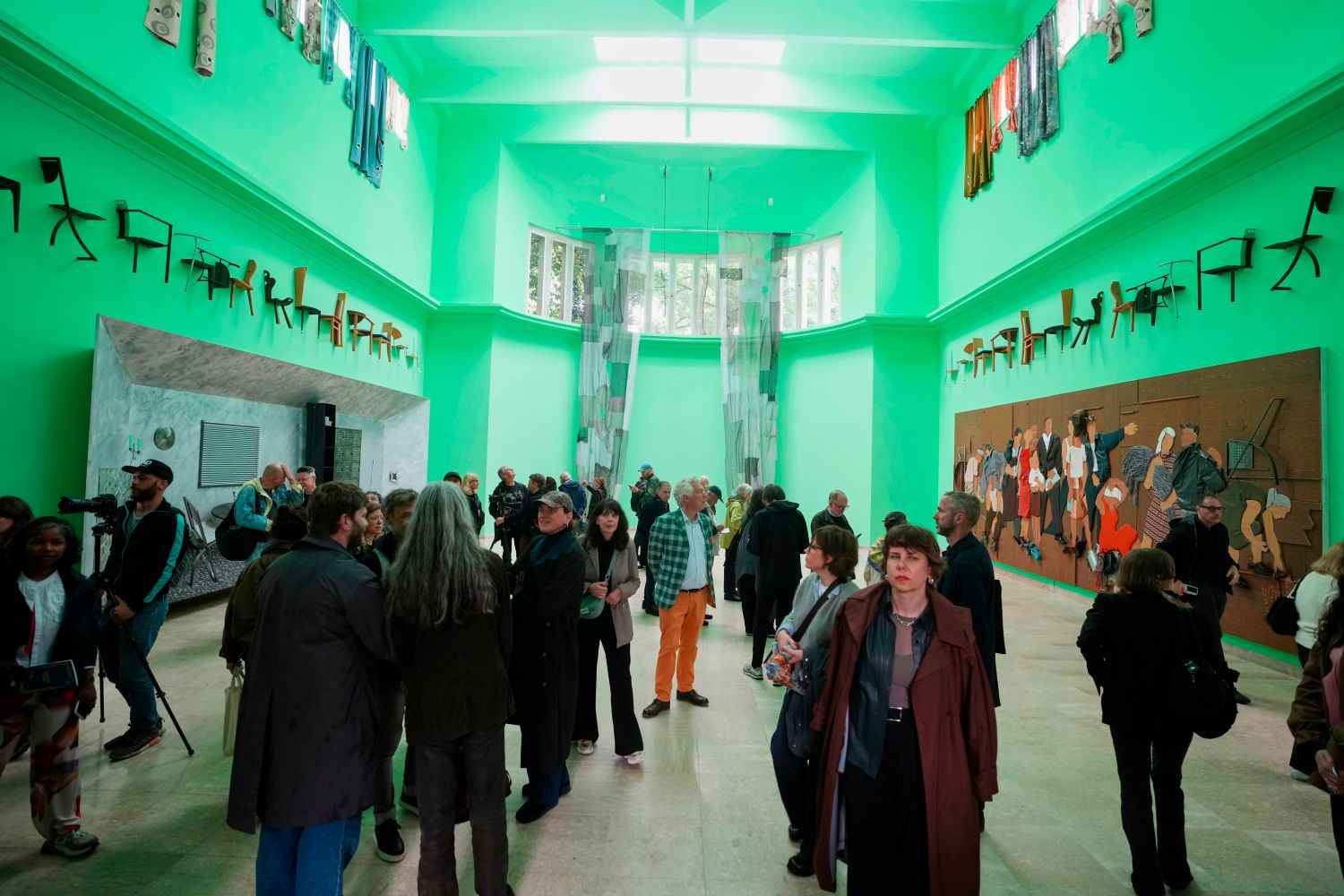
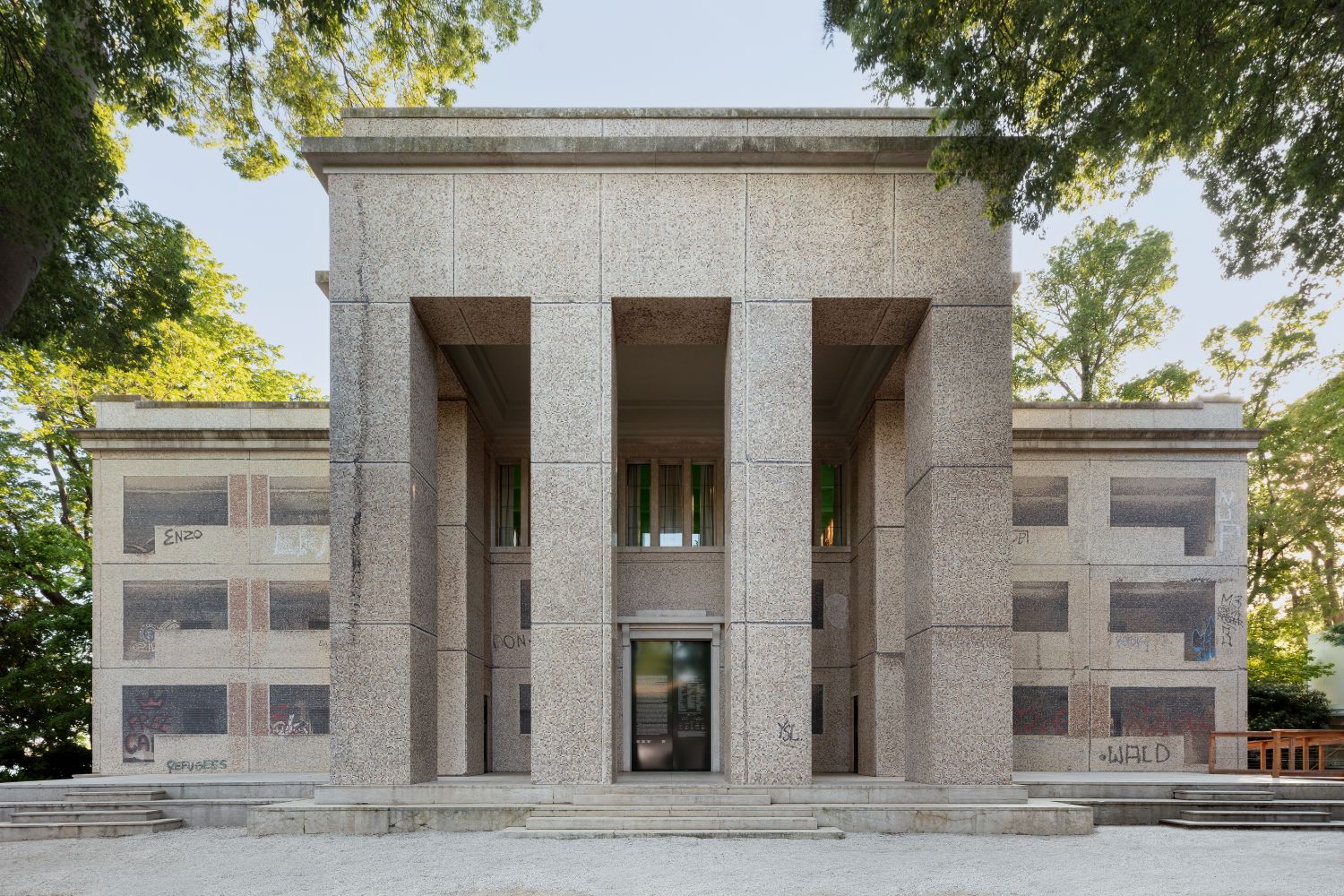
The German Pavilion at the Venice Art Biennale has been transformed into a prefabricated concrete slab building (Plattenbau) for this year's edition, designed by artists Sung Tieu and the late Henrike Naumann, who died suddenly in February at age 41 from cancer. Curator Kathleen Reinhardt described the pavilion as part of a highly political Biennale, with Tieu covering the 1938 fascist-era building with a mosaic of over three million tiles depicting a Berlin apartment block that once housed Vietnamese contract workers. Naumann's interior installation features mint-green references to Soviet barracks in East Germany, a cartography of war, and works including a relief of chairs, a curtain of chainmail, and the performance "Trümmerfrau."

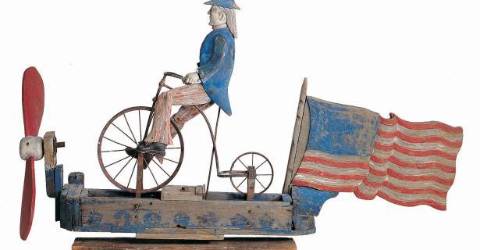
Drones, Uncle Sam, and Grand Master Rafael: 10 Must See Exhibits This Spring

New York City’s museum landscape is entering a major spring season characterized by high-profile retrospectives, institutional reopenings, and the 82nd Whitney Biennial. Key highlights include a massive Raphael survey at the Metropolitan Museum of Art featuring over 200 works, the reopening of the expanded New Museum with a tech-focused exhibition on the future of humanity, and a major survey of sculptor Carol Bove at the Guggenheim. The season also features thematic shows exploring American folk art, Dutch Golden Age masterpieces, and the relationship between Frida Kahlo and Diego Rivera.

Israeli Pavilion artist issued legal warnings before Biennale jury resignation

Belu-Simion Fainaru, the artist representing Israel at the 2026 Venice Biennale, issued legal warnings to the Biennale, the Italian Ministry of Culture, and the Italian Prime Minister’s office after the Golden Lion jury announced it would not consider pavilions from countries whose leaders are charged with crimes against humanity by the International Criminal Court, including Israel and Russia. Fainaru’s legal threats cited alleged antisemitism and nationality-based discrimination. Shortly after, the Biennale jury resigned, prompting organizers to postpone the awards ceremony to the closing day and replace the Golden and Silver Lions with two 'Visitors’ Lions' voted on by attendees, with all national participations eligible.

Bogna Burska and Daniel Kotowski on Representing Poland at the 61st Venice Biennale

Bogna Burska and Daniel Kotowski, representing Poland at the 61st Venice Biennale, plan to exhibit a project inspired by the Choir in Motion (a phonic/sign-language ensemble of hearing and Deaf people), underwater role reversals, and whale communication. Their work explores alternate forms of communication, Deaf Gain, and the retrieval of voices—both human and non-human—aligning with the Biennale's theme "In Minor Keys." The Polish pavilion is located in the Giardini.

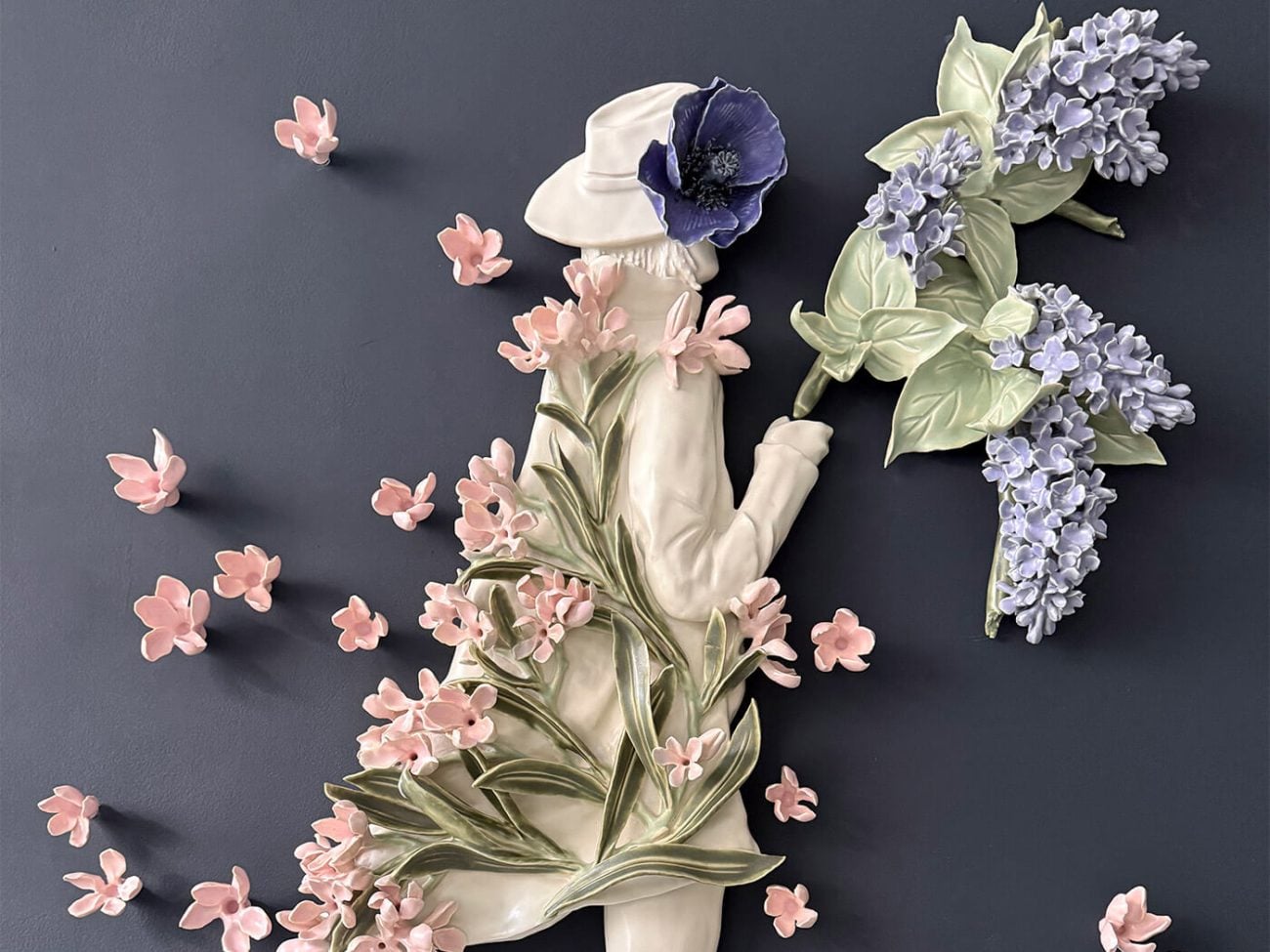
Alice Riehl Grows a Porcelain Tree Full of Humanity in Jouy-en-Josas

Alice Riehl fait pousser un arbre de porcelaine plein d’humanité à Jouy-en-Josas

Artist Alice Riehl has unveiled a major porcelain installation titled "Herbarium Interior" at the Musée de la Toile de Jouy in Jouy-en-Josas. The work, a sprawling tree with leaves, branches, and roots, is crafted from porcelain and was inspired by the museum's historical textile collections. The installation is part of a solo exhibition, and a concurrent presentation of her work, "Porcelain Florilegium," is on view at New York's Museum of Arts and Design.

In the new film Nagi Notes, art is a vessel for characters’ desires

Japanese writer-director Koji Fukada's new film *Nagi Notes* premiered on 13 May at the Cannes Film Festival. The story follows Yuri (Shizuka Ishibashi), who visits the remote town of Nagi to sit for a sculptor friend, Yoriko (Takako Matsu). The film explores how characters use art—from drawings to sculptural busts—as a medium to express unspoken desires, grief, and identity, with key scenes set at the Nagi Museum of Contemporary Art featuring a permanent installation by Arakawa and Madeline Gins.

Putin ‘Won’ the Venice Biennale, Quips Italian Culture Minister

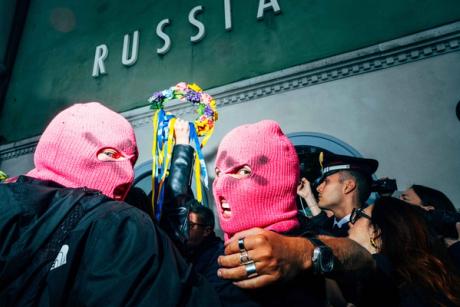
Italian Culture Minister Alessandro Giuli stated that Russian President Vladimir Putin "won" the 2024 Venice Biennale, criticizing Russia's controversial return to the event. Giuli, who repeatedly denounced Russia's presence, told Corriere della Sera that Russian artists in the pavilion cannot express dissent against their regime. The Biennale faced widespread calls to remove Russia, with the EU threatening to withhold a €2 million grant, but organizers argued they lacked legal authority to exclude the country. Protests by Pussy Riot and FEMEN marked the pavilion's opening, while the Biennale's jury resigned en masse after announcing that nations charged with crimes against humanity would be ineligible for Golden Lions.

Venice Biennale Artists Decline Consideration for Golden Lions Chosen by Public Vote

Nearly half of the artists in the main exhibition of the Venice Biennale have signed a statement declining consideration for the Golden Lion awards, in solidarity with the jury that resigned last month. The statement, published by e-flux, includes prominent names such as Alfredo Jaar, Tuan Andrew Nguyen, Otobong Nkanga, and Walid Raad, as well as national pavilion representatives from France, Lithuania, and the Netherlands. The Biennale had planned to replace the jury-selected Golden Lions with "Visitor Lions" decided by public vote, but the artists' refusal marks an unprecedented protest within the exhibition.

At the Venice Biennale, Ukraine’s Pinchuk Art Centre finds fragile moments of joy amid loss

The Pinchuk Art Centre in Kyiv has transformed its Venice Biennale presentation from a glamorous celebration of young artists into a somber exhibition responding to the Russian invasion of Ukraine. This year's show, titled "Still Joy — From Ukraine into the World" (9 May-1 August) at the Palazzo Contarini-Polignac, features works by international artists like Tacita Dean and Julian Charriere alongside Ukrainian artists, as well as testimonials from soldiers collected by former marine Hlib Stryzhko. The exhibition explores how joy can persist amid trauma, with installations including pink scrolls bearing survivors' quotes, light box photographs of bombed interiors with rescued pot plants, and a sculpture of bells with displaced women's fingerprints.

Drained, Drowning, and Decay: The Best National Pavilions at the Venice Biennale

The 2026 Venice Biennale is defined by themes of ruin and decay, with standout national pavilions exploring bodily, infrastructural, and archaeological collapse. The Slovenian Pavilion features the Nonument Group repurposing materials from past Biennales into a ruin of a mosque for Bosnian Muslim soldiers from World War I. Syria presents its first national pavilion since the Civil War, with Sara Shamma invoking Palmyra, destroyed by ISIS. Germany's pavilion, titled "Ruin," features works by Henrike Naumann (who died in February) and Sung Tieu, questioning the pavilion's fascist architecture and nationalist residue. The Austrian Pavilion, curated by Florentina Holzinger, offers a visceral performance titled "Sea World." The Biennale is also marked by the abrupt resignation of its five-member jury, who refused to consider nations charged with crimes against humanity, leading to awards being chosen by public vote. Additionally, the main exhibition "In Minor Keys" was affected by the death of its curator, Koyo Kouoh.

Lithuanian, Latvian, and Estonian Pavilions Stage Pro-Ukraine Procession During Venice Biennale

On May 6, 2026, the Lithuanian, Latvian, and Estonian pavilions at the Venice Biennale organized a procession in solidarity with Ukraine, walking approximately one and a half miles from the Lithuanian Pavilion in the Fucina del Futuro to the Estonian pavilion. The action honored Ukrainian cultural workers creating under war conditions and those who have died. It is one of several political protests at the contentious 2026 Biennale, including demonstrations by Pussy Riot and FEMEN at the Russian pavilion, a "Solidarity Drone Chorus" opposing Israel's inclusion, and a planned 24-hour strike by the Art Not Genocide Alliance.

An Unprecedented 24-Hour Strike Could Upend the Venice Biennale

An unprecedented 24-hour strike is set to interrupt the Venice Biennale's opening week on Friday, May 8, in protest of Israel's participation in the global art event. The action, organized by the activist group Art Not Genocide Alliance (ANGA), follows a letter signed by over 230 Biennale participants demanding Israel's exclusion. The strike has exposed divisions among participants, with some artists and pavilion teams weighing solidarity against the rare opportunity to platform their own political messages. The Slovenian pavilion, represented by Nika Grabar of the Nonument Group, has committed to the strike, while others like Ecuador's Tawna Collective remain undecided, balancing protest with their mission to highlight ecological crises in the Amazon.

Major protests take place at Venice Biennale previews

Major protests erupted during the preview days of the Venice Biennale, with multiple demonstrations targeting the Israeli and Russian pavilions. On Wednesday, the Art Not Genocide Alliance (ANGA) held a large protest outside the temporary Israeli pavilion in the Arsenale, attended by over 200 people calling for its closure. Separately, the Solidarity Drone Chorus performed a sound composition by Gazan artist Ahmed Muin, with 60 artists wearing T-shirts bearing names of artists from Gaza. Meanwhile, Pussy Riot and FEMEN protested Russian participation, forcing the Russian pavilion to shut its doors. These actions follow the resignation of the entire Golden Lion jury days before the opening, after they stated they would not consider pavilions from countries whose leaders are charged with crimes against humanity by the ICC—widely seen as a reference to Russia and Israel.

A Pavilion of Ruins: Germany Reconsiders Its Past in Venice

The German Pavilion at the 61st Venice Biennale features a dual presentation exploring the country's layered political history. Artist Sung Tieu has cloaked the pavilion's fascist-era facade with a mosaic reconstruction of a GDR housing estate for Vietnamese contract workers, where she lived as a child. Inside, the late Henrike Naumann's immersive installation 'The Home Front' uses furniture and design to stage a confrontation between East and West German domestic and political ideologies. Naumann died in February 2025 at age 41, but her fully realized concept was completed collaboratively by her partner and curator Kathleen Reinhardt.

Venice Diary Day 1: At the Giardini, Artists Refuse to Make Fascism Cozy

Henrike Naumann's posthumous installation at the German Pavilion, which retains its 1938 Nazi-era fascist architecture, refuses to make the space 'cozy' by adorning windows with violently ripped domestic fabrics. The 2026 Venice Biennale is the first under president Pietrangelo Buttafuoco, associated with neo-fascist politics, and is overshadowed by controversy over his 'neutrality' policy allowing all countries to participate despite human rights concerns. The exhibition jury initially announced it would not consider pavilions from countries whose leaders are charged with crimes against humanity, then abruptly quit, leaving the situation unresolved. The US Pavilion features unimpressive blobs by Alma Allen, while the Russian Pavilion offers cut flowers and free vodka, and Andreas Angelidakis responds to fascist aesthetics at the Greek Pavilion.