filter_list Showing 1757 results for "rep" close Clear
dashboard All 1757 museum exhibitions 890article news 240article local 194trending_up market 120article culture 86person people 73article policy 63rate_review review 43gavel restitution 23candle obituary 19article event 4article events 1article gallery 1
date_range Range Today This Week This Month All
Subscribe

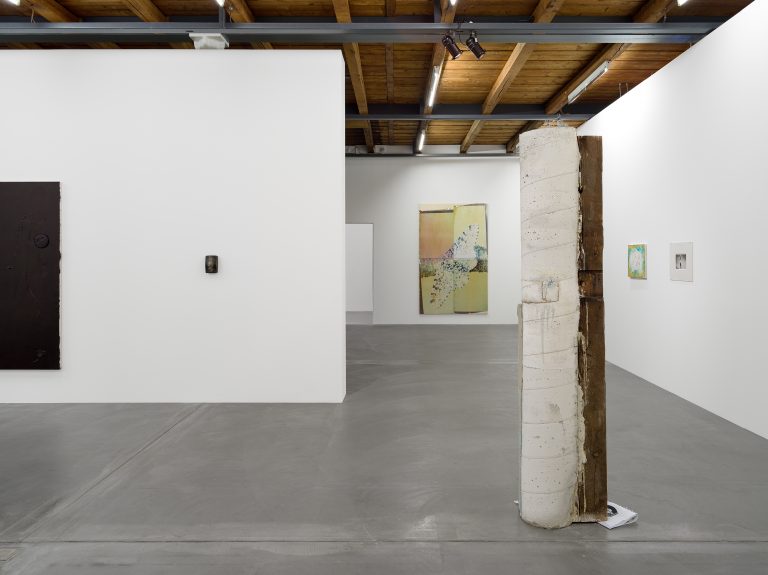
“Passages” at Kunsthalle Friart Fribourg

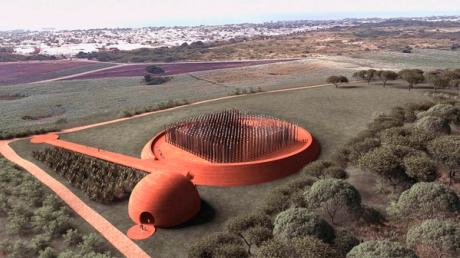
Kunsthalle Friart Fribourg presents "Passages," a group exhibition exploring the fluid boundaries of matter and form. The show investigates the existential transition points where materials coalesce into recognizable shapes and, conversely, where those forms begin to dissolve or mutate. By focusing on the inherent instability of physical objects, the curated selection of works challenges traditional perceptions of permanence in contemporary art.
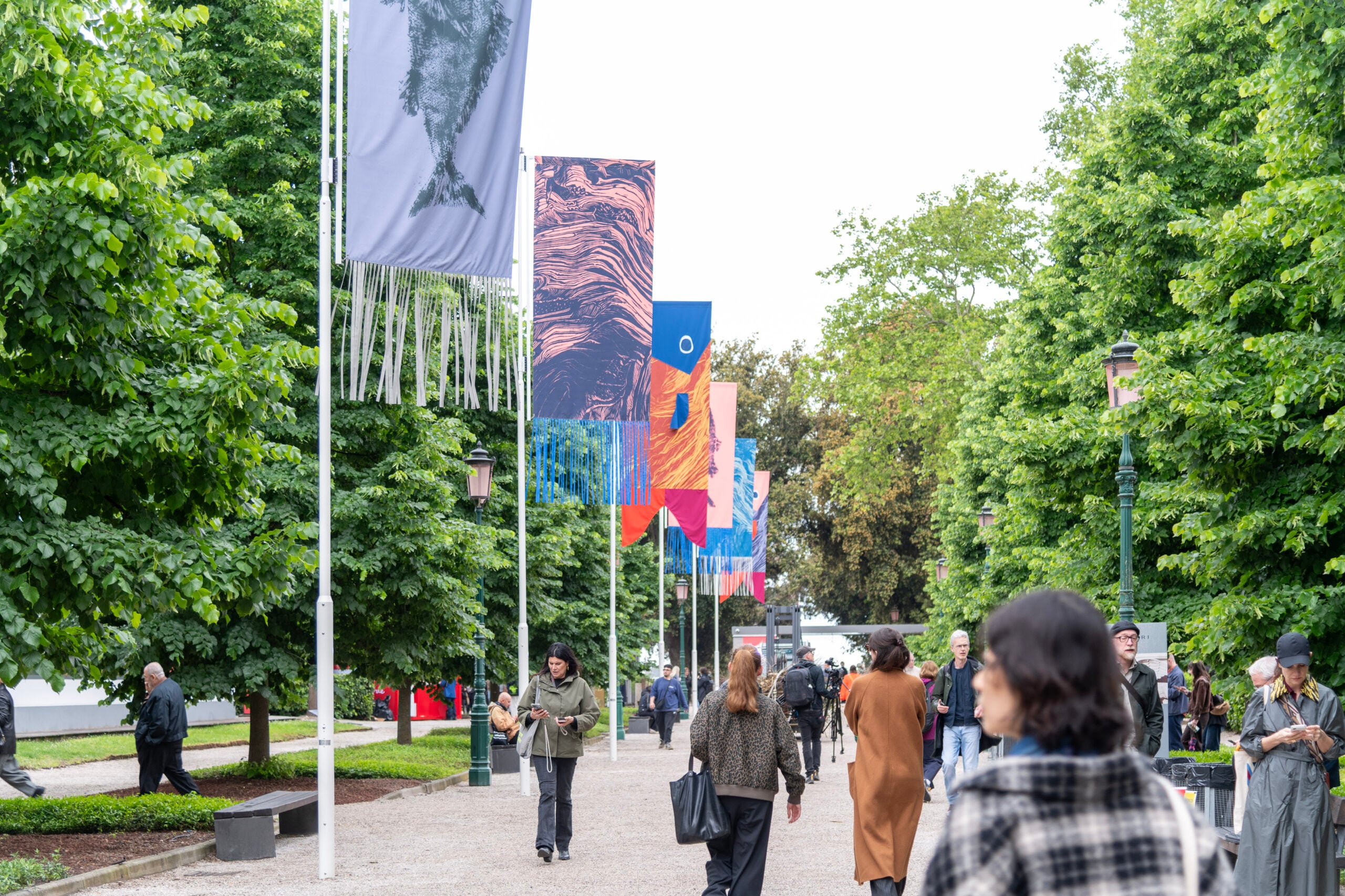
The 10 best pavilions to see at the 2026 Venice Art Biennale. Artribune's top ten

I 10 migliori padiglioni da vedere alla Biennale d’Arte di Venezia 2026. La top ten di Artribune

Artribune presents its top ten must-see national pavilions at the 2026 Venice Biennale, which features a record 100 participating countries. The article highlights standout projects including Greece's escape room by Andreas Angelidakis critiquing nationalist populism, Belgium's participatory dance installation by Miet Warloop, and Canada's greenhouse-like pavilion by Abbas Akhavan exploring colonial botany. The Biennale, curated by Koyo Kouoh under the theme "In Minor Keys," is marked by last-minute jury resignations leading to public voting for the Golden Lions, as well as protests over the participation of Russia and Israel.

The Bahamian Pavilion Brings Junkanoo to Venice in a Biennale Standout

After a thirteen-year hiatus, the Bahamian Pavilion has returned to the Venice Biennale with an exhibition titled "In Another Man's Yard," featuring the late master John Beadle and his former student Lavar Munroe. The pavilion, housed in the San Trovaso Art Space in Dorsoduro, centers on Junkanoo—the vibrant, crepe-costumed procession that is a defining cultural tradition of the Bahamas. Munroe's large-scale sculptural works incorporate strips of discarded Junkanoo costumes, while paintings and installations commemorate Beadle, who died in 2024. The presentation was revived with support from Baha Mar, a resort company, after government funding was withdrawn in 2014.

Venice Diary Day 1: At the Giardini, Artists Refuse to Make Fascism Cozy

Henrike Naumann's posthumous installation at the German Pavilion, which retains its 1938 Nazi-era fascist architecture, refuses to make the space 'cozy' by adorning windows with violently ripped domestic fabrics. The 2026 Venice Biennale is the first under president Pietrangelo Buttafuoco, associated with neo-fascist politics, and is overshadowed by controversy over his 'neutrality' policy allowing all countries to participate despite human rights concerns. The exhibition jury initially announced it would not consider pavilions from countries whose leaders are charged with crimes against humanity, then abruptly quit, leaving the situation unresolved. The US Pavilion features unimpressive blobs by Alma Allen, while the Russian Pavilion offers cut flowers and free vodka, and Andreas Angelidakis responds to fascist aesthetics at the Greek Pavilion.

Dozens of Venice Biennale Artists Stage ‘Drone’ Perfomance in Protest of Israel’s Participation

On the opening day of the Venice Biennale, around 60 artists and dozens of other participants staged a protest titled “Solidarity Drone Chorus” at the Giardini entrance, humming a viral song by Gazan composer Ahmed “Muin” Abu Amsha to sonically occupy the space. The action, organized by artists in the main exhibition over several months, protested Israel’s participation in the Biennale and expressed support for Palestine, with participants wearing T-shirts bearing the names and artworks of Gazan and Palestinian artists, many of whom have been killed. The protest follows an open letter from the Art Not Genocide Alliance demanding Israel’s exclusion.

With Nearly 30,000 Clay Earth Bricks, Dana Awartani Remakes History in the Saudi Arabia Pavilion

Dana Awartani, a Jeddah- and New York-based artist of mixed Palestinian, Saudi, Jordanian, and Syrian descent, has created the Saudi Arabia Pavilion at the Venice Biennale using nearly 30,000 clay earth bricks. The installation, titled "May your tears never dry, you who weep over stones," replicates traditional mosaic motifs sourced from over 20 cultural heritage sites across the Arab world that have been destroyed by human conflict. Awartani emphasizes collaboration, crediting numerous skilled craftsmen—economic migrants to Saudi Arabia—who worked alongside her, and her practice blends formal training at Central St. Martins with Islamic geometry and illumination studies in Turkey.

Trippy Film by British-Ethiopian Artist Theo Eshetu Hits the Venice Biennale

British-Ethiopian artist Theo Eshetu is presenting a new installation, *The Garden of the Broken-Hearted* (2026), at the Venice Biennale. The work features a live olive tree mounted on a rotating dais, with a video of the tree projected onto itself, marking a shift from his decades-long practice of multi-screen video installations. Eshetu discusses the project's origins in conversations with the late Biennale curator Koyo Kouoh, framing the tree as a space for mourning, human consciousness, and elemental storytelling.

Family of Nonagenarian Sculptor Is Fighting to Halt Demolition of Iconic Brutalist Fountain in Downtown San Francisco

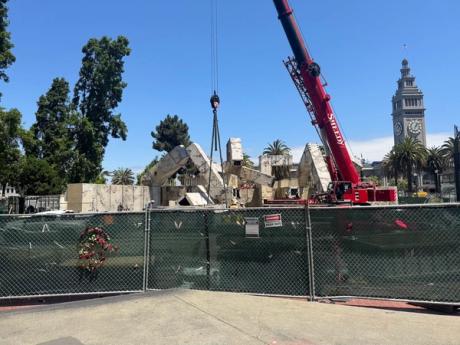
The family of 96-year-old Quebecois sculptor Armand Vaillancourt is fighting to halt the demolition of his 710-ton concrete fountain, known as Québec Libre! or the Vaillancourt Fountain, in San Francisco’s Embarcadero Plaza. The city began dismantling the 1971 public artwork this week, citing a planned plaza renovation, and the disassembly is expected to cost $4 million. Vaillancourt’s son Alexis and the group Friends of the Plaza have filed an appellate petition challenging the city’s use of an emergency exemption under the California Environmental Quality Act, arguing that the fountain’s disrepair does not constitute a sudden emergency requiring immediate action.

Israel Addresses Venice Biennale Jury’s ‘Boycott’ of Pavilion: ‘A Contamination of the Art World’

Israel’s foreign ministry has condemned a statement by the Venice Biennale jury, in which the five curators declared they would not consider pavilions from countries charged with crimes against humanity by the International Criminal Court. The jury’s decision effectively boycotts Israel and Russia, whose leaders face ICC arrest warrants. Israel called the move a “contamination of the art world,” while the artist representing Israel, Belu-Simion Fainaru, also denounced the jury for creating a hostile environment. The Biennale’s organizers have distanced themselves from the jury, stating they cannot exclude any recognized state from the exhibition.

Artnet Makes Significant Layoffs Following Consolidation with Artsy

Artnet has implemented sweeping layoffs following its consolidation with Artsy under a single leadership team led by CEO Jeffrey Yin. The cuts have severely impacted Artnet News, resulting in the departure of veteran senior reporters Sarah Cascone and Eileen Kinsella, while Andrew Russeth has been named interim editor. Additionally, Artnet’s German entity is being wound down, affecting the Berlin-based team responsible for the platform's online sales operations.

south africa venice biennale gabrielle goliath banned work exhibition 1234778846

South Africa’s official pavilion at the Venice Biennale will remain empty this year following the government's abrupt cancellation of artist Gabrielle Goliath’s planned exhibition. The controversy erupted when Culture Minister Gayton McKenzie pulled the project just days before the deadline, labeling Goliath’s work "highly divisive" due to its inclusion of a tribute to Palestinian poet Hiba Abu Nada. Despite the official ban and a failed court challenge by the artist and curator, the work, titled *Elegy*, will now be staged independently at the Chiesa di Sant’Antonin nearby.

Fire erupts at San Francisco's Vaillancourt Fountain during its dismantling

A fire broke out at San Francisco's Vaillancourt Fountain on May 4, 2025, as construction crews used torches to dismantle the 1971 Brutalist structure, igniting debris inside its steel tubes. The San Francisco Arts Commission confirmed the fire was quickly extinguished with no major damage, but the incident has raised concerns about safety protocols, as workers were reportedly not wearing protective gear against potential lead or asbestos exposure, and no public warnings were posted. The dismantling proceeded after a California appeals court denied a request from the local coalition Friends of the Plaza to halt the removal, which the city justified citing asbestos and structural risks.

‘Exclusion can only satisfy the ego’: Venice Biennale president hits out at critics amid Russia and Israel controversy

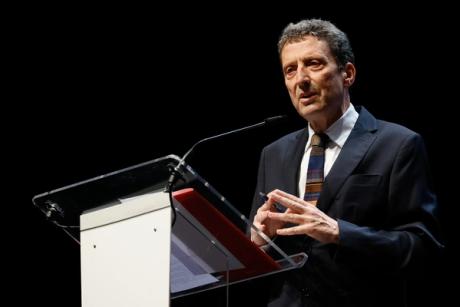
Venice Biennale president Pietrangelo Buttafuoco defended the institution against critics at a conference on May 6, three days before the public opening, amid controversy over Russia's return to the event for the first time since its 2022 invasion of Ukraine and ongoing disputes over Israel's participation. He accused critics of “narcissism” and “censorship,” while Italian culture minister Alessandro Giuli sent inspectors to investigate whether Russia's involvement breached sanctions; a report was submitted to Prime Minister Giorgia Meloni's office. Meanwhile, the Biennale faces legal threats from the artist representing Israel over alleged discrimination, and protests have erupted, including a demonstration by Art Not Genocide Alliance and a Pussy Riot action at the Russia pavilion.

How the adoption of canvas in Venice changed the way artists painted

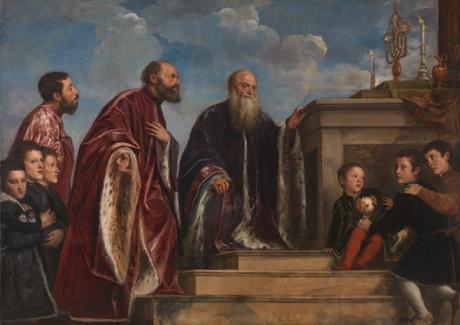
Art historian Cleo Nisse has published a new book, *Venetian Canvas and the Transformation of Painting*, examining how 16th-century Venetian painters such as Titian, Veronese, and Tintoretto pioneered the use of canvas as a painting support. Nisse reveals that canvas was not a uniform material—artists experimented with different weaves, including tabby and herringbone patterns, and even repurposed sailcloth and tablecloth-quality fabrics to achieve specific visual effects. The book argues that canvas was already familiar in the late Middle Ages for banners and alternatives to tapestry, and that Vittore Carpaccio was the first master of the medium, varying canvas types for expressive purposes in his *Legend of St Ursula* series.

Museo de Arte Moderno de Bogotá's director departs amid accusations she harassed staff

The Museo de Arte Moderno de Bogotá (Mambo) is in a leadership crisis after its director, Martha Ortiz, resigned amid accusations of harassment and creating a toxic work environment. Her departure follows the dismissal of artistic director Eugenio Viola in February, which sparked an open letter signed by over 140 cultural figures demanding transparency. The museum's board chair, Ángela Royo, and financial manager Francy Hernández are temporarily overseeing operations while searches for both director and artistic director are underway.

Who is Gladys Hynes? Show reinstates forgotten artist who once represented Britain at the Venice Biennale

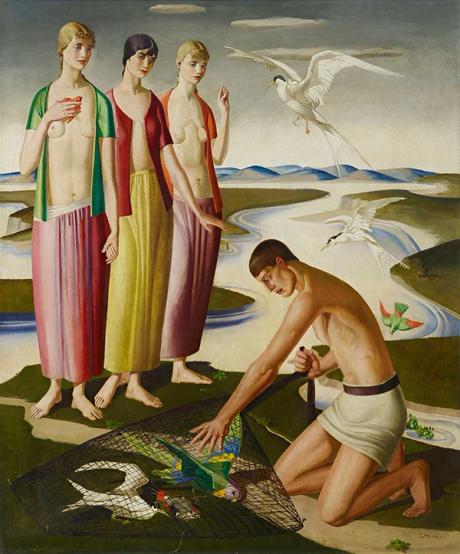
The exhibition "Gladys Hynes: Radical Lives" opens this month at Charleston in Lewes, aiming to resurrect the career of Gladys Hynes (1888-1958), a forgotten artist who once represented Britain at the 1924 Venice Biennale. The show brings together 120 paintings, drawings, graphic designs, and sculptural pieces, including works by Hynes and her contemporaries, curated by Sacha Llewellyn. Hynes trained with Stanhope Forbes, Frank Brangwyn, and William Nicholson, worked with Roger Fry's Omega Workshops, associated with Wyndham Lewis and the Vorticists, and was commissioned by Ezra Pound to illustrate his Cantos. Despite her achievements, only one of her paintings is in a British public collection.

Nymphs, mermaids and rosy cherubs: mansion filled with hidden wall paintings makes Victorian Society’s endangered buildings list

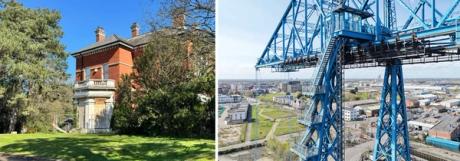
A derelict mansion called Parndon Hall, located within the grounds of Princess Alexandra Hospital in Harlow, Essex, has been named to the Victorian Society’s annual list of the top ten at-risk buildings in England and Wales. The house, built in 1867, contains a hidden trove of wall paintings by the almost-forgotten Victorian artist Elizabeth Arkwright, who covered walls, ceilings, and doors with nymphs, mermaids, and cherubs—many still concealed under Edwardian whitewash. The building has been used for storage and has sat unoccupied since flood repairs in 2024.

Barbados's slavery museum and memorial faces major delays

Barbados's Heritage District at the Newton Enslaved Burial Ground, a major project including a memorial, national museum, archives, and cultural complex, is facing significant construction delays more than four years after its 2021 announcement. The site, one of the largest known burial grounds of enslaved Africans in the Western Hemisphere, is being developed under the Road (Reclaiming Our Atlantic Destiny) Programme led by Prime Minister Mia Amor Mottley. While a temporary pavilion for the National Performing Arts Centre opened in August 2025, the overall completion—initially slated for 2024—has been pushed back due to expanded archival digitization, supply-chain disruptions, and a fire at the Barbados Archives Department in June 2024. The memorial, designed by Adjaye Associates, is conceived as a landscape intervention using teak sourced from Ghana.

architecture frida escobedo serpentine pompidou

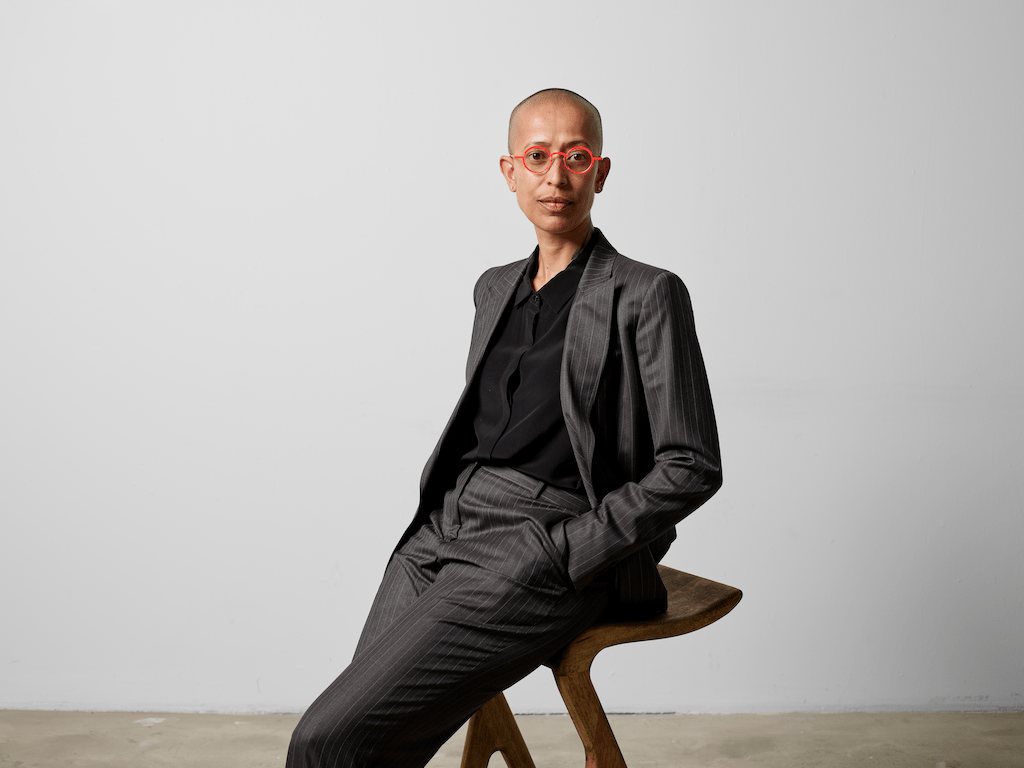
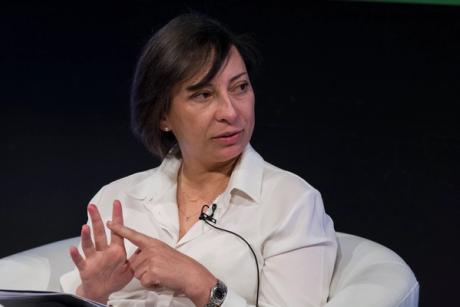
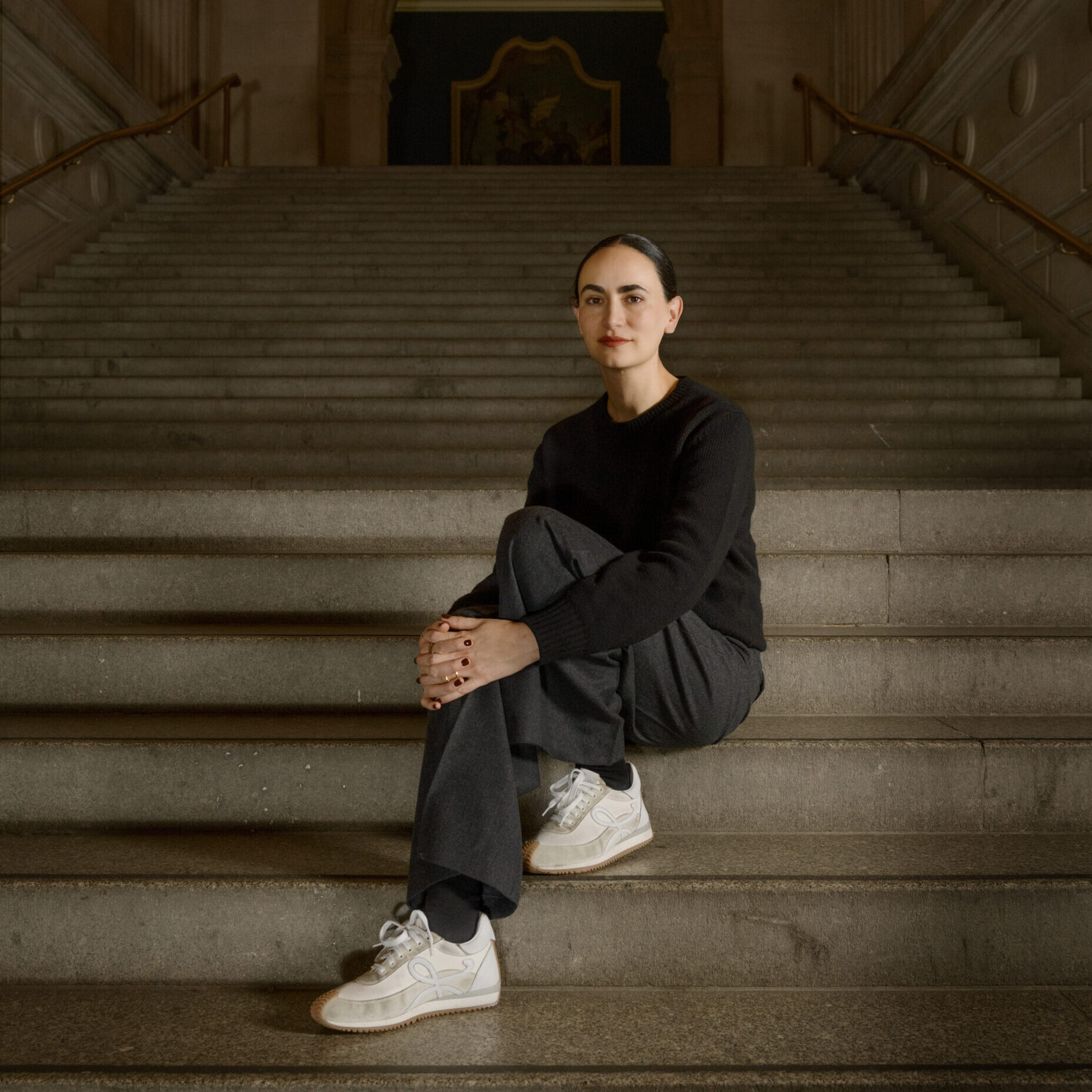
Frida Escobedo, a Mexican architect who founded her Mexico City studio at age 23, is profiled as part of Cultured's 2026 CULT100 honorees. She became the youngest architect to win the Serpentine Pavilion commission and is set to debut her biggest project yet in 2030: the Metropolitan Museum of Art's new modern and contemporary wing. The article presents a Q&A format covering her influences, including architect Lebbeus Woods, her views on patience and imagination, and her reflections on career challenges such as protecting her time.

The Most Provocative Performance in Venice

Florentina Holzinger, a performance artist known for extreme feminist works involving nudity, bodily fluids, and physical endurance, is representing Austria at the 2026 Venice Biennale with a pavilion titled “Seaworld Venice.” Opening May 9, the installation transforms the Austrian Pavilion in the Giardini into an underwater theme park and a functioning sewage treatment plant, where audience urine collected from portable toilets is cleaned and recycled into the tanks. The work explores themes of the human body, ecology, and Venice’s own struggles with sinking infrastructure and mass tourism.

An Unprecedented 24-Hour Strike Could Upend the Venice Biennale

An unprecedented 24-hour strike is set to interrupt the Venice Biennale's opening week on Friday, May 8, in protest of Israel's participation in the global art event. The action, organized by the activist group Art Not Genocide Alliance (ANGA), follows a letter signed by over 230 Biennale participants demanding Israel's exclusion. The strike has exposed divisions among participants, with some artists and pavilion teams weighing solidarity against the rare opportunity to platform their own political messages. The Slovenian pavilion, represented by Nika Grabar of the Nonument Group, has committed to the strike, while others like Ecuador's Tawna Collective remain undecided, balancing protest with their mission to highlight ecological crises in the Amazon.

Oleg Prokofiev’s Lost Trove of Paintings Comes to Light After Decades in Hiding

A trove of abstract paintings and sculptures by Russian artist Oleg Prokofiev, hidden for decades in Moscow after he fled the Soviet Union, has been rediscovered and is now on public display for the first time. Prokofiev concealed the works in the 1950s and 1960s to avoid state persecution—abstract art was banned in the USSR, and his relationship with British scholar Camilla Gray made marriage impossible until 1969. After Gray's death and his move to England, the artworks remained safely stored in Moscow, where he found them intact after the Soviet collapse. The collection, including paintings, sculptures, sketchbooks, and letters, is now exhibited at the newly founded Prokofiev Studio in Hackney, London, established by his four children and curator Anzhela Popova.

How Pussy Riot Is Challenging Russia’s Return to the Venice Biennale

The feminist art collective Pussy Riot is campaigning to replace the official Russian exhibition at the 2024 Venice Biennale with their own show, "Resistance Imprisoned." The alternative exhibition features art created by nearly 30 current and former political prisoners in Russia, using improvised materials like envelopes, bedding, and blood. The collective's founder, Nadya Tolokonnikova, aims to expose the country's repressive system, drawing from her own experience in a penal colony.

One of the Art Market’s Biggest Secrets, Revealed

Global auction totals saw a significant rebound in 2025, rising 13.3 percent compared to the previous year after a prolonged period of decline. The latest Artnet Intelligence Report highlights this recovery while shifting focus toward the increasingly influential world of private auctions, where high-value masterpieces are traded in invitation-only, clandestine settings away from the public eye.

Khaled Sabsabi is finally at the Venice Biennale: ‘Being here is already a win’

Khaled Sabsabi has opened his exhibition 'conference of one’s self' at the Australian Pavilion of the 61st Venice Biennale, alongside a second installation 'Khalil' in the Arsenale. This follows a tumultuous period in which Creative Australia rescinded his appointment as Australia’s representative in February 2025, sparking widespread backlash from the art community. After being reappointed in July 2025, Sabsabi presents two monumental multimedia works inspired by Sufi practice, created in Bangkok and described as 'one body with two limbs'.

Grimes joining LinkedIn is artwashing at its most brazen. I should know – I released my new film on there

Artist Alan Warburton critiques the migration of creative professionals to LinkedIn, sparked by musician Grimes' recent pivot to the platform to promote her appearance at an Nvidia tech conference. Warburton, who recently released his AI-focused film 'Image Empire' on the site, describes the move as a desperate response to the 'enshittification' of traditional creative platforms like Twitter and Vimeo, which have been overrun by bots and AI-generated content.

Douglas Lees obituary

Douglas Lees, a dedicated architect and community figure, has died at the age of 94. Born in East London and overcoming the physical limitations of Erb’s palsy, Lees spent his career designing diverse structures across England, ranging from new town developments in Merseyside to prison facilities for the Home Office. In his later years, he became a fixture in the village of Hatfield Broad Oak, where he contributed to local planning and captured the local scenery through watercolor painting.

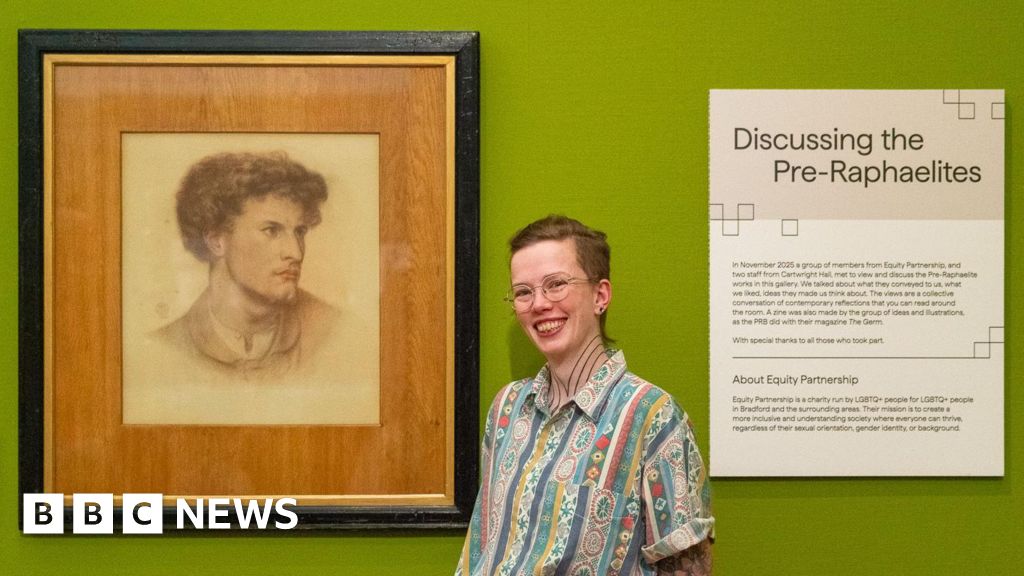
Pre-Raphaelite exhibition explores LGBT+ stories

Cartwright Hall Art Gallery in Bradford has launched a new exhibition of Pre-Raphaelite masterpieces paired with contemporary reflections from the local LGBT+ community. Members of the Equity Partnership charity collaborated with museum staff to reinterpret 19th-century works by artists such as Dante Gabriel Rossetti, Ford Madox Brown, and John Collier through the lens of lived queer experience.

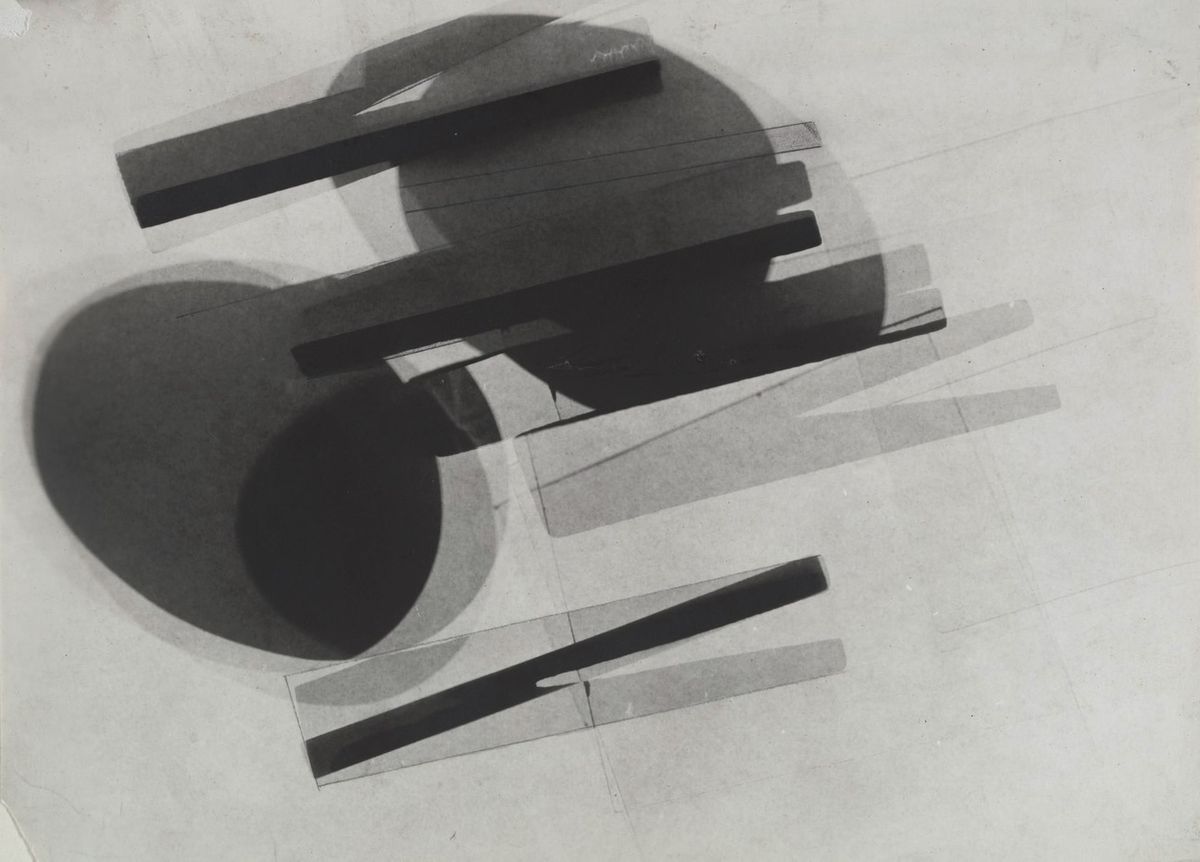
Simultaneous or Poly-Cinema

The Bauhaus artist László Moholy-Nagy proposes a radical departure from traditional filmmaking in his 1925 text, "Simultaneous or Poly-Cinema." He envisions a cinematic experience that moves beyond the static, rectangular screen, suggesting instead curved, spherical, or multi-planar surfaces that can accommodate multiple simultaneous projections. By utilizing rotating prisms and intersecting film strips, Moholy-Nagy describes a system where different narrative threads—such as the lives of multiple characters—can physically overlap and merge, creating a dynamic architectural arrangement of light and movement.

Taking a Deep Dive into a Connecticut Ranch House

Artist couple Janis Provisor and Brad Davis transformed an indoor swimming pool in their Connecticut ranch house into a studio, prioritizing their creative work over leisure. The article explores how they adapted the unconventional space to suit their artistic practices.