filter_list Showing 2820 results for "Shift" close Clear
search
dashboard All 2820 museum exhibitions 1139trending_up market 564article news 324article culture 215person people 198article policy 139article local 118rate_review review 49gavel restitution 41candle obituary 27article event 4article museum 1article gallery 1
date_range Range Today This Week This Month All
Subscribe

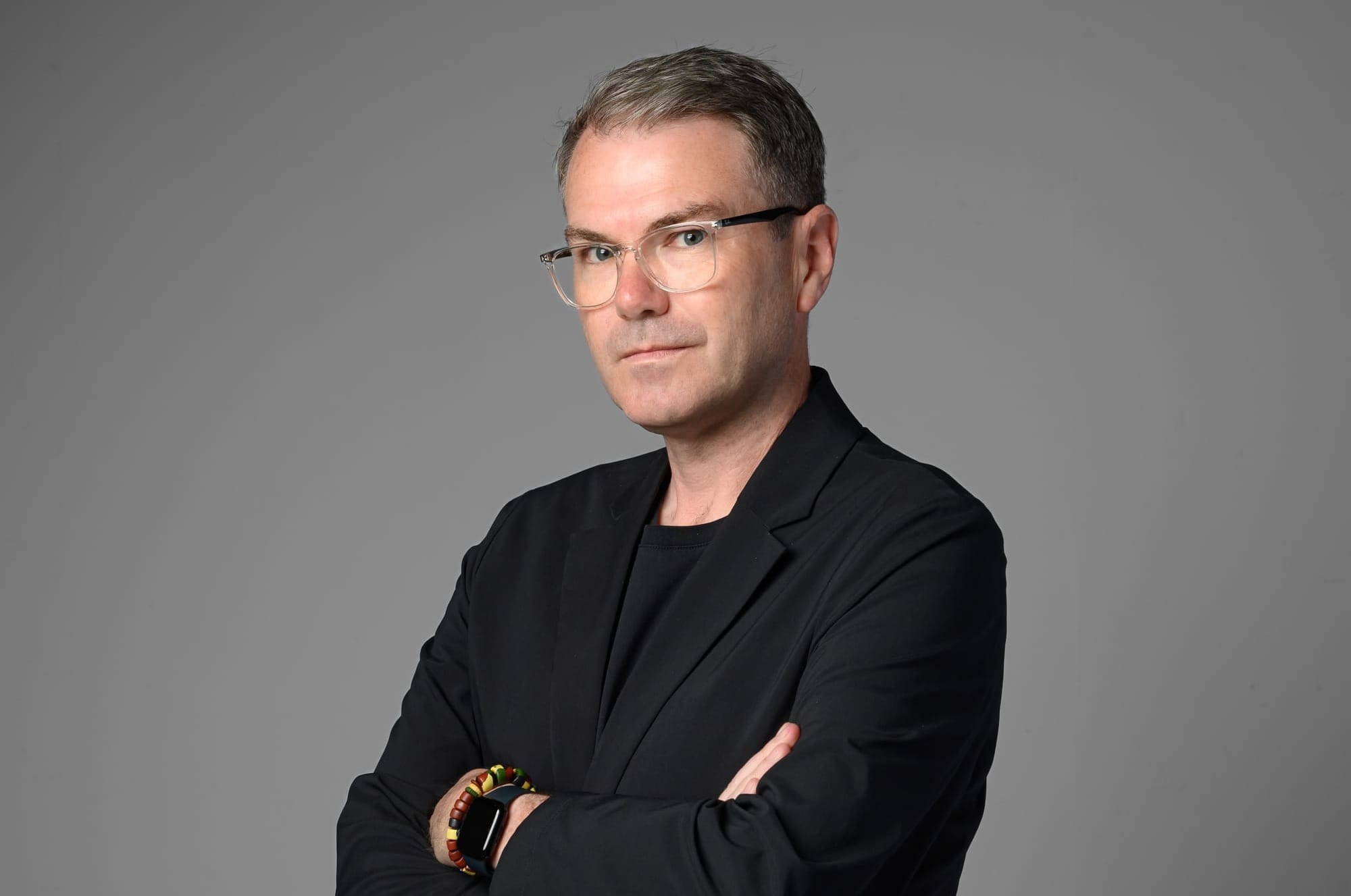
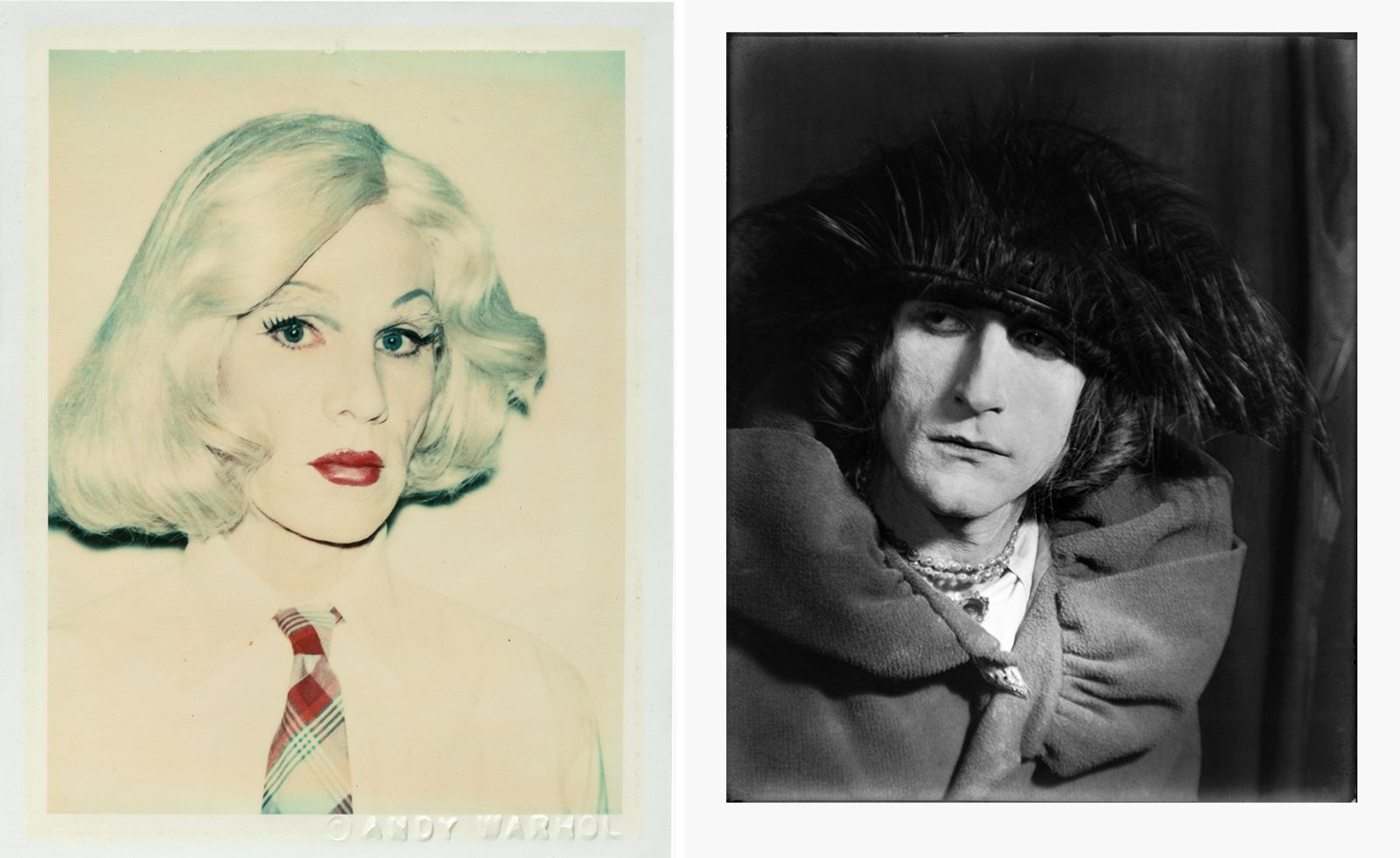
From Rembrandt to Warhol, a Paris exhibition asks: what do artists wear?

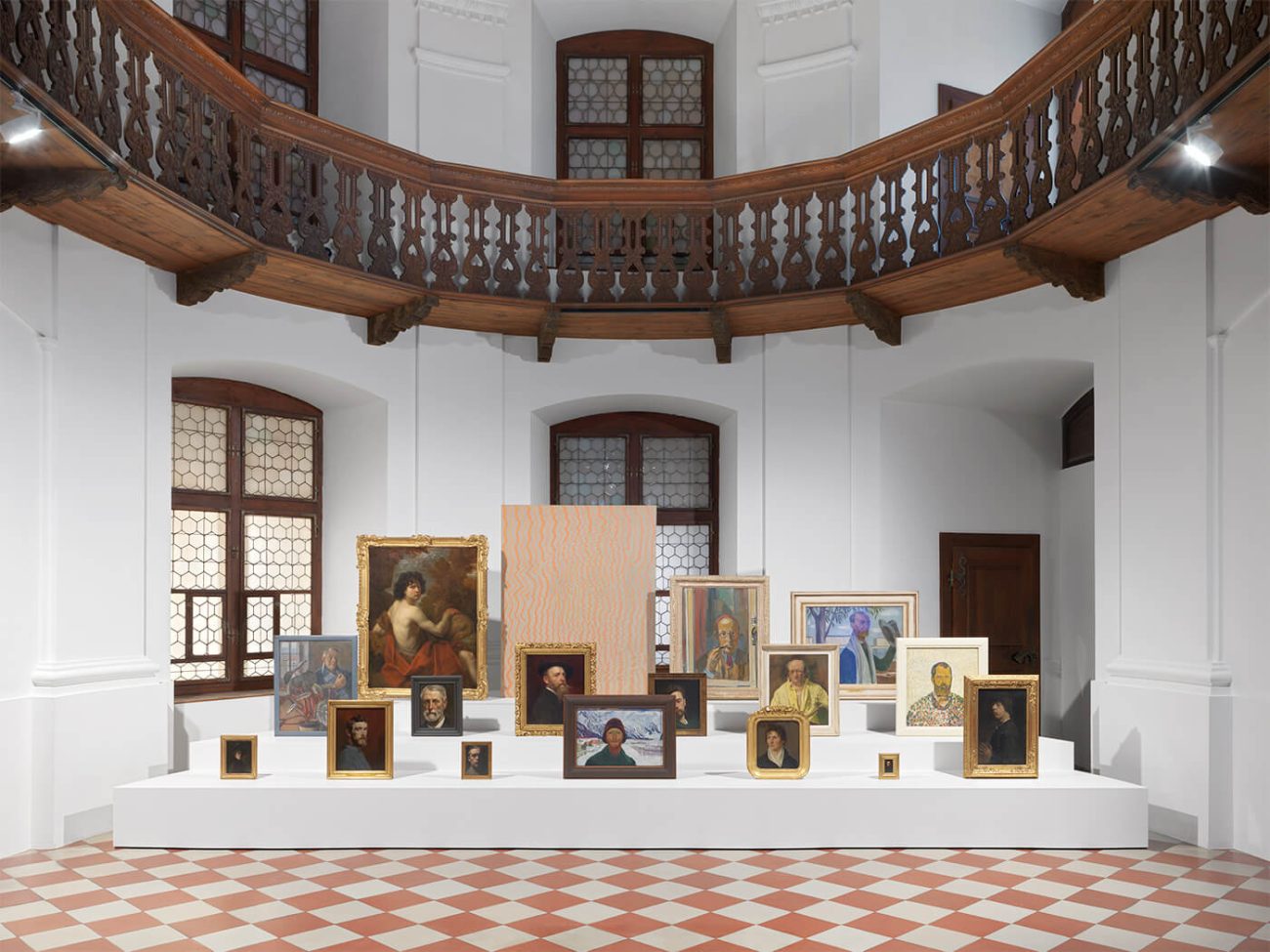
Annabelle Ténèze, now Director of the Musée du Louvre-Lens, has curated a new exhibition titled 'The Art of Dressing – Dressing like an Artist' at the museum. The show explores how artists from Rembrandt to Warhol use clothing and self-fashioning in their self-portraits and public personas, drawing on examples such as Niki de Saint Phalle's eccentric wardrobe and Rembrandt's deliberate sartorial choices. Ténèze was inspired by her earlier work on de Saint Phalle at Les Abattoirs in Toulouse and by Charlie Porter's book 'What Artists Wear'.
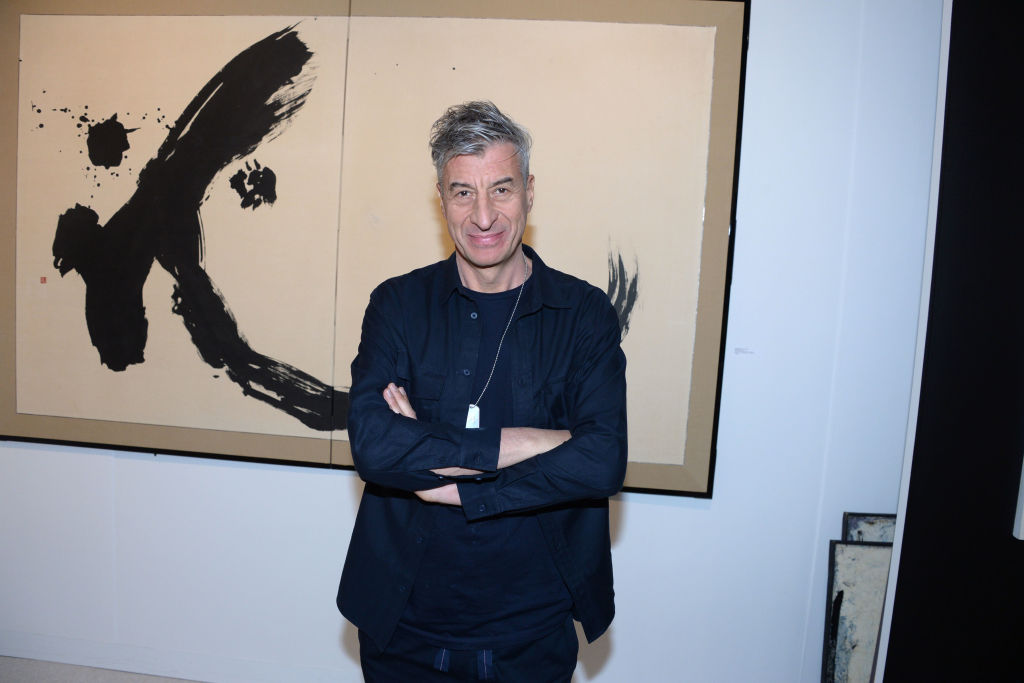
Maurizio Cattelan’s Latest Work is Hotline for People to Confess Their Sins… to Him

Italian conceptual artist Maurizio Cattelan has launched a new project: a hotline and WhatsApp service inviting the public to confess their sins. The project, timed to coincide with the Easter period and the 21st anniversary of Pope John Paul II's death, will culminate in a livestream on April 23 where Cattelan will offer a form of symbolic absolution to selected participants. Alongside the hotline, he is releasing a limited edition of 666 small-scale replicas of his controversial 1999 sculpture, *The Ninth Hour*, which depicts the late pope struck by a meteorite.

Some cry censorship, others cry antisemitism

"Die einen schreien Zensur, die anderen Antisemitismus"

A constitutional law scholar, Christoph Möllers, warns in an interview with Die Zeit about the dangerous escalation of cultural policy conflicts, sparked by Documenta 15, where accusations of censorship and antisemitism collide. In Poland, Adam Budak was removed as director of MOCAK in Krakow after just a few months, facing 79 allegations including mobbing and problematic leadership. Meanwhile, the New York spring auctions have launched, and Jason Farago's review of the Venice Biennale in the New York Times criticizes the shift from aesthetic innovation toward identity-driven art. Robin Pogrebin also reports on the merger of the Met and the Neue Galerie, described as a rare convergence of two museum models.

"Man besitzt Kunst nicht, man ist nur ihr Verwalter"

The 61st Venice Biennale opened on Saturday without ceremony or an opening celebration, amid political turmoil over the participation of Russia and Israel. Italy's Culture Minister Alessandro Giuli criticized Biennale director Pietrangelo Buttafuoco for not informing the government about Russia's participation request, suggesting it could have been used as leverage for a ceasefire in Ukraine. The entire jury resigned after attempting to exclude both Russia and Israel from prize awards, leading to the cancellation of the traditional jury decision in favor of a public vote, which over 70 participating artists have protested by withdrawing from this year's prizes. Separately, a rare photograph from the early 1940s has surfaced showing Lucas Cranach the Elder's painting "Venus with Cupid as Honey Thief" in Adolf Hitler's Munich apartment, raising unresolved questions about whether the work was looted from Jewish owners before 1935.

How Tech Billionaires Turn Couture into Content

Wie Tech-Milliardäre Couture zu Content machen

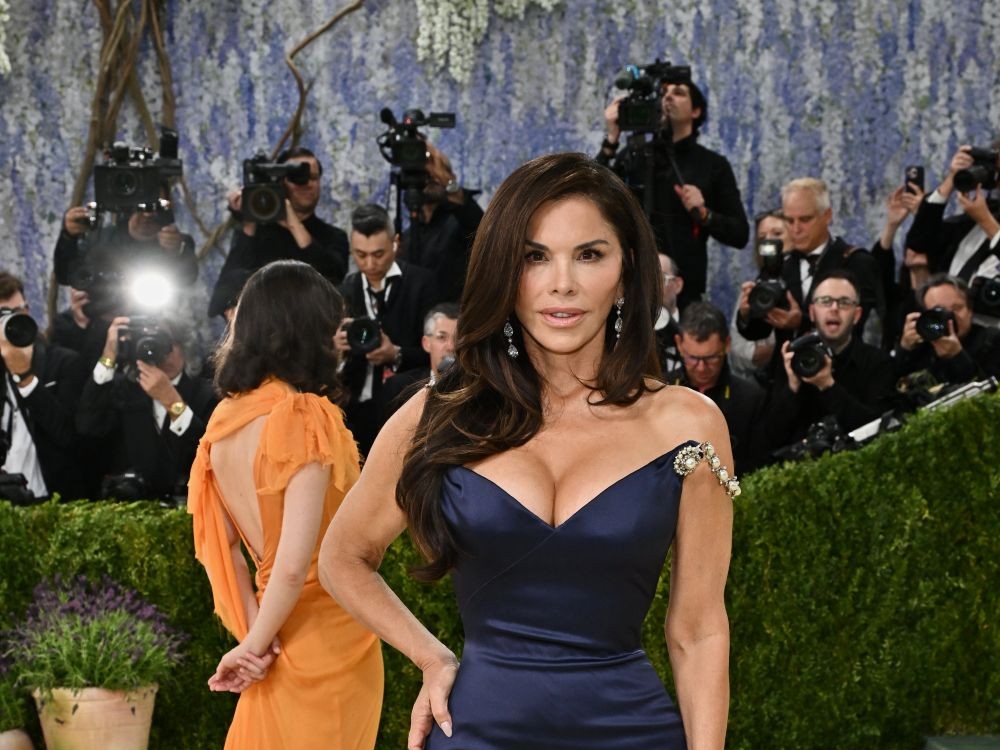
The Met Gala, long considered the premier event for fashion and cultural influence, has become increasingly dominated by tech billionaires. This year, Jeff Bezos and Lauren Sánchez Bezos purchased their role as co-hosts, sparking protests in New York and raising questions about whether money alone now buys entry into the highest echelons of fashion. Individual tickets cost $10,000 and a table $350,000, with sponsors including OpenAI, Snapchat, and Meta. The event, organized by Anna Wintour to raise funds for the Costume Institute at the Metropolitan Museum of Art, raised $31 million last year but has transformed from a benefit into a spectacle optimized for viral moments and algorithmic appeal.

Because the Ego Suddenly Dissolves

"Weil das Ego sich plötzlich auflöst"

The art world is facing significant structural and political shifts, highlighted by the merger of Artnet and Artsy which has resulted in mass layoffs, particularly within the Artnet News editorial team and its Berlin operations. Simultaneously, tensions are rising in German cultural policy as gallery owner Rupert Pfab raises concerns over government interference in the Stiftung Kunstfonds jury selection, reflecting a broader climate of unease that includes recent controversies at the Berlinale.

How Alexander Calder Set Sculpture in Motion

Wie Alexander Calder die Skulptur in Bewegung setzte

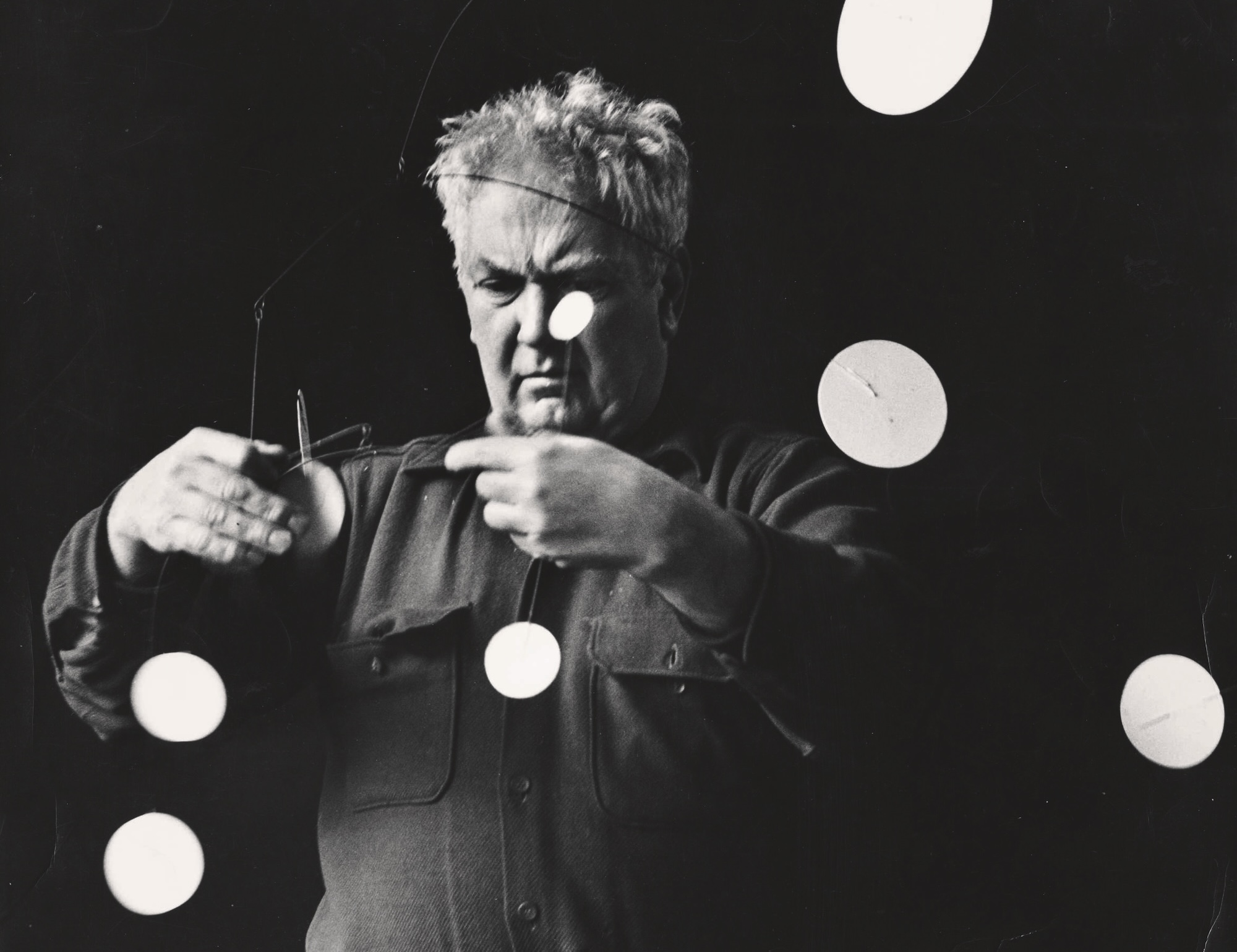
The Fondation Louis Vuitton in Paris has launched a major retrospective titled "Rêver en Équilibre," dedicated to the American sculptor Alexander Calder. Featuring over 300 works, the exhibition traces Calder’s journey from his 1926 arrival in Paris to his invention of the "mobile," a term coined by Marcel Duchamp. The show includes iconic large-scale hanging sculptures like "Rouge triomphant," wire figures from his famous "Cirque Calder," and rarely seen private loans, alongside paintings and jewelry that highlight his engineering background and poetic approach to abstraction.

Imitations of a Mediocre Teenager on Tranquilizers

"Nachahmungen eines mittelmäßigen Teenagers auf Tranquilizern"

The Victoria & Albert Museum has reportedly censored exhibition catalogs following pressure from Chinese printing firms, removing images and maps related to sensitive topics like Tibet and Tiananmen Square. This editorial roundup also highlights artist Molly Crabapple’s sharp critique of generative AI as a massive intellectual property theft and a profile of Rirkrit Tiravanija’s communal home in Thailand, which functions as a social sculpture.

Phallus, Vagina, Universe

Phallus, Vagina, Universum

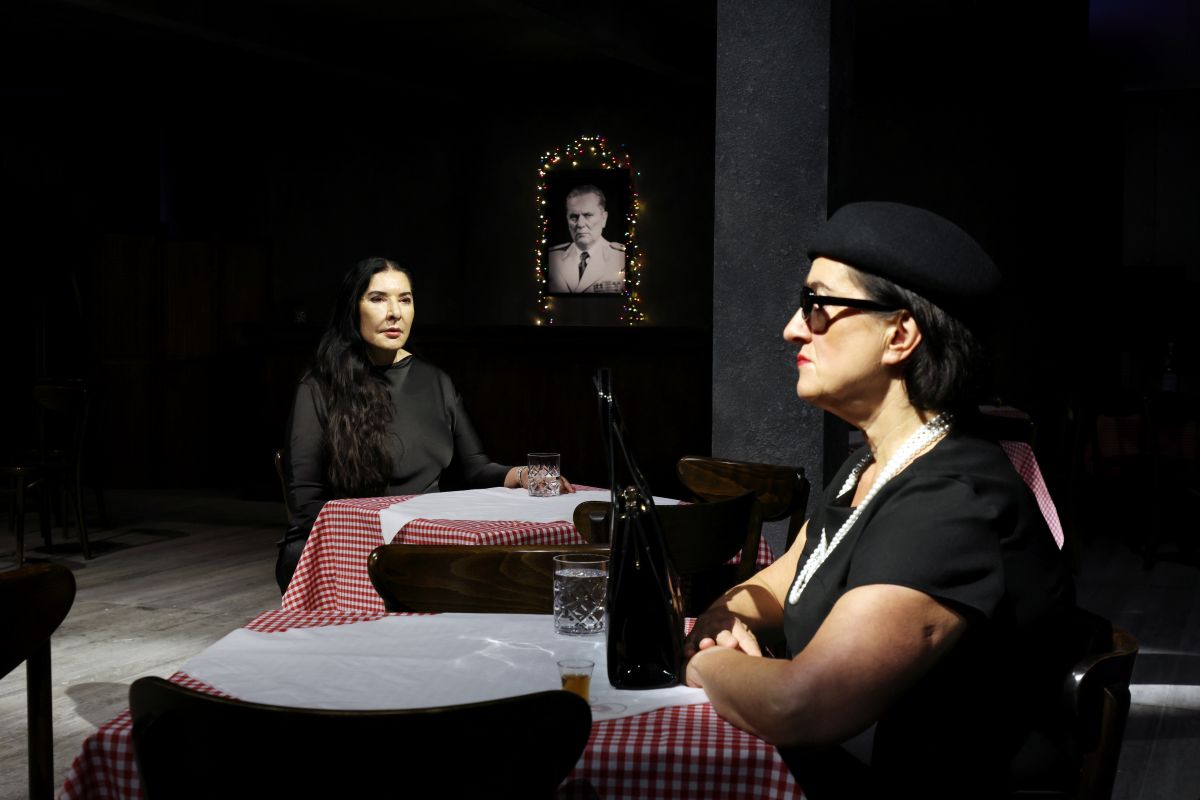
Marina Abramović is presenting a major retrospective at the Neue Nationalgalerie in Berlin, shifting focus from her well-known explorations of physical pain to the erotic energy of the human body. The exhibition draws heavily on Slavic folklore and pagan traditions from her Balkan heritage, exploring how ancient rituals used sexuality and the body as tools for spiritual and cosmic connection.

Is the Mallorca Edition of Art Cologne Any Good?

Was taugt die Mallorca-Ausgabe der Art Cologne?

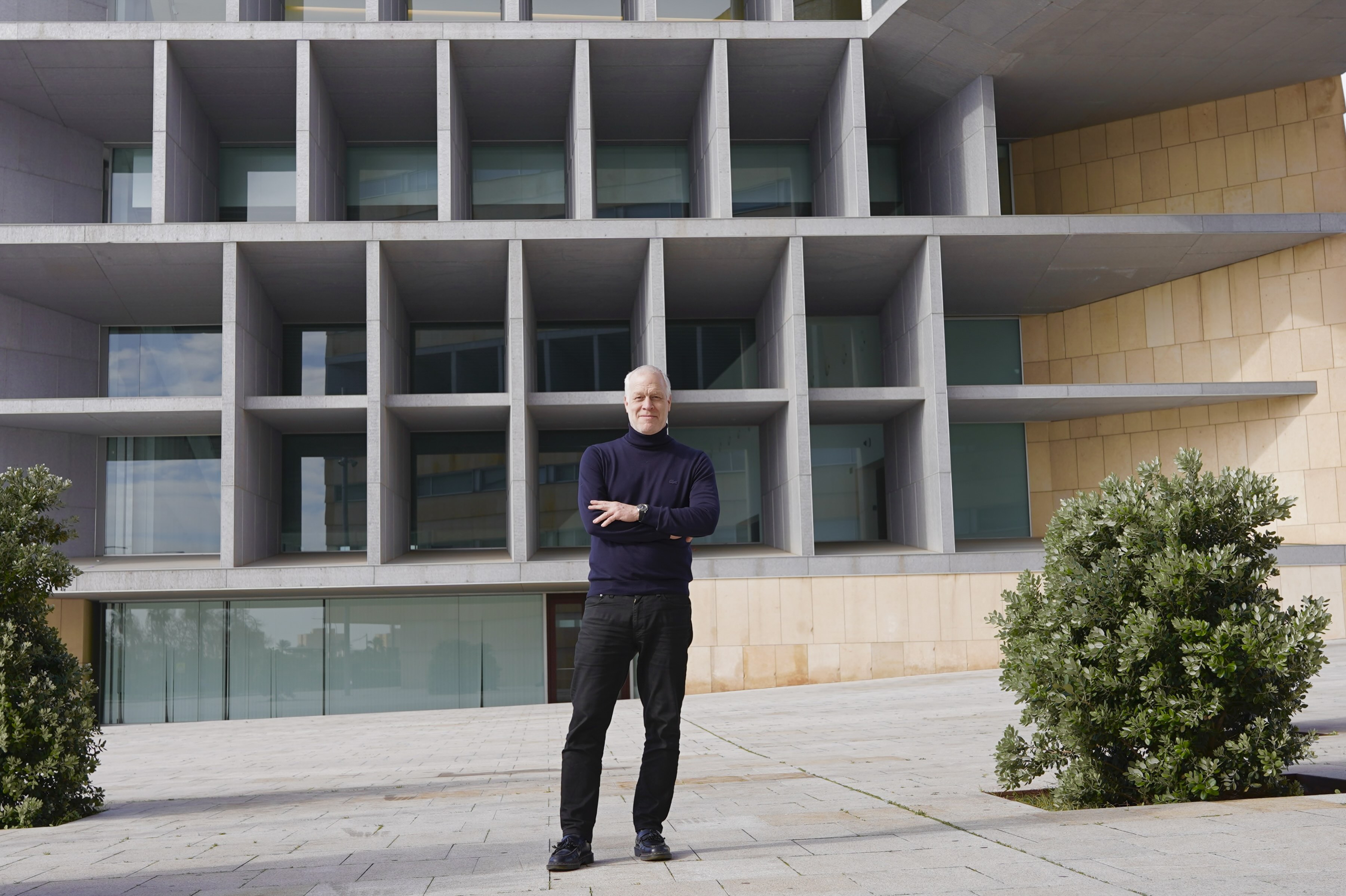
The Art Cologne has launched a new satellite edition in Palma de Mallorca, returning to the island 19 years after a previous attempt failed. Held at the modern Palau de Congressos, the fair adopts a 'boutique' format designed to tap into the local market of wealthy European expatriates and second-home owners. Unlike the high-stakes environment of major fairs like Art Basel, this iteration features an innovative pricing model that allows smaller, younger galleries to showcase curated, riskier presentations at more affordable entry points.

Contemporary US Art is Sick with Problems

"Die zeitgenössische US-Kunst ist von Problemen krank"

Artist Josh Kline has sparked a heated debate with a scathing critique of the American art scene, particularly targeting New York City as an unsustainable hub driven by market logic and inequality. Kline argues that contemporary art is "sick with problems" and urges young artists to abandon the city, calling for a shift from institutional critique to a broader industry-wide analysis of class and power. Meanwhile, the German art world sees significant movement with the upcoming auction of Georg Kolbe’s "Tänzerinnen-Brunnen" following a Nazi-looted art settlement, and the Berlin State Museums announcing a phased reopening of the Pergamon Altar starting in 2027.

Behind All Beautiful Things Lies Suffering

"Hinter allen schönen Dingen liegt ein Leiden"

The art market is undergoing a profound structural transformation as a new generation of collectors shifts focus away from traditional blue-chip masters like Cy Twombly and Mark Rothko. These 'NextGen' buyers, socialized through the internet and Instagram, prioritize identity-building over status, favoring streetwear, digital art by figures like Refik Anadol, and music memorabilia over classical painting. Meanwhile, institutional shifts are occurring globally: Greece has introduced specific legislation to criminalize the production of art forgeries, and LACMA director Michael Govan is defending the $724 million Peter Zumthor-designed expansion as a necessary 'magnet' for attracting major donations.

La nature morte : une exposition novatrice

Le Journal des Arts reports on a new exhibition titled "La nature morte" (Still Life), presented by a gallery as a continuation of its previous monographic shows on Boetti and Burri and the thematic exhibition "On Fire." The exhibition focuses on the classical genre of still life, positioning it as a field of experimentation that accompanies the renewal of painting in the 20th century. It brings together three artists—Picasso, Morandi, and Parmiggiani—who, though not from the same school or direct lineage, each explore the subject through distinct artistic languages: Picasso asserts the presence of the object, Morandi delves into its meditative and silent dimension, and Parmiggiani pushes the reflection toward a form of disappearance. The show is curated by Cécile Debray, president of the Musée national Picasso-Paris, and involves collaborations with institutions such as the Museo Morandi.

Who are the members of the Venice Biennale jury?

Qui sont les membres du jury de la Biennale de Venise ?

The 61st Venice Biennale, opening May 9, 2026, has announced its international jury, which is composed entirely of women. The five members are Solange Oliveira Farkas (president), Zoe Butt, Elvira Dyangani Ose, Marta Kuzma, and Giovanna Zapperi, hailing from Brazil, Thailand, Spain, the United States, and Switzerland. Their backgrounds span the Global South, feminist studies, and transnational curatorial practices.

Venice Art Biennale: The Time of Nuances

Biennale d’art de Venise : le temps des nuances

The 61st Venice Biennale, titled "In Minor Keys," opened under the artistic direction of the late Swiss-Cameroonian curator Koyo Kouoh. The exhibition features 111 artists and collectives, presenting a more subdued, poetic, and experiential approach compared to the previous edition's explicit decolonial program. It navigates contemporary political tensions, including the participation of Israel and the reopening of the Russian pavilion, while aiming for a radical return to art's own environment and its place in society.

American Rousseaus Return to Paris

Les Rousseau américains de retour à Paris

The Musée de l’Orangerie in Paris is hosting a landmark exhibition titled "Henri Rousseau, l’ambition de la peinture," featuring 50 works by the self-taught master. The show is distinguished by a historic loan from the Barnes Foundation in Philadelphia, which has sent nine paintings to France for the first time since they were acquired a century ago by Albert Barnes. A highlight of the exhibition is the rare gathering of three "manifesto paintings"—The Sleeping Gypsy, Unpleasant Surprise, and The Snake Charmer—displayed together in a dedicated gallery.

The National Gallery expands with Kengo Kuma

La National Gallery s'agrandit avec Kengo Kuma

The National Gallery in London has commissioned renowned Japanese architect Kengo Kuma to lead a significant expansion and redesign project. The initiative aims to modernize the museum's infrastructure and create more fluid, accessible spaces for its world-class collection of European paintings.

Sheila Hicks en 2 minutes

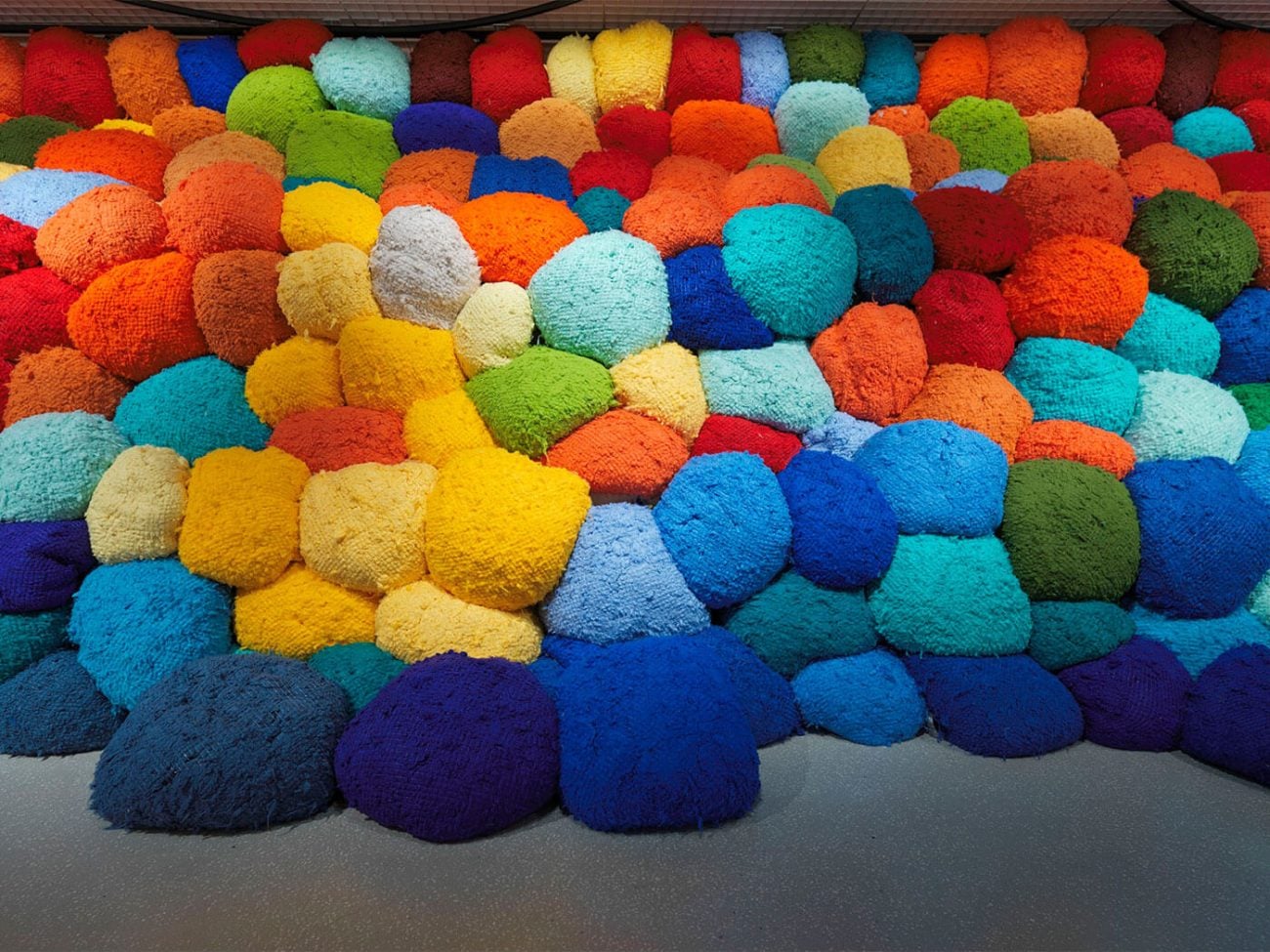
Sheila Hicks, the American textile artist born in 1934, is profiled in a concise overview of her career. The article traces her journey from studying under Josef Albers at Yale and learning weaving from Andean artisans in Chile, to establishing her studio in Mexico and later Paris. It highlights her monumental commissions for hotels, embassies, and public spaces, as well as her intimate "Minimes" works. Key milestones include her 2014 piece "Pillar of Inquiry/Supple Column" at the Whitney Biennial, her 2017 installation at the Venice Biennale, and a major retrospective at the Centre Pompidou in 2018.

« Le jardin anglais incarne une vision de la société » : une expo à Versailles explore cette passion de l’Europe des Lumières

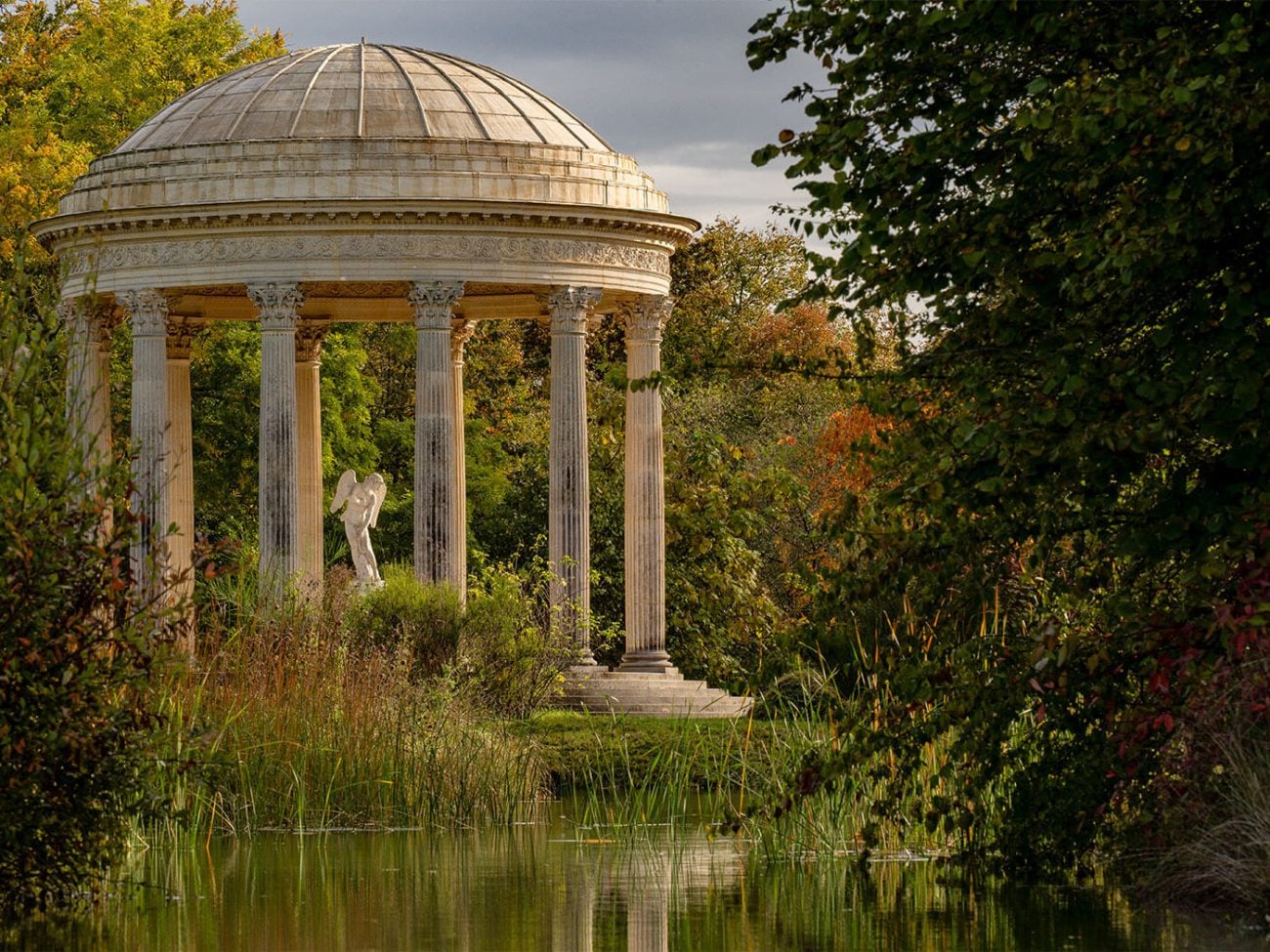
The article explores an exhibition at the Grand Trianon in Versailles dedicated to the English garden, a style that emerged in 18th-century Europe as a deliberate contrast to the rigid symmetry of the formal French garden. Curator Élisabeth Maisonnier and museum director Laurent Salomé explain how these gardens, with their winding paths, irregular flowerbeds, and surprise features like grottoes and pagodas, were carefully constructed to imitate and amplify nature's complexity, drawing on influences from antiquity, the Middle Ages, and China.

Video: The secrets of the unicorn, a legendary creature at the heart of an exhibition at the Musée de Cluny

Vidéo : Les secrets de la licorne, créature légendaire au cœur d’une exposition au musée de Cluny

The Musée de Cluny in Paris is presenting an exhibition titled "Licornes!" from March 13 to July 12, 2026, exploring the history and symbolism of the unicorn from antiquity to the present day. Curated by Béatrice de Chancel-Bardelot, the show traces the creature's evolving depiction in literature, illuminated manuscripts, frescoes, tapestries, and contemporary art, highlighting its shifting meanings from a wild, aggressive beast to a symbol of purity, virtue, and, more recently, LGBTQIA+ pride and feminine power.

Venice Biennale 2026: What are the major trends that will mark the 99 national pavilions?

Biennale de Venise 2026 : quelles sont les grandes tendances qui vont marquer les 99 pavillons nationaux ?

The article previews the 2026 Venice Biennale, highlighting key trends across its 99 national pavilions. Major themes include the hybridization of theater, dance, and performance, particularly in pavilions from Austria, Luxembourg, Belgium, and Lithuania, where artists like Florentina Holzinger, Aline Bouvy, Miet Warlop, and Eglė Budvytytė use radical, body-centric works. Geopolitical engagement is also central, with the Ukrainian pavilion featuring Zhanna Kadyrova's work on resistance and the British pavilion exploring themes of exile and migration. Other notable pavilions include Spain's focus on imagery, a sound installation for the Vatican, a polyphonic piece for Romania, and a film on sign language song for Poland.

In Geneva, John M Armleder’s Stunning Lesson in Art History

À Genève, la renversante leçon d’histoire de l’art de John M Armleder

The Musée d’Art et d’Histoire (MAH) in Geneva has unveiled its sixth "carte blanche" exhibition, curated by the influential Swiss artist John M Armleder. Following in the footsteps of figures like Ugo Rondinone and Wim Delvoye, Armleder was invited by museum director Marc-Olivier Wahler to mine the institution's vast collection of 800,000 objects. The resulting show defies traditional museum hierarchies by juxtaposing fine art with decorative objects, such as silver-topped corks and musical instruments, alongside Armleder's own prolific output of multiples.

The Beautiful Renaissance of the [mac] in Marseille

La belle renaissance du [mac] à Marseille

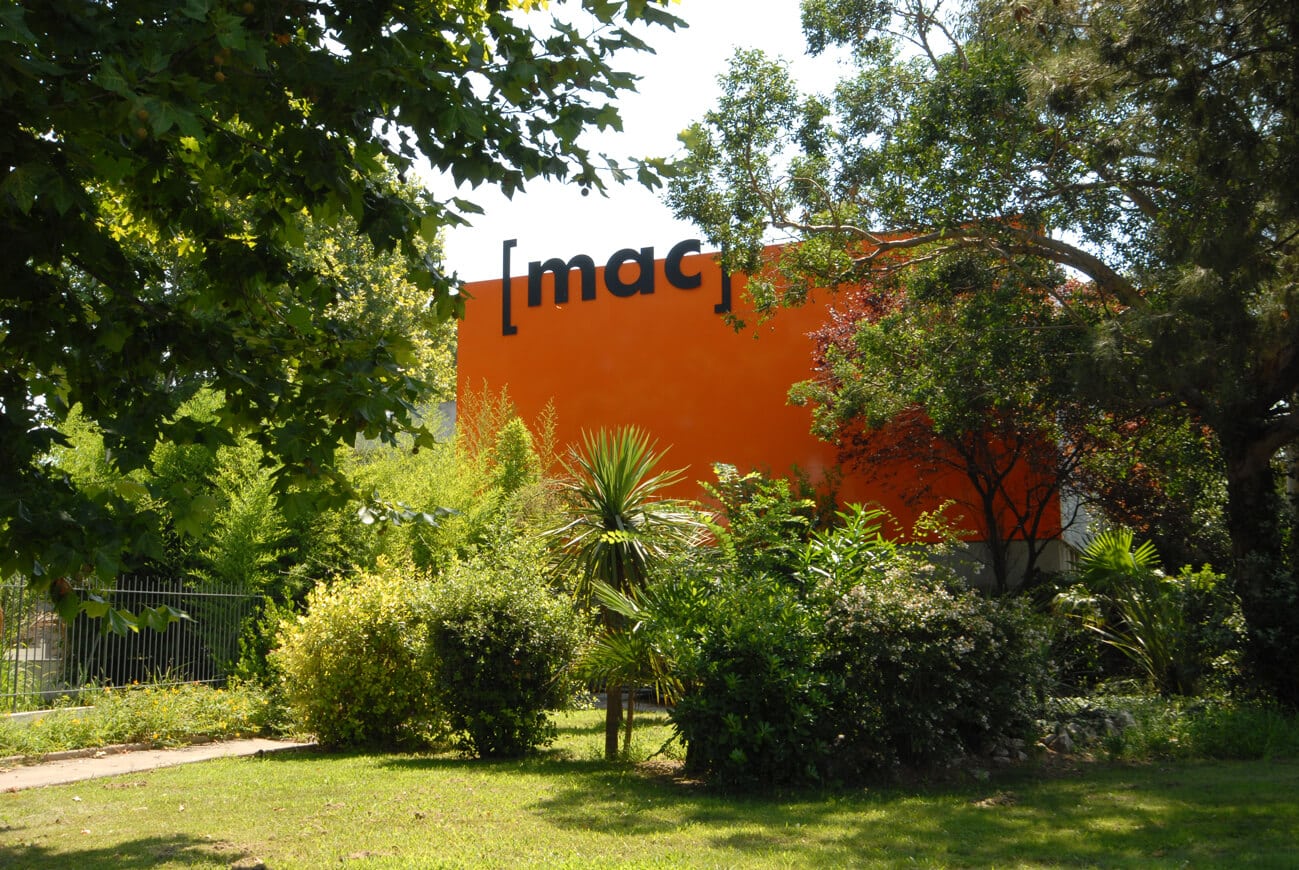
The [mac] (Musée d’Art Contemporain) in Marseille is undergoing a significant revival following years of stagnation and underfunding. Under the new leadership of Stéphanie Airaud, who was appointed in 2023, the museum has completed major renovations including updated storage facilities, a new rooftop terrace, and a reorganized gallery layout. The institution is leveraging its impressive but previously underutilized collection of over 1,000 works—featuring masters like Basquiat, Klein, and Saint Phalle—while actively working to correct historical gender imbalances and strengthen ties to Mediterranean contemporary art.

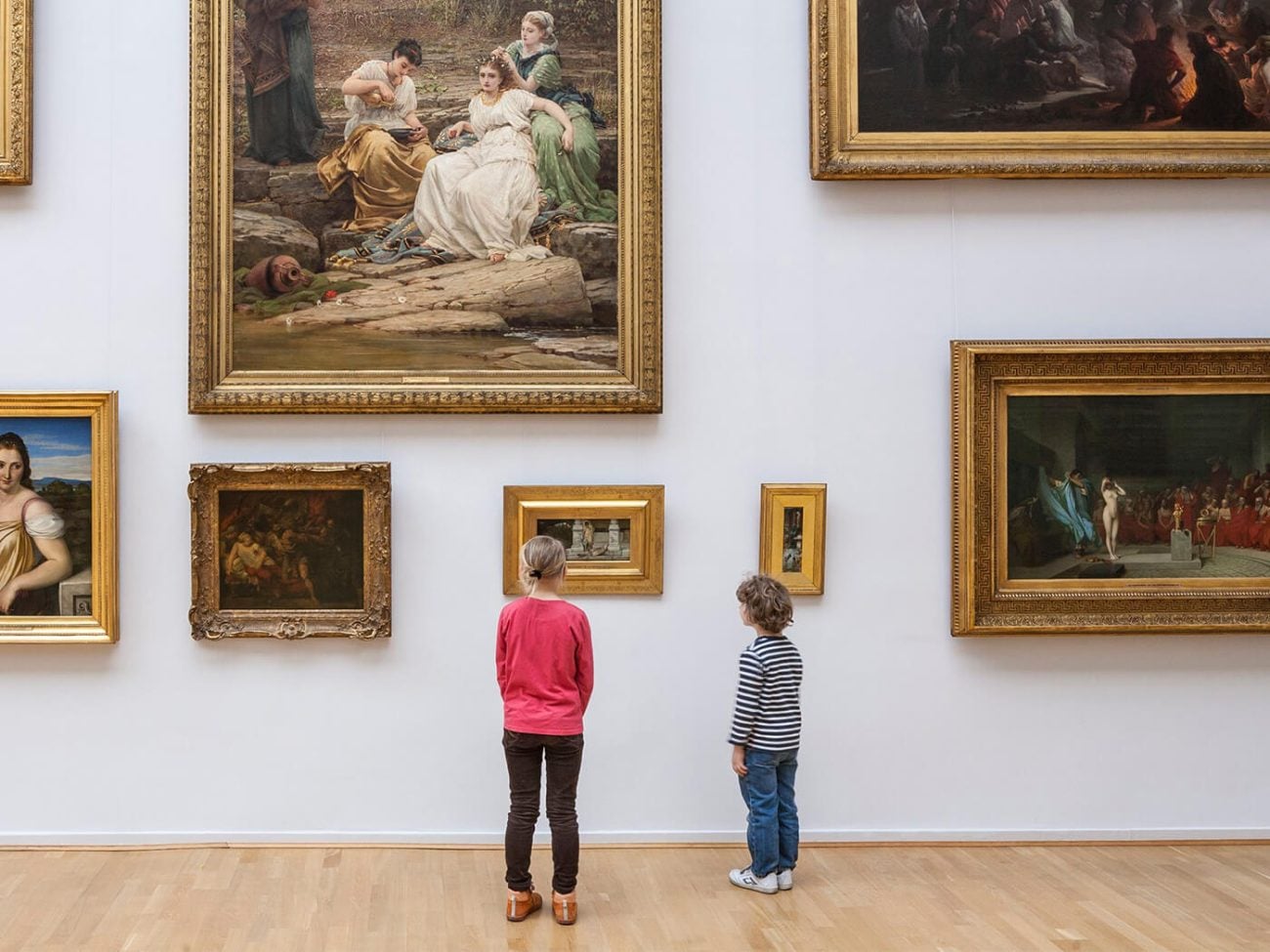
Don't Go to the Museum with Children Without These 10 Tips!

N’allez plus au musée avec des enfants sans ces 10 astuces !

Beaux Arts Magazine offers ten practical tips for making museum visits with children more enjoyable and less stressful. The advice, provided by Marion Charneau of the Louvre-Lens, includes practical preparation like checking hours and packing snacks, as well as strategic approaches such as keeping visits short, choosing morning hours, and turning the experience into a game with visual challenges.

Saint Louis’s Counterpublic Triennial Reveals Artist List for Third Edition

The Counterpublic Triennial has unveiled the artist list for its third edition, titled "Coyote Time," scheduled to run from September 12 to December 12 in Saint Louis. Curated by a five-member international team, the exhibition features forty-seven artists and collectives, including prominent figures like Glenn Ligon and Rebecca Belmore alongside local Saint Louis practitioners. The triennial will feature nearly fifty commissions, with a significant focus on site-responsive works installed along the Mississippi riverfront and the Gateway Arch.

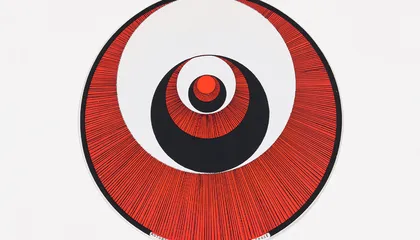
MoMA Plans a Retrospective for Marcel Duchamp, the Dada Artist Who Was Unimpressed With His Own Masterpieces

The Museum of Modern Art (MoMA) in New York will open a major retrospective of Marcel Duchamp in April 2026, marking the first U.S. retrospective for the artist in over 50 years. The exhibition will feature more than 200 works, including a 1968 replica of his infamous 'Fountain,' spanning his experiments in Cubism, Futurism, film, photography, and his pioneering readymades.

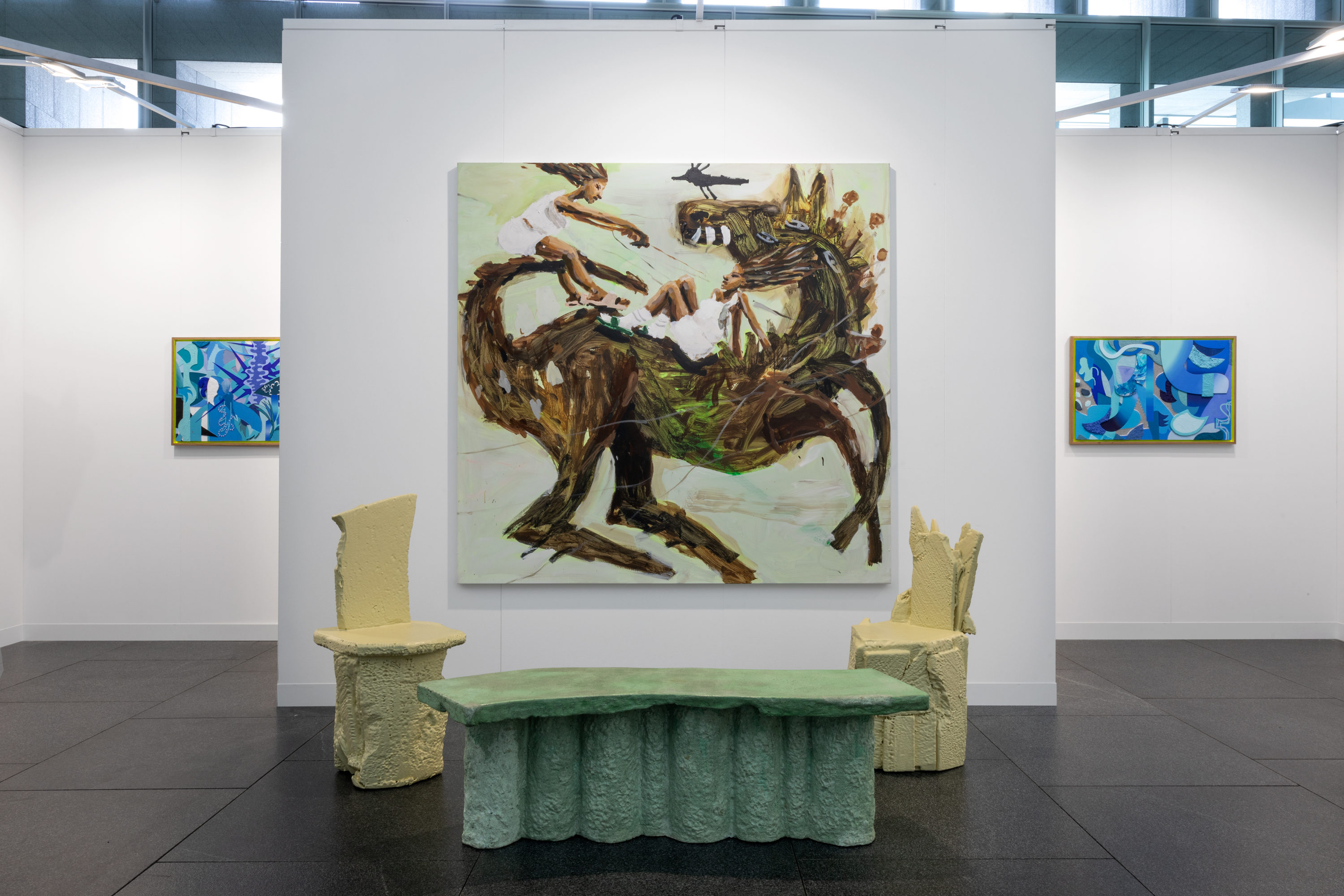
The 5 Best Booths at Art Cologne Palma Mallorca 2026

Art Cologne has officially relaunched its satellite fair in Palma, Mallorca, nearly two decades after its initial 2007 debut. The 2026 edition features 88 participating galleries and runs through April 12, showcasing a curated selection of international and local talent within the Balearic Islands' evolving cultural landscape.

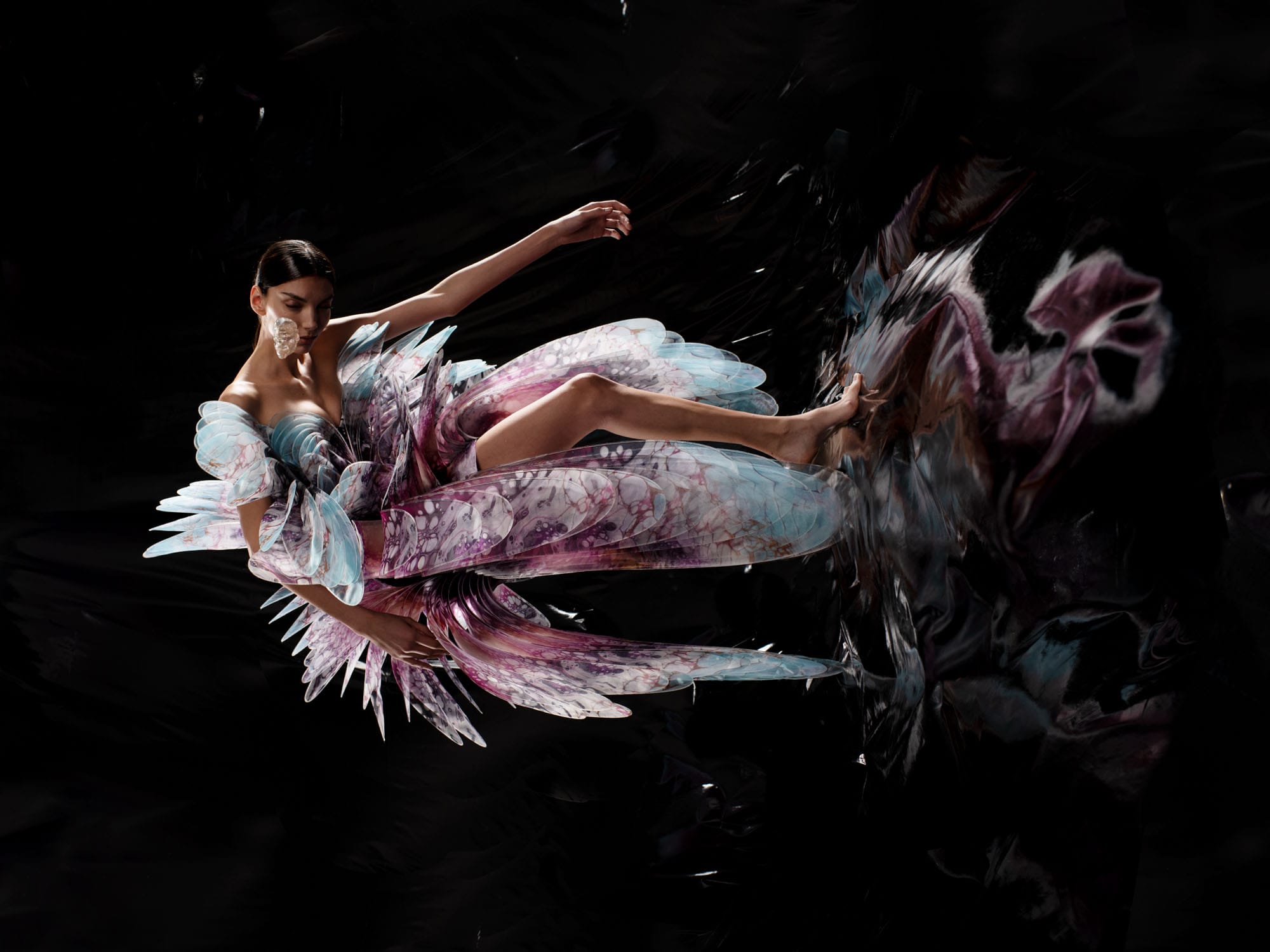
Bubbles, Algae, and Plastics Go Haute Couture in ‘Iris van Herpen: Sculpting the Senses’

The Brooklyn Museum is opening a new edition of 'Iris van Herpen: Sculpting the Senses,' building on a 2023 retrospective at the Musée des Arts Décoratifs in Paris. The exhibition features over 140 haute couture designs by Dutch fashion designer Iris van Herpen, known for merging high-tech materials like laser-cut Plexiglas with biological elements such as glowing algae and plastic bubbles. It includes recent collections like 'Sympoiesis' and works by artists including Kenny Nguyen, Wim Delvoye, and Tara Donovan, alongside a soundscape by Salvador Breed. The show runs from May 16 to December 6.

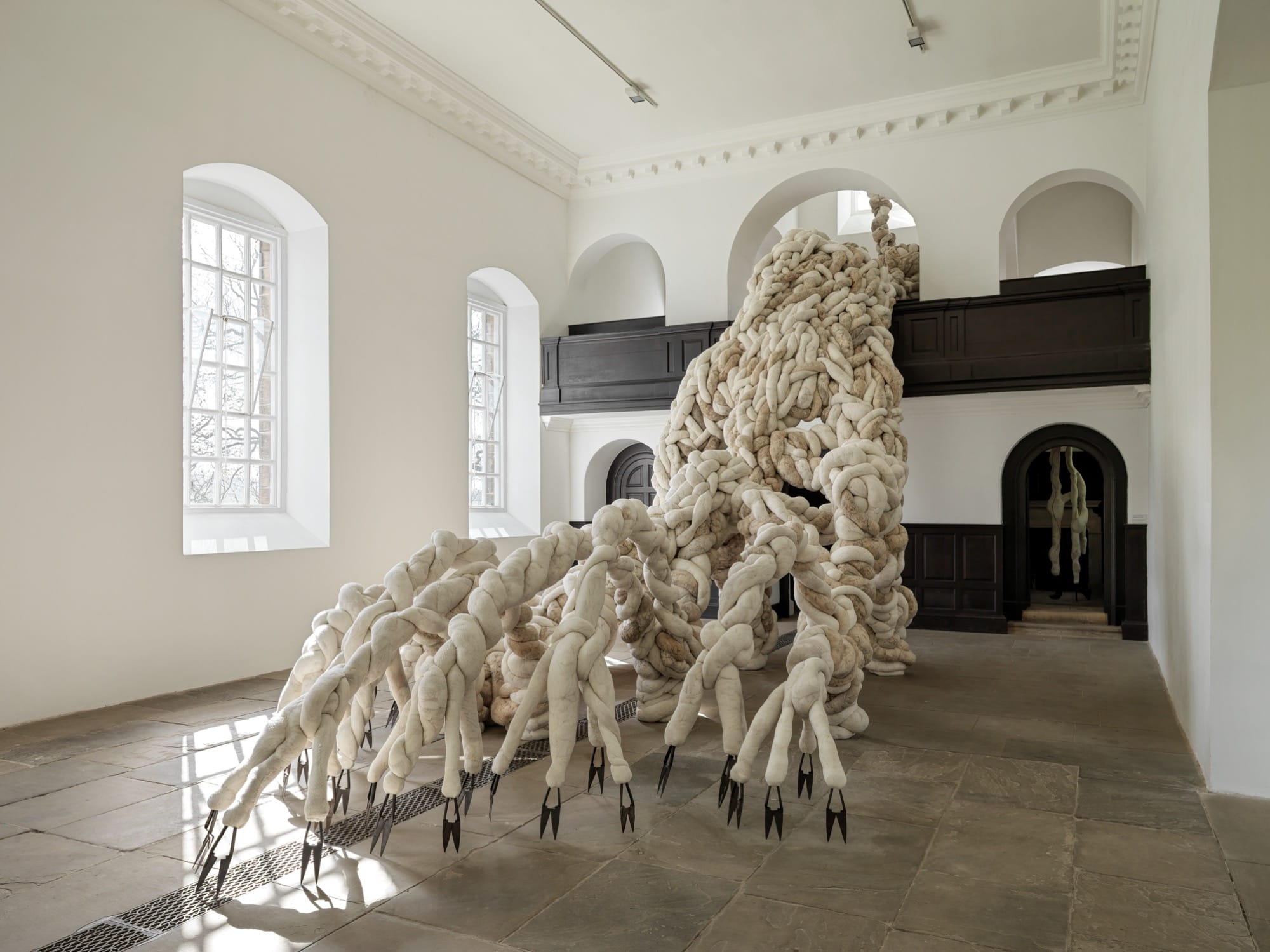
A Giant Wool Form by Nicola Turner Heaves and Skitters Through an 18th-Century Chapel

Artist Nicola Turner has unveiled a site-specific installation titled "Time’s Scythe" within an 18th-century chapel at the Yorkshire Sculpture Park. The work features massive, creature-like forms made from hand-stitched recycled wool and horsehair that appear to crawl and surge through the building's architectural openings, spilling from balconies and wrapping around the exterior.

148 News Roundup: Career Moves, Infrastructure, Controversies, Public Domain

Curator and writer Reuben Keehan has been appointed artistic director of the forthcoming Kontempo – Center for Contemporary Art in Manila, a new institution developed by the Ayala Foundation. Keehan will relocate from Australia, ending his 15-year tenure as curator of contemporary art at Brisbane’s Queensland Art Gallery | Gallery of Modern Art. In other career moves, Manuel Rabaté has become CEO and director of New Delhi’s Kiran Nadar Museum of Art, bringing over 25 years of museum leadership including his previous role as inaugural director of Louvre Abu Dhabi. Additionally, the Kochi Biennale Foundation has named board member and Mumbai-based artist Jitish Kallat as president of the Kochi-Muziris Biennale, succeeding Bose Krishnamachari who resigned in January.