filter_list Showing 2894 results for "SHIFT" close Clear
search
dashboard All 2894 museum exhibitions 1179trending_up market 574article news 330article culture 225person people 198article policy 142article local 121rate_review review 50gavel restitution 41candle obituary 27article event 5article museum 1article gallery 1
date_range Range Today This Week This Month All
Subscribe

LACMA Got a Makeover

The Los Angeles County Museum of Art (LACMA) has unveiled its new David Geffen Galleries, featuring an unconventional open-plan design that encourages non-linear exploration. The building's layout, which eschews traditional chronological narratives in favor of free-floating associations, has sparked debate among critics regarding its navigability and the restoration of key works like Alexander Calder’s "Three Quintains (Hello Girls)."
Georgia O'Keeffe Museum Launches Digital Catalogue Raisonné

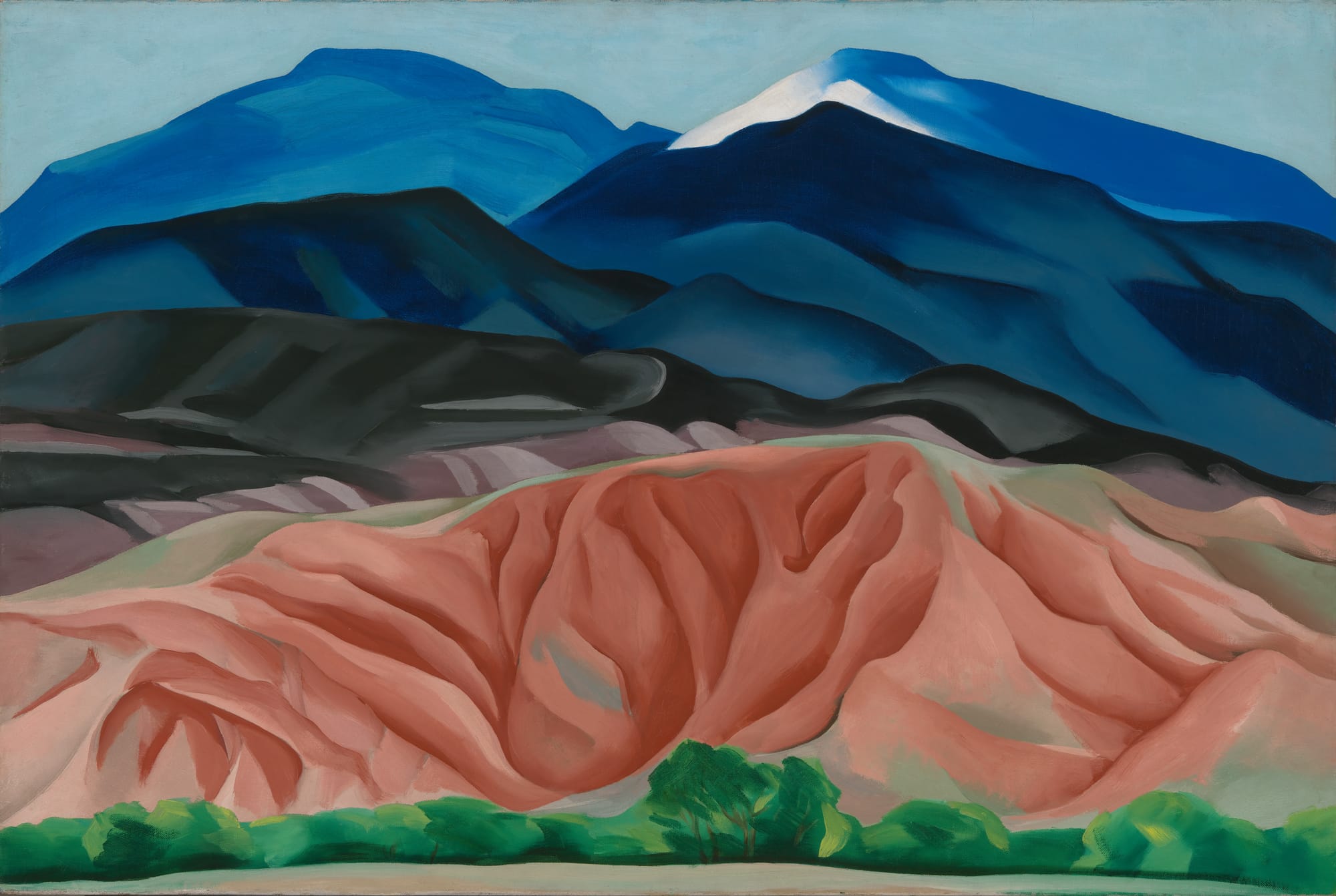
The Georgia O’Keeffe Museum has launched Access O’Keeffe, a comprehensive digital catalogue raisonné that makes over 2,000 of the artist’s works available to the public for free. Based on the definitive 1999 scholarship by Barbara Buhler Lynes, the platform includes paintings, sketches, and letters, featuring advanced search tools that allow users to filter by color, medium, and theme. The project was completed despite a significant funding scare when a federal grant was briefly rescinded during the Trump administration before being restored via legal action.

Art Problems: Do I Need to Go to Art Fairs?

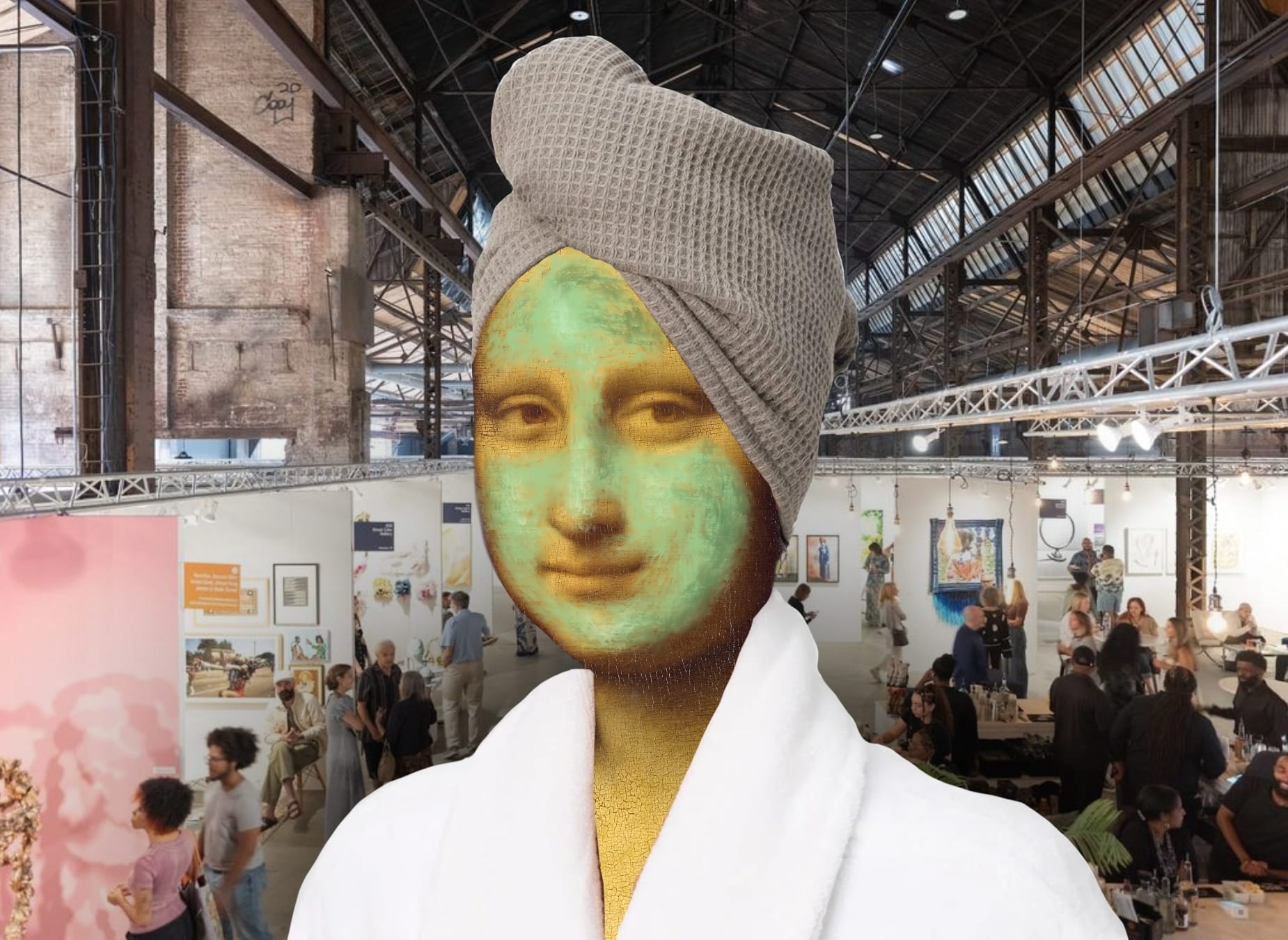
Art critic Paddy Johnson addresses the common dilemma faced by unrepresented artists regarding the necessity of attending major art fairs. While acknowledging that fairs can be physically exhausting and prohibitively expensive, Johnson argues that their true value lies in strategic information gathering and long-term career planning rather than immediate sales or representation.

40 Years Later, Houston's FotoFest Keeps Its Edge

Houston’s FotoFest is celebrating its 40th anniversary with a massive retrospective titled "Global Visions: FotoFest at 40," featuring over 450 artists from 58 countries. Founded by Wendy Watriss and Frederick Baldwin after a transformative trip to the Rencontres d'Arles, the biennial was established to combat American parochialism by introducing international photography to the U.S. The current iteration spans multiple venues, including the Sawyer Yards Galleries and Project Row Houses, showcasing the festival's history of thematic curation ranging from Russian Pictorialism to contemporary Arab media.

Marcel Duchamp Was the Messenger of History

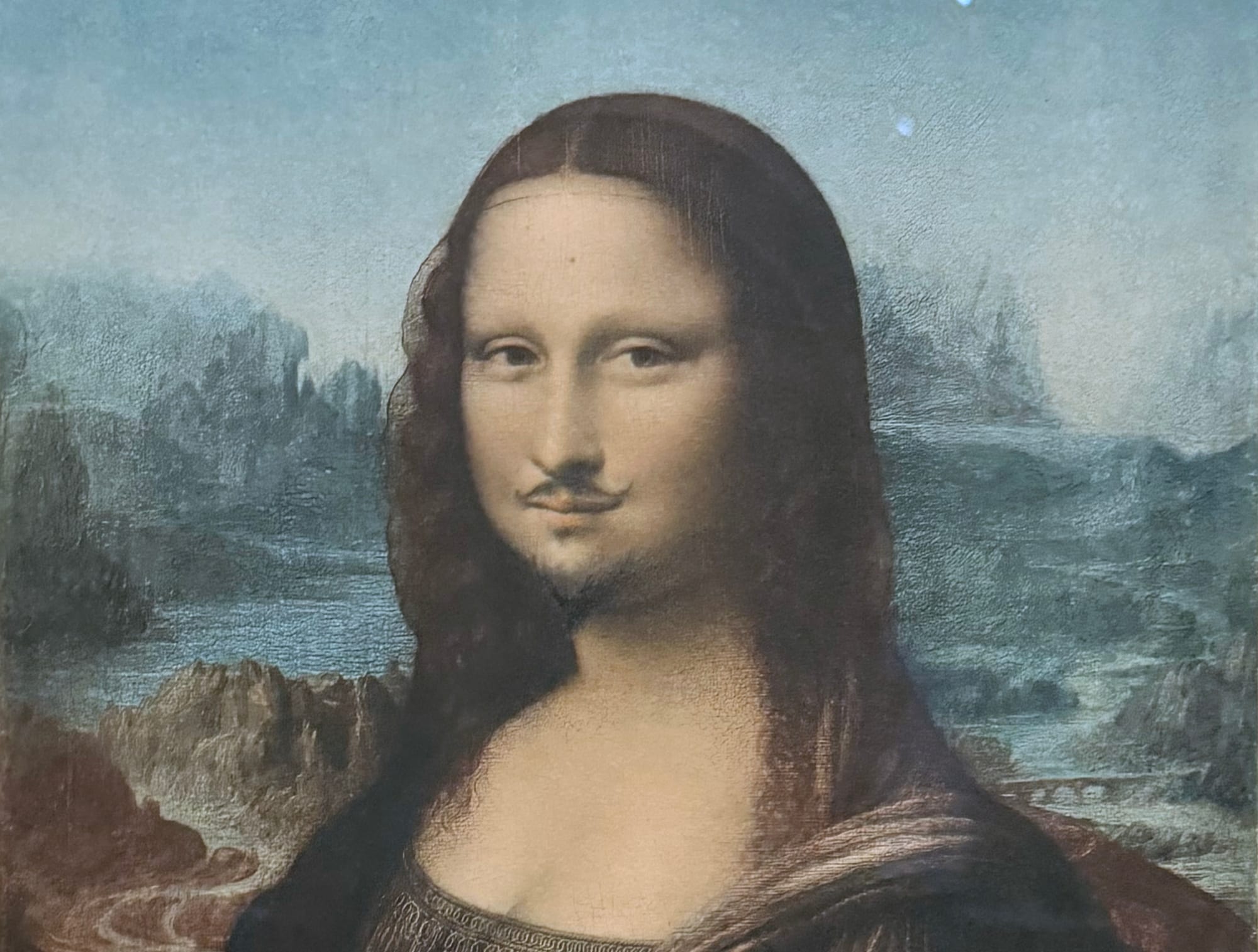
The Museum of Modern Art (MoMA) in New York is launching the first comprehensive U.S. exhibition of Marcel Duchamp’s work in over 50 years. In an interview regarding the opening, renowned scholar Thierry de Duve discusses the artist's enduring legacy, from his infamous readymades like "Fountain" to his complex, labor-intensive works like the "Large Glass." The exhibition seeks to reconcile Duchamp’s identity as both a conceptual provocateur and a meticulous craftsman.

Why the Photo Market Is Moving Closer to Painting, With Unique Works Leading the Way

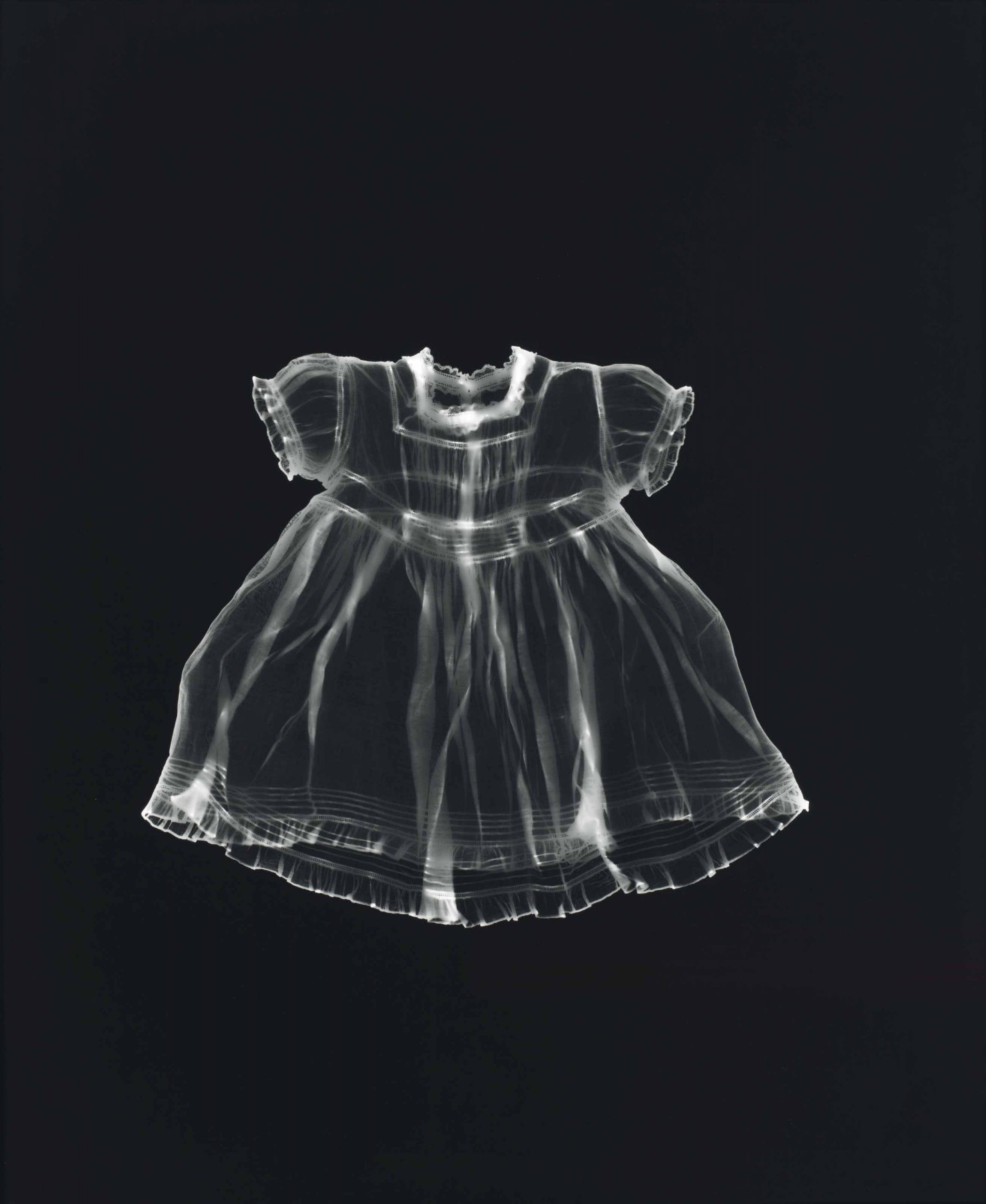
Artnet Auctions has launched its Spring Photographs sale, running through April 16, 2026, featuring works by blue-chip artists such as Peter Beard, Adam Fuss, and Diane Arbus. The auction highlights a significant shift in the photography market toward unique, one-of-a-kind works—including photograms, hand-painted images, and collages—that blur the lines between photography and painting. This trend is evidenced by increasing auction prices, with several works recently crossing the $1 million and $2 million thresholds.

Remembering Nathan Farb, Thomas Zipp, and Christine Ruiz-Picasso

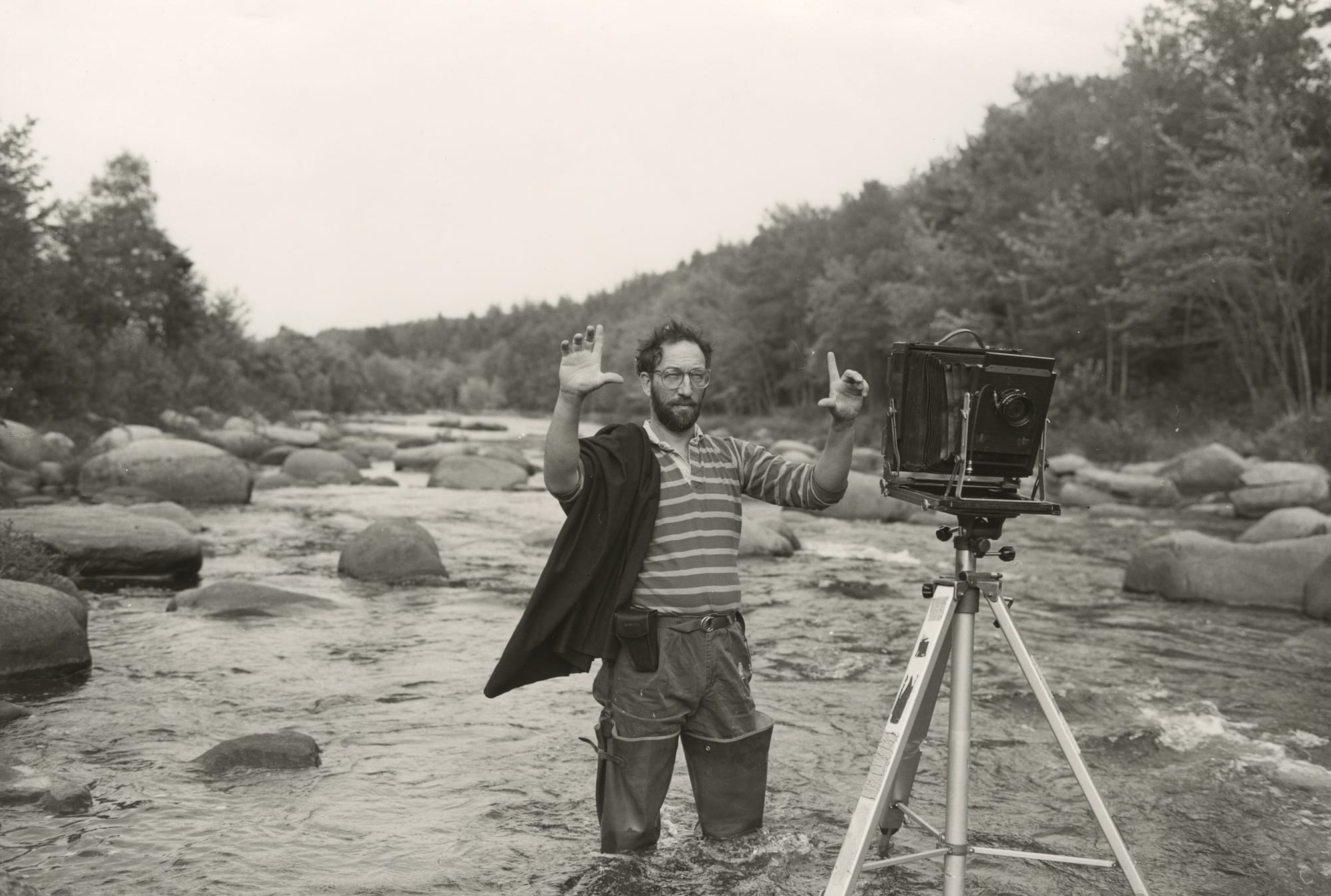
The art world mourns the loss of several influential figures, including photographer Nathan Farb, known for his large-format captures of the Adirondacks and 1960s Manhattan, and Christine Ruiz-Picasso, who was instrumental in establishing the Museo Picasso Málaga. Other notable passing include German interdisciplinary artist Thomas Zipp, prolific art forger William "Billy The Brush" Mumford, and Hassen Soufy, the last living member of the L'École de Tunis movement.

Josh Kline Misses the Mark

Critic Aruna D’Souza responds to a viral essay by artist Josh Kline regarding the extreme financial pressures of living and working in New York City. While Kline suggests that artists should abandon the city due to the affordability crisis, D’Souza argues that leaving is not a viable long-term solution and calls for a more proactive approach to systemic change within the urban art ecosystem.

‘The subject demanded a more restrained approach’: Carlos Rolón on revisiting the 1966 uprising in Chicago's Humboldt Park

Chicago-based artist Carlos Rolón has unveiled a new body of work at 65Grand titled 'The Division Street Riots,' which explores the 1966 Puerto Rican uprising in Humboldt Park. Moving away from his signature vibrant, crystal-embellished installations, Rolón utilizes graphite, charcoal, and dye sublimation prints to interpret archival imagery of the three-day unrest sparked by a police shooting. The exhibition marks a stylistic shift toward a more somber, documentary-style realism that emphasizes historical witnessing over spectacle.

Elucidating the Esoteric with Hilma's Ghost

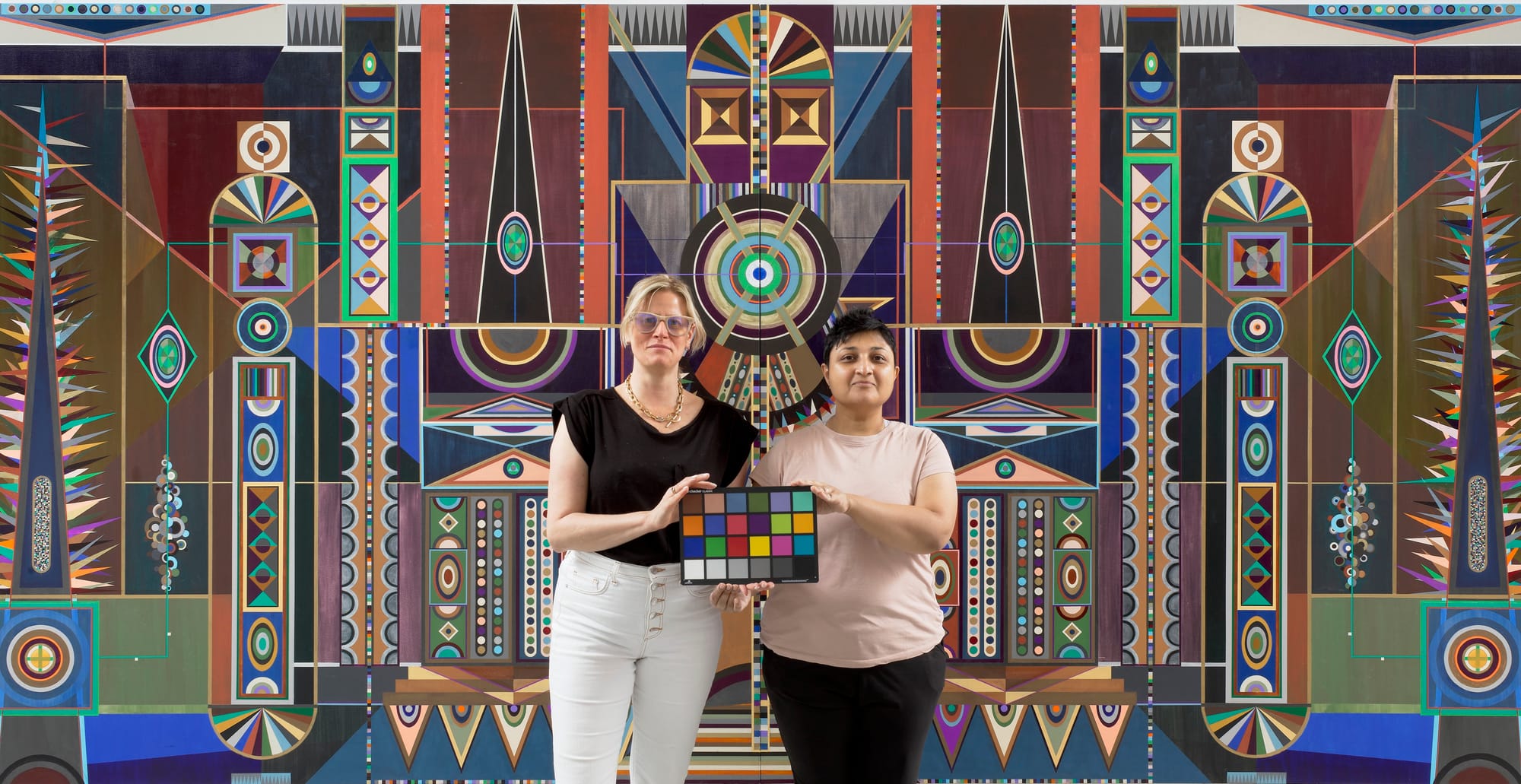
The feminist art collective Hilma’s Ghost, founded by artists Dannielle Tegeder and Sharmistha Ray, is reclaiming the role of alternative spiritualities and the occult within art history. Sparked by the 2018 Hilma af Klint retrospective at the Guggenheim, the collective emerged during the COVID-19 pandemic as a research-based project that bridges artmaking with esoteric practices like tarot, witchcraft, and neo-tantric cosmologies. Through workshops and collaborative paintings, the duo explores how women and queer artists have historically been erased from the canon due to their unconventional, mystical methods.

Dolores Huerta Is the GOAT

A new exhibition in Los Angeles celebrates the 96th birthday of labor leader Dolores Huerta, featuring works by over 30 local artists. The show reframes the history of the United Farm Workers movement by centering Huerta and everyday laborers rather than co-founder Cesar Chavez, whose legacy has been complicated by recent abuse allegations.

Philadelphia Museum of Art Rebrands Again as "PhArt"

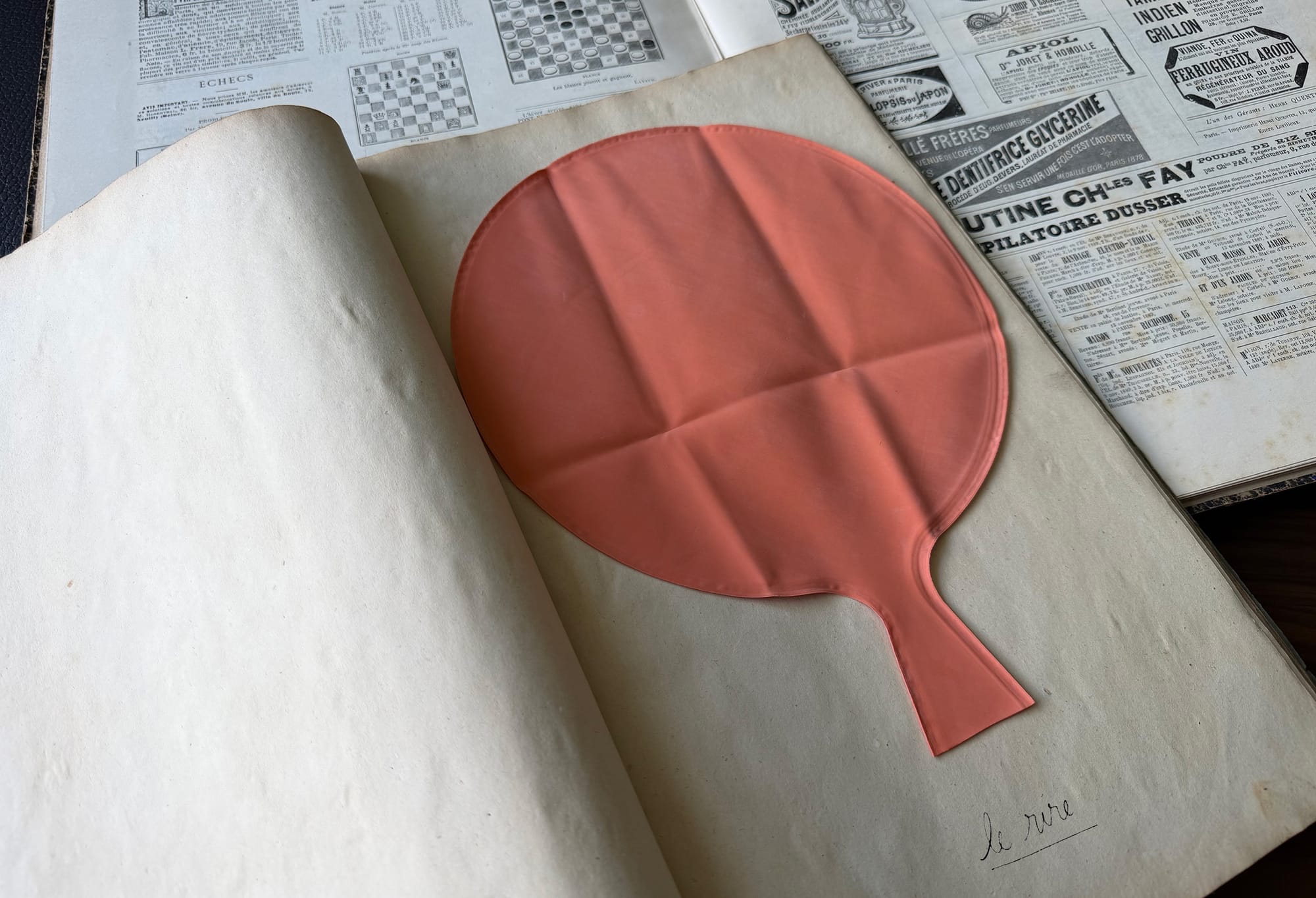
The Philadelphia Museum of Art has announced a rebranding to "PhArt," following the discovery of a long-lost Marcel Duchamp readymade—an early prototype of a whoopee cushion titled "Le rire"—in its archives. The institution is dropping "Museum" from its name to signal a commitment to art that transcends traditional boundaries, and the new branding will be featured prominently on social media.

hector hyppolite art basel paris booth

London's The Gallery of Everything is presenting the first survey of Haitian painter Hector Hyppolite in a European commercial setting at Art Basel Paris, opening October 24. The solo booth in the fair's Premise sector features works by Hyppolite, including three pieces from the historic 1947 exhibition "Le Surréalisme en 1947," along with documentation, photos, and an essay by Manthia Diawara and Terri Geis. Hyppolite, a self-taught vodou priest who died in 1948, was championed by Surrealist founder André Breton after Breton encountered his work in Haiti in 1945.

ben schonzeit imaginary friends louis k meisel

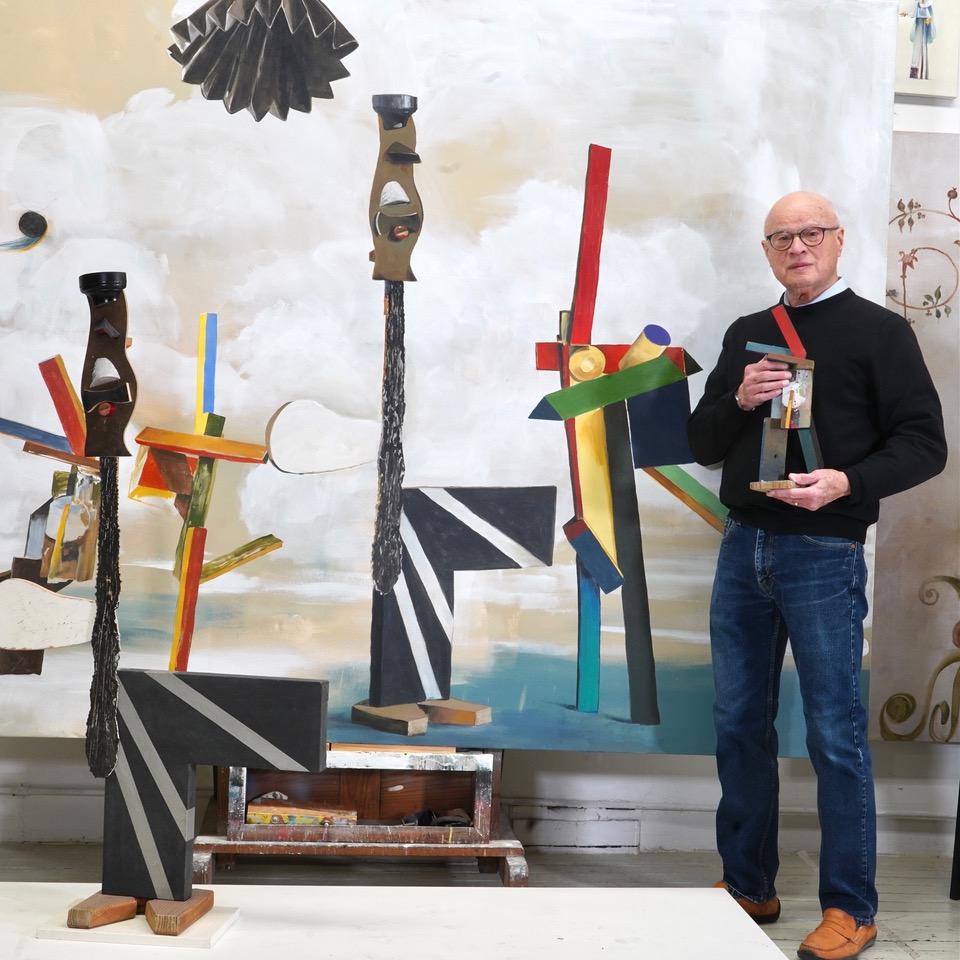
American artist Ben Schonzeit, a pioneer of Photorealism, presents his current solo exhibition "Ben Schonzeit: Imaginary Friends" at Louis K. Meisel Gallery in New York, on view through May 3, 2025. The show marks a significant evolution in his practice, bringing sculpture to the forefront alongside his paintings, and features imaginary characters that depart from his earlier still-life Photorealism. In an interview, Schonzeit discusses how his process has shifted from predetermined goals to intuitive exploration, influenced by New York City's street life and fashion.

What to expect from Fondation Cartier's new Parisian home

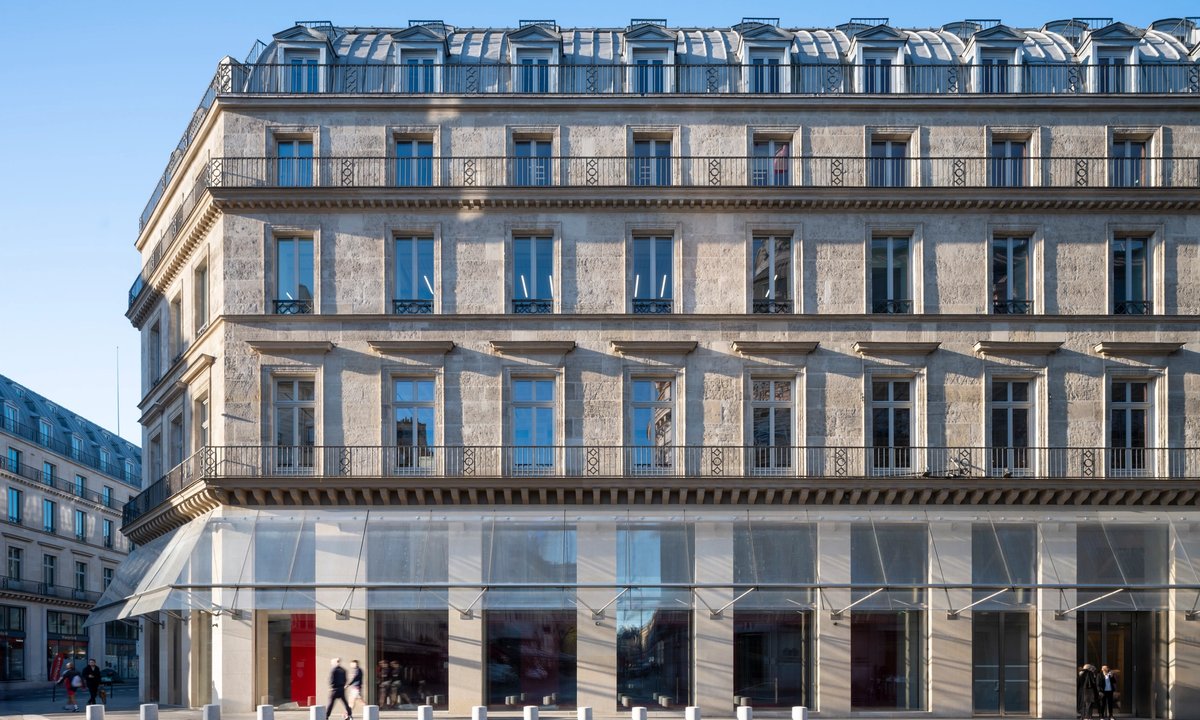
Fondation Cartier pour l’art contemporain will open its highly anticipated new Paris gallery at Place du Palais-Royal, opposite the Louvre, on 25 October 2025. The inaugural exhibition, Exposition Générale (running until 23 August 2026), features over 600 works by more than 100 artists, drawn from the foundation's collection of around 4,500 pieces. Designed by Italian studio Formafantasma, the show is organized into four thematic sections—Machines d’architecture, Être nature, Making Things, and un monde réel—and includes works by Sarah Sze, Rinko Kawauchi, Patti Smith, James Turrell, Vija Celmins, Joan Mitchell, Damien Hirst, and others. The building, part of the former Louvre des Antiquaires complex, was reconfigured by architect Jean Nouvel, adding 6,500 sq. m of exhibition space with a library, auditorium, and restaurant.

From Rembrandt to Warhol, a Paris exhibition asks: what do artists wear?

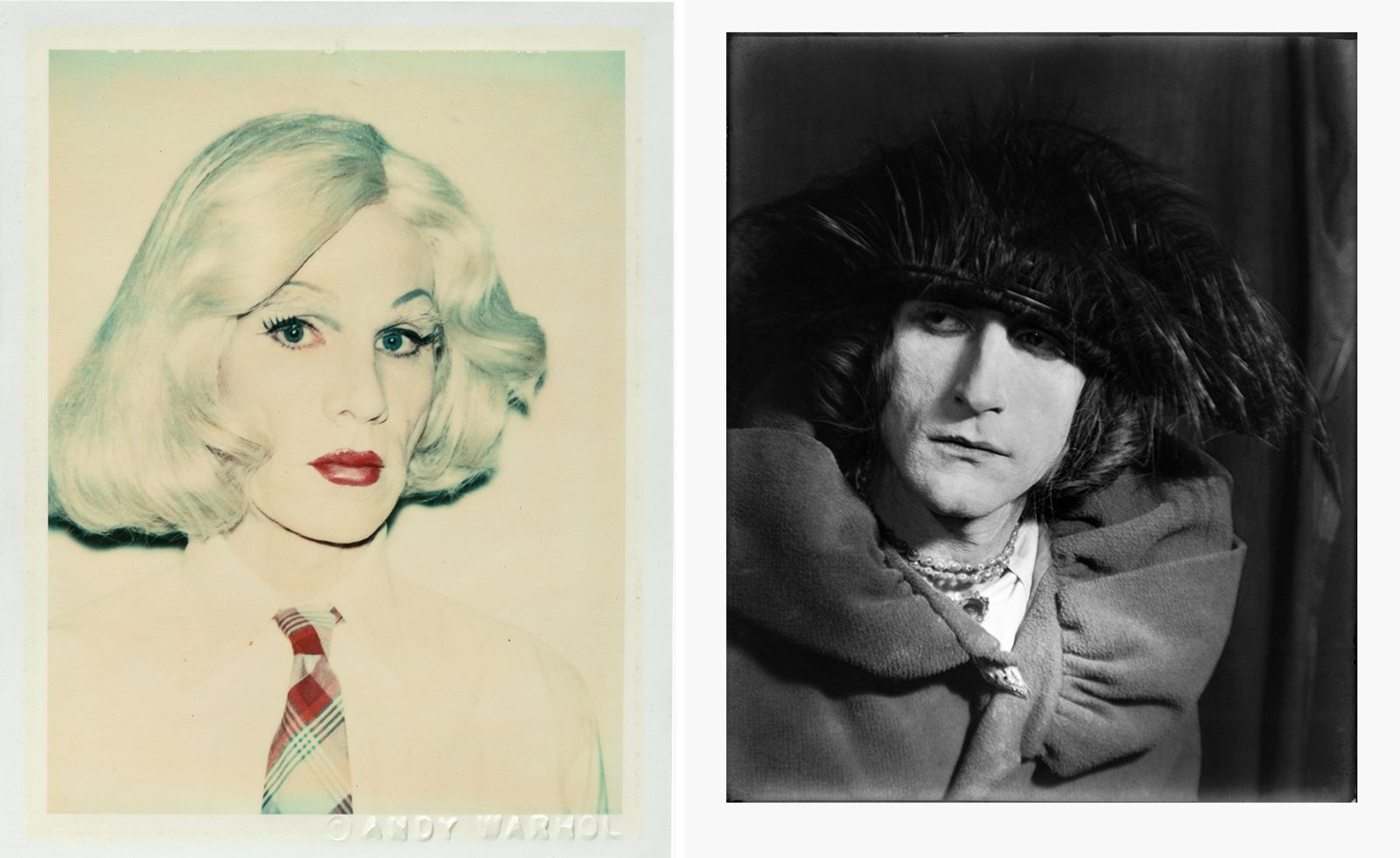
Annabelle Ténèze, now Director of the Musée du Louvre-Lens, has curated a new exhibition titled 'The Art of Dressing – Dressing like an Artist' at the museum. The show explores how artists from Rembrandt to Warhol use clothing and self-fashioning in their self-portraits and public personas, drawing on examples such as Niki de Saint Phalle's eccentric wardrobe and Rembrandt's deliberate sartorial choices. Ténèze was inspired by her earlier work on de Saint Phalle at Les Abattoirs in Toulouse and by Charlie Porter's book 'What Artists Wear'.

Some cry censorship, others cry antisemitism

"Die einen schreien Zensur, die anderen Antisemitismus"

A constitutional law scholar, Christoph Möllers, warns in an interview with Die Zeit about the dangerous escalation of cultural policy conflicts, sparked by Documenta 15, where accusations of censorship and antisemitism collide. In Poland, Adam Budak was removed as director of MOCAK in Krakow after just a few months, facing 79 allegations including mobbing and problematic leadership. Meanwhile, the New York spring auctions have launched, and Jason Farago's review of the Venice Biennale in the New York Times criticizes the shift from aesthetic innovation toward identity-driven art. Robin Pogrebin also reports on the merger of the Met and the Neue Galerie, described as a rare convergence of two museum models.

"Man besitzt Kunst nicht, man ist nur ihr Verwalter"

The 61st Venice Biennale opened on Saturday without ceremony or an opening celebration, amid political turmoil over the participation of Russia and Israel. Italy's Culture Minister Alessandro Giuli criticized Biennale director Pietrangelo Buttafuoco for not informing the government about Russia's participation request, suggesting it could have been used as leverage for a ceasefire in Ukraine. The entire jury resigned after attempting to exclude both Russia and Israel from prize awards, leading to the cancellation of the traditional jury decision in favor of a public vote, which over 70 participating artists have protested by withdrawing from this year's prizes. Separately, a rare photograph from the early 1940s has surfaced showing Lucas Cranach the Elder's painting "Venus with Cupid as Honey Thief" in Adolf Hitler's Munich apartment, raising unresolved questions about whether the work was looted from Jewish owners before 1935.

How Tech Billionaires Turn Couture into Content

Wie Tech-Milliardäre Couture zu Content machen

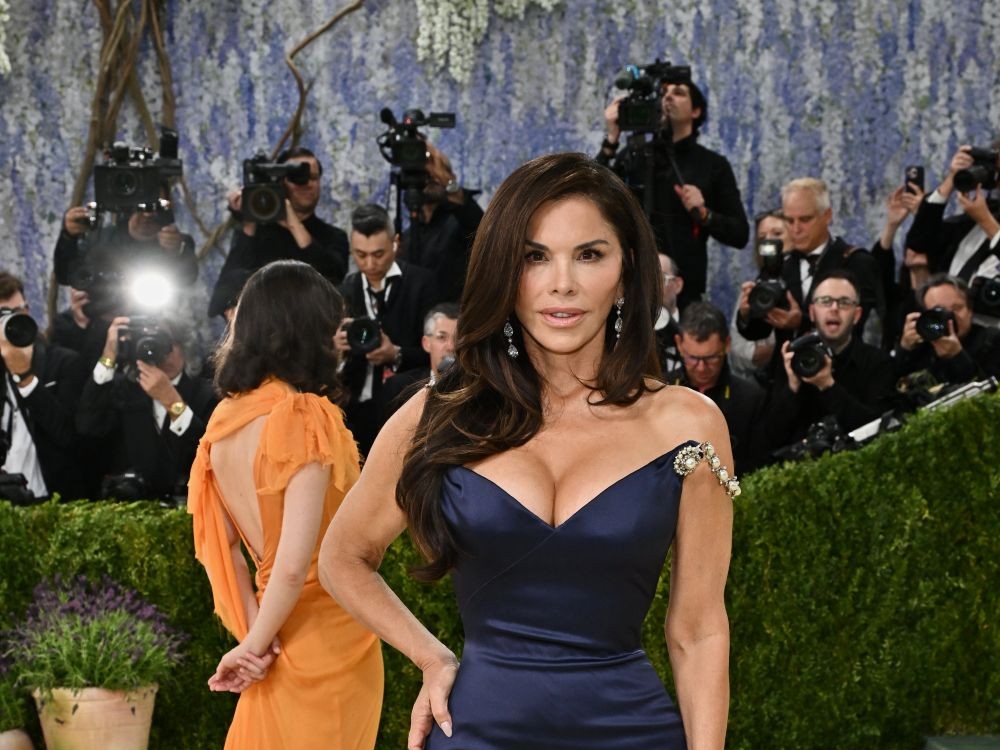
The Met Gala, long considered the premier event for fashion and cultural influence, has become increasingly dominated by tech billionaires. This year, Jeff Bezos and Lauren Sánchez Bezos purchased their role as co-hosts, sparking protests in New York and raising questions about whether money alone now buys entry into the highest echelons of fashion. Individual tickets cost $10,000 and a table $350,000, with sponsors including OpenAI, Snapchat, and Meta. The event, organized by Anna Wintour to raise funds for the Costume Institute at the Metropolitan Museum of Art, raised $31 million last year but has transformed from a benefit into a spectacle optimized for viral moments and algorithmic appeal.

"Etwas zaghaft, etwas ängstlich, etwas sicher"

The article surveys recent art-world commentary, focusing on a critical review of the Turner Prize shortlist in The Guardian, where Eddy Frankel calls the selection "timid, anxious, safe" and laments a self-perpetuating, elitist system. It also covers a Hyperallergic essay by Lisa Siraganian questioning whether artworks can possess personhood, sparked by Pierre Huyghe's Venice exhibition. Additionally, it reports on controversy at the Venice Biennale, where the jury preemptively excluded countries whose leaders are sought by the International Criminal Court—namely Russia and Israel—drawing sharp criticism from Die Welt's Marcus Woeller. A podcast interview with US sculptor Alma Allen, selected for the US Pavilion, rounds out the coverage.

Because the Ego Suddenly Dissolves

"Weil das Ego sich plötzlich auflöst"

The art world is facing significant structural and political shifts, highlighted by the merger of Artnet and Artsy which has resulted in mass layoffs, particularly within the Artnet News editorial team and its Berlin operations. Simultaneously, tensions are rising in German cultural policy as gallery owner Rupert Pfab raises concerns over government interference in the Stiftung Kunstfonds jury selection, reflecting a broader climate of unease that includes recent controversies at the Berlinale.

How Alexander Calder Set Sculpture in Motion

Wie Alexander Calder die Skulptur in Bewegung setzte

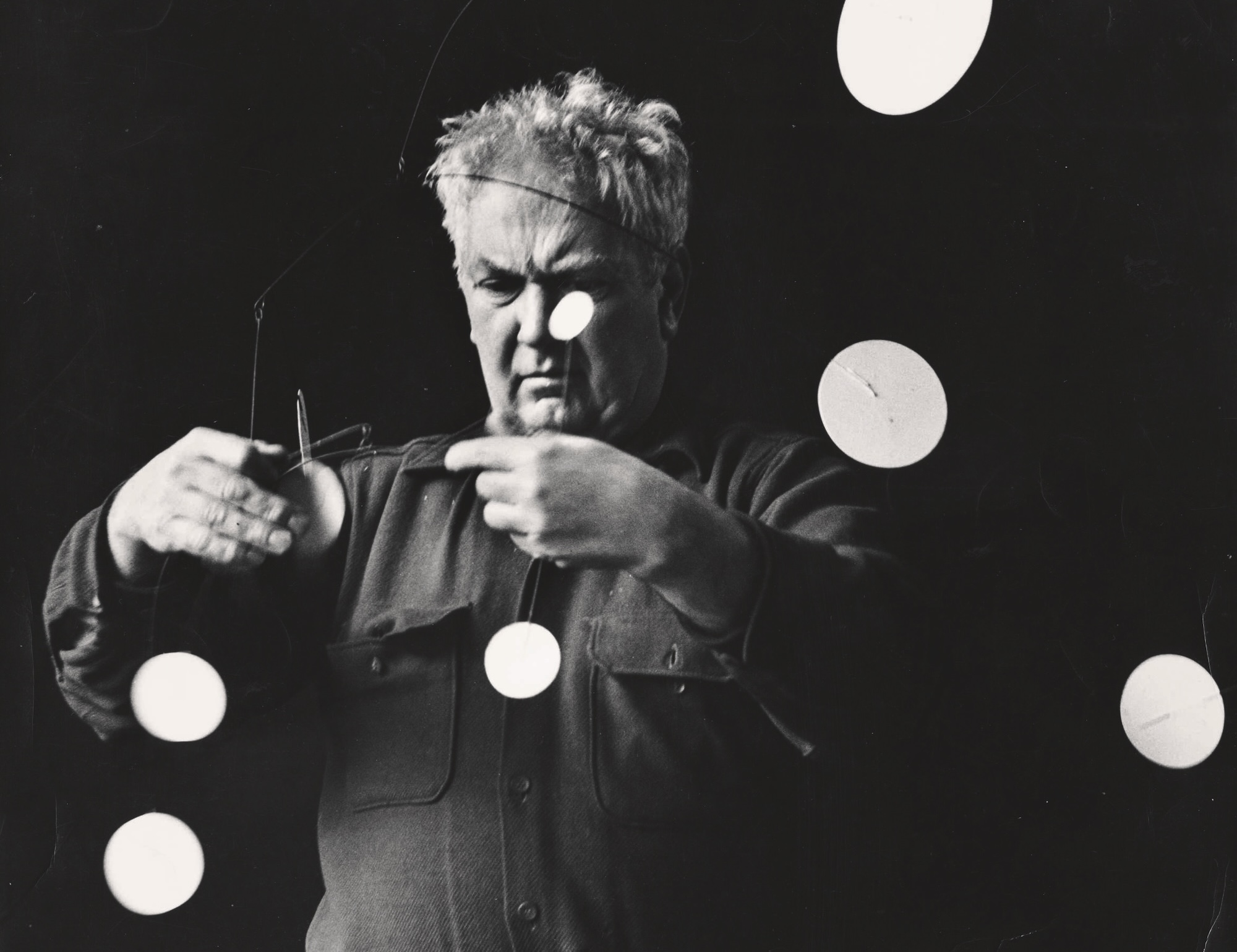
The Fondation Louis Vuitton in Paris has launched a major retrospective titled "Rêver en Équilibre," dedicated to the American sculptor Alexander Calder. Featuring over 300 works, the exhibition traces Calder’s journey from his 1926 arrival in Paris to his invention of the "mobile," a term coined by Marcel Duchamp. The show includes iconic large-scale hanging sculptures like "Rouge triomphant," wire figures from his famous "Cirque Calder," and rarely seen private loans, alongside paintings and jewelry that highlight his engineering background and poetic approach to abstraction.

Imitations of a Mediocre Teenager on Tranquilizers

"Nachahmungen eines mittelmäßigen Teenagers auf Tranquilizern"

The Victoria & Albert Museum has reportedly censored exhibition catalogs following pressure from Chinese printing firms, removing images and maps related to sensitive topics like Tibet and Tiananmen Square. This editorial roundup also highlights artist Molly Crabapple’s sharp critique of generative AI as a massive intellectual property theft and a profile of Rirkrit Tiravanija’s communal home in Thailand, which functions as a social sculpture.

Phallus, Vagina, Universe

Phallus, Vagina, Universum

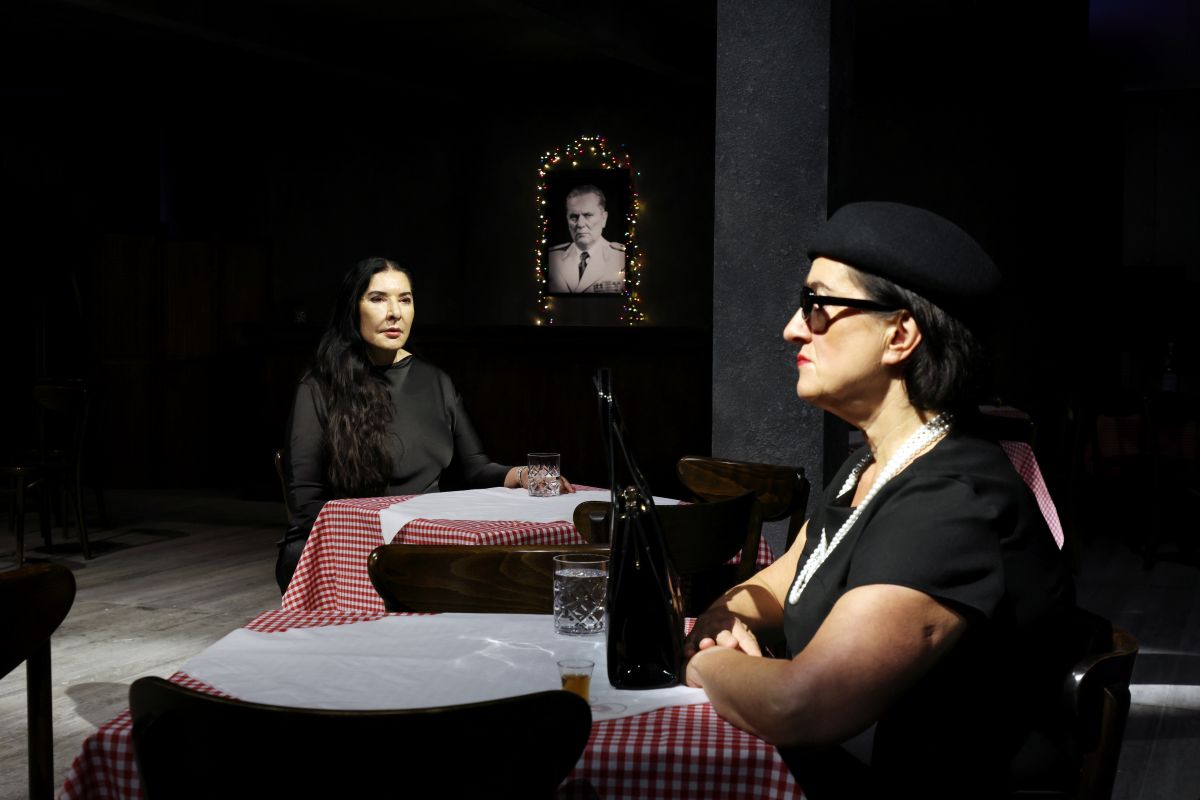
Marina Abramović is presenting a major retrospective at the Neue Nationalgalerie in Berlin, shifting focus from her well-known explorations of physical pain to the erotic energy of the human body. The exhibition draws heavily on Slavic folklore and pagan traditions from her Balkan heritage, exploring how ancient rituals used sexuality and the body as tools for spiritual and cosmic connection.

Is the Mallorca Edition of Art Cologne Any Good?

Was taugt die Mallorca-Ausgabe der Art Cologne?

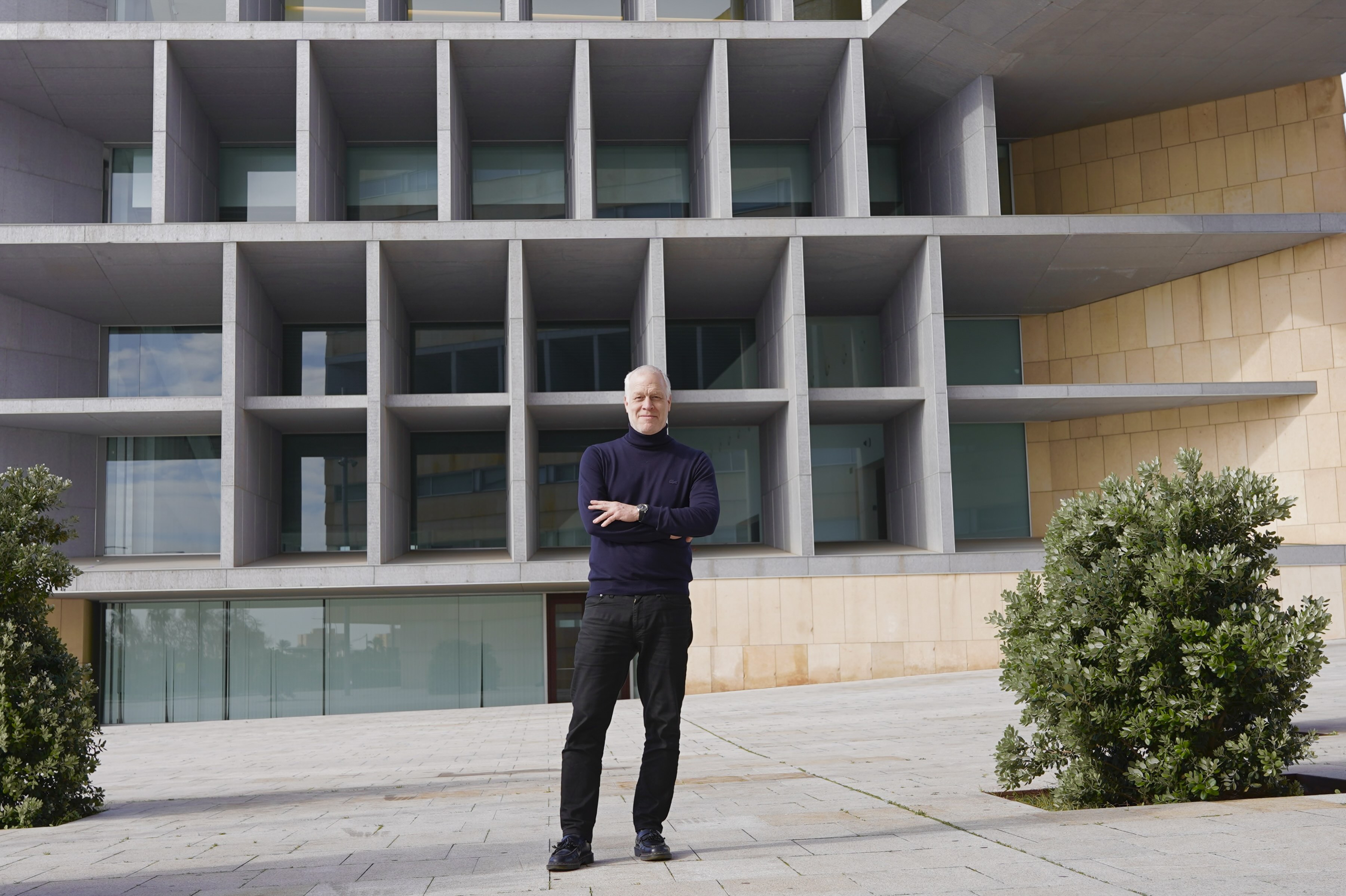
The Art Cologne has launched a new satellite edition in Palma de Mallorca, returning to the island 19 years after a previous attempt failed. Held at the modern Palau de Congressos, the fair adopts a 'boutique' format designed to tap into the local market of wealthy European expatriates and second-home owners. Unlike the high-stakes environment of major fairs like Art Basel, this iteration features an innovative pricing model that allows smaller, younger galleries to showcase curated, riskier presentations at more affordable entry points.

Contemporary US Art is Sick with Problems

"Die zeitgenössische US-Kunst ist von Problemen krank"

Artist Josh Kline has sparked a heated debate with a scathing critique of the American art scene, particularly targeting New York City as an unsustainable hub driven by market logic and inequality. Kline argues that contemporary art is "sick with problems" and urges young artists to abandon the city, calling for a shift from institutional critique to a broader industry-wide analysis of class and power. Meanwhile, the German art world sees significant movement with the upcoming auction of Georg Kolbe’s "Tänzerinnen-Brunnen" following a Nazi-looted art settlement, and the Berlin State Museums announcing a phased reopening of the Pergamon Altar starting in 2027.

Behind All Beautiful Things Lies Suffering

"Hinter allen schönen Dingen liegt ein Leiden"

The art market is undergoing a profound structural transformation as a new generation of collectors shifts focus away from traditional blue-chip masters like Cy Twombly and Mark Rothko. These 'NextGen' buyers, socialized through the internet and Instagram, prioritize identity-building over status, favoring streetwear, digital art by figures like Refik Anadol, and music memorabilia over classical painting. Meanwhile, institutional shifts are occurring globally: Greece has introduced specific legislation to criminalize the production of art forgeries, and LACMA director Michael Govan is defending the $724 million Peter Zumthor-designed expansion as a necessary 'magnet' for attracting major donations.

Maurizio Cattelan’s Latest Work is Hotline for People to Confess Their Sins… to Him

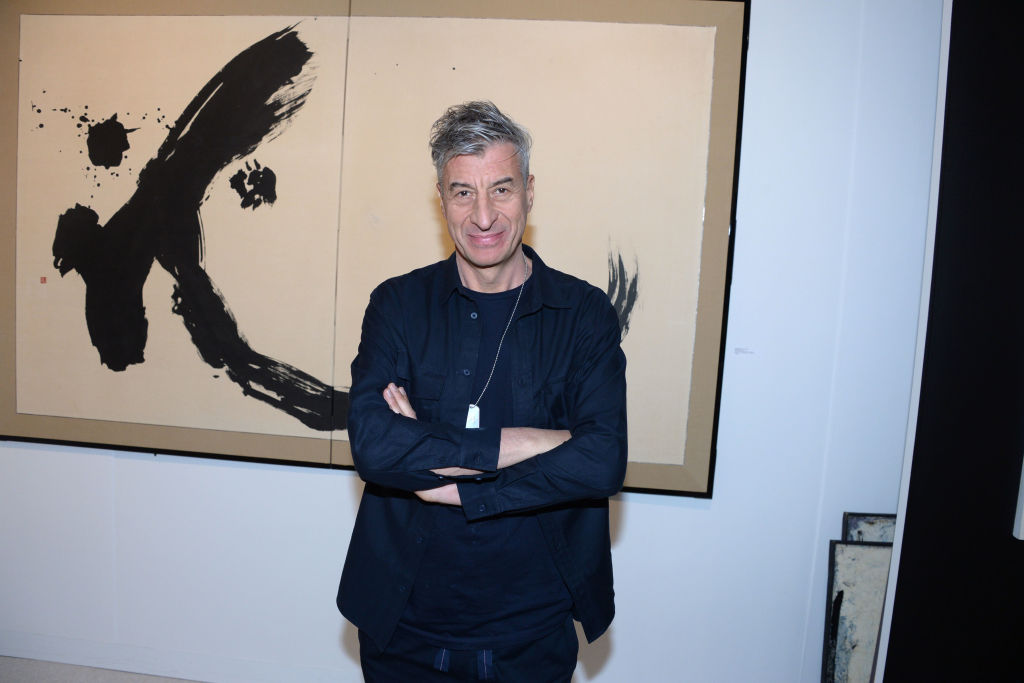
Italian conceptual artist Maurizio Cattelan has launched a new project: a hotline and WhatsApp service inviting the public to confess their sins. The project, timed to coincide with the Easter period and the 21st anniversary of Pope John Paul II's death, will culminate in a livestream on April 23 where Cattelan will offer a form of symbolic absolution to selected participants. Alongside the hotline, he is releasing a limited edition of 666 small-scale replicas of his controversial 1999 sculpture, *The Ninth Hour*, which depicts the late pope struck by a meteorite.

Venice Biennale: A Silent US Pavilion

Biennale de Venise : un Pavillon US silencieux

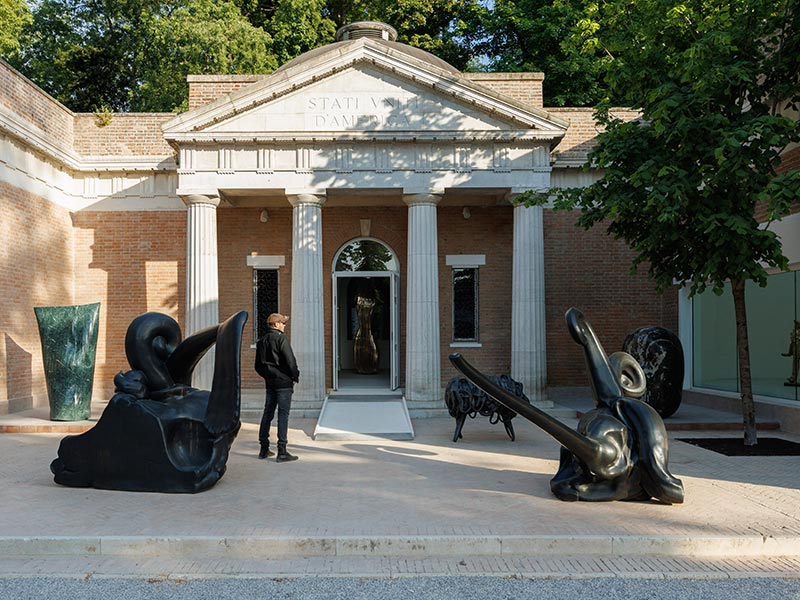
The US Pavilion at the 2026 Venice Biennale, featuring artist Alma Allen, opened to sparse crowds despite a 10% overall attendance increase at the Biennale. The pavilion was embroiled in controversy before opening: Allen was selected by the American Arts Conservancy (AAC), a private entity created in 2025 at the initiative of Donald Trump after the dissolution of the federal committee that previously oversaw the pavilion. AAC head Jenni Parido, a former pet food executive, chose the self-taught, little-known artist who had never had a solo museum exhibition. Major funders the Ford and Mellon Foundations withdrew, forcing the AAC to launch a public donation appeal. The exhibition features 25 abstract bronze, stone, and burl-wood sculptures that the artist describes as biomorphic landscapes, but critics find them pleasant yet silent, lacking the promised political or visceral resonance.

La nature morte : une exposition novatrice

Le Journal des Arts reports on a new exhibition titled "La nature morte" (Still Life), presented by a gallery as a continuation of its previous monographic shows on Boetti and Burri and the thematic exhibition "On Fire." The exhibition focuses on the classical genre of still life, positioning it as a field of experimentation that accompanies the renewal of painting in the 20th century. It brings together three artists—Picasso, Morandi, and Parmiggiani—who, though not from the same school or direct lineage, each explore the subject through distinct artistic languages: Picasso asserts the presence of the object, Morandi delves into its meditative and silent dimension, and Parmiggiani pushes the reflection toward a form of disappearance. The show is curated by Cécile Debray, president of the Musée national Picasso-Paris, and involves collaborations with institutions such as the Museo Morandi.