filter_list Showing 3185 results for "MEM" close Clear
search
dashboard All 3185 museum exhibitions 1669article local 443article news 278article culture 184trending_up market 183person people 128article policy 117candle obituary 87rate_review review 62gavel restitution 33article events 1
date_range Range Today This Week This Month All
Subscribe

Almost Everything in the World Depends on This Substance

"Fast alles in der Welt hängt von dieser Substanz ab"

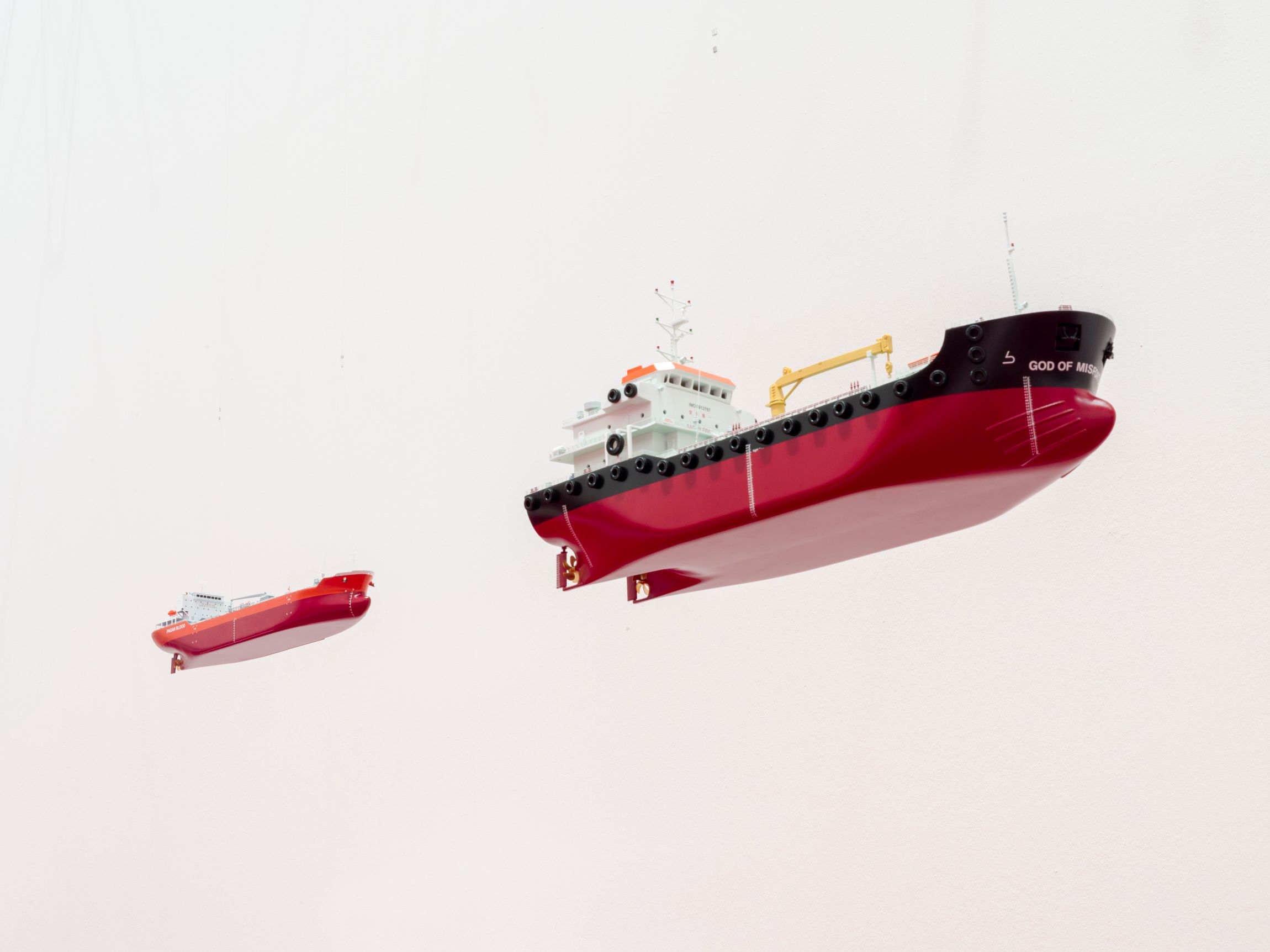
Artist Monira Al Qadiri presents her exhibition "Hero" at the Berlinische Galerie, focusing on oil tankers as central figures. The show explores the hidden violence and scale of the petroleum industry through a large wall painting of the supertanker Hero, miniature tankers with satirical names, and a video work depicting their destruction. Al Qadiri connects this to her long-term artistic investigation of oil's imagery and materiality.
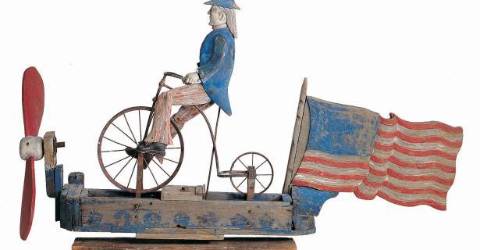

Drones, Uncle Sam, and Grand Master Rafael: 10 Must See Exhibits This Spring

New York City’s museum landscape is entering a major spring season characterized by high-profile retrospectives, institutional reopenings, and the 82nd Whitney Biennial. Key highlights include a massive Raphael survey at the Metropolitan Museum of Art featuring over 200 works, the reopening of the expanded New Museum with a tech-focused exhibition on the future of humanity, and a major survey of sculptor Carol Bove at the Guggenheim. The season also features thematic shows exploring American folk art, Dutch Golden Age masterpieces, and the relationship between Frida Kahlo and Diego Rivera.

The Interview: Kei Ishikawa

Filmmaker Kei Ishikawa has adapted Kazuo Ishiguro's debut novel, 'A Pale View of Hills,' into a feature film, with Ishiguro serving as executive producer. The film expands the novel's dual-timeline narrative, set in post-war Nagasaki and 1980s England, and introduces a decisive narrative closure not found in the original text. It features performances from leading Japanese actors and meticulous period detail.

Le CMN perd le Mont-Saint-Michel

The article reports on several developments in the art world: the Centre des Monuments Nationaux (CMN) loses management of Mont-Saint-Michel; the Venice Biennale opens amid controversy; a law on the restitution of cultural property looted during colonization is definitively adopted; the V&A East museum targets younger audiences; in Giverny, the Monet legacy does not benefit everyone; and the market for the Nabis artists is becoming more structured.

Centenary of Elizabeth II: Two colossal statues of the queen to be erected in London's St James's Park

Centenaire d’Elizabeth II : deux statues colossales de la reine seront érigées à Londres, dans St James’s Park

London has unveiled the final design and models for a colossal memorial to Queen Elizabeth II in St James's Park, to be completed by 2028. The centerpiece is a seven-meter bronze statue of the queen at age 28, inspired by a Pietro Annigoni portrait and created by sculptor Martin Jennings. It will be accompanied by a statue of Prince Philip by Jennings and a second, more intimate statue of the queen in old age by Karen Newman. The project marks the centenary of Elizabeth II's birth (1926–2022) and is designed by Foster + Partners. Models are on display at the British Museum until June 21.

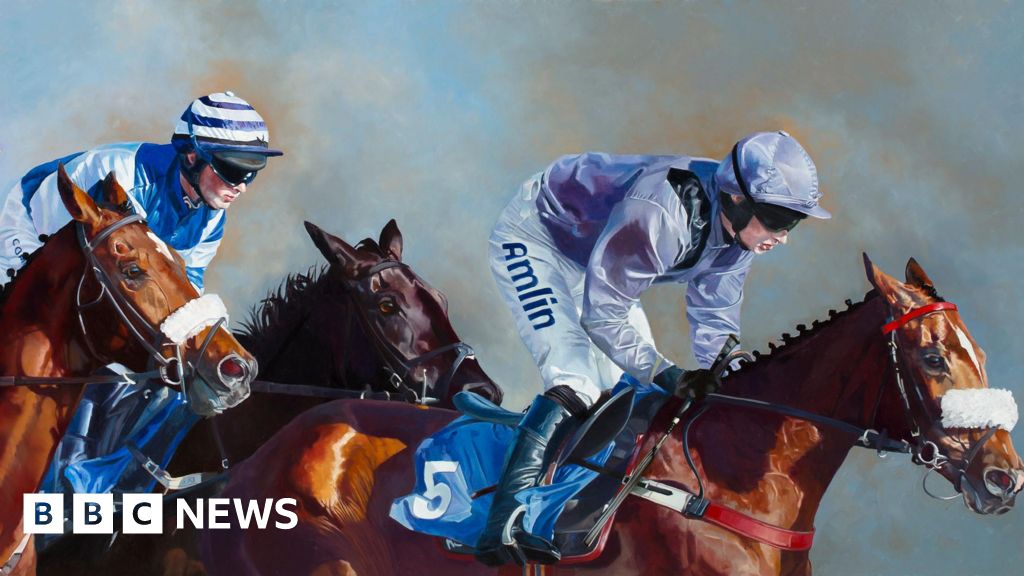
Free Newmarket museum exhibition to celebrate equine art

The National Horseracing Museum in Newmarket is set to host a new free exhibition titled "We Give You The Horse," running from April 29 to May 21. The showcase features paintings and sculptures by prominent members of the Society of Equestrian Artists, including a special loan of an original work by the renowned Sir Alfred Munnings from the Munnings Art Museum.

‘It’s like a Ouija board – I listen to the painting’: the supernatural art of Sanya Kantarovsky

Russian-born, New York-based artist Sanya Kantarovsky presents his new exhibition "Basic Failure" at Venice's Institute of Sciences, Letters and Arts, timed to coincide with the Venice Biennale. The show features his signature dishevelled, otherworldly figures—including a pallid boy with a cigarette, a child spinning in innocence, and a glass bust of a young boy with a dead spider under its eye—that explore tension, alienation, and the supernatural. Kantarovsky describes his process as listening to the painting like a Ouija board, and the exhibition includes works that confound narrative expectations, such as a scruffy toy panda and a recreation of Antonello Gagini's 16th-century sculpture.

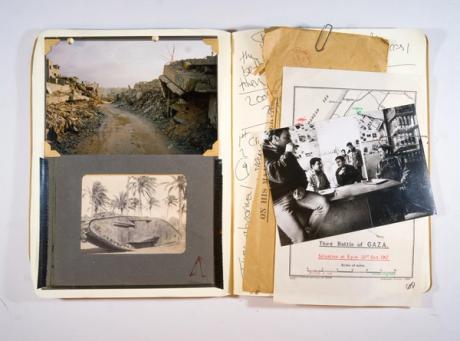
Photographer Giles Duley brings images of historic and current wars into dialogue in Manhattan pop-up show

British photographer Giles Duley has opened a pop-up exhibition titled "Distortion/Memory/Resilience" in a 77th-floor penthouse at Sutton Tower in Manhattan, running from 12 to 24 May. The show features haunting war photography alongside installations—Youth, Childhood, and Memory—that draw parallels between historic and current conflicts. Duley, who lost both legs and an arm after stepping on a landmine in Afghanistan, uses a camera obscura, children's art from war zones, and side-by-side images of injured children from the London Blitz and Beirut to create an immersive experience. The exhibition is presented by the luxury tower's developer and includes benefit dinners hosted by Duley.

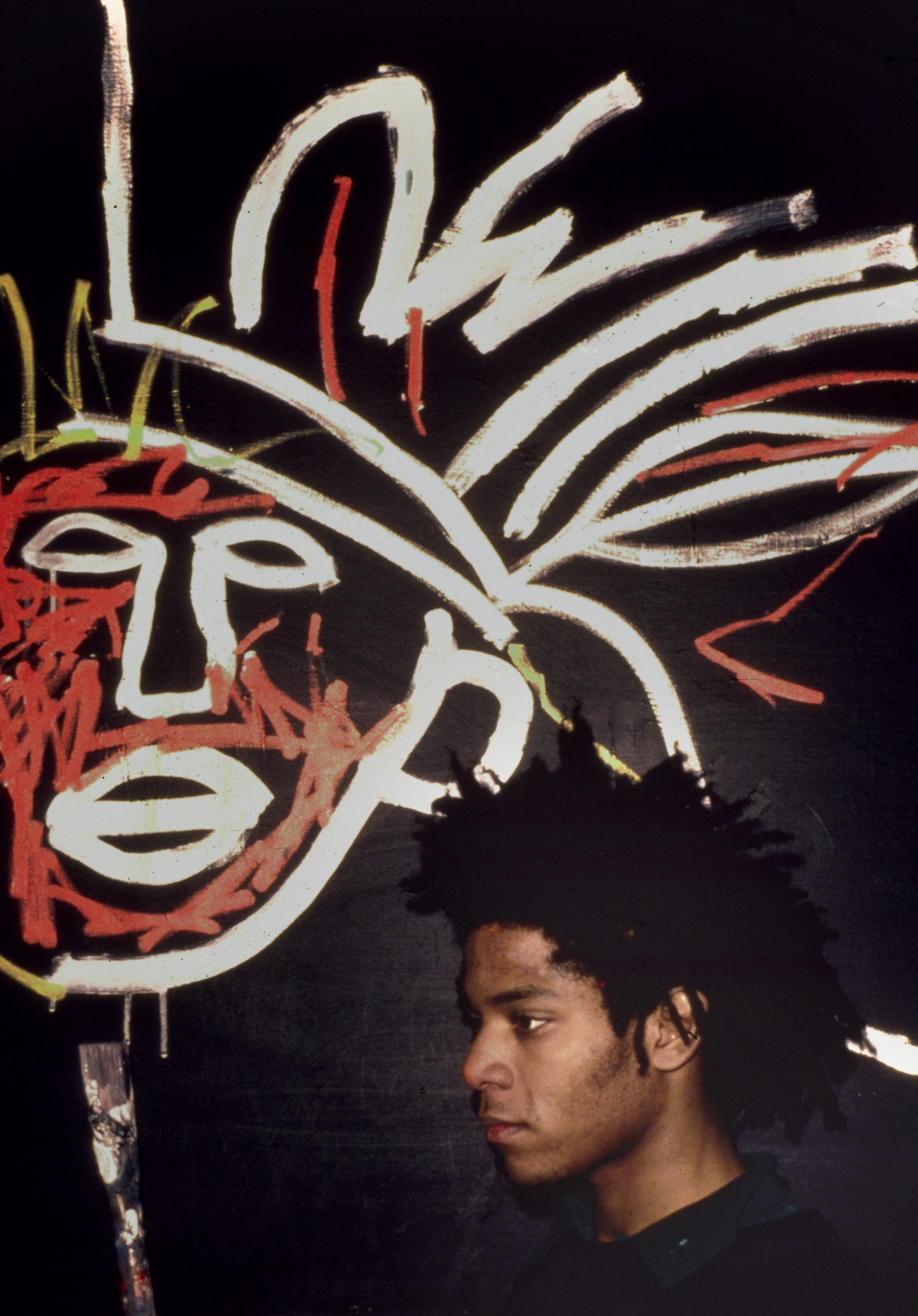
Basquiat’s Former Dealer on the Making of an Art World Icon

Bruno Bischofberger, who served as Jean-Michel Basquiat's exclusive worldwide dealer from 1982 until the artist's death in 1988, reflects on Basquiat's life and legacy in an excerpt from the forthcoming book *Basquiat: The World of Jean-Michel*, published by Assouline. Bischofberger contrasts Basquiat's raw, politically charged approach with Andy Warhol's detached, commercial style, and recounts personal memories of Basquiat's visits to Switzerland, where he absorbed everything from visual art to folk art and design.

Drained, Drowning, and Decay: The Best National Pavilions at the Venice Biennale

The 2026 Venice Biennale is defined by themes of ruin and decay, with standout national pavilions exploring bodily, infrastructural, and archaeological collapse. The Slovenian Pavilion features the Nonument Group repurposing materials from past Biennales into a ruin of a mosque for Bosnian Muslim soldiers from World War I. Syria presents its first national pavilion since the Civil War, with Sara Shamma invoking Palmyra, destroyed by ISIS. Germany's pavilion, titled "Ruin," features works by Henrike Naumann (who died in February) and Sung Tieu, questioning the pavilion's fascist architecture and nationalist residue. The Austrian Pavilion, curated by Florentina Holzinger, offers a visceral performance titled "Sea World." The Biennale is also marked by the abrupt resignation of its five-member jury, who refused to consider nations charged with crimes against humanity, leading to awards being chosen by public vote. Additionally, the main exhibition "In Minor Keys" was affected by the death of its curator, Koyo Kouoh.

Arch Hades Turns a Venetian Palazzo Into an Emotional Landscape

British artist Arch Hades has transformed the Scoletta Battioro e Tiraoro di Venezia, a historic palazzo on Venice's Grand Canal, into an immersive solo exhibition titled “Arch Hades: Return | Ritorno,” timed to the 61st Venice Biennale. The show features site-specific paintings, sculptures, and a soundscape, anchored by the monumental 22-panel painting *Return* (2025), which draws on Greco-Roman sculpture, Symbolism, Surrealism, and Romanticism, and echoes Gustav Klimt's lost “Faculty Paintings.” New works from Hades's “Confessions” series and the mirrored chrome piece *Sphinx* (2026) further explore themes of memory, connection, and existentialism.

Pussy Riot protest at Venice Biennale forces Russian pavilion to briefly close

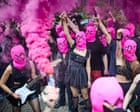
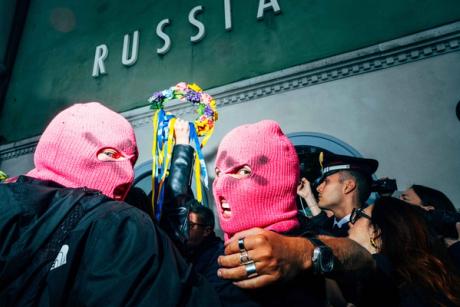
On the second day of the Venice Biennale preview, the activist group Pussy Riot staged a chaotic protest at the Russian pavilion, forcing it to temporarily close. Wearing pink balaclavas and carrying flares, about 40 activists—including members of Femen—gathered outside the pavilion, shouting slogans like "Blood is Russia's Art" and attempting to enter before being pushed back by police. Founding member Nadya Tolokonnikova led the protest, condemning Europe for allowing Russian participation despite the war in Ukraine. Separately, the Art Not Genocide Alliance (Anga) demonstrated outside the Israeli pavilion, which was locked from inside, over Israel's war in Gaza.

Major protests take place at Venice Biennale previews

Major protests erupted during the preview days of the Venice Biennale, with multiple demonstrations targeting the Israeli and Russian pavilions. On Wednesday, the Art Not Genocide Alliance (ANGA) held a large protest outside the temporary Israeli pavilion in the Arsenale, attended by over 200 people calling for its closure. Separately, the Solidarity Drone Chorus performed a sound composition by Gazan artist Ahmed Muin, with 60 artists wearing T-shirts bearing names of artists from Gaza. Meanwhile, Pussy Riot and FEMEN protested Russian participation, forcing the Russian pavilion to shut its doors. These actions follow the resignation of the entire Golden Lion jury days before the opening, after they stated they would not consider pavilions from countries whose leaders are charged with crimes against humanity by the ICC—widely seen as a reference to Russia and Israel.

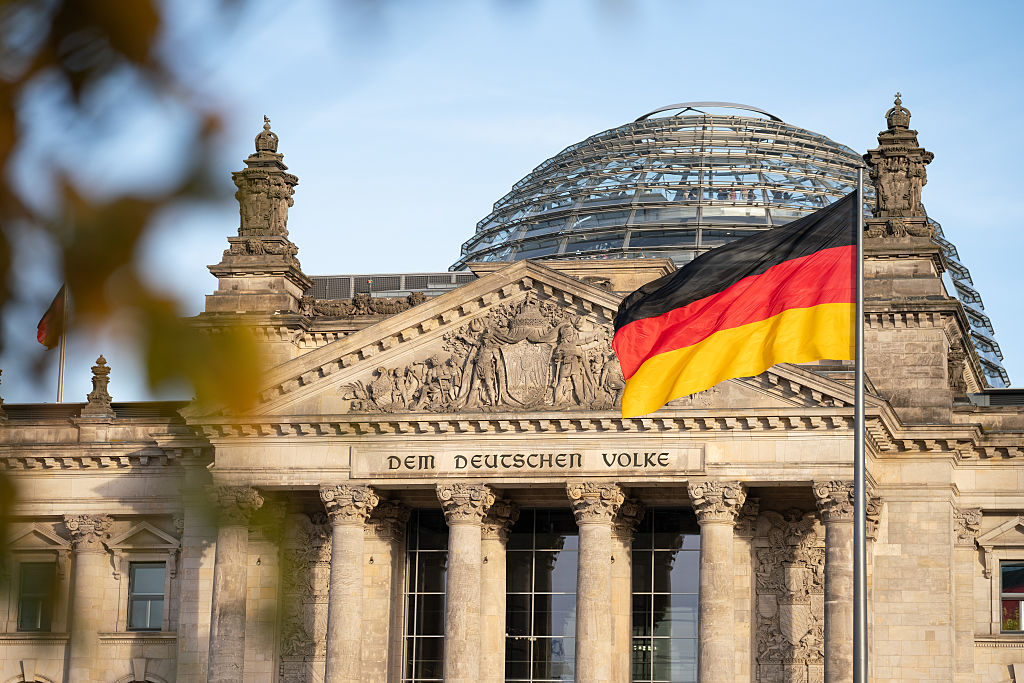
A Pavilion of Ruins: Germany Reconsiders Its Past in Venice

The German Pavilion at the 61st Venice Biennale features a dual presentation exploring the country's layered political history. Artist Sung Tieu has cloaked the pavilion's fascist-era facade with a mosaic reconstruction of a GDR housing estate for Vietnamese contract workers, where she lived as a child. Inside, the late Henrike Naumann's immersive installation 'The Home Front' uses furniture and design to stage a confrontation between East and West German domestic and political ideologies. Naumann died in February 2025 at age 41, but her fully realized concept was completed collaboratively by her partner and curator Kathleen Reinhardt.

Nahmad Seeks to Reopen Modigliani Restitution Case With New Witnesses

David Nahmad's lawyers are asking a New York court to reconsider its April 3 decision in the restitution case over Amedeo Modigliani's *Seated Man with a Cane* (1918), which awarded the painting to the estate of dealer Oscar Stettiner. They cite new eyewitness testimony from Frédéric Allain, who recalls a different Modigliani—smaller, darker, and without a seated man or cane—hidden by the Van der Klip family in Paris during World War II, suggesting the wrong painting may have been the focus of the case. The filing also references a 1946 report describing the missing work as a self-portrait and a new catalogue raisonné by Marc Restellini that finds no link between the painting and Stettiner. Mondex, representing Stettiner's heirs, rejects the claims, asserting that *Seated Man with a Cane* bears Stettiner's name and was in the family's possession from 1944 to 1996.

Treasures From Matthew Perry’s Estate Head to Auction for a Good Cause

Heritage Auctions will sell a trove of artifacts from Matthew Perry's estate starting June 5, including scripts and memorabilia from the sitcom *Friends*, artworks by Banksy and Mel Bochner, and personal items like a 3D portrait of his invented superhero "Mattman." Proceeds benefit the Matthew Perry Foundation, a nonprofit focused on ending addiction stigma and expanding access to evidence-based care, founded after the actor's death in 2023.

‘She had a fresh, informed eye’: mural depicting late Venice Biennale curator Koyo Kouoh displayed in lagoon city

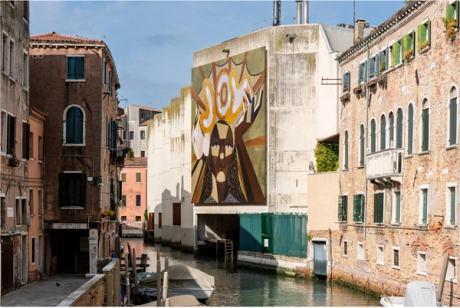
A mural honoring Koyo Kouoh, the late curator of the 2025 Venice Biennale, has been unveiled in Venice. Created by US artist Derrick Adams, the collage titled "Heavy is the head that wears the crown" adorns the facade of the Palazzetto dello sport Giobatta Gianquinto near the Arsenale. Kouoh died on 10 May 2025 at age 57 after a cancer diagnosis. The tribute was organized by curator Francesco Bonami, who had invited Kouoh to join the jury for the 50th Venice Biennale in 2003.

‘We are complicit’: Austrian artist Florentina Holzinger’s immersive Venice Biennale pavilion brings apocalypse to the city

Austrian artist Florentina Holzinger has created 'Seaworld Venice,' an immersive and confrontational installation for the Austrian Pavilion at the 2024 Venice Biennale. The work explores climate change, technology, and a dystopian flooded future, drawing comparisons to the 1995 film 'Waterworld'—though neither Holzinger nor curator Nora-Swantje Almes had seen it. Known for extreme performance art involving nudity, blood, live piercing, and heavy machinery, Holzinger's previous works have caused audience members to faint or require medical treatment. The pavilion marks a significant platform for her radical, hybrid practice that blends theatre, dance, opera, and performance art.

Seen a ghost? The eeriest images from Fotografia Europea – in pictures

Fotografia Europea, the international photography festival in Reggio Emilia, Italy, has opened with 20 exhibitions and related events under the theme 'ghosts of the moment'. The festival features works by artists including Tania Franco Klein, Giulia Vanelli, Felipe Romero Beltrán, and Salvatore Vitale, exploring themes of memory, migration, identity, and the unseen forces shaping contemporary life. The festival runs until 14 June 2026.

Anish Kapoor says US’s ‘politics of hate’ should exclude it from Venice Biennale

Anish Kapoor has called for the United States to be excluded from the Venice Biennale, citing the country's "abhorrent politics of hate" and "incessant warmongering." His comments follow the resignation of the five-member international jury, who stepped down in protest over the inclusion of Israel and Russia. Kapoor praised the jury's decision as "courageous" but argued they should have also targeted the US. The US pavilion, featuring artist Alma Allen and his exhibition "Call Me the Breeze," has faced scrutiny over perceived Trump administration interference and a delayed selection process. Meanwhile, the Israeli and Russian pavilions remain flashpoints, with over 200 participants signing a letter demanding the cancellation of the Israeli pavilion, and the Russian pavilion closed to the public but viewable through windows.

‘In every drop of paint he slurped, you see the Holocaust’: the genius and torments of Georg Baselitz

Georg Baselitz, the German painter and sculptor known for his provocative confrontations with Nazi history, has died. Born in 1938, he was one of the last living artists with direct childhood memories of the Third Reich. His early works, such as *Die große Nacht im Eimer* (1961) and his upside-down German eagles, deliberately shocked postwar West Germany by depicting obscene, shameful images of a society trying to forget the Holocaust. He famously exhibited a zombie Hitler woodcarving at the 1980 Venice Biennale alongside Anselm Kiefer, insisting on confronting rather than ignoring the Nazi heritage of the German Pavilion.

Towering homage to Bamiyan Buddhas rises over Manhattan’s High Line

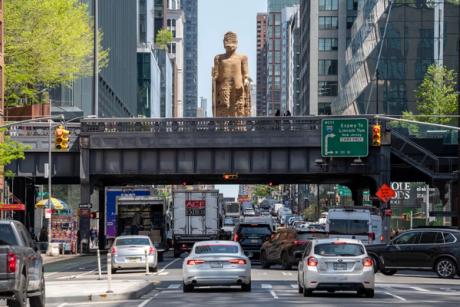
A new public sculpture by Vietnamese American artist Tuan Andrew Nguyen has been installed on the High Line Plinth at Hudson Yards in Manhattan. Titled "The Light That Shines Through the Universe" (2026), the 27-foot-tall sandstone monument pays homage to the Buddhas of Bamiyan, the 6th-century colossi destroyed by the Taliban in 2001. The work features carved sandstone forms with two monumental steel hands cast from melted-down artillery shells sourced from Afghanistan, making gestures of fearlessness and compassion. It will remain on view through autumn 2027 and is accompanied by monthly lectures and meditation sessions.

Christo and Jeanne-Claude’s Iconic California Installation Returns in a Museum Show

The Museum of Sonoma County is commemorating the 50th anniversary of Christo and Jeanne-Claude's iconic 1976 installation "Running Fence" with an exhibition featuring blueprints, original construction materials, and documentary photographs. The temporary work, which stretched nearly 25 miles across Sonoma and Marin counties in California, required four years of negotiations with ranchers, 18 public hearings, and the first-ever Environmental Impact Report for a public artwork, ultimately costing $2.25 million funded by the artists through preparatory drawing sales.

Art for art’s sake, but for people’s health too | Letter

Art Fund director Jenny Waldman responds to a philosophical article about art's intrinsic value, arguing that while art should be enjoyed for its own sake, promoting its measurable health benefits can serve as a crucial entry point for new audiences. She cites the organization's National Art Pass adverts and recent research with King's College London, which demonstrated immediate physiological responses to viewing original art, as tools to invite people who might otherwise feel excluded from cultural institutions.

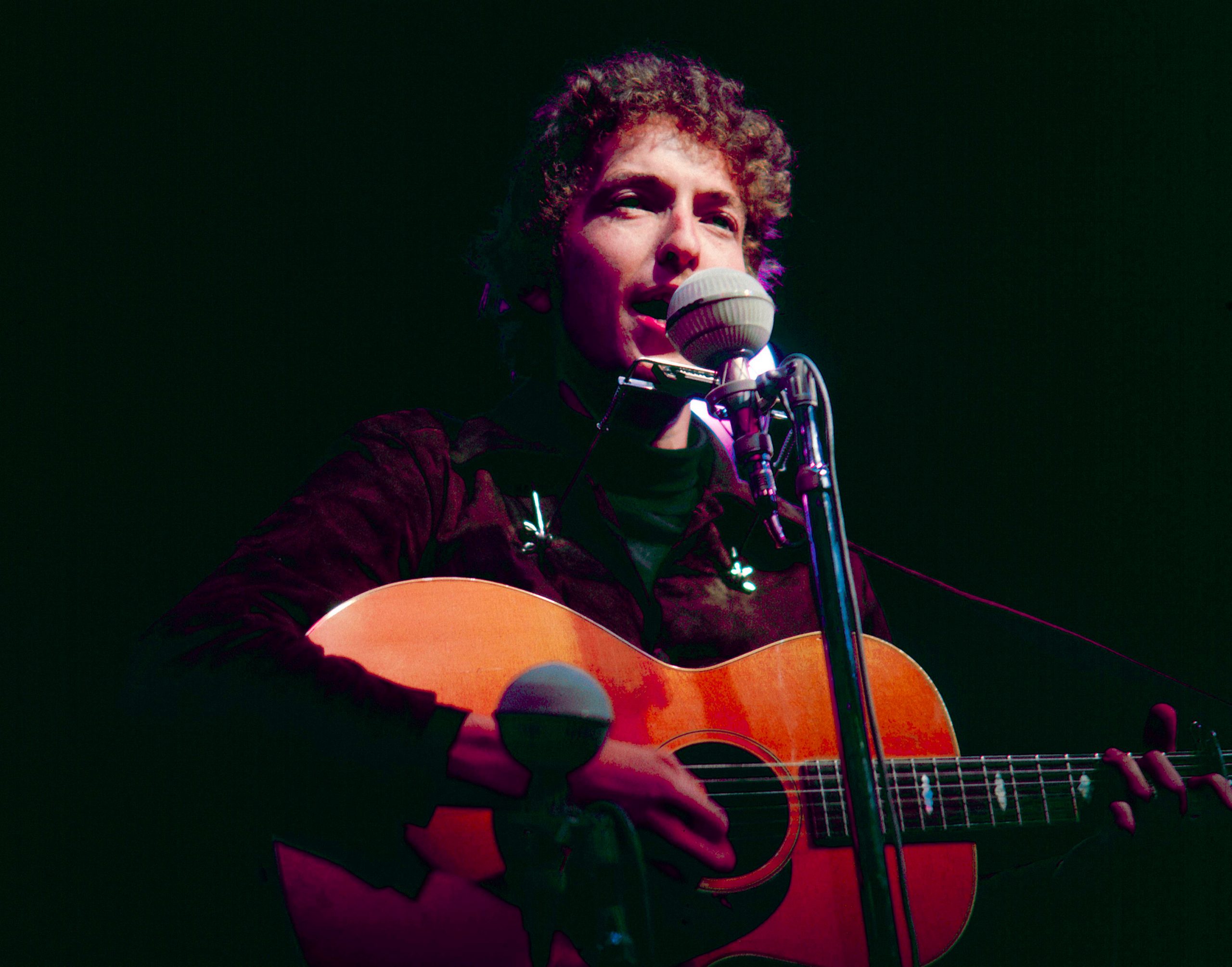
Lost Bob Dylan Lyric Sheet Resurfaces After 60 Years—and Other Rare Finds Heating Up the Market

A rare, typewritten lyric sheet for Bob Dylan’s song “I’m Not There” has resurfaced after being hidden for nearly 60 years inside a first-edition book of poetry by Allen Ginsberg. The document, which was discovered by a book dealer handling the estate of Sally Grossman, is set to be auctioned by Omega Auctions with an estimate of £20,000–£40,000. Other high-profile collectibles hitting the block include Stephen Curry’s game-worn sneakers at Sotheby’s and a signed Albert Einstein etching.

Prominent German Art Foundation Accuses Top Culture Official of ‘Attempted Intimidation’

Jurors from the Kunstfonds Foundation, a major German contemporary art funding body, have accused Minister of State for Culture Wolfram Weimer of attempted intimidation and political interference. The conflict erupted after Weimer requested the names of the independent jury members, a move the foundation views as a threat to artistic freedom. This follows a separate controversy where Weimer reportedly consulted domestic intelligence to exclude bookstores with left-wing leanings from a national award.

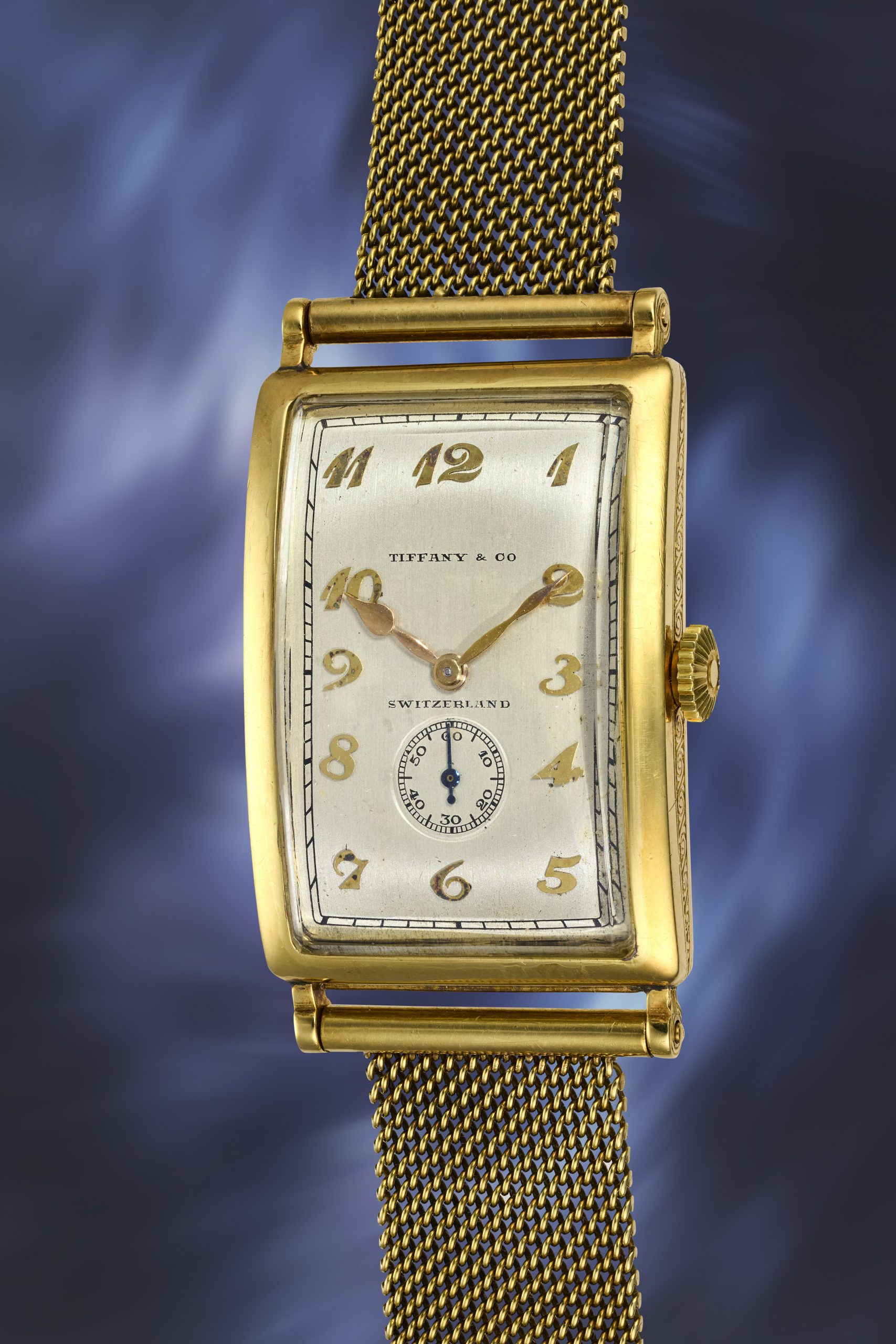
This Watch Witnessed the Rise of the Empire State Building. Now It’s Up for Sale

A rare 1929 Patek Philippe wristwatch, originally owned by Paul Starrett—the chairman of the corporation behind the Empire State Building—is headed to auction at Phillips in New York. The Tiffany & Co. signed timepiece was purchased by Starrett during the construction of the iconic skyscraper and features unique floral engravings alongside his initials. It is expected to fetch between $15,000 and $30,000 during the June sale.

Olafur Eliasson stages public wake for the Great Salt Lake in Utah

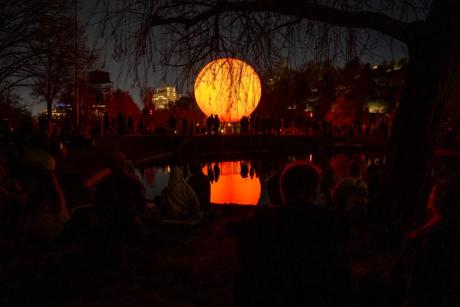
Icelandic-Danish artist Olafur Eliasson presented 'A symphony of disappearing sounds for the Great Salt Lake,' a large-scale multimedia installation in Salt Lake City’s Memory Grove Park. The work featured a three-story luminous sphere projecting visuals of wind currents and geothermal light, accompanied by a soundscape of migratory birds, brine flies, and frogs. Commissioned by the Salt Lake City Arts Council and Bloomberg Philanthropies, the ten-day public event served as a creative wake for the rapidly receding lake.

Lost Cecil Beaton and Lee Miller Photos Turn Up in Old Scrapbook

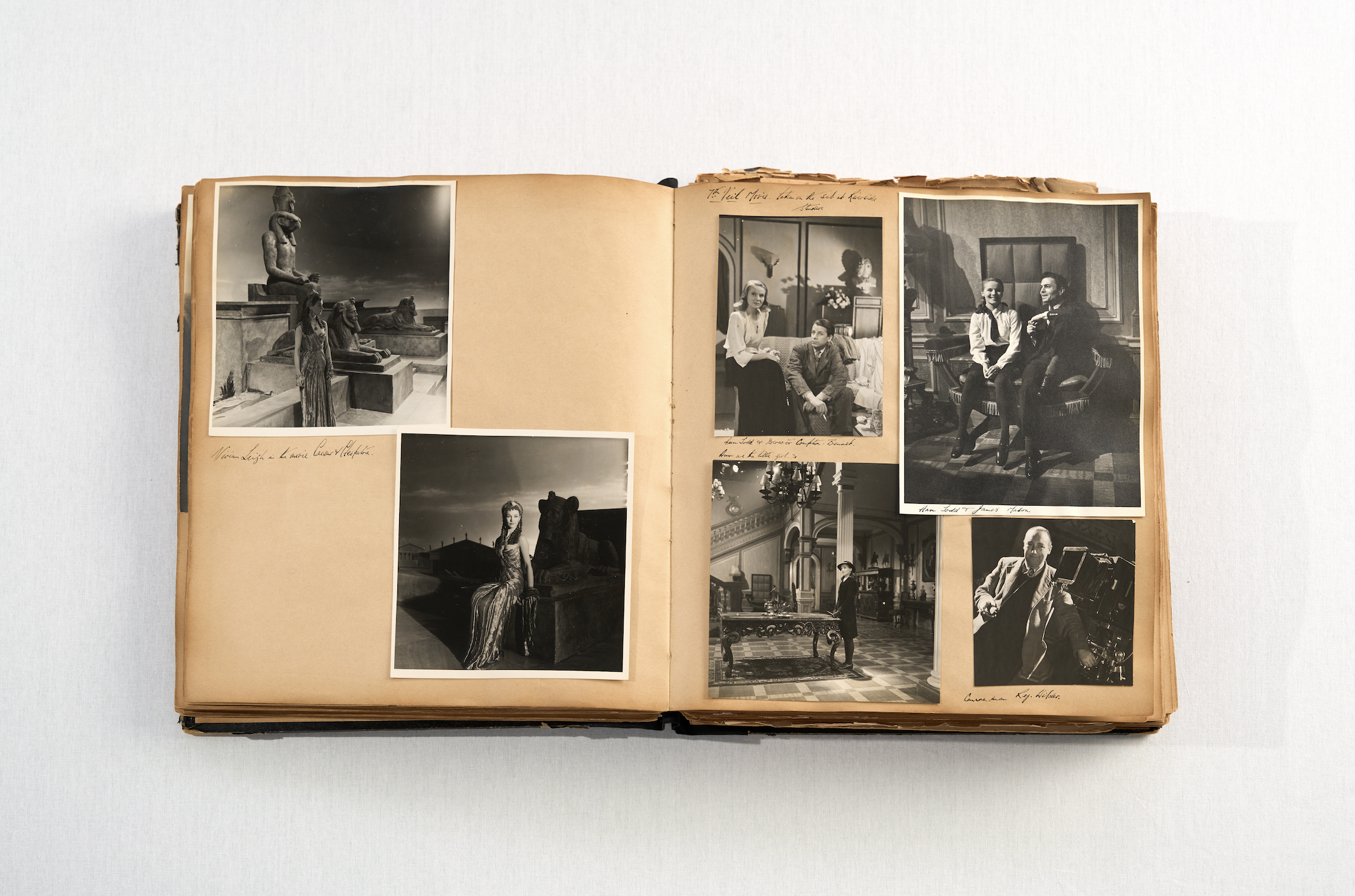
A previously unknown scrapbook containing over 150 unseen photographs by Cecil Beaton and Lee Miller has been acquired by the University of Oxford’s Bodleian Library. Compiled between 1943 and 1949 by Roland Haupt, a darkroom assistant who processed film for both photographers during World War II, the album includes rare war reportage, portraits, and personal mementos. Among the highlights is an unpublished alternative shot of Miller in Adolf Hitler’s bathtub and Surrealist-inflected images of the conflict's aftermath.

‘Even more beautiful than I imagined’: the nifty Japanese printing gadget uniting artists worldwide

Designer Gabriella Marcella has curated a new exhibition at Glasgow’s Glue Factory Galleries celebrating the global community of risograph printing. The show highlights work from her 'Riso Club' initiative, a non-profit program that distributes monthly sets of artist-designed postcards from cities ranging from Kyiv to Damascus. Originally developed in Japan in the 1980s as an affordable office tool, the risograph has been reclaimed by independent creatives for its unique soy-ink aesthetic and tactile, screenprint-like quality.