filter_list Showing 637 results for "Uman" close Clear
search
dashboard All 637 museum exhibitions 383article news 104article culture 44article local 40rate_review review 20trending_up market 19candle obituary 11article policy 8person people 7gavel restitution 1
date_range Range Today This Week This Month All
Subscribe

Exhibition | Kiki Smith, 'Flight' at Galerie Lelong, 13 Rue de Téhéran, Paris, France

Kiki Smith presents her tenth solo exhibition at Galerie Lelong in Paris, titled 'Flight'. The show features bronze sculptures, two large stained-glass windows, drawings, and an imposing print, all exploring themes of continuity and unity across humans, animals, and plants. Birds such as eagles, doves, and owls carry symbolic weight, reflecting the artist's fears, desires, and dreams.

Exhibition | Daniel Arsham, 'Eroded Horizon' at Baró Galeria, Palma, Spain

Baró Galeria presents 'Eroded Horizon', Daniel Arsham's fifth collaboration with the gallery and his second exhibition at its Mallorca location, as part of Art Palma Summer 2026. The show features recent and previously unseen works across sculpture, drawing, and painting, exploring themes of time, decay, and the intersection of body and landscape. Arsham employs materials like marble, sand, bronze, and charcoal to create forms that blend ancient and futuristic aesthetics, continuing his signature fictional archaeology.

Serpentine to stage major solo exhibition by Amar Kanwar

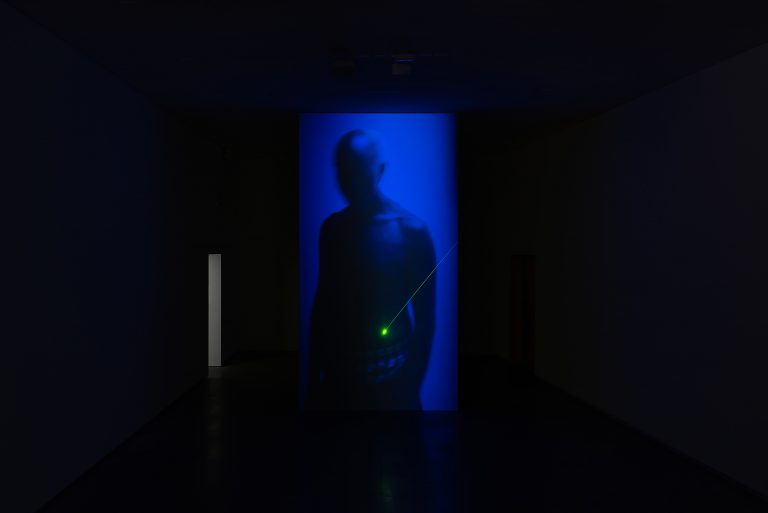
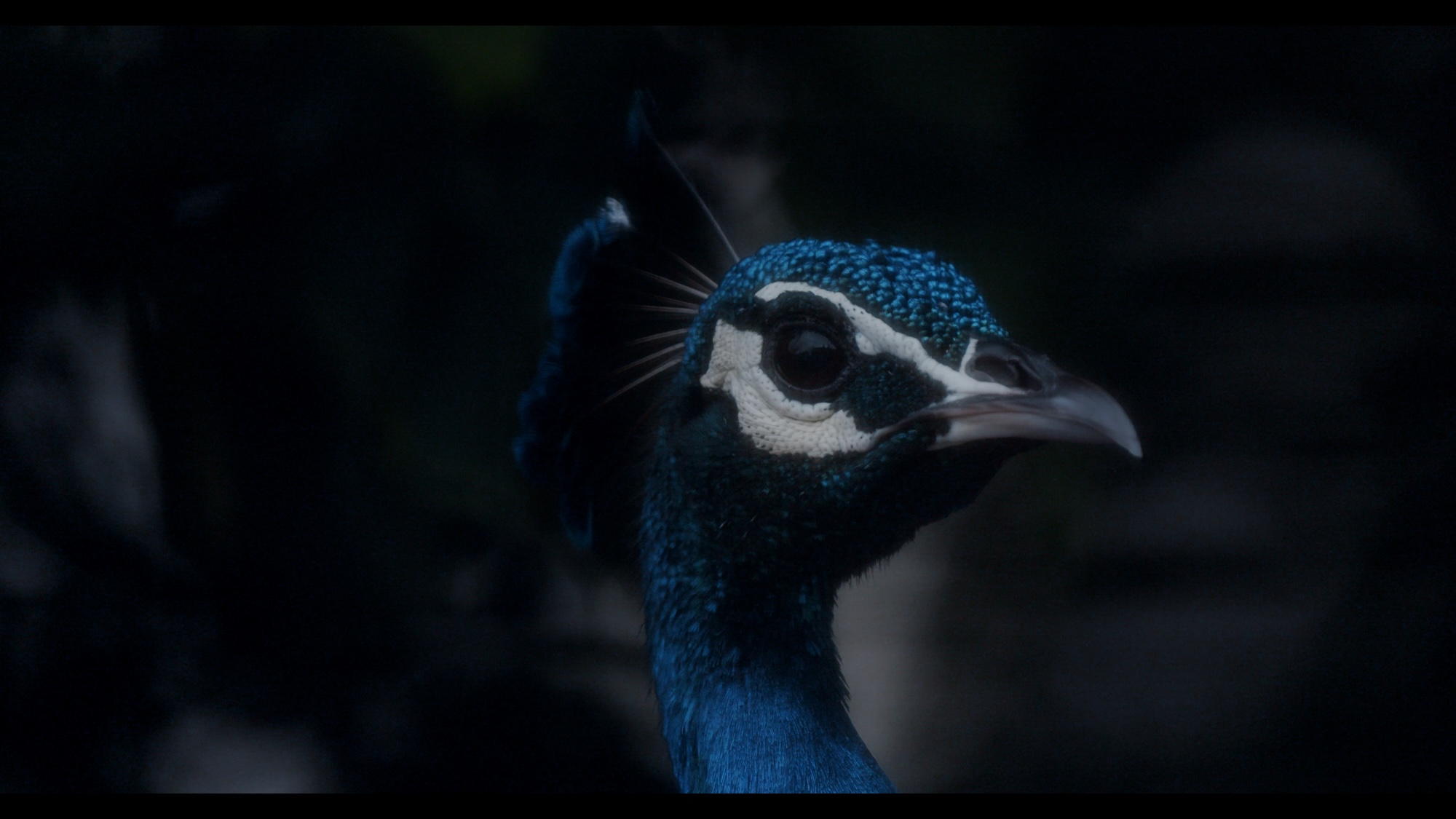
Serpentine has announced a major solo exhibition by Amar Kanwar, opening at Serpentine North on 23 September 2026 and running until 31 January 2027. The show will feature landmark works from Kanwar's career, including the feature-length film *Such a Morning* (2017), the seven-screen installation *The Peacock's Graveyard* (2023), and the world premiere of a new multi-screen work, *The Charcoal Man* (2026), commissioned by Serpentine. Kanwar, based in New Delhi, is known for poetic, politically charged moving-image works that explore decolonisation, the Partition of India and Pakistan, displacement, violence, justice, ecology, and memory.

After the Afterparty: Berlin Art Tests Its Pulse during Gallery Weekend

Gallery Weekend Berlin took place from late April into early May, drawing large crowds despite ongoing concerns about the city's declining art-market relevance. The weekend kicked off with early previews on Wednesday, including Alex Heide's solo exhibition "the darkroom beams horizons" at the new space Klix, and continued with events at Sprüth Magers, the Between Bridges Foundation, and the hidden venue CHB Fine Arts, which featured works by Nairy Baghramian, Jack O'Brien, Sofia Duchovny, Ilya Lipkin, and Mania Godarzani-Bakhtiari. Friday, coinciding with May Day, saw gallery visits at Molitor and KOW, where Ketuta Alexi-Meskhishvili and Candice Breitz presented solo shows.

Ancient Gaza artefacts meet contemporary Palestinian stories in Turin exhibition

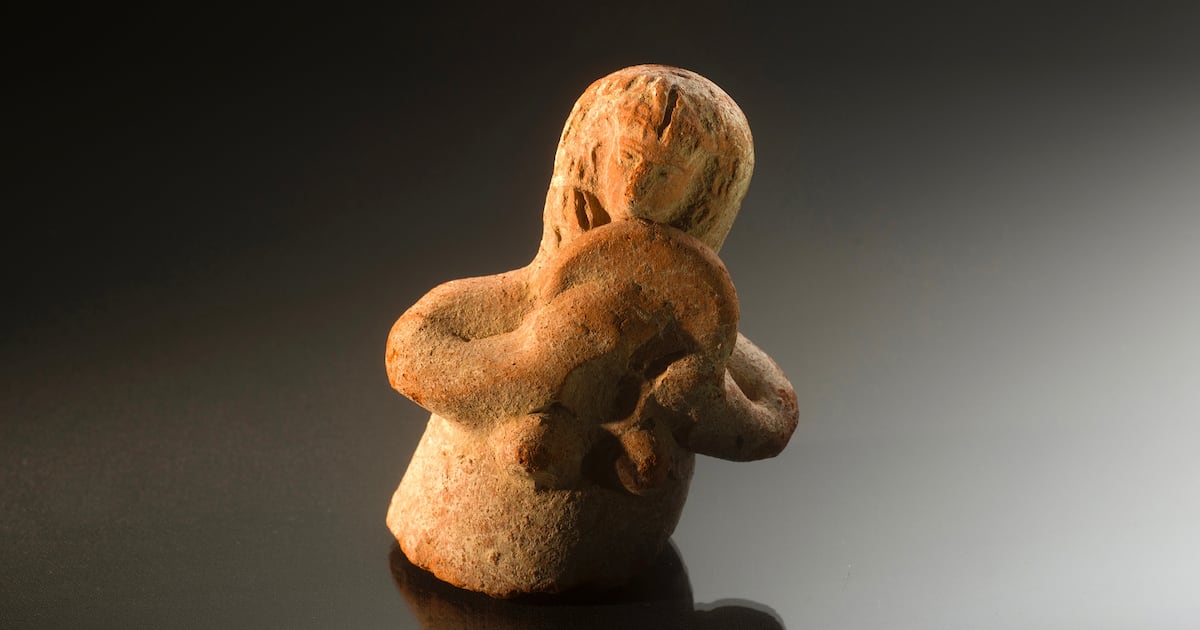
A new exhibition in Turin, Italy, titled "Gaza, The Future Has an Ancient Heart," brings together over 80 ancient artefacts from Palestine with contemporary works by Levantine artists. Organized by Fondazione Merz in collaboration with the Egizio archaeology museum and the MAH – Museum of Art and History Geneva, the show features objects dating from the Bronze Age to the Ottoman period, originally intended for a museum in Palestine but held in Geneva since 2007 due to conflict. Contemporary artists including Mirna Bamieh, Samaa Emad, Khalil Rabah, Vivien Sansour, Wael Shawky, Dima Srouji, and Akram Zaatari contribute works that explore archaeology, history, and memory, with Emad's "Genocide Kitchen" documenting recipes created amid war and shortages in Gaza.

Sebastiaan Bremer: Super Modern Things

Edwynn Houk Gallery presents "Super Modern Things," an exhibition of new works by Sebastiaan Bremer. The artworks blend photography and painting, starting from historical source images such as 17th-century Dutch botanical catalogues and Golden Age still life paintings. Bremer photographs these reproductions and adds ink and acrylic marks—dots, lines, stains, and washes—creating rhythms that evoke language, music, emotion, and constellations. The exhibition continues his long-standing exploration of flowers and the layered histories of still life, addressing themes of beauty, mortality, value, ecology, and global exchange. An accompanying monograph of his flower series is scheduled for Fall 2026.

Exhibition | Mark di Suvero, 'Avanti!' at Paula Cooper Gallery, 534 West 21st Street, New York, United States

Paula Cooper Gallery in New York will present an exhibition of large-scale sculptures and drawings by Mark di Suvero from May 2 through July 17. The show features the debut of the kinetic sculpture 'Avanti!' (c. late 1990s), a human-intervention piece with a suspended beam that viewers can rock with their body weight, alongside the 1986 work 'Nelly' and the stainless steel 'Tables Turn’d' (2004), as well as a selection of works on paper including interactive "sliding drawings."

The New York Historical Celebrates Artist Betye Saar’s 100th Birthday with a New Exhibition Featuring Her Black Doll Collection

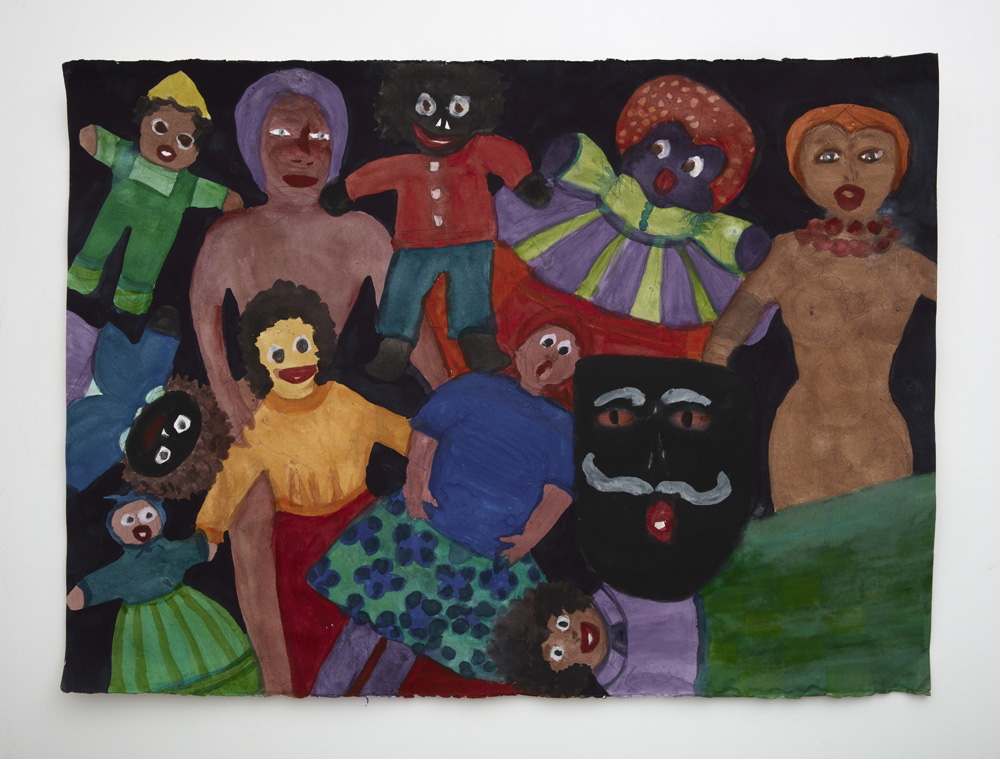
The New York Historical will present "Betye Saar’s Black Dolls" from May 8 to October 4, 2026, celebrating the artist’s 100th birthday. The exhibition features 27 dolls from Saar’s promised gift of over 100 Black dolls to the museum, alongside 15 watercolors and several assemblages, including "Hoo Doo Woman" (1974) and "Indigo Mercy" (1975). Saar, a key figure in the Black Arts and feminist art movements, began collecting Black dolls in the late 1960s after growing up without one.

A $1B Evening With Nicole Kidman

Hyperallergic's newsletter reports on a record-setting $1 billion evening sale at Christie's on May 18, which included works by Jackson Pollock and Constantin Brancusi alongside Hollywood star Nicole Kidman. Other stories cover an exhibition at the DuSable Black History Museum and Education Center celebrating Black American artists in Paris, a painted book cover trend analyzed by Tara Anne Dalbow, a Gaza Square sculpture unveiling in Paterson, New Jersey, and a performance event by Bahar Behbahani on Governors Island.

The Painted Book Cover Is Back

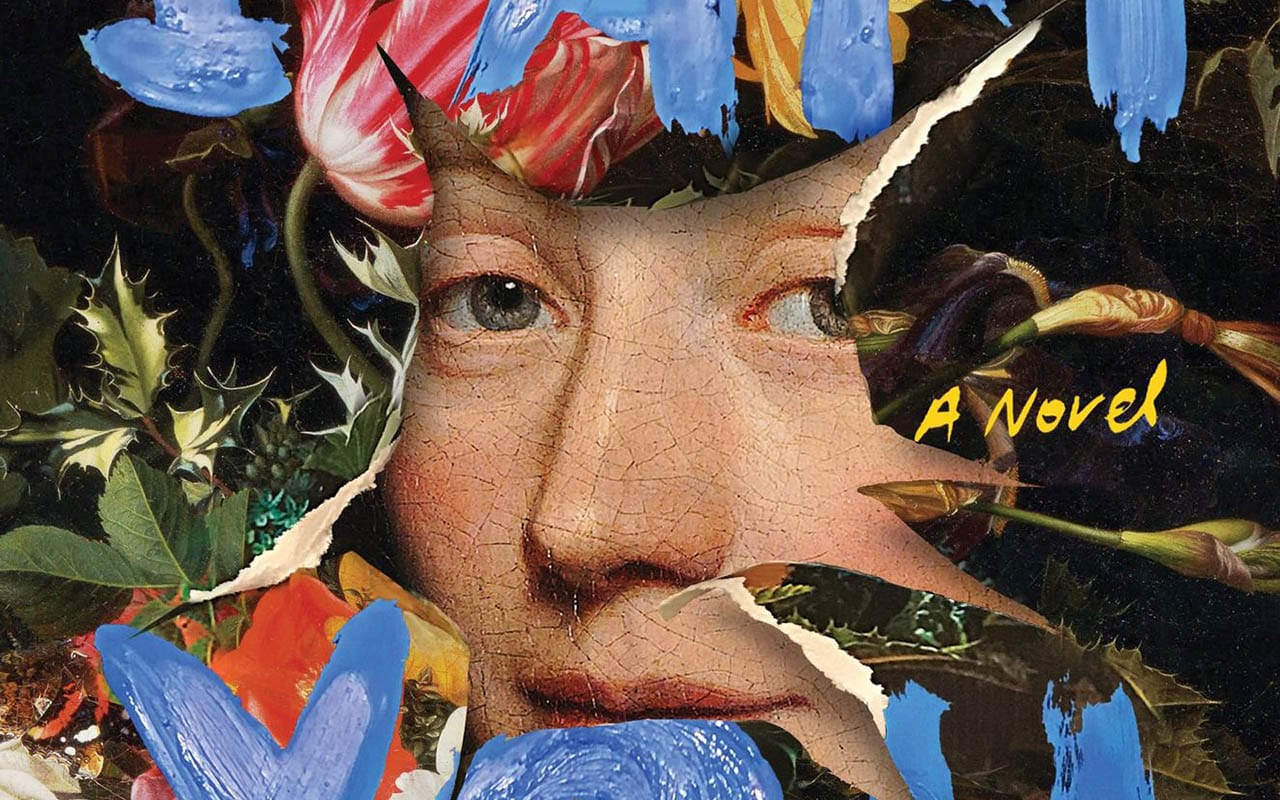
The article reports on a growing trend in book cover design: the use of painted, figurative artwork instead of stock photos or digital renderings. Publishers are increasingly licensing paintings by artists from Hilma af Klint to Shannon Cartier Lucy, seeing them as a way to signal cultural authority and intellectual rigor. The trend is discussed through examples like Victoria Redel's *I Am You* (2025) and Kyung-Ran Jo's *Blowfish* (2025), with insights from LiteraryHub Managing Editor Emily Temple and Astra House publisher Benjamin Schrank.

15 Artists Share the Best Advice They Got From Their Mother

Hyperallergic asked 15 artists to share the best advice they received from their mother or a maternal figure, in honor of Mother's Day. The article features reflections from artists including Pat Oleszko, Maddy Inez, Nathaniel Mary Quinn, and Shahzia Sikander, who recount maternal wisdom ranging from encouragement to pursue art to life lessons about empathy and resilience. Each anecdote is accompanied by images of the artists' works or personal photos.

Pussy Riot and FEMEN Join Forces in Punk Protest in Venice: ‘Russia Kills! Biennale Exhibits!’

On Wednesday morning, Pussy Riot and FEMEN led a protest outside the Russian Pavilion at the 2026 Venice Biennale, chanting slogans like “Russia kills! Biennale exhibits!” and “Blood is Russia’s art!” Dozens of protesters, some in pink balaclavas and others bare-chested with floral crowns, gathered in the Giardini under light rain, carrying guitars and blasting punk rock and hip-hop. The action was organized by Nadya Tolokonnikova and other Pussy Riot members alongside FEMEN, a Ukrainian-founded women’s movement. They released pink, yellow, and blue smoke, and Tolokonnikova criticized the Biennale for allowing Russian participation while artists who oppose the war in Ukraine are imprisoned. She proposed an alternative exhibition, “Resistance Imprisoned,” currently on view in Strasbourg, featuring incarcerated artists.

The Carnegie International Looks Back at Itself

The 58th Carnegie International at the Carnegie Museum of Art in Pittsburgh looks back at its own 130-year history, featuring a gallery dedicated to past iterations. The exhibition includes Chris Ofili's "The Adoration of Captain Shit and the Legend of the Black Stars" (1998), which was originally shown in the 53rd International in 1999, the same year Ofili's more notorious "The Holy Virgin Mary" sparked controversy at the Brooklyn Museum. The article reviews how the current iteration captures the excitement of earlier exhibitions while providing commentary on authoritarianism and militarism.

First US Survey of Mexican Artist Teresa Margolles Coming This Fall

MoMA PS1 in New York City will host the first United States survey of Mexican artist Teresa Margolles this fall. Trained as a forensic pathologist, Margolles creates works using organic and bodily materials from homicide victims, morgues, and crime scenes. The exhibition will feature pieces confronting murder and violence along the US-Mexico border, including a 2026 evolution of her ongoing series "Air" (2003–), where a gallery will be humidified with water carrying degradable material from homicide sites. The Museum of Modern Art will also present a new experiential installation, "Aproximación al lugar de los hechos (Approaching the Scene)" (2026), starting September 17, which drips water carrying evidence of violent death onto heated steel plates.

I’ve Got the Post-Duchamp Blues

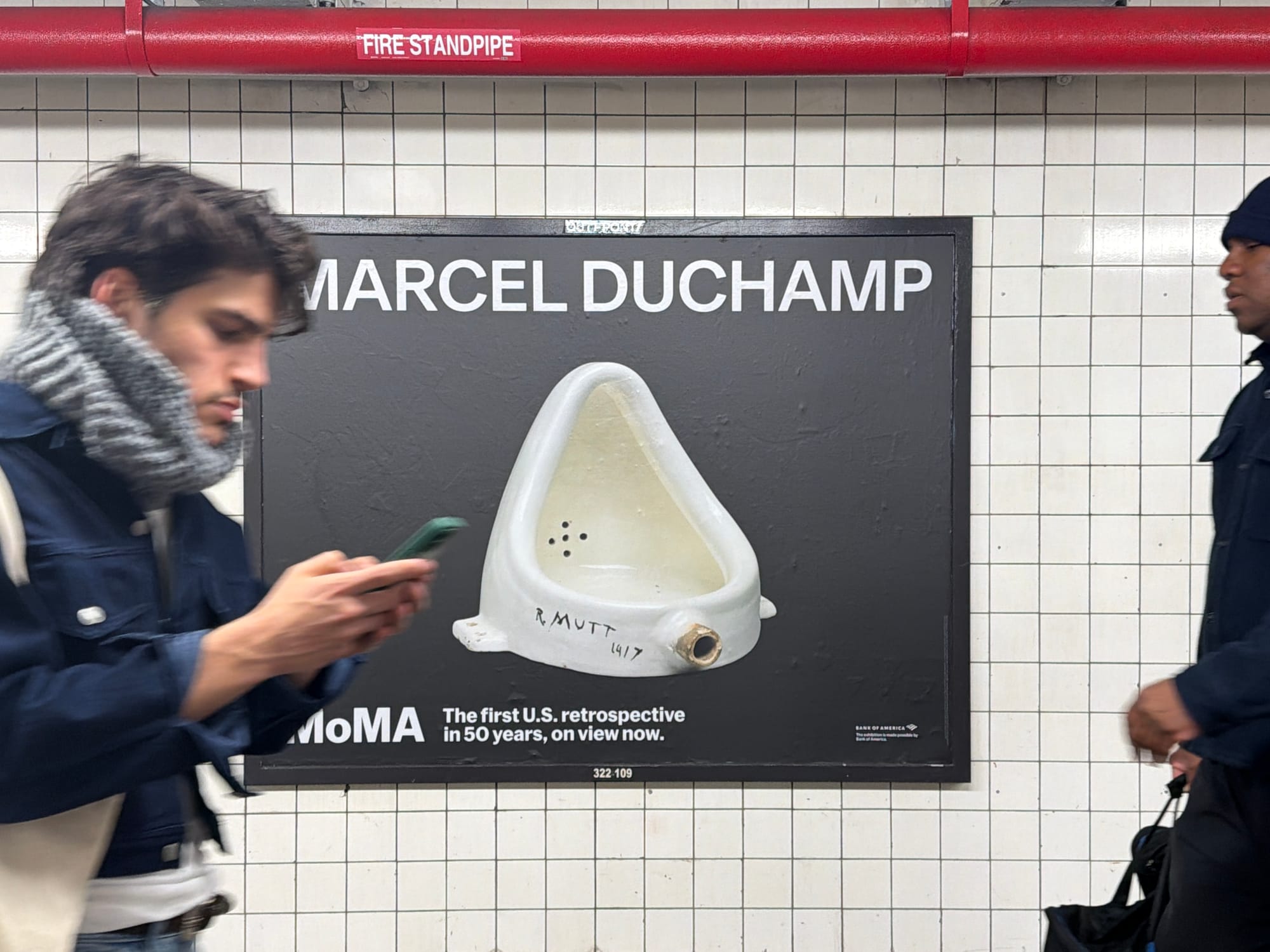
The article is a review of the Marcel Duchamp retrospective at the Museum of Modern Art (MoMA) in New York, the first such show since 1973. Featuring around 300 works from Duchamp's six-decade career, the exhibition includes his iconic readymades like "Fountain" (1917) and early paintings such as "Nude Descending a Staircase, No. 2" (1912). Co-curated by MoMA's Ann Temkin and Michelle Kuo along with Matthew Affron of the Philadelphia Museum of Art, the show runs through August 22, 2026, before traveling to Philadelphia.

May You Live in Less Interesting Times

The international jury for the Venice Biennale has collectively resigned just before the press preview, following their announcement that countries accused of crimes against humanity—specifically Israel and Russia—would be excluded from award consideration. The jurors did not provide an explicit reason for their resignation. Meanwhile, Russia's return to the 61st Venice Biennale will involve workarounds to comply with international sanctions, including restricted pavilion access. The article also highlights a widely-read essay by Hakan Topal on the financialization and 'administrification' of American art schools and academia.

Alice Tippit’s Mischievous Erotics

Alice Tippit's solo exhibition "Rose Obsolete" at the DePaul Art Museum in Chicago features 23 small oil paintings, three murals, a neon sign, word drawings, and a series of 46 notepad drawings. The works toggle between multiple interpretations—snakes and smiles, blouses and pears, curtains and bodies—inviting viewers to see shifting forms like a psychological test. Tippit, born in 1975 near Kansas City and based in Chicago since 2006, paints each oil work in a single day without tape, achieving sharp edges and subtle layering that reward close looking.

Gearing Up for Venice

The 2026 Venice Biennale's awards jury has announced it will not consider artists from countries whose leaders are charged with crimes against humanity by the International Criminal Court, specifically naming Israel and Russia. In other news, satellite imagery confirms Azerbaijan demolished an Armenian church in Artsakh, the World Press Photo of the Year was awarded to Carol Guzy for an image of ICE detaining a father, and Argentine abstract painter Ides Kihlen died at age 108. Hyperallergic also published a guide to the Biennale by Hrag Vartanian and reported on Lynda Roscoe Hartigan's appointment as director of the Smithsonian American Art Museum.

Expanded Vocabulary: Revisiting Deborah Kass’ Studio

The article recounts the author's visit to Deborah Kass's Brooklyn studio, which she shares with her wife, artist Patricia Cronin. The visit was prompted by logistical issues related to the author's exhibition "Social Minimalism" (2025). During the visit, the author and Kass revisited themes central to Kass's work over three decades: the exclusion of women from art history, Jewish identity, queer voice, lesbian subjectivity, and postwar American art. The conversation also touched on Kass's series including the Warhol Project, Feel Good Paintings, No Kidding, and the large painting/sculpture installation "Everybody" (2019), which was recently featured in a conversation between Kass and Titus Kaphar in Interview magazine.

Wem die Glocke schlägt

The Kunsthalle Wien has revived its recurring exhibition format "Lebt und arbeitet in Wien" (Lives and Works in Vienna) for the fifth time since 2000, presenting 56 artists selected from a pool of 700 local practitioners. Curated by Daniel Baumann, Monika Georgieva, and Michelle Cotton, the show spans two venues—the Museumsquartier and Karlsplatz—featuring works in painting, sculpture, installation, film, and video that reflect the city's diverse artistic landscape. The exhibition marks a return after a decade-long hiatus, filling gaps left since the previous edition under the curatorial collective WHW.

Stühle, die zum Reden zwingen

The article examines a peculiar three-seat sofa called the "Indiscret" on display in the Louvre, designed in 19th-century France under Napoleon III to force conversation among sitters. This "Conversation Chair" reflects an era when furniture was deliberately crafted to create social intimacy and control guest behavior, in stark contrast to modern public seating that often discourages lingering through hostile architecture.

Was in den Museen läuft

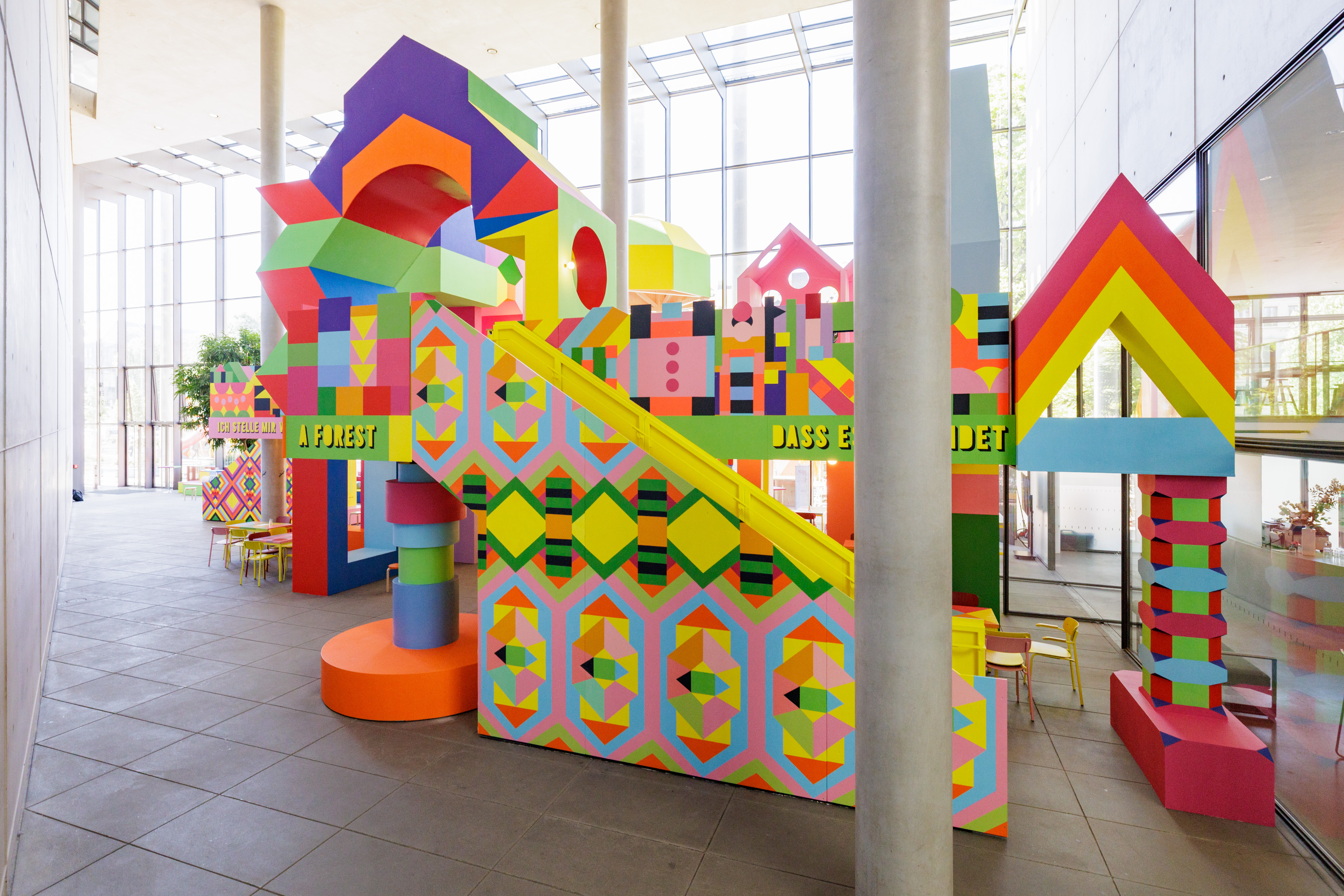
Munich's art festival "Various Others" kicks off this week with major city museums participating. The Pinakothek der Moderne presents "Reflexion," a group show of 100 works across fine art, architecture, graphic design, and design by artists including Isa Genzken, Ludwig Mies van der Rohe, Piet Zwart, and Ettore Sottsass. The Alexander-Tutsek-Stiftung celebrates its 25th anniversary with a glass-focused exhibition featuring Monica Bonvicini, Tony Cragg, and Laure Prouvost. The Villa Stuck reopens after renovation with four shows: Philipp Messner's sculptures, Ilit Azoulay's macro-film installation, a returning Franz von Stuck painting, and Delschad Numan Khorschid and Jan-Hendrik Pelz's migration-themed "Zehn Leben." The Lenbachhaus presents "Ein Ferngespräch. Szenen aus der Weimarer Republik" with works by Jeanne Mammen, Gabriele Münter, and Christian Schad. Museum Brandhorst's "Carrying" addresses the history of the Maxvorstadt art district, once site of a military barracks built by Ottoman prisoners. The Eres Stiftung continues "Seeing the Unseen" on quantum physics. The Flux meeting space, designed by Morag Myerscough, moves indoors at the Pinakothek der Moderne.

10 Highlights You Shouldn't Miss in Venice

10 Highlights, die Sie in Venedig nicht verpassen sollten

The article presents ten must-see highlights of the 61st Venice Biennale, curated by the editors of Monopol magazine. It covers the main exhibition at the Arsenale, national pavilions, and collateral events, including Sandra Knecht's beehouse installation, Isabel Nolan's Irish Pavilion exploring dreams and late medieval humanism, Chiara Camoni's Italian Pavilion blending ceramics and found materials, and Asim Waqif's bamboo construction in the Indian Pavilion. Other featured works include a church filled with surveillance cameras and the new Fondazione Dries Van Noten.

« Caïn » de Fernand Cormon : aux origines de la conscience humaine ?

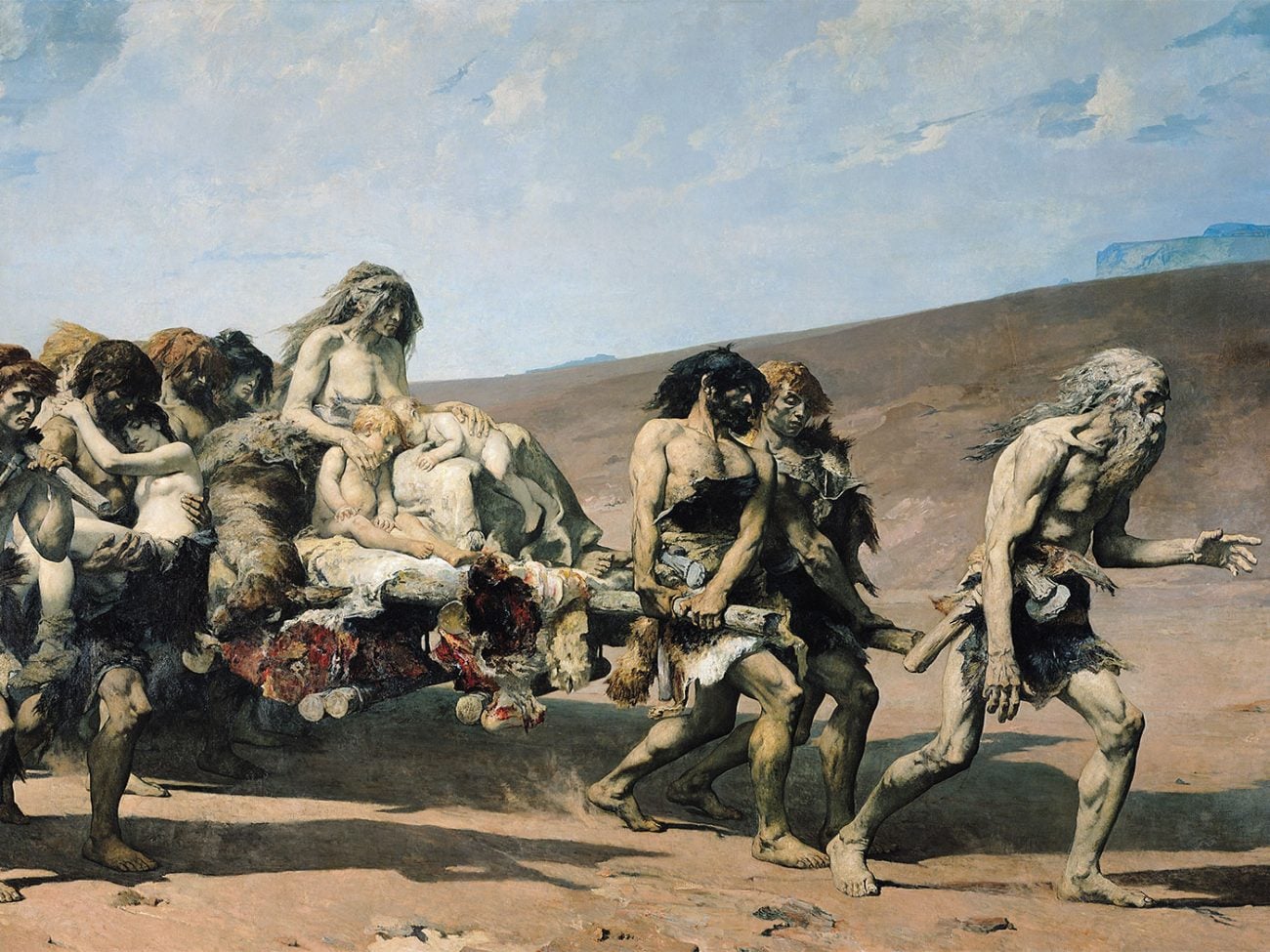
Beaux Arts Magazine analyzes Fernand Cormon's monumental 1880 painting "Caïn," currently held at the Musée d'Orsay. The article describes the scene: a prehistoric, weary clan trudges through a desert, led by a haggard patriarch, with a tired mother on a litter and hunters carrying game. Cormon's work is presented as the antithesis of classical triumph, evoking a melancholic, post-traumatic atmosphere. The painting is linked to the biblical story of Cain, who killed his brother Abel and was condemned to exile, and is accompanied by verses from Victor Hugo's poem "Conscience."

Michelangelo and Rodin as an 'Artistic Couple'

Michel-Ange et Rodin en « couple artistique »

The Louvre Museum in Paris presents a major exhibition pairing Michelangelo and Auguste Rodin as an "artistic couple," curated by Chloé Ariot of the Musée Rodin and Marc Bormand of the Louvre. The show features over 200 works, including three marble sculptures by Michelangelo—the Slaves and a Christ on the Cross—alongside drawings, plaster casts, and works by Rodin such as the monumental Balzac. It also includes pieces by contemporaries and later artists like Joseph Beuys, Jana Sterbak, Giuseppe Penone, and Bruce Nauman to trace the sculptors' shared legacy.

“Grammars of Light” at Astrup Fearnley Museet, Oslo

Astrup Fearnley Museet in Oslo presents "Grammars of Light," a major exhibition featuring immersive works by Cerith Wyn Evans, Ann Lislegaard, and P. Staff. The show includes architecturally scaled video projections and luminous sculptures made from repurposed consumer, medical, and industrial lighting, transforming the museum's galleries into sensory environments that challenge perception.

Robot dogs with Musk and Zuckerberg heads roam around Berlin gallery in Beeple's new exhibit

American artist Beeple (Mike Winkelmann) has installed an interactive piece titled "Regular Animals" at Berlin's Neue Nationalgalerie, featuring robot dogs with hyper-realistic silicone heads modeled after Elon Musk, Mark Zuckerberg, Jeff Bezos, Andy Warhol, Pablo Picasso, and Beeple himself. The dogs roam the gallery and "poo" printed AI-transformed images of their surroundings, with each dog's output reflecting the worldview of its human figure—for example, the Picasso dog produces Cubist-style images. The work, first shown at Art Basel Miami Beach 2025, includes QR codes on prints that grant access to free NFTs.

Whitney Biennial 2026: Care, Catastrophe, and Private Gestures

The Whitney Biennial 2026, the 82nd edition of the longest-running survey of American art, opened with a stripped-down, self-referential title and no subtitle, reflecting a moment of national self-questioning. The exhibition features 56 artists, duos, and collectives, with highlights including Agosto Machado's shrine sculptures dedicated to friends lost to AIDS, Emilie Louise Gossiaux's tender works about her guide dog London, and Michelle Lopez's apocalyptic video projection *Pandemonium*. Machado, a longtime downtown New York artist and caregiver, died shortly after the biennial opened, and his ashes are to be mixed with those of Marsha P. Johnson and spread in the Hudson River.

‘We can all coexist’: artist Es Devlin uses selfies to unite UK in portrait of a nation

Artist Es Devlin has created a new installation at the National Portrait Gallery in London titled 'A National Portrait for the National Portrait Gallery,' made in collaboration with Google Arts & Culture Lab. The work invites people across the UK to upload selfies, which are transformed into charcoal-and-chalk-style portraits using an AI model trained on Devlin's own hand-drawn works. These portraits then appear on a constantly evolving projected carousel, blending and dissolving into one another. Devlin, known for designing visual worlds for Beyoncé, Adele, and the London Olympics closing ceremony, describes the piece as a non-verbal space for coexistence amid national division.

Henrike Naumann Stared Down a Divided Germany’s Past While Eyeing Our Troubled Present

Henrike Naumann, a German artist known for using secondhand furniture and design to explore political extremism and consumer capitalism, is profiled in ARTnews. The article recounts her first US exhibition, “Re-Education” at SculptureCenter in New York in 2022, where she created installations referencing the January 6 Capitol attack, juxtaposing Federal-style office furniture with a Flintstonian mancave and chairs arranged by ideological subtext. The show gained unexpected attention when German media covered it, linking her small hometown of Zwickau with New York, and she later visited Thomas Hart Benton’s murals at the Met to understand American power and aesthetics.