filter_list Showing 619 results for "Uman" close Clear
search
dashboard All 619 museum exhibitions 376article news 99article culture 41article local 40rate_review review 19trending_up market 19candle obituary 11article policy 8person people 5gavel restitution 1
date_range Range Today This Week This Month All
Subscribe

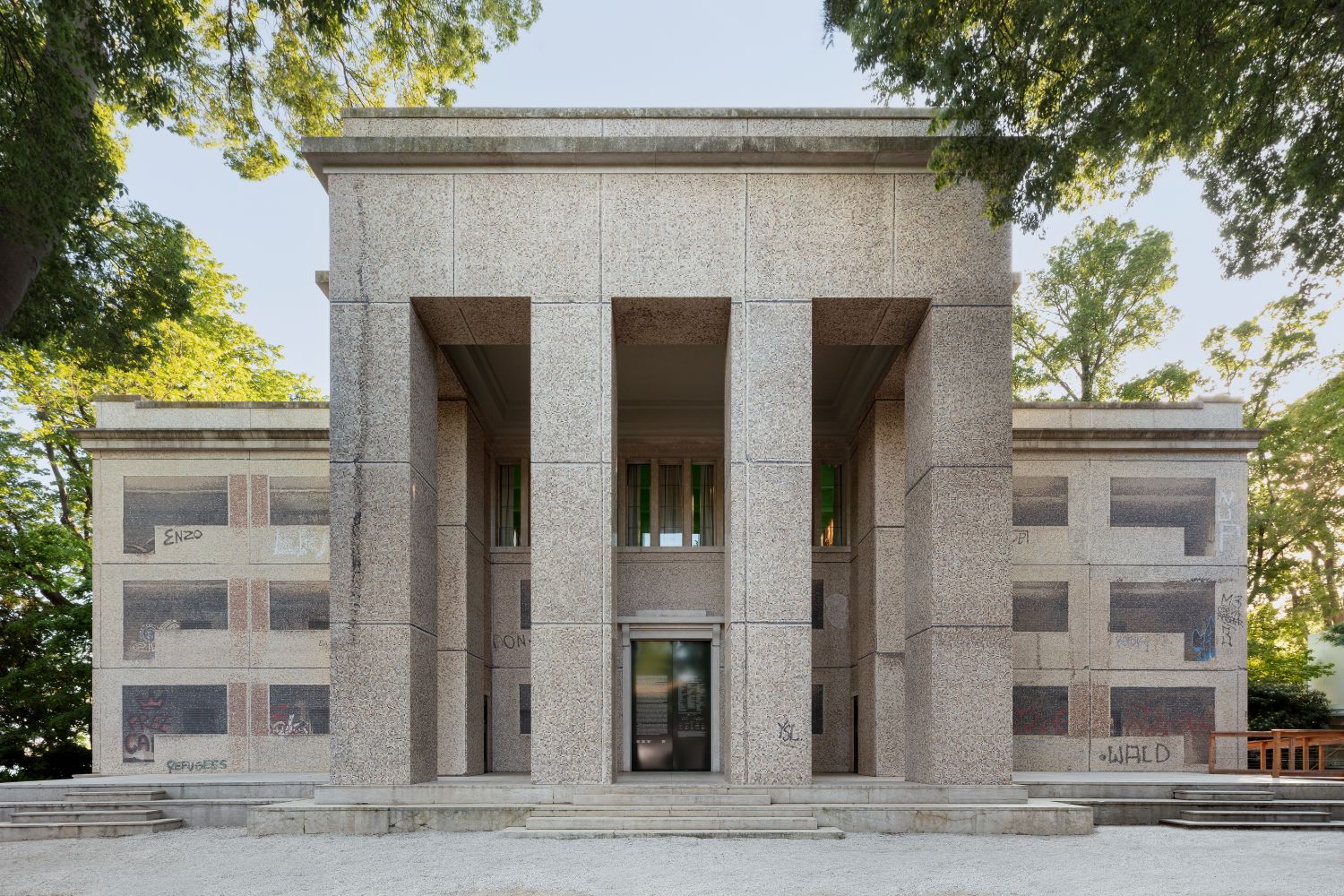
Deutscher Pavillon wird zum Plattenbau

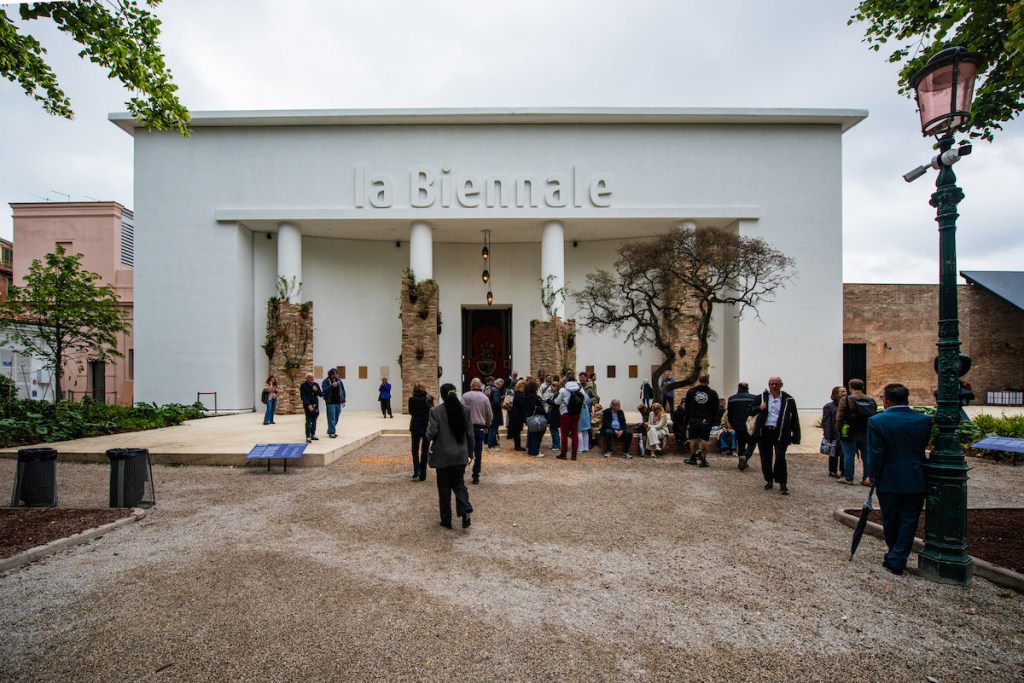
The German Pavilion at the Venice Art Biennale has been transformed into a prefabricated concrete slab building (Plattenbau) for this year's edition, designed by artists Sung Tieu and the late Henrike Naumann, who died suddenly in February at age 41 from cancer. Curator Kathleen Reinhardt described the pavilion as part of a highly political Biennale, with Tieu covering the 1938 fascist-era building with a mosaic of over three million tiles depicting a Berlin apartment block that once housed Vietnamese contract workers. Naumann's interior installation features mint-green references to Soviet barracks in East Germany, a cartography of war, and works including a relief of chairs, a curtain of chainmail, and the performance "Trümmerfrau."

Israeli Pavilion artist issued legal warnings before Biennale jury resignation

Belu-Simion Fainaru, the artist representing Israel at the 2026 Venice Biennale, issued legal warnings to the Biennale, the Italian Ministry of Culture, and the Italian Prime Minister’s office after the Golden Lion jury announced it would not consider pavilions from countries whose leaders are charged with crimes against humanity by the International Criminal Court, including Israel and Russia. Fainaru’s legal threats cited alleged antisemitism and nationality-based discrimination. Shortly after, the Biennale jury resigned, prompting organizers to postpone the awards ceremony to the closing day and replace the Golden and Silver Lions with two 'Visitors’ Lions' voted on by attendees, with all national participations eligible.

Bogna Burska and Daniel Kotowski on Representing Poland at the 61st Venice Biennale

Bogna Burska and Daniel Kotowski, representing Poland at the 61st Venice Biennale, plan to exhibit a project inspired by the Choir in Motion (a phonic/sign-language ensemble of hearing and Deaf people), underwater role reversals, and whale communication. Their work explores alternate forms of communication, Deaf Gain, and the retrieval of voices—both human and non-human—aligning with the Biennale's theme "In Minor Keys." The Polish pavilion is located in the Giardini.

In the new film Nagi Notes, art is a vessel for characters’ desires

Japanese writer-director Koji Fukada's new film *Nagi Notes* premiered on 13 May at the Cannes Film Festival. The story follows Yuri (Shizuka Ishibashi), who visits the remote town of Nagi to sit for a sculptor friend, Yoriko (Takako Matsu). The film explores how characters use art—from drawings to sculptural busts—as a medium to express unspoken desires, grief, and identity, with key scenes set at the Nagi Museum of Contemporary Art featuring a permanent installation by Arakawa and Madeline Gins.

Putin ‘Won’ the Venice Biennale, Quips Italian Culture Minister

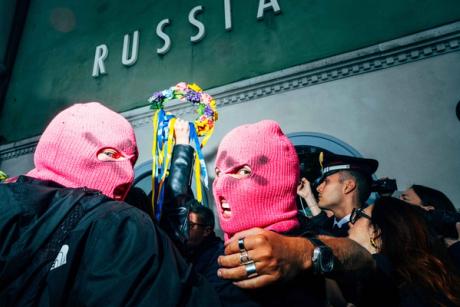
Italian Culture Minister Alessandro Giuli stated that Russian President Vladimir Putin "won" the 2024 Venice Biennale, criticizing Russia's controversial return to the event. Giuli, who repeatedly denounced Russia's presence, told Corriere della Sera that Russian artists in the pavilion cannot express dissent against their regime. The Biennale faced widespread calls to remove Russia, with the EU threatening to withhold a €2 million grant, but organizers argued they lacked legal authority to exclude the country. Protests by Pussy Riot and FEMEN marked the pavilion's opening, while the Biennale's jury resigned en masse after announcing that nations charged with crimes against humanity would be ineligible for Golden Lions.

Venice Biennale Artists Decline Consideration for Golden Lions Chosen by Public Vote

Nearly half of the artists in the main exhibition of the Venice Biennale have signed a statement declining consideration for the Golden Lion awards, in solidarity with the jury that resigned last month. The statement, published by e-flux, includes prominent names such as Alfredo Jaar, Tuan Andrew Nguyen, Otobong Nkanga, and Walid Raad, as well as national pavilion representatives from France, Lithuania, and the Netherlands. The Biennale had planned to replace the jury-selected Golden Lions with "Visitor Lions" decided by public vote, but the artists' refusal marks an unprecedented protest within the exhibition.

At the Venice Biennale, Ukraine’s Pinchuk Art Centre finds fragile moments of joy amid loss

The Pinchuk Art Centre in Kyiv has transformed its Venice Biennale presentation from a glamorous celebration of young artists into a somber exhibition responding to the Russian invasion of Ukraine. This year's show, titled "Still Joy — From Ukraine into the World" (9 May-1 August) at the Palazzo Contarini-Polignac, features works by international artists like Tacita Dean and Julian Charriere alongside Ukrainian artists, as well as testimonials from soldiers collected by former marine Hlib Stryzhko. The exhibition explores how joy can persist amid trauma, with installations including pink scrolls bearing survivors' quotes, light box photographs of bombed interiors with rescued pot plants, and a sculpture of bells with displaced women's fingerprints.

Drained, Drowning, and Decay: The Best National Pavilions at the Venice Biennale

The 2026 Venice Biennale is defined by themes of ruin and decay, with standout national pavilions exploring bodily, infrastructural, and archaeological collapse. The Slovenian Pavilion features the Nonument Group repurposing materials from past Biennales into a ruin of a mosque for Bosnian Muslim soldiers from World War I. Syria presents its first national pavilion since the Civil War, with Sara Shamma invoking Palmyra, destroyed by ISIS. Germany's pavilion, titled "Ruin," features works by Henrike Naumann (who died in February) and Sung Tieu, questioning the pavilion's fascist architecture and nationalist residue. The Austrian Pavilion, curated by Florentina Holzinger, offers a visceral performance titled "Sea World." The Biennale is also marked by the abrupt resignation of its five-member jury, who refused to consider nations charged with crimes against humanity, leading to awards being chosen by public vote. Additionally, the main exhibition "In Minor Keys" was affected by the death of its curator, Koyo Kouoh.

Lithuanian, Latvian, and Estonian Pavilions Stage Pro-Ukraine Procession During Venice Biennale

On May 6, 2026, the Lithuanian, Latvian, and Estonian pavilions at the Venice Biennale organized a procession in solidarity with Ukraine, walking approximately one and a half miles from the Lithuanian Pavilion in the Fucina del Futuro to the Estonian pavilion. The action honored Ukrainian cultural workers creating under war conditions and those who have died. It is one of several political protests at the contentious 2026 Biennale, including demonstrations by Pussy Riot and FEMEN at the Russian pavilion, a "Solidarity Drone Chorus" opposing Israel's inclusion, and a planned 24-hour strike by the Art Not Genocide Alliance.

An Unprecedented 24-Hour Strike Could Upend the Venice Biennale

An unprecedented 24-hour strike is set to interrupt the Venice Biennale's opening week on Friday, May 8, in protest of Israel's participation in the global art event. The action, organized by the activist group Art Not Genocide Alliance (ANGA), follows a letter signed by over 230 Biennale participants demanding Israel's exclusion. The strike has exposed divisions among participants, with some artists and pavilion teams weighing solidarity against the rare opportunity to platform their own political messages. The Slovenian pavilion, represented by Nika Grabar of the Nonument Group, has committed to the strike, while others like Ecuador's Tawna Collective remain undecided, balancing protest with their mission to highlight ecological crises in the Amazon.

Major protests take place at Venice Biennale previews

Major protests erupted during the preview days of the Venice Biennale, with multiple demonstrations targeting the Israeli and Russian pavilions. On Wednesday, the Art Not Genocide Alliance (ANGA) held a large protest outside the temporary Israeli pavilion in the Arsenale, attended by over 200 people calling for its closure. Separately, the Solidarity Drone Chorus performed a sound composition by Gazan artist Ahmed Muin, with 60 artists wearing T-shirts bearing names of artists from Gaza. Meanwhile, Pussy Riot and FEMEN protested Russian participation, forcing the Russian pavilion to shut its doors. These actions follow the resignation of the entire Golden Lion jury days before the opening, after they stated they would not consider pavilions from countries whose leaders are charged with crimes against humanity by the ICC—widely seen as a reference to Russia and Israel.

A Pavilion of Ruins: Germany Reconsiders Its Past in Venice

The German Pavilion at the 61st Venice Biennale features a dual presentation exploring the country's layered political history. Artist Sung Tieu has cloaked the pavilion's fascist-era facade with a mosaic reconstruction of a GDR housing estate for Vietnamese contract workers, where she lived as a child. Inside, the late Henrike Naumann's immersive installation 'The Home Front' uses furniture and design to stage a confrontation between East and West German domestic and political ideologies. Naumann died in February 2025 at age 41, but her fully realized concept was completed collaboratively by her partner and curator Kathleen Reinhardt.

Venice Diary Day 1: At the Giardini, Artists Refuse to Make Fascism Cozy

Henrike Naumann's posthumous installation at the German Pavilion, which retains its 1938 Nazi-era fascist architecture, refuses to make the space 'cozy' by adorning windows with violently ripped domestic fabrics. The 2026 Venice Biennale is the first under president Pietrangelo Buttafuoco, associated with neo-fascist politics, and is overshadowed by controversy over his 'neutrality' policy allowing all countries to participate despite human rights concerns. The exhibition jury initially announced it would not consider pavilions from countries whose leaders are charged with crimes against humanity, then abruptly quit, leaving the situation unresolved. The US Pavilion features unimpressive blobs by Alma Allen, while the Russian Pavilion offers cut flowers and free vodka, and Andreas Angelidakis responds to fascist aesthetics at the Greek Pavilion.

‘It’s a world heritage site, but it’s my home’: the last resident of Casa Milà on life in Gaudí’s masterwork

Ana Viladomiu, a 70-year-old writer, is the last remaining tenant of Antoni Gaudí’s Casa Milà (La Pedrera) in Barcelona, a UNESCO World Heritage site that receives about a million visitors annually. She has lived in the luminous apartment since 1988, originally moving in with her then-husband Fernando Amat, owner of the iconic design store Vinçon. Viladomiu holds a rare renta antigua (fixed-rent contract) that allows her to stay until she or Amat dies, after which the not-for-profit foundation managing the building will take ownership. The rest of the building now houses offices and cultural event spaces.

‘In every drop of paint he slurped, you see the Holocaust’: the genius and torments of Georg Baselitz

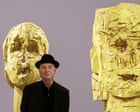
Georg Baselitz, the German painter and sculptor known for his provocative confrontations with Nazi history, has died. Born in 1938, he was one of the last living artists with direct childhood memories of the Third Reich. His early works, such as *Die große Nacht im Eimer* (1961) and his upside-down German eagles, deliberately shocked postwar West Germany by depicting obscene, shameful images of a society trying to forget the Holocaust. He famously exhibited a zombie Hitler woodcarving at the 1980 Venice Biennale alongside Anselm Kiefer, insisting on confronting rather than ignoring the Nazi heritage of the German Pavilion.

Venice Bound? Here’s All the News You Need to Know About This Year’s Biennale

The 61st Venice Biennale is embroiled in geopolitical controversy over Russia's return to the event in 2026, which has sparked widespread backlash. Nearly 10,000 artists and cultural leaders signed an open letter opposing Russia's participation, and the European Union withdrew €2 million in funding for the 2028 edition. Leaked emails reveal Biennale officials worked with Russian pavilion commissioner Anastasia Karneeva to circumvent EU sanctions, while Italy's culture minister Alessandro Giuli plans to boycott the opening week. Meanwhile, activists continue to push for Israel's removal from the Biennale, though Israel will be accommodated in the Arsenale this year.

‘The doorbell went at 5am. Six masked men were outside’: Belarus Free Theatre bring totalitarian terror to the Venice Biennale

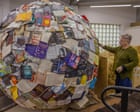
Belarus Free Theatre (BFT), an exiled troupe based in London, is presenting its first major visual art project, titled 'Official. Unofficial. Belarus.', at the Venice Biennale. The installation, masterminded by the founders' daughter Daniella Kaliada, features contributions from former political prisoners, painters, sculptors, composers, and world-renowned chef Rasmus Munk, who created a dish evoking detention under an authoritarian regime. The work includes a giant ball of banned books, surveillance cameras attached to an iron crucifix, and a custom scent of a freshly dug grave, all reflecting the terror of life under Belarusian dictator Alexander Lukashenko.

When archaeology was dominated by men | Letters

A reader named Elke Bachler writes a letter to The Guardian challenging a sentence in a review of Thomas Laqueur's book *The Dog's Gaze*. The review described a prehistoric scene as showing "a boy and a dog" standing together in wonder before cave art. Bachler argues there is no evidence the child was a boy, noting that archaeology has historically been dominated by men who interpreted evidence through contemporary gender roles.

Venice Biennale’s Prize Ban on Israel and Russia Falls Short for Critics

The jury of the 2026 Venice Biennale has ruled that Israel and Russia will be ineligible for the Golden and Silver Lion prizes, citing International Criminal Court charges of crimes against humanity against their leaders. The decision follows years of activism and political pressure, with the European Union withdrawing €2 million in funding from the event in protest of Russia's participation. While groups like Art Not Genocide Alliance praised the move as an unprecedented step, critics argue it falls short of a full ban on participation. Israel's artist representative, Belu-Simion Fainaru, condemned the policy as discriminatory, and an open letter signed by 70 artists and curators called for excluding all regimes committing war crimes, including the United States.

Billboards celebrating peace will arrive in L.A. as part of the Broad's Yoko Ono exhibit

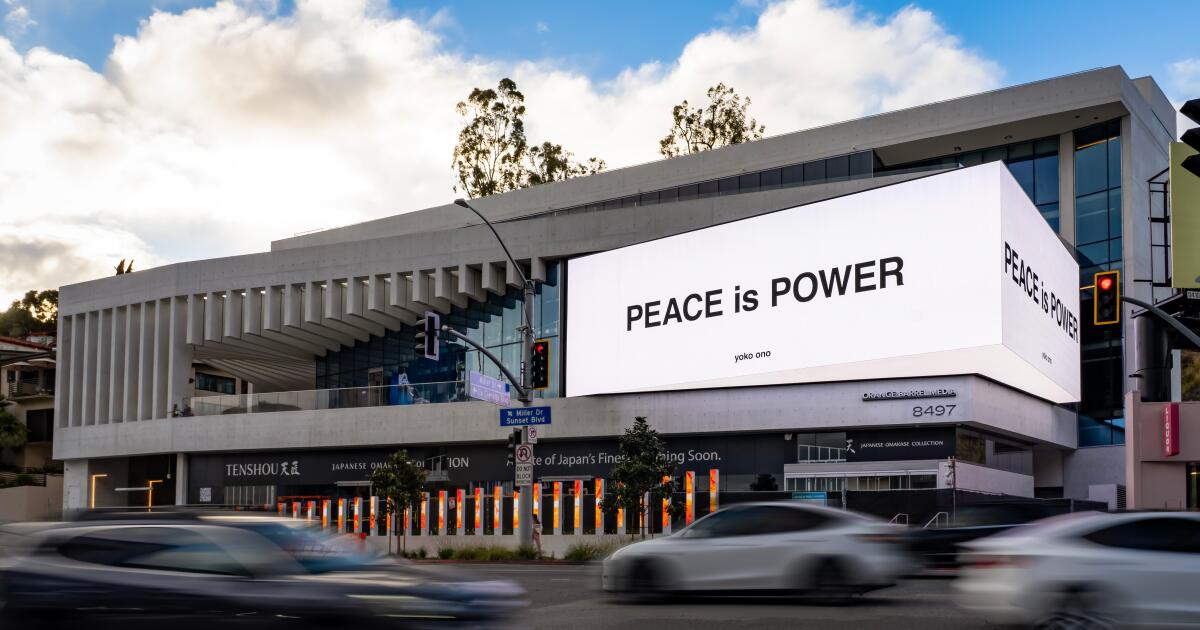
Yoko Ono will install seven digital billboards across Los Angeles bearing peace messages like "THINK PEACE" and "IMAGINE PEACE," as part of her upcoming exhibition "Yoko Ono: Music of the Mind" at the Broad museum opening May 23. The billboards echo her 1969 "WAR IS OVER!" campaign with John Lennon. Ancillary programming includes re-creations of her performance works "Cut Piece" (1964) and "Sky Piece to Jesus Christ" (1965), plus a concert series "Yoko Only" guest-curated by Yuka Honda featuring Yo La Tengo, Nels Cline, Sleater-Kinney, and others.

Experience the Joy of “From MacArthur Park, with Love” at Charles White Elementary School

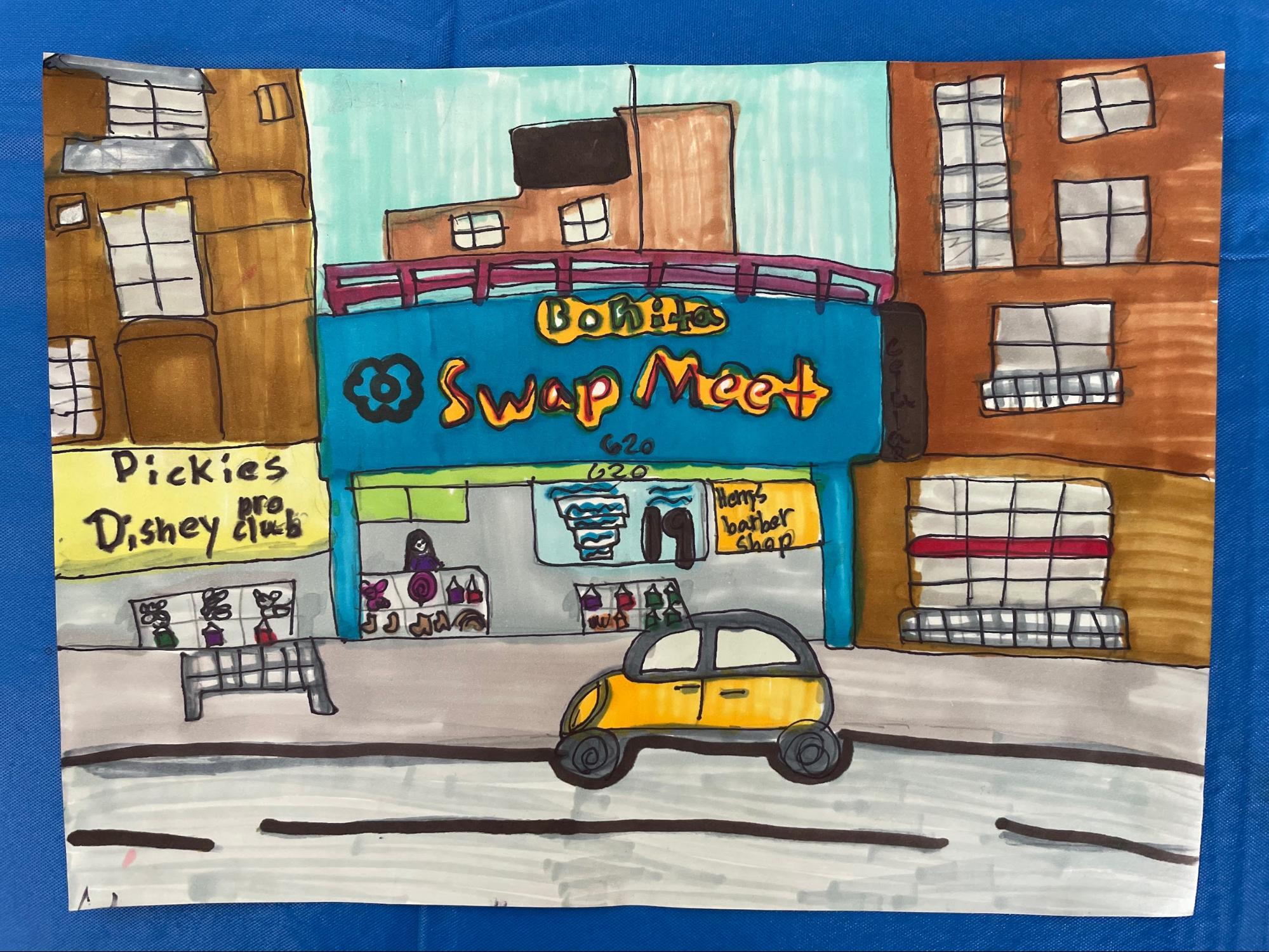
Charles White Elementary School in Los Angeles, in collaboration with LACMA, is presenting the exhibition "From MacArthur Park, with Love" opening May 21, 2025. The show features artworks by over 100 students from the school's Visual Arts Magnet program, celebrating the MacArthur Park neighborhood through diverse media including collaborative diptychs, observational drawings, and paintings of local landmarks and bird species. The exhibition runs Saturdays from May 23 to August 1, with free drop-in art workshops.

Without Consciousness, No Creativity

"Ohne Bewusstsein keine Kreativität"

Matthias Hornschuh, a speaker at the German Creative Economy Summit in Hamburg, discusses artificial intelligence and its impact on art and creativity in an interview with Monopol. He argues that AI systems lack intentionality and true creativity, describing them as "probability-based imitation" rather than genuine creative tools. Hornschuh warns against the hype surrounding AI, noting that efficiency gains are often overstated and that users can become trapped in unproductive interactions with these systems.

Venice Biennale Jury Bars Israel and Russia from Official Prizes

The international jury of the 61st Venice Biennale announced on April 23 that it will not consider the Israeli and Russian pavilions for official prizes, including the Golden Lion for national participation. The five-member, all-women panel—comprising Solange Farkas, Zoe Butt, Elvira Dyangani Ose, Marta Kuzma, and Giovanna Zapperi—said it would exclude countries whose leaders are currently charged with crimes against humanity by the International Criminal Court, a criterion that applies to Israel and Russia due to ICC arrest warrants for Benjamin Netanyahu and Vladimir Putin. The decision comes amid mounting controversy over the Biennale's decision to host both pavilions, with Russia returning after its artists withdrew in 2022 over the Ukraine invasion and Israel reopening after its 2024 pavilion remained closed pending a Gaza ceasefire. The European Commission had also threatened to suspend a €2 million grant over the Russian pavilion's reopening.

81 artists withdraw from Venice Biennale competition

Strike Rocks Venice Biennale Ahead of Public Opening as Pavilions Close

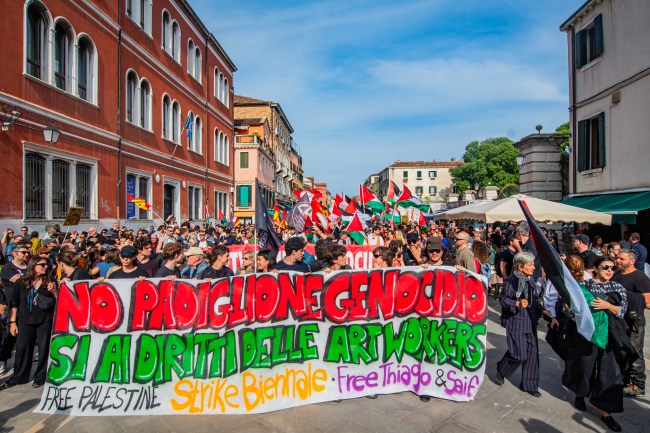
Thousands of protesters marched through Venice to demonstrate against Israel's presence at the Venice Biennale, leading many national pavilions to close in solidarity. Pavilions from Austria, Belgium, Egypt, Japan, the Netherlands, South Korea, and over a dozen other countries shut fully or partially, with some displaying signs reading "We Stand with Palestine." The Israeli pavilion remained closed for its exhibition opening, and armed police clashed with protesters. The main exhibition, curated by Koyo Kouoh, stayed open initially but the Arsenale closed by late afternoon with riot police outside. The 24-hour strike, organized by Art Not Genocide Alliance (ANGA) and Italian activist groups, was described as the largest protest in Biennale history.

Venice Biennale Swamped in Protests Ahead of Planned Strike

The Art Not Genocide Alliance (ANGA) has announced a 24-hour strike for Friday, May 8, coinciding with previews of the 2026 Venice Biennale, alongside a protest rally organized by local group Biennalocene and Italian trade unions. Earlier this week, sixty artists staged a sonic protest at the Giardini entrance to draw attention to the plight of those affected by genocide and war in Palestine and elsewhere. The Latvian pavilion has also encouraged attendees to wear a design by artist Krišs Salmanis reading “Death in Venice – Russia go home!” Meanwhile, dissident artists Pussy Riot stormed the Russian pavilion waving Ukrainian flags, and the entire 2026 Biennale jury resigned after the decision to exclude countries whose leaders are charged with crimes against humanity by the International Criminal Court from competing for top prizes.

Anish Kapoor Condemns Inclusion of US in Venice Biennale

Anish Kapoor has publicly condemned the inclusion of the United States in the upcoming 61st Venice Biennale, calling for its exclusion due to what he describes as the country's 'abhorrent politics of hate and its incessant warmongering.' In an interview with The Guardian, Kapoor praised the five-person jury that resigned en masse after refusing to consider Israel and Russia for the event's top prize, both nations having been accused by the International Criminal Court of crimes against humanity. Kapoor's remarks come amid the ongoing US war with Iran under the Trump administration, and he previously threatened to sue the Trump administration over a photo taken at his Cloud Gate sculpture in Chicago.

Blank Spaces. Sung Tieu by Sarah Johanna Theurer

Sung Tieu's installations, characterized by austere, bureaucratic surfaces, explore the hidden architectures of power embedded in everyday systems. The article examines her series of works that deconstruct administrative forms used in asylum procedures, reducing them to blank spaces and quantified grids to expose how institutional power operates through seemingly neutral documents. Her exhibition "In Cold Print" at Nottingham Contemporary physically manifests these themes by using steel fences to control viewer movement, drawing direct parallels between minimalist sculpture and the dehumanizing design of border controls.

Jean-Michel Basquiat | FAE Musée d'Art Contemporain (Sans titre) (Untitled) (1993) | For Sale

An extremely rare original 1993 exhibition poster for a posthumous Jean-Michel Basquiat solo show at FAE Musée d'Art Contemporain in Pully-Lausanne, Switzerland is being offered for sale by Graves International Art. The offset-lithograph poster, featuring Basquiat's untitled 1982 painting, was designed by Pierre Neumann and comes from a private collection in Hamburg, Germany. The listing notes that no other example of this poster has appeared on the secondary market or at auction before, and it is issued unsigned and posthumous.

È morto Bruno Bischofberger, il gallerista e collezionista svizzero che fece lavorare assieme Warhol e Basquiat

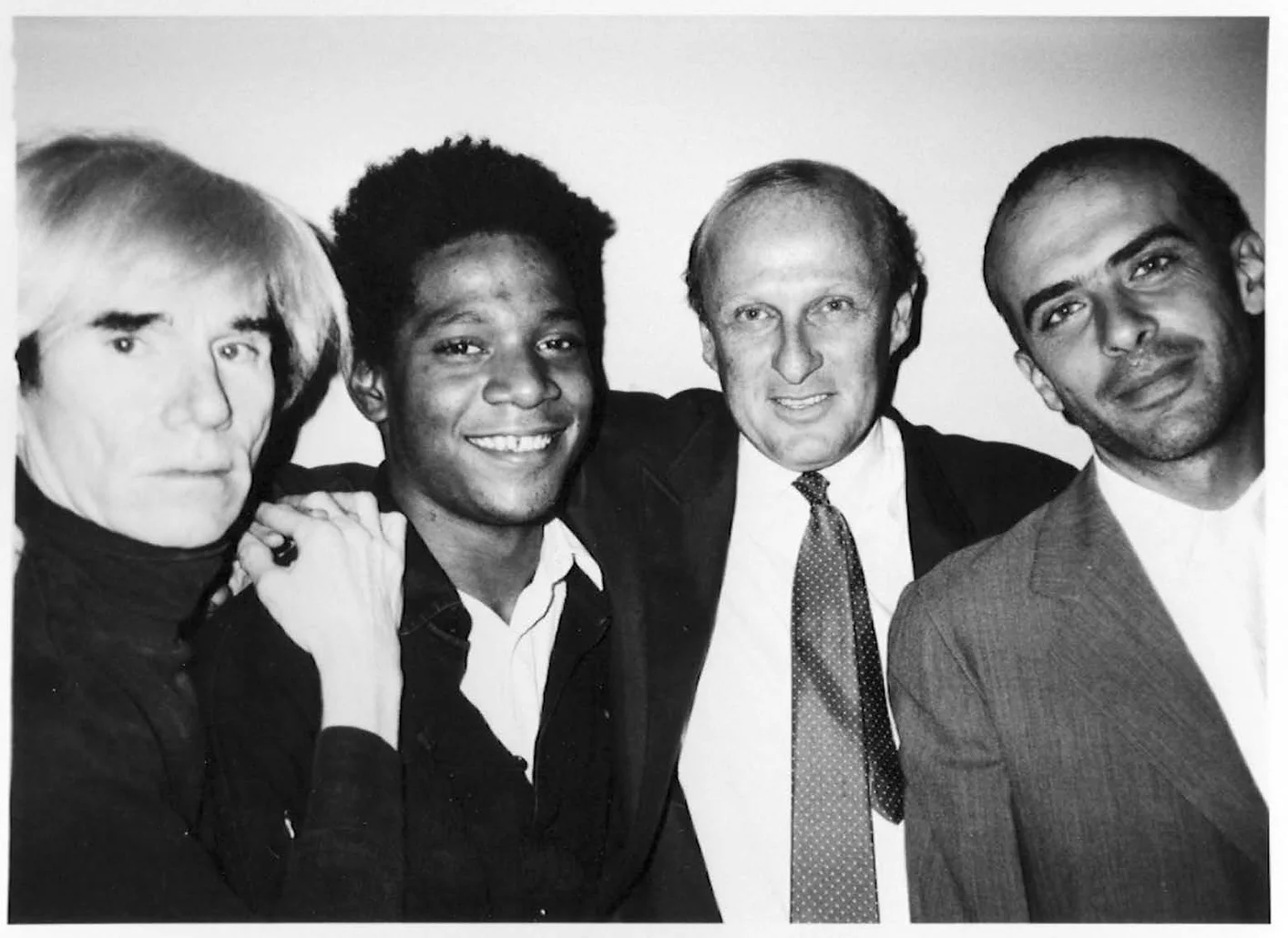
Bruno Bischofberger, the influential Swiss gallerist and collector, has died at age 86. A pivotal figure in the contemporary art market, he opened his first gallery in Zurich in 1963 and was instrumental in introducing American Pop Art to Europe, exhibiting Warhol, Lichtenstein, and Rauschenberg. He later championed Minimalism, Land Art, and Neo-Expressionism, representing artists like Sol LeWitt, Donald Judd, and Francesco Clemente. Most famously, Bischofberger discovered Jean-Michel Basquiat in 1981 and orchestrated the legendary collaboration between Warhol, Basquiat, and Clemente. His close relationship with Warhol included a first-refusal agreement on future works and the suggestion of standardized portrait commissions that became Warhol's primary income source.