filter_list Showing 145 results for "cultural policy" close Clear
search
dashboard All 145 article policy 97article news 23person people 7museum exhibitions 5article culture 5article local 3gavel restitution 2rate_review review 1trending_up market 1candle obituary 1
date_range Range Today This Week This Month All
Subscribe

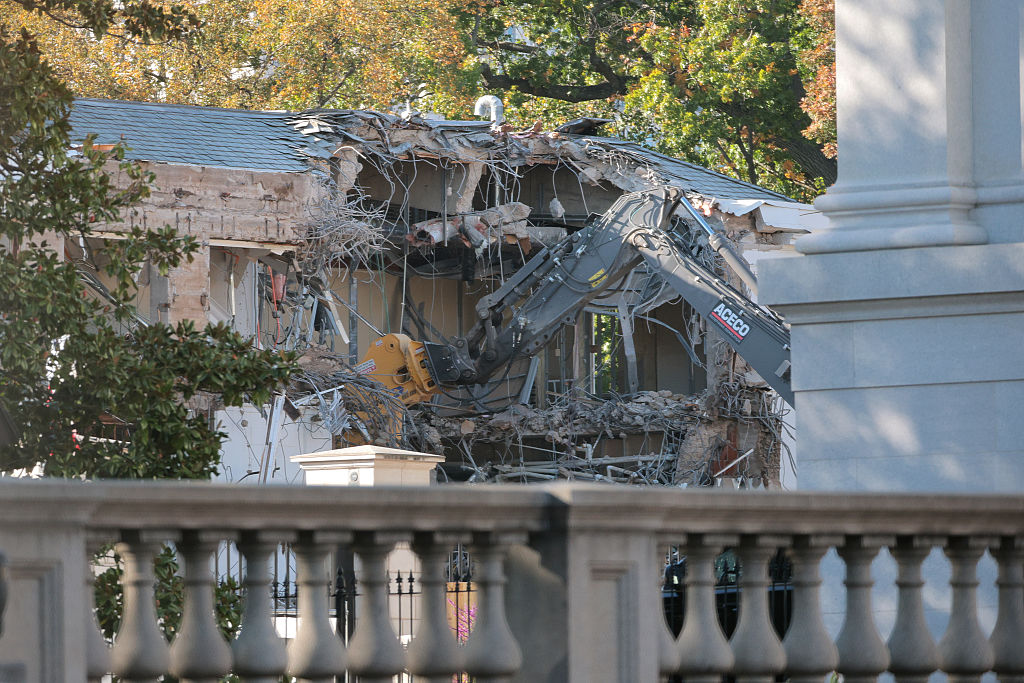
trump demolishes east wing of the white house

President Donald Trump has demolished a portion of the East Wing of the White House to build a 90,000-square-foot ballroom, despite earlier claims that the addition would not impact the historic structure. The demolition began on October 20, with a backhoe tearing through the East Wing to make way for a ballroom that will nearly double the size of the main building and accommodate 650 people. The $250 million project, which Trump says is privately funded, marks one of the most significant changes to the White House in over a century.
Finland’s political leadership to retract from Venice Biennale over Russian Pavilion

Finland's Minister of Science and Culture, Mari-Leena Talvitie, announced that the country's political leadership will not participate in the upcoming Venice Biennale if Russia's national pavilion is allowed to take part. This decision follows a joint letter signed by Talvitie and 21 other European ministers in March, which deemed Russia's return to the Biennale since its 2022 invasion of Ukraine as 'unacceptable'. Finnish public officials and cultural representatives, however, will still attend to support Finnish artists.

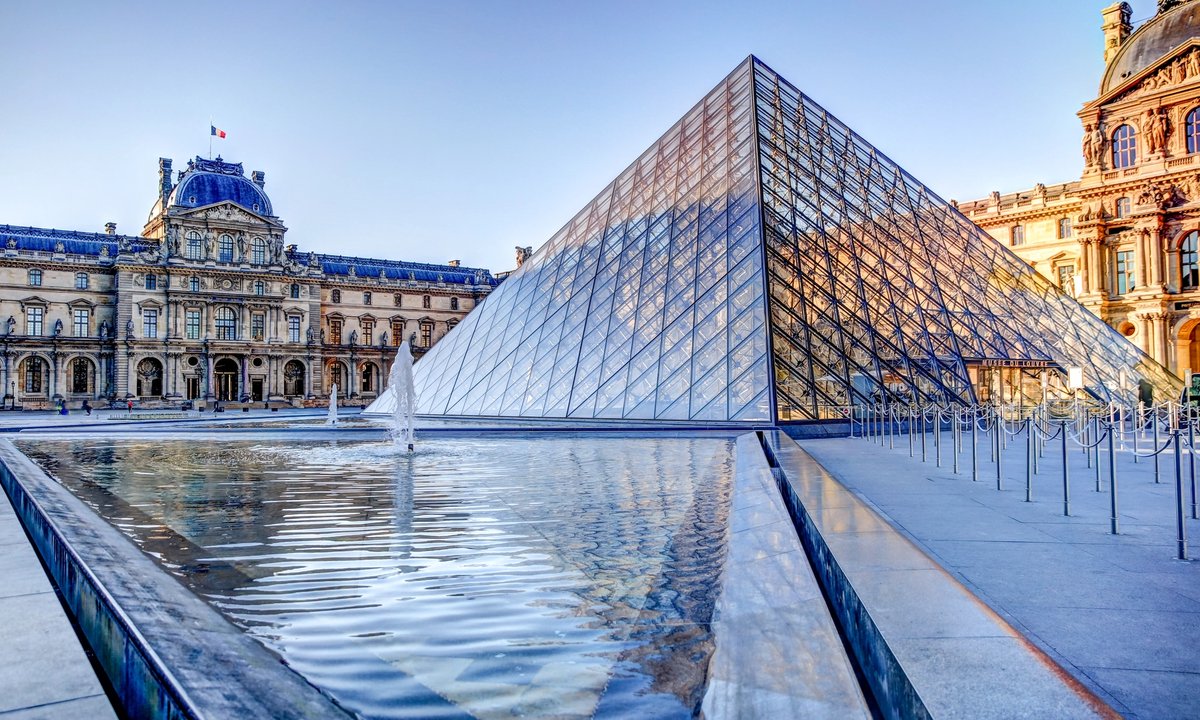
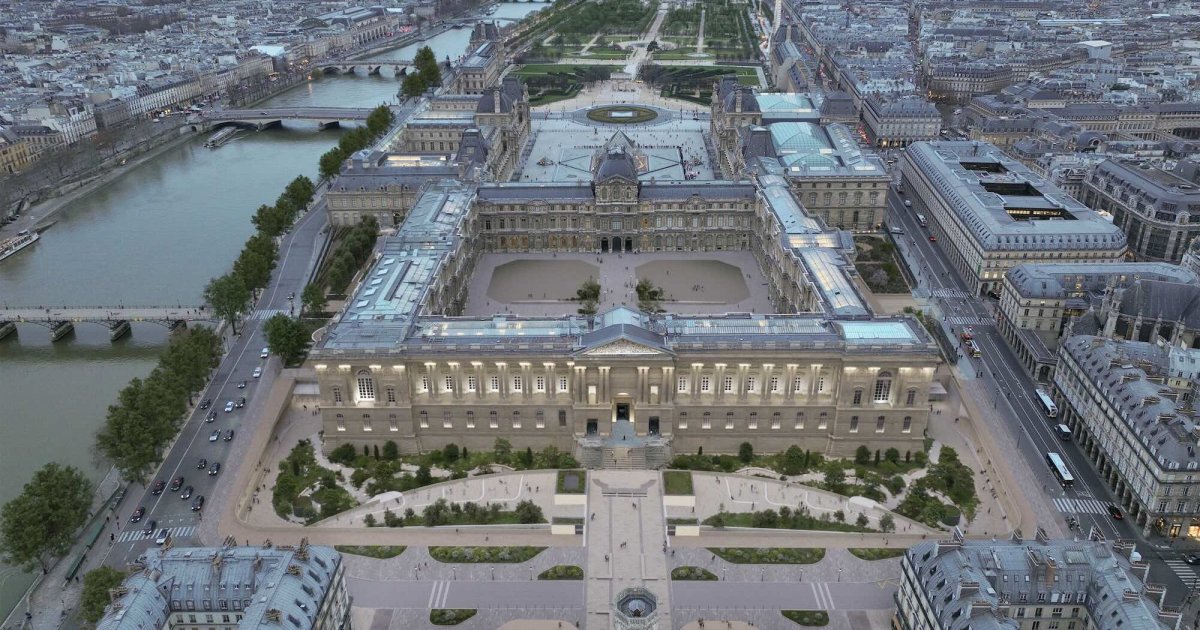
The appalling mediocrity of the chosen project for the 'Grande Colonnade' of the Louvre

L'effarante médiocrité du projet retenu pour la « Grande Colonnade » du Louvre

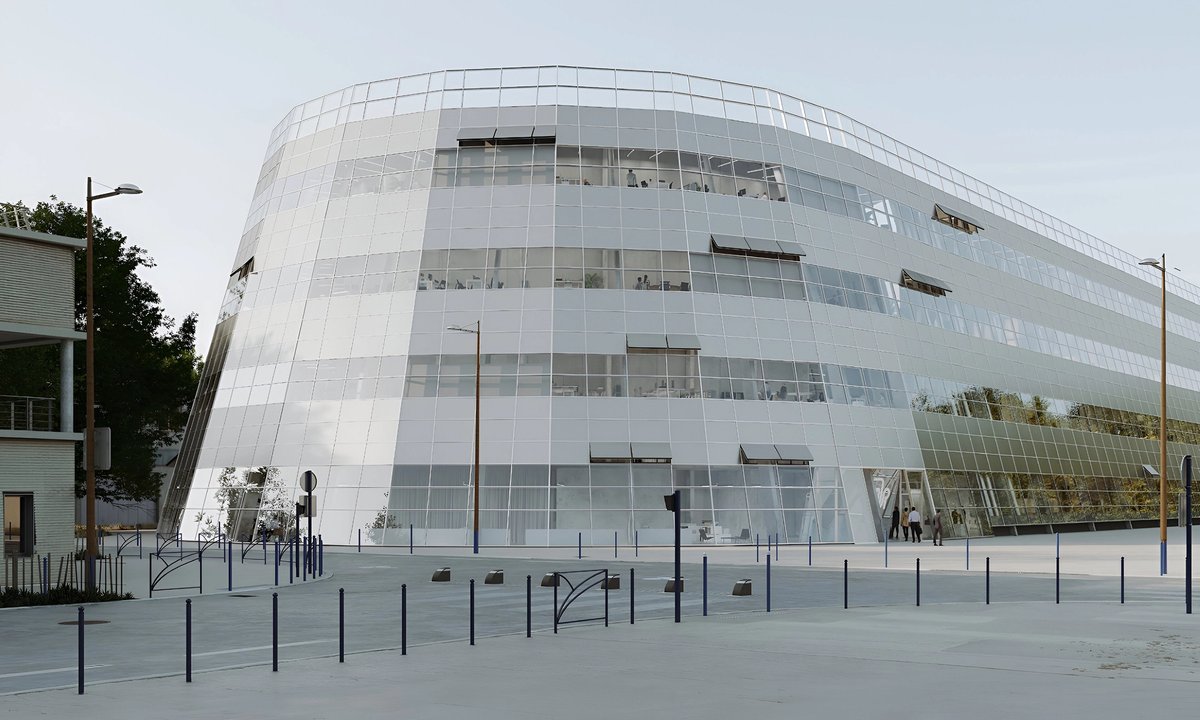
The French Ministry of Culture has announced the winning team for the 'Grande Colonnade' project at the Louvre, selecting STUDIOS Architecture Paris and Selldorf Architects. The ministry's press release, described as self-congratulatory and written in trendy bureaucratic language, celebrates the choice as a major advancement. However, the article criticizes the lack of transparency, noting that only three exterior visuals have been released, and argues that the project is unfunded and threatens necessary renovations at the museum, as previously highlighted by the Cour des Comptes and parliamentary representatives.

Taiwanese Indigenous artist stripped of national prize after sexual assault conviction

Taiwan has revoked the National Award for Arts from Indigenous artist Sakuliu Pavavaljung after his sexual assault conviction was upheld by the Supreme Court. The Ministry of Culture and the National Culture and Arts Foundation announced the withdrawal on 17 April 2025, and Pavavaljung must return the NT$1 million prize. The conviction stems from a February 2021 incident involving a woman under his artistic mentorship; he was sentenced to four years and six months in prison. Allegations first surfaced in December 2021 via social media, prompting further accusations. Pavavaljung had previously been dropped from representing Taiwan at the Venice Biennale and suspended from Documenta 15.

Why is the French government spending millions on art no one sees?

The French government agency Centre national des arts plastiques (CNAP), established in 1982 to support living artists and collect their work, has come under scrutiny following two opposing government reports. A July white paper by Martin Bethenod recommended refocusing CNAP's acquisitions on France-based artists and galleries, while a November report from the Cour des Comptes by Julien Aubert found the agency financially fragile and redundant, noting that 24,472 works—one quarter of its collection—have never been exhibited. Aubert recommended closing the CNAP by 2030, sparking backlash from over 1,000 art professionals who signed an open letter criticizing the ideological attack on public cultural service.

Louvre’s €666m plans for new entrance ‘financially unsound’—and security should come first—auditor says

A report from the Cour des comptes, France's state auditing body, has deemed the Louvre's €666 million plan for a new entrance and subterranean complex around the Mona Lisa as "financially unsound." The report, released on November 6 by chairman Pierre Moscovici, criticizes the museum's management under director Laurence des Cars, highlighting severe delays in security upgrades—only 4% of an €83 million infrastructure budget has been spent since 2018. The audit follows an audacious heist of French crown jewels on October 19, which the report says was enabled by inadequate security. It urges the Louvre to prioritize a €450 million infrastructure plan over the grand renovation project, which has already seen a 45% cost overrun from its initial €450 million estimate.

More than 150 US arts organisations pledge to resist political pressure

More than 150 US arts organizations and over 320 artists and cultural workers have signed a public statement affirming their commitment to resisting political pressure. Organized by the National Coalition Against Censorship (NCAC) and the Vera List Center for Art and Politics (VLC) at the New School, the statement does not explicitly name President Donald Trump or his administration's actions, but was precipitated by Trump's pressure campaigns against the Smithsonian Institution and the Kennedy Center, as well as deep cuts to the NEA, NEH, and IMLS. Signatories include institutions from both Democratic- and Republican-controlled states, such as the Museum of Contemporary African Diasporan Arts in New York and Diverseworks in Houston, Texas.

Sámi art has gained visibility in Norway—but when will it get a museum of its own?

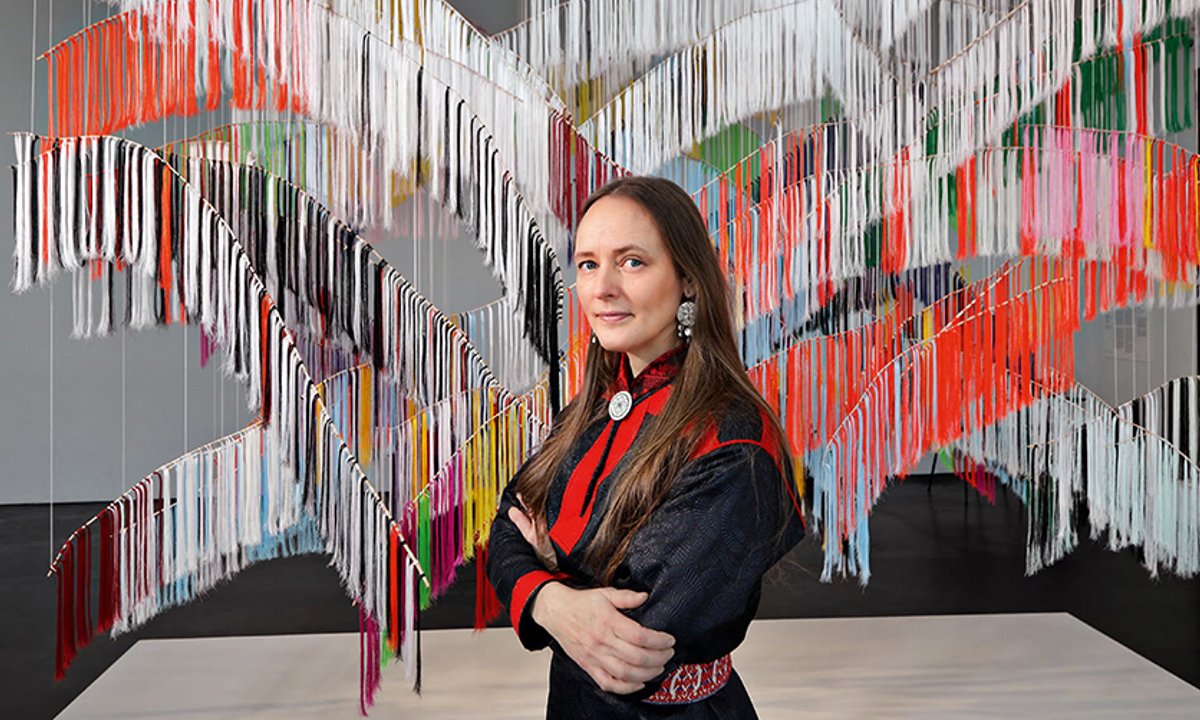
Sámi artists from Norway are gaining international recognition, with milestones including the rebranding of the Nordic Pavilion as the Sámi Pavilion at the 2022 Venice Biennale, a major mural by Outi Pieski in Oslo, and a forthcoming Hyundai commission by Maret Anne Sara at Tate Modern. Despite this visibility, decades of advocacy have failed to establish a dedicated Sámi art museum; thousands of works purchased with government funds remain in storage. The Norwegian parliament's recent truth and reconciliation report acknowledged historical injustices, but activists like Synnøve Persen and scholars like Katrine Rugeldal argue that existing institutions are insufficient and that a museum must be built on Sámi terms, potentially nomadic or pan-Nordic.

Comment | Trump's 100 days should remind us to be brave—because in an autocracy there is no safety

The article examines the impact of the first 100 days of Donald Trump's second term on the U.S. cultural sector, detailing executive actions that force museums, libraries, and arts institutions into ideological conformity. Orders targeting diversity, equity, inclusion, and gender threaten funding from the National Endowment for the Arts and the National Endowment for the Humanities, while the Smithsonian Institution and Kennedy Center face direct political oversight. The administration also redirects funds toward patriotic projects like a sculpture garden of 'American Heroes,' and private institutions such as the Rhode Island School of Design and Creative Capital face pressure over pro-Palestinian expression and diversity-focused programs.

Au Royaume-Uni les contraintes budgétaires des musées pèsent sur les effectifs

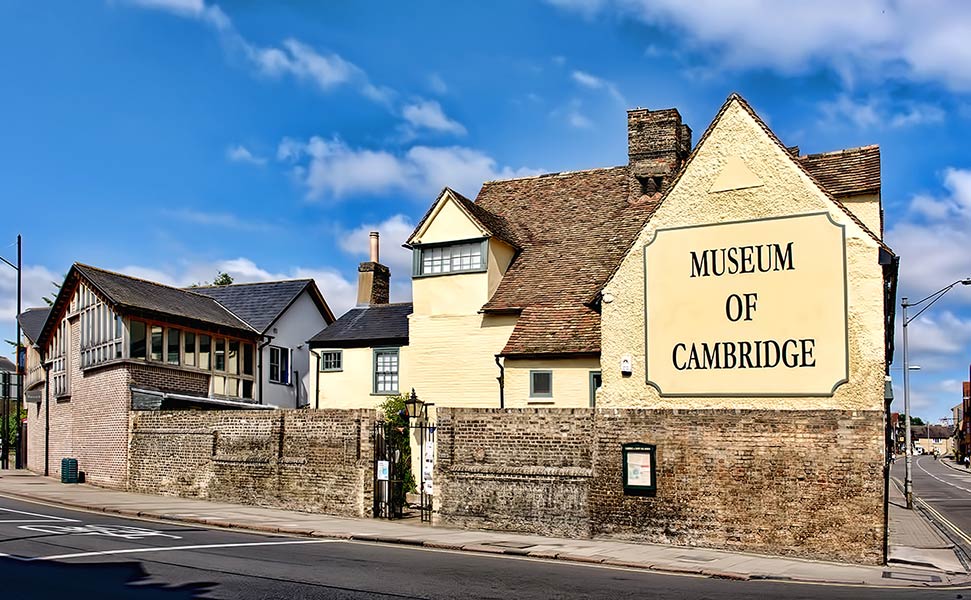
A survey of 329 museum directors in the UK, published in the Art Fund's Museum Directors Research 2026 report, reveals that staff shortages have overtaken building maintenance as the top concern for cultural institutions. Conducted by Wafer Hadley between January and March 2026, the study shows that 85% of directors cite team size and capacity as the main barrier to programming, ahead of budget constraints (67%) and lack of specialized expertise (23%). The National Gallery in London launched a voluntary redundancy plan in February 2026 to address a projected deficit of £8.2 million, while the Museum of Cambridge cut a third of its staff and reduced opening hours. Local authority grants have decreased or ceased for 45% of institutions between 2024-2025 and 2025-2026, and over a third of museums have reduced or plan to reduce opening hours and annual exhibitions.

Sécurité dans les musées

This issue of Le Journal des Arts (No. 676, May 2, 2026) covers a range of visual art news: the Whitney Biennial's perceived neutrality, the increasing complexity of art taxation in 2025, an interview with Bourges mayor Yann Galut about scaling back the Bourges 2028 project, the opening of a contemporary gallery at Angers Cathedral, the abandonment of the Frigos artist site in Paris, and a profile of auctioneer Hubert L'Huillier.

British Museums Escape Penalizing Law on Memberships

Les musées britanniques échappent à une loi pénalisante sur les adhésions

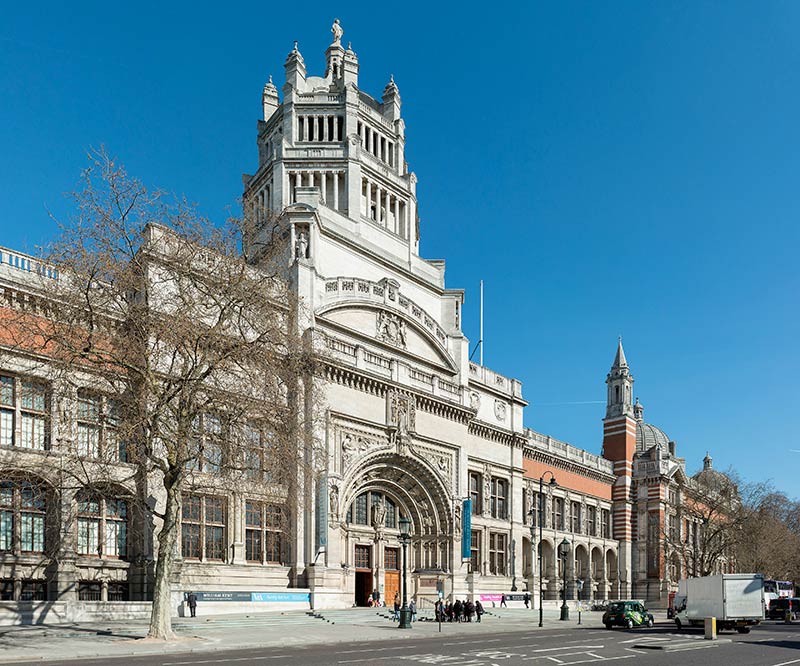
The British government has officially exempted charitable museum memberships from the Digital Markets, Competition and Consumers Act (DMCCA). Originally designed to target predatory subscription models like those used by streaming services, the law would have granted members a 14-day cooling-off period both at sign-up and upon annual renewal. Major institutions like the Tate and the Victoria & Albert Museum feared this would allow visitors to attend major exhibitions for free before canceling their memberships for a full refund.

‘The arts are vanishing from education’: new report urges UK government to invest in arts sector

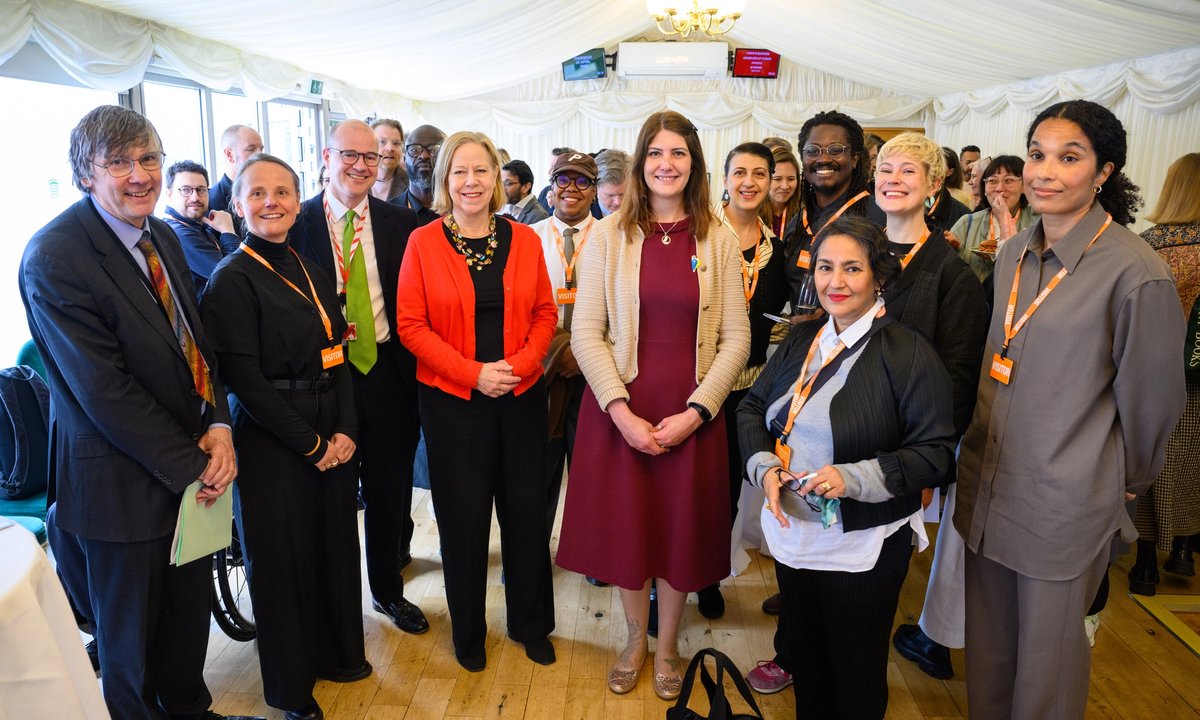
A coalition of UK arts organizations, including Contemporary Visual Arts England (CVAN) and the Design and Artists Copyright Society (DACS), has presented a new report titled 'Framing the Future: The Political Case for Strengthening the Visual Arts Ecosystem' to parliament. Written by Eliza Easton of the Erskine Analysis think tank, the report calls for a £5m grassroots visual arts fund to address the shortage of affordable studio spaces, a UK Cultural Investment Partnership Fund to encourage philanthropic donations, expanded funding for the Art & Design National Saturday Club, and reinstatement of high-cost funding for creative subjects in higher education. Artists including Tracey Emin and Larry Achiampong have voiced support, warning that arts are disappearing from state education.

Dismantling Orbán's 16-Year Grip on Hungary's Art World

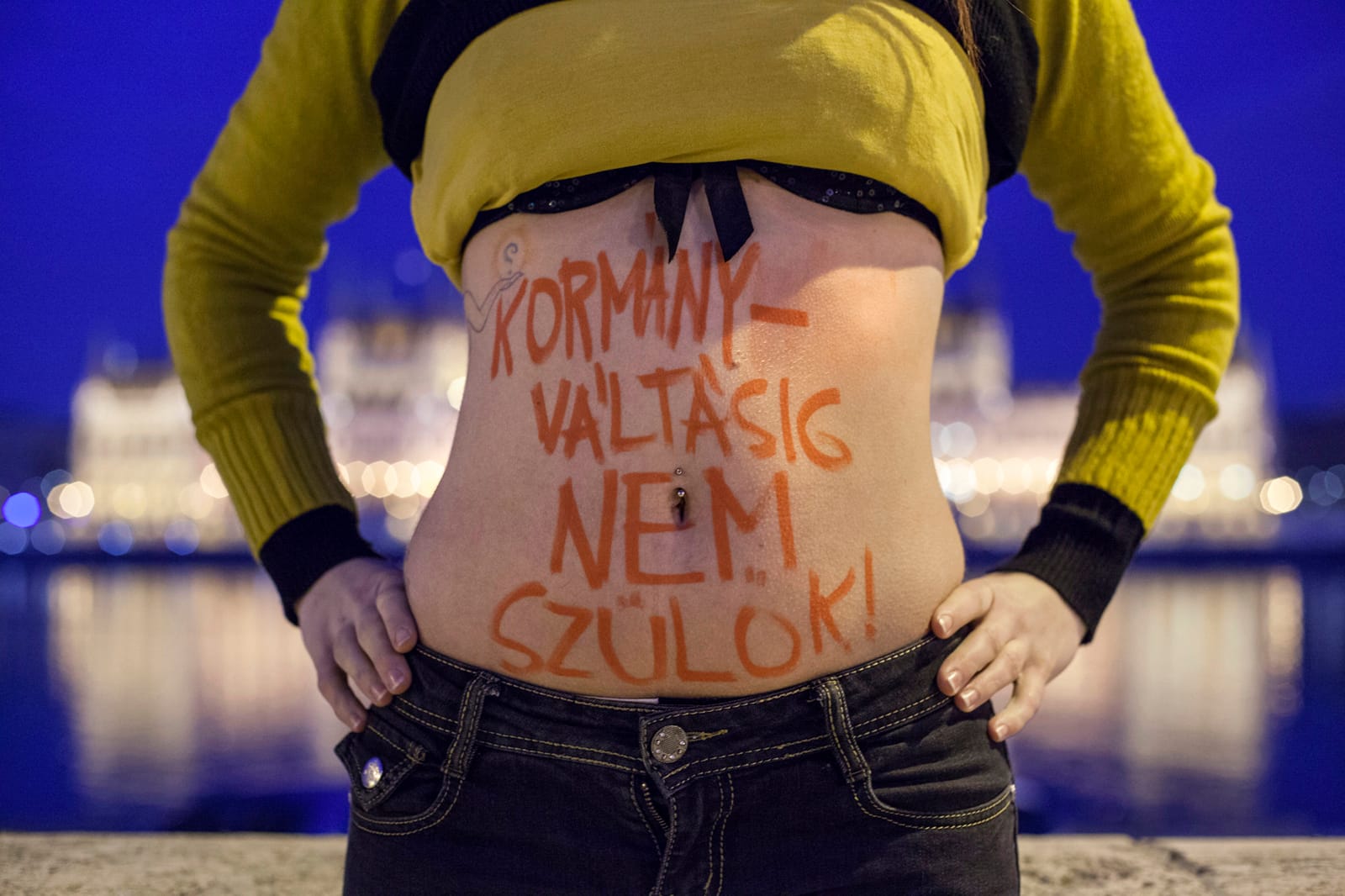
Following the recent electoral defeat of Viktor Orbán’s Fidesz-KDNP coalition by the opposition party Tisza, the Hungarian art world faces a monumental task of institutional restoration. For 16 years, the regime’s 'System of National Cooperation' (NER) systematically co-opted cultural institutions, installing loyalists in leadership roles at major venues like the Kunsthalle and Ludwig Museum to promote an ethno-nationalist agenda. This period was marked by the exodus of independent curators, the occupation of museums by activists, and a fractured ecosystem where state funding was tied to political compliance.

Sachsen-Anhalt schützt Kunst und Kultur per neuem Gesetz

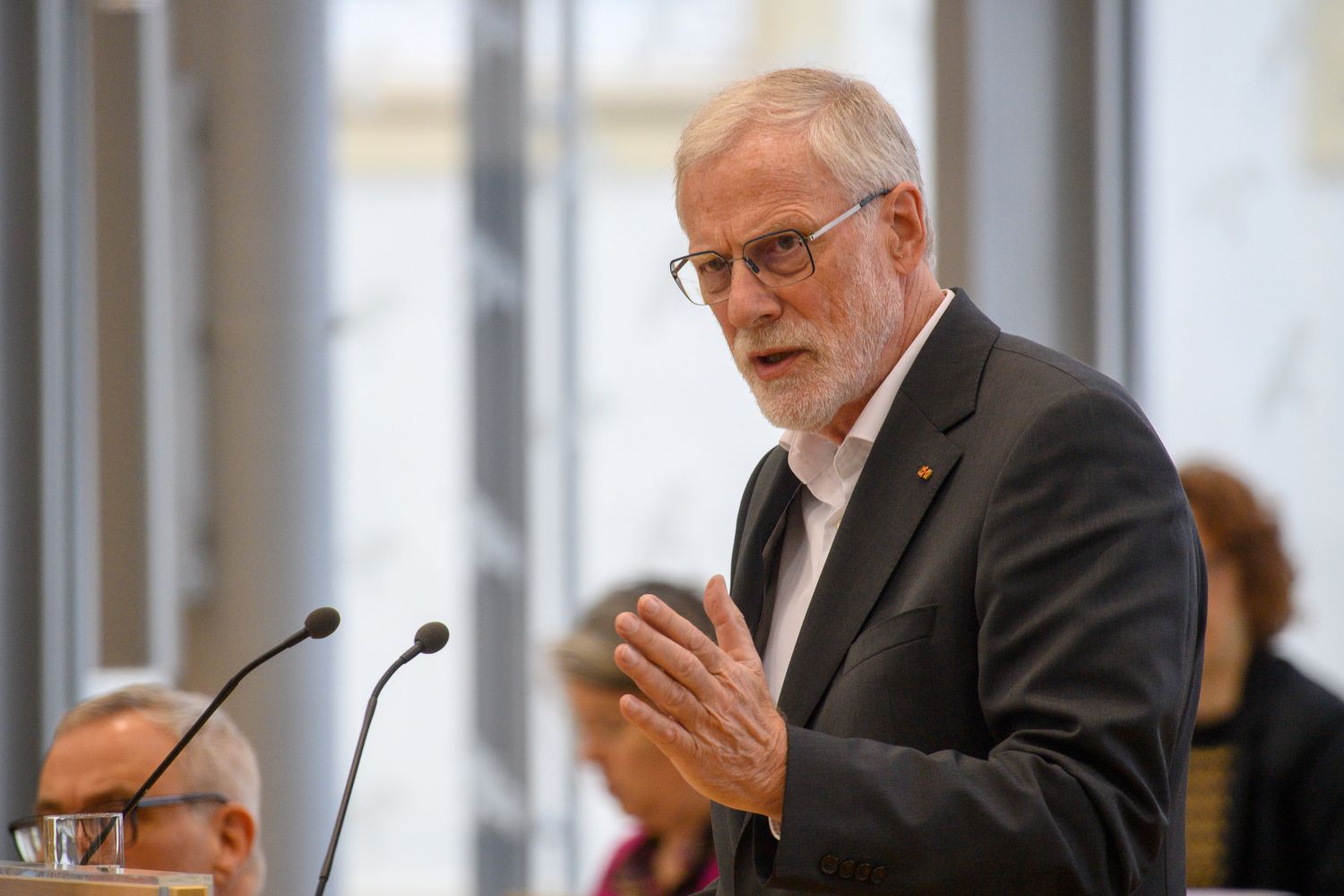
Sachsen-Anhalt has enshrined support for art and culture as a state objective in a new law, passed by the state parliament in Magdeburg with the exception of the AfD faction, which abstained. Culture Minister Rainer Robra (CDU) framed the law as fulfilling a promise from 1989, defining what constitutes art and culture in the state, including their roles in education and as an economic factor, and aiming to make cultural structures resilient against future attacks on artistic freedom.

Gitte Zschoch wird Generalsekretärin des Goethe-Instituts

Gitte Zschoch has been appointed as the new Secretary General of the Goethe-Institut, taking over the role and chairmanship of the board on July 18. She succeeds Johannes Ebert, who has held the position since 2012 and will now lead the institute's regional office in Athens. Zschoch, currently Secretary General of the Institute for Foreign Cultural Relations (ifa), previously worked for the Goethe-Institut in various roles, including founding director of its branch in the Democratic Republic of Congo. The appointment was confirmed by German Foreign Minister Johann Wadephul and approved by the institute's presidium.

La loi sur les restitutions des biens culturels pillés pendant la colonisation définitivement adoptée

The French Parliament has definitively adopted a permanent law on the restitution of cultural property looted during colonization, replacing the previous case-by-case legislative approach. The Senate unanimously approved the final text on May 7, 2026, following agreement in a joint committee on April 30, and the National Assembly had approved it the day before. The law creates a general derogation from the principle of inalienability of public collections, establishing a bilateral scientific committee to examine provenance, with final decisions made by decree of the Council of State. Key amendments from the National Assembly—including binding parliamentary votes on restitution and conditions on conservation and public access—were removed by the joint committee to avoid perceptions of neocolonial tutelage.

La loi-cadre sur les restitutions définitivement adoptée par le Parlement

The French Parliament has definitively adopted a framework law on the restitution of cultural property that was illicitly acquired. The Senate unanimously approved the conclusions of the joint committee on May 7, following the National Assembly's approval on May 6, after an agreement was reached on April 30. The law establishes a general mechanism for returning objects from French public collections without requiring a specific law for each case, covering items acquired through looting, theft, forced sale, or other illicit means before the 1970 UNESCO Convention. It creates a permanent national commission and a bilateral scientific committee to assess claims, with restitution ultimately decided by government decree subject to legal review by the Council of State.

Alessandro Giuli Threatens to Boycott the Vernissage of the Biennale

Alessandro Giuli menace de boycotter le vernissage de la Biennale

Alessandro Giuli, a prominent Italian cultural figure, has threatened to boycott the vernissage of the Venice Biennale. This action is a response to the ongoing controversy surrounding the potential return of Russia to the event, which has sparked political debate in Italy and drawn an ultimatum from the European Commission. The Biennale has also decided not to award prizes to Russia or Israel, further intensifying the situation.

The Textile Museum: A Frayed Project

Le Musée des tissus, un projet décousu

The renovation and expansion of the Musée des Tissus et des Arts Décoratifs in Lyon has stalled despite being acquired by the Auvergne-Rhône-Alpes Region seven years ago. Although architect Rudy Ricciotti revised his initial designs to satisfy local urban planning requirements and resident concerns, the project faces significant delays, with no building permit filed and a fluctuating budget that recently dropped from 60 million to 32 million euros. Tensions between the regional leadership and the City of Lyon have further complicated the timeline, leaving the museum closed to the public for four years.

The Nicéphore-Niépce Museum is Standing Still

Le Musée Nicéphore-Niépce fait du surplace

The Musée Nicéphore-Niépce in Chalon-sur-Saône remains in a state of stagnation as long-promised modernization plans continue to stall. Despite over twenty-five years of proposals for a new facility or a "Cité de l'image," the project has become a political "sea serpent," hampered by budget cuts, staff reductions, and shifting municipal priorities. Most recently, the city declined to renew the contract of Fannie Escoulen, a former Ministry of Culture official hired to steer the project, further signaling a lack of progress.

Cultural Cities at the Heart of New Municipal Conquests

Villes culturelles, au cœur des nouvelles conquêtes municipales

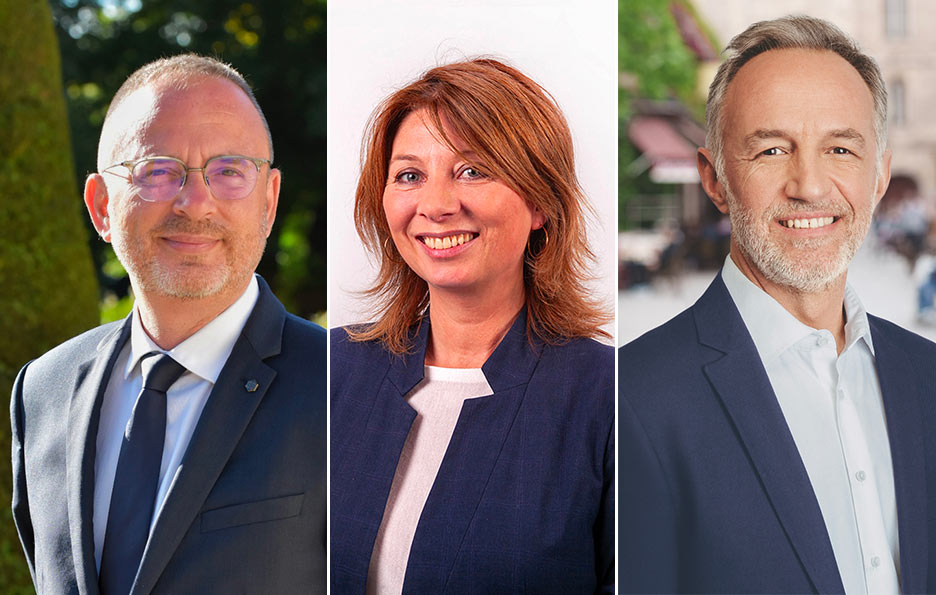
Municipal elections across France have resulted in a wave of new and re-elected mayors, many of whom campaigned on strong cultural platforms. Key victories include Emmanuel Grégoire in Paris, Catherine Trautmann in Strasbourg, Grégory Doucet in Lyon, Yann Galut in Bourges, and Arnaud Deslandes in Lille, each outlining specific cultural visions ranging from continuity and private-public partnerships to fostering urban and street culture.

Long threatened, the Palais de la découverte will finally reopen in 2027 after a seven-year closure

Longtemps menacé, le Palais de la découverte va finalement rouvrir en 2027 après sept ans de fermeture

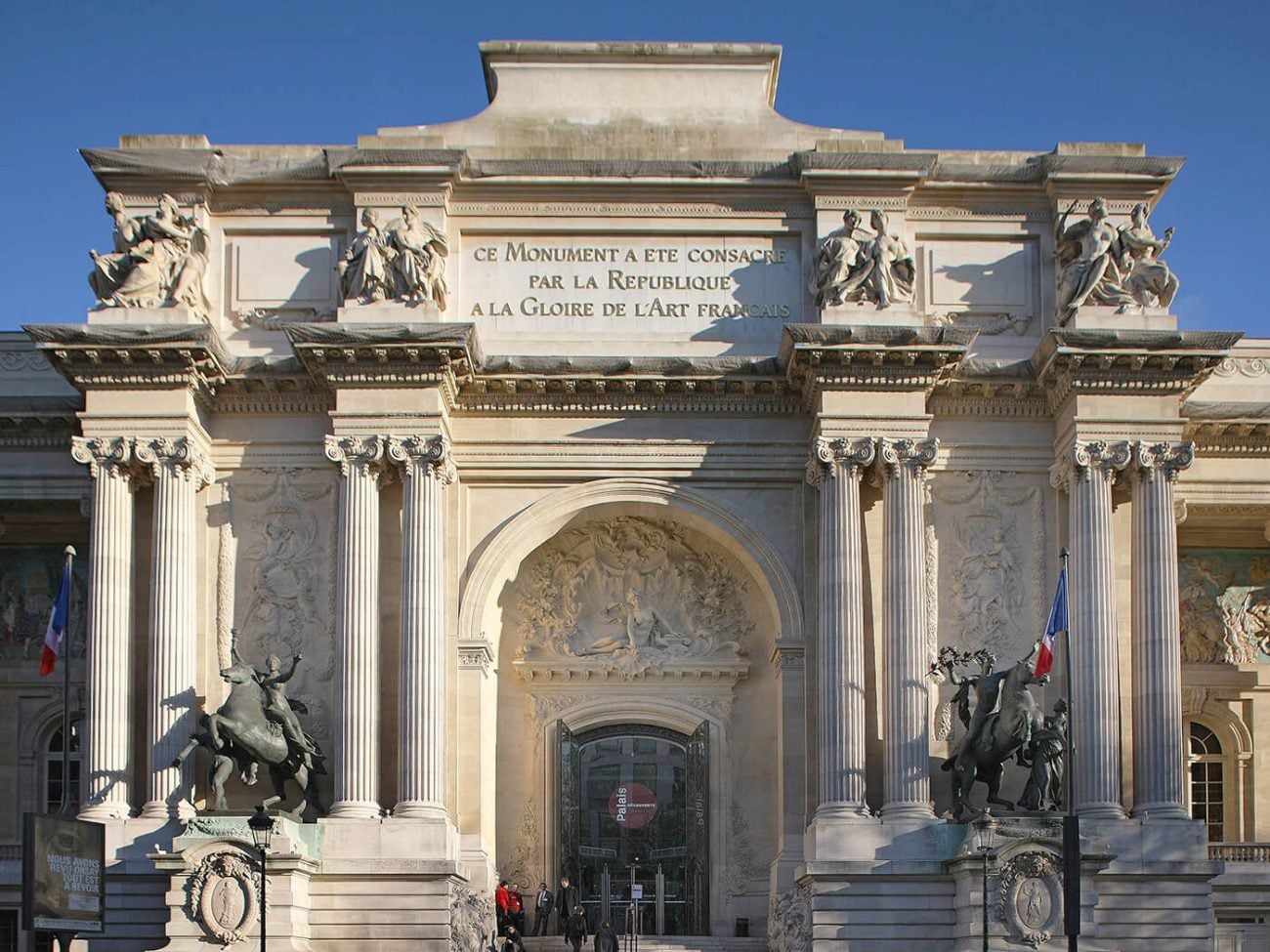
The Palais de la découverte in Paris will officially reopen in March 2027 following a seven-year closure for extensive renovations. Located in the Palais d’Antin wing of the Grand Palais, the institution faced the threat of permanent closure or relocation to the Cité des sciences due to economic constraints. However, a joint decision by the French Ministries of Research and Culture has secured its future at its historic site, where it will feature a shared entrance with the Grand Palais to foster a unique dialogue between art and science.

LOG: PANAMA. CULTURE AND POLITICS IN THE FRAMEWORK OF A REGIONAL MEETING DRIVEN BY CAF

BITÁCORA: PANAMÁ. CULTURA Y POLÍTICA EN EL MARCO DE UN ENCUENTRO REGIONAL IMPULSADO POR CAF

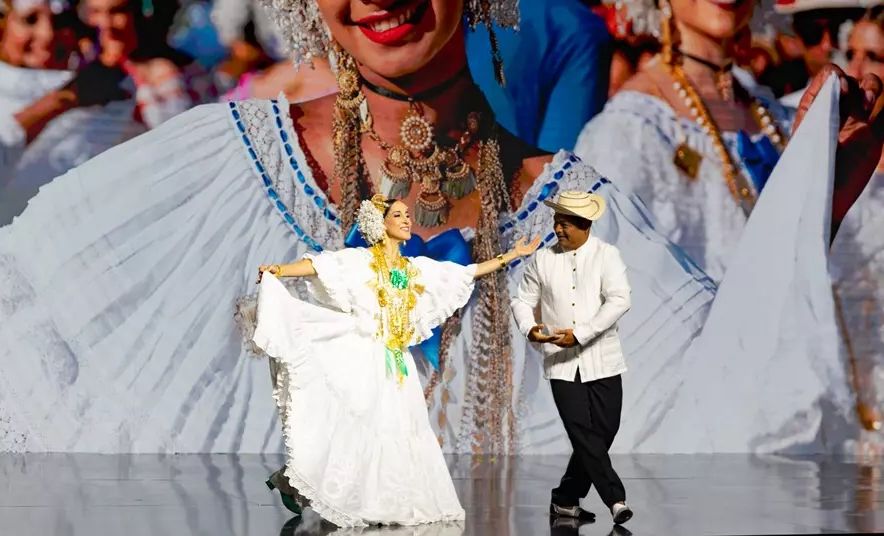
Artishock Revista covered the CAF Festival 'Voces por nuestra región: Cultura que mueve el mundo,' held in Panama in January 2026. The event, organized by CAF – Banco de Desarrollo de América Latina y el Caribe, aimed to reposition Latin American and Caribbean culture as a strategic axis for sustainable development. It featured panels, sectoral forums, and co-creation spaces designed to activate alliances and strengthen regional networks for artists and cultural projects.

Simone Venturini is the new mayor of Venice: here's what he wants to do for culture (and yes, the councilor will return)

Simone Venturini è il nuovo sindaco di Venezia ecco cosa vuole fare per la cultura (e sì, tornerà l’assessore)

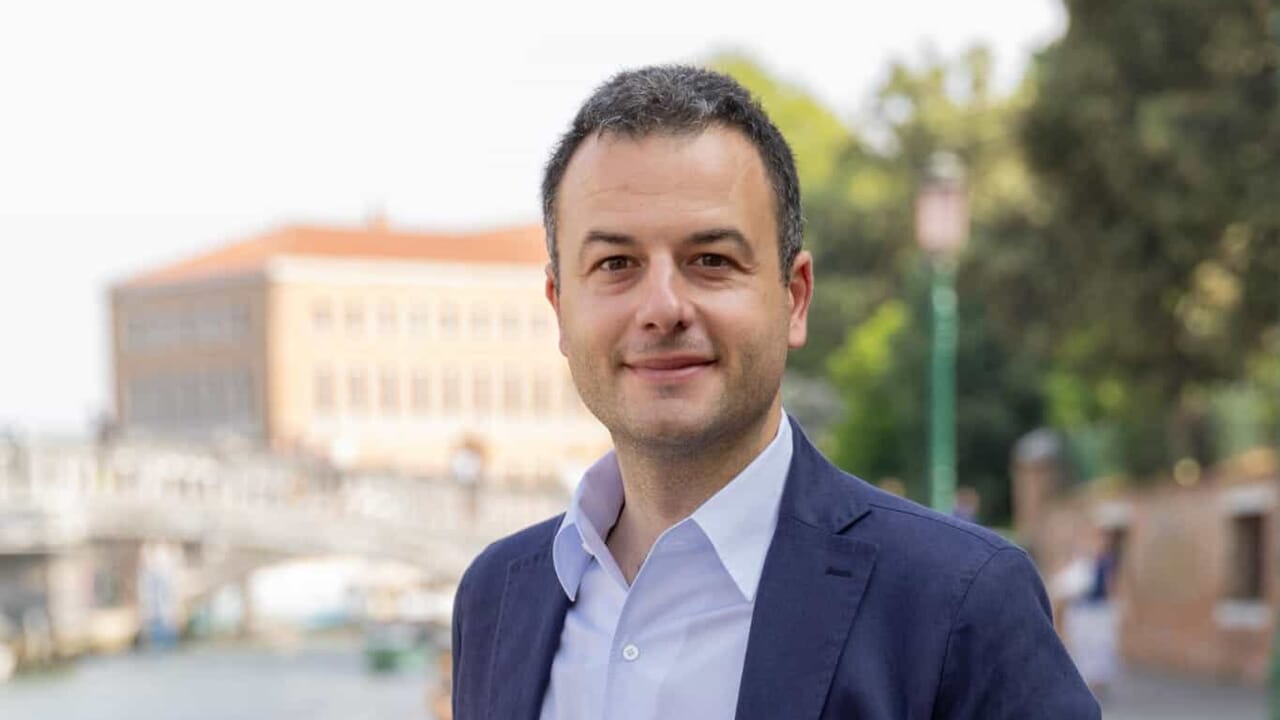
Simone Venturini, a 38-year-old center-right candidate, has been elected mayor of Venice in a surprise first-round victory on May 25, 2026. Born and raised in Marghera, Venturini entered politics at 22 and is seen as the protégé of outgoing mayor Luigi Brugnaro. His campaign emphasized daily belonging and crisis management experience, from the pandemic to overtourism.

State Secretary Dismissed in Dispute Over Funding

Staatssekretär im Streit um Fördermittel entlassen

Berlin's culture administration has dismissed State Secretary Oliver Friederici, who was responsible for distributing funds for projects combating antisemitism. The move follows a prolonged controversy over the allocation of millions of euros in grants, with allegations of unclear criteria and potential political influence from the CDU party.

ireland basic income artists program permanent

Ireland is set to make its basic income for artists program permanent starting in 2026, following a successful pilot launched in 2022. The program provides selected artists with approximately $375 per week (about $1,500 monthly), with 2,000 spots available and applications opening in September 2026. The pilot, which involved 2,000 randomly selected recipients from over 9,000 applicants, cost €72 million but generated nearly €80 million in economic benefits, according to an external report by Alma Economics. Recipients saw arts-related income increase by over €500 per month, while reliance on other social programs declined.

frances culture minister to stand trial for accused abuse of power and corruption

France's culture minister, Rachida Dati, will stand trial on charges of abuse of power and corruption stemming from her time as a Member of the European Parliament. She is accused of receiving €900,000 in lawyer's fees from a Renault-Nissan subsidiary between 2010 and 2012 while allegedly lobbying for the carmaker in the European Parliament, a prohibited activity. Dati, who has denied the allegations, was charged in 2019. The trial date is expected to be set at a hearing on September 29, and could occur after the Paris municipal elections in March 2026, for which Dati has expressed her candidacy.

legal injunction pauses imls funding cuts

A federal judge issued a preliminary injunction on Tuesday blocking President Trump's executive order to eliminate the Institute of Museum and Library Services (IMLS). District Court Judge John J. McConnell Jr., appointed by President Obama, ruled that the dismantling violated the Administrative Procedure Act and Congress's constitutional power over appropriations. The injunction follows a lawsuit by the American Library Association and AFSCME, and a temporary restraining order last week. Trump's March 14 executive order had declared IMLS "unnecessary," placing staff on leave, terminating grants, and dismissing board members.

How UK museums are rallying to support trans communities following supreme court ruling on biological sex

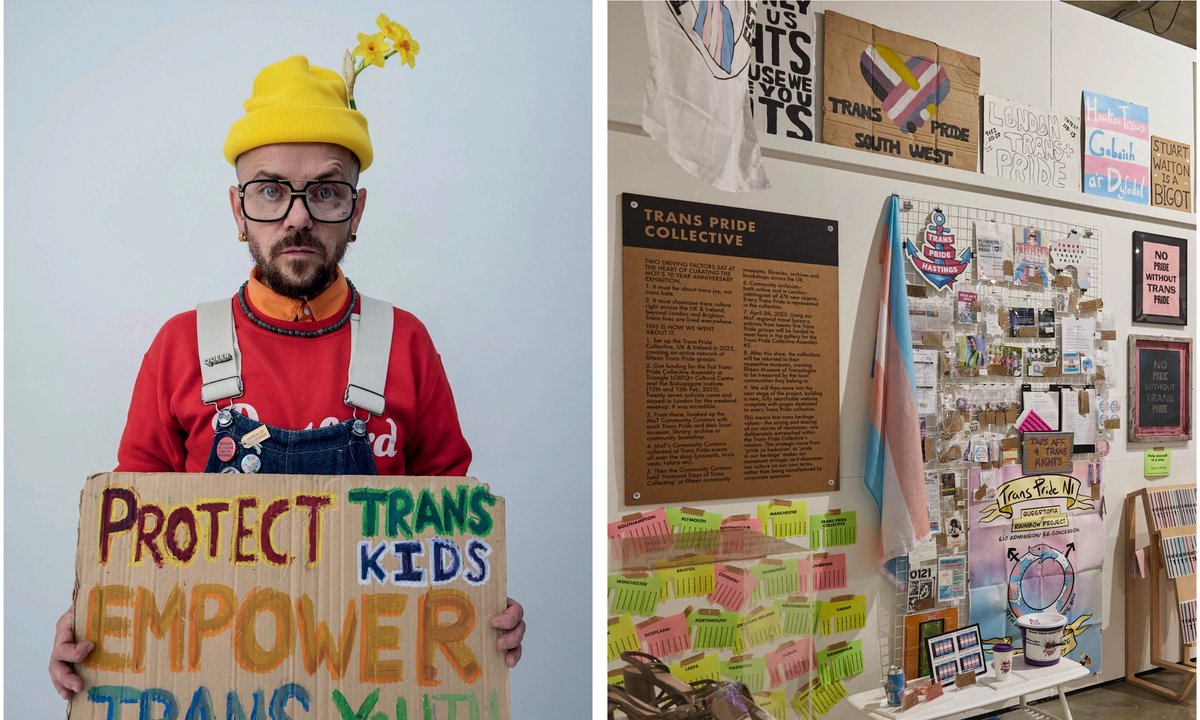
Following the UK Supreme Court's 16 April ruling that the terms "woman" and "sex" in the Equality Act refer only to biological sex, UK museums are publicly reaffirming their support for transgender communities. The Museum of Transology, which houses the world's largest collection of trans, non-binary, and intersex artefacts, had recently marked its tenth anniversary with the exhibition Transcestry at Central Saint Martins' Lethaby Gallery. Smaller institutions like London's Vagina Museum quickly posted statements of solidarity, while larger bodies such as Arts Council England await a revised code of practice from the Equality and Human Rights Commission.