filter_list Showing 4273 results for "WIT" close Clear
search
dashboard All 4273 museum exhibitions 2350article local 662article news 332article culture 282trending_up market 260rate_review review 109person people 101article policy 88candle obituary 60gavel restitution 28article architecture 1
date_range Range Today This Week This Month All
Subscribe

Mexican Cultural Workers Denounce Pedro Reyes Sculpture at LACMA

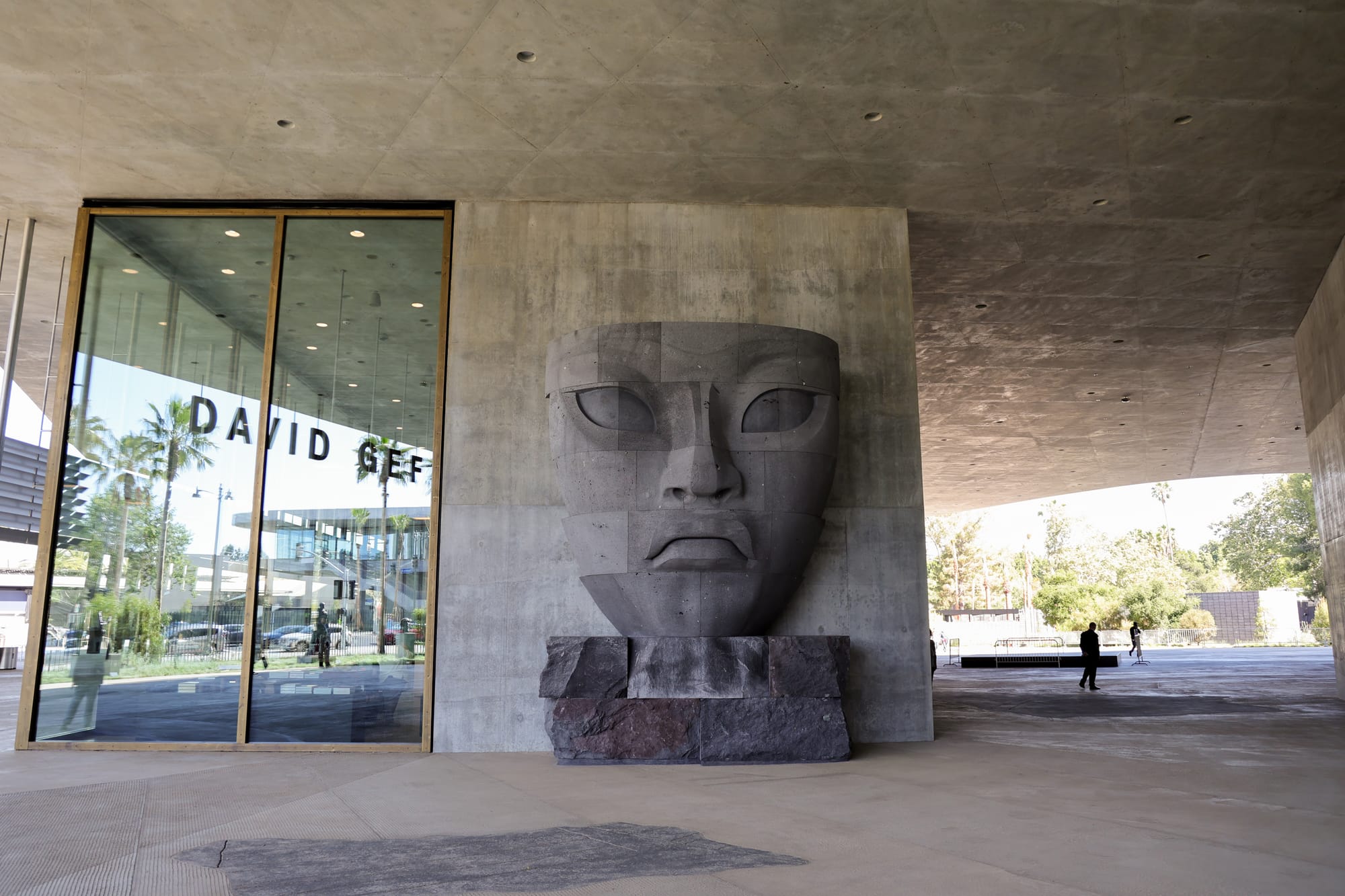
A group of nearly 80 Mexican cultural workers, including artists, critics, and academics, has signed an open letter denouncing the display of Pedro Reyes's sculpture "Tlali" at the Los Angeles County Museum of Art (LACMA). The colossal lava stone head, unveiled earlier this month at LACMA's new building, echoes a controversial 2021 public commission by Reyes that was scrapped by Mexico City's government after protests from feminist and Indigenous advocates. The signatories accuse LACMA of ignoring the previous activism against the artist's work in Mexico, calling the museum's decision to legitimize a new version of the polemic sculpture "deceiving." Reyes has not responded to requests for comment.
Lee ShinJa's Handwoven Portals

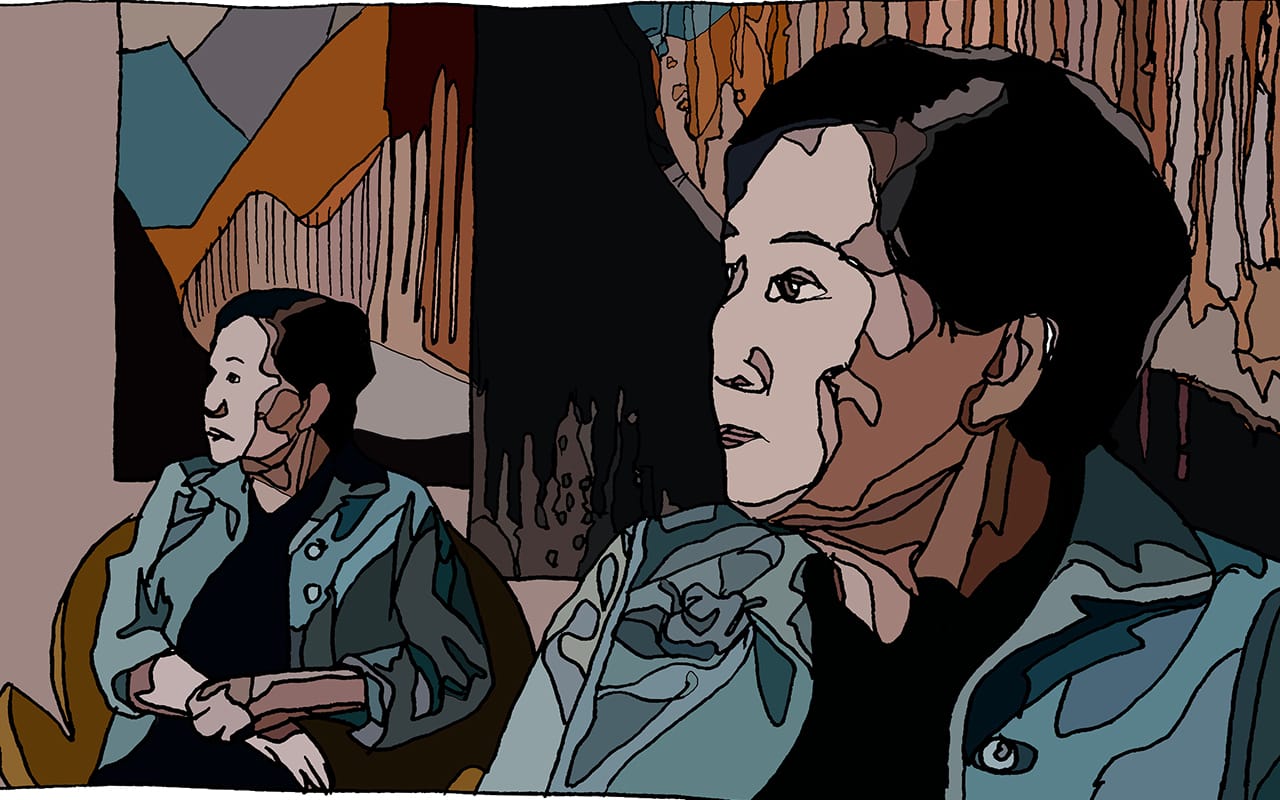
Hyperallergic profiles the work of South Korean textile artist Lee ShinJa, whose handwoven artworks are described as 'portals' that bridge traditional craft and contemporary abstraction. The article highlights her use of traditional Korean weaving techniques to create layered, ethereal pieces that evoke both physical and metaphysical spaces.

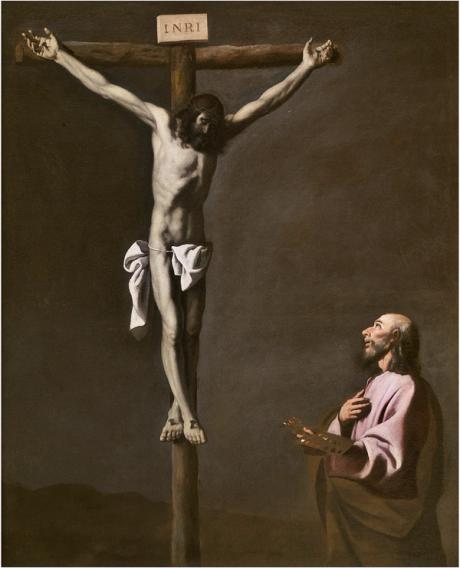
From intimate still lives to shadowed saints: the many sides of Spanish painter Francisco de Zurbarán go on show at London’s National Gallery

The National Gallery in London is opening a major survey exhibition of Spanish painter Francisco de Zurbarán (1598-1664), the first on this scale since 1987. The show expands beyond his famous austere saints to include intimate still-lifes, late private devotional works, and large-scale altarpiece reconstructions. Curator Daniel Sobrino Ralston highlights two newly discovered paintings, including *Alcarraza on a Plate*, and a rare reconstruction of the second tier of the Charterhouse of Jerez de la Frontera altarpiece, reuniting works from museums in Grenoble and Poznań.

VARINIA BRODSKY ZIMMERMANN: “ENTIENDO AL MUSEO COMO UN CAMPO DE REVERBERACIÓN”

Varinia Brodsky Zimmermann, director of the Museo Nacional de Bellas Artes de Chile, is interviewed as part of a series on contemporary museums in Latin America. She describes the museum as a "field of reverberation" that amplifies social, cultural, and political questions without reacting mechanically to demands. The conversation covers structural challenges facing public museums in Chile, including budget precarity and suspended exhibition projects, and Brodsky advocates for more permeable, horizontal, and sustainable institutions that maintain critical depth while engaging diverse communities.

LATIN AMERICA AT THE VENICE BIENNALE: A VISUAL TOUR OF THE CENTRAL EXHIBITION

LATINOAMÉRICA EN LA BIENAL DE VENECIA: UN RECORRIDO VISUAL POR LA MUESTRA CENTRAL

The 61st Venice Biennale, titled "In Minor Keys," opened its preview days on May 8, 2025, curated by the late Koyo Kouoh (1967–2025). The central exhibition, realized by a team she selected before her death, features 110 participants from around the world, with a strong Latin American presence of 15 artists, collectives, and organizations. The show explores themes of colonial history, plantation economies, geological memory, and environmental crisis through works that emphasize shared materials, politics, and poetics across geographies from Dakar to San Juan.

Form in the Age of Living Materials. Interview with Curator Pablo José Ramírez

LA FORMA EN LA ERA DE LOS MATERIALES VIVOS. ENTREVISTA AL CURADOR PABLO JOSÉ RAMÍREZ

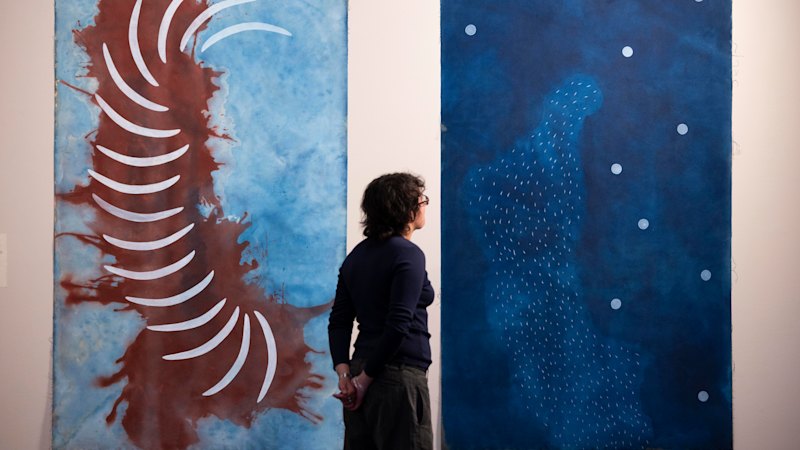
The Hammer Museum in Los Angeles is presenting "Several Eternities in a Day: Form in the Age of Living Materials," an exhibition curated by Pablo José Ramírez running until August 23. Featuring 22 artists from the Americas, the show explores materials such as avocado, cacao, achiote, cochineal, stone, clay, and natural dyes that evolve, degrade, or transform over time. Organized into three acts, the exhibition challenges conventional notions of the art object by treating these materials as living agents with memory and agency, rooted in Indigenous knowledge and the concept of "brownness." In an interview, Ramírez discusses how these materials destabilize extractivist logics and institutional frameworks, forcing a rethinking of conservation protocols and the very conditions of exhibition-making.

GEORGE FEBRES: TRANSLATION, IRONY, AND LIBERATION. AN ECUADORIAN ARTIST IN THE DIASPORA

The article examines the life and work of George Febres (1943–1996), an Ecuadorian artist who spent most of his career in the United States, primarily in New Orleans. Febres’s practice blends Pop Art, Neo-Surrealism, and Southern US culture with his experiences as a migrant and queer subject, using bilingualism and ironic tropical imagery to create a hybrid, irreverent body of work. Despite his significance, no works by Febres exist in Ecuadorian public collections, and no major retrospective has been held in his home country, reflecting a broader erasure of queer narratives from national art history.

LA LECHUZA DE MINERVA

The Círculo de Bellas Artes in Madrid, founded in 1926 by a small group of artists, has launched a centenary exhibition titled "La lechuza de Minerva" (The Owl of Minerva). Curated by Isabella Lenzi, the project revisits the institution's most disruptive exhibition, "El sueño imperativo" (1991), curated by Mar Villaespesa, which invited twelve artists to intervene in both exhibition spaces and transit areas, challenging traditional display logic. The new exhibition features works by artists including Dagoberto Rodríguez, Elo Vega, Rogelio López Cuenca, Isidoro Valcárcel Medina, Itziar Okariz, Los Carpinteros, María Salgado, Pedro G. Romero, Regina Silveira, Silbatriz Pons, and Tino Sehgal, who activate hidden and unexpected corners of the building through visual and sound actions. The project also restores Nancy Spero's 1991 intervention "Minerva, Sky Goddess," which had largely disappeared, through archaeological research led by restorer Rocío Casasus.

When Shells Become Weapons

Wenn Muscheln zu Waffen werden

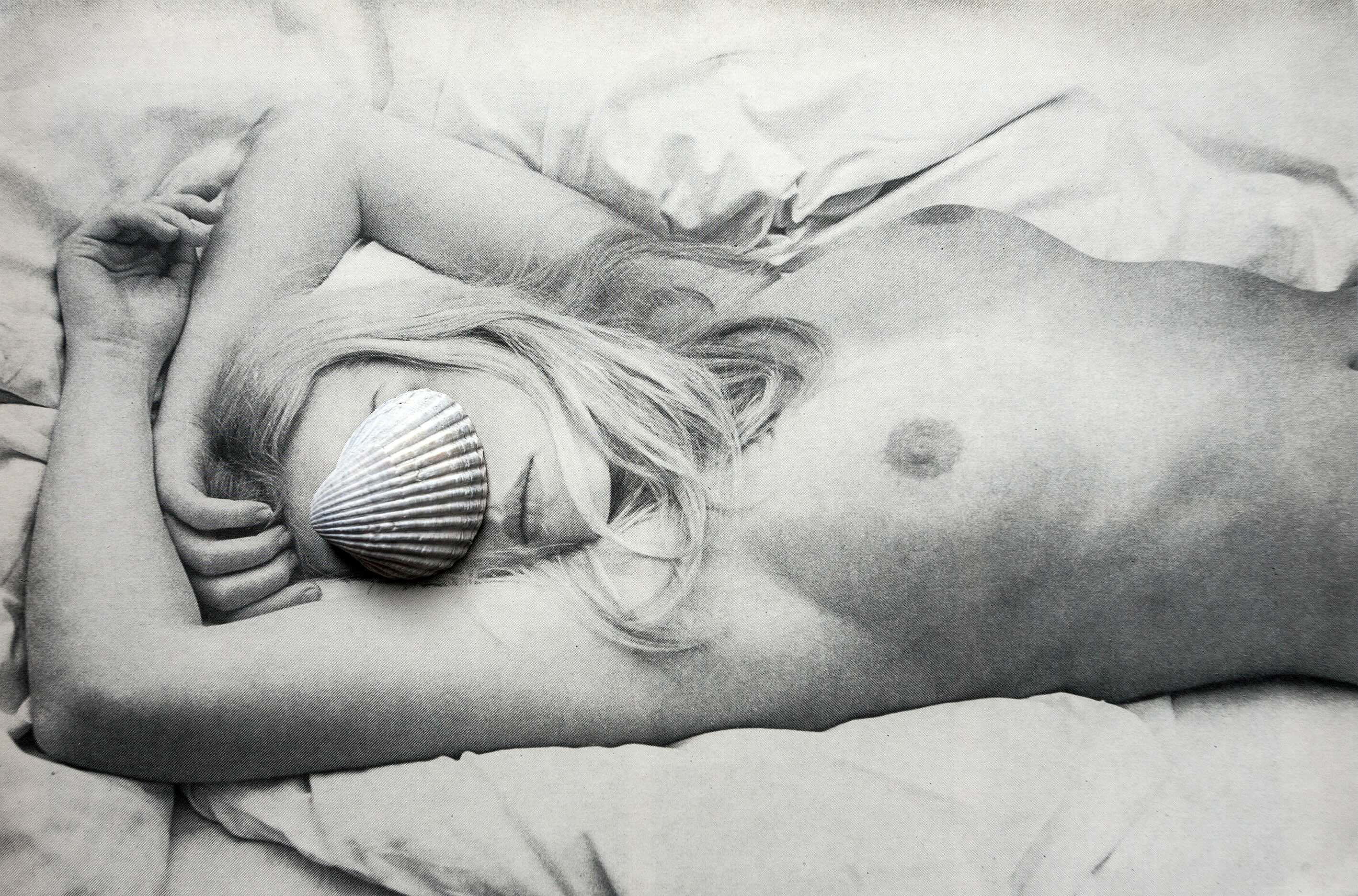
Swedish artist Lotta Antonsson, born in 1963, presents her exhibition "I am Everything" at Fotografiska in Stockholm, featuring around 50 works that repurpose found black-and-white photographs from 1960s and 1970s fashion and lifestyle magazines. She overlays these images of women in objectifying poses with shells, stones, and crystals, creating assemblages that obscure faces or add threatening details like crystal vampire teeth on actresses Ali MacGraw and Jane Fonda. The show opened during the Stockholm Art Fair and draws on Antonsson's extensive archive, including East German erotic magazines sourced from Berlin flea markets.

Marianna Simnett schafft eine exklusive Edition für Monopol

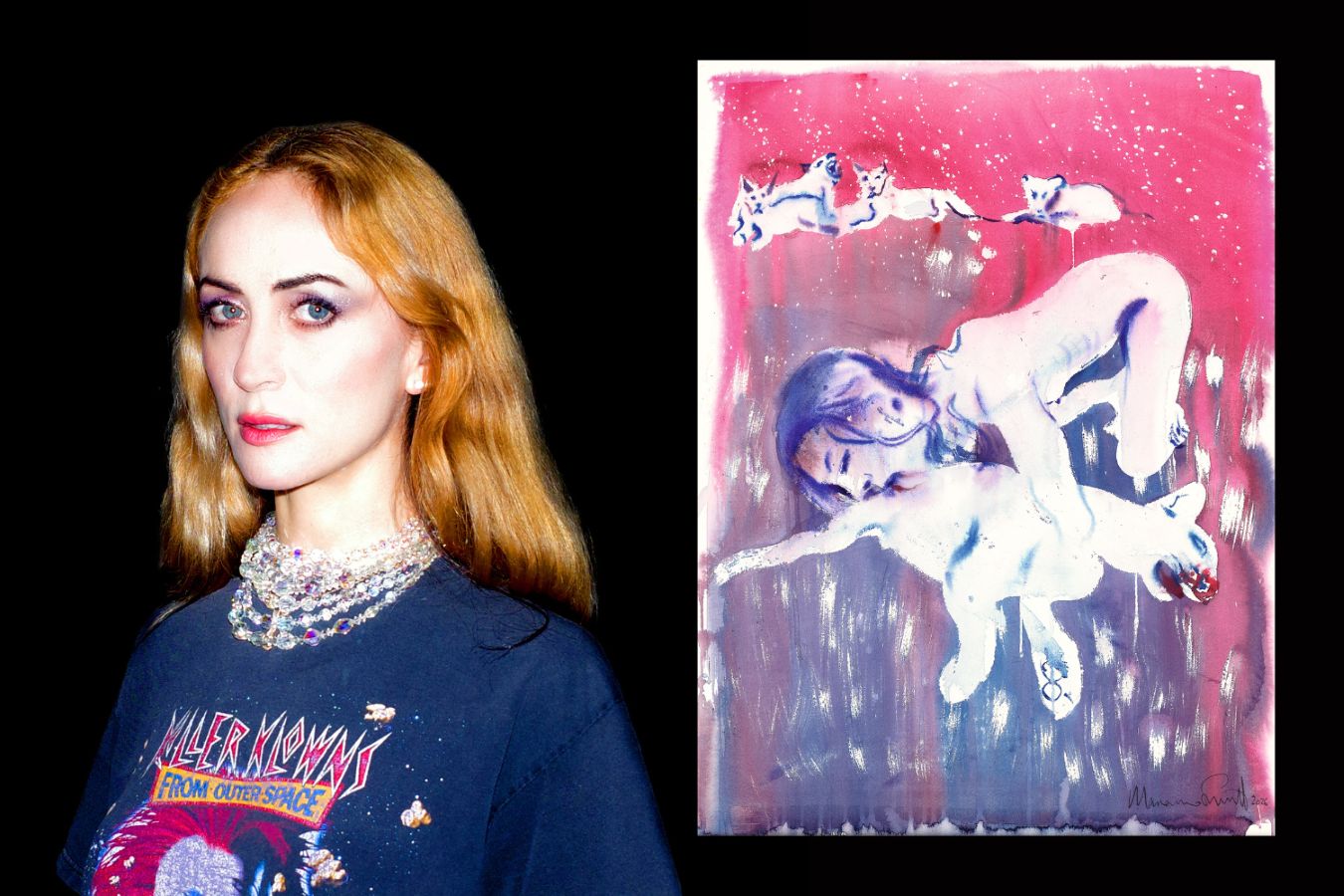
Marianna Simnett, one of the most radical contemporary artists known for exploring metamorphosis, myth, ecstasy, sex, and pain, has created an exclusive edition titled "The Healer" for the German art magazine Monopol. The work is a watercolor depicting a naked female figure licking a lion lying on the ground, with other lions roaring in the background. The edition is an archival pigment print in a size of 60 x 79 cm, published in an edition of 25 plus two artist's proofs, priced at 950 euros plus VAT.

Prize commemorates Henrike Naumann – MMK takes over estate

Preis erinnert an Henrike Naumann – MMK übernimmt Nachlass

A new prize named after the late artist Henrike Naumann has been established by the Institut für Auslandsbeziehungen (ifa) and the Zeit Stiftung Bucerius, coinciding with her posthumous presentation at the German Pavilion of the Venice Biennale. The €15,000 Henrike-Naumann-Preis für Bildende Kunst, plus €5,000 in production funds, will be awarded regularly starting this year to early- to mid-career artists whose work engages with social transformation, political fault lines, or transnational contexts. Meanwhile, the Museum für Moderne Kunst Frankfurt (MMK) has acquired Naumann's estate, which will be catalogued and made publicly accessible to ensure her work receives long-term scholarly and curatorial attention.

Designs for a Better Future

Entwürfe für eine bessere Zukunft

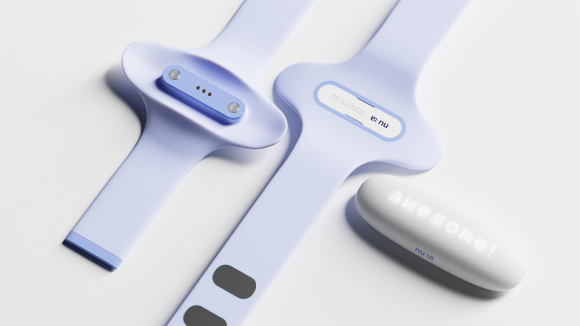
The Rimowa Design Prize has awarded its fourth edition to Samuel Nagel and Paul Feiler from the Schwäbisch Gmünd University of Applied Sciences for their bracelet "Nura," which translates sign language into spoken language and converts speech into written text. Other finalists include Jakob Schlenker's bird-shaped device to encourage movement in the elderly, Niklas Henning's harvesting system for restoring moors, Tobias Kremer and Yannick Stilgenbauer's inflatable cooling capsule for use without electricity, and Valerio Sampognaro's lightweight furniture that can both support and lift off. The exhibition runs until May 13 at the Berlin Kulturforum.

Venice in Crisis Mode

Venedig im Krisenmodus

The 61st Venice Biennale has opened under extraordinary circumstances, marked by political protests, a jury resignation, and canceled awards. The Biennale's jury resigned en masse after announcing they would exclude Israeli and Russian contributions from their decisions, leading to the cancellation of the Golden Lion awards and a crisis over the international competition's legitimacy. A newly introduced audience prize also faced boycotts from artists in solidarity. Protests, closed pavilions, and pro-Palestinian actions dominated the preview days, with artists pasting protest posters directly onto their works, reflecting heightened tensions.

DHM main building likely closed until 2031

DHM-Hauptbau wohl bis 2031 dicht

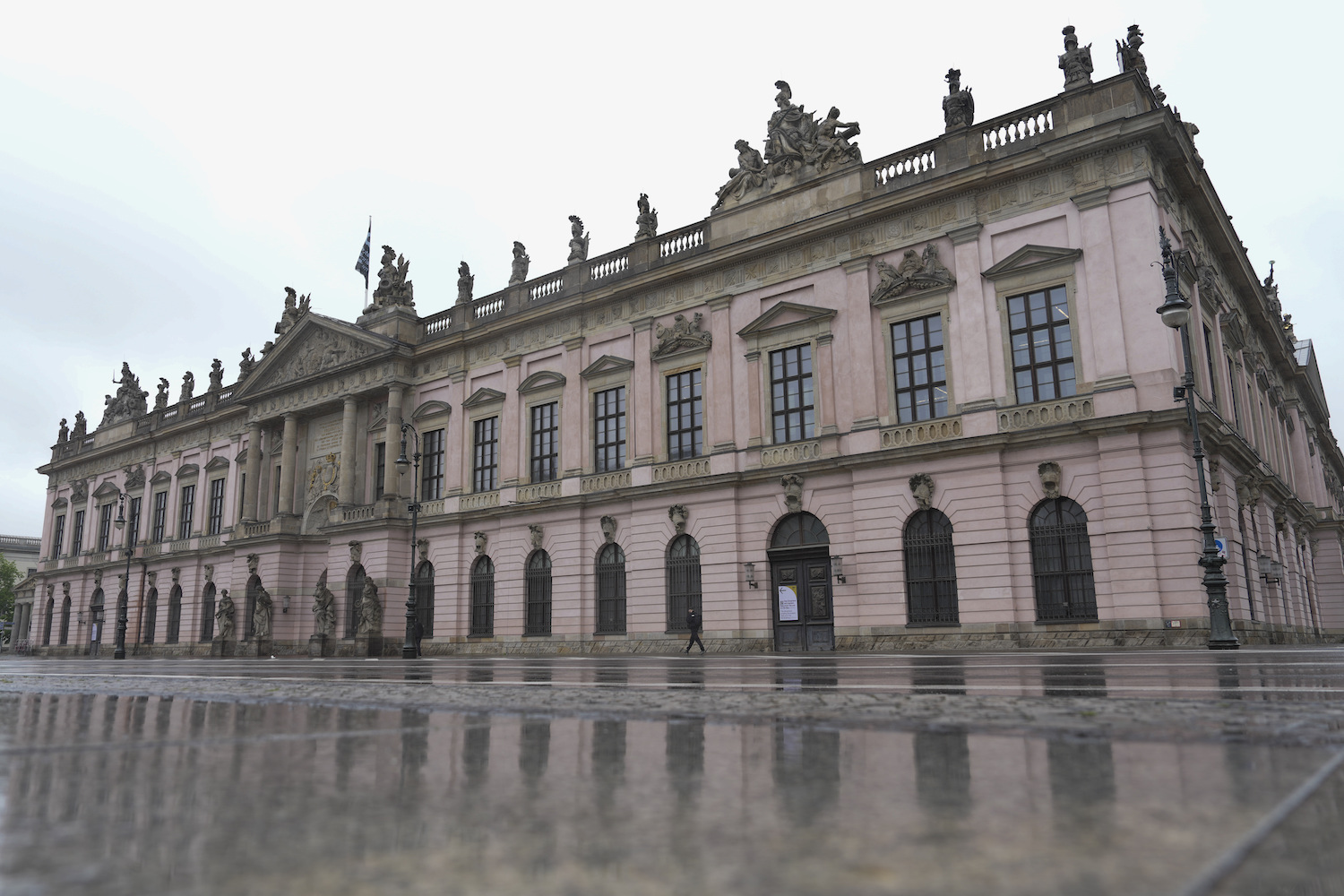
The German Historical Museum (DHM) in Berlin will remain without its main building, the Zeughaus on Unter den Linden, until at least 2031 due to further delays in its renovation. Museum director Raphael Gross announced that a binding timeline from the property owner and the federal construction authority is not expected until 2027, and a reopening before 2031 is unrealistic. In the meantime, the museum is using its modern Pei-Bau wing to host a new exhibition titled "Objekte. Geschichte. Geschichten," featuring around 200 highlights from its collection of one million objects, including a samurai armor once gifted to Adolf Hitler and objects from a refugee shelter.

Deutscher Pavillon wird zum Plattenbau

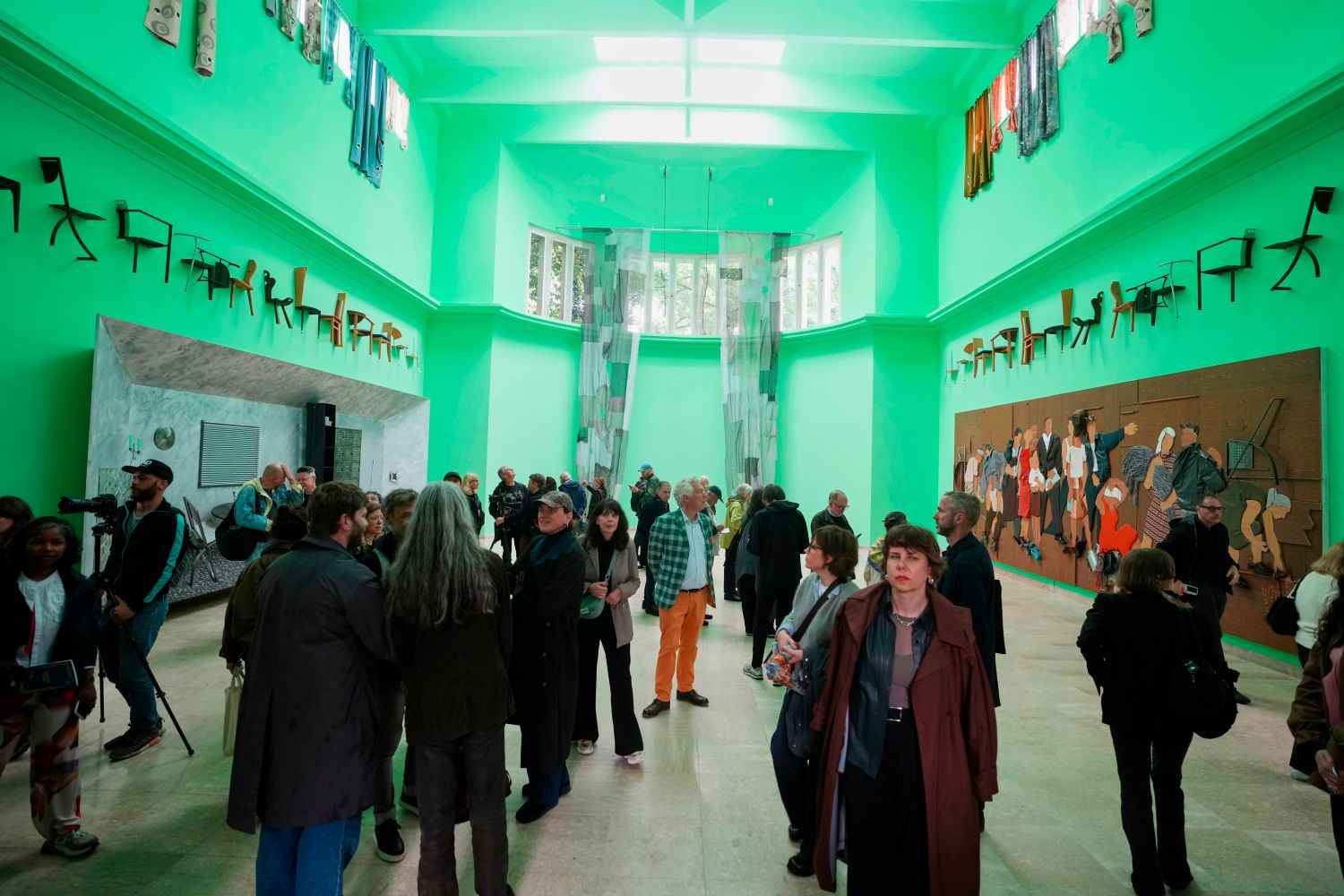
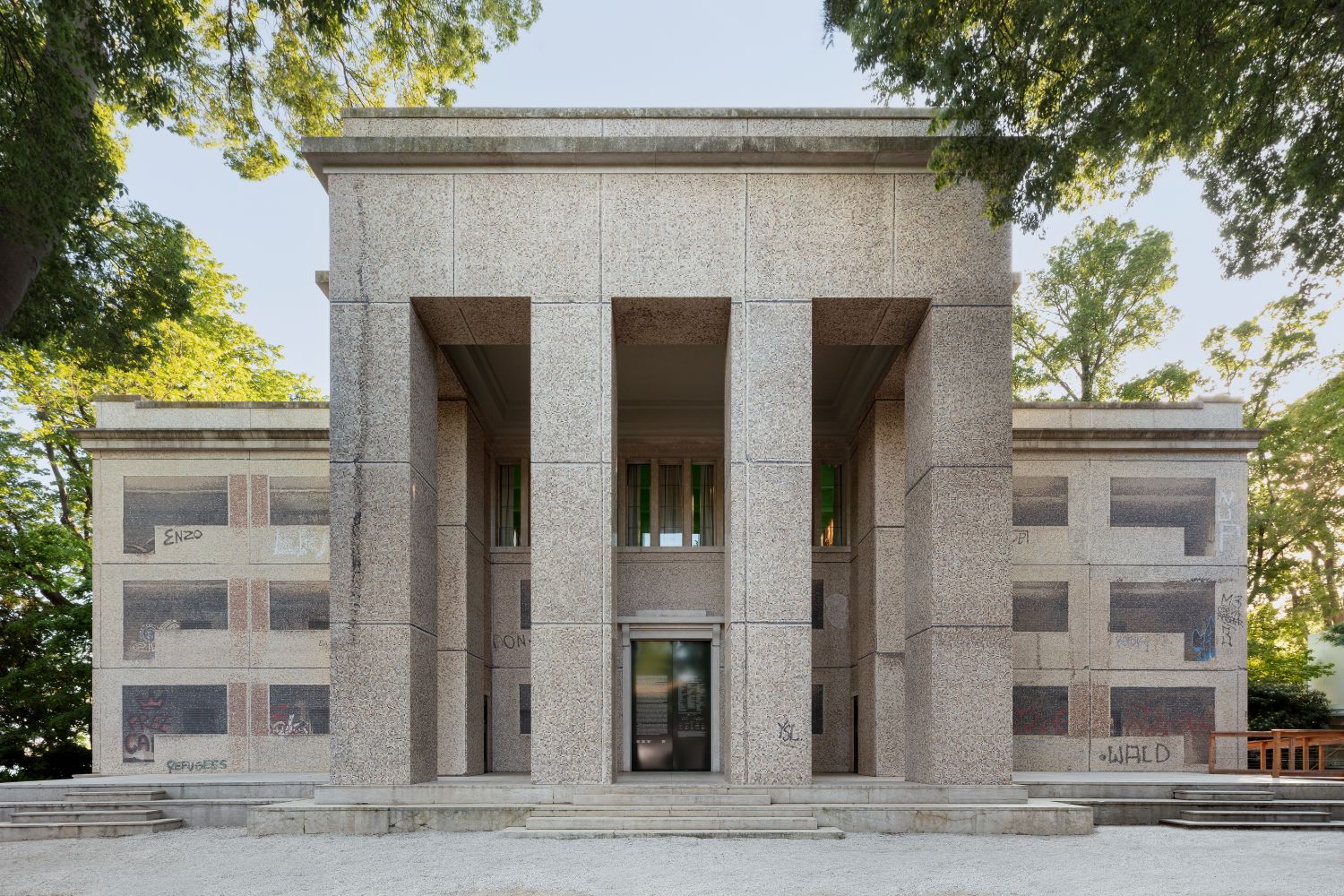
The German Pavilion at the Venice Art Biennale has been transformed into a prefabricated concrete slab building (Plattenbau) for this year's edition, designed by artists Sung Tieu and the late Henrike Naumann, who died suddenly in February at age 41 from cancer. Curator Kathleen Reinhardt described the pavilion as part of a highly political Biennale, with Tieu covering the 1938 fascist-era building with a mosaic of over three million tiles depicting a Berlin apartment block that once housed Vietnamese contract workers. Naumann's interior installation features mint-green references to Soviet barracks in East Germany, a cartography of war, and works including a relief of chairs, a curtain of chainmail, and the performance "Trümmerfrau."

From the artist who painted with his feet to the splashes of Pollock: abstraction takes over the Centre Pompidou Malaga

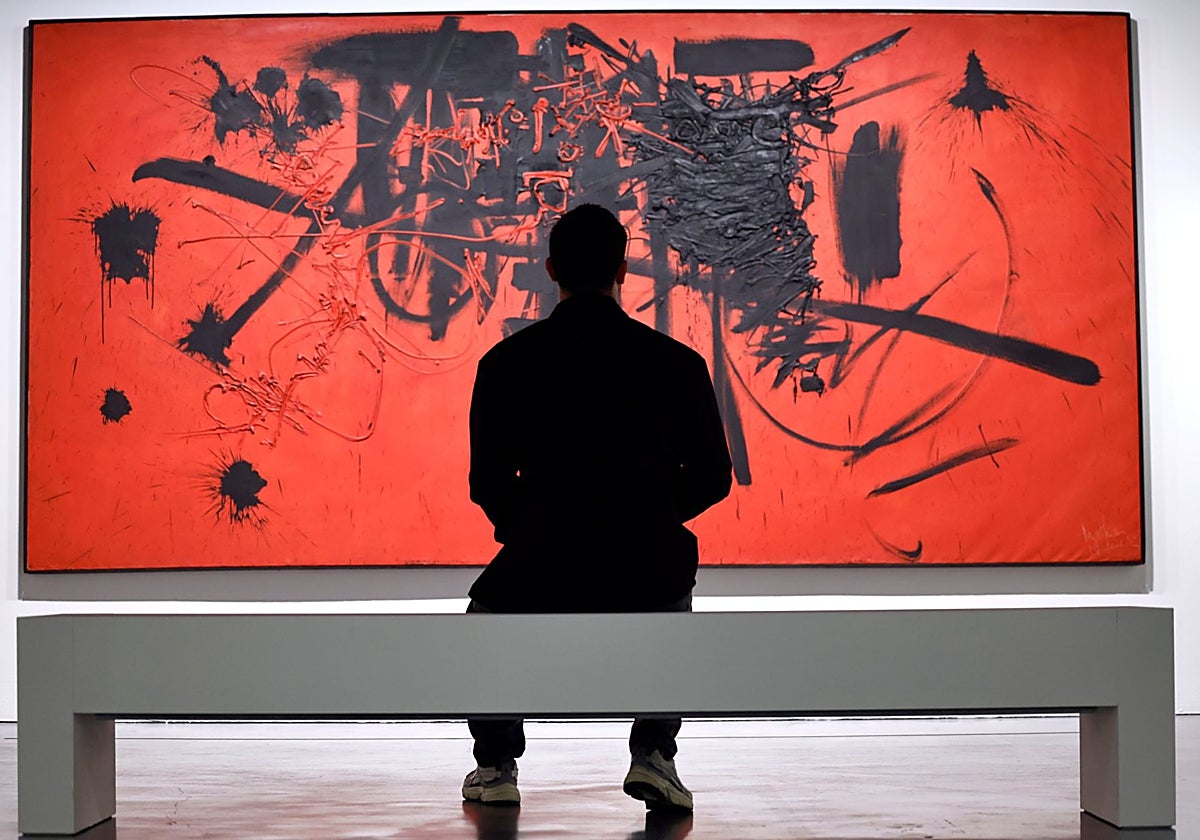
The Centre Pompidou Malaga has opened the exhibition 'Gesture and Matter. International Abstractions (1945–1965)', running until September, featuring around 30 works by 26 artists. The show highlights abstract art as a post-World War II response, with key pieces including Jackson Pollock's 'Number 26A. Black and White' and Kazuo Shiraga's 'Planet Nature', painted with his feet while suspended from ropes. Co-curated by Anne Foucault and Christian Briend, the exhibition traces abstraction's development from Paris and New York to Asia and Europe, emphasizing painting as a full-body, performative act of freedom.

Marat Guelman and the group + - Komma: First of all, it’s beautiful

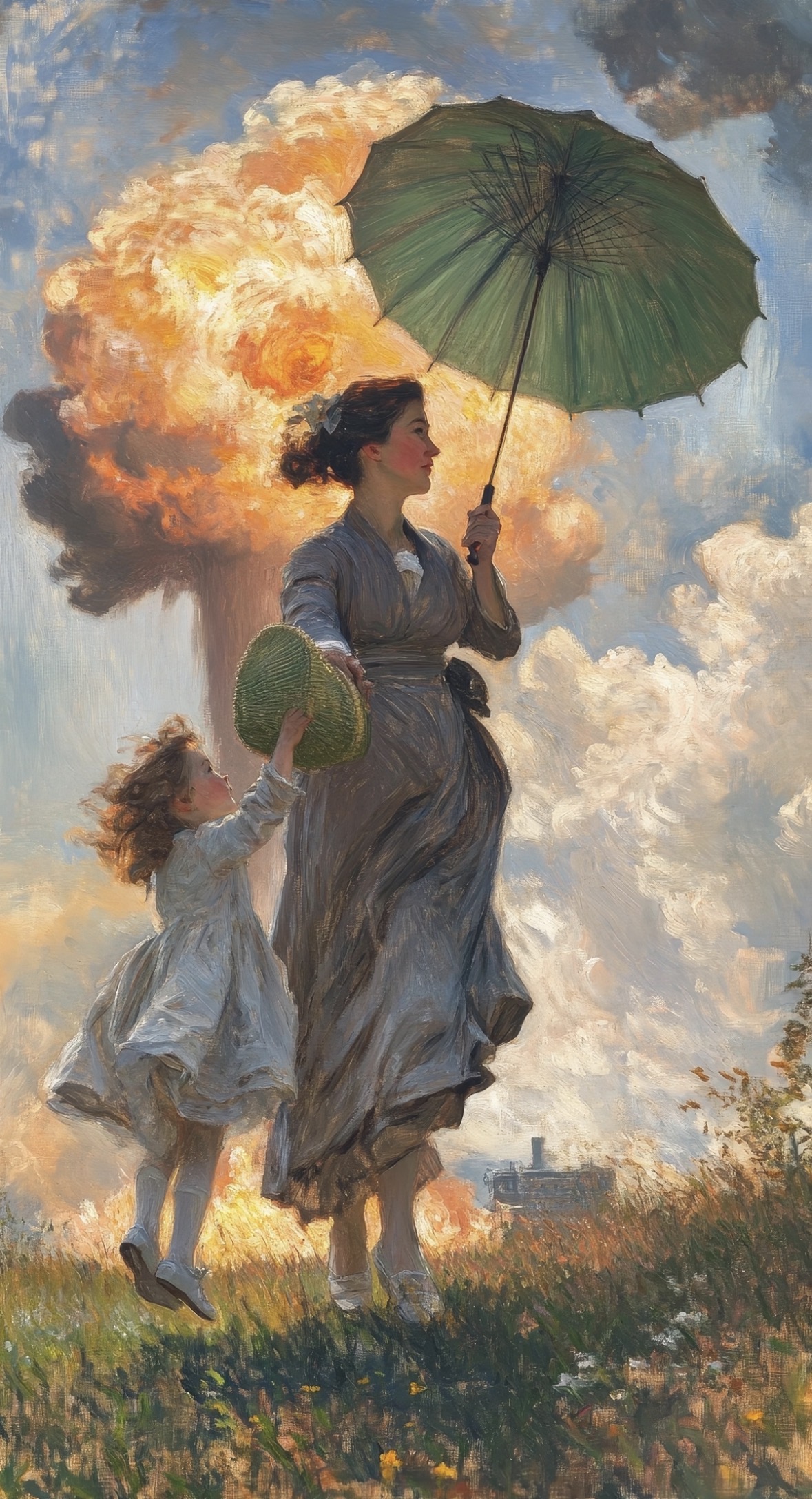
Marat Guelman's exhibition at Ethan Cohen Gallery in New York (April 23–May 30, 2026) features AI-generated monoprints created in collaboration with the Montenegrin digital art group + - Komma. None of the works were painted by Guelman himself; instead, he programmed AI outputs based on historical models by artists like Picasso, Gauguin, Monet, Warhol, Lichtenstein, Turner, Matisse, and Richter. Every piece in the show incorporates an image of an atomic mushroom cloud, a motif Guelman uses to respond to Vladimir Putin's nuclear threats during the Ukraine war.

‘A watershed moment’: Major Brisbane art exhibition opens at prestigious London museum

The Queensland Art Gallery | Gallery of Modern Art (QAGOMA) has exported a major exhibition, "Rising Voices: Contemporary Art from Asia, Australia and the Pacific," to the Victoria & Albert Museum in London. The show, which runs until January 10, 2027, features works collected over 30 years through QAGOMA's Asia Pacific Triennial of Contemporary Art, including pieces by Australian artists Michael Cook, Naomi Hobson, Shirley Macnamara, Ken Thaiday Sr, and Judy Watson, as well as artists from China, Japan, New Zealand, Sri Lanka, Papua New Guinea, and beyond.

Your guide to Christie's 20/21 auction week in New York

Christie's is holding its 20/21 auction week in New York from May 9–22, 2026, featuring seven live auctions and two online sales at its Rockefeller Center galleries. Highlights include the dedicated sale "MASTERPIECES: The Private Collection of S.I. Newhouse" (led by Constantin Brancusi's *Danaïde* and Jackson Pollock's *Number 7A, 1948*), the Impressionist and Modern Art Day Sale, and "Defined Space: The Collection of Henry S. McNeil, Jr.," which focuses on Minimalist works by Donald Judd and Dan Flavin. Other consignors include prominent collectors Agnes Gund, Marian Goodman, and Joanna Carson. The public can view works for free from May 9–21.

An Iranian museum holds a rare exhibit of American art, reflecting on war

The Tehran Museum of Contemporary Art is hosting a rare exhibition of American art, featuring works from its collection that were acquired before the 1979 Islamic Revolution. The show includes pieces by artists such as Andy Warhol, Jackson Pollock, and Mark Rothko, and is presented as a reflection on the complex history of U.S.-Iran relations, including themes of war and cultural exchange.

Art Lovers Movie Club: Elisabeth Brun, ‘Big Tech Blues’, 2025

ArtReview's Art Lovers Movie Club presents Elisabeth Brun's film 'Big Tech Blues' (2025), an auto-documentary that follows a small village in northern Norway as it resists the installation of a SpaceX Starlink 'Gateway' transmission site. The film blends personal essay, documentary footage, and interviews with residents who protest the hub over concerns about noise pollution, radiation, and environmental impact on the rural coastline. Brun contrasts slick Starlink promotional material with slow, intimate scenes of the landscape and community organizing on Facebook, highlighting the irony of using digital tools to fight digital infrastructure.

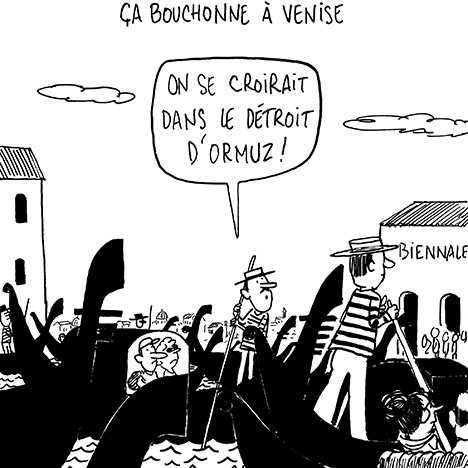
Ça bouchonne à Venise

The latest issue of Le Journal des Arts (No. 677, May 15, 2026) leads with the opening of the Venice Biennale amid a tense climate. Other top stories include the final adoption of a French law on the restitution of cultural property looted during colonization, the V&A East museum's strategy to attract younger audiences, tensions in Giverny over the uneven economic benefits of Monet's legacy, and a market analysis showing the structuring of the Nabis art market.

Décès de Jacques Gairard

Jacques Gairard, a figure in the French art world, has died. The announcement appears in Le Journal des Arts, which also covers the opening of the Venice Biennale amid controversy, the final adoption of a law on the restitution of cultural property looted during colonization, the V&A East's focus on young audiences, the uneven economic impact of Monet's legacy in Giverny, and the structuring of the Nabis art market.

V&A East targets young people

Le V&A East vise les jeunes

The Victoria and Albert Museum has opened a new branch called V&A East in Stratford, east London, within the former Olympic Park. The £135 million (€155.8 million) building, designed by O'Donnell and Tuomey, features 479 sand-colored concrete panels and houses around 500 objects from the V&A's collection across two permanent galleries titled "Why We Make." The museum opened on April 18 and is part of the East Bank cultural complex supported by the London municipality. It prioritizes local engagement and mediation tailored to attract younger audiences, with exhibitions addressing social justice and environmental themes.

What Has the American Inquisition Done to Art?

An exhibition titled "American Inquisition" opened in mid-March at No Place Gallery, an artist-run space in Columbus, Ohio. Featuring paintings by Shiva Addanki and Nikholis Planck, the show draws its name from a statement by the Popular Front for the Liberation of Palestine supporting detained activist Mahmoud Khalil, and its critical framework from Mike Davis's book "Buda's Wagon." Addanki's works depict scenes of US imperial violence, including downed drones and counterinsurgents at detention centers, while Planck's paintings map extractive infrastructure, subverting traditional landscape painting with industrial detritus and petroleum tankers.

Israeli Pavilion artist issued legal warnings before Biennale jury resignation

Belu-Simion Fainaru, the artist representing Israel at the 2026 Venice Biennale, issued legal warnings to the Biennale, the Italian Ministry of Culture, and the Italian Prime Minister’s office after the Golden Lion jury announced it would not consider pavilions from countries whose leaders are charged with crimes against humanity by the International Criminal Court, including Israel and Russia. Fainaru’s legal threats cited alleged antisemitism and nationality-based discrimination. Shortly after, the Biennale jury resigned, prompting organizers to postpone the awards ceremony to the closing day and replace the Golden and Silver Lions with two 'Visitors’ Lions' voted on by attendees, with all national participations eligible.

Au Louvre, des directeurs de département entre responsabilités internes et rôle national

Maximilien Durand has been reappointed as head of the Department of Byzantine and Eastern Christian Arts at the Louvre Museum, a role that carries both internal museum responsibilities and national duties on behalf of the French state. Two decrees signed by Culture Minister Catherine Pégard formalize his renewal: one as head of the museum department, and another as head of the corresponding major heritage department, a status held by only nine of the Louvre's departments.

Bogna Burska and Daniel Kotowski on Representing Poland at the 61st Venice Biennale

Bogna Burska and Daniel Kotowski, representing Poland at the 61st Venice Biennale, plan to exhibit a project inspired by the Choir in Motion (a phonic/sign-language ensemble of hearing and Deaf people), underwater role reversals, and whale communication. Their work explores alternate forms of communication, Deaf Gain, and the retrieval of voices—both human and non-human—aligning with the Biennale's theme "In Minor Keys." The Polish pavilion is located in the Giardini.

The Delicate Bouquet of Roses and Peonies by Redouté and Thilo Westermann at Malmaison

Le délicat bouquet de roses et de pivoines de Redouté et de Thilo Westermann à Malmaison

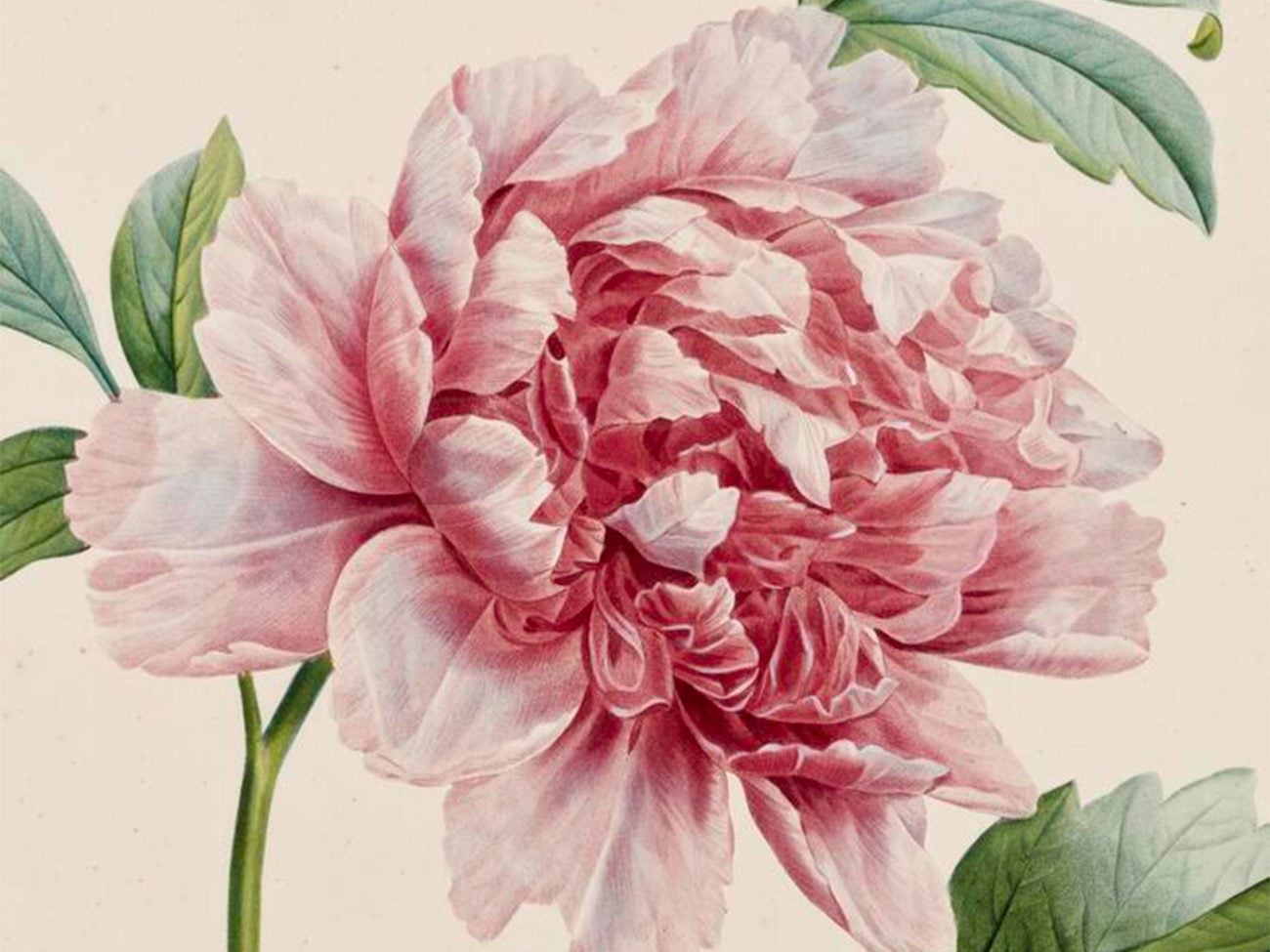
An exhibition titled "Roses & Pivoines" has opened at the Château de Bois-Préau in Malmaison, France, pairing the 19th-century botanical watercolors of Pierre-Joseph Redouté with contemporary glass-painting works by German artist Thilo Westermann. Redouté, famous for his meticulous rose and peony illustrations commissioned by Empress Joséphine Bonaparte, is shown alongside Westermann's pointillist technique on glass, which he developed from 2014 onward. The show also includes works by Jan-Frans van Dael and Cornelis van Spaendonck, plus scent stations for visitors to smell rose essences.

À Nîmes, la peinture sans entrave de Tursic & Mille envahit le Carré d’art

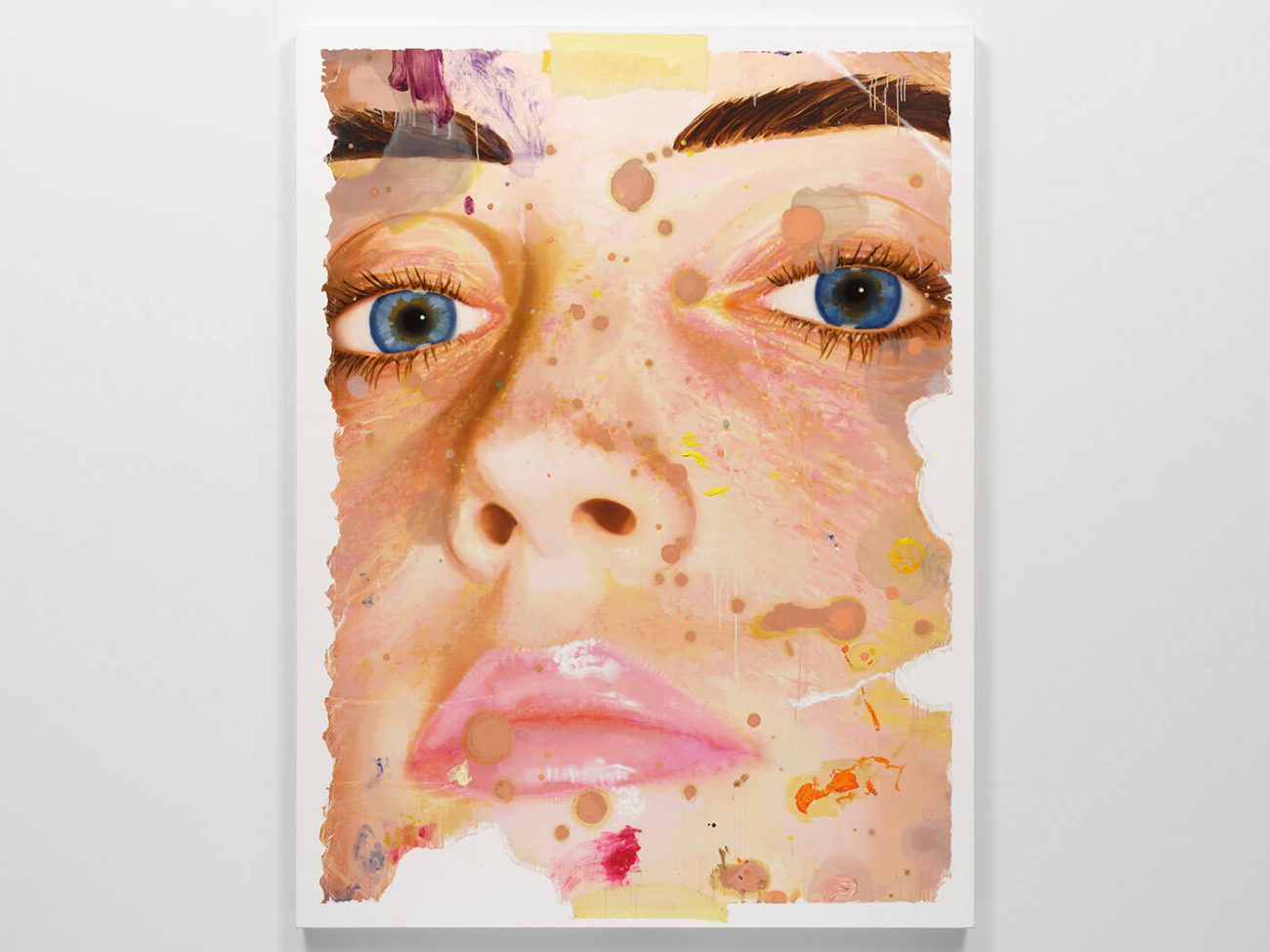
The article covers the retrospective exhibition of French artist duo Ida Tursic and Wilfried Mille at the Carré d'art in Nîmes. Titled "Dissonances à géométries variables," the show traces their career from student works at the École nationale supérieure d'art de Dijon to recent paintings, featuring a critical, humorous, and materially rich approach to figurative painting. The duo draws from press images, internet sources, art history, and archives, disrupting reproductions with paint splatters and odd details, and the exhibition is organized thematically from "happiness" to "melancholy."