filter_list Showing 2679 results for "ADA" close Clear
search
dashboard All 2679 museum exhibitions 1283article news 338trending_up market 335article local 237article culture 213person people 101article policy 70rate_review review 48gavel restitution 26candle obituary 24article events 2article event 2
date_range Range Today This Week This Month All
Subscribe

The Interview: Kei Ishikawa

Filmmaker Kei Ishikawa has adapted Kazuo Ishiguro's debut novel, 'A Pale View of Hills,' into a feature film, with Ishiguro serving as executive producer. The film expands the novel's dual-timeline narrative, set in post-war Nagasaki and 1980s England, and introduces a decisive narrative closure not found in the original text. It features performances from leading Japanese actors and meticulous period detail.

Exhibition catalogs printed in China

Les catalogues d’expositions imprimés en Chine

Le Journal des Arts reports on several developments in the art world: the return of American Rousseau works to Paris, the growing trend of outsourcing museum reception services, the New Museum's expansion, challenges facing the Musée des tissus, and Art Brussels adapting to contemporary trends. These stories cover a range of topics from exhibition logistics to institutional change.

Beyond the Sagrada Família: These 6 Surprising Places in Barcelona Reveal a Lesser-Known Gaudí

Au-delà de la Sagrada Família, ces 6 lieux étonnants à Barcelone qui révèlent un Gaudí méconnu

Beaux Arts Magazine highlights six lesser-known architectural works by Antoni Gaudí in Barcelona, beyond his famous Sagrada Família. The article features Casa Vicens (1883–1885), his first private commission; Torre Bellesguard (1900–1909), a medieval-inspired tower with panoramic views; Casa Calvet (1897), a residential building with textile-themed details; and the Finca Güell and Palau Güell, experimental projects for his patron Eusebi Güell. These sites showcase Gaudí's organic style, fusion of nature and architecture, and influences from Japanese, Arabic, and Catalan Gothic traditions, with several recently opened to the public.

In the new film Nagi Notes, art is a vessel for characters’ desires

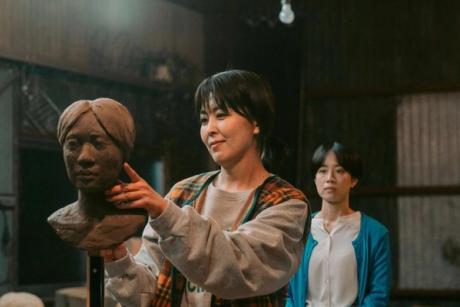
Japanese writer-director Koji Fukada's new film *Nagi Notes* premiered on 13 May at the Cannes Film Festival. The story follows Yuri (Shizuka Ishibashi), who visits the remote town of Nagi to sit for a sculptor friend, Yoriko (Takako Matsu). The film explores how characters use art—from drawings to sculptural busts—as a medium to express unspoken desires, grief, and identity, with key scenes set at the Nagi Museum of Contemporary Art featuring a permanent installation by Arakawa and Madeline Gins.

Political Fallout Rocks Venice Biennale Prize System

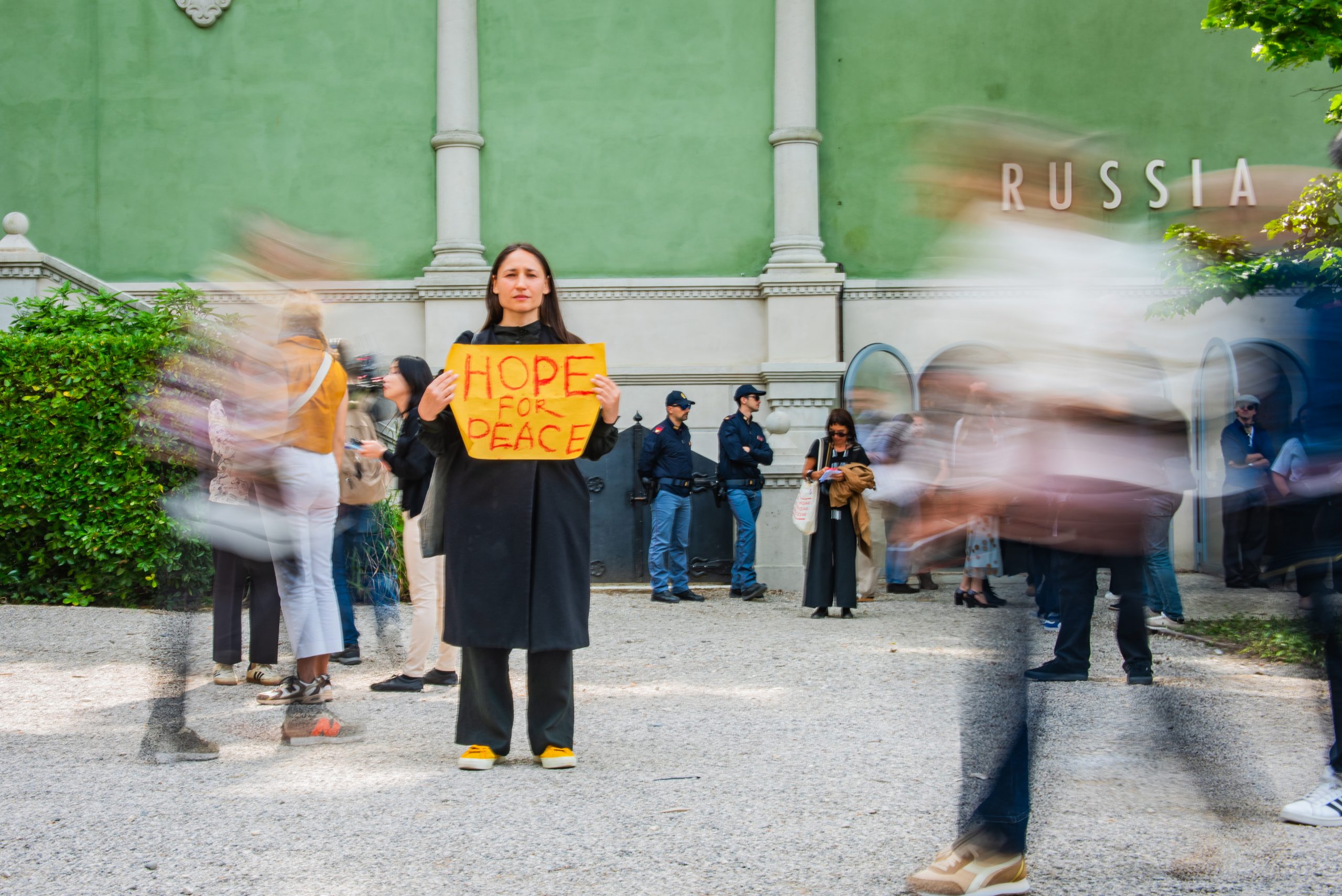
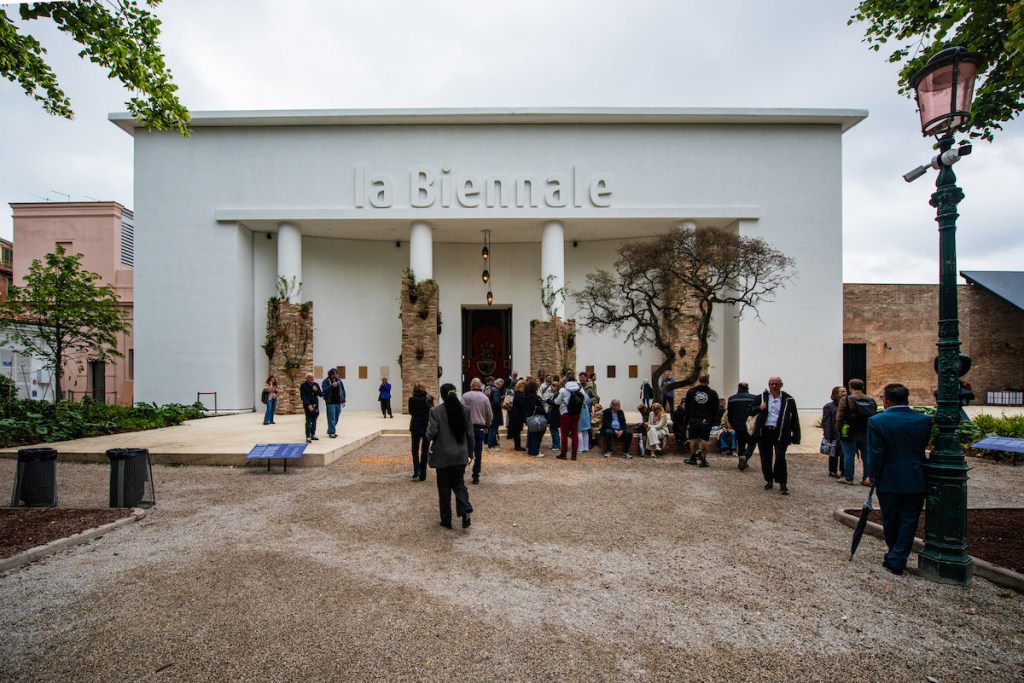
Dozens of artists participating in the 2026 Venice Biennale have withdrawn from consideration for the newly created Visitor Lion awards, replacing the traditional Gold and Silver Lion prizes. A total of 57 artists from the main exhibition and 22 national pavilions signed a statement published on e-flux on May 9, acting in solidarity with the five-person prize jury that resigned on April 30 over the continued participation of Russia and Israel. The jury had objected to awarding prizes to artists from countries whose leaders face International Criminal Court charges, including Russian president Vladimir Putin and Israeli prime minister Benjamin Netanyahu. In response, the Biennale organizers postponed the awards ceremony to November 22 and introduced visitor voting, a move they described as consistent with openness and dialogue. Meanwhile, the Russian Pavilion, which returned after lending its space to Bolivia in 2024, faced protests, closure after previews, and a €2 million funding pull by the European Union for the 2028 Biennale.

Venice Biennale Artists Decline Consideration for Golden Lions Chosen by Public Vote

Nearly half of the artists in the main exhibition of the Venice Biennale have signed a statement declining consideration for the Golden Lion awards, in solidarity with the jury that resigned last month. The statement, published by e-flux, includes prominent names such as Alfredo Jaar, Tuan Andrew Nguyen, Otobong Nkanga, and Walid Raad, as well as national pavilion representatives from France, Lithuania, and the Netherlands. The Biennale had planned to replace the jury-selected Golden Lions with "Visitor Lions" decided by public vote, but the artists' refusal marks an unprecedented protest within the exhibition.

At the Venice Biennale, Ukraine’s Pinchuk Art Centre finds fragile moments of joy amid loss

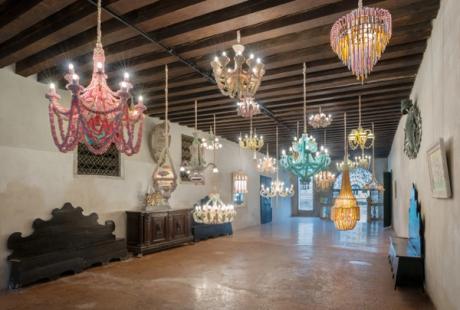
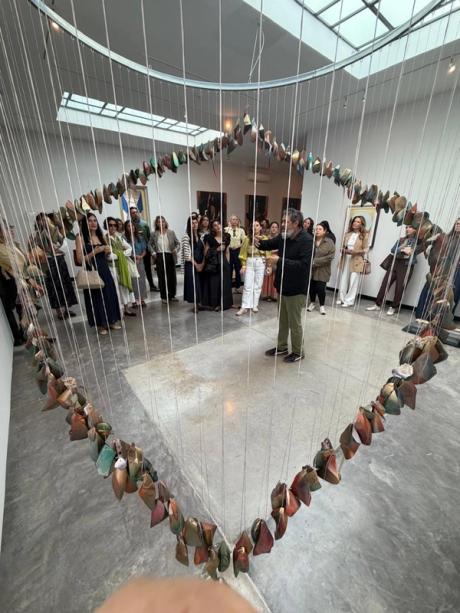
The Pinchuk Art Centre in Kyiv has transformed its Venice Biennale presentation from a glamorous celebration of young artists into a somber exhibition responding to the Russian invasion of Ukraine. This year's show, titled "Still Joy — From Ukraine into the World" (9 May-1 August) at the Palazzo Contarini-Polignac, features works by international artists like Tacita Dean and Julian Charriere alongside Ukrainian artists, as well as testimonials from soldiers collected by former marine Hlib Stryzhko. The exhibition explores how joy can persist amid trauma, with installations including pink scrolls bearing survivors' quotes, light box photographs of bombed interiors with rescued pot plants, and a sculpture of bells with displaced women's fingerprints.

Drained, Drowning, and Decay: The Best National Pavilions at the Venice Biennale

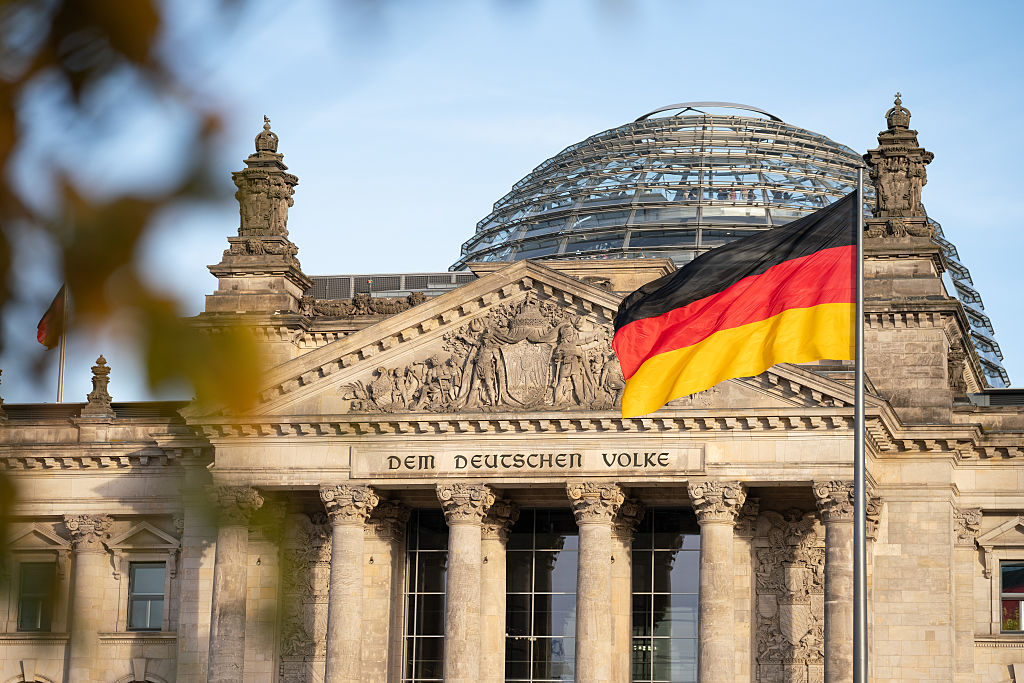
The 2026 Venice Biennale is defined by themes of ruin and decay, with standout national pavilions exploring bodily, infrastructural, and archaeological collapse. The Slovenian Pavilion features the Nonument Group repurposing materials from past Biennales into a ruin of a mosque for Bosnian Muslim soldiers from World War I. Syria presents its first national pavilion since the Civil War, with Sara Shamma invoking Palmyra, destroyed by ISIS. Germany's pavilion, titled "Ruin," features works by Henrike Naumann (who died in February) and Sung Tieu, questioning the pavilion's fascist architecture and nationalist residue. The Austrian Pavilion, curated by Florentina Holzinger, offers a visceral performance titled "Sea World." The Biennale is also marked by the abrupt resignation of its five-member jury, who refused to consider nations charged with crimes against humanity, leading to awards being chosen by public vote. Additionally, the main exhibition "In Minor Keys" was affected by the death of its curator, Koyo Kouoh.

Parasol Unit returns with a showcase of women from Central Asia and beyond

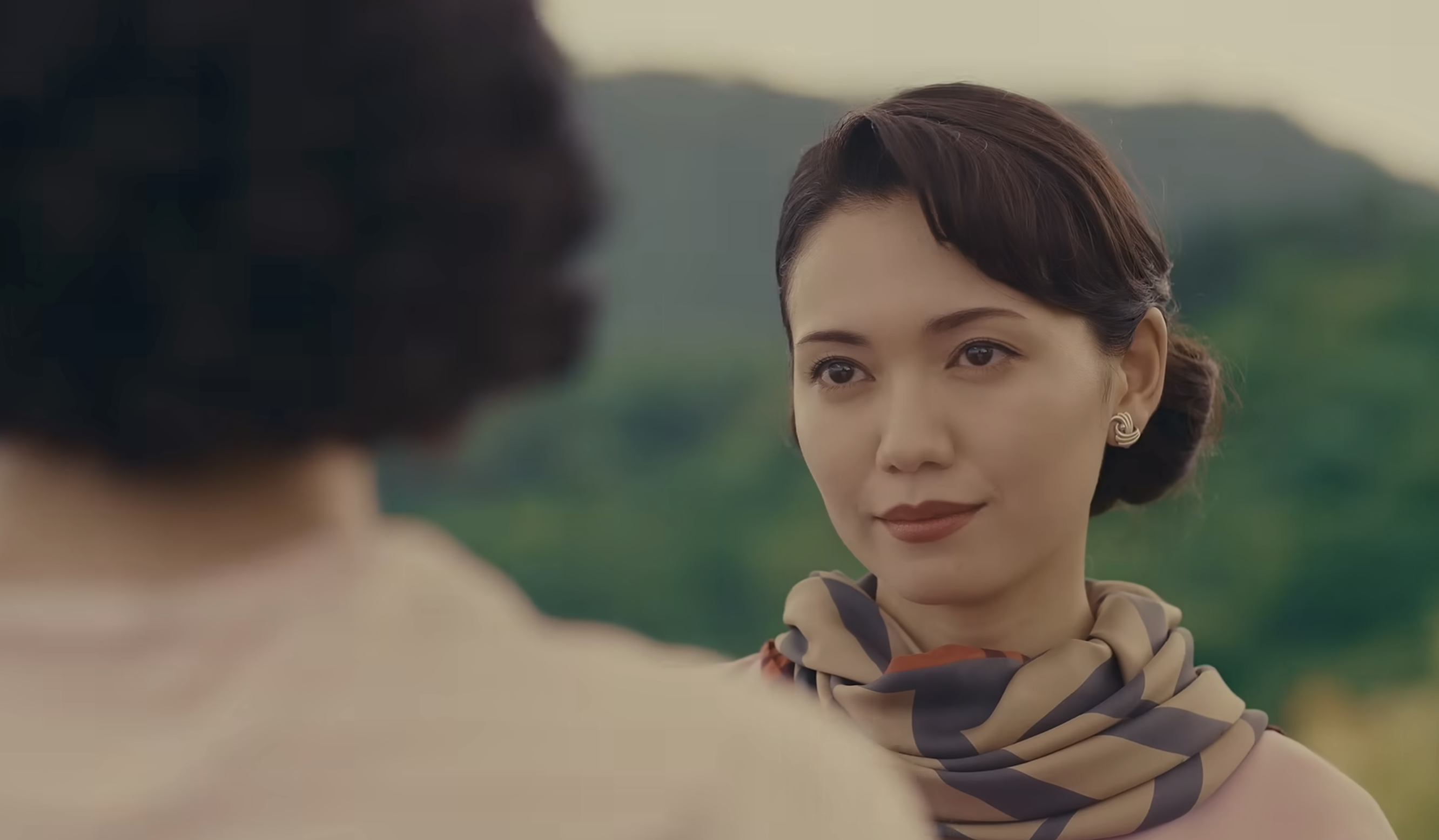
Parasol Unit, the London non-profit exhibition space that closed in 2020 after 16 years, has relaunched with a new exhibition titled "Turandot: To the Daughters of the East" as an official collateral event of the Venice Biennale. Held at the historic Palazzo Franchetti, the show features 11 female artists from Central Asia and surrounding regions, curated by founder Ziba Ardalan. The exhibition spans video, installation, sculpture, painting, textile, and sound works by artists including Lida Abdul, Huma Bhabha, Mona Hatoum, and Tala Madani, and runs from 9 May to 31 October.

Venice Diary Day 2: “In Minor Keys” Is a Major Statement on Perseverance and Play

The article is a diary entry from the 2026 Venice Biennale, focusing on the exhibition "In Minor Keys" curated by the late Koyo Kouoh. The author describes an emotional experience, beginning with a poem by Refaat Alareer on the Arsenale wall, and highlights works by Guadalupe Maravilla, Alexa Kumiko Hatanaka, and others that address themes of perseverance, healing, and survival. Maravilla's sculptures reference a child kidnapped by ICE, while Hatanaka's linocuts explore bipolar disorder as an adaptive trait. The show also features artist-led collectives like Denniston Hill and fierce pussy, emphasizing institution-building and world-making.
First Impressions of a Venice Biennale Torn Apart by the Present

The 61st Venice Biennale, titled "In Minor Keys," opens amid turmoil: its curator Koyo Kouoh died of cancer during planning, and the festival jury resigned after a controversial statement about excluding Israel and Russia from prizes, replaced by a Eurovision-style people's choice award. The main exhibition, completed by a team of five collaborators using Kouoh's plans, features over 110 artists and collectives, with highlights including works by Big Chief Demond Melanchon, Tammy Nguyen, Guadalupe Maravilla, Ayrson Heráclito, and a section focused on Michael Armitage's Nairobi Contemporary Art Institute.

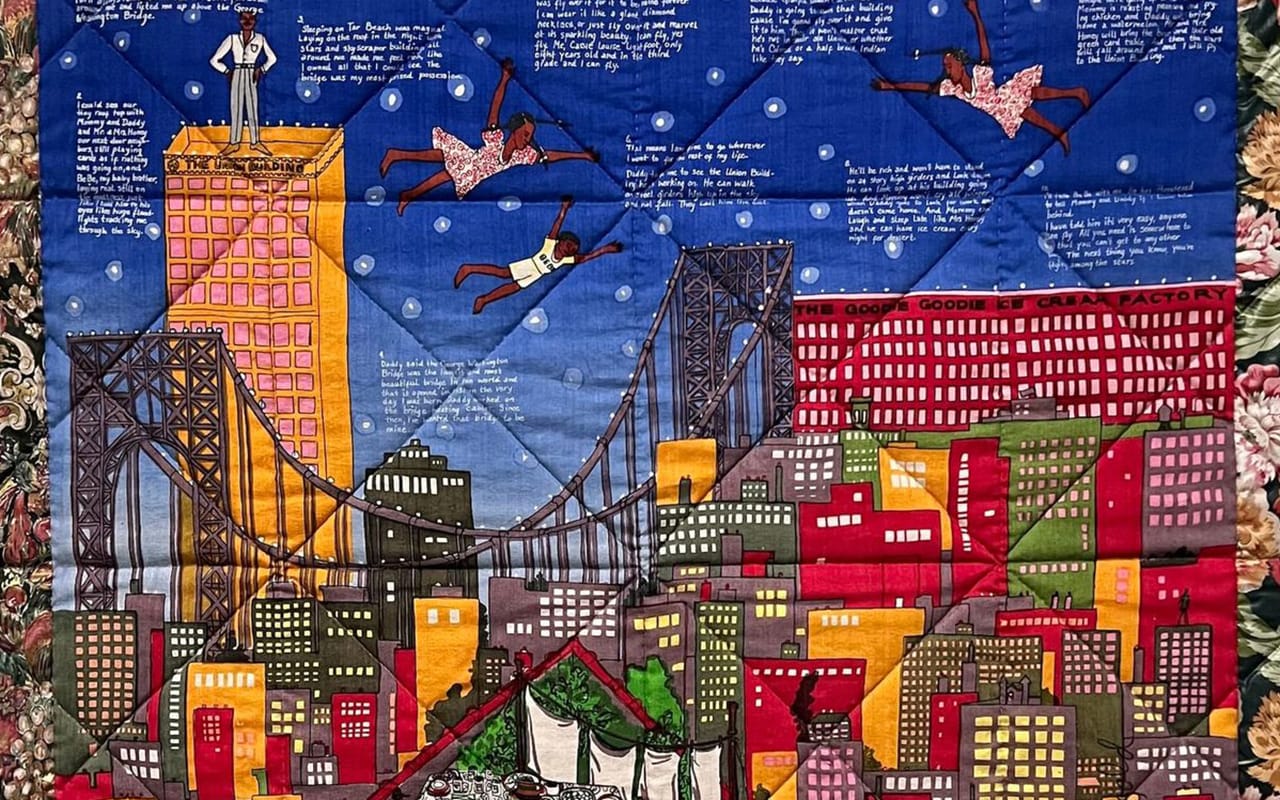
May Book Bag: from a guide on entering the art world to a publication about artists influenced by Ovid’s Metamorphoses

The May Book Bag article from The Art Newspaper reviews four new art-related publications. It covers "Metamorphoses: Ovid and the Arts," edited by Francesca Cappelletti and Frits Scholten, which examines Ovid's influence on Western art through works by artists like Titian, Caravaggio, and Louise Bourgeois. Other featured books include Hettie Judah's "How to Enter the Art World," a practical guide for emerging artists; "Derrick Adams: Prints," showcasing the artist's printmaking from 2019-2025; and "Whistler's Legacy" by Daniel Sutherland, which explores the legacy of James Abbott McNeill Whistler through his close associates.

‘She had a fresh, informed eye’: mural depicting late Venice Biennale curator Koyo Kouoh displayed in lagoon city

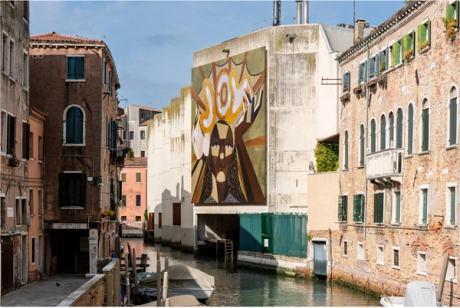
A mural honoring Koyo Kouoh, the late curator of the 2025 Venice Biennale, has been unveiled in Venice. Created by US artist Derrick Adams, the collage titled "Heavy is the head that wears the crown" adorns the facade of the Palazzetto dello sport Giobatta Gianquinto near the Arsenale. Kouoh died on 10 May 2025 at age 57 after a cancer diagnosis. The tribute was organized by curator Francesco Bonami, who had invited Kouoh to join the jury for the 50th Venice Biennale in 2003.

Texas Man Who Orchestrated $20 M. Crypto Scam Based on Fictitious Van Gogh and Picasso Masterpieces Sentenced to 23 Years in Prison

A Houston man, Robert Dunlap, was sentenced to 23 years in federal prison for orchestrating a $20 million cryptocurrency scam. Between 2018 and 2023, Dunlap defrauded nearly 1,000 investors by promoting a digital asset called “Meta-1 Coin,” falsely claiming it was backed by a $1 billion art collection featuring works by Salvador Dalí, Vincent van Gogh, and Pablo Picasso, as well as $44 billion in gold. He used forged legal and insurance documents to conceal that he owned neither the art nor the gold. A federal jury in the Northern District of Illinois convicted him on mail fraud charges in 2025, and US District Judge LaShonda A. Hunt imposed the sentence, also ordering restitution.

Venice Bound? Here’s All the News You Need to Know About This Year’s Biennale

The 61st Venice Biennale is embroiled in geopolitical controversy over Russia's return to the event in 2026, which has sparked widespread backlash. Nearly 10,000 artists and cultural leaders signed an open letter opposing Russia's participation, and the European Union withdrew €2 million in funding for the 2028 edition. Leaked emails reveal Biennale officials worked with Russian pavilion commissioner Anastasia Karneeva to circumvent EU sanctions, while Italy's culture minister Alessandro Giuli plans to boycott the opening week. Meanwhile, activists continue to push for Israel's removal from the Biennale, though Israel will be accommodated in the Arsenale this year.

The forgotten Chinese conceptualists: Melbourne show brings together works by New Measurement Group

An exhibition at Buxton Contemporary in Melbourne, titled "Poetry Goes No Further Than Language: a Historical Moment of Art Becoming Art Again," brings together the complete artistic output of the New Measurement Group, a pioneering Chinese conceptual art collective from Beijing, alongside four conceptual experiments by Shanghai-based artist Qian Weikang. Curated by Carol Yinghua Lu and artist Liu Ding, the show aims to reassess early Chinese conceptual art, featuring works by the New Measurement Group (Chen Shaoping, Gu Dexin, Wang Luyan), pieces from the New Wave art movement, and new commissions by Melbourne artist Darcey Bella Arnold. The curators faced challenges locating the group's five publications, including one purchased on eBay from Europe, and used re-enactment and re-fabrication to recreate lost works like Qian's "Ladder Poem" (1990).

Newsmakers: Nalini Malani Lets the Walls Speak with a New Installation in Venice

Nalini Malani's latest installation, *Of Woman Born*, opens at the Magazzini del Sale in Venice during the Venice Biennale. Commissioned by the Kiran Nadar Museum of Art, the work projects hand-drawn animations onto the crumbling brick walls of a 15th-century salt warehouse, creating a cave-like environment where images flicker like ancient cave paintings. The installation draws on tens of thousands of drawings and incorporates mythology, literature, and sound, with a central focus on the myth of Orestes to explore themes of violence, displacement, and gender politics. Malani has also extended her recurring 'Skipping Girl' figure across Venice via posters and public signage to guide viewers to the exhibition.

Sharjah Biennial Lines Up 109 Artists for 2027 Edition, Titled ‘What Remains, Sits Restive’

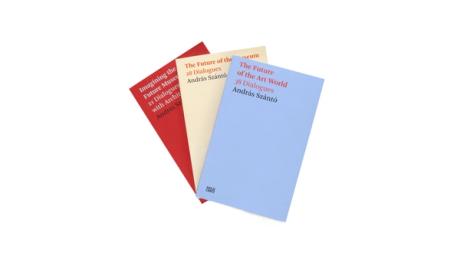
Final book in trilogy asks: What is the future of the art world?

Cultural strategist András Szántó has published the third and final volume of his trilogy on the future of museums, titled *What Is the Future of the Art World?*. The book features dialogues with a wide range of art-world figures—including gallerists José Kuri and Atsuko Ninagawa, collectors Alain Servais and Sylvain Levy, artists William Kentridge and Holly Herndon & Mathew Dryhurst, curator Fatoş Üstek, network scientist Albert-László Barabási, former Art Basel director Marc Spiegler, and Sheikha Al-Mayassa Al Thani—who discuss topics such as the definition of the art world, its rules, and its future trajectory. Szántó notes that there is no consensus on whether the art world is still expanding or entering a phase of slowdown, with different regions moving on divergent paths.

Is A Random Unknown Artist More Valuable Than Picasso? AI Thinks So.

An experiment using a custom AI model to evaluate artistic value independent of market context found that the model assigned a seven-figure price to an unknown street artist's work while valuing a Picasso at under $1,000. The project, run by an art journalist with a data scientist and an AI expert, trained a Fine Art Large Vision Model on millions of images and price data. Without metadata like artist name or gallery affiliation, the model's predictions were technically interesting but commercially useless; only when those market signals were added did predictions align with real auction outcomes.

How Art Firms Are—or Should Be—Using A.I. Right Now

Art firms are increasingly experimenting with artificial intelligence, but concrete use cases remain limited and industry-specific tools are still in their infancy. A new partnership between Bonhams and tech company ARTDAI aims to apply AI to market analytics, valuation, and specialist research, while companies like Artsy and Artnet are integrating AI capabilities into their platforms. Industry experts, including former Art Basel chief Marc Spiegler, note that the art market's small size has historically discouraged tech development, but AI now makes high-performance tools accessible to smaller businesses.

Prominent German Art Foundation Accuses Top Culture Official of ‘Attempted Intimidation’

Jurors from the Kunstfonds Foundation, a major German contemporary art funding body, have accused Minister of State for Culture Wolfram Weimer of attempted intimidation and political interference. The conflict erupted after Weimer requested the names of the independent jury members, a move the foundation views as a threat to artistic freedom. This follows a separate controversy where Weimer reportedly consulted domestic intelligence to exclude bookstores with left-wing leanings from a national award.

Painting Has Entered Its Performance Era

The rise of short-form video platforms like Instagram and TikTok has transformed painting from a static medium into a performative spectacle. To compete with algorithmic preferences for transformation and speed, artists are adopting specific visual grammars such as the "art reveal"—where a canvas is dramatically flipped toward the camera—and "speed painting," which turns the creation process into a high-stakes live event. These trends emphasize the labor and human presence behind the work, often utilizing emotional storytelling and direct engagement to build dedicated fanbases outside traditional gallery structures.

New Bienal de Yucatán to spotlight Mexican region’s growing art scene

The city of Mérida is set to host the inaugural Bienal de Yucatán from November 2026 to February 2027, marking a significant milestone for the region's burgeoning contemporary art scene. Spearheaded by patron and curator Catherine Petitgas with artist Abraham Cruzvillegas serving as artistic director, the biennial aims to provide a formal platform for the city's dense ecosystem of over 40 galleries, international artist studios, and the Universidad de las Artes de Yucatán (UNAY). The announcement follows the successful debut of the Week of Art Yucatán (WAY), a multi-venue festival that showcased the city's unique blend of repurposed industrial spaces and traditional haciendas.

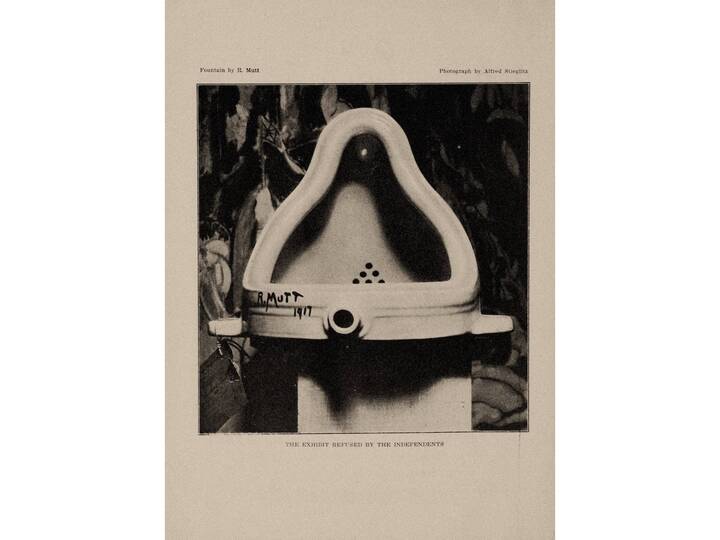
What Made Marcel Duchamp’s Readymades So Revolutionary?

Marcel Duchamp transformed the trajectory of 20th-century art by introducing the 'Readymade,' a concept where mass-produced, everyday objects are elevated to the status of art through the artist's selection rather than manual craft. Beginning with a bicycle wheel in 1913 and a bottle rack in 1914, Duchamp eventually formalized the term during a 1915 stay in New York, where the city's industrial modernity and lack of rigid class structures inspired him to challenge traditional definitions of creativity.

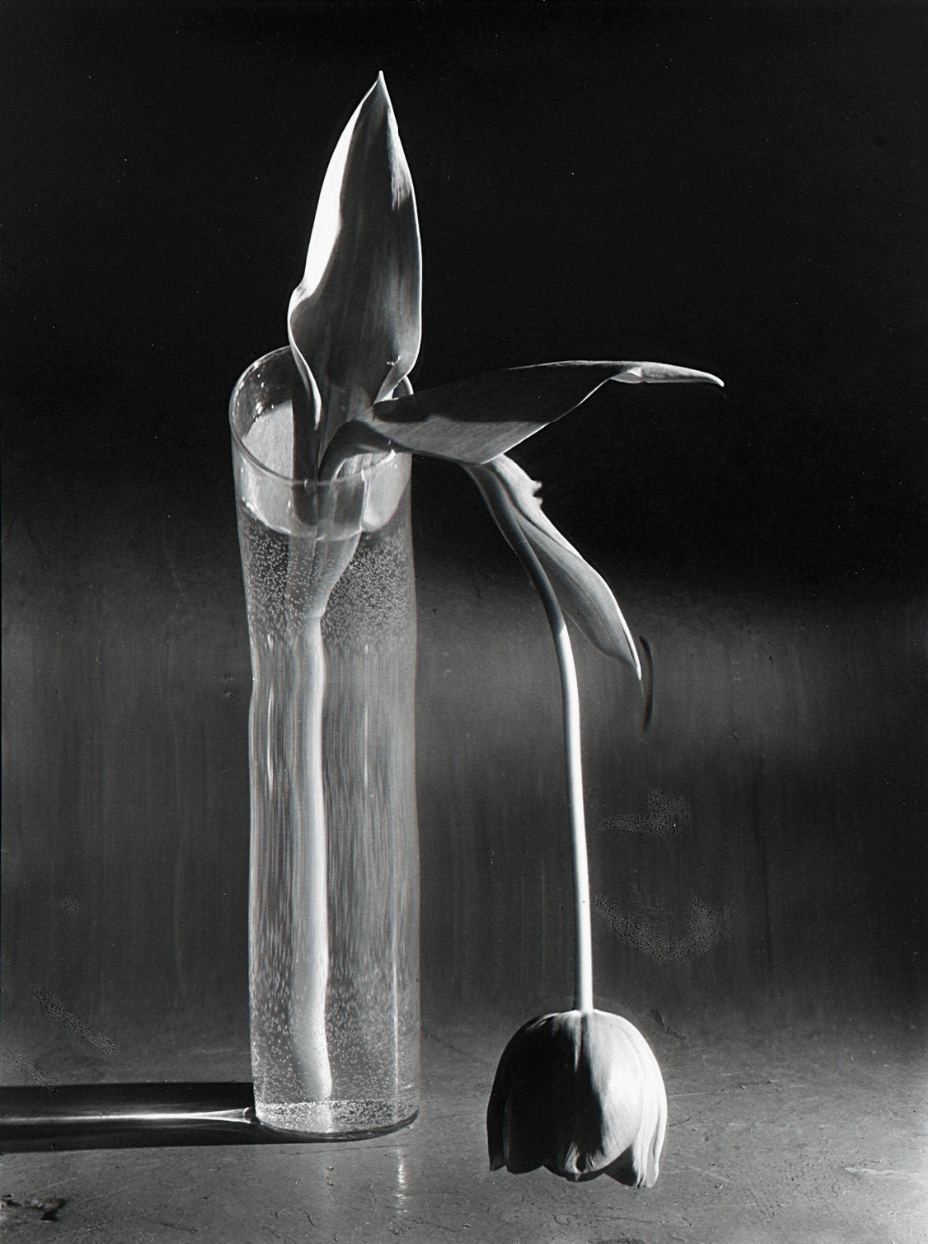
Dealer Scott Nichols on His Lasting Love for Iconic California Photographers

Veteran art dealer Scott Nichols reflects on his long-standing career and the evolution of his eponymous gallery, which specialized in 20th-century California photography for nearly three decades in San Francisco before relocating to Sonoma in 2019. The gallery is renowned for its deep expertise in Group f.64, maintaining one of the largest private collections of Brett Weston’s work alongside masterpieces by Ansel Adams, Dorothea Lange, and Imogen Cunningham.

‘It’s essential for understanding what is going on in Ukraine’: new exhibition explores wartime limb loss

Prominent Ukrainian artist Nikita Kadan is launching a new exhibition titled 'A New Integrity' at Pavilion 13 in Kyiv. The installation features prostheses suspended in mid-air, accompanied by a soundscape of recorded testimonies from veterans who have experienced limb loss during the ongoing Russian invasion. The project, commissioned by the non-profit RIBBON International, uses these mechanical replacements to symbolize the broader losses of territory, people, and future perspectives that Ukraine has endured.

Unlike Josh Kline, I Choose New York

Artist Josh Kline’s recent essay on the devastating impact of New York City’s real estate market on the arts has sparked a heated debate regarding the city's future as a creative hub. While Kline argues that the 'polycrisis' of high rents and student debt is stifling artists born after 1975, this response critiques his generational focus, suggesting that the struggle for affordability is a structural issue affecting artists of all ages, particularly those from marginalized backgrounds who have faced these barriers for decades.

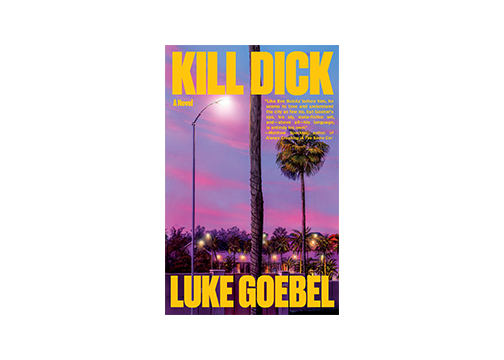
Bicoastal Art World Satire ‘Kill Dick’ Imagines Sackler Revenge

Luke Goebel's new novel 'Kill Dick' is a satirical, chaotic takedown of the contemporary art world and its entanglement with the Sackler family, fictionalized here as the Sicklers. The book follows protagonist Susie, the daughter of the Sickler family lawyer, as she navigates addiction, familial disgust, and a numbed existence against the backdrop of 2016 America. Its prose is deliberately abrasive and shocking, mirroring the emotional state of its narrator.

Yto Barrada Says France Had ‘Full Awareness’ of Her Views on Israel When It Chose Her for Venice Biennale

Artist Yto Barrada, selected to represent France at the Venice Biennale, has stated that the French government and pavilion organizers were fully aware of her political views when they chose her. This follows criticism from the Representative Council of French Jewish Institutions (CRIF), which denounced Barrada for signing an open letter calling for Israel's exclusion from the Biennale and suggested the government should force her to withdraw her signature.